10. Fundamentals of Databases AQA A-Level Computer Science
 Call Kai
 Learn
Learn Practice Test
 Spaced Repetition
 Match
Match Flashcards
 Knowt Play
1/24

Earn XP
Description and Tags
Name | Mastery | Learn | Test | Matching | Spaced | Call with Kai | Chat |
|---|
No analytics yet
Send a link to your students to track their progress
25 Terms
Database
They are a collection of organised information so the information can be easily accessed, processes and managed.
Database Management System (DBMS)
It is a software package designed to define, manipulate, retrieve and manage data in a database
Entity
It is one type of object.
Attribute
They describe the entity
They are also called fields or columns.
How is a database table organised?
In records, they can also be called rows.
Data Models
They define how data is connected to each other and how they are processed and stored inside the system.
Designed to allow easy data input.
Relational Database
It is a database that has been designed and structured so that the relationships among different entities are identified by shared attributes among different entities.
Primary Key
It is a unique identifier for a record
Foreign Key
It is a primary key from a different table used to define the relationship.
Composite Key
It is a combination of two or more attributes in a table that can be used uniquely to identify each record in the table.
Relationship
One-to-One
One entity can relate to the other entity exactly once.
Relationship
One-to-Many
One entity can relate to the other entity more than once.
Relationship
Many-to-Many
One entity can appeal multiple times in the other entity and vice versa.
First Normal Form (1NF)
It has no repeating attribute/field or groups of attributes.
It contains only atomic values.
Second Normal Form (2NF)
It is in the first normal form and all the non-key attributes are fully functional dependant on the primary key.
This is partially dependant on the primary key only occurs if there is a composite key.
Third Normal Form (3NF)
It is in second normal form and there is no non-key dependancies or no attributes depending on other attributes.
Database Normalisation
To reduce data redundancy.
To maintain data integrity.
Smaller tables, faster indexing, fast sorting, searching, updating.
No accidental deleting a record.
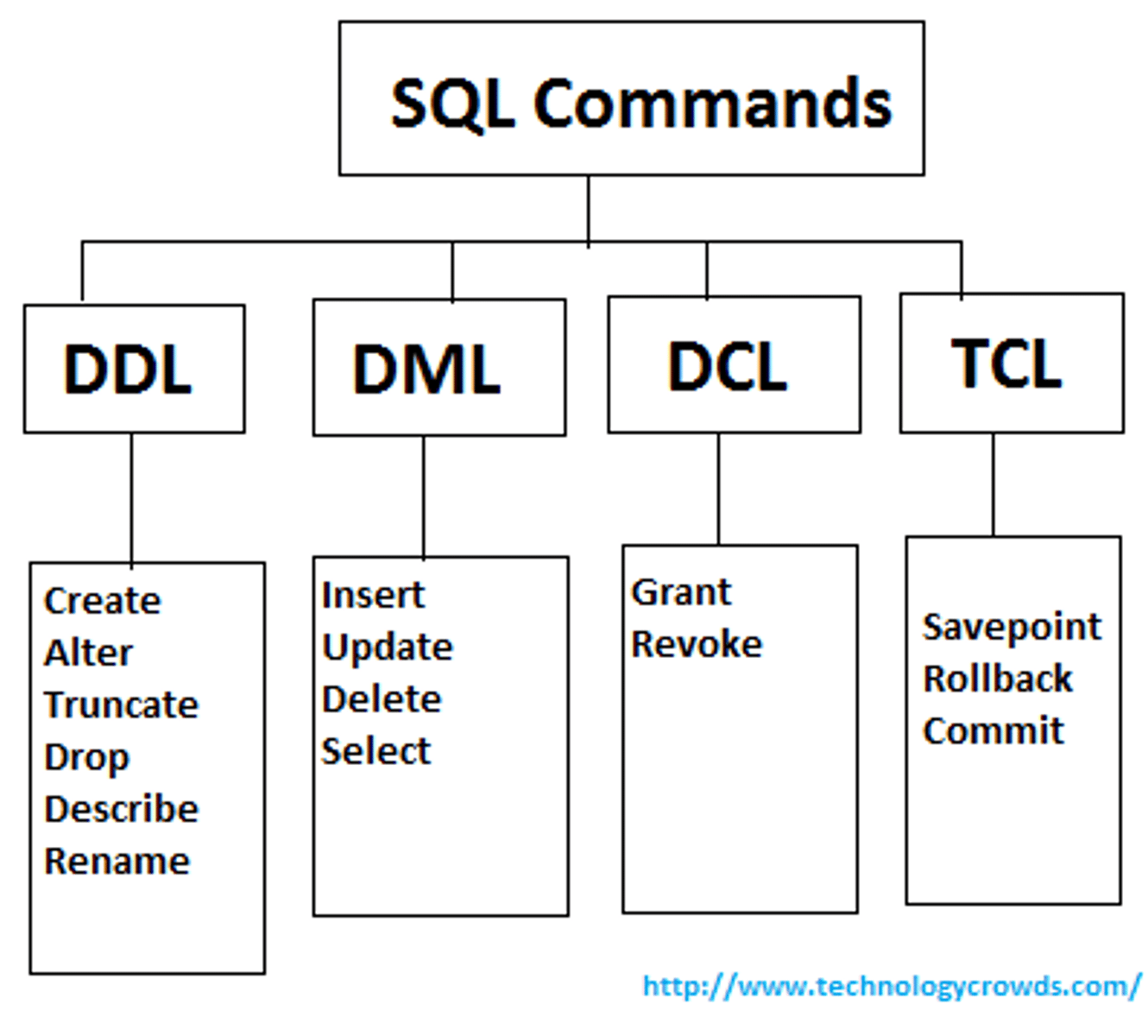
DDL (Data Definition Language)
It is a standard for commands that define the different structures in a database.
Statements create, modify and remove database objects like tables.
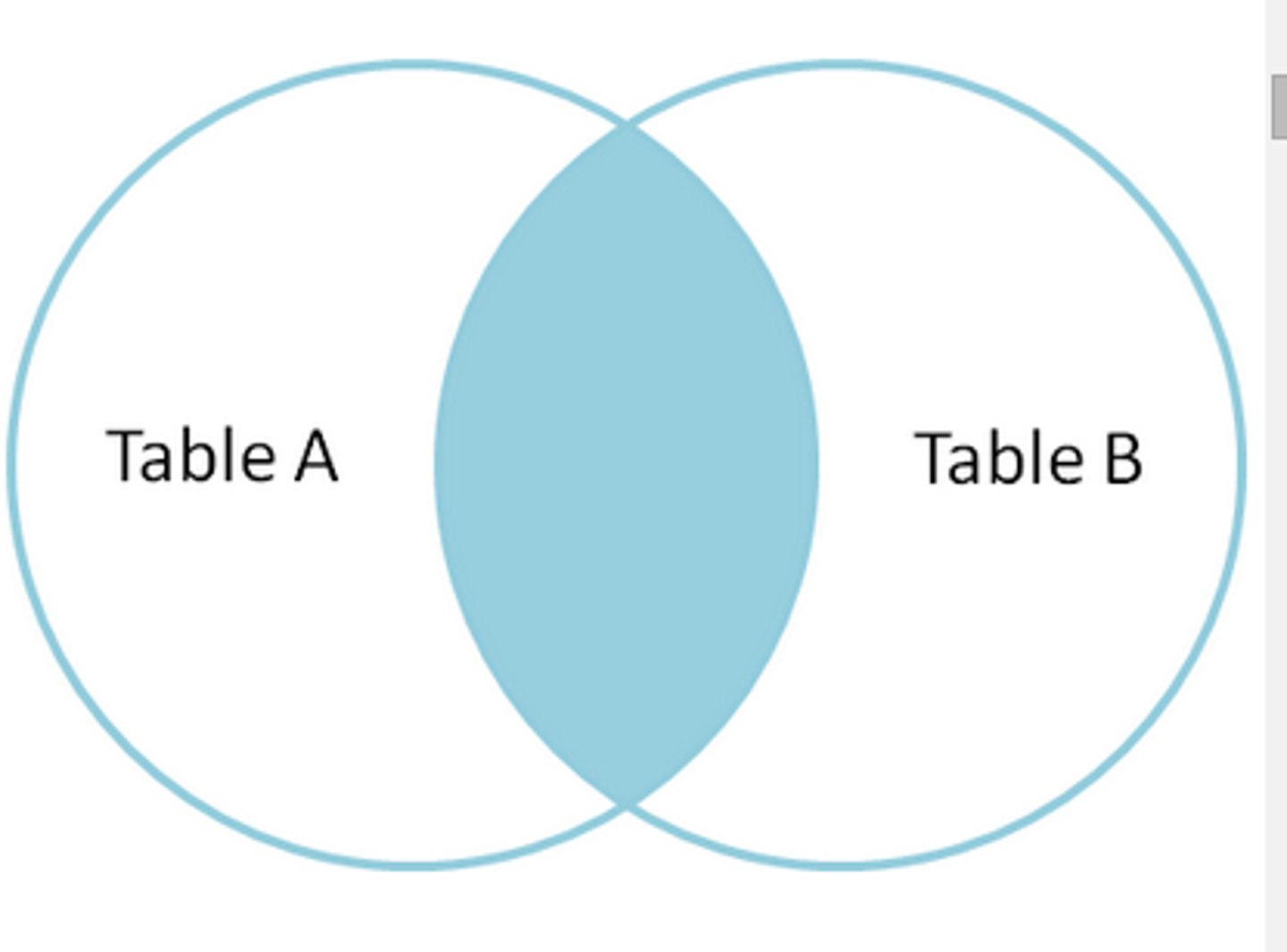
Inner join
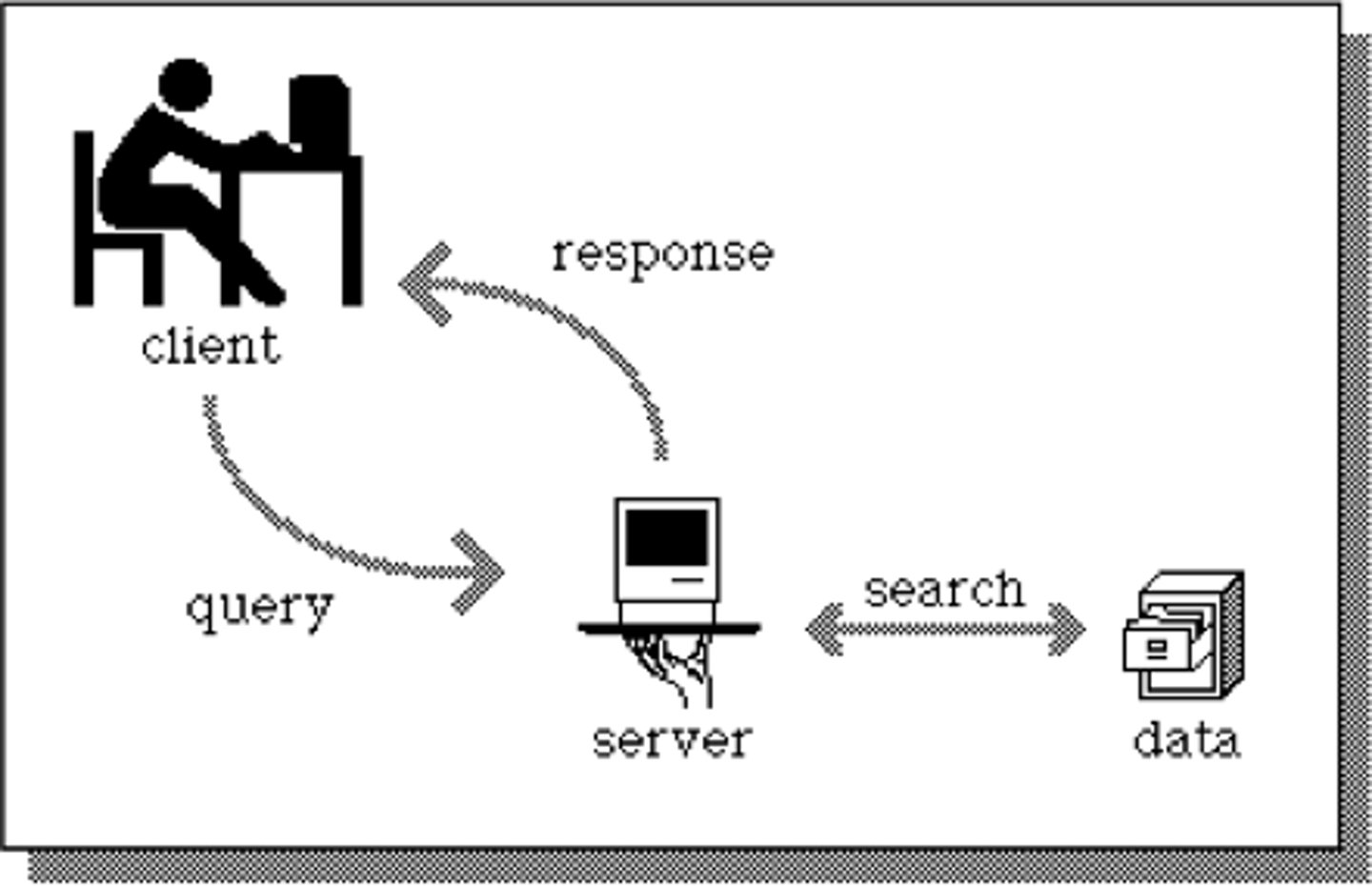
Client-Server Database Model
It is a centralised database server dealing with many requests from different clients on different PCs
Advantages of using a Client-Server Database Model
Avoids data inconsistency since only one copy of the database is accessed.
All updates will be immediately available to all clients.
Avoid expensive cost of resources required to have multiple copies of a database.
Access rights and security can be centrally managed.
Disadvantages of using a Client-Server Database Model
When clients update the same record at the same time, some updates will be lost.
To prevent data inconsistency, a DBMS uses record locking mechanism - whenever a record is being updated, it is being locked until the transaction is completed or cancelled.
Serialisation
It is a mechanism to ensure there is not transactions overlap in time. A transaction cannot start until the previous one has finished.
Serialisation Techniques
Timestamp Ordering
A timestamp is given at the start of each transaction. For two transactions updating the same record, the transaction with the earlier timestamp will be applied first.
Serialisation Techniques
Commitment Ordering
Transactions are ordered by their dependencies on each other as well as the time they started.
If the transaction has dependencies on another, it it blocked until the dependent-upon transactions have finished/committed.