bio111 unit 4
 Call Kai
 Learn
Learn Practice Test
 Spaced Repetition
 Match
Match Flashcards
 Knowt Play
1/51

There's no tags or description
Looks like no tags are added yet.
Name | Mastery | Learn | Test | Matching | Spaced | Call with Kai | Chat |
|---|
No analytics yet
Send a link to your students to track their progress
52 Terms
parts of a virus
obligate intracellular parasite
contains genetic material (DNA/RNA)
protein capsid
Sometimes: envelope (remnants of infected cell plasma membrane)
influenza
genetic material: RNA
spike proteins
bind to receptors and influence function
Influenza A H spikes
bind to receptors on host cell
Influenza A: N spikes
penetrating host is easier
break down immune system (mucous membrane in respiratory tract)
makes us sick
how are viruses named
host (if not human)
type (a or b)
strain (H/N spikes
year of isolation
why are viruses not alive
cannot process own energy without host
rely on host cells to make copies of genes
do have own ribosomes
how do virus infect cells
protein spikes specialized
infect particular cell types
bind to surface proteins → virus entry
virus life cycle
attachment (bind to host cell w H spikes)
penetration (get genetic material in)
biosynthesis
maturation
release (cell burst→more virus)
lytic cycle
IMMEDIATELY begins biosynthesis/replication
host cell broken apart → new virus released
ex: influenza, common cold
lysogenic cycle
integrate virus DNA into host DNA
s phase: replicate virus DNA
sickness occurs after initial infection
ex: HIV
RNA virus
usually lytic
use RNA polymerase from host & ribosomes
make own proteins
makes capsid, Hspikes, Nspikes
retrovirus
usually lysogenic
revert RNA to DNA
reverse transcriptase
HIV
influenza infection
respiratory epithelial cells
lytic → inflammation
symptoms caused by body’s immune response
release cytokines → warning chemicals
influenza symptoms
body heat up (fever) → virus can’t survive
cough, chills, aches, less appetite
“stomach flu” is bacteria
outbreak
movement of disease btwn distinct populations
epidemic
number of indivs affected exceeds previous year #s
pandemic
global population influenced
evolution
change in allele frequencies over time
observations that Charles Darwin made on HMS Beagle
island species resembled mainland nearby species
extant species strong resemblance to extinct fossils species
theory of evolution by natural selection
only those adapted to environment reproduce
species adapts to environment over time
darwin’s postulates
requirements for natural selection to lead to evolution
variation in a trait
trait must be heritable from parent → offspring
trait mulst lead to fitness/reproductive success
directional selection
one extreme trait has higher fitness
ex: farmer only choose big breast turkeys
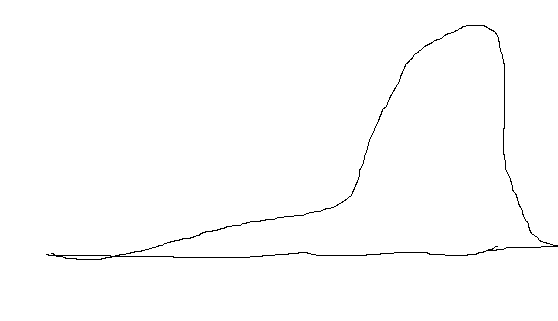
stabilizing selection
intermediate genotypes have higher fitness
ex: baby birth weight
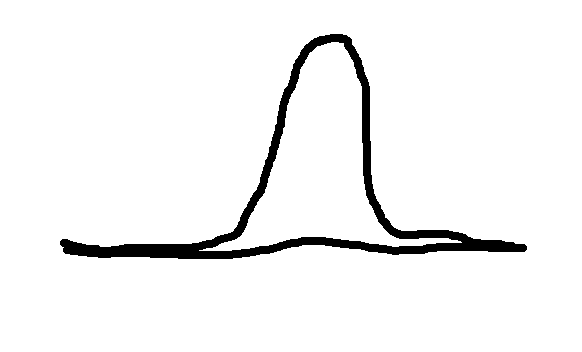
disruptive selection
both extreme traits→ higher fitness
intermediate has lower fitness
ex: medium fish
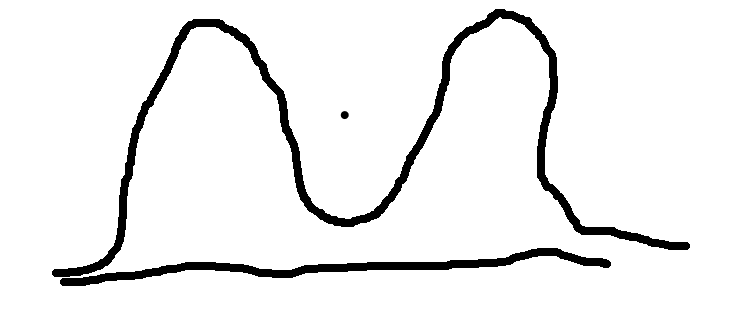
mutations
change in DNA sequence → new alleles
mutations that increase fitness will spread thru pop over time
evolution
major pieces of evidence for evolution
physical record of fossils
comparing anatomy and embryology (homologous structures)
molecular bio (DNA similarities)
lab and field experiments (multigen)
hox genes
tell body where to put certain body parts
high conserved between species (all vertebrates have head, torso, and limbs in roughly same spots)
convergent evolution
different ancestor, same traits bc same environment
analogous structures
divergent evolution
same ancestor/bone structure, different functions in different environments
antigens
spikes on virus capsid notify body of pathogen
identify → body knows how to fight virus
antigenic drift
small change in RNA sequence
different proteins
harder for immune system to recognize
antigenic shift
two viruses come together
new strain
body can be immune to one but not other
immune system
fights foreign pathogens
major immune system organs
lymph nodes
red bone marrow
spleen
thymus
lymph nodes
transport things that can’t go through blood (fat soluble)
filter pathogen
red bone marrow
produces white and red blood cells
spleen
filters blood
thymus
where T-cells grow
how does immune system recognize our cells
MHC glycoprotein tag
natural killer cells
kills cells that dont have MHC tag
innate immune system
fast acting, no prior exposure needed
not disease specific
what does innate immune system cause
inflammation
white blood cells sent to kill pathogens
clotting factors close wound
innate immunity types
physical barriers (skin, mucous membranes, stomach acid)
cytokines (chem signal to trigger other immune cells to fight) ex: histomine
phagocytes (engulf and kill pathogens)
inflammatory response steps
damage tissue → histamine to increase blood flow and WBC
macrophages identify and destroy pathogens
neutrophils clean up area
clotting factors close wounds
adaptive immune system
response not as bad 2nd time
memory of pathogen → swift response
adaptive immune response step 1
exposure to pathogen
WBC kill pathogens
takes part of antigen to T-cells
adaptive immune response step 2
T cells in THYMUS
cytotoxic t cells: kill cells infected
helper t cells: Take antigens to lymph nodes to B-cells
B cells
mature in BONE marrow
produce antiBodies
target specific pathogens
release antibodies in blood
adaptive immune response step 3
immunity
B cells share antibodies
target pathogens and infected cells
adaptive immune response step 4
memory
B-cells and T-cells become memory celsl
b cells continue to produce anti bodies
vaccine
inject with portion of virus and antigens
body creates memory cells
how do vaccines work at the population level
vaccines protect susceptible people
high vaccination → not enough potential hosts
herd immunity