Chemistry 1 Solo 2 Lecture 1
 Call Kai
 Learn
Learn Practice Test
 Spaced Repetition
 Match
Match Flashcards
 Knowt Play
1/36

Earn XP
Description and Tags
Name | Mastery | Learn | Test | Matching | Spaced | Call with Kai | Chat |
|---|
No analytics yet
Send a link to your students to track their progress
37 Terms
Carbohydrates
Aldehyde or ketone derivatives of polyhydroxy alcohols composed of carbon, hydrogen, and oxygen in a 1:2:1 ratio
Carbohydrate Functions
Provide a source of energy (e.g., glucose)
Structural components of RNA and DNA (e.g., ribose and deoxyribose sugars)
Carbohydrate dietary sources
Bread, pasta, beans, fruit, soft drinks, rice, and potatoes
More about carbohydrates
Various types of sugar are derived from different sources
Simple sugars are called monosaccharides and include glucose (aka dextrose), fructose, and galactose.
Table sugar refers to sucrose, a disaccharide of glucose and fructose.
Three main groups of carbohydrates exist
Monosaccharides
Disaccharides
Polysaccharides
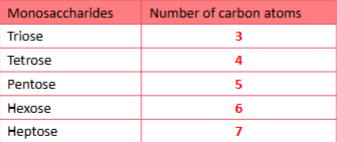
Monosaccharides
Simple sugars that consist of a single polyhydroxy aldehyde or ketone unit
Unable to be hydrolyzed to a simpler form
Formed from the breakdown of starches and disaccharides within the small intestine
The backbone is composed of carbon atoms
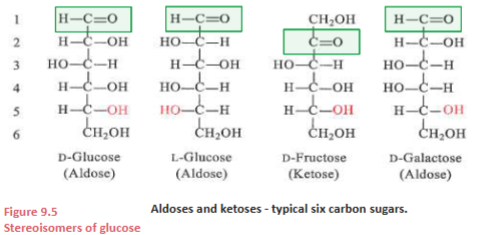
Monosaccharides are termed __________ according to the position of the carbonyl group
Aldoses and ketoses
Disaccharides
Composed of two monosaccharides joined covalently by an O-glycosidic bond with the loss of a molecule of water
The most common disaccharides
Maltose (glucose + glucose)
Lactose (glucose + galactose)
Sucrose (glucose + fructose)
Polysaccharides
Large numbers of monosaccharides linked together
i.e., Starch, glycogen, and cellulose
Starch
Major carbohydrate storage in plants
Composed of amyloses and amylopectins that contain glucose residues
Glycogen
Major carbohydrate storage in animals
A heavily branched polysaccharide containing many glucose residues
Most abundant in the liver and skeletal muscle
Cellulose
Provides structural support in plants
Glycoproteins
Proteins with oligosaccharides covalently attached to the extracellular region
Most proteins that are secreted are glycoproteins
Antibodies
Hormones
Coagulation factors
Functions of carbohydrates in glycoproteins include
Regulation of cell lifespan; loss of sialic acid residues from the ends of oligosaccharide chains of RBCs results in removal of RBCs from circulation
Cell-to-cell recognition
Secretion
Glycolysis
Metabolism of glucose molecule to pyruvate or lactate for production of energy
Gluconeogenesis
Formation of glucose-6-phosphate from noncarbohydrate sources
Glycogenolysis
Breakdown of glycogen to glucose for use as energy
Glycogensis
Conversion of glucose to glycogen for storage
Lipogenesis
Conversion of carbohydrates to fatty acids
Lipolysis
Decomposition of fat
Carbohydrate metabolism
Glucose is the primary energy source for the human body
A six-carbon monosaccharide
Derived
The breakdown of carbohydrates in the diet or body stores (glycogen) or
Endogenously synthesized from protein or the glycerol part of triglycerides
Glucose transporters are found on cell surfaces, which promote glucose uptake in cells
Glucose and some other sugars like galactose have the ability to reduce cupric ions (Cu³+) to cuprous ions (Cu²+) in alkaline solution; these are referred to as reducing sugars
Step by Step
Ingestion of food and salivary amylase leads to hydrolyzing starch. Swallowing of food and gastric enzymes continue to digest food as it flows in the intestinal tract
Pancreatic enzymes are released into the intestinal tract until monosaccharides are formed; a requirement that must occur before being absorbed by the intestinal mucosal cells
Absorbed monosaccharides are transported to the liver where fructose and galactose are converted to glucose
According to the body’s requirement glucose is either:
Released into circulation for energy production in the tissues
Converted to glycogen in the liver for storage
Utilized in skeletal muscle for protein synthesis
Used in adipose tissue for triglyceride synthesis
When calorie intake exceeds use, the excess is converted to fat and glycogen for storage in adipose tissue and liver or muscle, respectively
When energy exceeds calorie intake, glucose formation occurs from the breakdown of carbohydrate stores and from non-carbohydrate sources
An example of a disaccharide is
Lactose
The formation of glucose from non-carbohydrate sources occurs mostly in the liver and is referred to as
Gluconeogenesis
The conversion of glucose into its storage form is referred to as
Glycogenesis
Regulation of blood glucose concentration
Concentration of glucose in the blood is maintained at steady levels even under various conditions of feeding, fasting, and exercise. How?
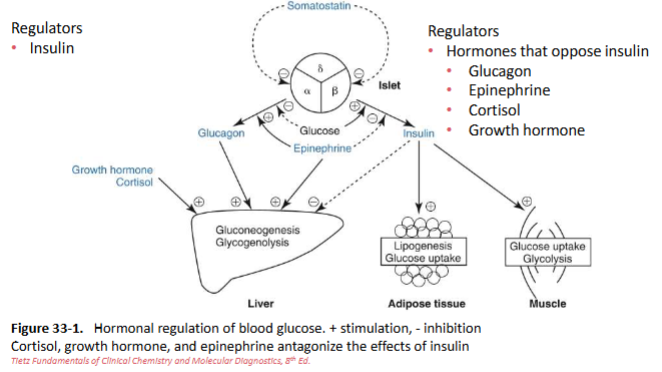
Maintenance of glucose concentration occurs through the action of hormones
Insulin
Hormones that oppose insulin:
Glucagon
Epinephrine
Cortisol
Growth hormone
Other hormones influencing glucose metabolism:
Thyroxine (FT4)
Somatostatin
Insulin, glucagon, and epinephrine control plasma glucose concentration by regulating glycogenolysis
Cortisol and growth hormone increase gluconeogenesis
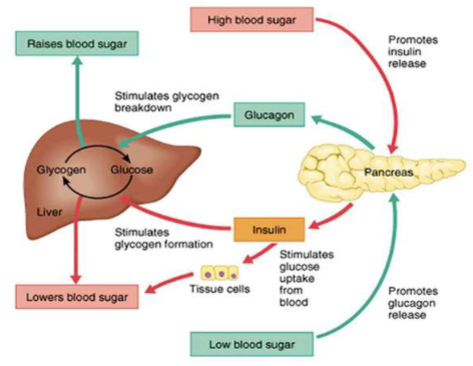
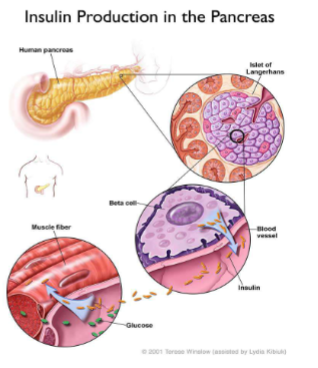
Regulation of Blood Glucose Concentration - Insulin
A protein produced and secreted by the beta cells of the Islets of Langerhans in the pancreas
Decreases blood glucose levels by stimulating the uptake of glucose into fat and muscle and stimulates glycolysis
Promotes the conversion of glucose to glycogen or fat for storage
Inhibits glucose production by the liver
Stimulates protein synthesis and inhibits protein breakdown
Regulation of Blood Glucose Concentration - Glucagon
Protein hormone secreted by the alpha cells of the pancreas that Increases blood glucose through glycogenolysis and gluconeogenesis in the liver
A minor target organ for glucagon is adipose tissue; glucagon increase lipolysis and enhances ketogenesis
Levels are regulated by plasma glucose concentrations; levels become increased during stress and exercise and in hypoglycemic episodes
Long term diabetes mellitus leads to an impaired glucagon response to hypoglycemia
Extremely high levels of glucagon are seen in patients with glucagonomas: tumors in the alpha cells of the pancreas
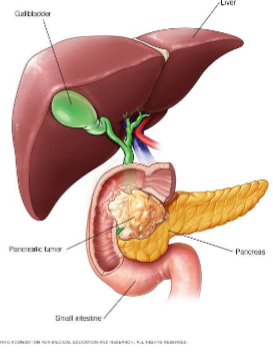
Regulation of Blood Glucose Concentration - Epinephrine (adrenaline)
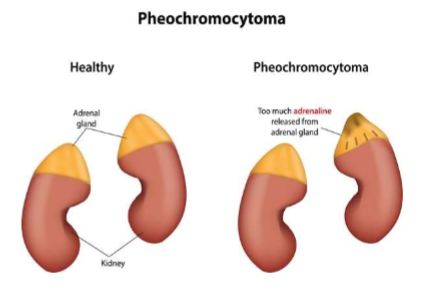
Epinephrine is a catecholamine secreted by the adrenal gland that stimulates glucagon secretion and inhibits insulin secretion
Increased production is seen in physical or emotional stress (fight or flight) and in pheochromocytomas (adrenal medulla tumor)
Regulation of Blood Glucose Concentration - Growth Hormone
Secreted by the anterior pituitary gland
Stimulates gluconeogenesis
Enhances lipolysis
Opposes insulin-stimulated glucose uptake
Regulation of Blood Glucose Concentration - Cortisol
Cortisol is often called the “stress hormone” because of its connection to the stress response
Cortisol is one of the steroid hormones and is made in the adrenal glands; secretion of the hormone is controlled by the hypothalamus, the pituitary gland, and the adrenal gland; cortisol is secreted in response to adrenocorticotropic hormone (ACTH)
Most cells within the body have cortisol receptors
Cortisol can help control blood sugar levels by stimulating gluconeogenesis
Cortisol also helps regulate metabolism, reduce inflammation, and even assist with memory formulation. It has a controlling effect on salt and water balance and helps control blood pressure. In women, cortisol also supports the developing fetus during pregnancy
Regulation of Blood Glucose Concentration - Other hormones influencing glucose metabolism
Thyroxine (FT4)
Secreted by the thyroid gland
Indirectly involved in glucose homeostasis
Stimulates glycogenolysis and gluconeogenesis
Increases rate of intestinal glucose absorption
Somatostatin
Found in GI tract, hypothalamus, and delta cells of the pancreatic islets
Known as growth hormone inhibiting hormone
Inhibits secretion of insulin, glucagon, and growth hormone
Regulation of Blood Glucose Concentration - Figure 33-1
Which hormone decreases blood glucose levels?
Insulin
Which hormone produces hyperglycemia
All of the above (Epinephrine, glucagon, and thyroid hormone)
Which of the following hormones has an indirect effect on carbohydrate metabolism by inhibiting the release of growth hormone for the pituitary and inhibiting secretion of glucagon and insulin
Somatostatin