FULL THING OF WORLD CIV MID
 Call Kai
 Learn
Learn Practice Test
 Spaced Repetition
 Match
Match Flashcards
 Knowt Play
1/90

There's no tags or description
Looks like no tags are added yet.
Name | Mastery | Learn | Test | Matching | Spaced | Call with Kai | Chat |
|---|
No analytics yet
Send a link to your students to track their progress
91 Terms
Abstraction
Art that simplifies, alters, or departs from realistic appearance
Expressionism
Art that emphasizes emotional impact over realistic representation.
Ionic abstraction
Simplification that preserves enough features for a figure or object to remain recognizable.
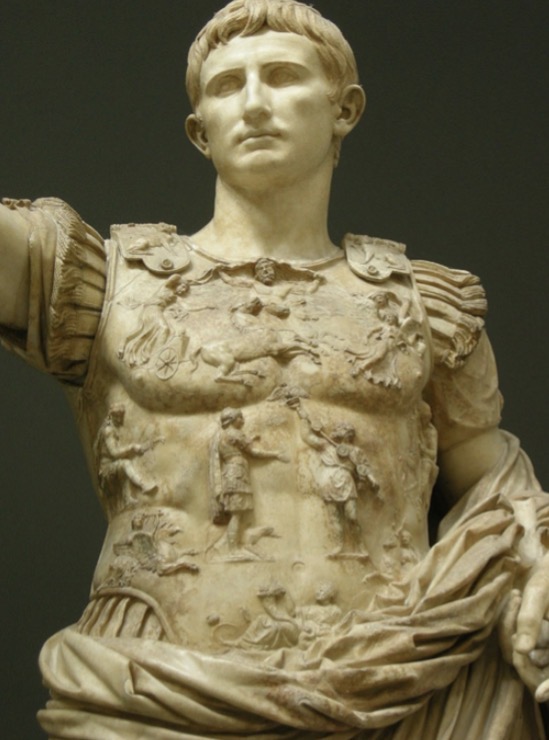
Idealism (naturalistic)
Depicting subjects as perfected versions of reality, emphasizing beauty and harmony.
Naturalism
Representing subjects as they appear in nature with convincing realism.
Non objective abstraction
Art that contains no recognizable objects from the real world
Symbolic abstraction
Simplified forms that communicate ideas or meanings rather than realistic appearances.
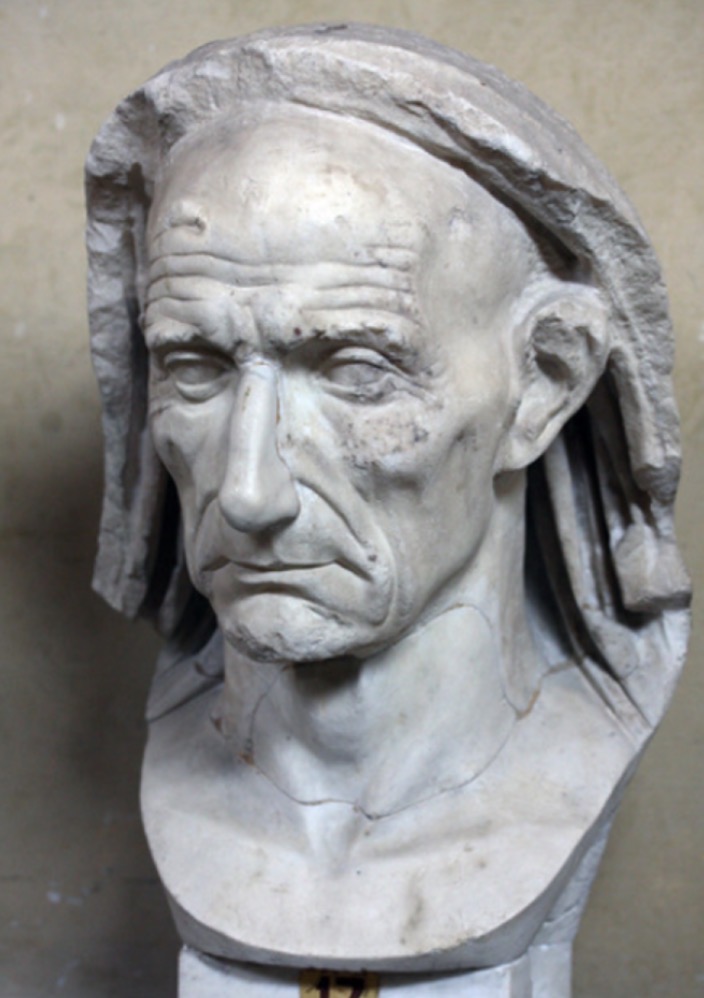
Verism
An extremely realistic style that highlights ordinary details, imperfections, and individual characteristics
Divi filius
Latin for son of the divine one. Used to describe augustus
Eclecticism
The combination of elements from different artistic styles or traditions.
Verism
A highly realistic style emphasizing age, imperfections, and individual features
Visual quotation
The deliberate borrowing or reference to earlier artworks or styles. EX: greek heroism Kourus and kore
Thauma
Perishable materials
Materials that decay over time, such as wood, cloth, and leather.
Terrocatta
Baked clay used for sculpture, pottery, and architectural decoration.
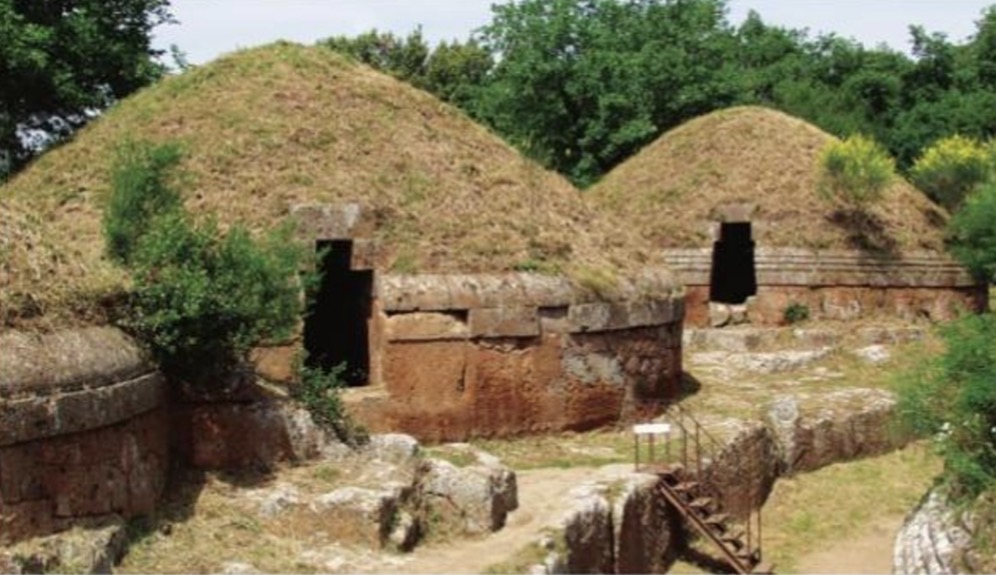
Tumuli
Large earthen burial mounds covering tombs.
Styilized
Represented in a simplified or exaggerated artistic manner rather than realistically.
Eclecticism
The combination of elements from different artistic styles or traditions
Foursquare
blocky architectural plan
Poikilia
Variety, complexity, or richness in visual appearance. EX: color
Seership
Thauma
Wonder. (Radiance, motion, giganticism, precious materials, skillful craftsmanship, paradoxes
Contrapasso
Relaxed standing. One leg stiff and the other arm stiff
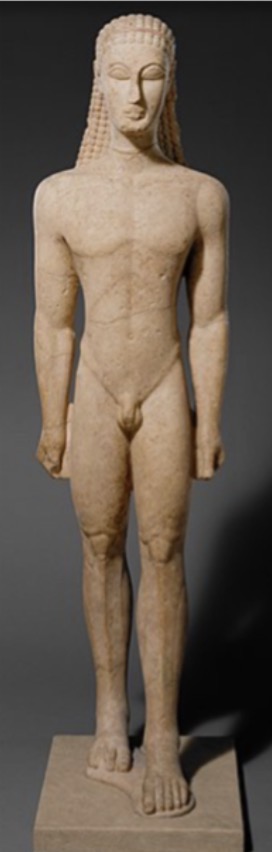
Kouros
Manly men. Heriocism is nakey and hero
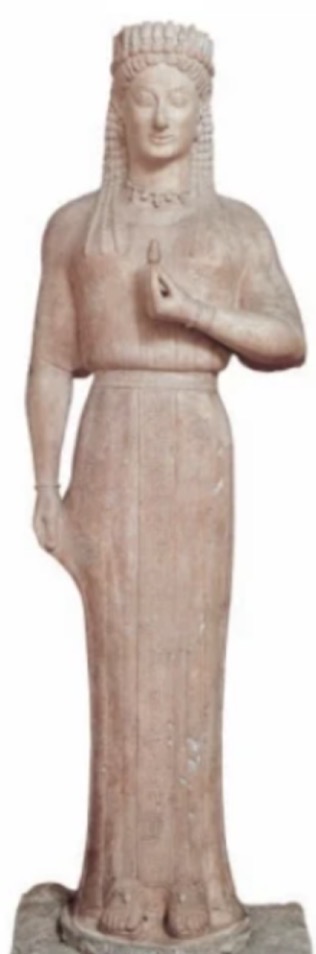
Kore
Clothed, beautiful. women
Legend of the Bull
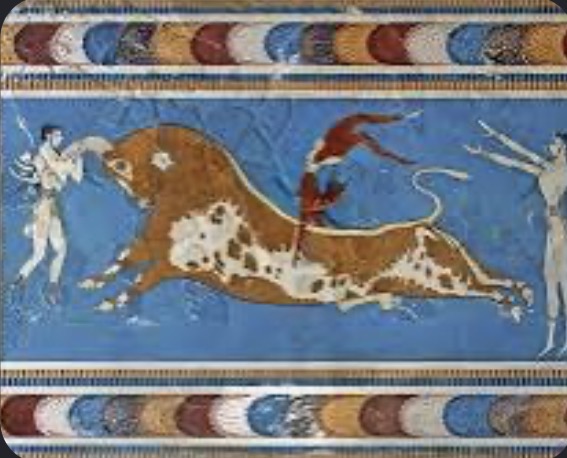
Minoan and Greek myths involving bulls, including the Minotaur and bull-leaping traditions (Ex: the riding the bull and dancing on it. The fresco).
Juktas
A mountain on Crete associated with Minoan religious worship. (where a famous Peak sanctuary is)
Polyvalence
Multiple meanings in one art piece
Peak sanctuaries
Minoan religious sites located on mountaintops.
Phenomenology
The study of how people experience and perceive places, objects, and environments.
Sir Arthur Evans
Guys who found Knossos
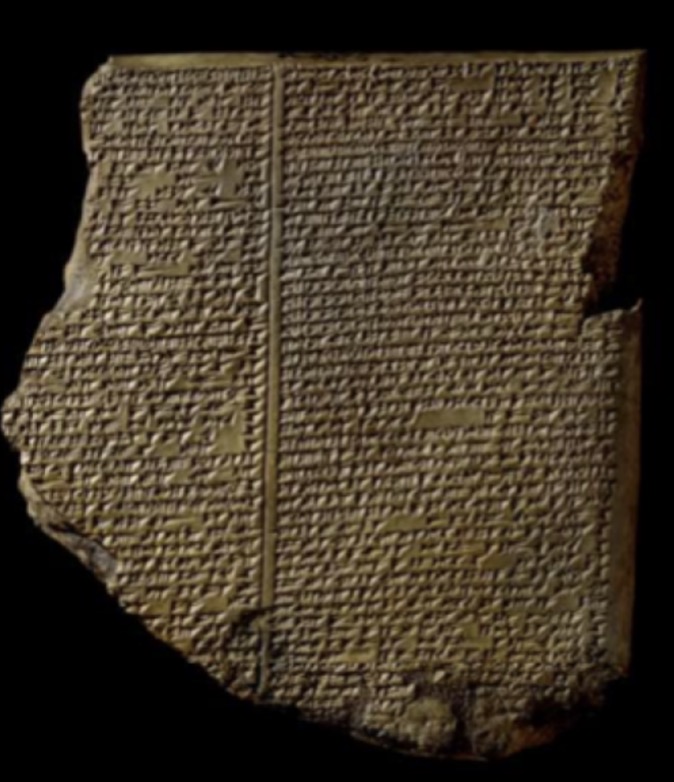
Cuneiform
The earliest writing system developed in mesopotamia wherewedge shapes would be pressed into clay
Hieratic Scale
The bigger something is the more important it is
Votive offering
sacrifices to the gods, but the sacrifices are pieces of art
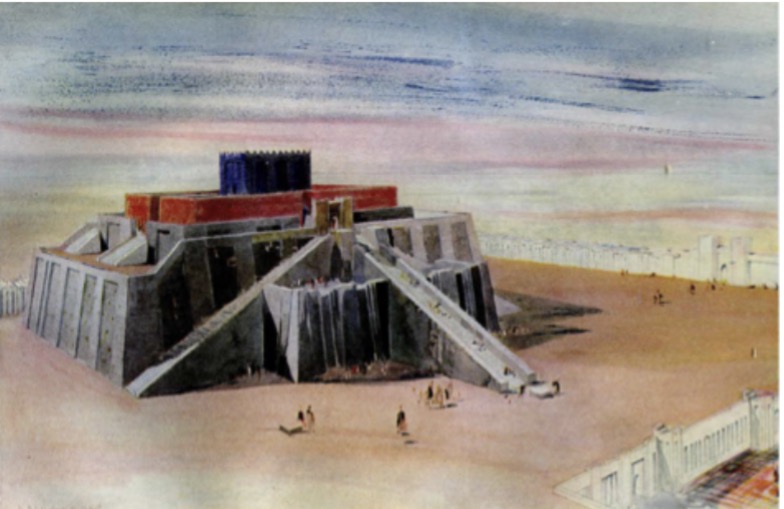
Ziggurat
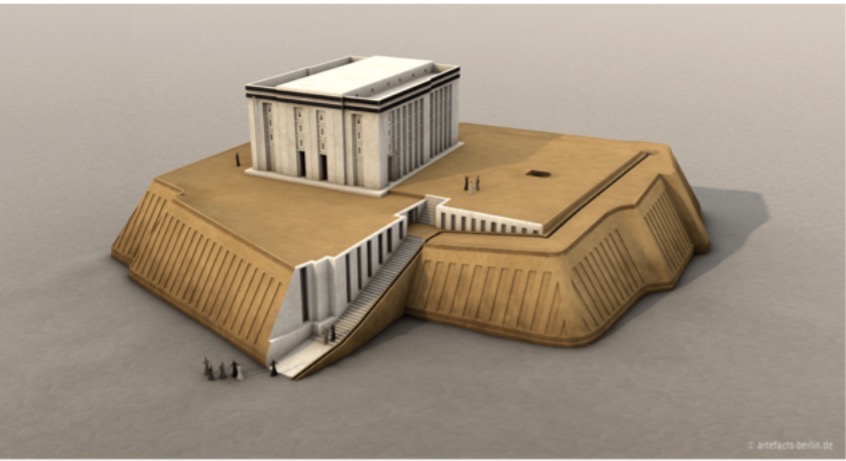
Pyramid with flat top and temple on top
Animation/Animism
Showing life in a still image and the belief that animals and people have a life force that can be encapsulated
Conceptual image, Composite view, twisted perspective-
Different parts of a figure are shown at two different points
Pareidolia
the phenomenon where the brain perceives a pattern, face, or meaningful image in random things or data. Ex: a cloud
Post and Lintel
building method where two pillars hold up a horizontal beam. (EX: temples)
Relief sculpture
Sculpture with stuff carved out of it, extending out instead of bending in.
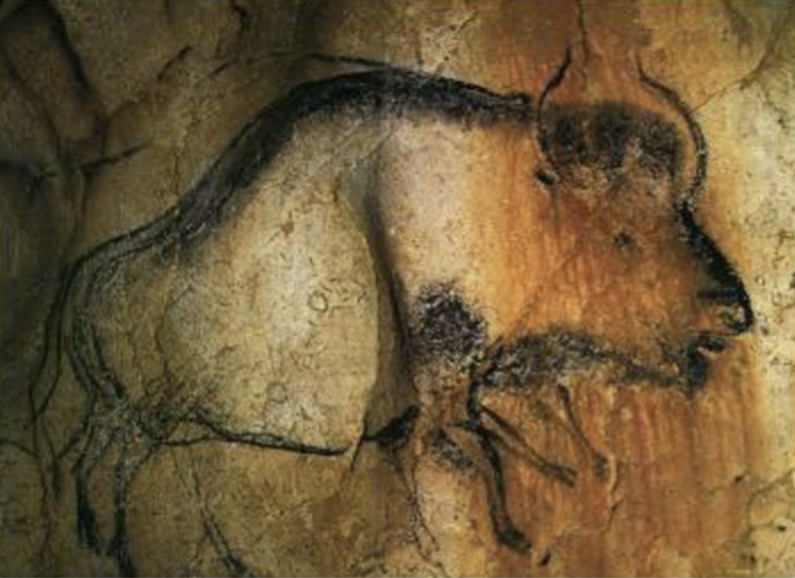
Chauvet Cave paintings. 34,000-32,000BCE stone age. Red orche, charcoal, yellow orche
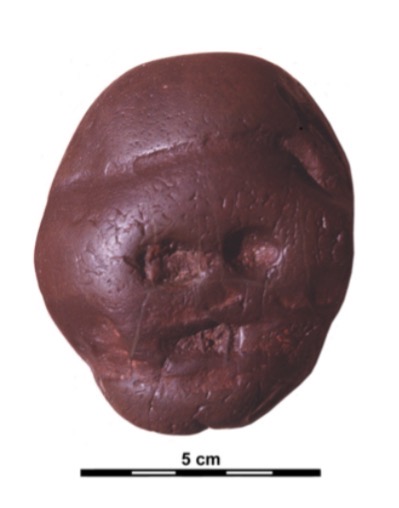
Makapansgat pebble. Resembling human face. 3,000,000 BCE. Stone Age . Jasperiterdd cobble
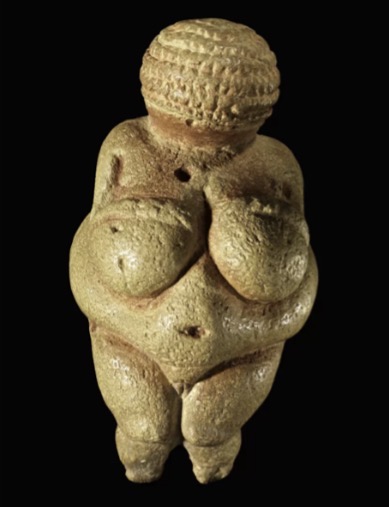
Venus of Willendorf. 28,000-25,000BCE. Stone Age-willendorf. Limestone and red orche
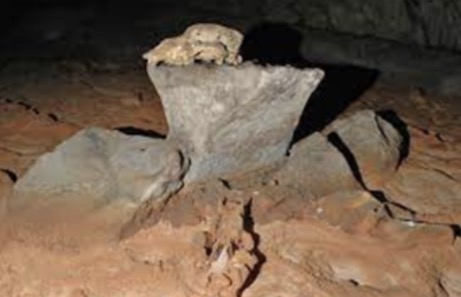
Bear skull altar. 32,000-30,000BCE. Stone age. Chauvet cave. Bone and stone
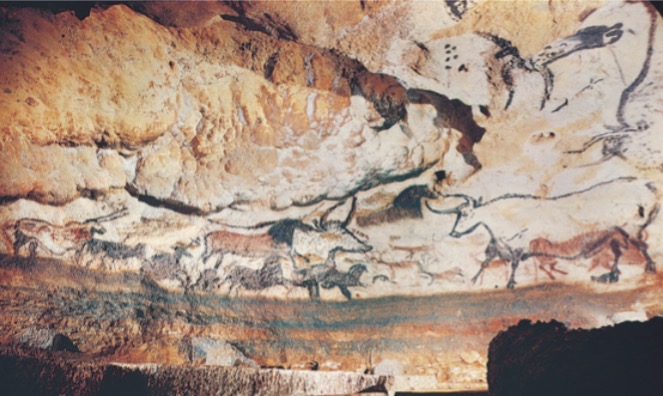
Hall of the Bulls. 16,000-14,000 BCE. Stone Age. Lauzax. Hematite, Charcoal, orcher, limonite
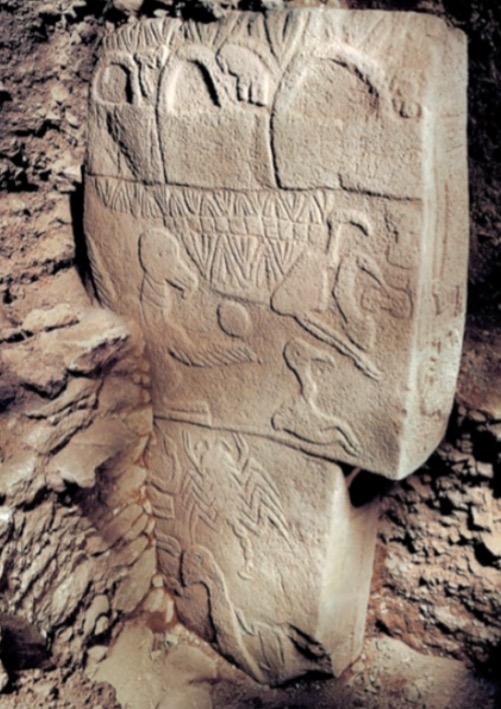
Gobekli Tepi relief pillars. 9,000BC. Mesopotamia. Limestone
White Temple. 3300BC. Mesopotamia. Quartz, crystal
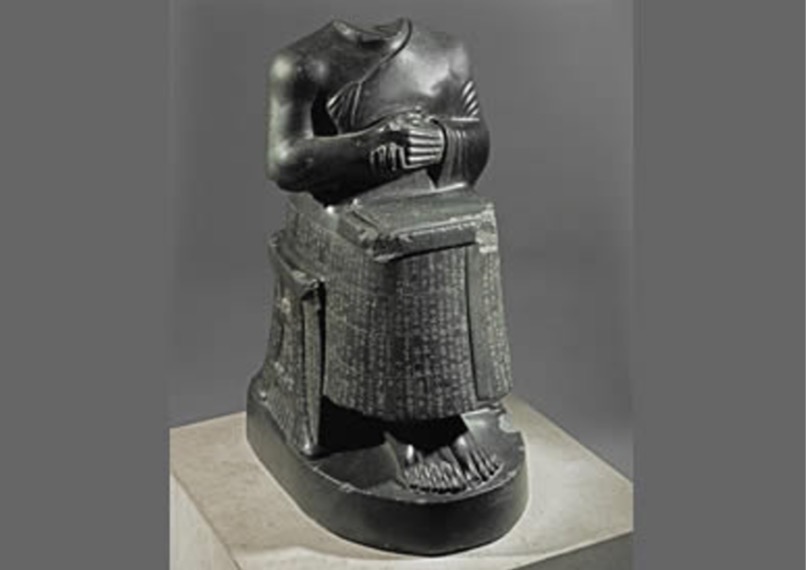
Gudea seated holding plans of temple. 2150BC. Mesopotamia- sumer. Diorite
Ziggurat, 2100BC. Mesopotamia-Sumer, mud bricks, limestone, bitumen
Gilgamesh Tablet, 700-600BC Neo-Assyrian. Clay tablet
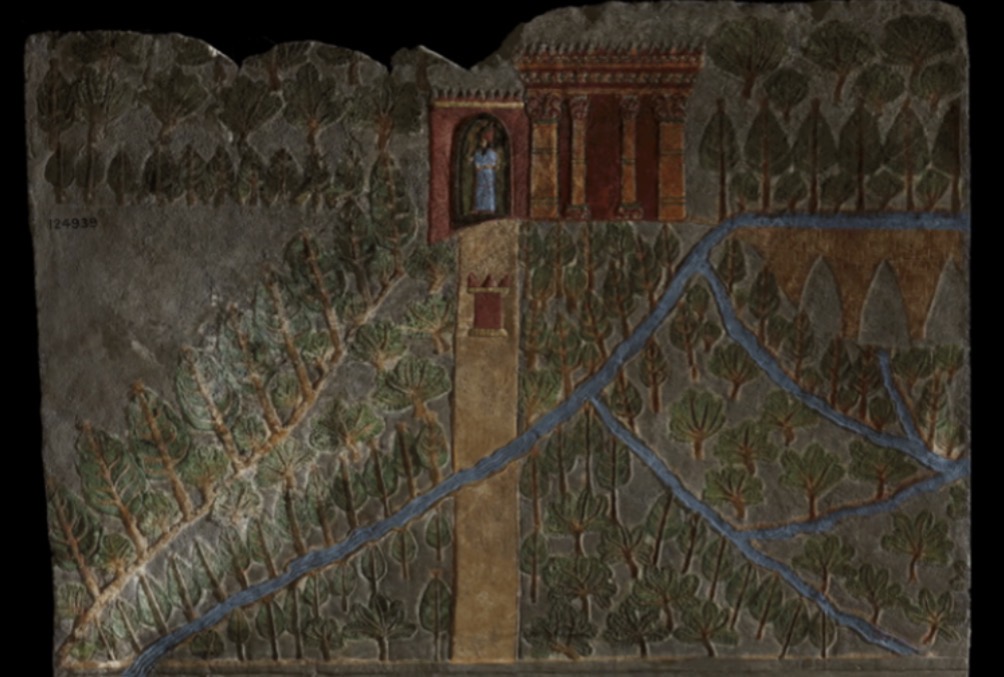
Assyrian hanging gardens relief wall painting. 639-631 BC. Mesopotamia- Assyria. Limestone, orcher
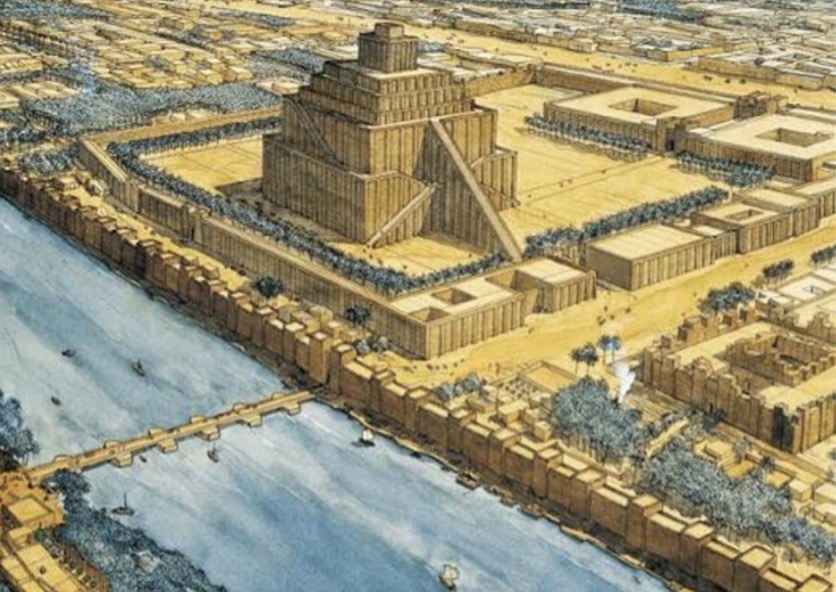
The ziggurat of Etemenanki. 625-562 BCE. Mesopotamia- Babylon. Bricks and glazed bricks
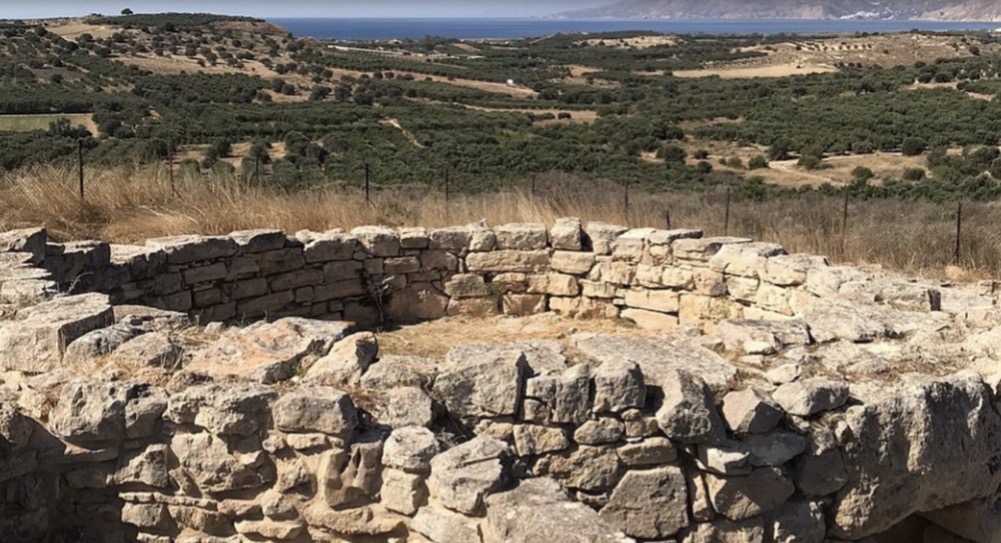
Tholos Tomb with annuxes. 1220-1200Prehistoric Agean-Crete, stone, sometimes marble
No memorize
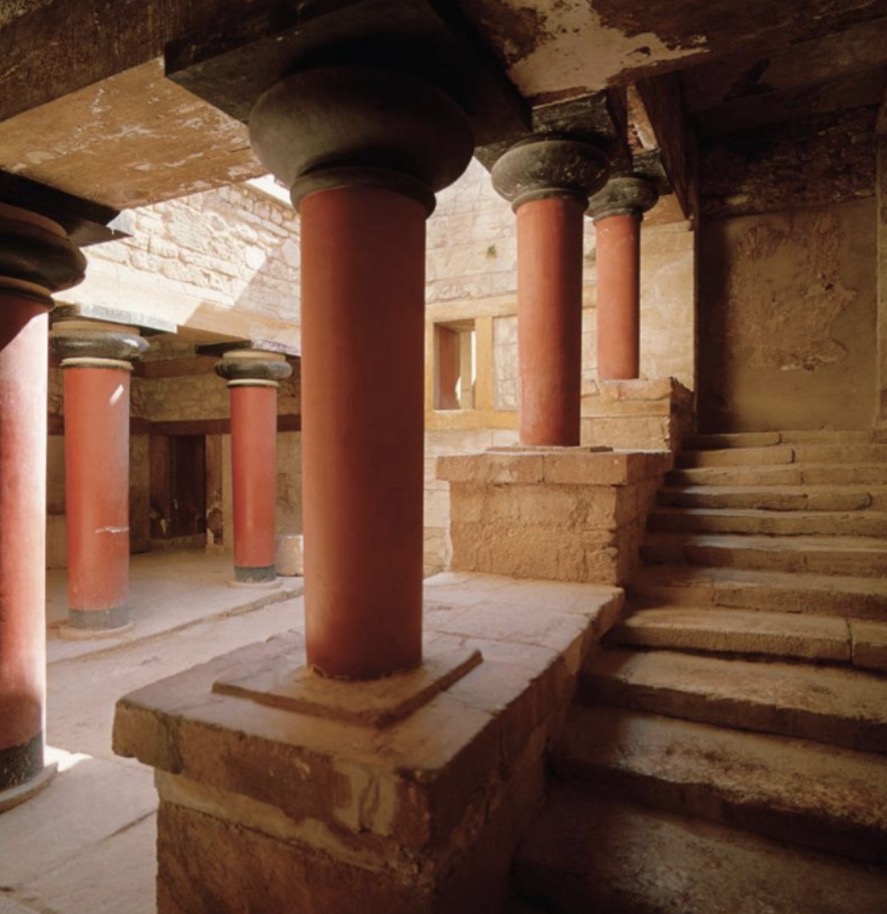
Stairwell in residential quarter of the palace. 1700-1370BC. Agean. Crete-Knossos. Limestone
Leaping bull fresco. 1525-1450BC Prehistoric Agean, Crete-Knossos. Fresco
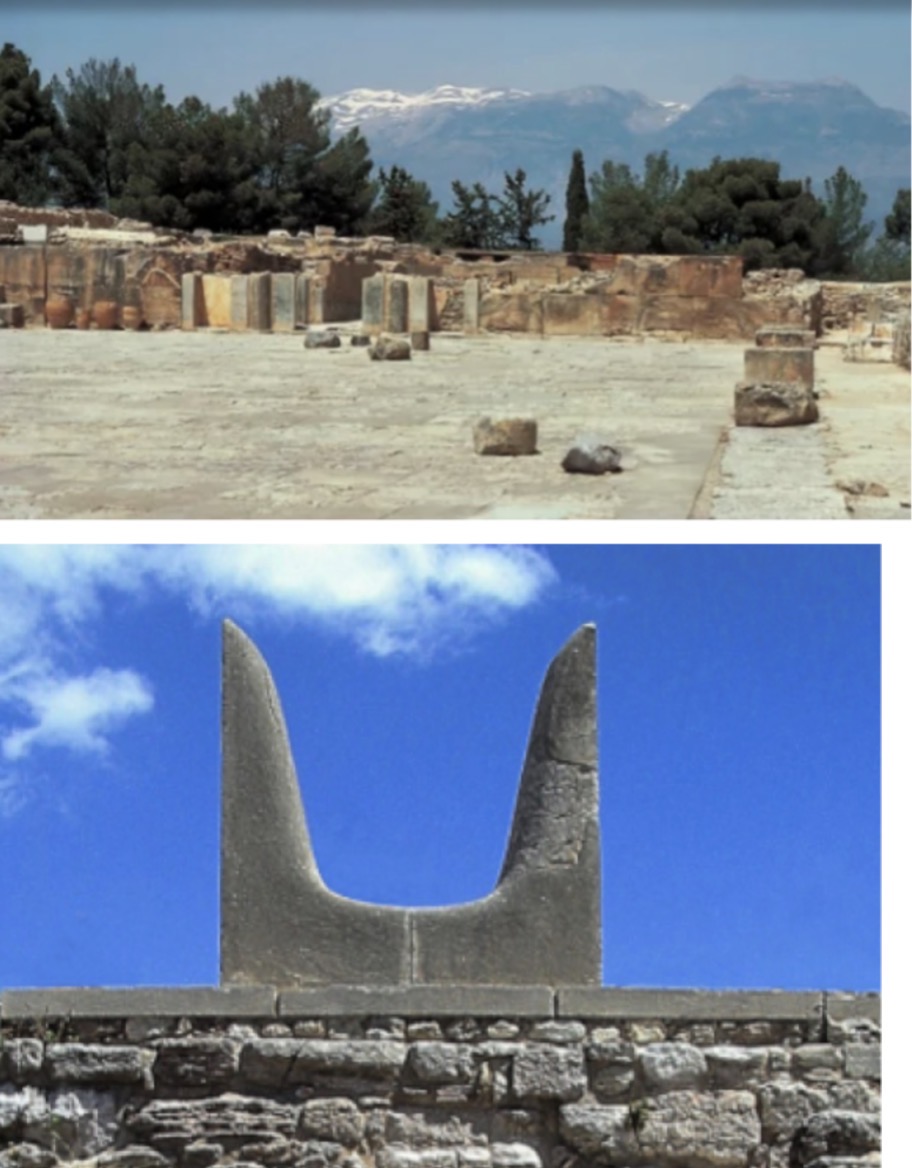
Phaistos, central court of palace looking north, double peak. Minoan peak sanctuary in background. 1500-1450BC. Horns of consecration too. Ashlar stone blocks
Crete, Knossos.
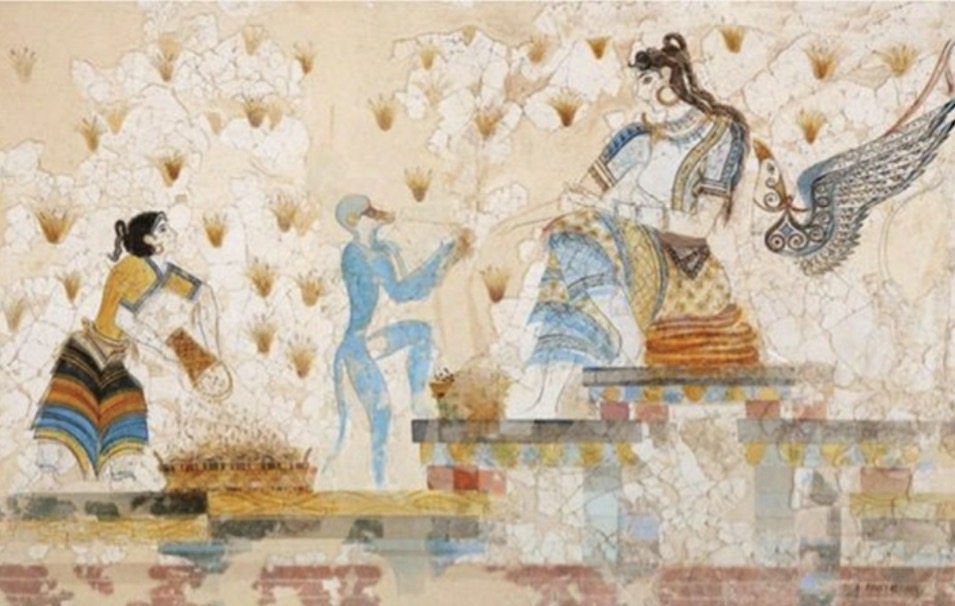
Goddess receiving saffron from a female worshiper. 1625-1525BCE. Minoan-alroktiri. Fresco painted.
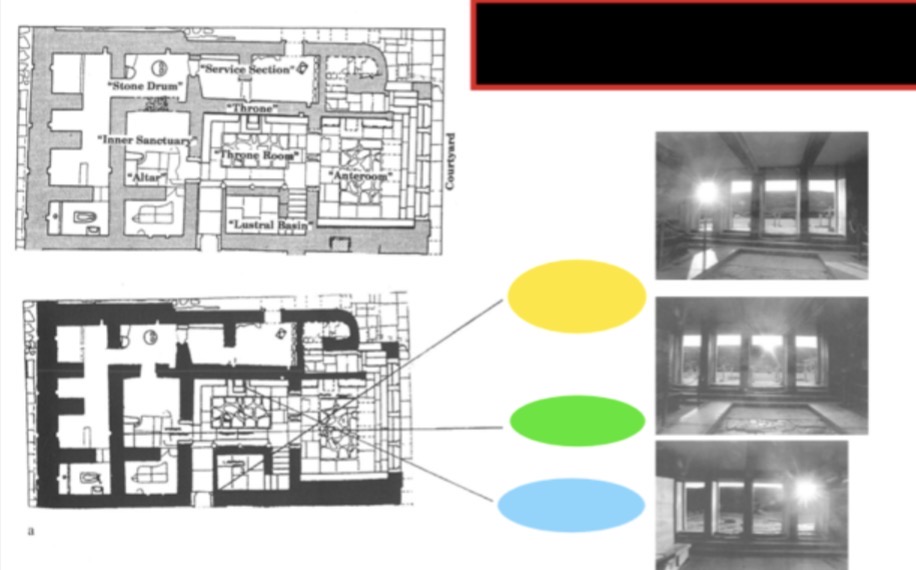
Knossos throne room in palace. 1525-1450BCE. Crete-Knossos. Limestone
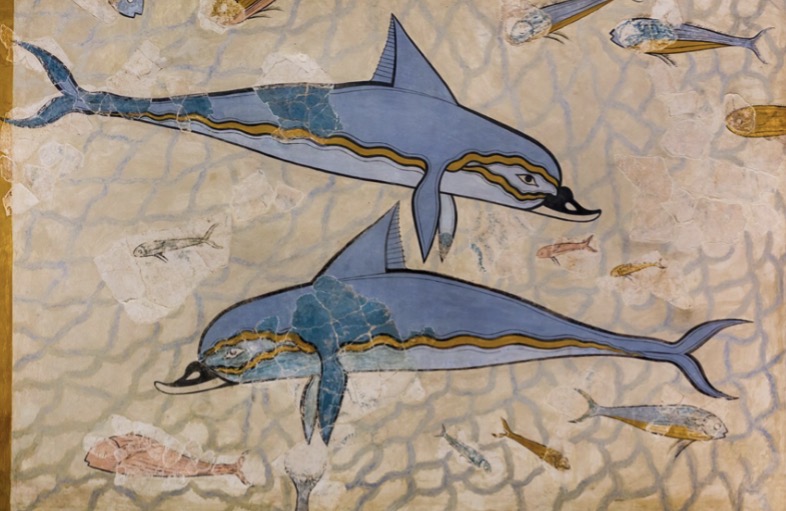
Dolphin Fresco in the light well room. 1525-1450 BC.
No memorize
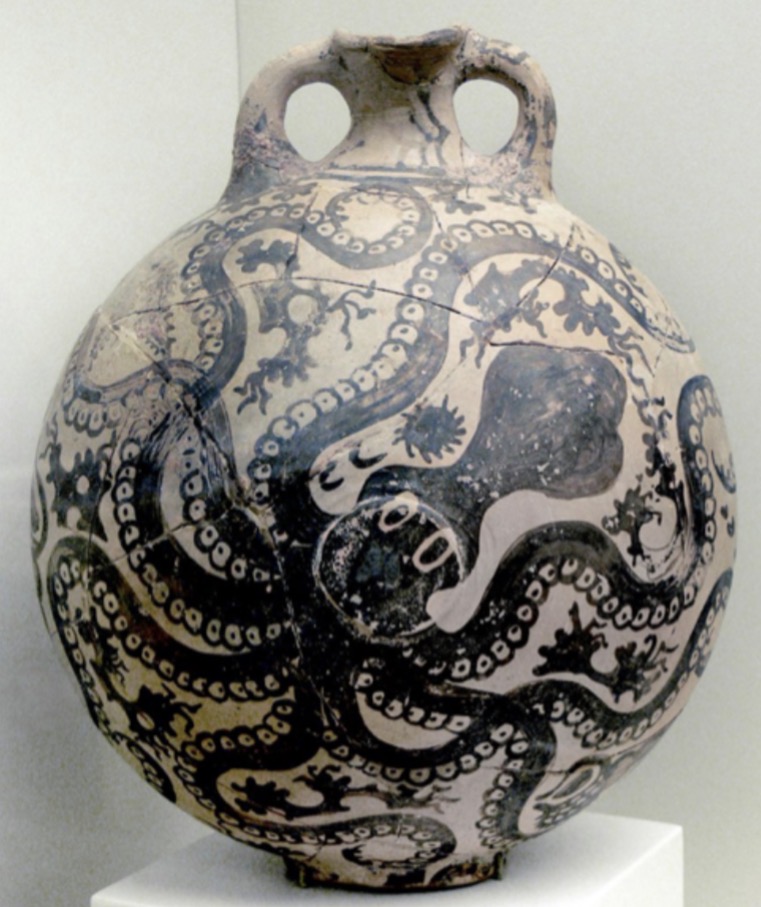
Clay Octopus Vase from Crete. 1500BCE. Palaikastro
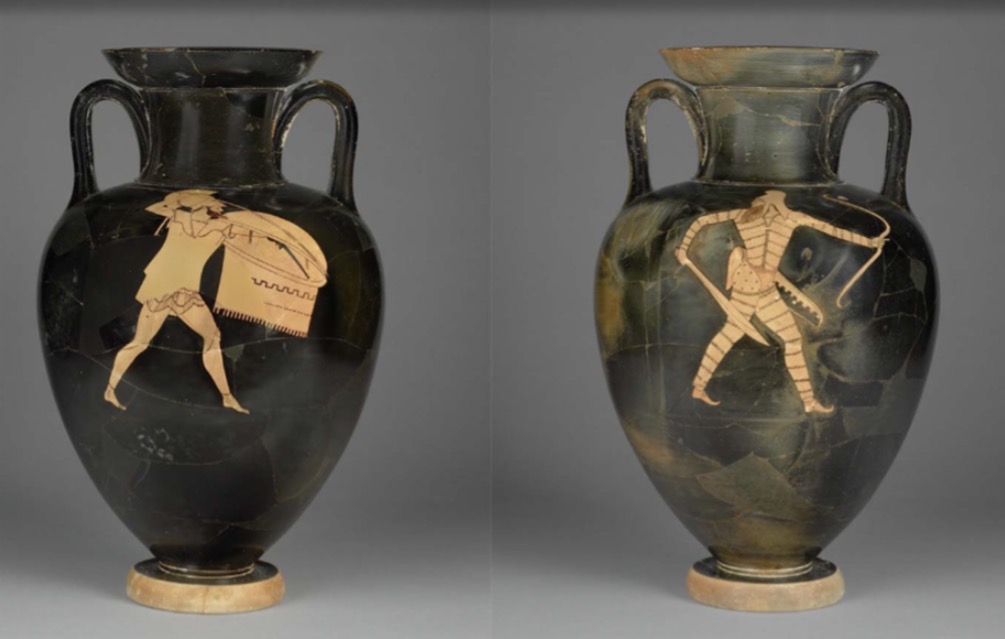
Red neck Amphora of Greek pursuing Persian. 500-480BCE. Athens-Classical. Terracotta
Kouros statue. 590 BCE Inspired by Egypt. Greece Attica-Archaic Greek sculpture. Marble
Marble funerary Kore. 540BCE. Attica- Archaic. Had color once (poikilla)
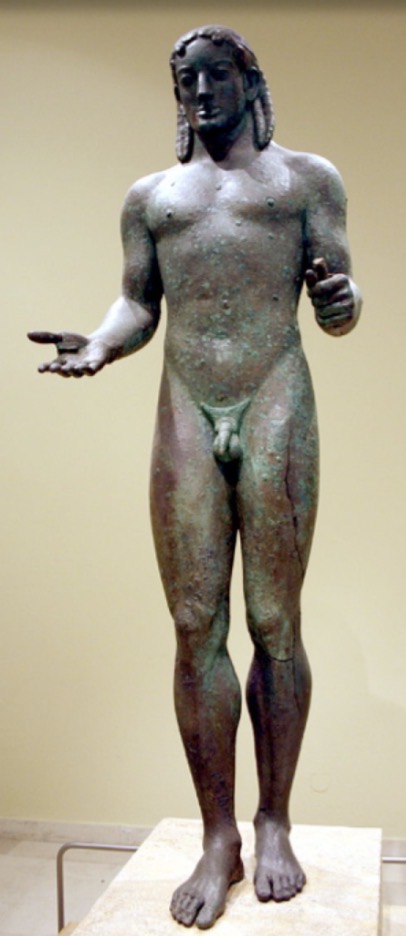
Bronze Apollo from Piraeus. 500BCE. Delos. Bronze
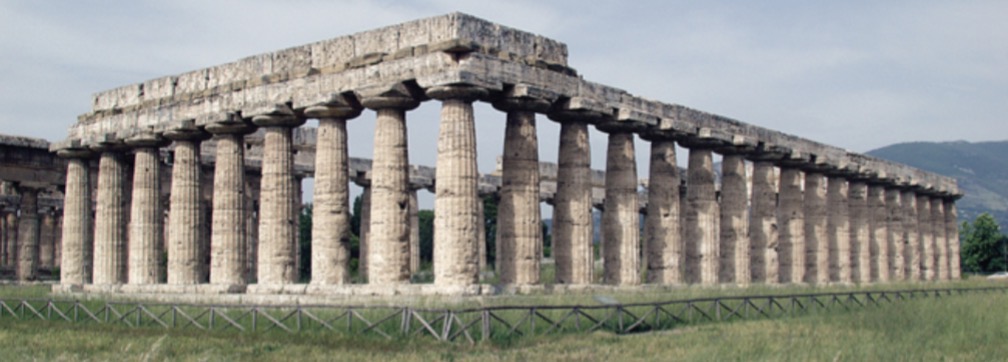
Temple of Hera I. 550BCE. Classical Greek. Paestum Italy. Before classical. Travertine stone
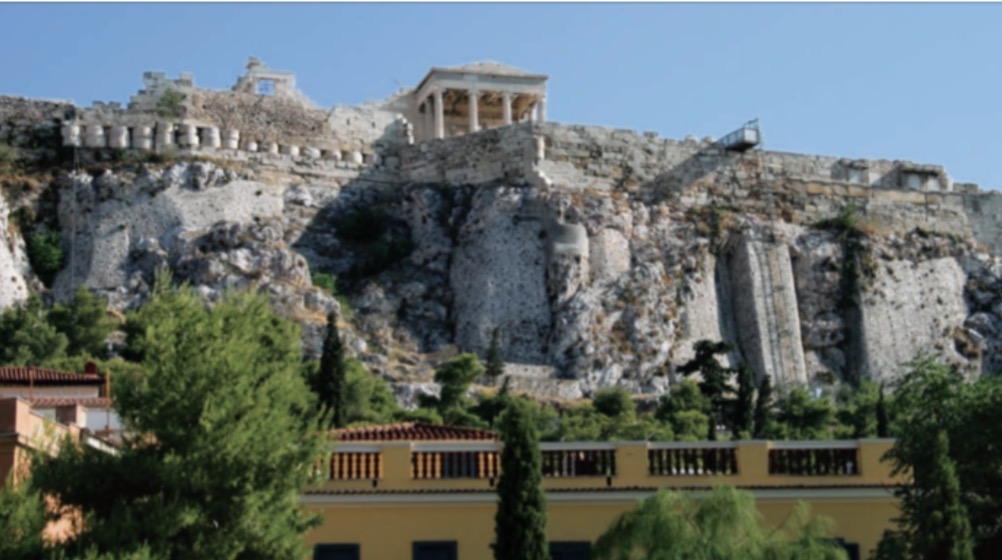
Themistoklean wall Made if the rubble and fragments of the ruined temples. 479 BCE. Greece-Early Classical. Rubble, stone, remains of a destroyed athens. Builders under Themistocles
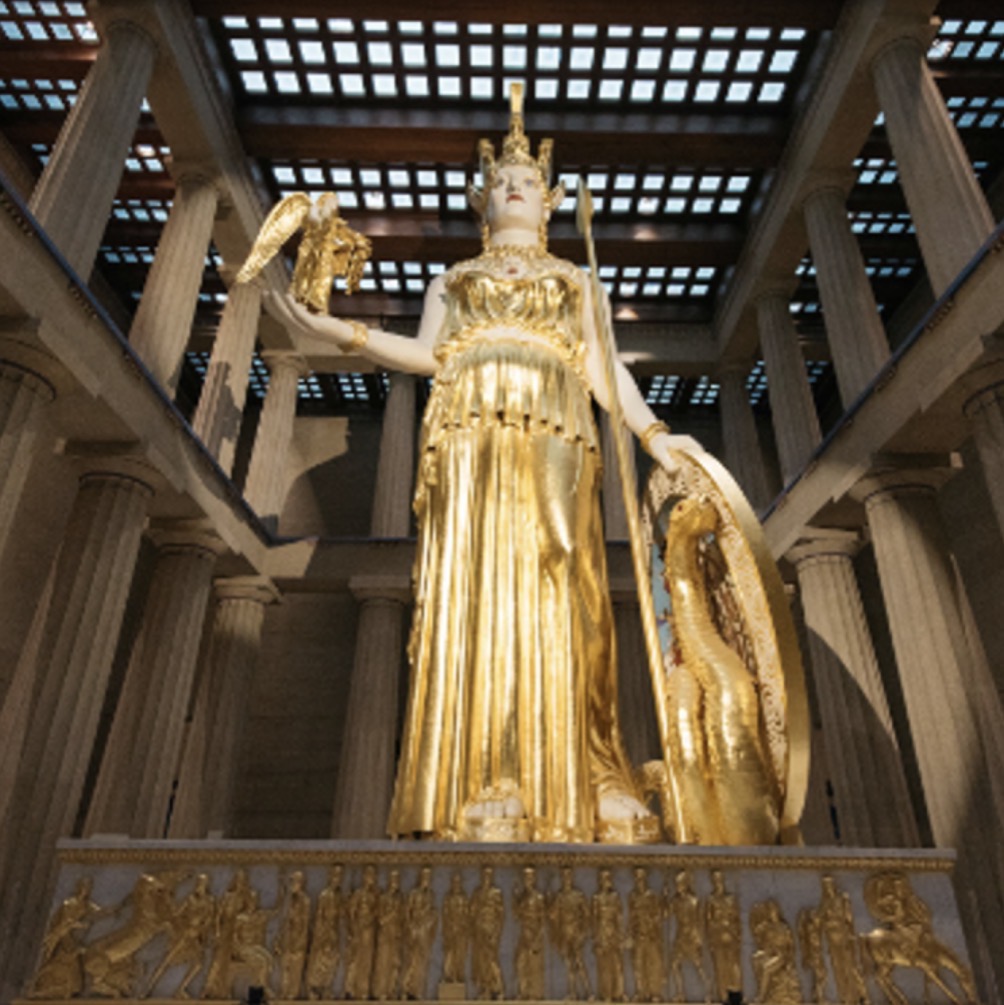
Athena Parthenos. 438BC. Greece- high classical. Gold, ivory. Phidias
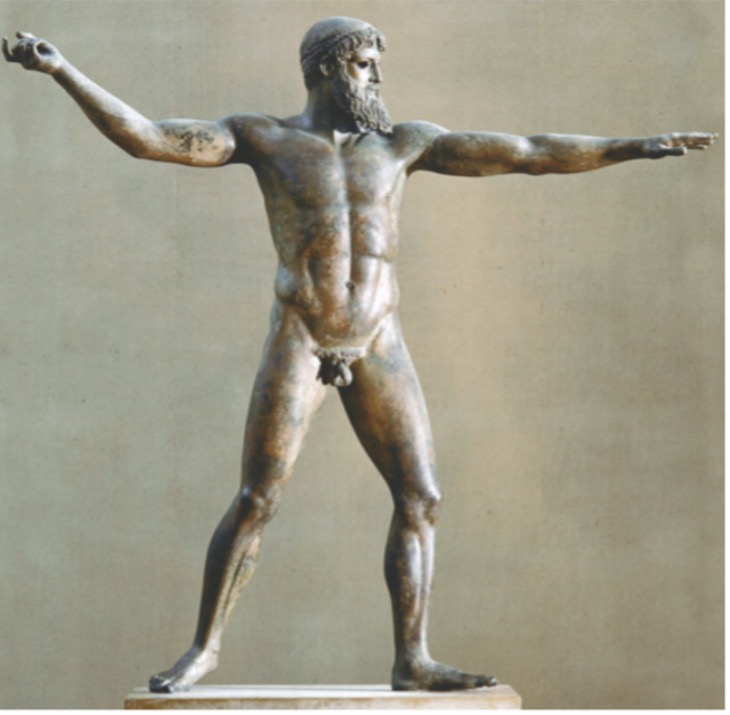
Zeus hurling thunderbolt. 460-450 BC. Greece if cape artemision—early classical. “THAUMA”. Bronze
Radiance, motion, giganticism, precious, skilled, paradox
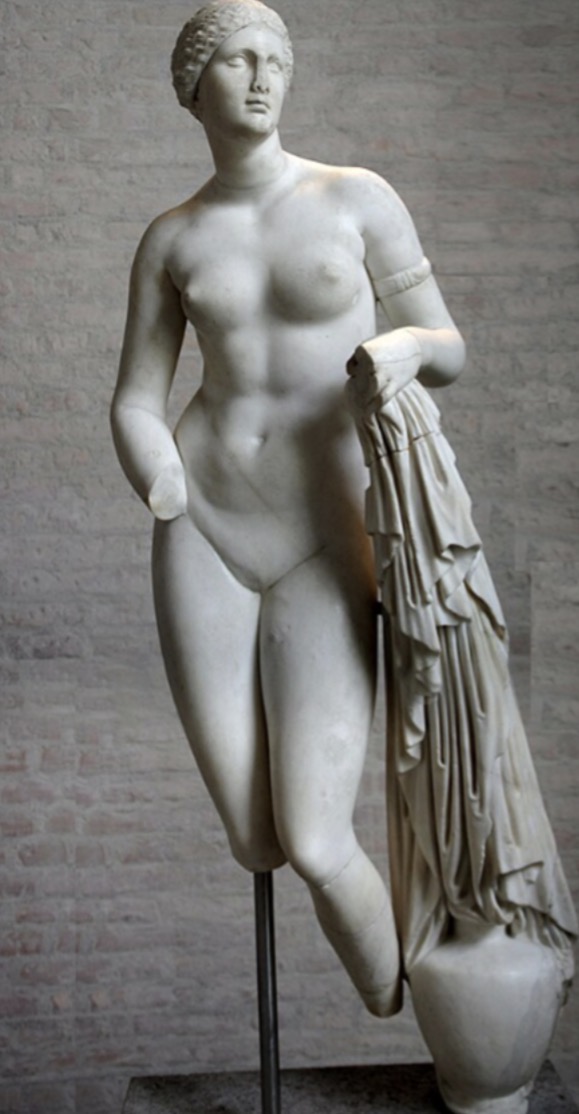
Aphrodite statue recreated. 350-340BC. Greece- Late classical. Marble. Praxiteles
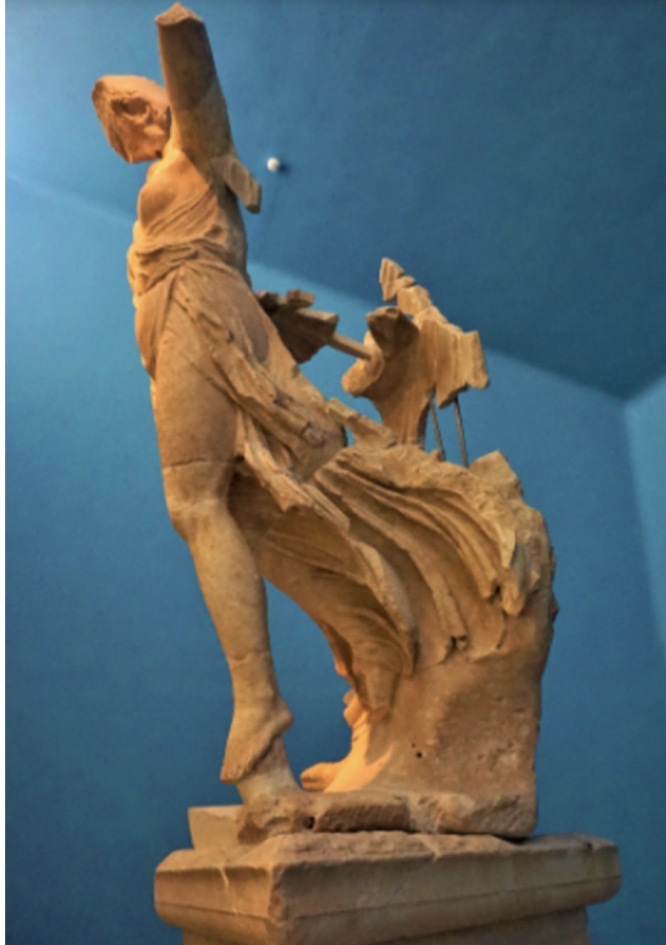
Nike by painios if Mende, Olympia. 420BCE. Olympia- high classical. Marble
Tumuli in the badnitaccia necropolis. 700-200BCE. Mud, grass, wood. Cerveteri. Etruscan- archaic
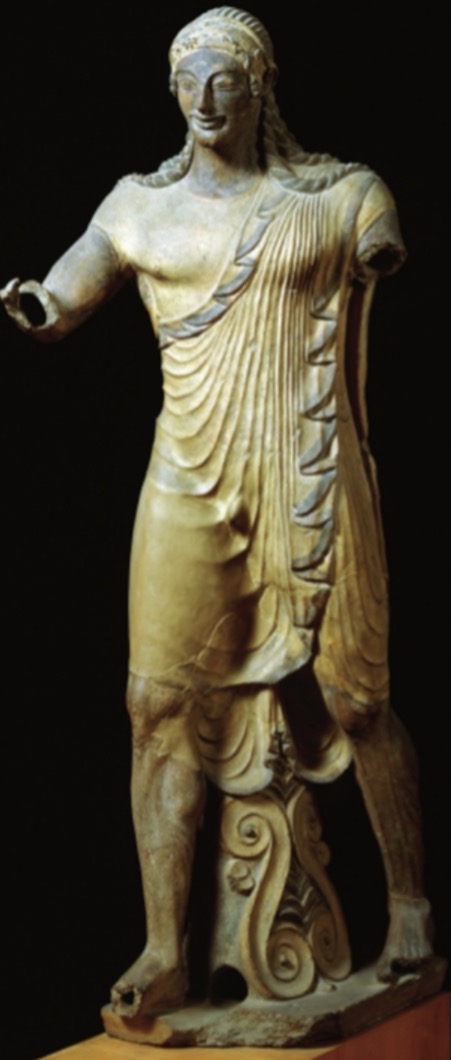
Apulu (Apollo from Veii.) from roof of portonaccio temple. Veii. 510-500BCE Estruscan- archaic. Painted terracotta. Vulca
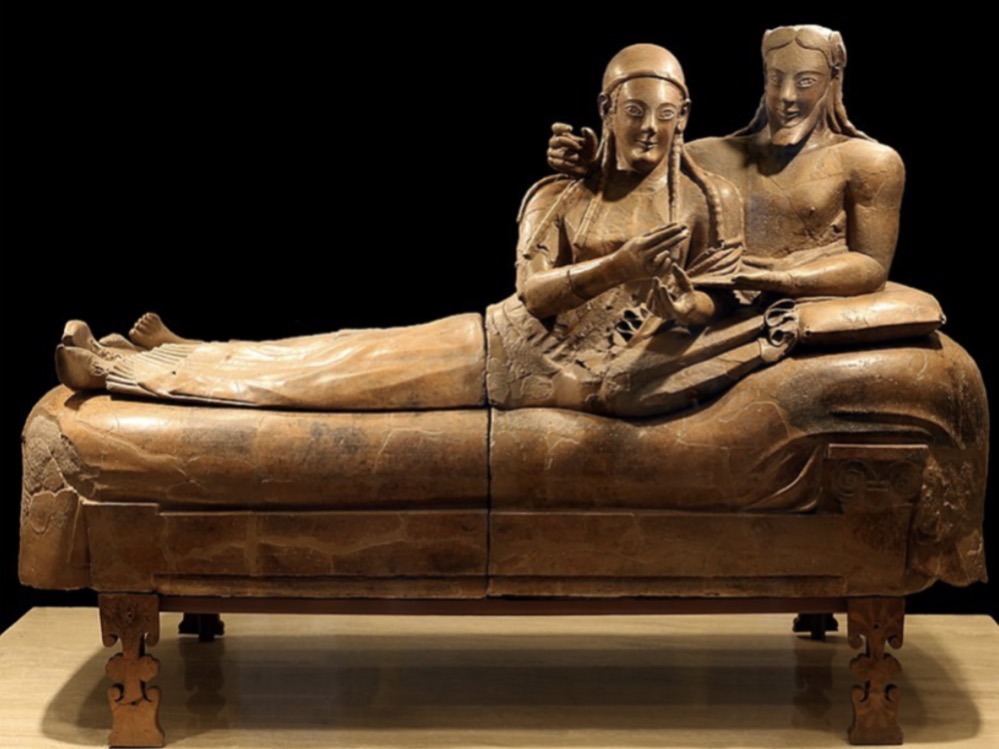
Sarcophagus with reclining couple from banditaccia necropolis. 520BCE. Etruscan- archaic. Painted terrocata
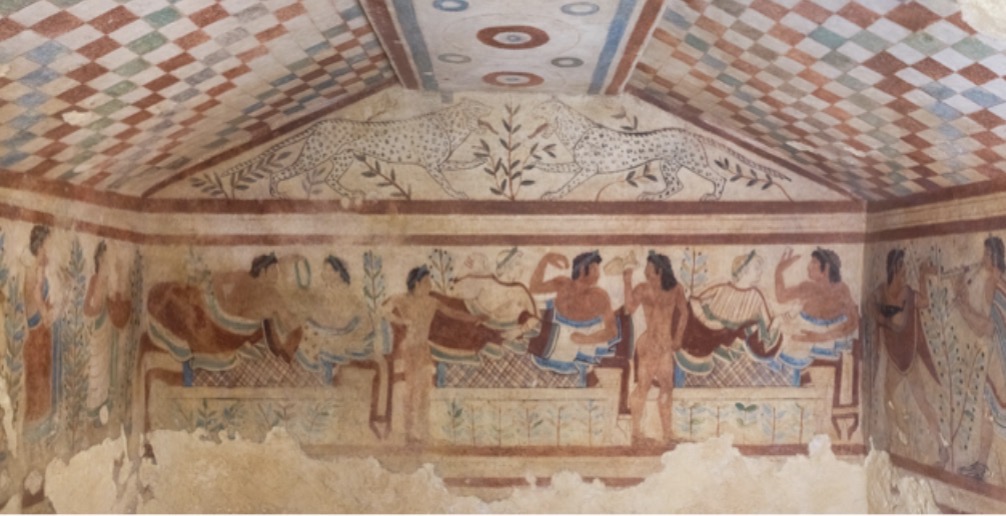
Interior of tomb of the leopards, Monterozzi necropolis. 480 BCE. Etruscan Tarquinia- archaic. Fresco on limestone
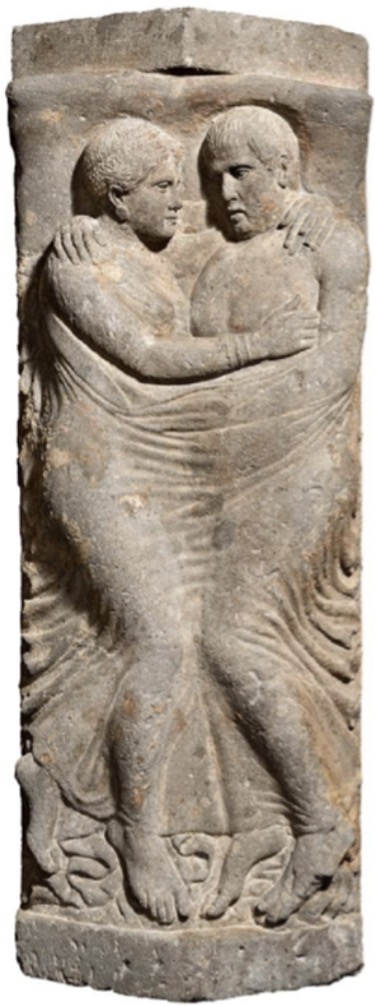
Sarcophagus with somber husband and wife relief in rest together. Late 400s-early 300s BCE. Etruscan. Tomb of tetines fam. Vulci-Classical. Vulcanic tuff
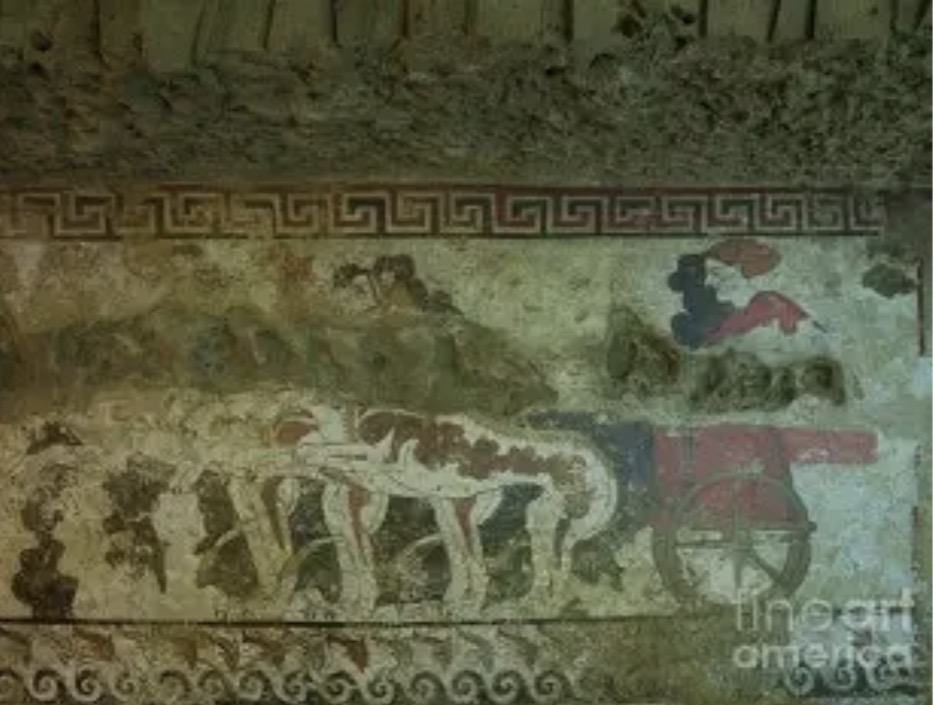
Tomb of the Infernal chariot. 300-320 BCE. Etruscan, Tuscany-Classical. Travertine stone
Head of republican priest. 50-39BCE. Marble. Rome republic. Stoic and verism
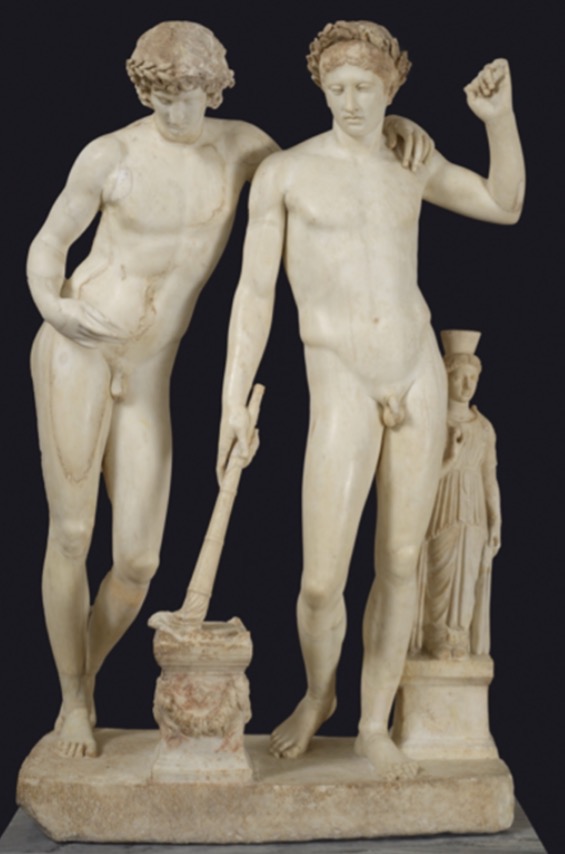
Two Roman Spearbearer athletes and caryatid. 50-25BCE. Rome- influx of Greek art. Marble. Oh was bronze
Don’t memorize, but take in the idea of Greek heroism and idealism for Augustus
Augustus as an imperator. 20BCE. Rome- Augustus’s Idealism. Pax Romania. Bronze og. Marble.
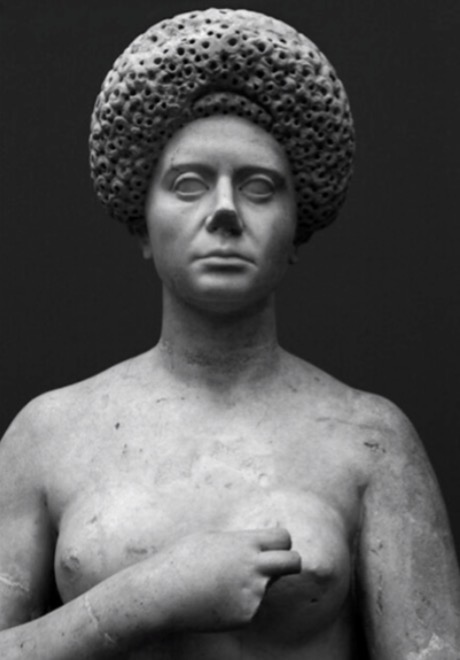
Flavian woman in guise of Aphrodite. Wise face beauty body. 79-81CE. Rome- Exlecticism. Marble
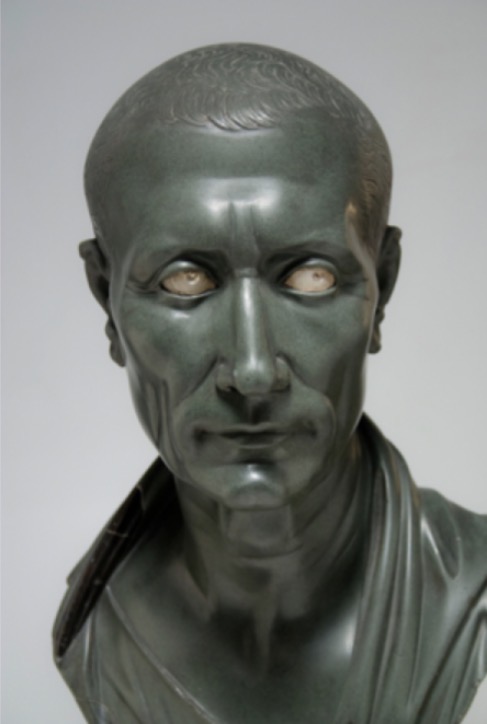
Head bust of Julius Caesar. 44BCE. Rome-Egypt. Apotheosis. Green basalt
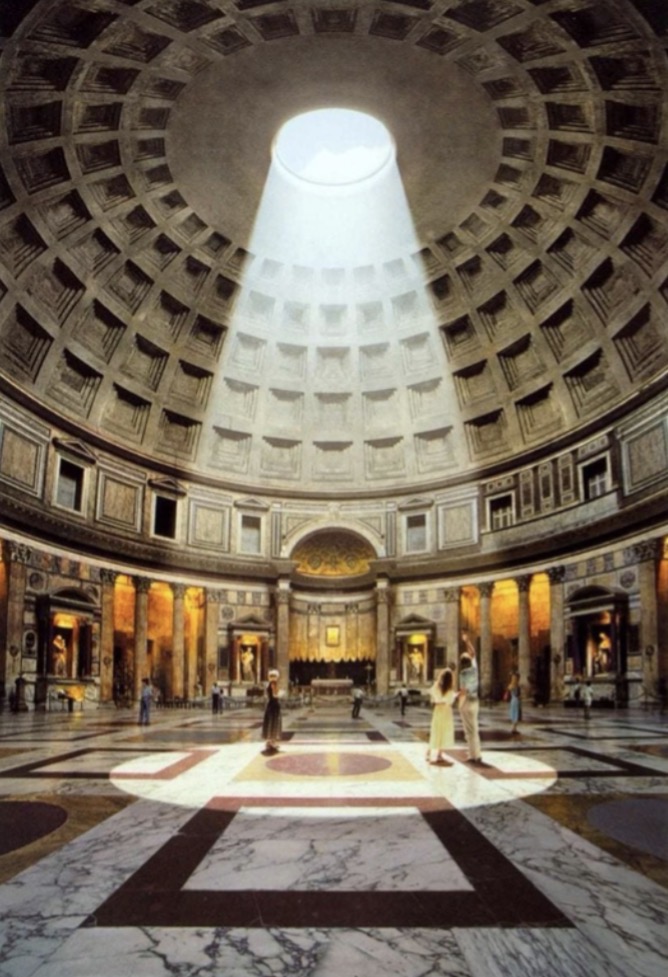
Pantheon of Rome. 125 CE. Rome-Baroque/sublime. Heavy basalt, brick-faced concrete.
Commissioned 23CE by Agrippa.
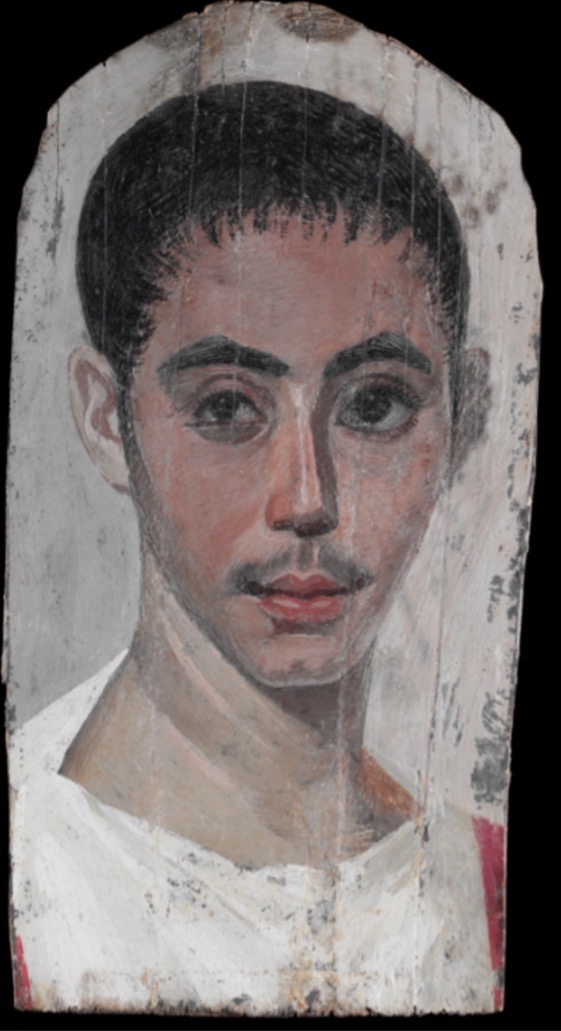
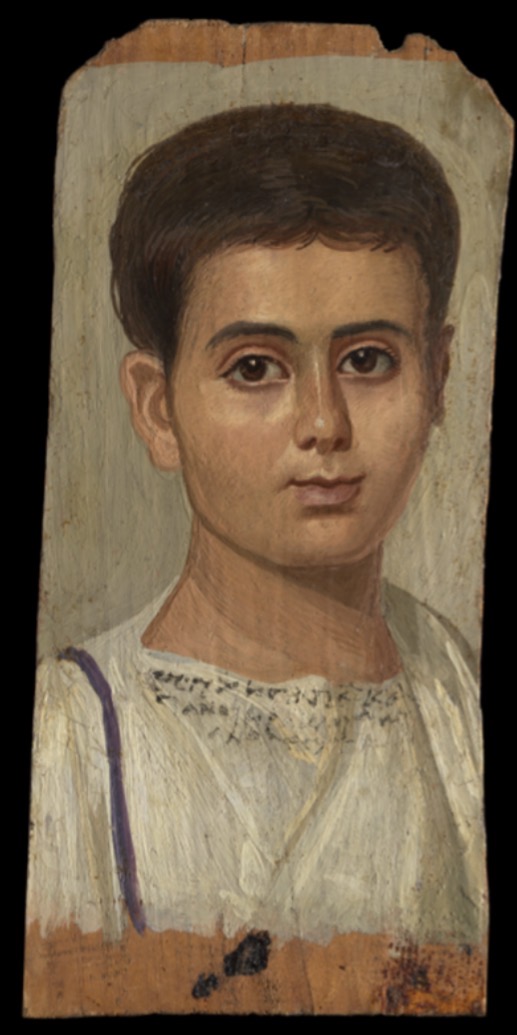
Portrait of youth with surgical cut in eye. 190-210AD. Rome, Egypt-Illusionism. Encaustic on limewood
If want
Portrait of Eutyches. 100-150CE. Rome-egyot-illusionism. Encaustic on wood
If want
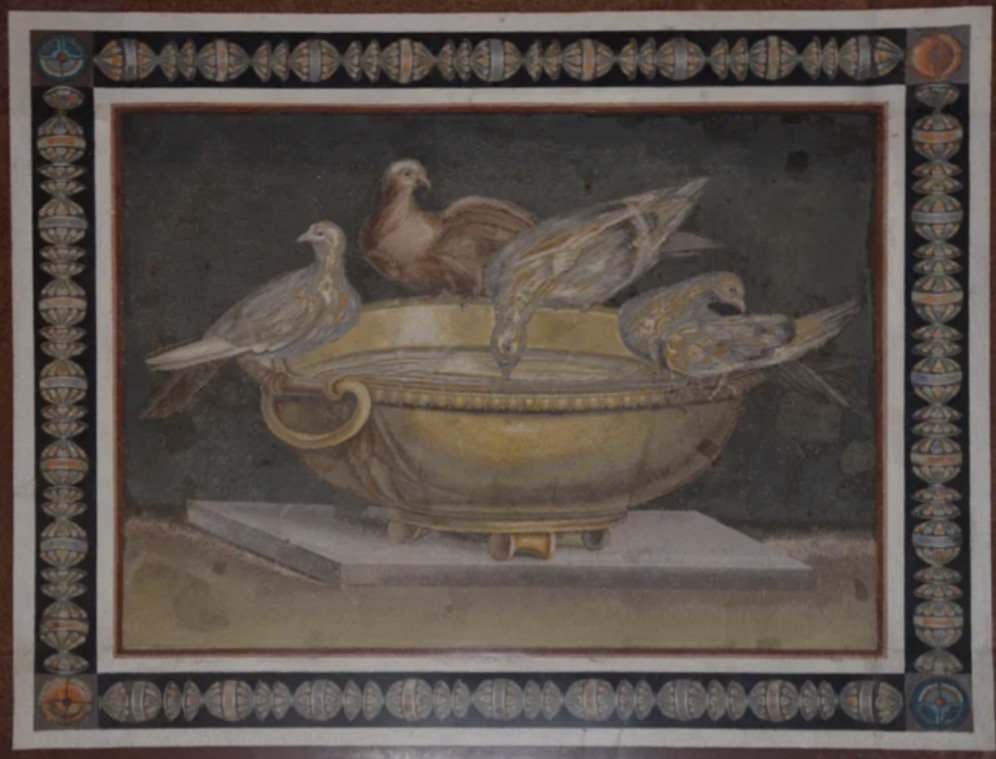
Mosaic Doves in a basin. 50-70BCE. Rome-Still life. Glass tesserae.
Don’t memorize
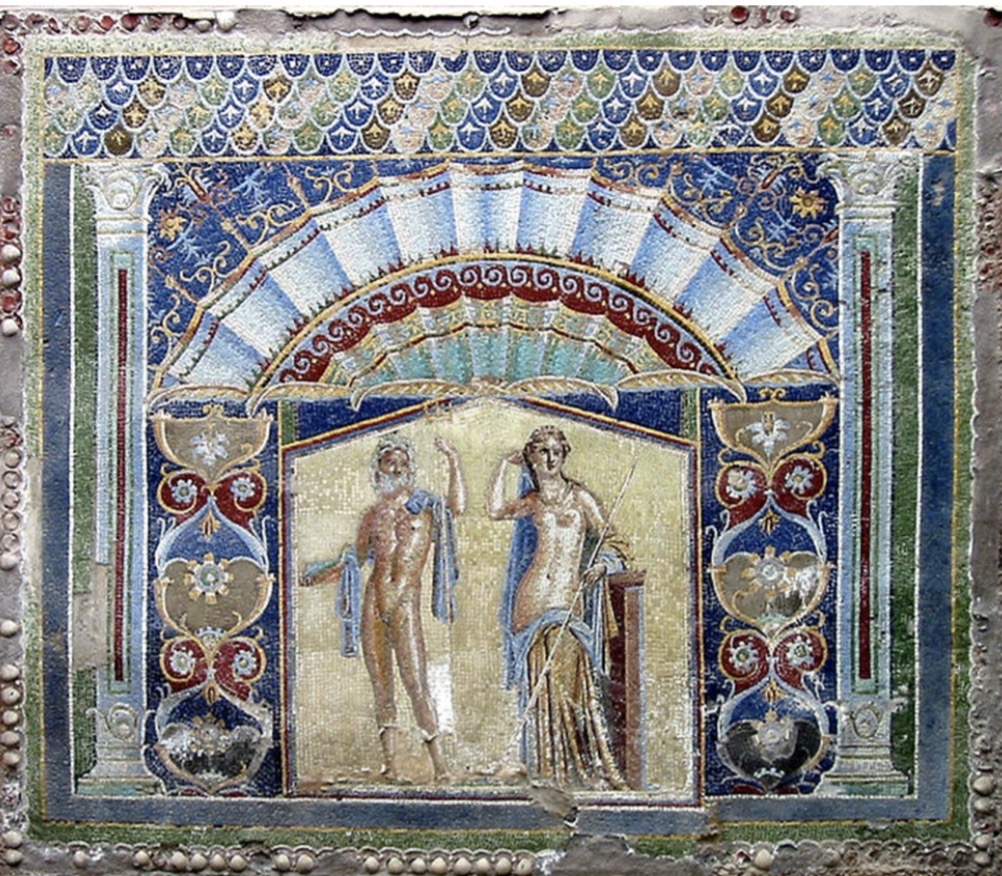
Wall Mosaic of Neptune. 62-79CE. Rome-Still life. Glass tesserae and shells.
Don’t memorize