ATI TEAS 7 SCIENCE
 Call Kai
 Learn
Learn Practice Test
 Spaced Repetition
 Match
Match Flashcards
 Knowt Play
1/98

There's no tags or description
Looks like no tags are added yet.
Name | Mastery | Learn | Test | Matching | Spaced | Call with Kai | Chat |
|---|
No analytics yet
Send a link to your students to track their progress
99 Terms
synthesize proteins from amino acids, embedded in the rough ER.
ribosomes
involved in synthesizing materials that are transported out/within of the cell
golgi apparatus
sacs used for storage, digestion and waste removal. Only one large one in plant cells
vacuole
small organelle, moves material within a cell
vesicles
consists of microtubules (made from proteins) that help shape and support the cell
cytoskeleton
liquid material within a cell
cytosol
refers to cytosol and the structures within the plasma membrane of the cell
cytoplasm
has ribosomes on the surface, comprises the transport system
rough er
does not have ribosomes on surface, comprises the transport system
smooth er
structure generates atp, cellular differentiation, cell cycle and cell growth regulation. numerous in eukaryotes (animal cells)
mitochondria
contains chromosomes and passes on genetic traits (DNA)
nucleus
chromosomes
rods of DNA
the dna and proteins that make up chromosomes
chromatin
within the nucleus, involved in protein synthesis, and synthesizes and stores RNA
nucleolus
encloses the structures of the nucleus, made from lipids
nuclear membrane
involved in the exchange of material between the nucleus and cytoplasm
nuclear pores
liquid within the nucleus
nucleoplasm
involved in the transportation of substances throughout the cell. It plays a primary role in the metabolism of carbohydrates, synthesis of lipids, steroids and proteins.
Endoplasmic reticulum
protect the cell by engulfing the foreign bodies entering the cell and help in cell renewal.
lysosomes
primary organelles for photosynthesis. It contains the pigment called chlorophyll.
chloroplasts
solid to liquid
melting
liquid to solid
freezing
liquid to gas
vaporization
solid to gas
sublimation
gas to solid
deposition
gas to liquid
condensation
ph lower than 7
acidic (water ,hydrochloric acid)
pH greater than 7
base (cleaning ingredients)
How can you calculate the number of protons of an element?
number of protons is the same as the atomic number on the top of the element
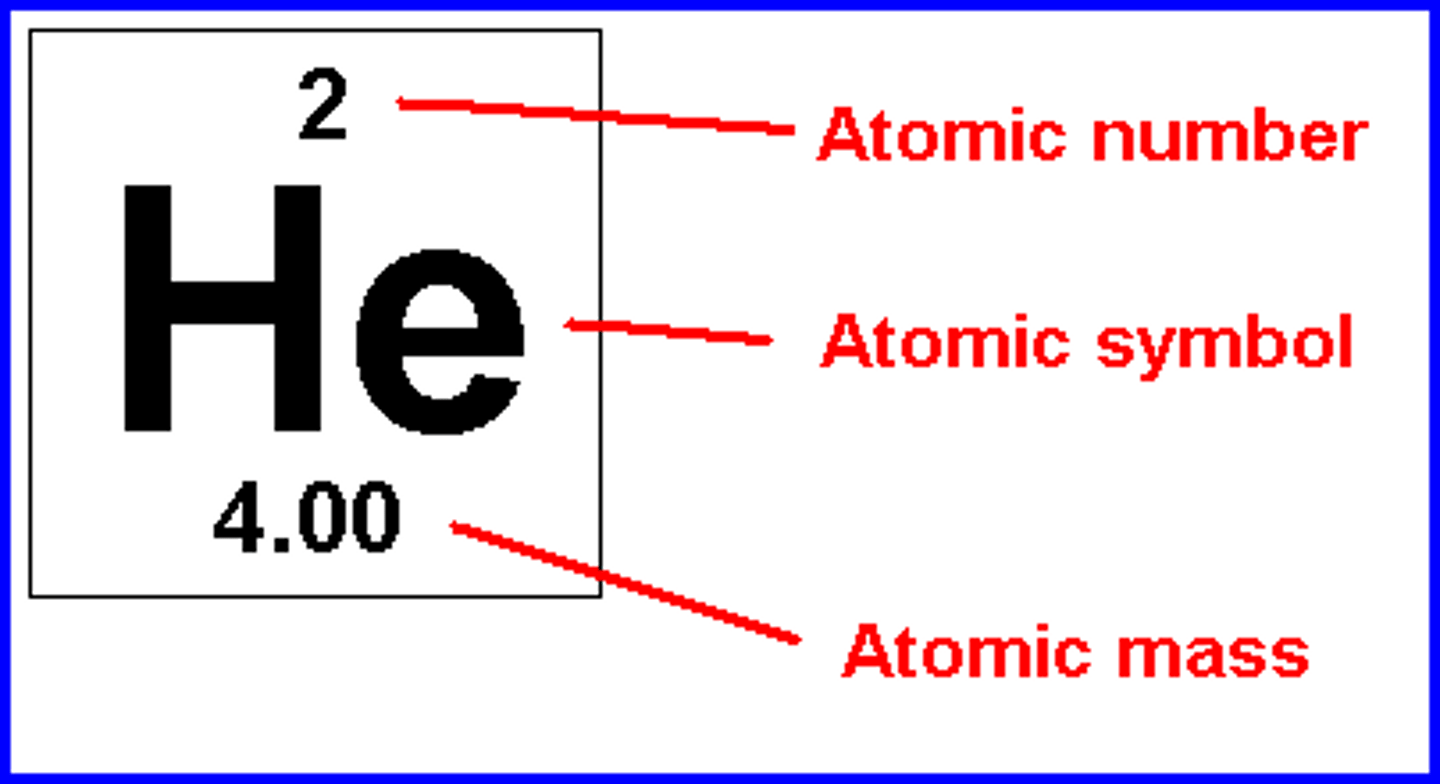
how do you calculate the number of neutrons?
Atomic Mass - Atomic Number = # of Neutrons
Mitosis
The daughter cell is an exact replica of the parent cell
Meiosis
daughter cells have different gene coding than parent cell
INTERPHASE
cell prepares for division by replicating its genetic and cytoplasmic material
PROPHASE
Chromosomes become visable, nuclear envelop dissolves, spindle forms
METAPHASE
Spindle moves to the center of the cell and chromosome pairs align along the center of the spindle structure.
ANAPHASE
chromosomes start to pull away from each other (daughter chromosomes
TELOPHASE
spindle disintegrates, nuclear membrane reforms, chromosomes revert to chromatin.
CYTOKINESIS
physical pulling of the cell into two cells.
covalent bond
sharing of electrons between 2 or more atoms
ionic bonds
relationship between two oppositely charged ions
electrons shared equally
nonpolar covalent bond
electrons shared unequally
polar covalent bond
ion
an atom gains or loses electrons, making it negatively or positively charged
genotype
genes forming an individual
recessive genes
genes that aren't expressed
allele
determines the manifestation of genes
cation
positively formed when an atom loses one or more electron
anion
formed when an atom gains one or more electrons
segmentation
involuntary process occurring in the large intestine
haustral contractions
form of segmentation that moves chyme from one haustrum to the next
Mass peristalsis
movements that occur 2-4 a day to push chyme towards the rectum
salivary amylase
begins chemical breakdown of polysaccharides into simpler sugars
lingual lipase
breaks down lipids
mucin
a protein that helps to form a gel-like coating that lubricates the bolus of food
parietal cells of stomach
secrete HCl and intrinsic factor for B12 absorption
chief cells of the stomach
secrete pepsinogen and gastric lipase
pepsin
Enzyme that breaks down proteins into smaller polypeptide fragments, inactive form is pepsinogen
mucous cells
secrete bicarbonate-containing mucus to protect the stomach from the acidity and digestive enzymes
endocrine G cells secrete
release hormones such as gastrin into the blood and do not contribute to gastric juices
Enteroendoncrine cells
secrete CCK, which stimulates the acinar cells of the pancreas to release enzyme-rich juices.
secretin stimulates
duct cells to release bicarbonate-rich solution that raises pH
microvilli
tiny folds of the apical cell membrane (small intestine) that increase surface area.
jejunum
main site for absorption
duodenum
shortest segment but widest
CNS (central nervous system)
consists of the brain and spinal cord, integrates sensory information
PNS (peripheral nervous system)
cranial nerves and spinal nerves, sends information to AND from the CNS
Somatic Nervous System (SNS)
the part of the peripheral nervous system that controls voluntary movement of skeletal muscles
autonomic nervous system
the part of the peripheral nervous system that controls the glands and the muscles of the internal organs (such as the heart). Its sympathetic division arouses; its parasympathetic division calms.
interoreceptors (visceroreceptors)
respond to stimuli arising in internal viscera and blood vessels
Mechanoreceptors
respond to touch, pressure, vibration, and stretch
Chemoreceptors
respond to chemicals (olfactory and taste receptors)
photoreceptors (rods and cones)
respond to light
Proprioceptors
within the inner ear, skeletal muscles, and joints provide information about movement, position, and equilibrium
sensory (afferent) neurons
neurons of the PNS that carry incoming information from the sensory receptors to the brain and spinal cord
motor (efferent) neurons
Transmit nerve impulses from the brain and spinal cord to effector sites (muscles and glands)
phasic receptors
rapidly adapt to a constant stimulus and turn off, action potentials decrease over time. e.g include chemoreceptors
Tonic receptors
adapt slowly, alerting CNS of the stimulus with action potentials. e.g include proprioreceptors, photoreceptors and nocireceptors
FSH (follicle stimulating hormone)
stimulated by GnRH, targets gonads, stimulates maturation of sperm cells and ovarian follicles
LH (luteinizing hormone)
targets the gonads - stimulates the production of sex hormones; surge stimulates ovulation in females
oxytocin
targets uterus and breasts. stimulates contractions and milk production
ADH
targets kidneys, increases water retention
Calcitonin
targets bones and kidneys, lowers blood calcium levels
parathyroid hormone
targets bone and kidneys. raises blood calcium levels
Calcitriol
increases calcium retention
layers of the skin in order
stratum corneum, stratum lucidum, stratum granulosum, stratum spinosum, stratum basale
which layer of the skin contains desmodomes?
stratum spinosum
which layer of the skin contains granules of keratohyalin?
stratum granulosum
which layer of the skin contains flattened keratinnocytes found in the palms and soles. also called eleidin?
stratum lucidum
which layer has keratin-containing squamous cells?
stratum corneum
where can you find abundant keratinocytes?
stratum basale
which layer of the skin contain langerhan cells (phagocytes)?
stratum spinosum
where are the cutaneous receptors that detect light found in the skin (merkel cells)?
stratum basale
appocrine glands
lie deeper in the dermis, activate onset of puberty in response sex hormones
eccrine glands
glands that produce sweat; found over most of the body
hyaline cartilage
Most common type of cartilage; it is found on the ends of long bones, ribs, and nose
elastic cartilage
cartilage with abundant elastic fibers; more flexible than hyaline cartilage, found in the epiglottis and external ear
Fibrocartilage
cartilage that contains fibrous bundles of collagen, such as that of the intervertebral disks in the spinal cord.
ligaments
Connect bone to bone
tendon
connects muscle to bone