CDC Diphyllobothriasis
 Studied by 0 people
 Call Kai
 Learn
Learn Practice Test
 Spaced Repetition
 Match
Match Flashcards
 Knowt Play
1/21

There's no tags or description
Looks like no tags are added yet.
Name | Mastery | Learn | Test | Matching | Spaced |
|---|
No study sessions yet.
22 Terms
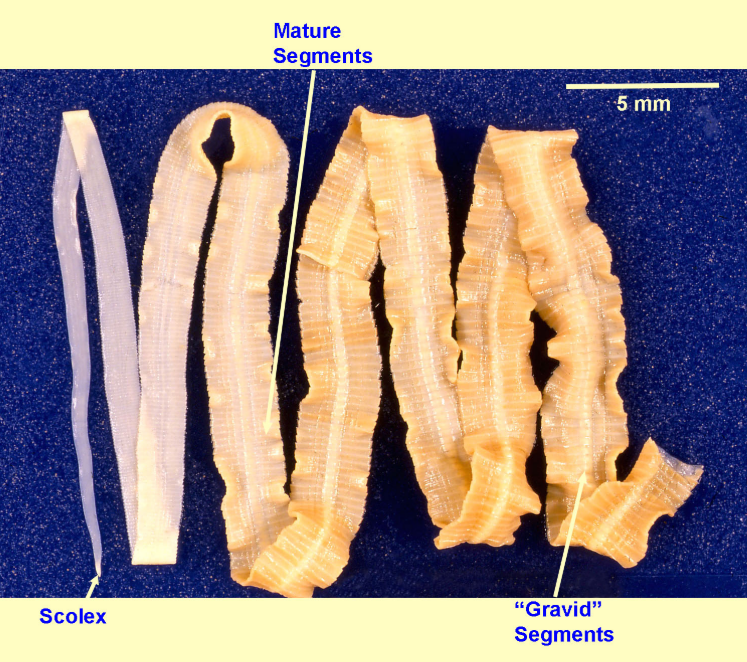
Several members of the _______ family Diphyllobothriidae are known to infect humans.
cestode (tapeworm)
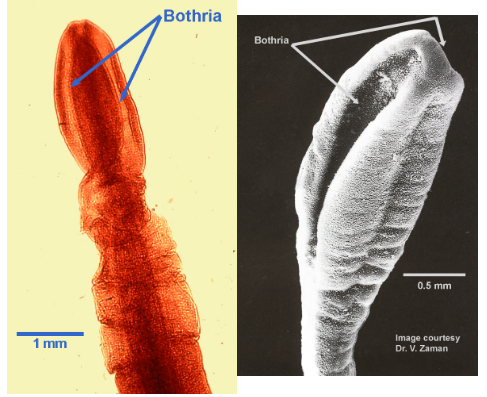
These pseudophyllidean cestodes have a __(grooves), instead of suckers as in the cyclophyllidean cestodes (the group including nearly all human-infecting species).
scolex bearing bothria
All species associated with human diphyllobothriid infections have marine or aquatic life cycles and
transmission occurs via ingestion of __.
undercooked fish
Recent research incorporating morphologic and molecular data has led to the re-classification and re-naming of most of the human
infecting __.
diphyllobothriids
Diphyllobothrium latum), the “____________”, is usually assumed to be the most common agent of human diphyllobothriasis.
broad fish tapeworm
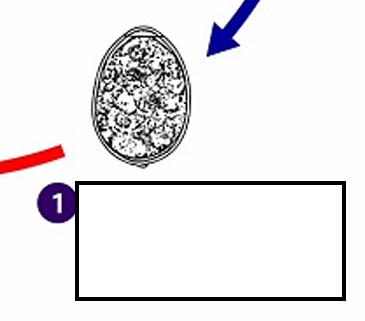
(1) Eggs are passed of defenitive host
unembryonated in feces
(2) Under appropriate conditions, the eggs mature (approximately _days) yield oncospheres which develop into a coracidia
18 to 20
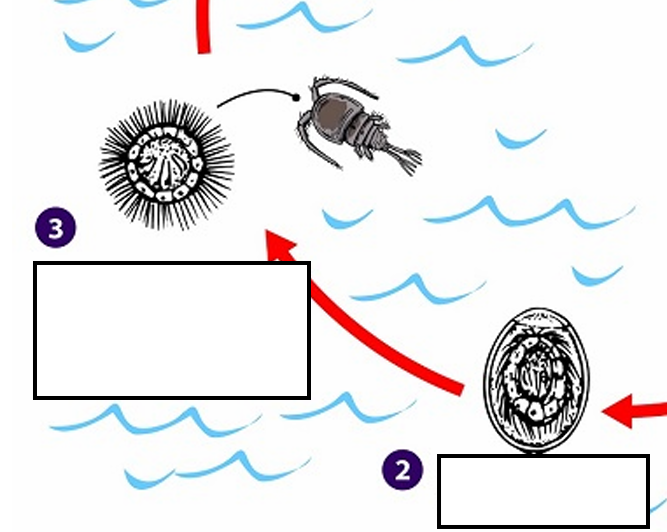
(2) Under appropriate conditions, the eggs mature (approximately 18 to 20 days) yield oncospheres which develop into a _____. hatch from eggs and ingested by the first intermediate host ________.
coracidia, crustaceans.
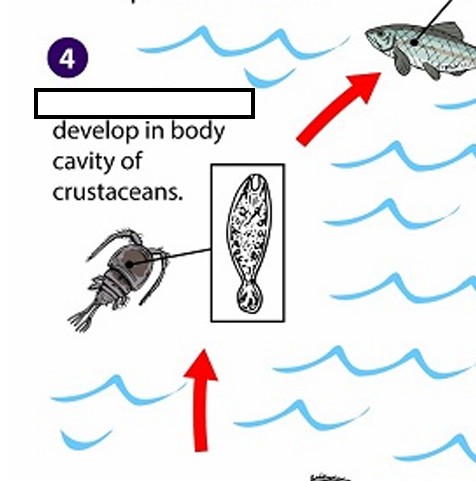
After ingestion by a suitable crustacean (first intermediate host) the coracidia develop into __
procercoid larvae
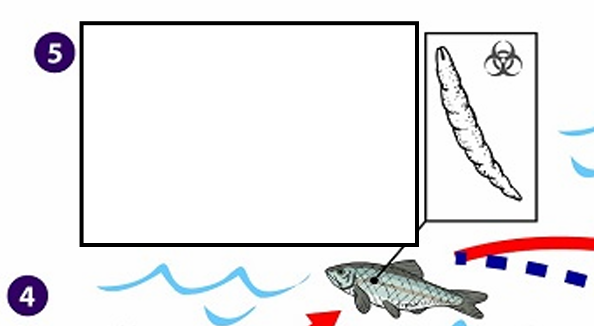
Procercoid larvae are released from the crustacean upon predation by the second intermediate host (usually a small fish) and migrate into the deeper tissues where they develop into a _ (spargana), which is the infectious stage for the definitive host
plerocercoid larvae
Because humans do not generally eat these small fish species raw, the second intermediate host probably does not represent an important source of human infection. However, these small second intermediate
hosts can be eaten by larger predator species that then serve as ___.
paratenic hosts
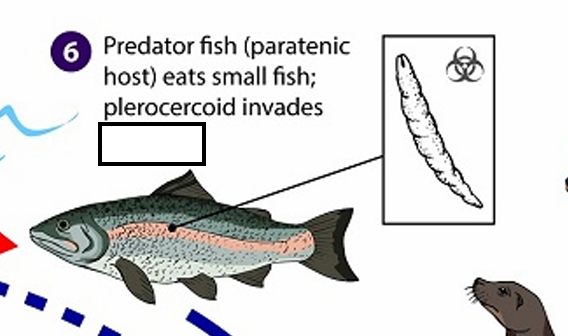
tissue
humans (and other definitive host species) acquire the parasite via consumption of undercooked paratenic host fish
musculature
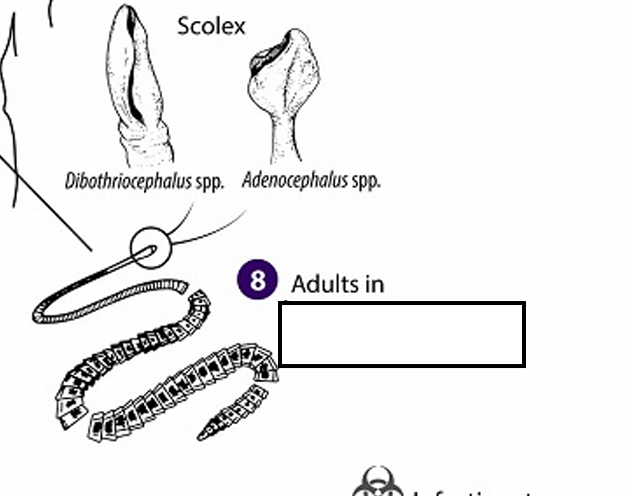
In the definitive host, the plerocercoid develops into adult tapeworms in the ________.
small intestine
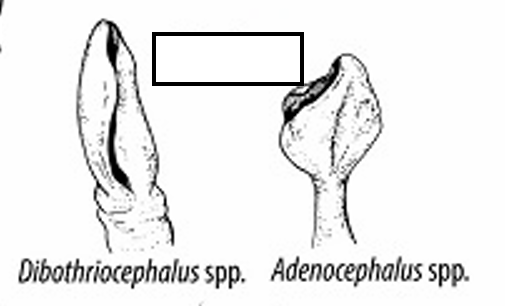
Adult diphyllobothriids attach to the intestinal mucosa by means of two bilateral groves (bothria) of their
scolex
The adults can reach more than _ m in length, with more than ___proglottids.
10, 3,000
Immature eggs are discharged from the (up to 1,000,000 eggs per day per worm) and are passed in the feces.
proglottids
Proglottids are the segments that make up the body___, each containing reproductive organs (hermaphroditic) that produce eggs.
(strobila) of a tapeworm
Eggs appear in the feces ____ weeks after infection.
5 to 6
Intermediate and paratenic hosts include a wide diversity of _, commonly perch and pike for Dibothriocephalus latus and salmon for D. nihonkaiense
freshwater and marine fishes
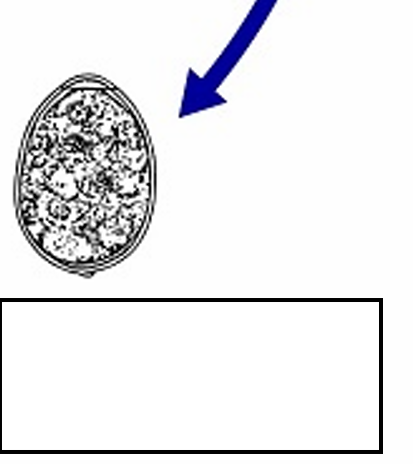
Diagnostic Stage
Unembryonated egg
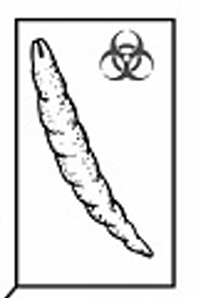
Infective Stage
Plerocercoid larva