BIOL172 Exam 2: Deuterostomia
 Call Kai
 Learn
Learn Practice Test
 Spaced Repetition
 Match
Match Flashcards
 Knowt Play
1/24

There's no tags or description
Looks like no tags are added yet.
25 Terms
Deuterostomia
Mouth second
Echinodermata and Chordata
Archenteron (primitive gut tube) opening (blastopore) develops into anus first
Mesoderm develops from endodermal "coelomic pouches"
- fusion forms enterocoelom
Indeterminant cleavage
Why are echinoderms included in the Superphylum Deuterostomia? What kind of symmetry do they feature?
Blastopore becomes anus
Radial cleavage
Enterocoelous coelom formation
Start bilateral symmetry, become radial as adults
Entercoelom
Coelom formed by fusion of coelomic pouches budded from the endodermal lining of the archenteron
Ambulacraria: Echinodermata
Sea cucumbers, sea urchins, sand dollars, brittle stars
Prickly skin
Ossicles: tiny skeletal bones (endoskeleton) covered by epidermis, sometimes form spines: locomotion or defense
Pedicellaria: tiny stalked claws around spines: cleaning, food capture
Pentaradial symmetry
Ambulacral (water vascular) system
Hemal system (nutrient circulation): oral, gastric, and aboral rings
Ambulacraria vs. Chordates
Ambulacraria
- lack true back bone
- Echinodermata and Hemichordata
- radial
Chordates
- have true back bone
- Vertebrates, Tunicates, Lancelets
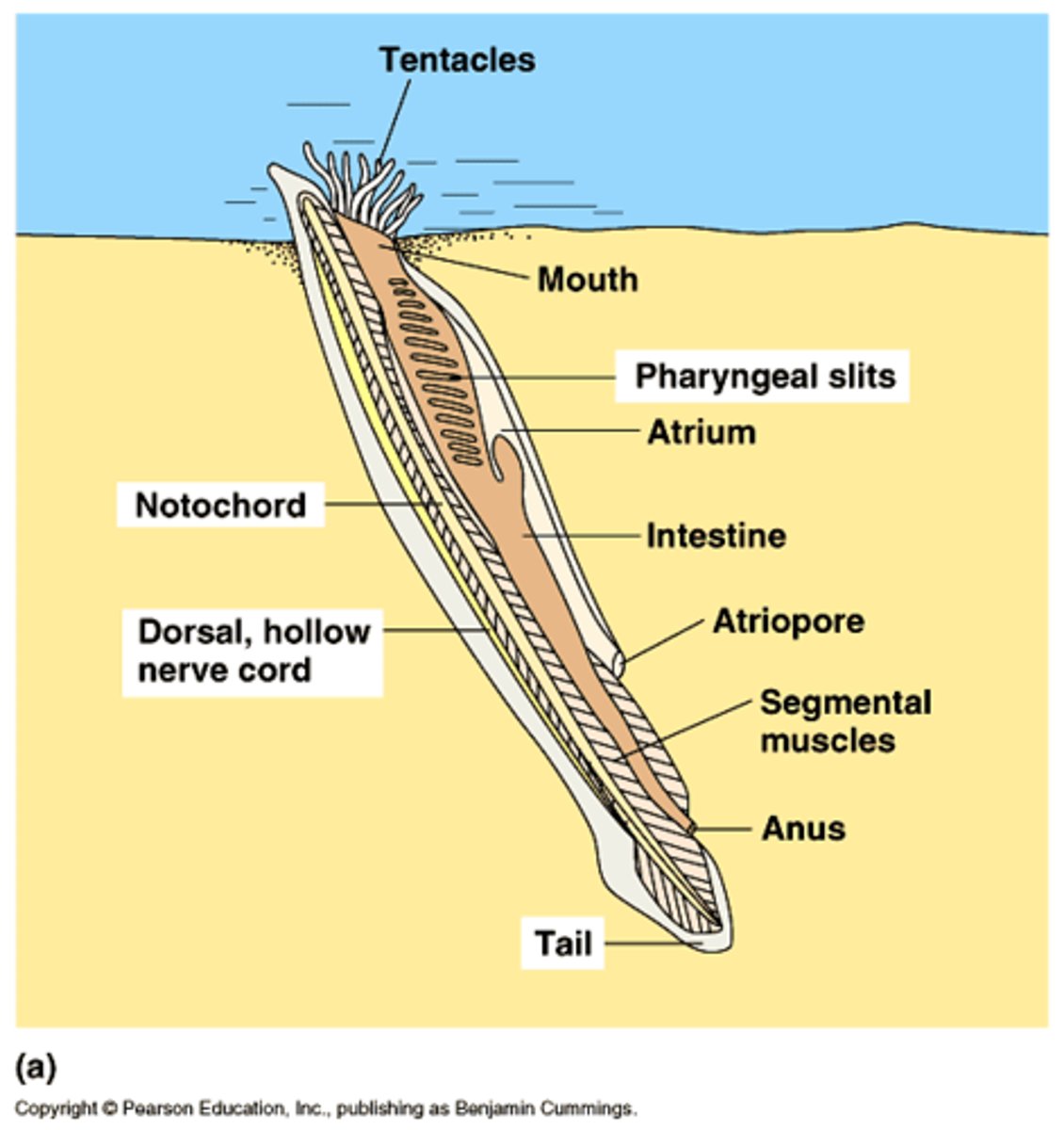
- notochord, dorsal hollow nerve cord, pharyngeal slits, post-anal tail
- often cephalization
- bilateral
Chordata
Shared features (synapomorphies)
- notochord
- dorsal hollow nerve cord
- pharyngeal slits
- post anal tail
- endostyle/thyroid gland (secrete iodinated hormones)
- emergence quadrupeds in form of amphibians
- evolution in amniotic egg
Epidermal structures: scales (prevent water loss), claws, hair, feathers (insulation / endothermy)
Vertebrates
Urochordata (tunicates, salps, larvaceans)
Cephalochordata: lancelets
Dorsal Hollow Nerve Cord
Derived from the endoderm
Develops into the brain and spinal cord (CNS) in vertebrates
Notochord
Cartilaginous skeletal rod supporting the body in all embryonic and some adult chordate animals
Post-anal Tail
Locomotion, courting, balance
Reduced in humans and great apes
Contains skeletal and muscle elements
Pharyngeal Slits
Produces thyroid-like hormones
Modified into:
- gill supports or jaw supports in (jawed) vertebrate fishes
- ears, tonsils, and thymus gland (tetrapods)
Cephalochordata
Notochord extends into head
Habitat: sand of warm seas
Suspension feeders
Dioecious: external fertilization
Pharyngeal slits as food particle filters
Atrium: gill chamber, collects filtered water
Urochordata
Tunicates
Tunic: cellulose like CH covers the body
Suspension feeders
Most sessile, salps can swim
Monoecious
Food is filtered by the endostyle mucus
Vertebrata: Craniata
Myxini, Petromyzontia, and Vertebrates
have vertebrae
Vertebrae
bones that form a backbone
Replacement of the embryonic notochord
Amniotes
Eggs with 4 extraembryonic membranes
Yolk sac, amnion, chorion, and allantois
Craniata: Agnatha
Jawless fishes
Lack of jaws
Lack of paired lateral appendages (fins)
Myxini (hagfishes) and petromyzontida (lampreys)
Craniata: Myxini
Eel-like scavengers
Hagfishes
Smile glands (milky mucus)
Cartilaginous skull
Fibrous and cartilaginous skeleton
Notochord persists (not replaced by vertebral column)
Petromyzontida
Lampreys
Sucking mouth with rasping tongue
Craniata: Gnathostomates
Jawed fish + paired fins
Active predation
Chondrichthyes and Osteichthyes
Chondrichthyes
Cartilage fish
Osteichthyes
Ossified / bony skeleton
Actinopterygii (ray finned, bony rays) and Sarcopterygii (lobe finned, fleshy, bones similar to earlier tetrapods)
Amphibians
Frogs, salamanders, and caecilians
Earliest terrestrial tetrapods
Metamorphosis = aquatic and terrestrial phase
Water dependent reproduction
Skin: mucous, moist, permeable
Carnivorous
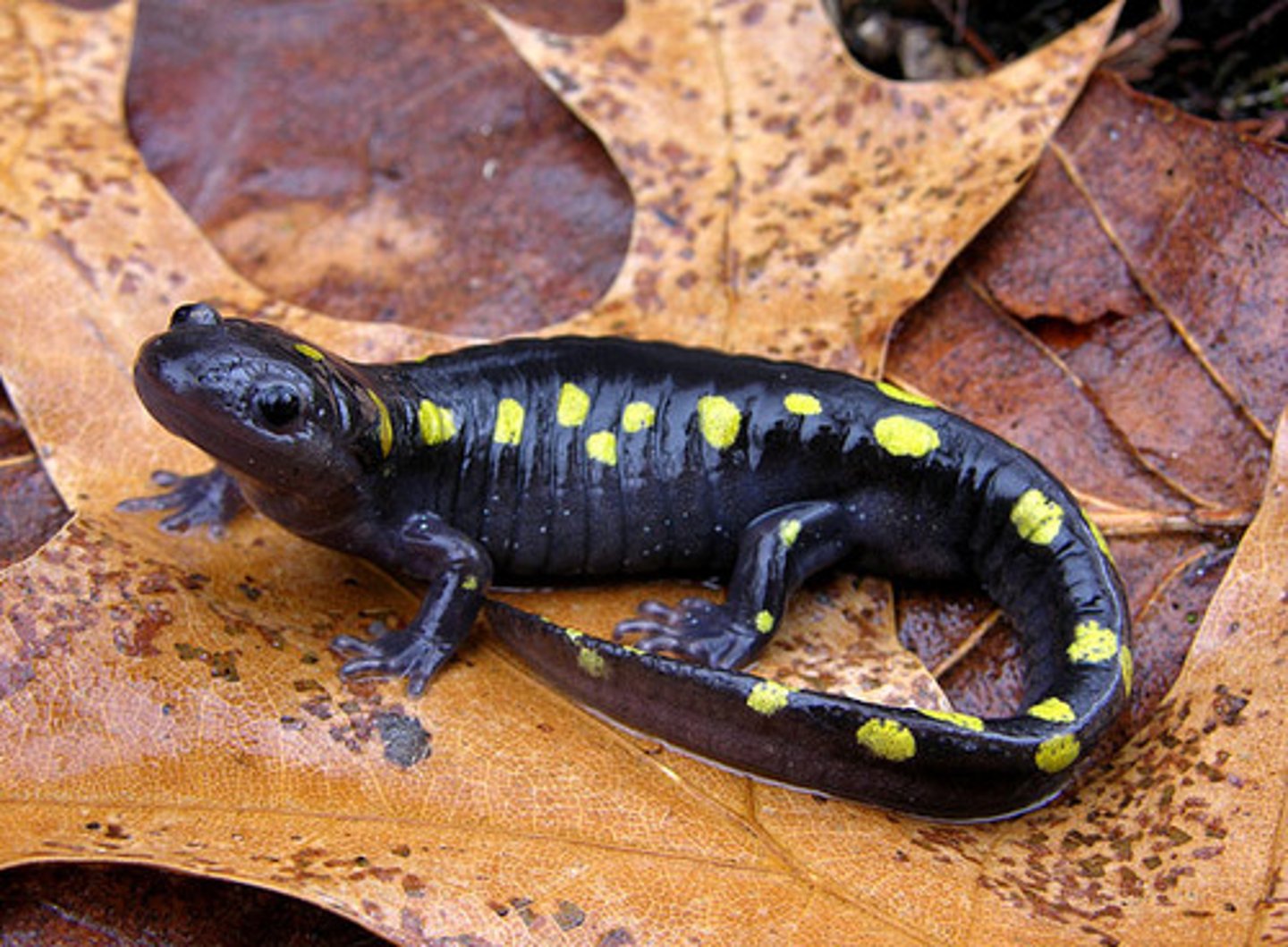
Amphibians: Urodela / Caudata
Tailed
Internal fertilization
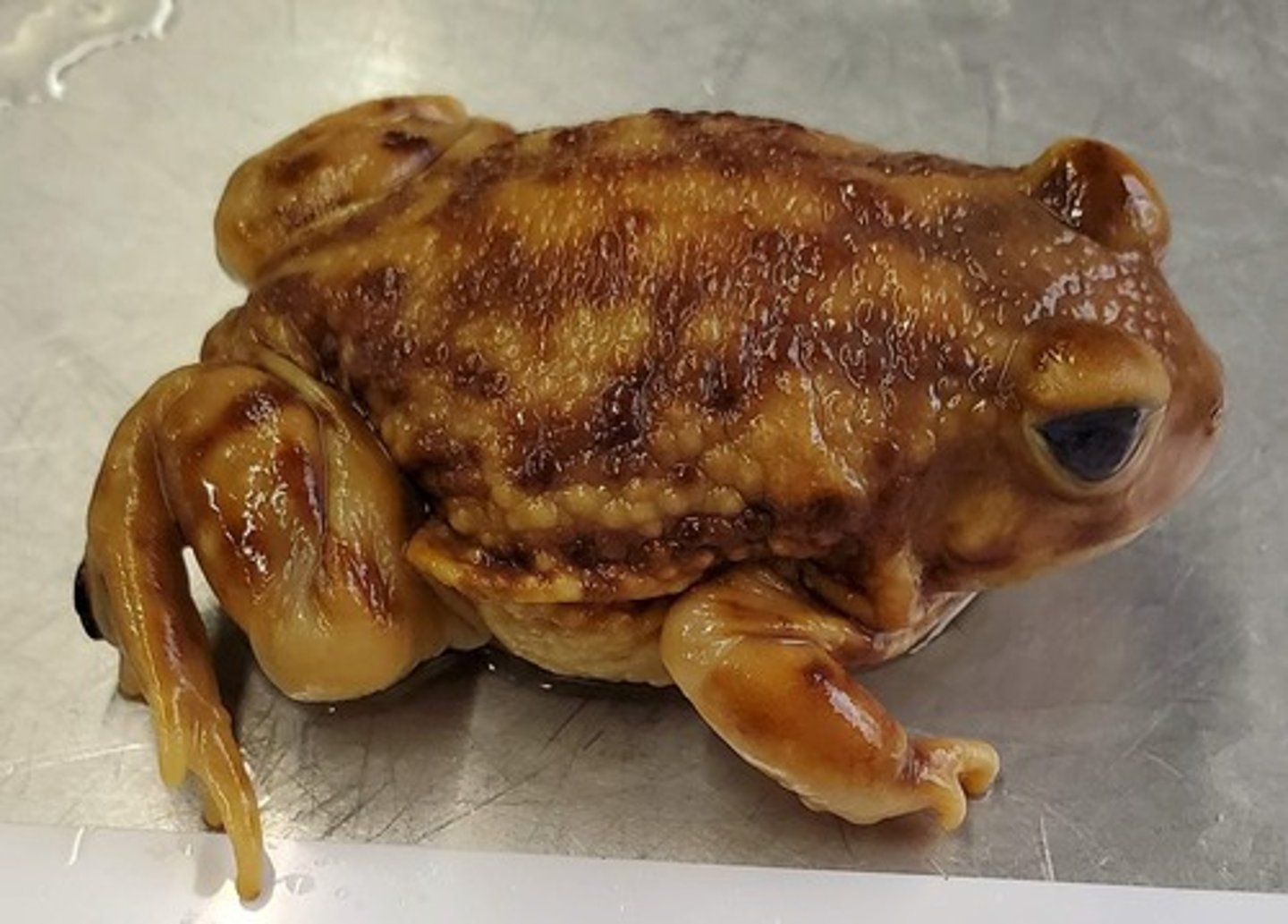
Amphibians: Anura
Tail-less
External fertilization
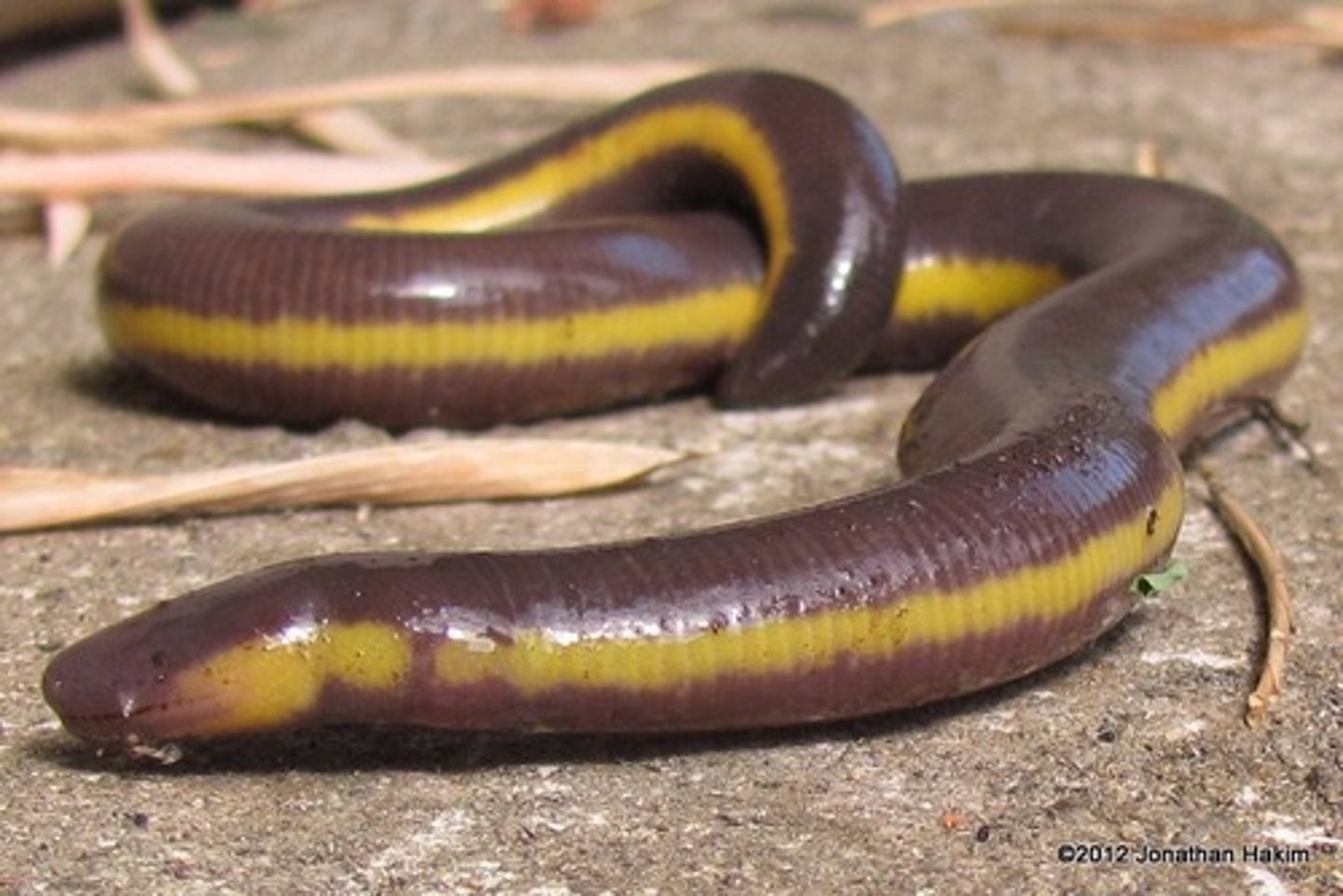
Amphibians: Apoda
Legless
Caecilians
Nearly blind
internalized fertilization