Chapter 16 Toward a New Heaven and a New Earth - The Scientific Revolution and the Emergence of Modern Science
 Studied by 0 people
 Call Kai
 Learn
Learn Practice Test
 Spaced Repetition
 Match
Match Flashcards
 Knowt Play
1/20

There's no tags or description
Looks like no tags are added yet.
Name | Mastery | Learn | Test | Matching | Spaced |
|---|
No study sessions yet.
21 Terms
Scientific Revolution
When scientist began working on finding out how and why things worked the way they did and no longer just relied on old stories or fables to explain the physical world around them. Scientific experiments, new inventions and methods replaced superstitions of the past.
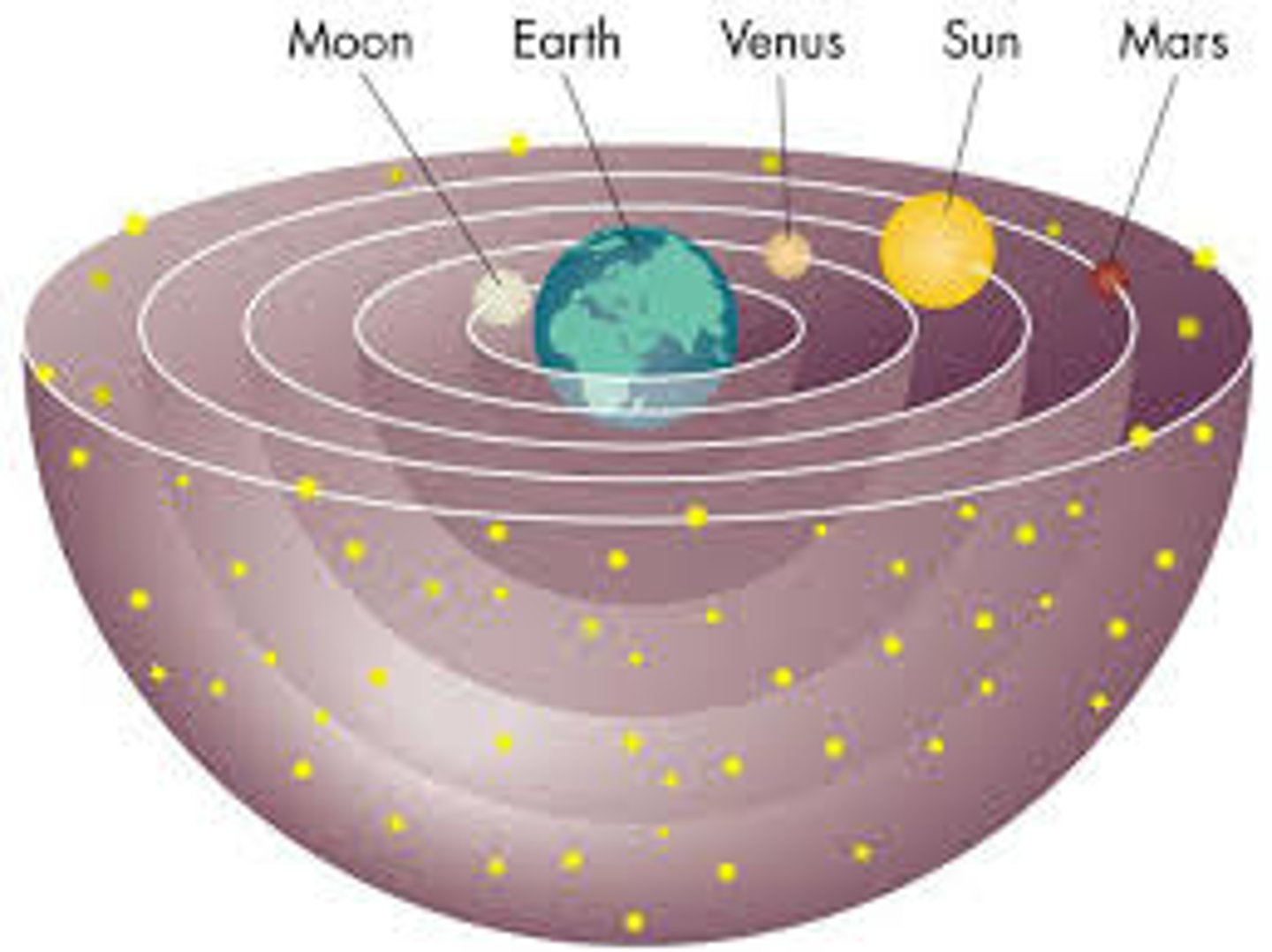
Geocentric Conception
The ancient belief that the universe was a large body of concentric spheres that moved around a fixed and motionless Earth at the center.
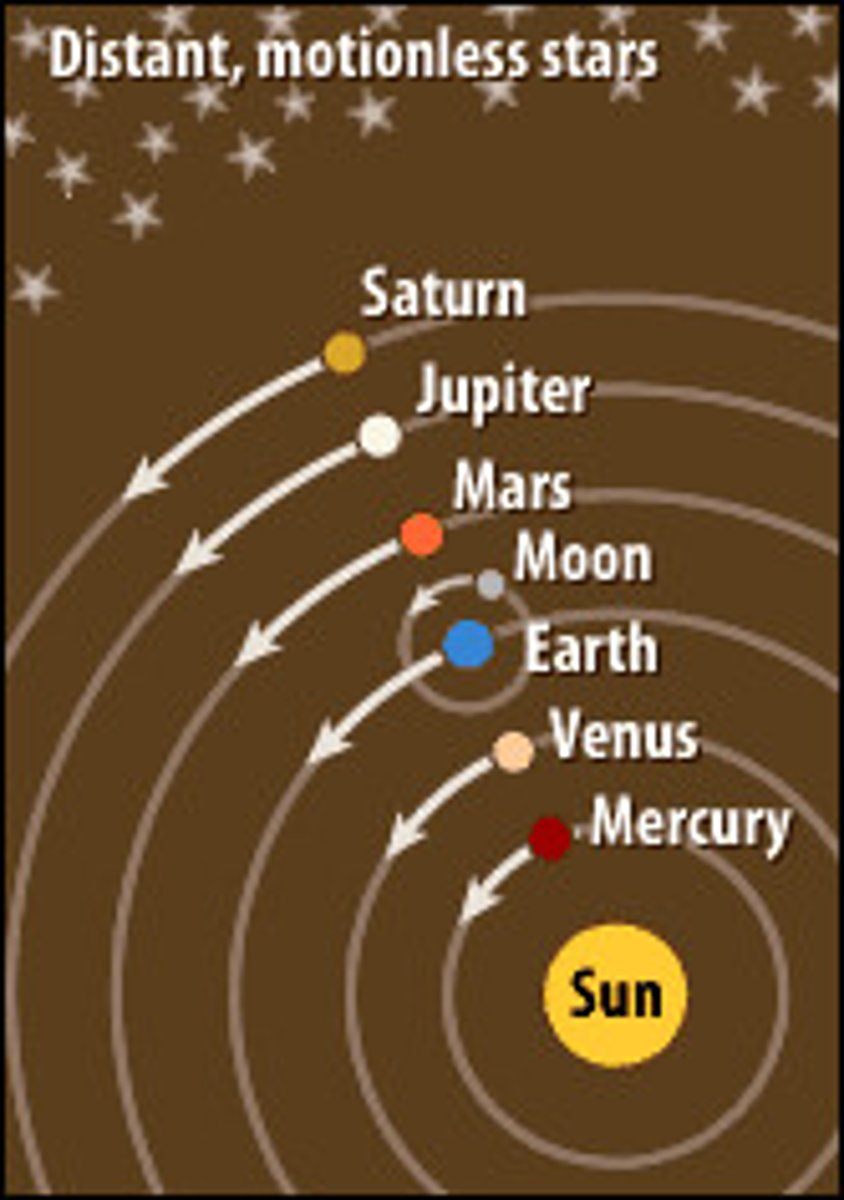
Heliocentric Conception
The idea put forth during the Scientific Revolution that said that the bodies in our solar system revolved around the sun, not around the Earth.
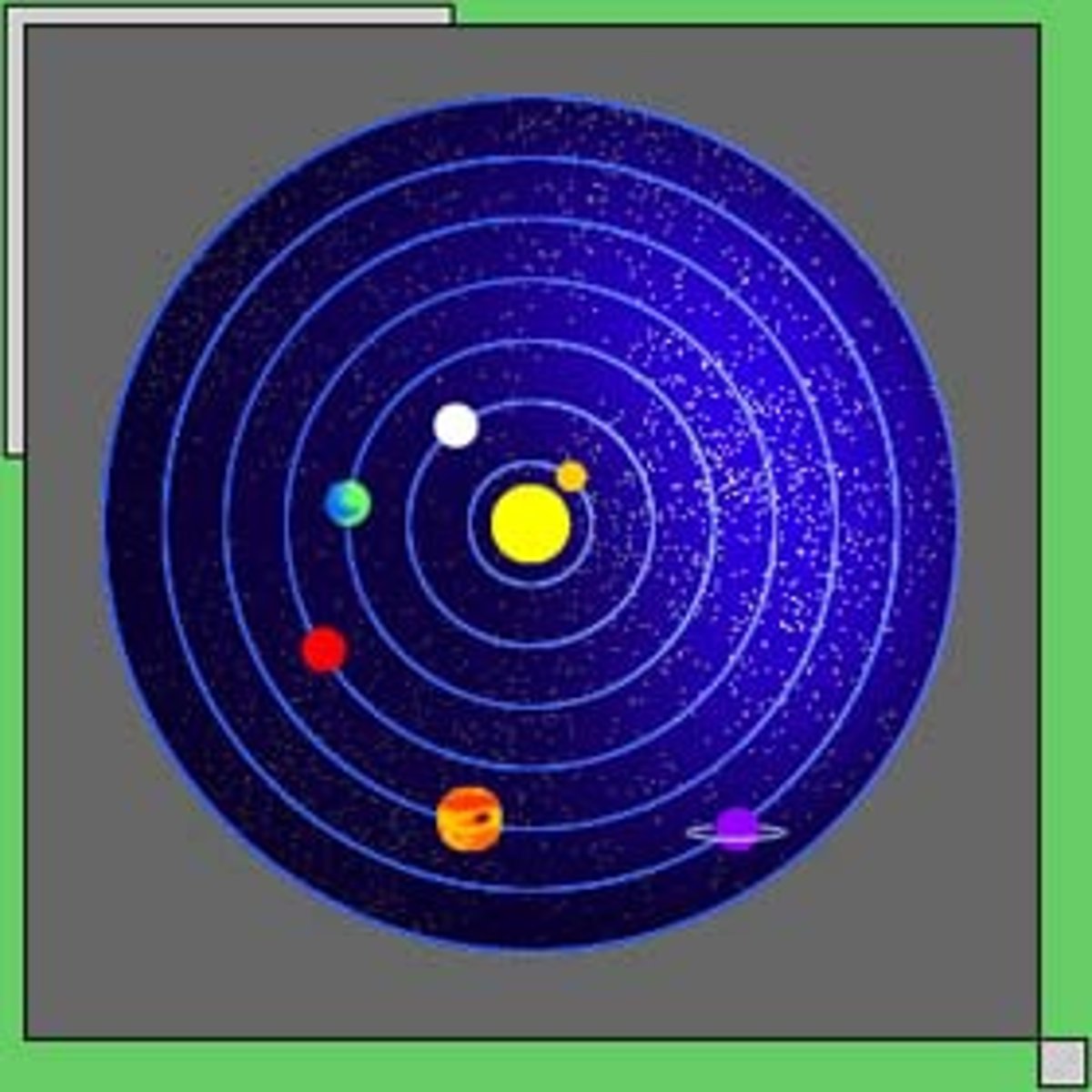
Nicolaus Copernicus
The first of a string of mathematicians and astronomers that would put forth the idea of a heliocentric model of the solar system.
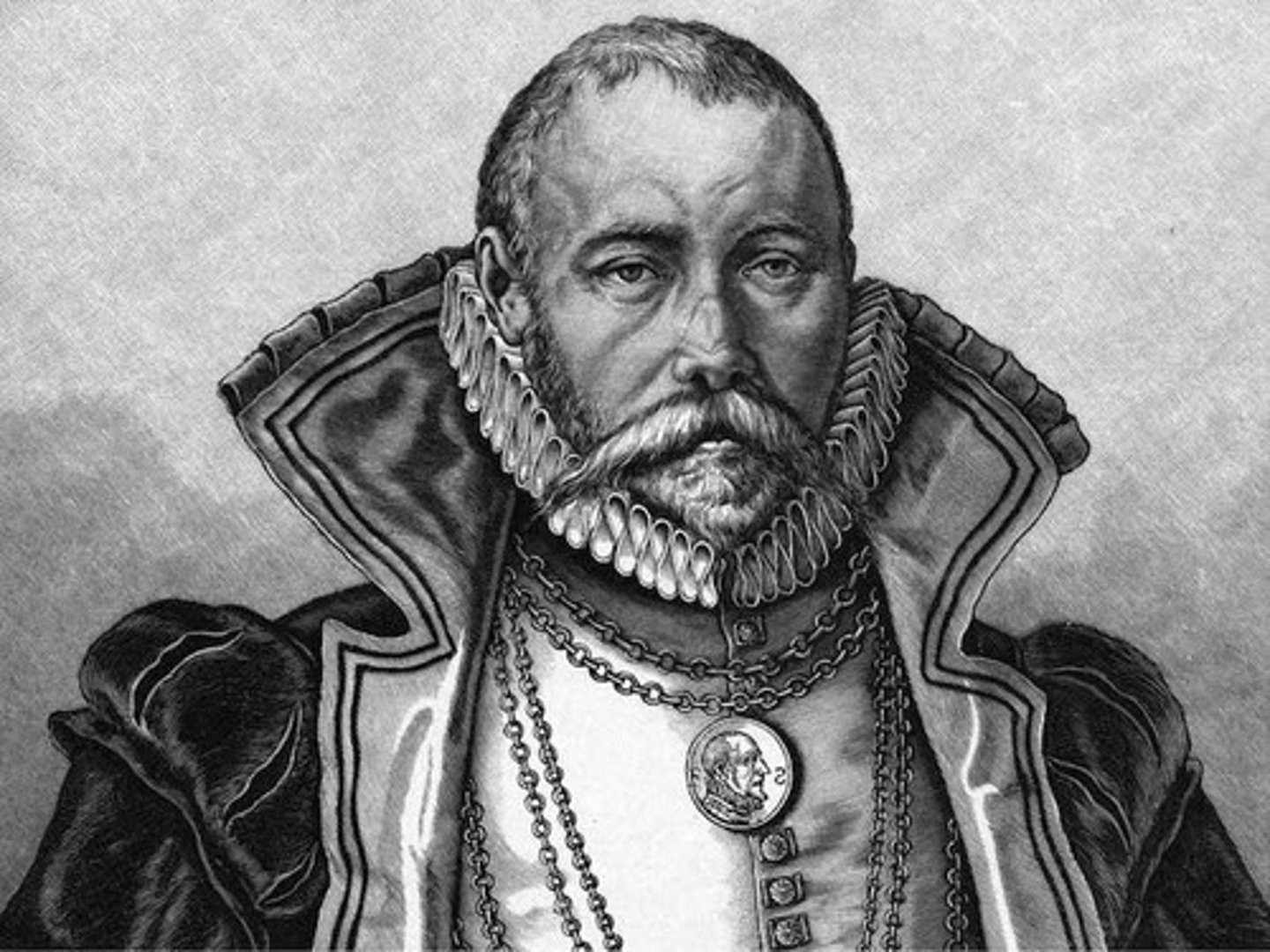
Tycho Brahe
A Danish nobleman that used his castle on an island off the coast near Copenhagen to observe and study astronomy. Perhaps his biggest value however would be the vast library he built on the property and his assistant that would follow in his footsteps, Johannes Kepler.
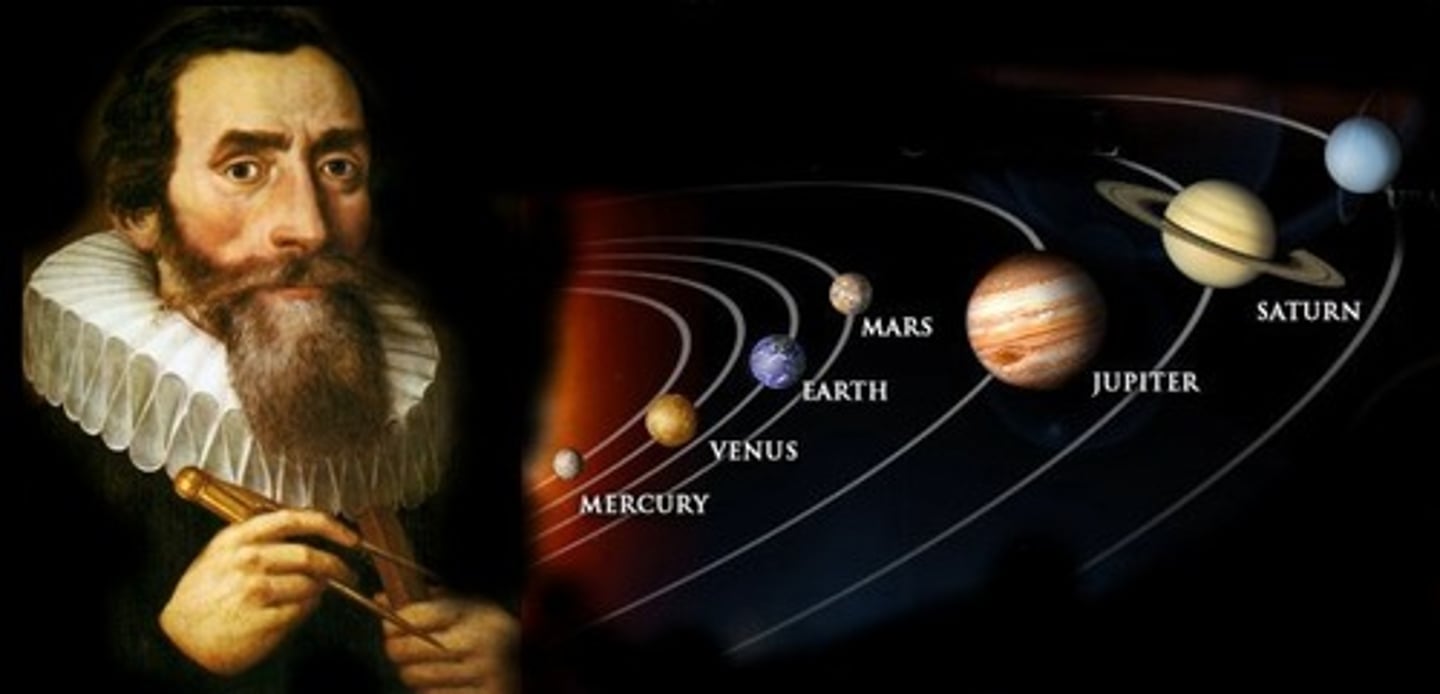
Johannes Kepler
Was the assistant to Tycho Brahe. He was a brilliant mathematician and astronomer who succeeded Brahe as the imperial mathematician to Emperor Rudolf II. He is most famous for his 3 laws of planetary motion that were much more accurate in explaining how the planets moved, in an ellipse, not a circle, around the sun.
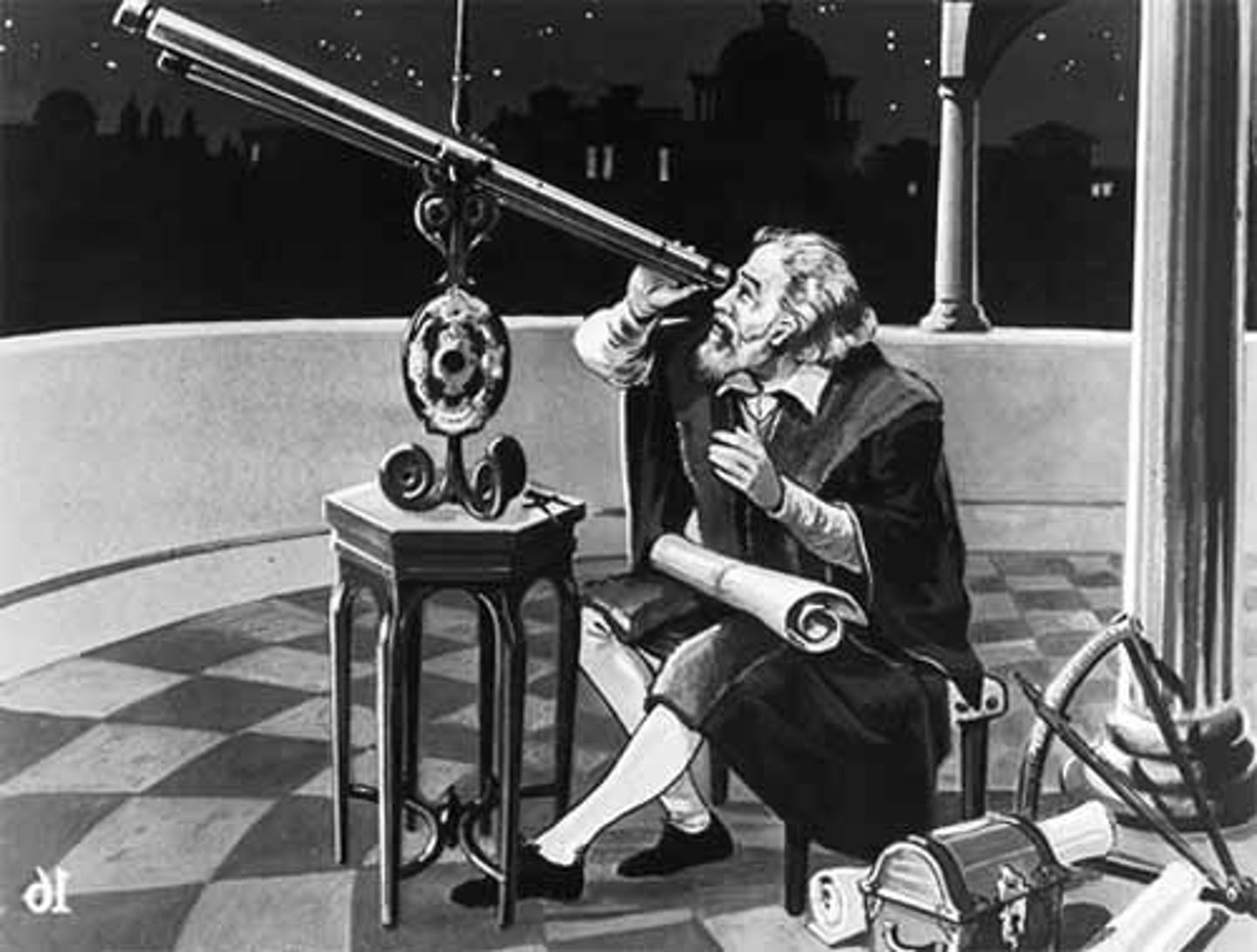
Galileo Galilei
He was the first European to make systematic observations of the heavens by means of the telescope bringing in a new age in the study of astronomy. He would get into big trouble with the Catholic Church and would even face the courts of the Inquisition because of his books that went against the teachings of the church.
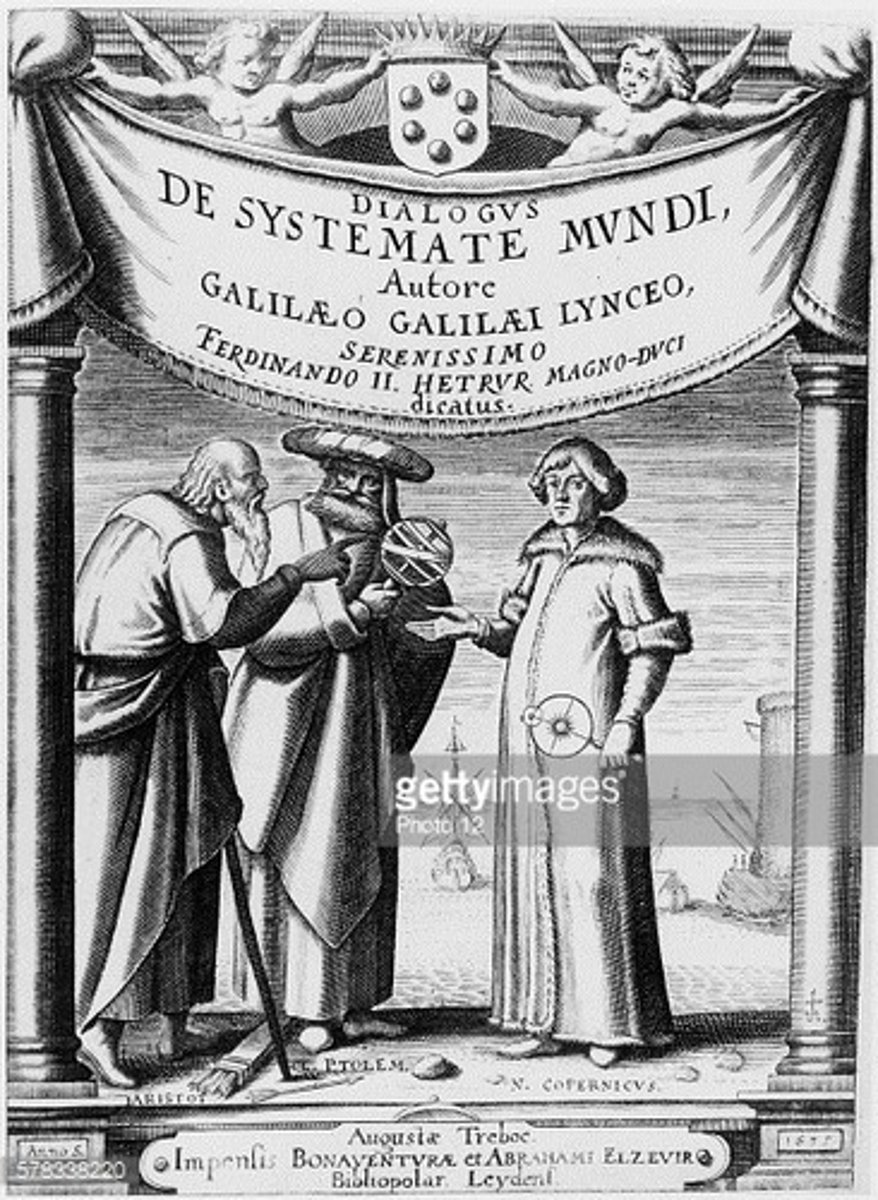
Dialogue on the Two Chief World Systems: Ptolemaic and Copernican
A book published in 1632 by Galileo where he continued to push against the teachings of the church. It was not his first book advancing the idea that the church's teachings were wrong about how the solar system operated, but it was written in Italian, not Latin, making it widely available to the public. The Church would bring him up on charges and place him on house arrest for the rest of his life.
Isaac Newton
He is considered one of the most brilliant men in history and given credit for the theory of universal gravitation. It was this theory that he used to explain all motion in the universe.
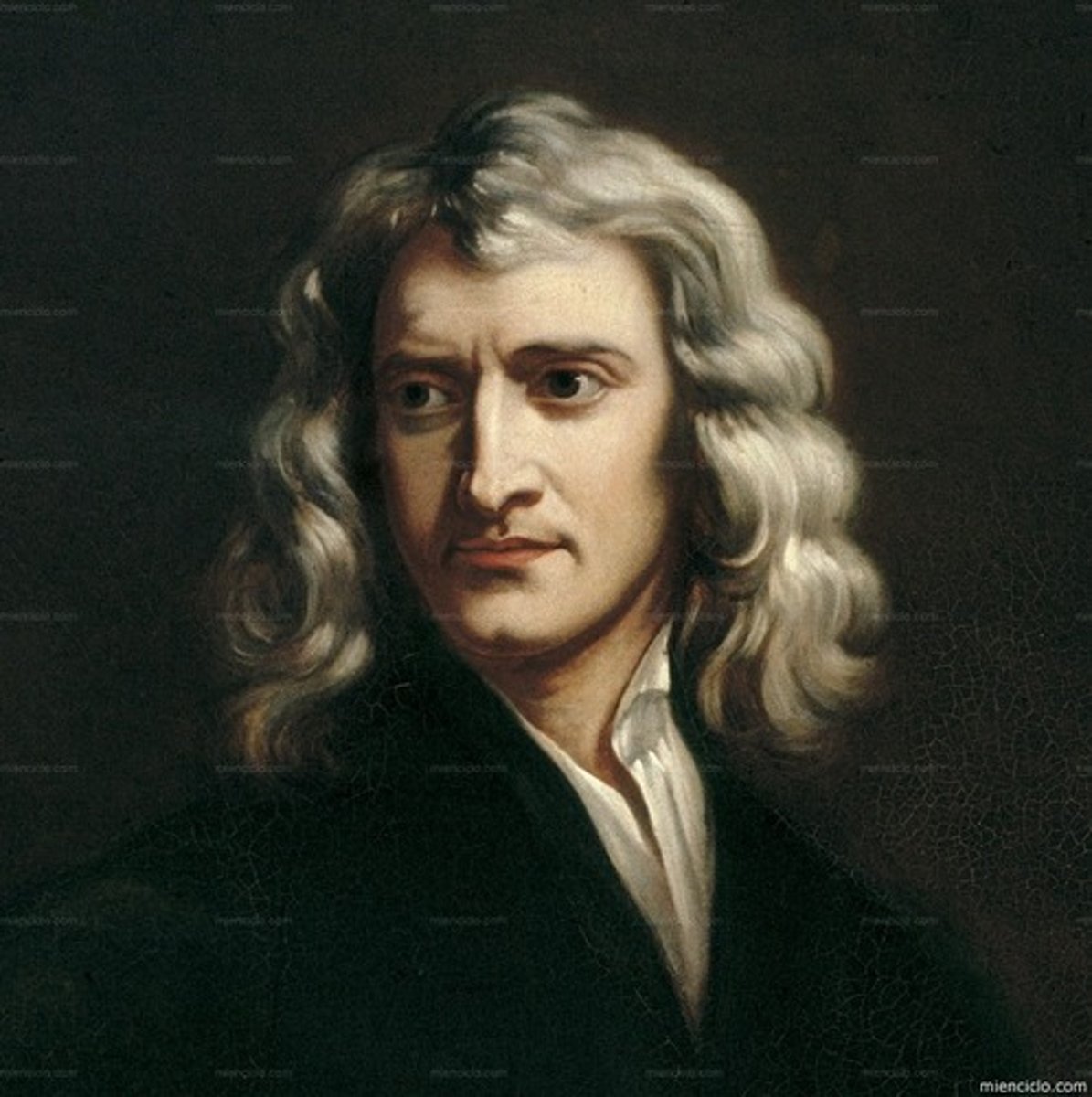
Principia
One of the last of the major influential books written primarily in Latin in Europe. The book written by Isaac Newton demonstrated the mathematical proofs for his universal law of gravitation brought together and built upon the earlier works of Copernicus, Kepler and Galileo. It also described the rules of reasoning by which he arrived at his universal law.
World-Machine
A concept from Isaac Newton that stated that God was everywhere and in everything. This view modeled the universe as a massive, interconnected group of planets, stars and all other objects that operated under the laws that he set forth such as gravity.
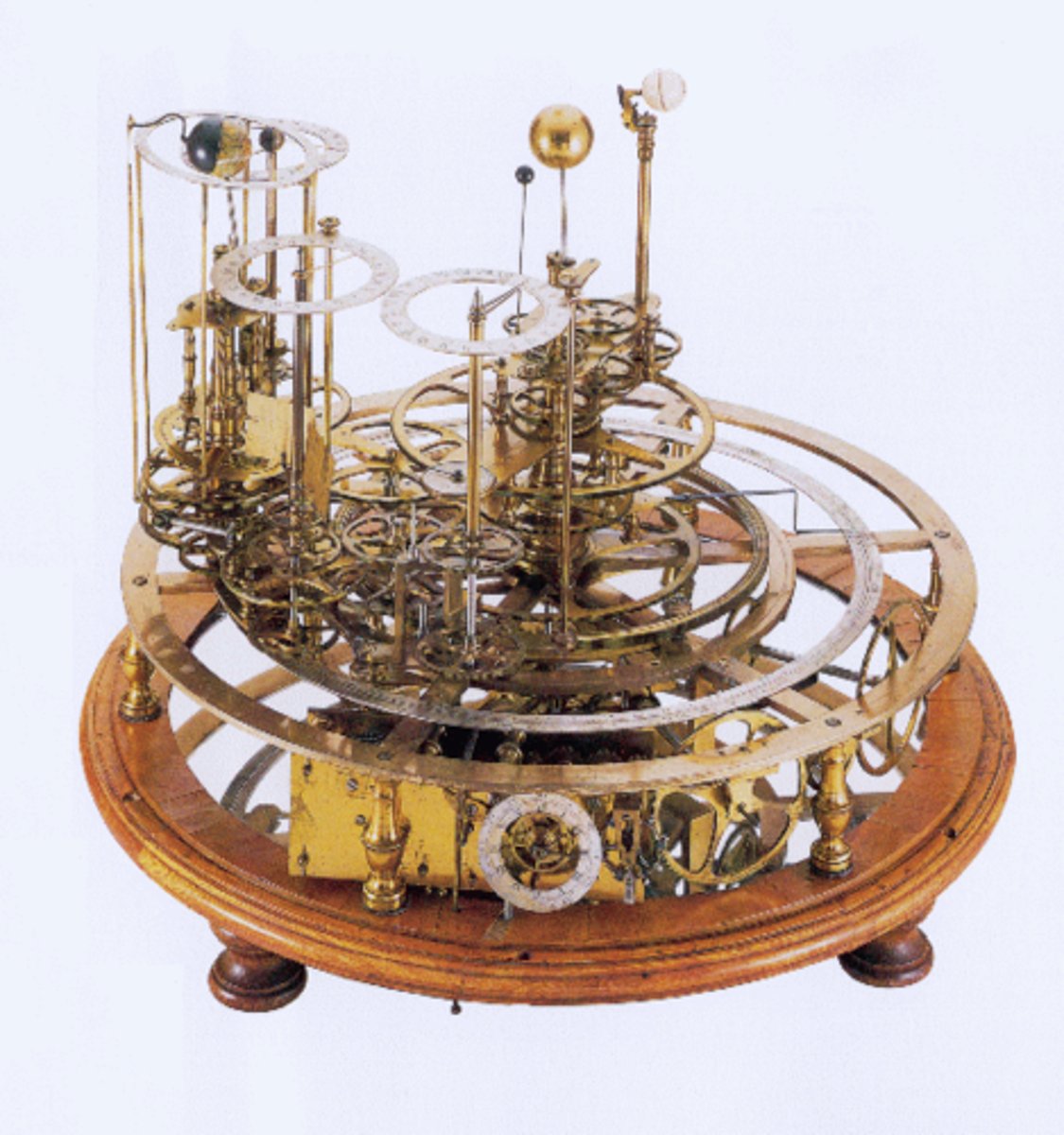
Paracelsus
He is often called the father of modern medicine. He stressed the old views of sickness and cures from the ancient doctor Galen were incorrect. He would focus on the chemicals of the body and was successful in using them to treat illness. He believed when the chemicals in a body were not in balance that is when we become ill.
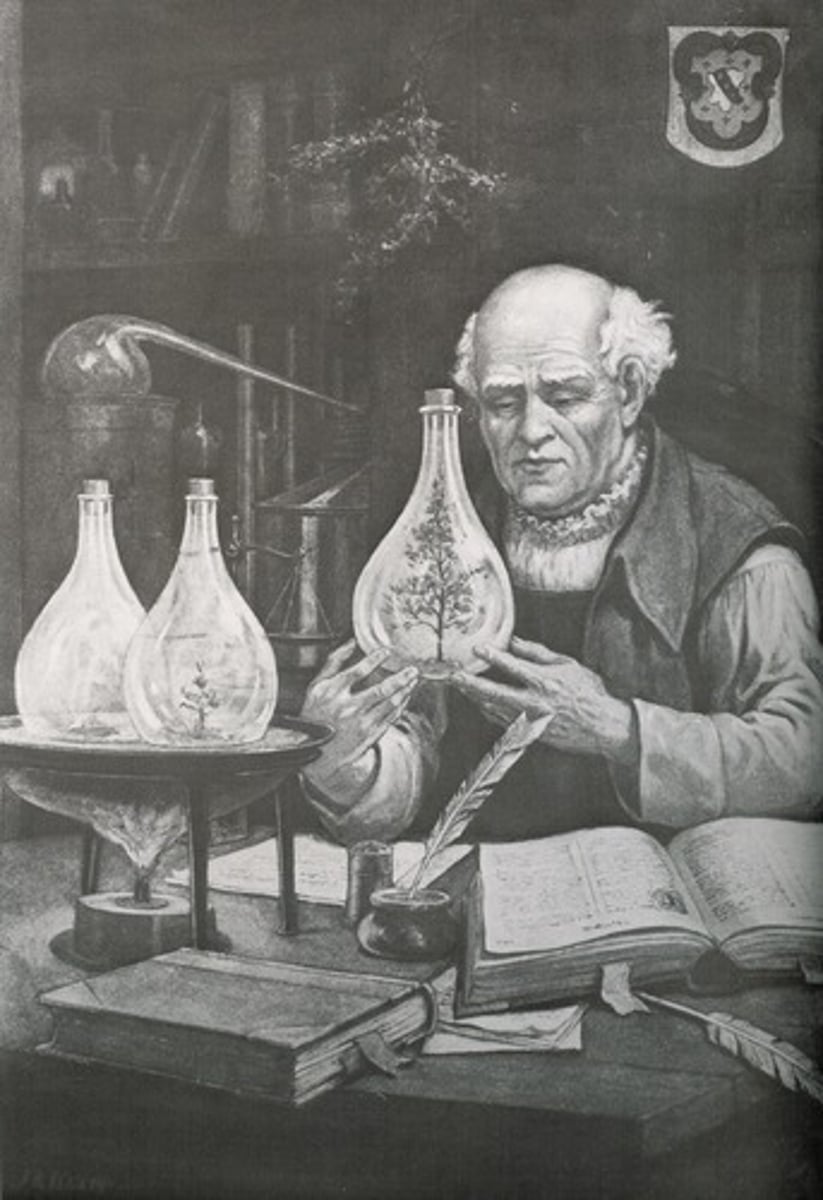
Vesalius
He was a doctor in France that published the famous book, On the Fabric of the Human Body in 1543. His work attempted to give doctors a greater and more accurate account of how the human body actually worked by dissecting and examining human bodies.
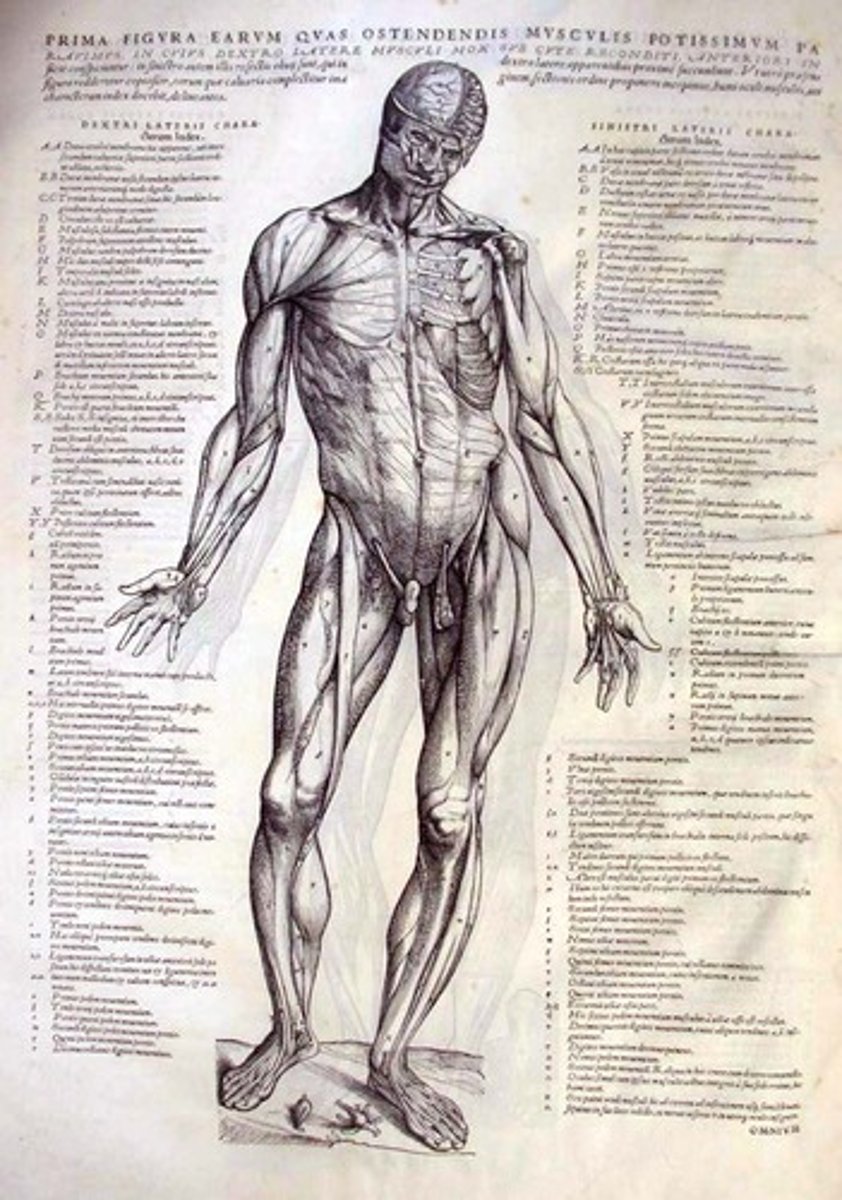
William Harvey
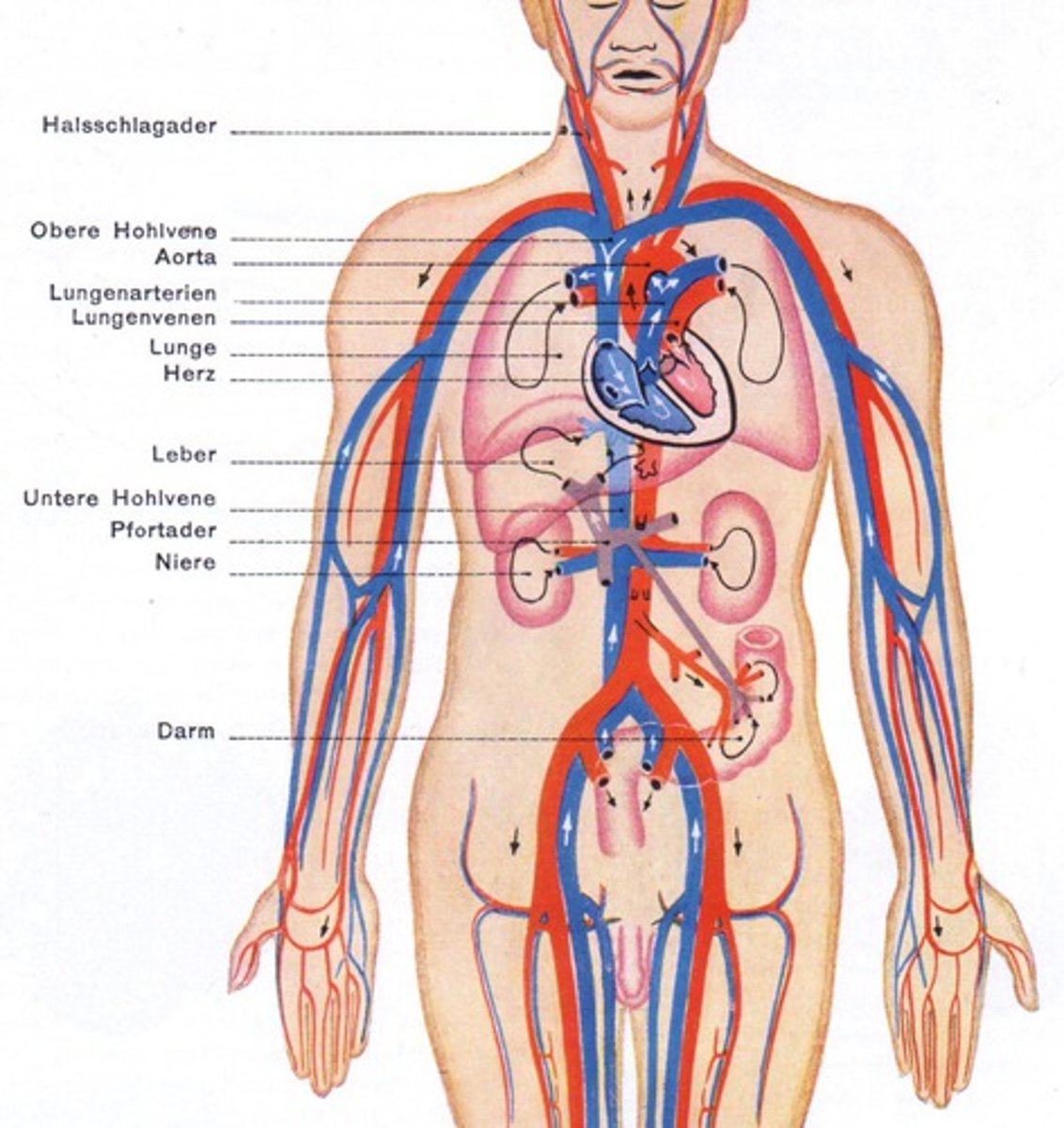
He studied medicine and is famous for his work published in 1628, On the Motion of the Heart and Blood. His work corrected the ancient doctor, Galen, incorrect view that we had two blood systems. Harvey demonstrated that it was the heart, not the liver that was responsible for the flow of blood in the body. This would lead to the modern understanding of how and why blood flows in a body.
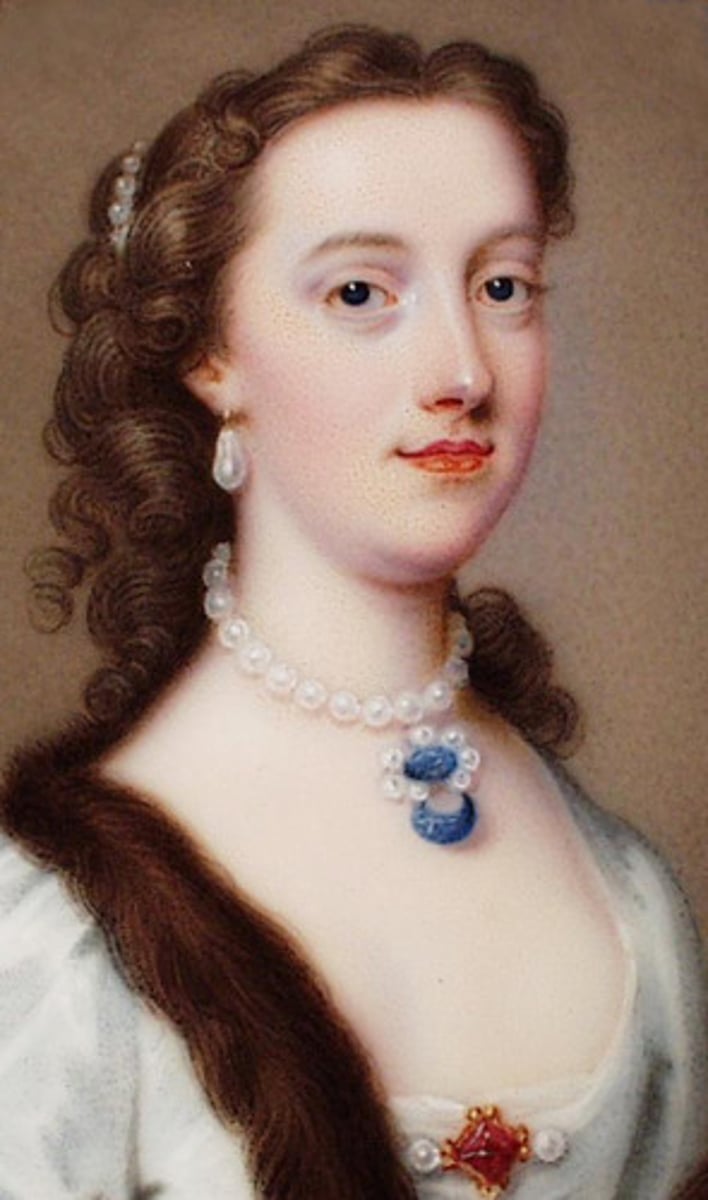
Margaret Cavendish
One of the most prominent female scientists of the seventeenth century. She used her noble background to work her way into the scientific community. She wrote a number of works on scientific matters and attacked the idea that man through science could truly impact the world around them. She believed mankind was too weak and small to affect something as powerful as nature.
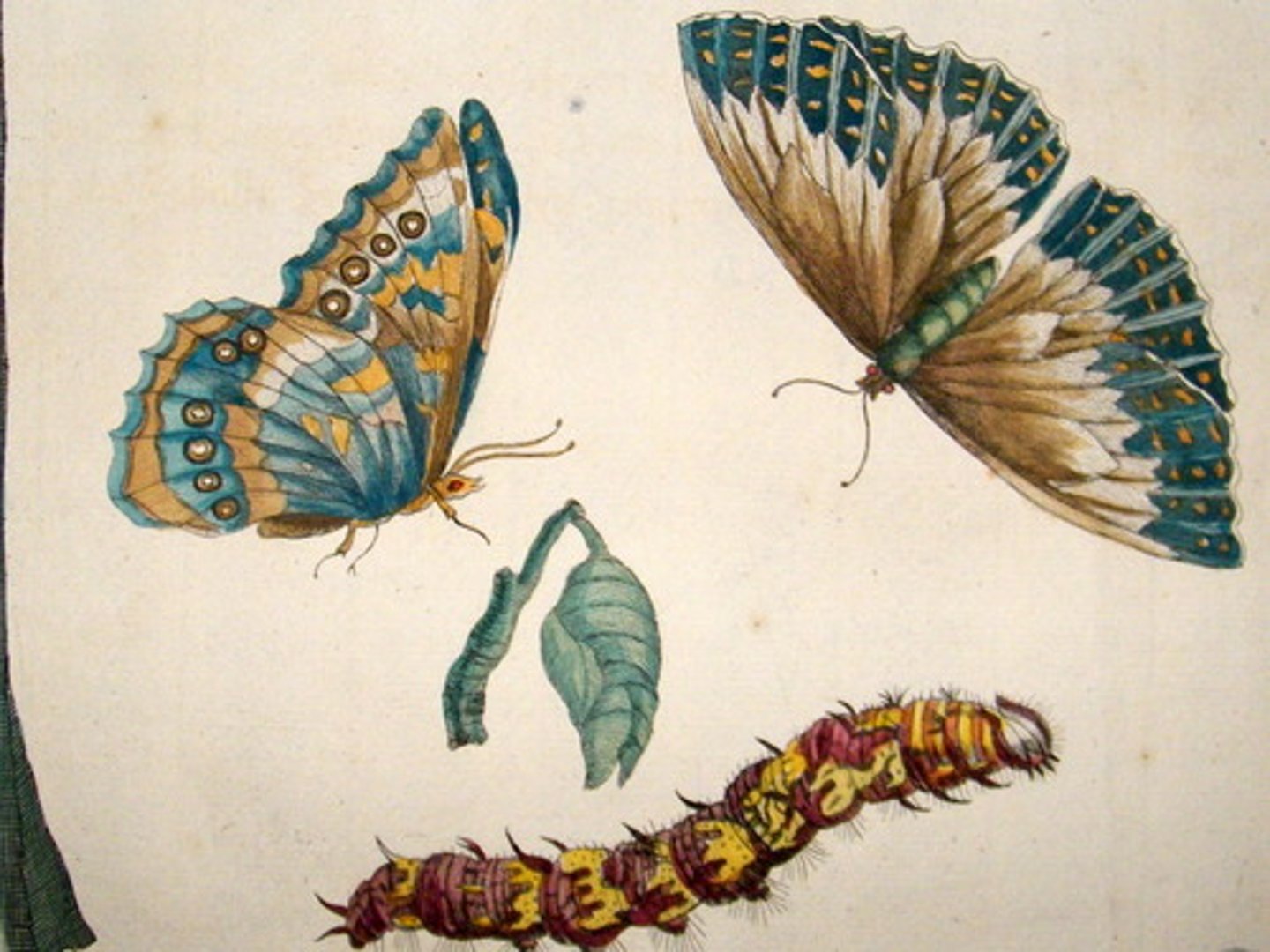
Maria Merian
A female scientist, an entomologist, famous for her work researching and writing about the insect world. She got her start working in her fathers workshop, a way into the world of science many women at the time used to get a foot in the door.
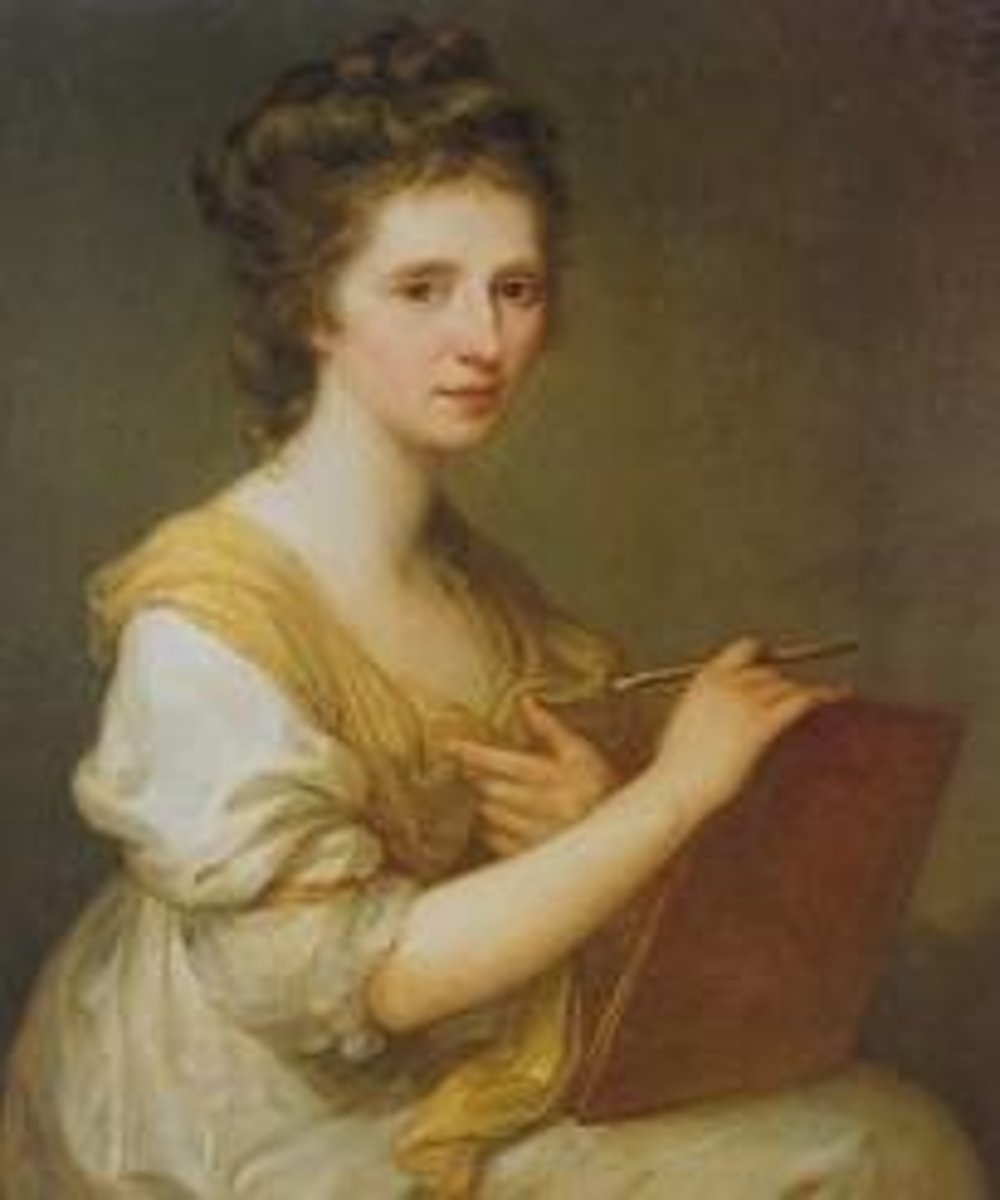
Maria Winkelmann
A famous German astronomer who got her start working with her husband. Even discovering a comet, she could not get a job with the Berlin Academy because women were usually excluded from formal scientific jobs during this time.
Querelles des Femmes
The term used to describe the argument about the role of and opinions about women. Surprisingly with all the advances in science, things got worse for women. Men often used 'findings' to prove women were inferior to men.
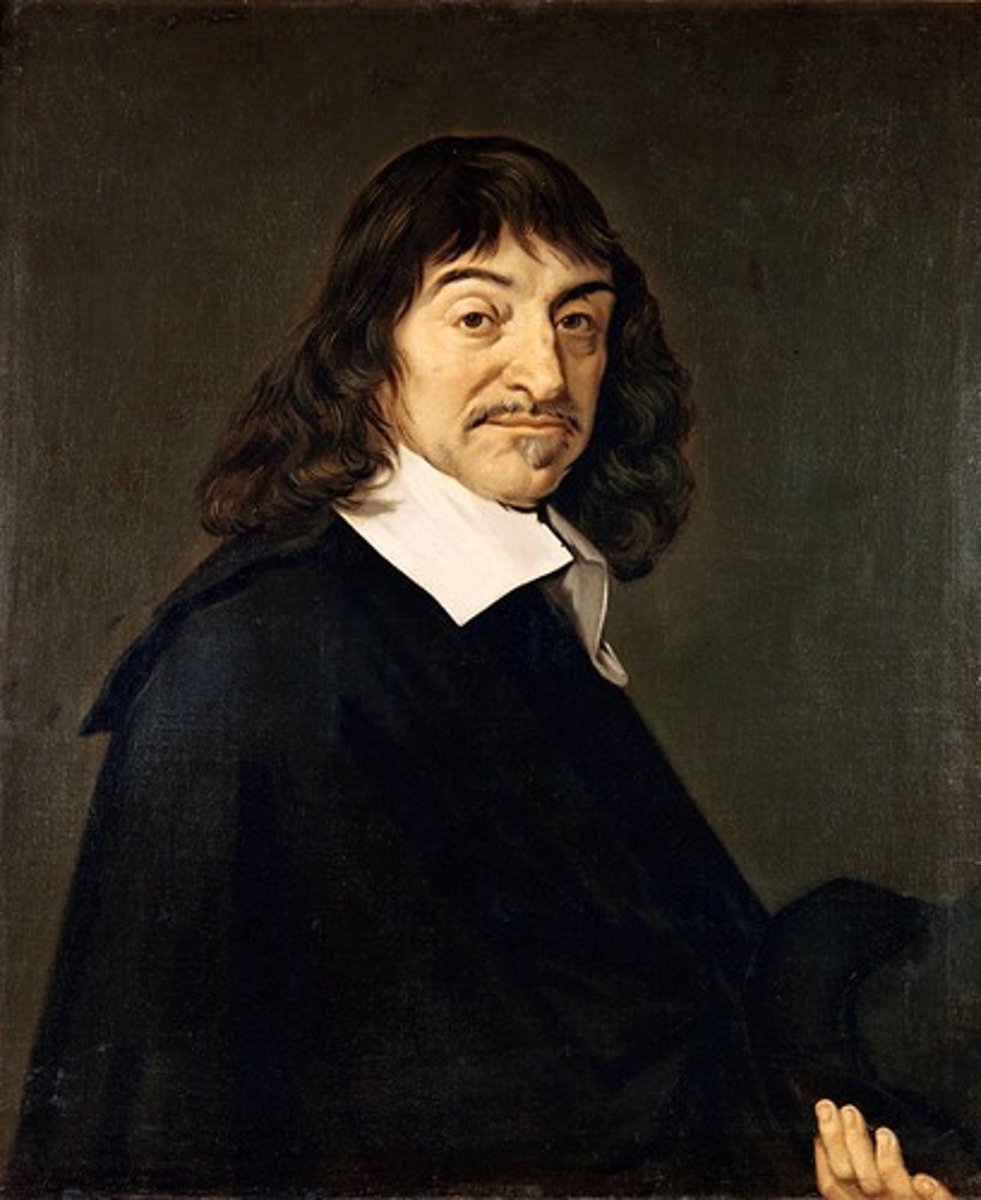
Rene Descartes
He is considered the father of modern rationalism. He believed that the world could be understood by the same principles used in mathematical properties. One of his famous books was Discourse on Method published in 1637.
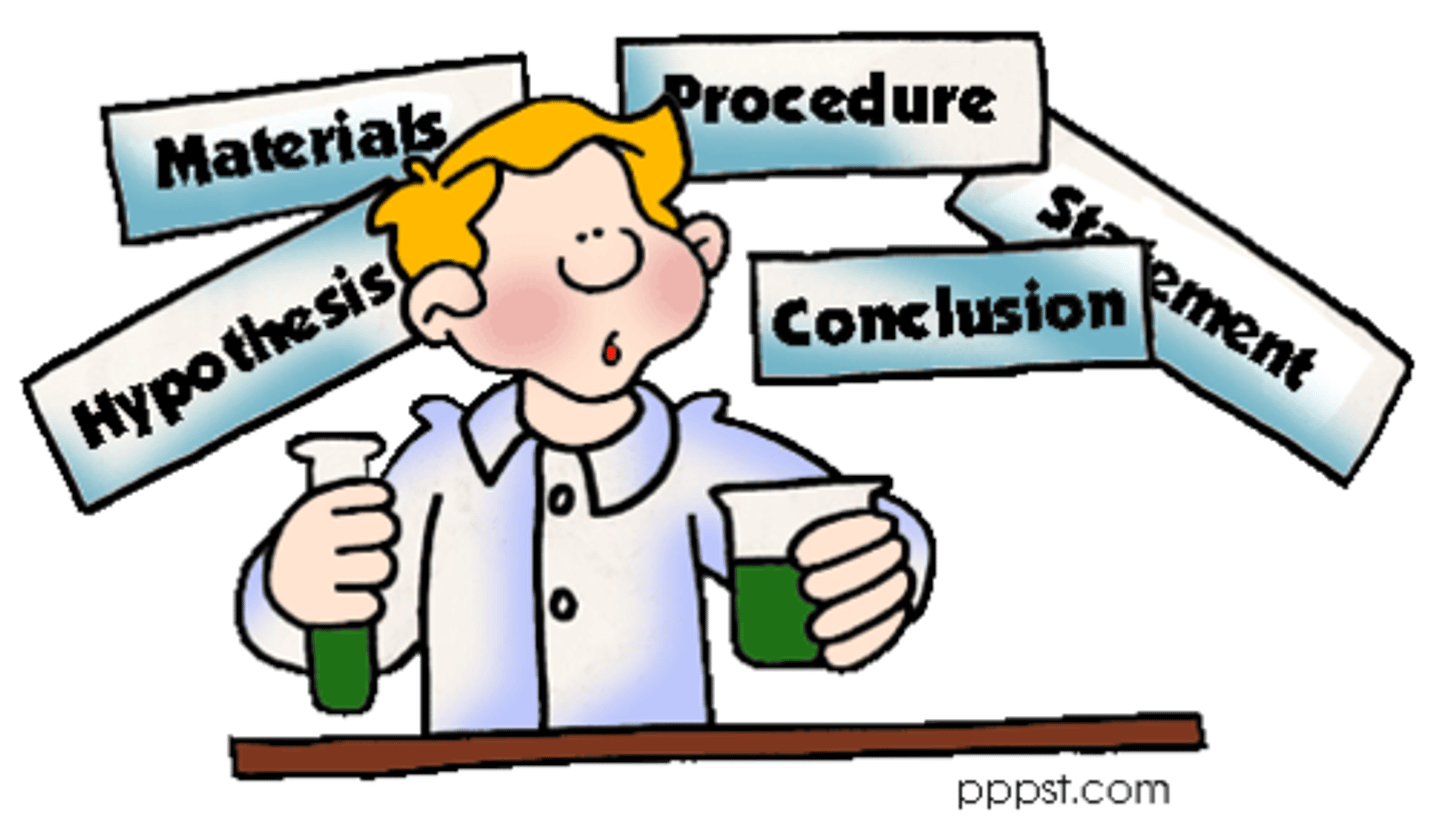
The Scientific Method
A concept first put forth by Francis Bacon and Descartes but finalized and improved on by Newton that revolutionized how people looked at science. This approach stressed inductive principles. Experiments and observation would lead to scientific truth, not just thinking what you believe is true and what was thought to be true in the past.
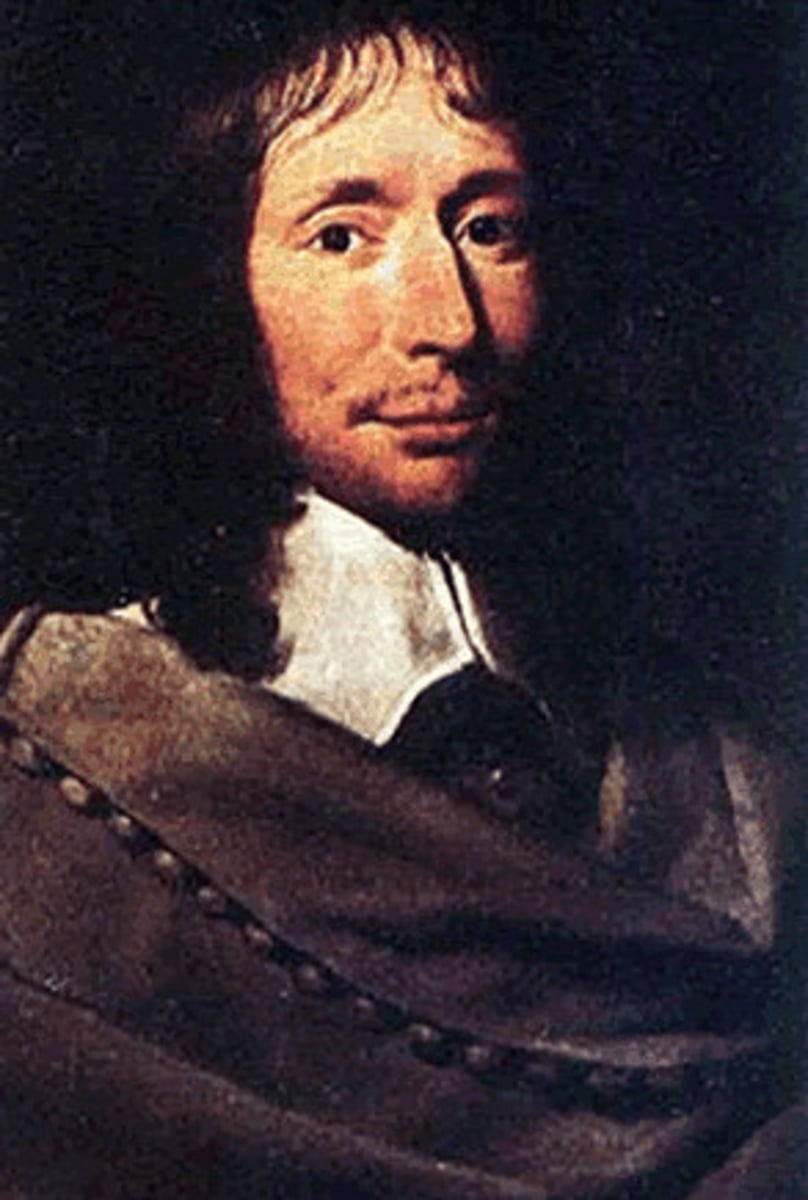
Blaise Pascal
A French scientist that worked to unite science and Christianity. He believed that one could use science and reason to better understand the universe he believed God created.