cell structures and functions
 Call Kai
 Learn
Learn Practice Test
 Spaced Repetition
 Match
Match Flashcards
 Knowt Play
1/19

There's no tags or description
Looks like no tags are added yet.
Name | Mastery | Learn | Test | Matching | Spaced | Call with Kai | Chat |
|---|
No analytics yet
Send a link to your students to track their progress
20 Terms
characteristics of prokaryotic cells
-no nucleus
-DNA in nucleoid
-no membrane bound organelles
-cell wall
eukaryotic cells
-DNA in nucleus bounded by nuclear envelope
-membrane bound organelles
-compartmentalize cell
-incompatible processes go on at same time
-enzymes built into membranes—→ specific reactions
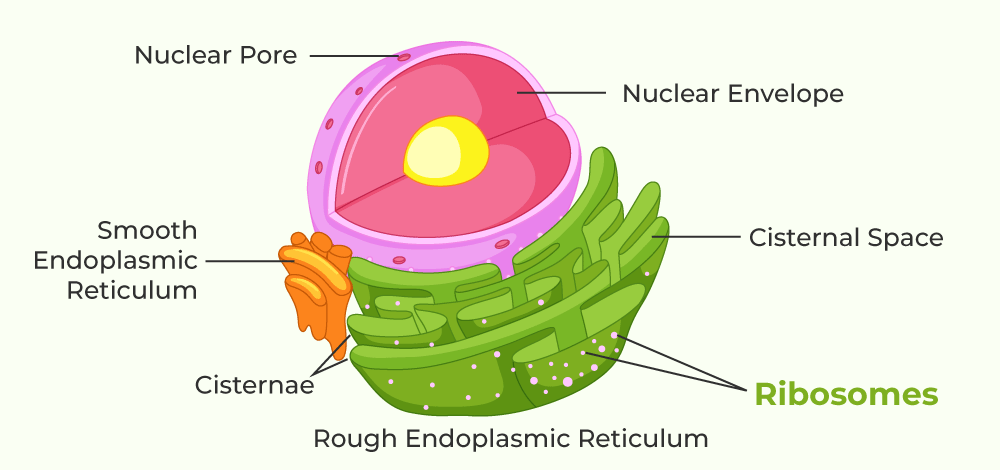
function of ribosomes
carry out protein synthesis by translating genetic instructions from mRNA
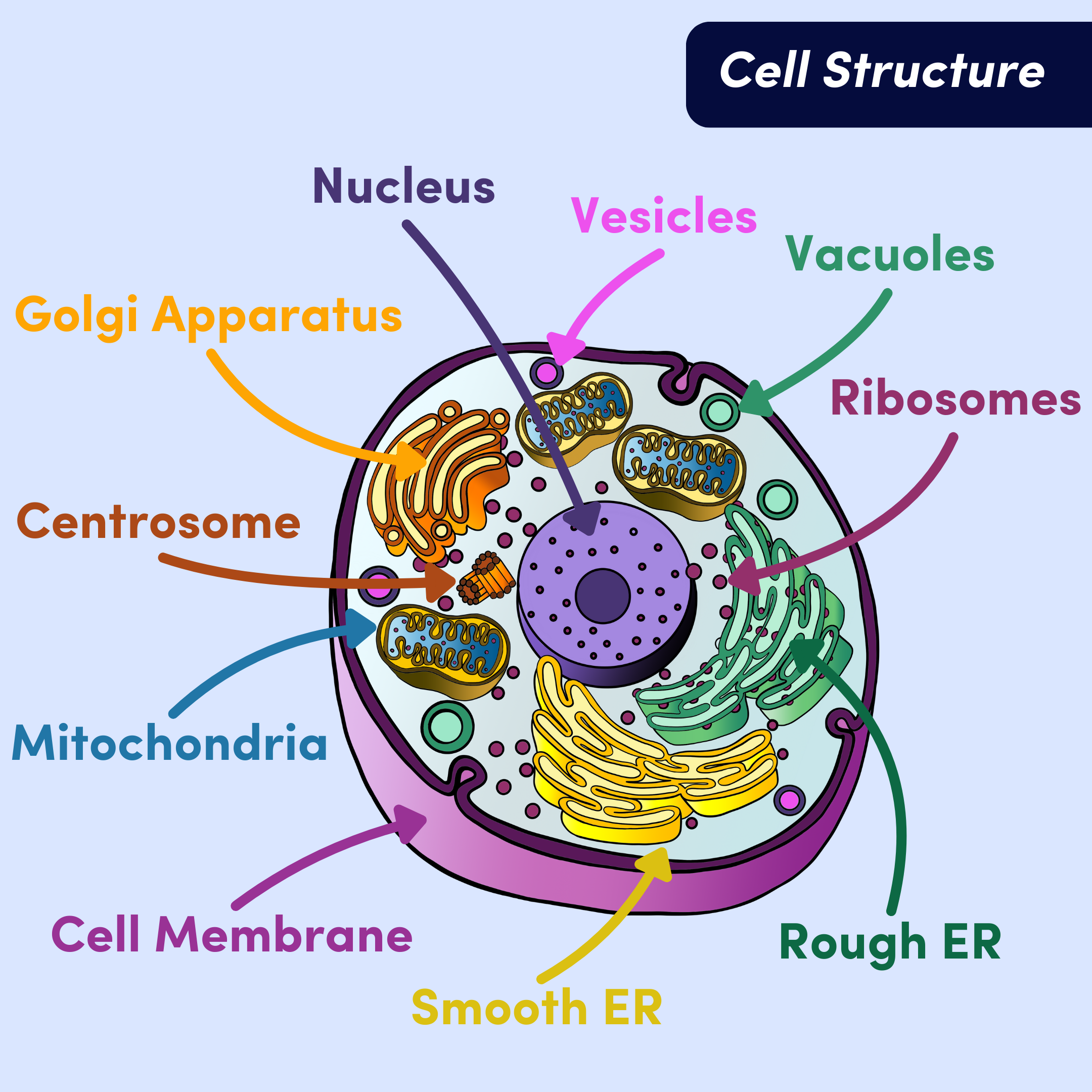
cell membrane function
separates the interior and external environment and regulates movement of substances in and out of cell.

cytosol and cytoplasm function
gel like material that holds all internal structures

cytoskeleton function
enables internal transportation and cell movement

microvilli
increases surface area to maximize absorption
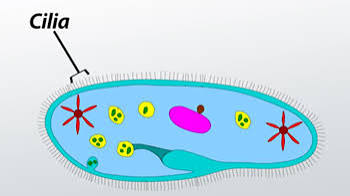
cilia
hair like structures that move fluids, clear debris, act as cellular sensors

centrosome/centrioles
centrosome=main microtubule (cytoskeleton) organizing center (animal cells)
centrioles=organize matrix and build cilia and flagella
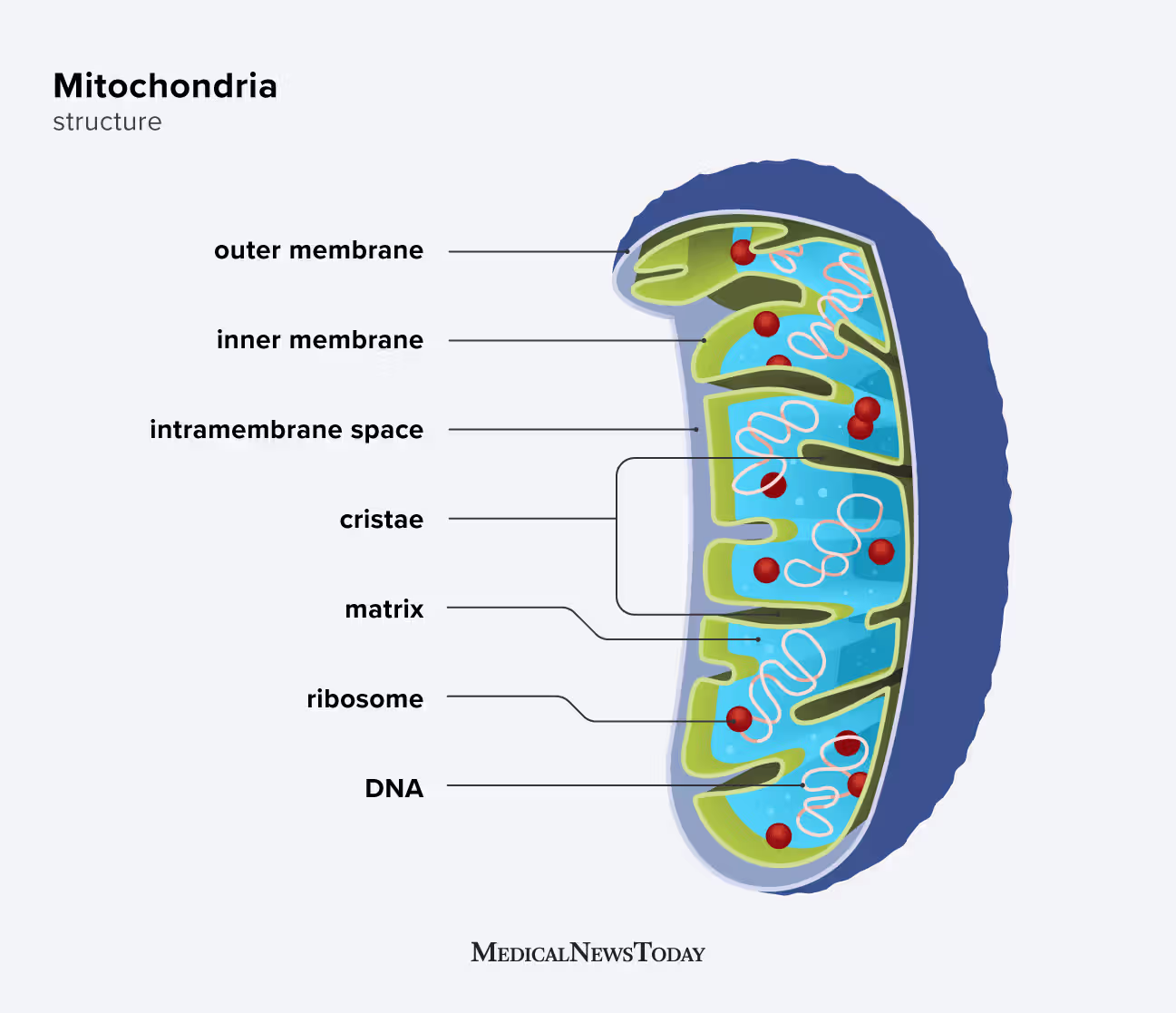
mitochondria
primary energy producing center, converts nutrients into chemical energy

nucleus
store, protect, manage cells DNA
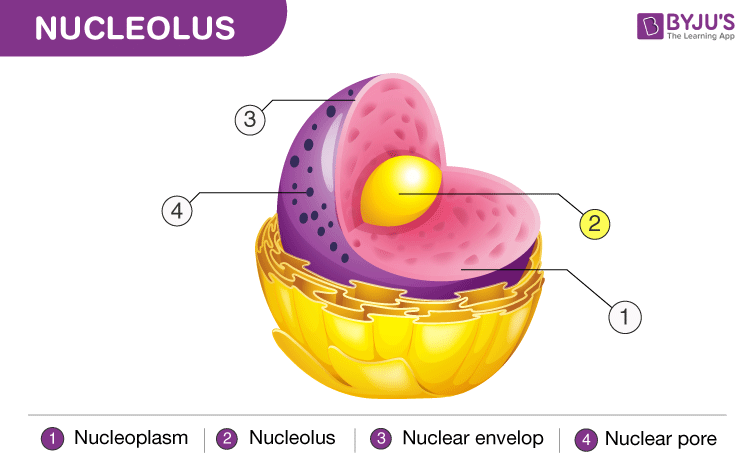
nucleolus
manufactures and assembles ribosomes

rough ER
synthesize, fold, and check proteins

smooth ER
makes lipids, detoxifies poisons, stores calcium

golgi body
modify (add chemical tags), sort, and package proteins or lipids

lysosome
primary waste disposal and recycling center
enzymes—>break down molecules ie. proteins carbs

peroxisome
break down fatty acids and clear out toxic chemicals
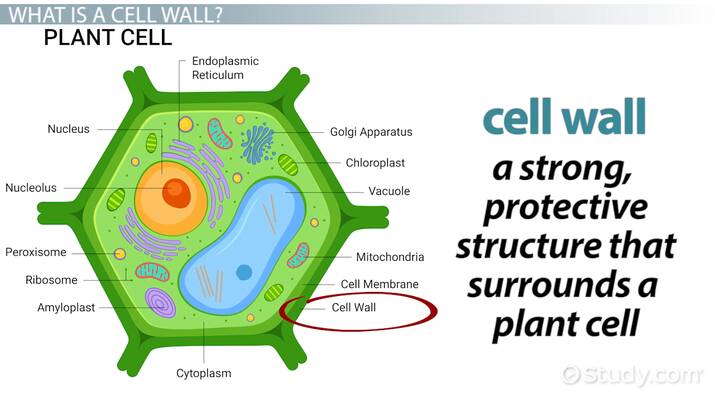
cell wall
provide structural strength, support, protection to cell
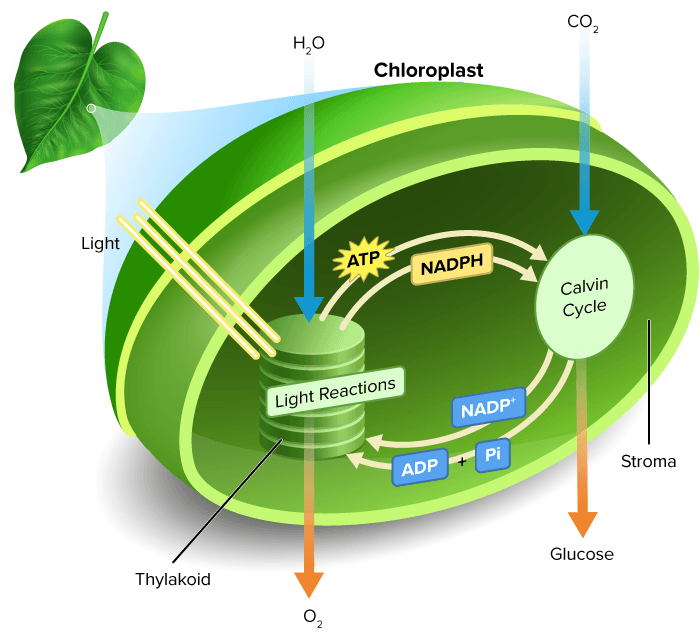
chloroplast
photosynthesis—> converts sunlight into chemical energy

vacuole
stores water, nutrients, and waste products