Chapter 23 Population Genetics
 Call Kai
 Learn
Learn Practice Test
 Spaced Repetition
 Match
Match Flashcards
 Knowt Play
1/45

There's no tags or description
Looks like no tags are added yet.
Name | Mastery | Learn | Test | Matching | Spaced | Call with Kai | Chat |
|---|
No analytics yet
Send a link to your students to track their progress
46 Terms
Genetic variation makes ____ possible
evolution
Natural selection
where individuals that have certain inherited traits tend to survive and reproduce at higher rates than do other individuals because of those traits
Natural selection requires what?
genetic variability
Genetic variation
differences among individuals in the composition of therir genes or other DNA sequences

within a population, ____ is a result of underlying genotypic variation
phenotypic variation
Evolution acts on ____
populations
Gene variability
can be quantified as the average percentage of loci that are heterozygous
Heterozygous
Individuals that have two different alleles for a given locus
Homozygous
Individuals that have two identical alleles for a given locus
Loci
the physical location of a gene on a chromsome
Allele
the specific variant ot version of that gene
How does genetic variability originate?
when a mutation or gene duplication event produces new alleles and new genes
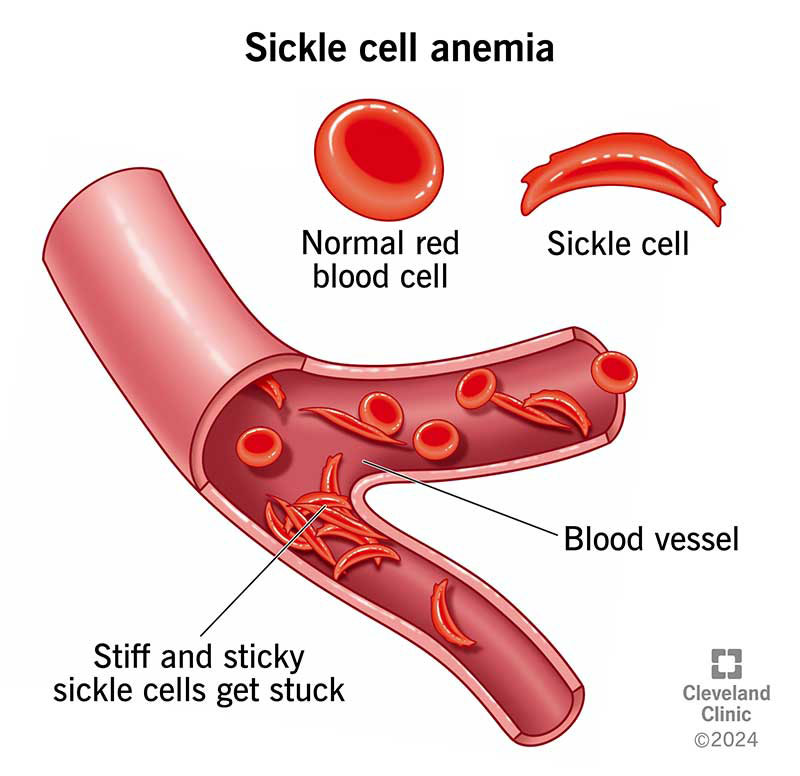
what is an example of a gene mutation?
Single Nucleotide Polymorphisms (SNPs)
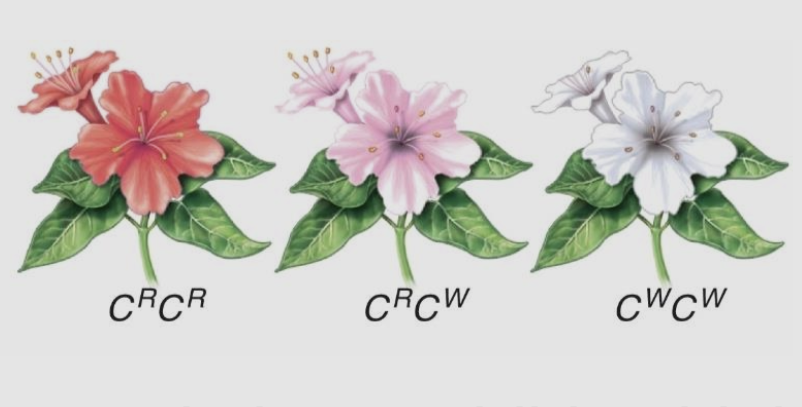
polymorphism
two or more variations of a trait being present within a population
population genetics
the study of genes and genotypes in a population
gene pool
all the alleles for every gene in a given population
populations genetics deal with what?
allele and genotype frequencies
Genotype frequency equation
Genotype frequency = Number of individuals with a particular genotype in a population/total number of individuals in a population

Allele frequency equation
Allele frequency = Number of copies of a specific allele in a population/total number of all alleles for that gene in a population

Hardy-Weinberg equilibrium
a model used as baseline prediction of no evolutionary change (steady state)
Hardy-Weinberg model
Parents: p +q =1; Next generation: P² +2 pq + q² = 1
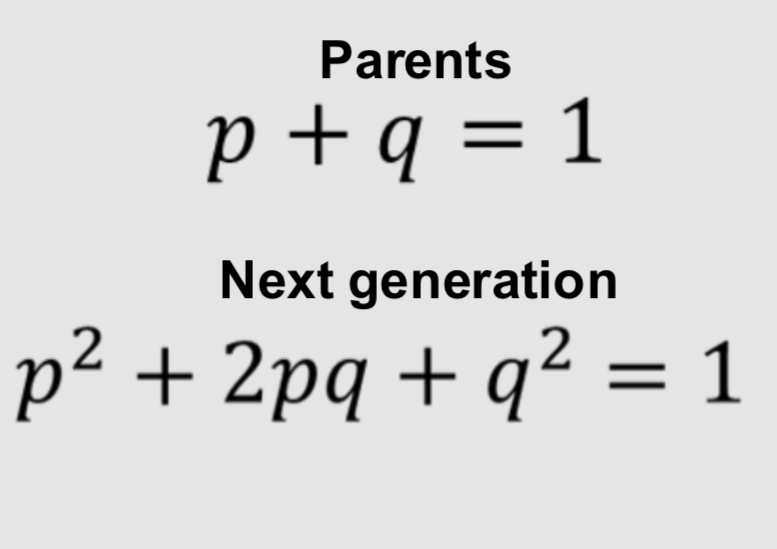
What does the Hardy-Weinberg model predict?
it predicts that allele and genotype frequencies will stay the same (describes a non-evolving population)
What are the assumptions that must be met for Hardy-Weinberg equilibrium to be true?
-No natural selection occurring
-No new mutations occurring
-no migration occurs between different populations
-The population is so large that allele frequencies do not change due to random sampling error
random mating

what are the causes of microevolution
1) natural selection
2) genetic drift
3) gene flow
4) nonrandom mating
What are the components of natural selection?
-genetic variation
-inheritance
-varying degrees of reproductive success
Reproductive success
the likelihood of an individual contributing fertile offspring to the next generation
Evolutionary fitness
fitness is an organism‘s realized ability to reproduce relative to other individuals
Directional selection
individuals at one extreme of a range have greater reproductive success in a particular environment

stabilizing selection
favors the survival of individuals with intermediate phenotypes

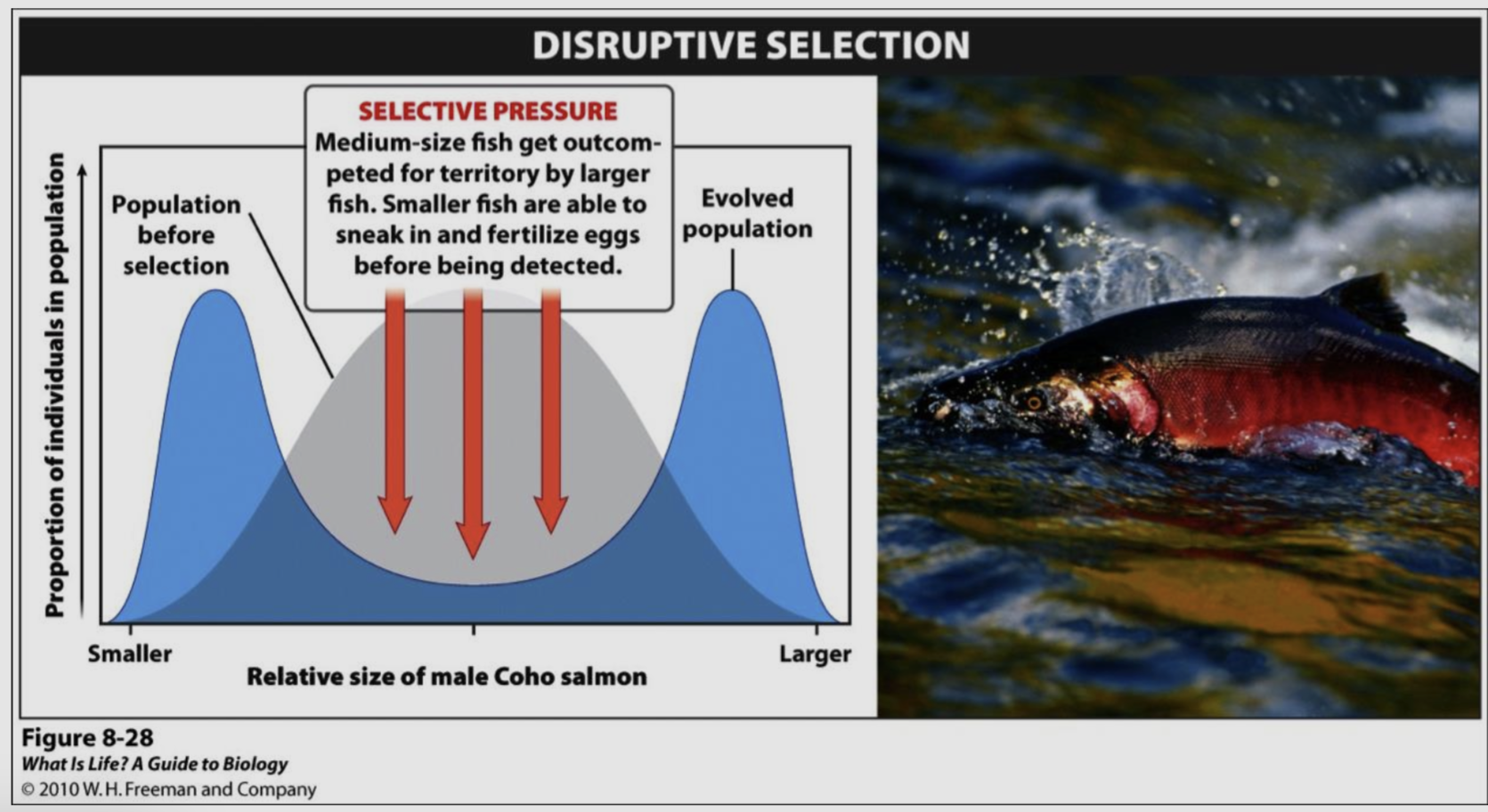
disruptive selection
occurs when conditions favor individuals at both extremes of a phenotypic range
balancing selection
maintains genetic diversity (two or more alleles are kept in balance and maintained over many generations)

genetic drift
changes allelic frequency due to random chance unrelated to fitness; usually favors total loss (0%) or fixations (100% of the population) of an allele

genetic drift can be influenced by what effects?
the bottleneck effect and founder effect
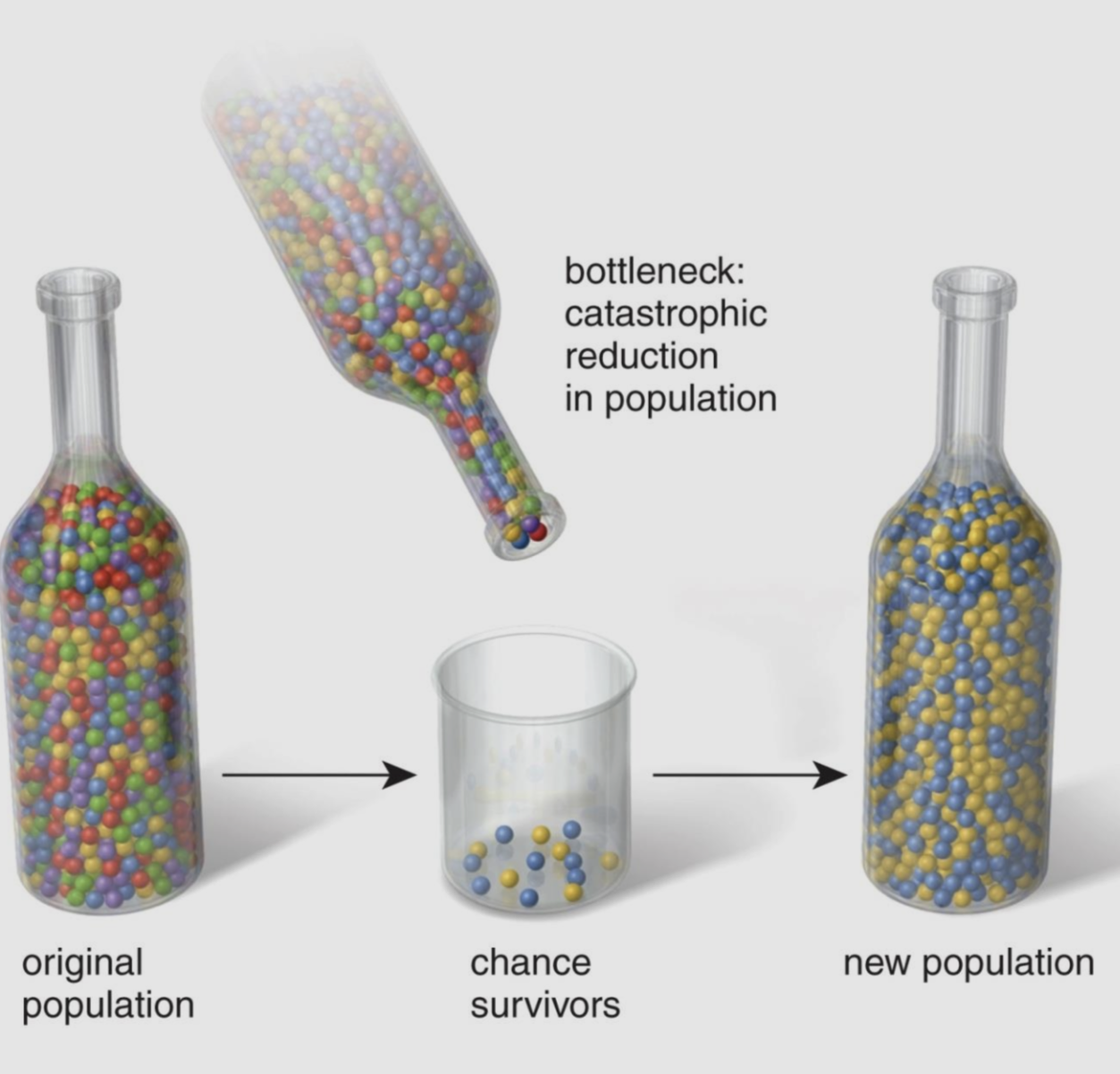
bottleneck effect
when a population is reduced dramatically and then rebuilds without some alleles from the previous gene pool
founder effect
when a small group separates from a larger population
gene flow
when individuals migrate between populations having different allele frequencies; tends to enhance genetic diversity within a population
Nonrandom mating/sexual selection
when individuals choose mates based on phenotypes which can cause evolution can occur
intrasexual selection
describes competition among members of the same sex
intersexual selection
describes competition between members of the opposite sex

adaptations are often ___
compromises (trade offs)
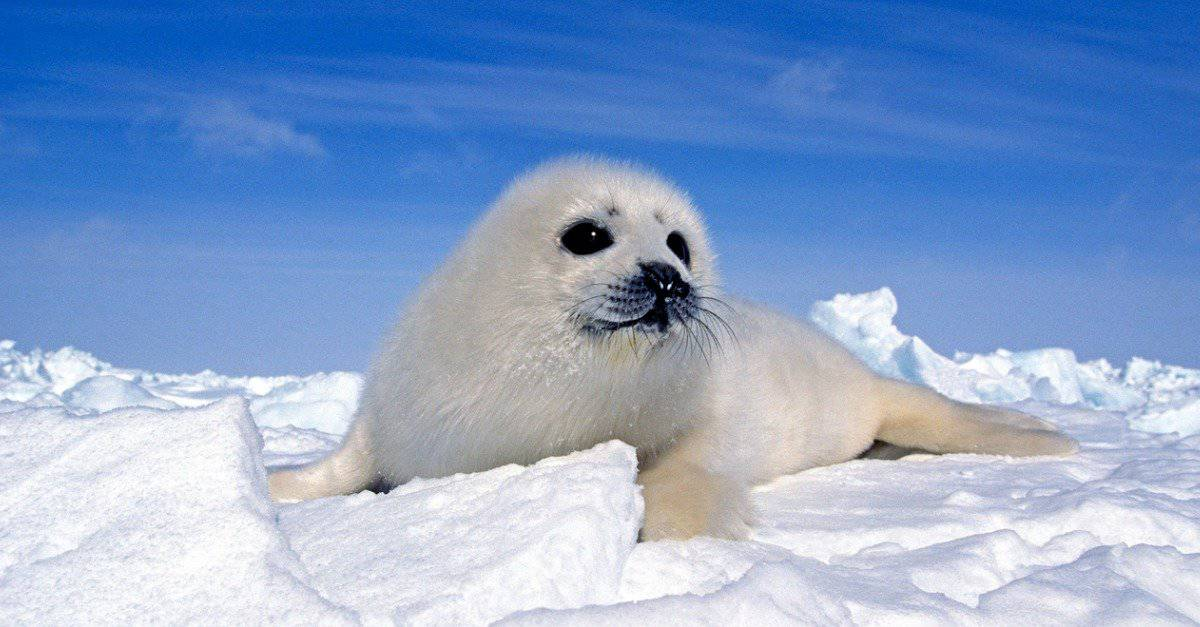
Evolution ___ result in perfect organisms
does NOT
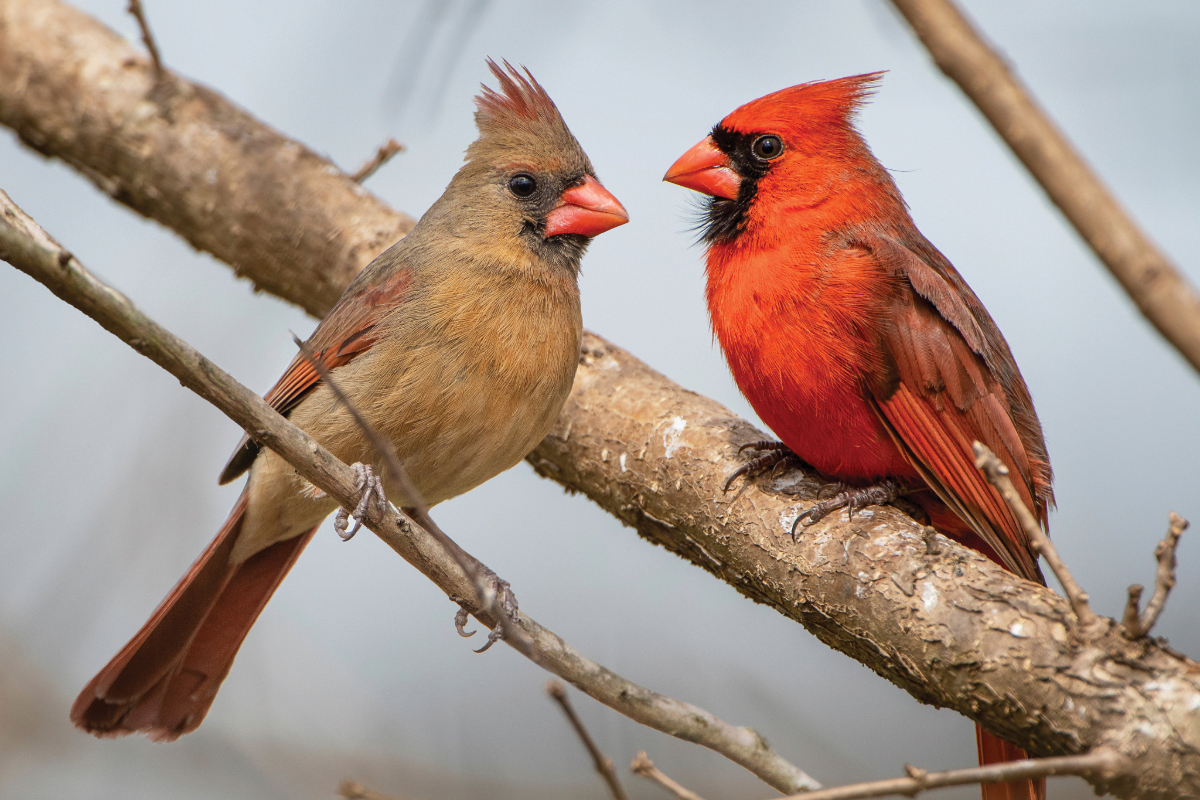
sexual dimorphism
a difference in secondary sexual characteristics between male and females of the same species
microevolution
a change in allele frequencies in a population over generations
Phenotype plasticity
the ability of an individual genotype to produce different phenotypes when exposed to different environmental conditions
frequency-dependent selection
the fitness of a phenotype depends on how common it is in the population
heterozygote advantage
individuals who are heterozygous at a particular locus have greater fitness than do both kinds of homozygotes