Lab module 3
 Call Kai
 Learn
Learn Practice Test
 Spaced Repetition
 Match
Match Flashcards
 Knowt Play
1/51

There's no tags or description
Looks like no tags are added yet.
Name | Mastery | Learn | Test | Matching | Spaced | Call with Kai | Chat |
|---|
No analytics yet
Send a link to your students to track their progress
52 Terms
What are the main events of the cell cycle?
Interphase, mitosis, cytokinesis
What are the three phases of interphase?
G1 (first gap phase)
S (synthesis)
G2 (second gap phase)
G1
cells are growing in size and producing organelles
S phase
DNA is duplicated and two new DNA molecules are produced
G2
The cell continues to undergo growth
Define mitosis
the division of genetic information to create two identical nuclei
What are the four phases of mitosis?
Prophase
Metaphase
Anaphase
Telophase
prophase
chromatin condenses into chromosomes
nucleolus disappears and nuclear envelope disassembles
mitotic apparatus appears

mitotic apparatus
two asters, centrioles, spindle fibers (microtubules)

metaphase
chromosomes align at the metaphase plate
anaphase
the chromatids separate at the centromere and the daughter chromosomes are pulled to opposite poles of the cell

kinetochore
region of centromere that spindle fibers attach to in order to separate the chromosomes
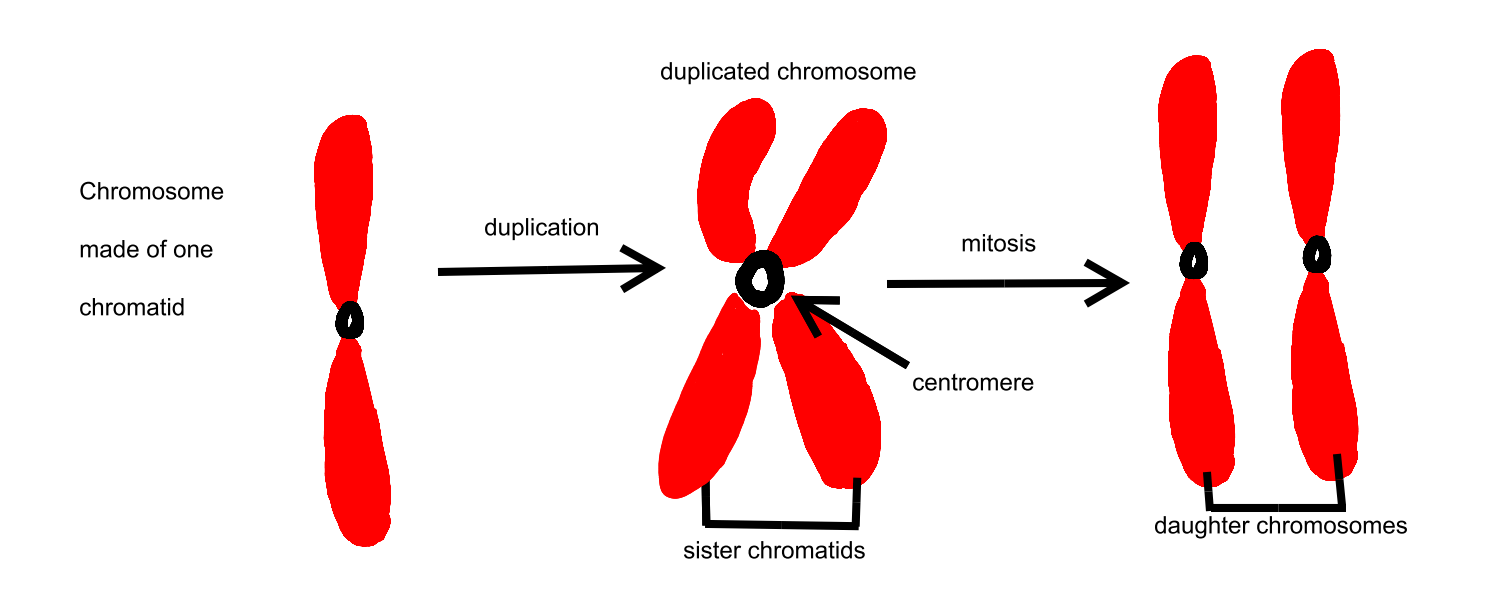
daughter chromatids
identical chromosomes attached together by centromere

telophase
when the daughter chromosomes reach the poles, they unwind into chromatin, the nucleolus reappears, and the nuclear envelope reforms.
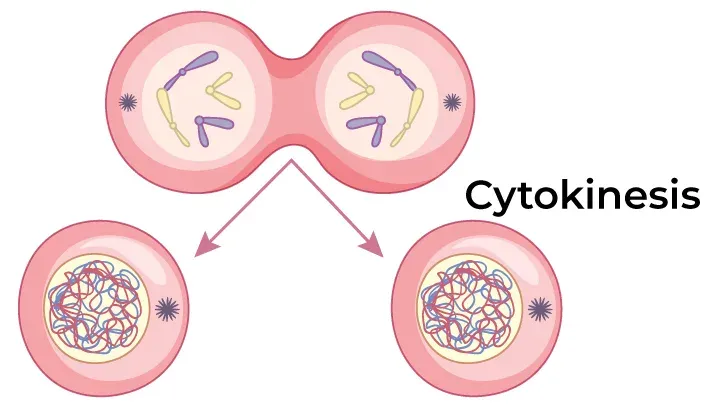
Cytokinesis
splitting of the cells cytoplasm into two parts

chromatin
non condensed DNA (looks like strands)
Cleavage furrow
Where the plasma membrane constricts during cytokinesis

Diffusion
the movement of particles from high concentration to low concentration
kinetic energy
energy in motion
brownian motion
random movement of particles
How do solutes move by diffusion?
kinetic energy. The particles in high concentration collide with other molecules causing them to disperse
Role of kinetic energy in diffusion
spontaneous motion of molecules (kinetic energy) causes collides which drives diffusion
role of concentration gradient in diffusion
difference between the two concentrations —> particles will move from high to low
role of temperature in diffusion
increases the rate of diffusion
higher temperature means more movement (kinetic energy) ➡ more random collisions ➡ molecules disperse faster
Relationship between molecular weight and rate of diffusion
lighter molecules will travel faster

Osmosis
water moves across a selectively permeable membrane from areas of low solute concentration (more water) to areas of high solute concentration (less water)
selectively permeable membrane
allows only certain particles to pass through
role of solutes in osmosis
osmosis measures the movement of water rather than the movement of solutes. more solutes = less water
equilibrium
two solutions have the same amount of solutes so there is no net movement
osmotic pressure
the amount of pressure needed to reach equilibrium (stop osmosis)
hypertonic solution
the solution has a greater concentration of solutes (less water)

what happens to a red blood cell in a hypertonic solution?
The red blood cell with crenate because water will rush OUT of the cell.
hypotonic solution
the solution has less solutes (more water)

what happens to a red blood cell in a hypotonic solution?
the RBC will swell and burst (lyse) because water rushed INTO the cell
isotonic solution
the solution has the same amount of solutes

what happens to a deshelled egg when you place it in hypertonic, hypotonic, and isotonic solutions?
hypertonic: water rushes out of the egg. Decrease in size
hypotonic: water rushes into the egg. Increase in size
isotonic: net movement of water. Size remains the same
filtration
separating solid particles from a liquid using a membrane
explain the importance of hydrostatic pressure in filtration
hydrostatic pressure is the physical force of a fluid against a membrane that moves the water and small solutes
hydrostatic pressure
fluid pressure on a membrane
effect of particle size on filtration
large particles cannot be forced through the membrane
explain filtration in the kidneys
allows removal of waste from blood into the kidneys.
hydrostatic pressure from the blood pushes small particles through gaps between cells, while large particles (such as proteins) remain in the blood
difference between diffusion, osmosis, and filtration
Diffusion focuses on movement of solutes, while osmosis focuses on the movement of water. Filtration uses physical pressure to drive particles through a membrane
*they are all passive transport but filtration uses physical pressure while the other two do not!

interphase

early prophase

late prophase

metaphase

early anaphase

late anaphase

telophase and cytokinesis
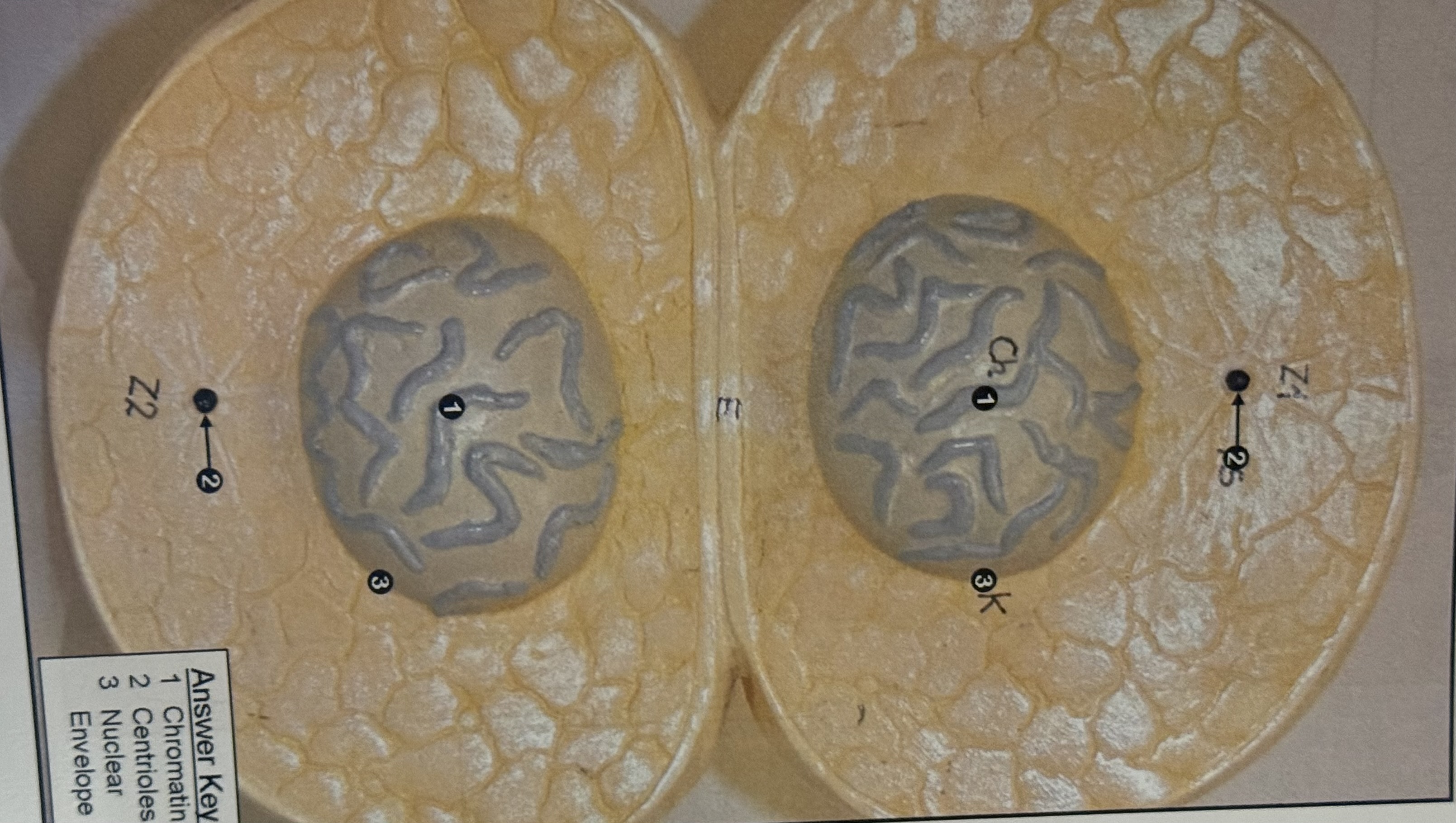
two daughter cells
does potassium permanganate or methylene blue travel faster?
potassium permanganate because it has a lower molecular weight
centromere
center of chromosomes. holds the sister chromatids together