RAD 110 Lab Test 1
 Call Kai
 Learn
Learn Practice Test
 Spaced Repetition
 Match
Match Flashcards
 Knowt Play
1/45

There's no tags or description
Looks like no tags are added yet.
Name | Mastery | Learn | Test | Matching | Spaced | Call with Kai | Chat |
|---|
No analytics yet
Send a link to your students to track their progress
46 Terms
G in GREAT stands for:
Greet; begin with a warm introduction
R in GREAT stands for:
relate; connect with empathy and compassion
E in GREAT stands for:
explain; clarify your role, the situation, and plan moving forward
A in GREAT stands for:
ask; use open ended questions and actively listen to ensure understanding
T in GREAT stands for:
thank; end the interaction showing gratitude
Sacred Seven
1. Localization
2. Chronology
3. Quality
4. Severity
5. Onset
6. Aggravating or alleviating factors
7. Associated manifestations
localization
defining the exact and precise areas as possible for the patients complaint
chronology
time element of the history, usually including the onset, duration, frequency, and course of the symptoms
quality
Description of the character of the symptoms - for example, the color, quantity, and consistency of blood or other body substances; size or number of lumps or lesions; frequency of urination or coughing; or character of pain.
severity
describes the intensity, quantity, or extent of the problem
onset
involves the patient explaining what he or she was doing when the illness/ condition began
aggravating or alleviating factors
circumstances that produce a problem, intensify (aggravate) or alleviate or otherwise modifies it should be noted
associated manifestations
Determining whether other symptoms accompany the chief complaint may be necessary to determine whether all the symptoms relate to the chief complaint or are related to a separate condition.
ethical analysis
a method of evaluating situations in which the correct action is in question
1. identify the problem
2. find alternative solutions
3. come up with the best solution
4. defend your selection
Hospital Bed

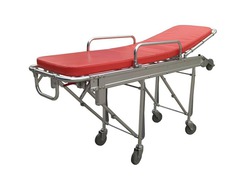
Stretcher
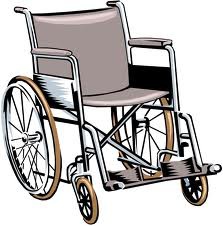
wheelchair
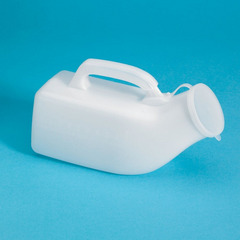
bedpan

urinal
emesis basin
lead apron

thyroid apron
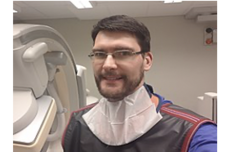
stethoscope

crash cart
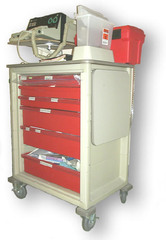
pediatric patient

geriatric patient

IV line
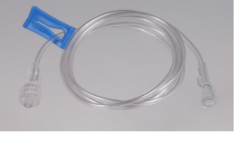
Shygomomanometer
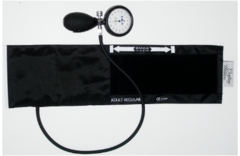
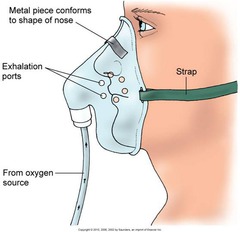
oxygen delivery system or cannula
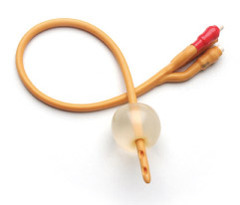
urinary catheter
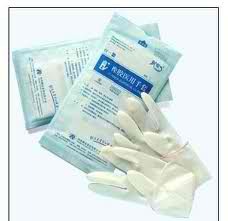
non sterile gloves
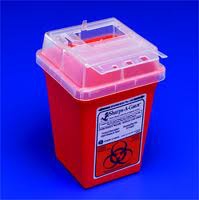
sharps container
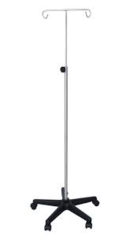
iv pole
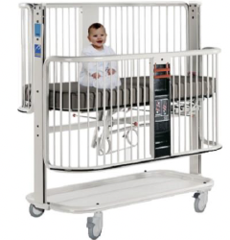
pediatrics crib stretcher
objective data
information that is seen; ex. blood test, vital signs, etc.
subjective data
things a person tells you about that you cannot observe; ex. pain level/location
immobilize feet or body parts:
sand bags/tape
good body mechanics
- Use good posture.
- Always keep your body's line of balance close to your center of gravity (below waistline).
- Hold object close to body.
- Bend your knees.
- Don't twist your trunk.
- Push rather than pull.
Mobility muscles
muscles designed for muscle movement; ex. biceps, deltoids, hamstrings, quadriceps
Stability muscles
holds body upright and stabilizes joints to allow mobility muscles to operate; ex. spine, hips, core
orthostatic hypotension
sudden drop in BP in the brain when a person stands up quickly from sitting or supine position, causing oxygen in the brain to drop and the person becoming dizzy and prone to falling
symptoms- dizziness, fainting, blurred vision, slurred speech
When is it okay to restrain a patient?
Never, unless written orders by a doctor
3 stages of radiation exposure
1. prodromal stage
2. latent stage
3. manifest illness stage
prodromal stage
first stage of radiation exposure; experience nausea, vomiting, diarrhea
latent stage
second stage of radiation exposure; no symptoms, but body is actively undergoing effects
manifest illness stage
third and final stage of radiation exposure; organism feels full effects either leading to recovery or death