anatomy chp 2 lab quiz study
 Call Kai
 Learn
Learn Practice Test
 Spaced Repetition
 Match
Match Flashcards
 Knowt Play
1/38

There's no tags or description
Looks like no tags are added yet.
Name | Mastery | Learn | Test | Matching | Spaced | Call with Kai | Chat |
|---|
No analytics yet
Send a link to your students to track their progress
39 Terms
ocular lenses
where your eyes are placed to view speciments on a microscope

objective lenses
magnification lense
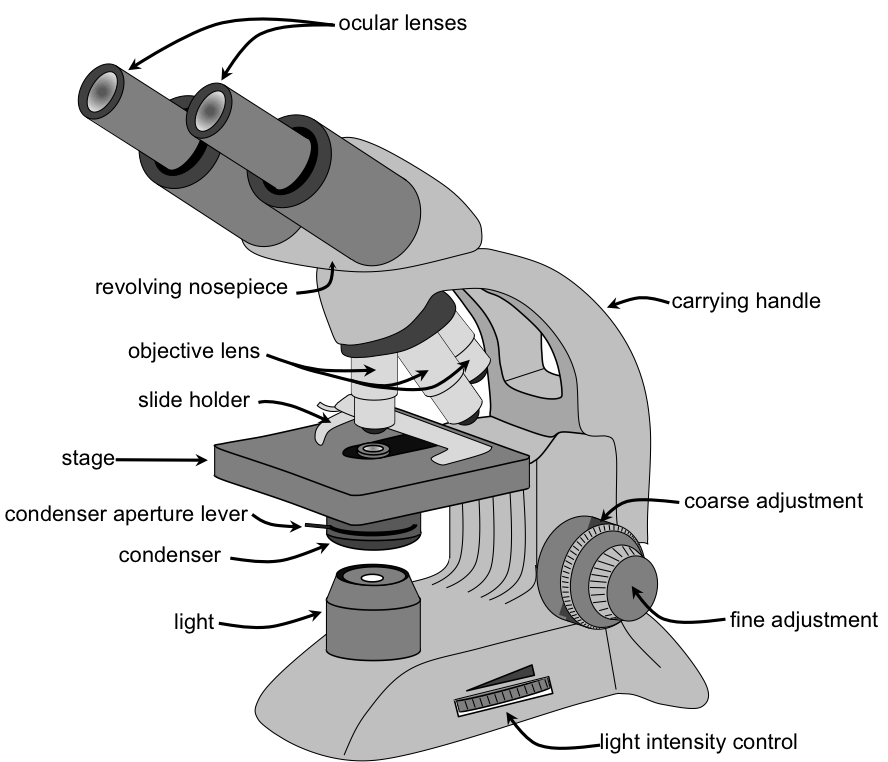
slide clip
holds the speciment slide

stage
where the slide sits on
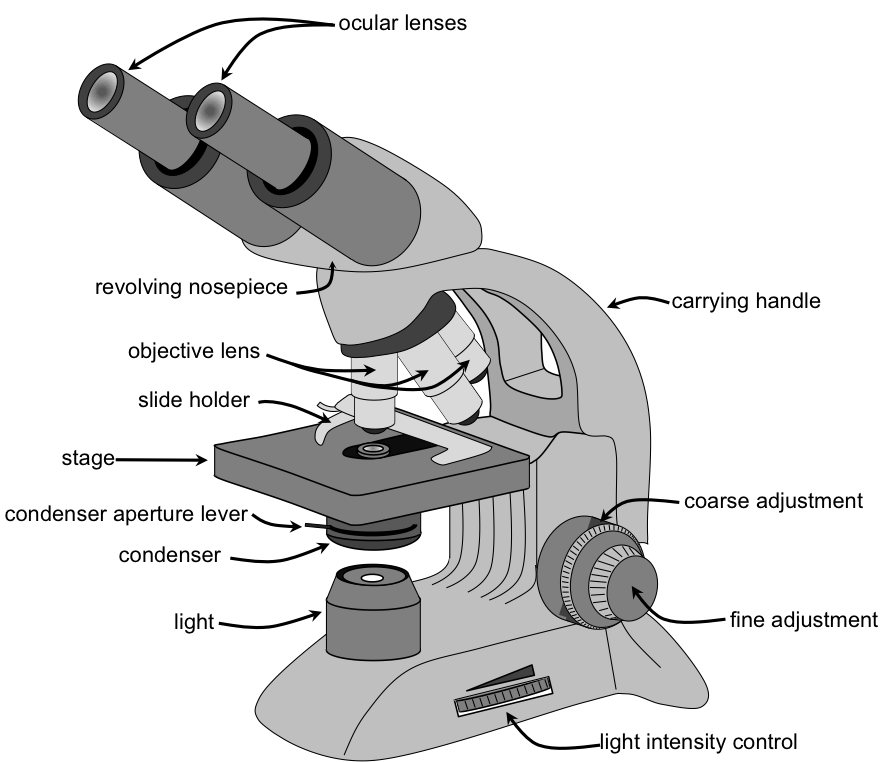
power switch
on and off switch

light dimer
adjust the light source brightness

fine focus
smaller knob connected to the big stage knob

light source
where light comes out of

Iris / Diaphragm
controls the amount of light that passes through

coarse focus knob
moves the stage up down (big knob)
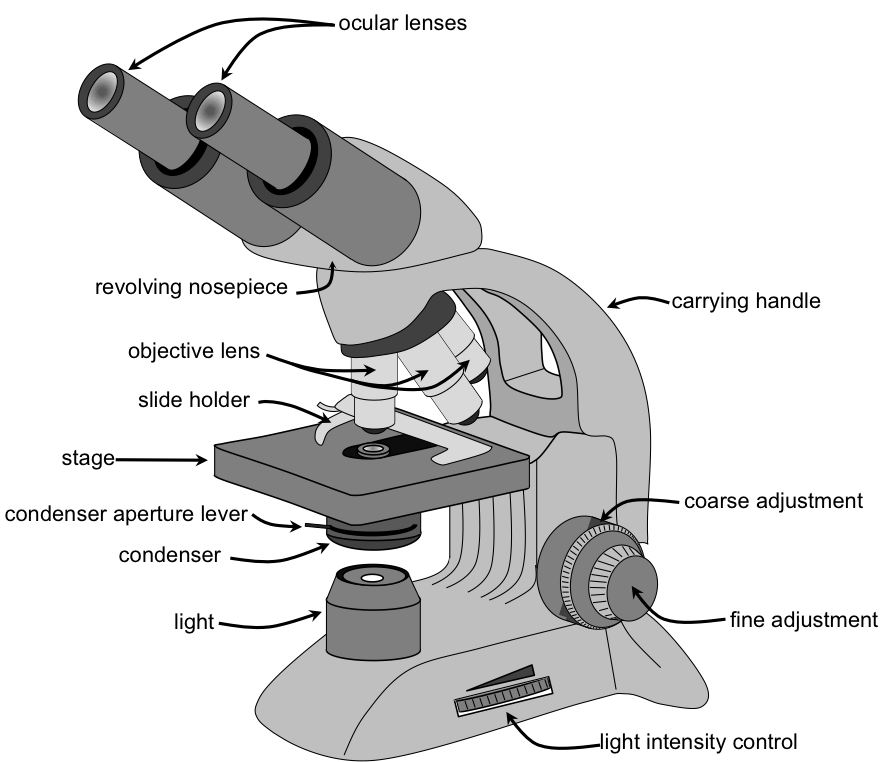
Aperture
transparent hole of the stage for light ot pass thorugh
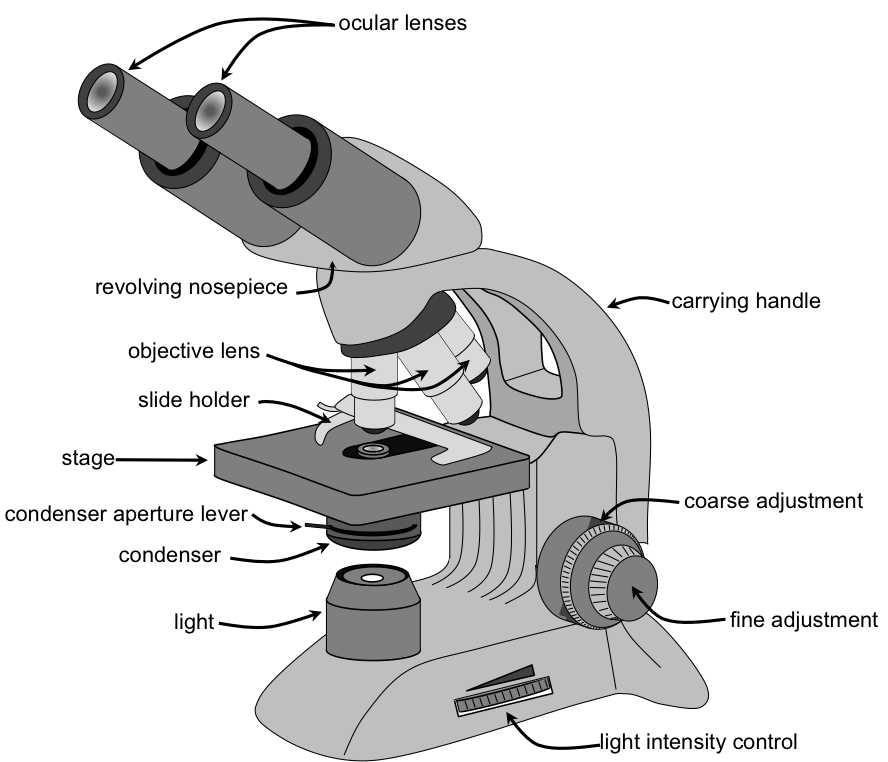
condenser
it condenses light
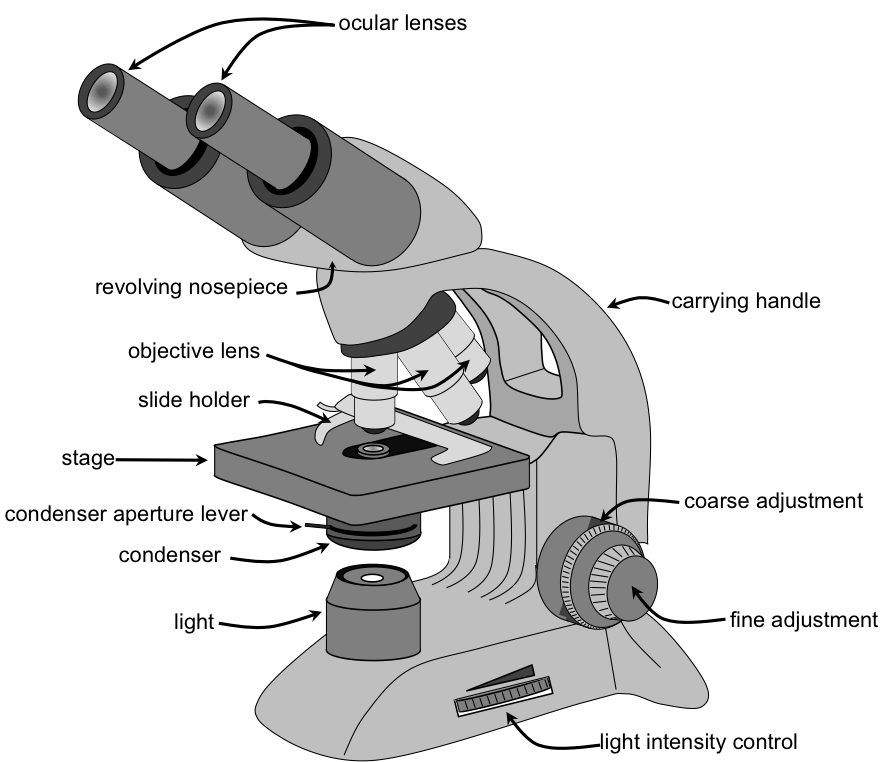
Stage control/slide mover
knob that moves the sample left, right, forward, and back
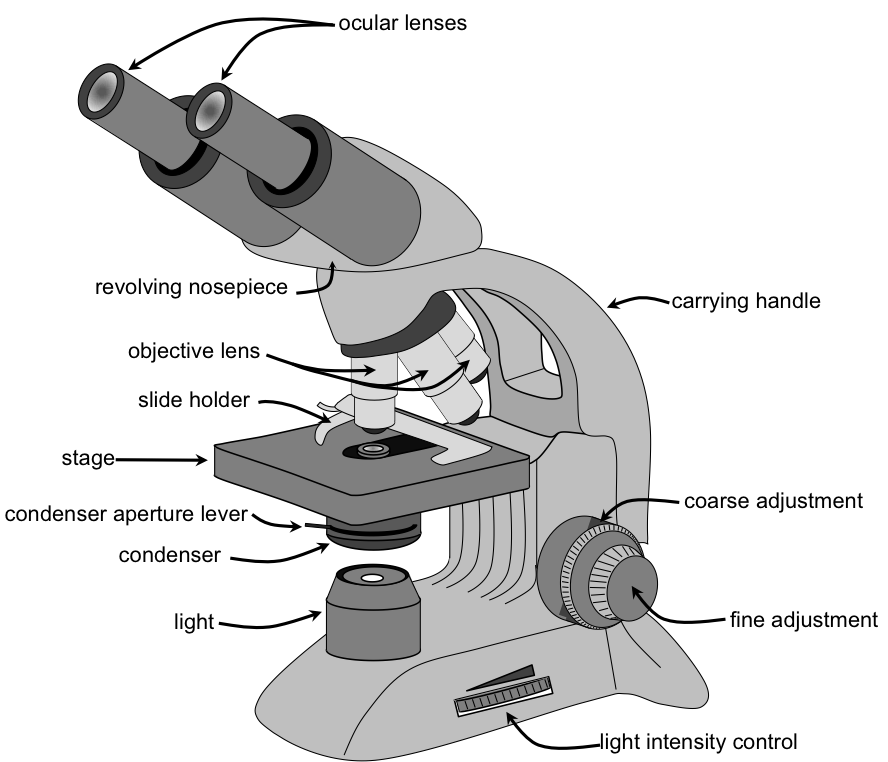
cytoskeleton
shapes the cell and help things move around
Ribosomes
Make proteins
Rough endoplasmic Reticulum
has ribosomes on it and helps make and move proteins
Vesicles
the boxes that holds modified proteins that come from Golgi apparatus
cell membrane
decides what comes in and out, is made of Phophollipids
Nucleus
holds the DNA, Tells the cell what to do
Mitochondria
Makes ATP, gives power to the cell (it has its own DNA)
Cytoplasm
Jelly like space where everything happens
lysosome
Break down waste and old cell parts
golgi Apparatus
Package, sorts, and ships proteins and other materials
Centrosome
microtubular organizing center
centrioles
pair of barrel-shaped microtubular organelles at right angles to each other
Smooth endoplasmic reticulum
Makes lipid, helpd detoxify stuff
Flangella
Tail
Cilia
Sweeps material like a broom
Nervous tissue (DFL)
D: branches that extends from the nucleus and looks like webs
F: Transmit electrical signal
L: Brain, spinal, nerves

Skeletal muscles (DFL)
D: Long and cylindrical with striations
F: Voluntary movement
L: attached to bones and occasionally skin

Cardiac Muscle (DFL)
D: Branching, striated, uninucleate cells that connect at specialized junctions
F: Involuntary, heart beat, propel blood
L: the walls of the heart

Smooth muscle (DFL)
D: Spindle Shape, no striations
F: Propels substances or objects along internal passageways
L: mostly in hte walls of hollow organs

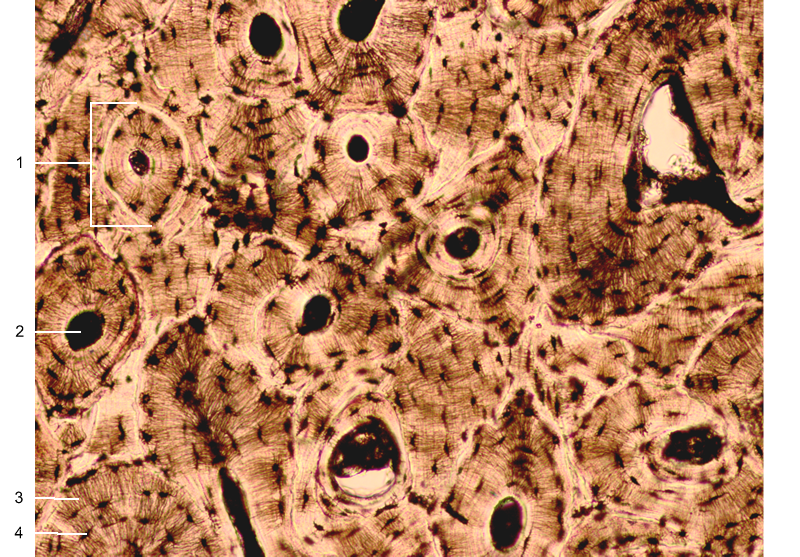
bone tissue (DFL)
D: Hard, calcified matrix containing many collagen fibers; osteocytes lie inlacunae. Very well vascularized.
F: Supports and protects
L: bones
Blood (DFL)
D: Red and white blood cells in afluid matrix
F: Transports respiratory gases, nutrients, wastes, and other substances
L: Contained within blood vessels.

Areolar (DFL)
D: Cotton candy
F: Wraps and cushion organs
L: under epethelia, package orans surround capillaries

Adispose (DFL)
D: bubble lookin fat
F: Stores energy, insulates, cushion
L: Under skin, around eyes, and kidenys, abdomen, breast

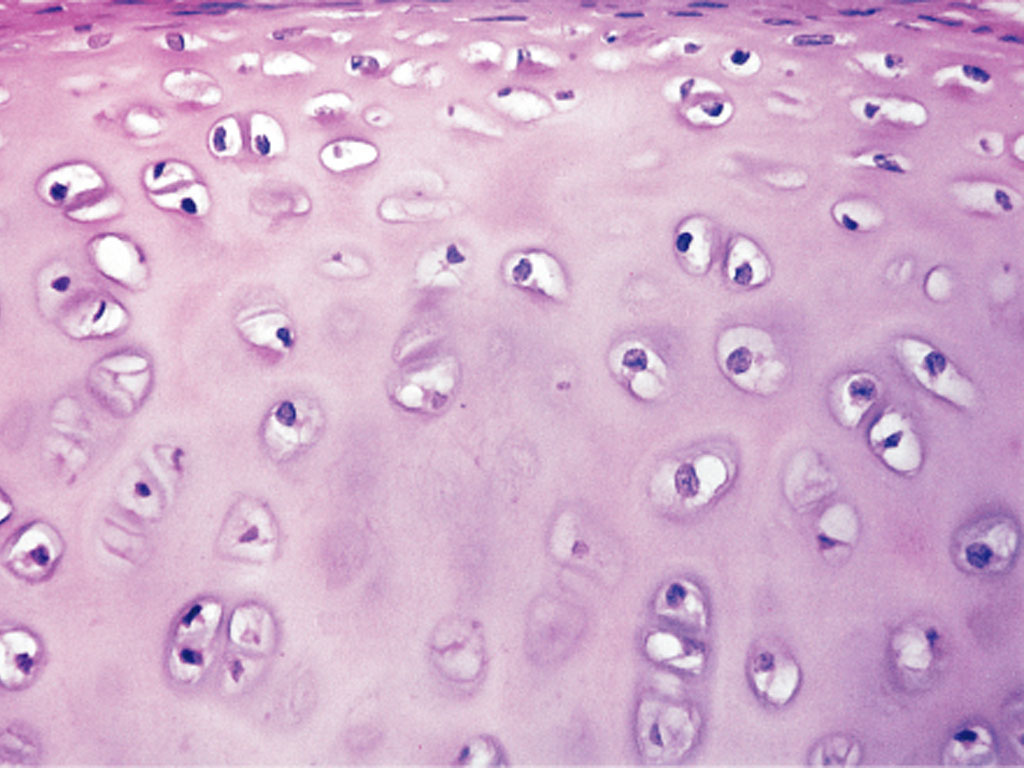
Hyline cartilage (DFL)
D: firm, flexible, durable, collagen
F: support, reinforce, sushion, resist, stress
L: end of long bones, rib, nose
Elastic cartilage (DFL)
D: Similar to hayline but it has dark fibors
F: Keep shape while being very flexible
L: external ear and epiglotts

Fibro cartilage (DFL)
D: waves and thick collagen fibers
F: Asorbs shock
L: intervertebral discs, meniscus
