8th grade Social Studies
 Call Kai
 Learn
Learn Practice Test
 Spaced Repetition
 Match
Match Flashcards
 Knowt Play
1/111

There's no tags or description
Looks like no tags are added yet.
Name | Mastery | Learn | Test | Matching | Spaced | Call with Kai | Chat |
|---|
No analytics yet
Send a link to your students to track their progress
112 Terms
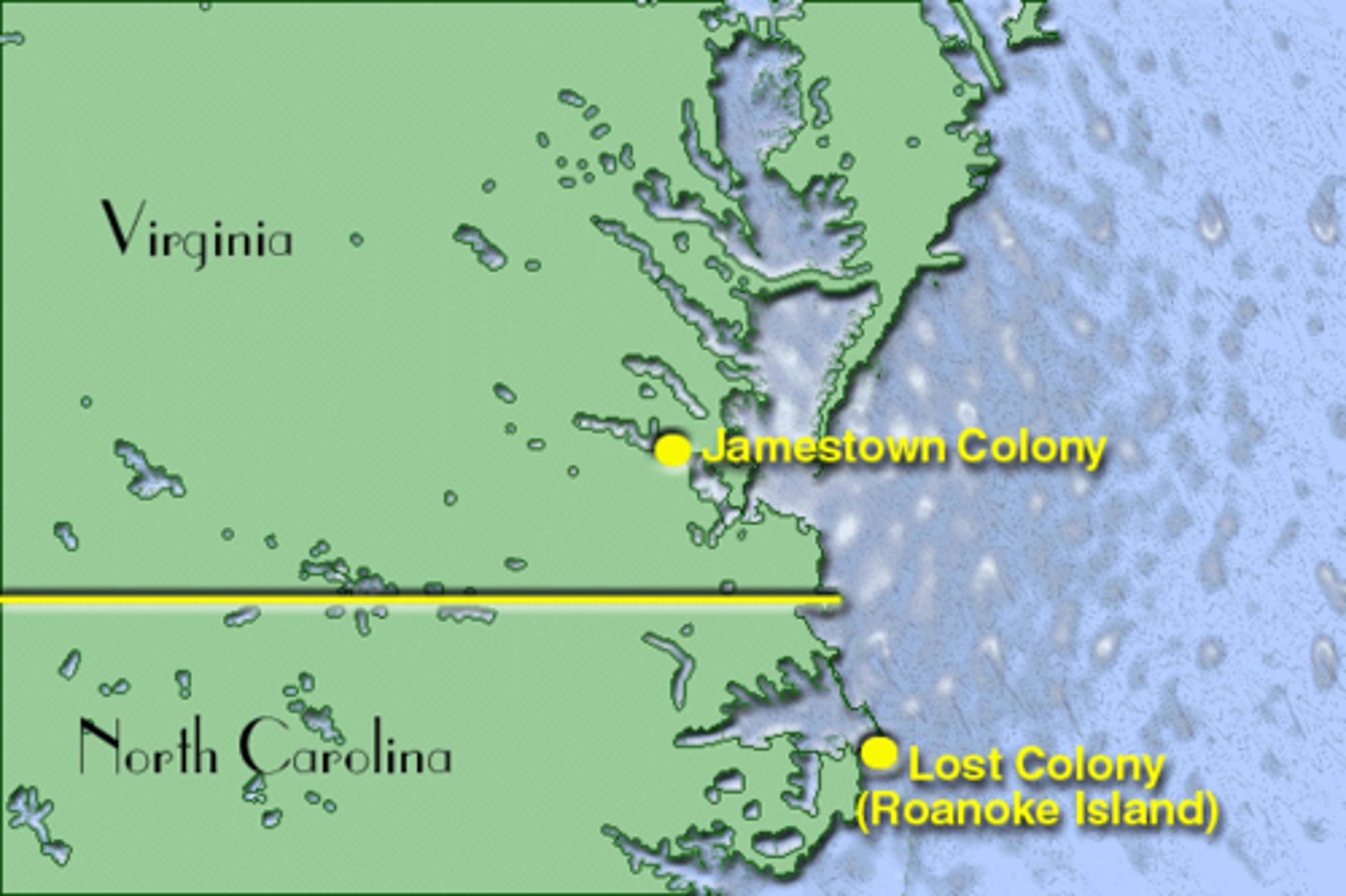
Jamestown-1607
first permanent English settlement
Declaration of Independence
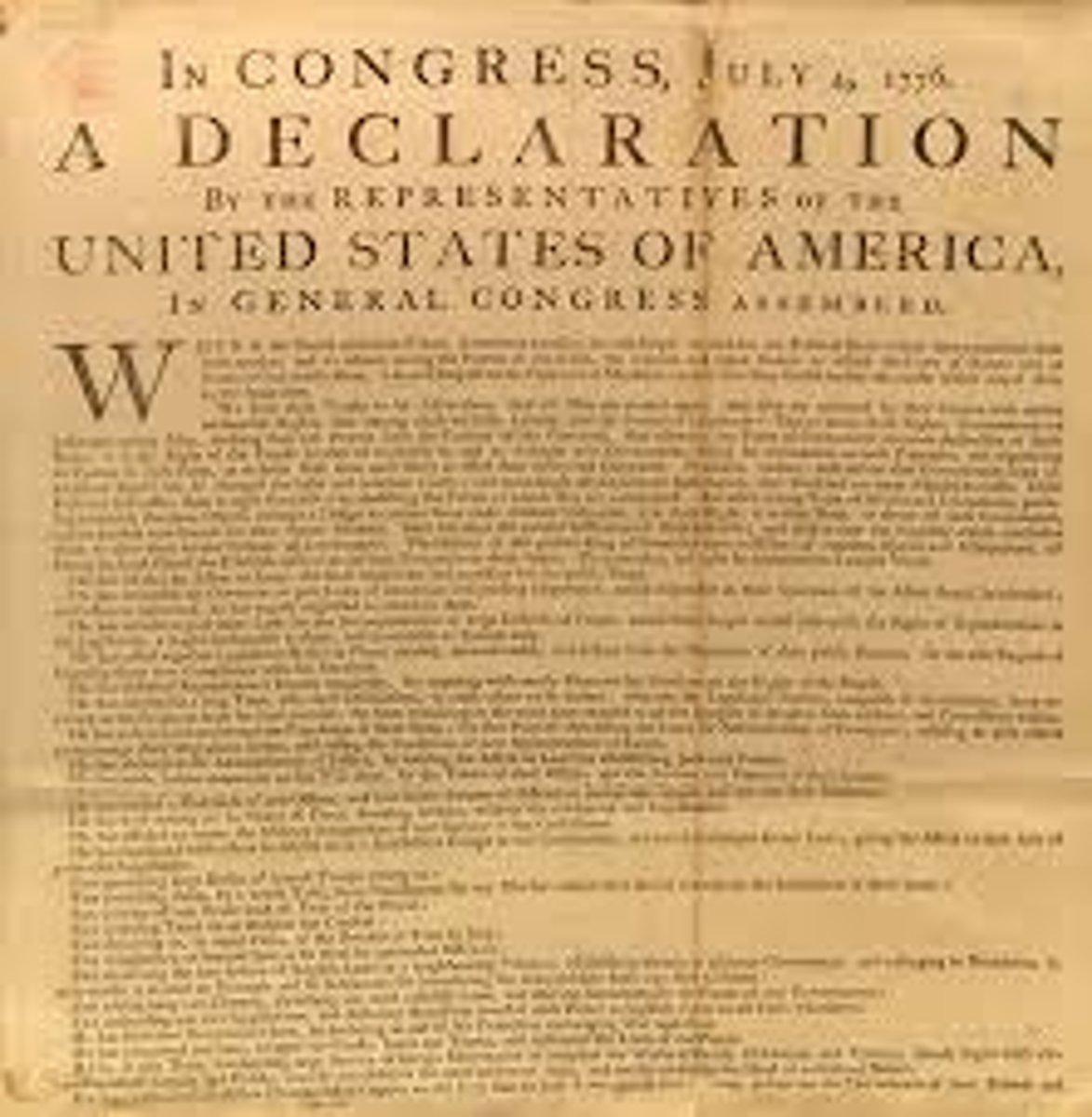
July 4, 1776
Constitution
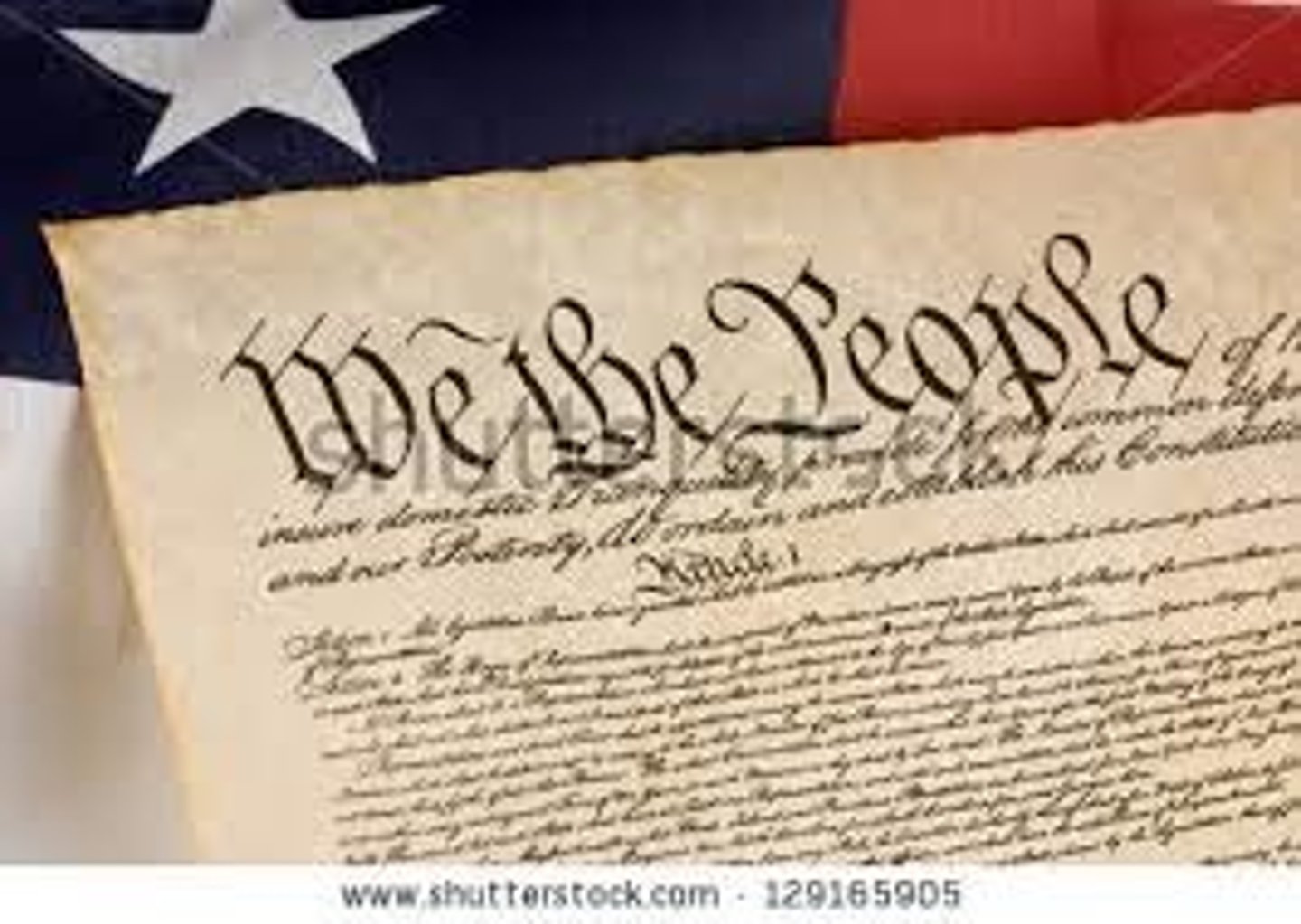
1787
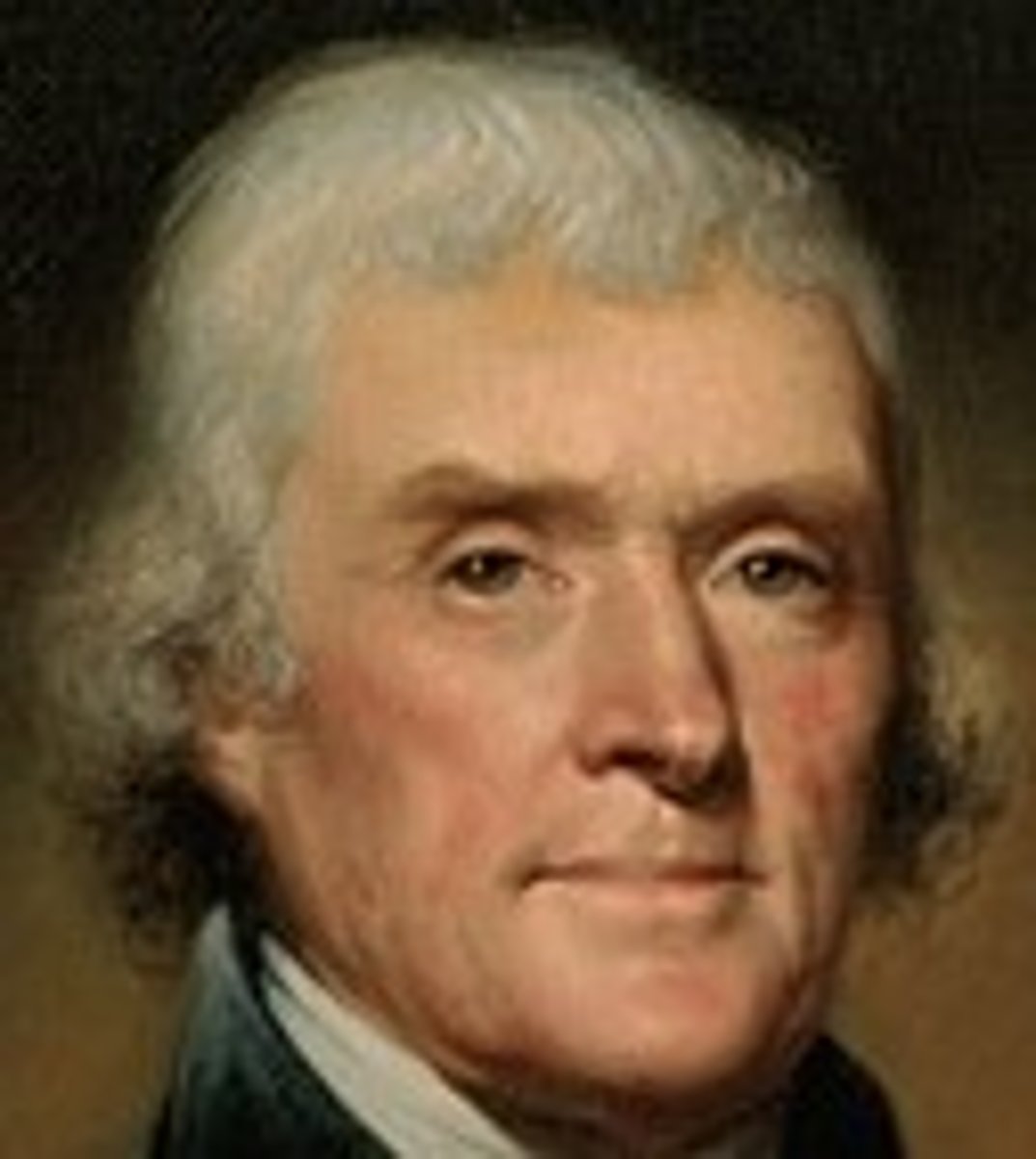
Thomas Jefferson
3rd pres.,Louisiana Territory 1803
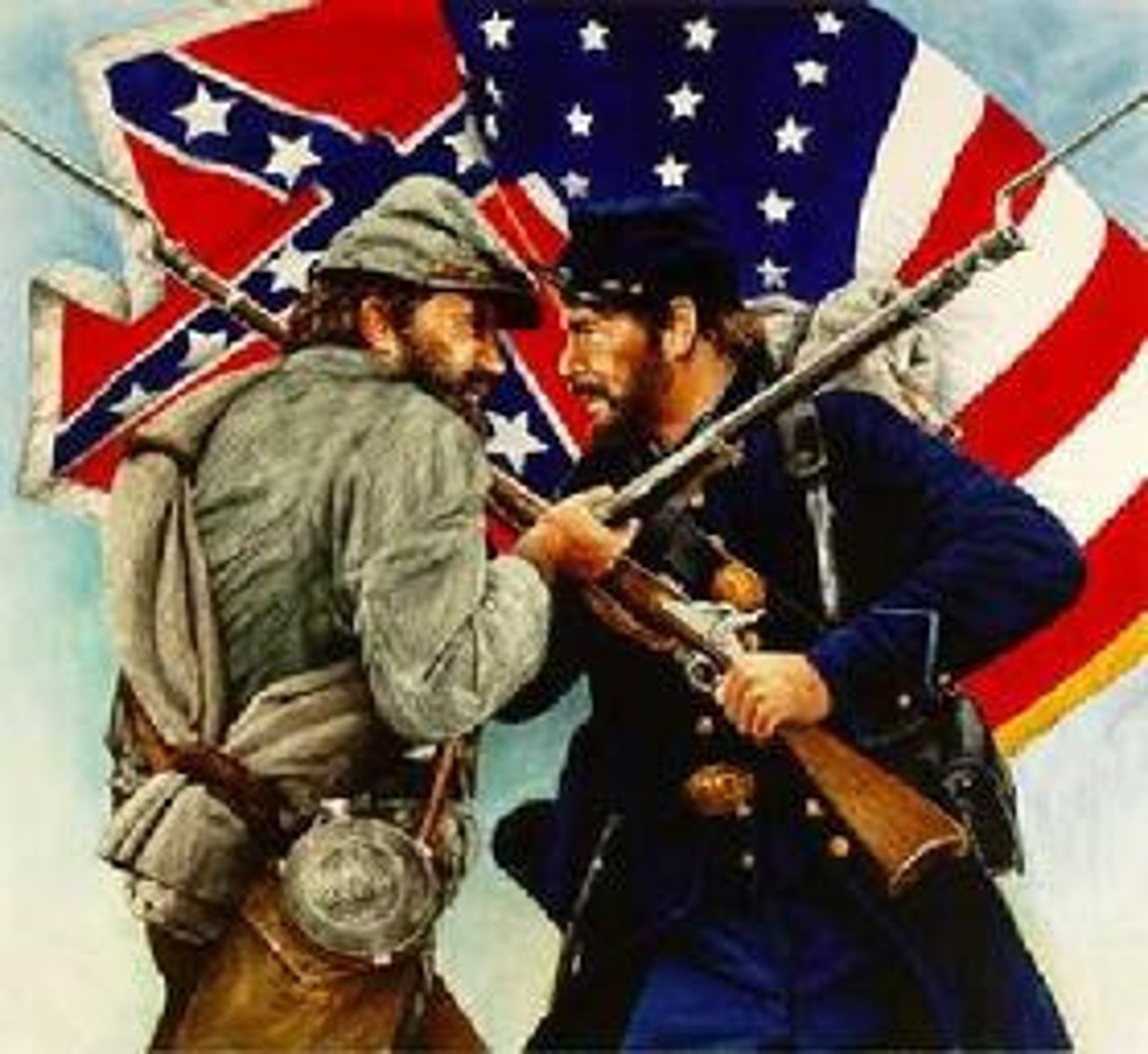
Civil War
1861-1865
Lexington, Mass. 1775
first shots of American Rev.
Concord, Mass.
first battle of American Rev.
Battle of Saratoga
turning point of American Rev.
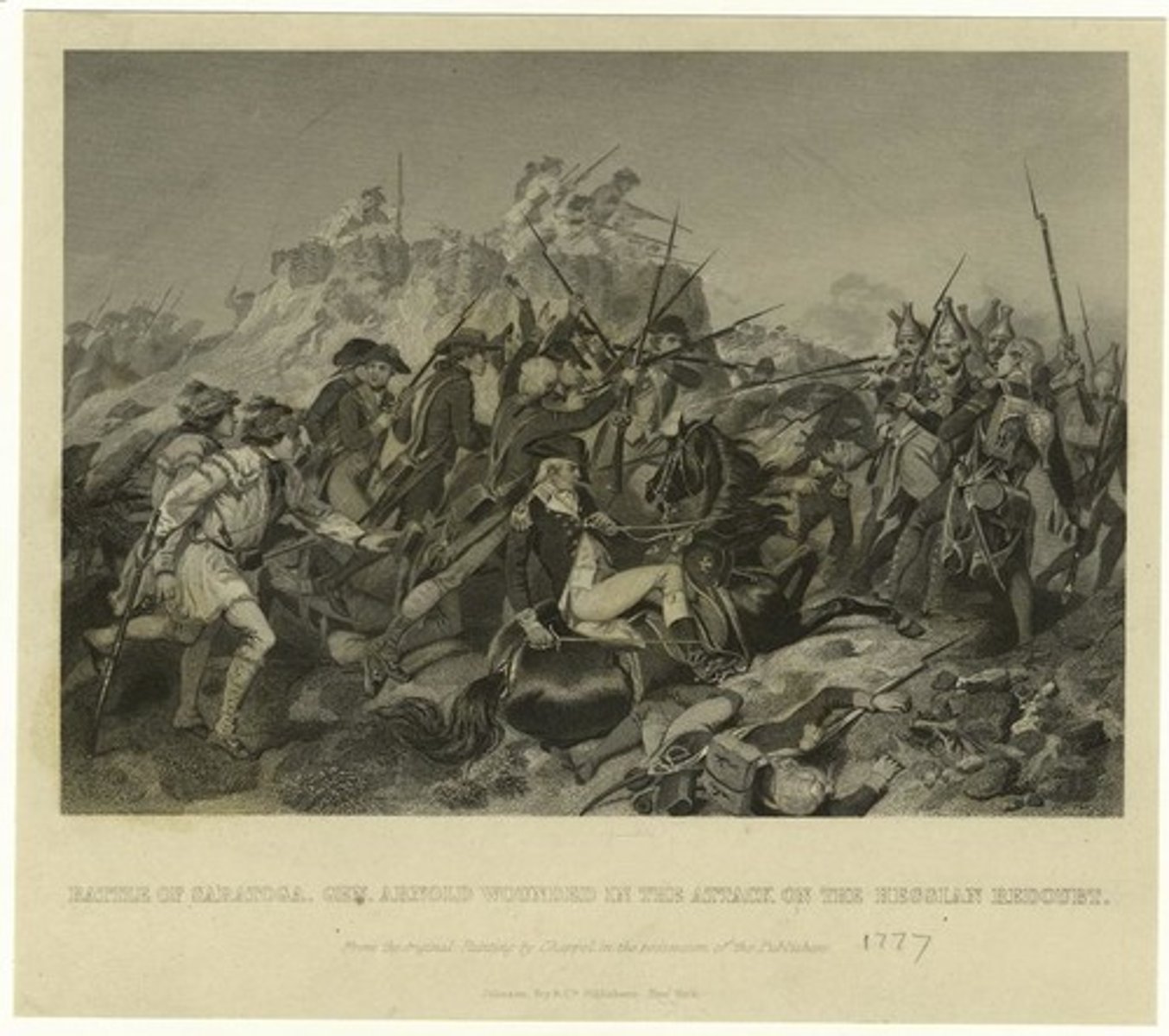
Yorktown, Virginia
British defeat by George Washington; end of revolution
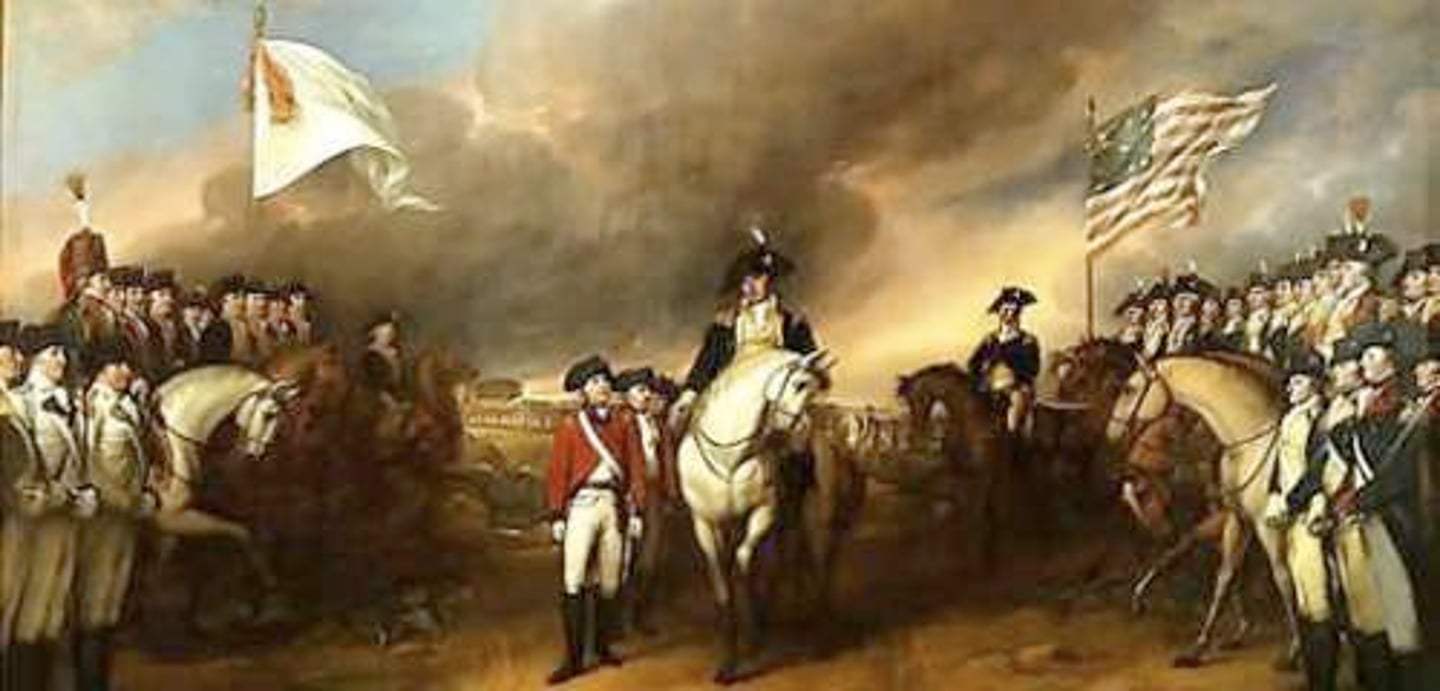
Fort Sumter
First shots of the Civil War
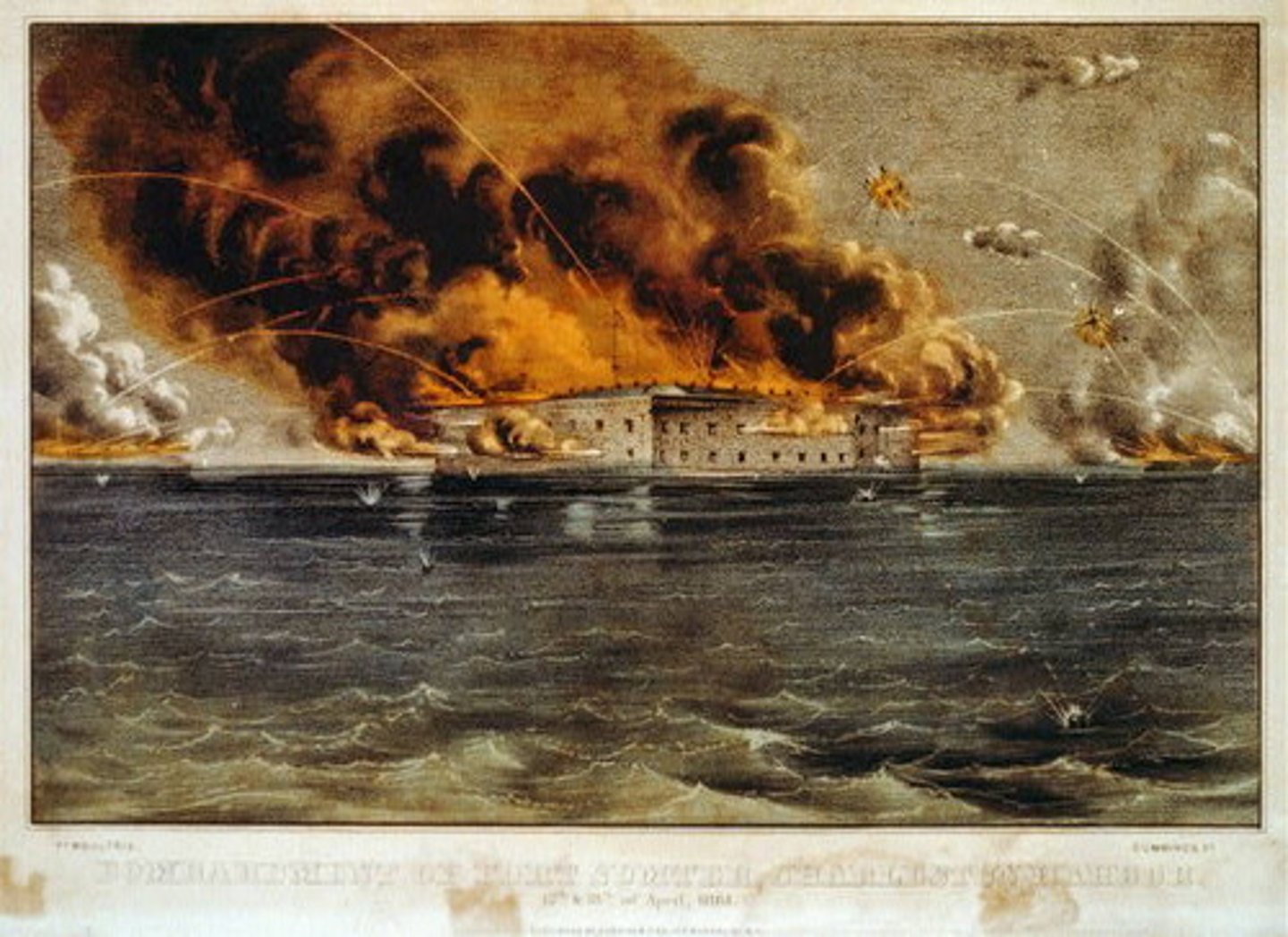
Battle of Gettysburg
turning point of the Civil War for the North
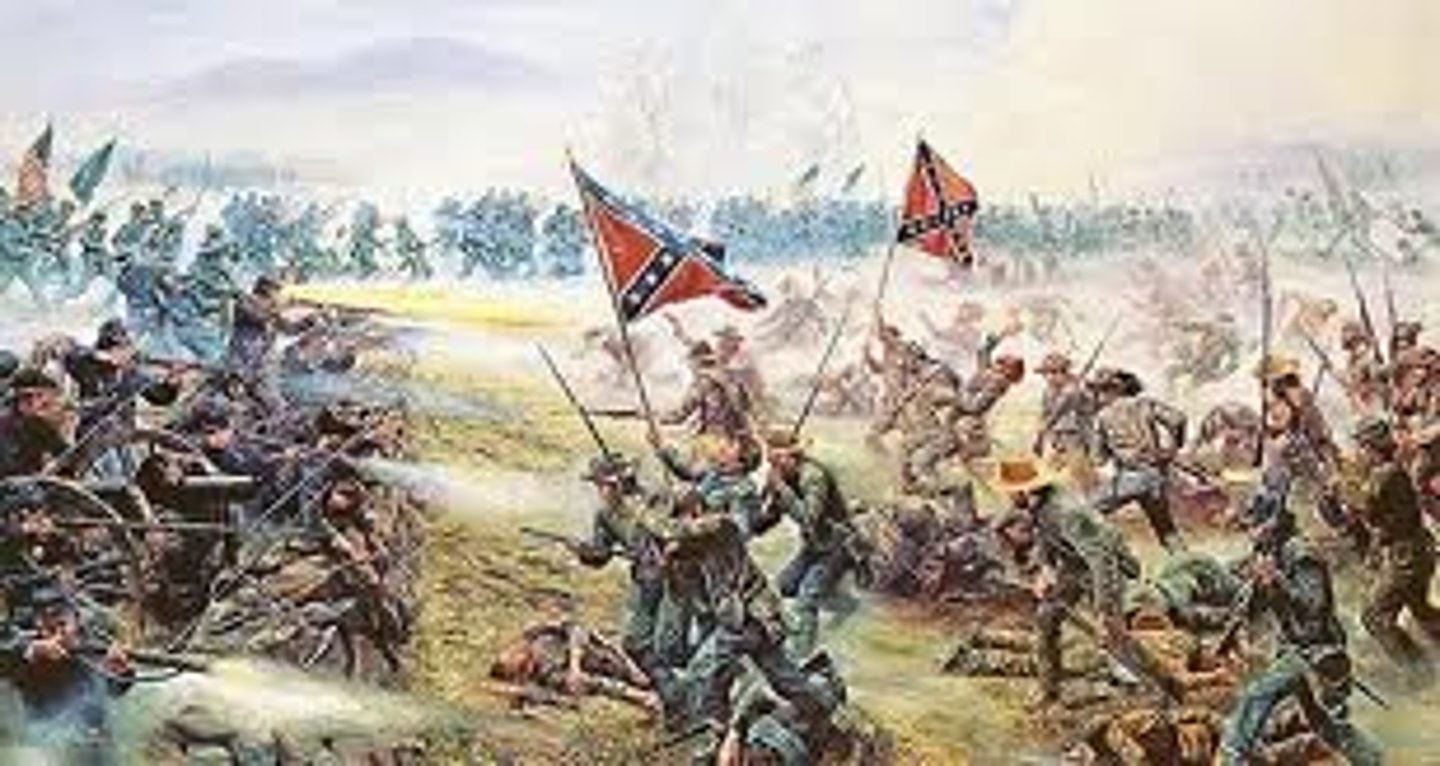
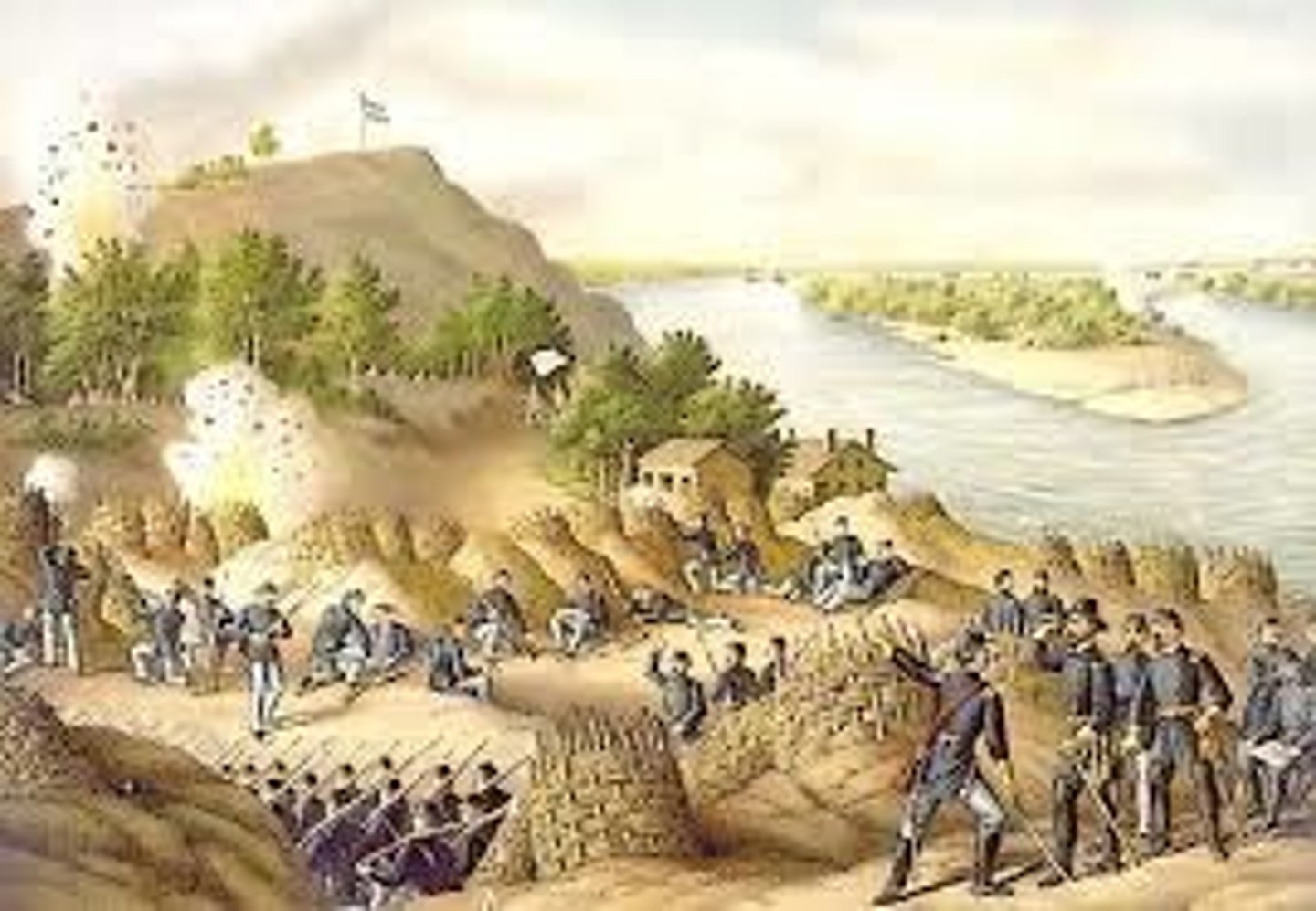
Vicksburg, Mississippi 1863
split the Confederacy in 2 and gave control of the Miss. River to the Union
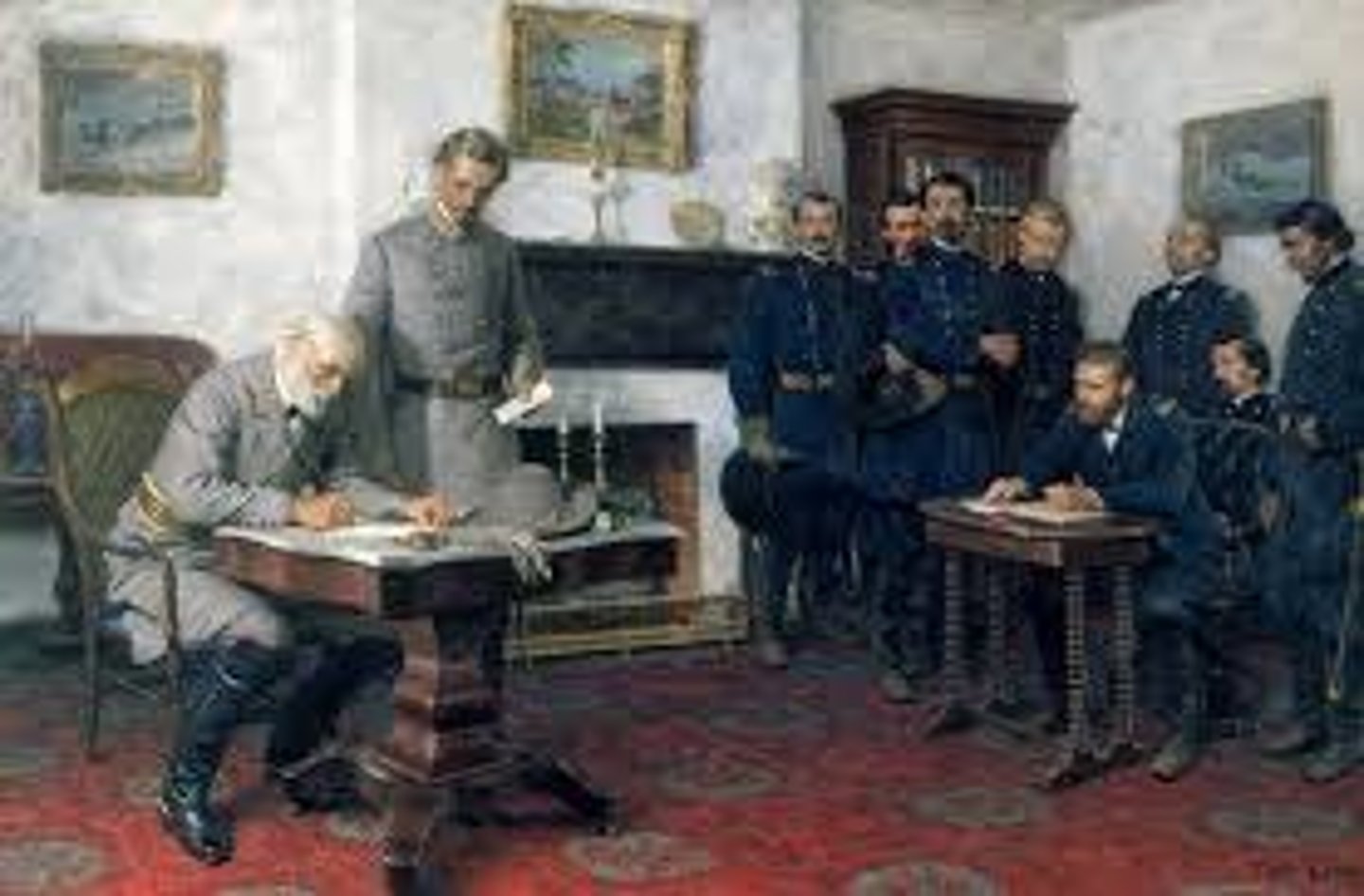
Appomattox Court House
town in Virginia where Robert E. Lee surrendered the Confederate Army to Ulysses S. Grant ending the Civil War
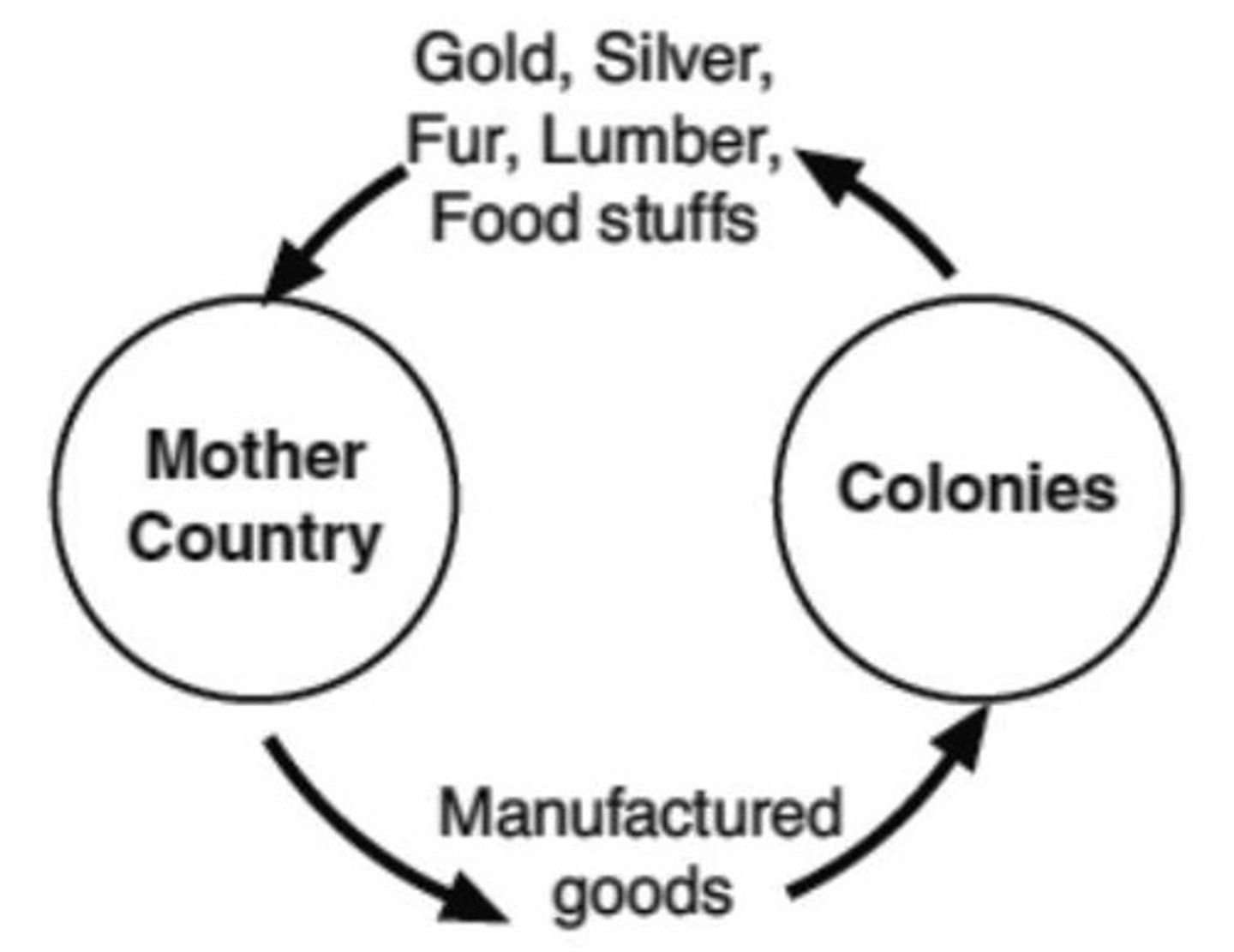
Mercantilism
the economic theory that a country's strength is measured by the amount of gold it has, that a country should sell more than it buys and that colonies exist for the benefit of the Mother Country
abolitionist
a reformer who believed that slavery should be erased, or abolished, from the land.

tariff
A tax on imported goods
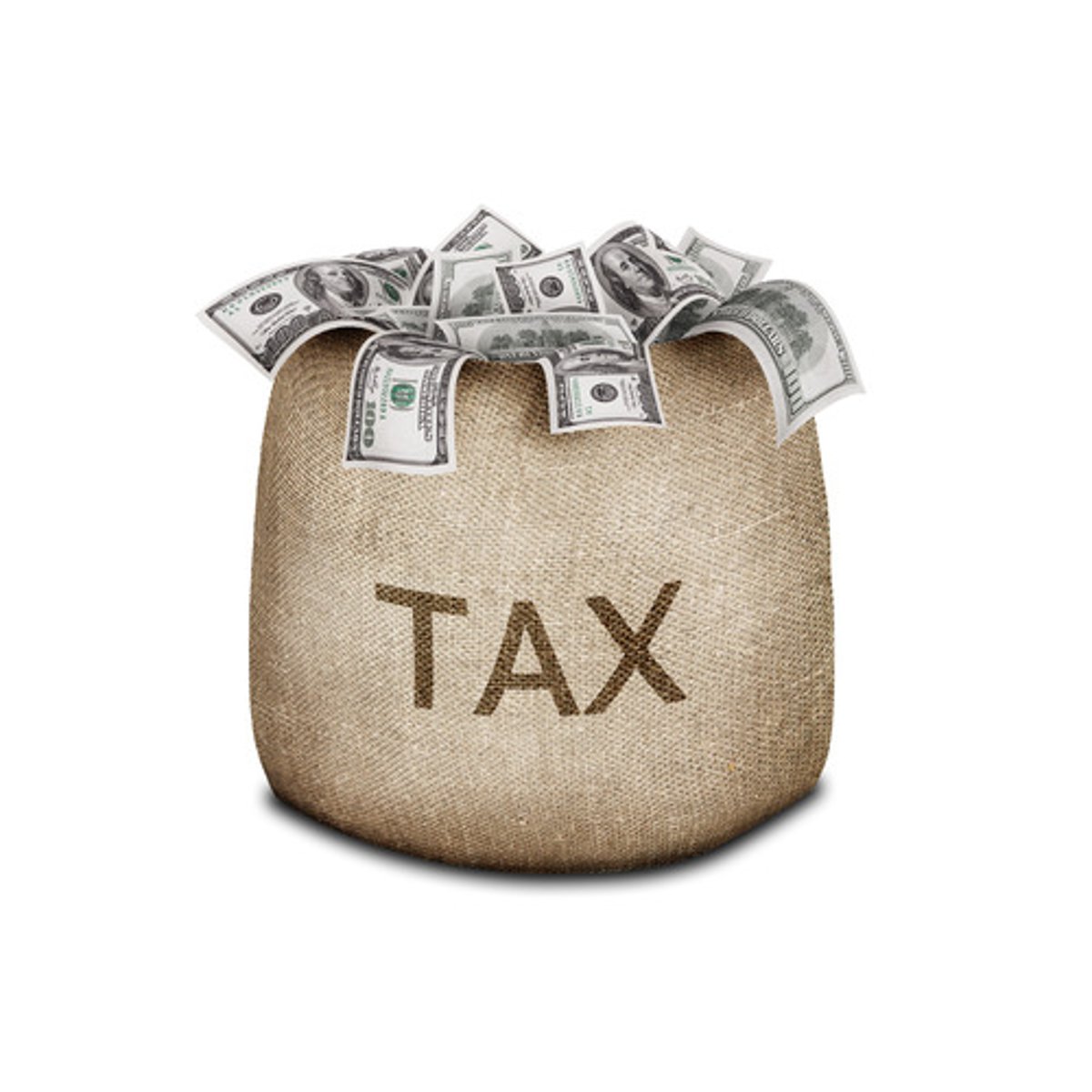
protective tariff
A tax on imported goods that is intended to protect a nation's businesses from foreign competition
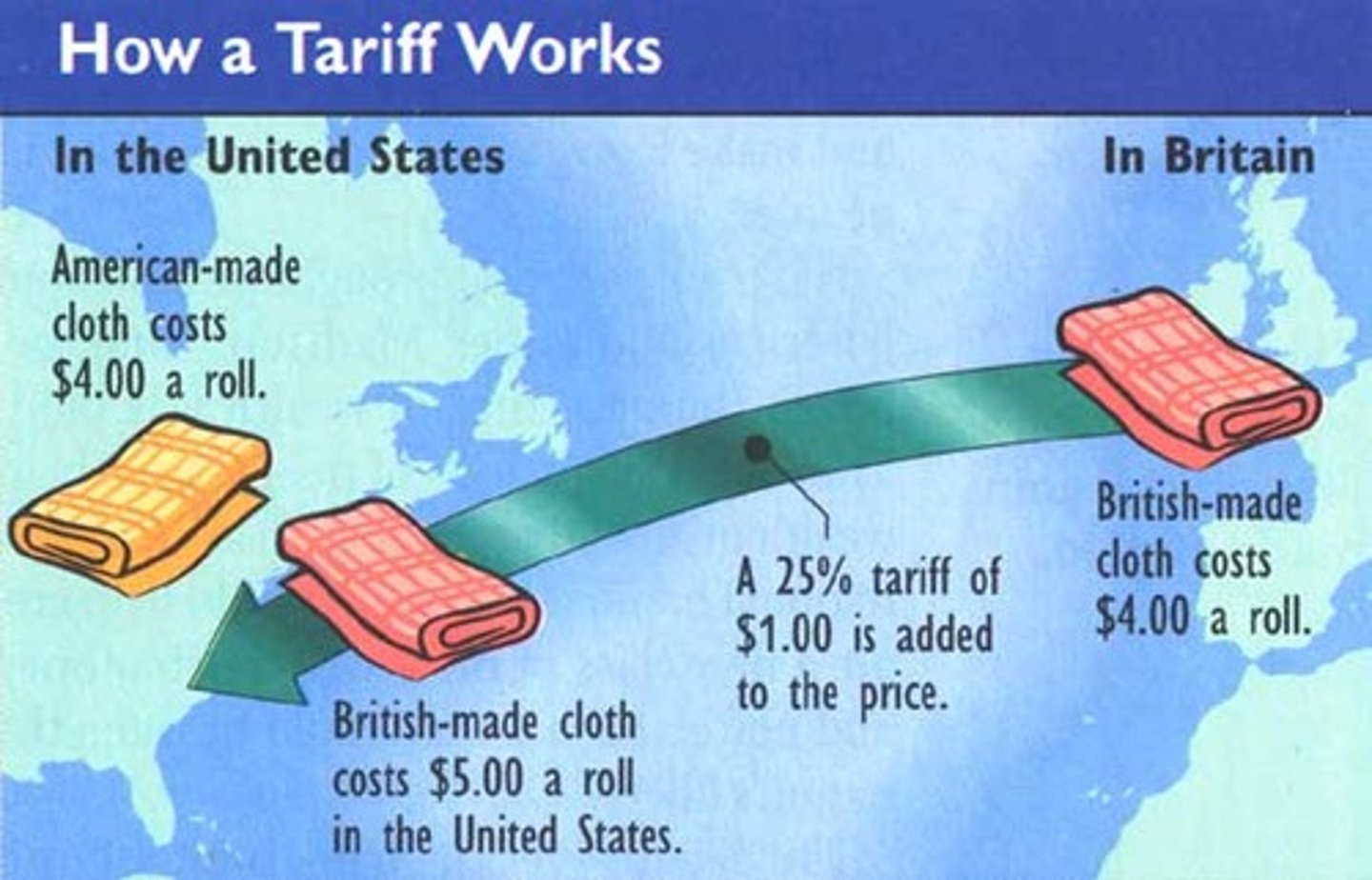
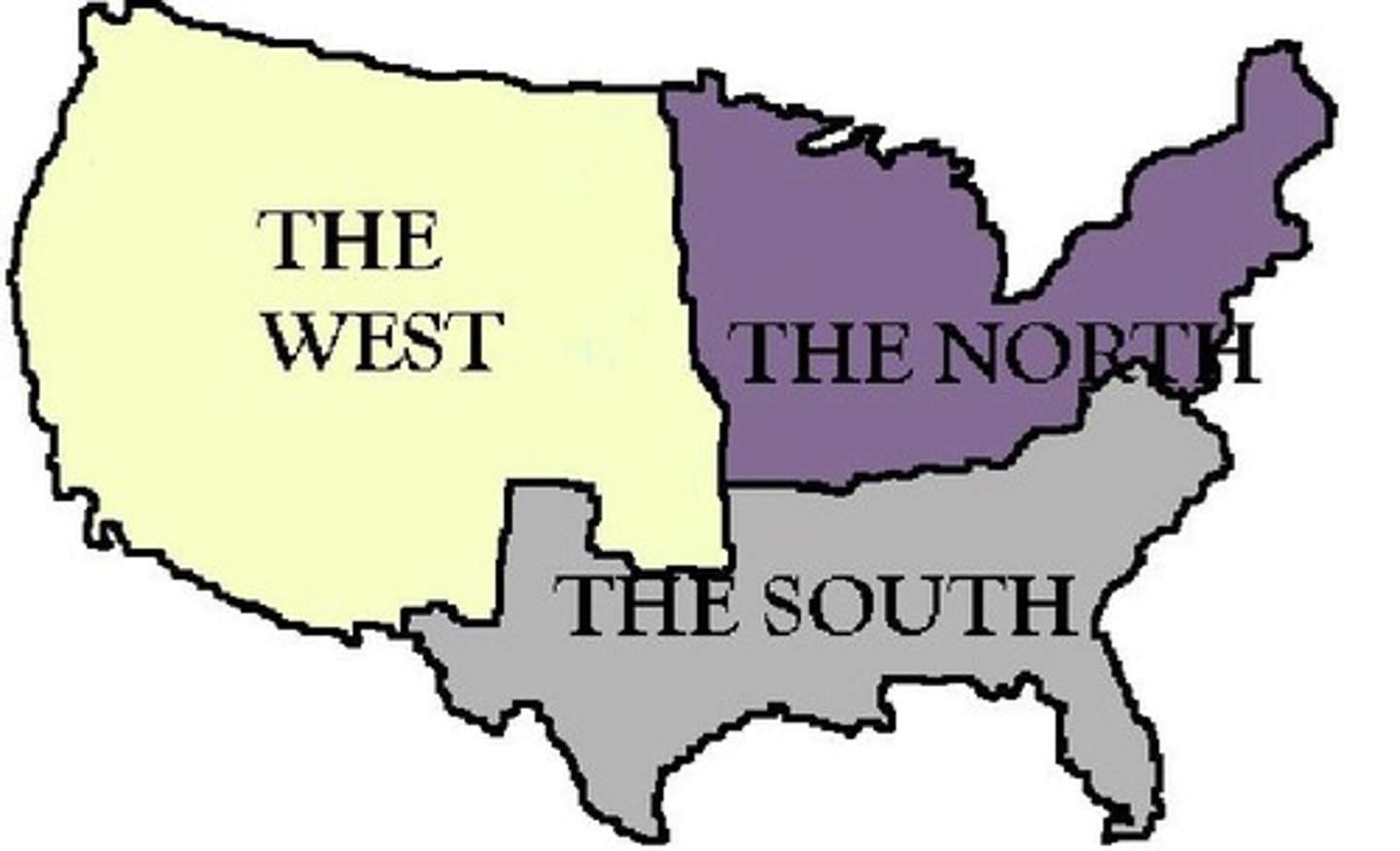
sectionalism
A devotion to the interests of one geographic region over the interests of the country as a whole
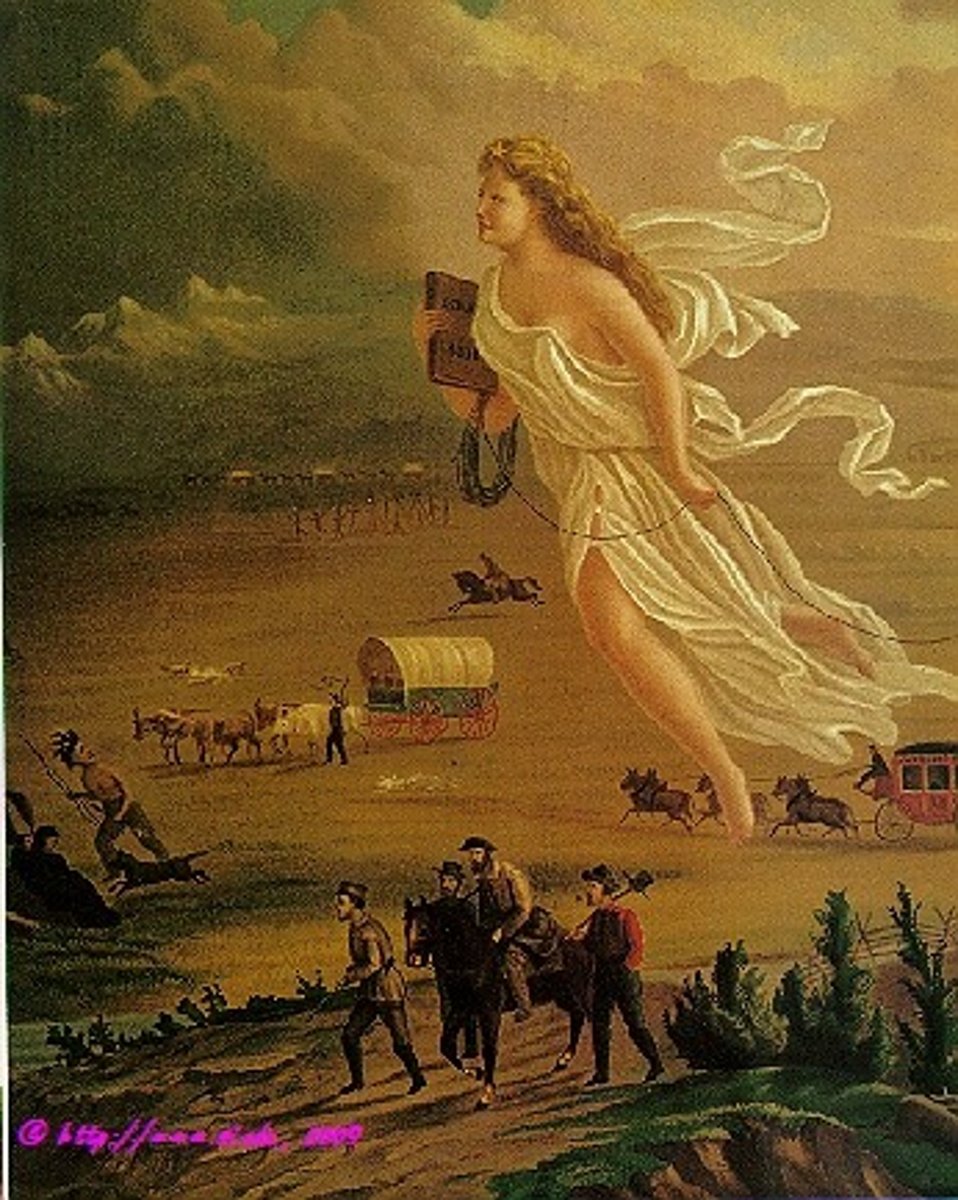
manifest destiny
A notion held by a nineteenth-century Americans that the United States was destined to rule the continent, from the Atlantic the Pacific.
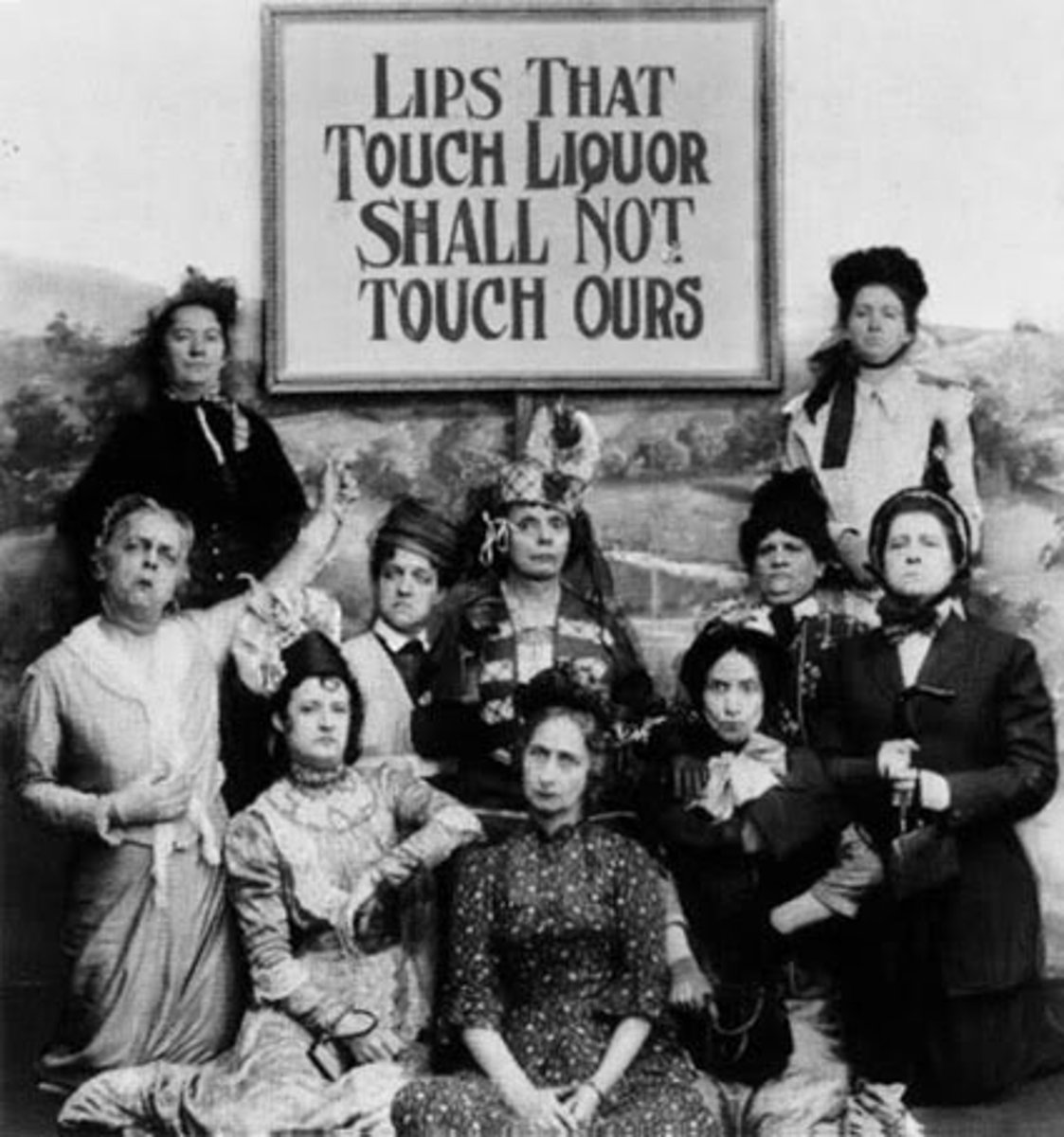
temperance movement
An organized campaign to eliminate alcohol consumption
representative gov't
form of gov't in which voters elect people to make laws for them.
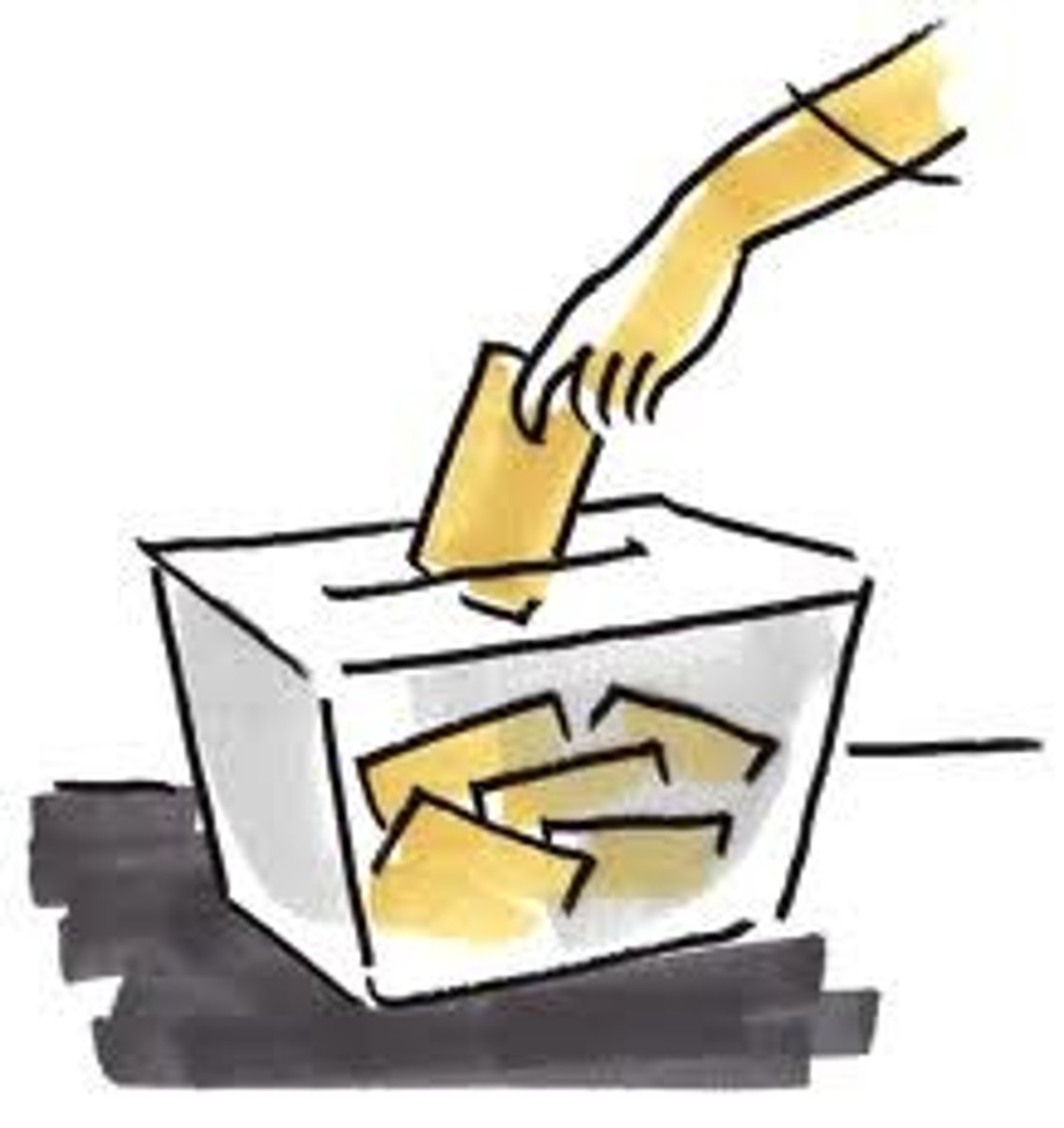
republic
a nation in which voters choose representatives to govern them
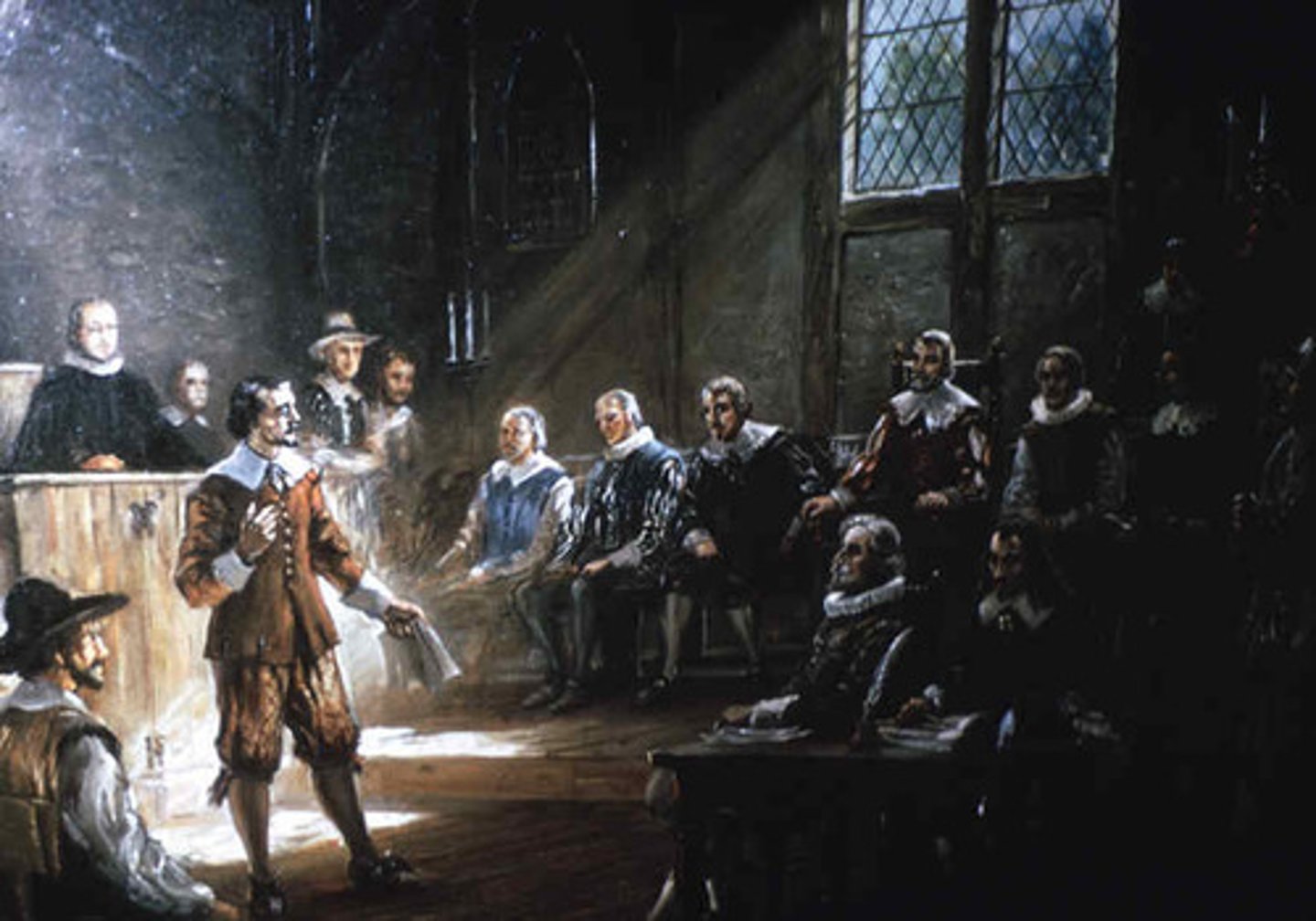
house of burgesses
the first elected legislative assembly in the New World established in the Colony of Virginia in 1619, representative colony set up by England to make laws and levy taxes but England could veto its legislative acts.
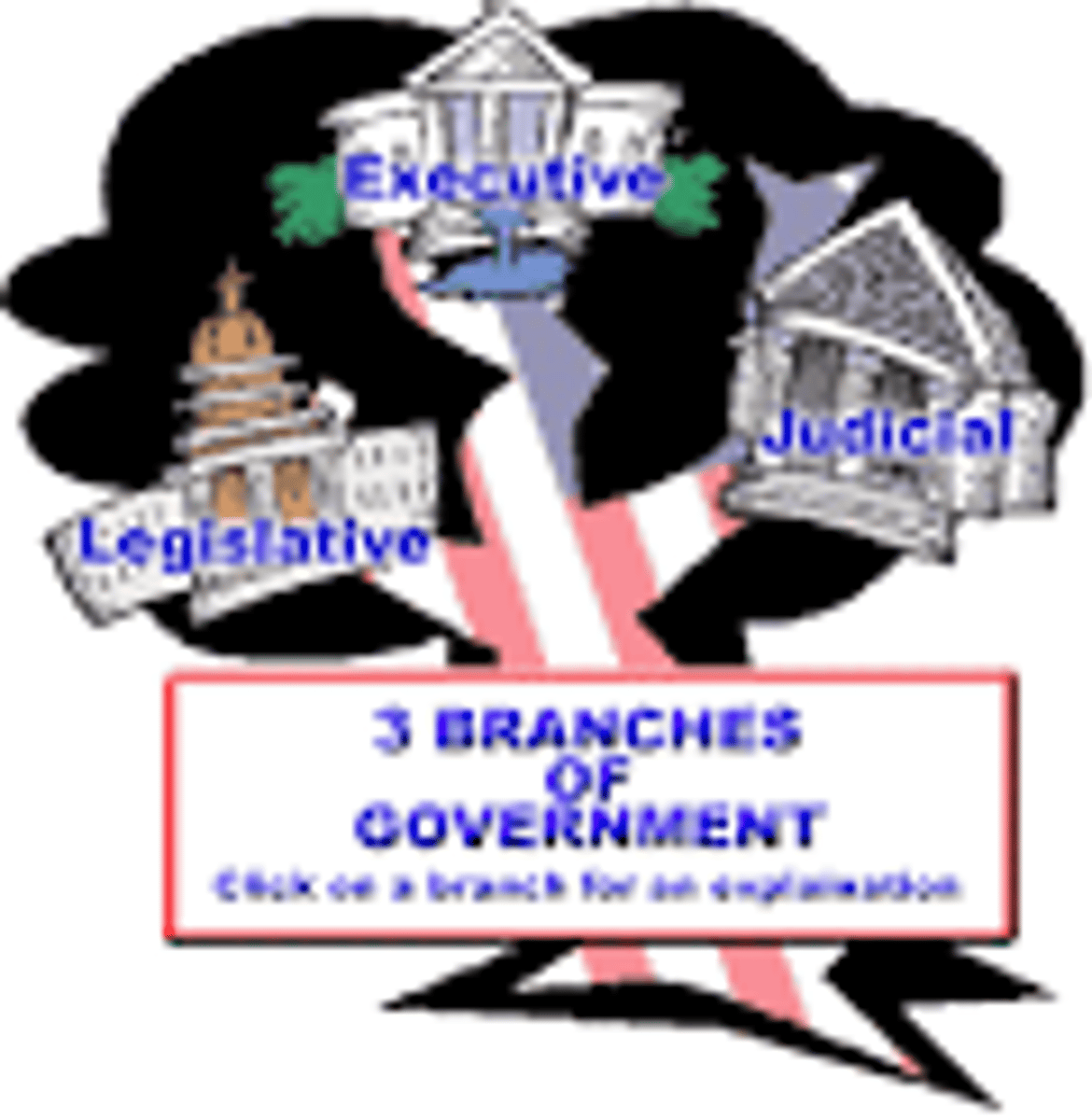
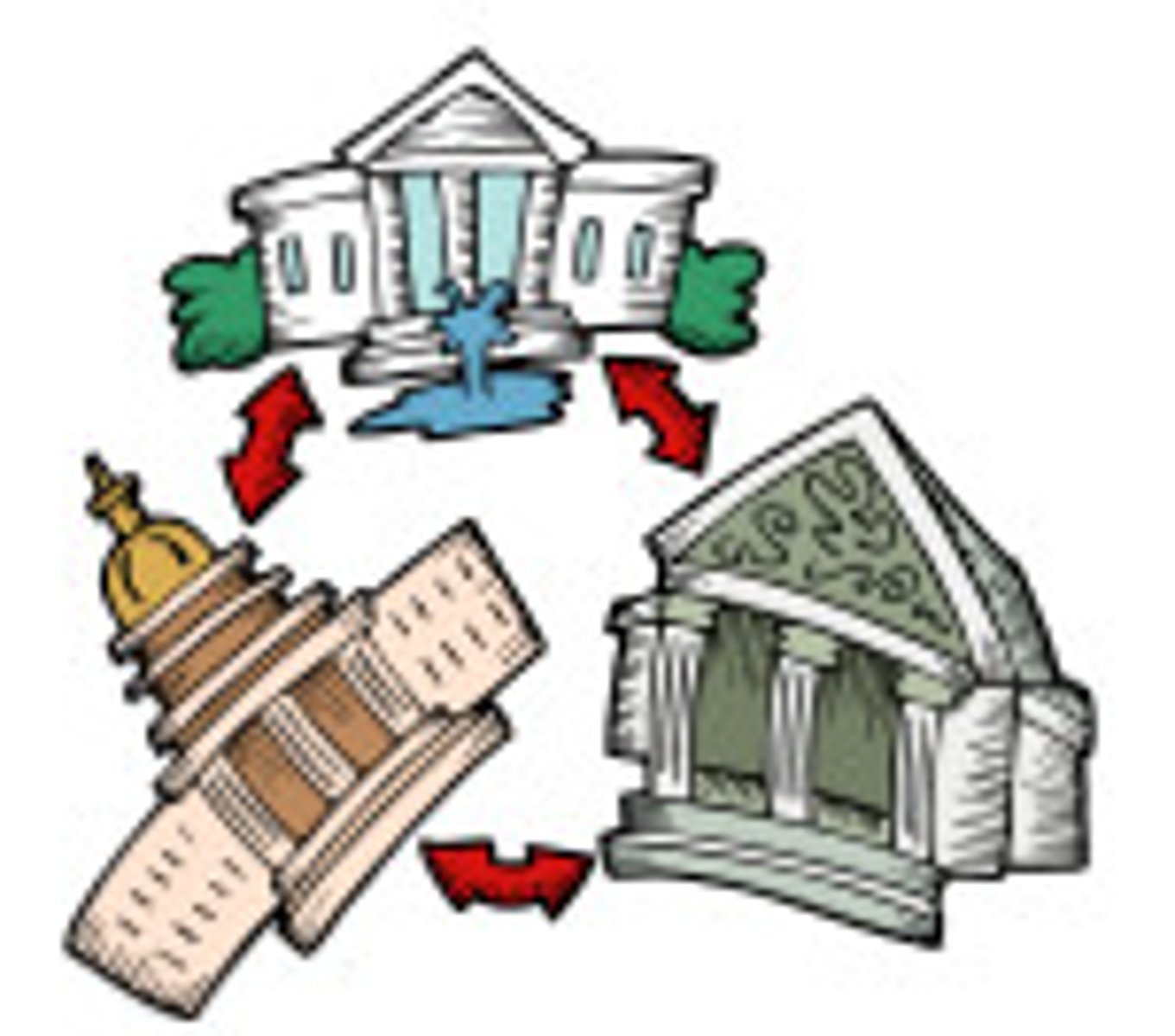
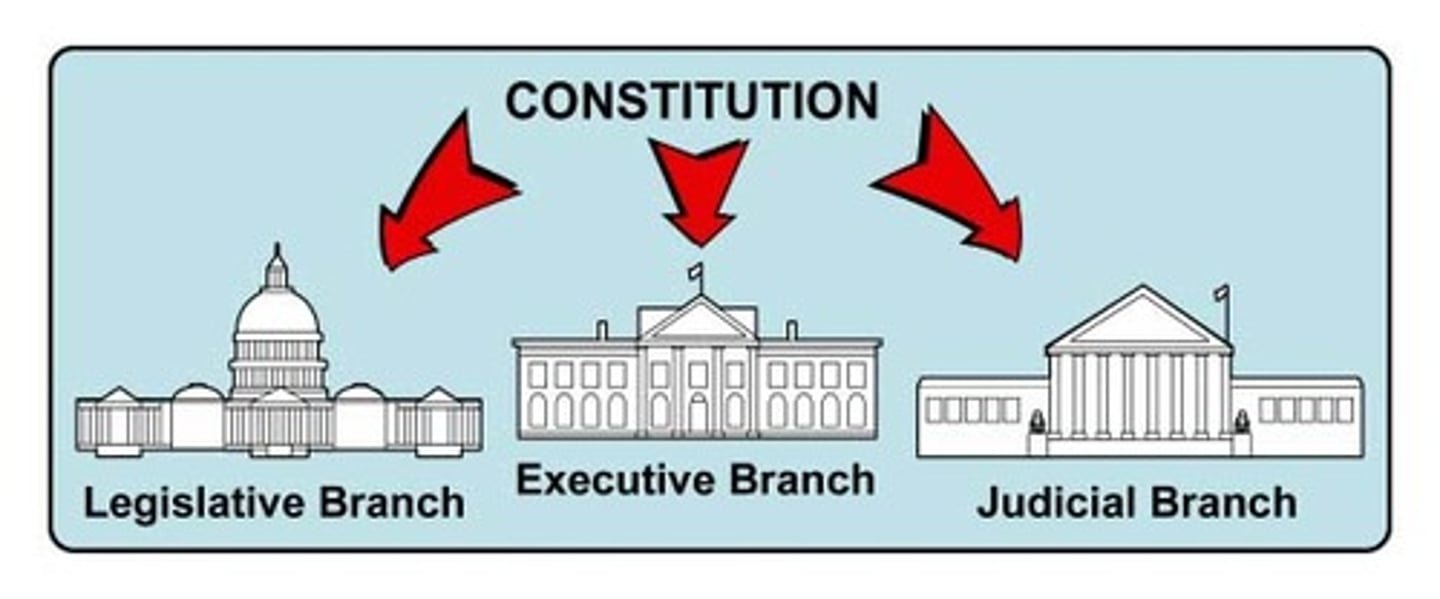
three branches of gov't
Legislative Branch, Executive Branch, Judicial Branch.
checks and balances
A system that allows each branch of government to limit the powers of the other branches in order to prevent abuse of power
free enterprise
Economic system in which individuals and businesses are allowed to compete for profit with a minimum of government interference

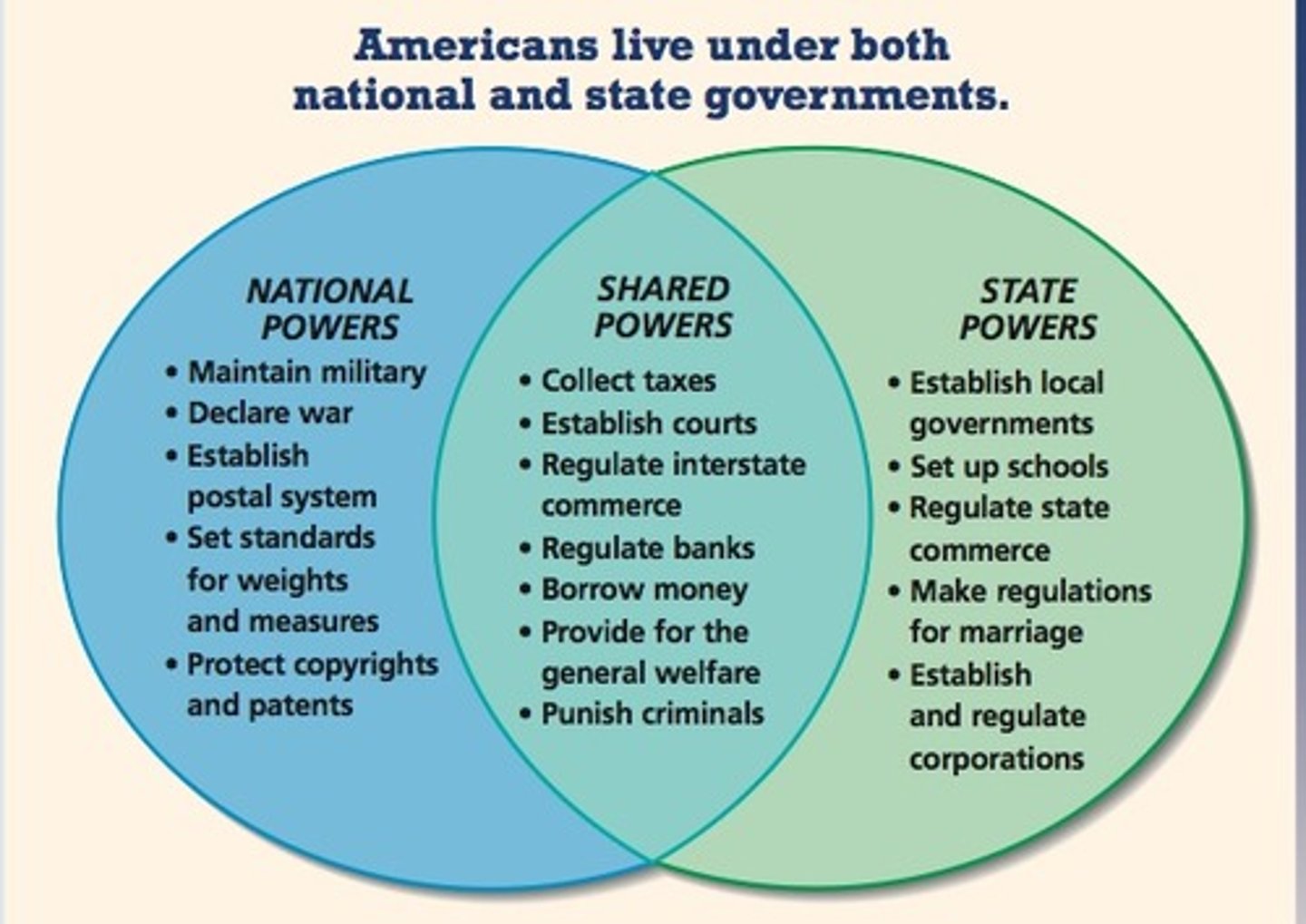
federalism
A system in which power is divided between the national and state governments
separation of powers
is a system in which each branch of gov't has its own power
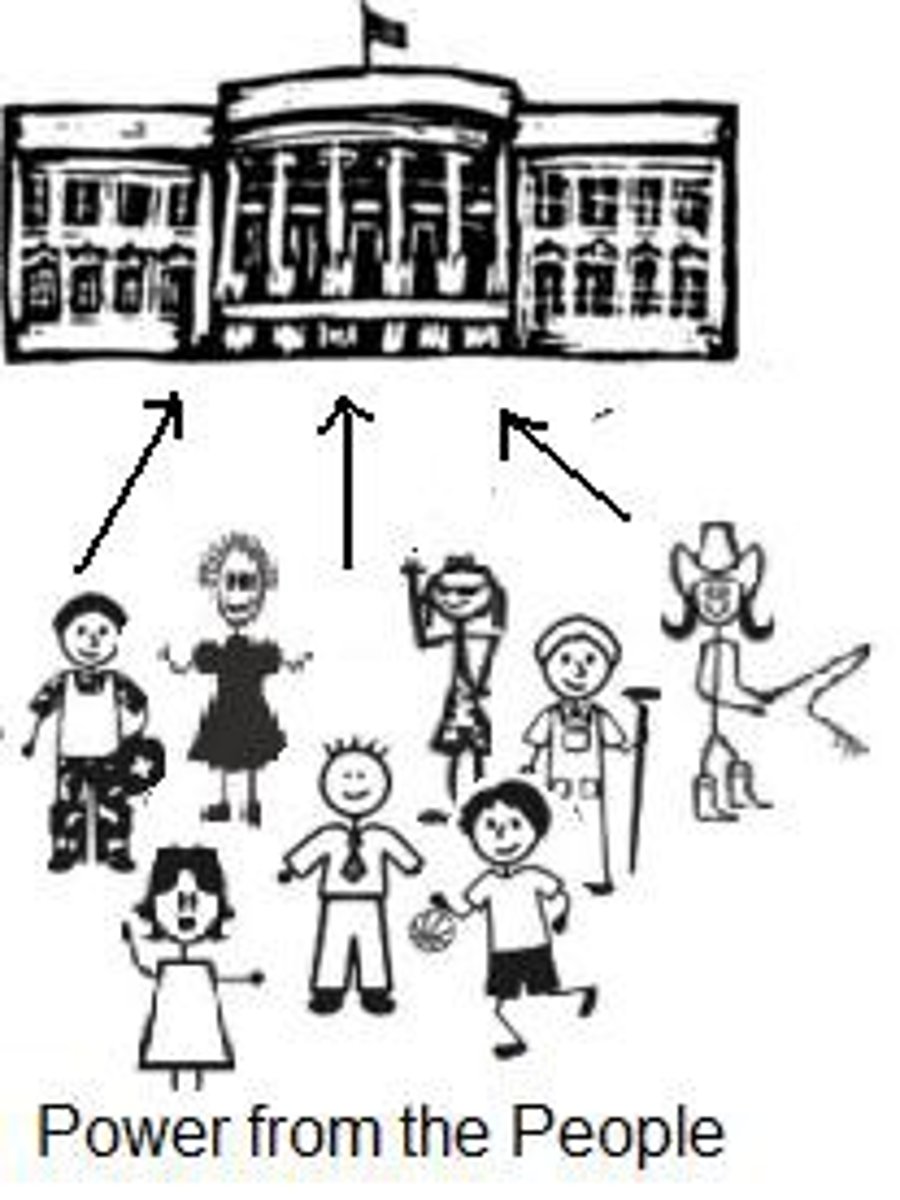
popular sovereignty
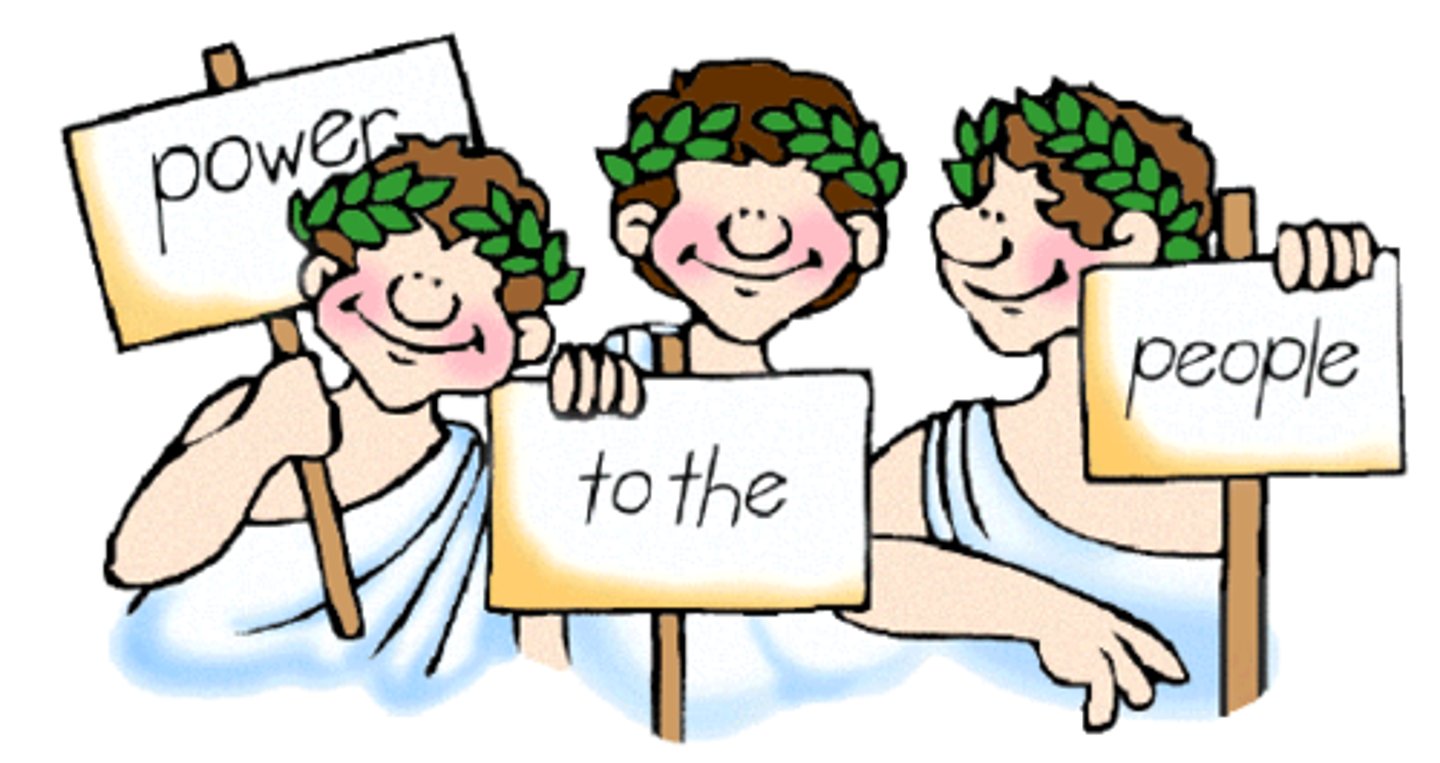
Federal policy where residents in the western territories would hold local elections to vote and decide whether the territory would allow or abolish slavery . (power to the people)
amend
to change
unalienable rights
These rights are fundamental or natural rights guaranteed to people naturally instead of by the law. They include life, liberty, and the pursuit of happiness.
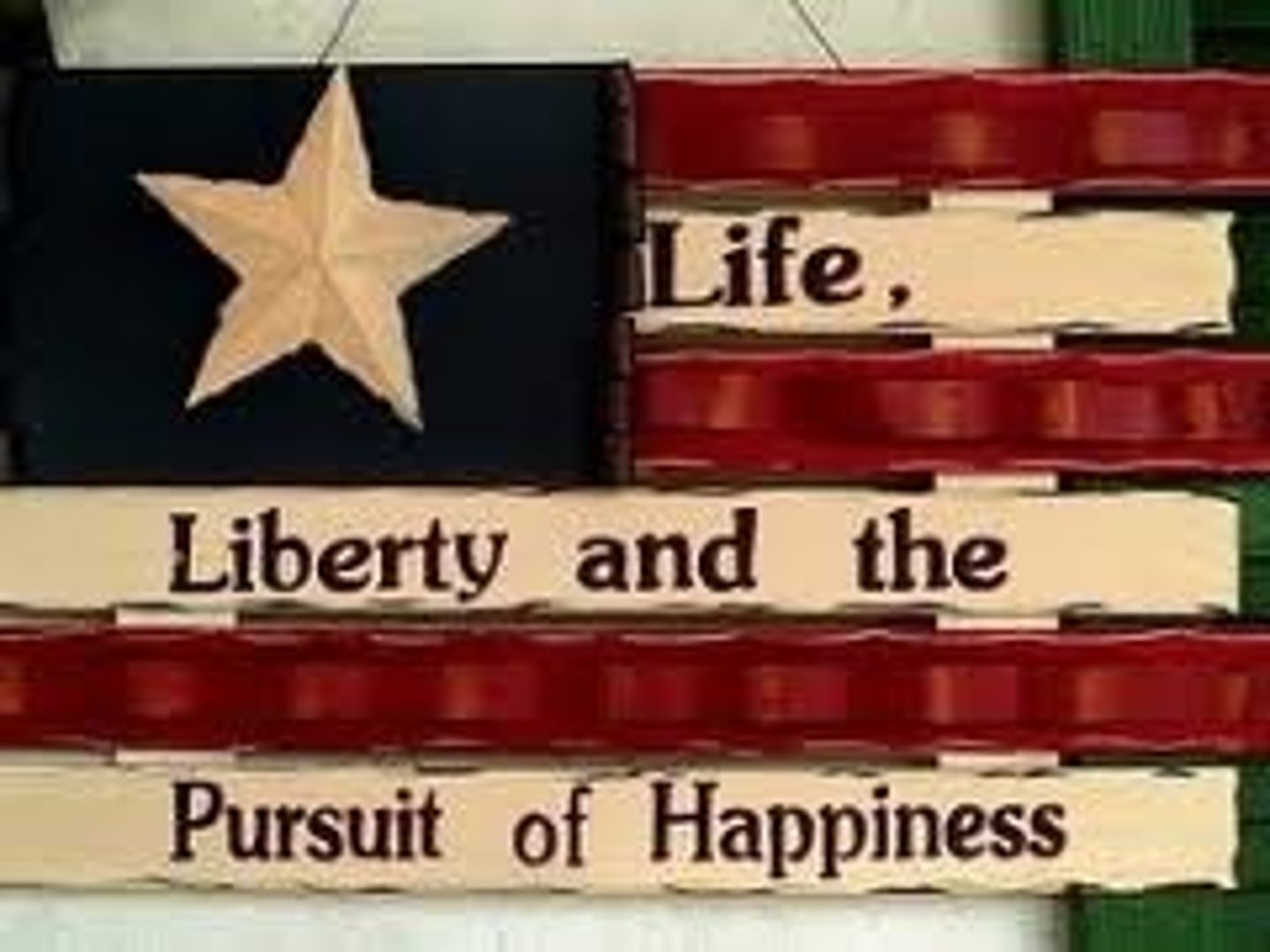
tyranny
is a cruel and unjust gov't
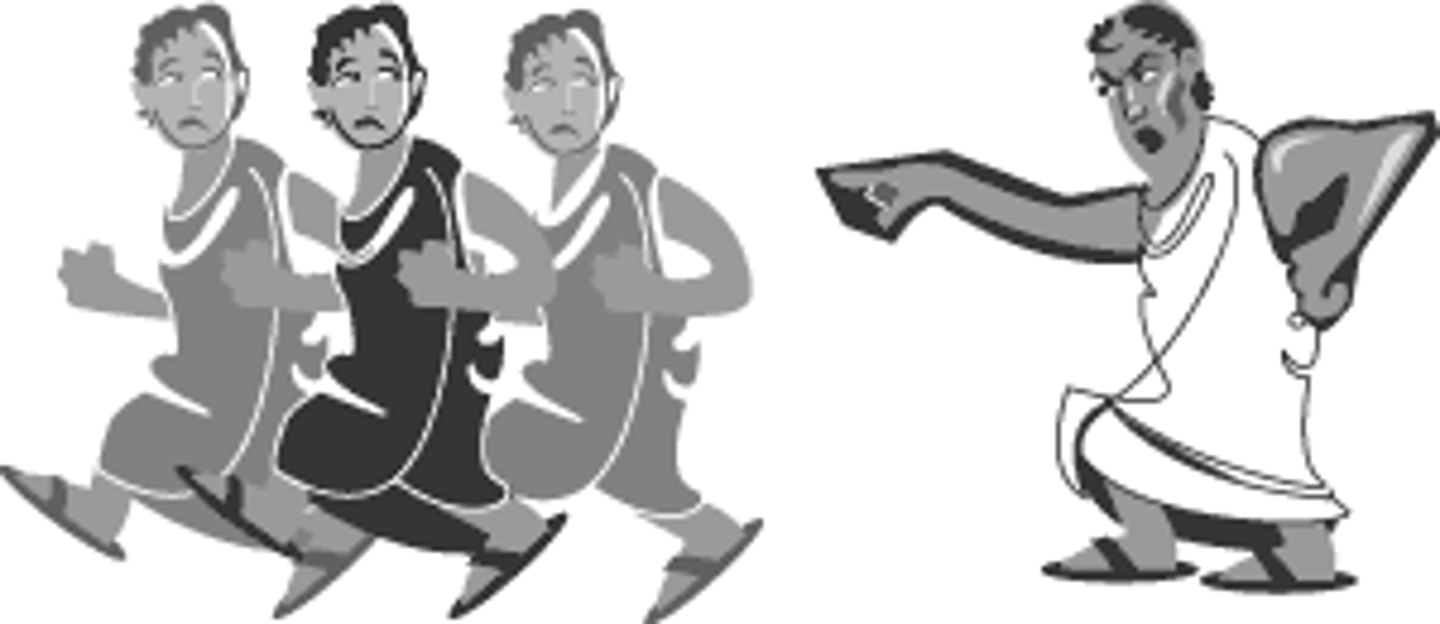
democracy
form of gov't that is run for and by the people, giving people the supreme power
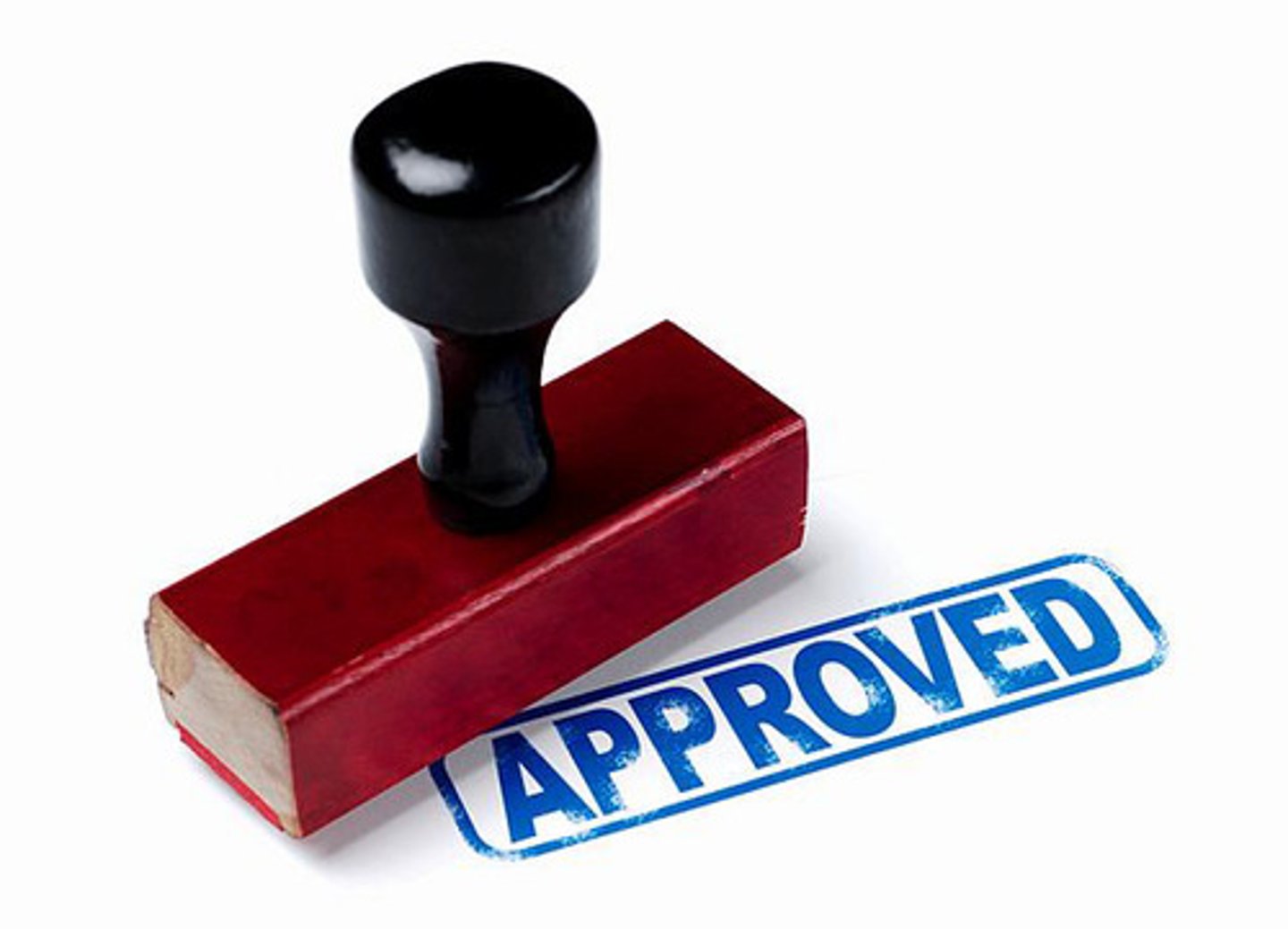
ratify
To approve by vote.
judicial review
It was a power given to the judiciary branch in order to sustain checks and balances. This power let judges examine a law or act passed by the government to see if it was constitutional or not.
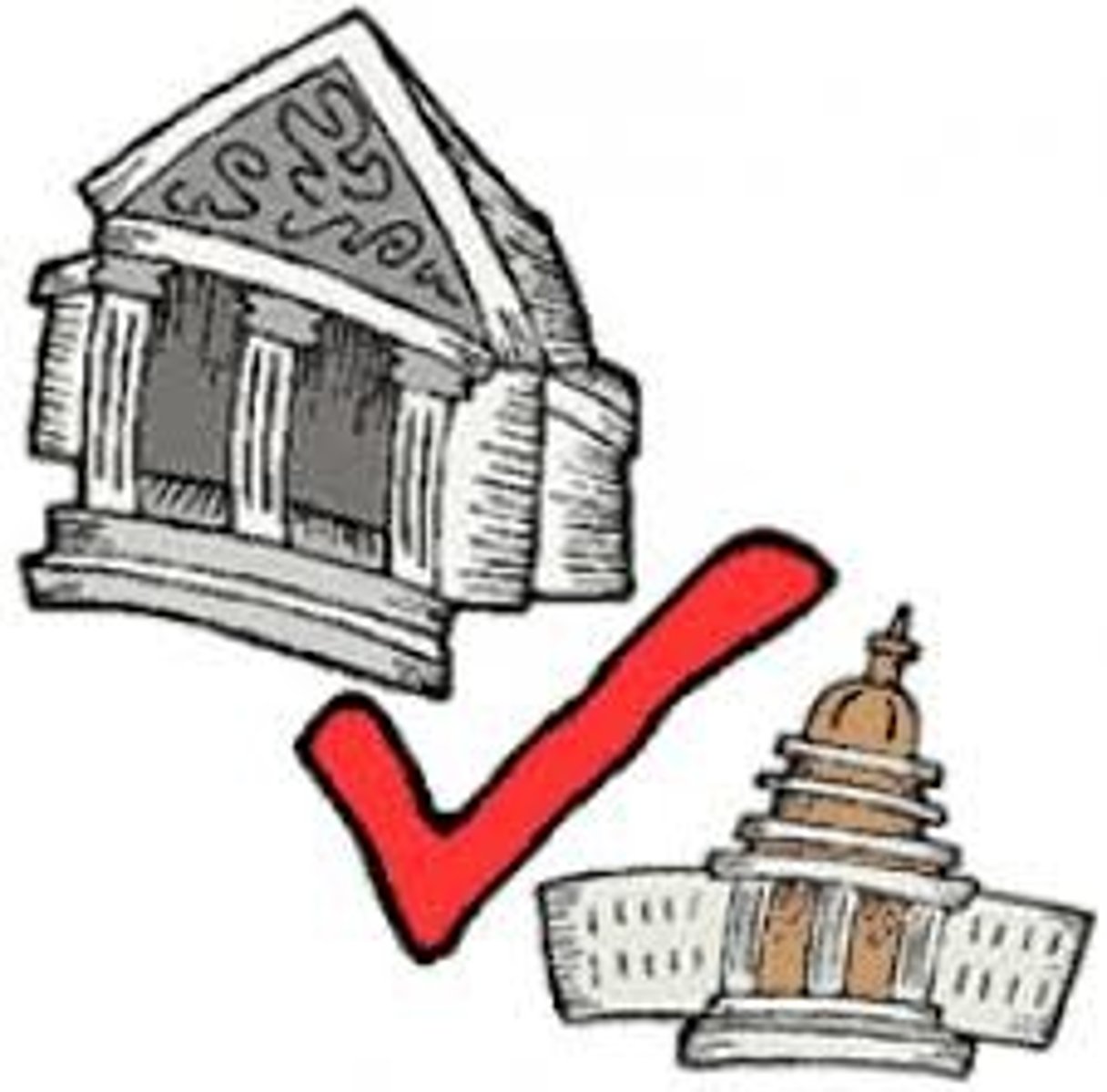
civil disobedience
A group's refusal to obey a law because they believe the law is immoral (as in protest against discrimination)
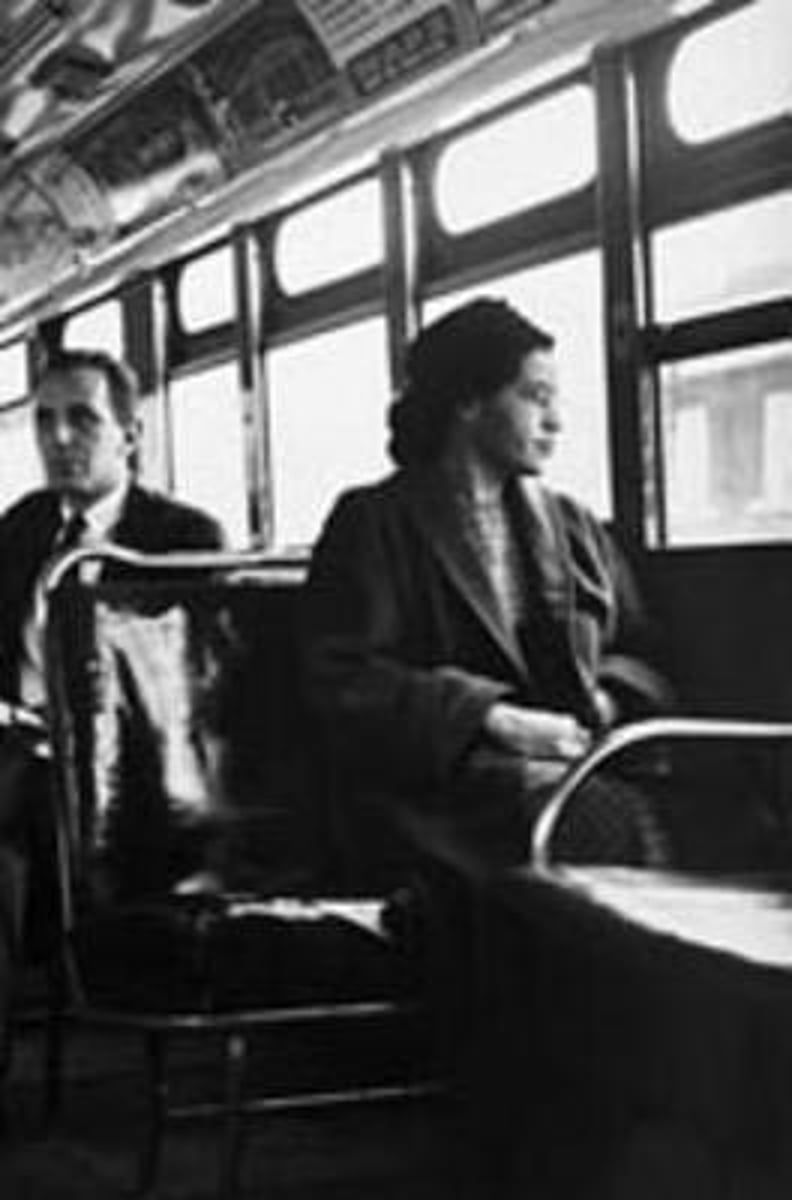
federalists
supporters of the Constitution who favored a strong nat'l gov't
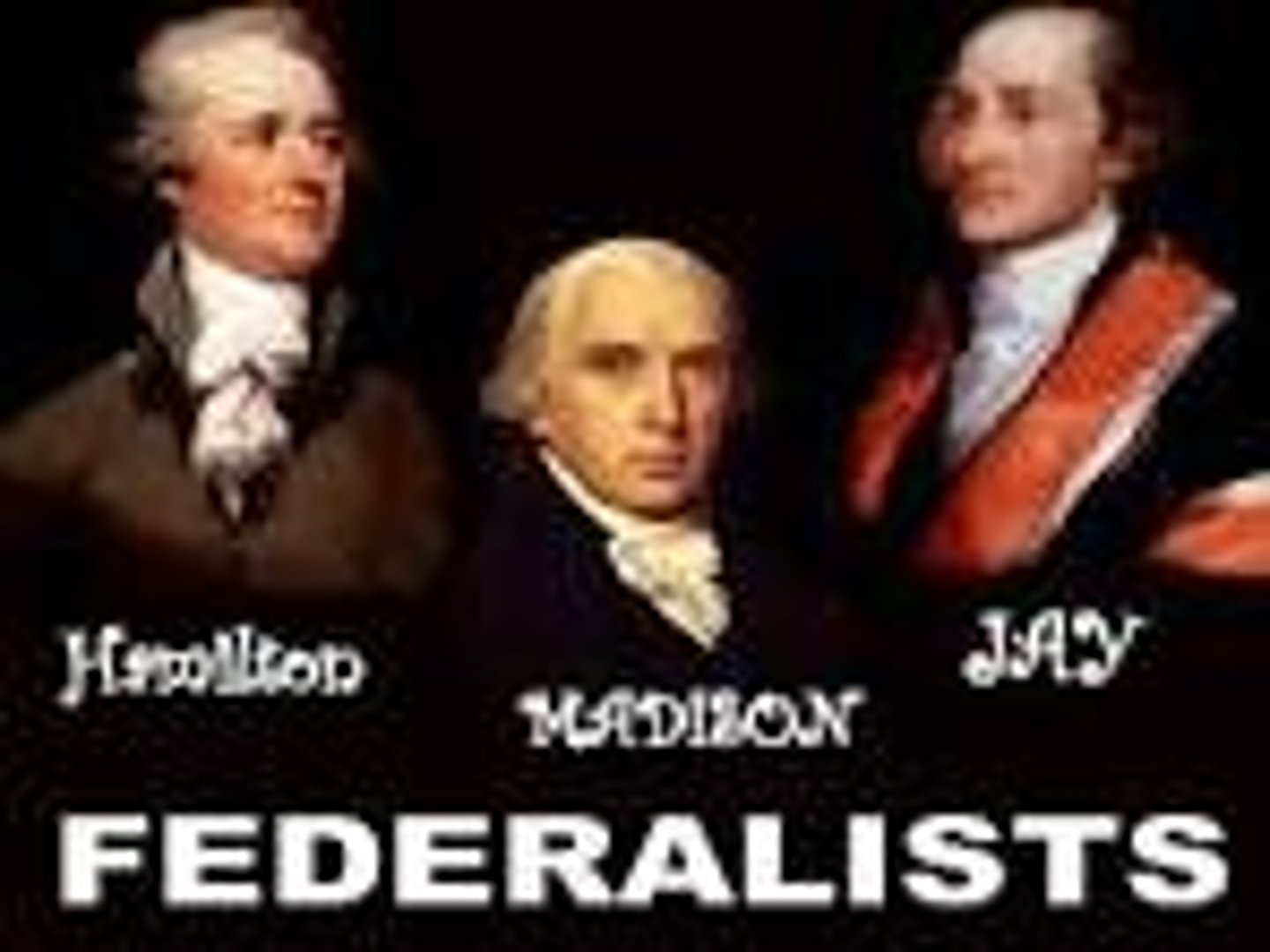
antifederalists
people whom opposed the Constitution, preferring more power be given to the state gov'ts than to the nat'l gov't
nullification
The doctrine that a state can declare null and void a federal law that, in the state's opinion, violates the Constitution.
primary sources
Firsthand records of events, theories, opinions or actions. They can come from published and unpublished documents, recordings, internet artifacts.
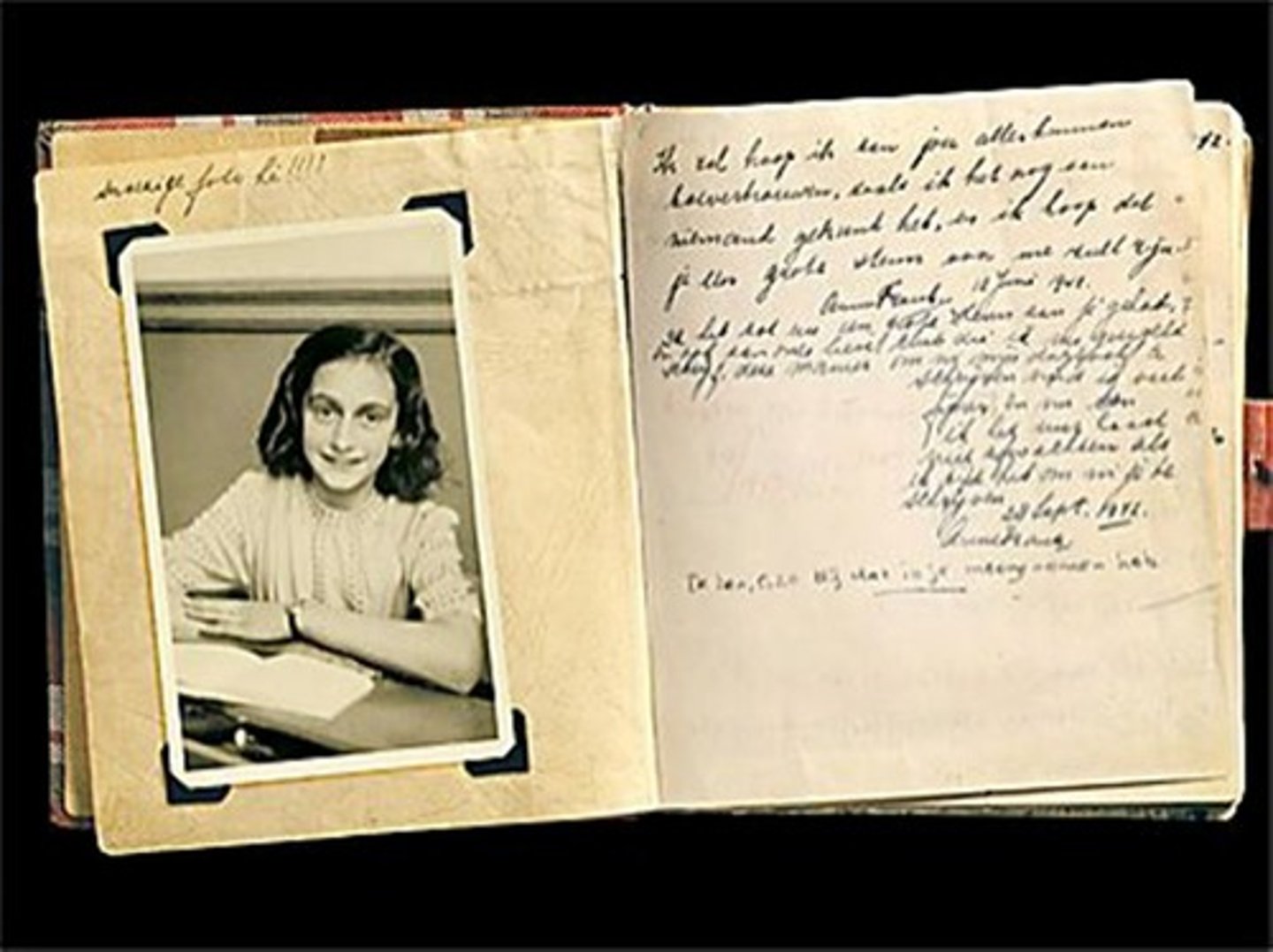
secondary sources
later writings and interpretations of historians and writers. Often secondary sources, like textbooks and articles, provide summaries of info found in primary sources
republicanism
an attitude toward the society in the late 1700s based on the belief that the good virtue and morality of the people was essential to sustain the republican form of gov't
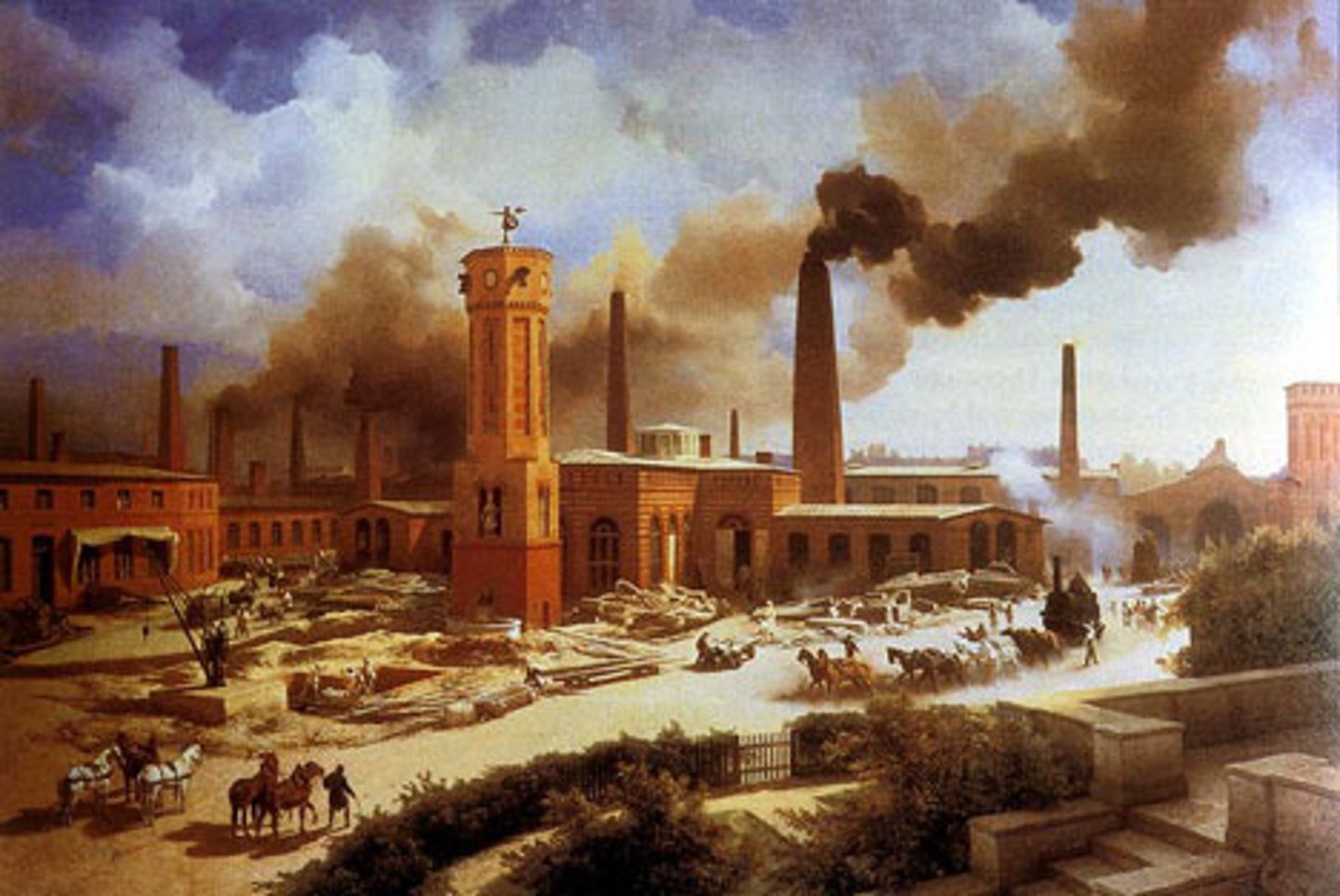
industrial revolution
A period in history where newly invented machines were taking over the production of wool and cotton products on a mass scale
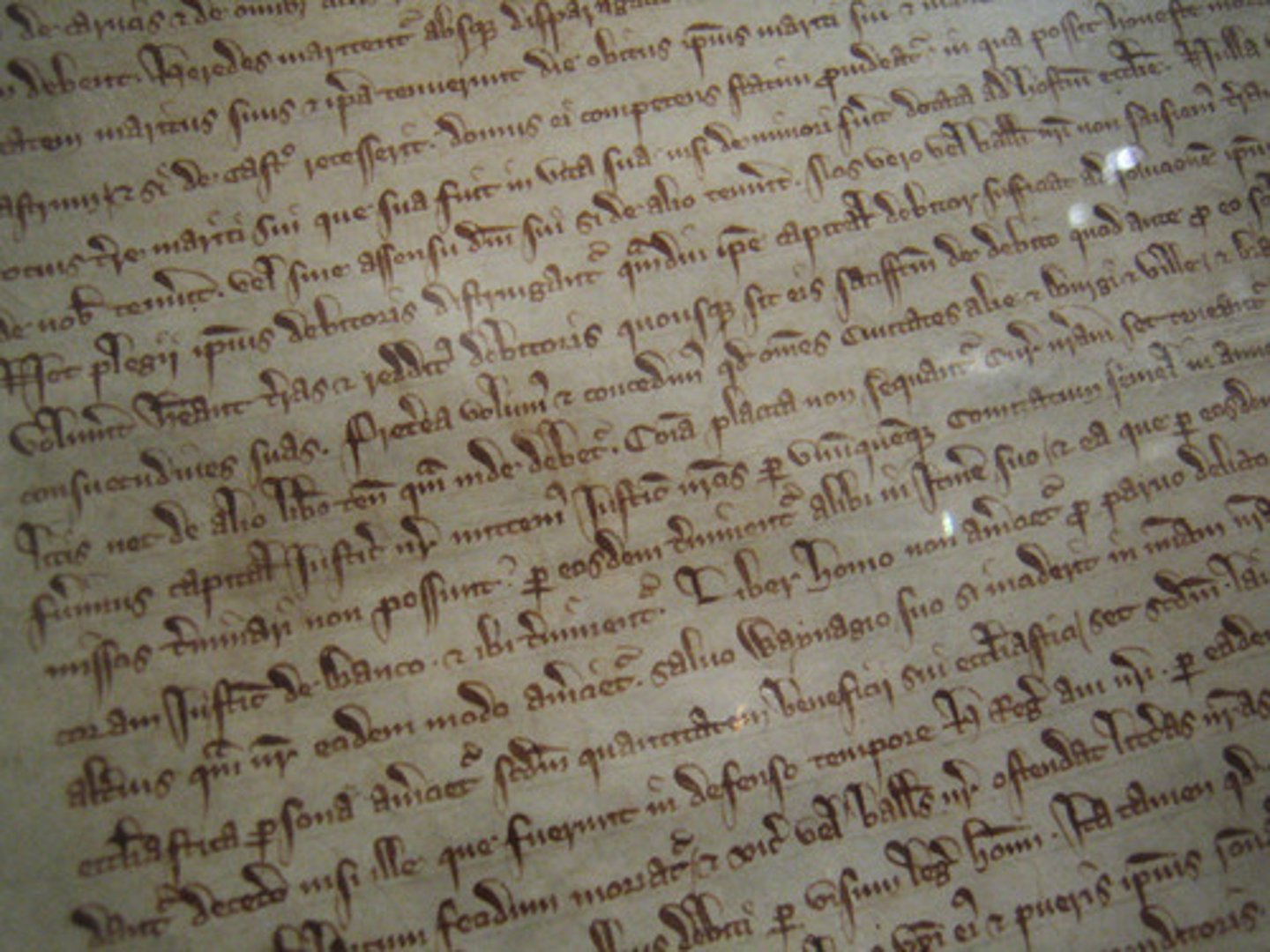
Magna Carta
a written legal agreement signed in 1215 by King John was the first document that limited the power of the ruler
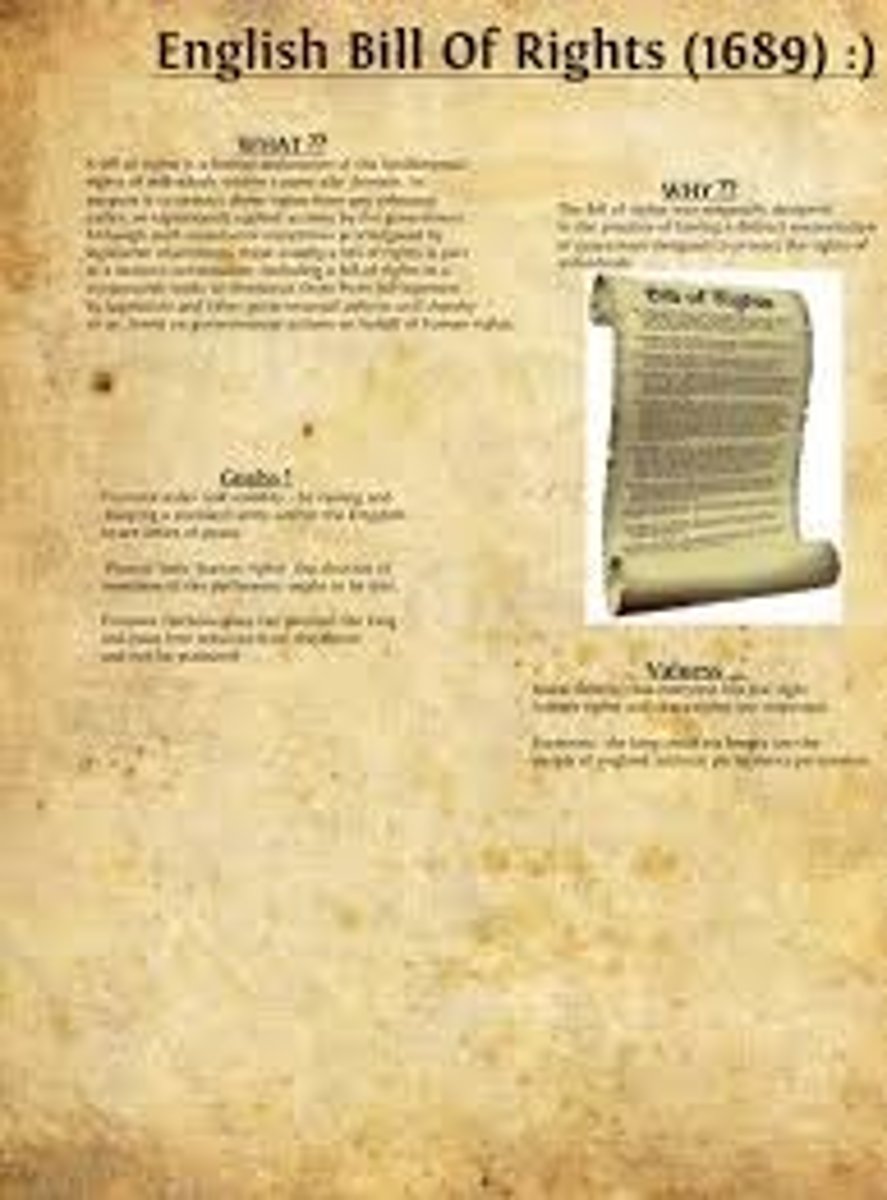
English Bill of rights
1689 laws protecting the rights of English subjects and Parliament; basis for the American bill of rights
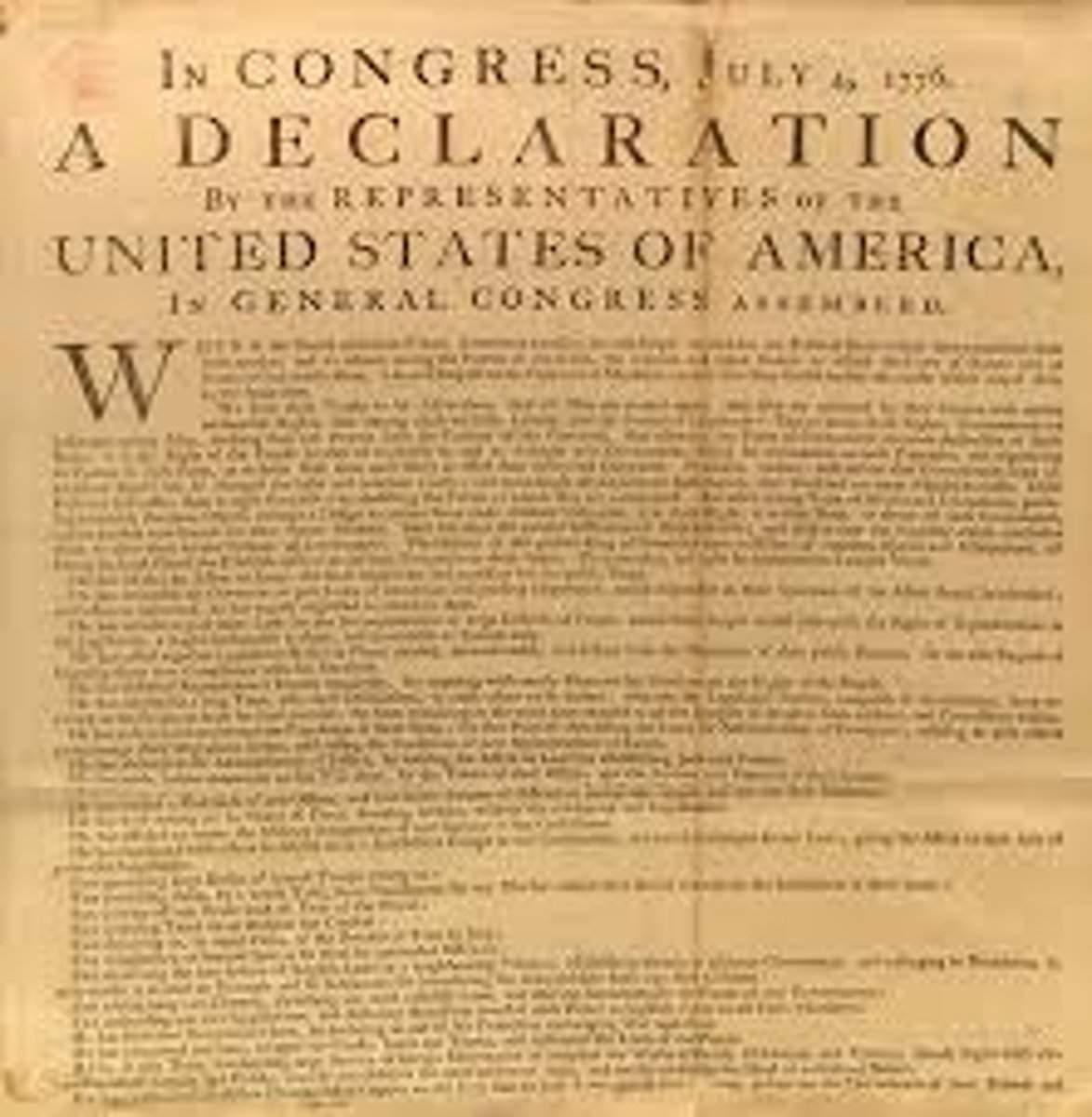
Declaration of Independence-1776
It was a document written by representing the freedom from England; July 4th, 1776.; by Thomas Jefferson
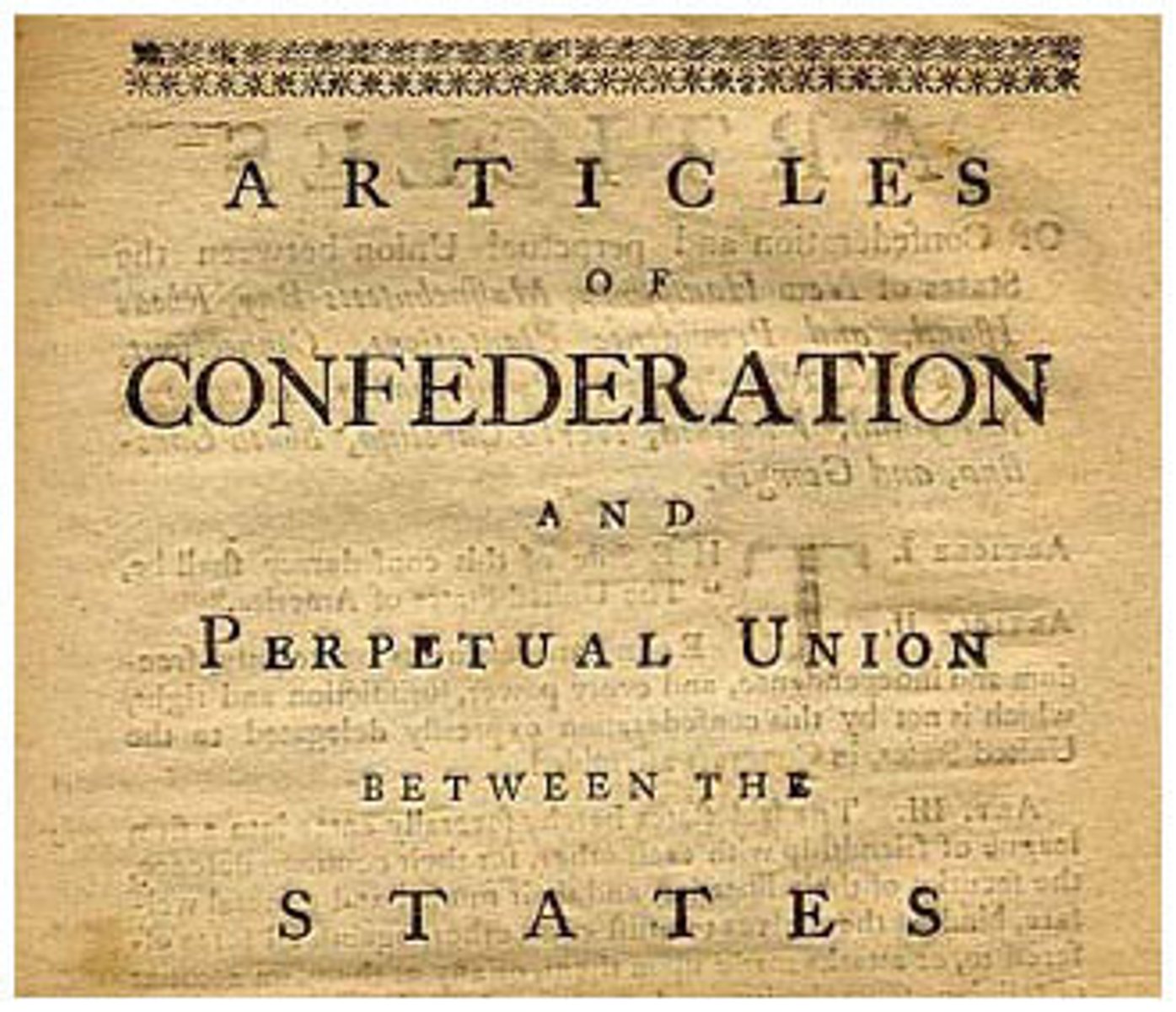
Articles of Confederation
1st Constitution of the U.S. 1781-1788 (weaknesses-no executive, no judicial, no power to tax, no power to regulate trade)
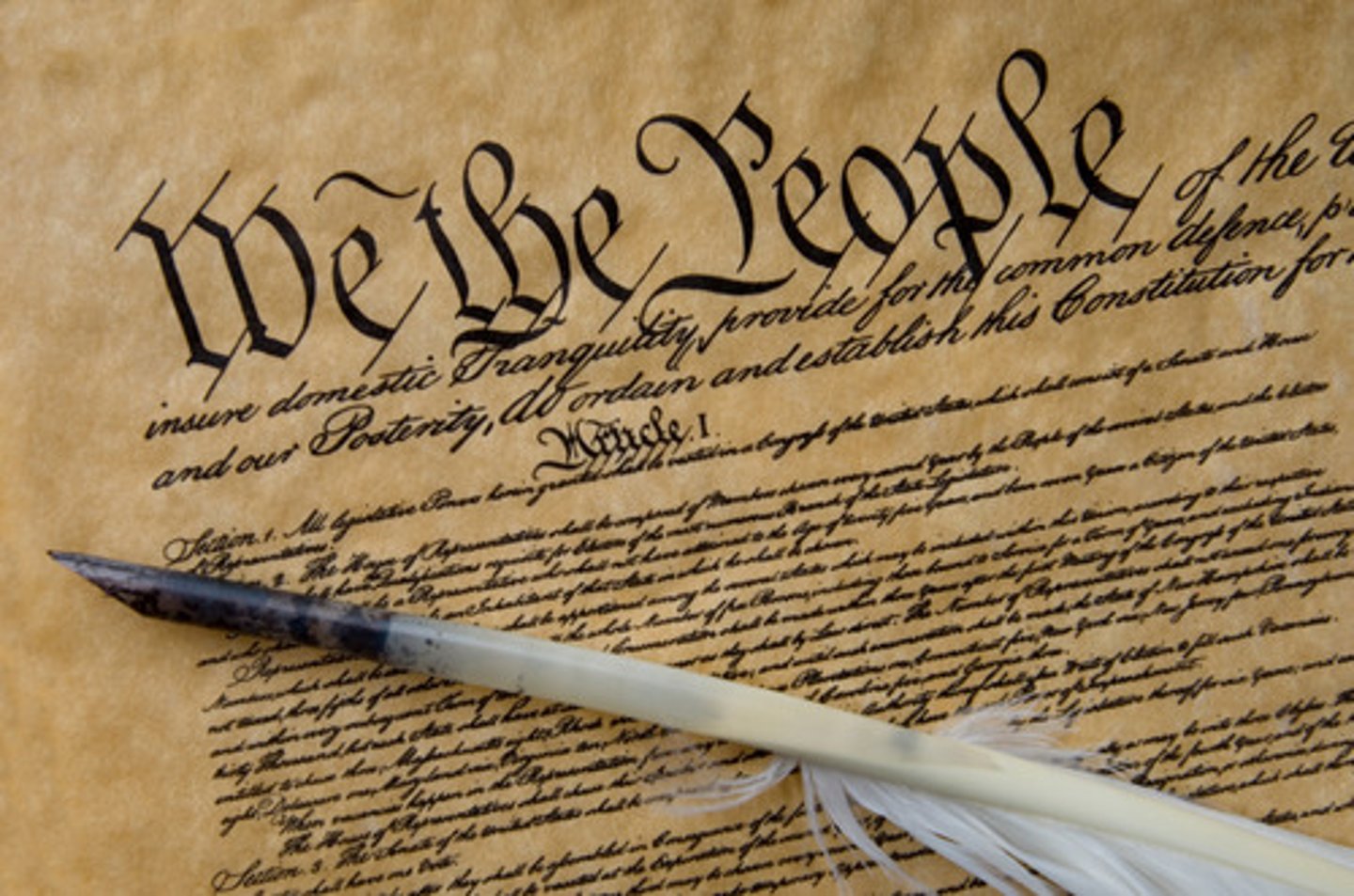
Constitution of the US
The foundation of our country's national government; was drafted in Philadelphia in 1787; the Constitution establishes a government with direct authority over all citizens, it defines the powers of the national government, and it establishes protection for the rights of states and of every individual.
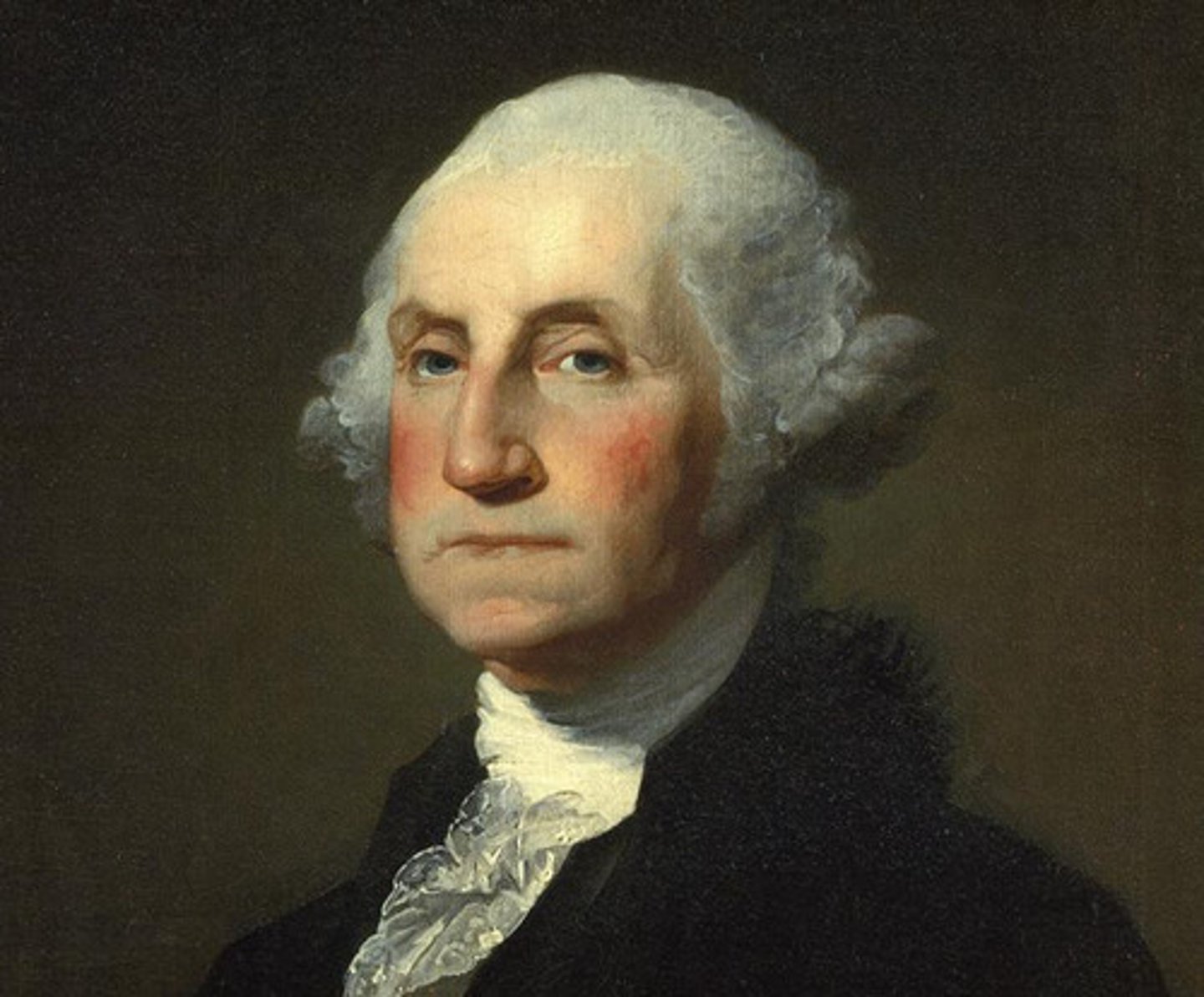
George Washington's farewell address
He advised the nation: 1. to stay away from premenant alliances with foreign nations 2. stay away from political parties
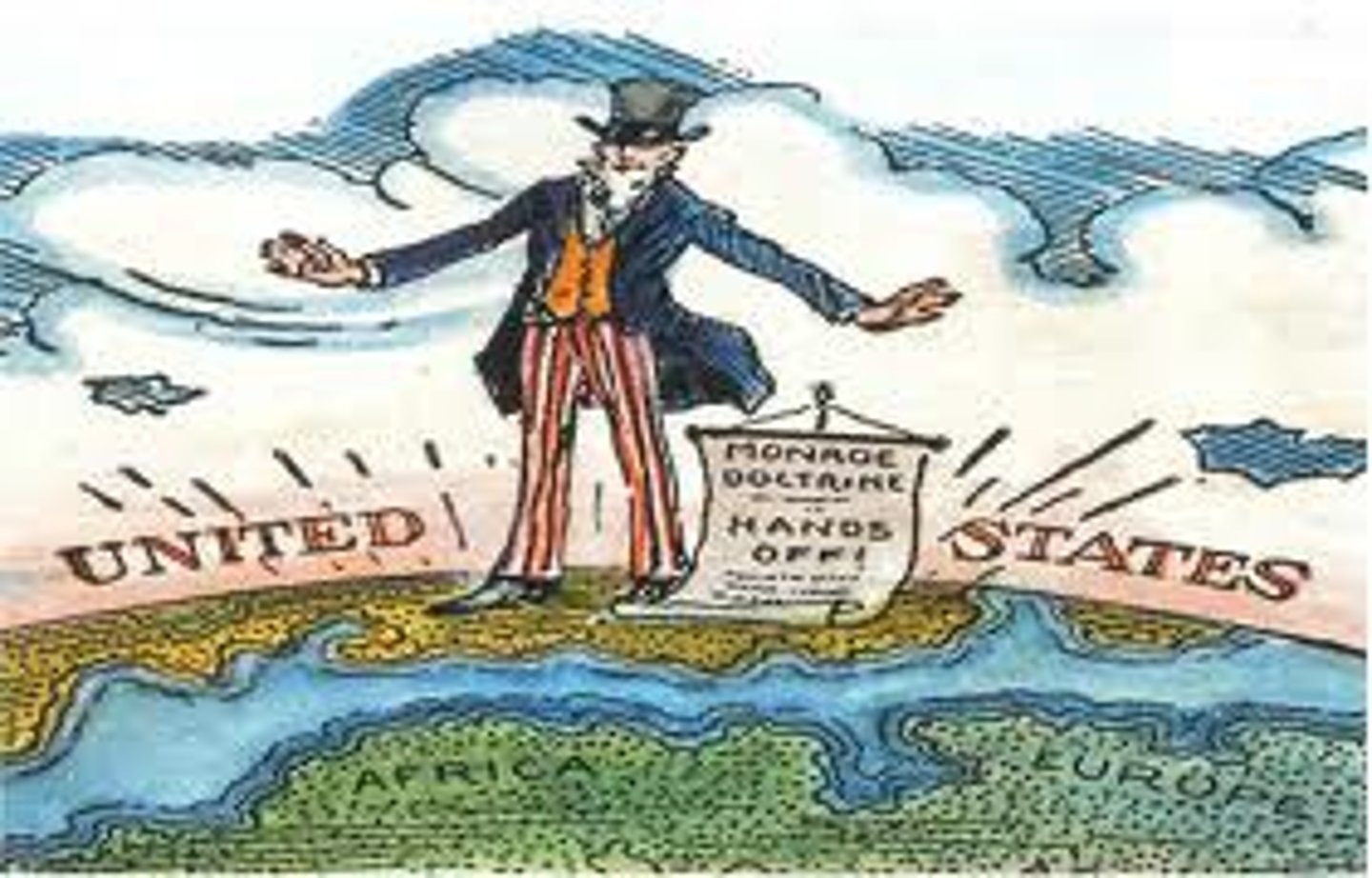
Monroe Doctrine
Foreign policy issued in 1823 that denied the right of Europeans to colonize in the western hemisphere and the U.S. would not intervene in foreign wars.
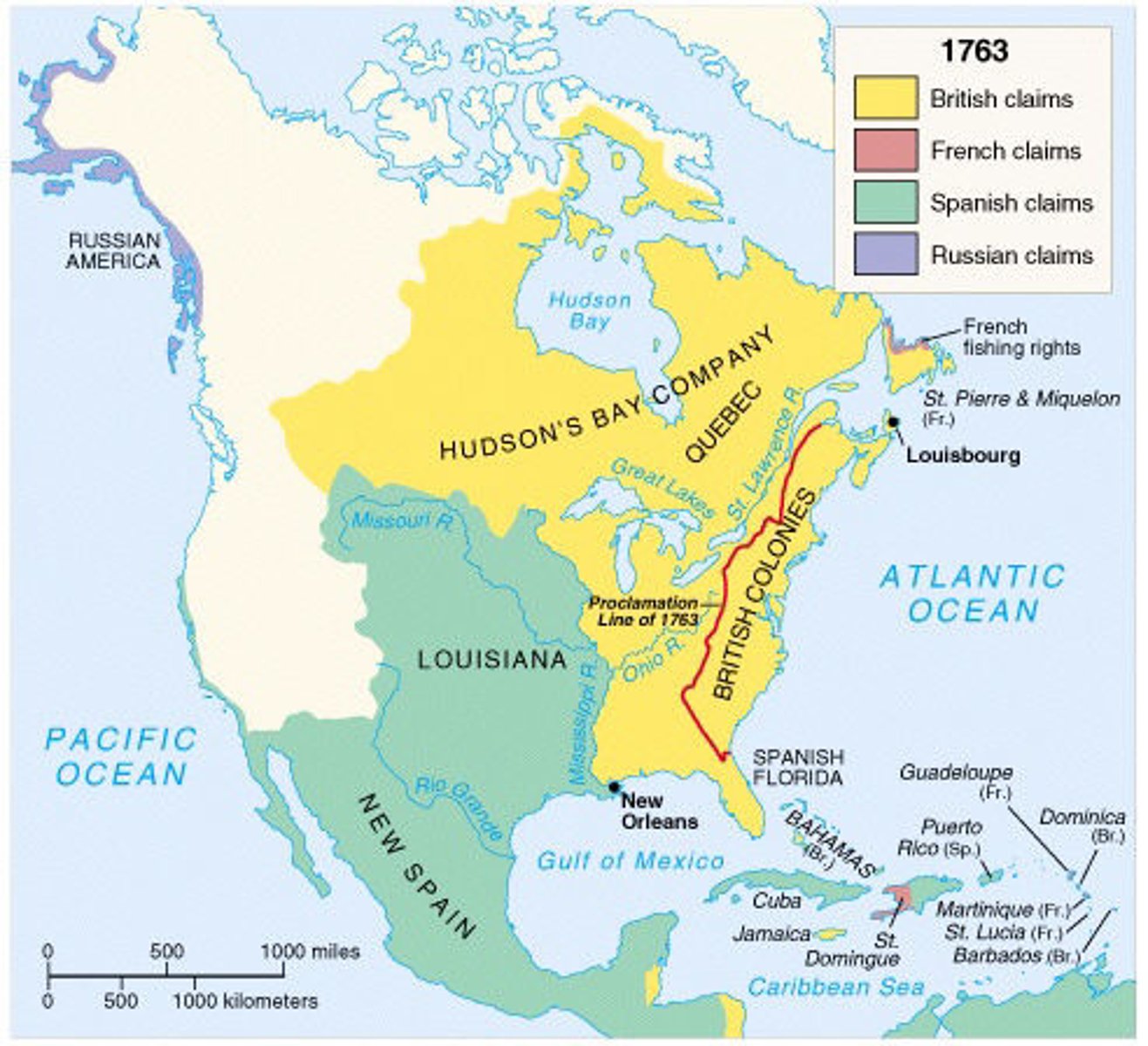
Treaty of Paris of 1763
ended the French and Indian War and effectively kicked the French out of North America
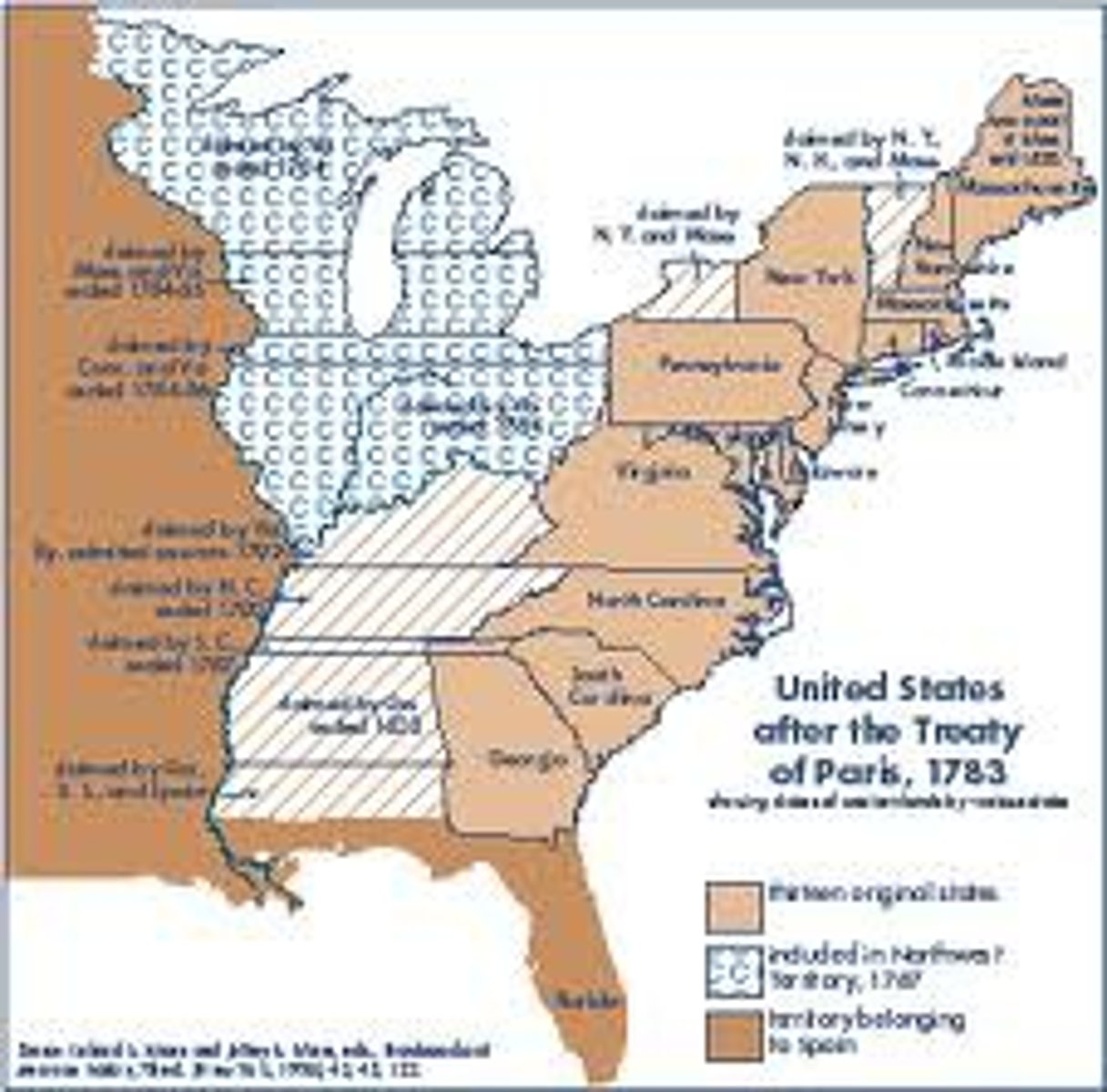
Treaty of Paris of 1783
A peace agreement that officially ended the Revolutionary War and established British recognition of the independence of the United States.
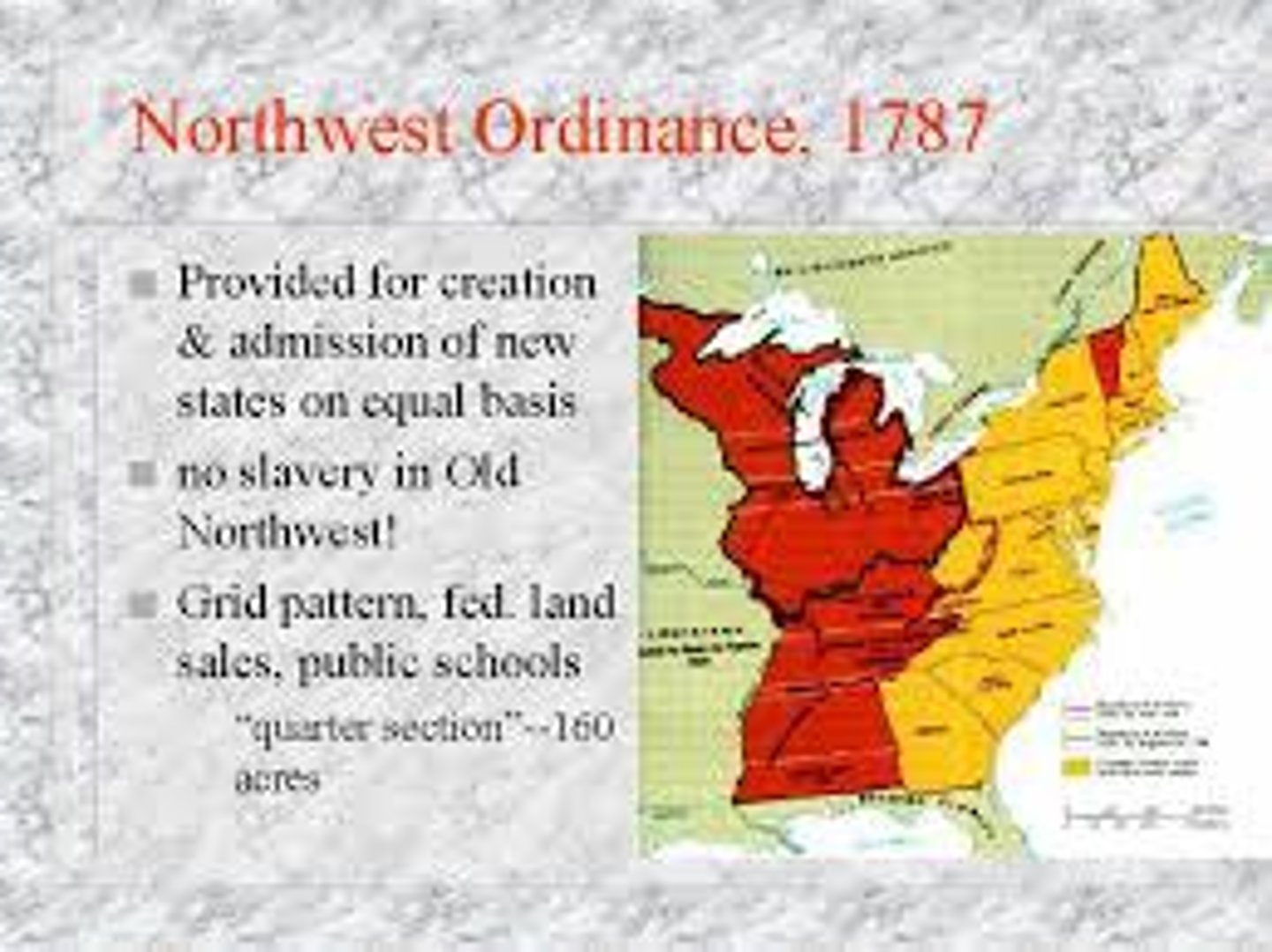
Northwest Ordinance
1787 law that set up a government for the Northwest Territory and a plan for admitting new states to the Union
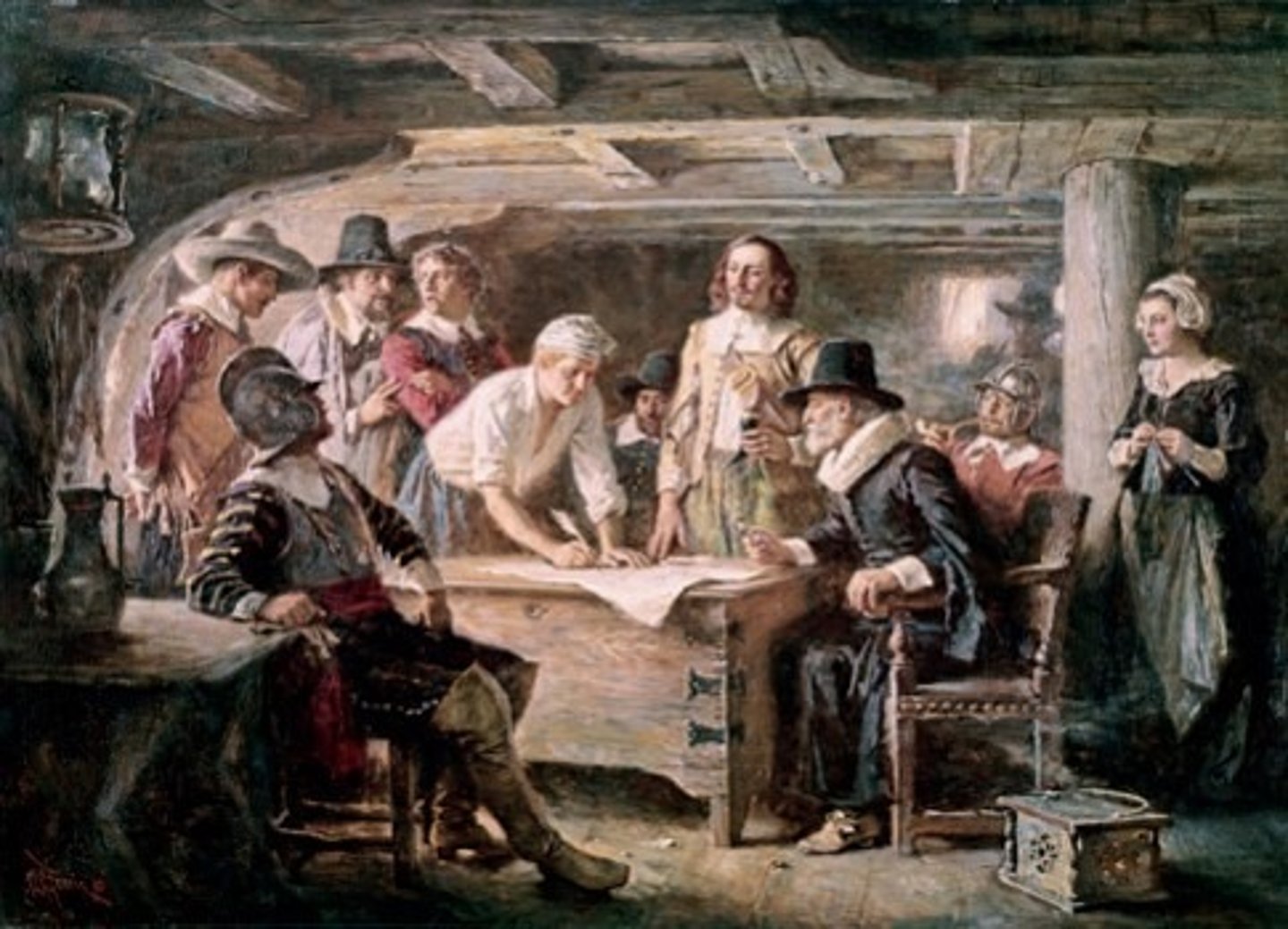
Mayflower compact
1620 - The first agreement for self-government in America. It was signed by the 41 men on the Mayflower and set up a government for the Plymouth colony
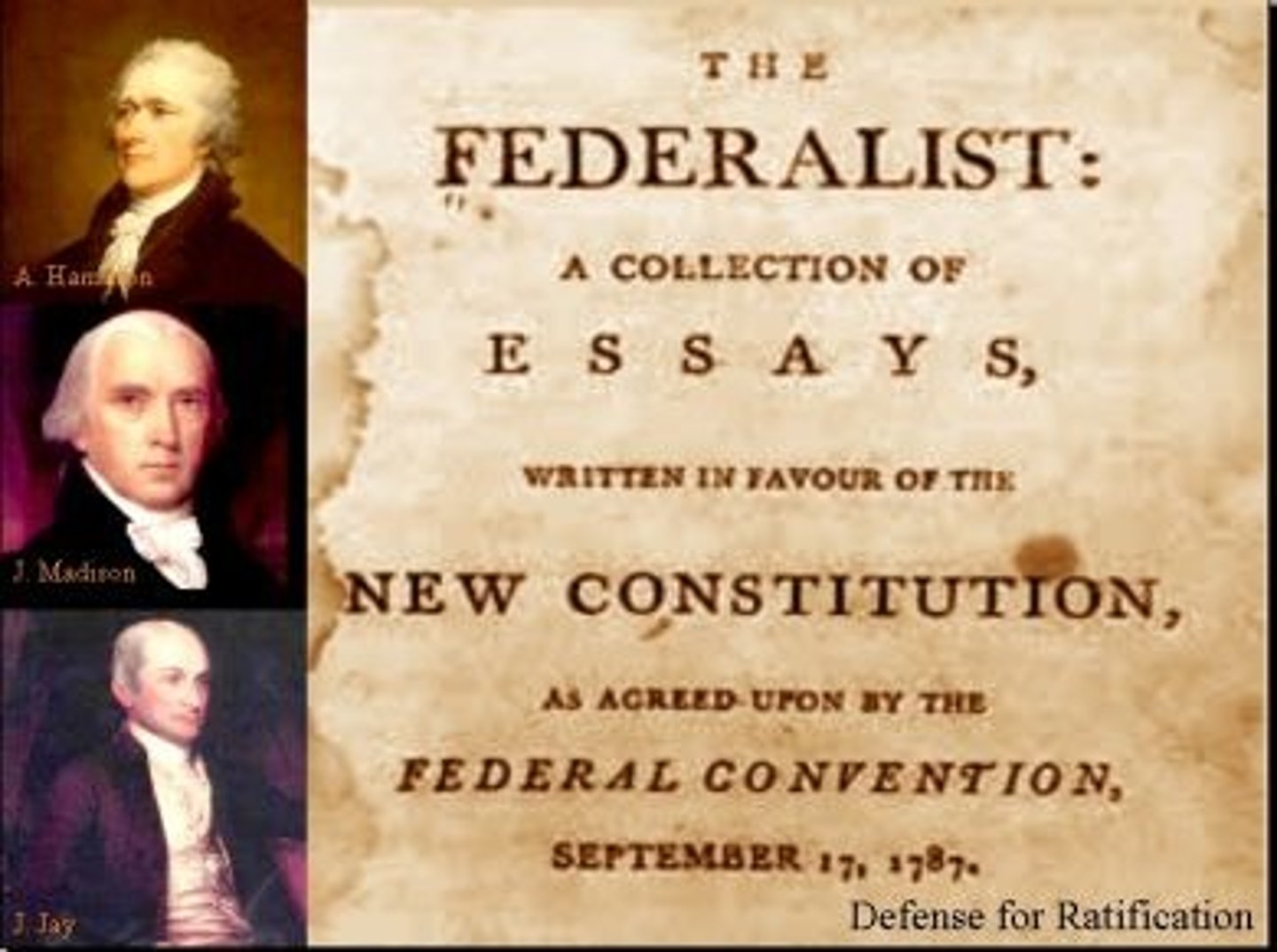
federalist papers
A collection of 85 articles written by Alexander Hamilton, John Jay, and James Madison under the name "Publius" to defend the Constitution in detail.
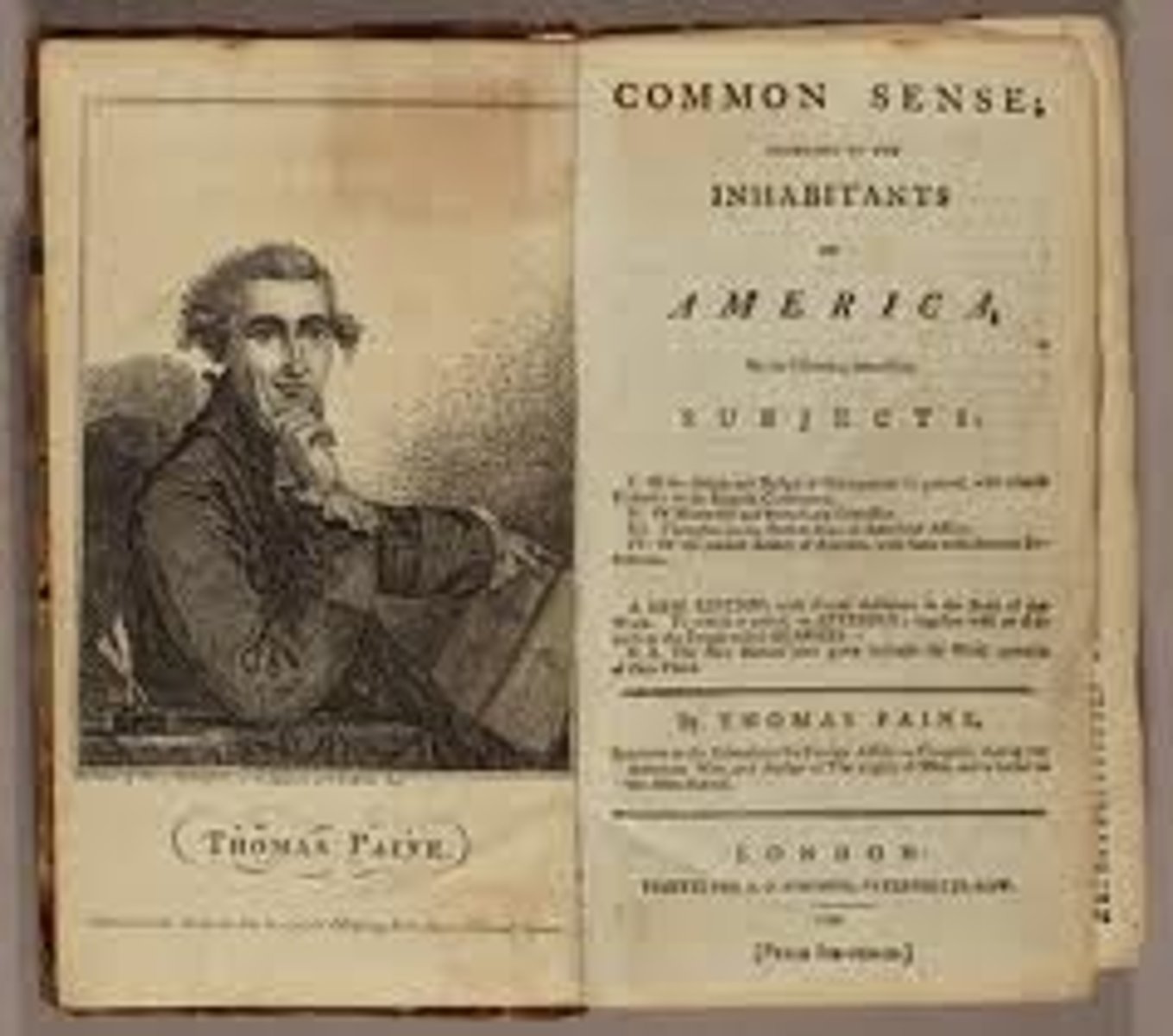
Common Sense
1776: a pamphlet written by Thomas Paine that claimed the colonies had a right to be an independent nation
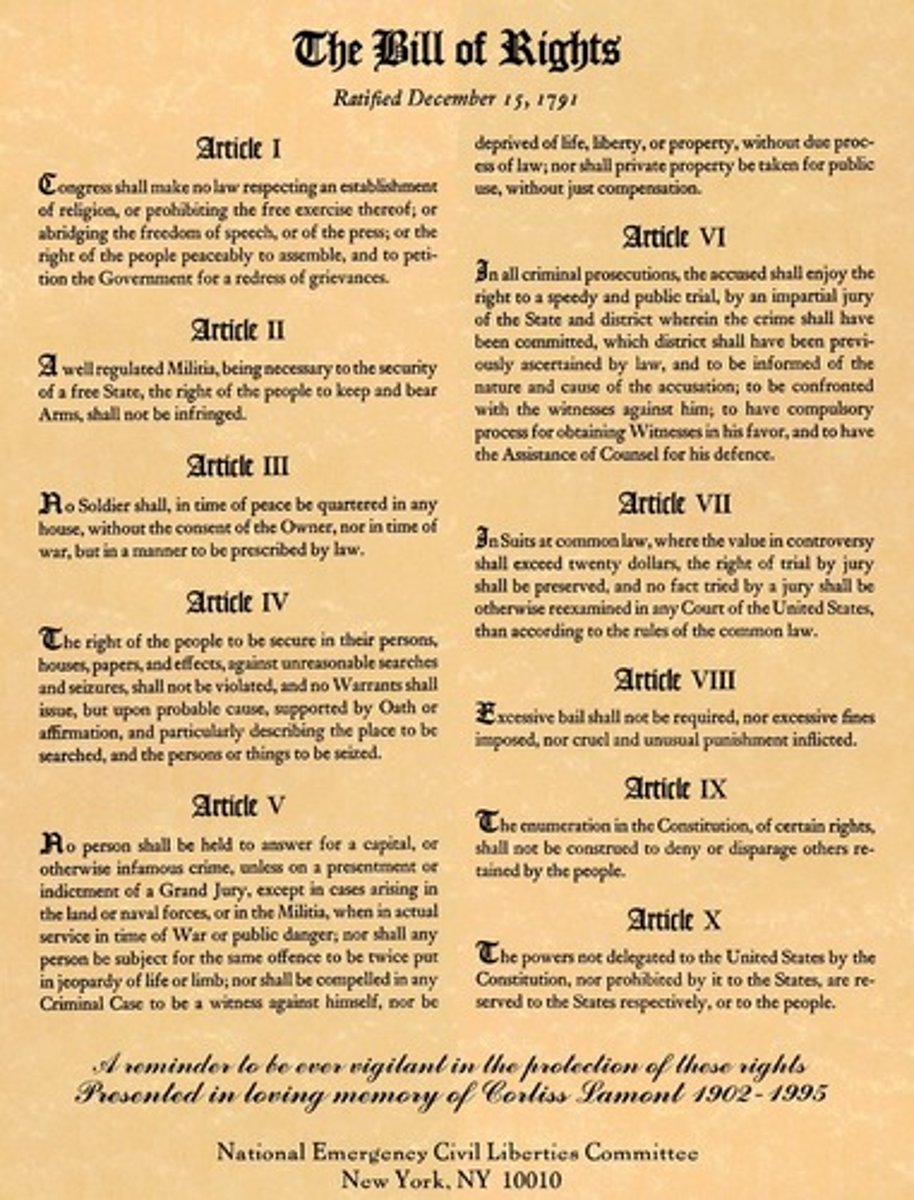
Bill of rights
The first ten amendments of the U.S. Constitution, containing a list of individual rights and liberties, such as freedom of speech, religion, and the press.
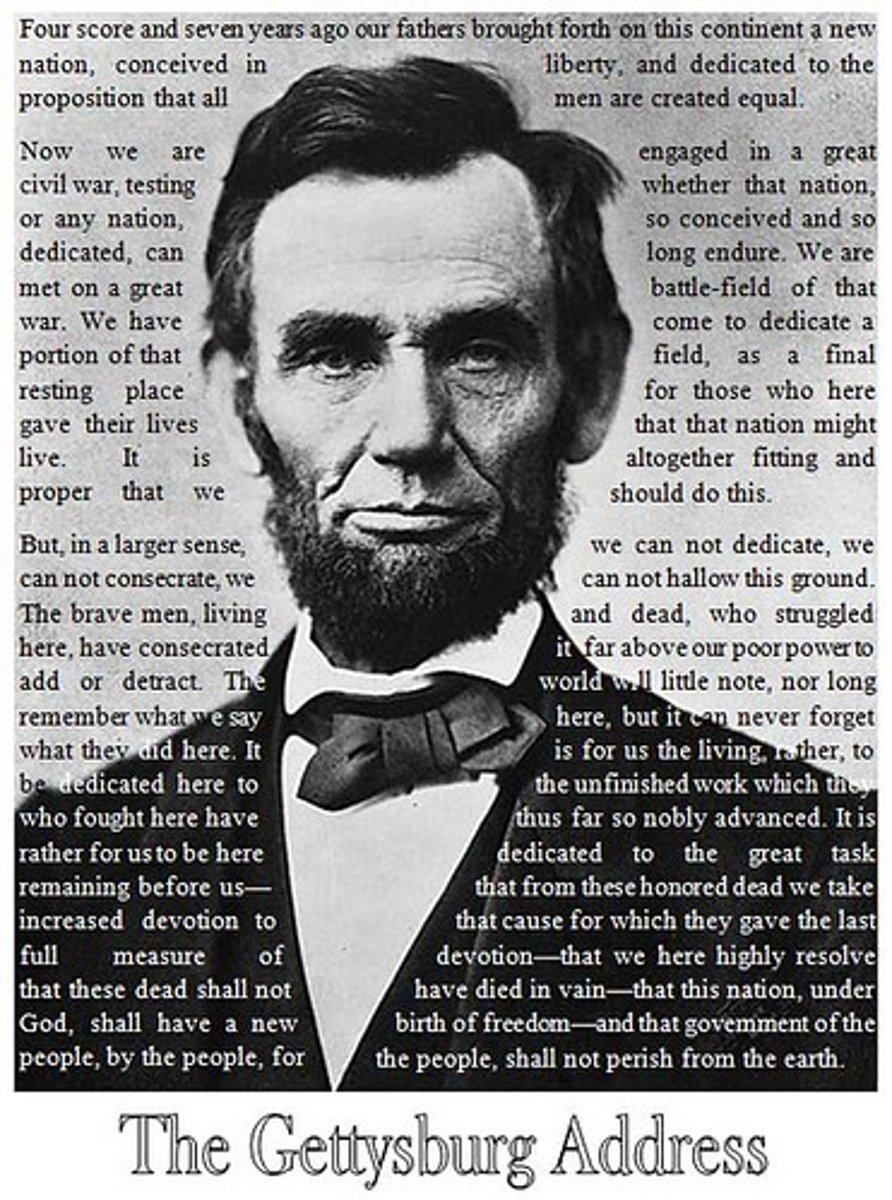
Gettysburg Address
(1863) a speech given by Abraham Lincoln after the Battle of Gettysburg, in which he praised the bravery of Union soldiers and renewed his commitment to winning the Civil War; supported the ideals of self-government and human rights
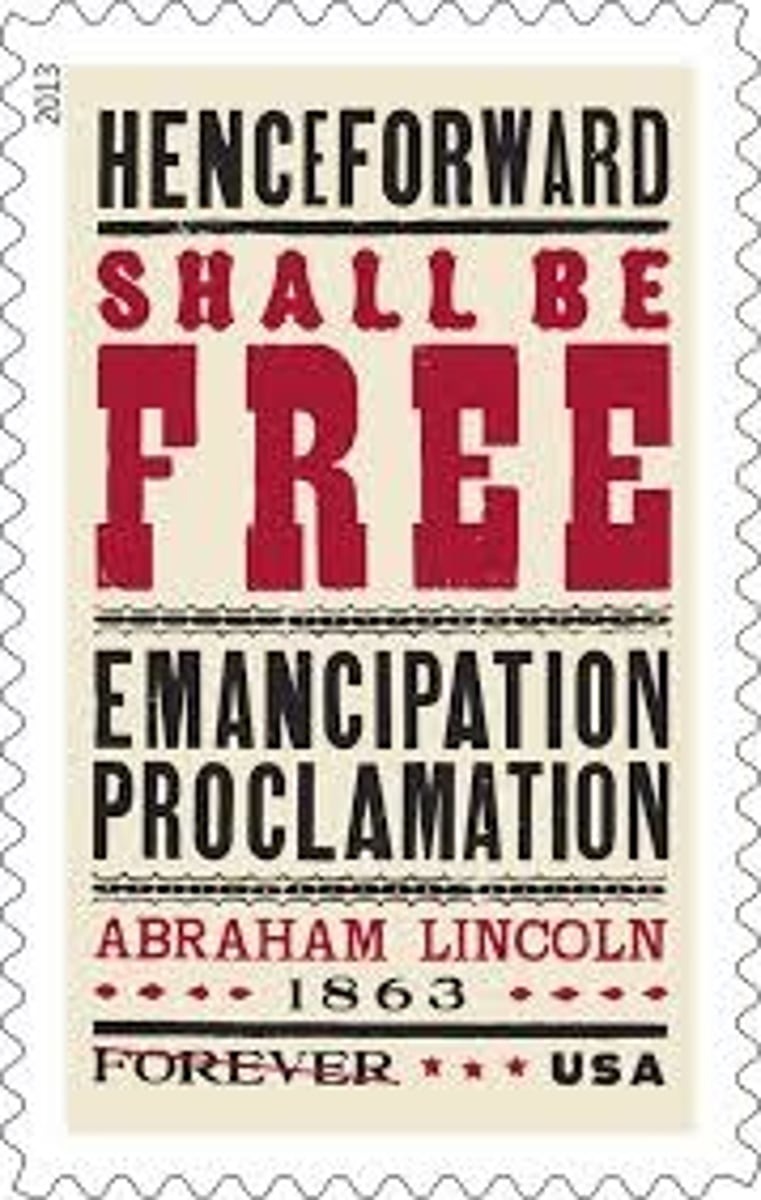
Emancipation Proclamation
(AL) , Issued by Abraham Lincoln on september 22, 1862 it declared that all slaves in the confederate states would be free
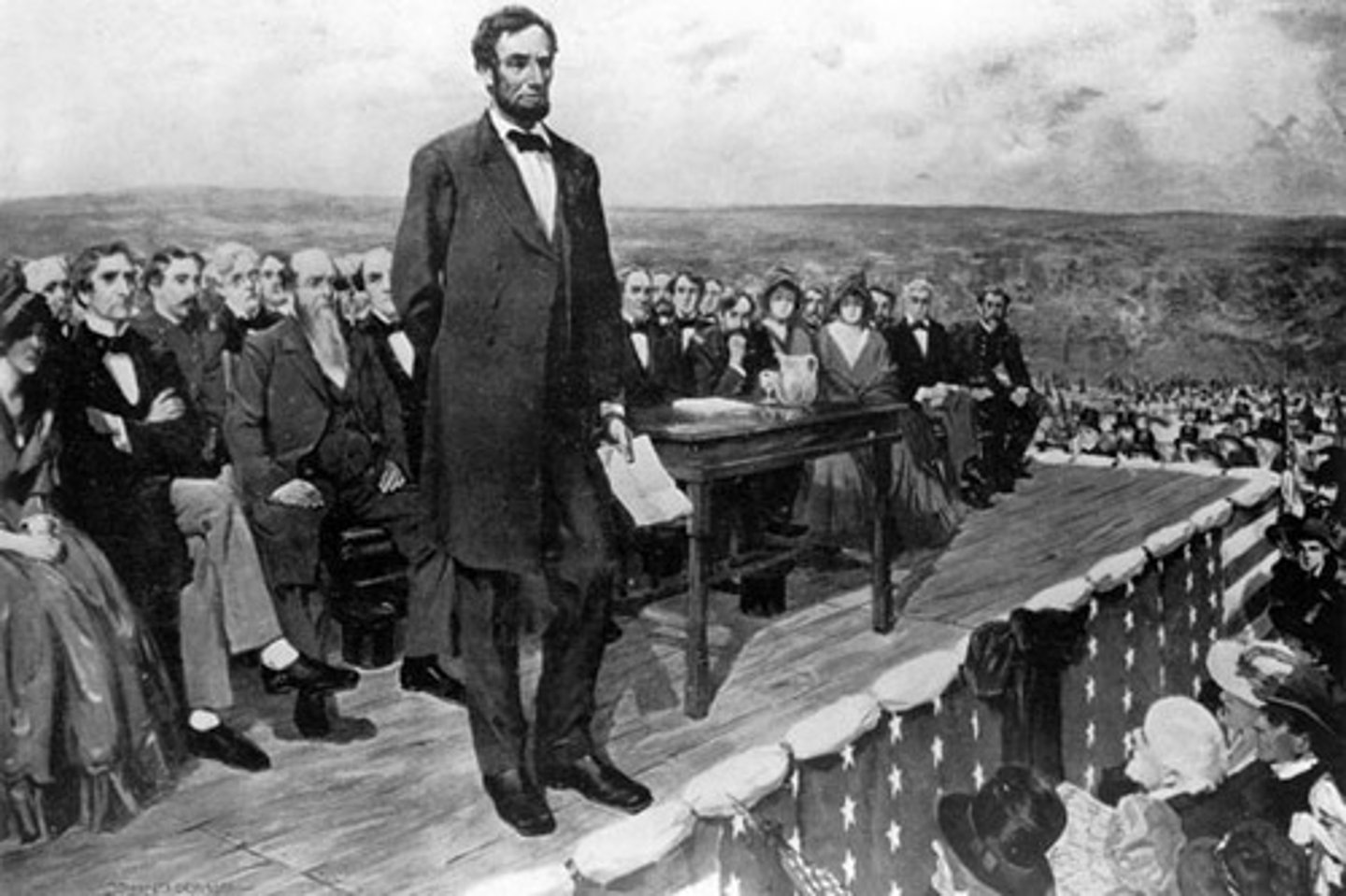
Lincoln's First Inaugural Address
Stated that "no state can lawfully get out of the Union".The speech was primarily addressed to the people of the South, and was intended to succinctly state Lincoln's intended policies and desires toward that section.Lincoln denounced secession as anarchy, and explained that majority rule had to be balanced by constitutional restraints in the American system of republicanism.
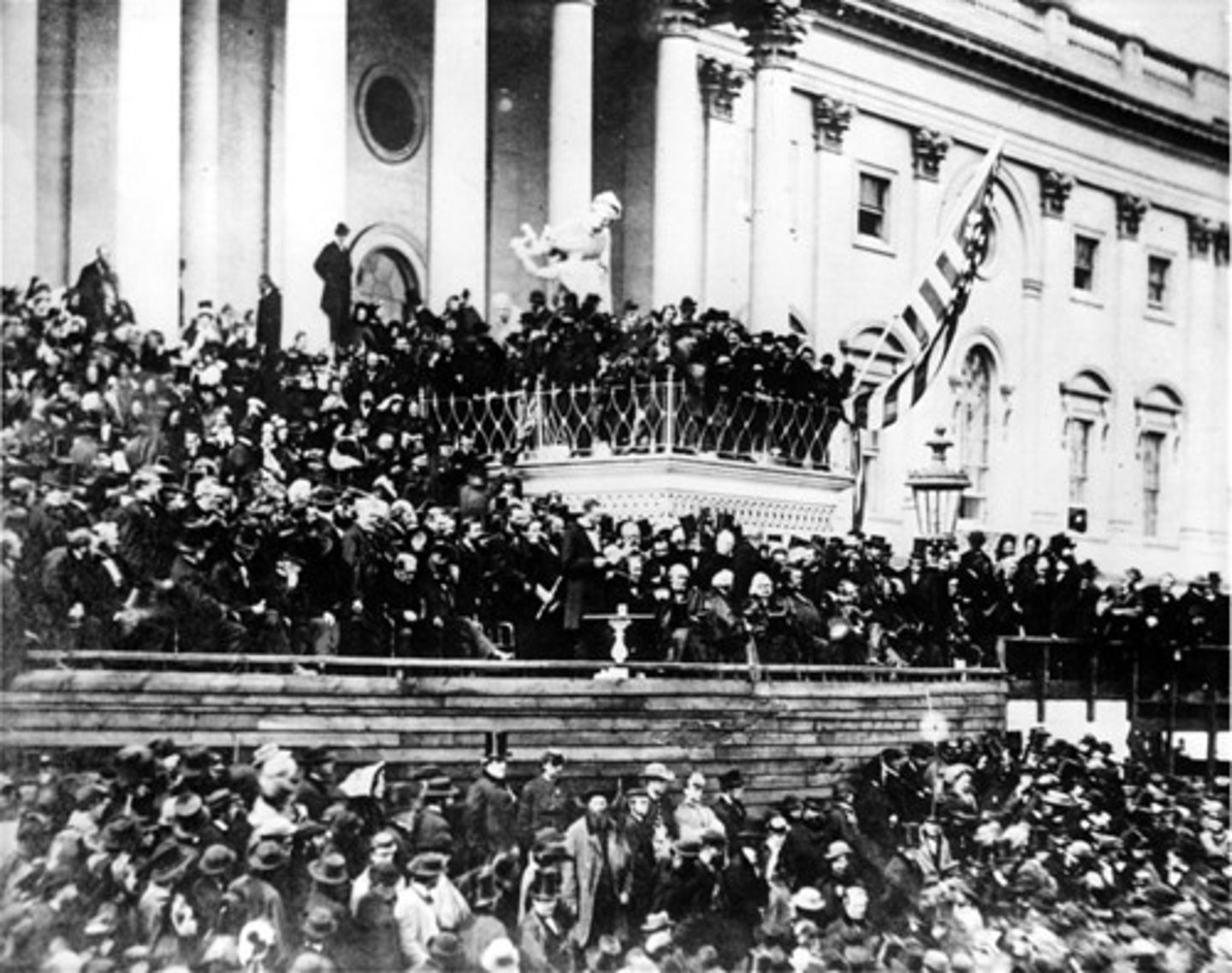
Lincoln's Second Inaugural Address
was meant to help heal and restore the country after 4 yrs of Civil War
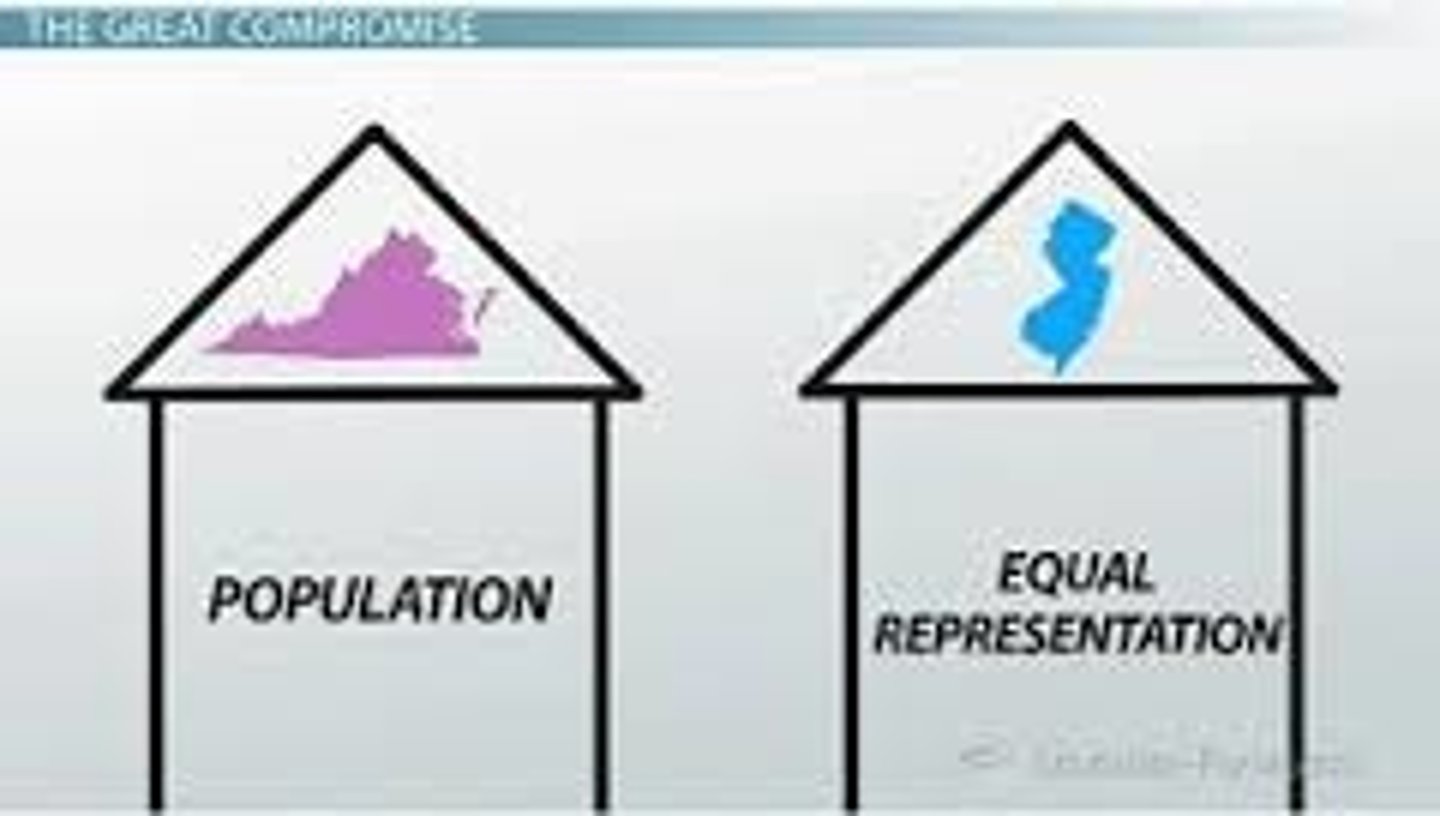
Great Compromise
2 houses of Congress. One based on pop. and the other gave equal representation to each state
Sam Adams
A member of the Sons of Liberty who started the Committee of Correspondence to stir public support for American independence.
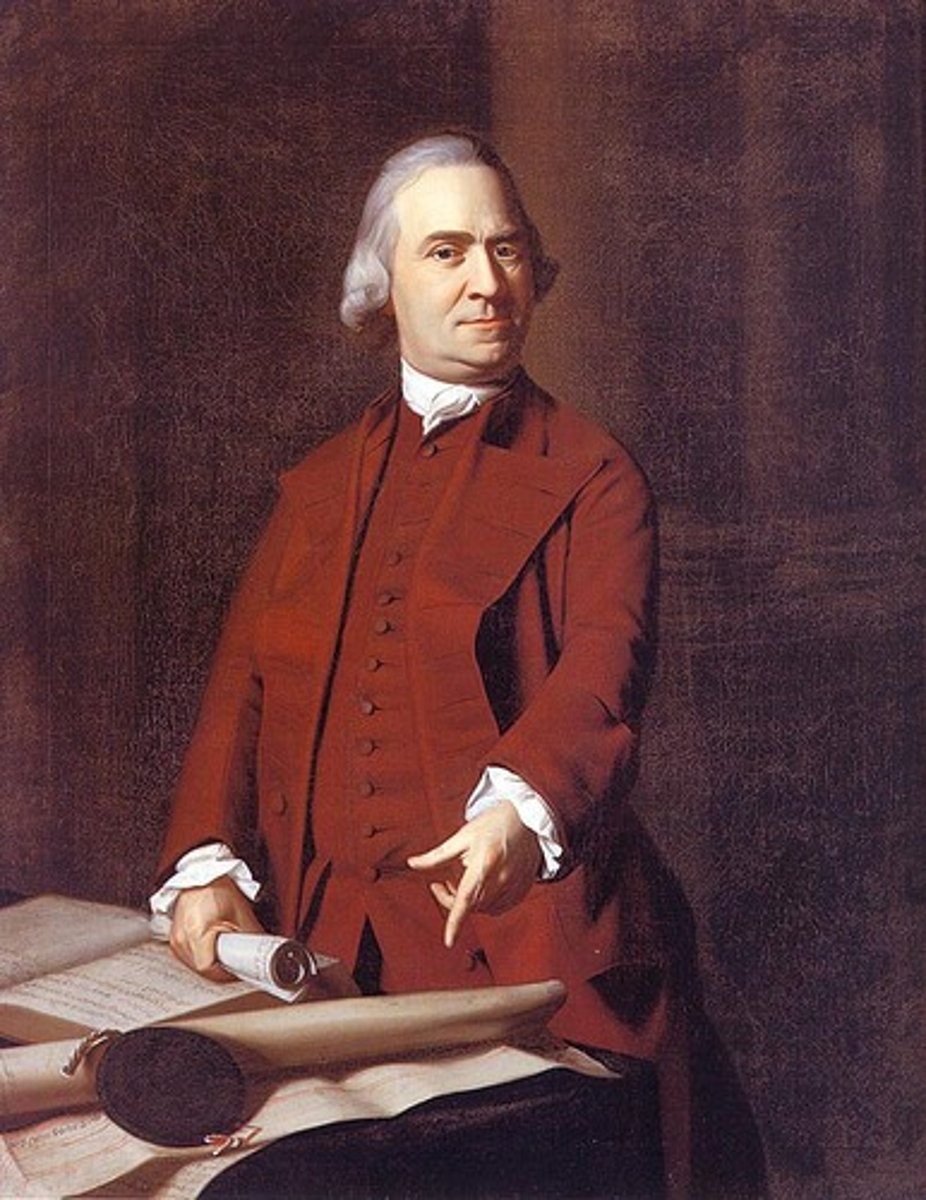
Benjamin Franklin
A writer, scientist, diplomat, political philosopher, and a printer. He was influential in the American Revolution, Continental Congress, Declaration of independence, and was influential in creating the America as we know it.
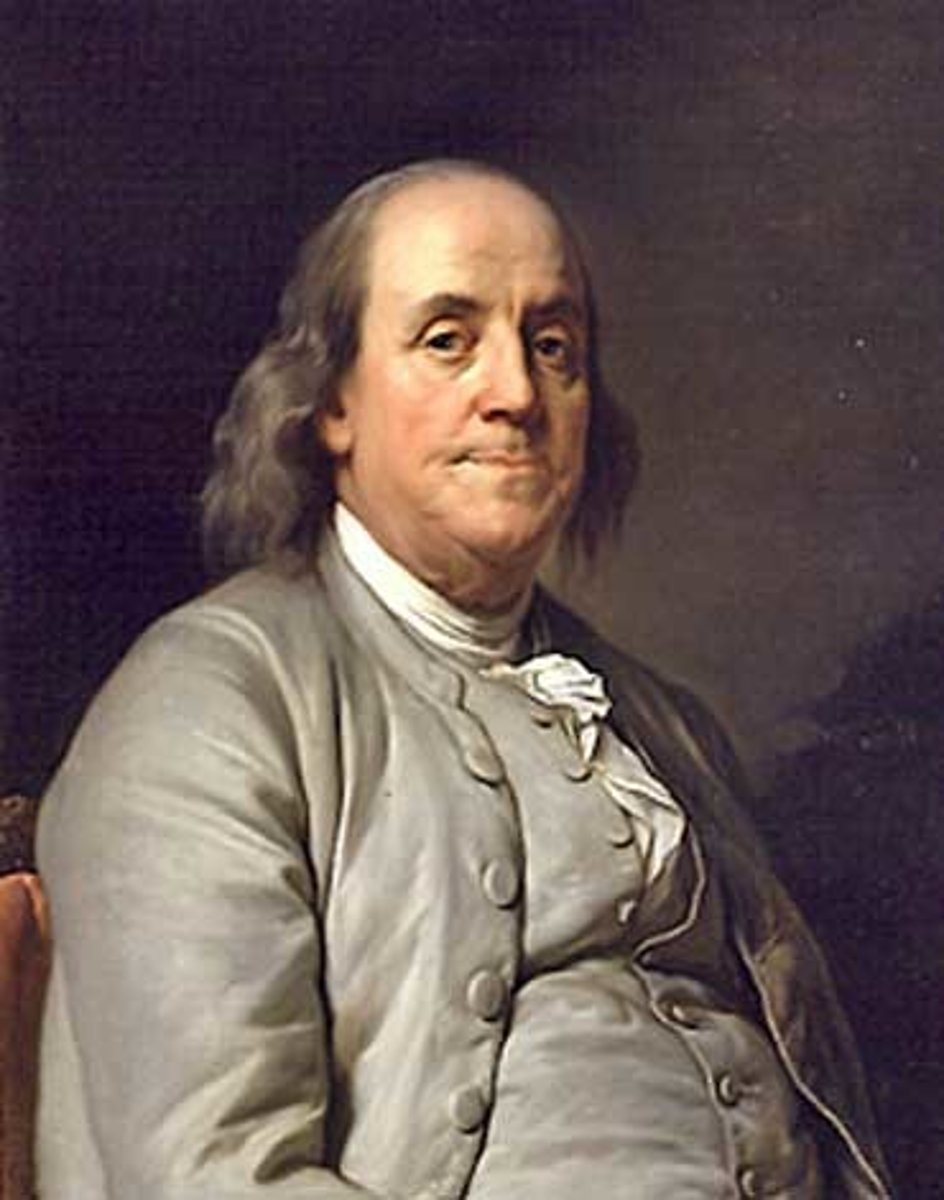
King George III
King of England during the American Revolution
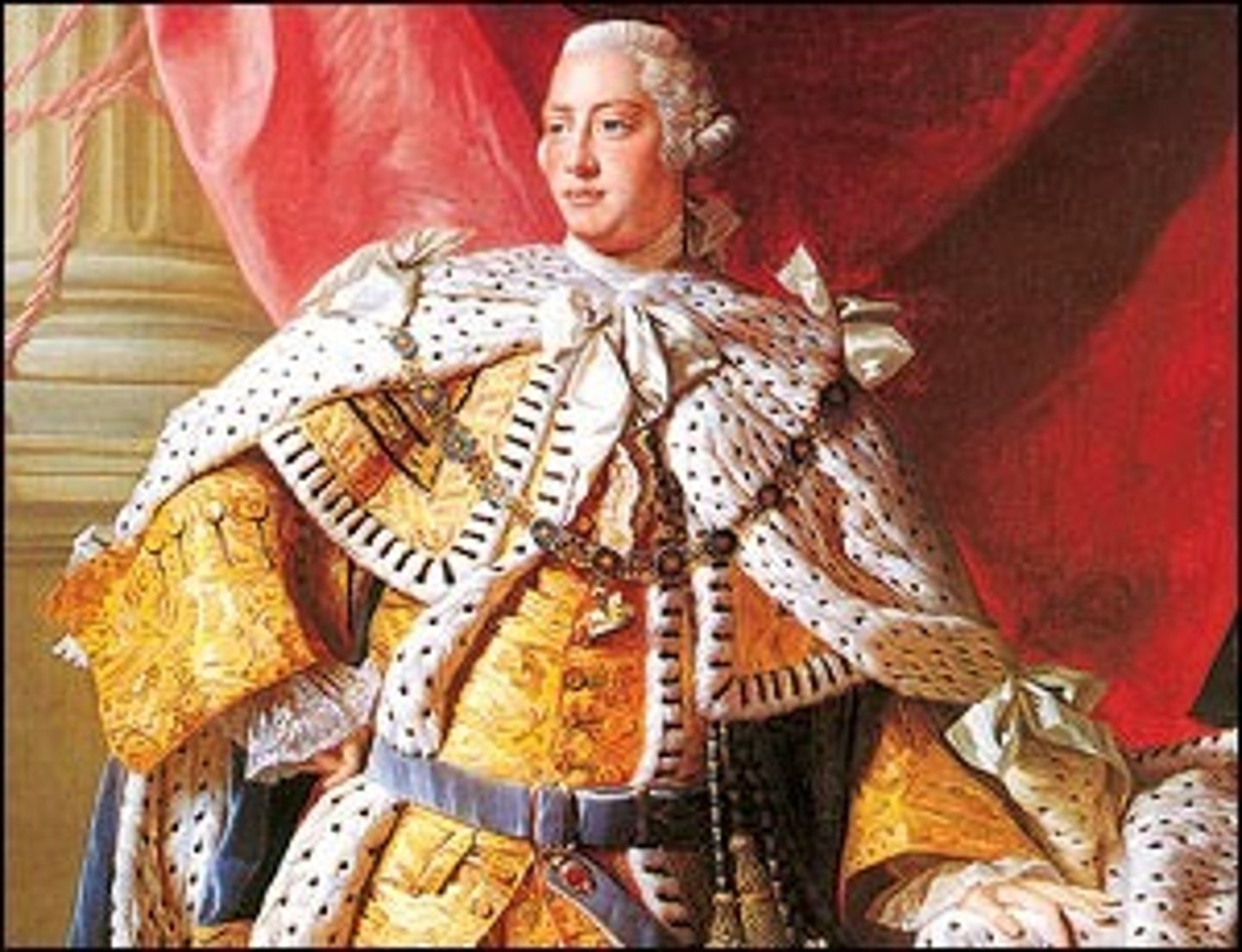
Thomas Jefferson...third pres.
wrote the Dec of Independence
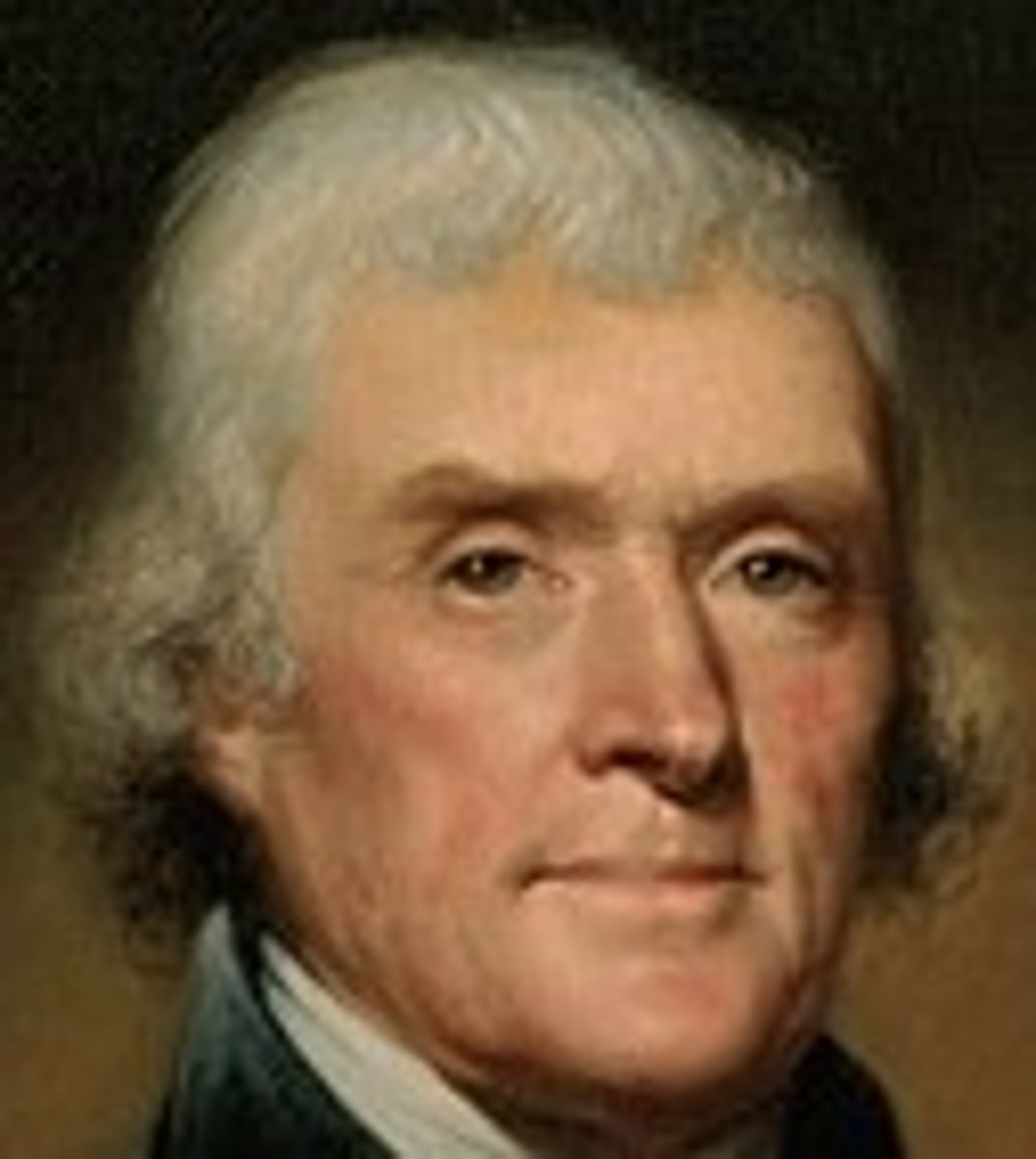
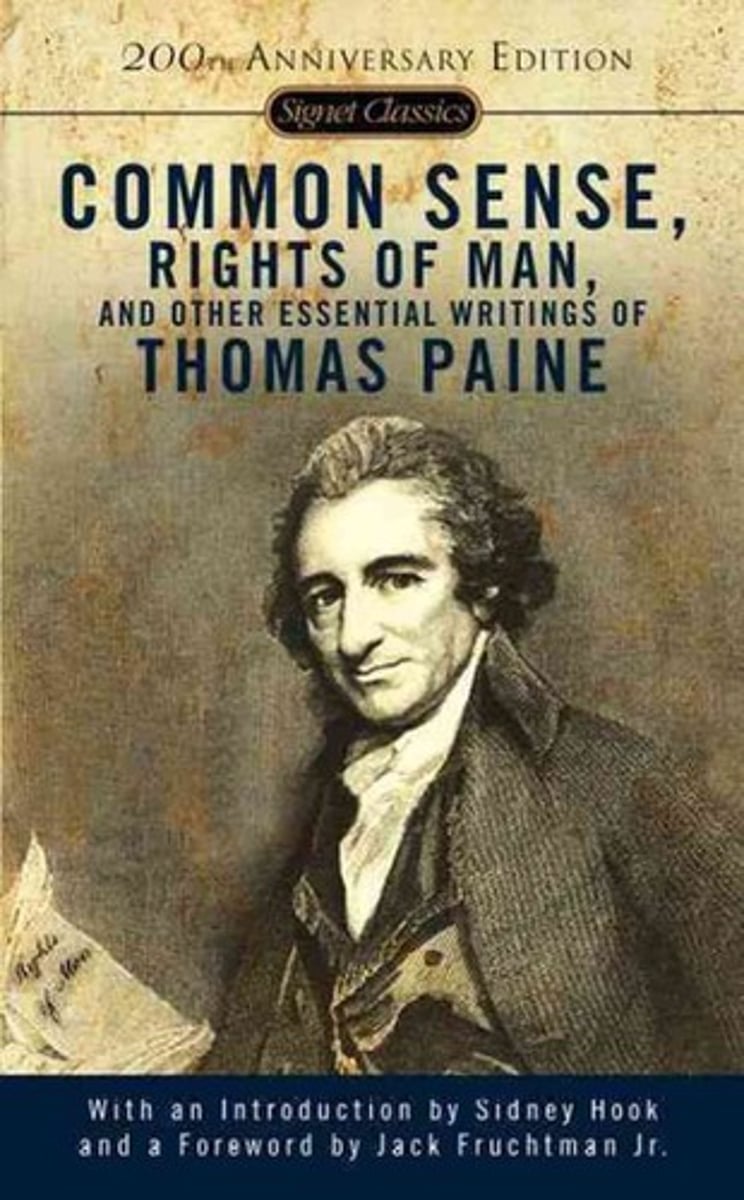
Thomas Paine
Revolutionary leader who wrote the pamphlet Common Sense (1776) arguing for American independence from Britain. In England he published The Rights of Man
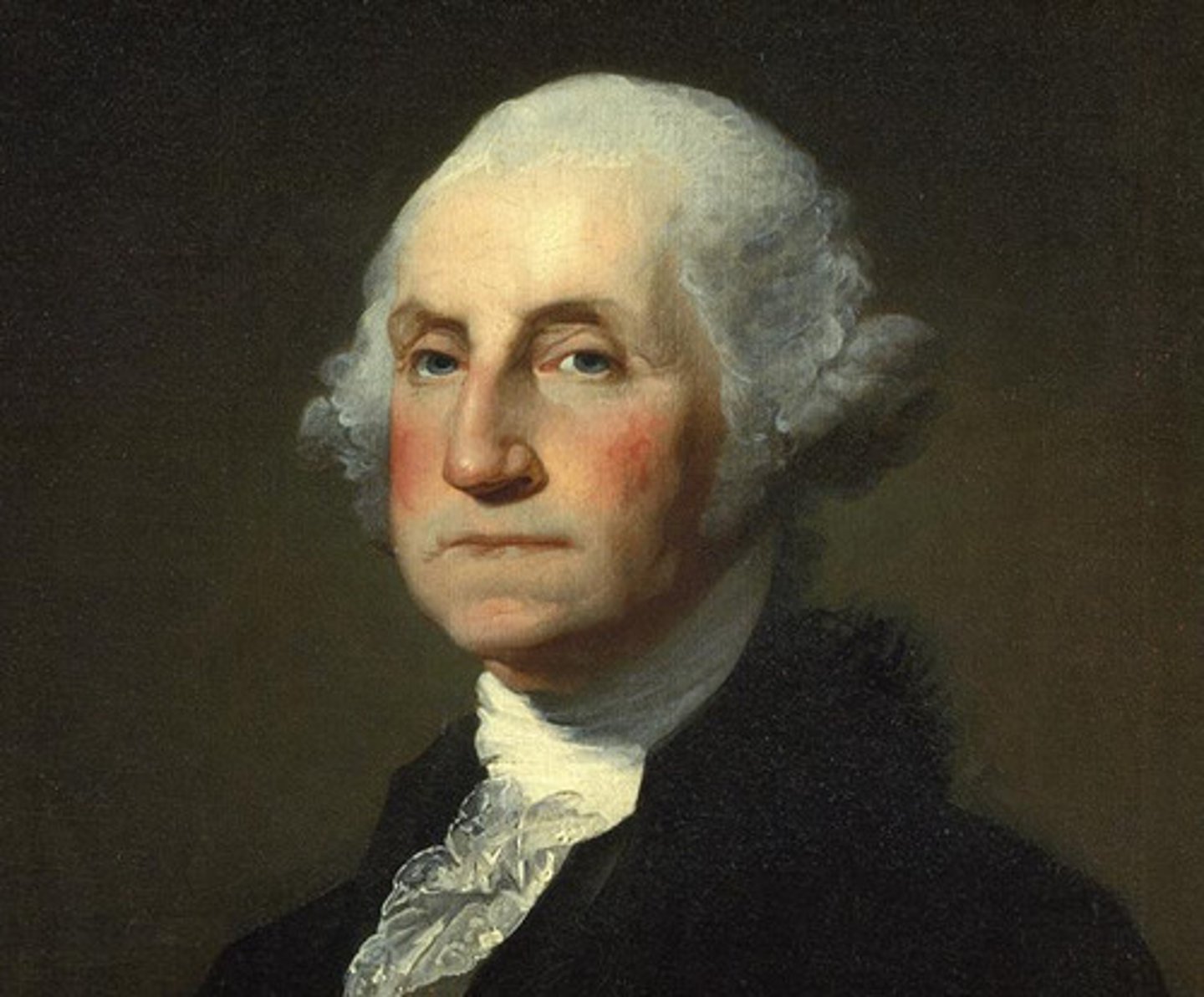
George Washington
was the leader of the Continental Army who became the first President of the US
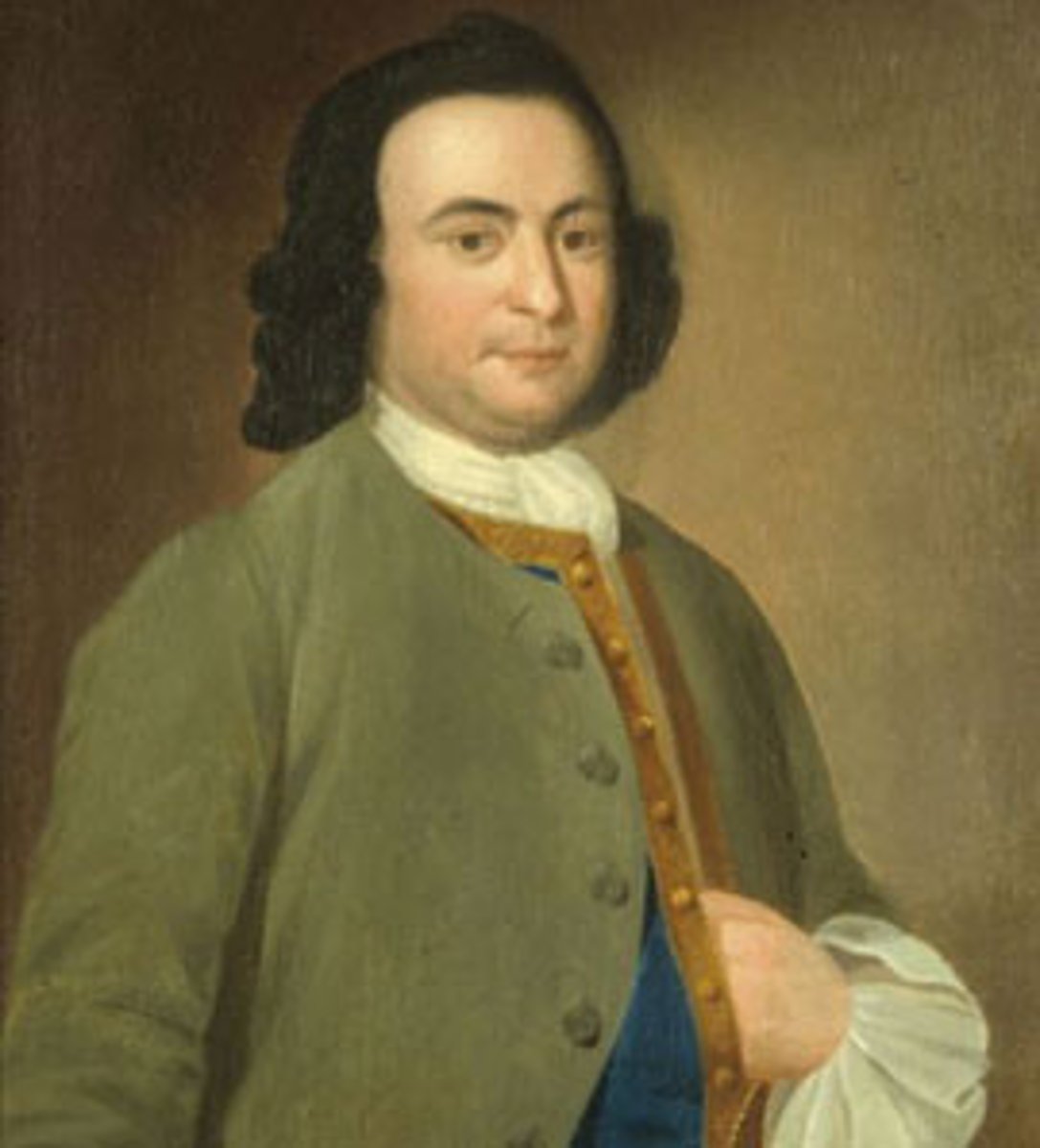
George Mason
refused to sign Constitution because it didn't adequately protect individuals from potential gov't abuse
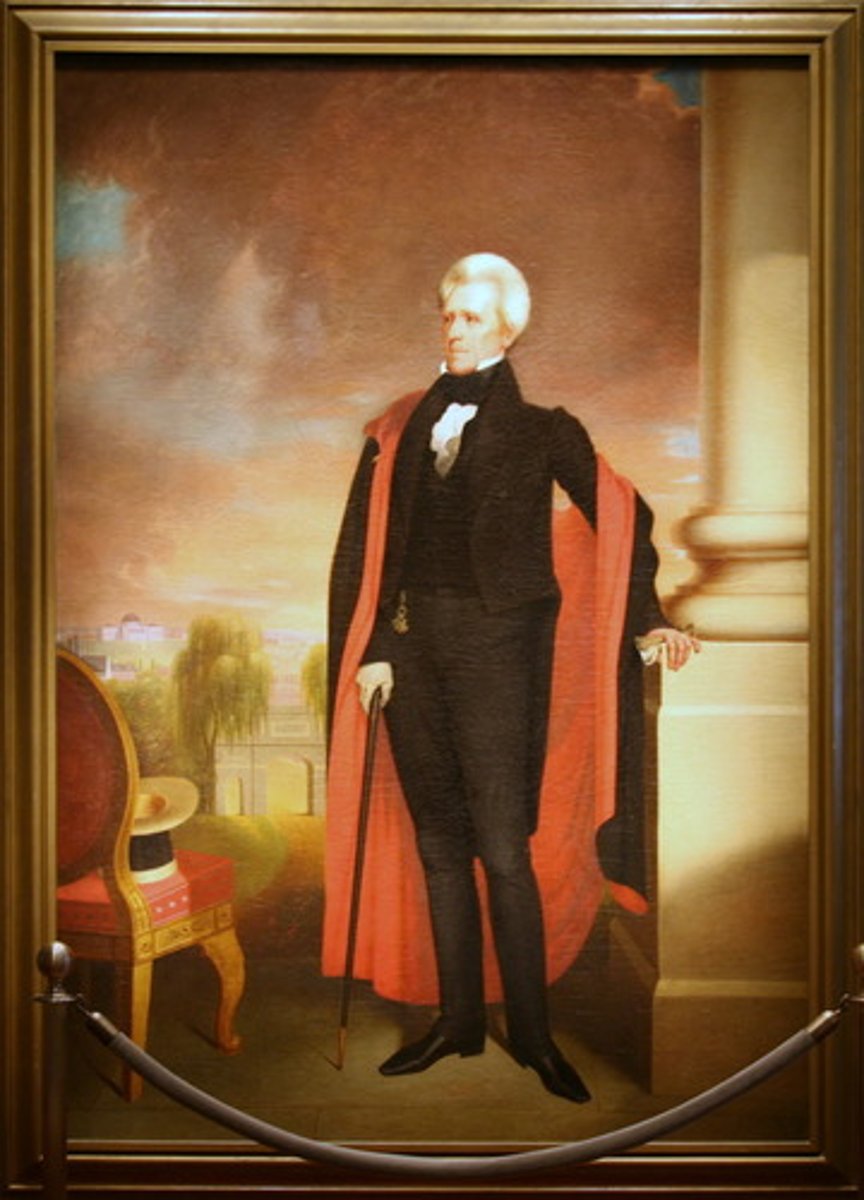
Andrew Jackson
(1829-1833) and (1833-1837), Indian removal act, nullification crisis, Old Hickory," first southern/ western president," President for the common man," pet banks, spoils system, trail of tears....
John C. Calhoun
South Carolina Senator - advocate for state's rights, limited government, and nullification
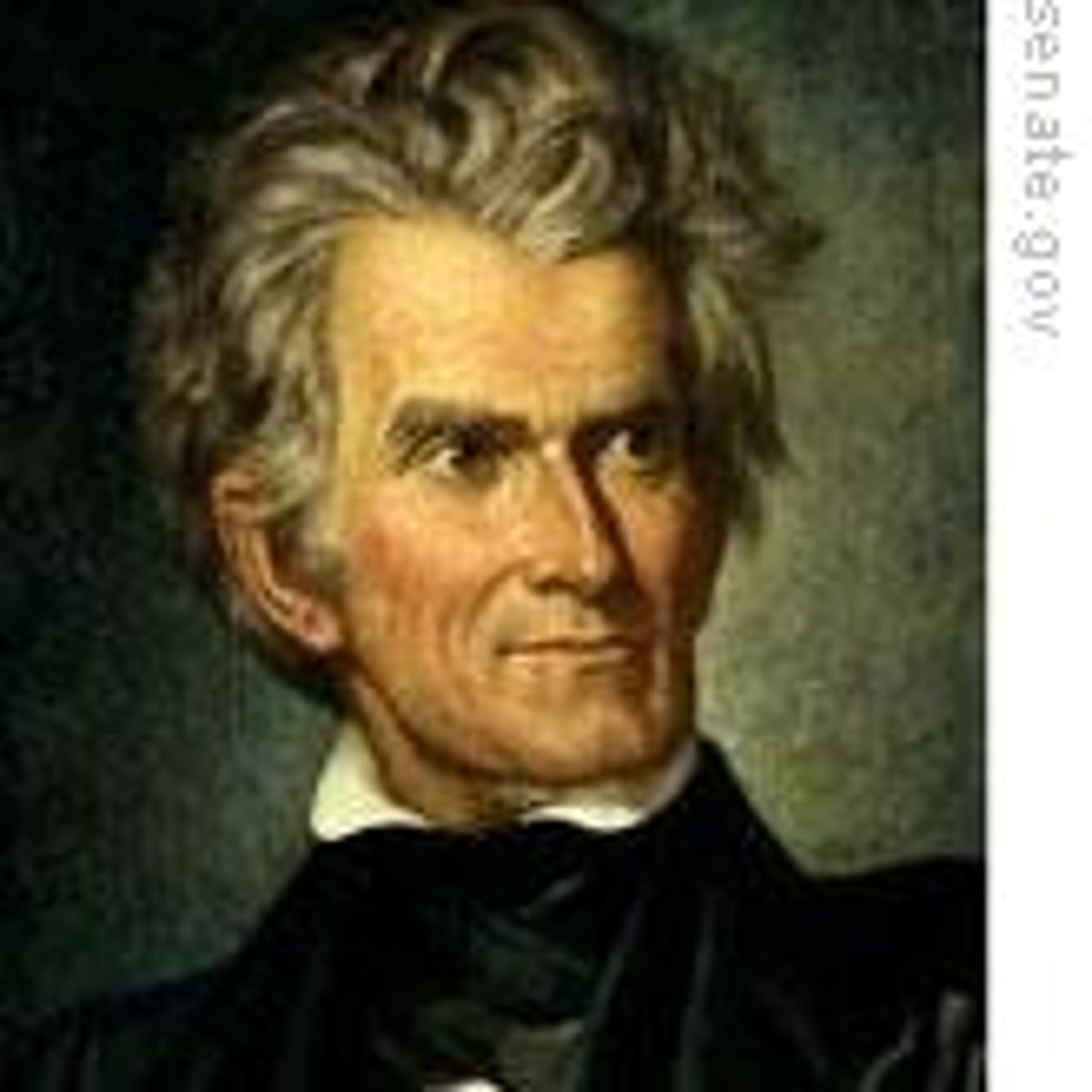
Crispus Attucks
A free black man who was the first person killed in the Revolution at the Boston Massacre.
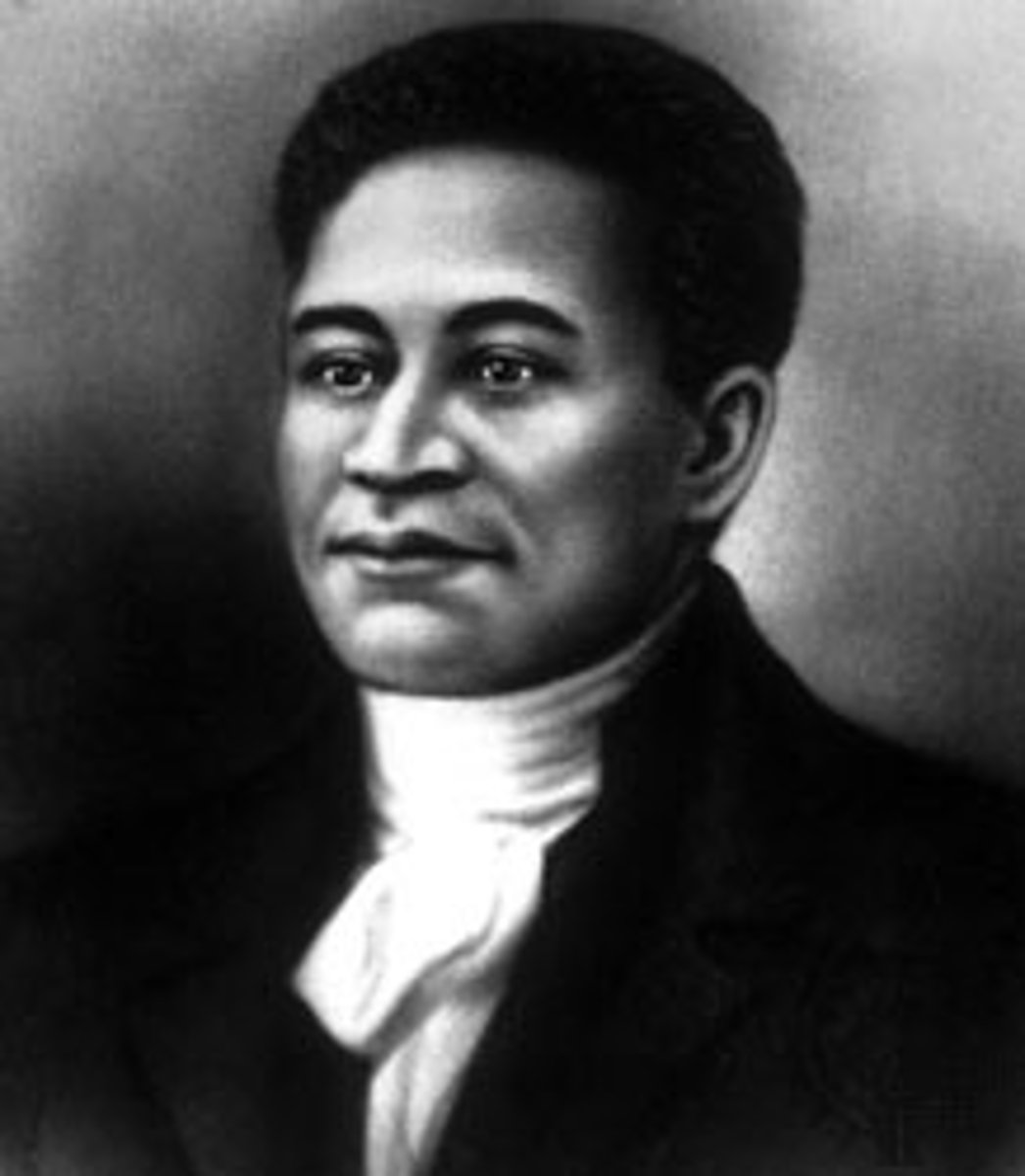
Henry Clay
..., Senator who persuaded Congress to accept the Missouri Compromise, which admitted Maine into the Union as a free state, and Missouri as a slave state
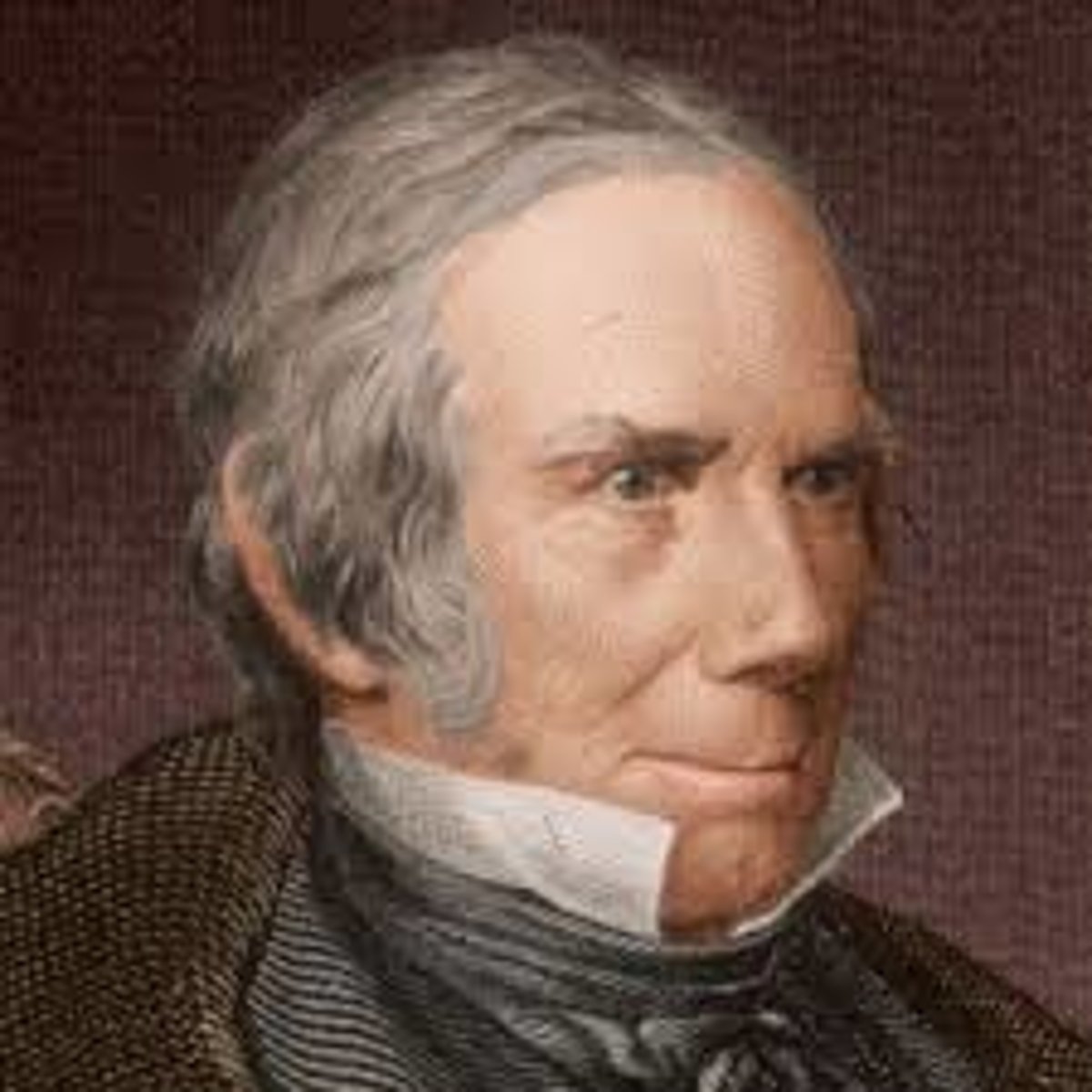
Jefferson Davis
An American statesman and politician who served as President of the Confederate States of America for its entire history from 1861 to 1865
Ulysses S. Grant
..., an American general and the eighteenth President of the United States (1869-1877). He achieved international fame as the leading Union general in the American Civil War.
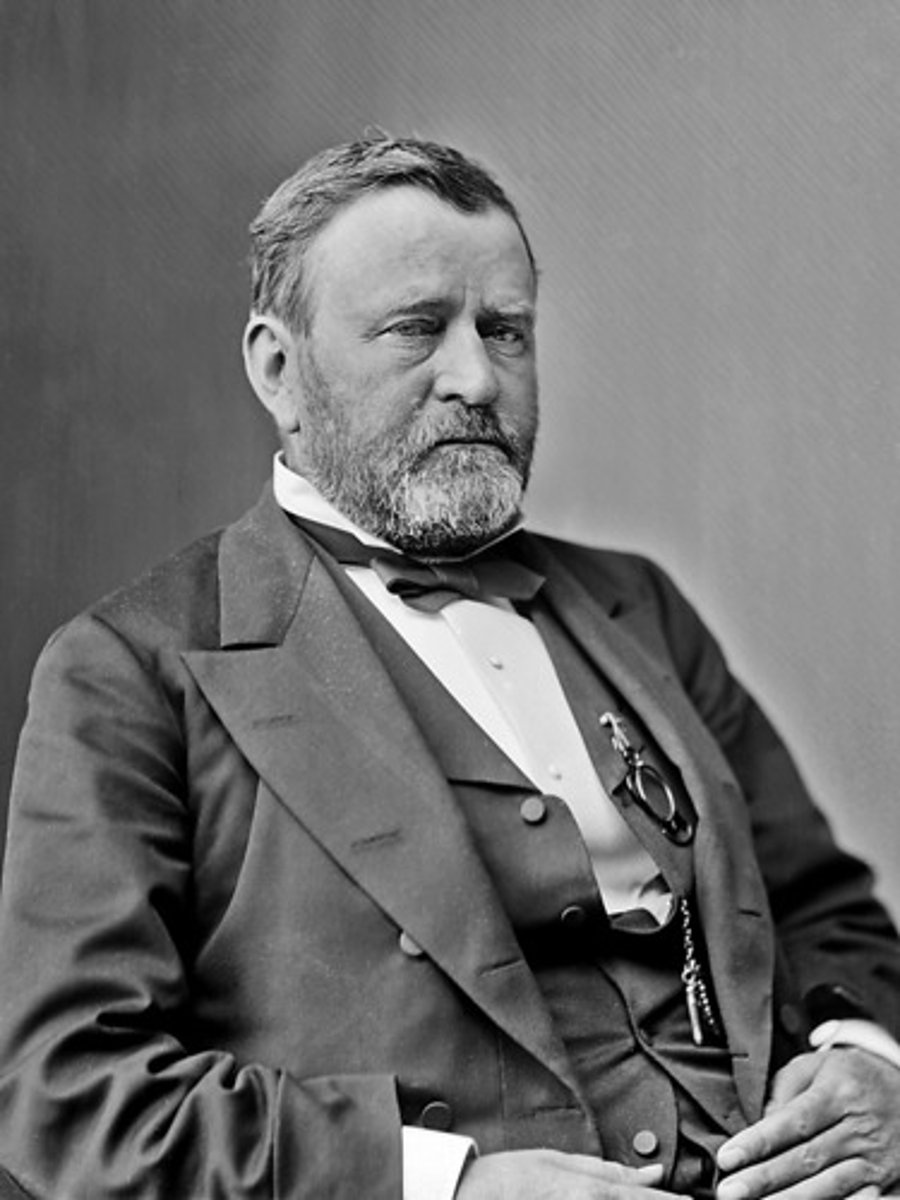
Robert E. Lee
A former union general that joined the South after Virginia seceded. He was in charge of the Confederate Army, and led it to many victories.
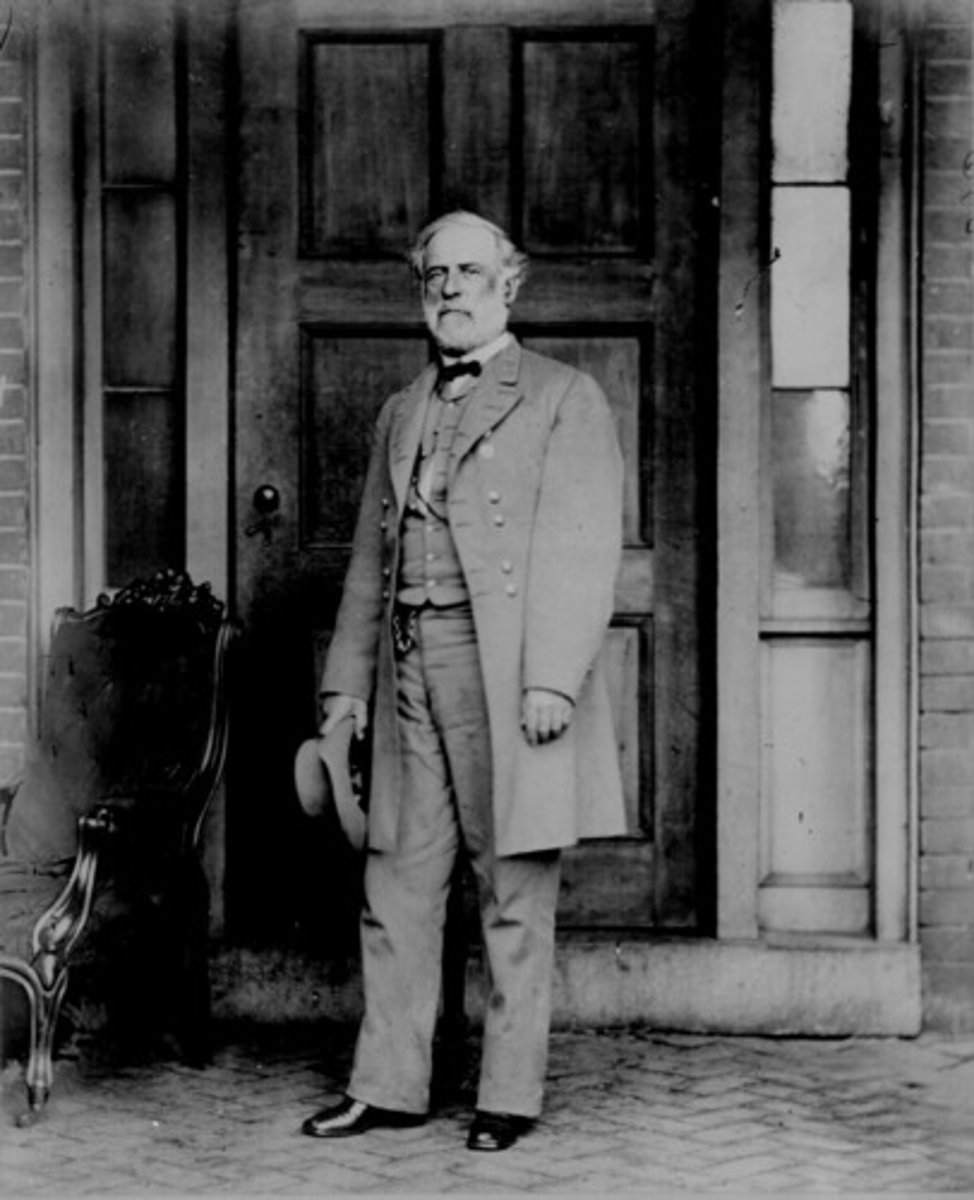
Abraham Lincoln
16th president of the US; assassinated 5 days after the Civil War ended
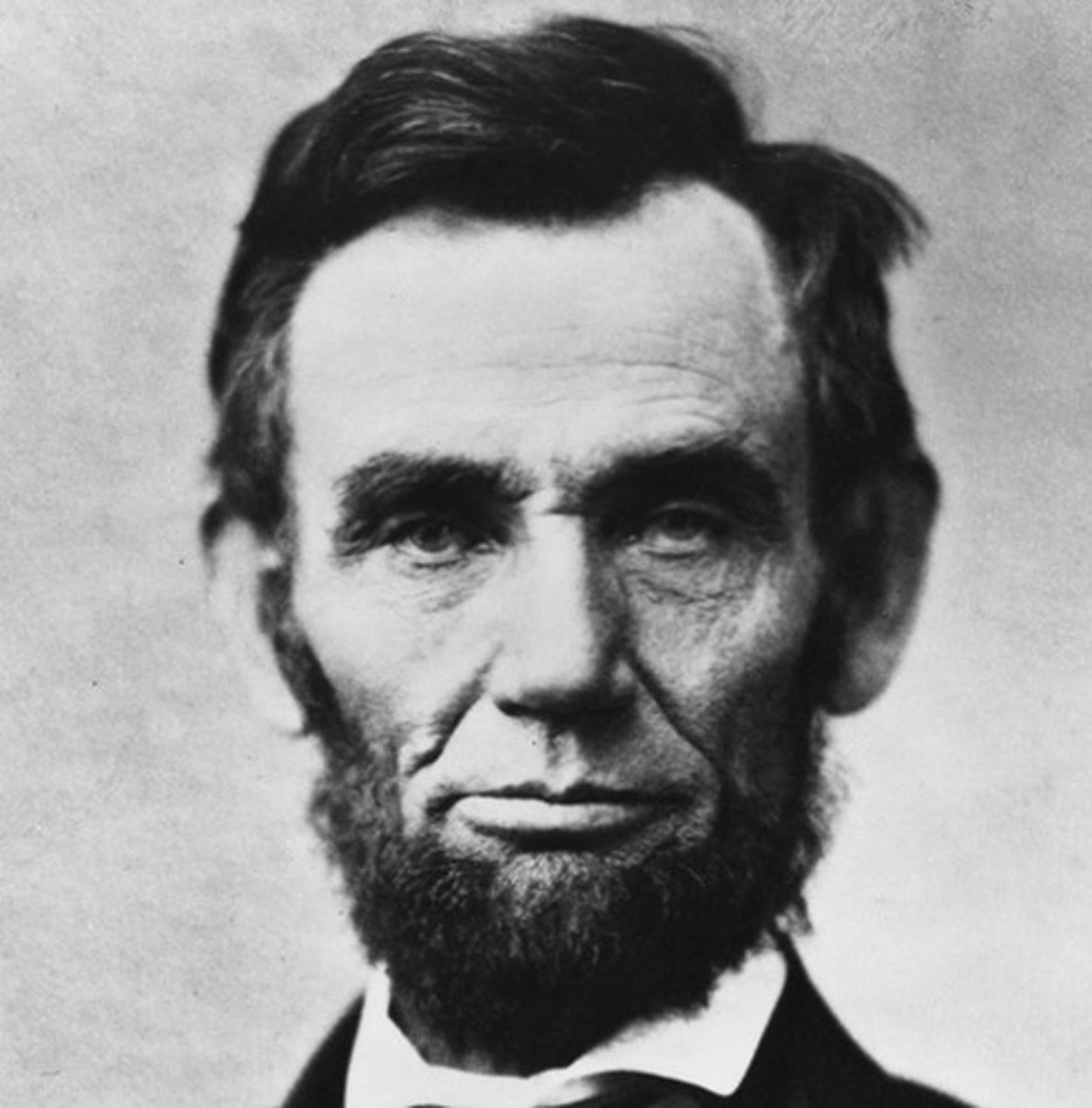
Alexander Hamilton
1789-1795; First Secretary of the Treasury. He advocated creation of a national bank, assumption of state debts by the federal government, and a tariff system to pay off the national debt.
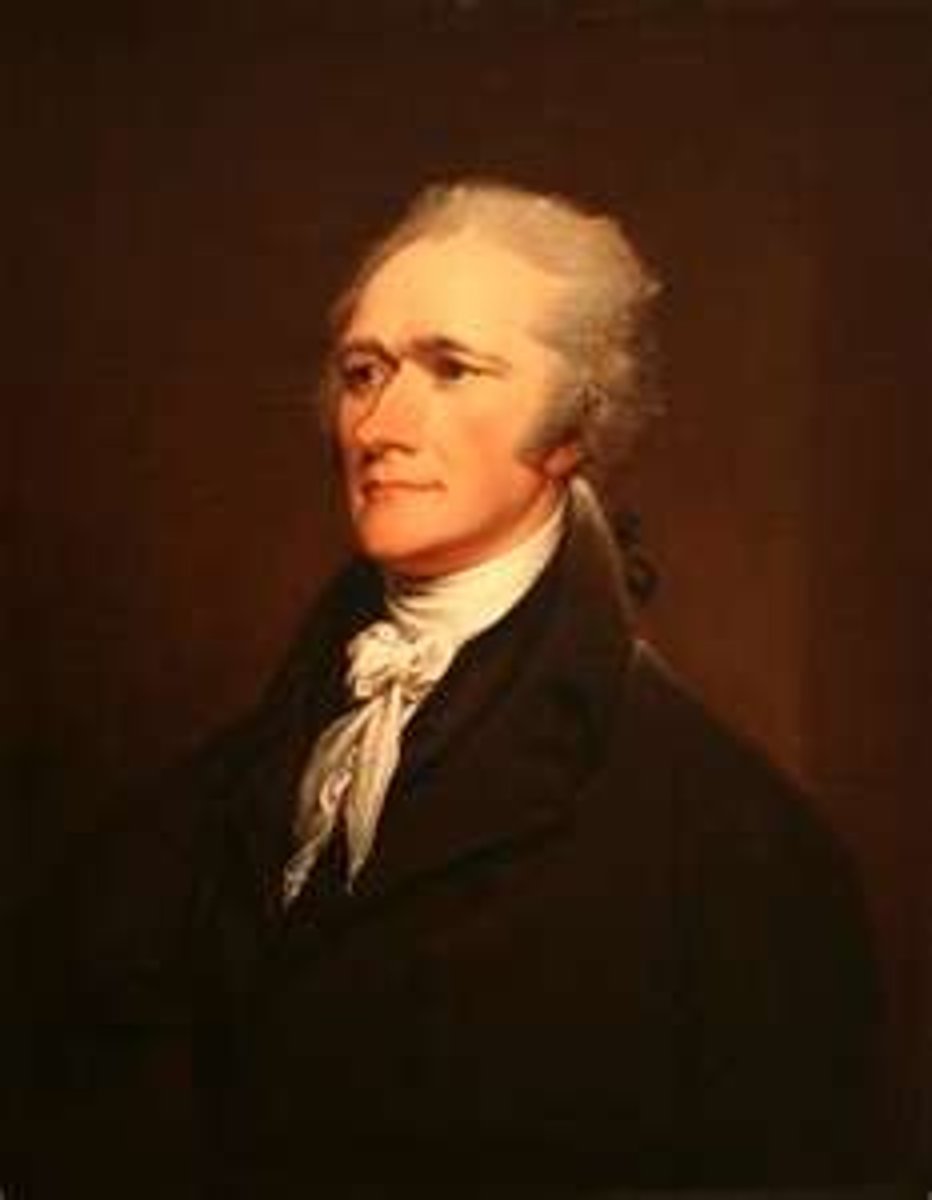
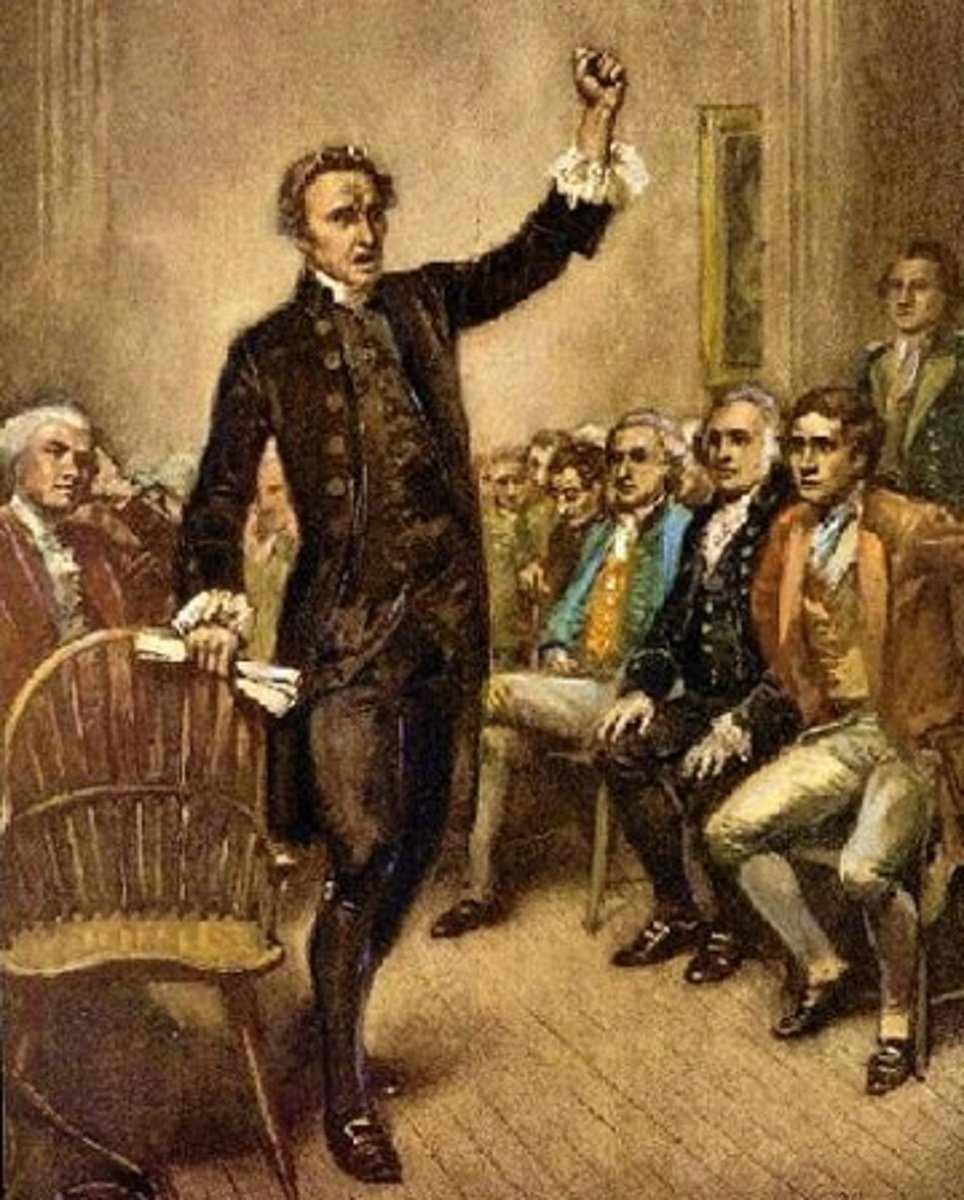
Patrick Henry
"Give me liberty or give me death"
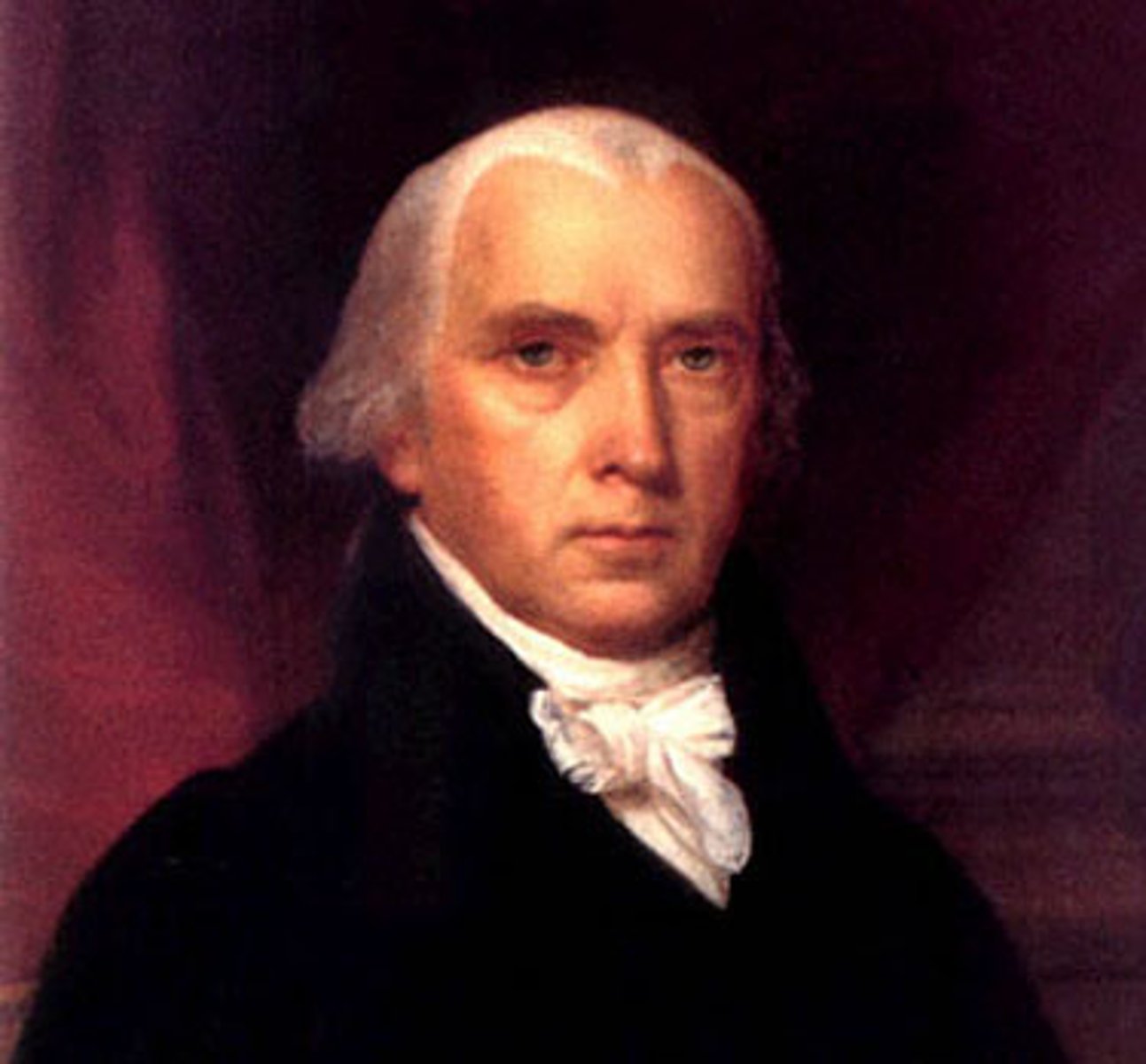
James Madison
"Father of the Constitution"
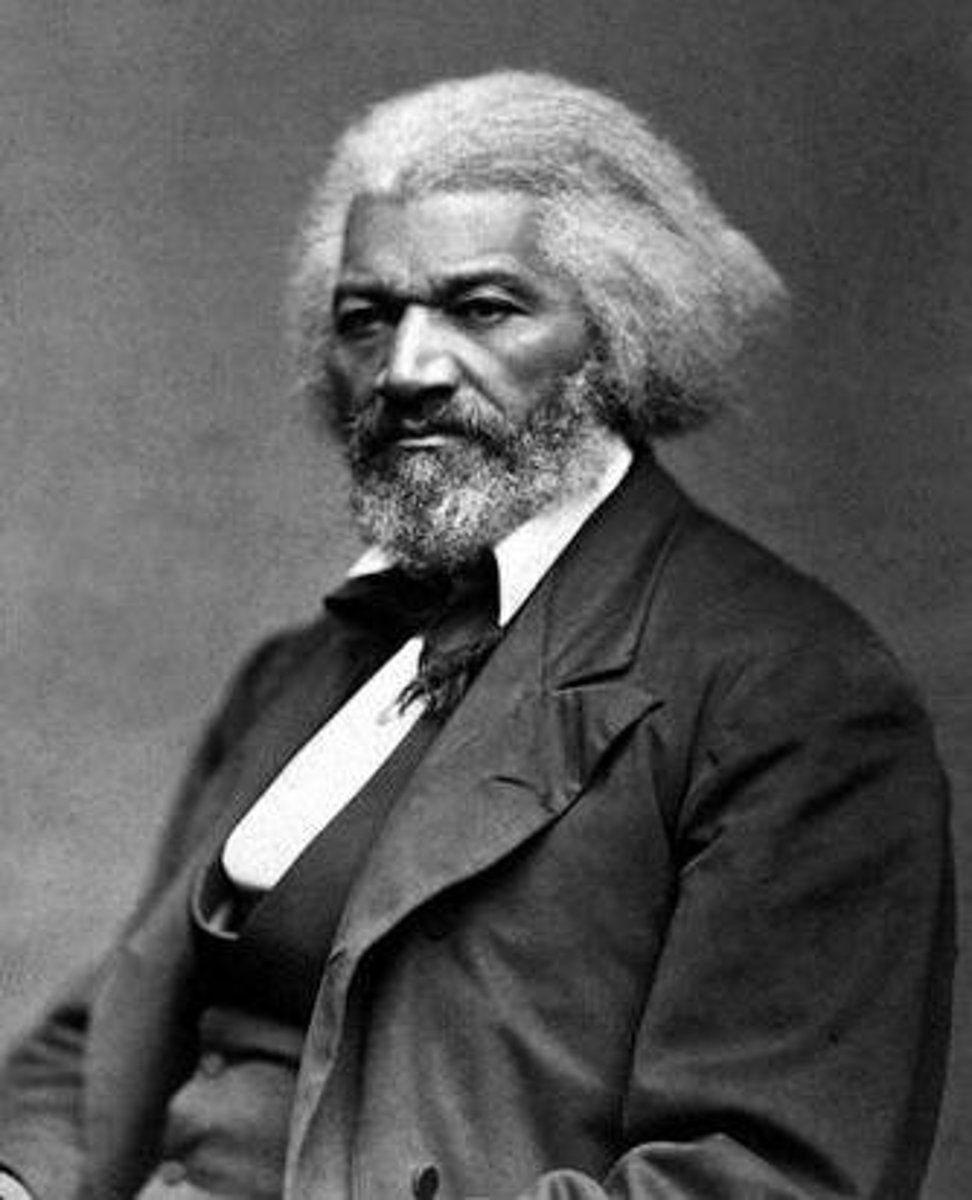
Frederick Douglass
the greatest of all abolitionists; North Star newspaper; first African American foreign minister
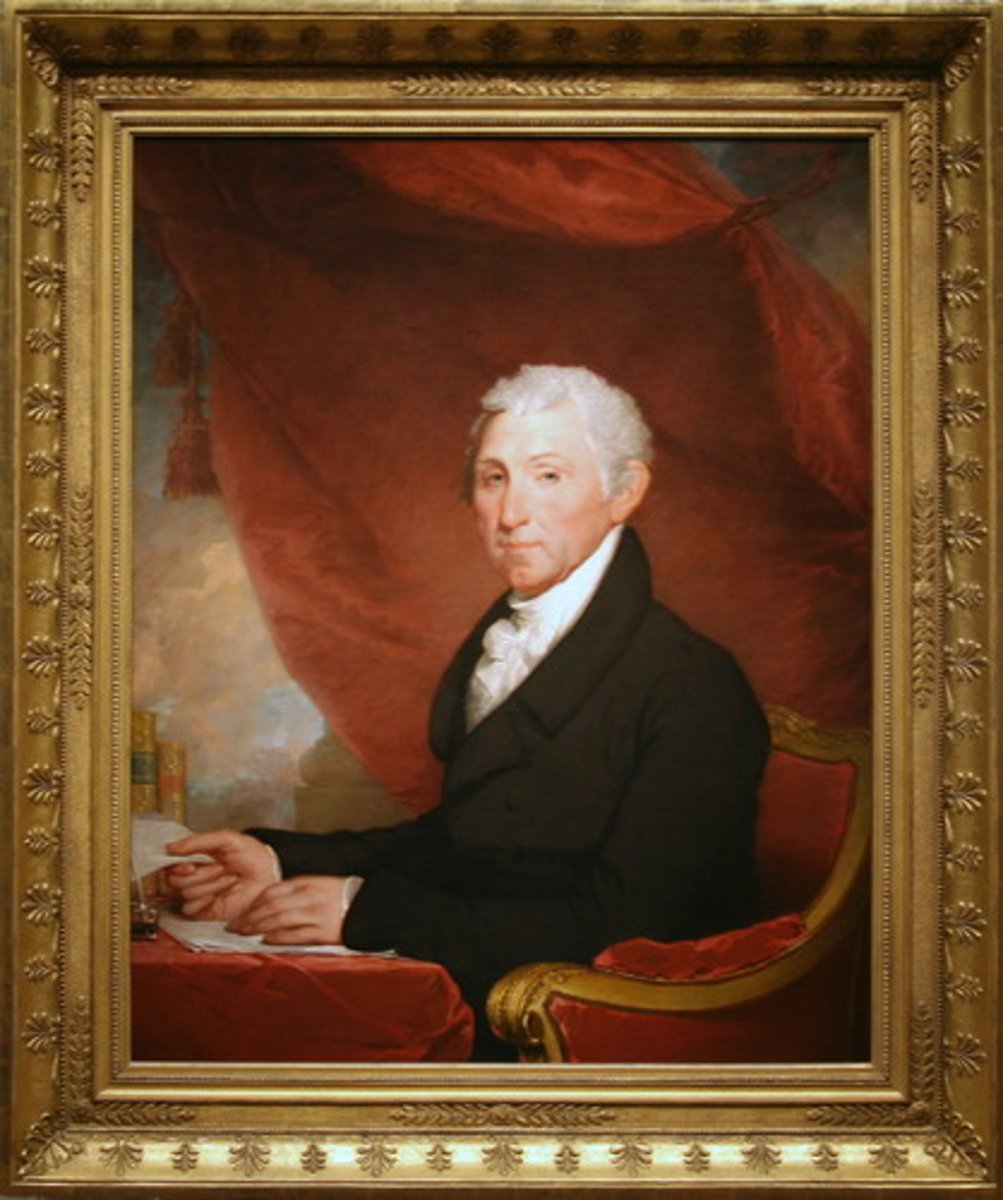
James Monroe
the author of the Monroe Doctrine, which shut down the western hemisphere to European expansion or interference
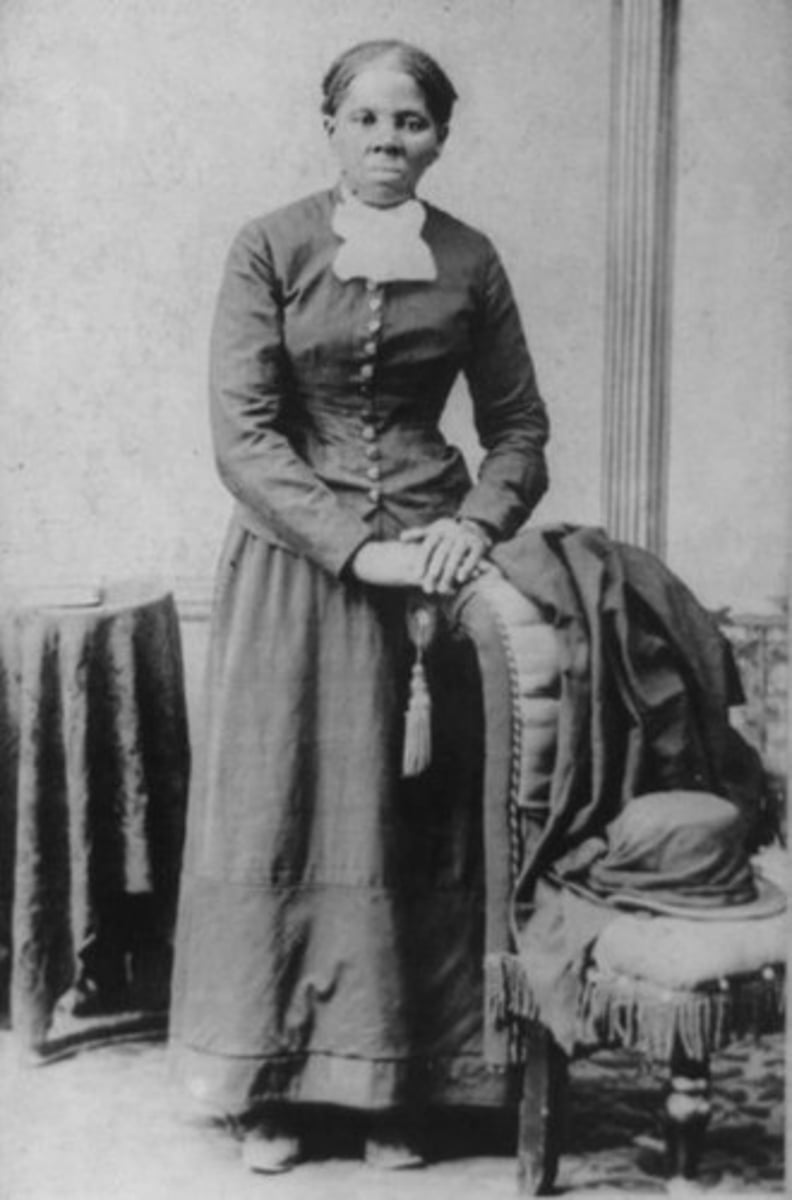
Harriet Tubman
..., United States abolitionist born a slave on a plantation in Maryland and became a famous conductor on the Underground Railroad leading other slaves to freedom in the North (1820-1913)
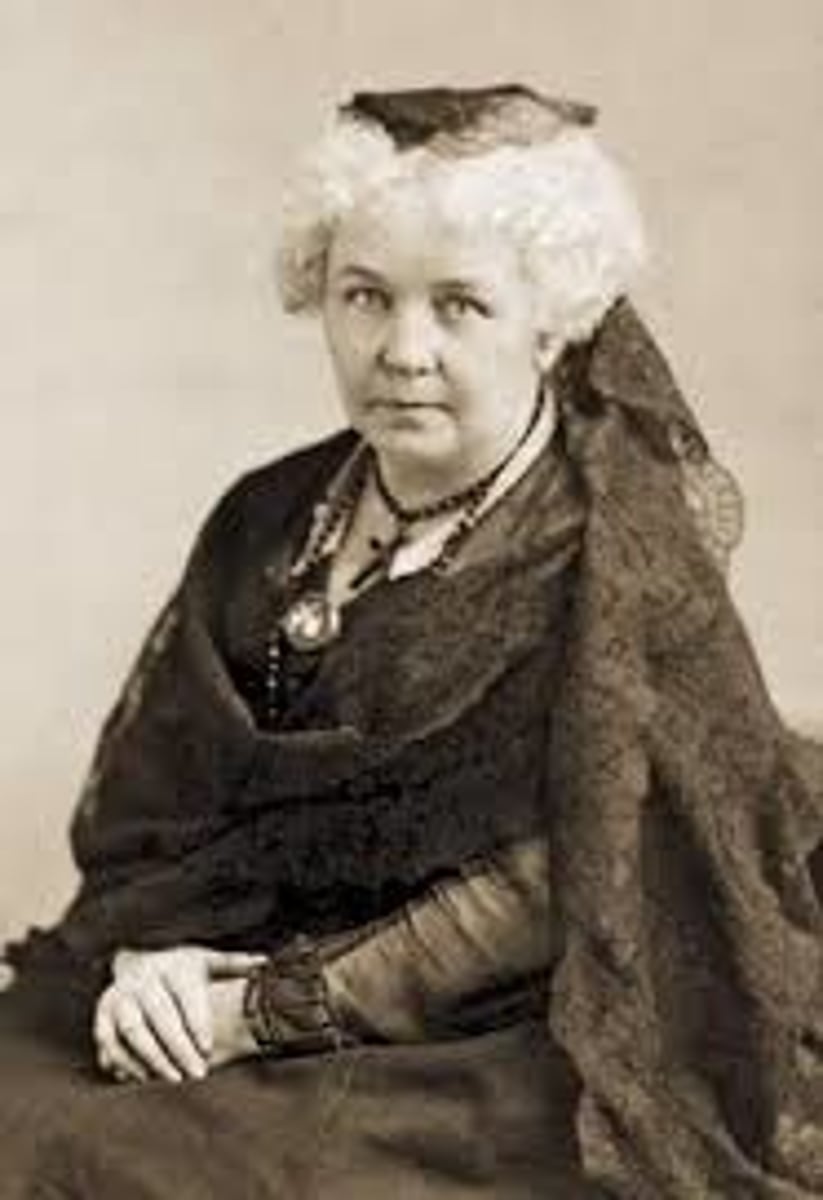
Elizabeth Cady Stanton
(1815-1902) A suffragette who, with Lucretia Mott, organized the first convention on women's rights, held in Seneca Falls, New York in 1848. Issued the Declaration of Sentiments which declared men and women to be equal and demanded the right to vote for women. Co-founded the National Women's Suffrage Association with Susan B. Anthony in 1869.
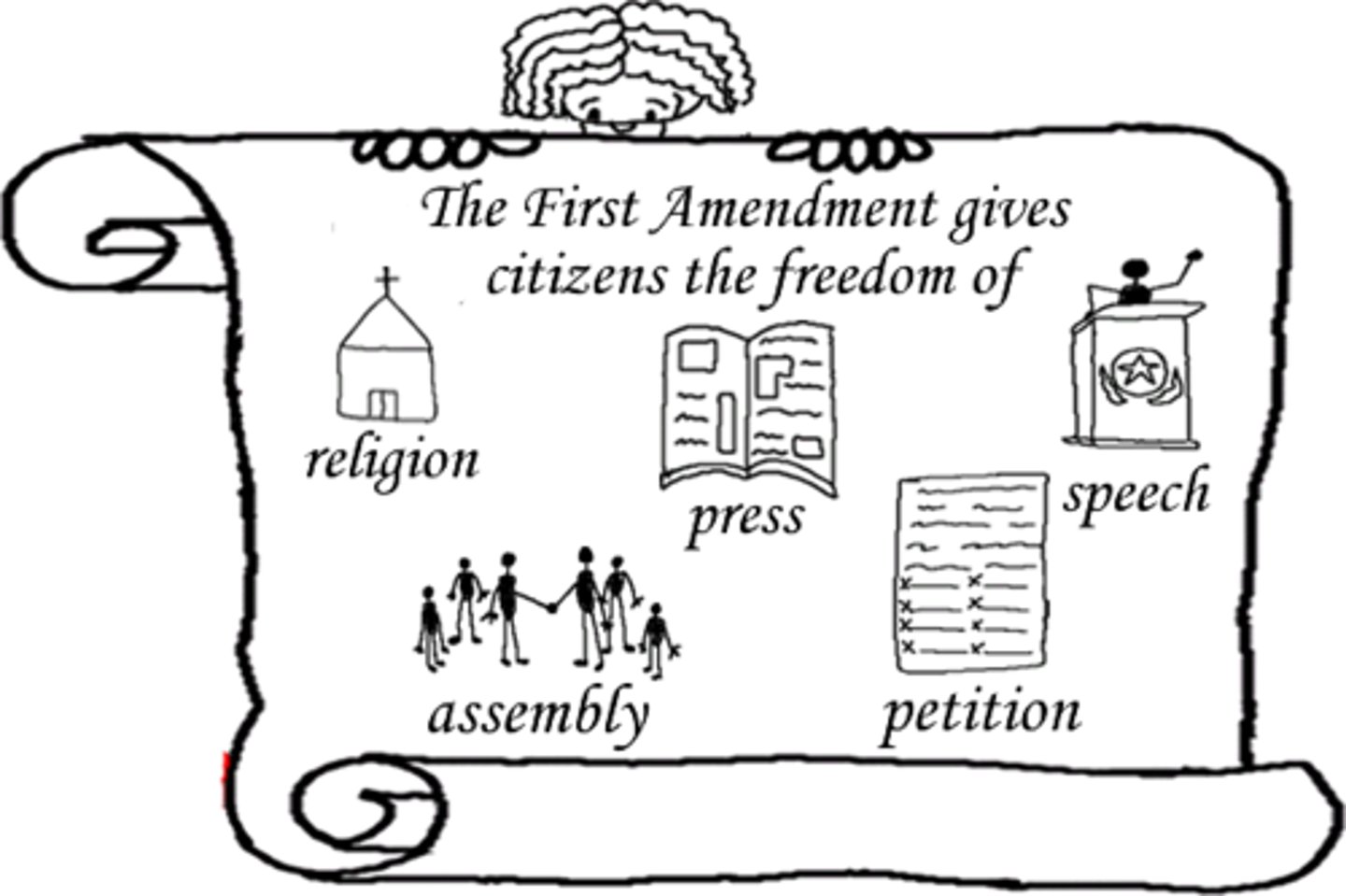
First Amendment
5 freedoms: speech, press, religion, assembly, petition
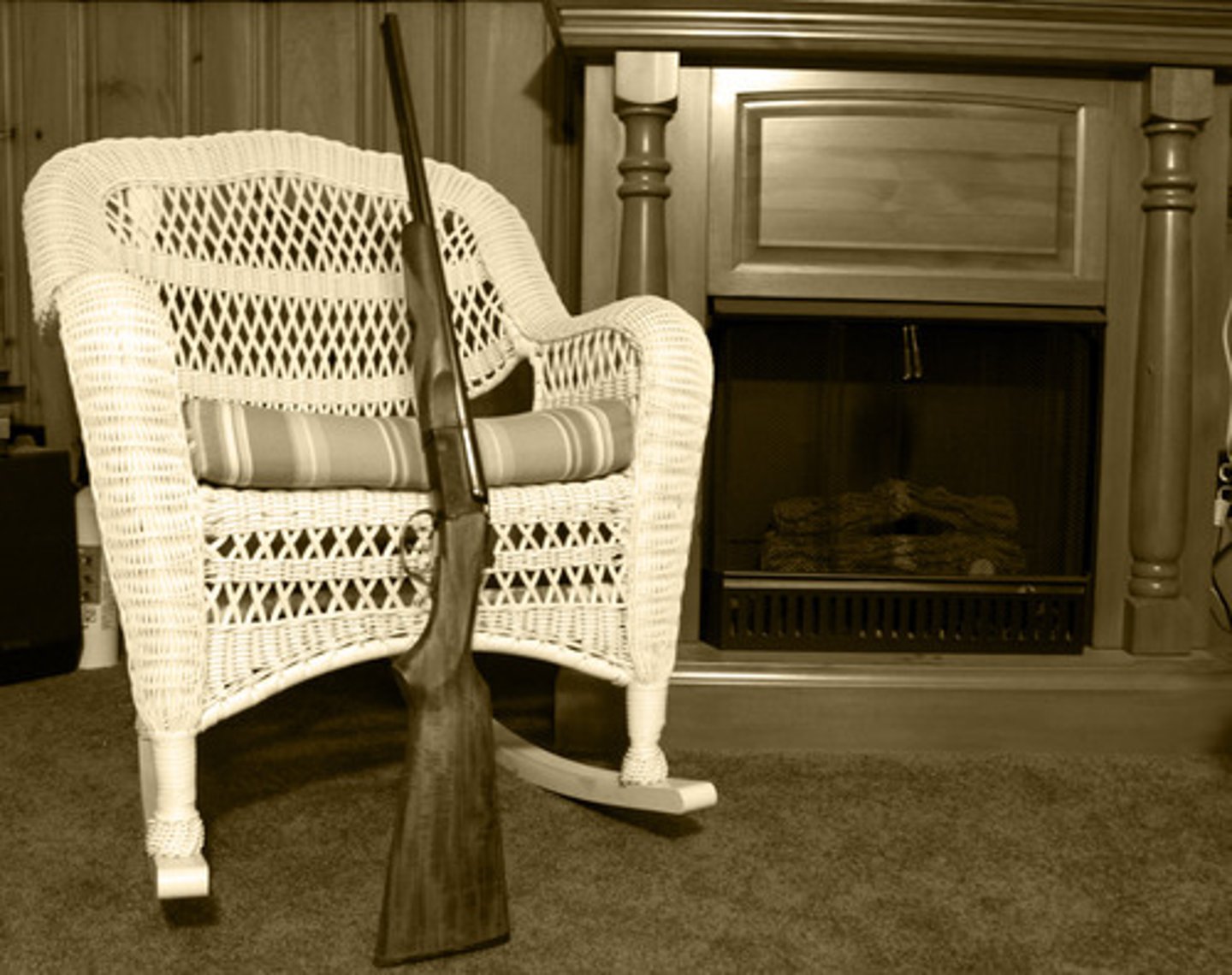
Second Amendment
the right to bear arms
Third Amendment
The government may not house soldiers in private homes without consent of the owner
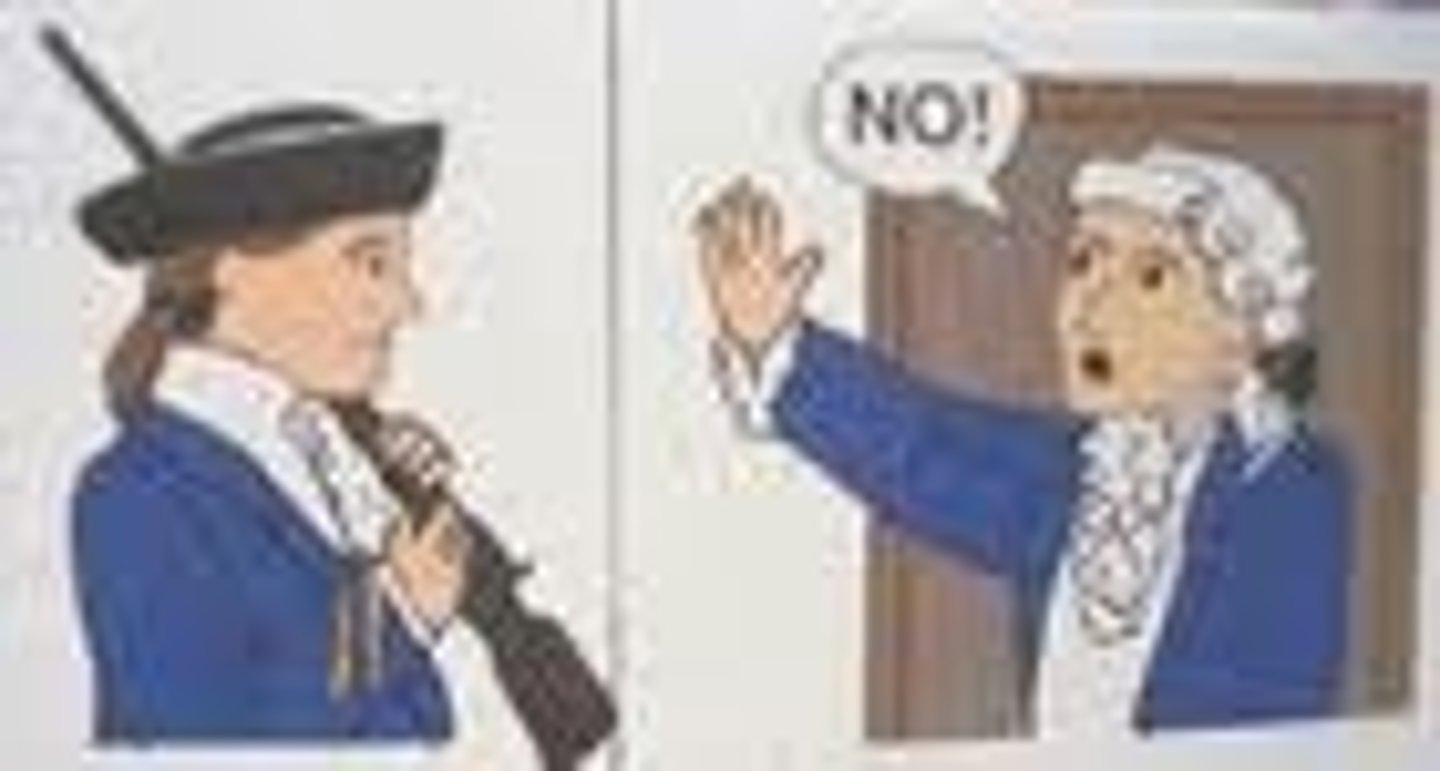
Fourth Amendment
Protects Americans against unreasonable searches and seizures. No soldier, Gov agent, or police can search your home without a search warrant.
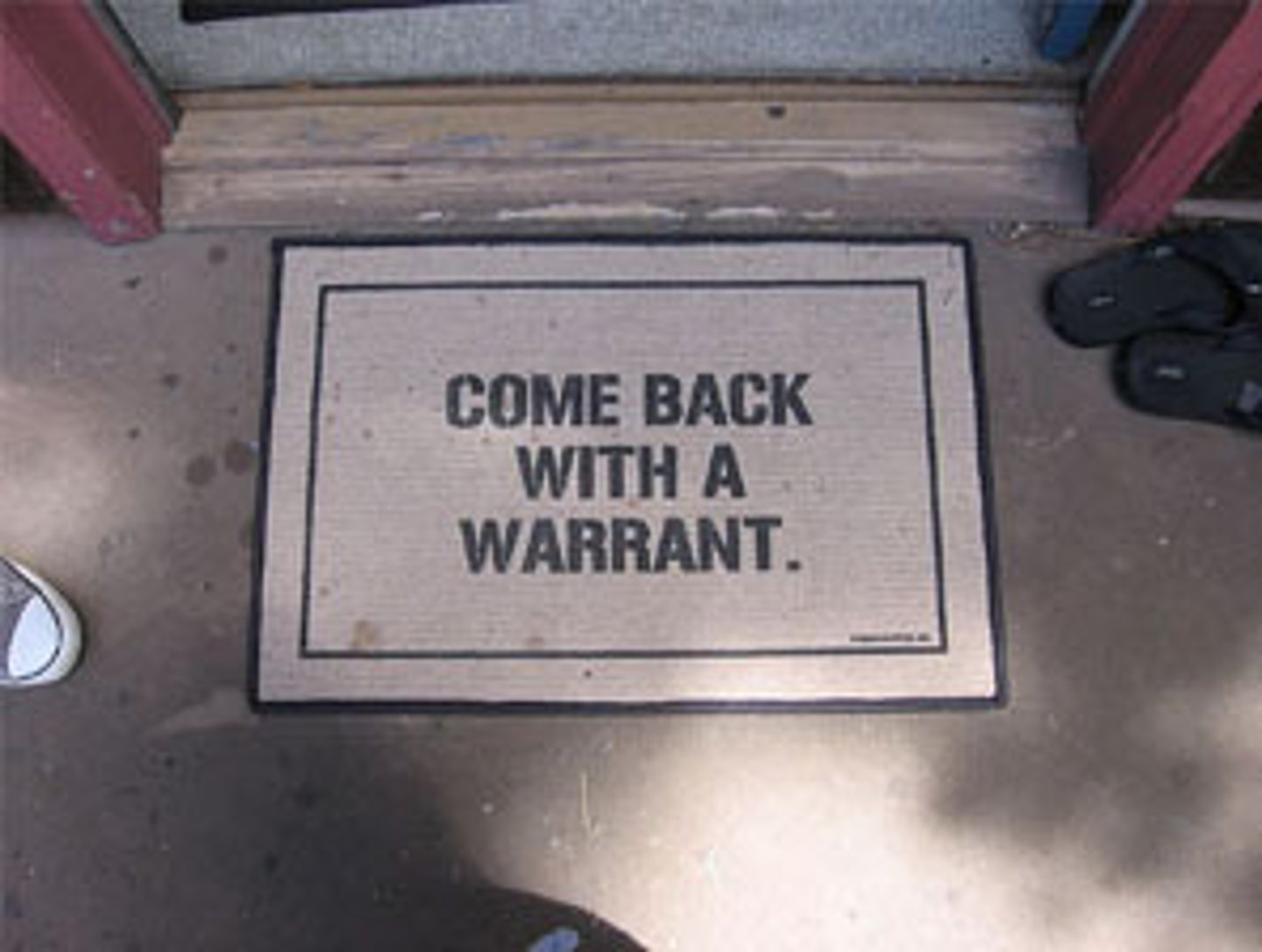
Fifth Amendment
the rights of the accused
Sixth Amendment
Designed to protect individuals accused of crimes; includes the right to counsel, the right to confront witnesses, and the right to a speedy and public trial.
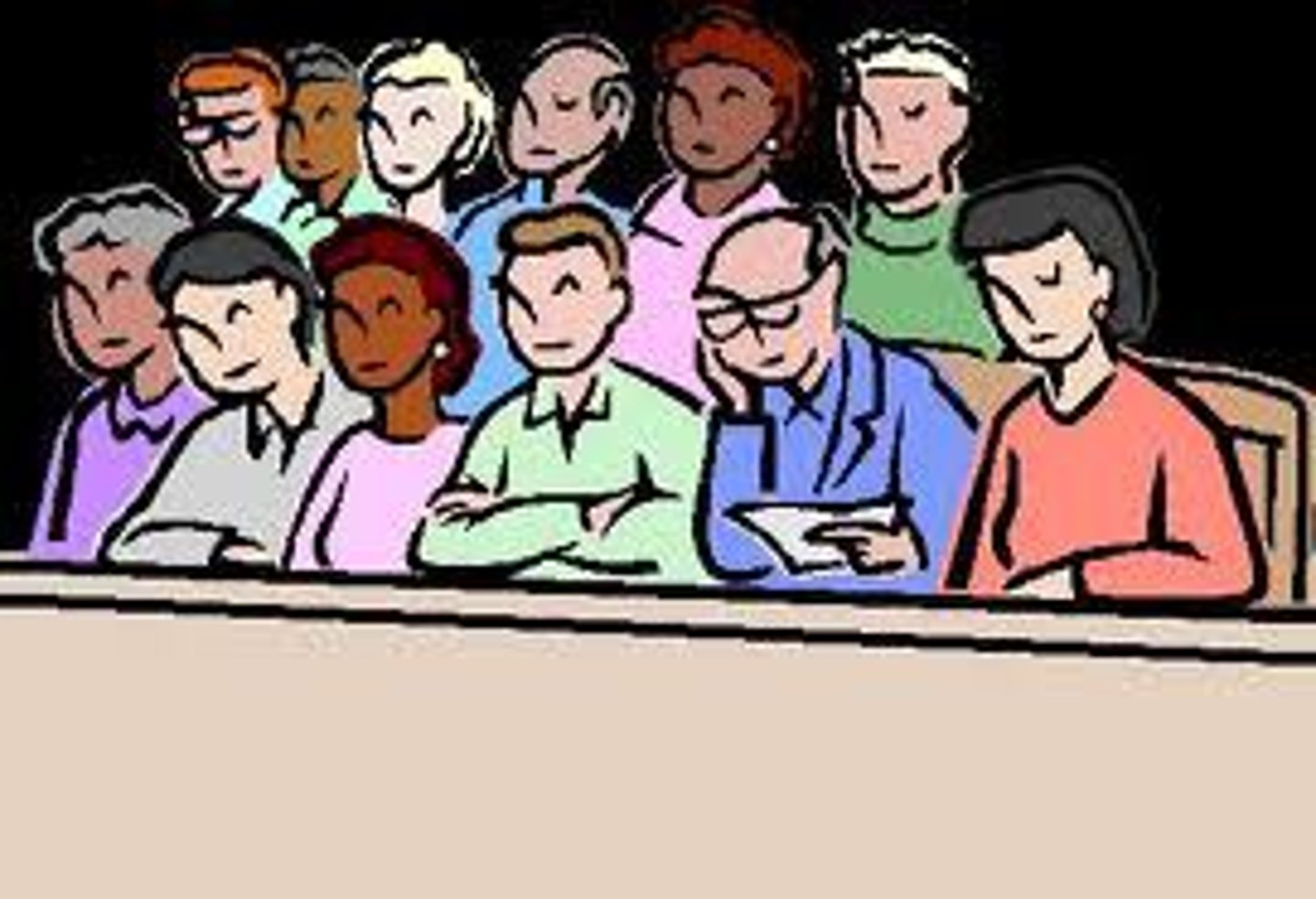
Seventh Amendment
guarantees the right to a jury trial in civil suits
Eight Amendment
Prohibits cruel and unusual punishment and excessive bail or fines.
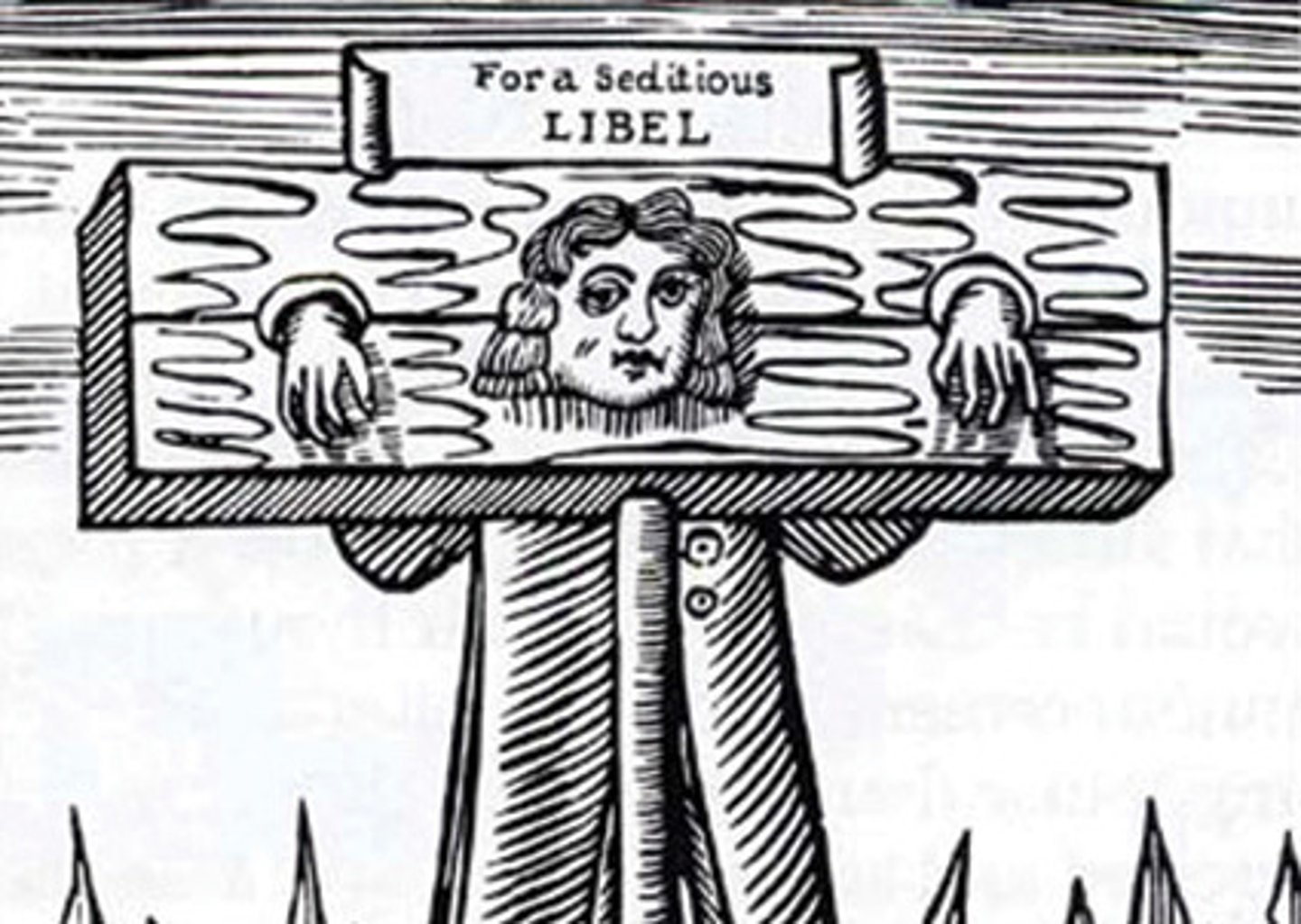
Ninth Amendment
The enumeration in the Constitution, of certain rights, shall not be construed to deny or disparage others retained by the people.
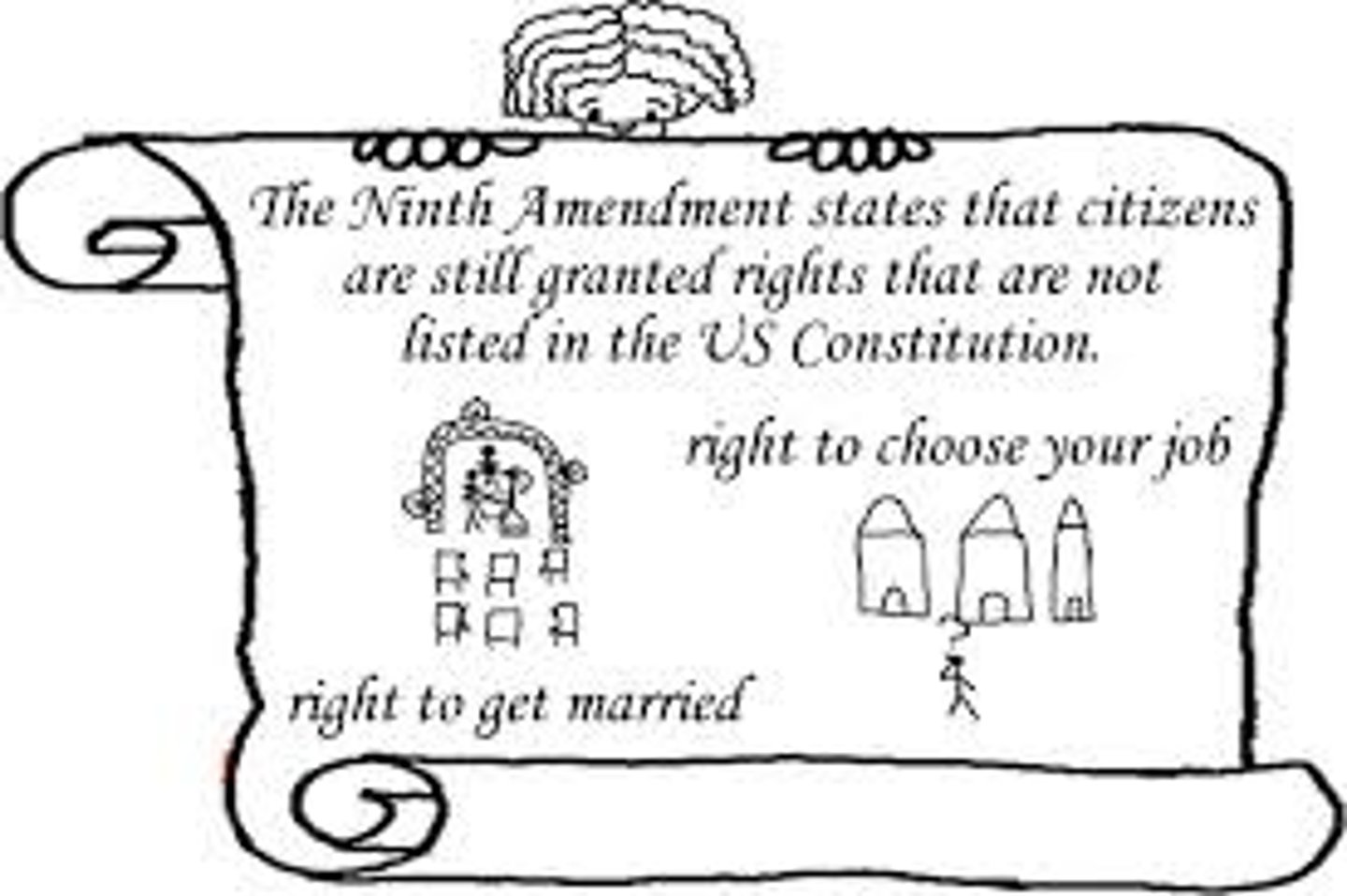
Tenth Amendment
Constitutional amendment that states whatever powers are not delegated to the federal government, nor prohibited to the states, are reserved to the states and to the people (reserved powers)
Thirteenth Amendment
Abolished slavery
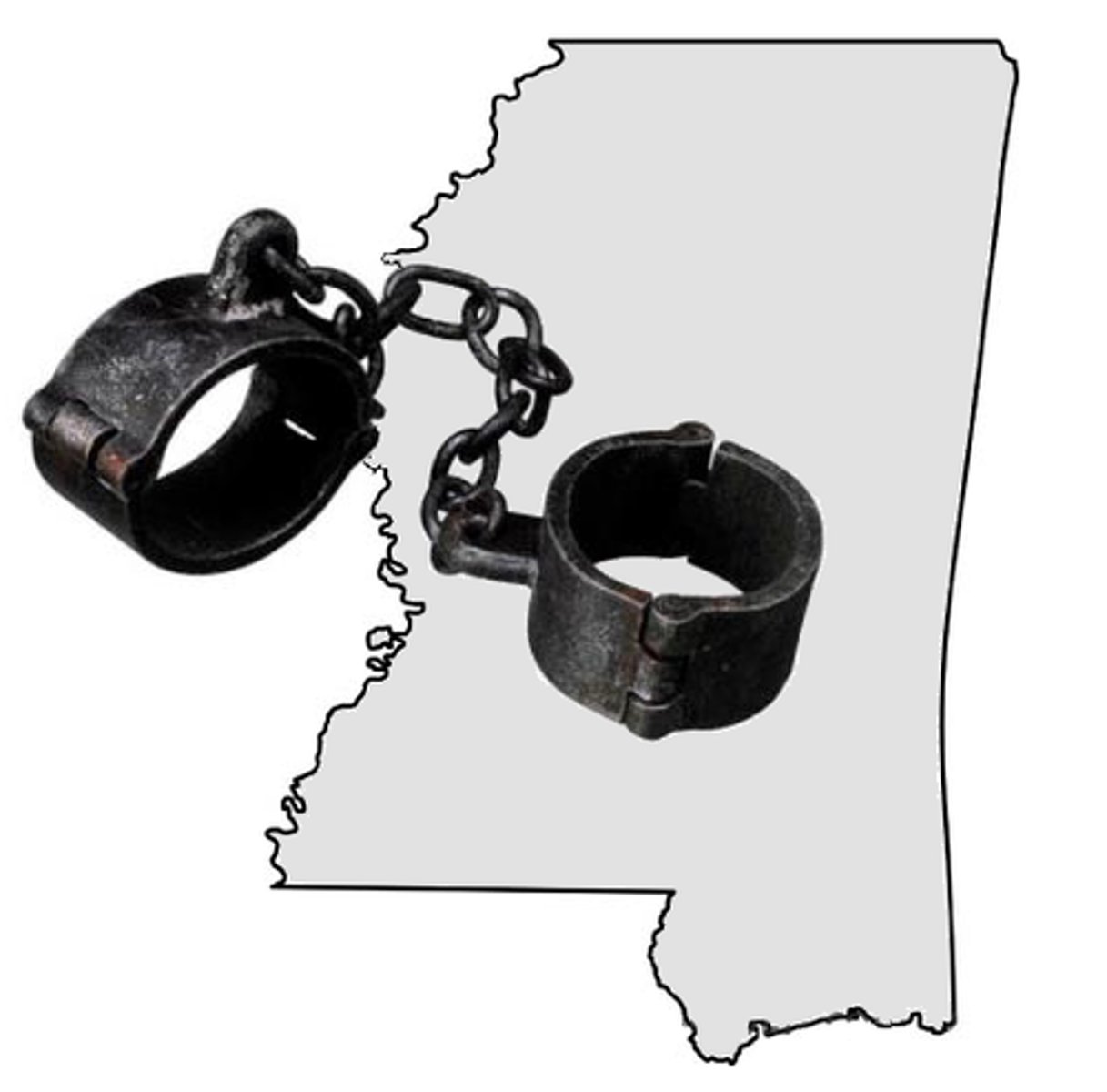
Fourteenth Amendment
A constitutional amendment giving full rights of citizenship to all people born or naturalized in the United States, except for American Indians.

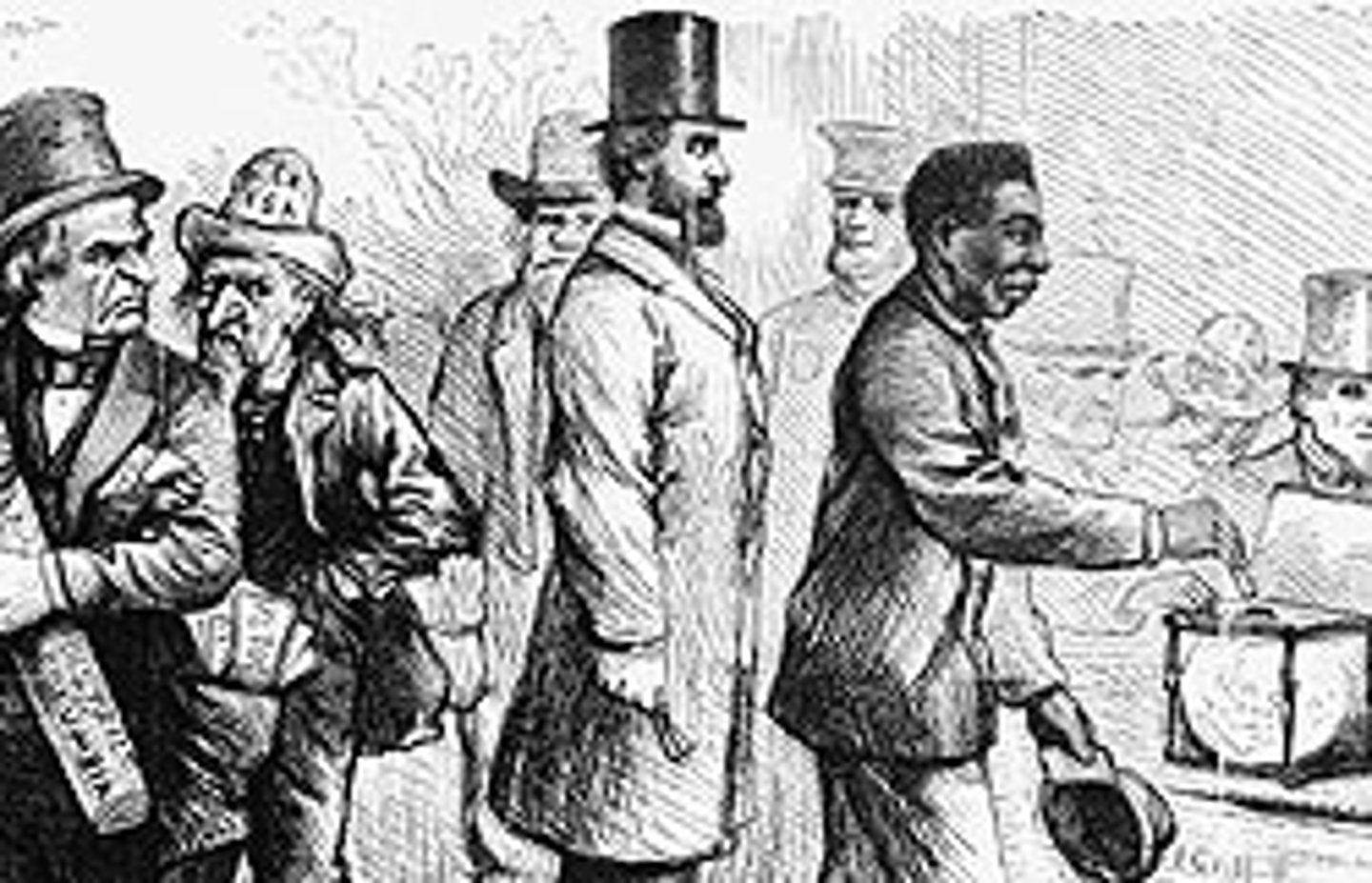
Fifteenth Amendment
1870 constitutional amendment that guaranteed voting rights regardless of race or previous condition of servitude
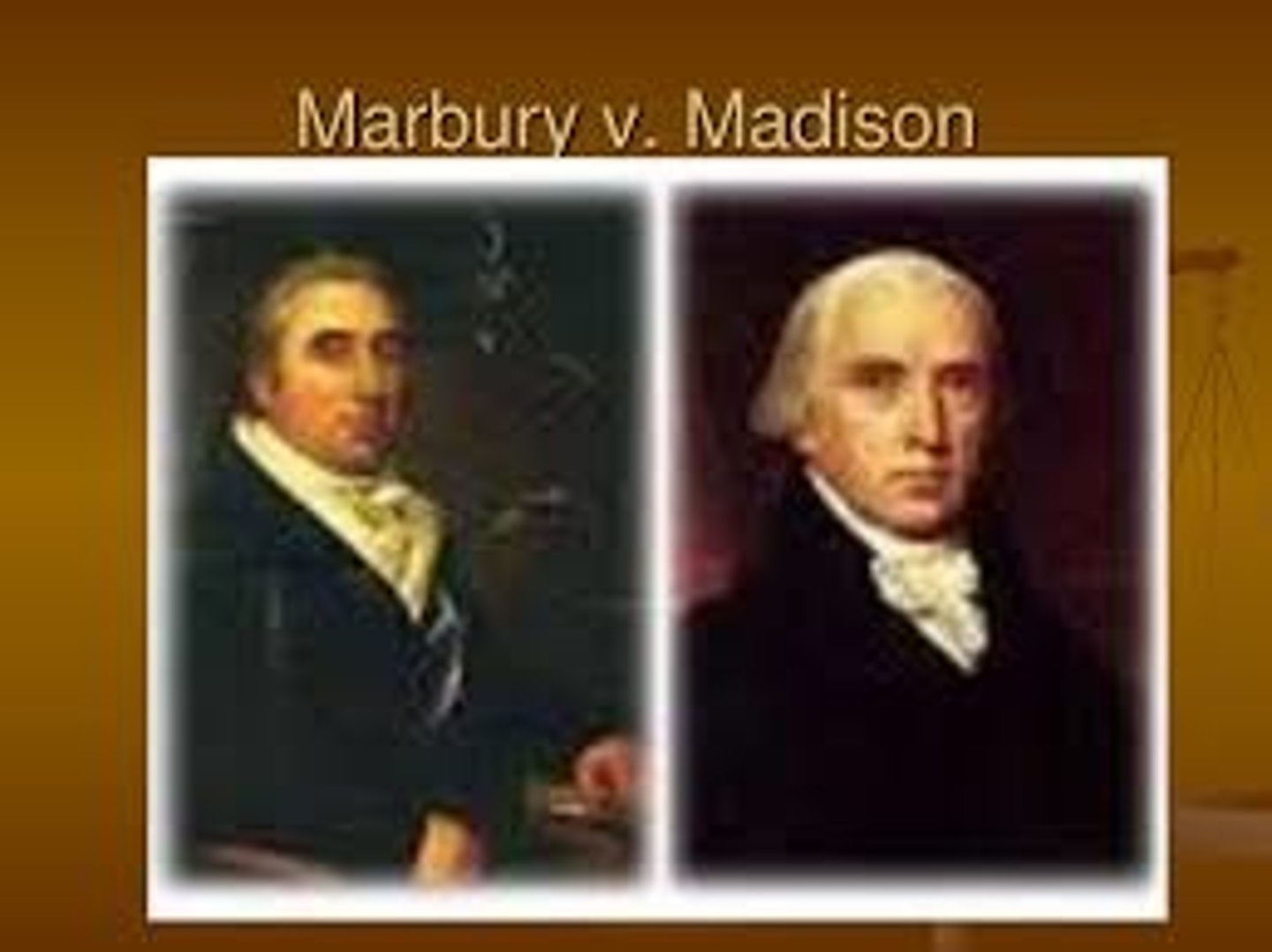
Marbury v. Madison
This case establishes the Supreme Court's power of Judicial Review
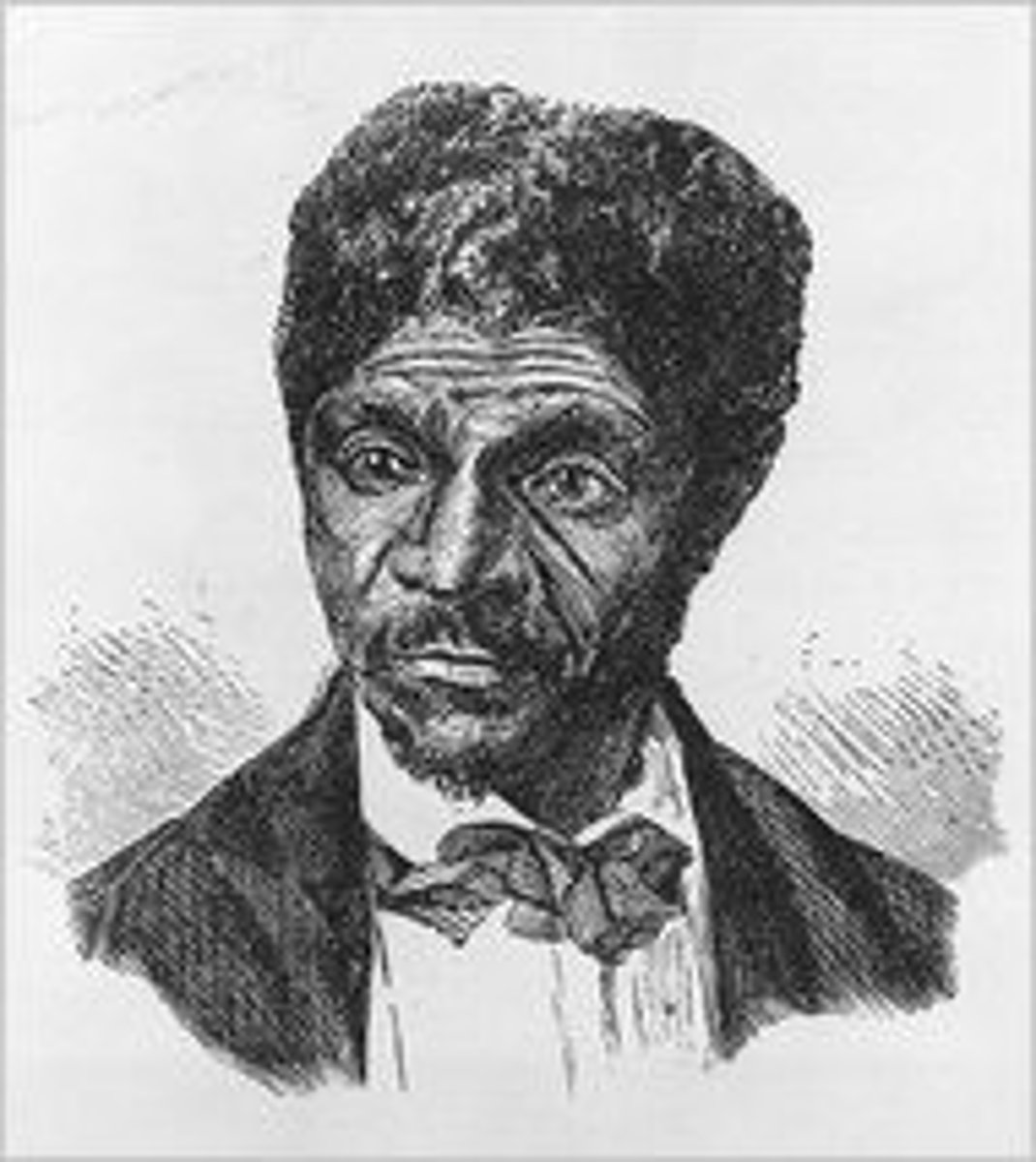
Dred Scott v. Stanford
1857 Supreme Court decision ruling that Congress did not have the power to prohibit slavery in any territory and declared that slaves, as property, were not citizens of the United States.
Cotton Gin
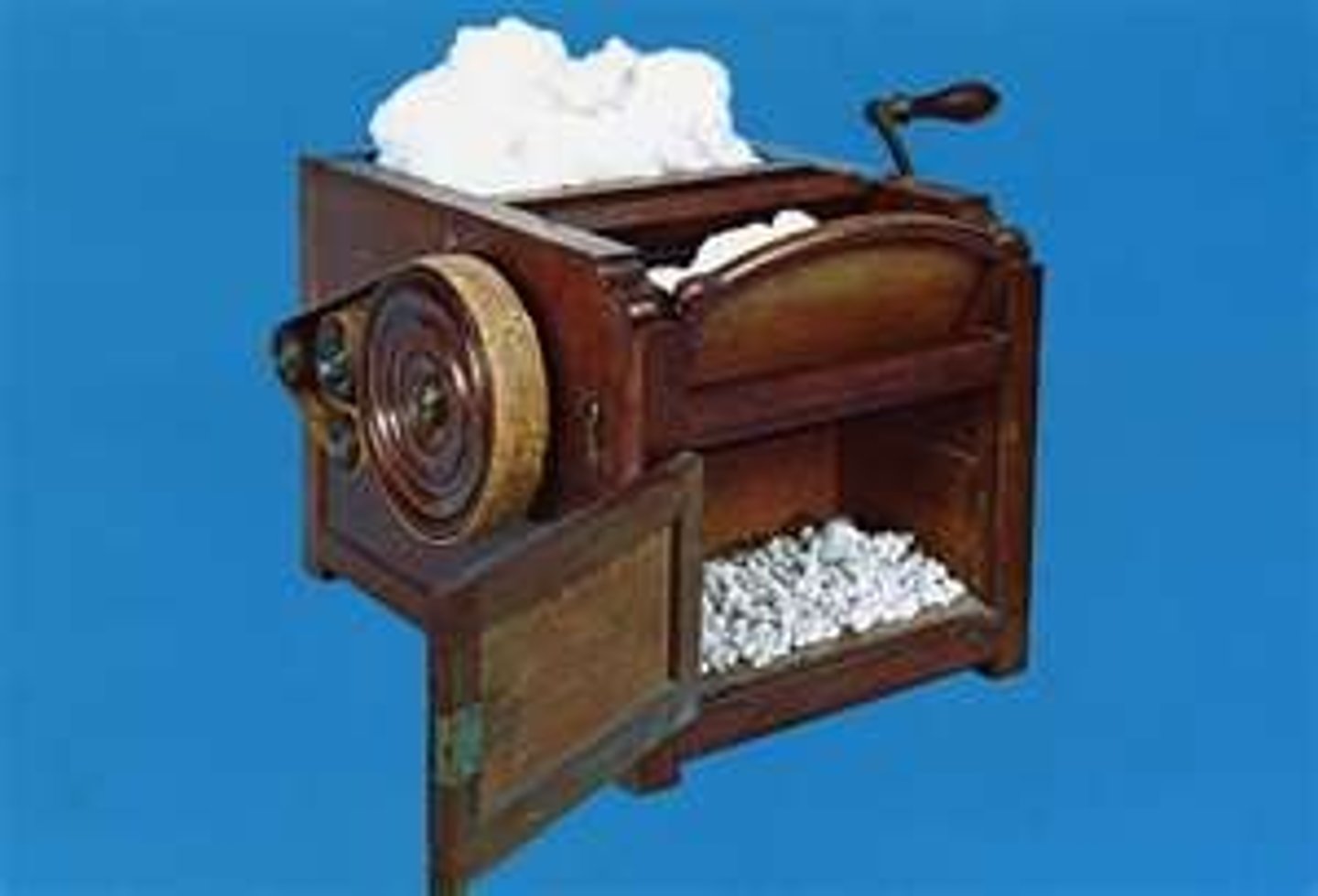
Invented by Eli Whitney in 1793. It removed seeds from cotton fibers. Now cotton could be processed quickly and cheaply. Results: more cotton is grown and more slaves are needed for more acres of cotton fields