functional groups, organelle functions, euk vs prok, endosymbiosis
 Call Kai
 Learn
Learn Practice Test
 Spaced Repetition
 Match
Match Flashcards
 Knowt Play
1/29

There's no tags or description
Looks like no tags are added yet.
Name | Mastery | Learn | Test | Matching | Spaced | Call with Kai | Chat |
|---|
No analytics yet
Send a link to your students to track their progress
30 Terms
direction of osmotic flow for HYPOTONIC solution
water will flow into the cell
direction of osmotic flow for HYPERTONIC solution
water will flow out of the cell
direction of osmotic flow for ISOTONIC solution
no net movement, same solute concentrations both inside and outside of cell.
what is the main structural difference between phospholipids and triglycerides? and what are the functions of each?
The difference between the two is that in phospholipids, one fatty acid is replaced with a polar group. Phospholipids comprise all cell membranes, and triglycerides are used to store energy.
what is steric hinderance?
refers to the slowing down or prevention of a chemical reaction due to the physical crowding of bulky atoms around a reactive site in a molecule. ex) triglycerides will never be able to form micelle in aqueous environment bc have such bulky hydrocarbon chains
are HYDROXYLS polar/non-polar/charged?
polar, uncharged.

are AMINEs polar/non-polar/charged?
polar, can be charged IF protonated

are CARBOXYLIC ACIDS polar/non-polar/charged?
polar, but can be charged if deprotonated. cooh
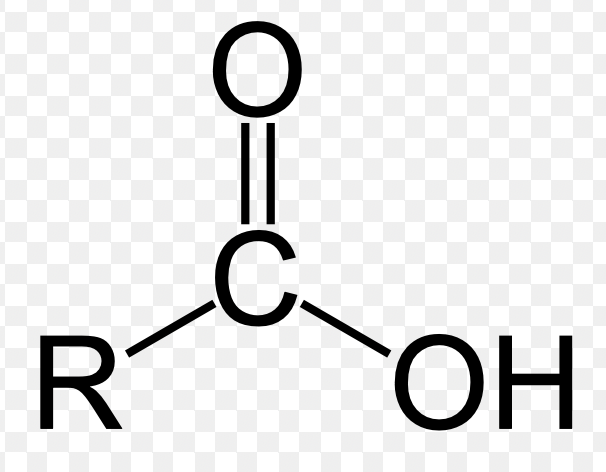
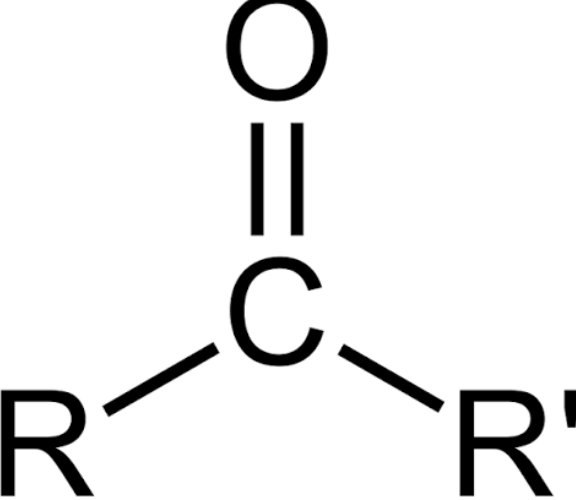
are CARBONYL functional groups polar/non-polar/charged?
polar.
are PHOSPHATES polar/non-polar/charged?
polar, usually charged

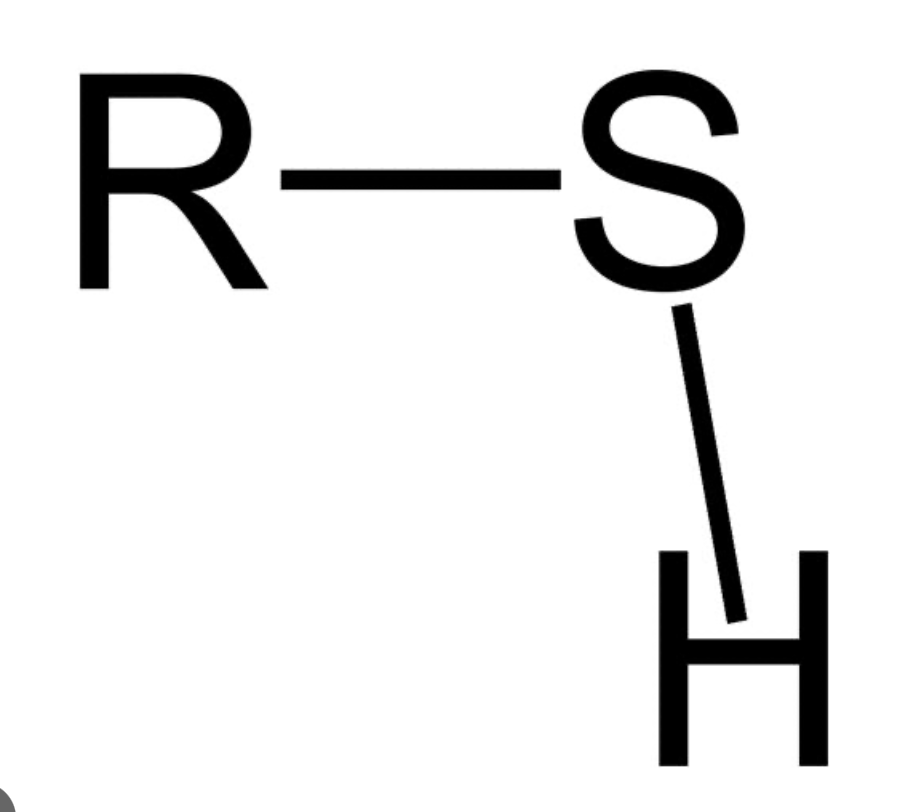
are THIOLS polar/non-polar/charged?
varies depending on who you ask..?
are methyl, ethyl, alkyl groups polar/non-polar/charged?
always nonpolar. you know what these look like
1st law of thermodynamics
energy can NOT be created or destroyed. released as heat or light or sound
2nd law of thermodynamics
any spontaneous physical or chemical process increases the total entropy (disorder) of the universe
function of the nucleus
control center of the cell that houses DNA and directs cell activity
function of the nucleolus
dense structure inside the nucleus responsible for making ribosomes
mitochondria
powerhouse of the cell. generates chemical energy in the form of ATP through cellular respiration
ribosomes
tiny structures found in all cels that build proteins
endoplasmic reticulum
network of membranes involved in making lipids (smooth ER) and processing protein (rough ER, studded with ribosomes)
golgi apparatus
organelle that modifies, sorts, and packages proteins and lipids for storage and transport
lysosomes
digestive enzymes used to break down waste, invaders, and old cell parts
peroxisomes
spherical organelles that neutralize toxic substances like hydrogen peroxide
vacuoles
storage compartments for water nutrients and waste (VERY large and central in plant cells
cytoplasm and cytosol
gel like fluid matrix and contents supporting all these organelles
cytoskeleton
network of protein fibers that give the cell it’s shape and also helps transport materials
chloroplast
sit of photosynthesis that convert sunlight into sugar. PLANT SPECIFIC organelle
cell wall
rigid outer layer that provides structural support and protein for a PLANT.
what are the similarities between eukaryotic and prokaryotic cells?
BOTH cell types have a protective lipid bilayer called a cell membrane, DNA,
ribosomes for building proteins,
and cytoplasm to serve as the jelly-like fluid filling the inside of the cell.
what are the main differences between eukaryotic and prokaryotic cells?
Prokaryotic cells do NOT have a nucleus. the DNA floats loosely in an open area called a nucleoid.
Prokaryotic cells are much smaller than eukaryotic cells.
Prokaryotic cells have NO membrane bound organelles, but eukaryotic ones do.
]Prokaryotic cells are always single-celled (ex bacteria) while eukaryotic cells can be also multicellular.
for prokaryotic cells, the DNA is usually a single, circular loop but multiple linear strands for chromosomes.
Prokaryotes reproduce asexually (binary fission) and eukaryotic cells can reproduce but asexually and sexually (mitosis and meiosis).
What is the endosymbiont hypothesis? what is some of the evidence supporting it?
It is the idea that complex eukaryotic cells evolved when smaller prokaryotic cells were engulfed by host cells and formed a permanent, mutually beneficial relationship.
evidence: mitochondria and chloroplast both have a double membrane (if u think bacteria in a vesicle),
have their own DNA,
genome is single circular chromosome,
make some of their own proteins and genomes,
and duplicated by binary fission (a process used by bacteria.)