Cont. Design Exam 1
 Call Kai
 Learn
Learn Practice Test
 Spaced Repetition
 Match
Match Flashcards
 Knowt Play
1/53

Earn XP
Description and Tags
Genuinely doing tricks on it fuck my chungus life
Name | Mastery | Learn | Test | Matching | Spaced | Call with Kai | Chat |
|---|
No analytics yet
Send a link to your students to track their progress
54 Terms
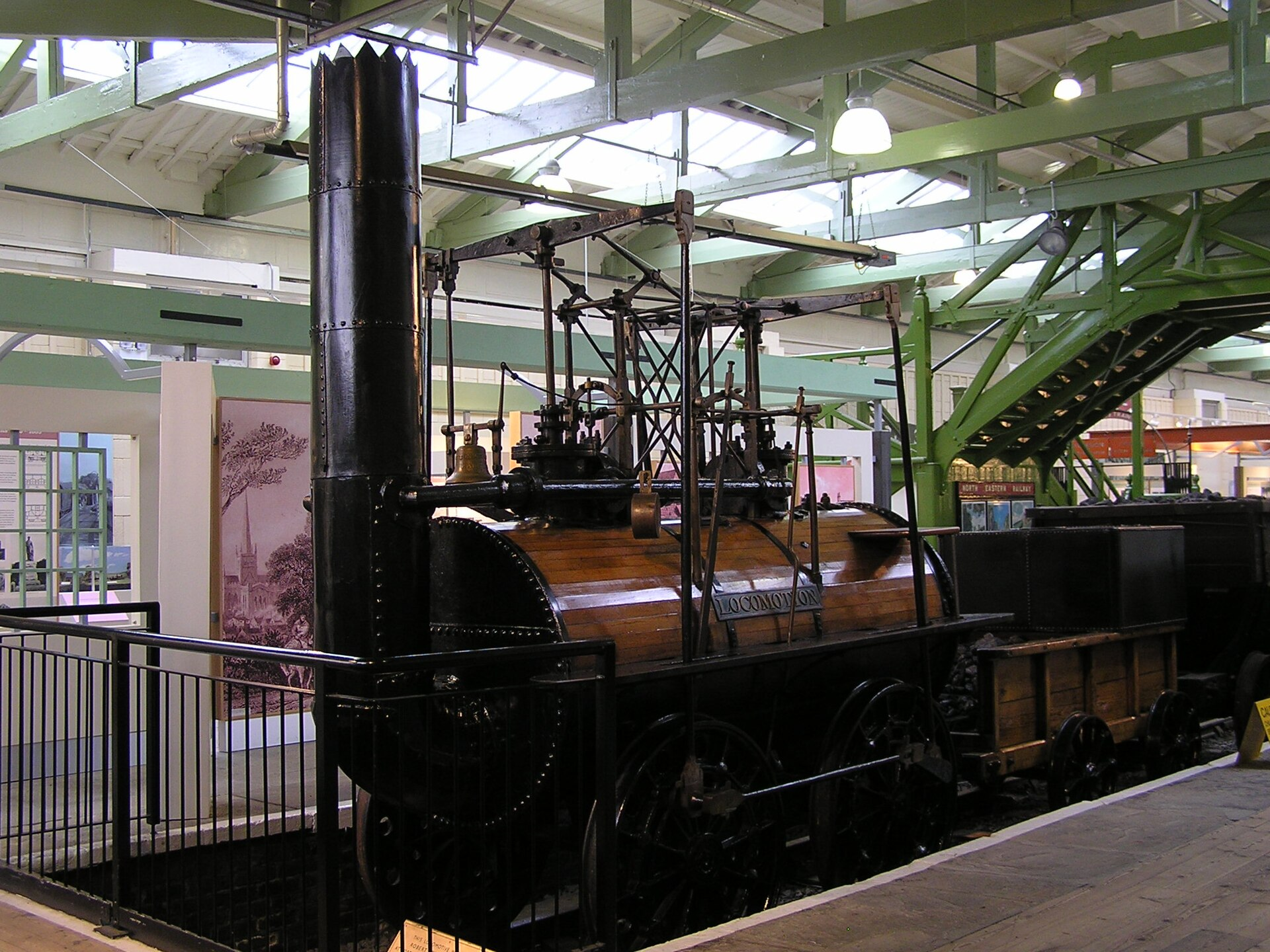
George and Robert Stephenson, “Locomotion No. 1”
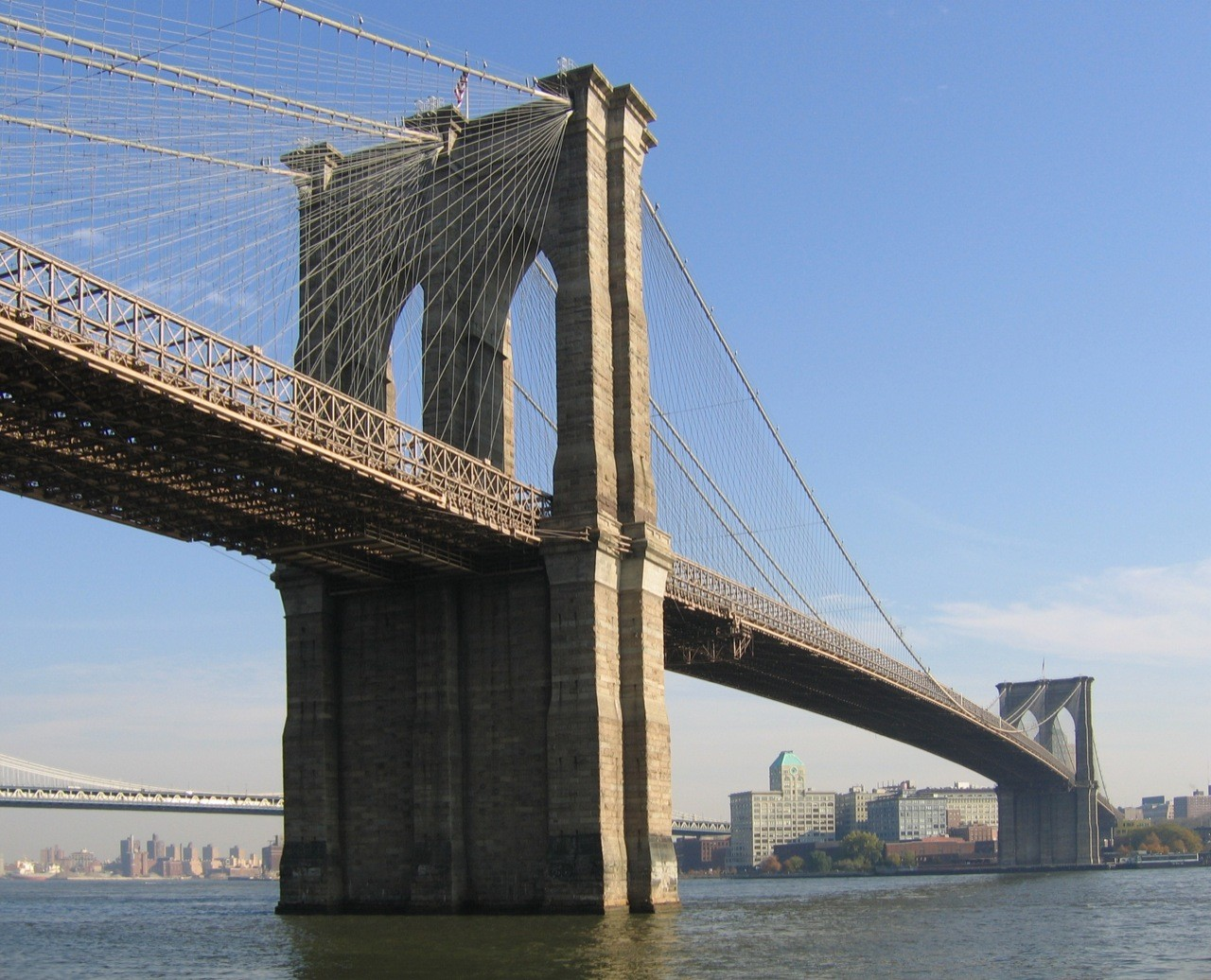
John Augustus Roebling, “Brooklyn Bridge,” New York
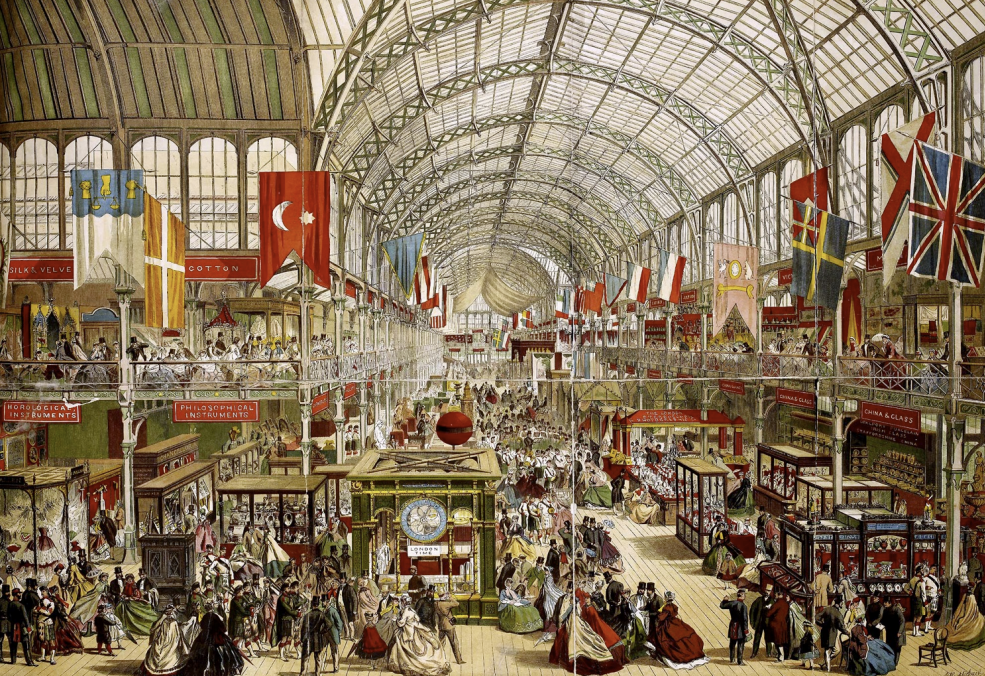
Joseph Paxton, “The Crystal Palace,” for the 1851 Great Exhibition, London

Gustave Eiffel, “Tower for the 1889 Paris Universal Exposition
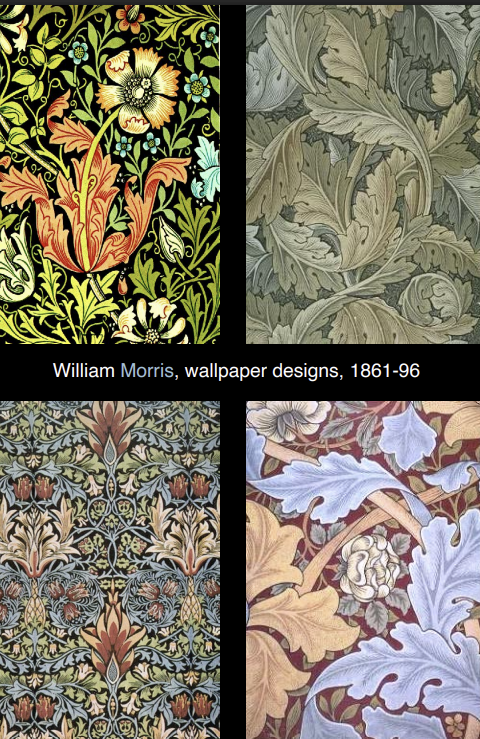
William Morris wallpaper designs

Louis Comfort Tiffany, “Laburnum Lamp”
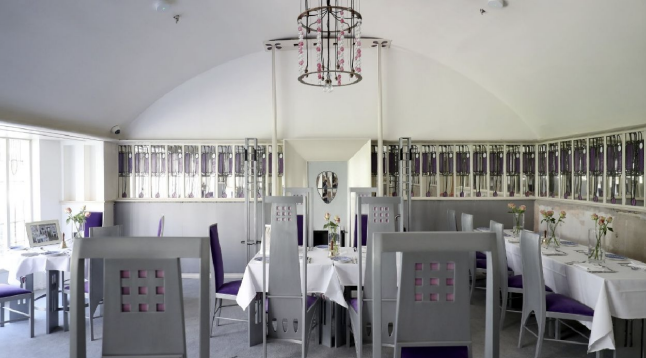
Charles Rennie Mackintosh, “Willow Tea Room Window”

Aubrey Beardsley, "The Peacock Skirt” (illustration for Oscar Wilde's play Salomé)
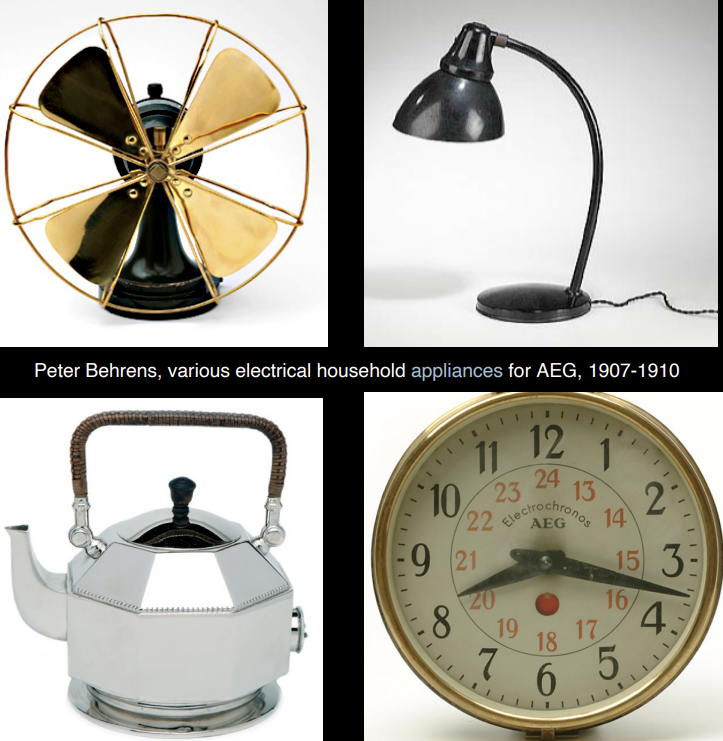
Peter Behrens, “Electrical Household Appliances for AEG”

Giacomo Balla, “Futurist Suit”

F. T. Marinetti, “Zang Tumb Tumb
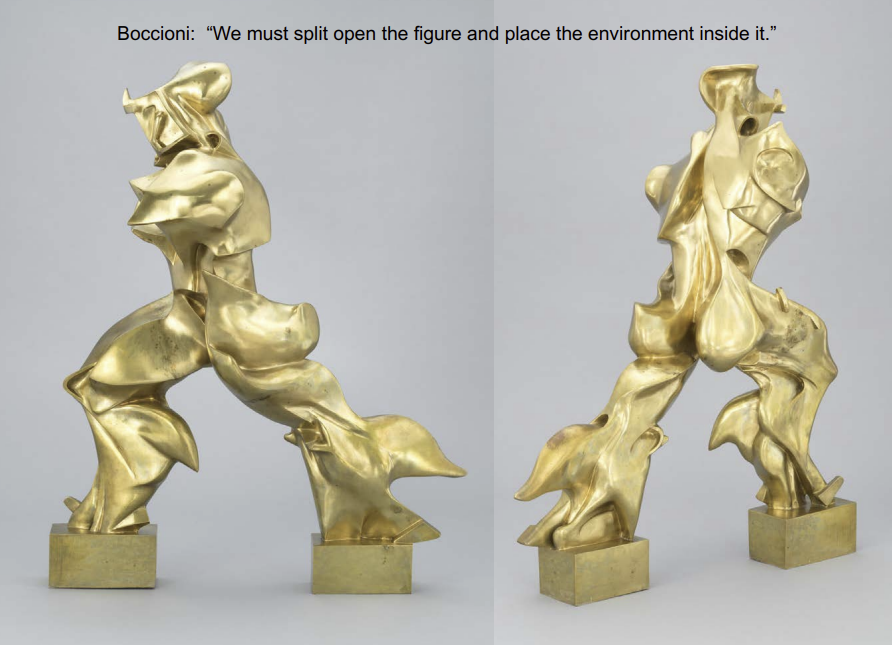
Umberto Boccioni, “Unique Forms of Continuity in Space”

Frank Lloyd Wright, stained glass window design for “Ward Willits House”

Piet Mondrian, “Tableau No. 1”

Theo van Doesburg, “Counter Construction”
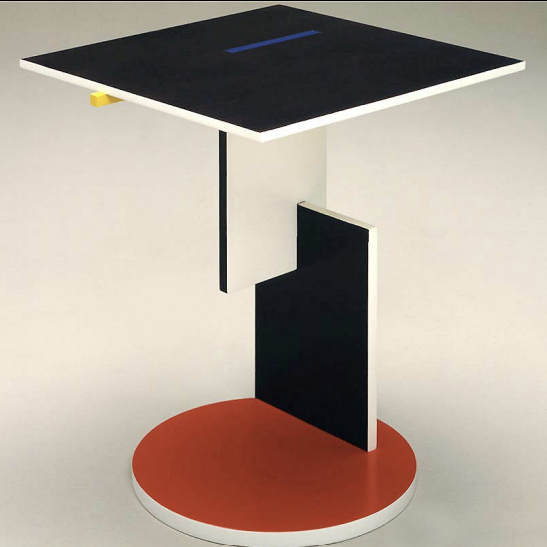
Gerrit Rietveld, “Red-Blue Chair”

Alexander Rodchenko, “LENGIZ: Books in All Branches of Knowledge”

Varvara Stepanova, “Design for Sportswear”
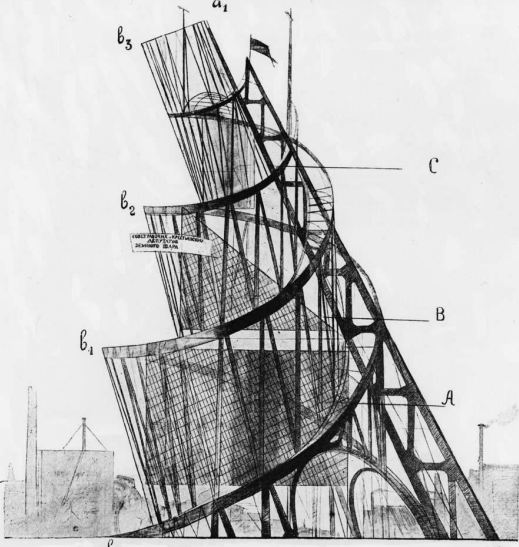
Vladimir Tatlin, “Monument to the Third International”

Joost Schmidt, “Bauhaus Exhibition Poster”

Marcel Breuer, “Nesting Tables”

Mies van der Rohe, “Bent Metal Chair”
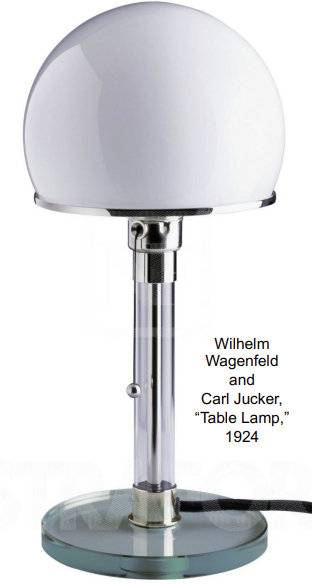
Wilhelm Wagenfeld and Carl Jucker, “Table Lamp”

Anni Albers, “Wall Hanging”
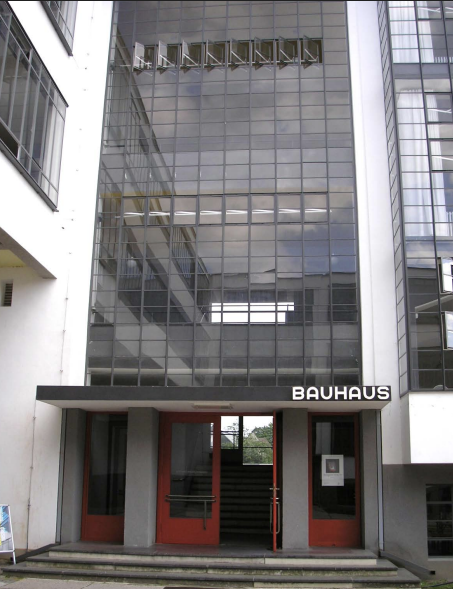
Walter Gropius, “The Bauhaus,” Dessau, GERMANY
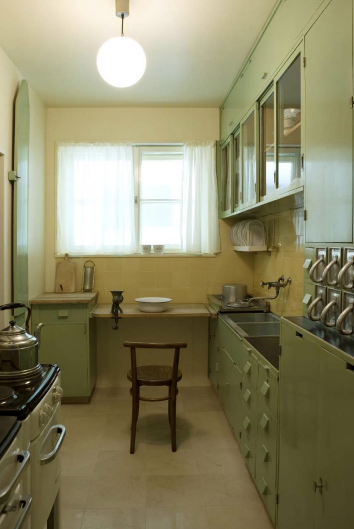
Margarete Schütte-Lihotzky, “The Frankfurt Kitchen”
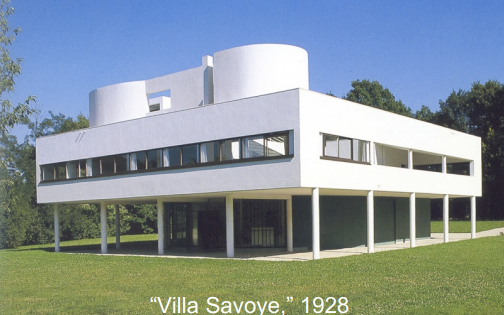
Le Corbusier, “Villa Savoye”

Le Corbusier, “Chaise Longue”

Alvar Aalto, “Savoy Vase”
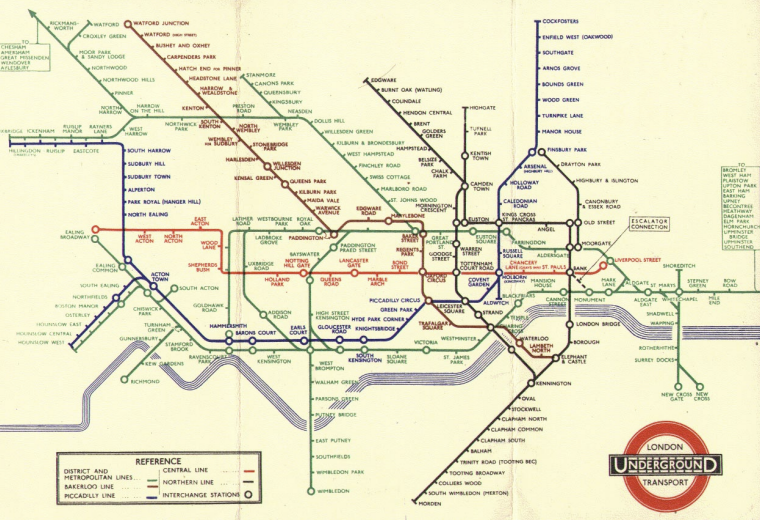
Harry Beck, “London Underground Map”

Wells Coates, “AD 65 EKCO Radio
The major difference between the Futurists and the Arts and Crafts Movement with regards to their attitude towards industrialization was . . .
their embrace towards industrialization. Futurists embraced technological innovation, while Arts and Crafts were concerned that having factory workers would take away the “joy of making".”
The main design idea of Peter Behrens and his work with the Allegemeine Elektrizitats Gesellschaft (AEG) was:
to create a strong visual identity for the company with clean lines.
The Modernist design aesthetic can be explained as
characterized by clean and geometric forms. There wasn’t much use of color, and if applied it was usually in an abstract way.
The design goals of the “De Stijl” and “Constructivist” art & design movements were . . .
De Stijil designers wanted to explore different designs, looking for a modern and unified aesthetic.
Constructivists wanted designs that could be mass produced and help society.
Explain the shifts in "production," "living" and "time & space" that arose because of the Industrial Revolution.
Production - hand-made to machine made
Living - large plots of land to being in a cramped city
time and space - introducing workweek/weekend, timezones, 9-5
Compare OR contrast the 1889 World Exposition's Eiffel Tower with the 1925 World Exposition's Crystal Tower
in terms of: SIZE, MATERIALS, and SYMBOLISM.
size - Eiffel tower = massive
crystal tower : not as big
materials - Eiffel tower = steel
crystal tower = glass
symbolism - Eiffel tower = france is the best at manufacturing
crystal tower = france is best art design and decorative arts
Explain three characteristics that make Giacomo Ball's "Futurist Suit" a Futurist design.
- clean lines
- new and exiting
-bold colors
What EXACTLY is photography? AND: What was the difference in attitude towards photography between 19th
century and 20th century artists/designers?
Creating images by capturing light with a camera
19th century - used as a referene to create artworks, photos were taken to look like paintings
20th century- considered an separate art form, play with ligth and shadows
Explain the difference(s) between "modern," "modernization," and "Modernism."
modern = relating to the present times
modernization = the process of adapting something to modern needs
modernism= art movement created in the late 1900's to mid 20th century that had a focus on moving away from the past, usually artwork uses some form of abstraction.
Explain THREE characteristics that make Gerrit Rietveld's "Schroeder Light" a Modernist design.
- clean, straight lines
- geometric shapes
- no extra decoration
Explain THREE characteristics that make Harry Beck's "London Underground Map" a Modernist design.
- straight lines/ simple colors
- geometric design
- clean honest directions
LIST and EXPLAIN three examples from Charlie Chaplin's "Modern Times" (1936) that indicate his critical stance towards Industrialization.
-feeding machine
- workers only care about working (get oil in eye and immediately go back to working)
- boss relaxes while employees work
LIST and EXPLAIN three examples from Jacques Tati's "Mon Oncle [My Uncle]" (1958) that indicate his critical stance towards Modernism.
-everyone operates like a machine
-everything must be kept clean
- appliances and furniture impractical