Bennett Biology - Water Properties
 Call Kai
 Learn
Learn Practice Test
 Spaced Repetition
 Match
Match Flashcards
1/18

There's no tags or description
Looks like no tags are added yet.
Name | Mastery | Learn | Test | Matching | Spaced | Call with Kai | Chat |
|---|
No analytics yet
Send a link to your students to track their progress
19 Terms
polar
Has an uneven sharing of electrons resulting in a positive and negatively charged end. In water the oxygen end is negatively charged and the hydrogen end is positively charged.
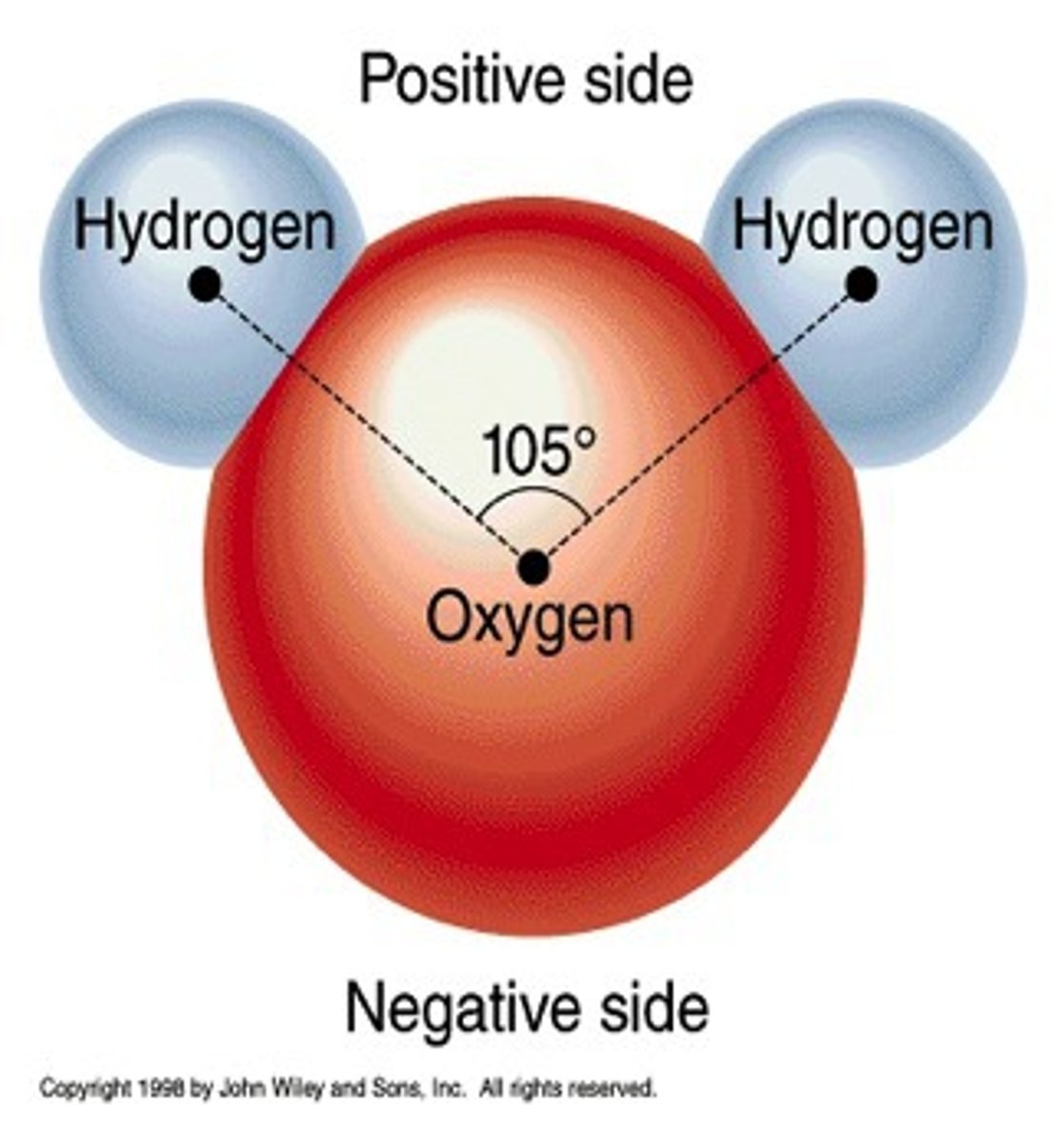
H2O
the formula for water
Hydrogen bonds
Weak bonds which connect water molecules together. These bonds are evenly broken allowing it to easily mix.
cohesion
water being attracted and sticking to other water molecules, like a magnet

adhesion
water being attracted or sticking to other particles, for example, water on an umbrella or the car window
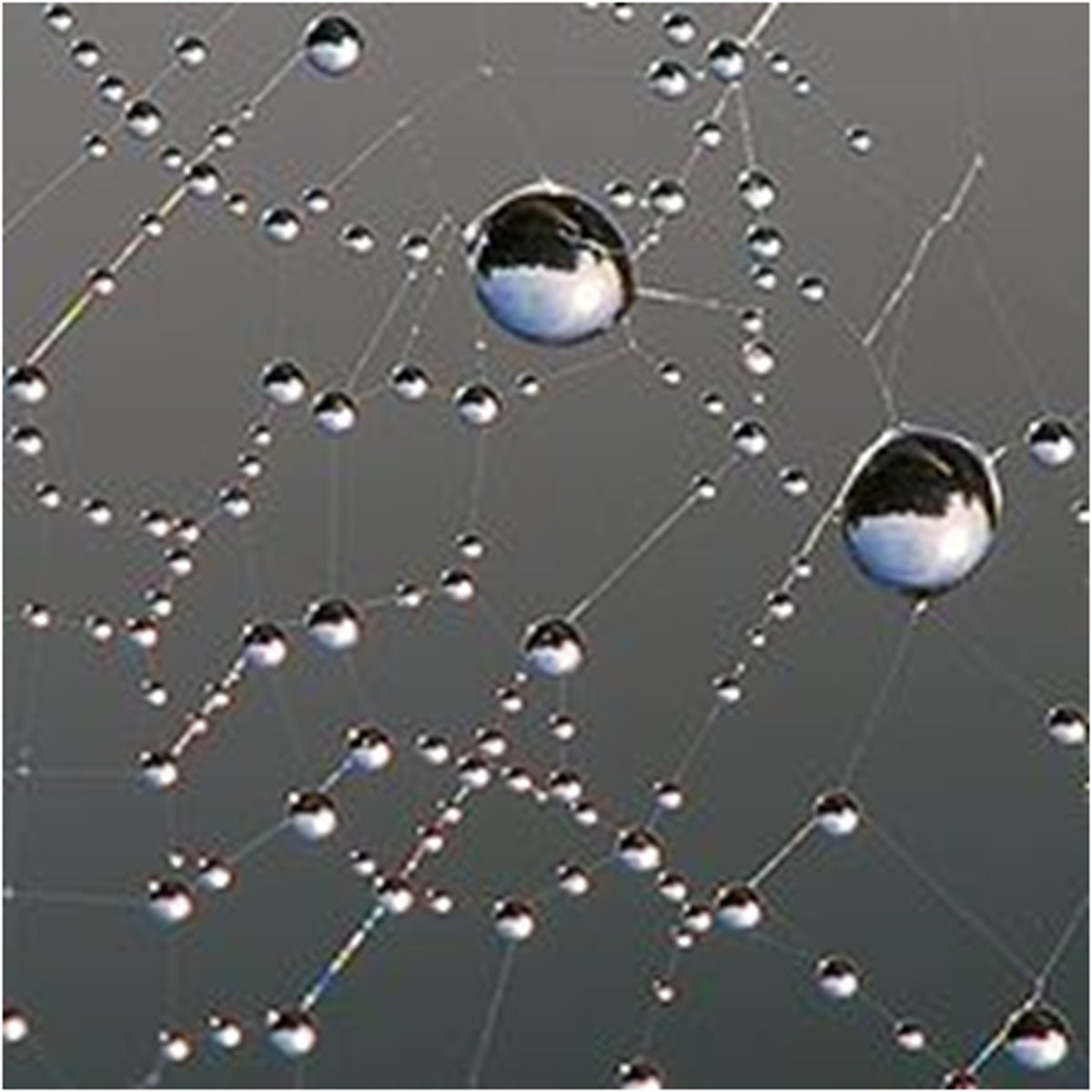
capillary action
combined force of cohesion and adhesion; allows water to get into the pores of a paper towel and move up, against gravity
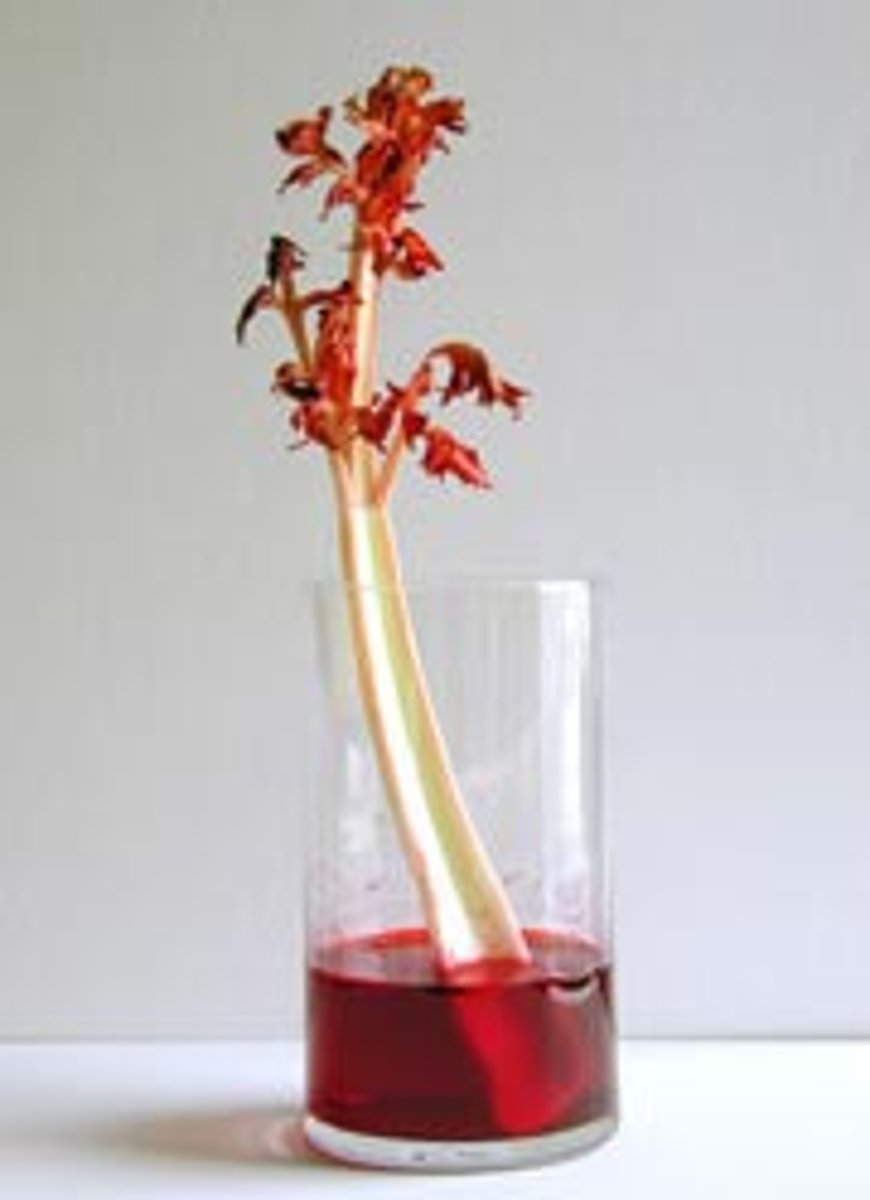
surface tension
the tightness on the top layer of water due to cohesion
universal solvent
water's polarity makes it the ideal liquid to dissolve many polar substances
solvent
a liquid that can dissolve a solute, ex: water
solute
a substance that can dissolve in liquid, ex: salt
solution
a mixture that is formed with a solute dissolves in a solvent, ex: salt water
molecule
a material made when atoms join together
atom
the smallest part of an element
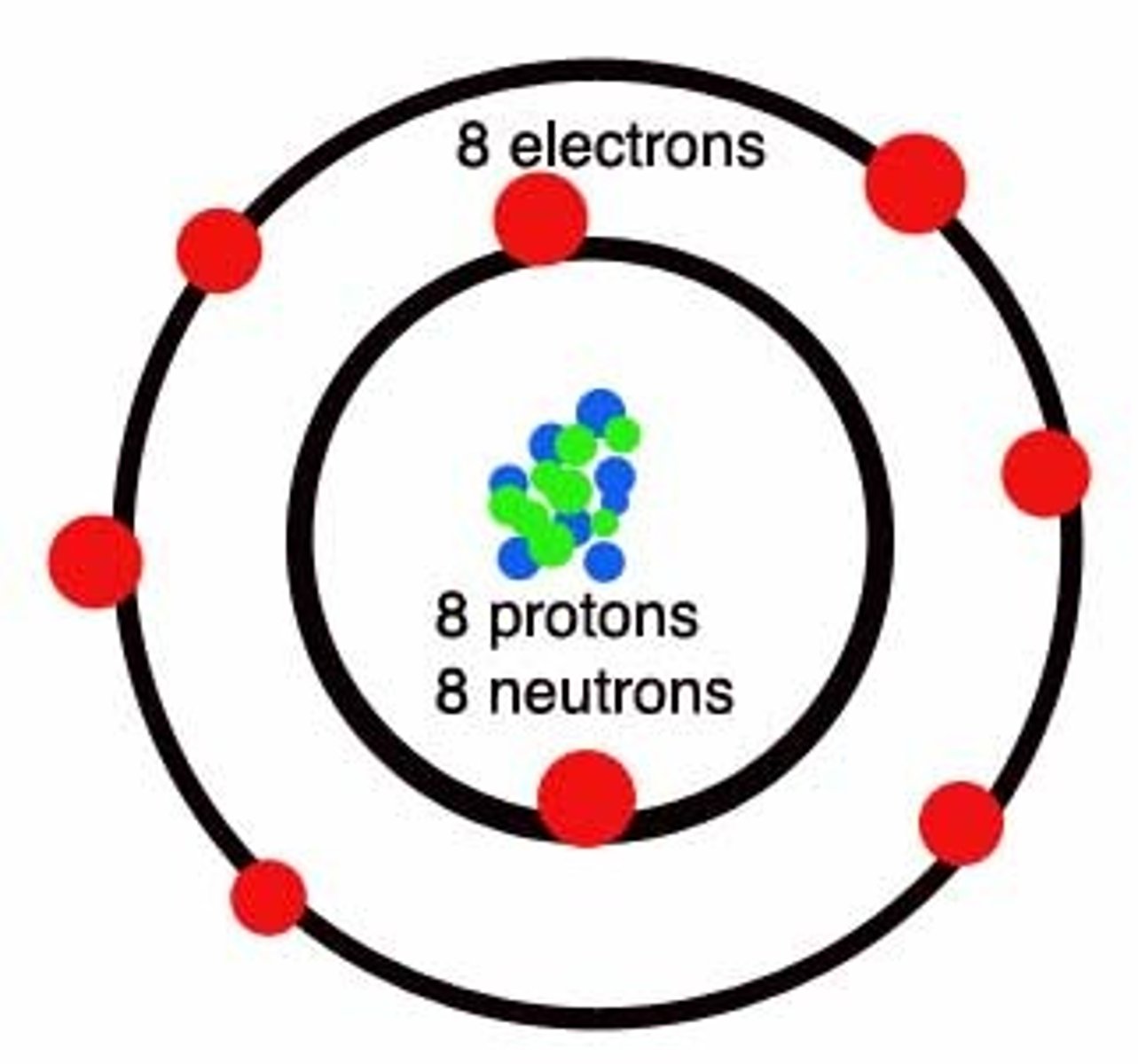
hydrophilic
having a tendency to mix with, dissolve in, or be wetted by water. (polar molecules)
hydrophobic
tending to repel or fail to mix with water. (nonpolar molecules)
acid
A solution which has a pH lower then 7. Contains a large amount of H+ ions
base
A solution which has a pH higher then 7. Contains a smaller amount of H+ ions, and more OH- ions.
neutral
Meaning the solution contains the same amount of H+ and OH- ions. ex) Pure Water
pH scale
Measurement system used to indicate the concentration of hydrogen ions (H+) in solution; ranges from 0 to 14