Bennett Biology - Genetics
 Call Kai
 Learn
Learn Practice Test
 Spaced Repetition
 Match
Match Flashcards
1/34

There's no tags or description
Looks like no tags are added yet.
Name | Mastery | Learn | Test | Matching | Spaced | Call with Kai | Chat |
|---|
No analytics yet
Send a link to your students to track their progress
35 Terms
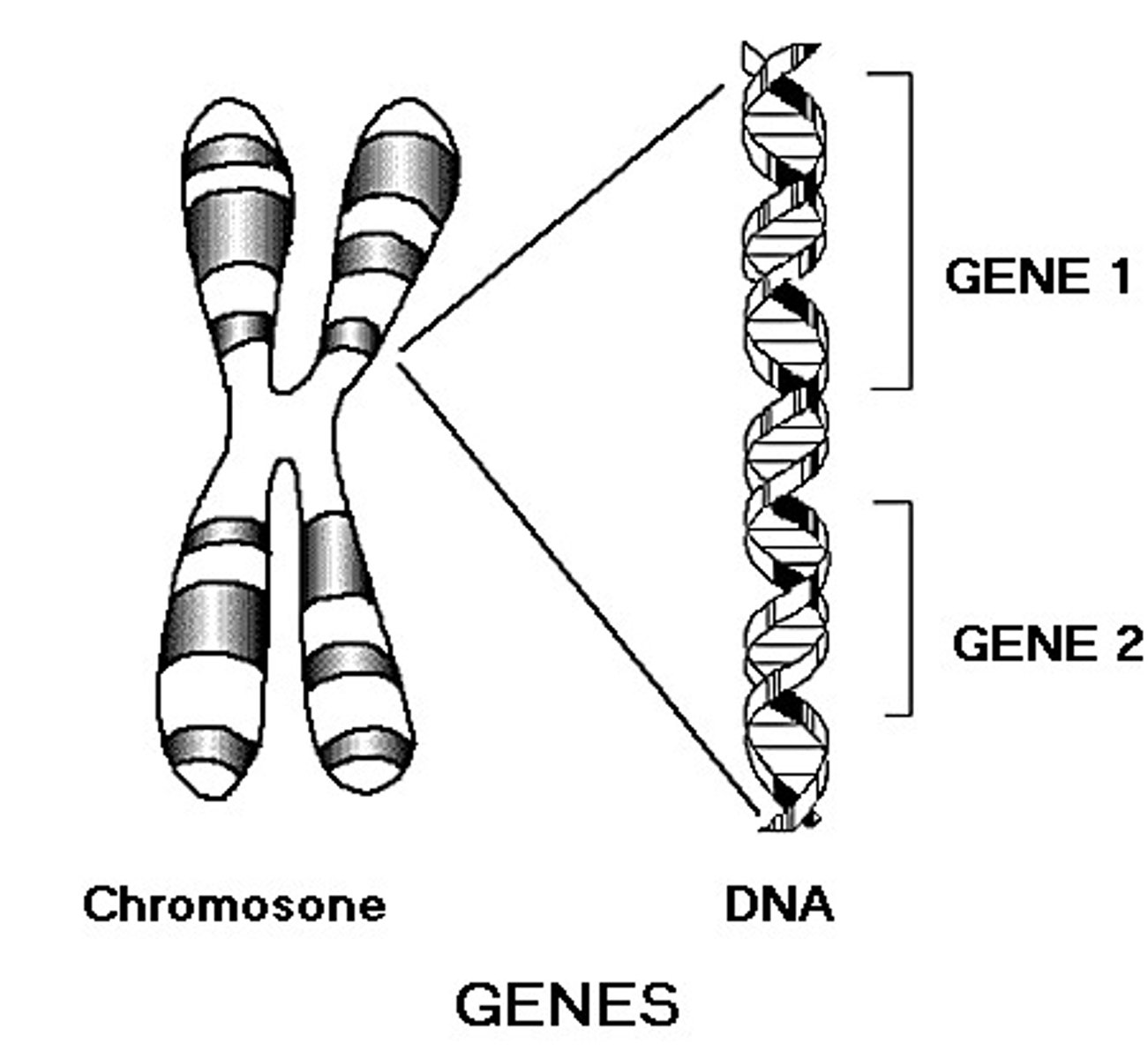
gene
Section of DNA on a chromosome that codes for a protein.
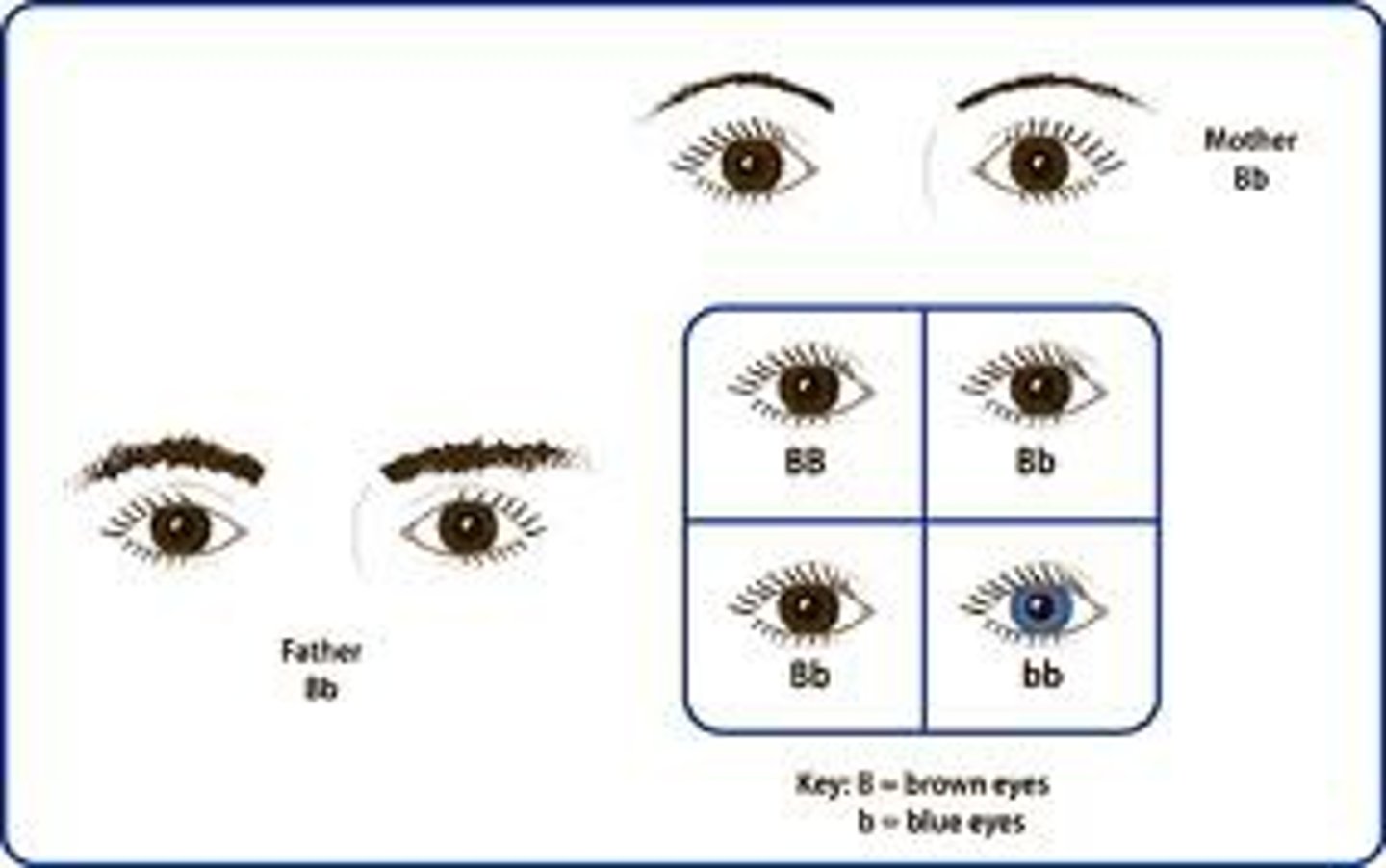
alleles
One version of a gene. You have one on a chromosome from Mom, the other on the chromosome from Dad. They are represented by capital or lower case letters.
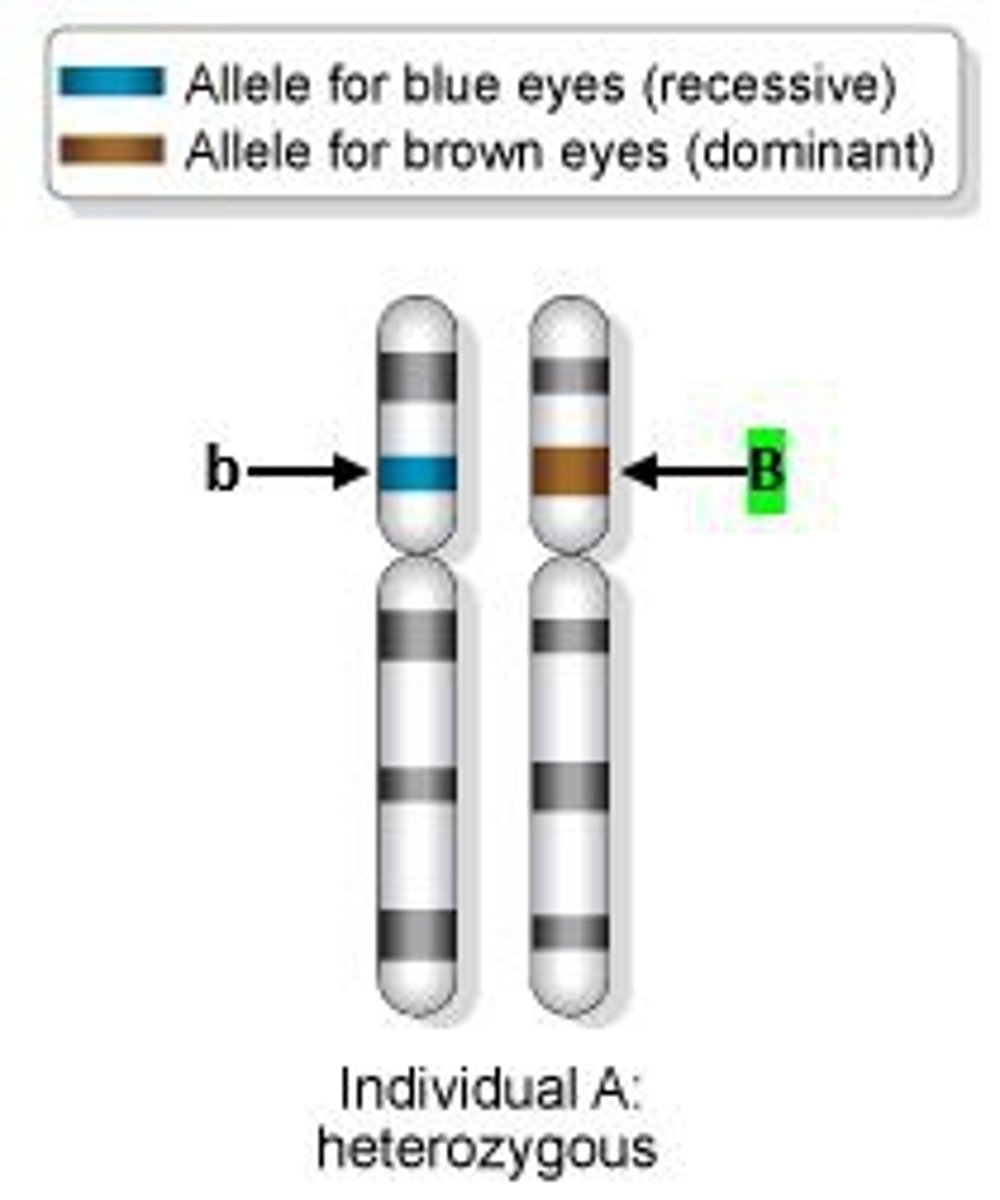
dominant allele
A version of a gene where you only need one copy in order to express that trait. Represented by a capital letter.
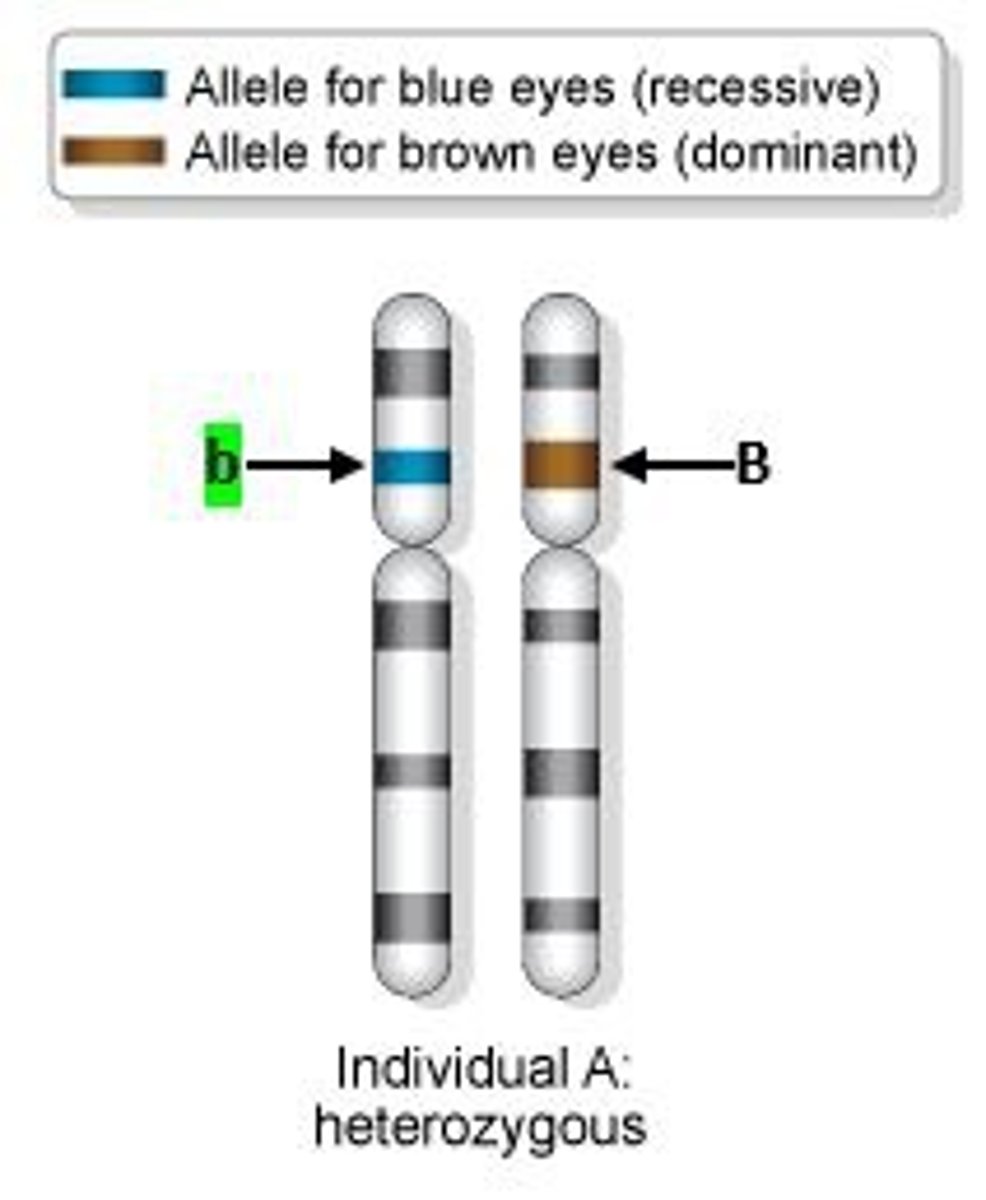
recessive allele
A version of a gene that is not expressed if paired with a different type of allele. Represented by a lowercase letter.
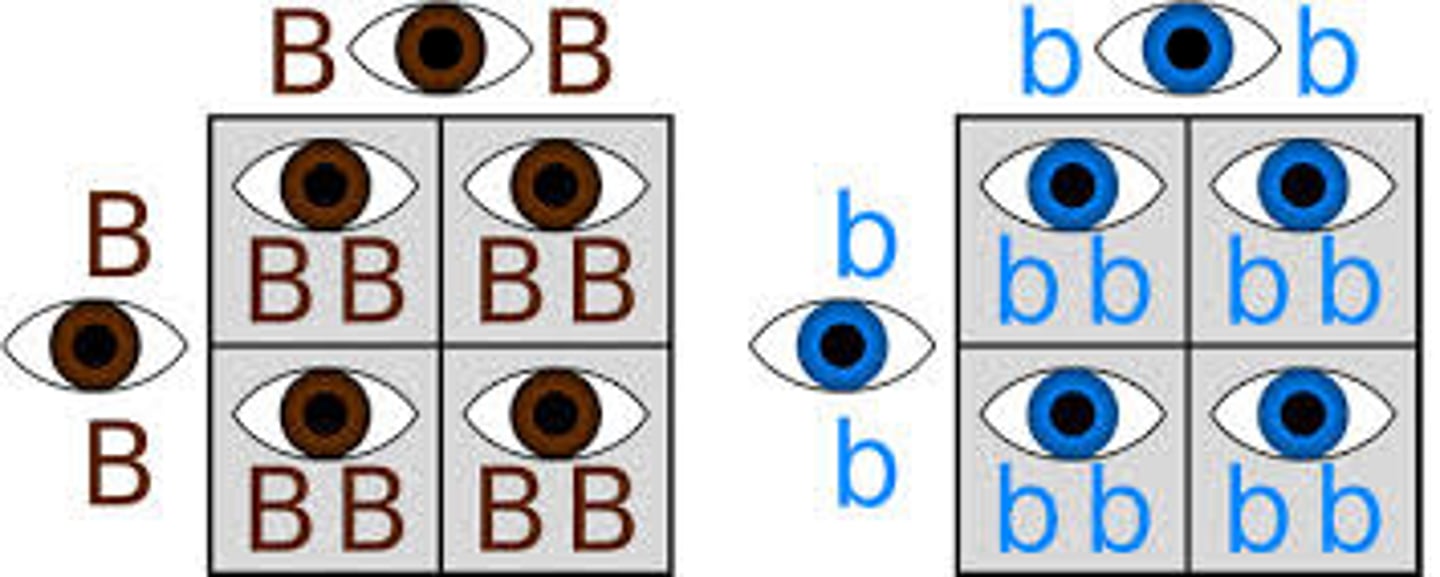
homozygous
Two of the same alleles. If it is two upper case, the trait is dominant, if it is two lower case, the trait is recessive; (RR/rr)
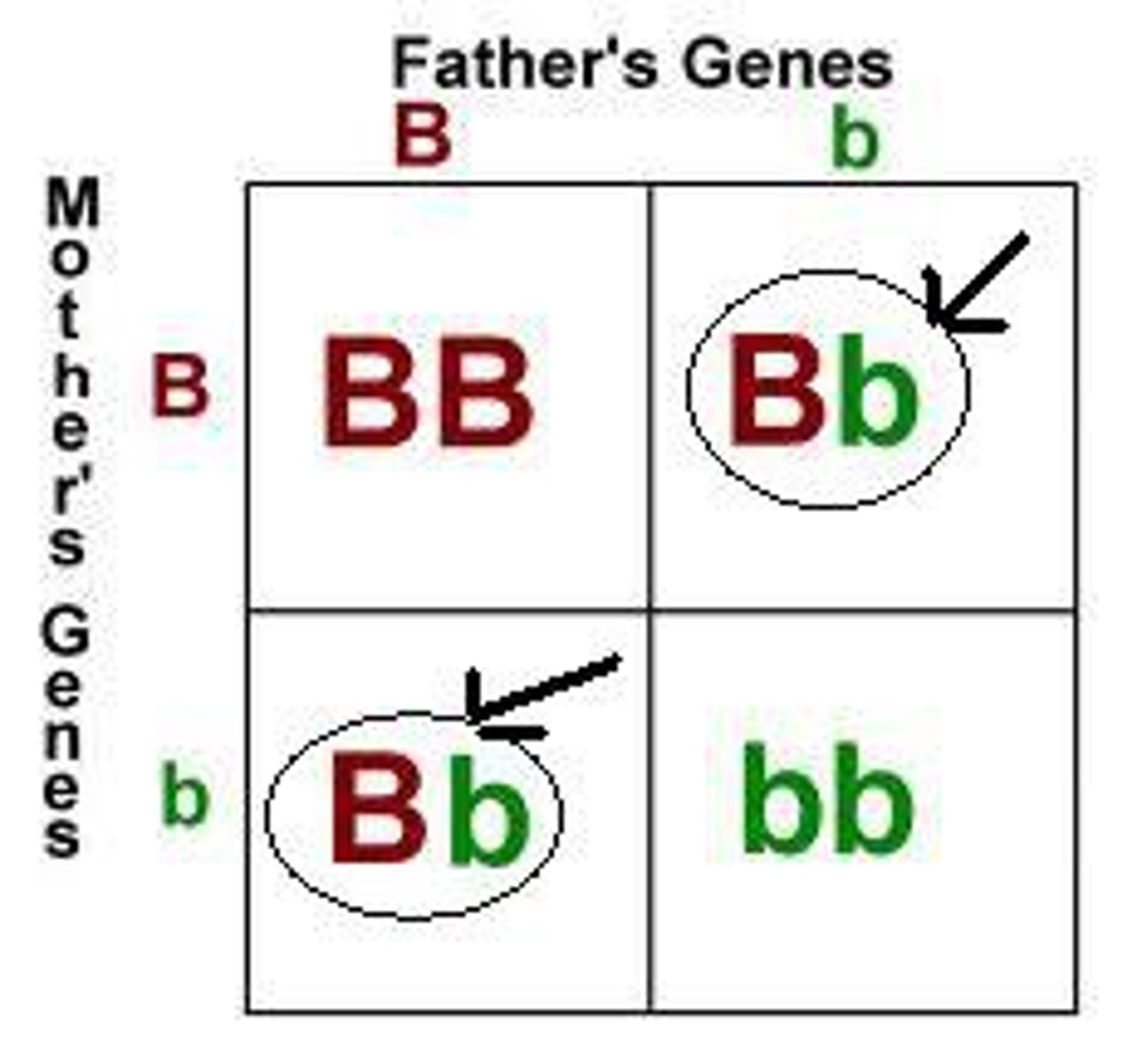
heterozygous
A genotype with two different alleles. One capital next to a lower letter; the capital is dominant and is next to a recessive allele; (Rr).
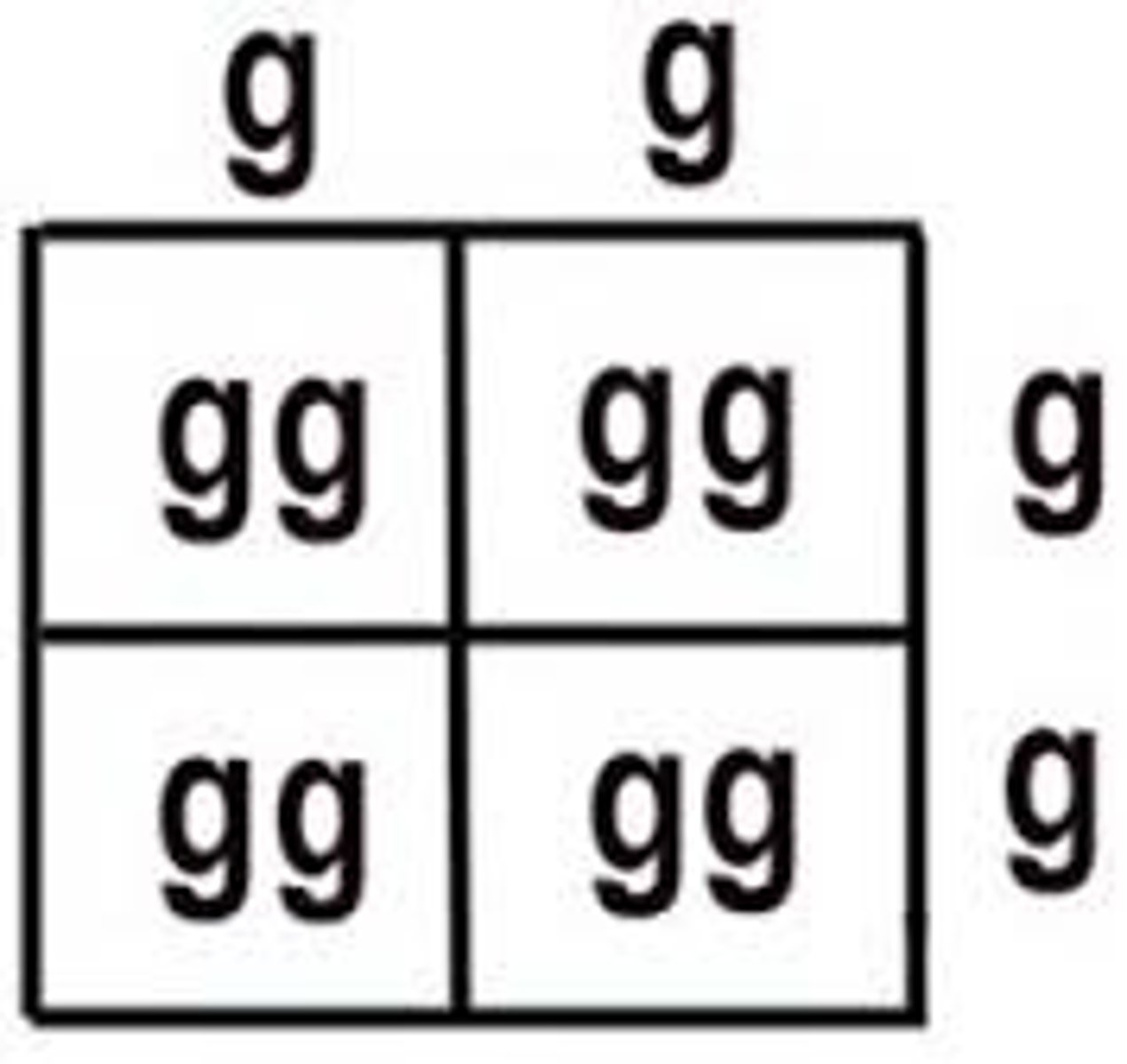
homozygous recessive
Two copies of the recessive allele make up the genotype. When there are two lower case letters together.
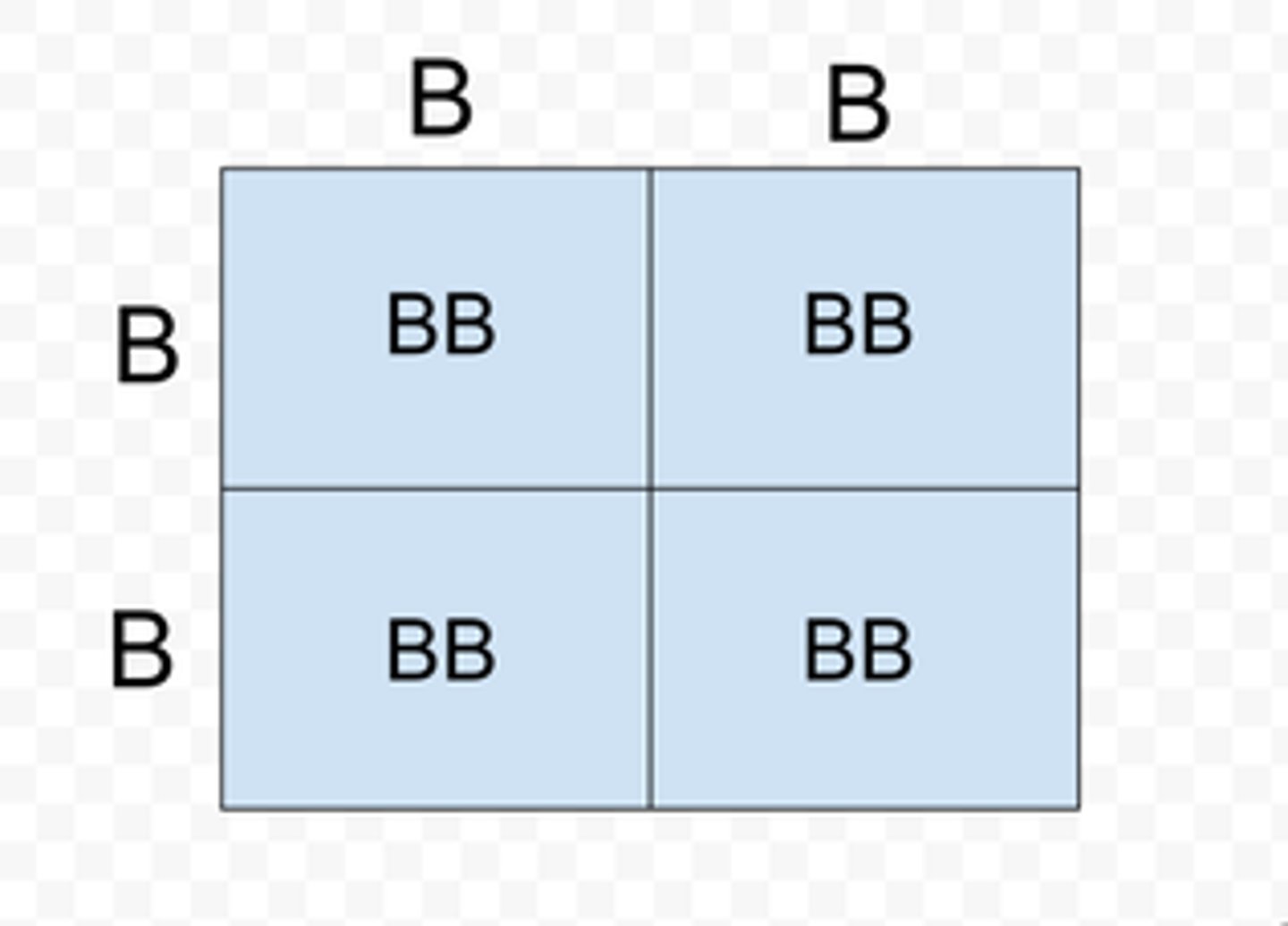
homozygous dominant
Two copies of the dominant allele makes up the genotype. There are two upper case letters.
genotype
The genetic makeup; the alleles a person has.
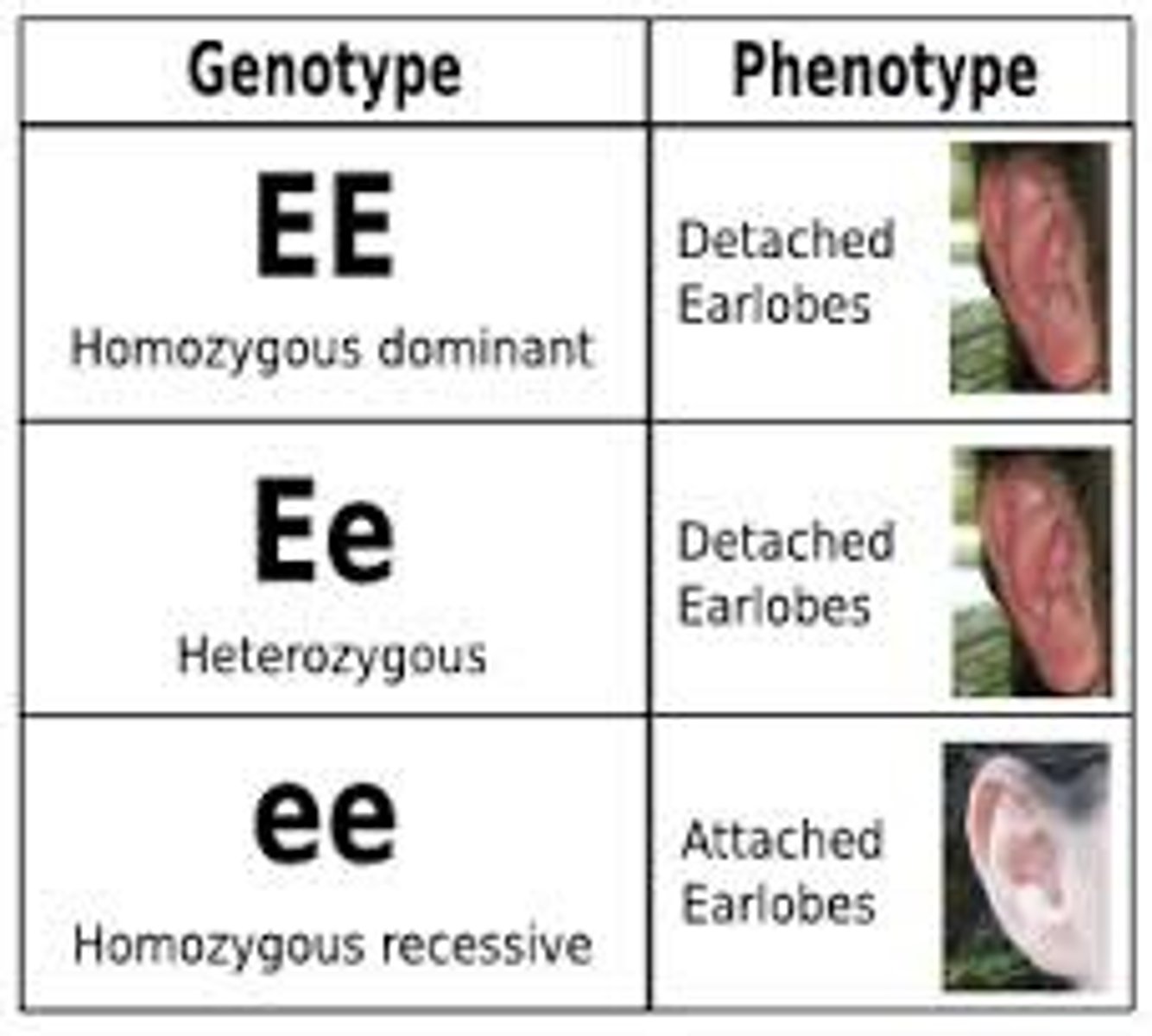
phenotype
How the genotype is expressed in the individual.
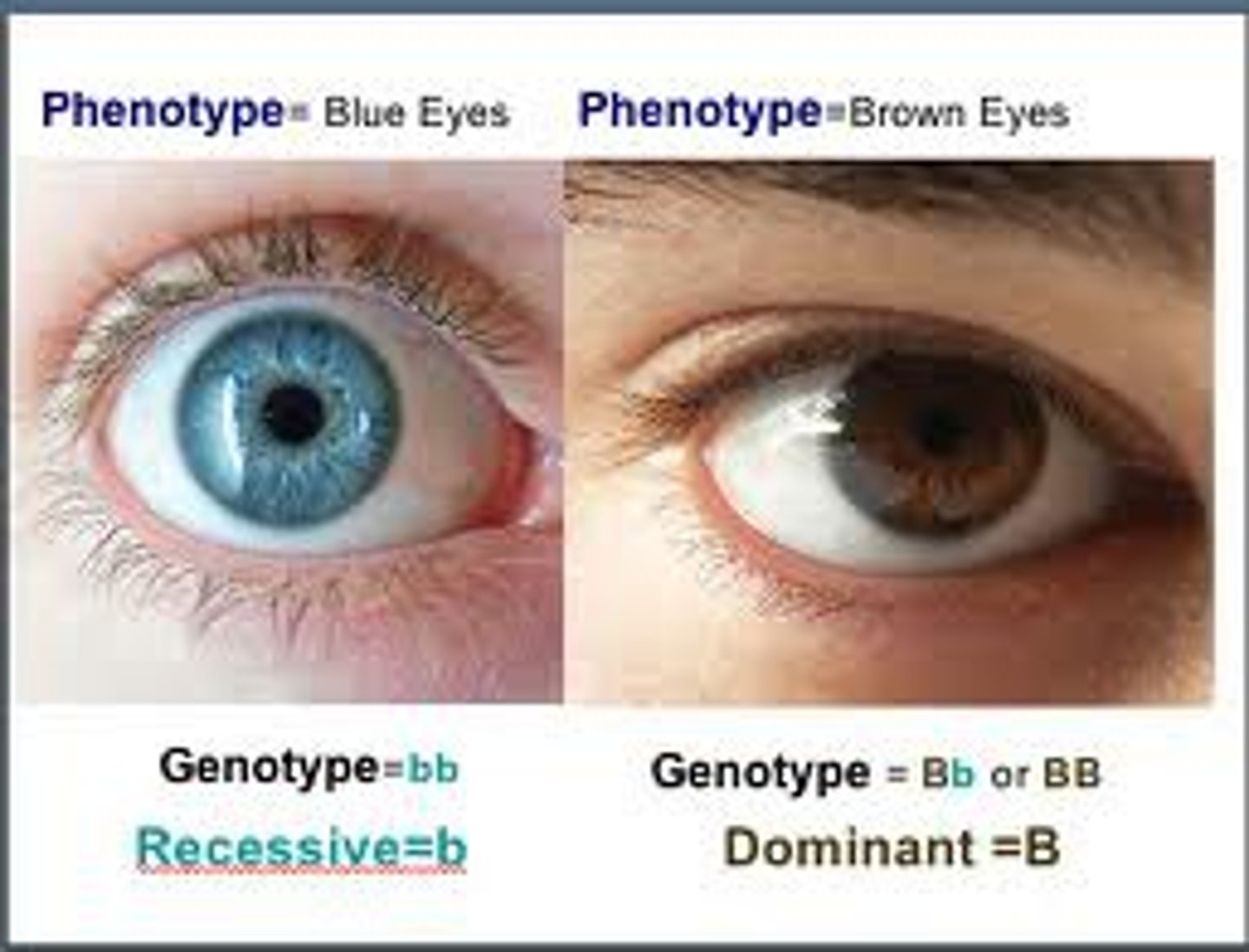
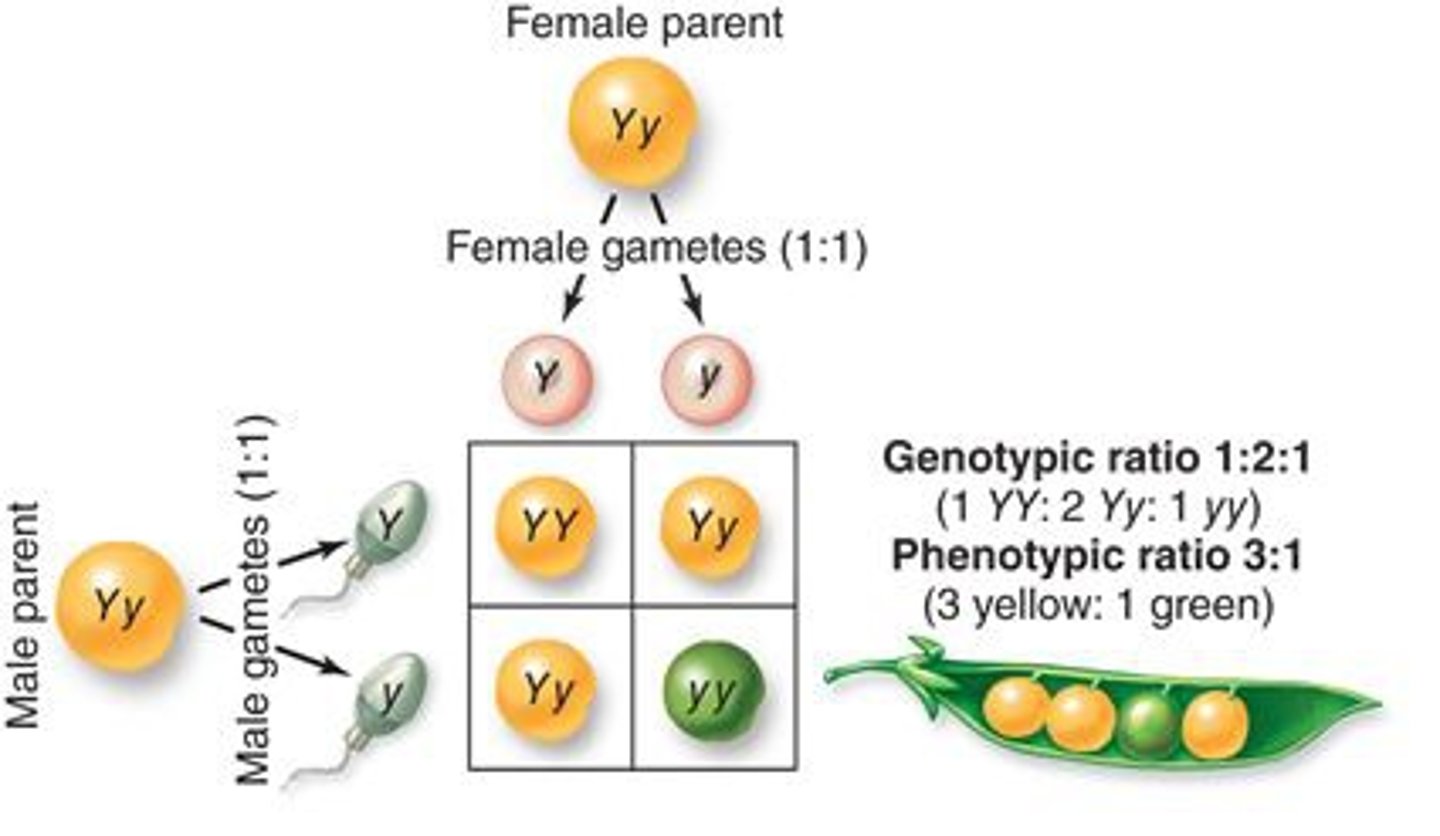
Punnett square
A tool that is used to determine the likelihood of offspring traits.
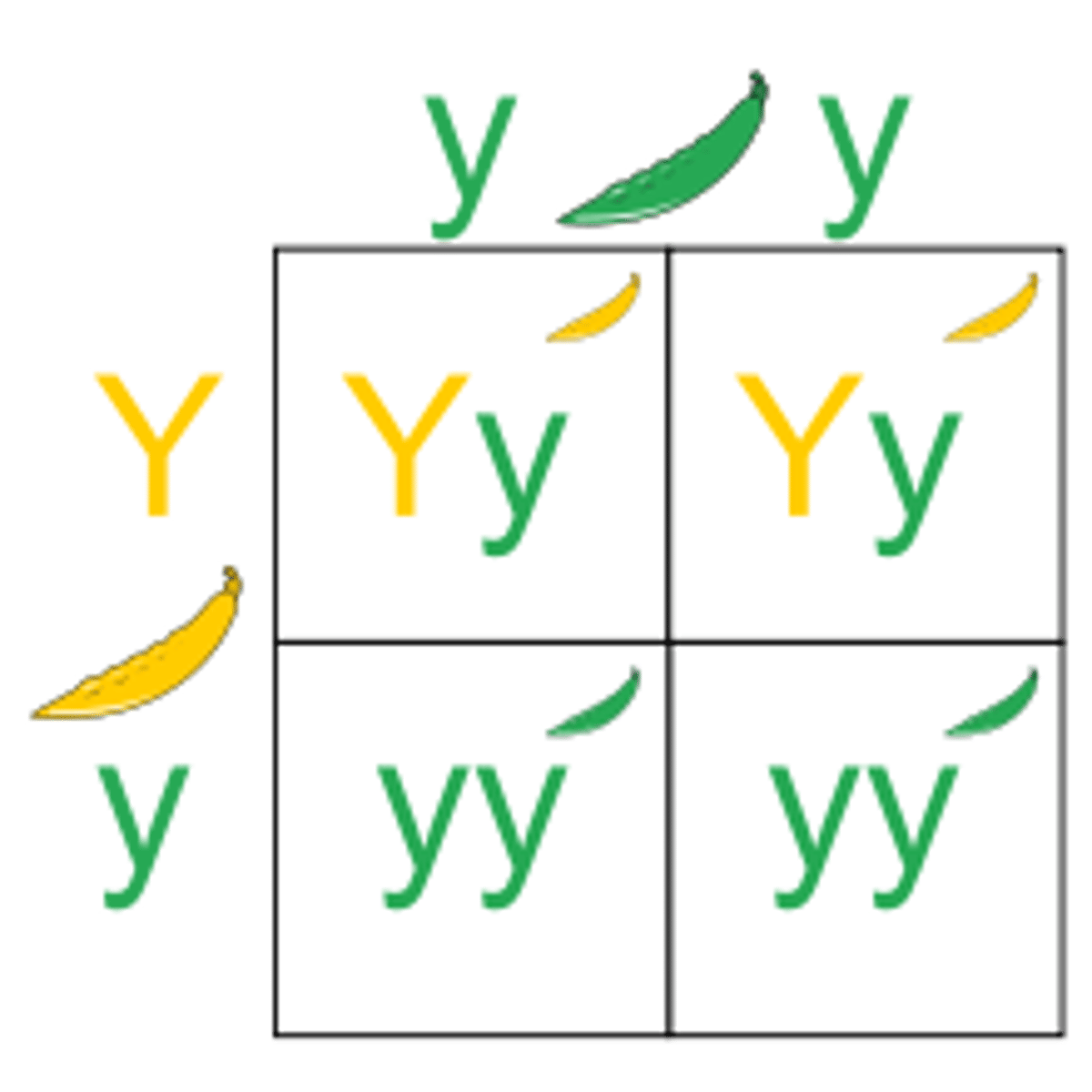
genotypic ratio
Counting the relative number of squares that have the same letter combination.
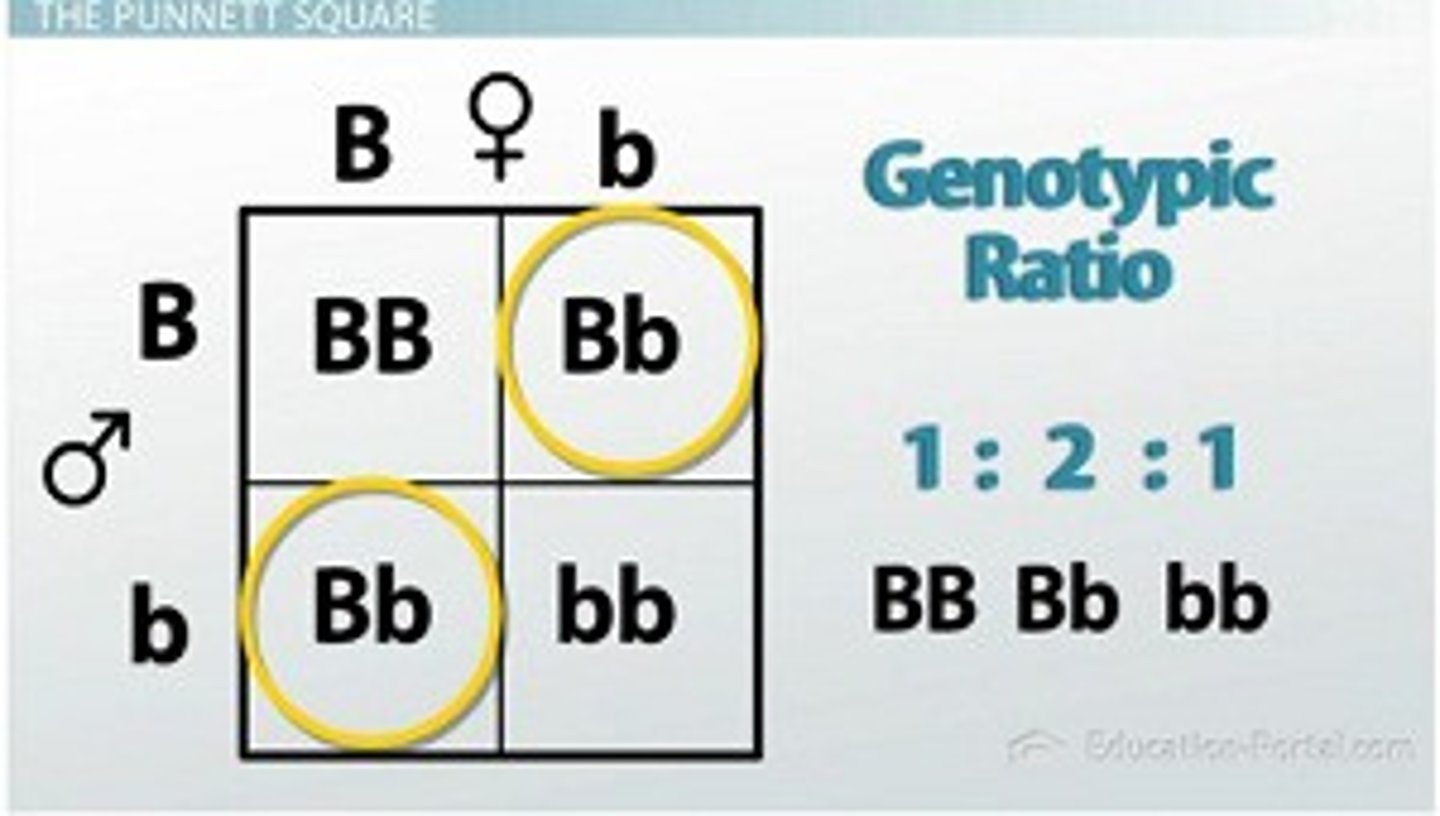
phenotypic ratio
Counting the relative number of squares that have different physical appearances.
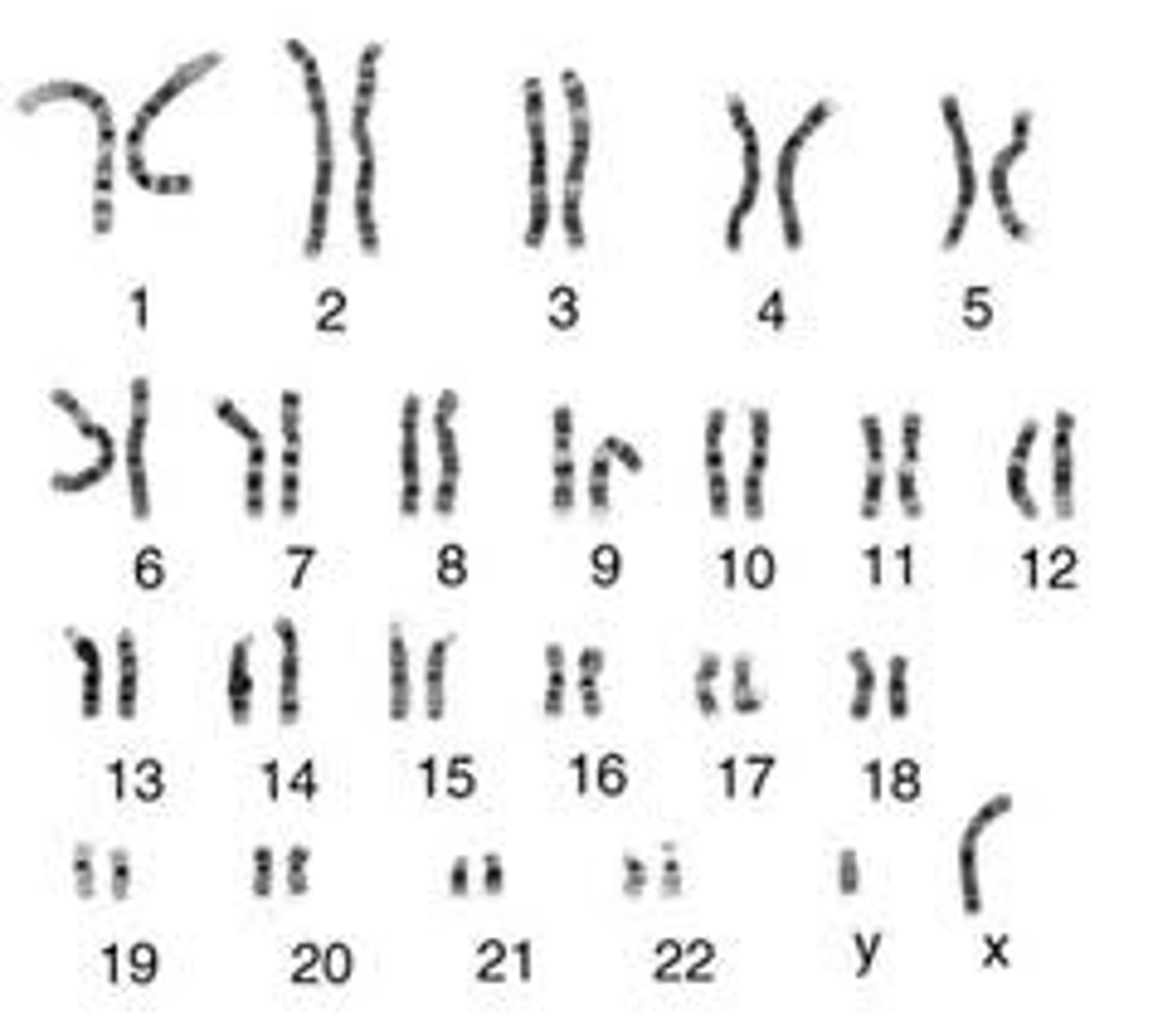
karyotype
The number and visual appearance of the chromosomes in the cell nuclei of an organism or species-- used to identify chromosomal abnormalities.
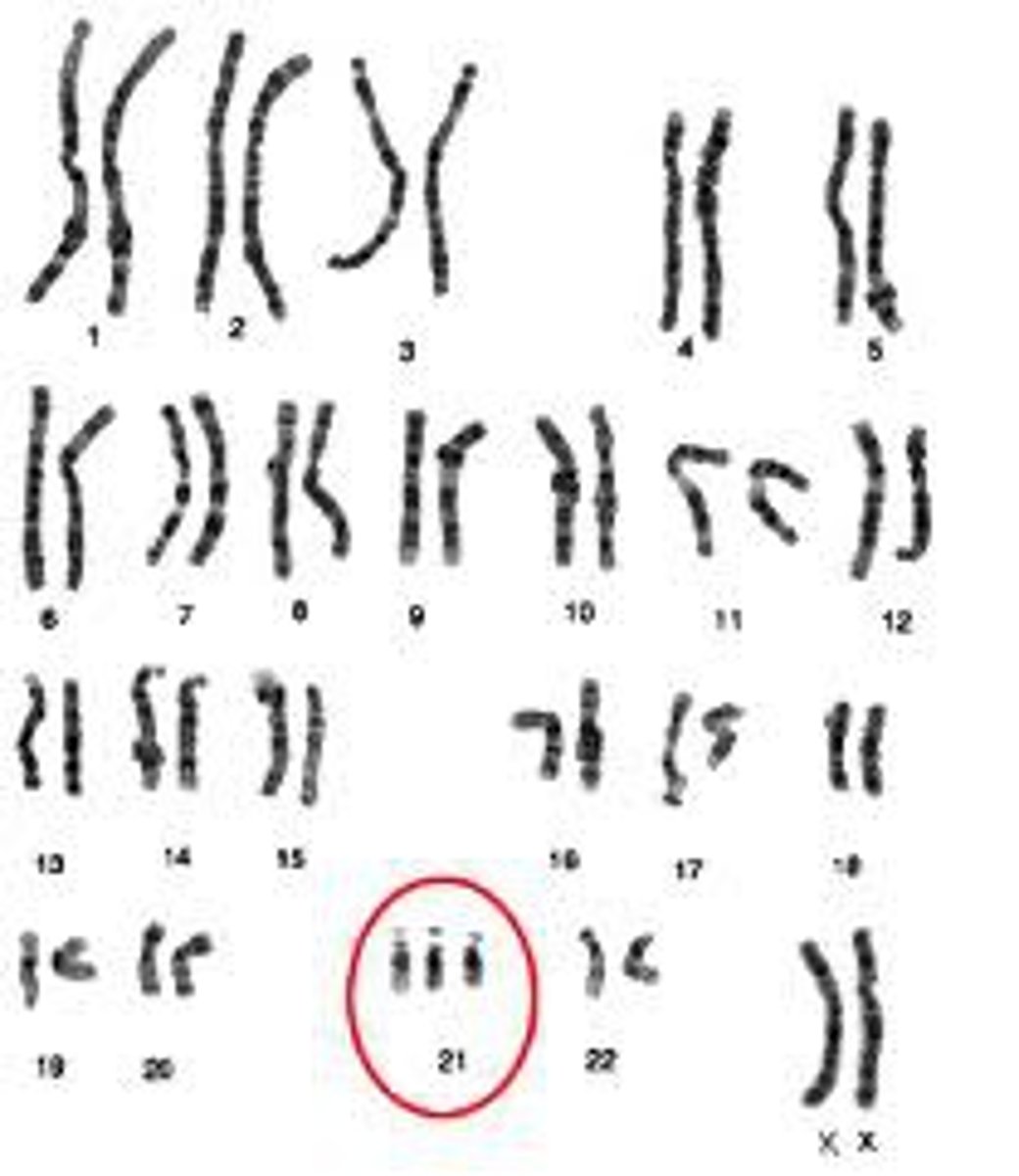
trisomy
A condition in which an extra copy of a chromosome is present in the cell nuclei, causing developmental abnormalities.
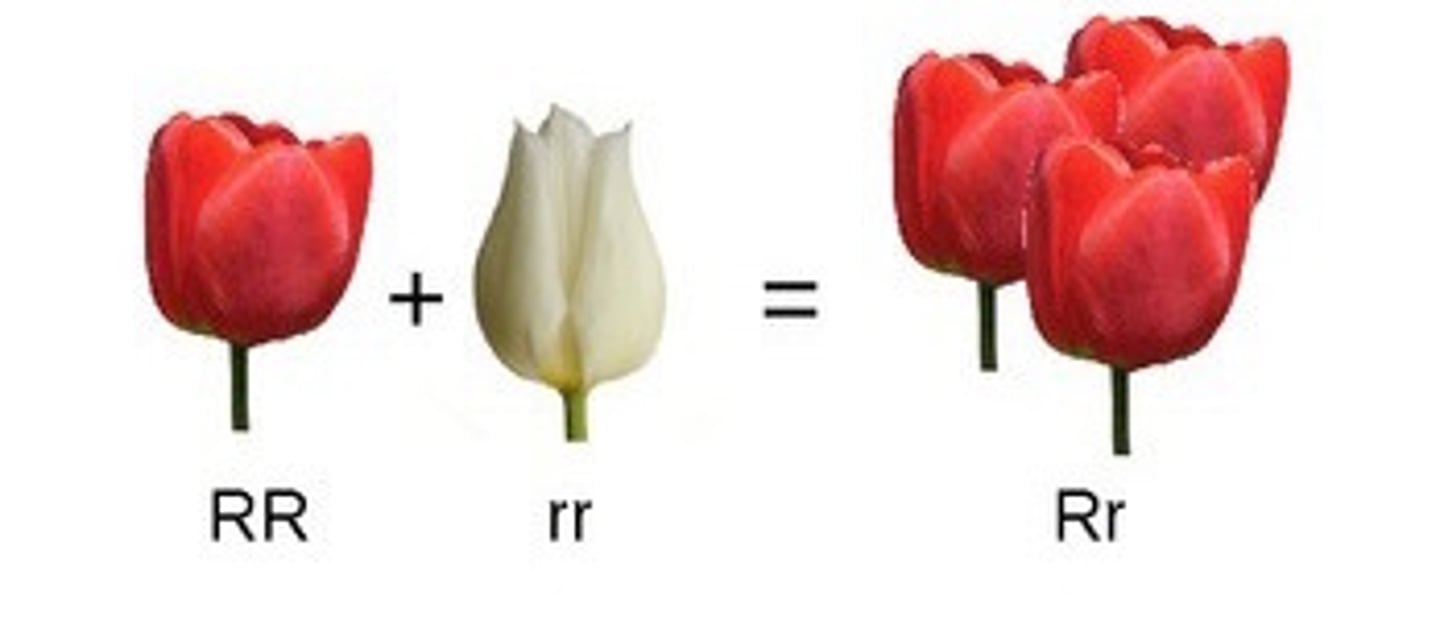
complete dominance
The dominant allele will take over the appearance of the recessive allele when there is an uppercase and a lower case together.
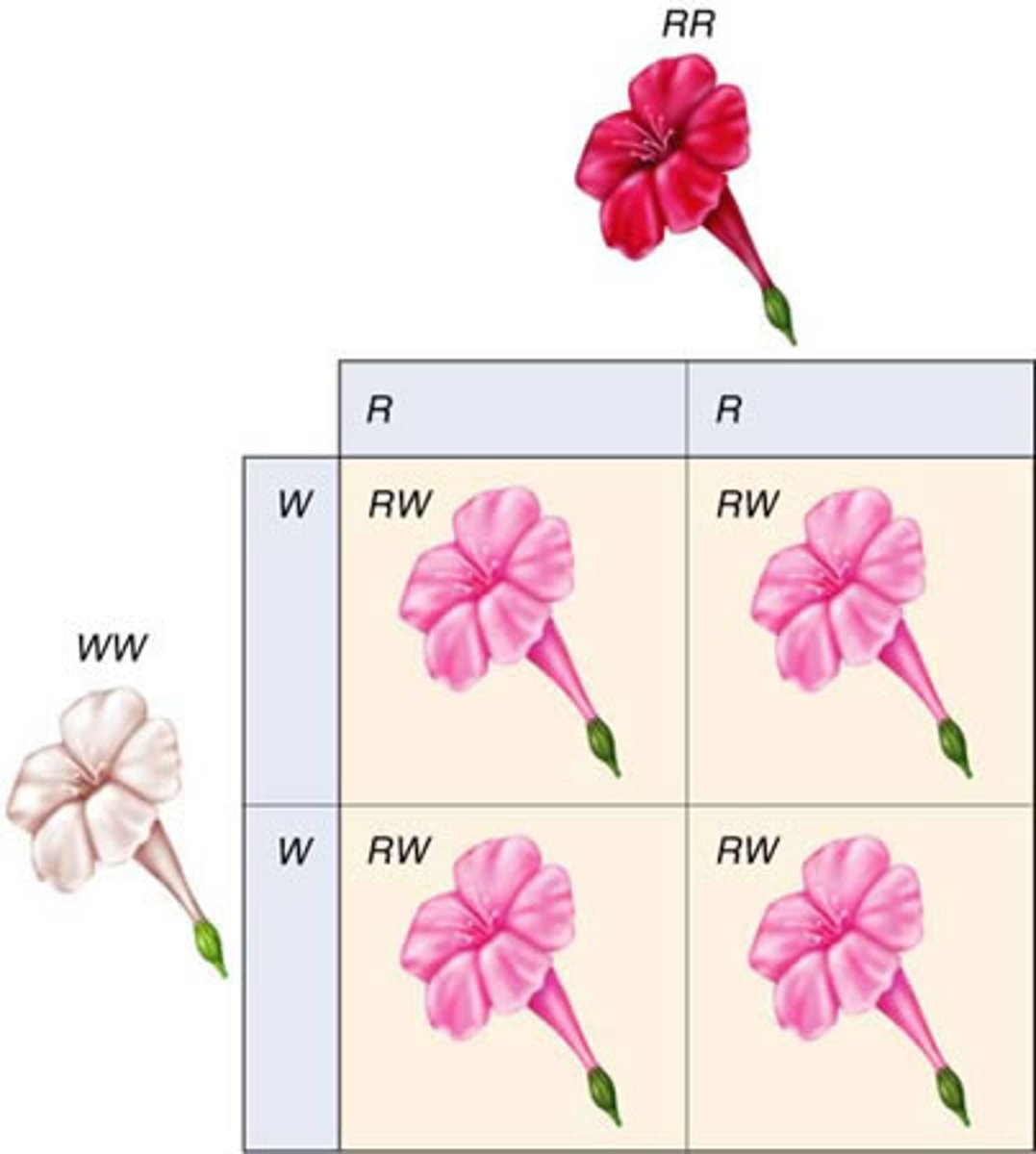
incomplete dominance
Two alleles blend together, giving a heterozygote a blended phenotype.
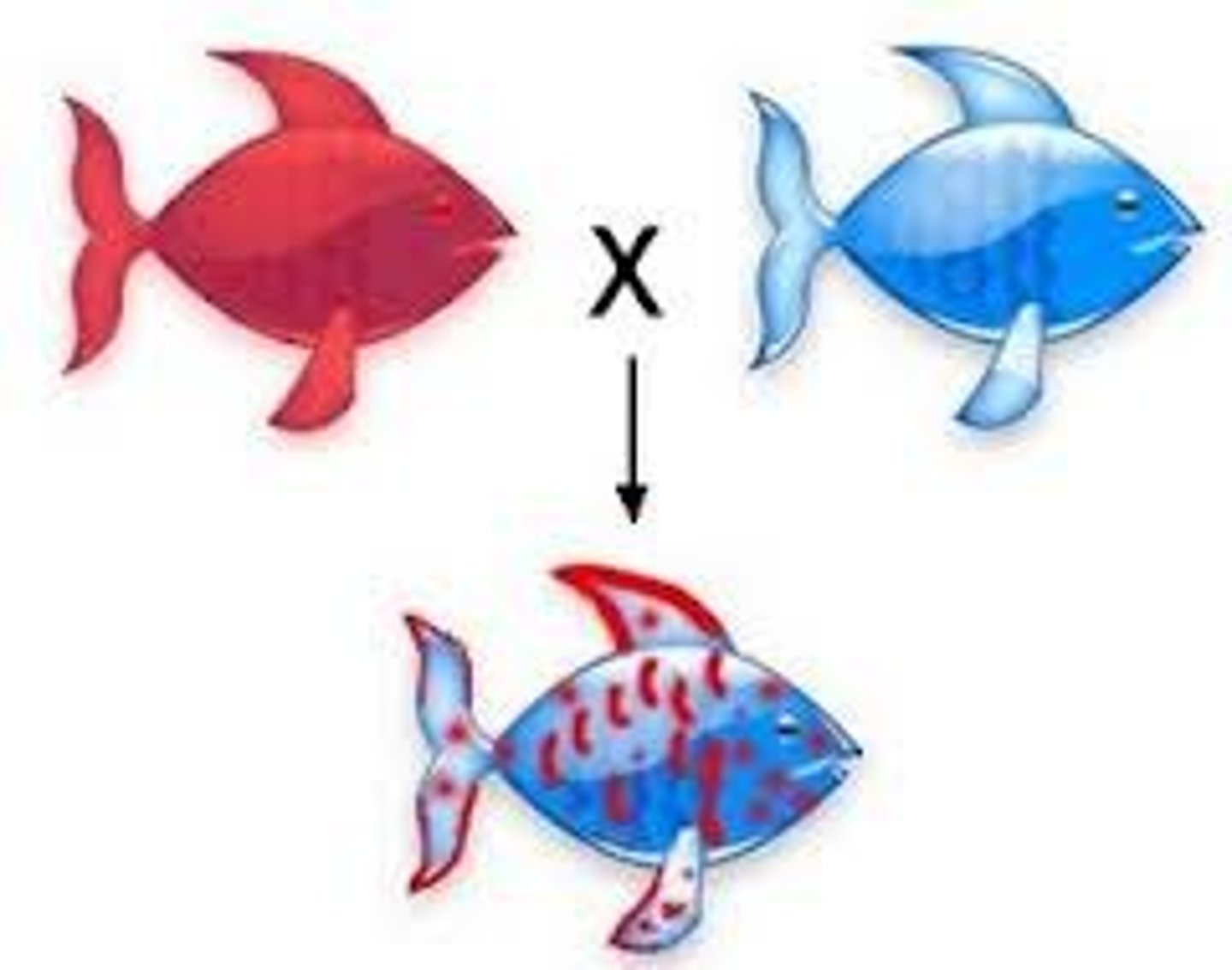
codominance
Two alleles share dominance by both expressing themselves.
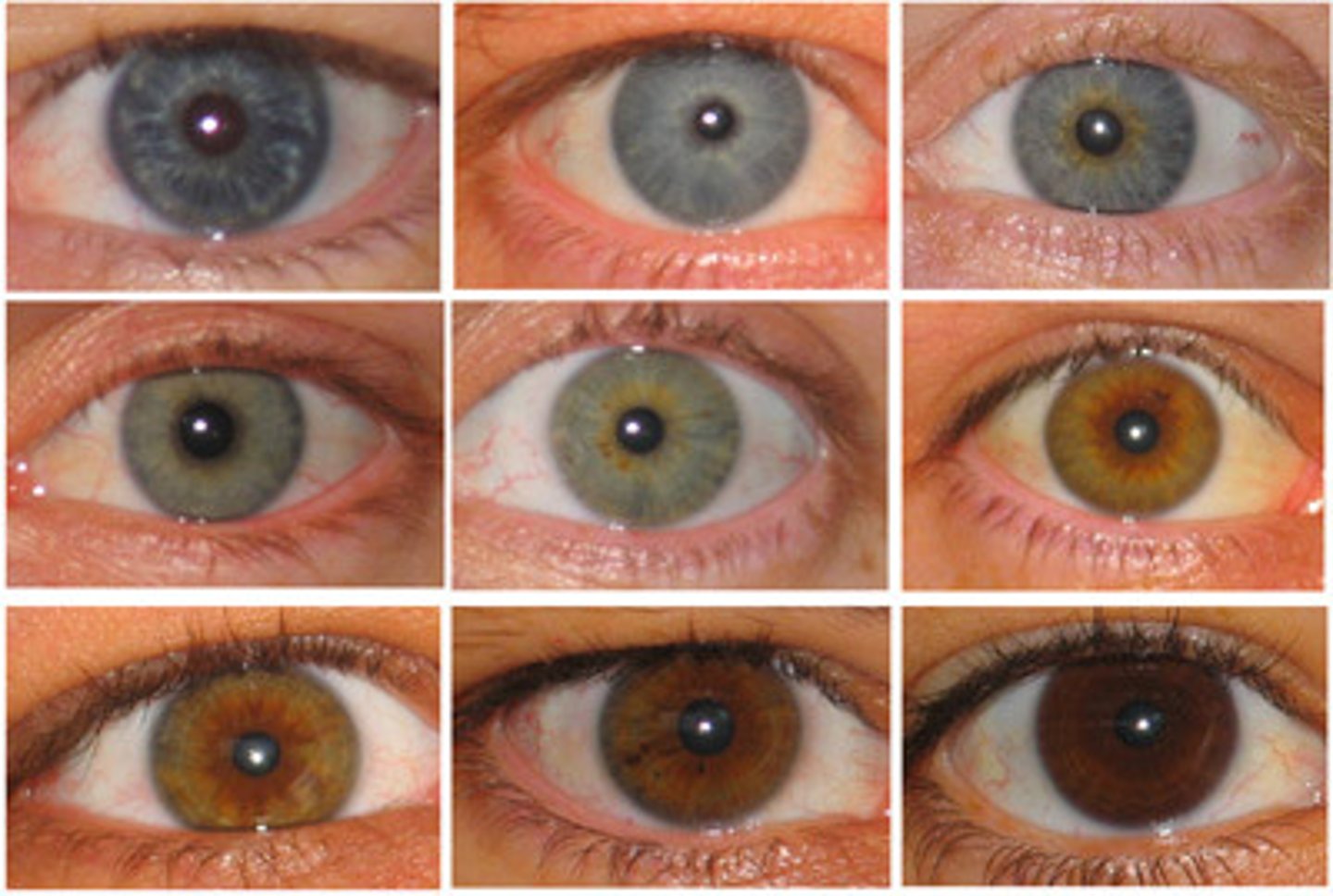
polygenic inheritance
Traits controlled by more than one gene.
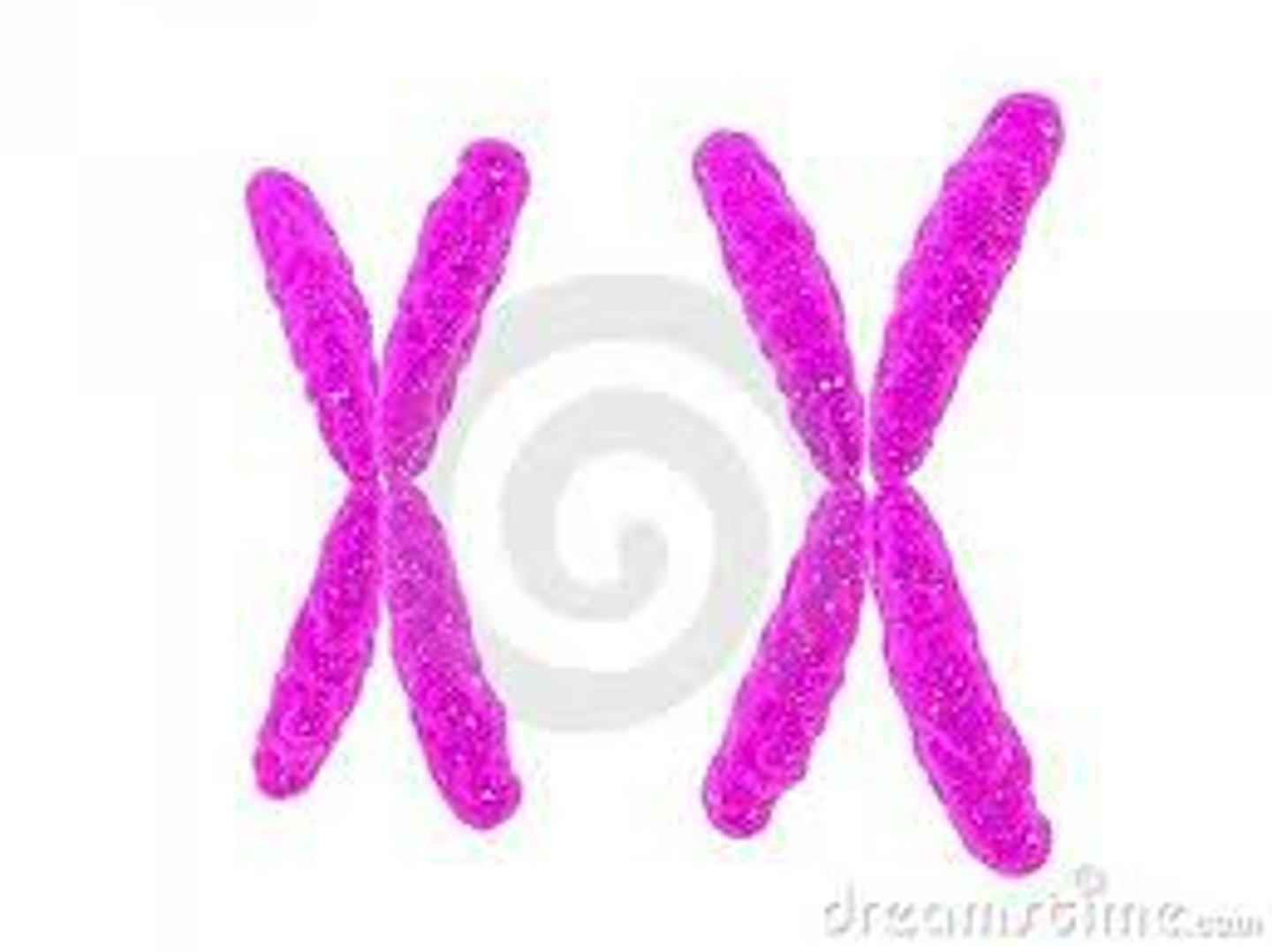
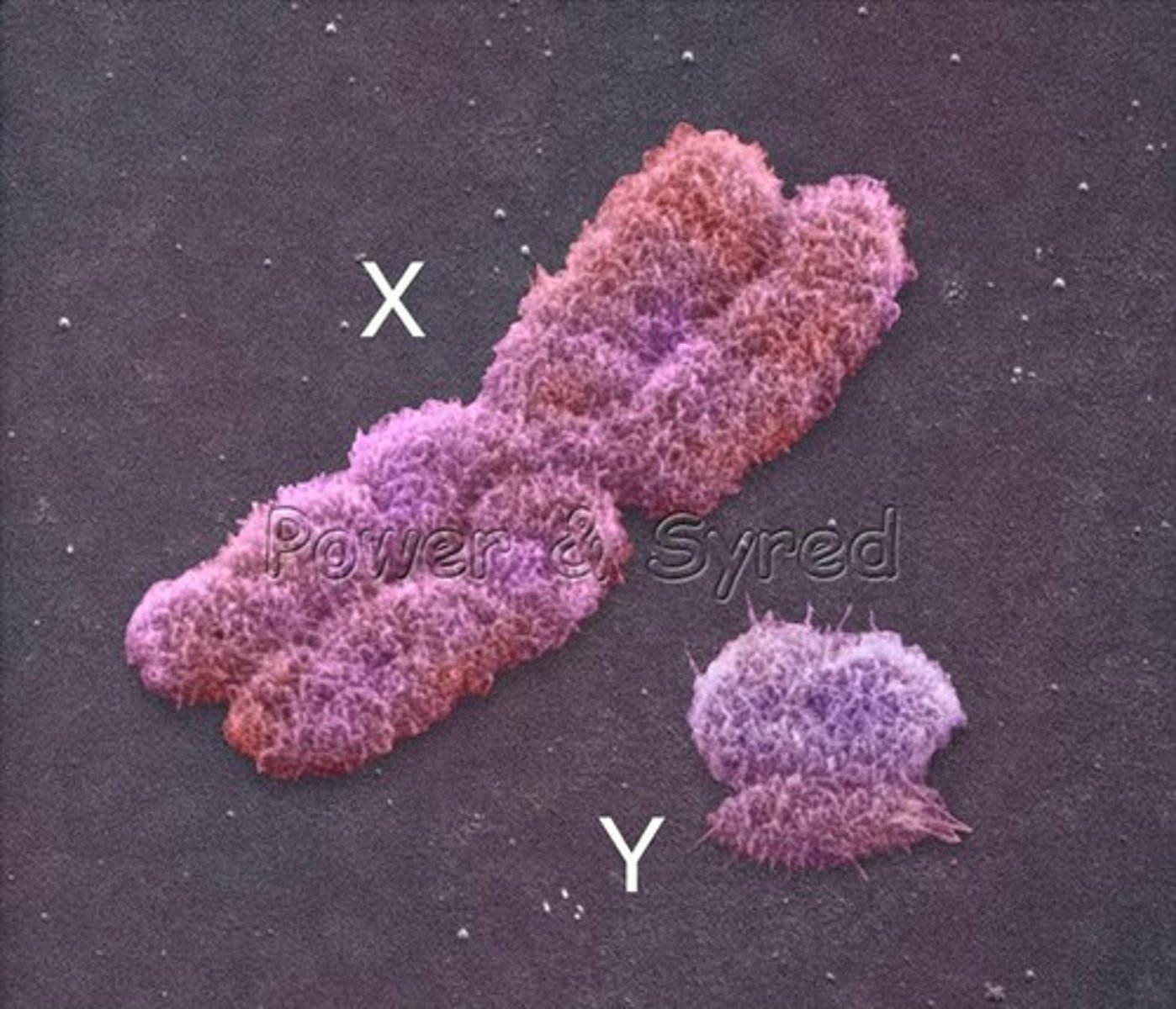
X chromosome
Females have two; many genetic diseases are carried on the x chromosome
Y chromosome
only found in males, smaller than the X chromosome.
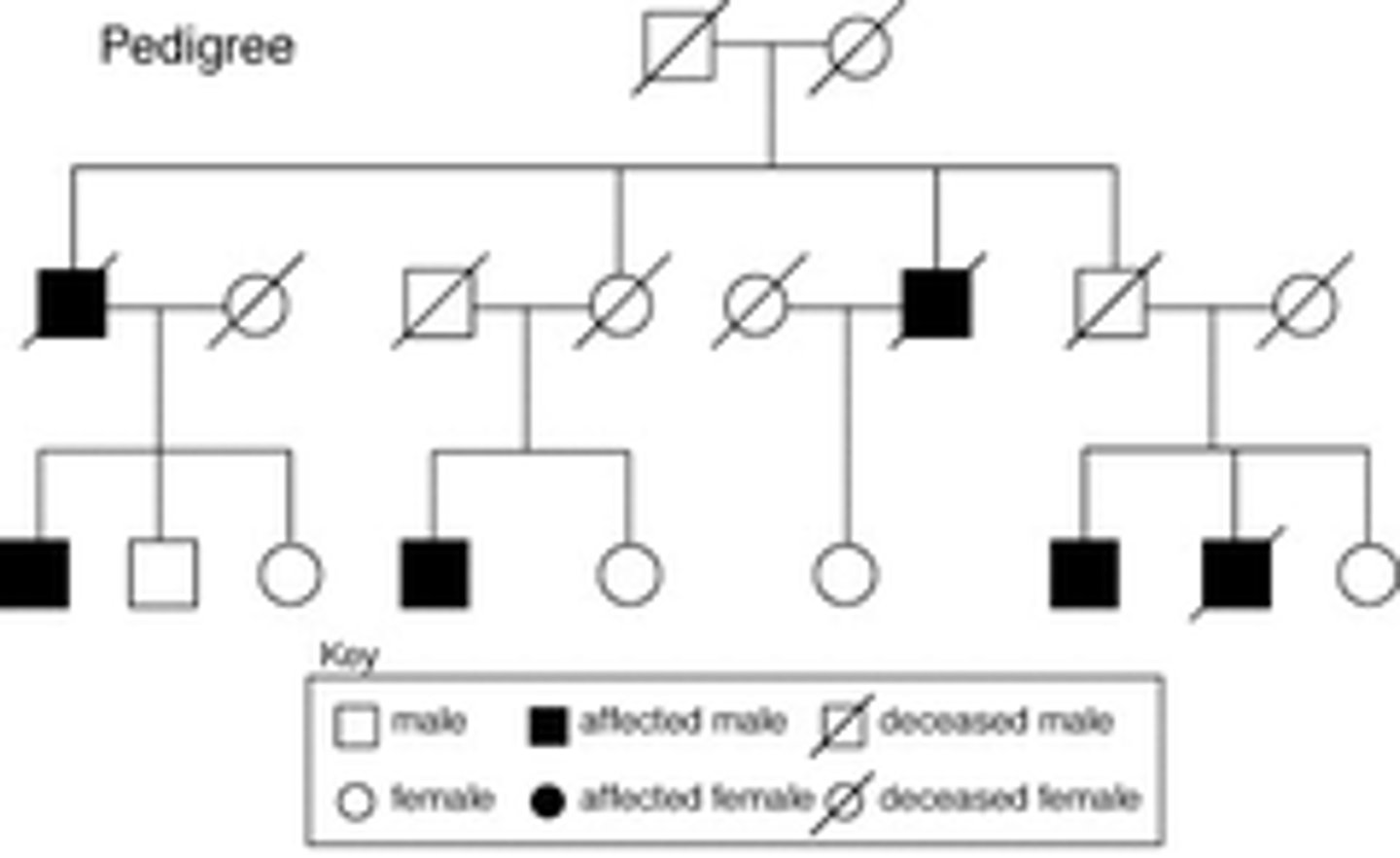
pedigree chart
Way of identifying inheritance patterns in genetic diseases and disorders in a family. No color in shape = normal, half color in shape= carrier, color in shape = disease
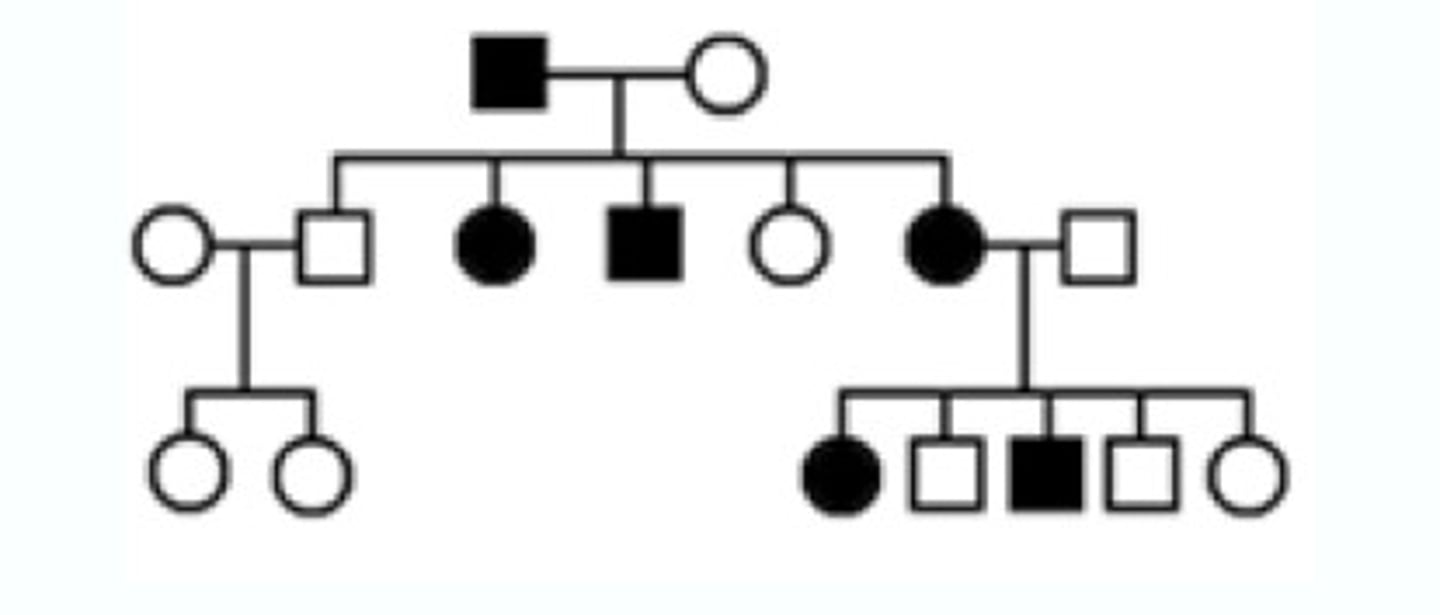
sex-linked traits
Gene found on the X chromosomes; traits more common in males since males only have one copy of the gene. (if they receive the recessive allele they have no dominant allele to mask it).
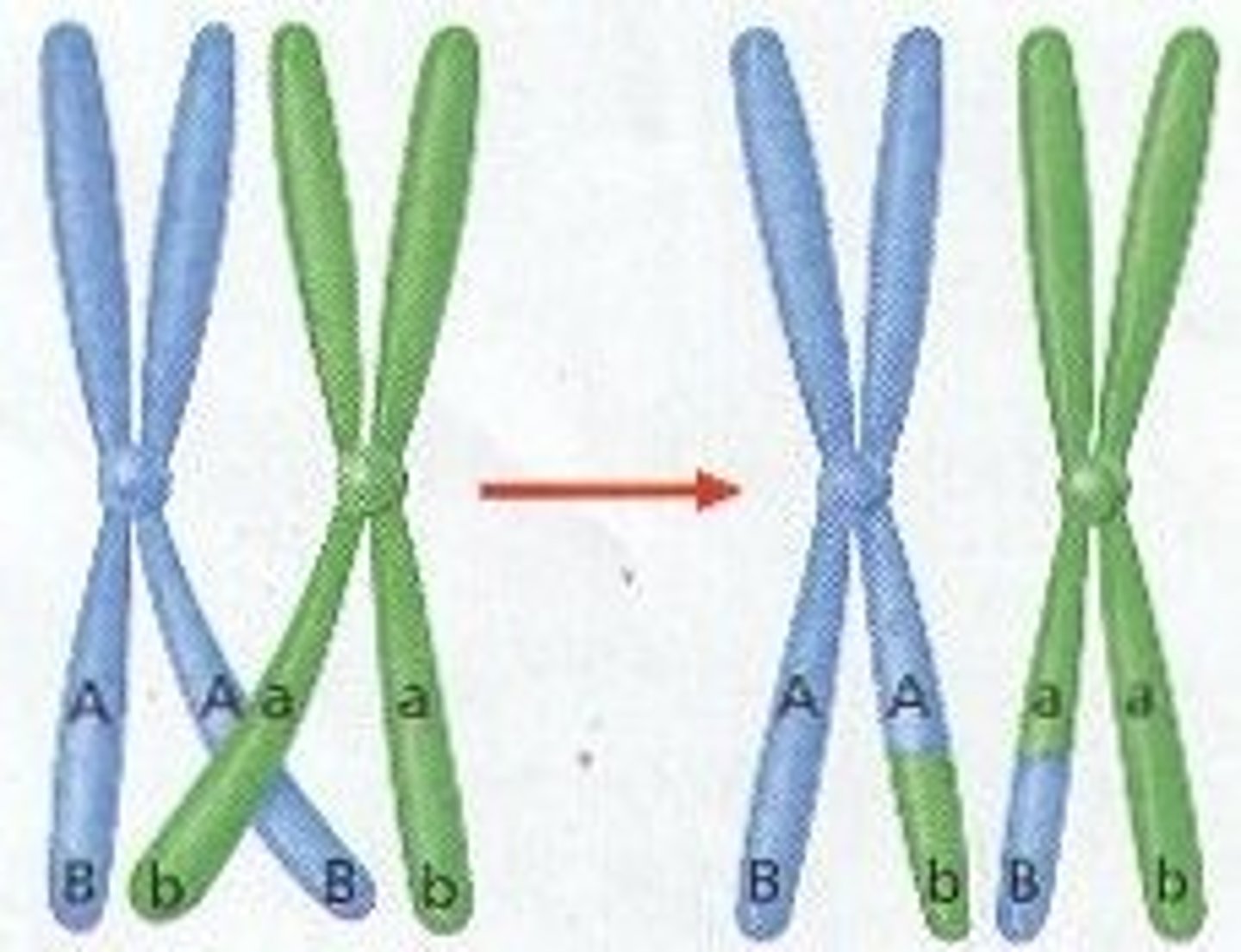
crossing over
Creates variations between gametes, homologous chromosomes mix genes in prophase I of meiosis.
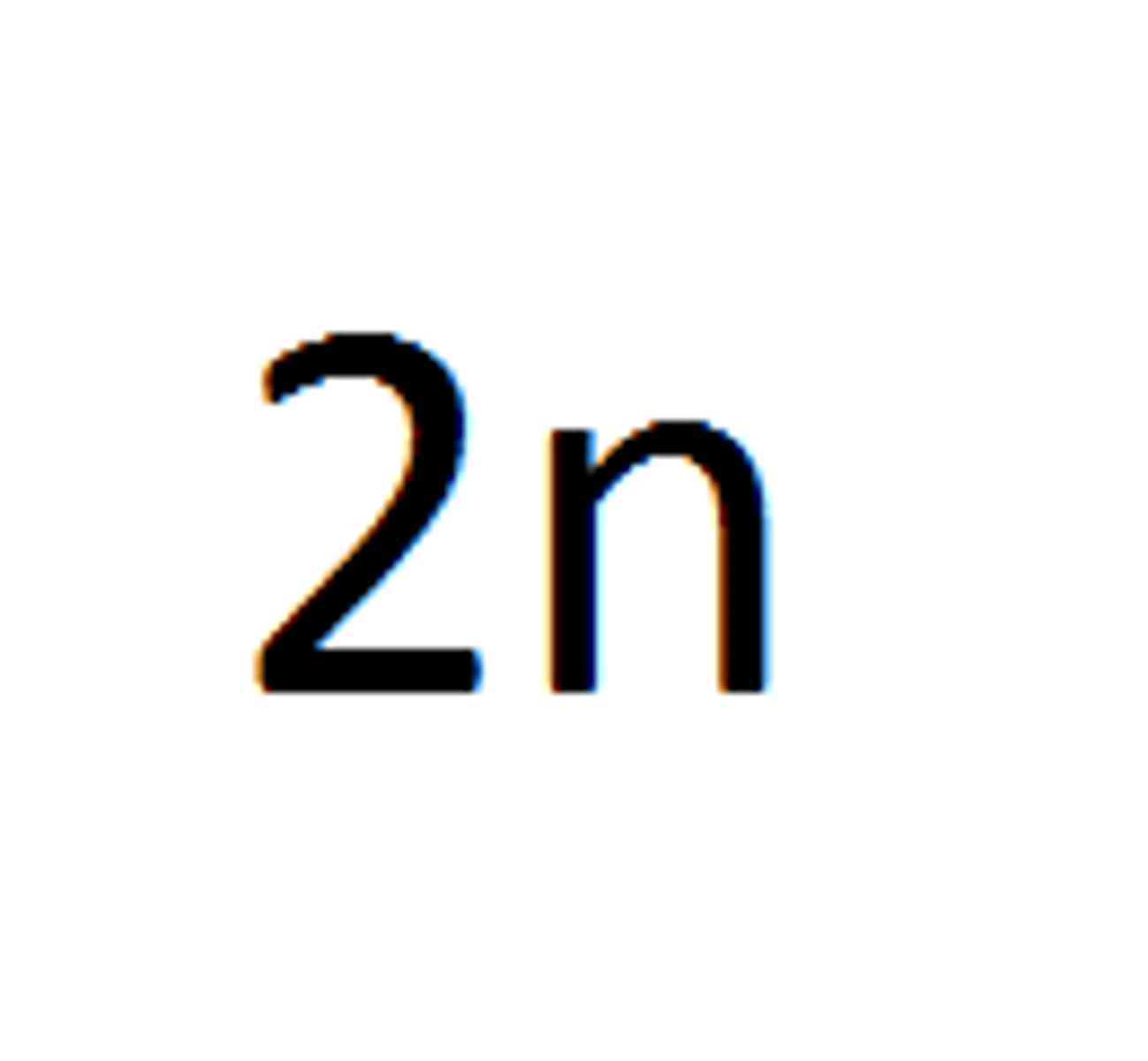
diploid
A cell that contains two copies of every chromosomes. All "autosomal" cells.
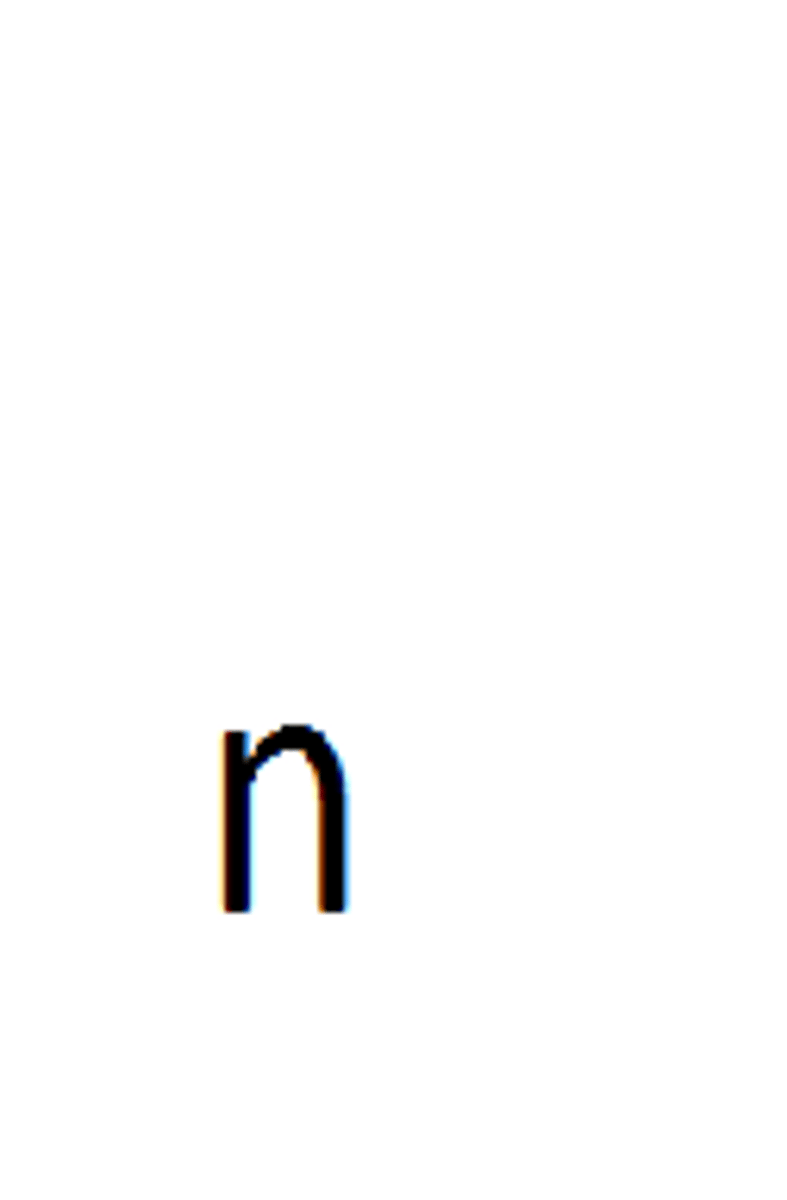
haploid
A cell that contains half the number of chromosomes of the body cell. Sex cells-- sperm and eggs.
gamete
Sex cell; an egg or a sperm cell.
46
Human diploid number.
23
Human haploid number.
blood types
A, B, AB and O. Type O is the universal donor and AB blood is known as the universal recipient.
sickle cell anemia
An autosomal recessive disorder that causes abnormal hemoglobin, resulting in some red blood cells assuming an abnormal sickle shape.
cystic fibrosis
Autosomal recessive disorder that affects the lungs and digestive system of the individual.
Huntington's disease
A human genetic disease caused by a dominant allele; characterized by uncontrollable body movements and degeneration of the nervous system; usually fatal 10 to 20 years after the onset of symptoms.
hemophilia
An X-linked recessive disorder in which blood fails to clot properly, leading to excessive bleeding if injured.
red-green color blindness
A common, recessive sex-linked genetic trait.