Lecture 9 - Conserved Modules

0.0(0)
Studied by 0 people
call kaiCall Kai
Locked
learnLearn
examPractice Test
spaced repetitionSpaced Repetition
heart puzzleMatch
flashcardsFlashcards
GameKnowt Play
Card Sorting

1/98

encourage image

There's no tags or description

Looks like no tags are added yet.

Last updated 6:48 PM on 7/16/26
Name
Mastery
Learn
Test
Matching
Spaced
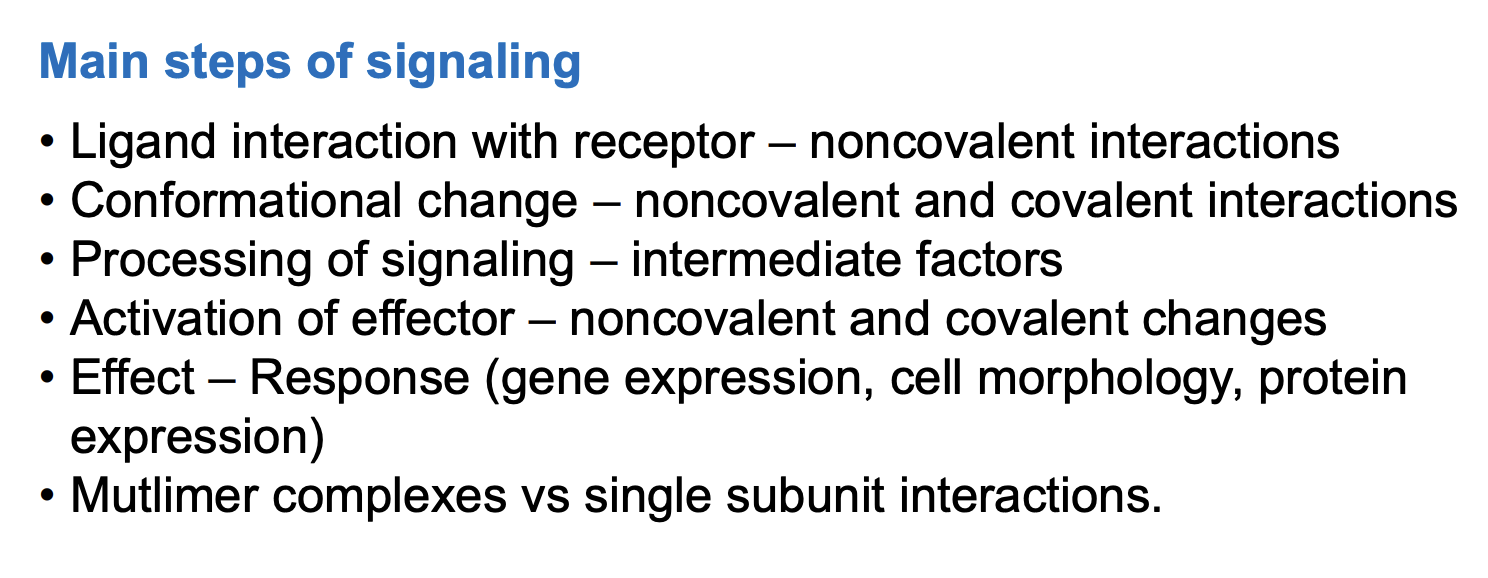
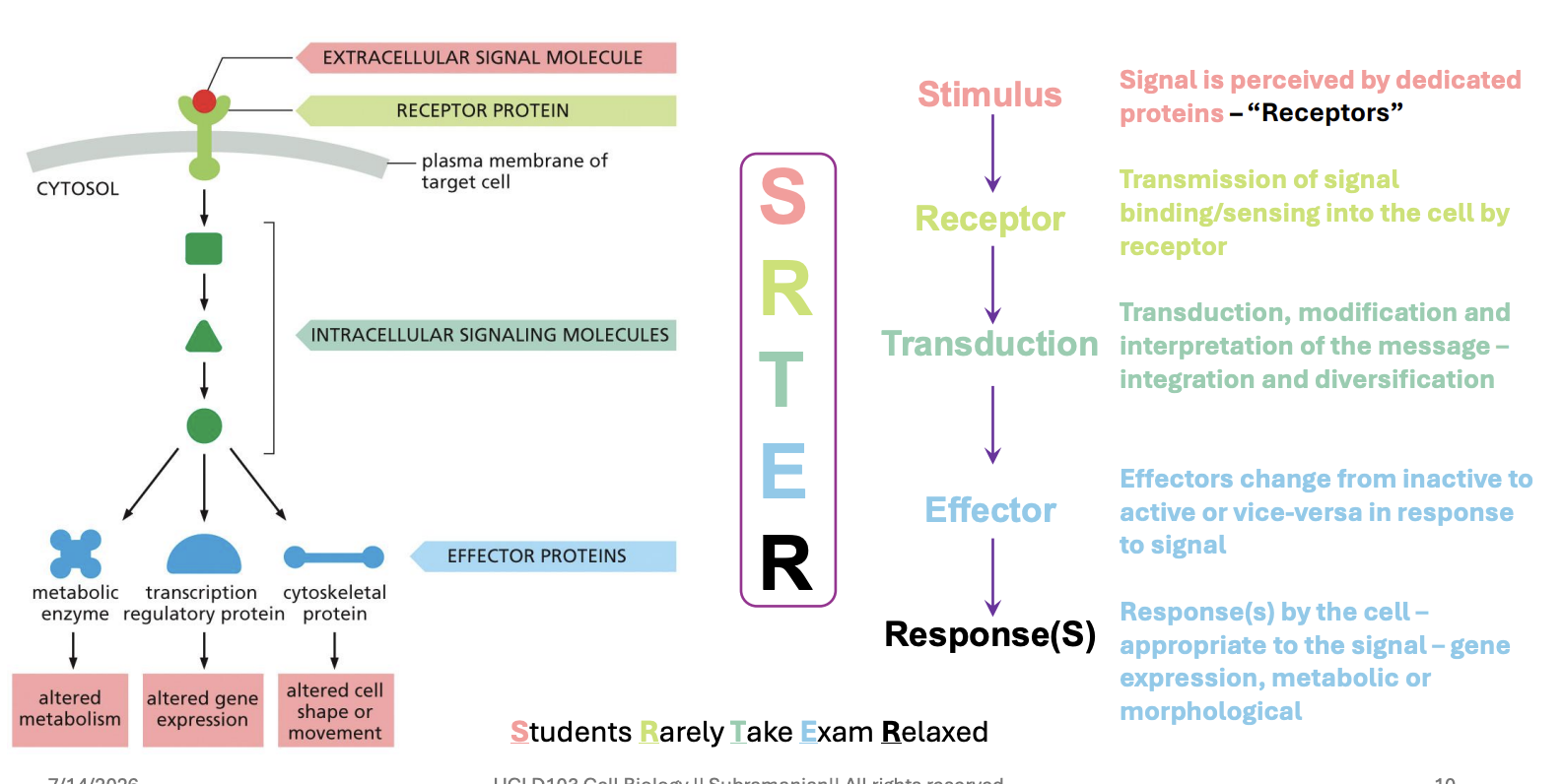
Call with Kai
Chat

No analytics yet

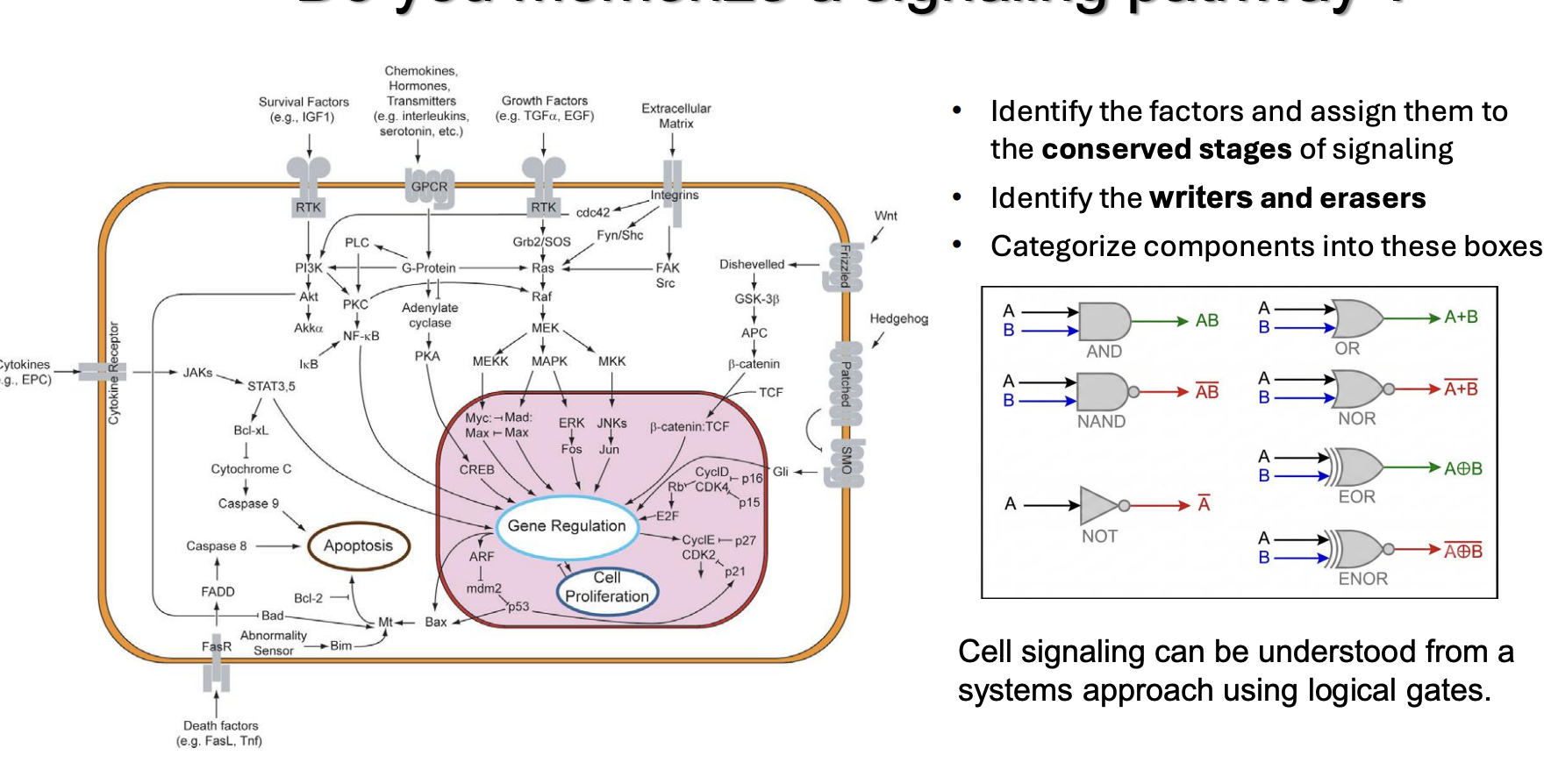
Send a link to your students to track their progress

99 Terms

1
New cards

Do you memorize a signaling pathway?

2
New cards

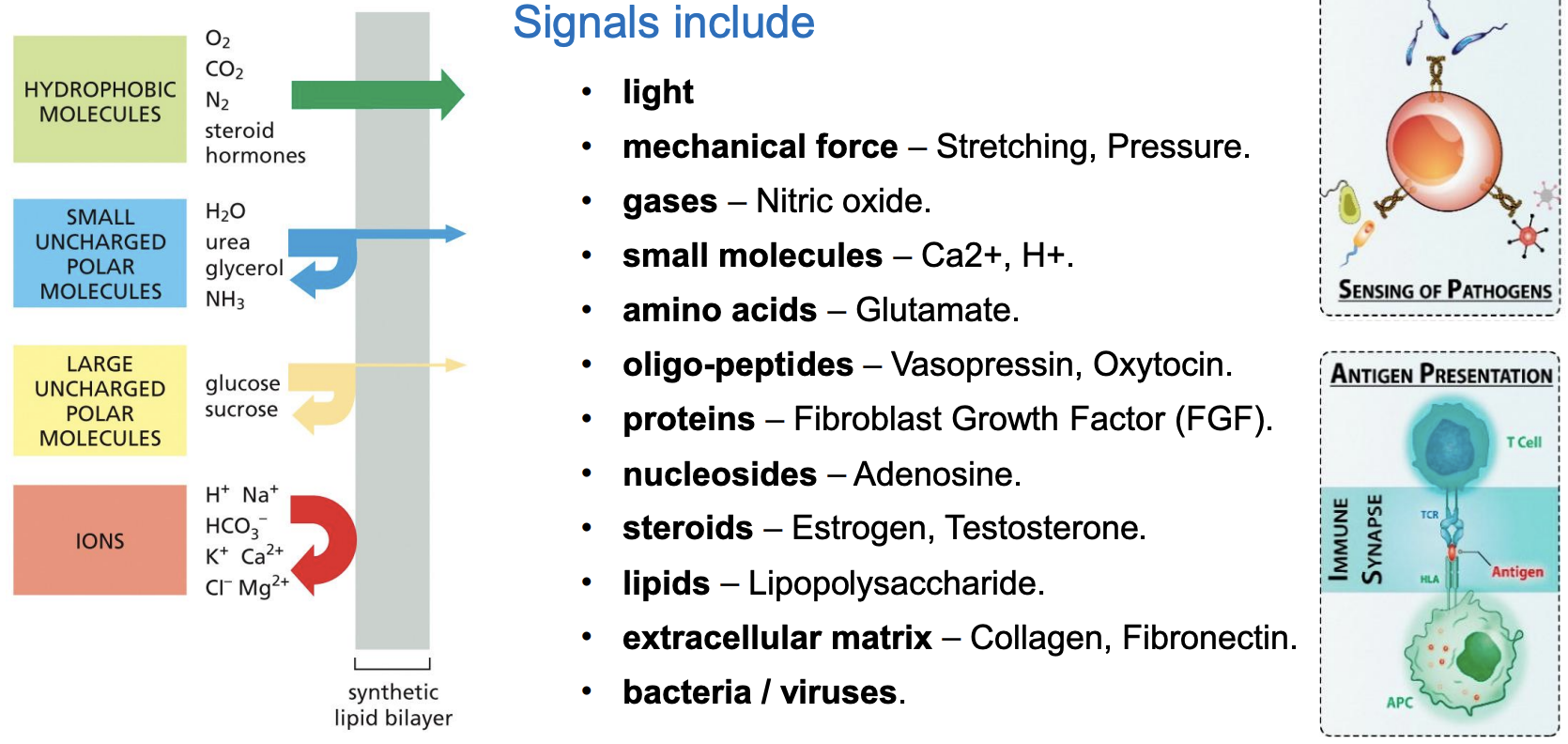
Signaling ligands and cues come in various sizes and cues
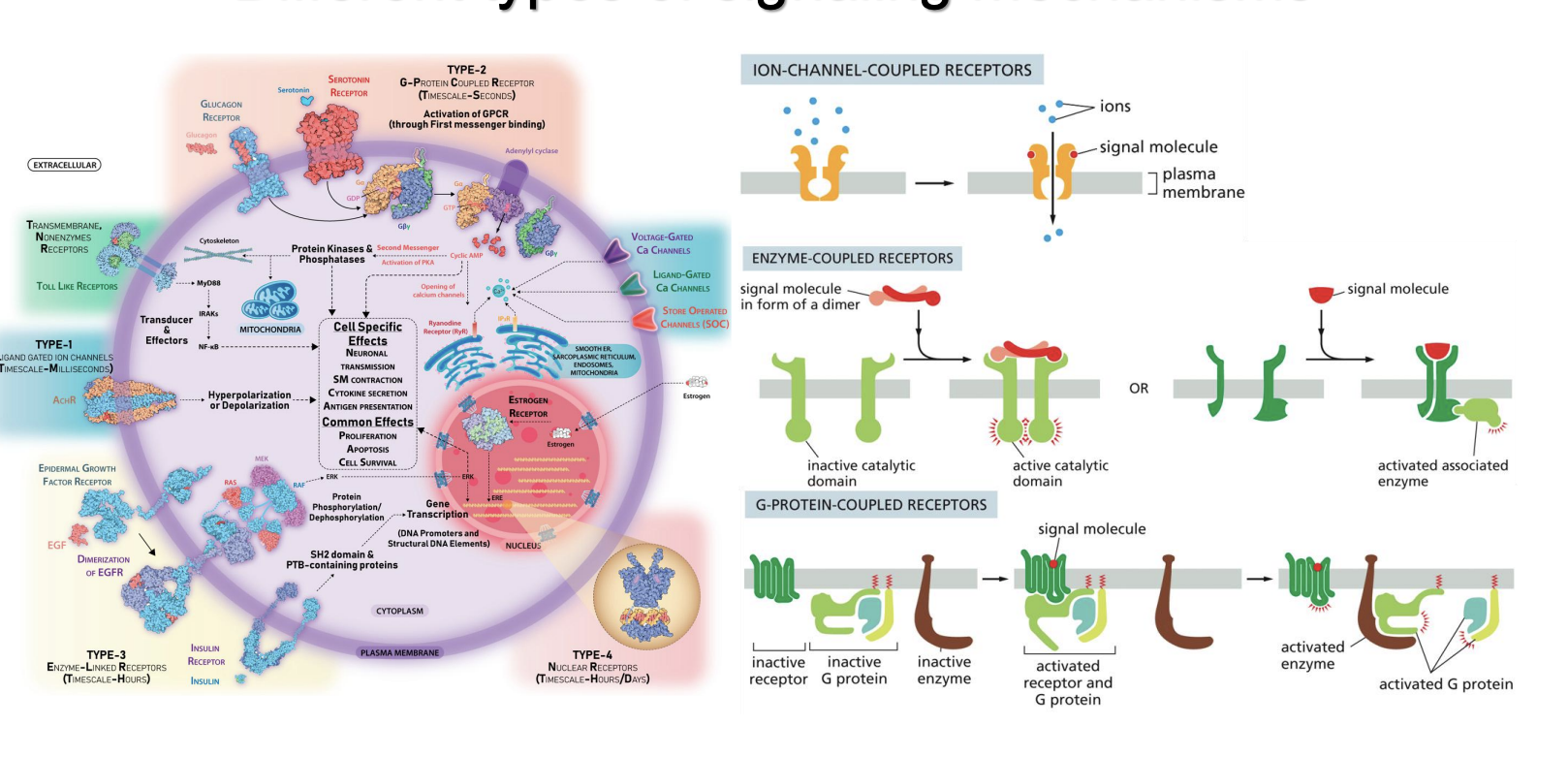
3
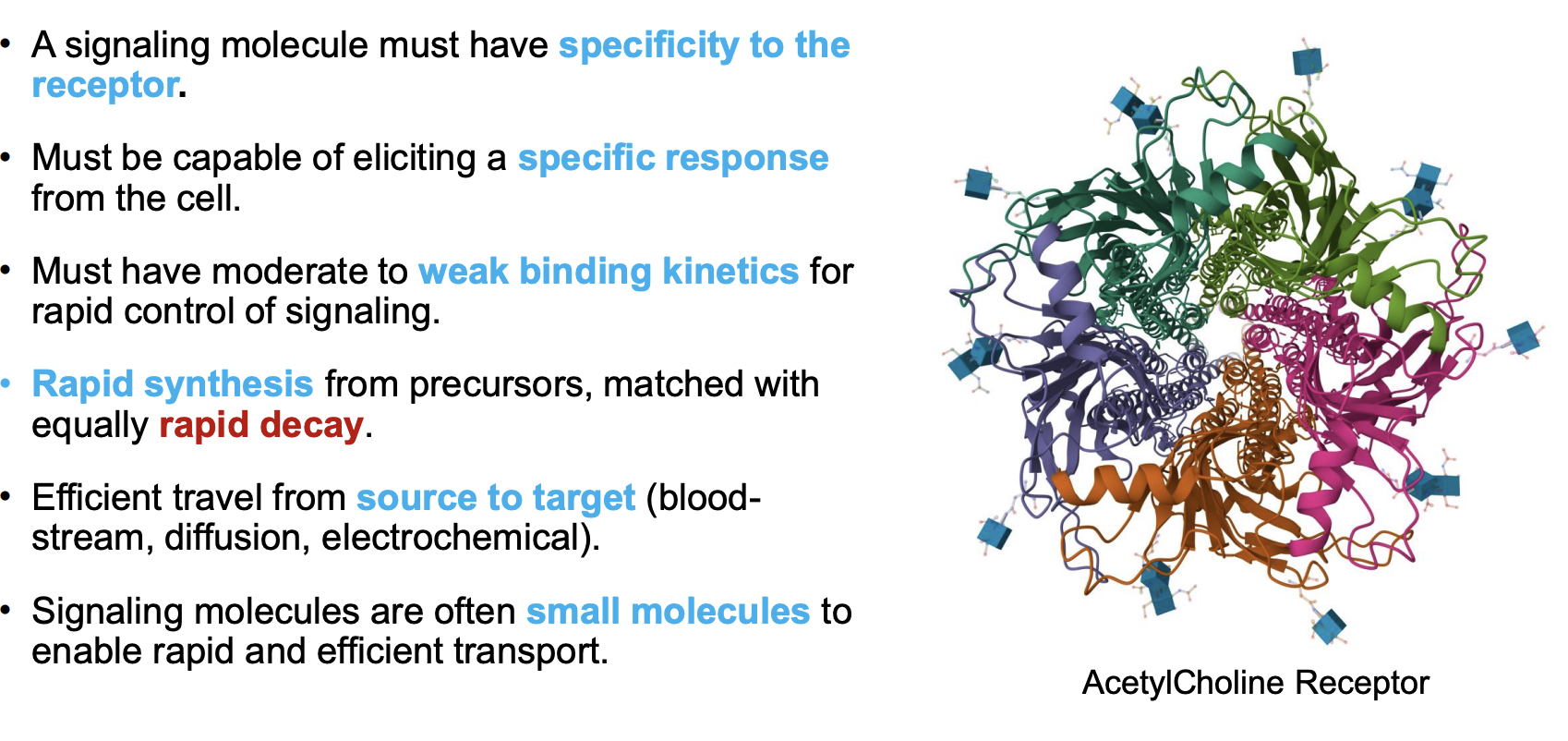
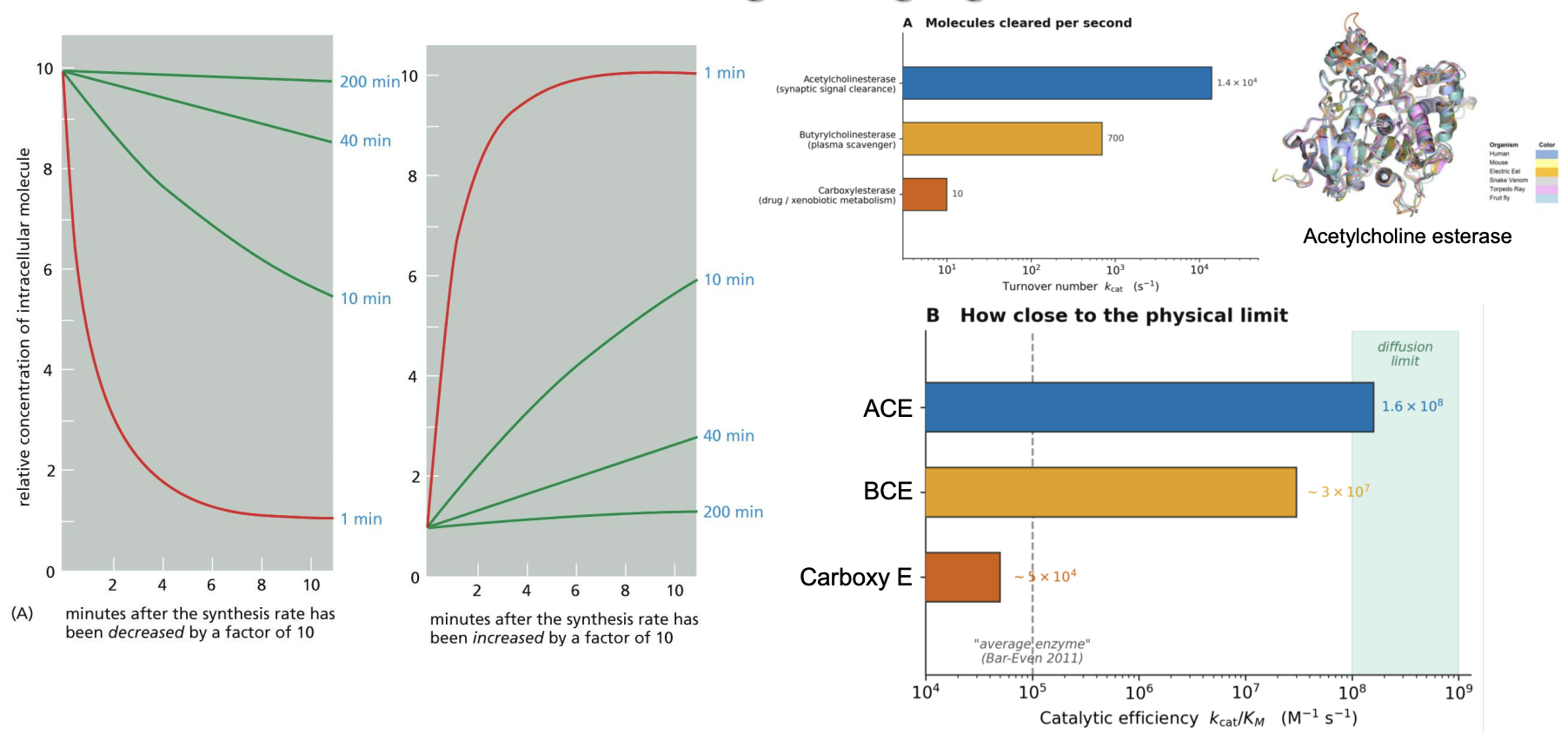
New cards

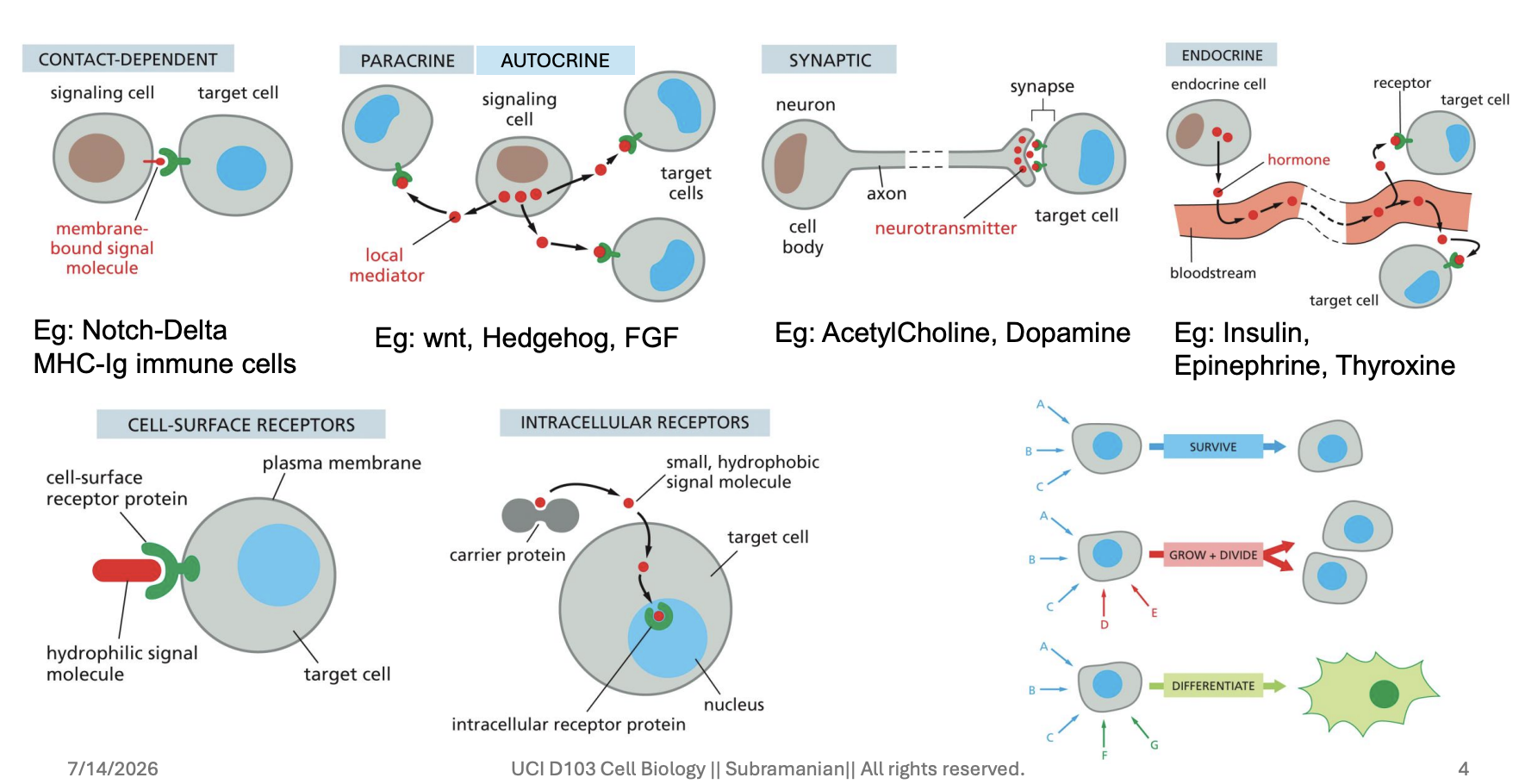
Types of signal ligand – receptor interactions
knowt flashcard image

4
New cards

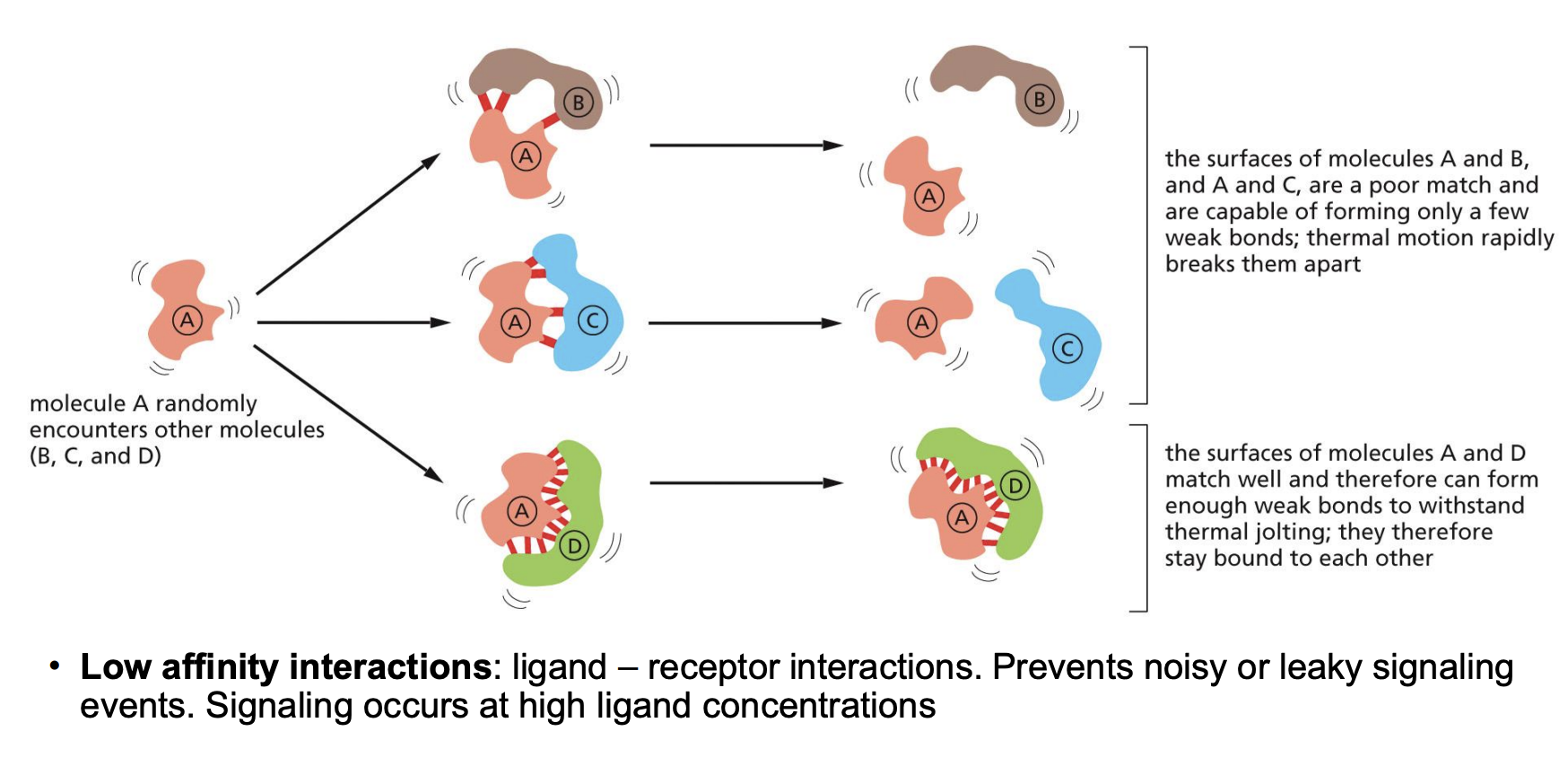
Signalling ligand – receptor interaction is specific
knowt flashcard image

5
New cards

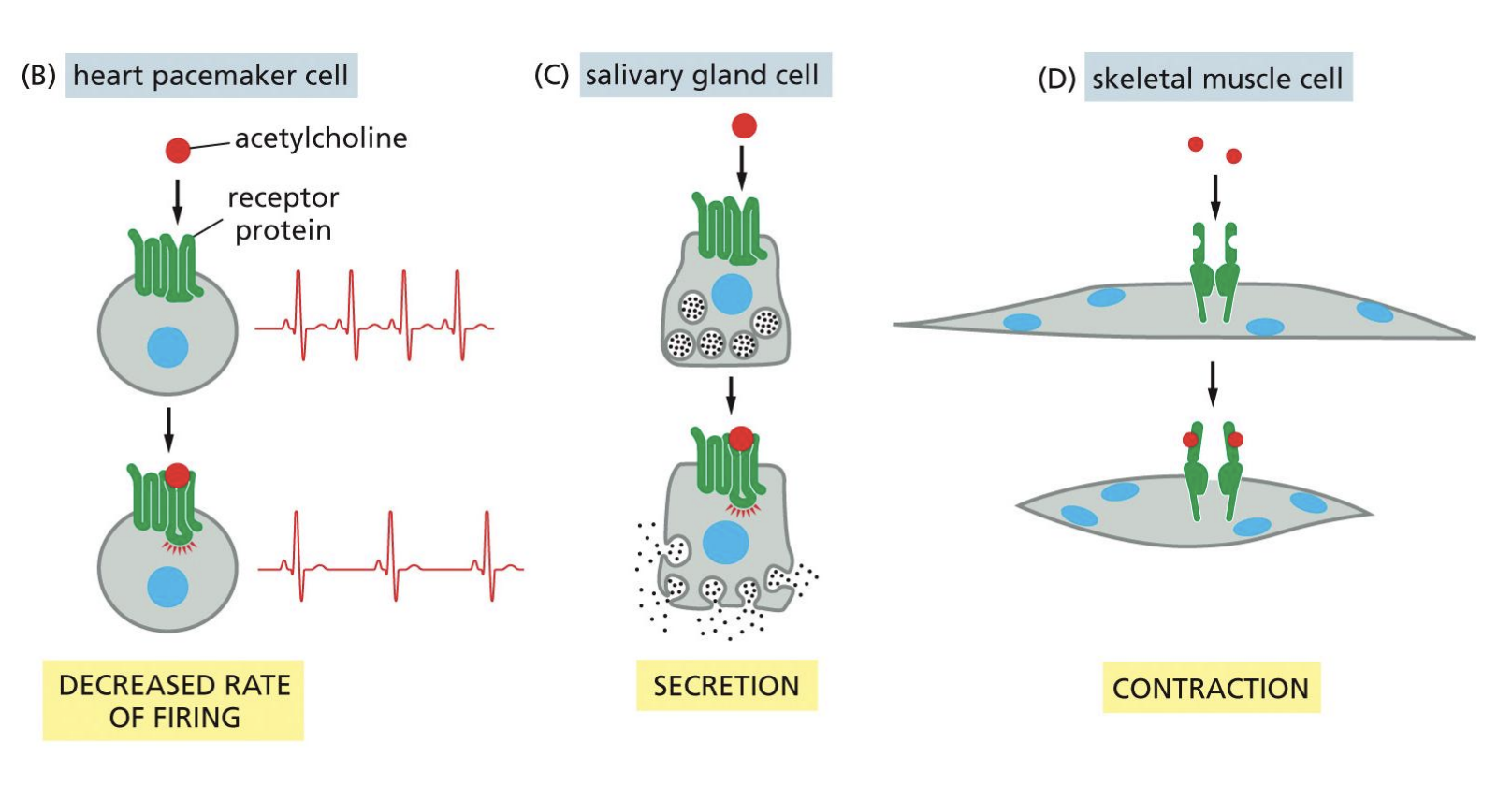
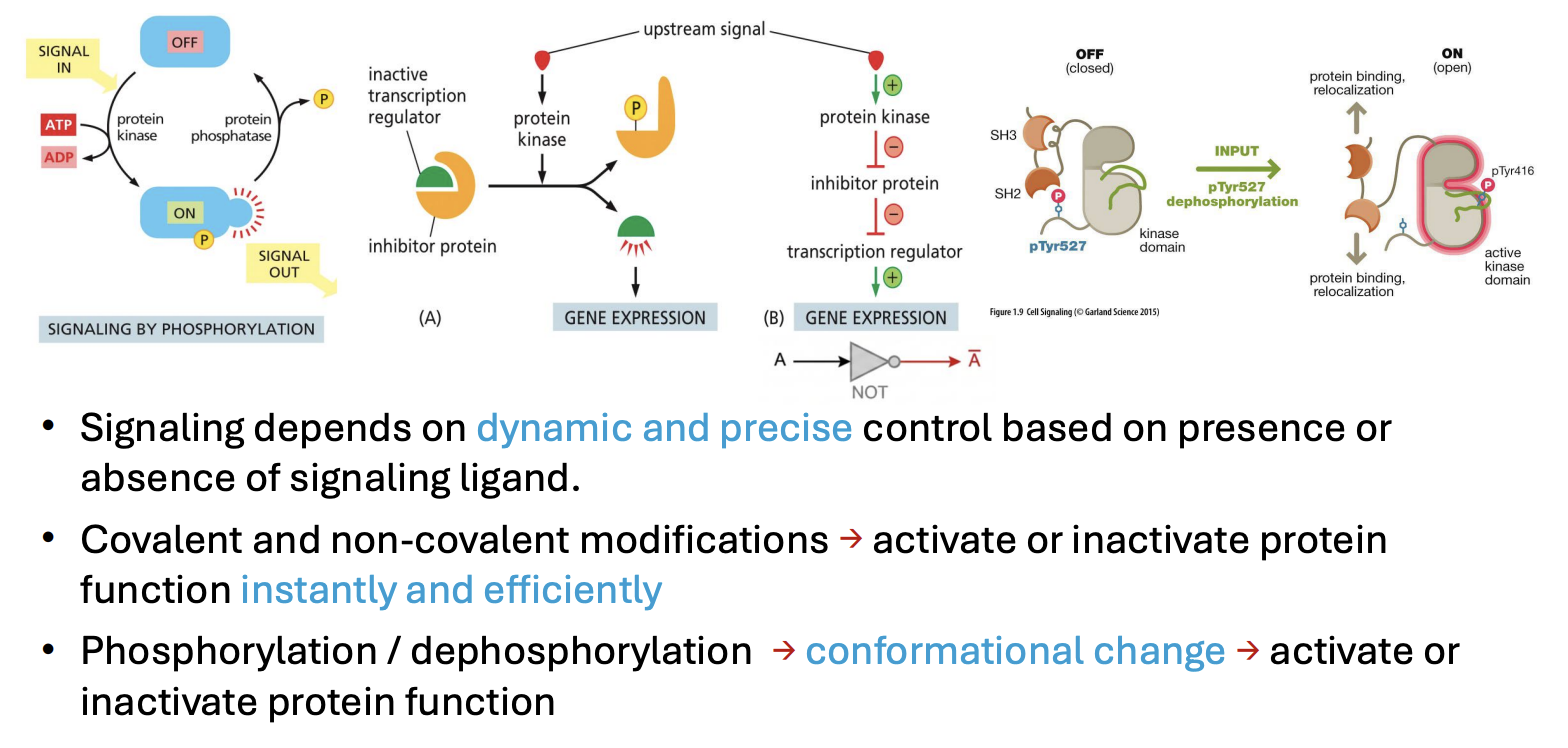
Different responses from same signaling ligand
6
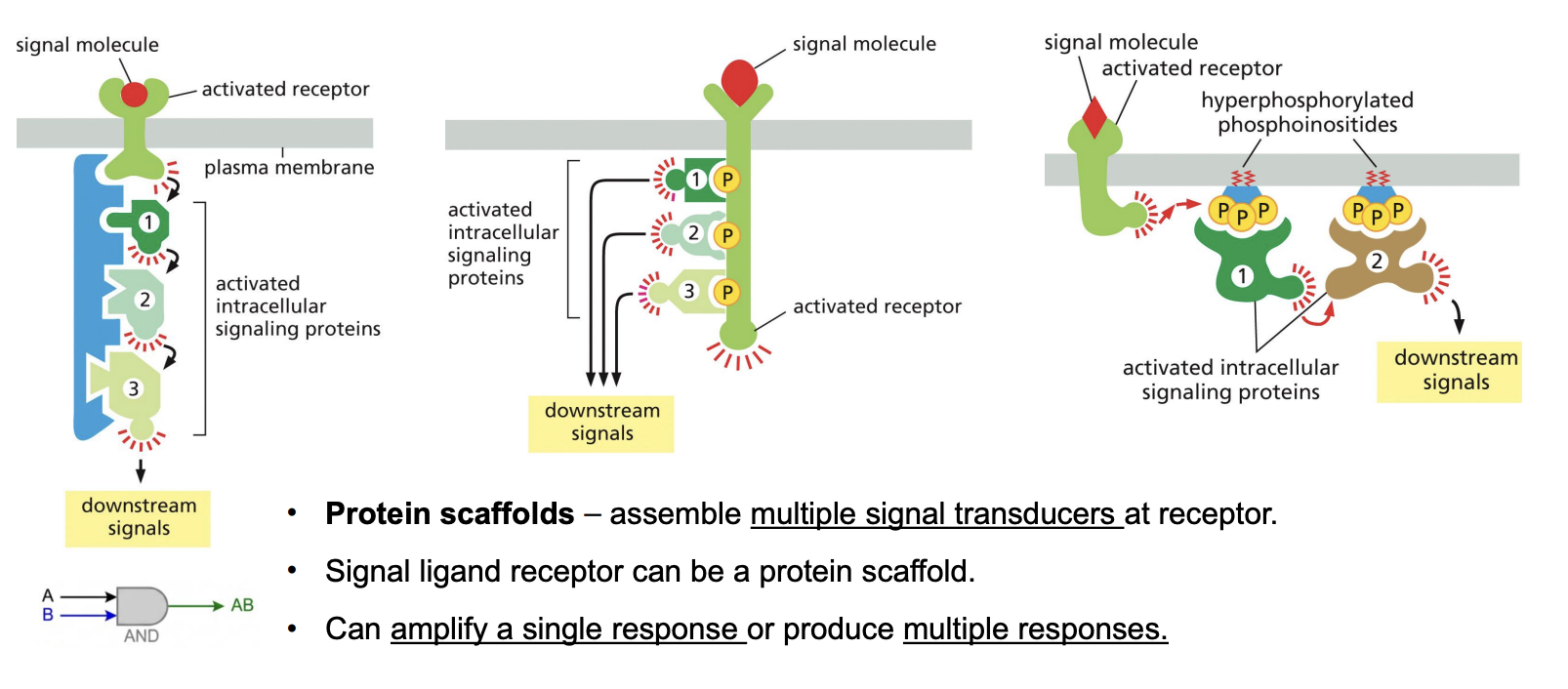
New cards

Properties of a signaling molecule

7
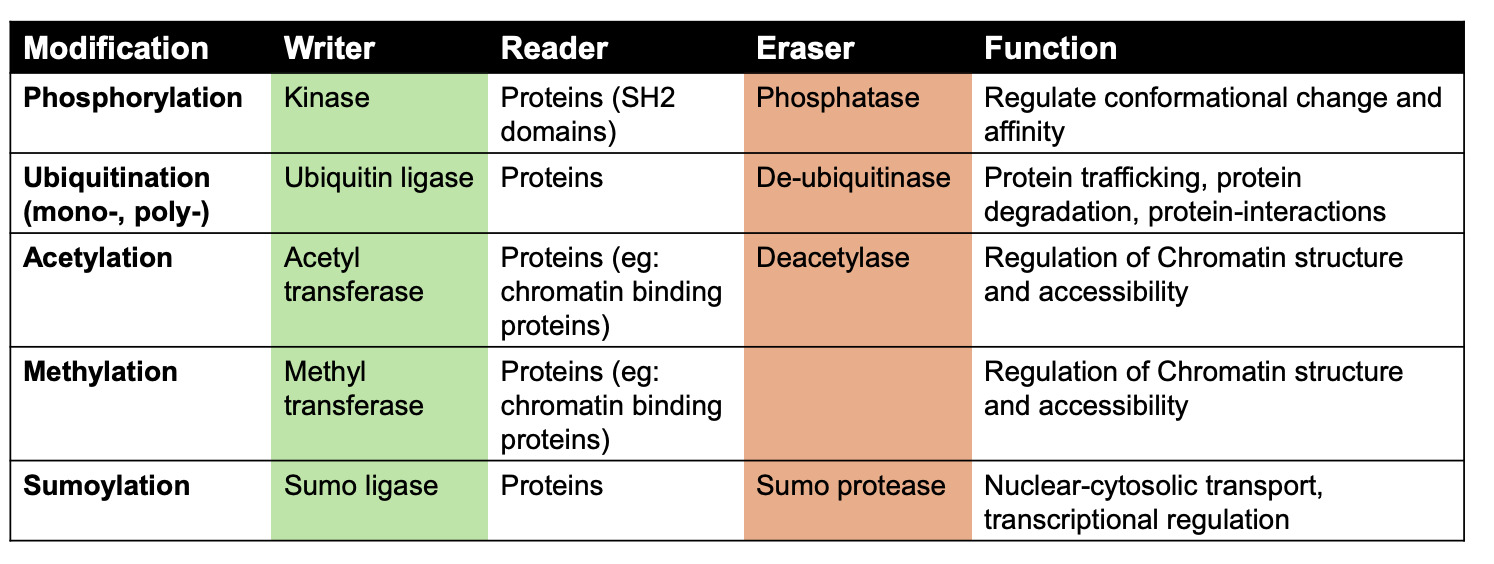
New cards

Kinetics of synthesis and degration define a signaling ligand
knowt flashcard image

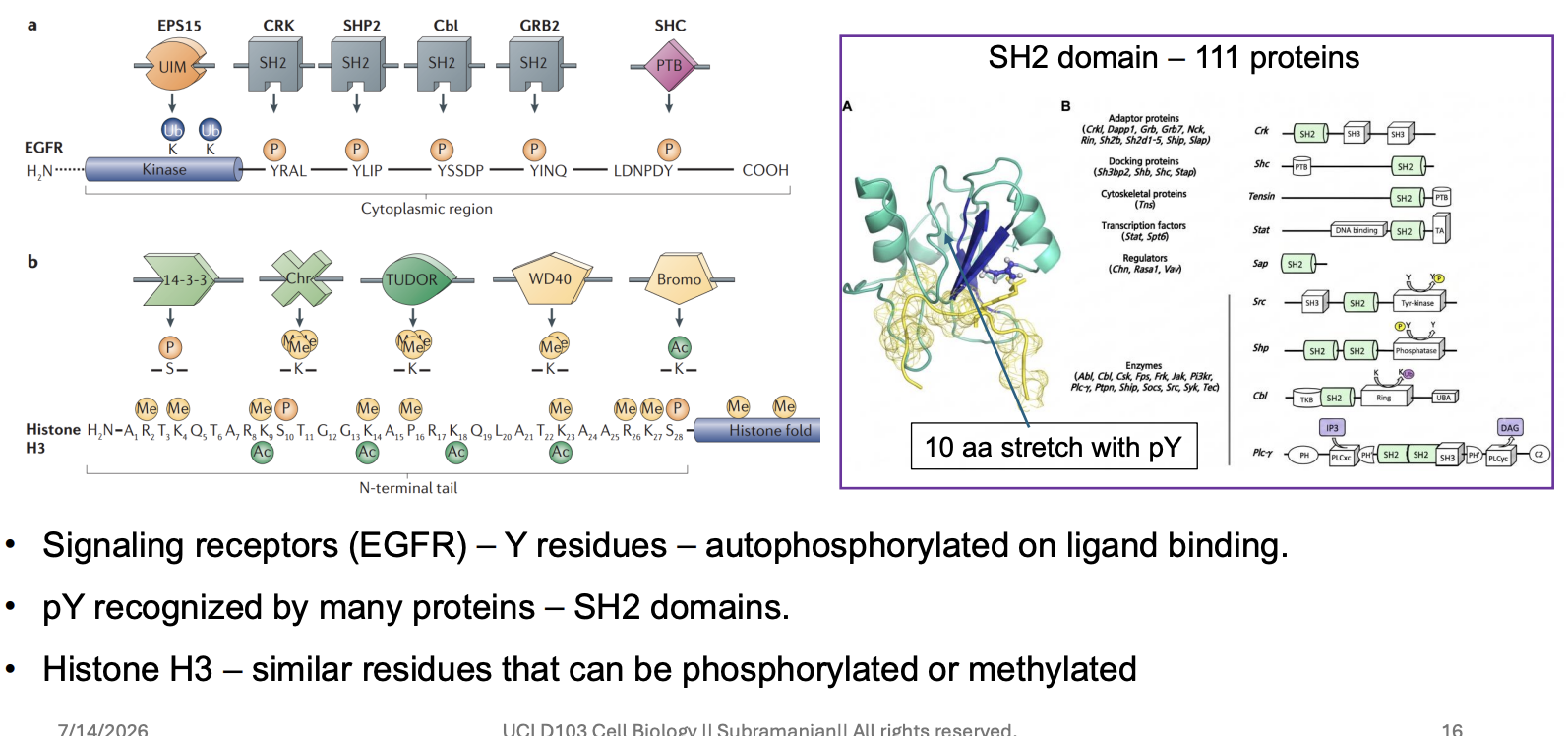
8
New cards

Different types of signaling mechanisms
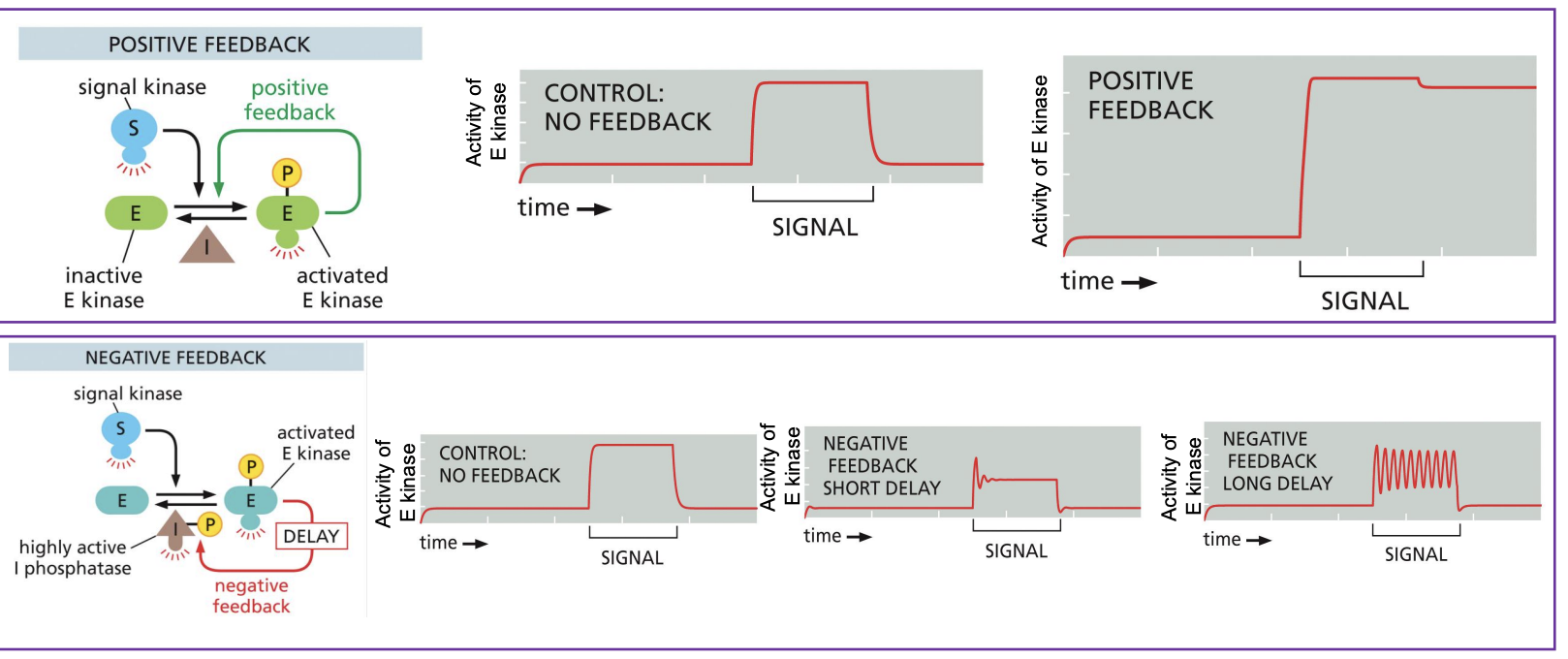
9
New cards

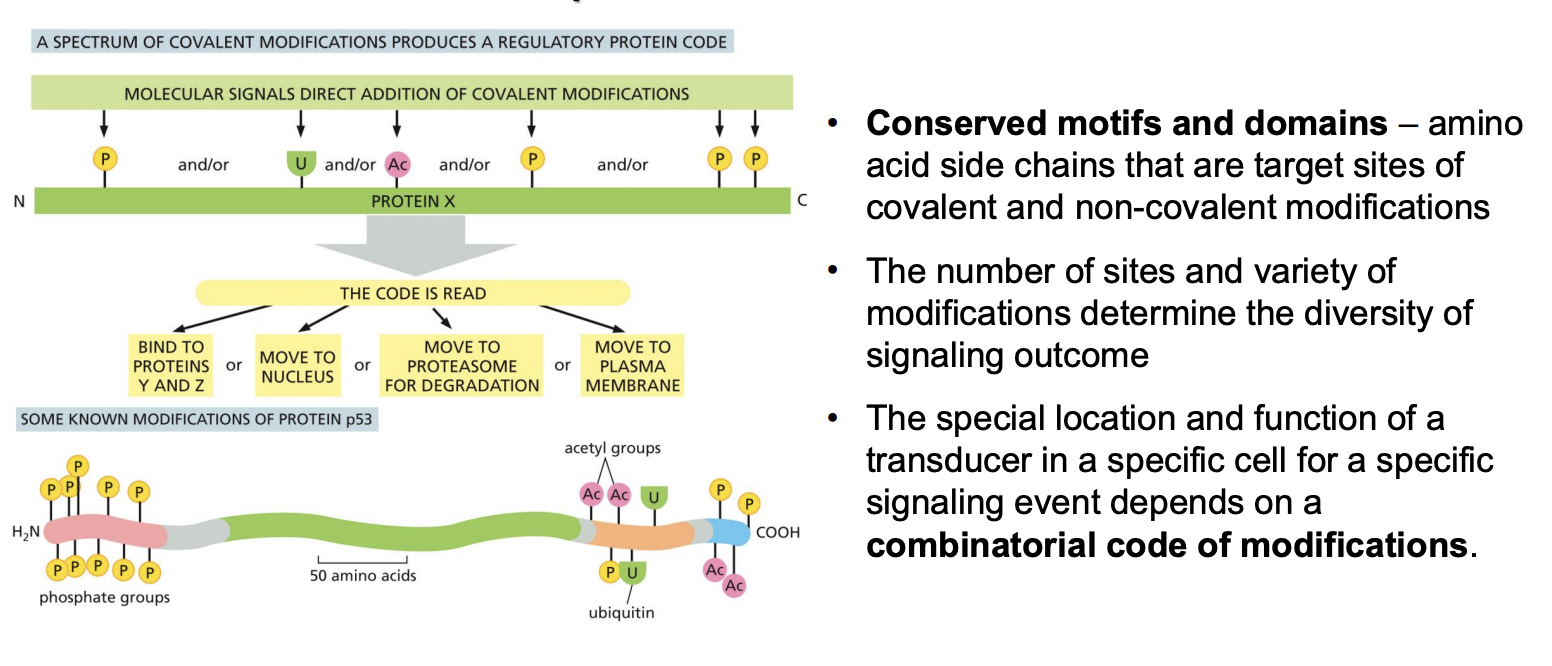
Different stages in a signaling pathway
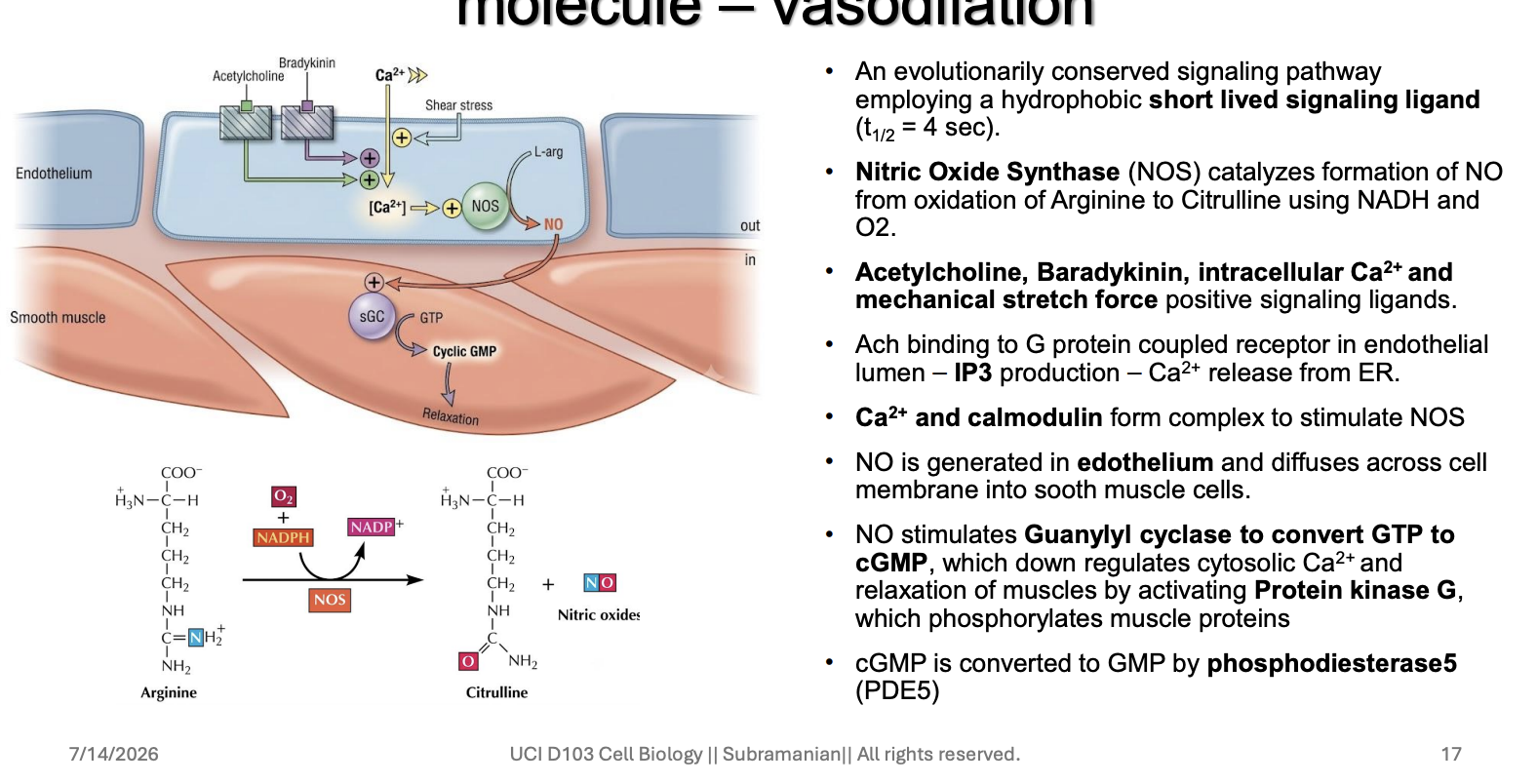
knowt flashcard image

10
New cards

Signaling scaffolds can amplify and diversify signaling response
knowt flashcard image

11
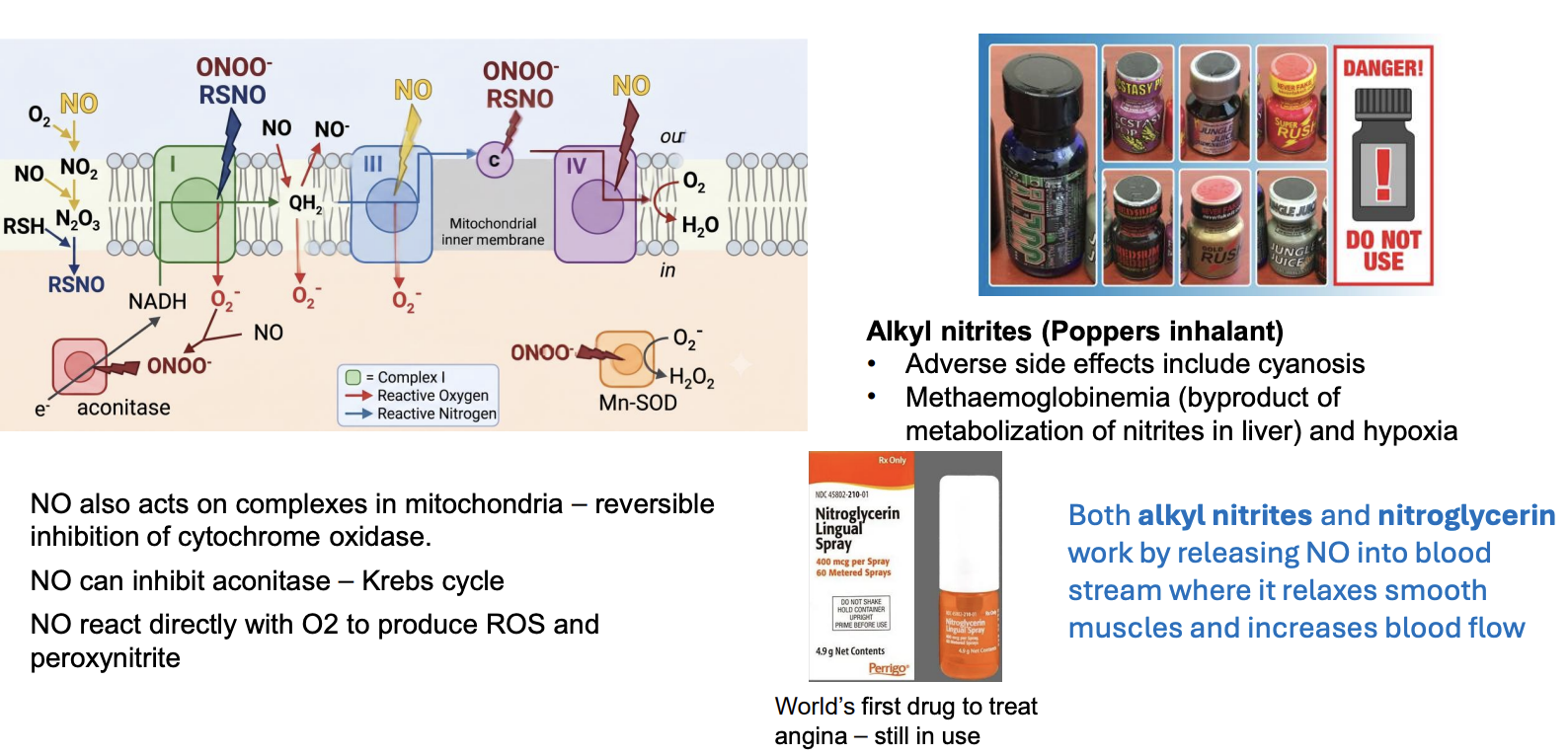
New cards

Covalent and non-covalent interactions
knowt flashcard image

12
New cards

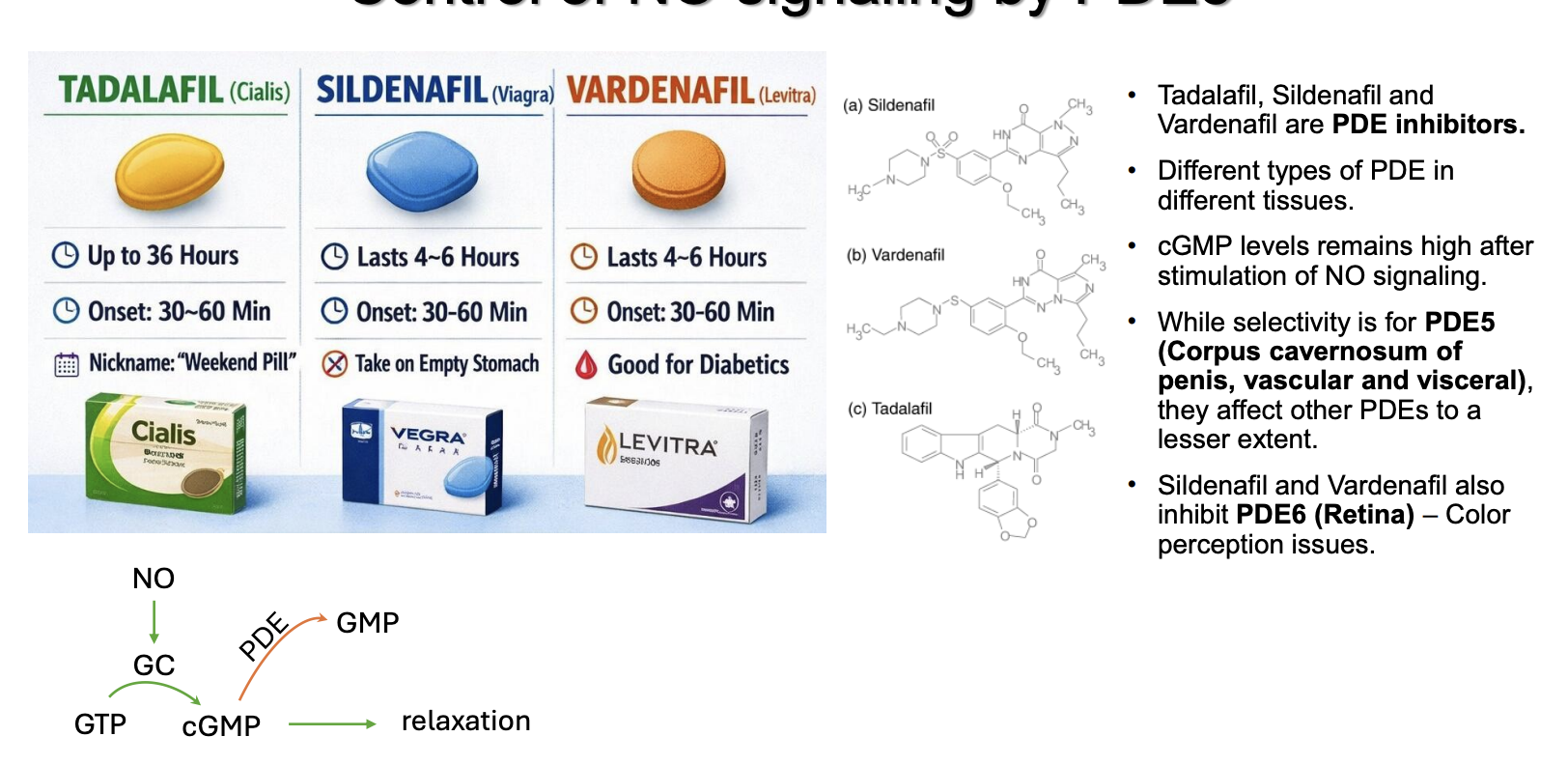
Feedback controls help regulate signaling outcome
13
New cards

Signaling responses are regulated by covalent writers and erasers
knowt flashcard image

14
New cards

Signaling transducers and effectors have multiple conserved motifs
15
New cards

Conserved domains that recognize covalent modifications are central to signal transduction
16
New cards

Nitric Oxide (NO) – a short-lived signaling molecule – vasodilation
knowt flashcard image

17
New cards

Nitric Oxide (NO) – a short-lived signaling molecule – vasodilation
knowt flashcard image

18
New cards

Control of NO signaling by PDE5

knowt flashcard image

19
New cards

Summary of Concepts

knowt flashcard image

20
New cards
Why do signaling ligands typically exhibit low affinity for their receptors?
To allow for rapid dissociation and precise modulation of signaling intensity based on concentration.
21
New cards
How does low ligand affinity contribute to reducing the 'noise' of cellular signaling?
It ensures the pathway is only activated at high ligand concentrations, preventing accidental activation by leftover or diffused molecules.
22
New cards
The primary types of non-covalent bonding encountered during ligand-receptor binding are _____ and Van der Waals forces.
hydrogen bonds
23
New cards
What mnemonic is provided in the lecture to remember the sequence of a signaling pathway?
SRTER (Students Rarely Take Exams Relaxed).
24
New cards
In the SRTER paradigm, what does the 'S' represent?
Stimulus (the signaling ligand).
25
New cards
In the SRTER paradigm, what does the 'T' represent?
Transduction (the relay of the signal through intermediate molecules).
26
New cards
Which logical gate describes a signaling pathway where the presence of a ligand switches a response off?
NOT gate (inhibitory response).
27
New cards
Which logical gate describes a signaling pathway requiring two distinct signals to elicit a single response?
AND gate.
28
New cards
How does Notch-Delta signaling differ from paracrine signaling in terms of cell-to-cell distance?
It requires direct cell-to-cell contact (juxtacrine interaction) rather than diffusion through extracellular space.
29
New cards
What is the defining characteristic of autocrine signaling?
A cell secretes a signaling molecule that binds to receptors on its own surface.
30
New cards
Why is the endocrine system often compared to a 'plumbing system'?
It utilizes the blood vessels to distribute hormones efficiently to all tissues throughout the body.
31
New cards
Which type of signaling is characterized by the release of neurotransmitters across a neuromuscular junction?
Synaptic signaling.
32
New cards
What property of a signaling molecule determines whether it requires a cell surface receptor or an intracellular receptor?
Hydrophobicity (hydrophobic molecules can cross the plasma membrane).
33
New cards
How does a cell 'decide' between different outcomes (e.g., survival vs. division) when exposed to a multitude of environmental signals?
By integrating the various inputs through the cross-talk and convergence of multiple signaling pathways.
34
New cards
The Acetylcholine receptor in skeletal muscle functions as a(n) _____ receptor.
ion-channel-coupled
35
New cards
Why must signaling ligands have rapid synthesis and rapid decay rates?
To ensure tight temporal control over the start and termination of the signaling response.
36
New cards
What is the specific role of Acetylcholine esterase at the neuromuscular synapse?
To rapidly degrade Acetylcholine, ensuring the signaling response is transient and precise.
37
New cards
The enzyme Acetylcholine esterase achieves a turnover rate close to the physical maximum determined by the _____.
diffusion rate
38
New cards
What type of cellular response is typically generated by a multi-subunit signaling receptor exhibiting cooperative binding?
An 'all-or-none' (stepwise) response.
39
New cards
Concept: Cooperative Binding
Definition: Binding of the first ligand molecule lowers the activation energy for subsequent molecules to bind to other subunits.
40
New cards
Which major class of receptors acts as an enzyme itself once a ligand binds?
Enzyme-coupled receptors (e.g., Receptor Tyrosine Kinases).
41
New cards
What is the primary function of Receptor Tyrosine Kinases ($RTKs$) upon activation?
To phosphorylate specific tyrosine residues on themselves or downstream signaling proteins.
42
New cards
How do G-protein-coupled receptors ($GPCRs$) differ from enzyme-coupled receptors in their activation mechanism?
$GPCRs$ signal through the intermediate association/sequestration of a multimeric $GTP$ase complex.
43
New cards
Which signaling molecule is mentioned as an exception that does not require a carrier protein in the cytosol despite being hydrophobic?
Nitric Oxide ($NO$) gas.
44
New cards
What is the common mechanism by which phosphorylation or ligand binding alters protein function?
Inducing a conformational change in the protein structure.
45
New cards
How does phosphorylation regulate the entry of a transcription factor into the nucleus?
It induces a conformational change that exposes a buried Nuclear Localization Signal ($NLS$).
46
New cards
What is the structural purpose of a signaling scaffold protein?
To bring multiple signaling components into close proximity, facilitating rapid and specific signal relay or amplification.
47
New cards
How can a single receptor, like an $RTK$, diversify a signal into multiple downstream outcomes?
By having multiple unique phosphorylation sites that serve as docking points for different transducer proteins.
48
New cards
Why are protein phosphatases typically 'default active' in cells?
To act as a fail-safe that automatically resets signaling pathways unless a kinase signal is actively maintained.
49
New cards
In terms of protein modification, enzymes like kinases that add a functional group are referred to as _____.
writers
50
New cards
In terms of protein modification, enzymes like phosphatases that remove a functional group are referred to as _____.
erasers
51
New cards
In terms of protein modification, protein domains like $SH2$ that recognize and bind to modifications are referred to as _____.
readers
52
New cards
What specific modification does an $SH2$ domain recognize?
Phosphorylated tyrosine residues.
53
New cards
How does a 'double negative' signaling pathway (inhibiting an inhibitor) result in a positive output?
By removing the default suppression on an effector, thereby activating the final response.
54
New cards
In the $Ran$ $GTP$ase cycle, which form is considered the 'active' signaling state?
The $GTP$-bound form.
55
New cards
What is the effect of a positive feedback loop on a signaling response?
It amplifies the signal, potentially making it self-sustaining even after the initial stimulus is removed.
56
New cards
Why does a negative feedback loop with a long delay result in an oscillatory (up and down) response?
The response peaks before the inhibitory signal 'catches up' to turn it off, followed by a recovery phase once the inhibition wanes.
57
New cards
What determines the 'combinatorial code' on a signaling protein like $p53$?
The specific pattern of various modifications (phosphorylation, acetylation, etc.) on conserved amino acid residues.
58
New cards
Which enzyme is responsible for the synthesis of Nitric Oxide ($NO$) in endothelial cells?
Nitric Oxide Synthase ($NOS$).
59
New cards
Nitric Oxide Synthase catalyzes the conversion of the amino acid _____ into Citrulline and $NO$.
$L-arginine$
60
New cards
What is the immediate intracellular signal that activates Nitric Oxide Synthase in endothelial cells?
An increase in cytoplasmic Calcium ions ($Ca^{2+}$).
61
New cards
What is the intracellular target of Nitric Oxide ($NO$) once it diffuses into smooth muscle cells?
Guanylyl cyclase.
62
New cards
Guanylyl cyclase converts $GTP$ into the secondary messenger _____.
cyclic $GMP$ ($cGMP$)
63
New cards
How does $cGMP$ lead to smooth muscle relaxation?
It activates Protein Kinase G ($PKG$), which subsequently leads to a decrease in cytosolic $Ca^{2+}$ levels.
64
New cards
How does Nitric Oxide ($NO$) affect mitochondrial function to promote muscle relaxation?
It inhibits cytochrome oxidase, reducing $ATP$ production required for muscle contraction.
65
New cards
What enzyme is responsible for terminating the Nitric Oxide signaling response by breaking down $cGMP$?
Phosphodiesterase ($PDE$).
66
New cards
What is the approximate half-life of Nitric Oxide ($NO$) in a cellular environment?
4 to 5 seconds.
67
New cards
Mechanism: Nitroglycerin
Function: It is metabolized into Nitric Oxide ($NO$), which relaxes cardiac arteries to treat angina.
68
New cards
What is the primary danger associated with the recreational use of 'poppers' (alkyl nitrites)?
The production of methemoglobin, which can lead to toxic cyanosis and hypoxia.
69
New cards
What is the specific molecular mechanism of erectile dysfunction drugs like Sildenafil?
They inhibit Phosphodiesterase 5 ($PDE5$), preventing the breakdown of $cGMP$ and maintaining muscle relaxation/blood flow.
70
New cards
Why might some erectile dysfunction drugs cause side effects related to color vision?
They can cross-react with and inhibit Phosphodiesterase 6 ($PDE6$) located in the retina.
71
New cards
How does Tadalafil differ from Sildenafil in its interaction with Phosphodiesterases?
Tadalafil is more specific to $PDE5$ and has less inhibitory effect on $PDE6$.
72
New cards
In a logical signaling circuit, if a protein kinase phosphorylates and inactivates an inhibitor of a transcription factor, what is the net effect on gene expression?
Activation (gene expression is turned on).
73
New cards
The interaction surface between a ligand and its specific receptor is generally _____ across multiple species.
highly conserved
74
New cards
Which signaling mode is most dependent on the 'body's plumbing system' for ligand delivery?
Endocrine signaling.
75
New cards
Why are $SH2$ domains considered one of the most common 'reader' domains in cellular signaling?
Because tyrosine phosphorylation is a ubiquitous and central regulatory modification in eukaryotes.
76
New cards
In the context of feedback loops, which type of delay (short or long) is most likely to produce stable, slightly reduced signaling amplitude?
Short delay negative feedback.
77
New cards
Which enzyme's activation in the $NO$ pathway is directly triggered by physical force on endothelial cells?
Calcium channels (leading to $NOS$ activation).
78
New cards
What is the structural role of $PI3$ kinase in signaling scaffolds?
It phosphorylates phosphatidylinositides to create lipid-based docking sites for transducer proteins.
79
New cards
What is the relationship between ligand affinity and the 'precocious signaling' of neighboring tissues?
Low affinity prevents low concentrations of diffused ligands from accidentally activating signaling in non-target tissues.
80
New cards
How does $NO$ induce relaxation via mitochondrial inhibition specifically?
By binding to and inhibiting cytochrome oxidase, which halts the electron transport chain and reduces available energy for contraction.
81
New cards
Which signaling transducer motif usually consists of a conserved sequence of approximately 10 amino acids for $SH2$ binding?
Phosphotyrosine motif.
82
New cards
According to the lecture, do cells typically rely on one signal or multiple signals for a single decision?
Multiple signals (signal integration).
83
New cards
In a negative feedback loop, if the Car represents the signaling response and the Brakes represent the feedback, what does a 'long delay' cause?
The car will significantly overshoot the target speed before slowing down, leading to oscillations.
84
New cards
Why is the use of $NO$-based drugs like Nitroglycerin sublingual (under the tongue)?
To provide rapid entry into the bloodstream for immediate delivery to the cardiac arteries.
85
New cards
A signaling pathway that activates its own inhibitor after a delay is a classic example of a _____ feedback loop.
negative
86
New cards
What chemical byproduct of alkyl nitrite metabolism is toxic to hemoglobin?
Methemoglobin.
87
New cards
What happens to the $GTP$ bound to a $G$ protein when a 'Gap' (GTPase Activating Protein) interacts with it?
It is hydrolyzed to $GDP$, switching the signal off.
88
New cards
In the SRTER model, a transcription factor that enters the nucleus to change gene expression acts as the _____.
Effector
89
New cards
Why are phosphatases essential for signal termination?
They remove the phosphate groups added by kinases, reversing the conformational changes that keep the pathway active.
90
New cards
What is the 'active' form of the $G$ protein regulated by a 'Gef' (Guanine Nucleotide Exchange Factor)?
The $GTP$-bound form.
91
New cards
The process where one activated receptor triggers many secondary messengers to increase signal intensity is called _____.
amplification
92
New cards
Which signaling component in the SRTER sequence is responsible for the actual 'work' (e.g., muscle contraction or gene transcription)?
Effector.
93
New cards
What determines the specific tissue response to an endocrine hormone like adrenaline or insulin?
The presence or absence of the specific receptor for that hormone in the tissue's cells.
94
New cards
In the $NO$ pathway, what happens to the signaling speed if Phosphodiesterase is inhibited?
The signaling response is prolonged because $cGMP$ is not being degraded.
95
New cards
A receptor that undergoes autophosphorylation upon ligand binding is most likely a(n) _____.
Receptor Tyrosine Kinase ($RTK$)
96
New cards
What are the three categories used to classify players in protein modification signaling?
Writers, Readers, and Erasers.
97
New cards
Concept: Signal Diversification
Definition: One ligand-receptor interaction branching out into multiple distinct downstream responses.
98
New cards
The ability of a cell to reset its signaling state using existing proteins rather than new synthesis is a hallmark of _____ regulation.
post-translational
99
New cards
In the lecture, what is the role of $Ca^{2+}$ in the Nitric Oxide pathway?
It acts as the primary activator of the Nitric Oxide Synthase enzyme in endothelial cells.