Geology
 Call Kai
 Learn
Learn Practice Test
 Spaced Repetition
 Match
Match Flashcards
 Knowt Play
1/24

There's no tags or description
Looks like no tags are added yet.
Name | Mastery | Learn | Test | Matching | Spaced | Call with Kai | Chat |
|---|
No analytics yet
Send a link to your students to track their progress
25 Terms

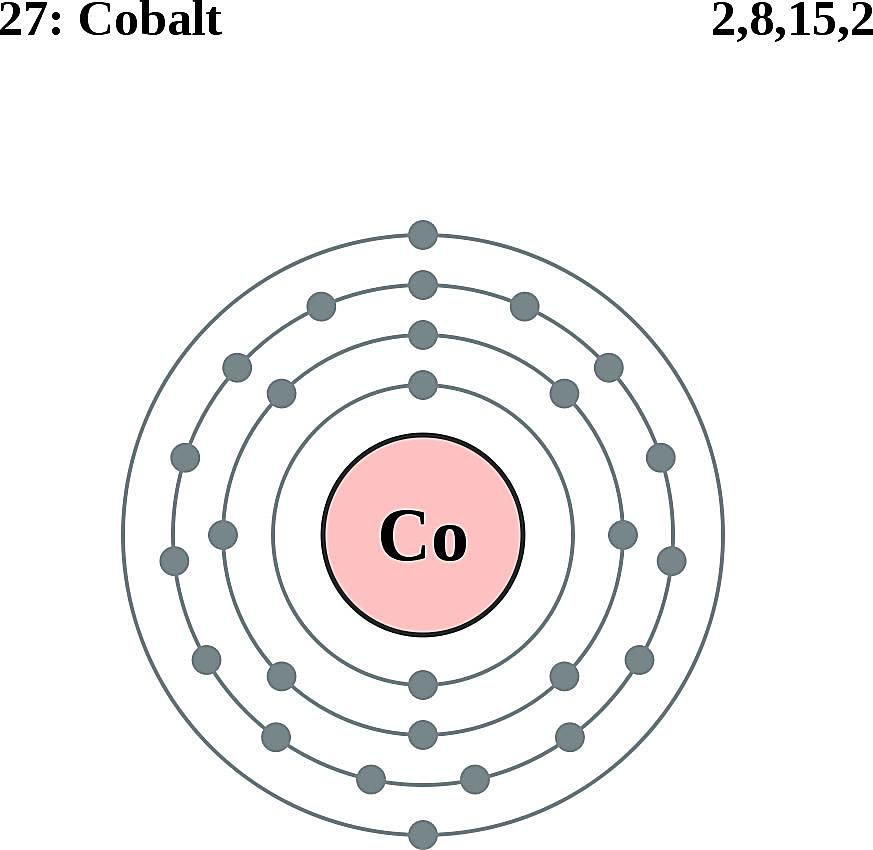
The universe and everything in it is made of matter, the basic unit of which is the:
atom
A particular type of atom is referred to as an:
element

Elements are organized by:
periodic table

The periodic table is organized such that elements within the same __ have similar physical properties.
groups / columns

The first elements formed after:
Big Bang Theory

The lightest elements that formed after the Big Bang are:
Hydrogen, helium, lithium, beryllium
Stars form when:
Enough density creates a gravitational pull that compresses a mass, generating high pressure and high heat.

Stellar fusion
The creation of heavier elements by nuclear fusion reactions within stars

Supernova
The explosion of a star as a result from gravity pushing inwards and collapsing it.
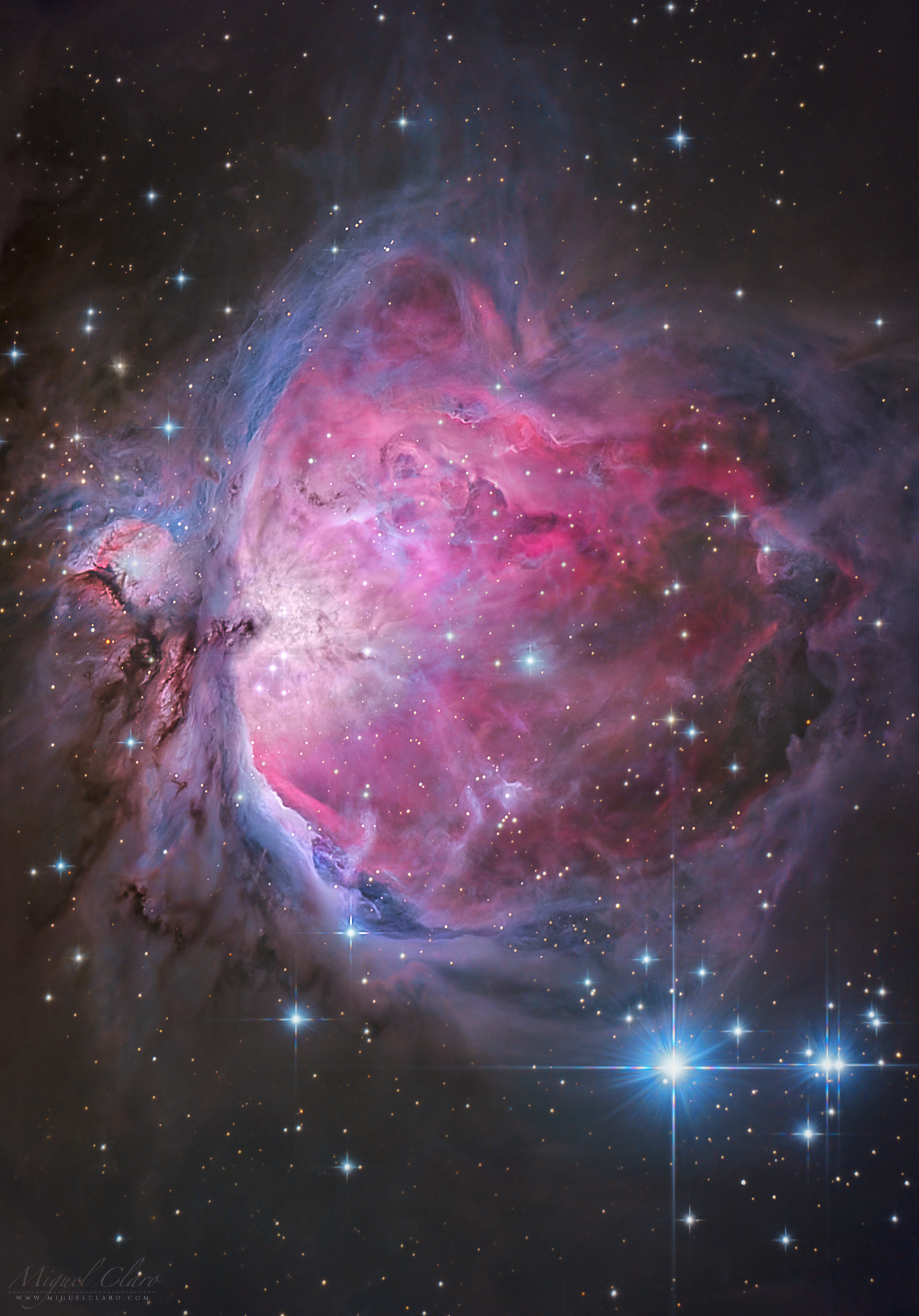
Nebula
An interstellar cloud of dust, hydrogen, helium, and other ionized gases.P

Protoplanetary disk
A rotating disk of dense gas and dust surrounding a newly formed star.

Planetesimals
Small proto-planets that form from the rings of dust orbiting the young star.
Order of solar system formation:
Nebula, protoplanetary disk, ring of planetesimals, solar system
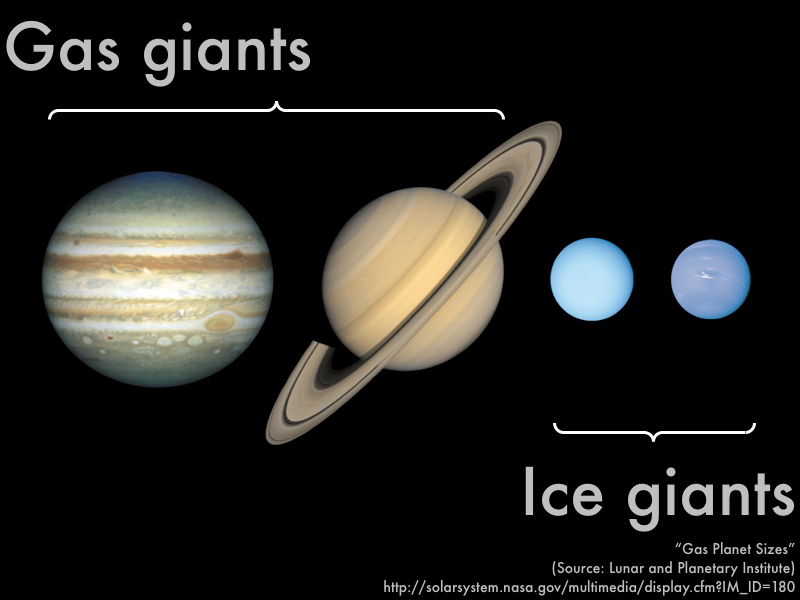
Volatile materials
Turn into gases or ice at low temperatures; how Saturn, Jupiter, and Neptune exist
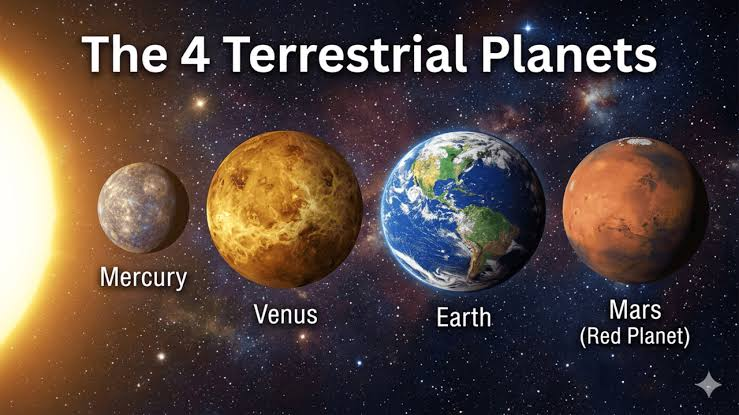
Refractory materials
Materials that stay solid at very high temperatures; how terrestial planets form. Forms rocky/metallic materials when solidified
Earth’s Differentiation

The process by which the planet's interior layers formed and separated based on physical and chemical properties, primarily density.

How did the moon form?
A protoplanet collided into Earth, which formed a ring of debris. The debris would accrete over time and form the moon.
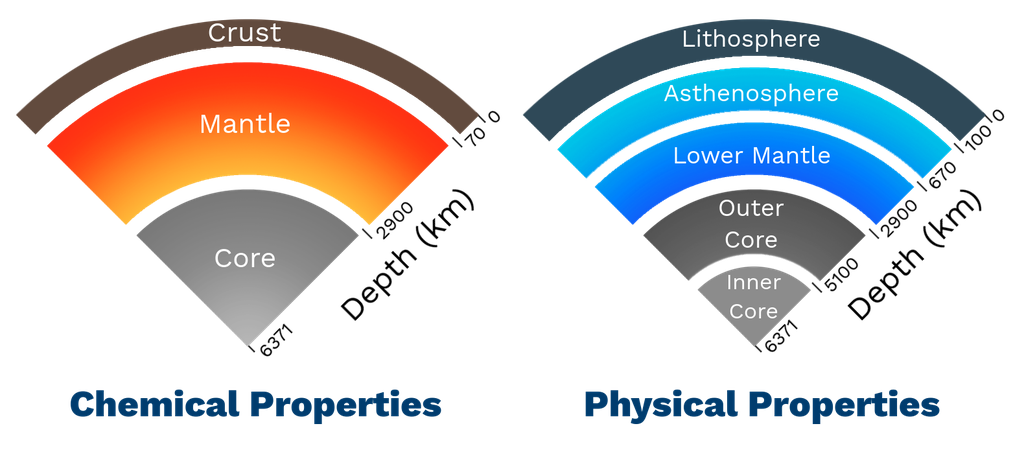
Earth’s chemical layers are:
Crust, mantle, core
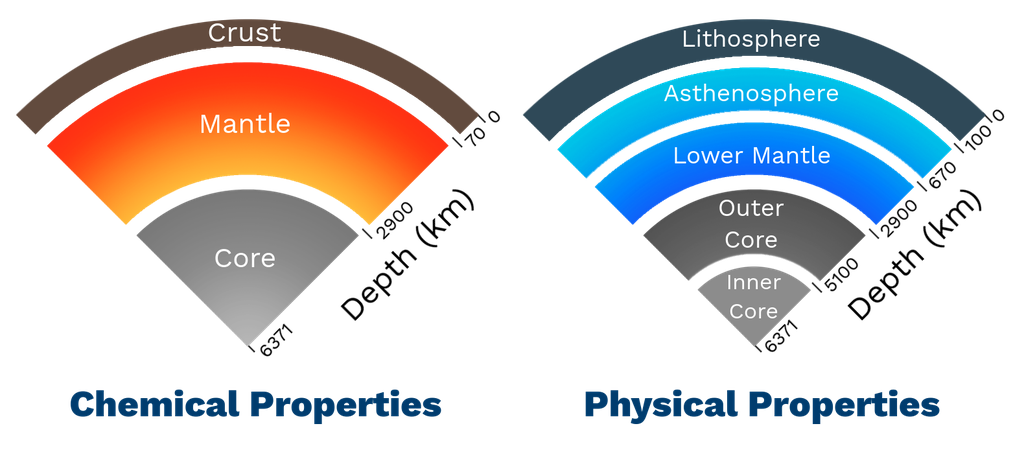
Earth’s physical layers are:
Lithosphere, asthenosphere, mesosphere, outer core, inner core

Density equals:
Mass / volume

Meteors
The glowing streaks visible in the sky when pieces of rock enter the atmosphere

Meteorites
Pieces of space rocks that hit the Earth

What are the two types of meteorites?
Stony meteorites and iron meteorites
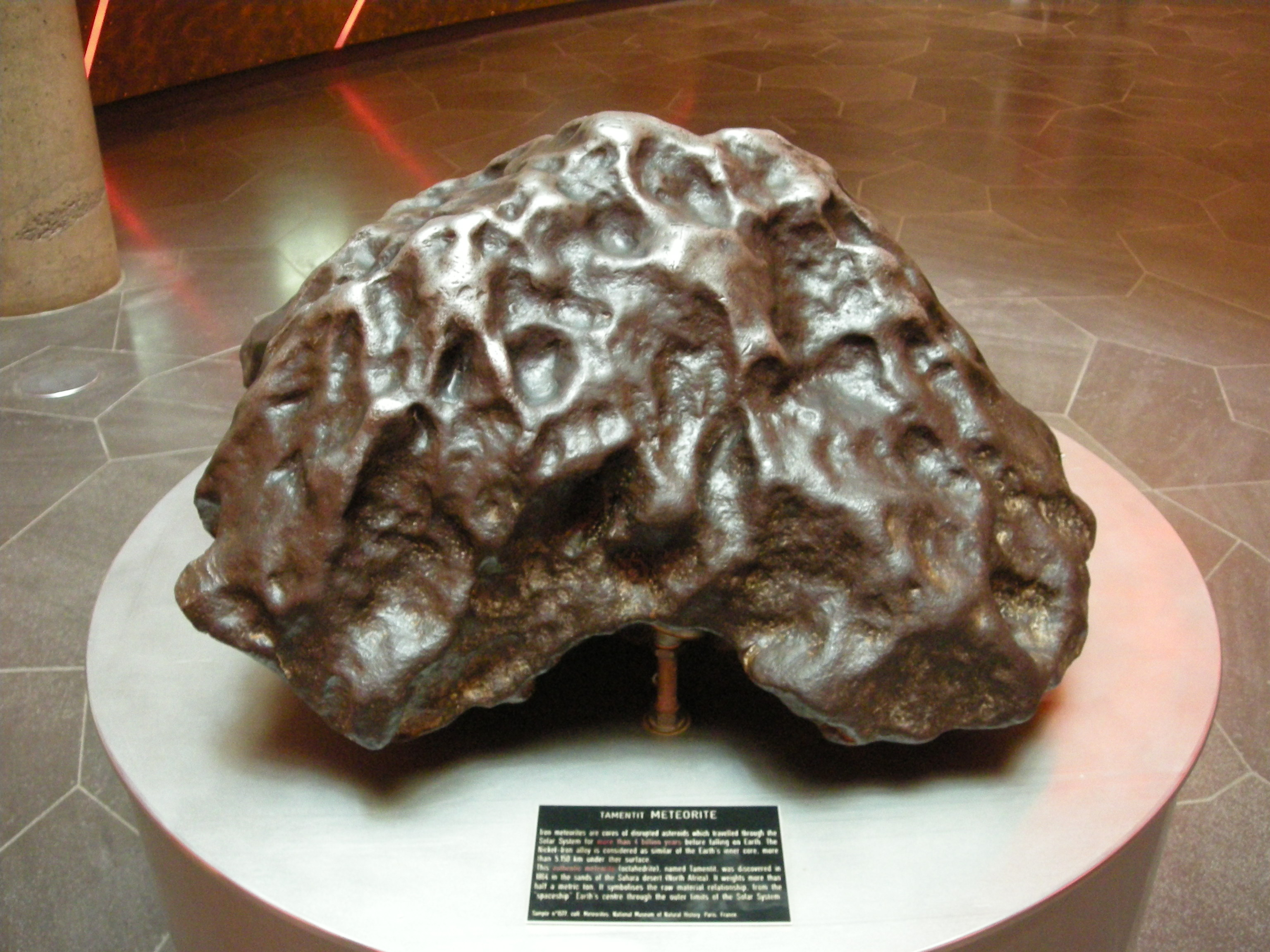
The core is made of:
iron-nickel metal
The mantle is made of:
Fe-Mg rich silicates