leetcode algorithms
 Call Kai
 Learn
Learn Practice Test
 Spaced Repetition
 Match
Match Flashcards
 Knowt Play
1/19

Earn XP
Description and Tags
description, when to use, time complexity, template, visual aid - https://blog.algomaster.io/p/20-dsa-patterns
Name | Mastery | Learn | Test | Matching | Spaced | Call with Kai | Chat |
|---|
No analytics yet
Send a link to your students to track their progress
20 Terms
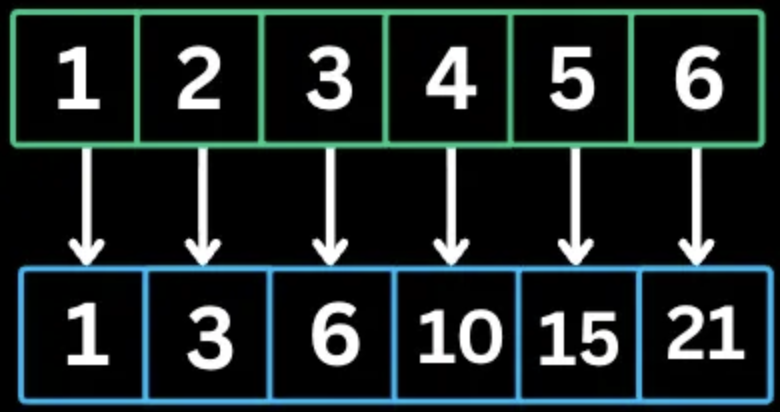
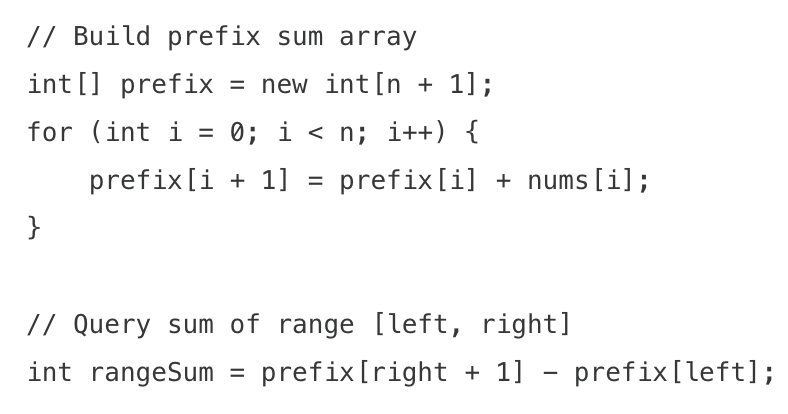
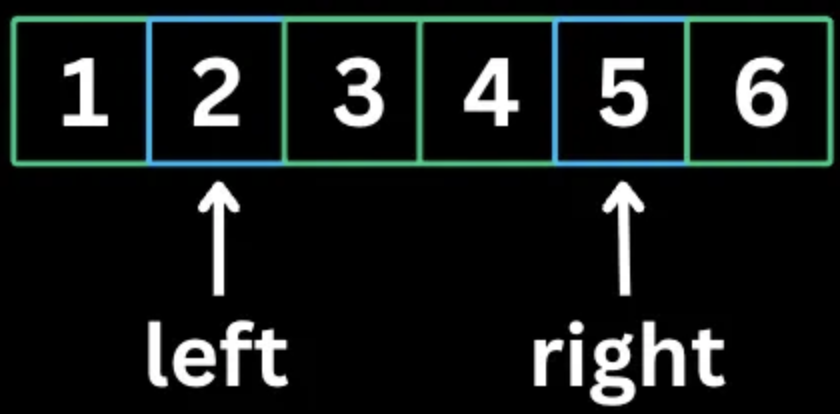
prefix sum
preprocessing an array to create a new array where each element at index i represents the sum of all elements from the start up to i
time complexity: allows for O(1) sum queries on any subarray
when to use
multiple sum queries on subarrays
finding subarrays with a target sum
calculating cumulative totals
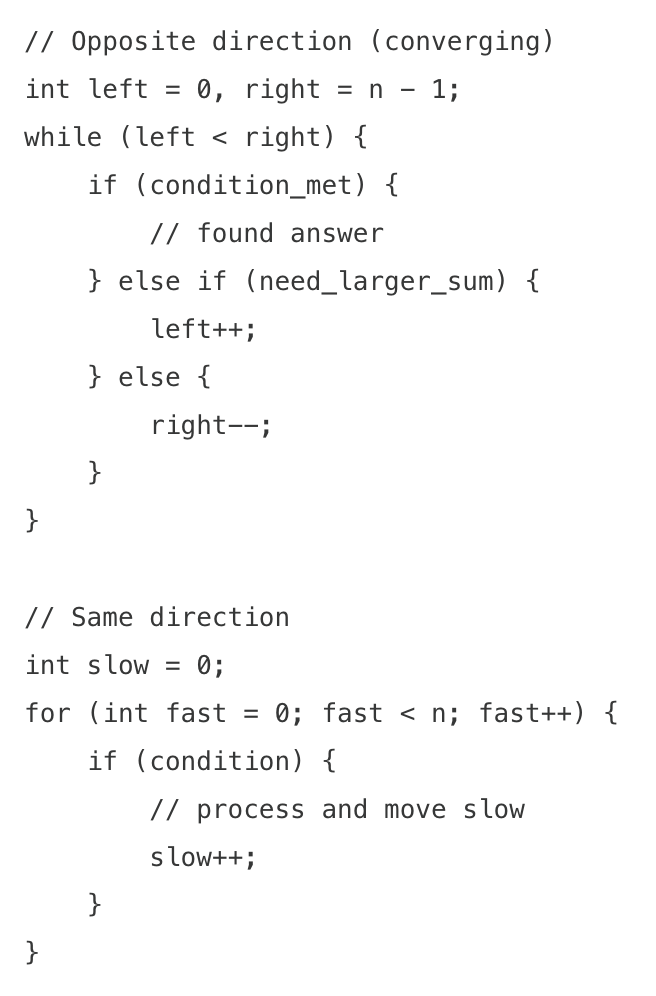
two pointers
two pointers to traverse an array or list, typically from opposite ends or both moving in the same direction.
time complexity: reduces from O(n²) to O(n) for many problems
when to use
finding pairs in sorted arrays
comparing elements from both ends
partitioning arrays
palindrome checkschecks
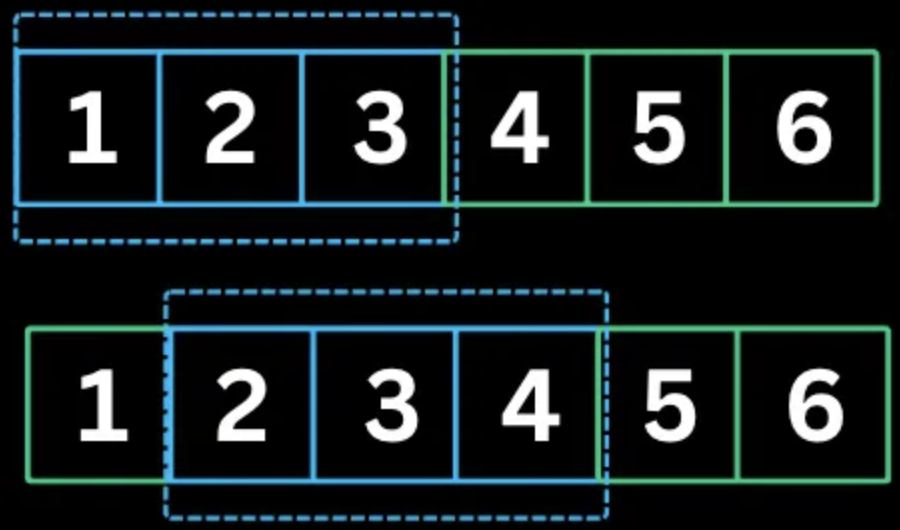
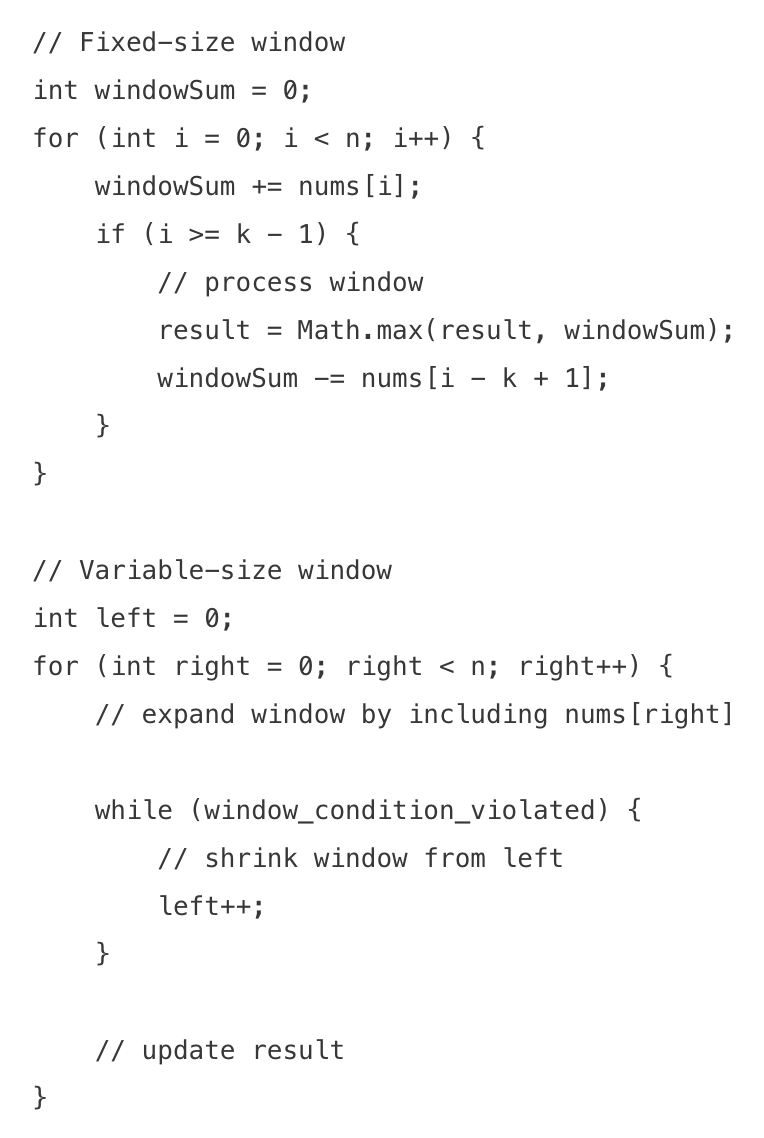
sliding window
maintains a window of elements and slides it across the array to find subarrays/substrings that satisfy a given condition. avoids recalculating overlapping parts of consecutive windows
when to use
contiguous subarray/substring problems
max/min in window of size k
longest/shortest substring with certain properties
problems involving consecutive elements
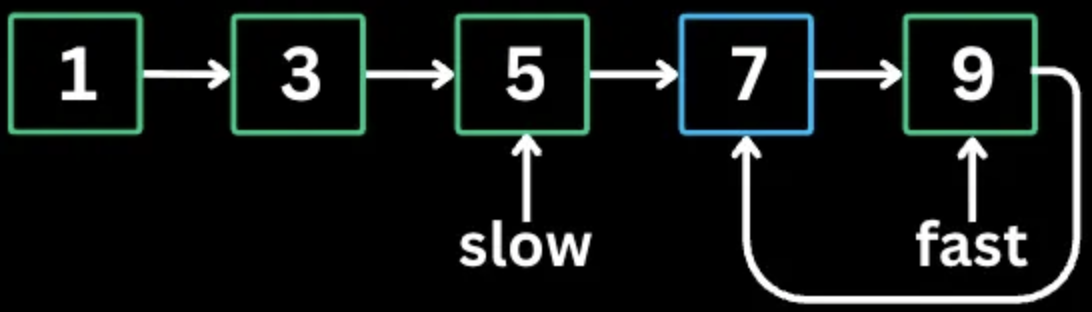
fast & slow pointers
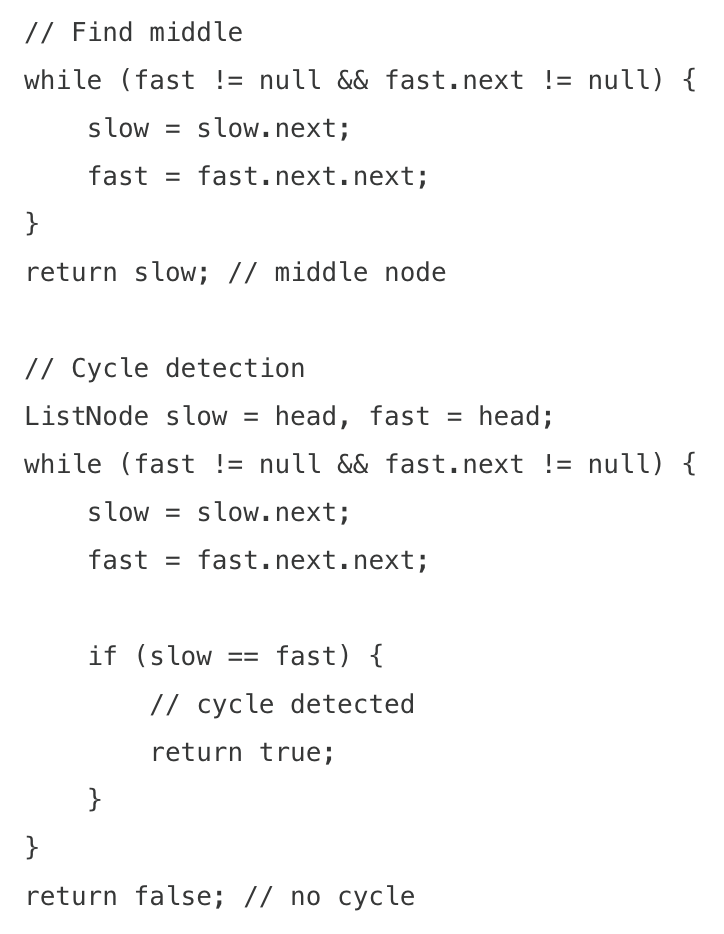
two pointers moving at different speeds; when there is a cycle, the fast pointer will eventually meet the slow pointer
when to use
detecting cycles in linked lists or arrays
finding the middle of a linked list
finding the start of a cycle
linkedlist in-place reversal
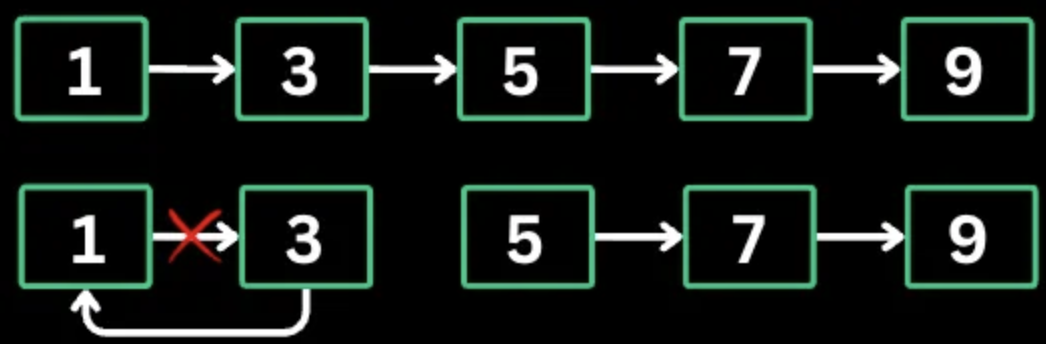
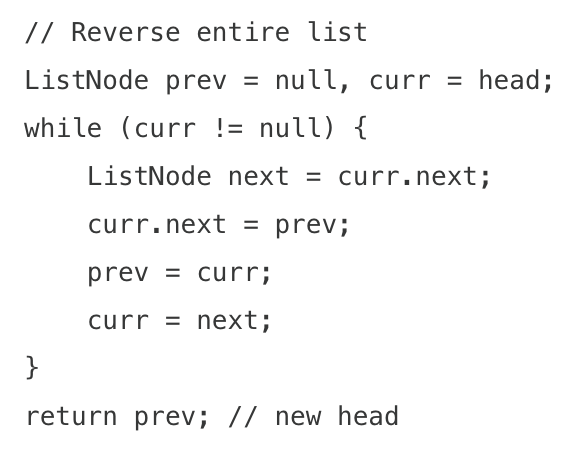
reverses parts of a linked list without using extra space. manipulates pointers to reverse the direction of links
when to use
reversing a linked list or a portion of it
reversing nodes in groups
checking for palindromes in linked list
frequency counting
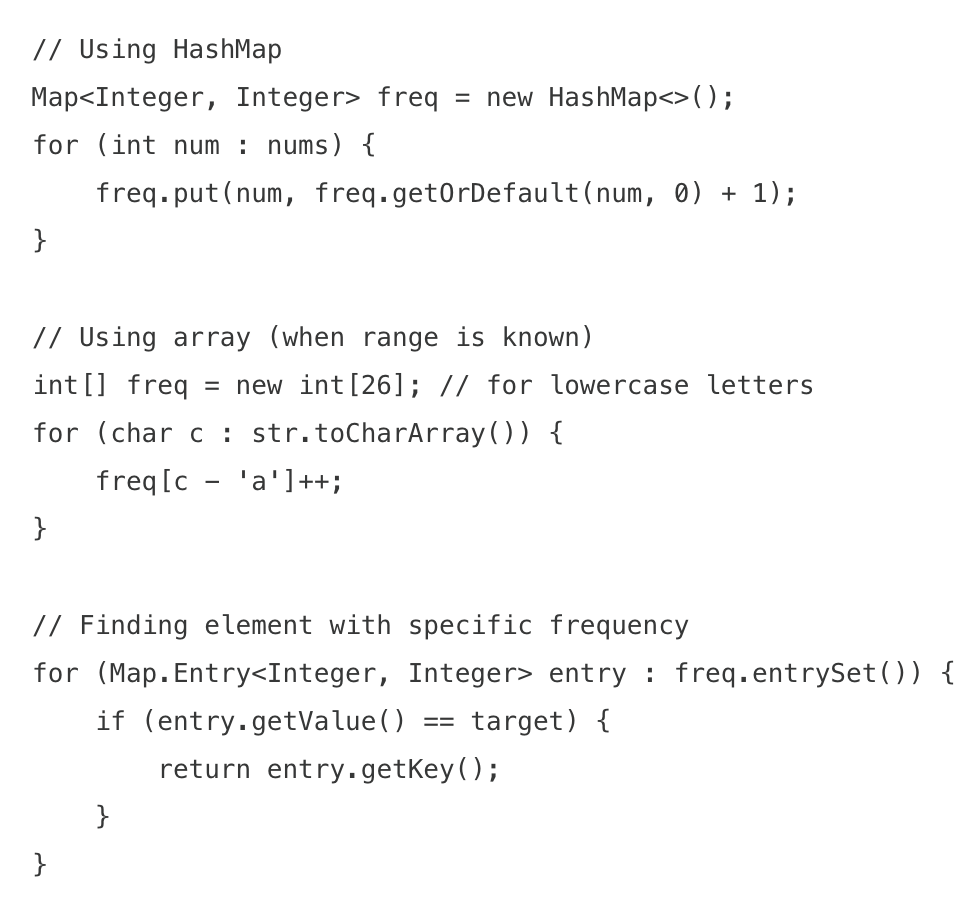
hashmaps or arrays to count occurrences of elements
time complexity: transforms O(n²) to O(n) by trading space for time
when to use
finding duplicates or unique elements
checking if two collections have the same elements
finding elements that appear k times
anagram problems
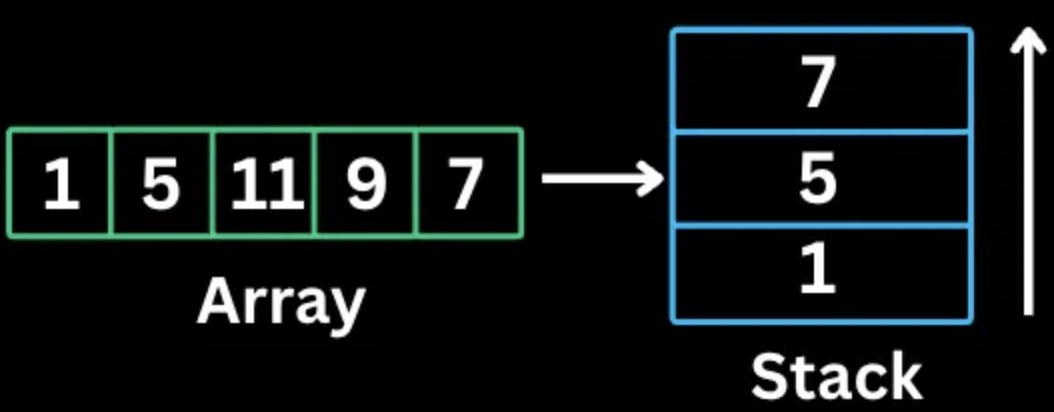
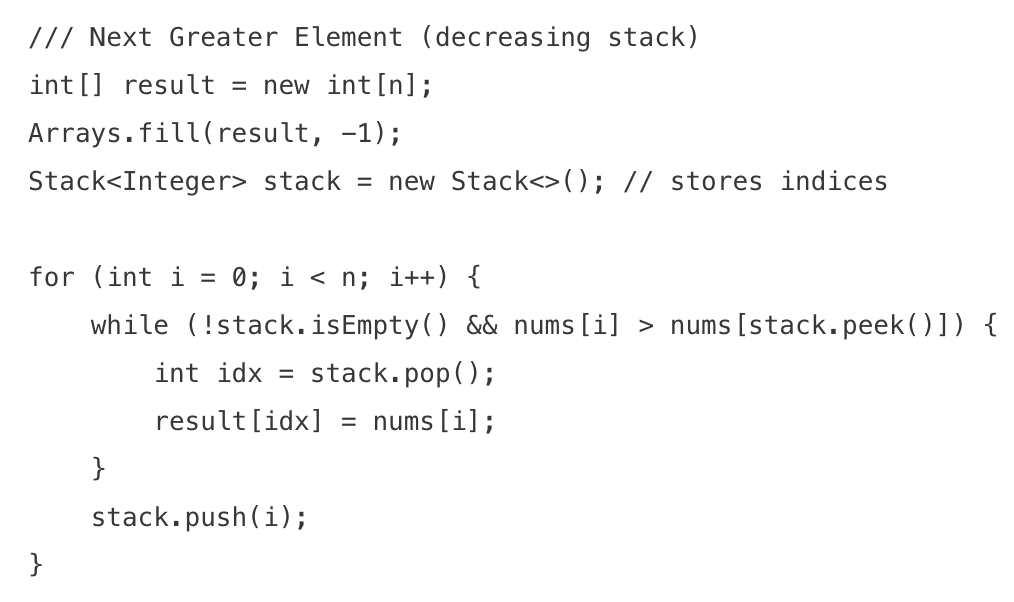
monotonic stack
maintains elements in either increasing or decreasing order. as you iterate, you pop elements that violate the order, which reveals relationships between elements
when to use
finding the next/previous greater/smaller element
problems involving spans or ranges
histogram problems
bit manipulation
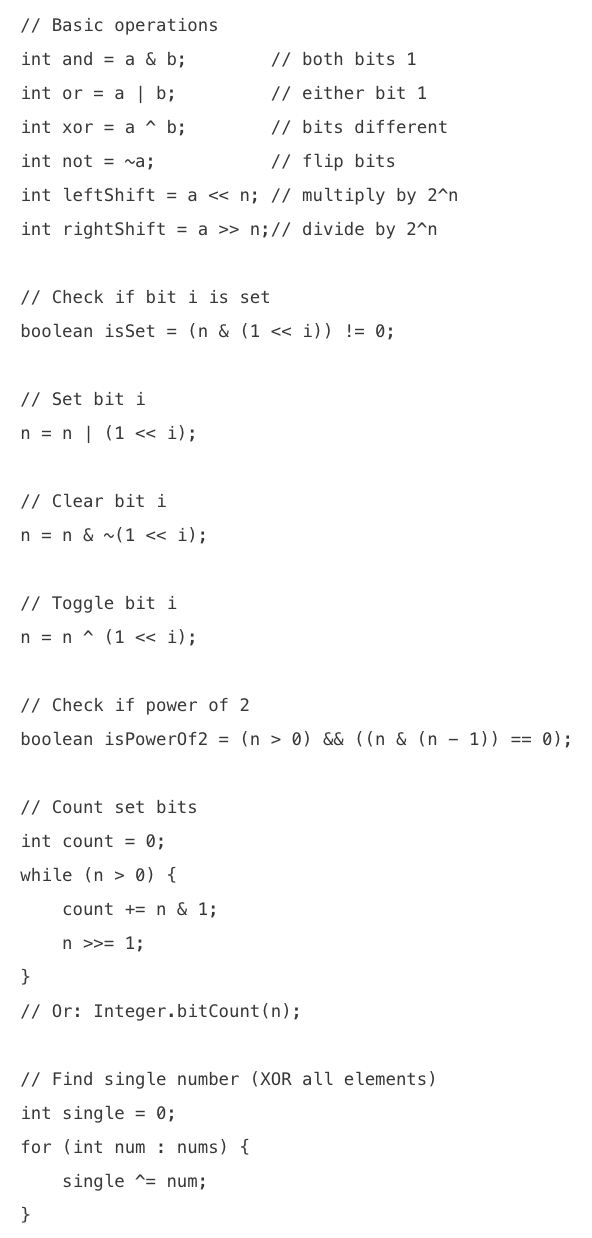
uses binary operations (AND, OR, XOP, NOT, shifts) to solve problems efficiently
when to use
finding unique numbers (XOR)
checking power of 2
counting bits
generating subsets using bit masks
space optimization
top ‘K’ elements
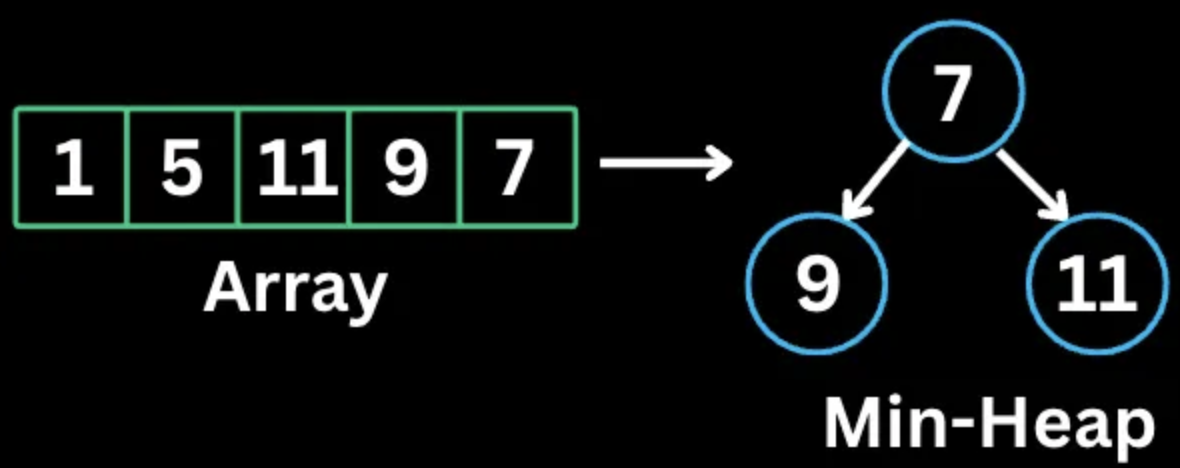
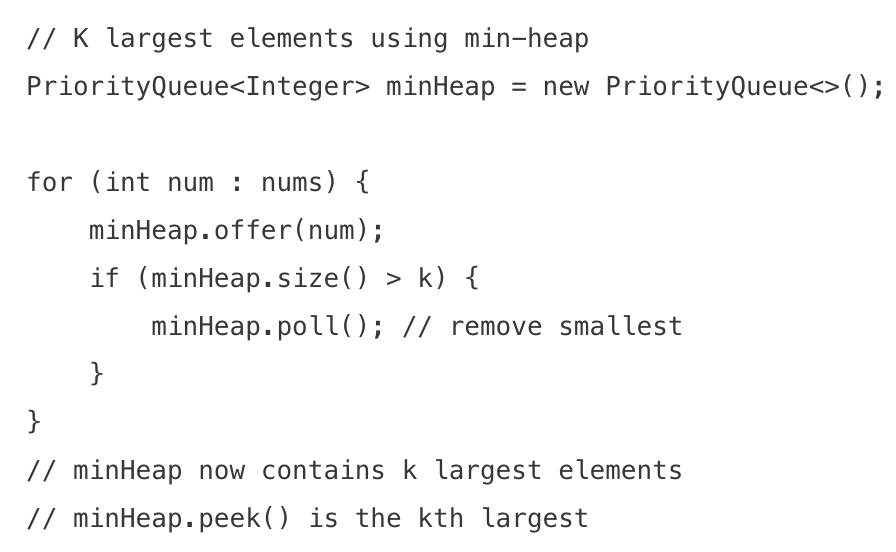
finds k largest or smallest elements using heaps (PQ). a min-heap of size k keeps track of k largest elements, and a max-heap keeps k smallest
when to use
finding k largest/smallest elements
finding kth largest/smallest element
finding k most/least frequent elements
merging k sorted lists
overlapping intervals
handles problems involving intervals that may overlap. key insight is that after sorting by start time, two intervals [a, b] and [c, d] overlap if b >= c
when to use
merging overlapping intervals
finding interval intersections
scheduling problems (meeting rooms)
inserting into sorted intervals

![<ul><li><p>handles problems involving intervals that may overlap. key insight is that after sorting by start time, two intervals [a, b] and [c, d] overlap if b >= c</p></li><li><p>when to use</p><ul><li><p>merging overlapping intervals</p></li><li><p>finding interval intersections</p></li><li><p>scheduling problems (meeting rooms)</p></li><li><p>inserting into sorted intervals</p></li></ul></li></ul><img src="https://assets.knowt.com/user-attachments/6205e93b-ea4f-4a13-b4cc-fd5da8271cf4.png" data-width="100%" data-align="center"><p></p>](https://assets.knowt.com/user-attachments/5e9f268d-7305-4707-b14f-b1ab7860f31d.png)
modified binary search
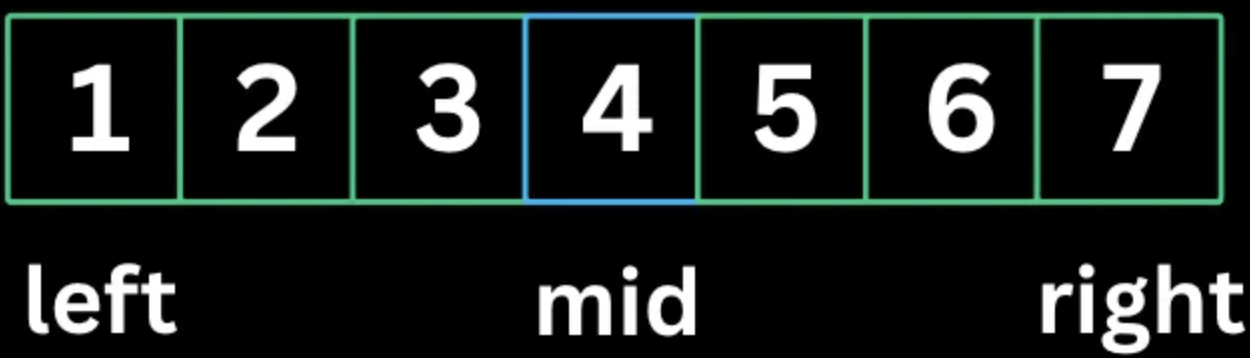
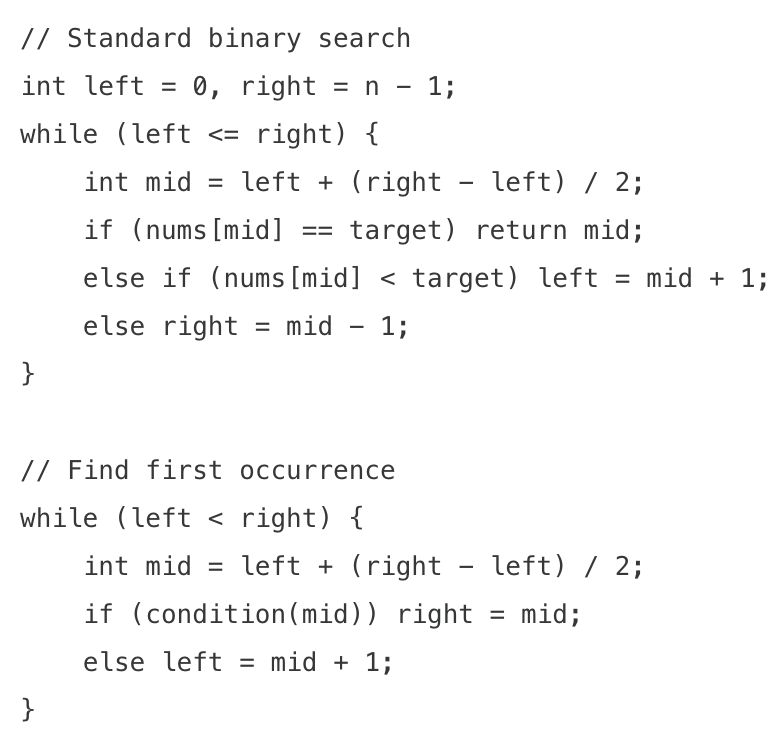
adaps binary search to handle rotated arrays, finding boundaries, or searching for conditions rather than exact values
when to use
searching in rotated sorted arrays
finding first/last occurrence of element
finding minimum/maximum satisfying a condition
peak finding problems
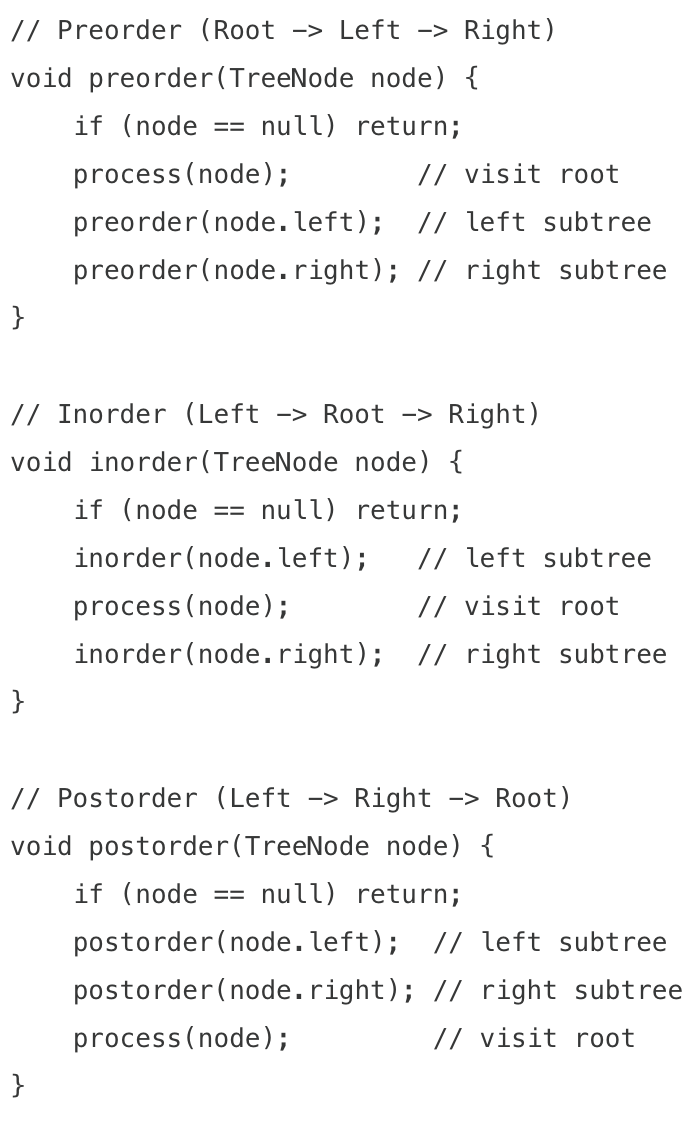
binary tree traversal
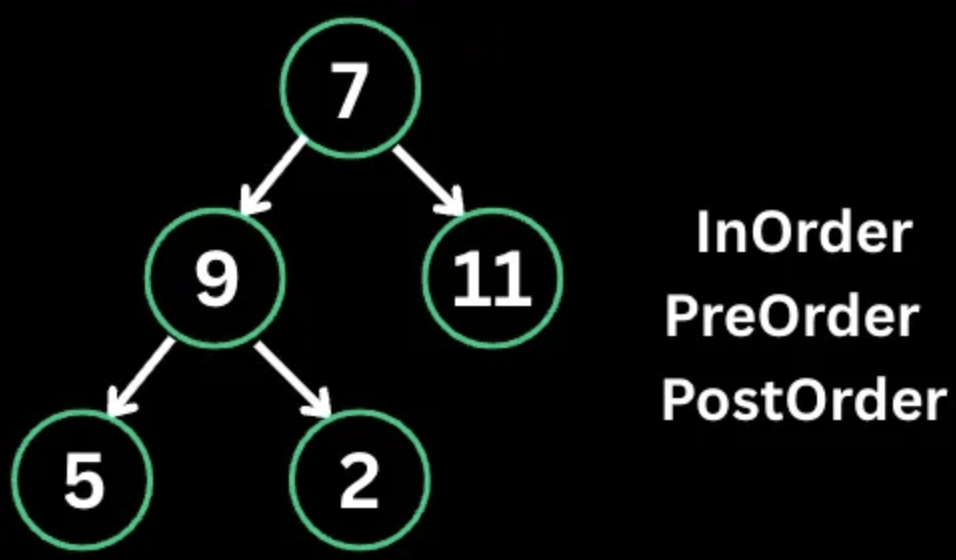
visits all notes in a specific order. preorder (root-left-right), inorder (left-root-right) and postorder (left-right-root)
when to use
processing tree nodes in a specific order
building trees from traversals
bst operations (inorder gives sorted order)
tree serialization/deserialization)
depth-first search (DFS)
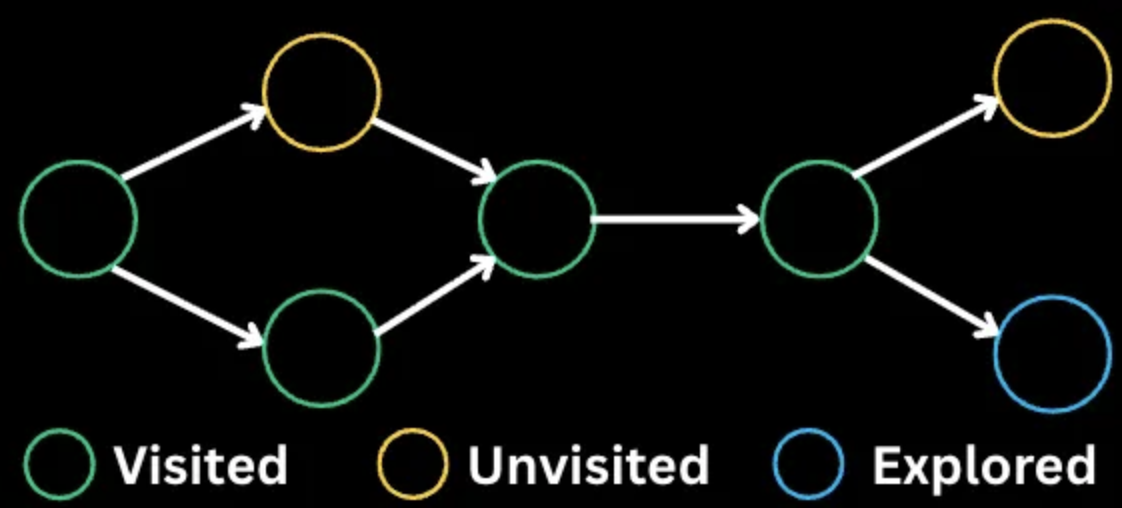
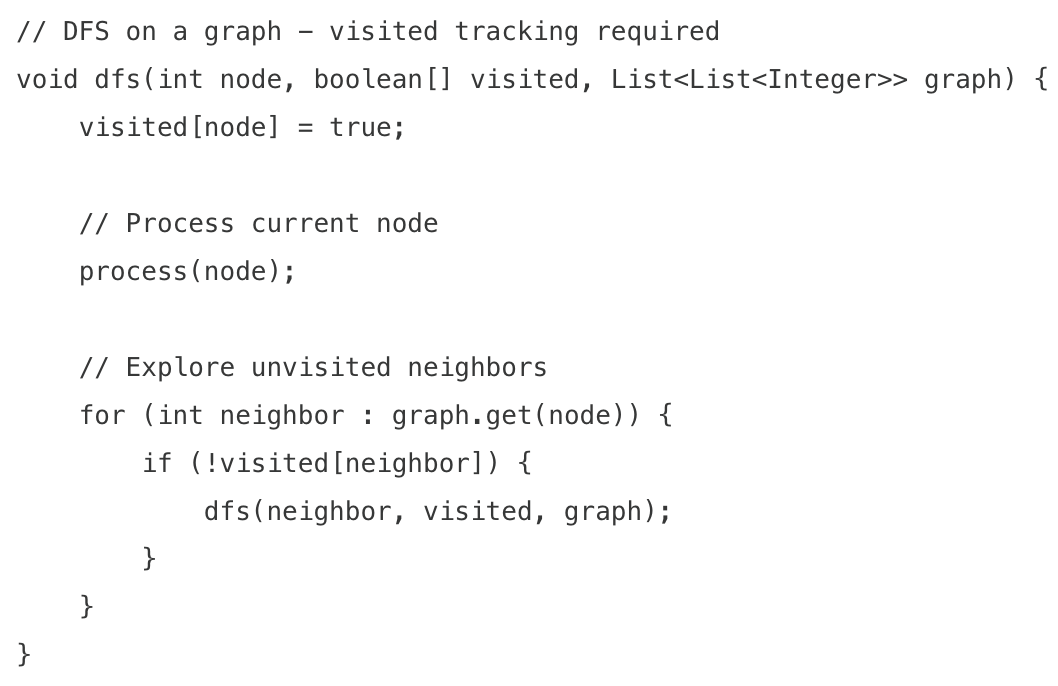
explores as deep as possible along each branch before backtracking. uses a stack (or recursion) to remember which nodes to visit next)
when to use
exploring all paths in a tree.graph
finding connected components
detecting cycles
topological sorting
path finding when all paths matter
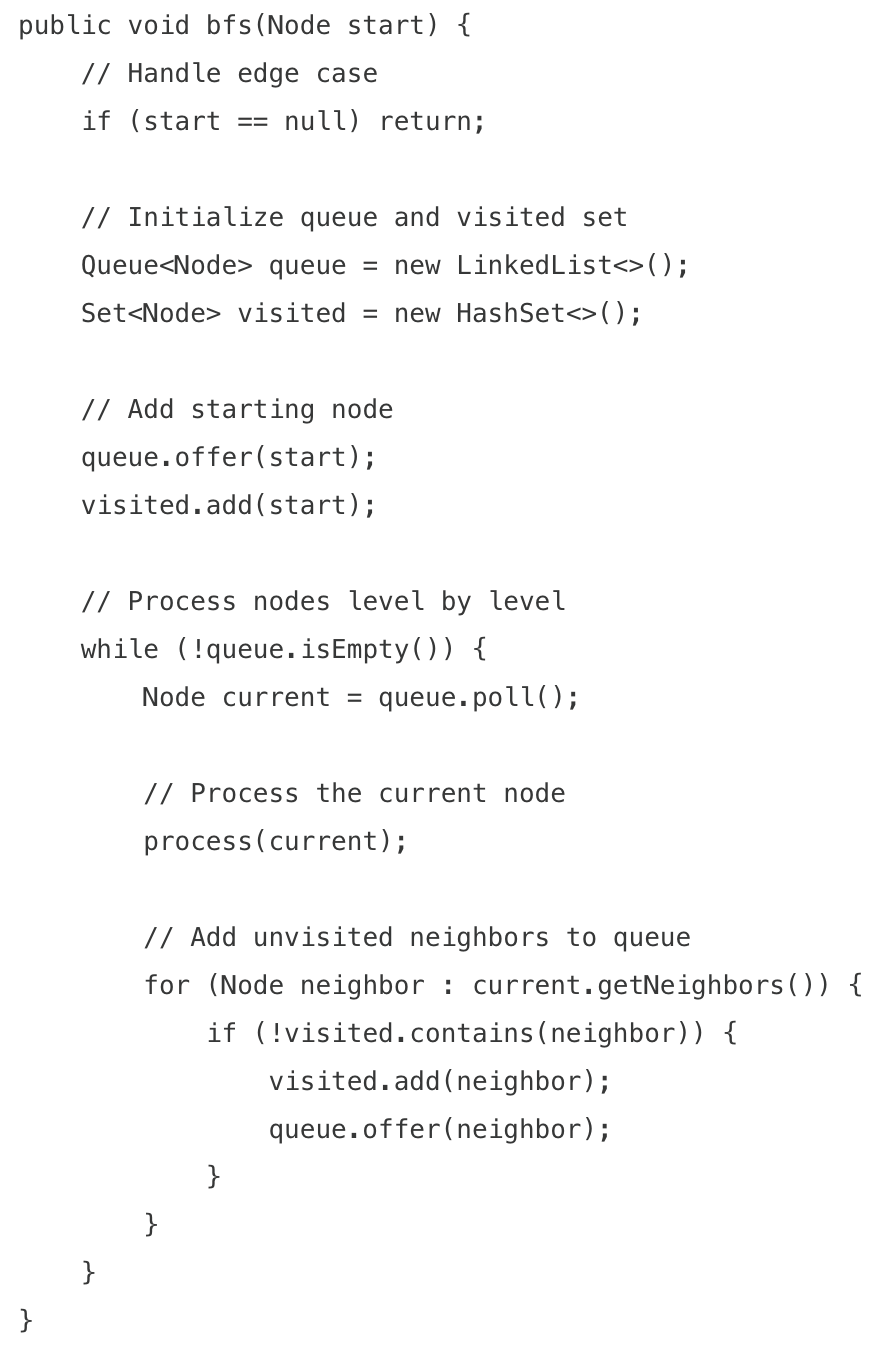
breadth-first search (BFS)
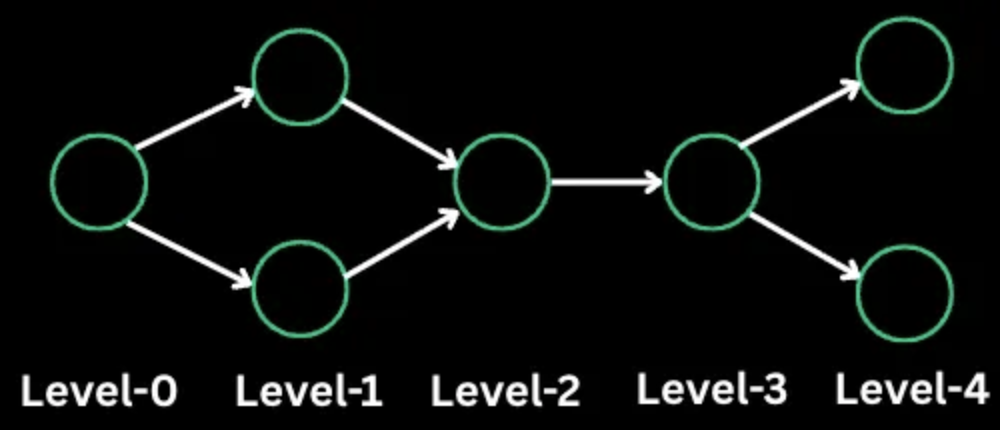
explores nodes level-by-level, visiting all neighbors before moving deeper. uses a queuue and guarantees the shortest path in unweighted graphs
when to use
finding shortest path (unweighted)
level-order traversal
finding all notes at distance k
speaking problems (rotting oranges, walls, and gates)
shortest path
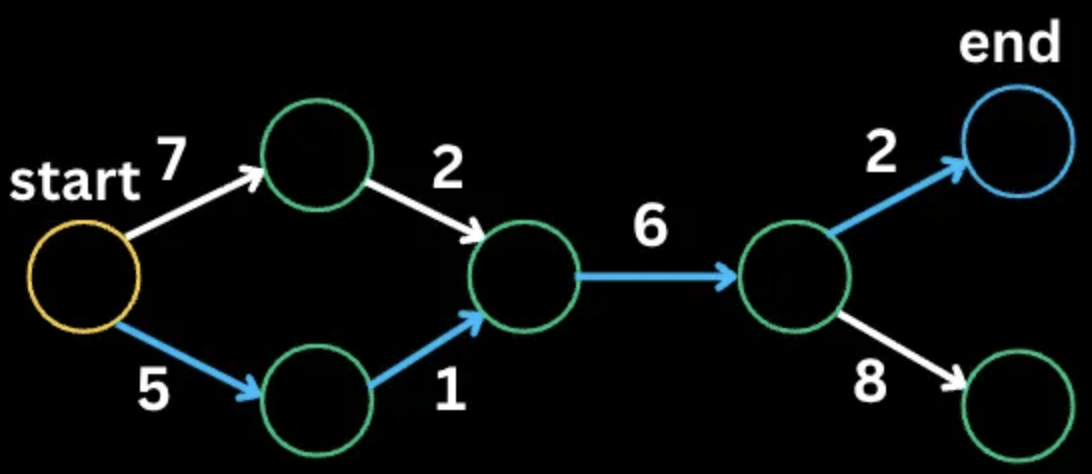
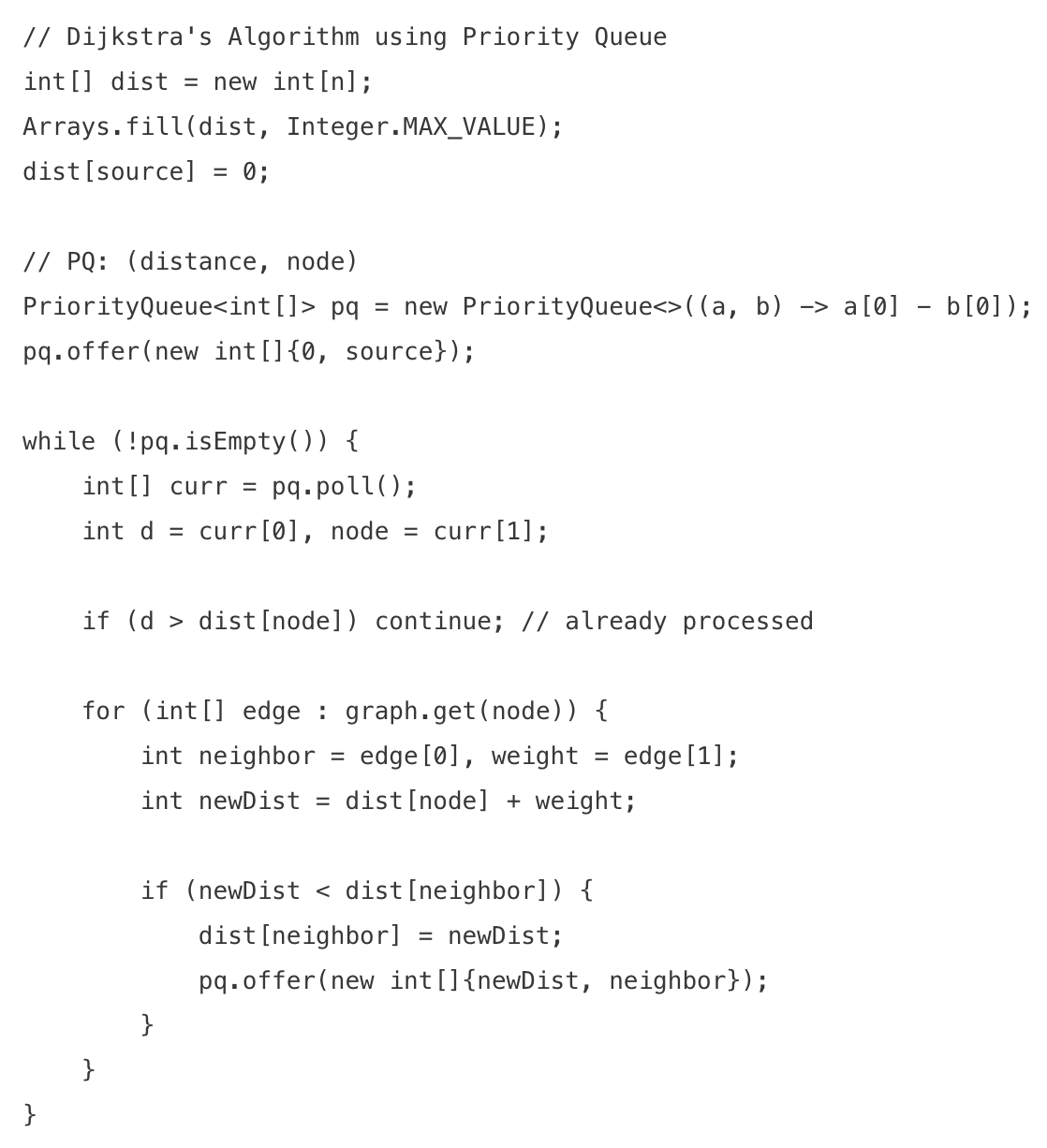
minimam distance between nodes; dijstra’s for weighted graphs with non-negative weights, bellman-ford handles negative weights
when to use
finding minimum cost/distance paths
network routing problems
weighted graph traversal
problems with varying edge costs
matrix traversal
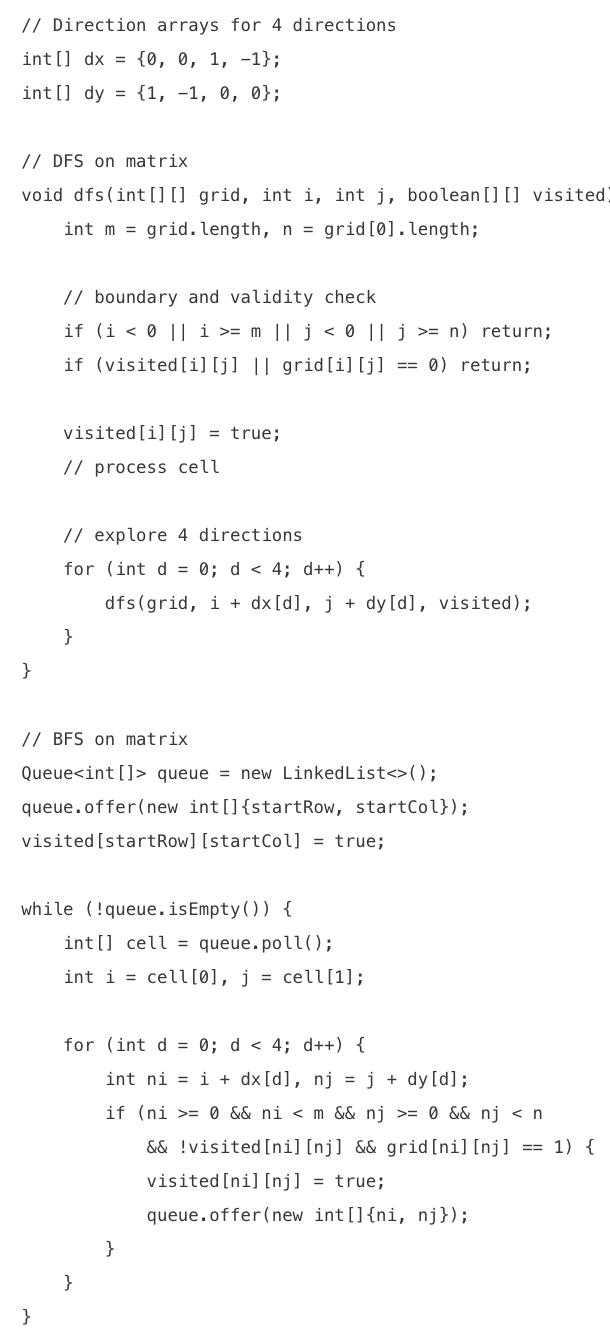
uses DFS or BFS to explore 2D grids. the key is handling 4-directional or 8-directional movement and boundary checks
when to use
grid based problems (island, regions)
flood fill algorithms
finding connected components in 2D
path finding in mazes
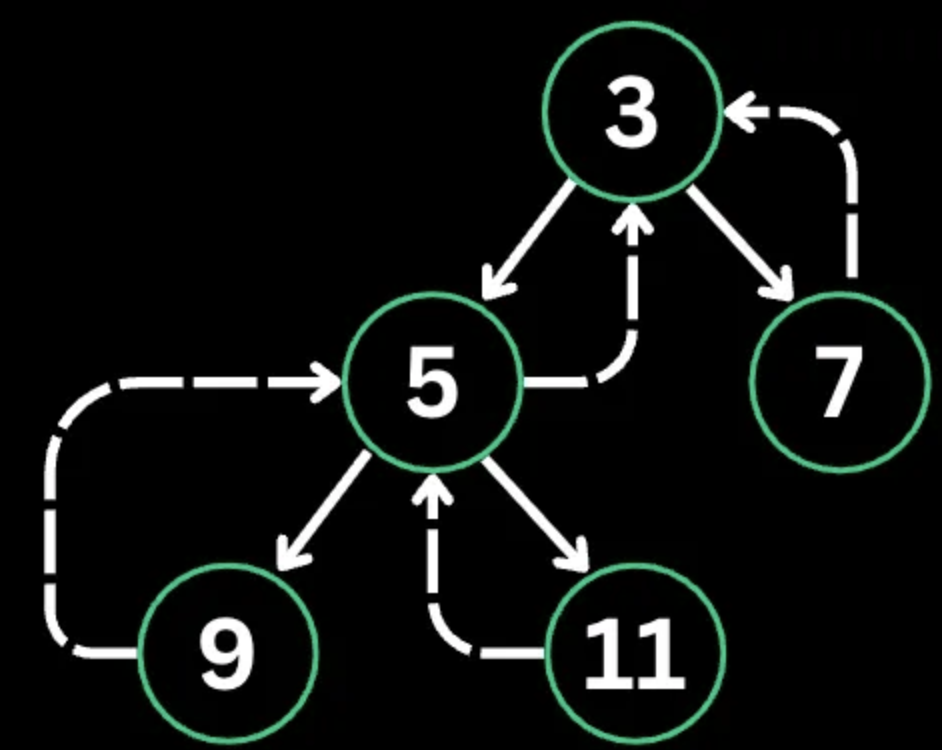
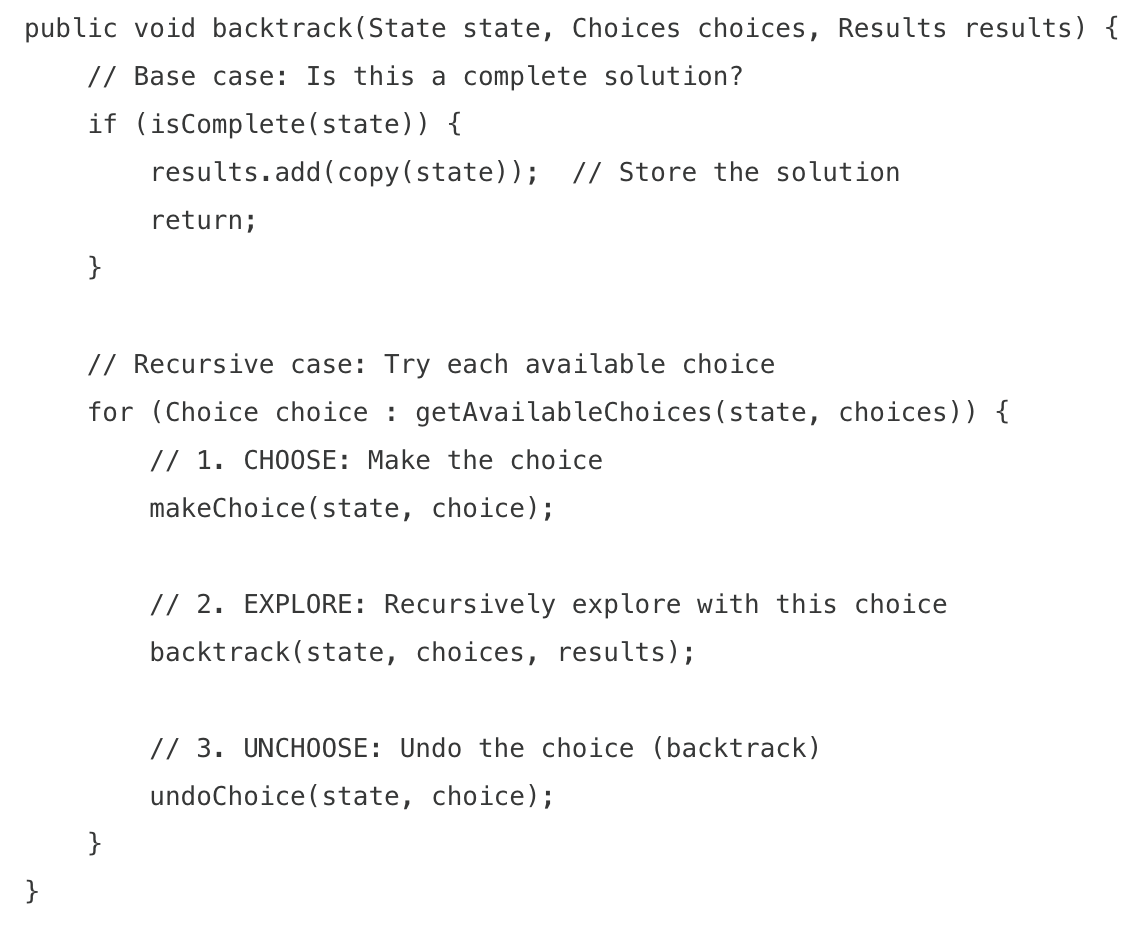
backtracking
explores all possible solutions by making choices and undoes (backtracks) when a path leads to an invalid solution
when to use
generating all permutations/combinations.subsets
solving constraint satisfaction problems (N-queens, Sudoku)
finding all paths meeting certain criteries
string partitioning problems
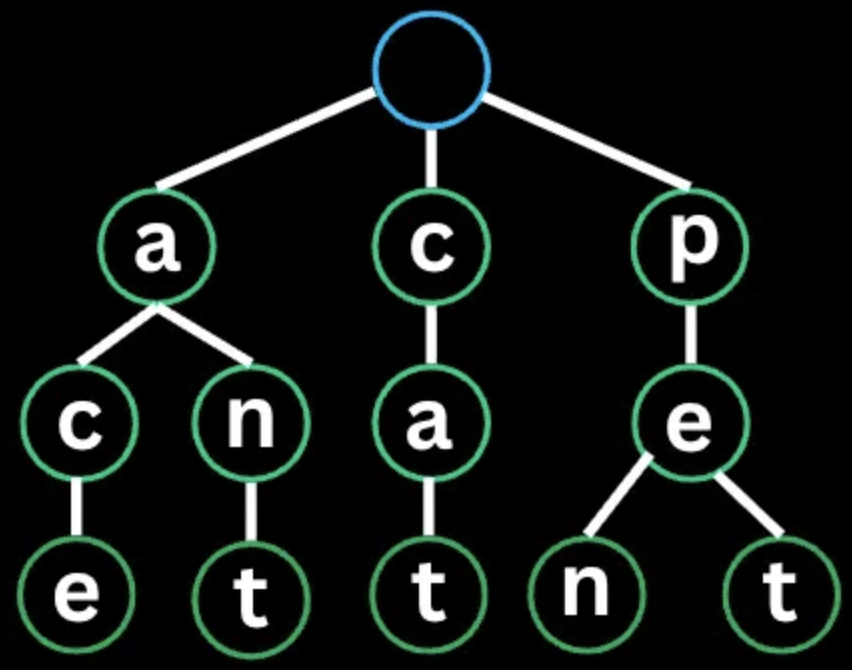
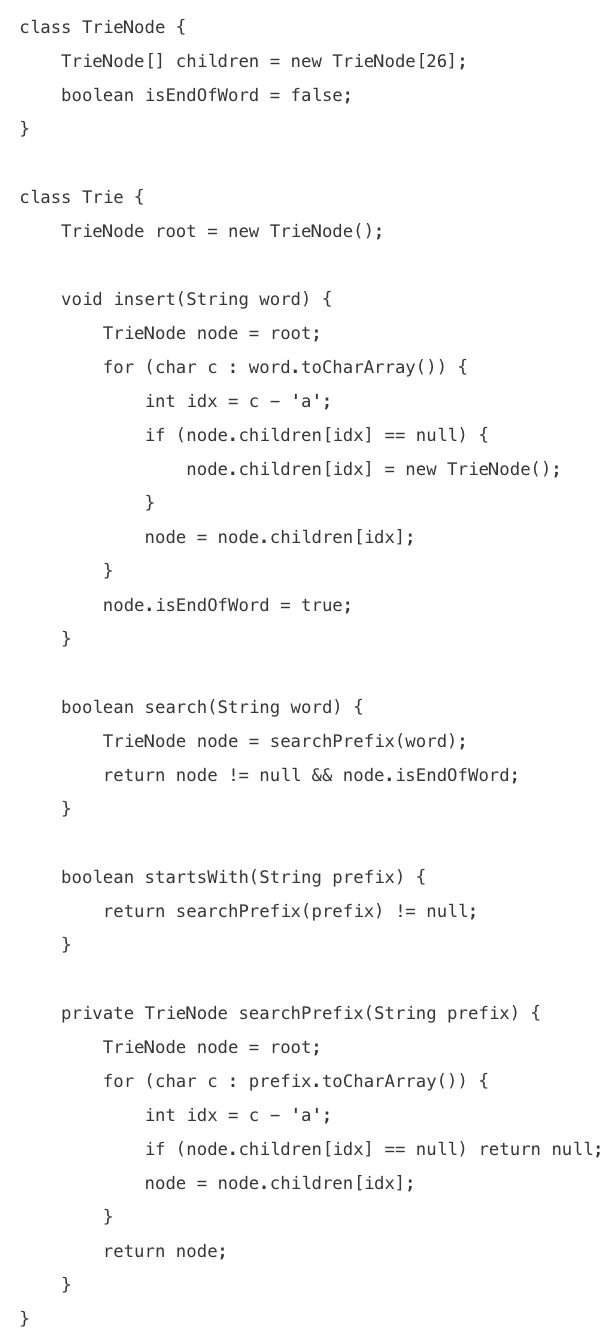
prefix search (trie)
stores strings character by character, allowing efficient prefix lookups. each node represents a character, and paths from root to nodes represent prefixes
when to use
autocomplete and search suggestions
spell checking
IP routing (longes prefix match)
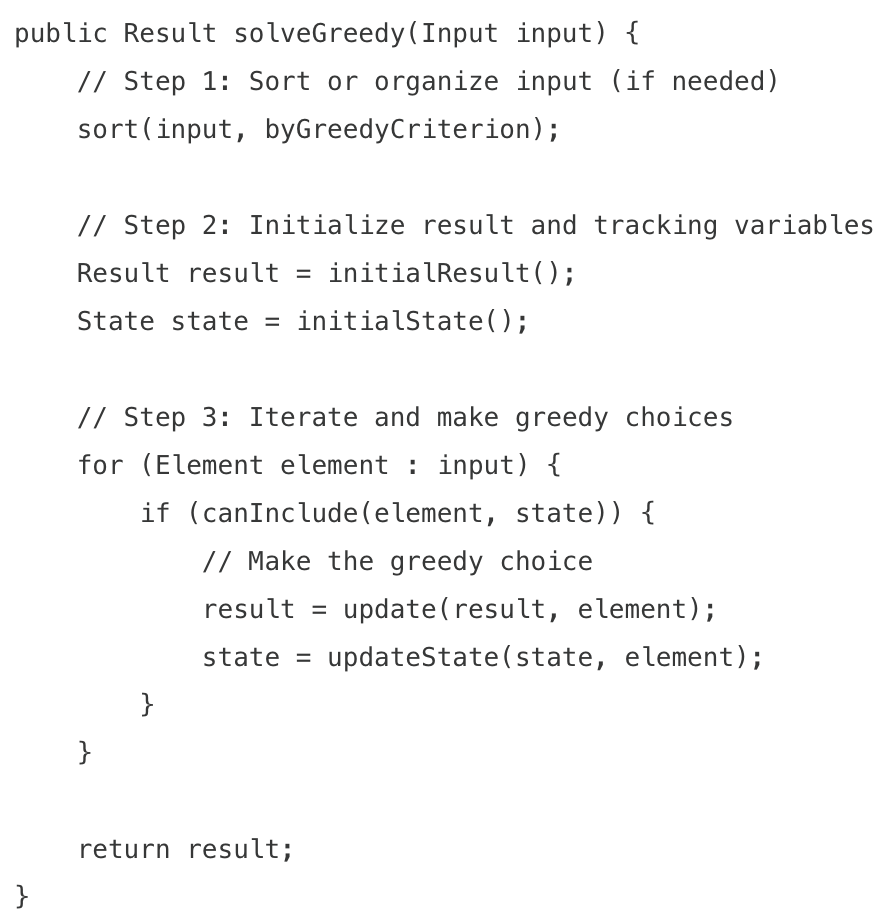
greedy
locally optimal choices at each step, hoping to find a global optimum. work when optimal choices lead to global optimal solutions
when to use
optimization problems with greedy choice propery
interval scheduling
huffman coding
activity selection
when proof by exchange argument works
dynamic programing patterns
solves problems by breaking them into overlapping subproblems and stores results to avoid recomputation. works when problems have optimal substructure
when to use
problems with overlapping subproblems
optimization (min/max) problems
counting problems (number of ways)
decision problems (can we achieve X?)
common DP patterns
fibonacci
0/1 knapsack
longest common subsequence
longest increasing subsequence