Sumerian, Akkadian, Neo Sumerian, Babylonian, Assyrian, and Neo Babylonian.
 Call Kai
 Learn
Learn Practice Test
 Spaced Repetition
 Match
Match Flashcards
 Knowt Play
1/10

There's no tags or description
Looks like no tags are added yet.
Name | Mastery | Learn | Test | Matching | Spaced | Call with Kai | Chat |
|---|
No analytics yet
Send a link to your students to track their progress
11 Terms
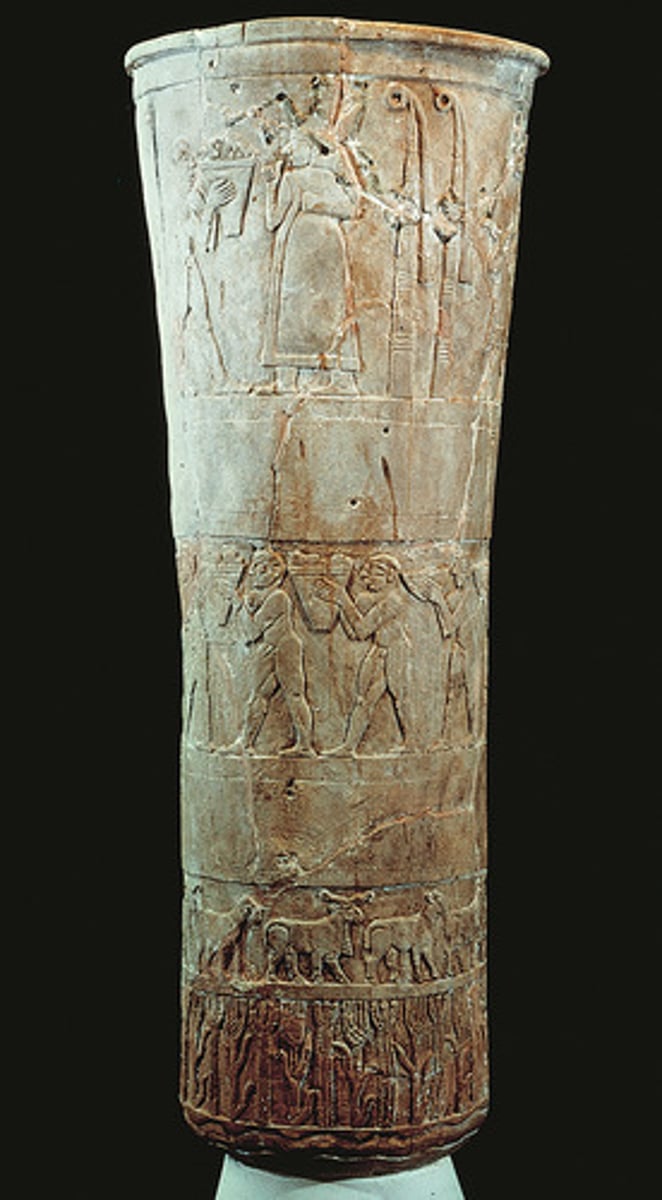
Warka Vase, Uruk, Iraq, c. 3200-3000 BCE. Sumerian (Uruk period). Alabaster relief showing ritual procession.
White Temple and Ziggurat, Uruk, Iraq, c. 3200-3000 BCE. Sumerian (Uruk period). Mud-brick temple platform.

Statuettes of Two Worshipers, Tell Asmar, Iraq, c. 2700 BCE. Sumerian (Early Dynastic). Gypsum votive figures with inlaid eyes.

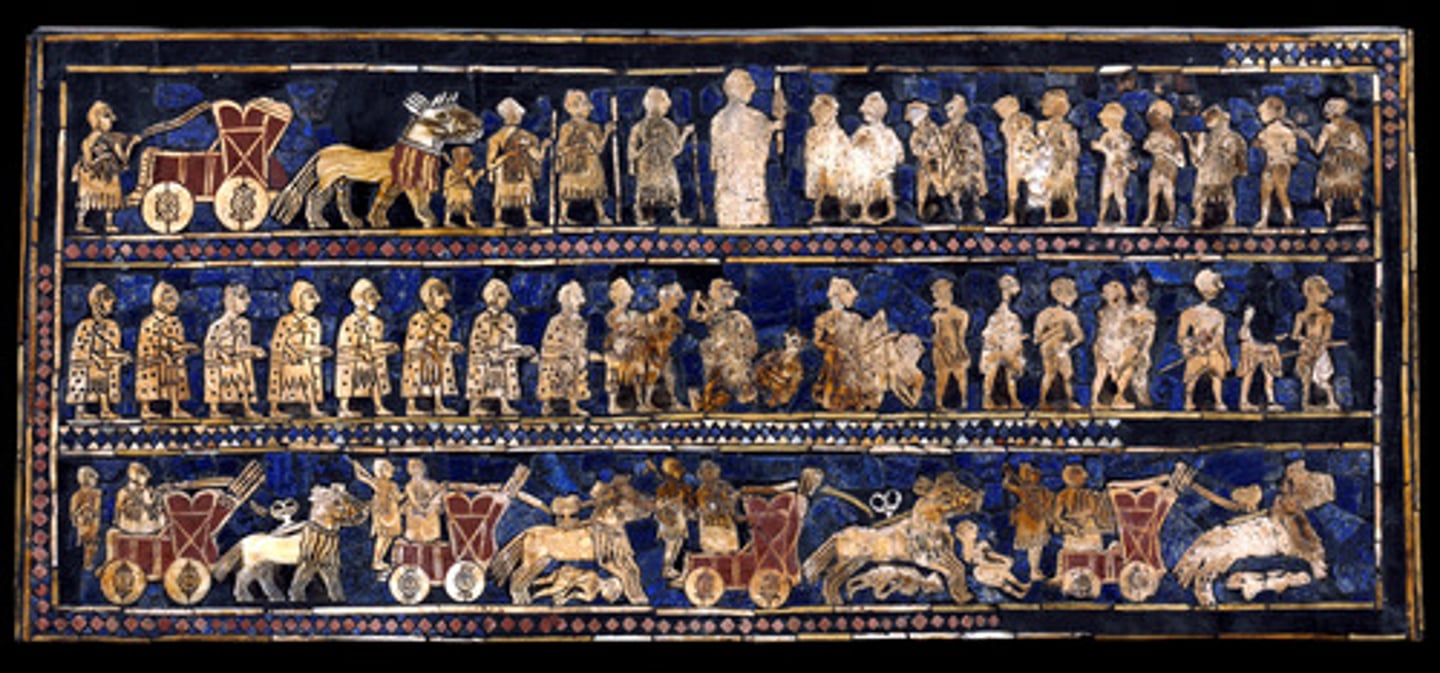
Standard of Ur, Ur, Iraq, c. 2600-2400 BCE. Sumerian (Early Dynastic). Wood box with war and banquet scenes in mosaic.
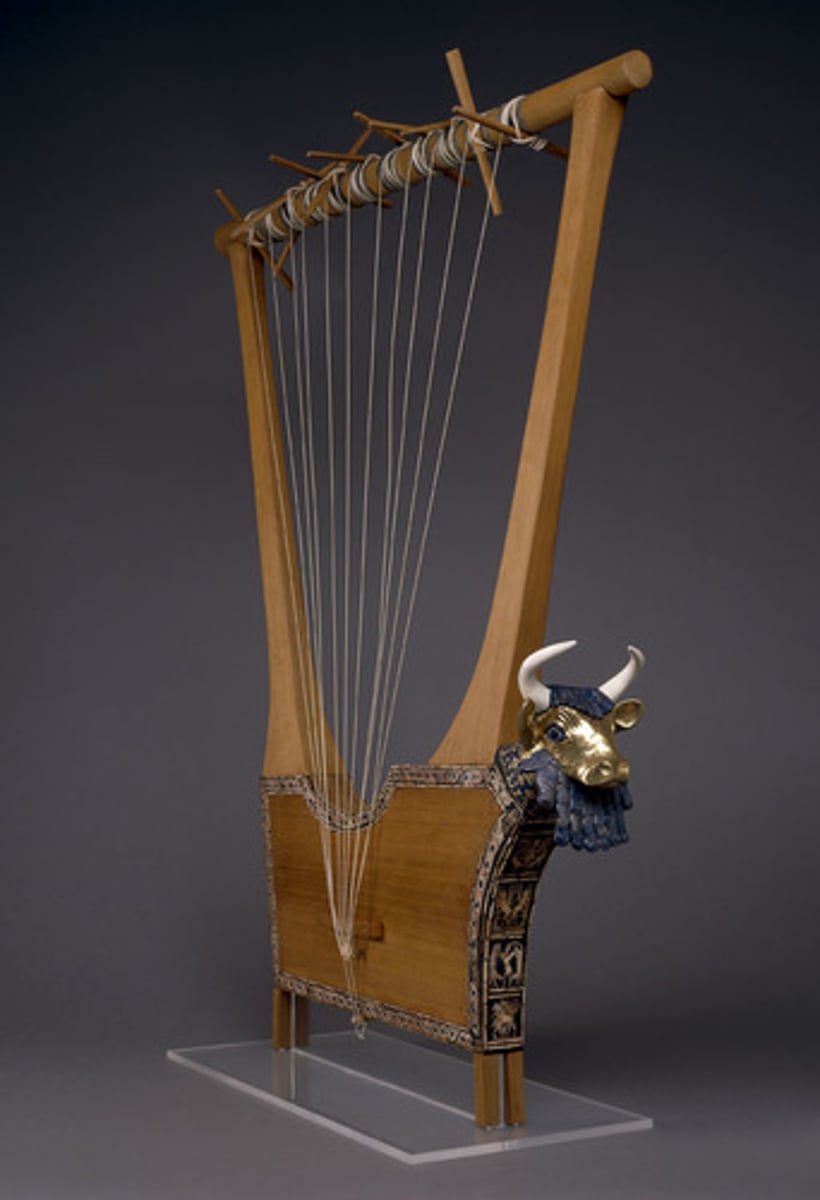
Bull-Headed Harp, Sound Box, Ur, Iraq, c. 2600-2400 BCE. Sumerian (Early Dynastic). Wood, lapis lazuli, and shell.
Head of an Akkadian Ruler, Nineveh, Iraq, c. 2250-2200 BCE. Akkadian. Cast bronze portrait, possibly Sargon.

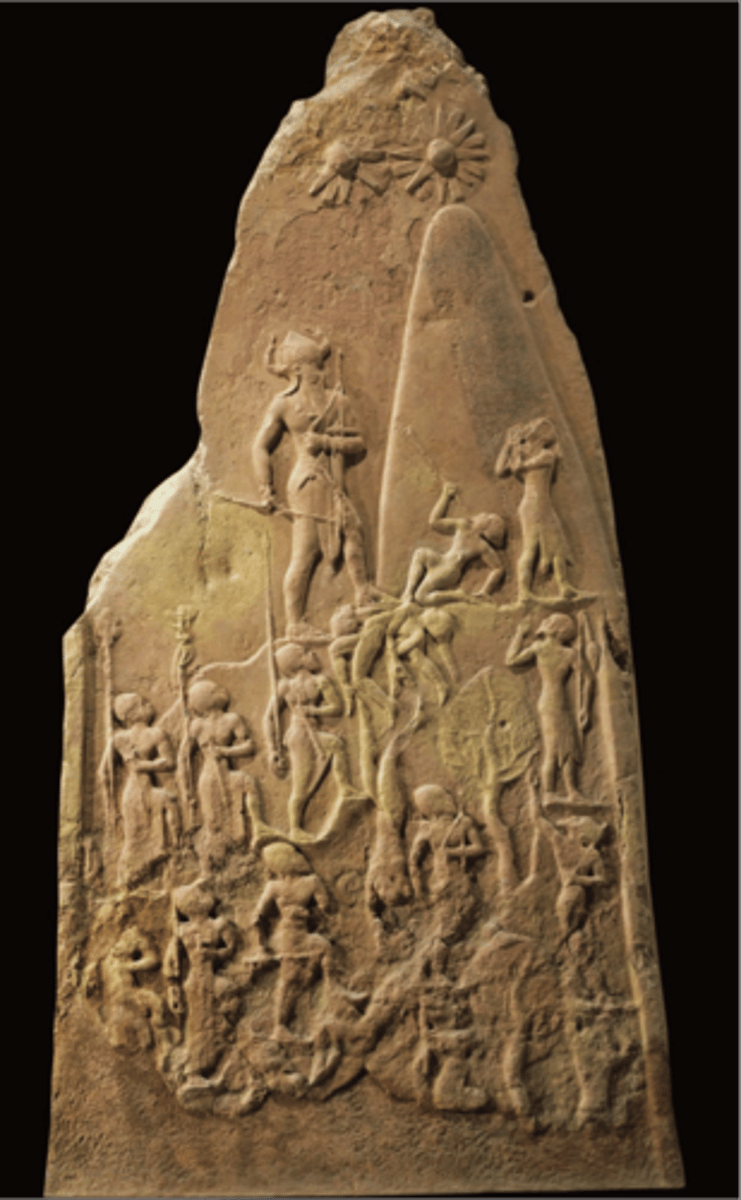
Victory Stele of Naram-Sin, Susa, Iran, 2254-2218 BCE. Akkadian. Pink sandstone, king shown as a god.
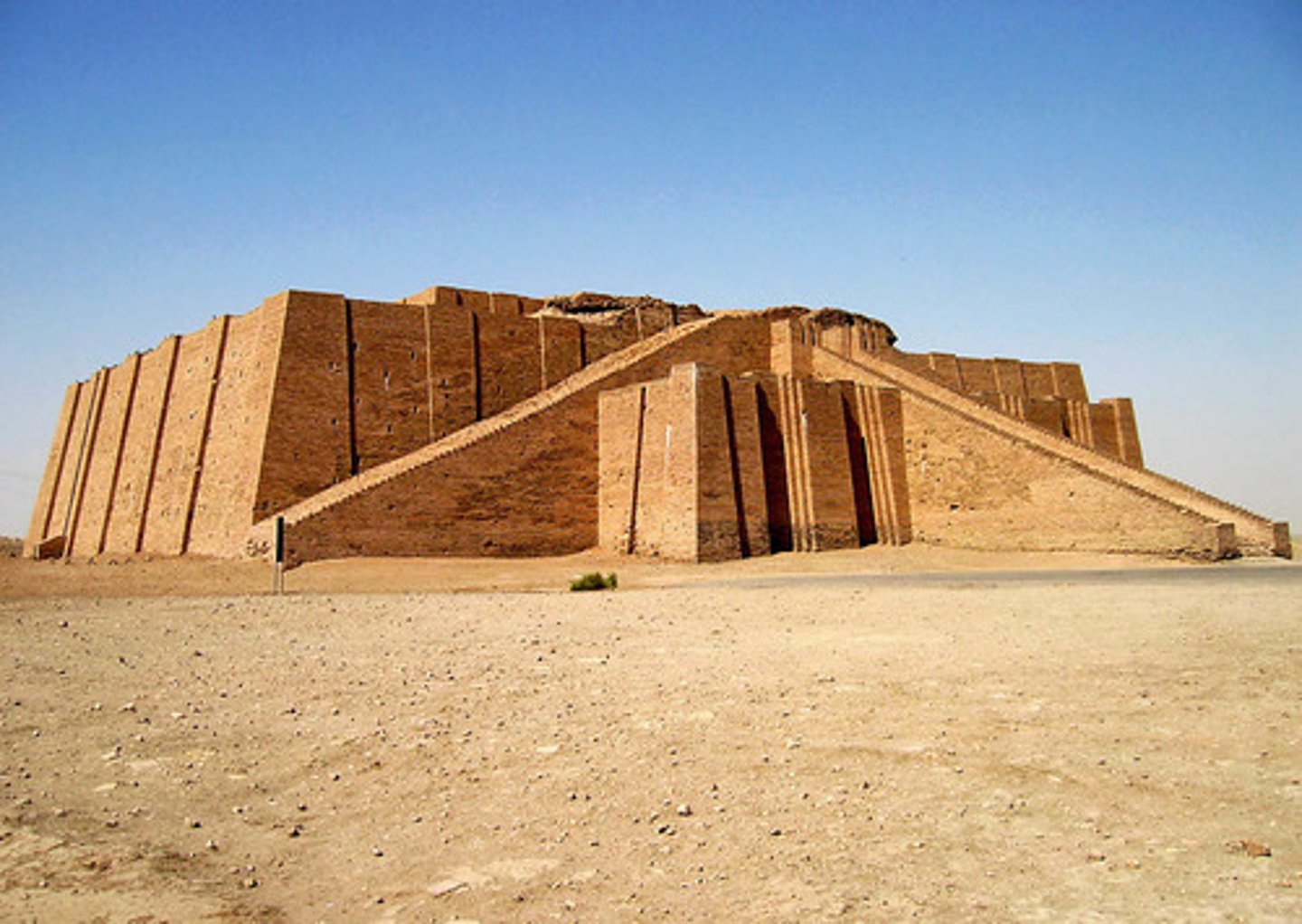
Ziggurat of Ur, Iraq, c. 2100 BCE. Neo-Sumerian (Ur III). Mud-brick stepped temple base.
Stele with the Laws of Hammurabi, Susa, Iran, c. 1780 BCE. Babylonian (Old Babylon). Basalt law code with sun god Shamash.

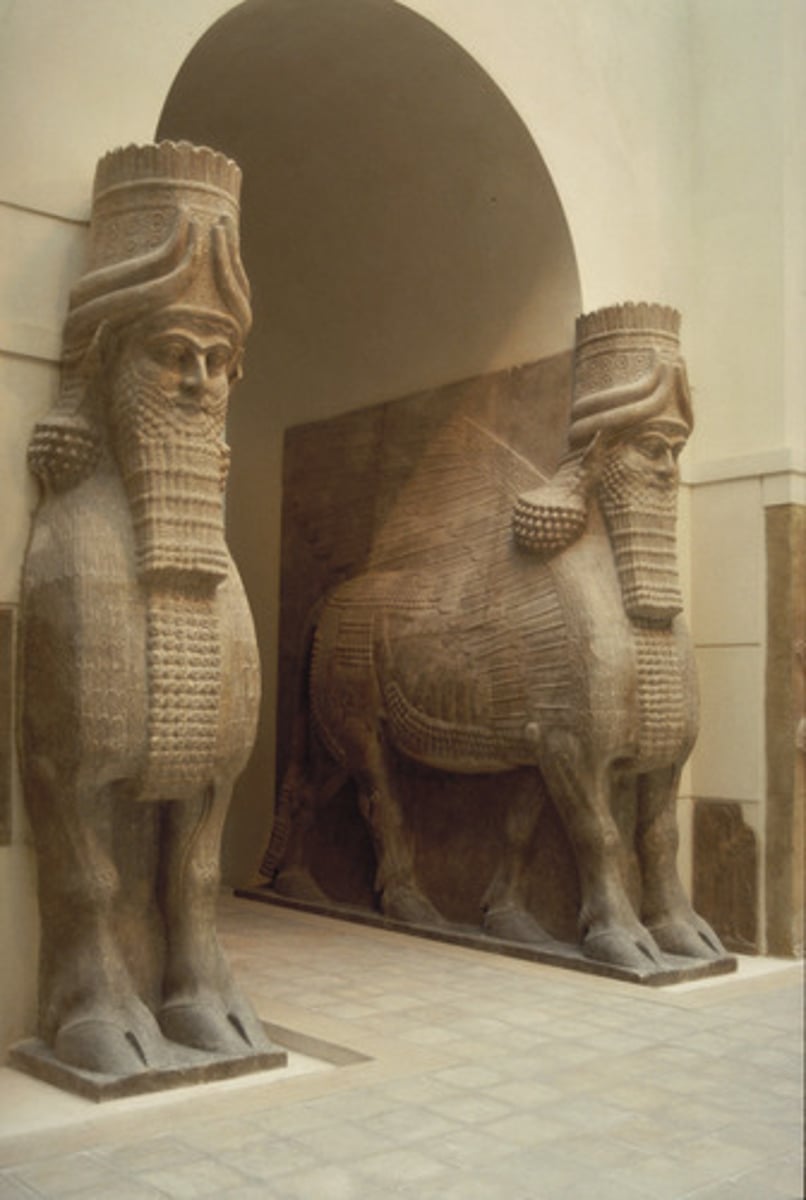
Lamassu, Citadel of Sargon II, Khorsabad, Iraq, c. 721-705 BCE. Assyrian. Limestone winged human-headed bull guardians.
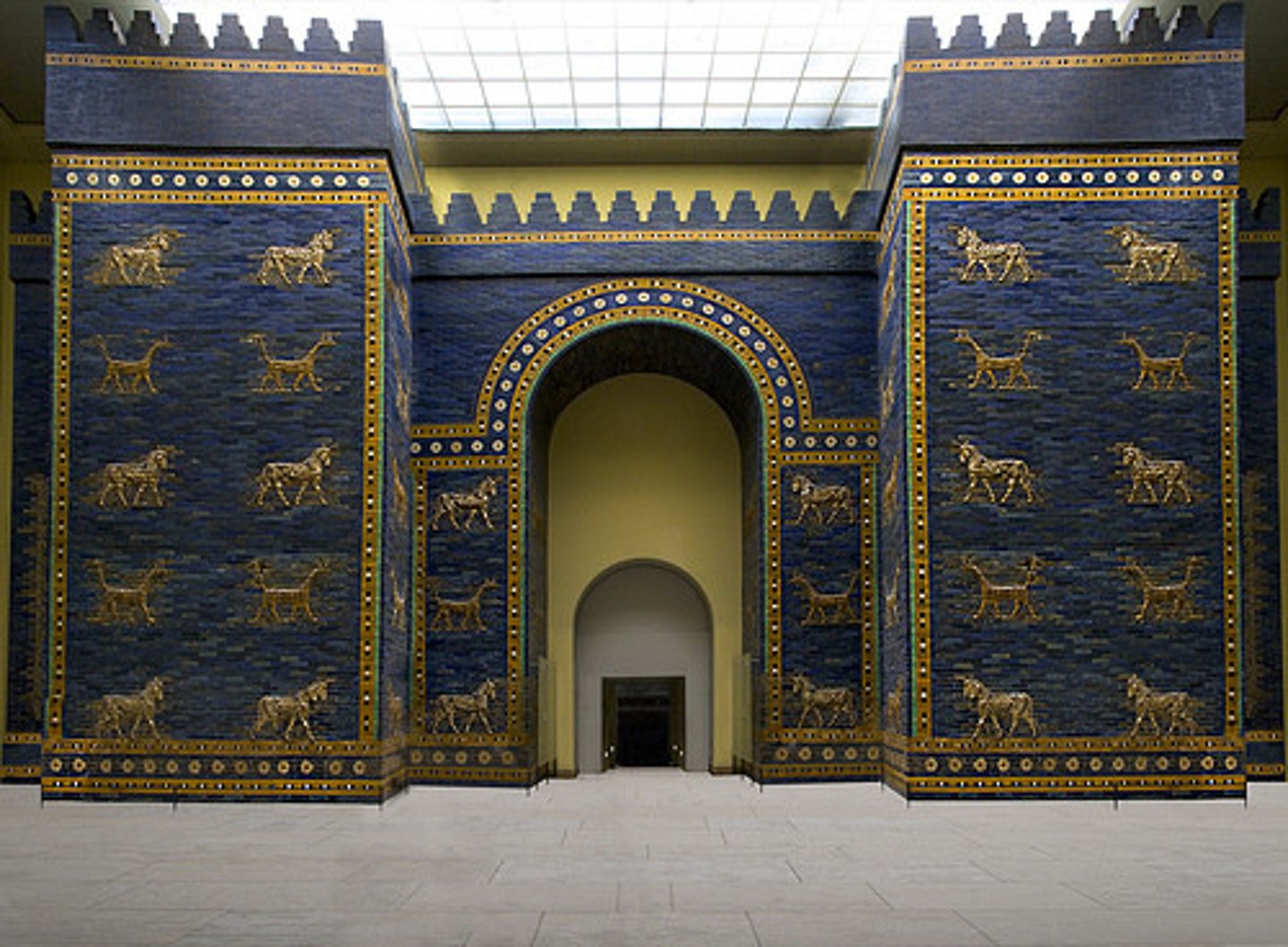
Ishtar Gate, Babylon, Iraq, c. 575 BCE. Neo-Babylonian. Glazed brick gate with dragons and bulls.