507 Exam 1
 Call Kai
 Learn
Learn Practice Test
 Spaced Repetition
 Match
Match Flashcards
 Knowt Play
1/89

There's no tags or description
Looks like no tags are added yet.
Name | Mastery | Learn | Test | Matching | Spaced | Call with Kai | Chat |
|---|
No analytics yet
Send a link to your students to track their progress
90 Terms
What is a seizure?
Brief, discrete(isolated) event
Occurence - intermittent, irregular, unpredictable
Results from abnormal, excessive, and synchronous discharge of cortical neurons
Convulsion - seizure manifested by muscle contractions
What is epilepsy?
Characterized by recurrent (2 or more) seizures unprovoked by any immediately identifiable cause
separated by >24 hours
Etiology of epilepsy
idiopathic - 60-70%
infants/children 0 congenital malformations, developmental disorders, injury, infection, etc
adults - head trauma, tumor, infection, AVM
elderly, CVD, CNS diseases, trauma
genetics - familial risk 2-3x compared to normal
2 main seizure categories
Partial(focal) - simple and complex partial; only involve part of the brain
Generalized - involve loss of conciousness

Other seizure definitions
AURA - subjective phenomenon that precedes an observable seizure (focal aware)
Automatism - set of unconscious behavior observed during seizures (chewing, swallowing, twitching, etc..)
ICTAL - the seizure period or events due to a seizure
How to assess ASM therapy need?
Not indicated if
if due to reversible cause
if first unprovoked seizure
certain epilepsies (febrile seizures)
Drugs of choice for seizures - Know the 8 drugs and what seizure type used for
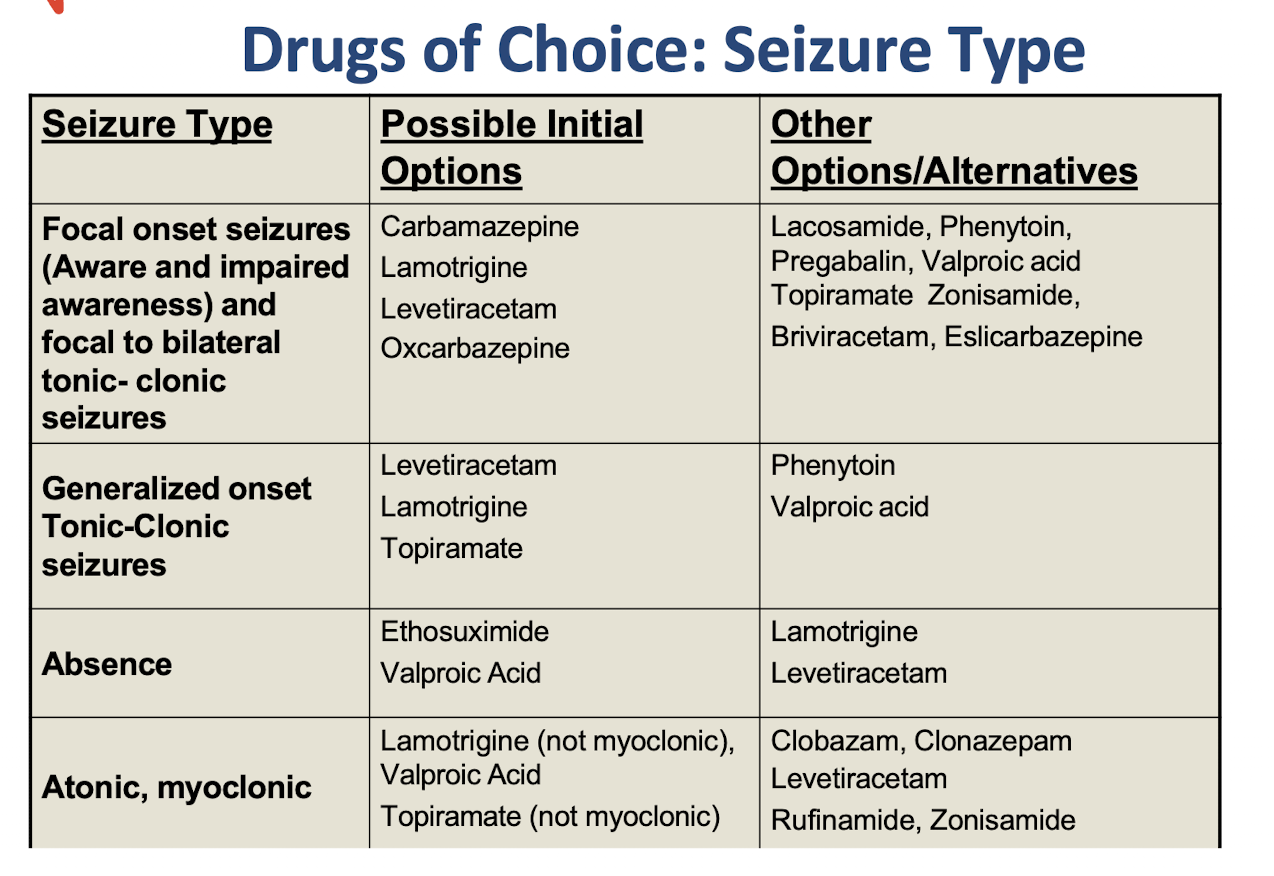
Seizure drugs side effects overview - KNOW

Start of lecture 2
Css equations

ASM protein binding displacement interactions
salicylates displace phenytoin, VPA
VPA displaces phenytoin
Phenytoin and VPA displace warfarin
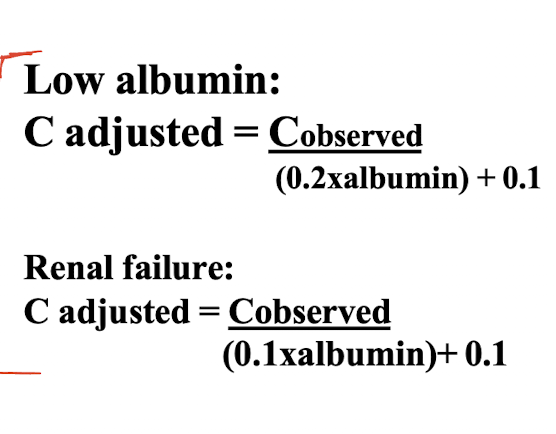
Hypoalbuminemia adjustment
Absorption ASM interactions
Food - reduces rate of absorption but no effect on F (longer time to peak)
Antacid - reduce phenytoin, gabapentin by 20% ; separate 2 hours
G-tube feeding - reduce phenytoin F (due to g-tube charge cations, reduced motility, etc.)
Metabolic pathways involving ASM
carbamazepine - 85% 3A4
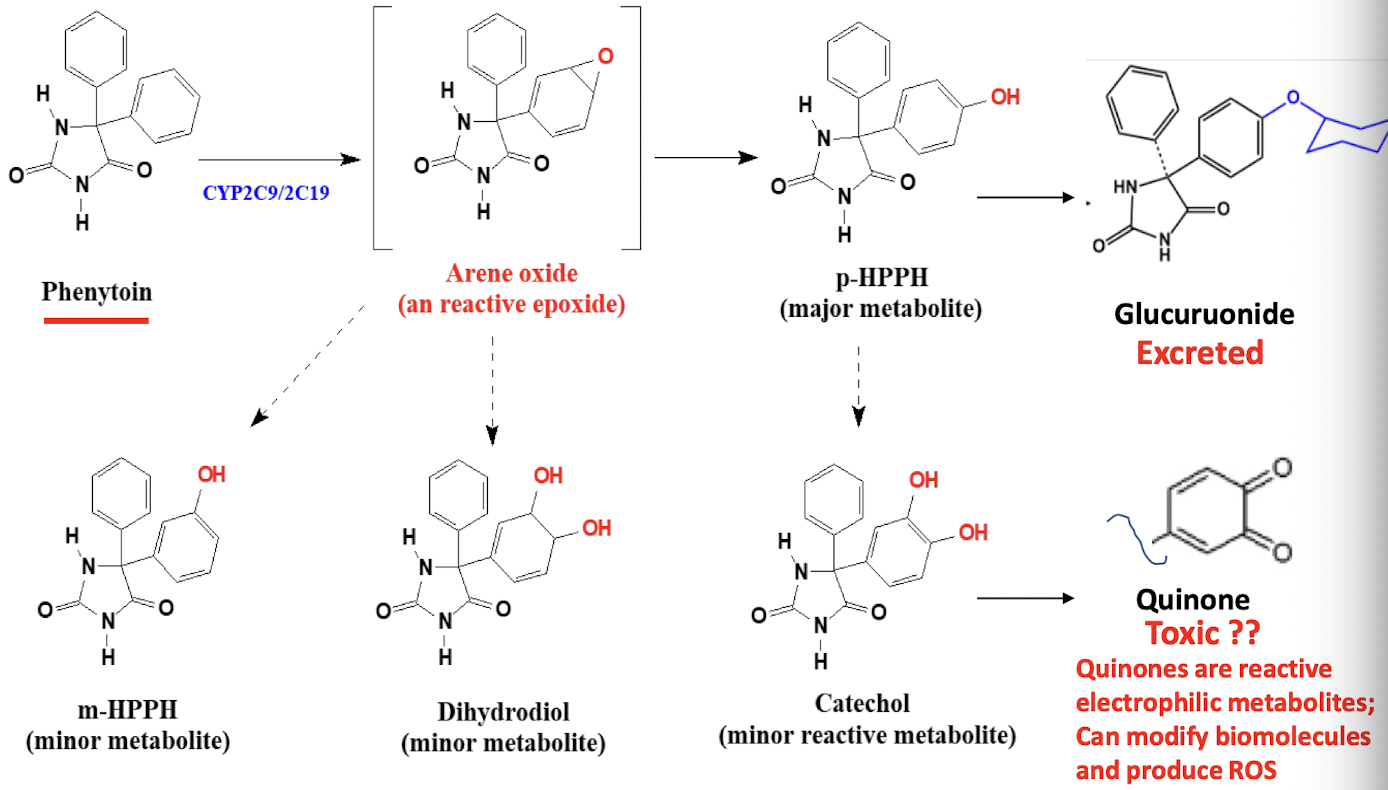
Phenytoin - Major path 2C9 ; minor 2C19
VPA - 30-50% glucuronidation, 30-40% B-oxidation, 10-20% 2C9/2C19
ASM hepatic inducers and inhibitors
inducers
Carbamazepine, phenytoin - 1A, 2C, 3A & glucoronidation
Inhibitors
VPA - glucuronidation, 2C9, epoxide hydrolase
Carbamazepine metabolic pathway
3A4 —> active epoxide —> epoxide hydrolase —>inactive drug
VPA inhibits epoxide hydrolase —> increase [CBZ]
![<ul><li><p>3A4 —> active epoxide —> epoxide hydrolase —>inactive drug</p></li><li><p>VPA inhibits epoxide hydrolase —> increase [CBZ]</p></li></ul><p></p>](https://assets.knowt.com/user-attachments/56d11eca-5060-4d25-85d2-d3e9cd2b346c.png)
Phenytoin
inducer - glucuronidation, 1A, 2C, 3A
time dependent interaction with other 2C9 substrates (i.e. warfarin)
initial inhibition then induction next 1-3 weeks
Css total desired = 15-20 mg/kg
LD(mg) =(weight)(Vd)(Cdesired-Cinitial)/(F*S)
VPA
inhibits 2C9, glue, epoxide hydroxylase
therapeutic level - 50-100 mcg/ml
Start of lecture 3
What are common AE with seizure drugs?
anxiety, irritability, cognitive deficits, etc
usually related to peak concentration levels
How do we manage AE of seizure drugs?
start low and go slow
switch to xr
shorten dosing interval with lower dose(same total daily split more often) —>lower peak higher trough(mimic XR)
What drugs have what effects?(seizures)
LTG, OSC, LAC - minimal effects on behavior and cognition
LEV - minimal effects on cognition, but may alter behavior(aggression, anxiety, irritability)
TPM, ZNS - impaired thinking, behavioral changes observed
severity increased when start too high or increase too raapidly
TPM - word finding difficulty
What is the blanket warning for the ASMs?
suicide rate higher among individuals with epilepsy
This is due to a flawed meta analysis!!!! - warning not necessarily legitness
How are idiosyncratic AEs defined for seizure drugs?
unpredictable, not dose related
within 1-3 months of therapy initiation
uncommon, EXCEPTION is skin rash
Pathology of idiosyncratic rxns(seizure)
Delayed hypersensitivity - Aromatic ring ASMs
Direct toxic effect of metabolite - Valproic Acid (VPA)
unsaturated metabolites (2-n-propyl-4-pentenoic acid) toxic to target organ
not indicated for <2 y/o
Aromatic ring ASM - CBZ, LTG, OXC, PHT
rash, fever, increase eosinophil
cross sensitivity 40-60% among aromatic ring ASMs
immune mediated rxn
Skin rash characteristics for ASMs
usually first 3 weeks
usually mild, macular-papular rash
reversible with D/C of ASM
may rarely progress into SJS(<10% of skin) or TEN(>30% of skin)
When managing skin rash ASM AE why do we wait 3-7 days?
The patient may still be clearing previous drug and if run does not subside quickly the new drug may also get blamed
High risk groups for status epilepticus?
AA, children, Elderly
Status epilepticus (SE) definition?
neurological emergency
2 or more seizure episodes between which patient does not regain consciousness
also continuous seizure activity for 5 minutes
2 types
Generalized convulsive SE (GCSE) - positive physical signs (eg. rhythmic jerking of extremities)
nonconvulsive SE (NCSE) - negative physical signs (only activity on EEG)
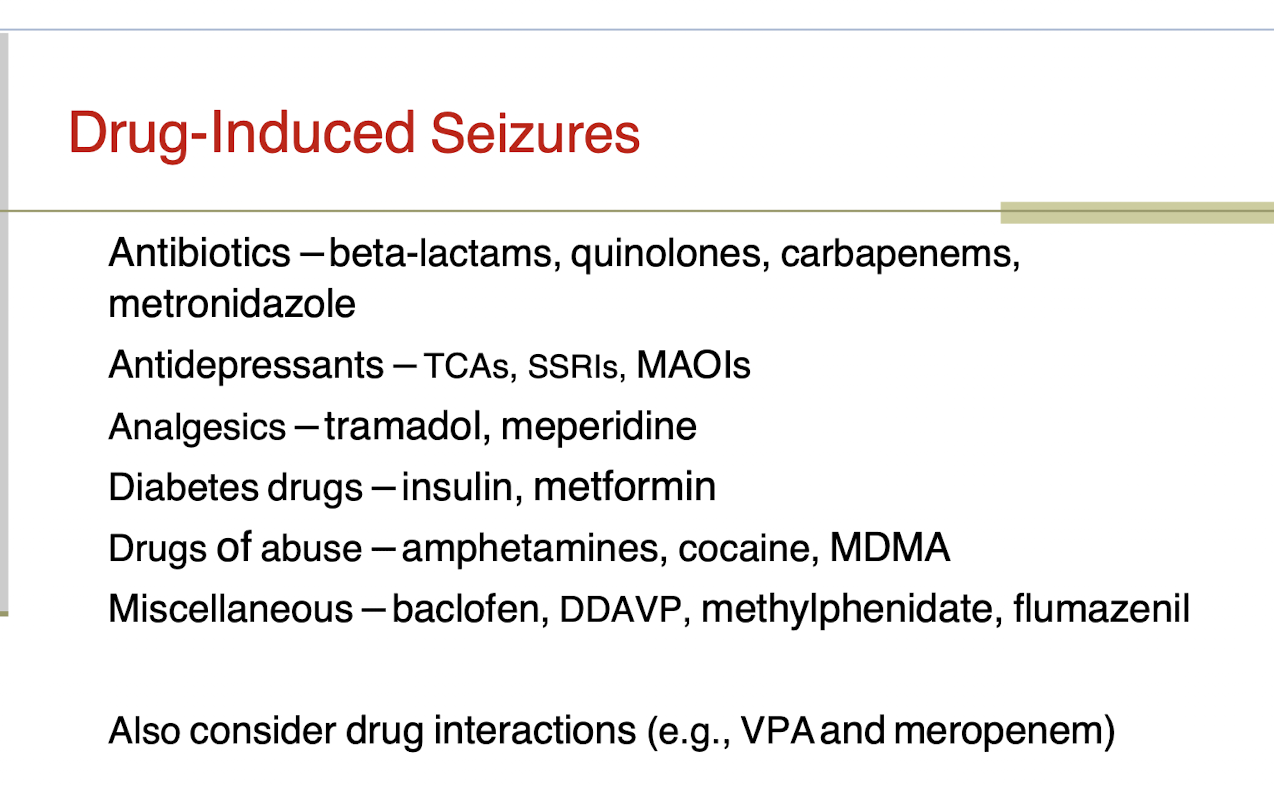
Drugs thatt induce seizures
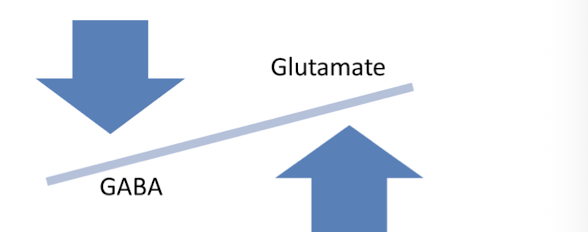
Pathophysiology of status epilepticus
Glutamate - excitatory neurotransmitter
stimulates post-synaptic NMDA receptors causing calcium influx and depolarization
GABA - inhibitory neurotransmitter
stimulates GABAa receptors and promotes hyper polarization through chloride mediated inhibition
GABA inhibitions decreases as SE progresses
SE sign/symptoms
convulsion
impaired consciousness
post-ictal
disorientation
pain from convulsion(secondary)
Systemic evidence of SE (Phases)
Phase 2 is harder to treat —> TIME IS KEY
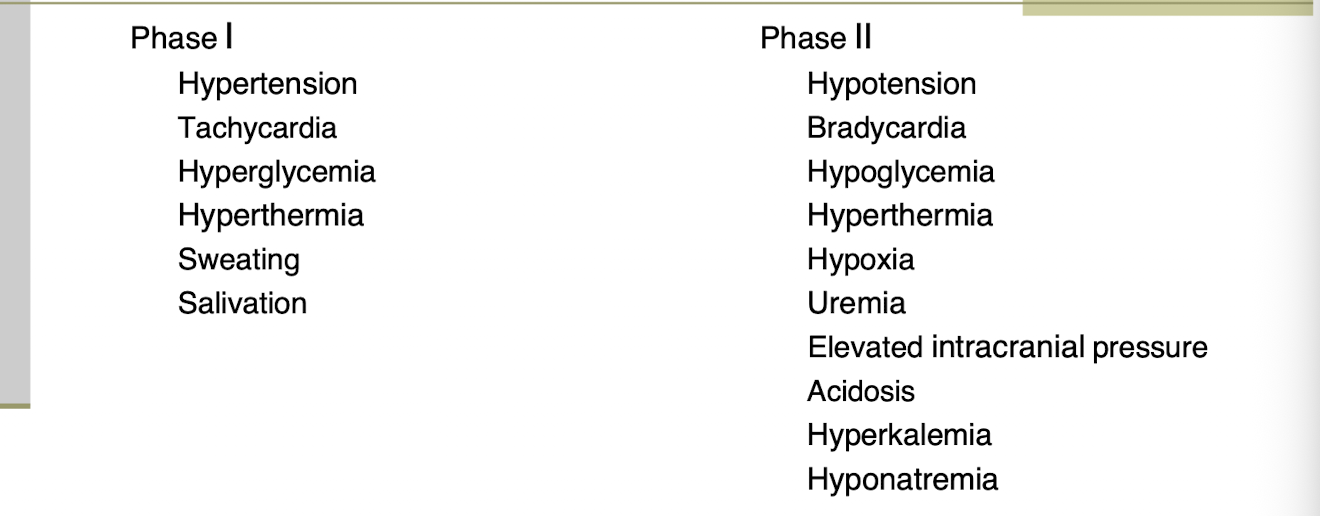
Initial assessment and management of SE
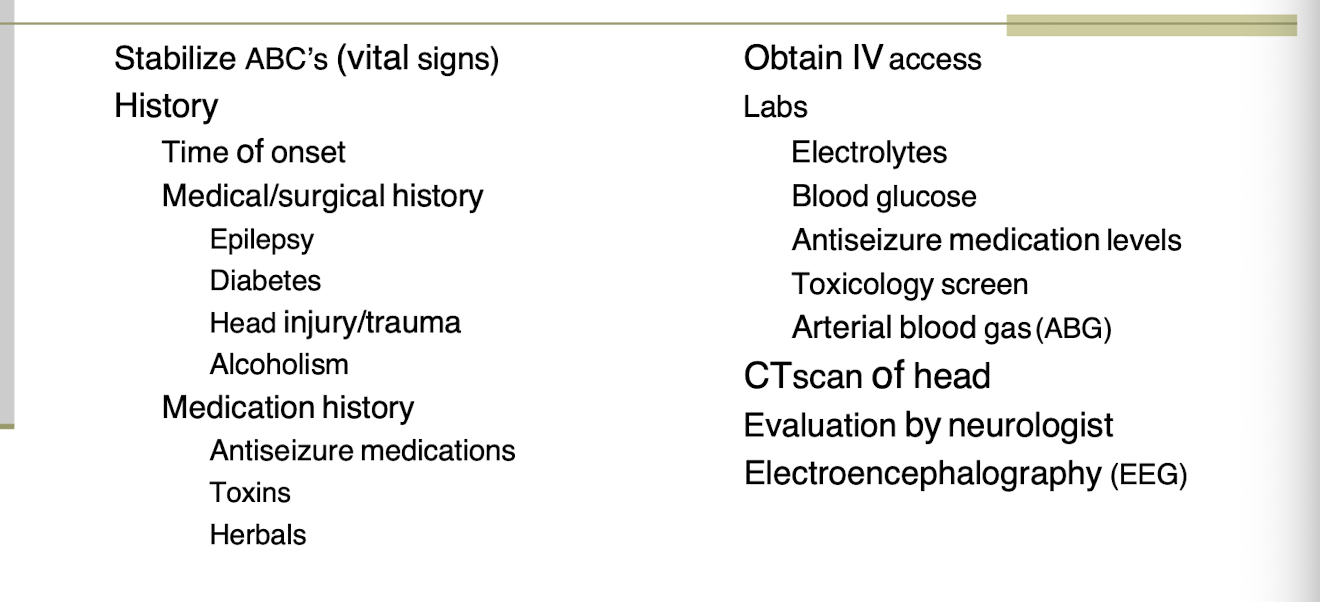
Goals of therapy for SE (KNOW)
identify source
stop BOTH clinical and subclinical seizure activity
prevent further seizures
minimize side effects of meds used to treat SE
Treat complications of SE
TIME IS BRAIN(KEY)
Timeline status of SE treatment (KNOW)
Emergent(10 min) - stabilize vitals + parenteral benzodiazepines
Urgent(20 min) - send lab, get hx, parenteral ASM(anti seizure med)
30 min(identify and treat any underlying causes(re-bolus ASM if needed)

Emergent therapy - benzodiazepines dosing (KNOW)
IV
Lorazepam 0.1mg/kg IVP @2mg/min (MAX 4 mg)
Diazepam 0.15mg/kg IVP @5mg/min (MAX 10 mg)
Midazolam 0.2mg/kg IVP @2mg/min
IM
13-40kg - midazolam 5mg IM
>40kg - midazolam 10mg IM
Rectal
diazepam .2mg/kg PR
Monitoring of benzodiazepines
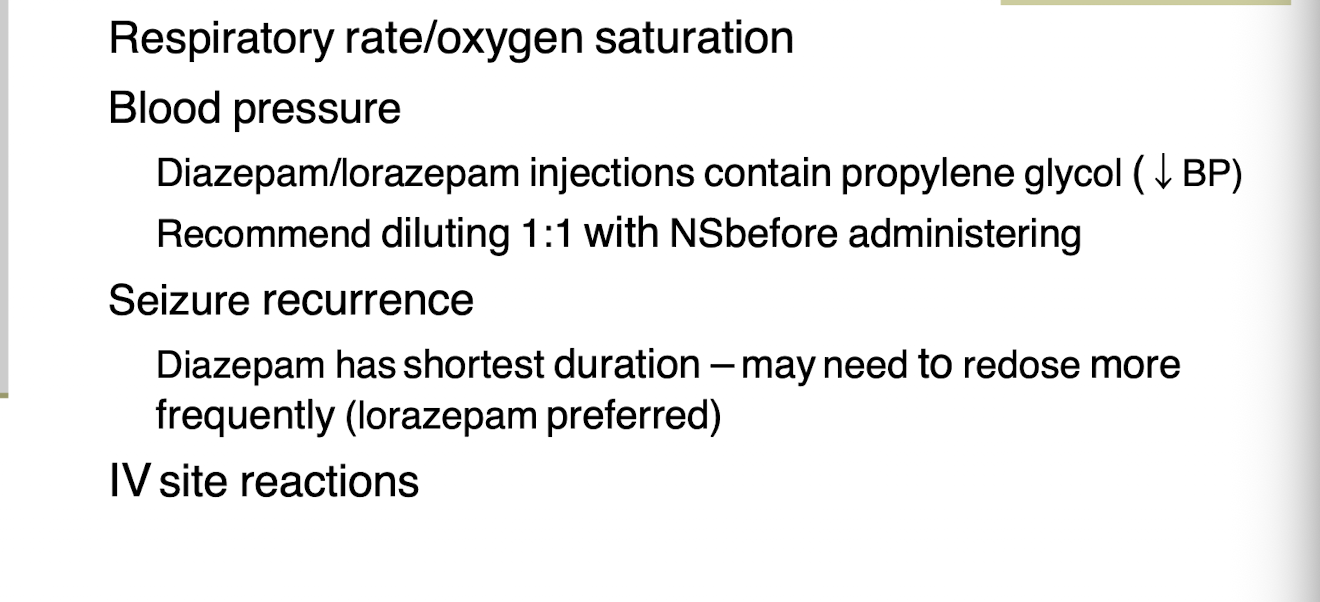
Urgent therapy dosing - ASM
Phenytoin (dilantin)
load 15-20 mg/kg IV (50 mg/min)
MD - 4-6 mg/kg/day IV or PO 12 hours post load
Fosphenytoin (Cerebyx)
Load 15-20 mg/kg IV (150mg/min) or IM
MD - 4-6 mg/kg/day IV or IM 12 hours post load
Urgent therapy ASM other meds

ASM monitoring

ASM monitoring therapeutic levels
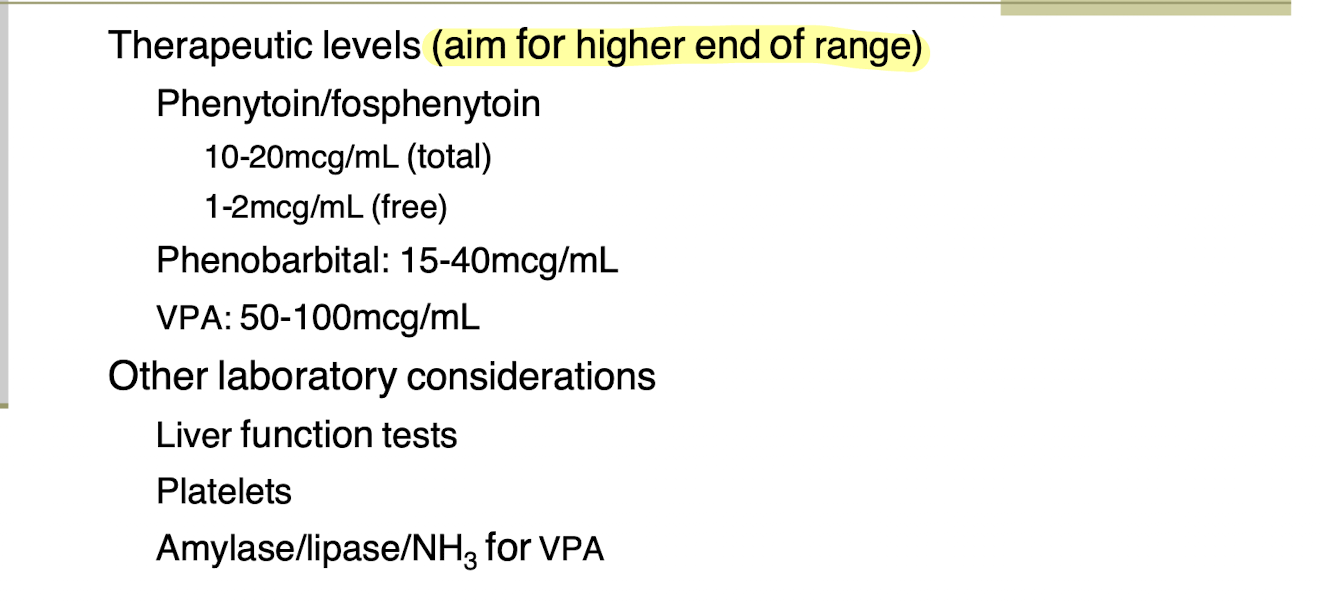
Urgent therapy - levetiracetam (keppra)
new gen
few drug interaction
linear kinetics
not hepatic metabolism
renal elimination
LD regimen - 1-4.5 g IV (500 mg/min)
MD: 500-1500 mg IV/PO q12h
urgent therapy - Lacosamide (vimpat)
new gen
few drug interactions
linear kinetics
hepatic metabolism
renal elimination
LD 200-400 mg IVP (80 mg/min)
MD - 100-200 mg IV/PO q12h
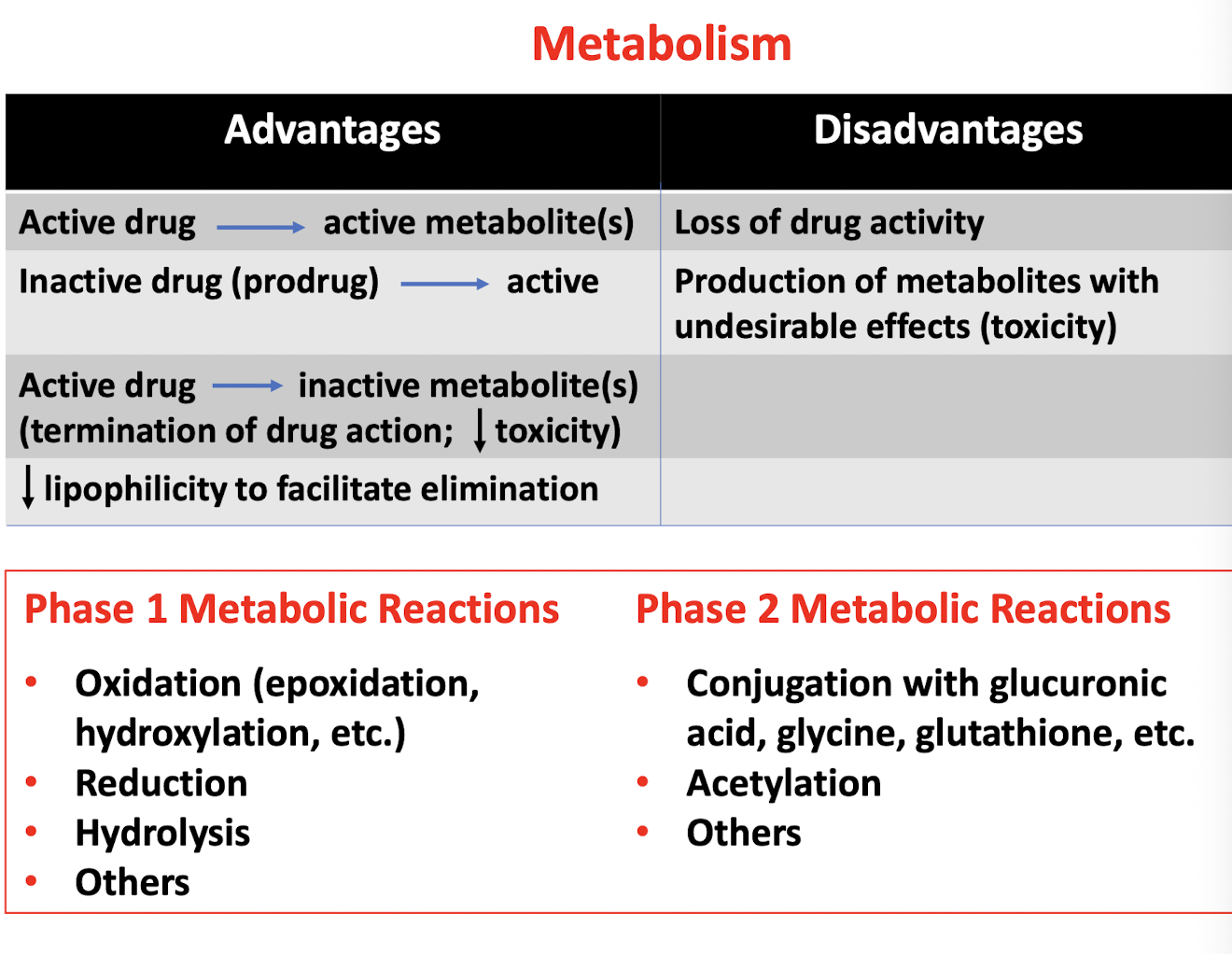
Advantages and disadvantages of anti epileptics
Carbamazepine
1st gen AED
broad spectrum
iminostilbene with a carbamyl group
Na+ channel blocker
reduction of glutamate release
CYP 3A, 2C and UGT INDUCER
metabolic auto induction(stimulates its own metabolism)

Oxcarbazepine
keto analog of CBZ and acts through similar mechanism
not metabolized into epoxide or o-quinone
No CYP interactions
Safer than CBZ

Phenytoin
Indicated for tonic-clonic partial seizures, but NOT absence seizures
Na channel blocker
2C9 and 3A4 inducer
Fosphenytoin
water soluble PRODRUG of phenytoin—>in vivo release
avoids administration complications associated with parenteral phenytoin admin

Lamotrigine
Na channel blocker
metabolized mainly by clucuronidation
Major metabolites are 2-N-glucuronide(75%) and 5-N-glucuronide(10%)
Lacosamide elimination med chem
40% excreted unchanged

Vigabatrin(Sabril)
AA that is structural analog of y-aminobutyric acid (GABA), but does not bind to GABA receptors
Irreversible inhibitor of GABA-transaminase, the enzyme that degrades GABA—>therefore increases GABA levels
Racemic compound, S enantiomer is active
Little to no metabolism —> Excreted unchanged
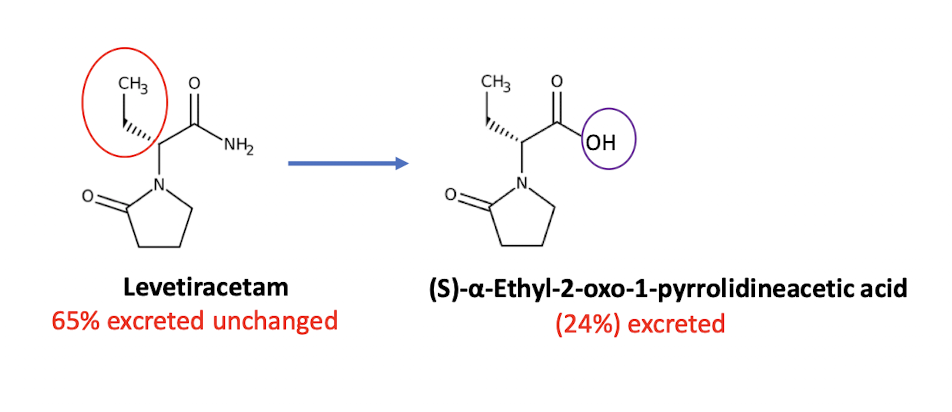
Levetiracetam (Keppra)
ethyl analog of cognitive enhancer piracetam
S isomer is aniconvulsant
Appears to have no GABA or glutamate receptor affinity - mechanism unclear
NO know enzyme interaction - little drug-drug interactions
Major metabolic path is enzymatic hydrolysis of acetamide group. Metabolites are inactive
Topiramate
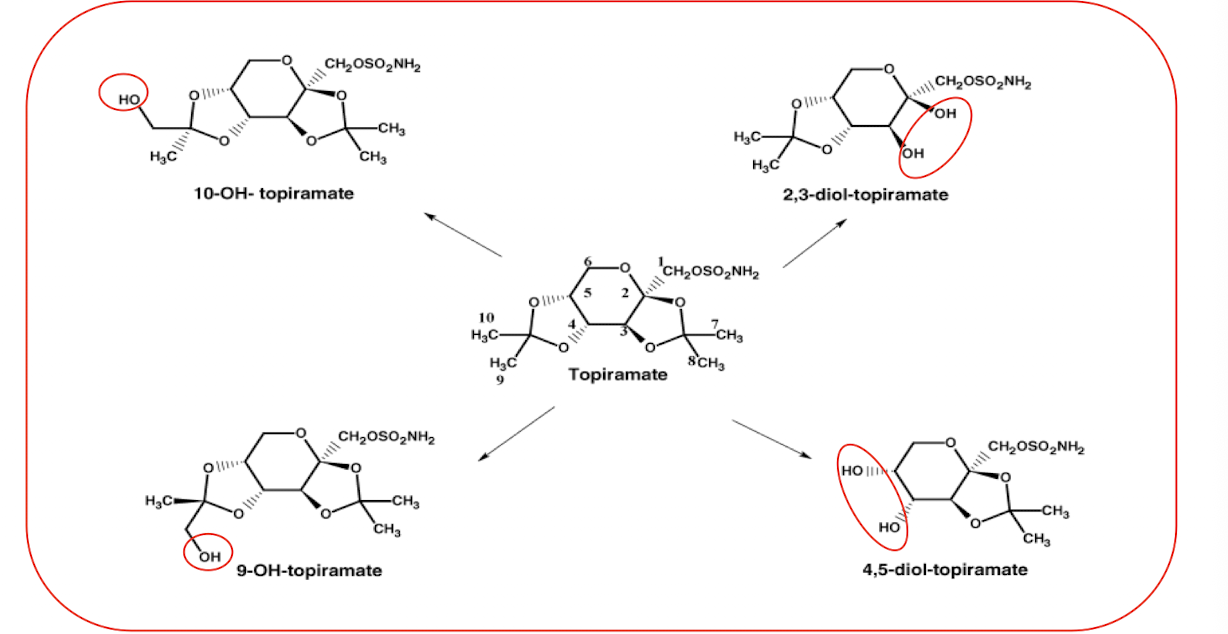
sulphamate substituted monosaccharide —> derived from D-fructose
multiple MOA
not extensively metabolized —> mostly excreted unchanged in urine (70)
20% is hepatic metabolism (2C19), hydroxylation, hydrolysis, and glucoronidation
VPA (depakote)
multiple MOA ; Na channel inhibitor, GABA agonist)
well tolerated
2 rare side fx —> hepatotoxicity, teratogenicity
Inhibits 2C9 —> increase phenytoin [ C ]
inhibits glucuronidation —> increase lamotrigine [ c ]
inhibit carbamazepine epoxide hydrolase —> increase CBZ 10,11 [ c ]
![<ul><li><p>multiple MOA ; Na channel inhibitor, GABA agonist)</p></li><li><p>well tolerated</p></li><li><p>2 rare side fx —> hepatotoxicity, teratogenicity</p><ul><li><p>Inhibits 2C9 —> increase phenytoin [ C ]</p></li><li><p>inhibits glucuronidation —> increase lamotrigine [ c ]</p></li><li><p>inhibit carbamazepine epoxide hydrolase —> increase CBZ 10,11 [ c ]</p></li></ul></li></ul><p></p>](https://assets.knowt.com/user-attachments/6ef576d6-3560-4fb2-9ab0-c2ccded7d0de.png)
VPA metabolism picture

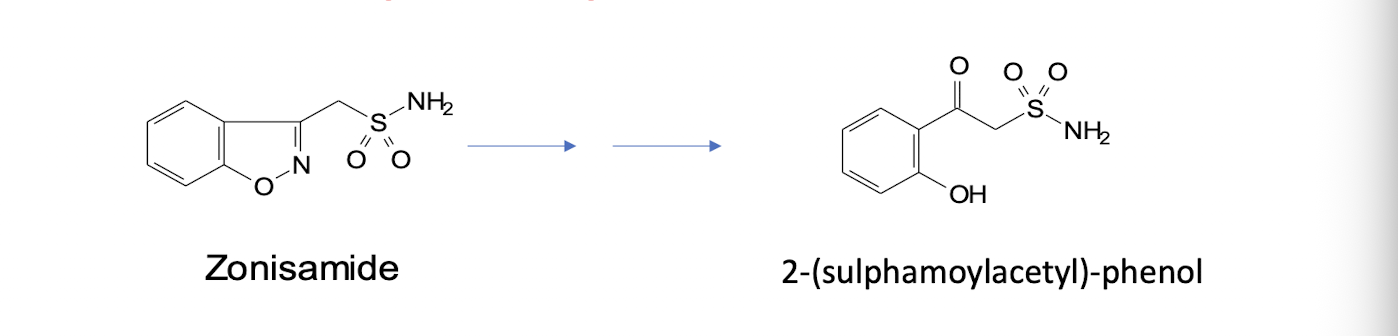
Zonisamide (zonegram)
sulfonamide derivative
multiple MOA
35% excreted unchanged
metabolic pathway to form 2-(sulphamoylacetyl)-phenol involves hydrolytic ring cleavage either by 3A4 or intestinal bacteria
caution in sulfa hypersensitivity
Neurochem and catecholamine drugs on NMDA receptor OBJ
Catecholamines
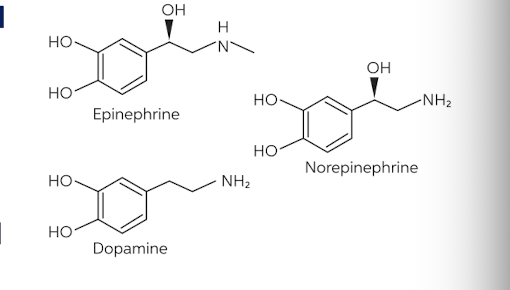
distinct structure of benzene ring with 2 -OH groups (catechol) and an ethyl chain with terminal amine group
produced mainly by adrenal medulla and postganglionic fibers of SNS
in CNS, dopamine, norepinephrine, and epinephrine are neurotransmitters
dopamine (DA) is present in mammalian brain, with highest lvls in the striatum
Parkinsons disease (PD)
low DA levels
due to loss of neurons that produce dopamine
symptoms manifest when 50-60% of dopaminergic neurons in susbtantia are lost
Treatment : increase dopamine
Biosynthesis of dopamine

PD treatment strats
Direct admin of dopamine does NOT work due to BBB
L-DOPA —> transported into brain then converted
Inhibition of dopamine metabolizing enzymes
MAO or COMT inhibition
Dopamine agonists - do not increase dopamine in brain but stimulate pathways to provide symptom release
L-DOPA and DOPA decarboxylase inhibitor MOA

What does carbidopa do?
carbidopa does not cross BBB—> blocks peripheral conversion of L-DOPA to dopamine until it crosses BBB
MAO and COMT inhibition MOA

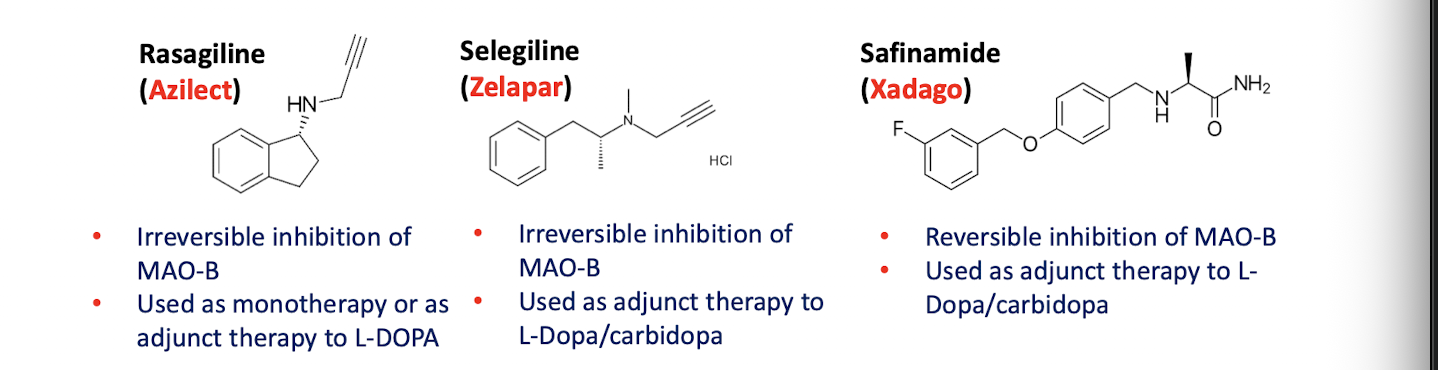
MAO-B inhibitors
block breakdown of dopamine—>prolog dopaminergic activity
can be adjunctive to L-DOPA
Ex.
Rasagiline, selgiline, safinamide
Patient should be counseled to limit tyramine intake (aged cheese, red wine, chocolate). MAO inhibitors facilitate absorption of tyramine—>increase norepinephrine—>hypertensive urgency
COMT inhibitors
adjunct to L-dopa
Tolcapone (Tasmar)
acts in both CNS and in periphery
hepatotoxic
NOT recommended
3 hr half life and better BBB penetration than entacapone
Entacapone
No liver toxicity
co-admin with carbi/levo dopa increases L-DOPA effect
inhibit metabolism of L-DOPA
Dopamine receptor agonists
do not increase dopamine levels; bind to dopamine receptor and stimulate signaling pathway for symptom relief

ionotropic glutamate receptor
ionotropic glutamate receptor
ligand gated cation channels that are activated by the neurotransmitter glutamate
allow passage of Na, K, and Ca2+ and produce excitatory postsynaptic responses
key fro synaptic plasticity, thus important for learning and memory
3 main subtypes
AMPA
Kainate
NMDA receptors
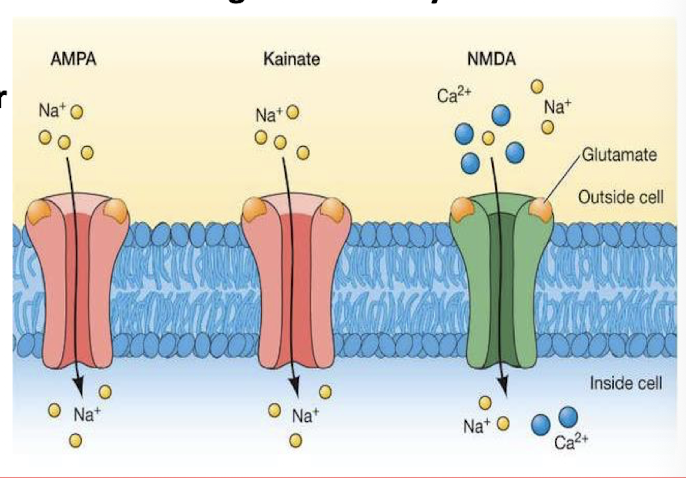
NMDA receptor
At rest, pore is blocked by Mg2+—> depolarization of postsynaptic cell, either by excitatory inputs or repetitive firing of presynaptic cell unblocks pore—>Opening the channel requires simultaneous binding of glutamate and co-agonist glycine—>NMDA receptor allows entry of Ca2+ and monovalent cations like Na+ and K+—> As a result, increase concentration of Ca2+ within postsynaptic neuron acts as second messenger to activate signaling cascade

NMDA receptor clinical effects
Agonism leads to excitotoxicity and neuroplasticity
Blocking it treats things like PD, epilepsy, Alzheimers, huntingtons
7 different NMDA subunits—>different targets available
NMDA antagonists
4 binding sites (picture)

Competitive (glutamate) NMDA antagonists
DL-AP5 - selective to glutamate binding site
conformational restriction ; a-amino acid group and side chain in a piperidine ring—>increase affinity, but more neurotoxic
D-AP7 - anticonvulsant activity in wide range of generalized focal epilepsy but poor absorption and undesirable muscle relaxation
R-CPPene - highly potent, but psychogenic s/fx
LY 233053 - tetrazole group
Glycine NMDA antagonists
generally less s/fx compared to competitive but low BBB penetration
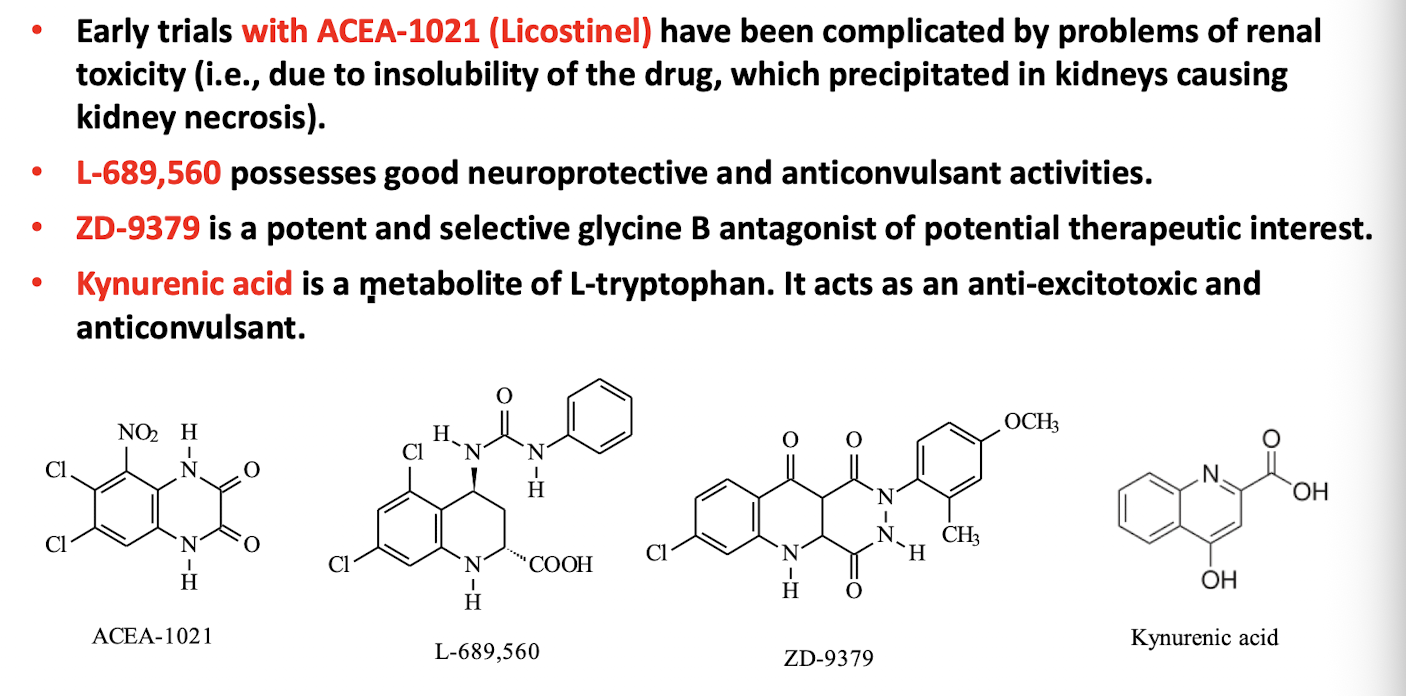
Polyamine binding site NMDA antagonist
honestly a lot of info, not sure if we need to memorize yet(will update if important)

Ion channel NMDA antagonists (non-competitive)
Amantadine - originally anti-flu drug
Memantine - originally anti diabetes
Ketamine - nasal spray used for depression treatment
Phencyclidine (PCP) - recreational drug
MK-801 - severe psychotic effects (BAD)
Remacemide - low affinity NMDA Na channel blocker
weak affinity but active metabolite has high affinity
Headache 2
Gepants
patients with CI to ergots or triptans or have failed to respond/tolerate 2 oral triptans
MOA - CGPR receptor antagonists
inhibit dilation of meningeal blood vessels
decrease in pain signaling
Benefits
can be used in patients with high CV risk or hx of CV event
no concern for med overuse headaches
Repant agents
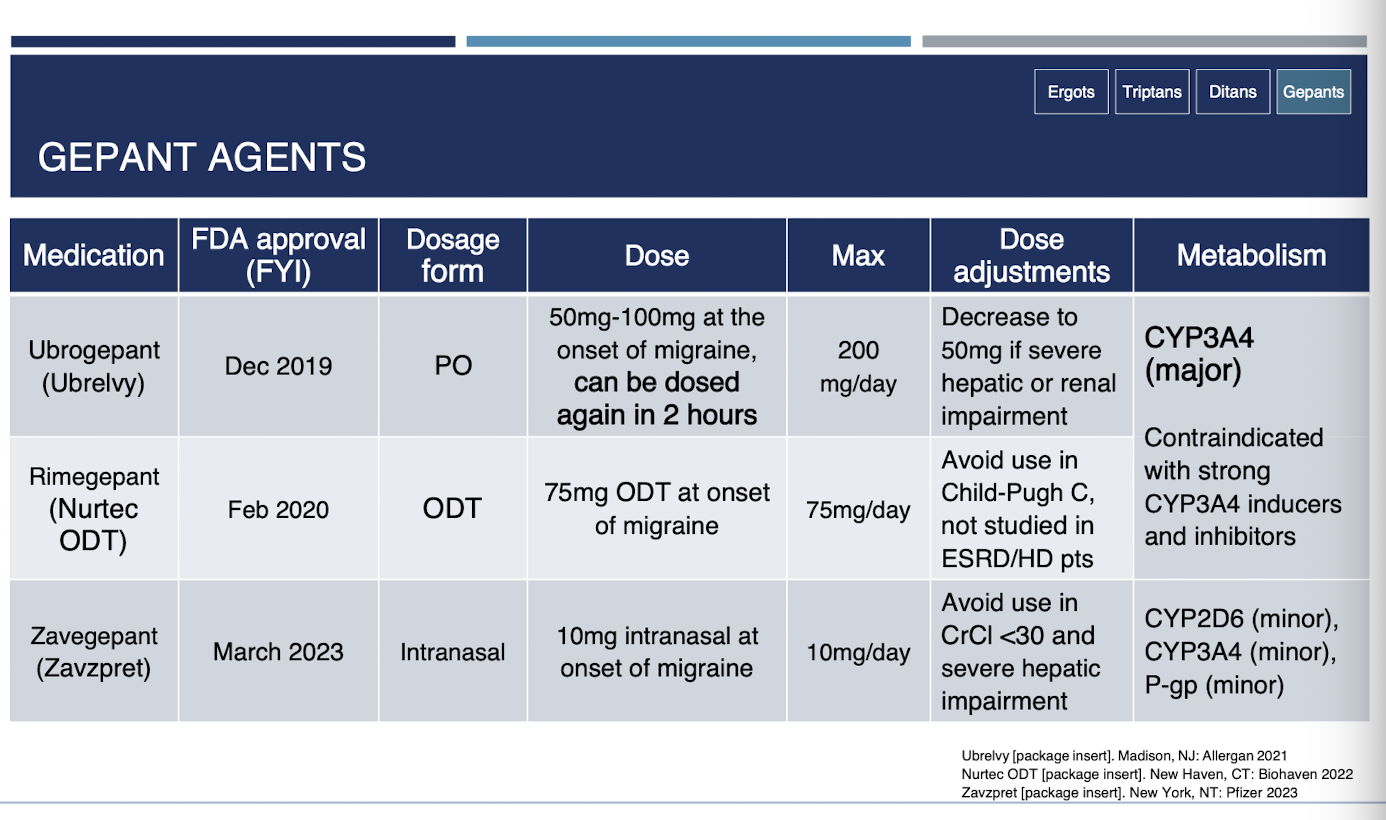
migraine abortive therapy guideline

other migraine abortive therapy
antiemetics - metoclopramide, chlorpromazine, prochlorperazine
helps if associated with N/V
15-13 mins before abortive tx
metoclopramide or prochlorperazine 10mg IV at onset may also be used for acute relief symtpoms
opioids
generally not recommended due to risk of overuse
When to use prophylaxis medications in migraine
recurring migraines that acute therapy cannot fix
occur more than 2x/week
risk off developing medication overuse HA
CI, failure, or overuse of acute tx
10+days/month of ergot, triptan, opioid, combo analgesia, and combo of drugs that are from non overused drugs
>15 day per month for nonopijoid analgesics, APAP, NSAID
patient preference to limit attacks
Initiating migraine prophylaxis
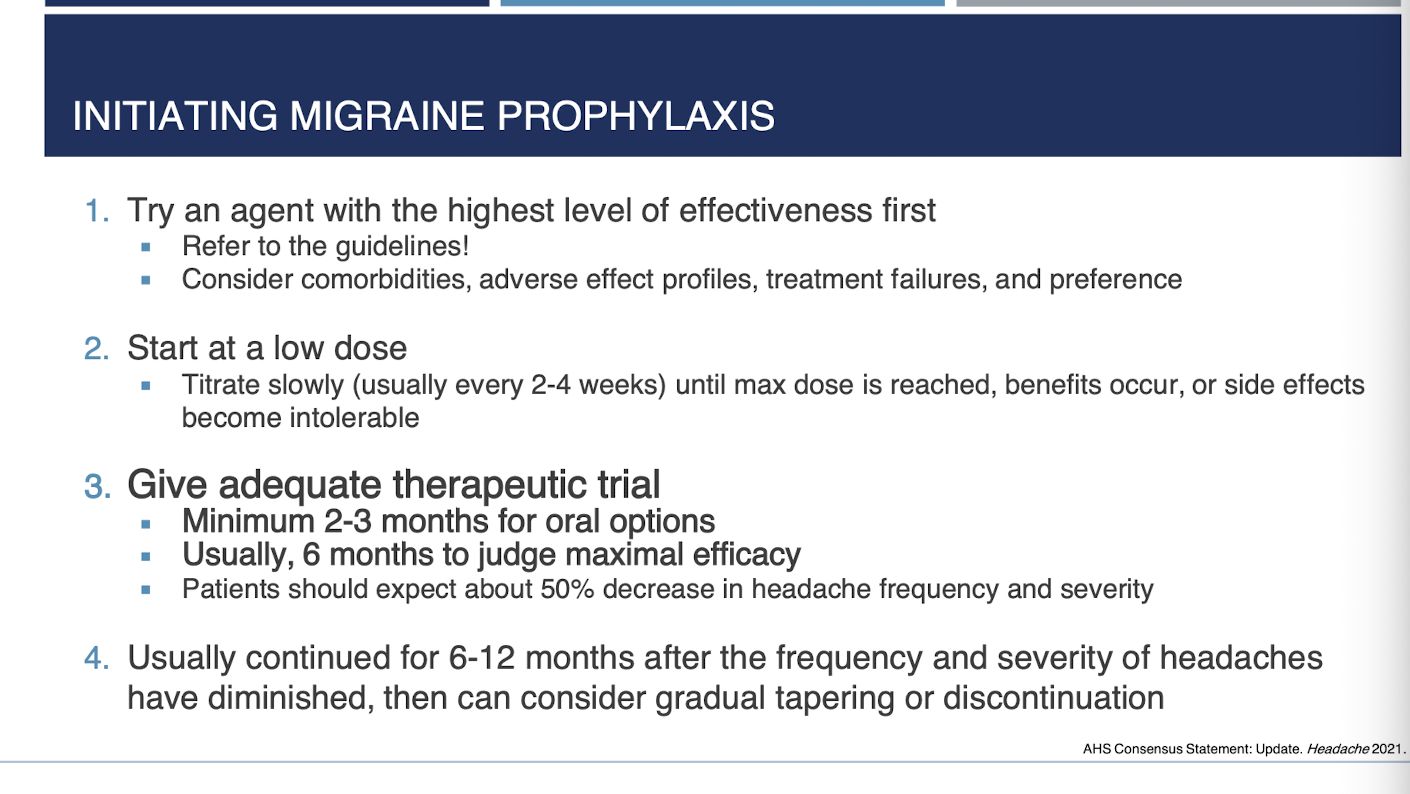
Prophylaxis agents to know

Recommendations for migraine prophylaxis (exceptions Venn diagram)

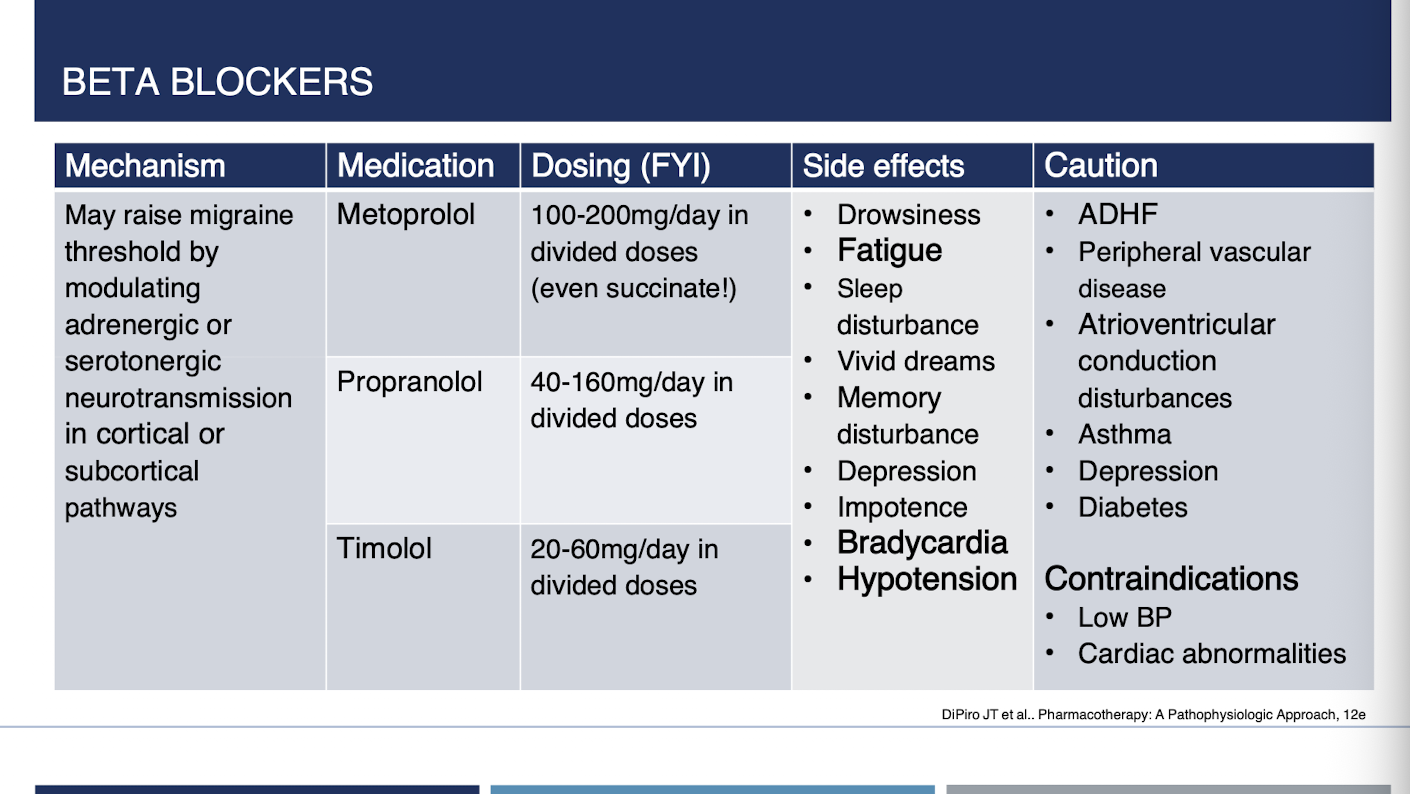
BB in migraine
Anti epileptic in migraine
Side effects decide which one

Gepants (prophylaxis)

CGRP monoclonal antibodies
MOA - block binding of CGRP to receptors by either binding to receptor itself or to the CGRP
dosed infrequently, minimal side effects, no need to titrate therapy—> BUT expensive
CGRP monoclonal antibodies prophylaxis
