Cardio Week 1 bad version
 Call Kai
 Learn
Learn Practice Test
 Spaced Repetition
 Match
Match Flashcards
 Knowt Play
1/97

Earn XP
Description and Tags
Autonomic Pharmacology
Name | Mastery | Learn | Test | Matching | Spaced | Call with Kai | Chat |
|---|
No analytics yet
Send a link to your students to track their progress
98 Terms
Afferent pathways carry sensory signals which way?
Towards the CNS
Which way do efferent pathways carry motor commands?
Away from the CNS out to the muscles and glands
Autonomic
Involuntary
Somatic
Voluntary
Sympathetic
Fight or flight
Parasympathetic
Rest and digest
The autonomic nervous system is mainly activated in
the spinal cord, brain stem, hypothalamus, and portions of the cerebral cortex (limbic cortex)

Somatic System
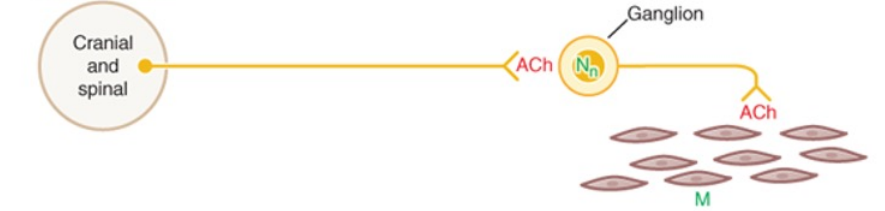
Parasympathetic

Sympathetic
Innervate all innervated structures of the body except skeletal muscle, synapse may be outside CNS, form extensive peripheral plexus, preganglionic neurons- myelinated, postganglionic neurons - nonmyelinated, Innervated tissue has some degree of spontaneous activity in the absence of innervation
Autonomic characteristics
Innervate skeletal muscle, synapse always within CNS, no peripheral plexus, myelinated, skeletal muscle does not contract without innervation
Somatic characteristics
Short preganglionic neuron and long postganglionic neuron
sympathetic neurons
Long preganglionic neuron and short postganglionic neuron
Parasympathetic neurons
Sympathetic neurons exit the CNS through
thoracic and lumbar vertebrae
Parasympathetic neurons exit the CNS through
Cranium and sacral vertebrae
Main autonomic neurotransmitter
ACh, NE, Epi, D
Acetylcholine is the neurotransmitter in
preganglionic neurons, postganglionic parasympathetic neurons, a few sympathetic neurons (sweat glands)
Norepinephrine is the neurotransmitter in
most postganglionic sympathetic neurons
Sympathetic postganglionic neurons that innervate sweat glands use what as a neurotransmitter
Acetylcholine
The cells of the adrenal medulla are analogous to
postganglionic cells of the sympathetic nervous system
Cells of the adrenal medulla release
epinephrine and norepinephrine into the bloodstream

Parasympathetic
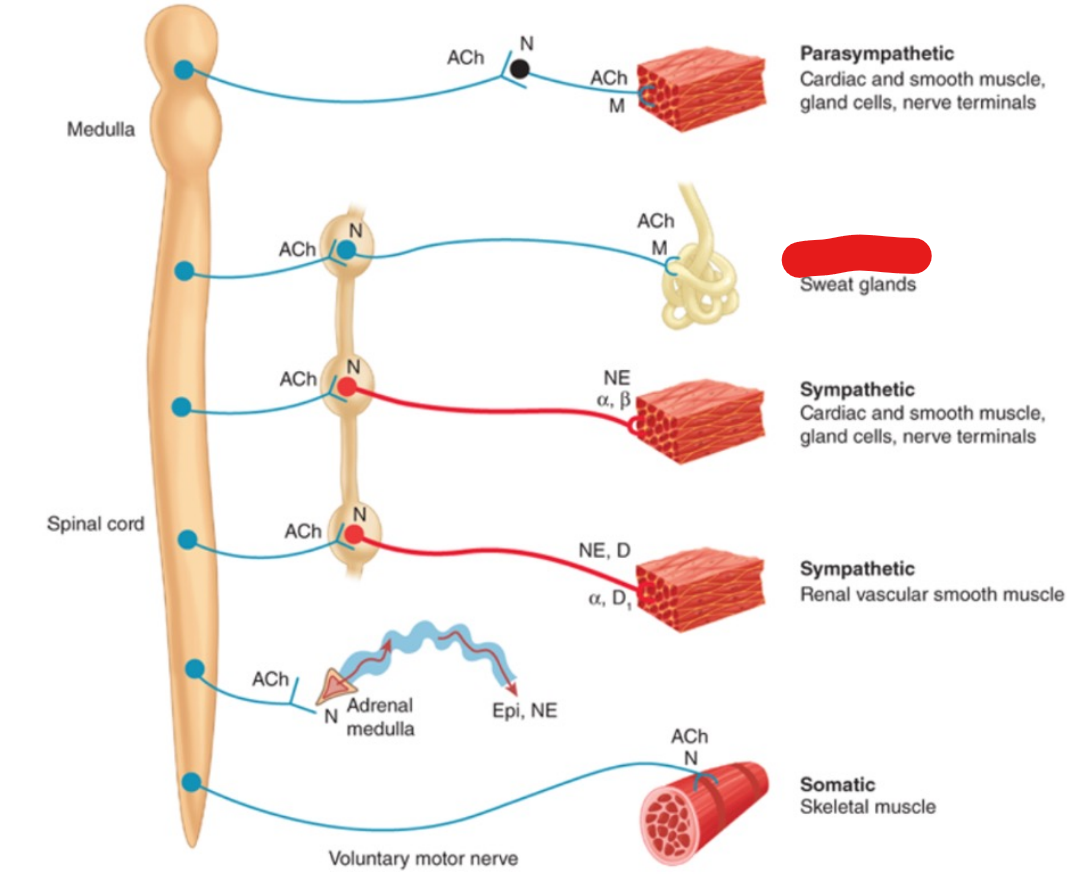
Sympathetic

Sympathetic
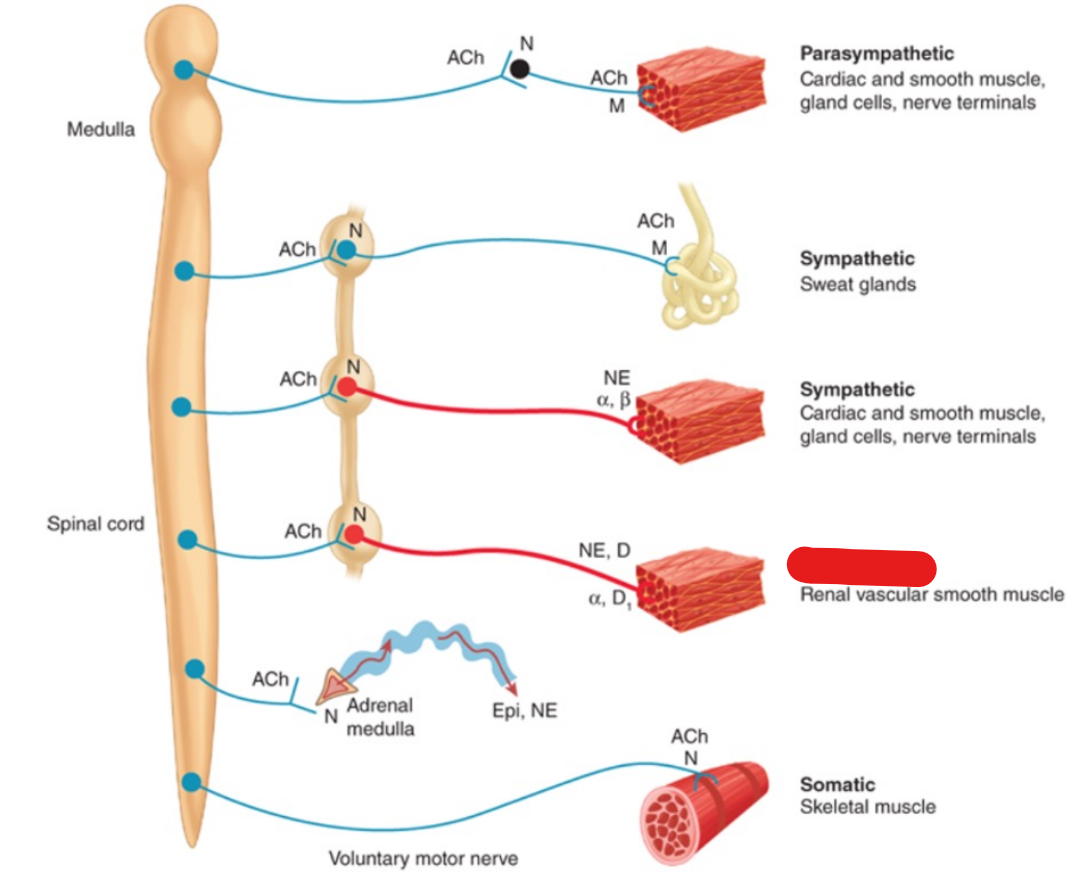
Sympathetic
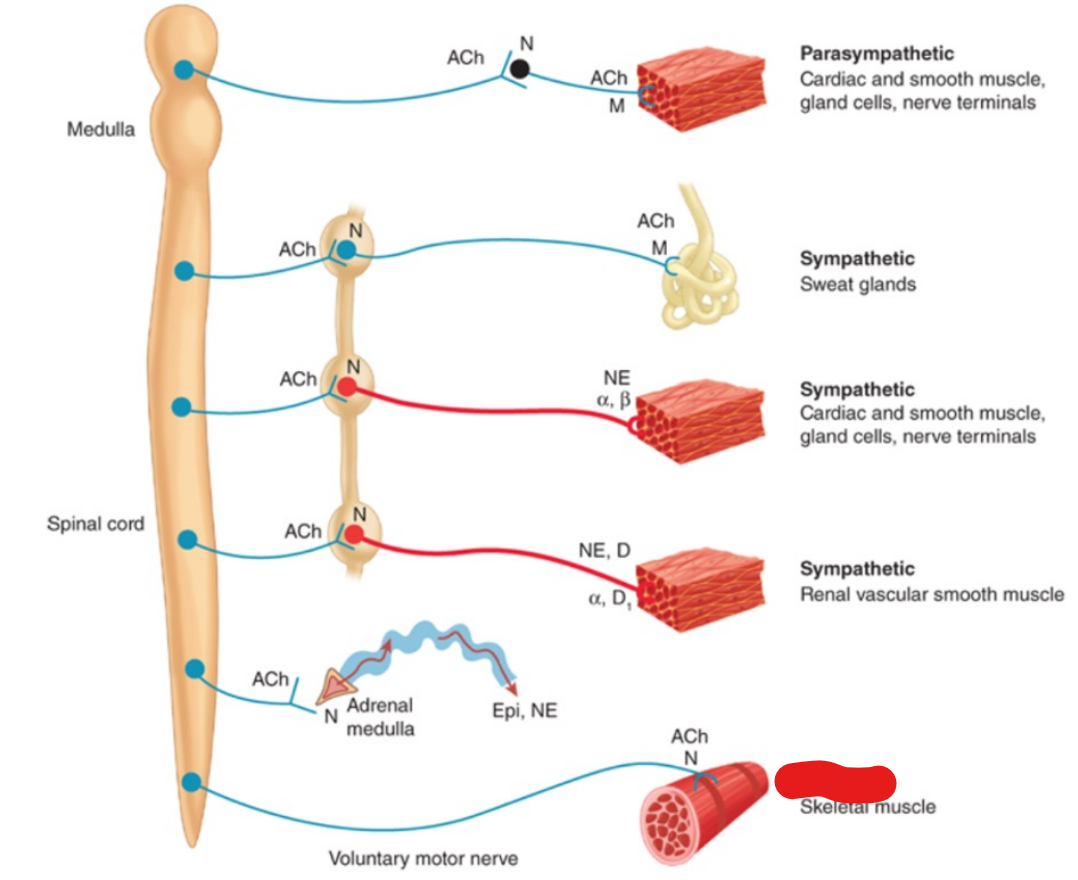
Somatic

Adrenaline
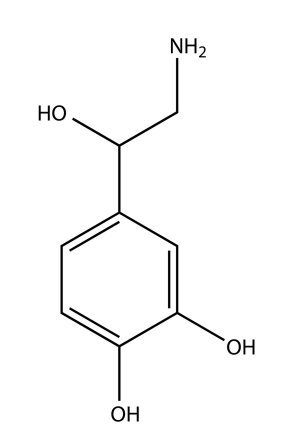
Noradrenaline
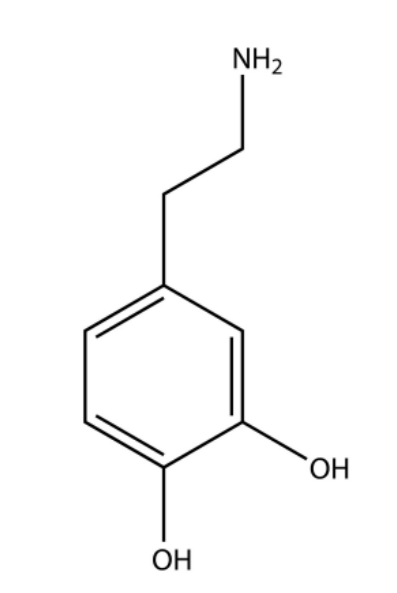
Dopamine

Acetylcholine
Enzyme turns tyrosine into dopa
tyrosine hydroxylase
tyrosine hydroxylase turns tyrosine into
Dopa
Aromatic L-amino acid decarboxylase turns dopa into
dopamine
dopamine beta-hydroxylase is the enzyme that turns what into what
dopamine into norepinephrine
phenylethanolamine-N-methyltransferase turns what into what
Norepinephrine into epinephrine
Norepinephrine turns into epinephrine only where
Adrenal medulla and a few epinephrine-containing neuronal pathways in the brainstem
Norepinephrine is cleared from the synapse primarily by reuptake into the neuron that released it
Reuptake 1
Norepinephrine is cleared by uptake into the postsynaptic cell
reuptake 2
Origin of preganglionic neuron in sympathetic nervous system
thoracic/lumbar
Origin of preganglionic neuron in the parasympathetic nervous system
cranial/sacral
Nicotinic receptor is used as a receptor for ganglionic neurotransmitter in what system
Sympathetic and parasympathetic
Receptors present on effector cells innervated by postganglionic neurons sympathetic
alpha/beta adrenergic
Receptors present on effector cells innervated by postganglionic neurons parasympathetic
muscarinic
Parasympathetic primary mechanism of terminating neurotransmitter signal
reuptake
Sympathetic primary mechanism of terminating neurotransmitter signal
enzymatic hydrolysis
pupils constrict, stimulate saliva, slow heartbeat, constrict airways, stimulate activity of stomach, stimulate gallbladder, stimulate activity of intestines, contract bladder
Parasympathetic
Dilate pupils, inhibit salivation, increase heartbeat, relax airways, inhibit activity of stomach, inhibit gallbladder, inhibit activity of intestines, secrete epinephrine and norepinephrine, relax bladder
Sympathetic
ANS receptors - cholinergic
muscarinic (m1,m2,m3,m5,m5) and nicotinic (nn and nm)
ANS receptors - adrenergic
alpha-adrenergic (alpha 1 and 2) and Beta-adrenergic (beta 1, 2, 3)
Sympathetic activity receptors in organs
adrenergic excepts for in sweat glands
Parasympathetic activity receptors in organs
muscarinic
Autonomic regulation
reflex arcs, presynaptic autoreceptors, postsynaptic regulation
Reflex arcs
Homeostatic response that is important to adrenergic drugs (beta blockers)
Presynaptic autoreceptors
alpha 2 inhibits NE release and M2 inhibits ACh release
Postsynaptic regulation
controls number of receptors and hyperpolarization
Baroreceptors
pressure-sensing neurons
Acetylcholine receptors are subdivided into
nicotinic and muscarinic receptors
Indirect acting cholinomimetics
AChE inhibitors
Direct acting cholinomimetics
muscarinic agonists and nicotinic agonists
Direct-acting Anticholinergics
Muscarinic and nicotinic antagonists
Nicotinic antagonists
Ganglionic blockers, NMJ blockers
Ganglionic Blockers (Nn) act at the autonomic ganglia to interrupt neurotransmission by
blocking nicotinic neuronal receptors to prevent acetylcholine from binding
Neuromuscular Junction Blockers (NMJ blockers/Nm)
Competitively block/depolarize nicotinic muscle receptors found at the endplate of skeletal muscle fibers (somatic)
Muscarinic Antagonists
block muscarinic acetylcholine receptors
acetylcholine agonists and antiacetylcholineesterases
Increase the amount of acetylcholine
Types of Cholinergic drugs
Ganglionic blockers, muscarinic antagonists, acetylcholine agonists, antiacetylcholineesterases, NMJ blockers
Direct acting Cholinergic drugs
Similar effect to ACh itself, effect depends, will bind to and activate muscarinic or nicotinic receptors directly
Indirect-acting Cholinergic drugs
Inhibit acetylcholinesteraseincrease endogenous ACh levels leading to enhanced cholinergic receptor activation
Muscarine
a plant alkaloid that mimics the effects of ACh at select cholinergic sites. From Amanita muscaraia and Inocybes
M2 Muscarinic receptor found in
Heart, nerves, smooth muscle
M33 Muscarinic receptor found in
Glands, smooth muscle and eyes
Pharmacology of muscarinic receptors
parasympathetic activity with no systemic therapeutic applications
Muscarinic Agonists - Choline esters
acetylcholine, methacholine, carbachol. bethanechol
Muscarinic Agonists - Alkaloids
Muscarine and Pilocarpine
Choline esters ADME
Poorly absorbed, Do not cross BBB, Metabolized by cholinesterases
Alkaloids ADME
Well absorbed, widely distributed, Metabolized by P450 (Cevimeline)
Bethanechol uses
urinary retention
Bethanechol ADE
GI distress, sweating, hypotension
Bethanechol contraindications
airway disease ulcer
Pilocarpine uses
Xerostomia and Glaucoma
Muscarinic Poisoning DUMBELSS
Pilocarpine Diarrhea, Urination, Miosis, Bradycardia, Bronchoconstriction, Excitation, Lacrimation, Salivation, Sweating
Bethanechol (Urecholine) PC
Muscarinic agonist
Bethanechol (Urecholine) PK
Poor absorption, no cross BBB
Bethanechol (Urecholine) MOA
Acts on muscarinic GPCRs on parasympathetic effector organs
Bethanechol (Urecholine) physiology
Urinary effects
Bethanechol (Urecholine) Clinical uses
urinary retention
Bethanechol (Urecholine) adverse effects
GI distress, sweating, hypotension
Bethanechol (Urecholine) Contraindications
asthma, ulcer
Effect of muscarinic agonists on eye
Miosis (pupil constriction)
Effect of muscarinic agonists on heart
Bradycardia (decreased heart rate)
Effect of muscarinic agonists on lung
Bronchoconstriction and increased secretion
Effect of muscarinic agonists on GI tract
increased motility and secretion
Effect of muscarinic agonists on Bladder
increased voiding
Effect of muscarinic agonists on glands
Increased sweating, salivation, lacrimation
Methacholine uses
Asthma
Carbachol uses
Miosis for surgery
Cevimeline uses
Xerostomia