Neoplasia Growth Survival
 Call Kai
 Learn
Learn Practice Test
 Spaced Repetition
 Match
Match Flashcards
 Knowt Play
1/20

There's no tags or description
Looks like no tags are added yet.
Name | Mastery | Learn | Test | Matching | Spaced | Call with Kai | Chat |
|---|
No analytics yet
Send a link to your students to track their progress
21 Terms
What is the Warburg effect?
What is it?
Why?
Warburg Effect
What is it
Metabolic phenomenon where cancer cells preferentially convert glucose -> lactate via glycolysis
even if there is enough O2 to perform more efficient mitochondrial respiration
Why?
Provides Meta. intermediates needed for cellular components
(AA)
Faster energy production
Describe IDH:
What is it?
How is it related to cancer?
Importance?
Mech
Example?
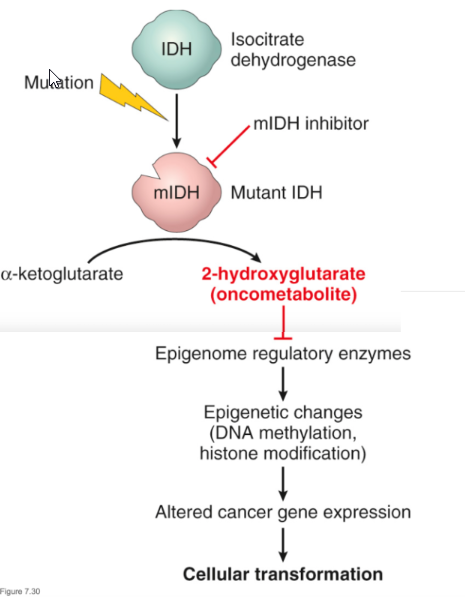
Isocitrate dehydrogenase (IDH)
What is it?
Krebs cycle Enzyme
Related to cancer
IDH mutation -> production of dif. Metabolite -> (2-hydroxyglutarte)
Importance:
(2-hydroxyglutarte) = oncometabolite
Alters gene expression -> Cancer
Ex:
Gliomas of the brain: astrocytomas
[REVIEW] Apoptosis
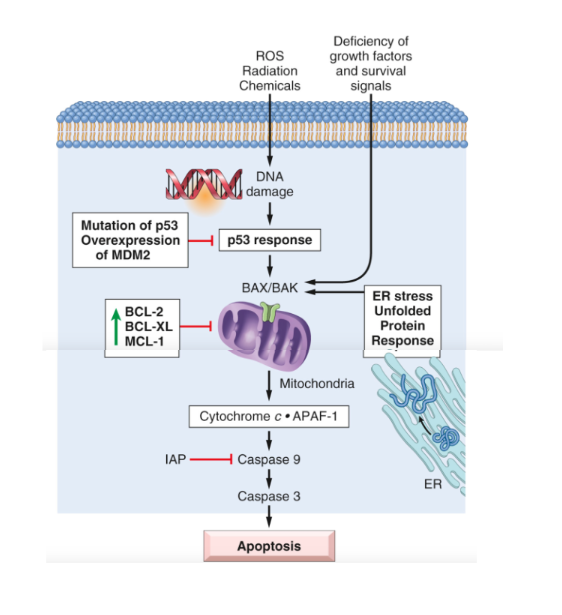
Describe the two Apoptosis Genes and their function
P53:
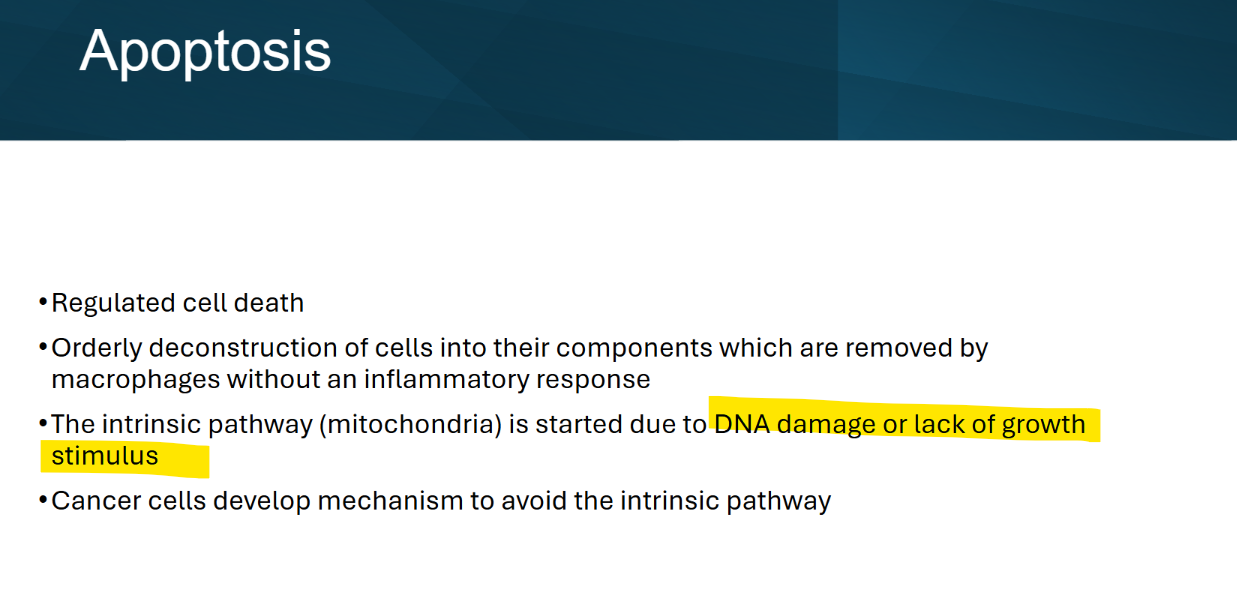
Promote apoptosis when DNA damage detected
BCL2
Inhibits apoptosis
Overexpressed in 85% of follicular B cell lymphoma
t(14,18)
How do cancer cells avoid mitotic crisis?
Mitotic crisis due to progressive shortening of telomeres
Cancers express telomerase
enzyme responsible for maintaining telomeres
Normal cells do not express this
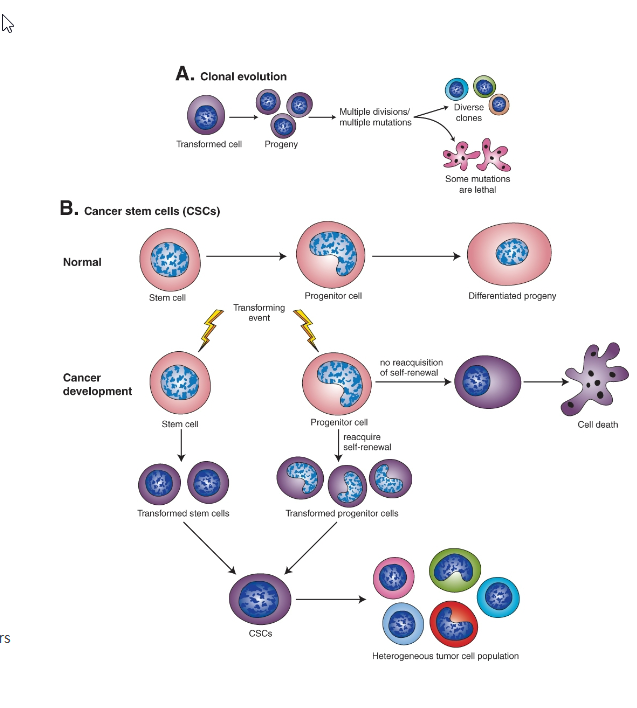
How can Cancer transform into stem-like cells
How can Cancer transform into stem-like cells
Mutations in Trxn factors -> Somatic cells reprogramming via epigenetics -> pluripotent stem cell
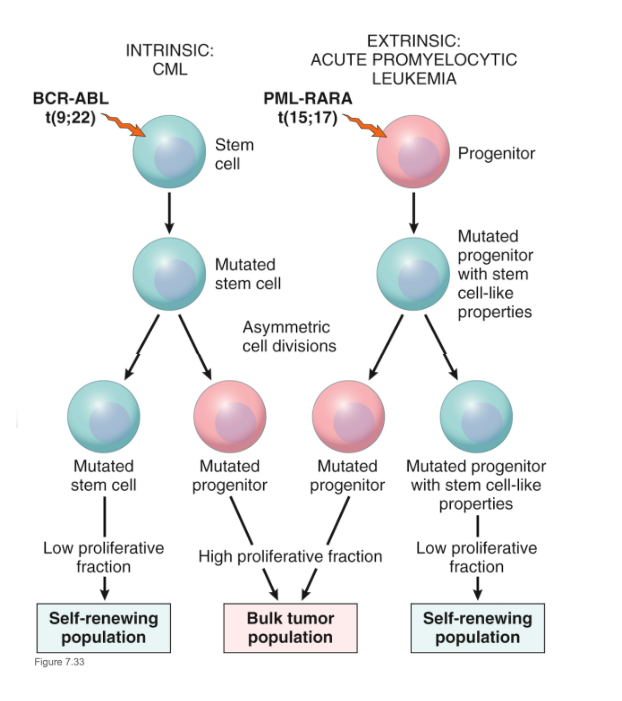
Describe how Clonal Evolution and CSCs can occur
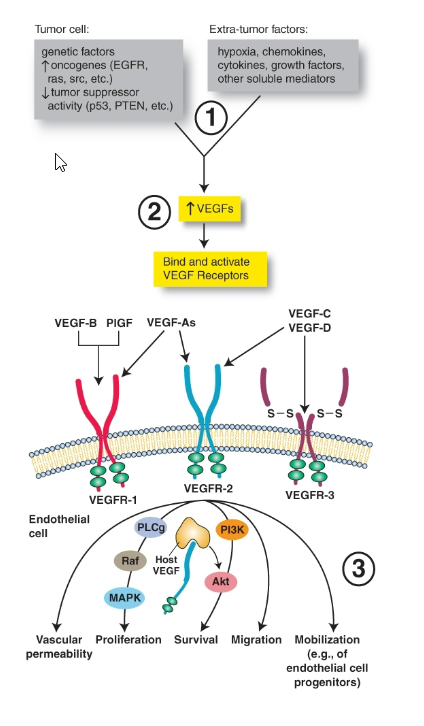
Describe Cancer’s ability to create blood vessels:
Angiogenesis/Hypoxia Relation:
Mech:
Angiogenesis/Hypoxia Relation:
Hypoxia -> Trxn of basic fibroblastic growth factor + VEGF (vascular endothelial growth factor)
NOTE: VEGF inhibitors are used in treatment of some cancers
Describe the mechanism for Cancer Invasion
Mech:
Release intercellular adhesion molecules
E-cadherin
Invasive lobular carcinoma and diffuse gastric carcinoma
Degrades ECM via enzymes
Has Integrins -> ECM attachment
ECM migration via cytokines
Describe Metastasis
Targets
Metastasis by blood
Typical of?
Location most common?
Metastasis by lymph
Typical of?
Direction?
Metastasis
Targets:
To first capillary bed encountered (lung or liver)
Some has specific receptors -> organ tropism
Metastasis by blood:
Typical of Sarcoma/Carcinoma
Liver/lungs most frequently involved
Metastasis by Lymph:
Common in Carcinoma
Follow Lymphatic Drainage
List and describe the 3 ways in which tumor antigens originate
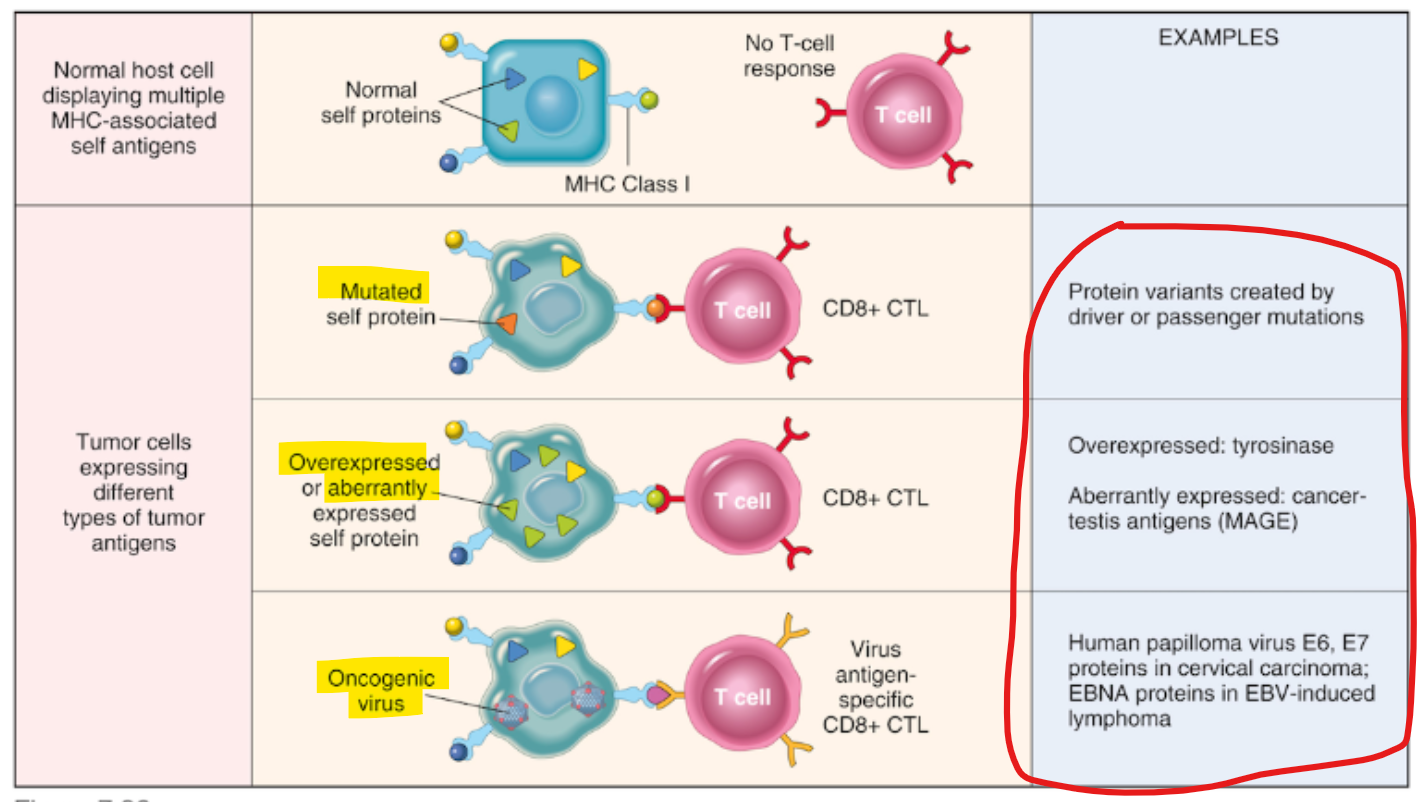
How does the body protect against cancerous cells?
Cancer protection Method
DCs and macrophages consume tumor cells -> lymphnodes
Presentation via MHC to CD8+ CTL
CD8+ CTL Activation
Describe CAR-T cells
What is it?
Method of Creation?
Clinical Approval for?
What is it?
Programmed targeting of tumor associated antigens
Method of Creation:
Pt. T cells removed -> reprogramed -> re infused
Reprogram via transgene
Result:
Act. T cells attack tumor and expand
Clinical Approval:
for targeting CD10 on B lymphocytes
Can treat B cell malignancy (lymphoma)
Other in Dev:
EGFR, HER2, CEA, CA125, mesothelin
List/Describe three ways Cancer cells Evade the Immune system
Cancer Immune Invasion:
Evolve w/o antigens or changes antigens
Loss of MHC
Immunosuppression
TGF-B Secretion
Potent immunosuppressant
Expression of PDL-1
Inhibits T Cells
Describe PD-L1/PD-1
Gene location
What/Where is it?
Function:
How does Cancer use this?
Treatment Against this mech?
PD-L1/PD-1
Gene Location: 9p24
What/Where is it?
Cell membrane receptor
lymphocytes, macrophages, Tumor Cells
Function:
Down regulate Immune Response
Important part of functioning placenta
Tumor Escape
Tumor -> increase PD-L1 expression -> protection against immune
Act. T Cells Bind -> disabled
Treatment against PD-L/PD-1
Abs block PD-L1 or PD-1 receptors
Tumor can no longer inactivate
Immune attacks Tumor (immune surveillance)
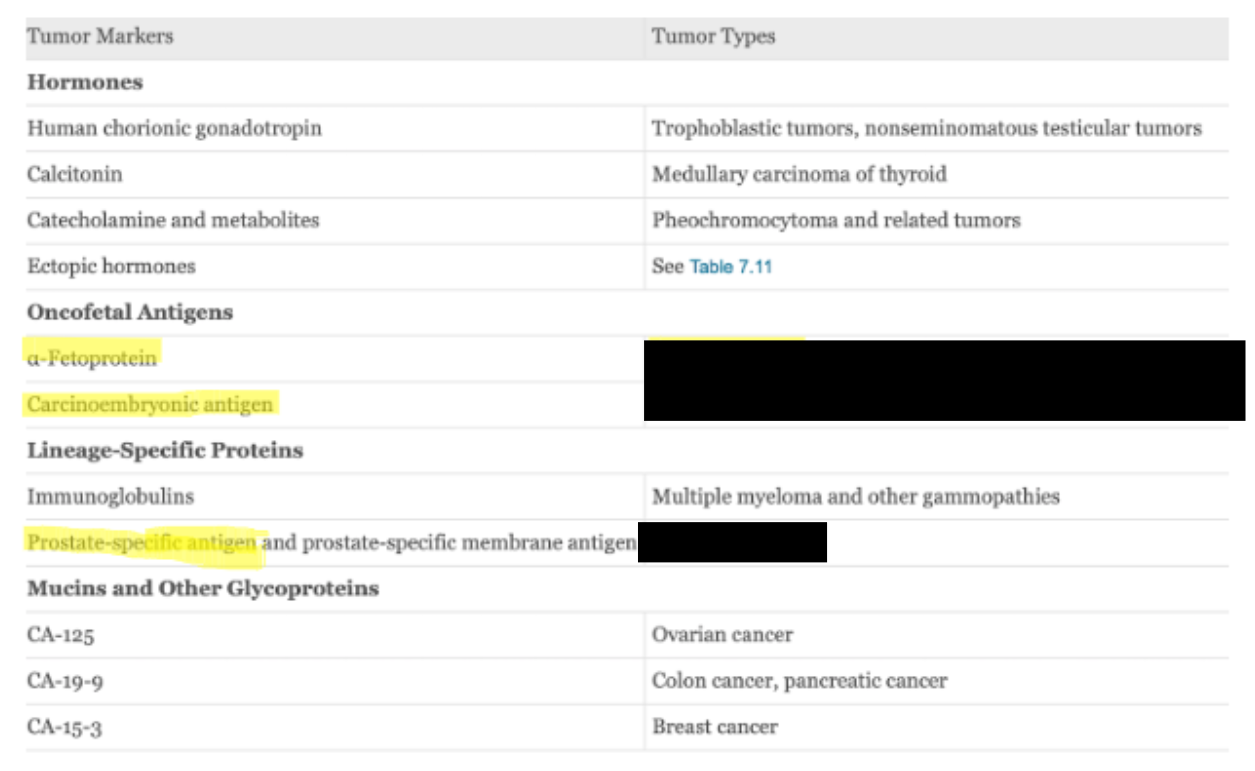
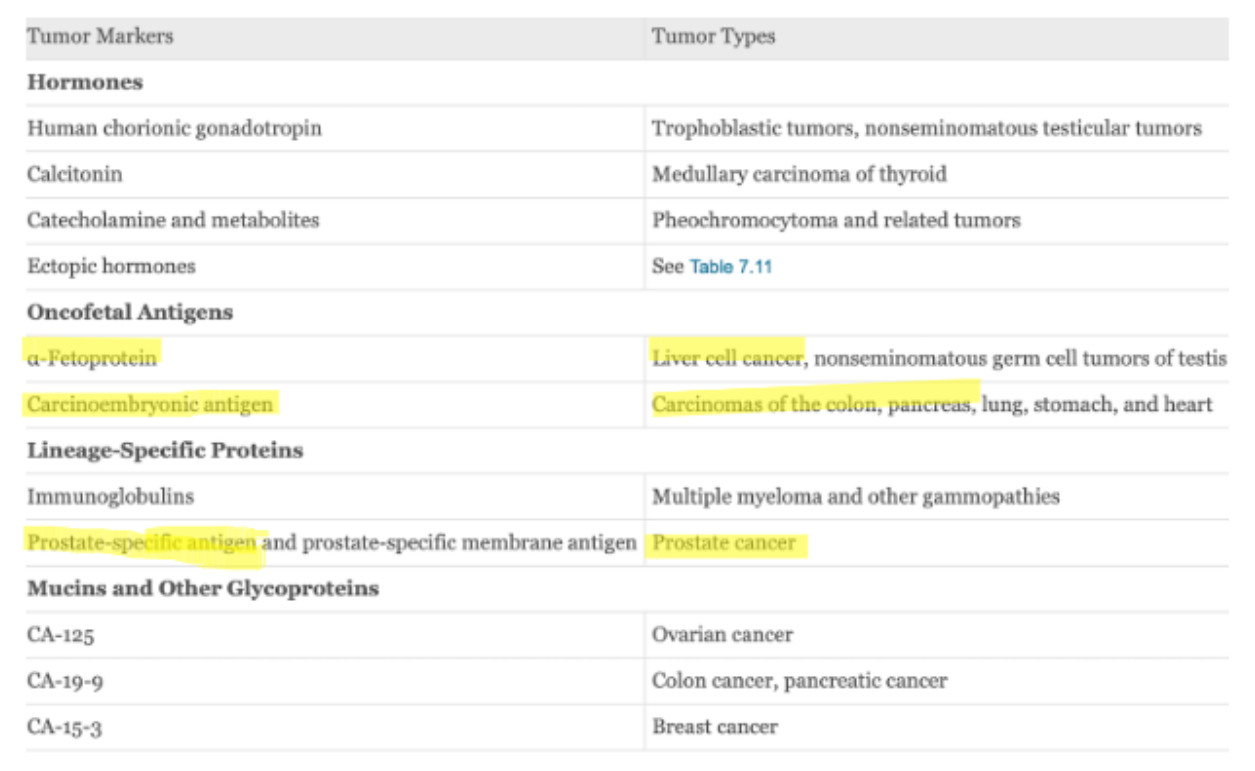
Describe Tumor Markers:
What are they?
Usefulness:
What are they?
Proteins released by tumors into blood
Usefulness:
Tumor Screening
BUT low sensitivity and specificity
BUT: Can be elevated in nonneoplastic conditions
monitor response to therapy
Describe Paraneoplastic Syndrome
What is it?
symptoms?
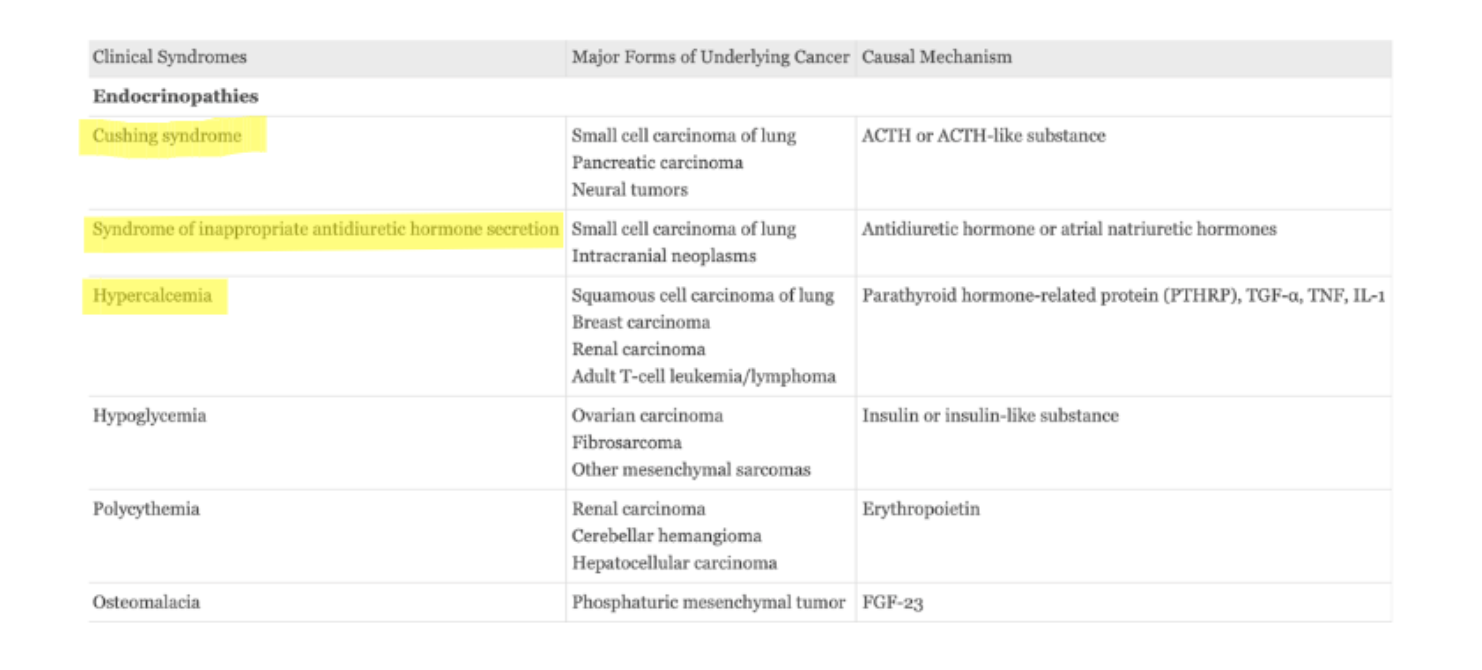
Paraneoplastic Syndrome
What is it?
first sign of cancer
Symptoms = Clinically sign.
Occurs in ~10% of pts. w/ cancer
Specific Symptoms correlate w/ specific cancers
Symptoms:
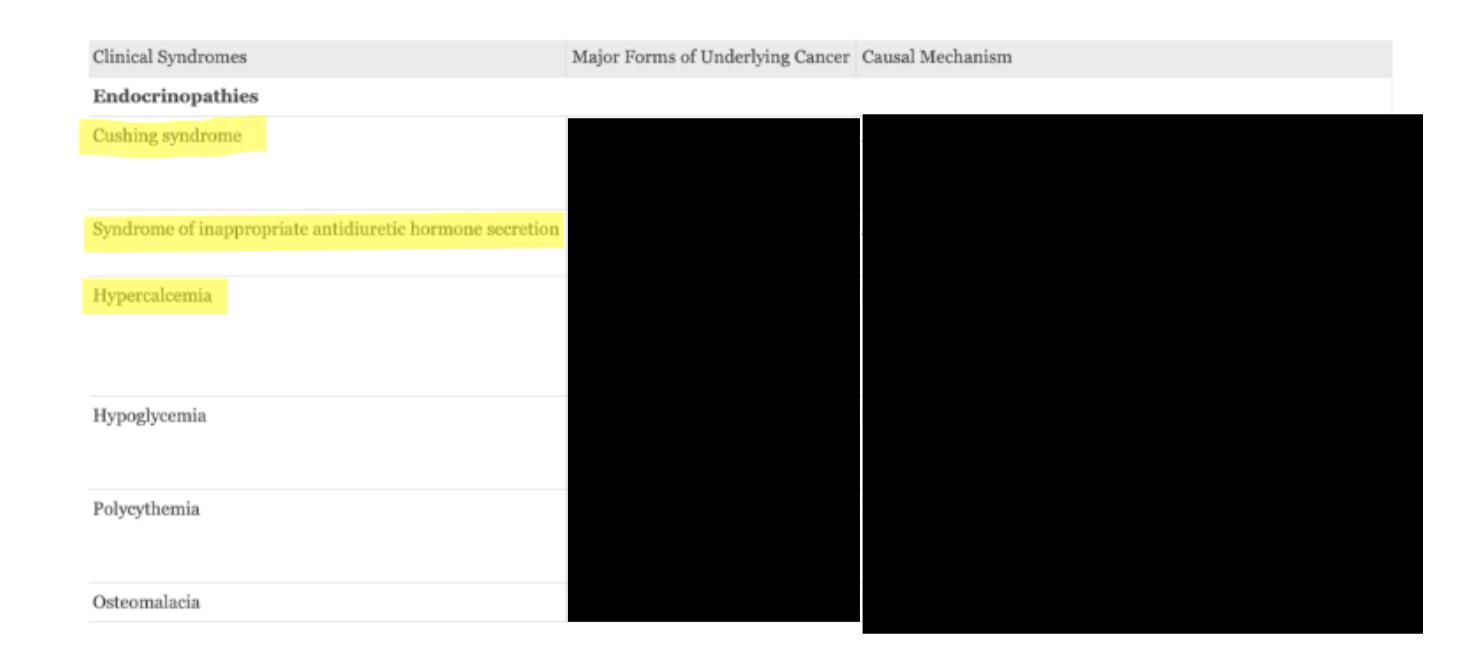
Hypercalcemia = most common
squamous cell carcinoma of the lung
Cushing syndrome
small cell carcinoma of the lung
Acanthosis nigricans
gastric carcinoma