LEC - L1:T5-T6 (Med Orders / Rights of Drug Administration)
 Call Kai
 Learn
Learn Practice Test
 Spaced Repetition
 Match
Match Flashcards
 Knowt Play
1/17

There's no tags or description
Looks like no tags are added yet.
Name | Mastery | Learn | Test | Matching | Spaced | Call with Kai | Chat |
|---|
No analytics yet
Send a link to your students to track their progress
18 Terms
What is a medication order?
Written directions provided by a prescribing practitioner for a specific medication to be administered to an individual.
What does PRN stand for?
Pro re nata, meaning 'as needed'.
What is a PRN medication order?
A medication given on an 'as needed' basis for specific signs and symptoms, based on the nurse's judgment of safety and patient need.
List common signs or symptoms that may indicate a PRN medication is needed.
Tiredness, increased anxiety or agitation, headache, earache, coughing, sneezing, fever, itching, cramping.
What types of medications can be PRN?
Both prescription medications and over-the-counter medications.
What is required to administer a PRN medication?
A medication order and a PRN protocol.
What information is included in a PRN protocol?
All information found in the medication order, specific signs and symptoms for administration, maximum daily dosage, and any special instructions.
What is a standing order?
A written instruction issued by a medical practitioner that authorizes specified individuals to administer and/or supply specified medicines.
What must a standing order explain?
Why the standing order is required and the circumstances in which it applies.
What are the competency requirements for administering medication under a standing order?
The person must meet specific competency requirements relevant to the treatment of conditions specified in the standing order.
What is a STAT order?
A one-time order to be given immediately, typically within 60 minutes of receipt.
What is a single order in medication administration?
A one-time order to be given at a specified time and then discontinued.
What are the principles of medication administration?
Right documentation, right history and assessment, right to refuse, right drug-drug interaction evaluation, right education and information.
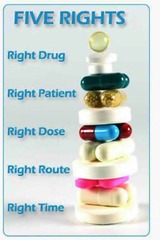
What are the three checks of drug administration?
1. Check the drug with the MAR when removing it. 2. Check the drug when preparing it. 3. Check the drug before administering it.
What rights do nurses have when administering medications?
Right to a complete and clear order, right to the correct drug, route, and dose, right to access information, right to policies for safe administration, right to stop and think.
What are possible causes of medication errors?
Violation of nursing rights, lack of drug knowledge, memory lapses, transcription errors, dispensing problems, distractions, overworked staff, and inadequate monitoring.
What is the importance of a culture of safety in medication administration?
To minimize medication errors and ensure patient safety.
What does the term 'Do Not Use' abbreviations refer to?
Abbreviations that are discouraged in medication orders due to the potential for misinterpretation.