Lab 5, Lab 6 :Groups, Orders, Families
 Studied by 1 person
 Call Kai
 Learn
Learn Practice Test
 Spaced Repetition
 Match
Match Flashcards
 Knowt Play
1/56

There's no tags or description
Looks like no tags are added yet.
Name | Mastery | Learn | Test | Matching | Spaced | Call with Kai |
|---|
No analytics yet
Send a link to your students to track their progress
57 Terms
Group Acanthopterygii (“spiny wings)
largest group of teleosts
ctenoid scales
physoclistous swim bladder
two distinct dorsal fins (1st spiny, 2nd rayed)
pelvic and anal fins with spines
thoracic positioned pelvic fins
pectoral fins placed laterally
hypural plate (fused bones of last few caudal vertebrae)
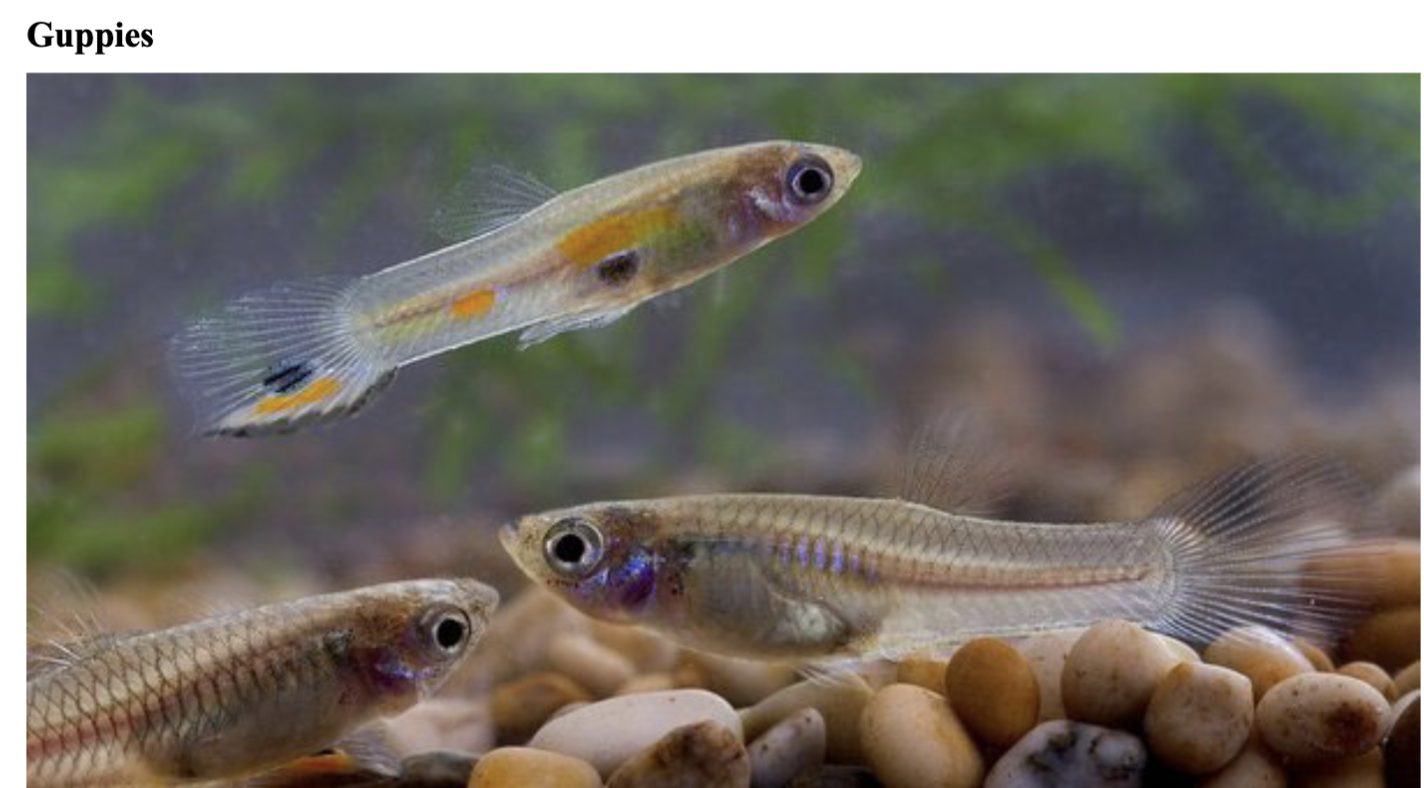
Order Cyprinodontiformes
scales on the head
no lateral line
hermaphroditism (self-fertilization) or parthenogenesis (lacking functional males: eggs develop without fertilization)
order Gasterosteiformes
sticklebacks and tubesnouts.
Characterized by elongate bodies.
Often have bony plates or spines instead of scales.
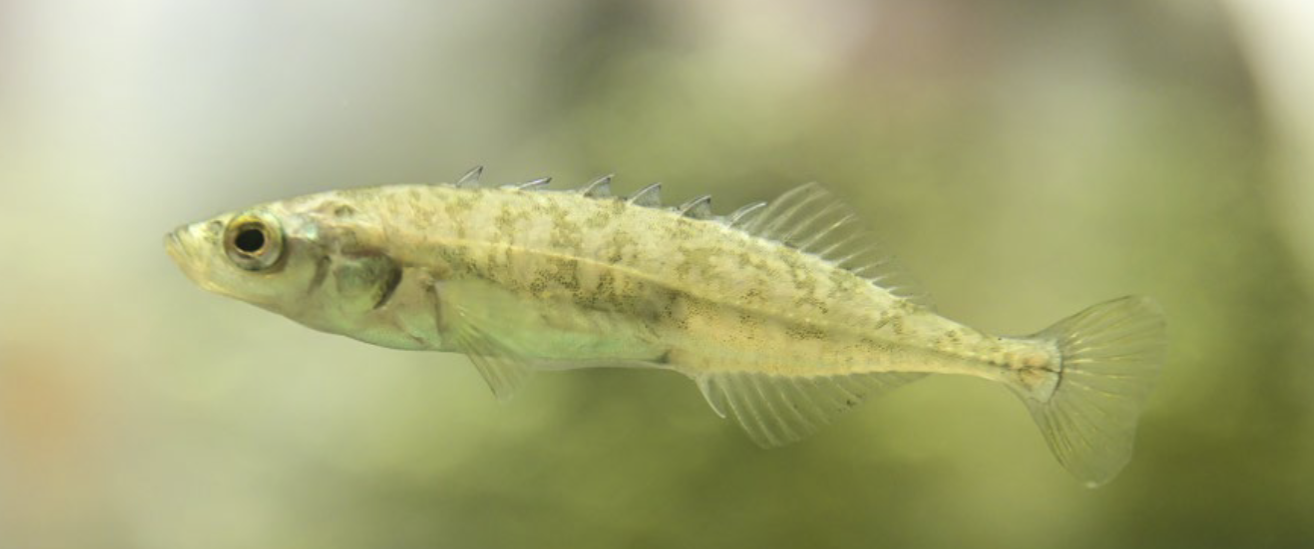
Family Gasterosteidae
sticklebacks!
bony plates instead on scales
dorsal spines
complex reproductive behaviour
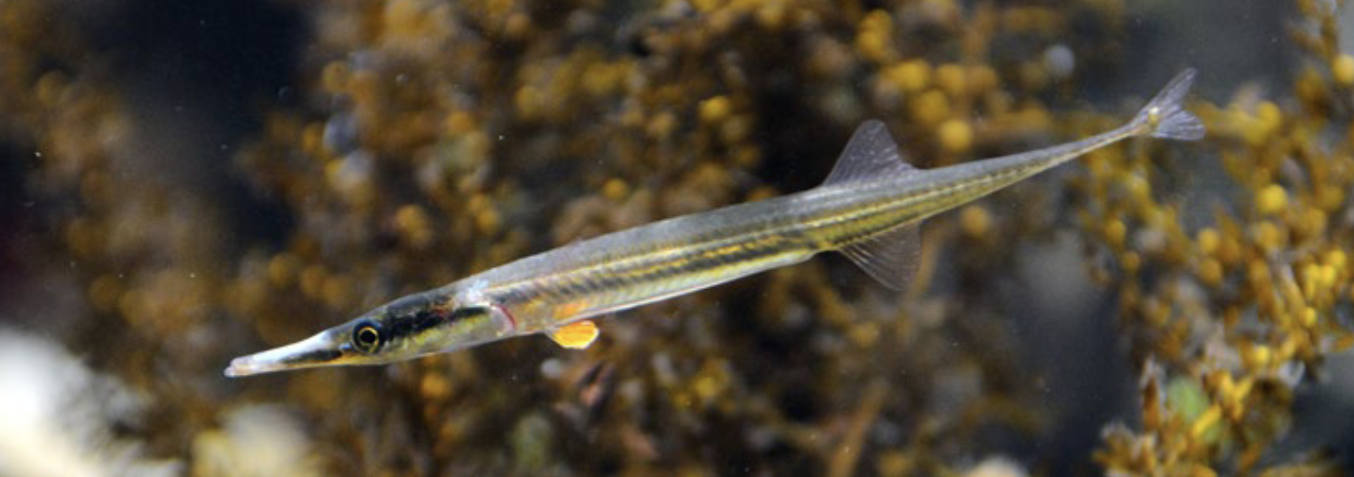
Family Aulorhynchidae
tubesnouts
small cycloid scales
single triangular dorsal fin, posterior position
tubular snout with tiny mouth
many small dorsal spines
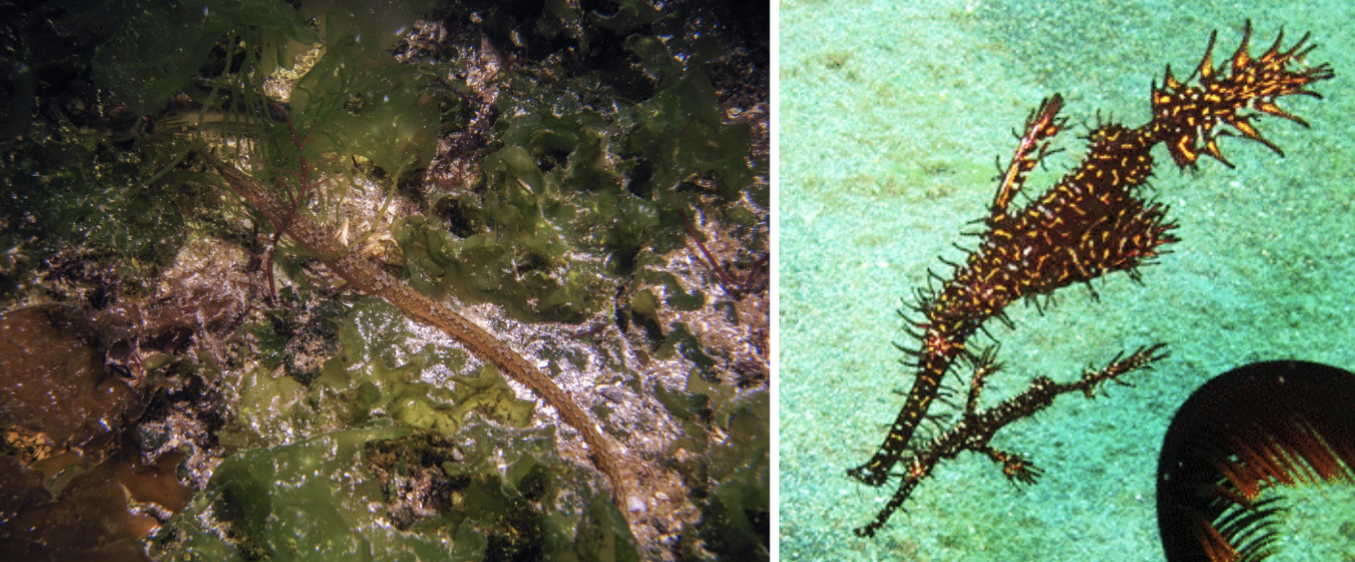
Order Syngnathiformes
long, thin, cylindrical, with bones encircling body
binocular vison
no pelvic fin
brood pouch
Order Scorpaeniformes
suborbital stay
cirri
thoracic pelvic fins
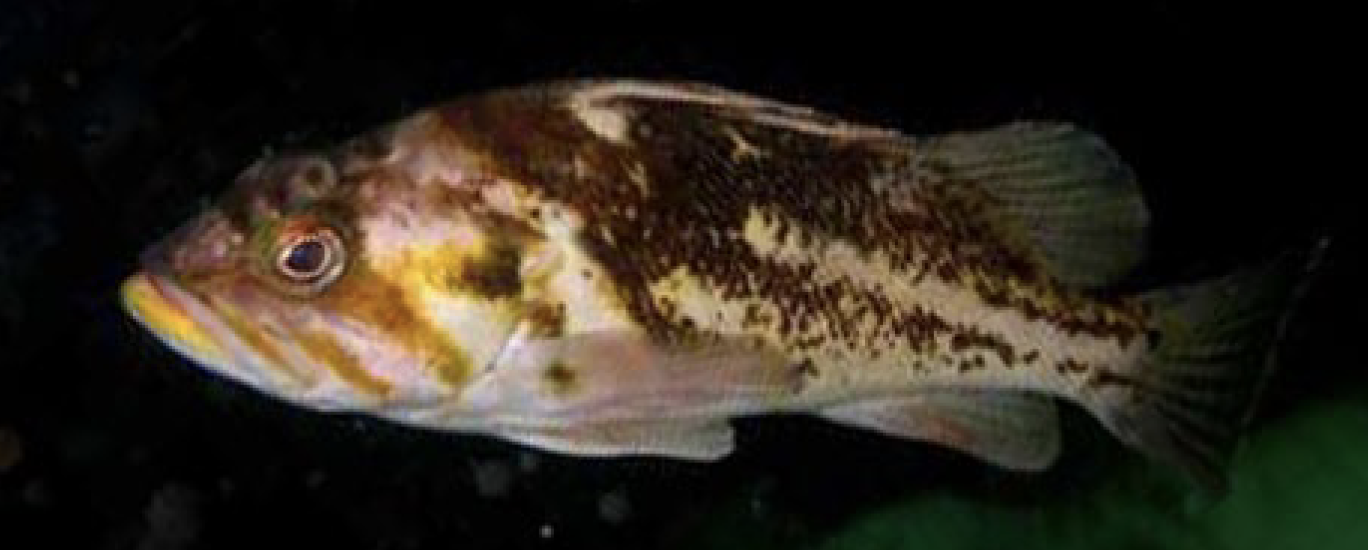
Family Scorpaenidae
large terminal mouth
7 branchiostegal rays
venomous head spines
spines on anal fin
ctenoid scales
gill membrane is separate from isthmus
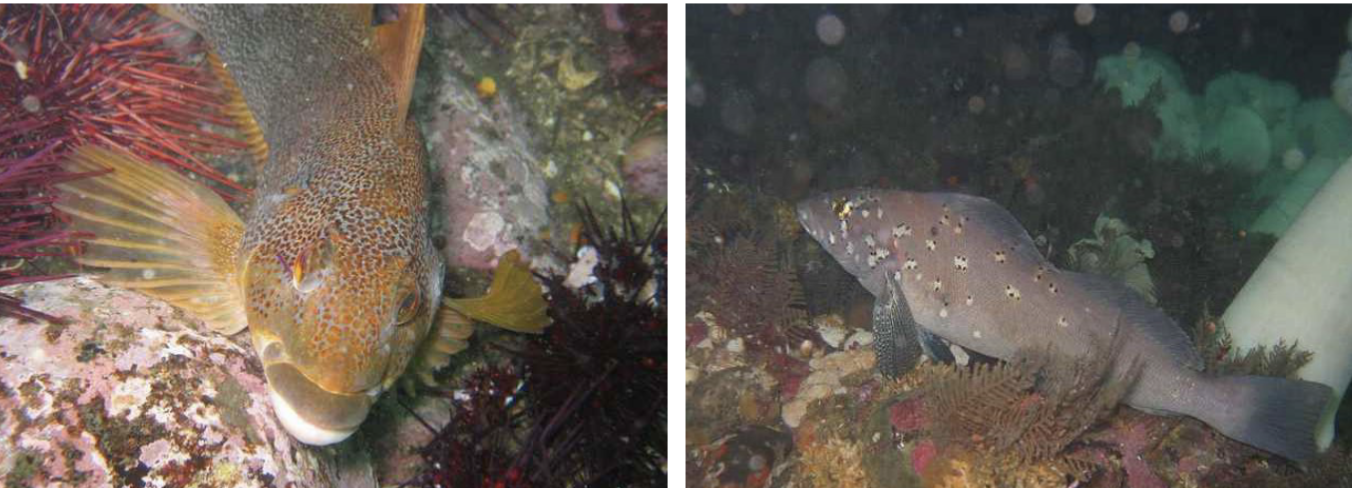
Family hexagramidae
5 lateral lines
6 branchiostegal rays
cycloid scales
no swim bladder
spines on anal fin
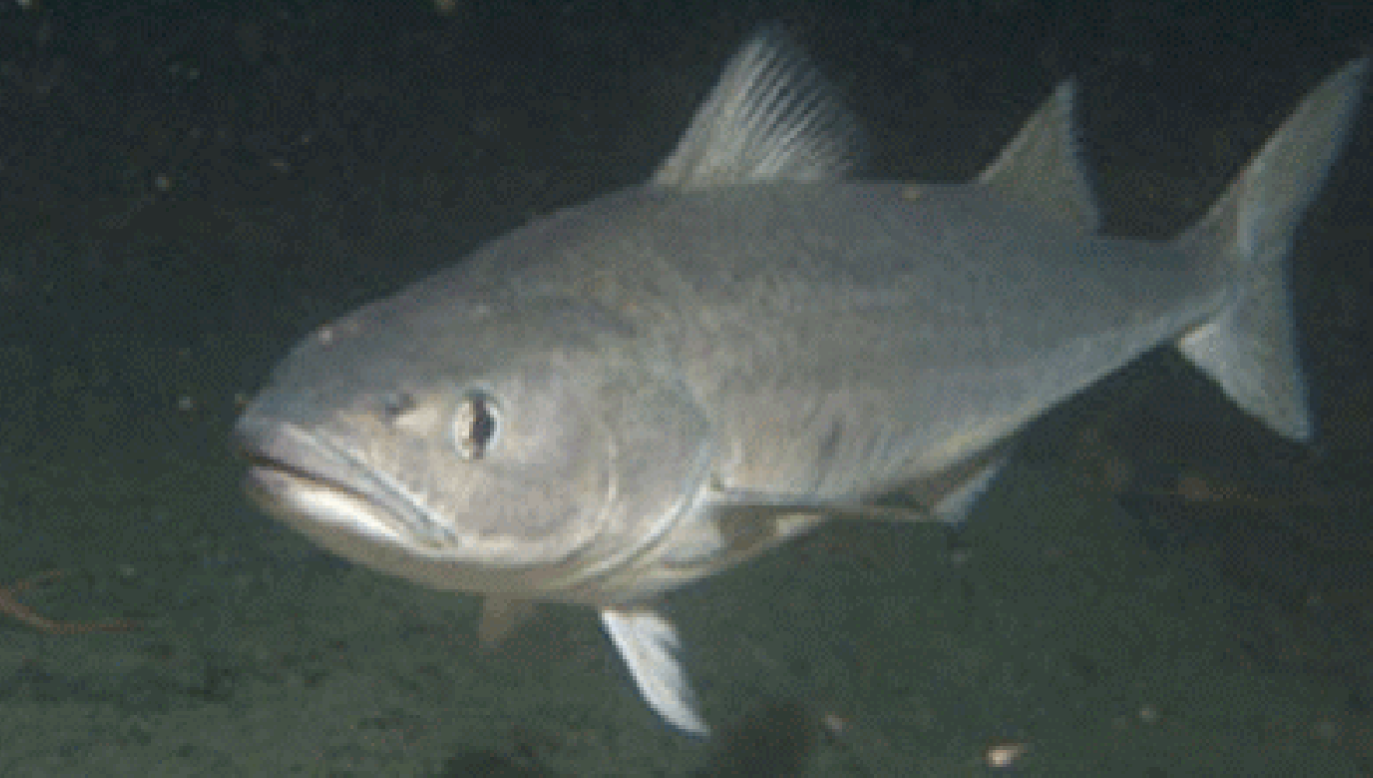
Family Anoplopomatidae
Head without spines, ridges or cirri
Small scales and is weakly ctenoid
single lateral line
no spines on anal fin
gill membrane attached to ithmus
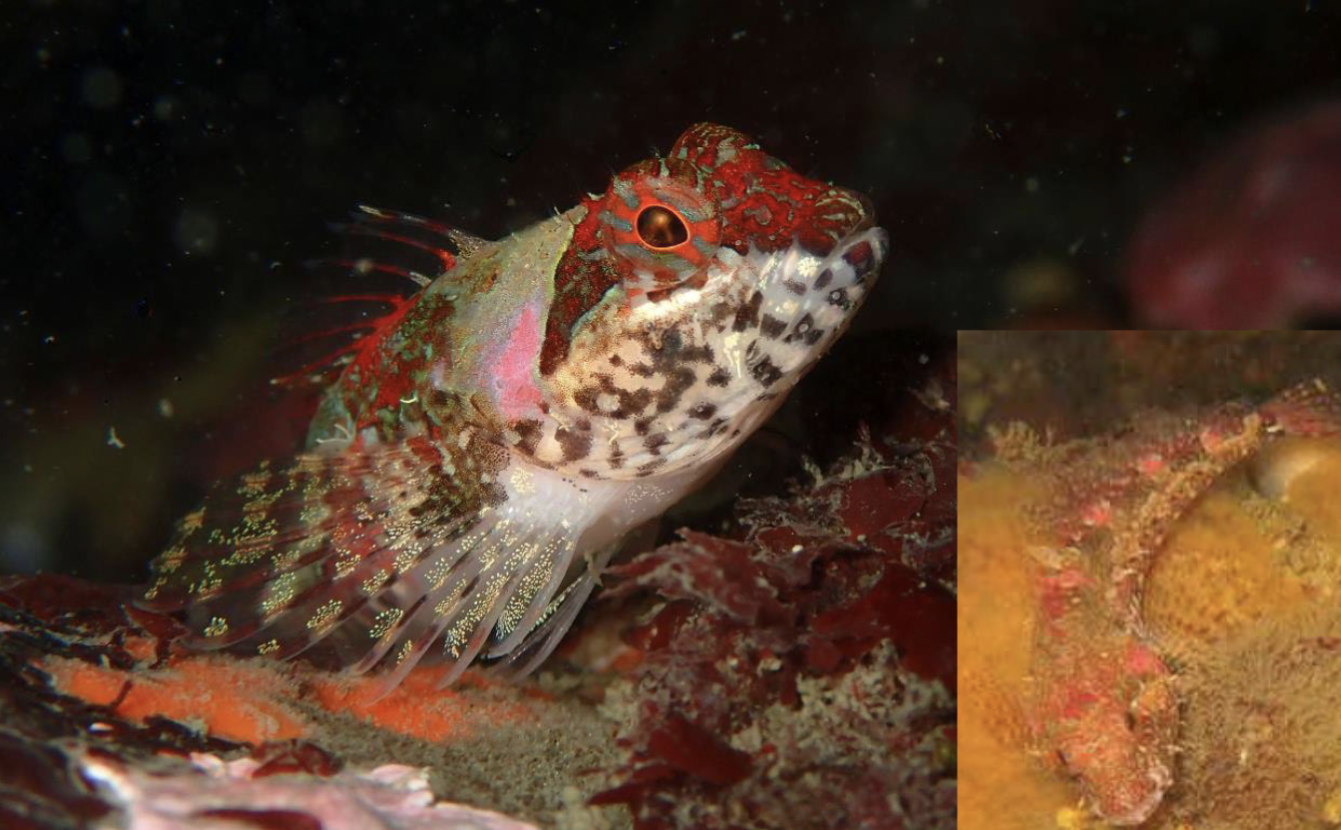
Family cottidae
stout-bodied
eyes nearer to top of head
No spines in anal fin.
large fanlike pectoral fin
reduced cycloid scales
small thoracic pelvic fins
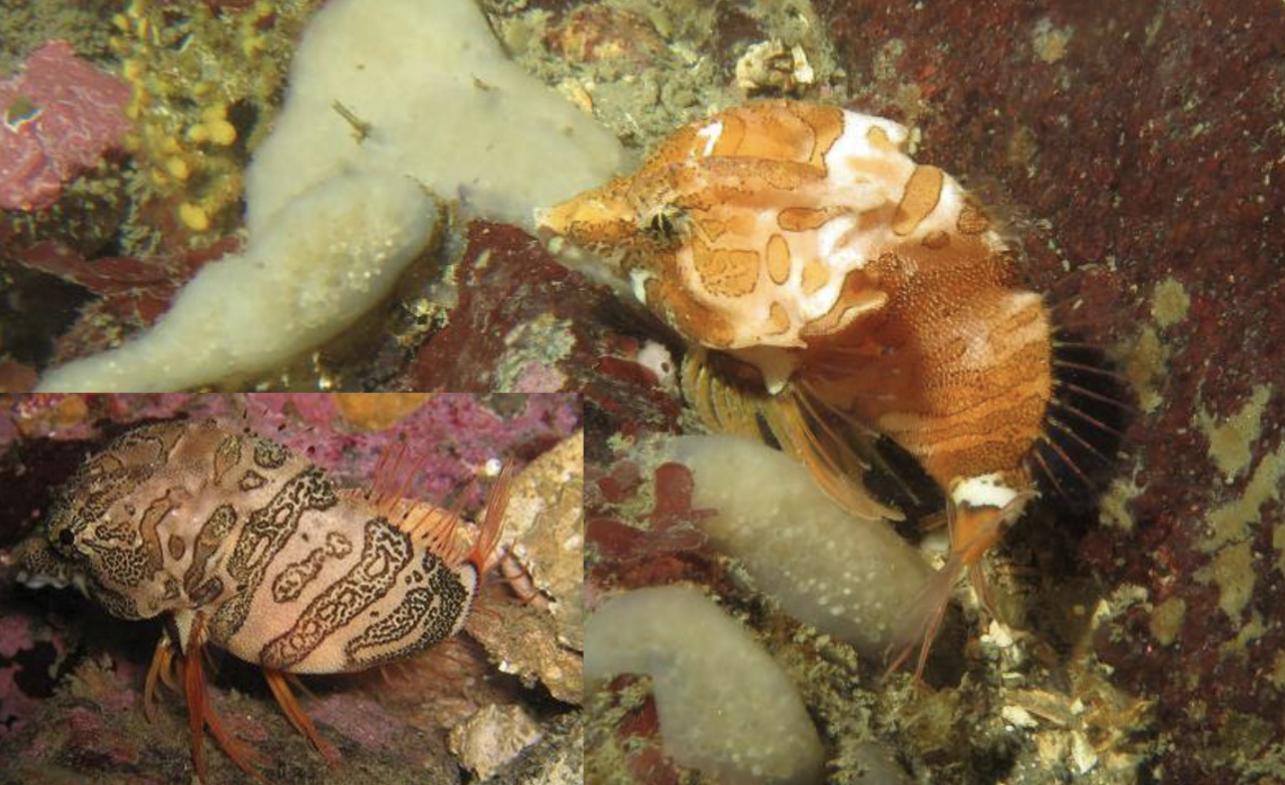
Family Rhamphocottidae
two rounded ridges extening along top of head
no anal spines
no scales
rounded caudal fin
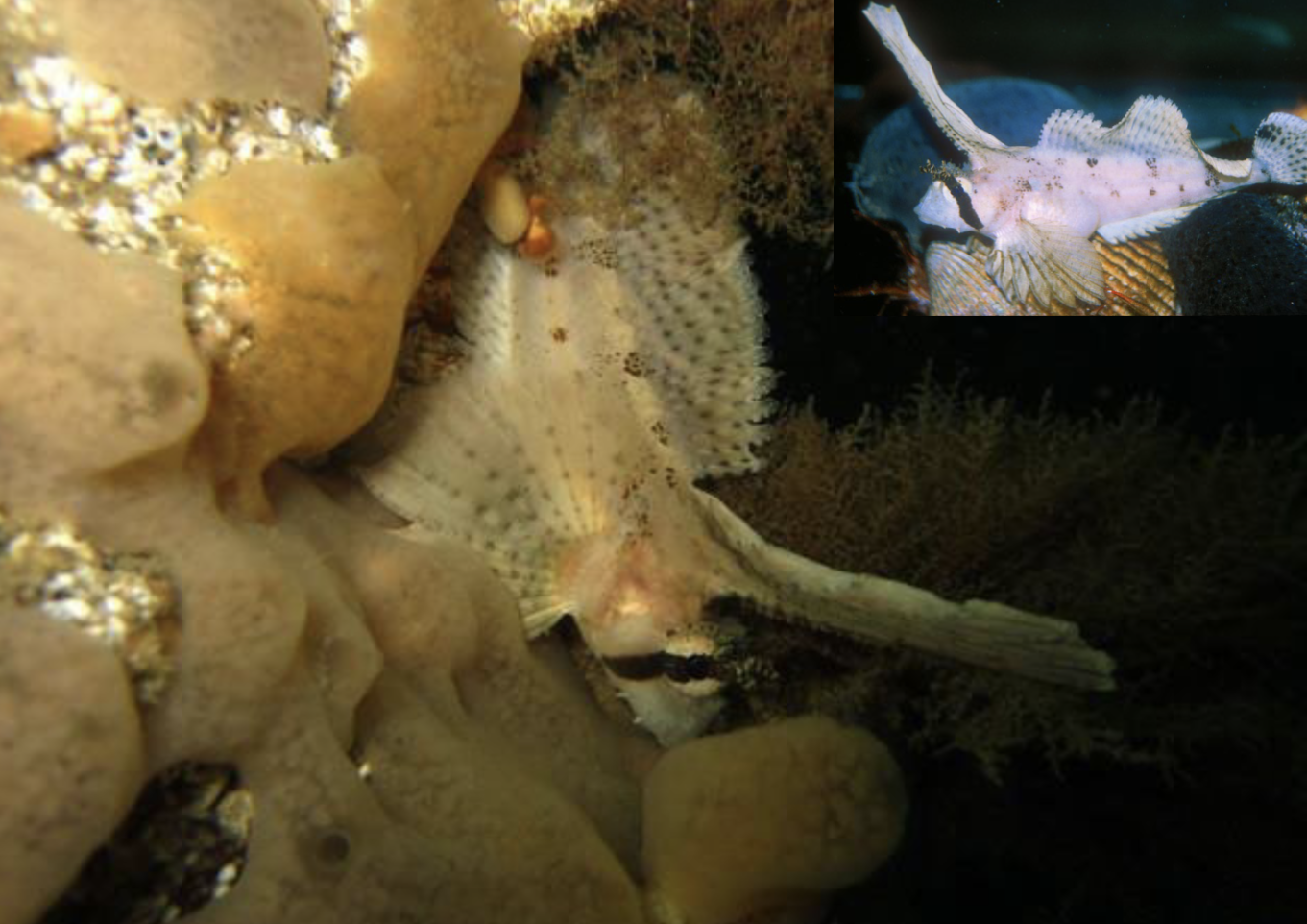
Family Hemitripteridae
Reduced ctenoid scales
6 branchiostegal rays
Long spiny rayed dorsal fin
1-3 anal spines
reduced caudal fins
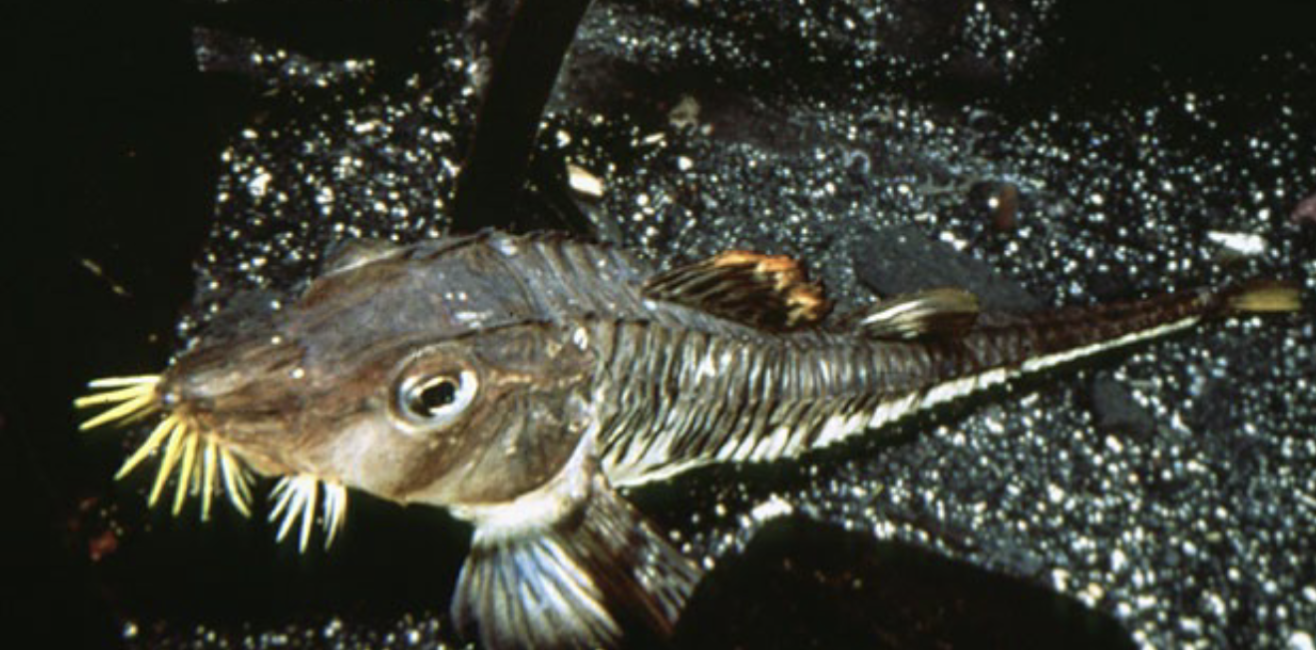
Family Agonidae
elongated, bony plate coverings (no scales)
expanded fanlike pectorals, like the cottids
long caudal peduncle
no anal fin spines
pelvic fins thoracic and reduced to one spine and two rays
• no anal fin spines
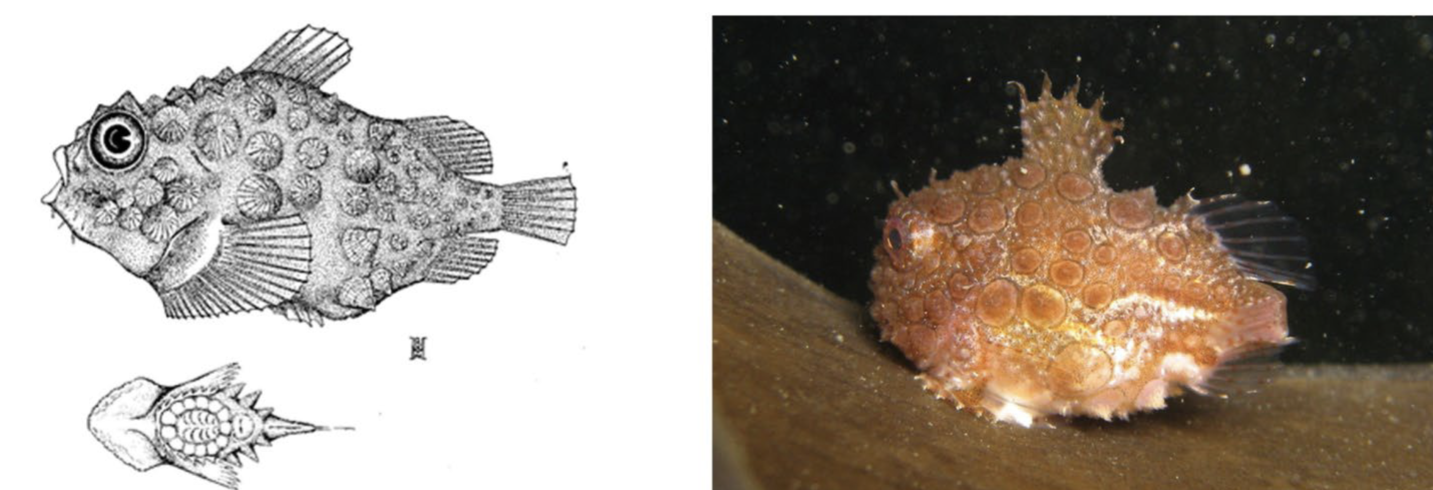
Family Cyclopteridae
globose body shape
body covered with horny tubercles
pelvics modified into sucking disc
two short dorsal fins, the second never confluent with the caudal, as it is in snailfishes
tubercules
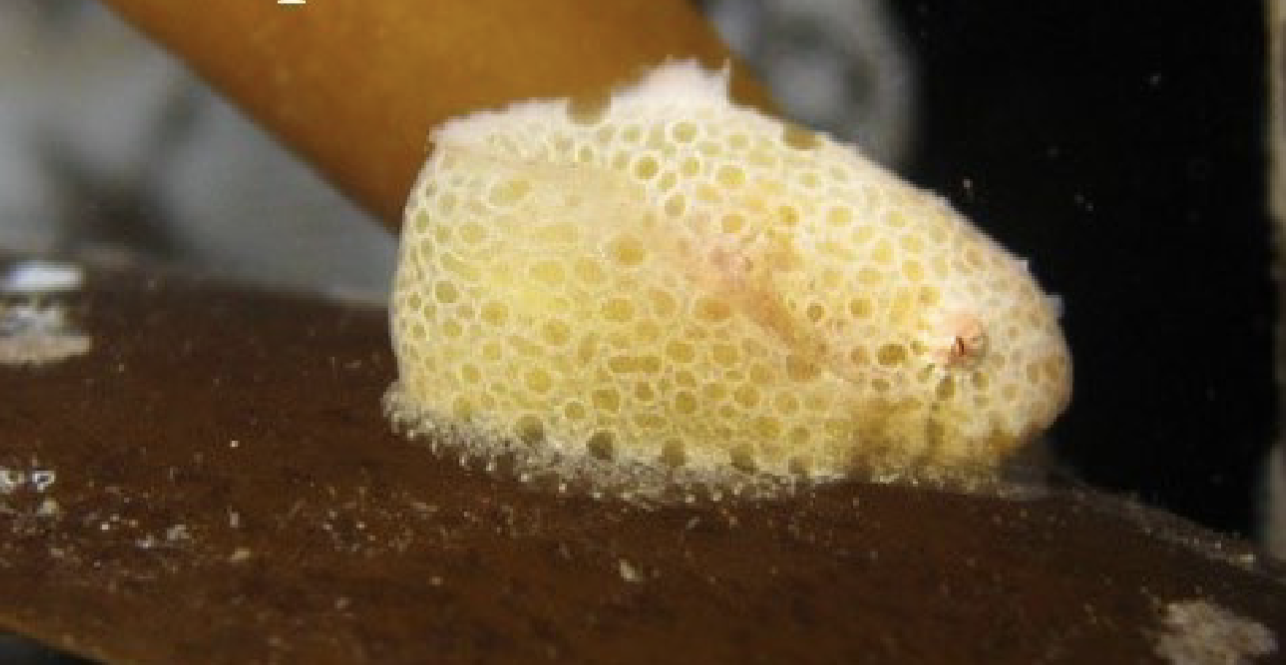
Family Liparidae
elongate body shape
confluent dorsal and anal fin
no scales, tubercles, and lateral line
small gill openings
Order Percifromes
• Five spines
• No adipose fin.
• Pelvic fins thoracic or jugular
• Pelvic fins with one spine and five or fewer rays.
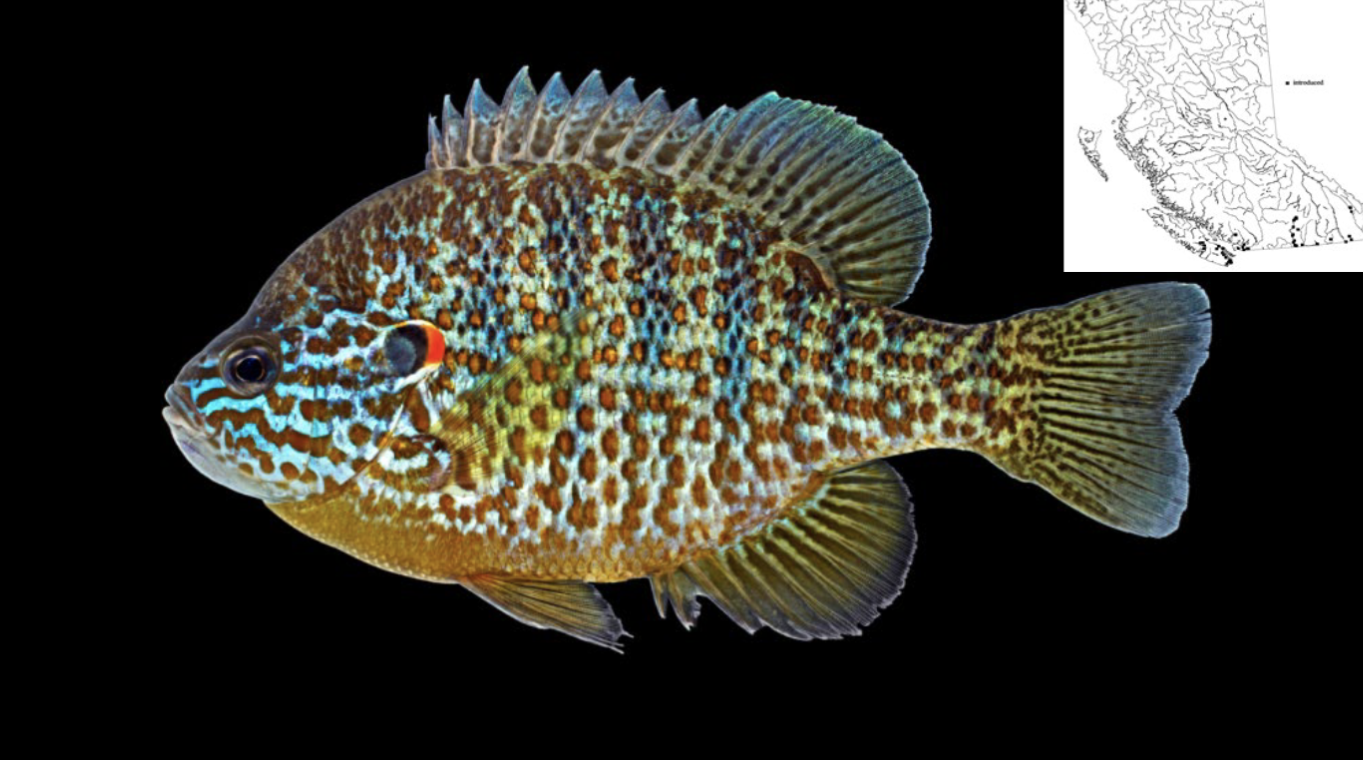
Family Centrarchidae
moderately forked tail
ctenoid scales
2 nostrils on either side of the head
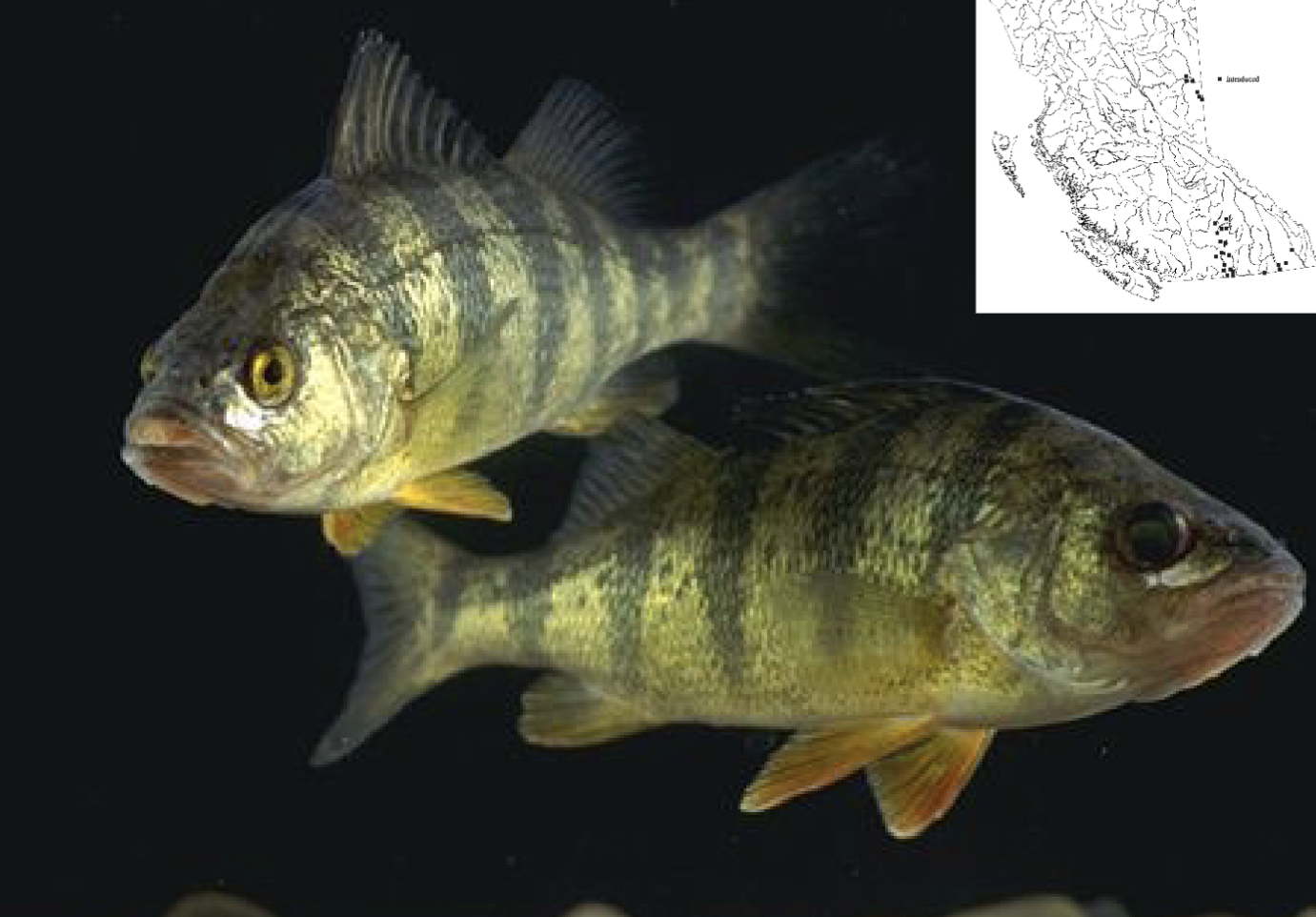
Family Percidae
branchiostegal membrane not joined to isthmus
ctenoid scales
thoracic pelvic fin
fusiform
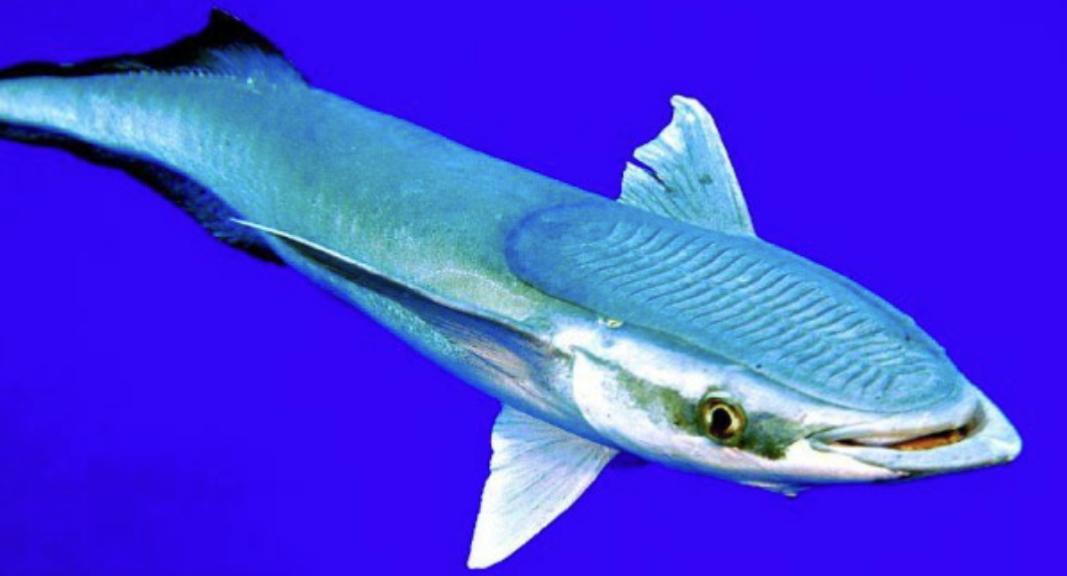
Family Echeneidae
small cycloid scales
dorsal and anal fins lacking spines
branchiostegal rays 8-11
sucking disc on head (developed from a transformed spinous dorsal fin)
no swim bladder
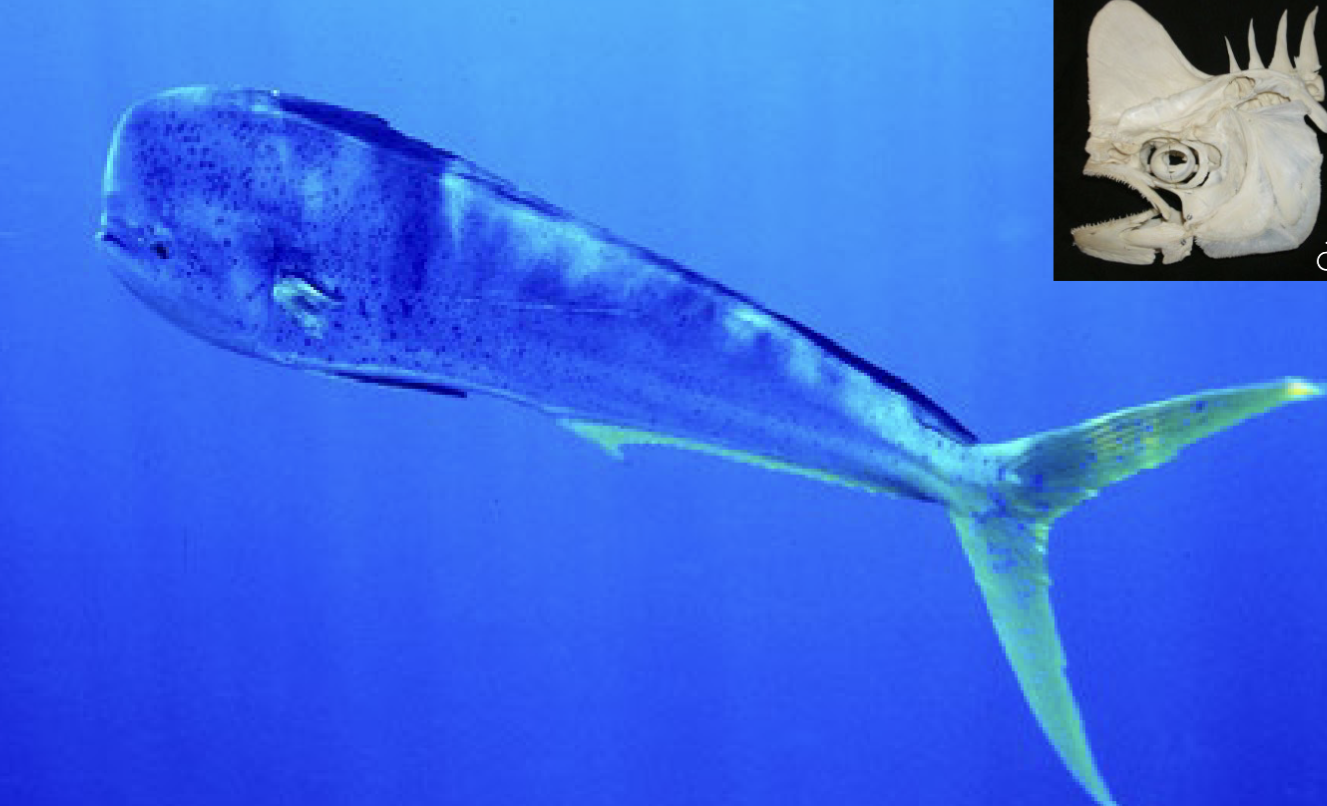
Family Coryphaenidae
cycloid scales
nuchal cest (in males)
deeply forked tail
long single dorsal fin
no spines on dorsal and anal fin
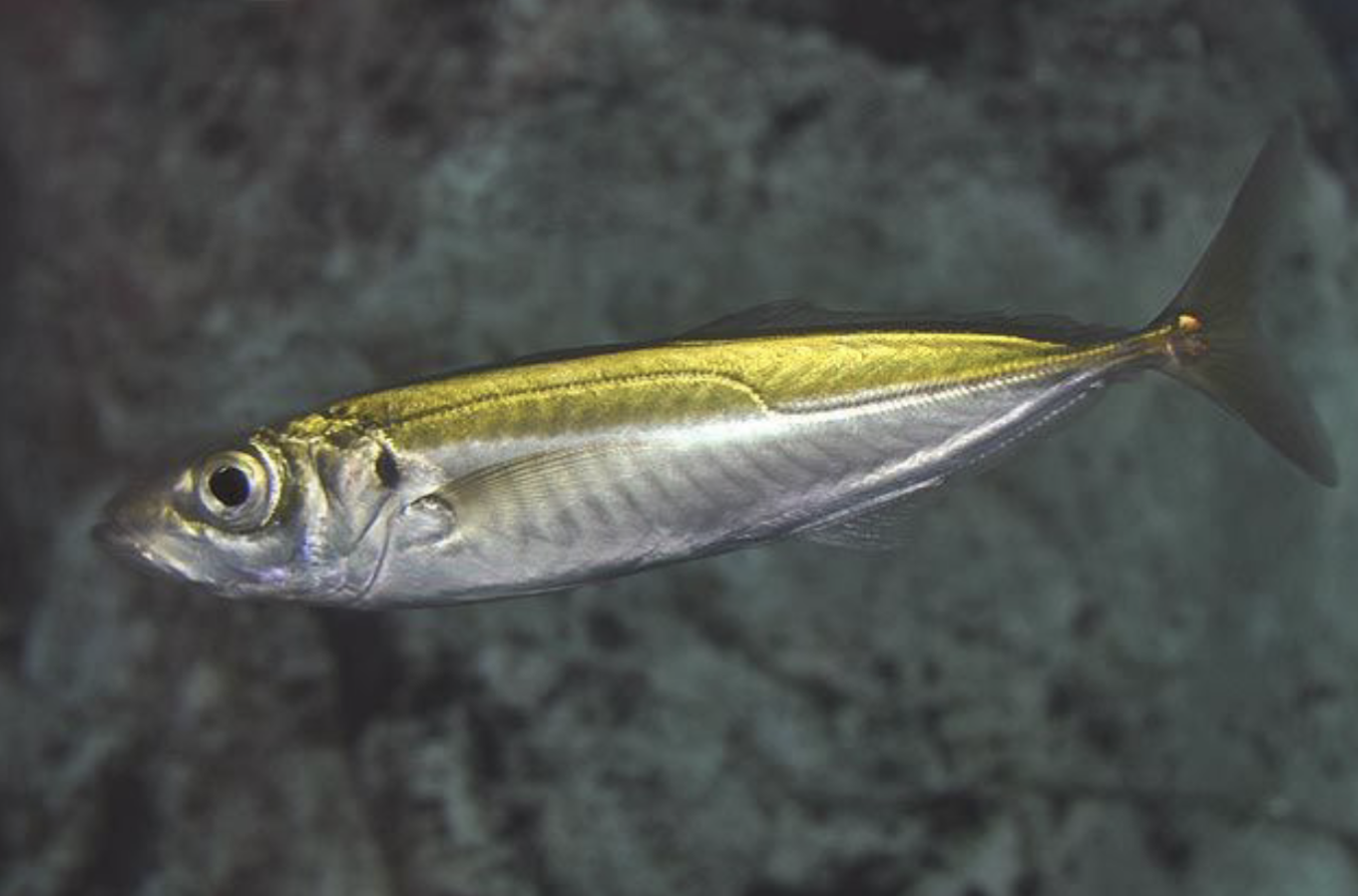
Family Carangidae
two separate dorsal fins
compressed and elongated body
small cycloid scales
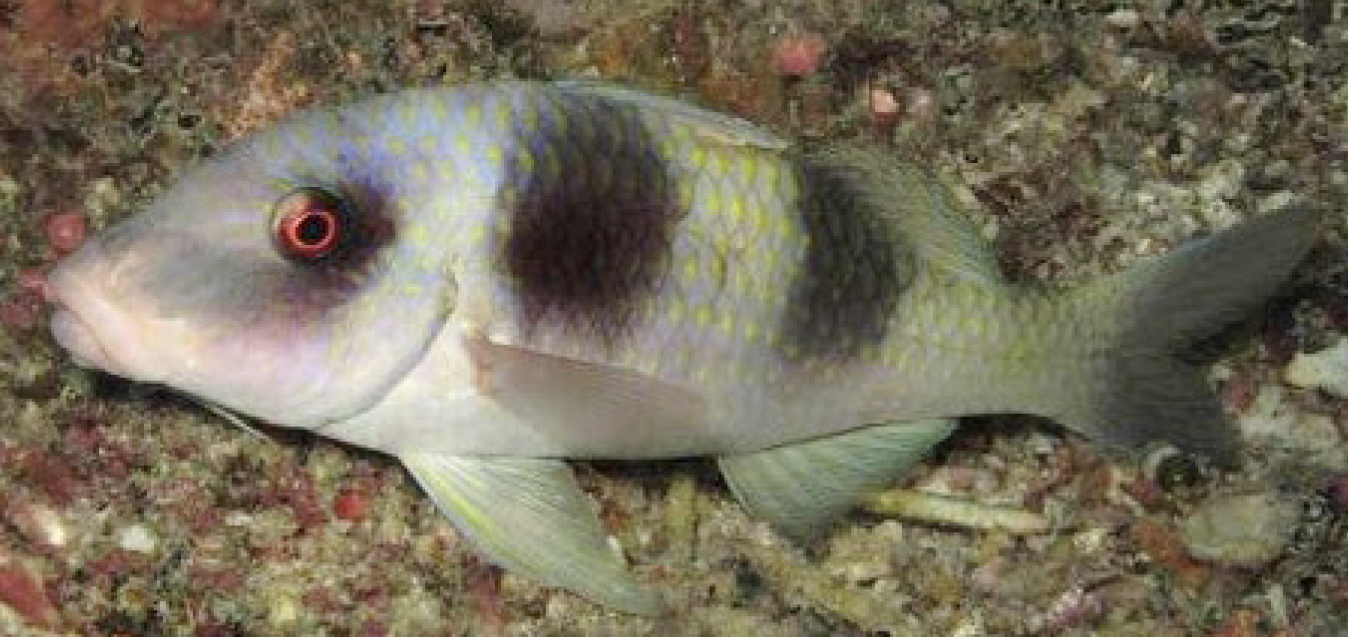
Family Mullidae
two long independently movable hyoid barbels
two widely separated dorsal fins
has spines on fins
caudal fin forked
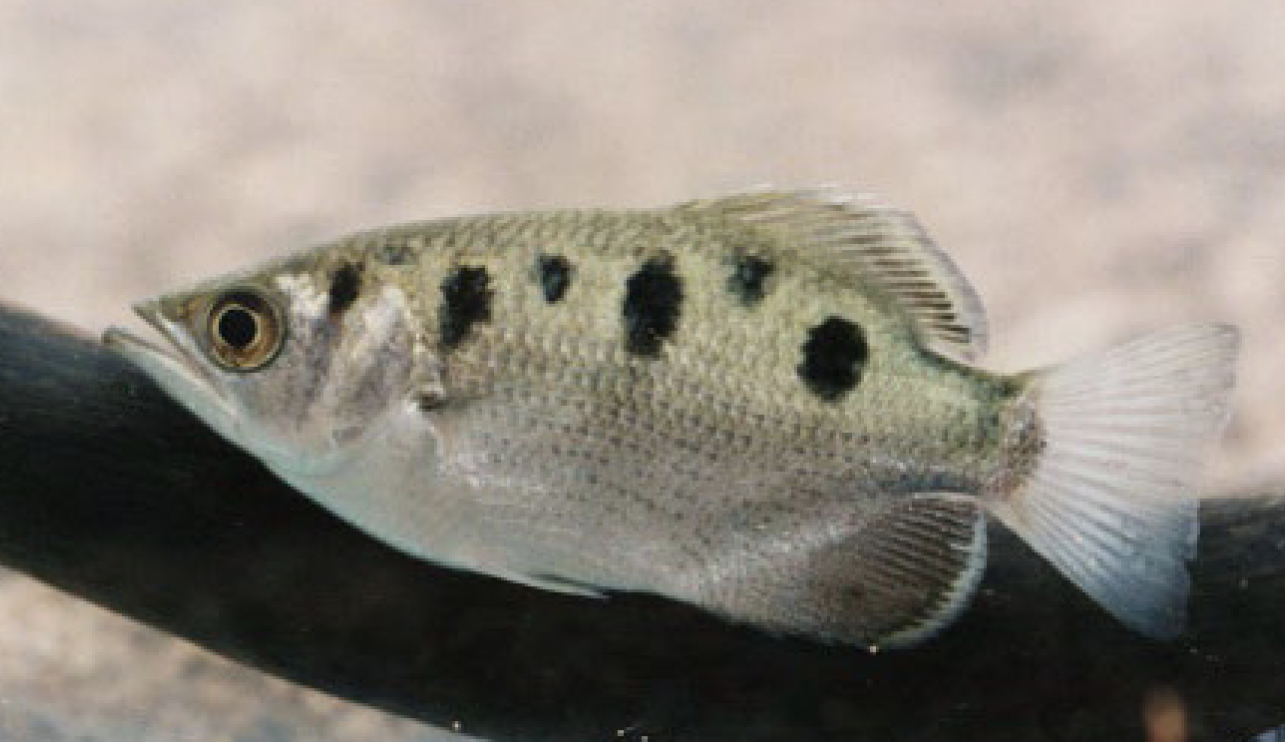
Family Toxotidae
Terminal and protractile mouth
reverse buccal pump in mouth
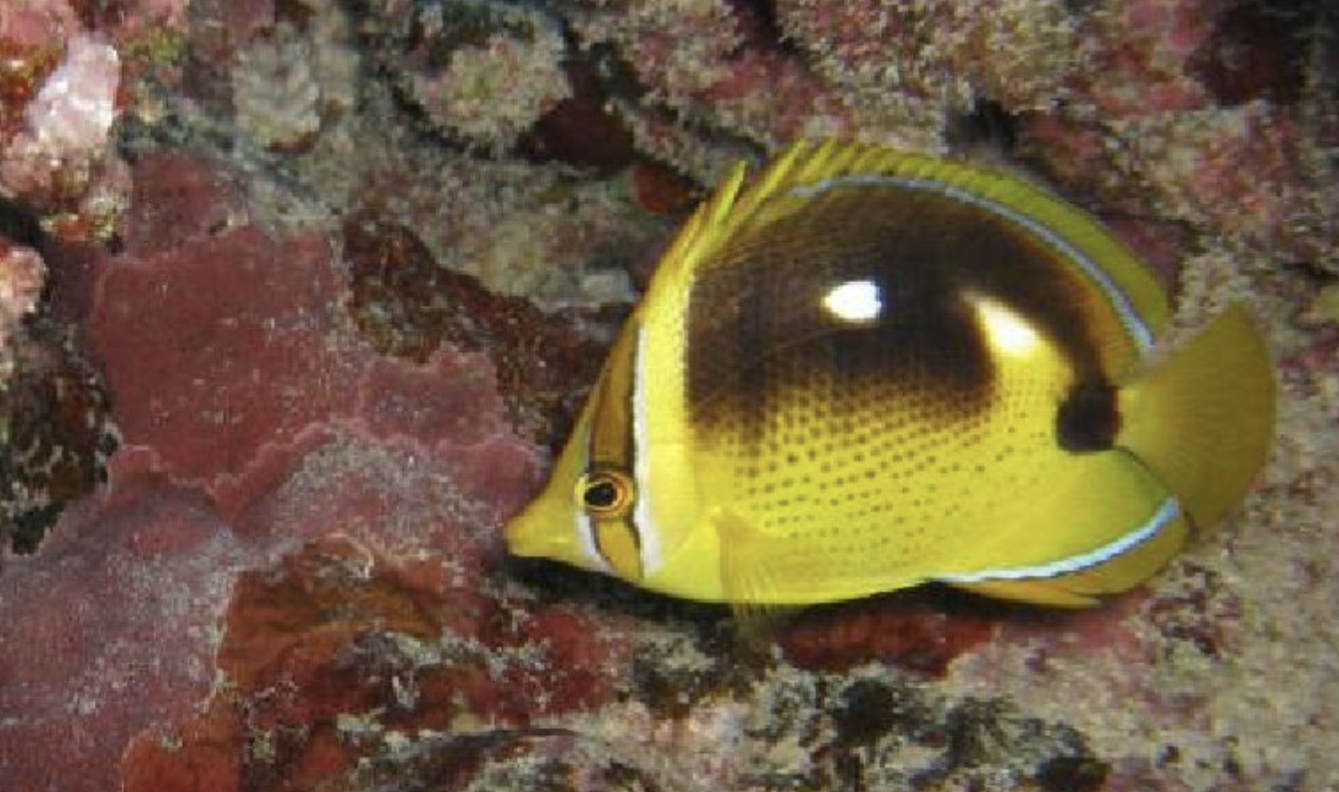
Family Chaetodontidae
elongated snout, bristle teeth
conspicuous pelvic axillary process
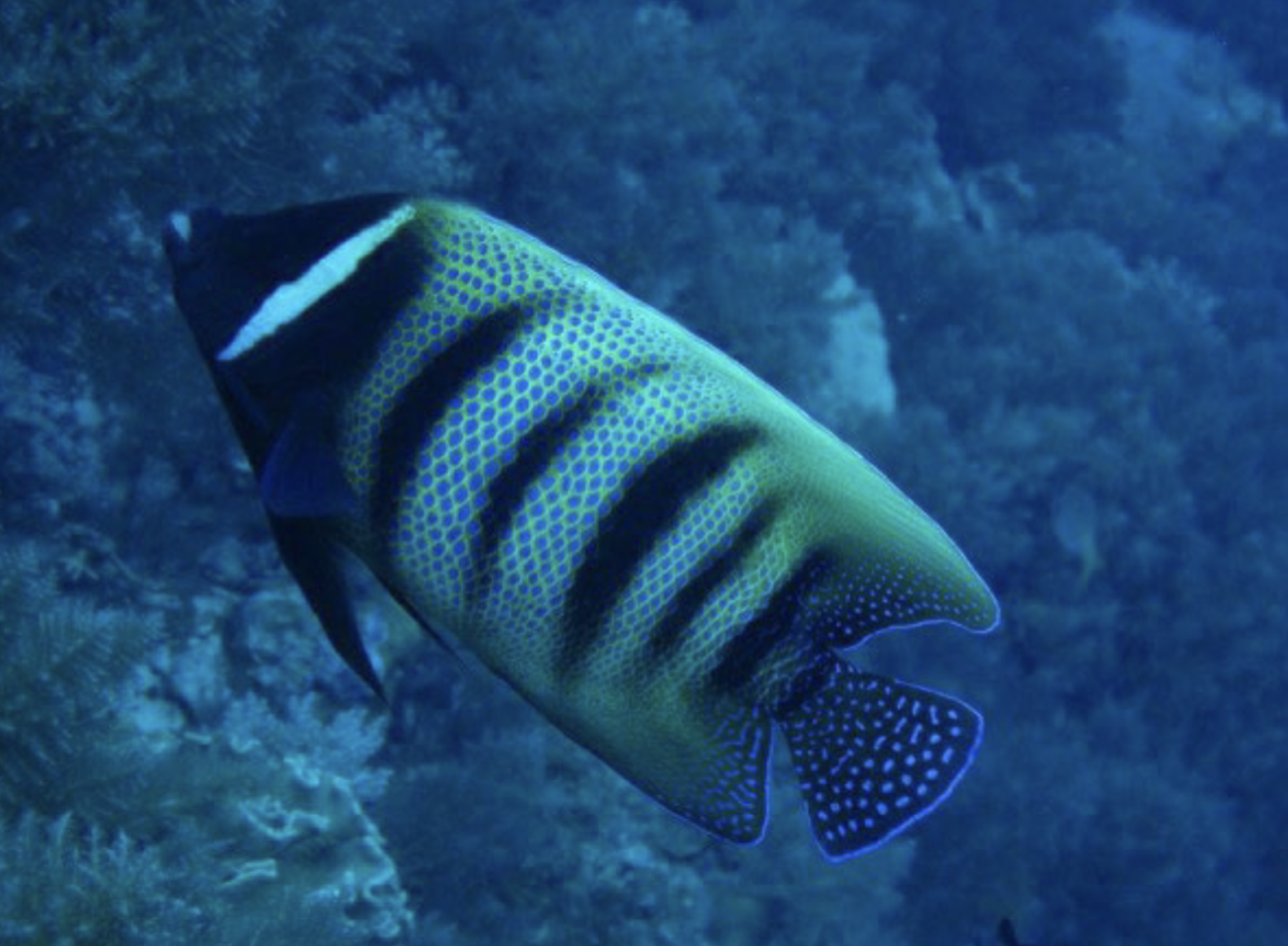
Pomacanthidae
no pelvic axillary
three spines in anal fin
lunate caudal fin
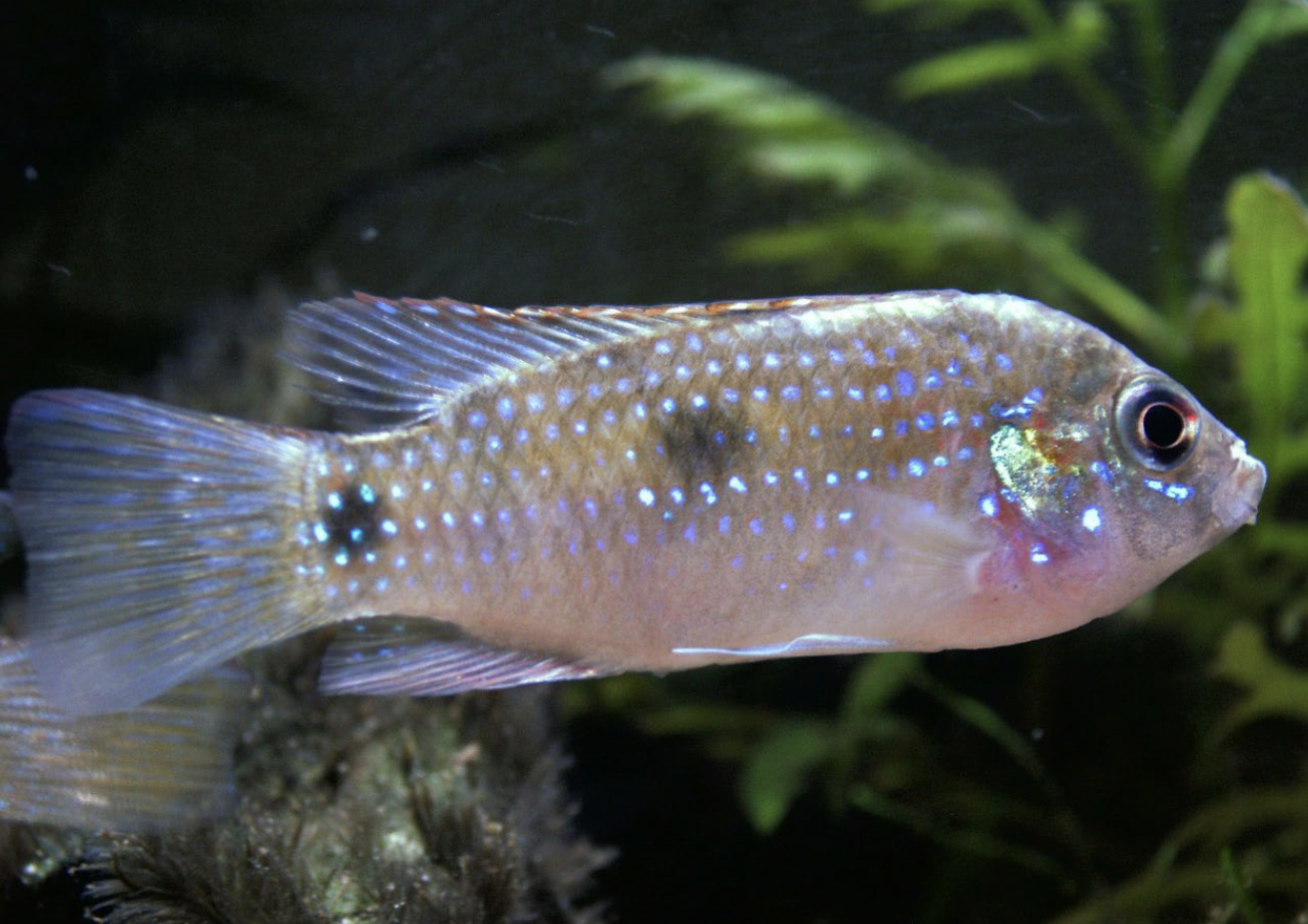
Cichlidae
lateral line divided in 2:
1. anterior upper ending below the end of dorsal fin base
2. posterior lower along middle of caudal peduncle
no subocular shelf
spines in fins
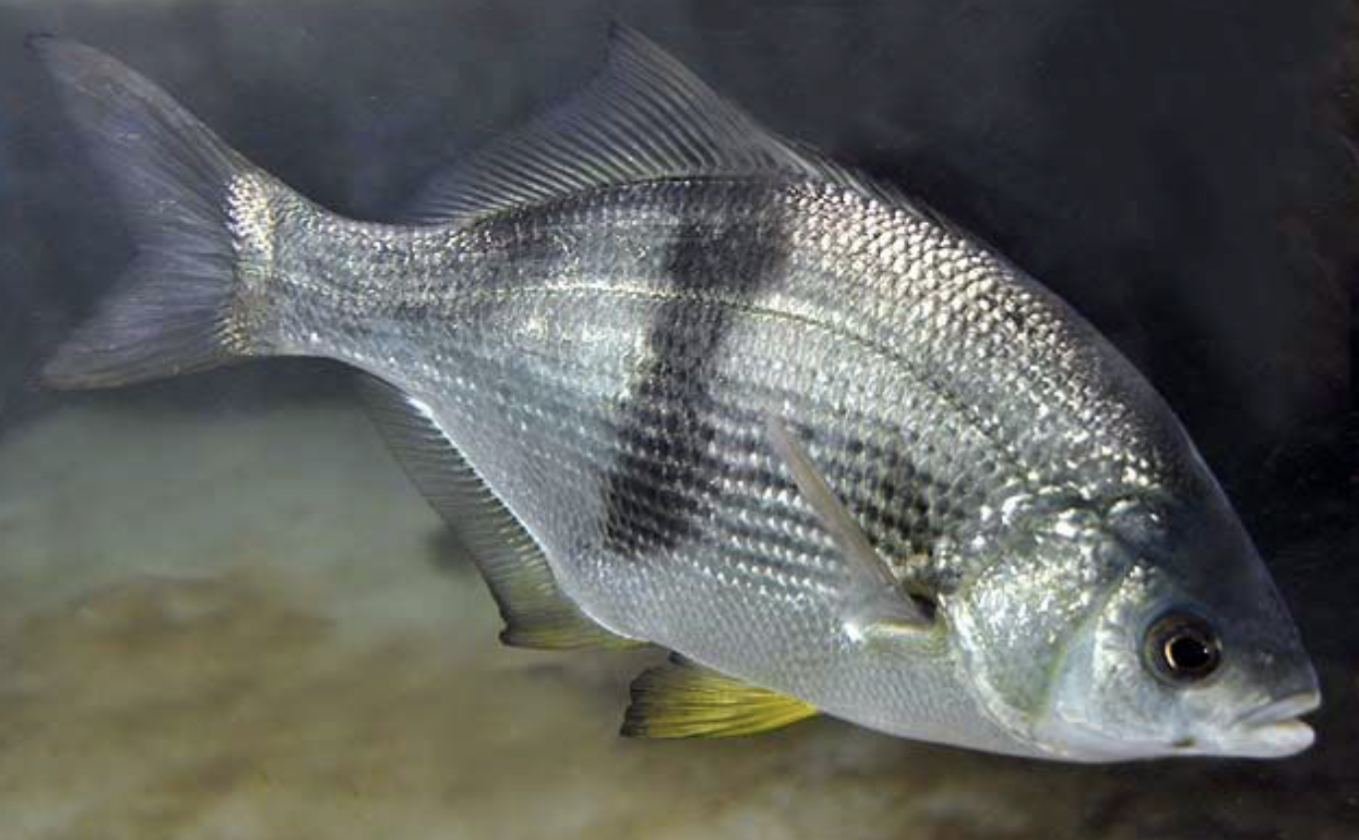
Embiotocidae
continuous lateral line
spiny and soft rayed
small mouth
use pectoral fin for locomotion
forked caudal
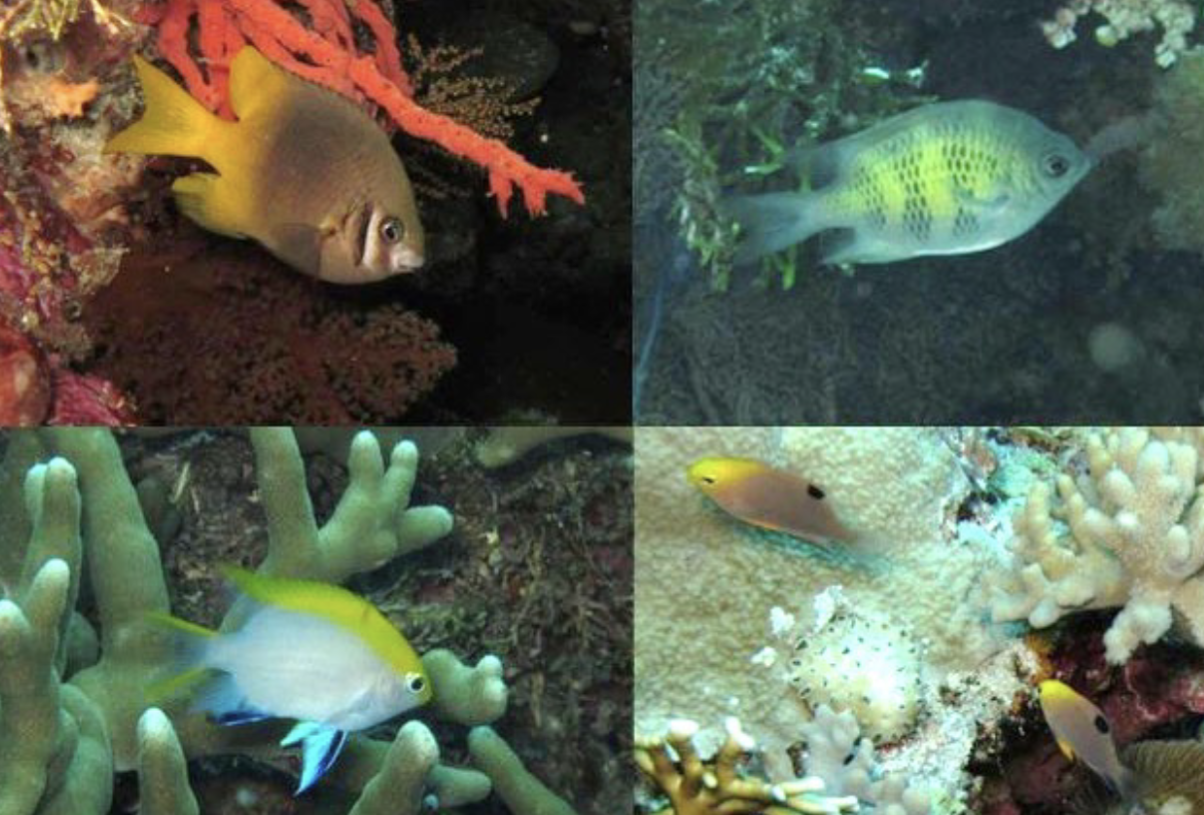
pomacentridae
lateral line incomplete
no palatine teeth
pointed margin of the opercle
small mouth
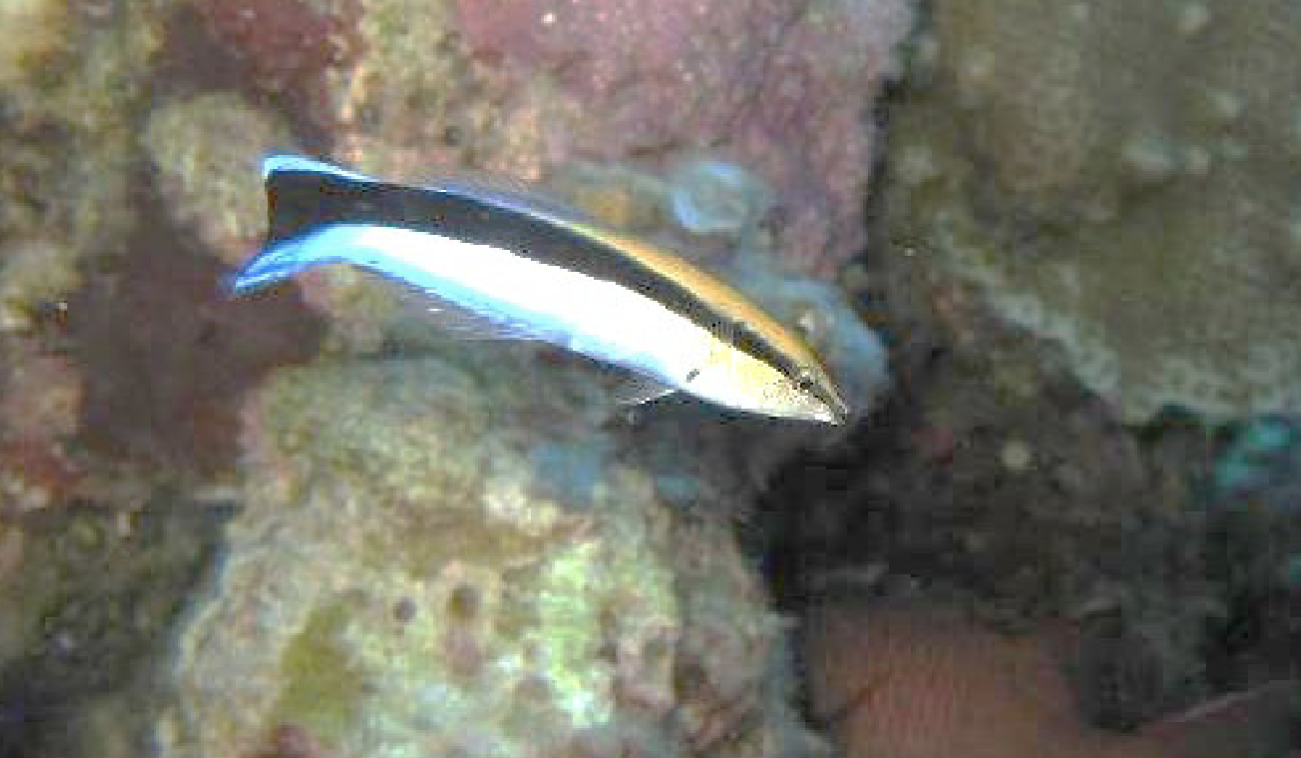
labridae
cylindrical
pointed snout
outward pointing teeth
long dorsal
deep caudal peduncle
squared off rounded tail
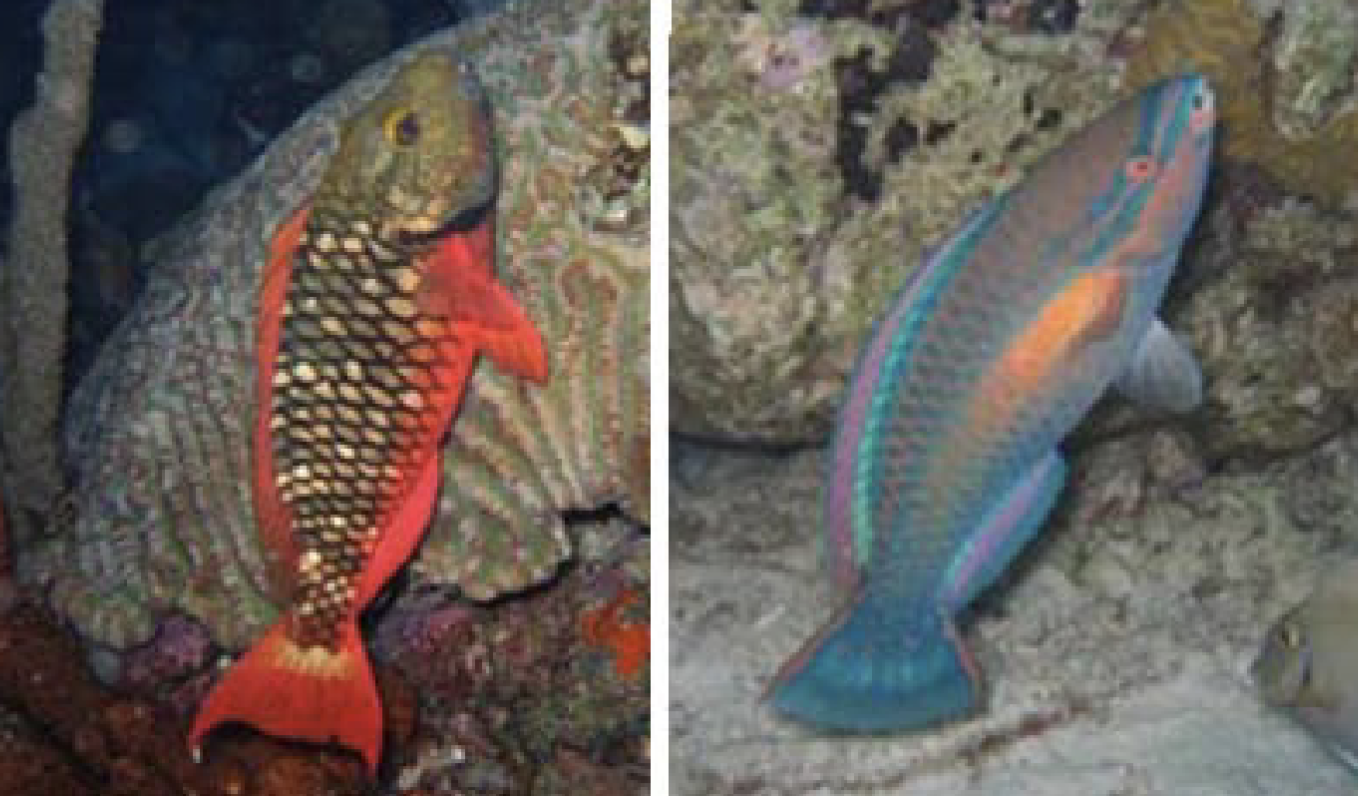
scaridae
jaw like teeth, usually coalesced (beak like)
continuous w/ nine spines and ten soft rays
large cycloid scales
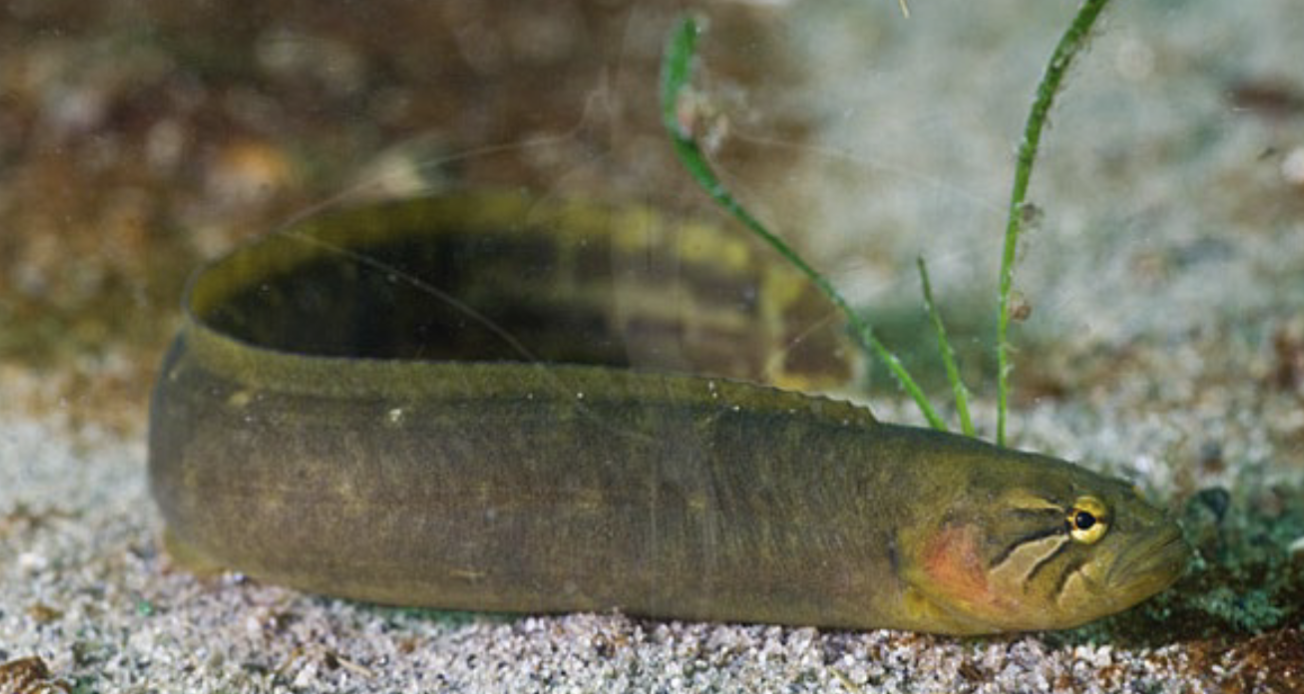
stichaeidae
small thoracic fin with one spine and three soft rays
dorsal fin is usually twice the size as anal fin
dorsal, anal, and caudal might be joined
tiny scales embedded or absent
lateral line indistinct or absent
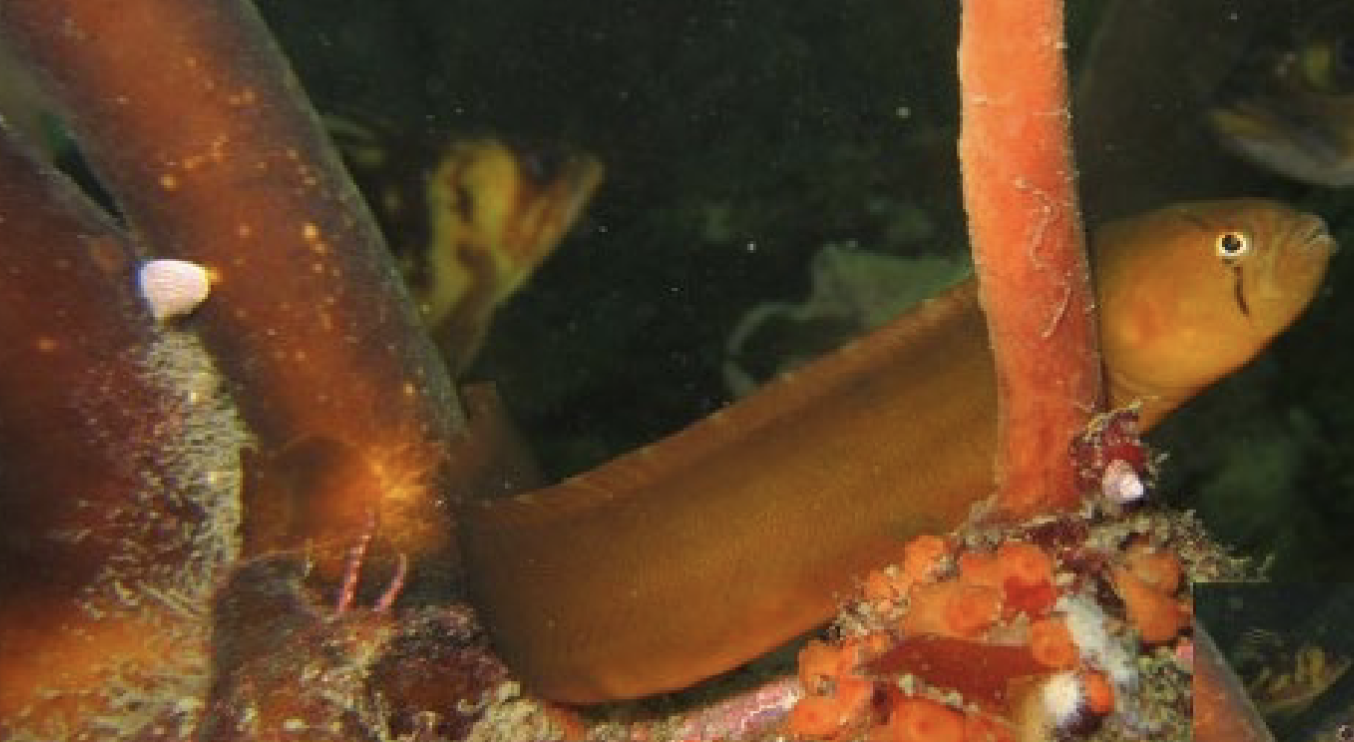
pholidae
dorsal is only flexible spines and at least 2 times the size as the anal fin
pelvic is tiny or absent (thoracic) with one spine and one soft ray
dorsal and anal always confluent with caudal
pyloric caeca absent
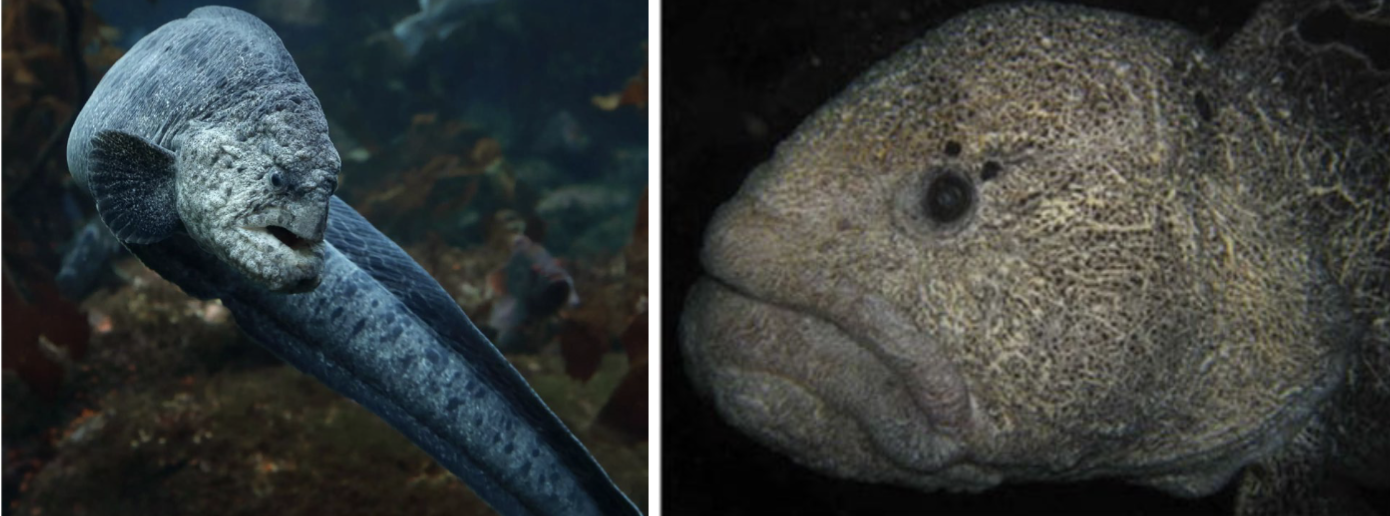
Anarhichadidae
canine teeth at front of mouth
no pelvic fin
no lateral line
square head
no soft rays, flexible spines
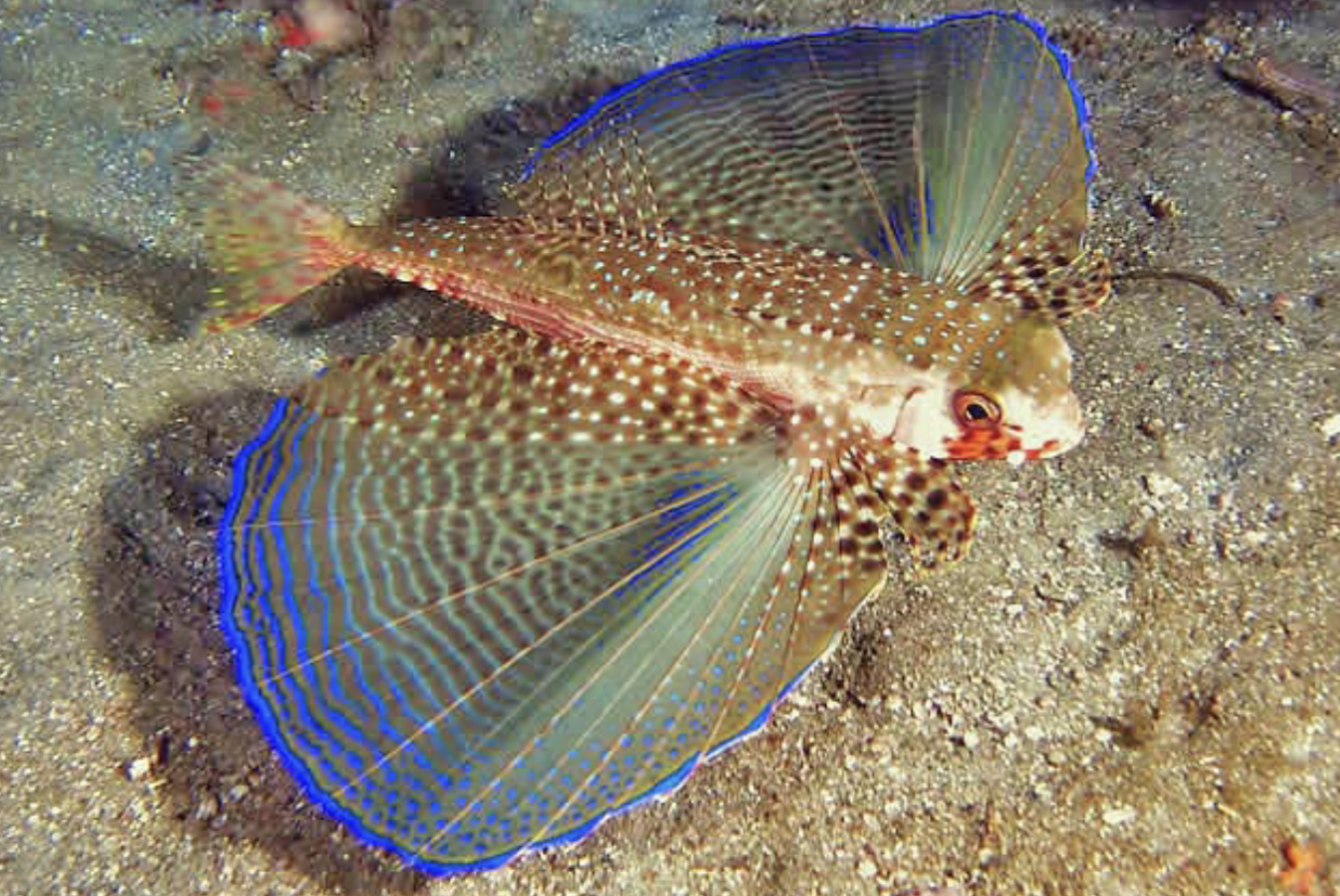
Dactylopteridae
enormous fan-like pectorals
long flexible moving appendage behind the eyes
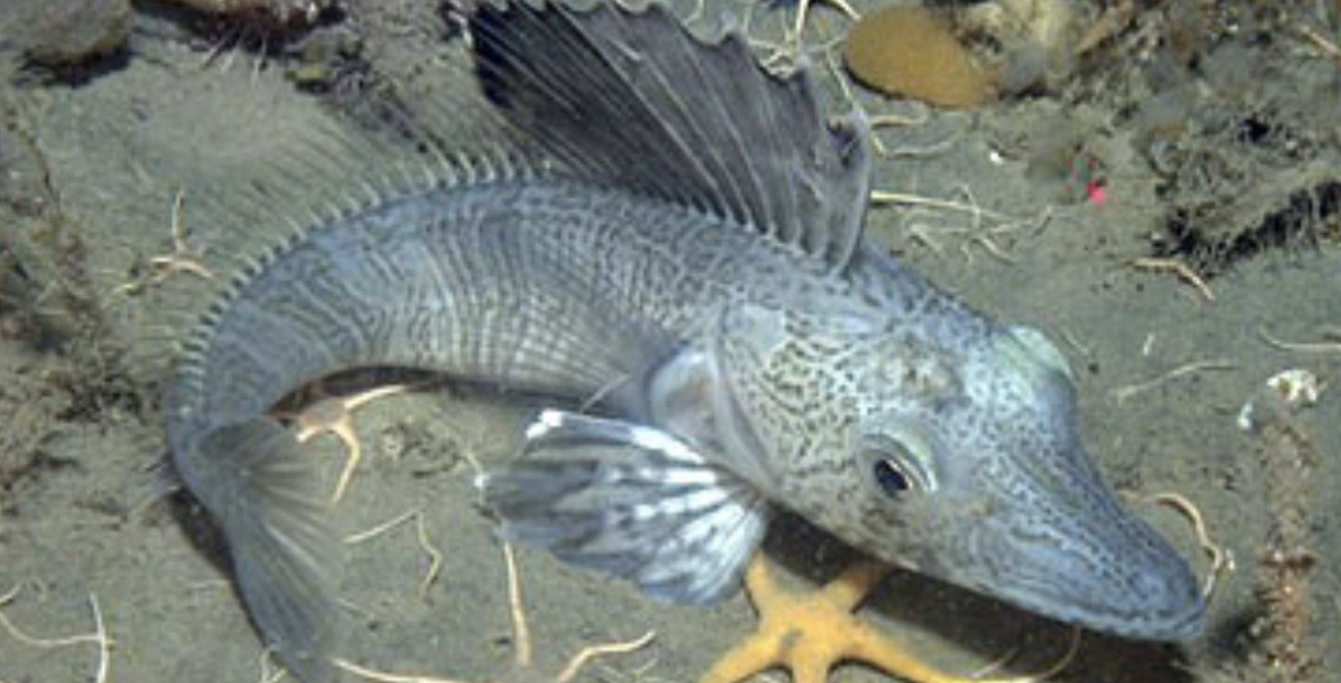
Nototheniidae
rounded caudal fin
antifreeze glycoprotein
no hemoglobin
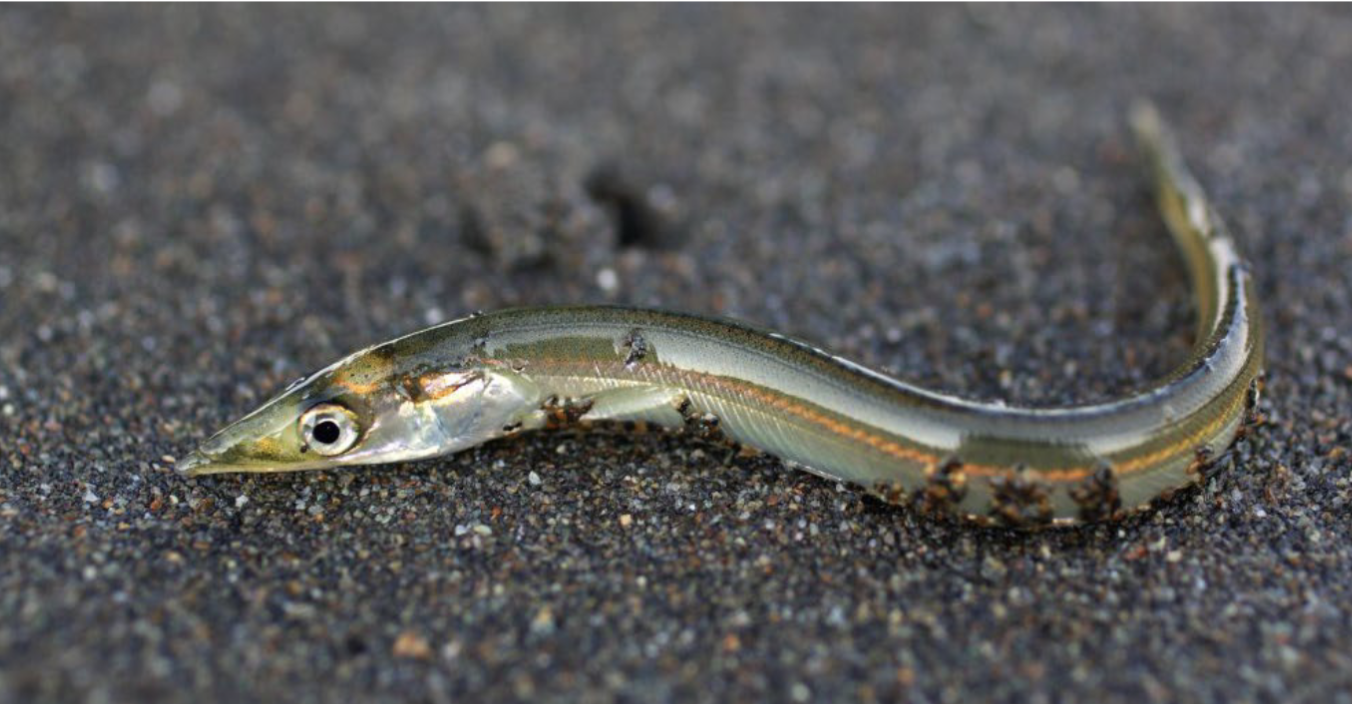
Ammodytidae
pointed snout
long dorsal and anal fins
lateral line is high along side
forked caudal fin
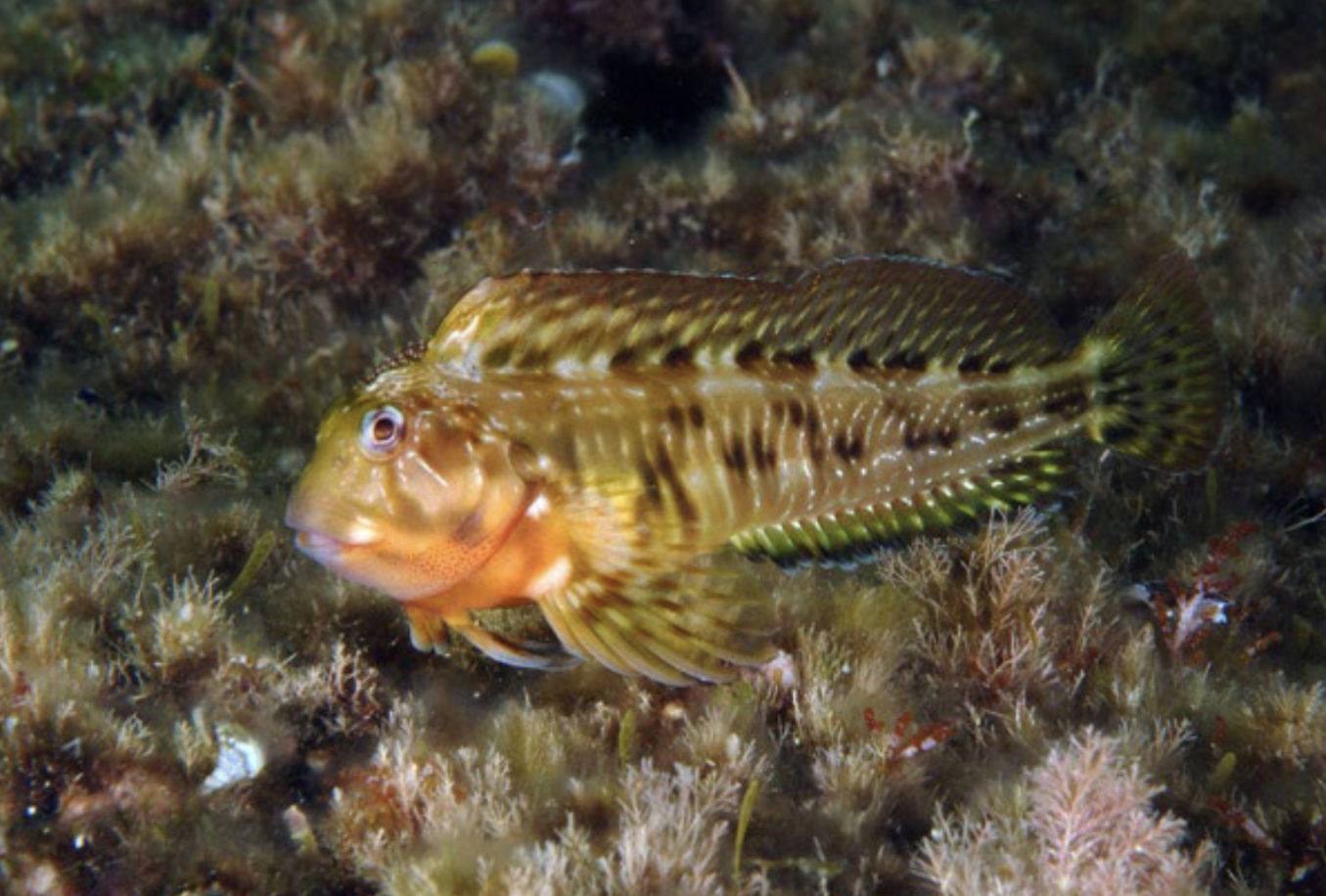
Blennidae
one long continuous dorsal fin
one long anal fin
jugular pelvic fin
reduced anterior pelvics
pelvic fin is forked into two parts in the jugular position
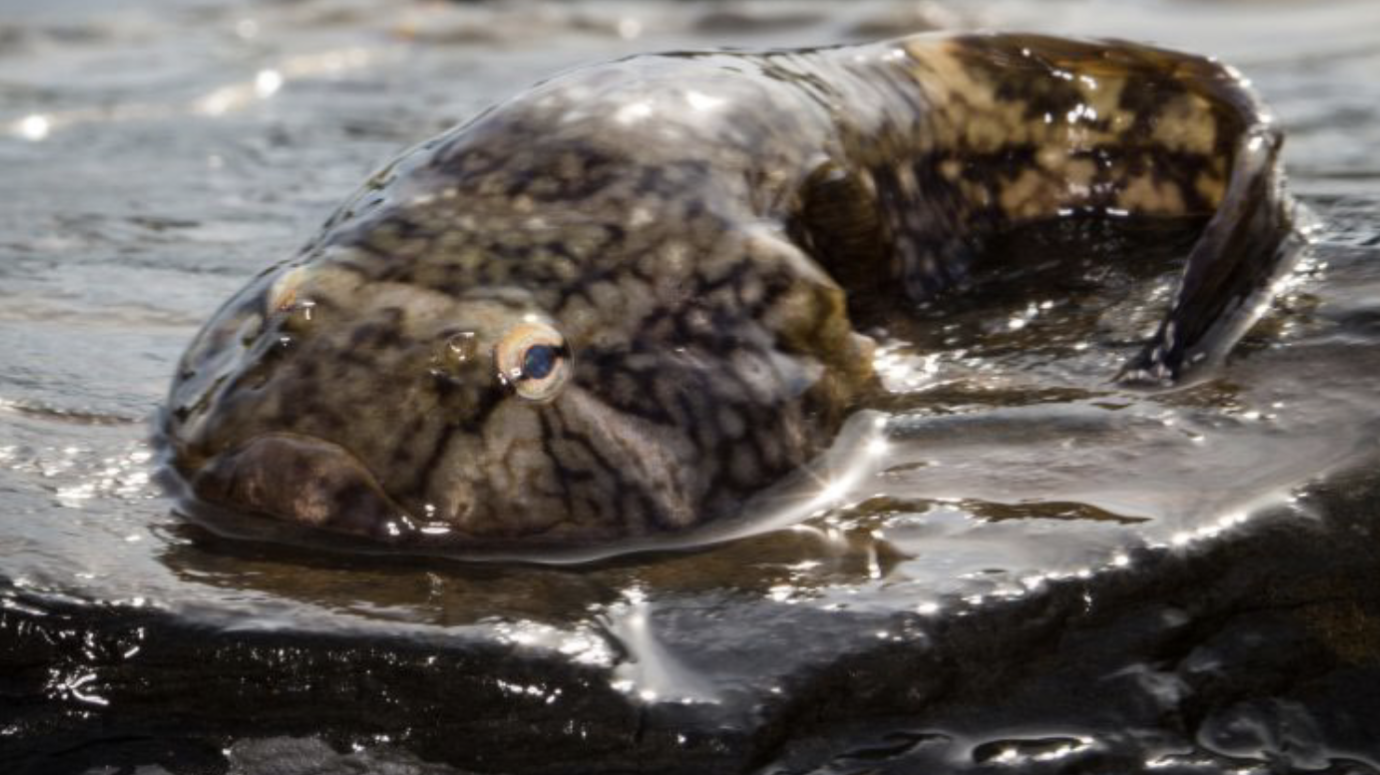
Gobiesocidae
no scaels
united pelvic fins
no swim bladder
no spines
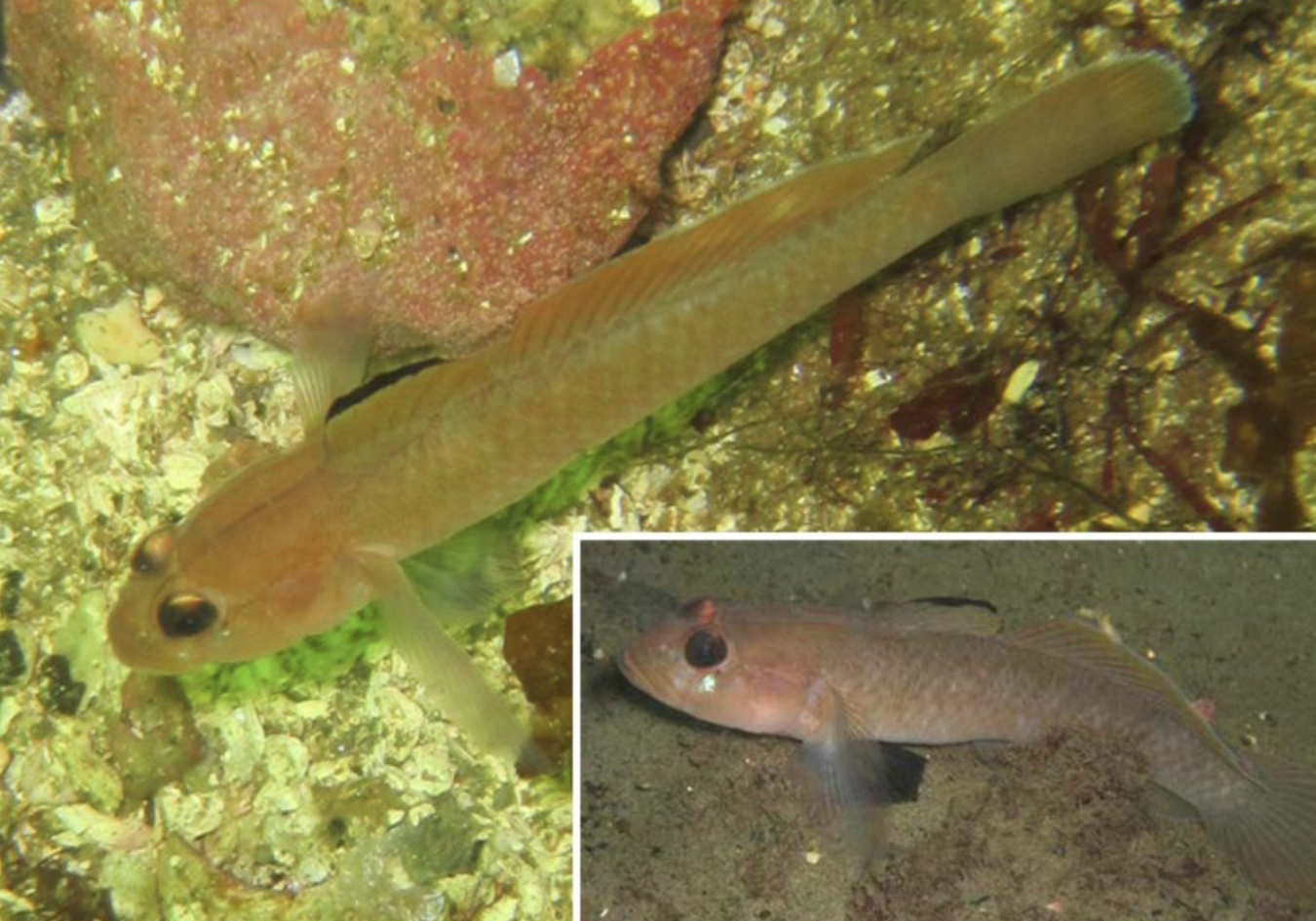
Gobiidae
smal gills
bulging eyes
rounded tail
no lateral line
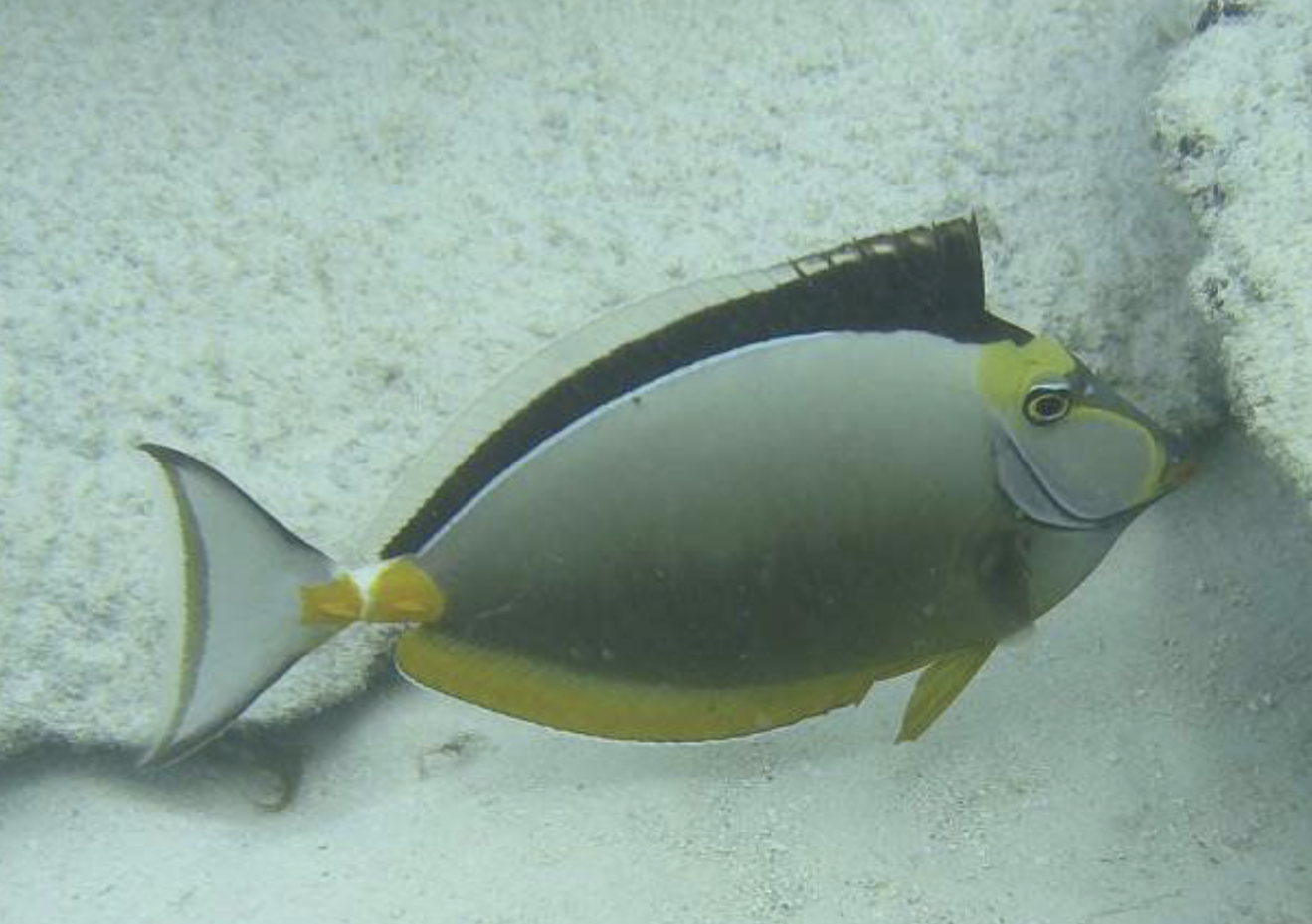
Acanthuridae
scalpel-like spines (thorn tail)
small mouth with single row of teeth
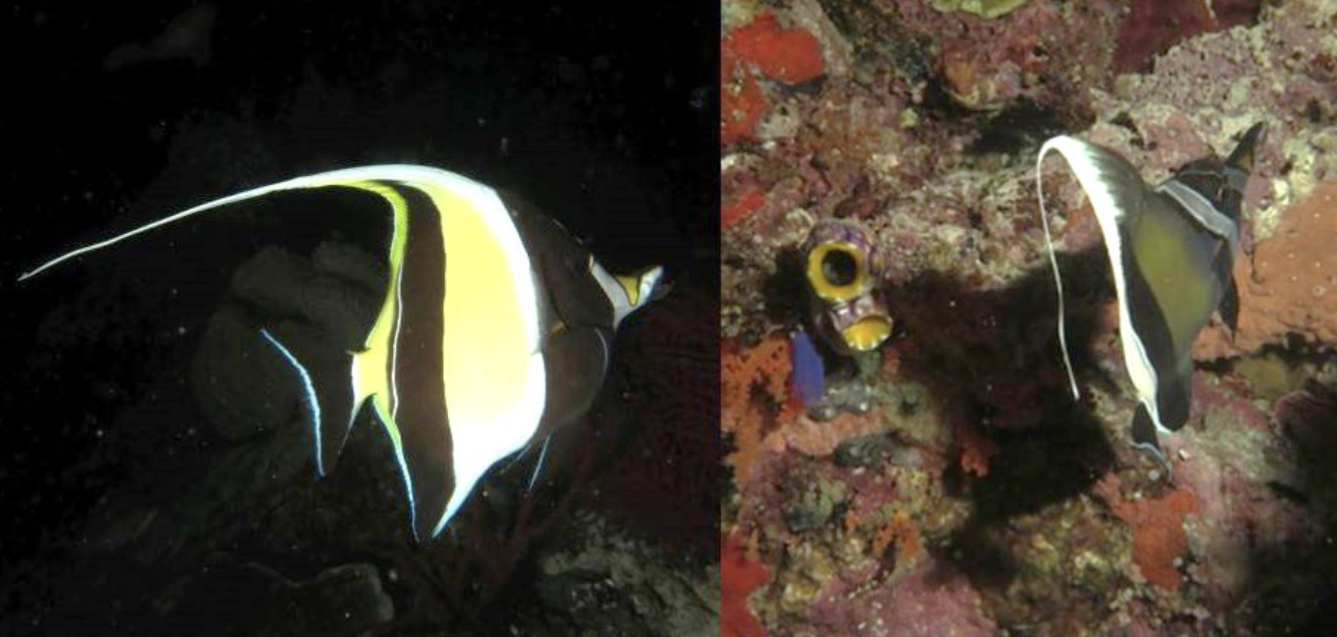
Zanclidae
dont peduncular spine (acanthuridae do)
tubular snout
long dorsal fin that extends backwards
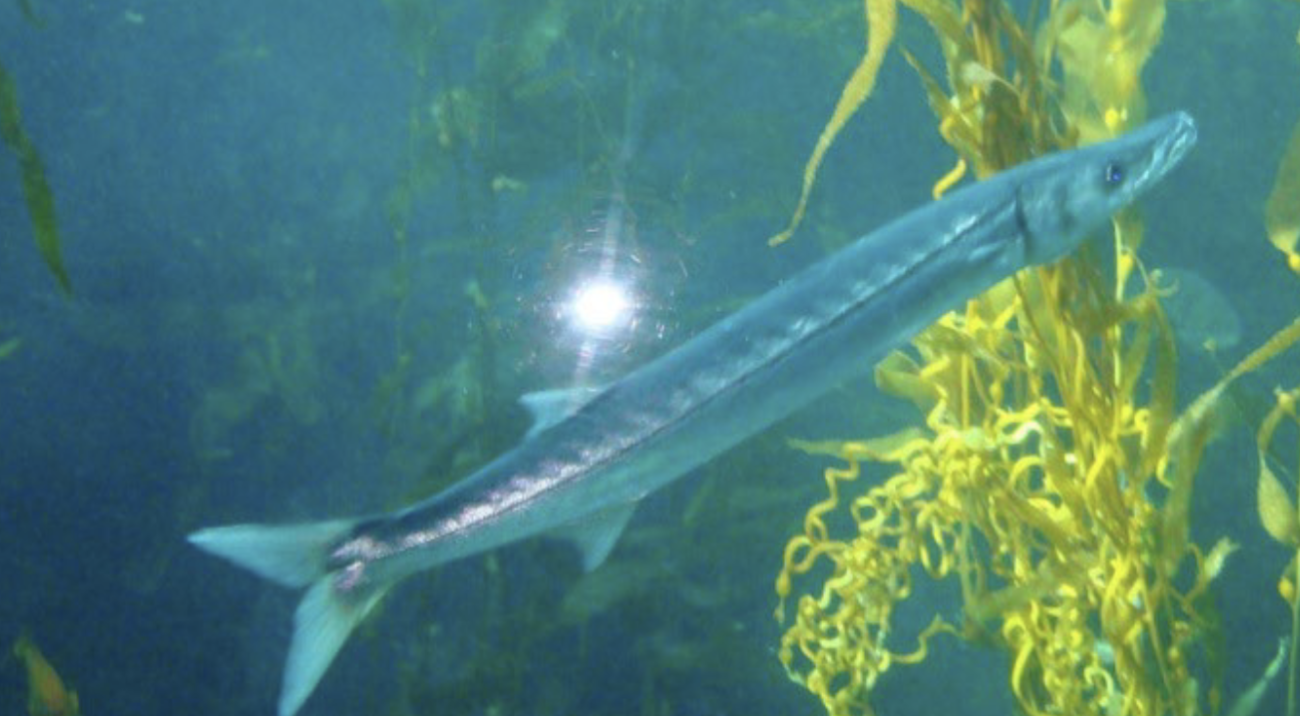
sphyraenidae
long slender
long knife like canin teeth
lower jaw projecting
2 dorsal fins widely separated
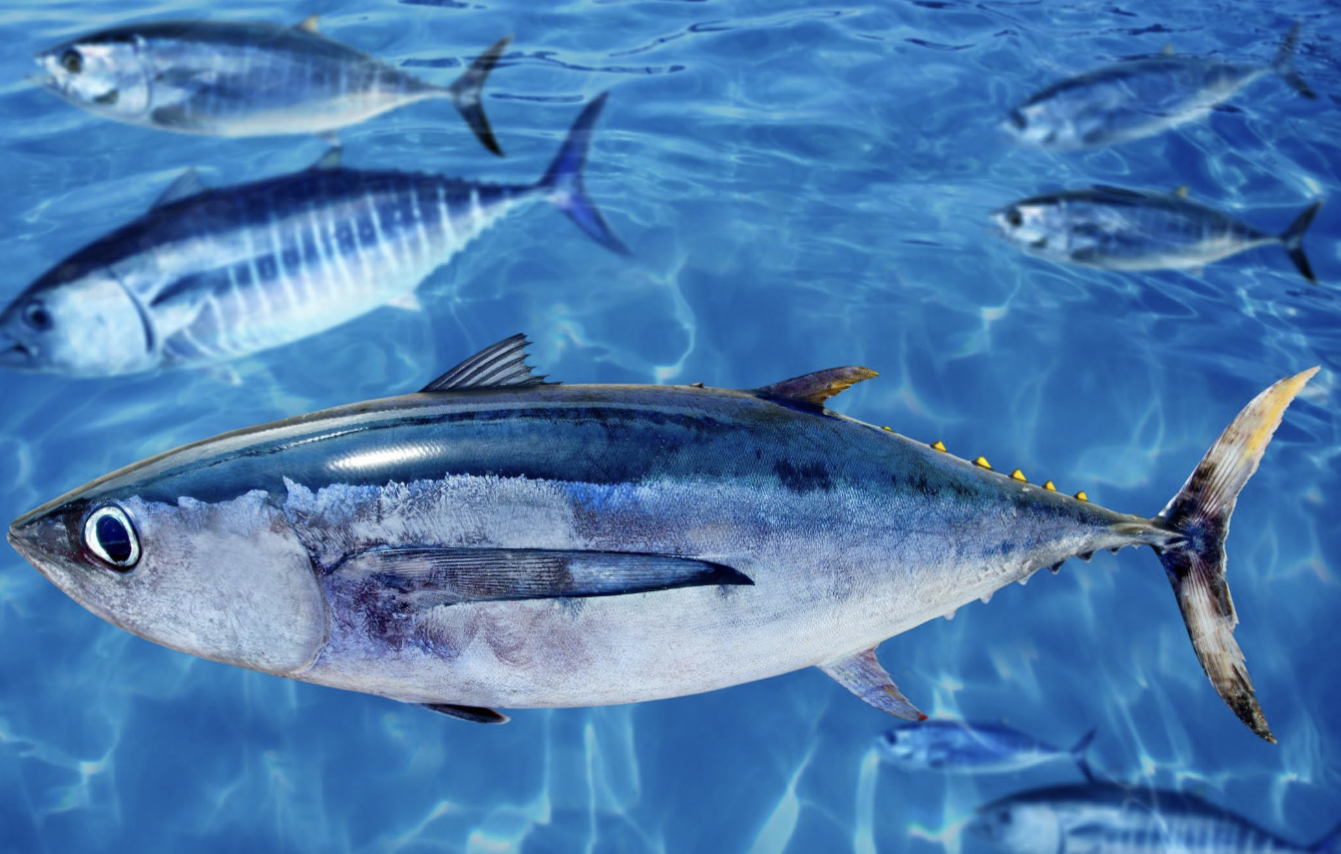
Scombridae
lunate and tall caudal
row of small finlets from second dorsal fin to caudal
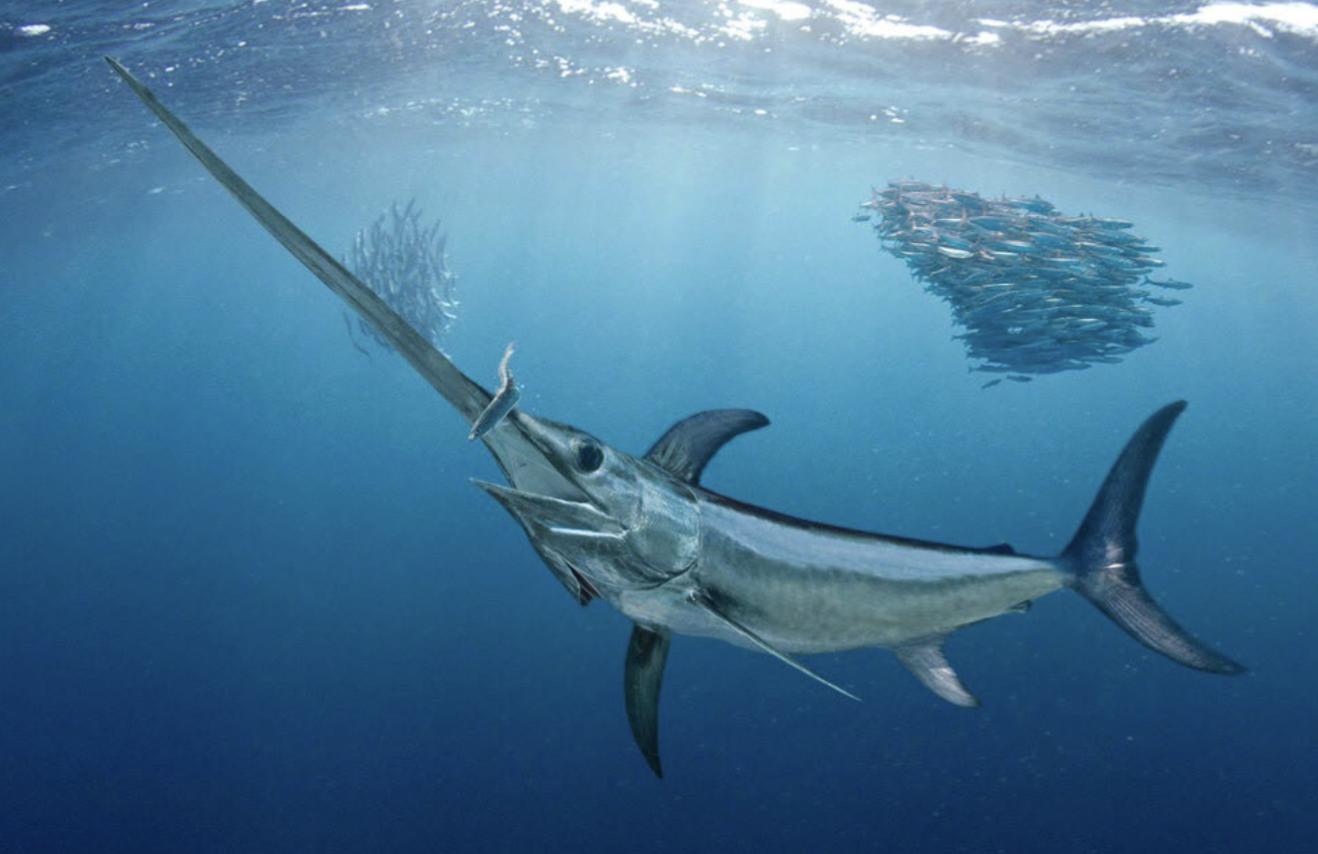
Xiphiidae
no scales and teeth
long flattened bill
highly forked tail
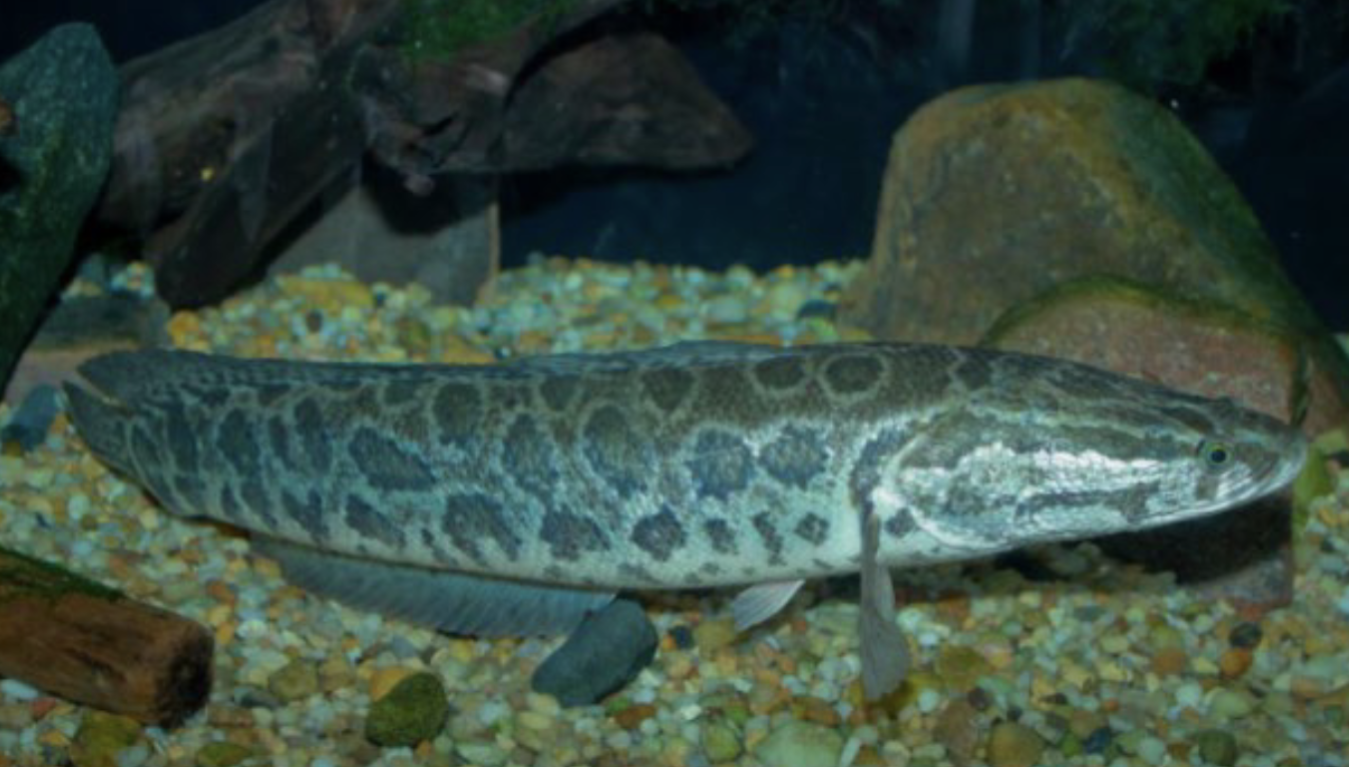
Channidae
rounded caudal
eyes on top of head
pelvic fins in line with pectoral fin (separate from bowfin)
modified scales on head that resemble a snake
suprabranchial organ to breathe on land
Order Pleuronectiformes
highly laterally compressed body
long dorsal and anal fin with flexible spine
ctenoid scales on dorsal and cycloid scales on the ventral
no swim bladder
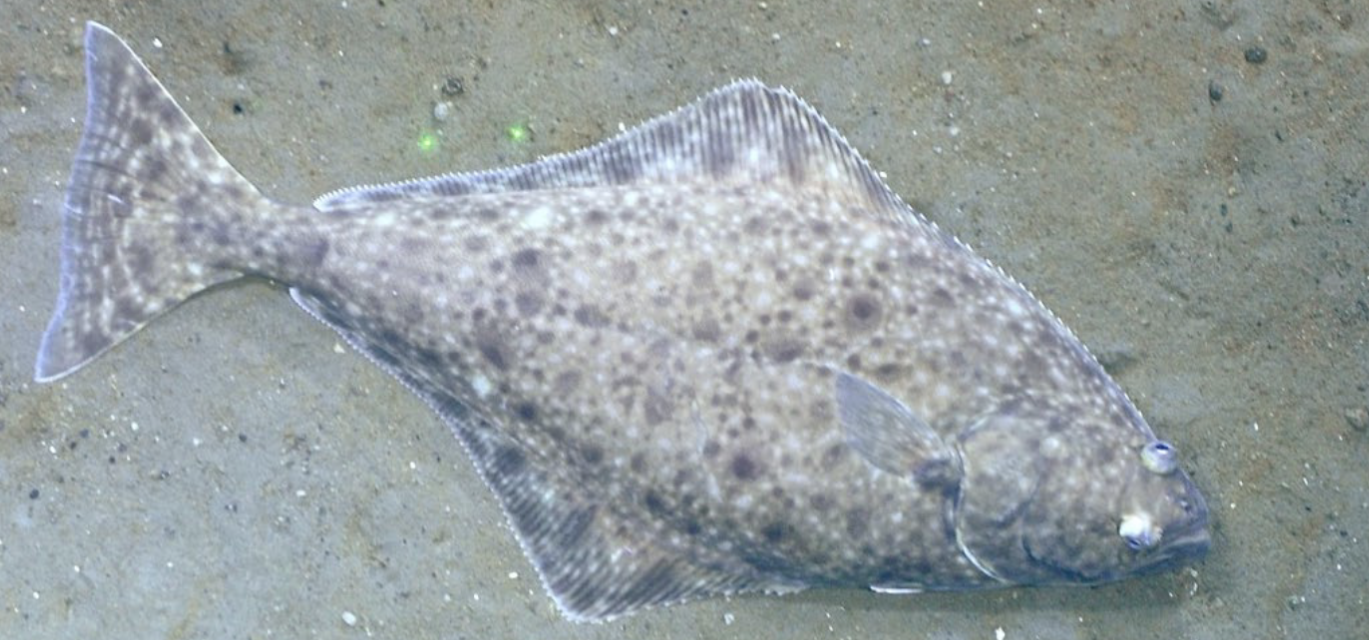
Family Pleuronectidae
left eye migrates tot he right side so eyes are on right side (except starry eyed)
round caudal fin
strongly arched lateral line
accessory lateral line
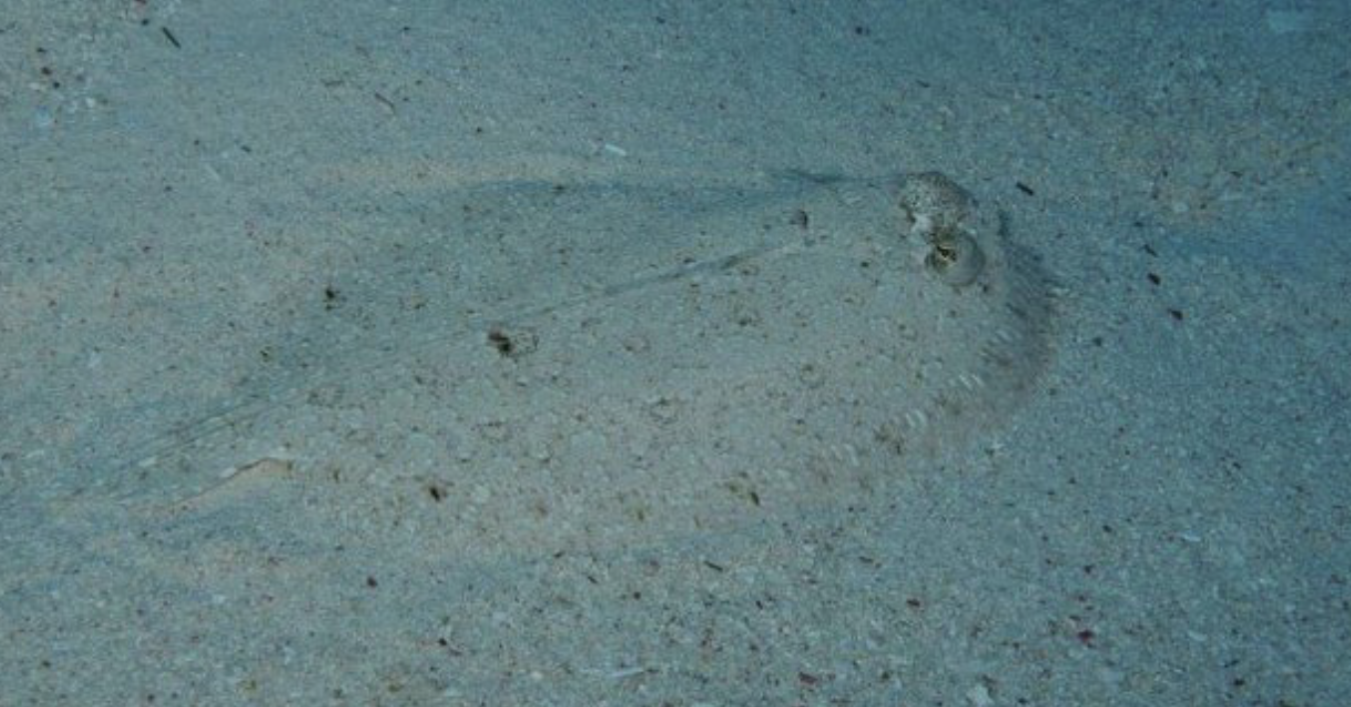
bothidae
right eye migrates to the left side so eyes are on left side
single unbranched lateral line
asymmetrical and elongated pelvic fin (longer on left side- eyed side)
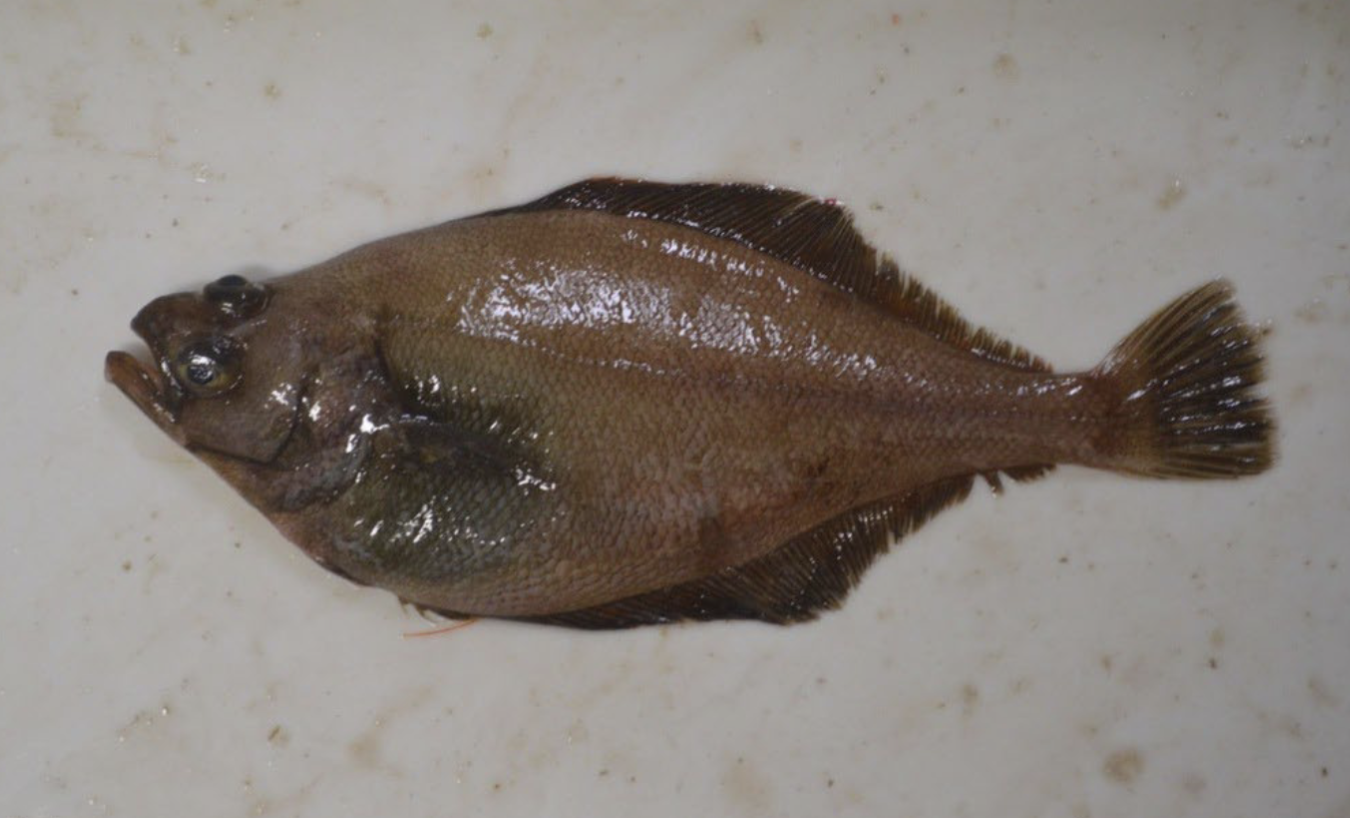
paralichthyidae
right or left eyed
large canine teeth
boney ride between eyes
bulbose eyes
Order Tetraodontiformes
large pharyngeal teeth
small gill openings
lack lower ribs
reverse buccal pump
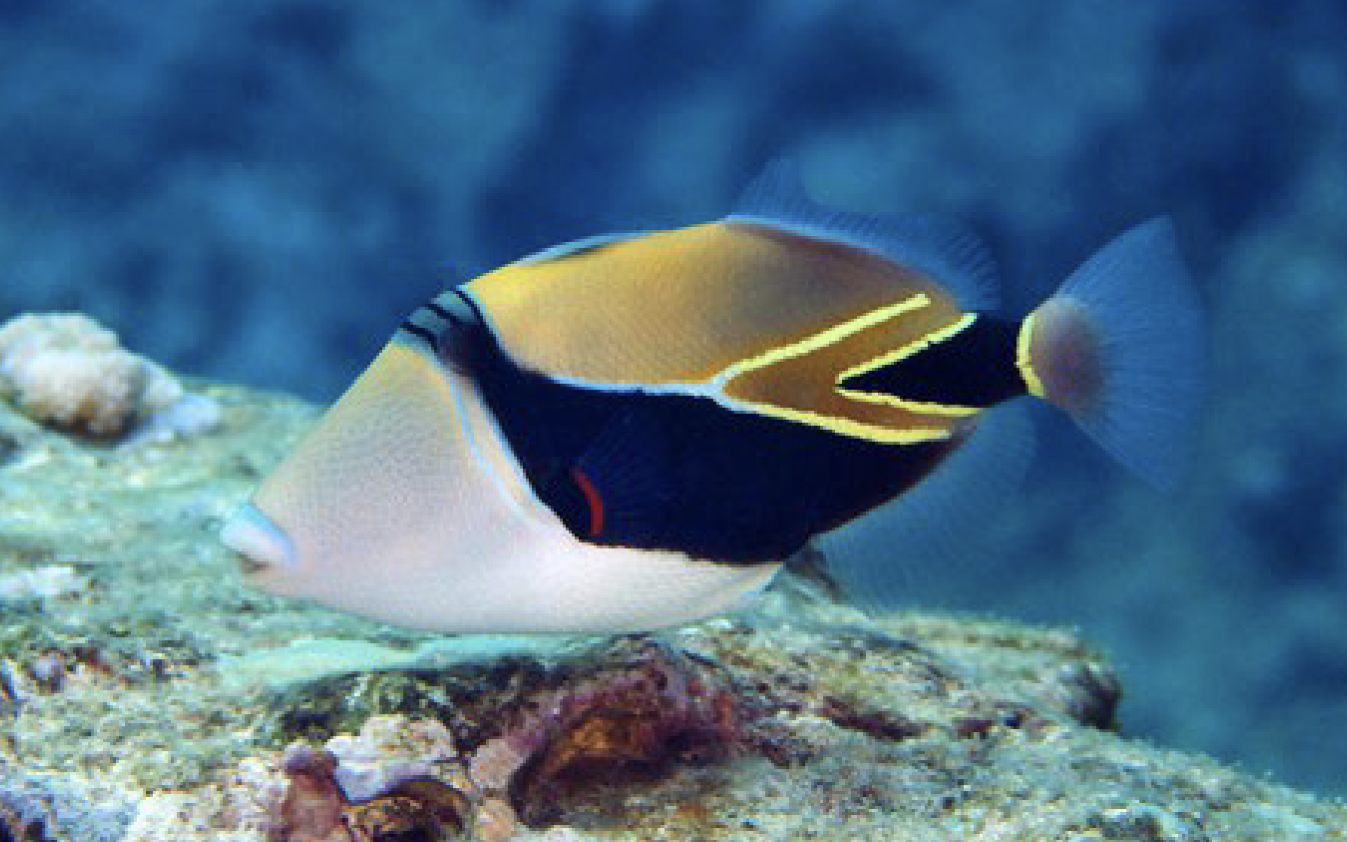
Family balistidae
no pelvic fin
plate like scales
laterally compressed
3 dorsal spines
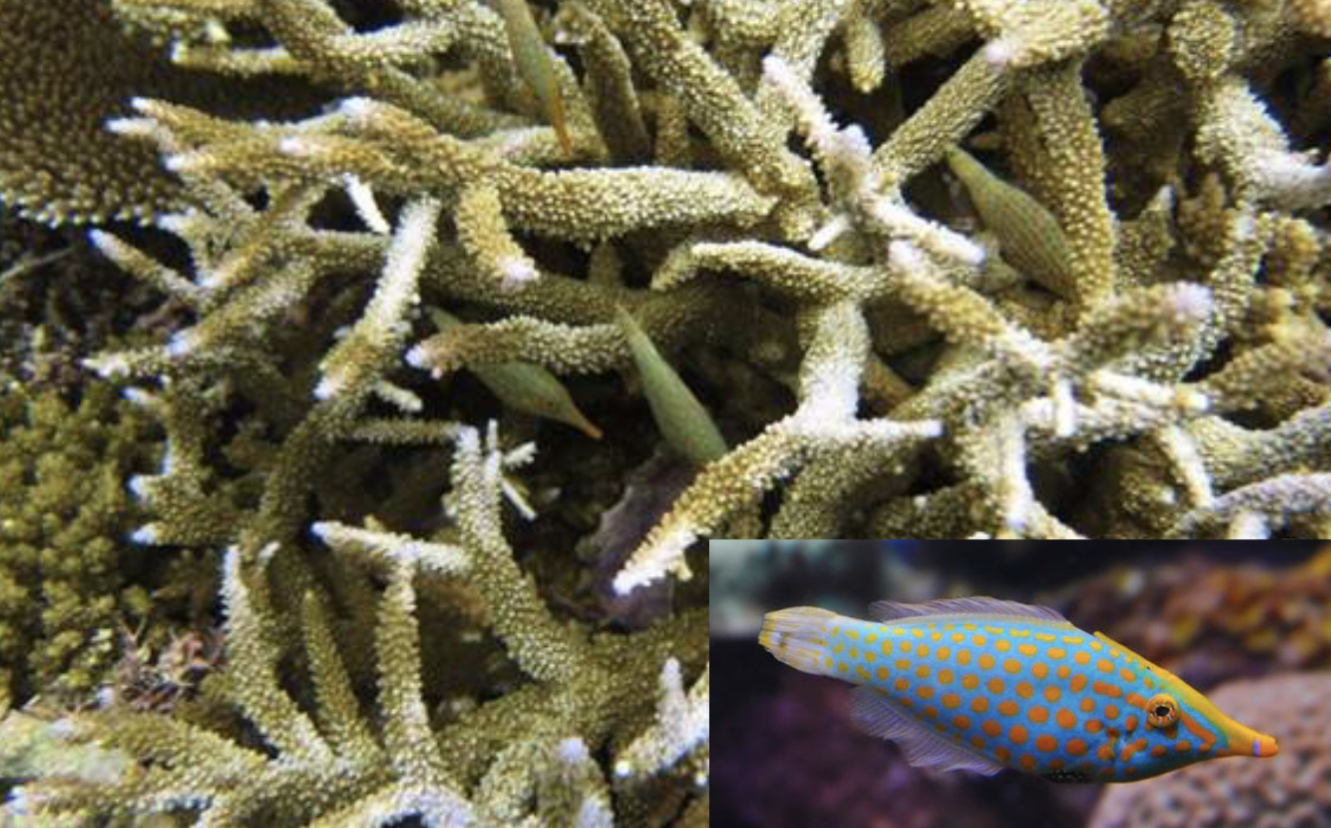
monocanthidae
2 dorsal spines
19-31 vertebrae
prickly or furry to touch
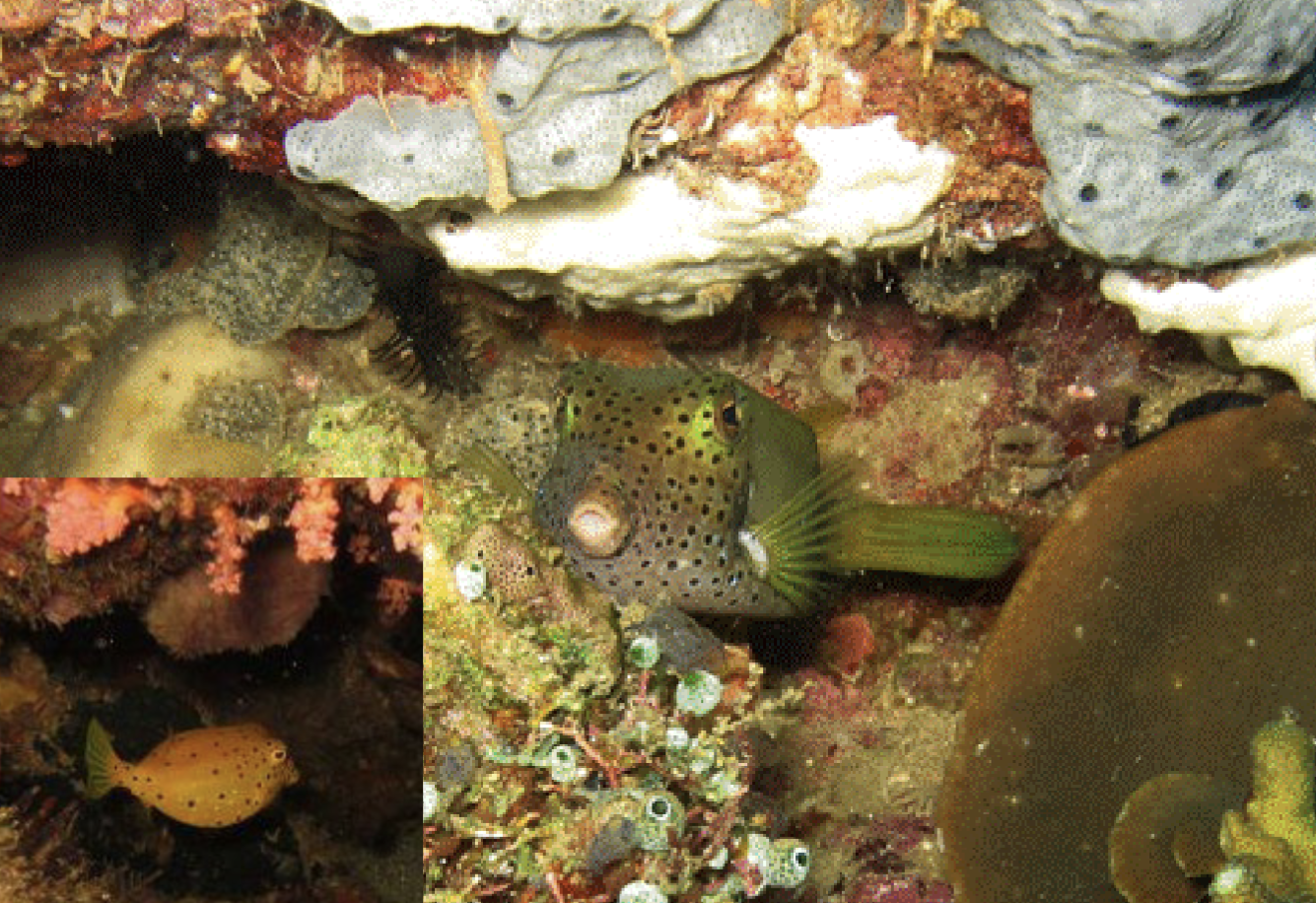
ostracidae
encased in protective covering of structured scale plates (except fins)
stout spines may occur above eyes
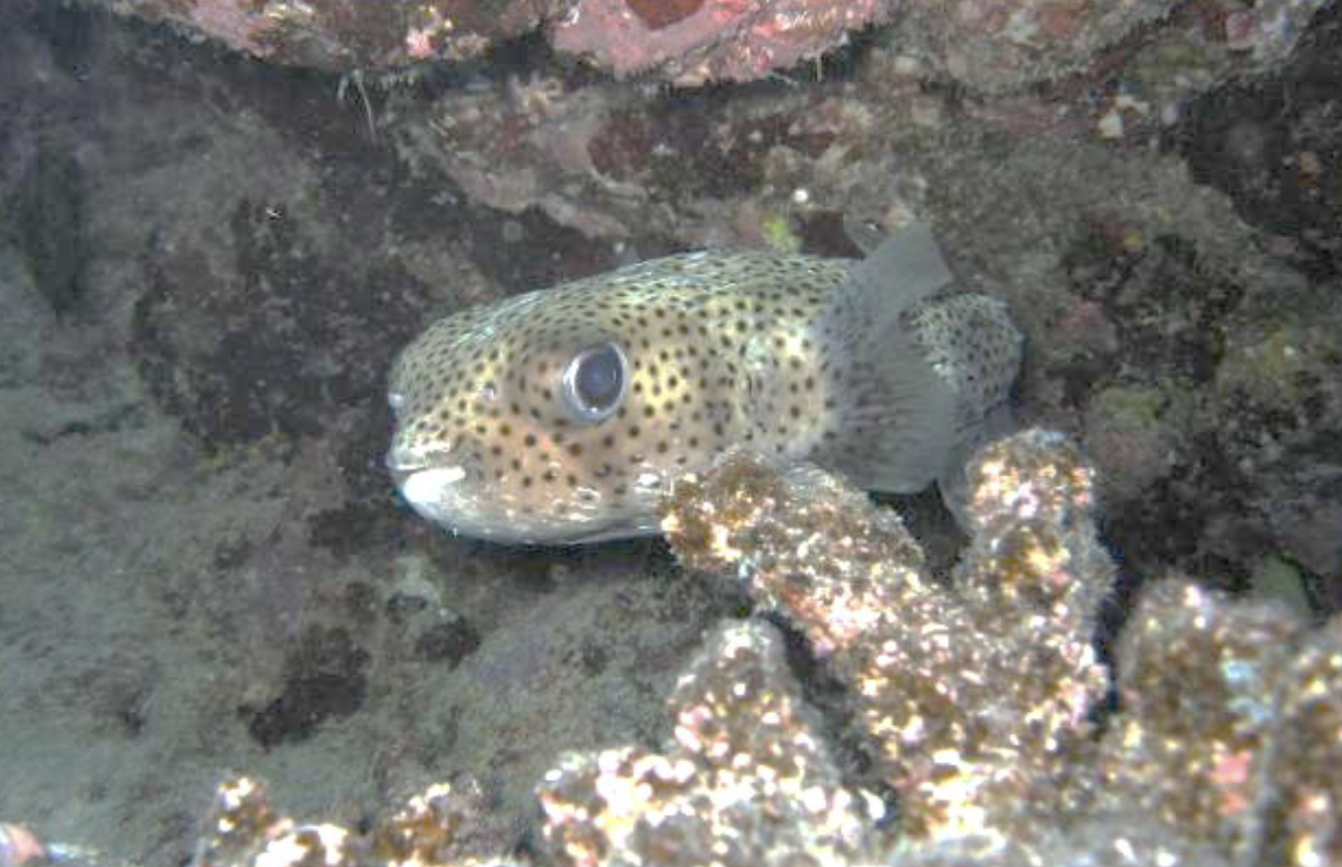
diodontidae
stronger and larger spines (can be seen when deflated)
expandable body
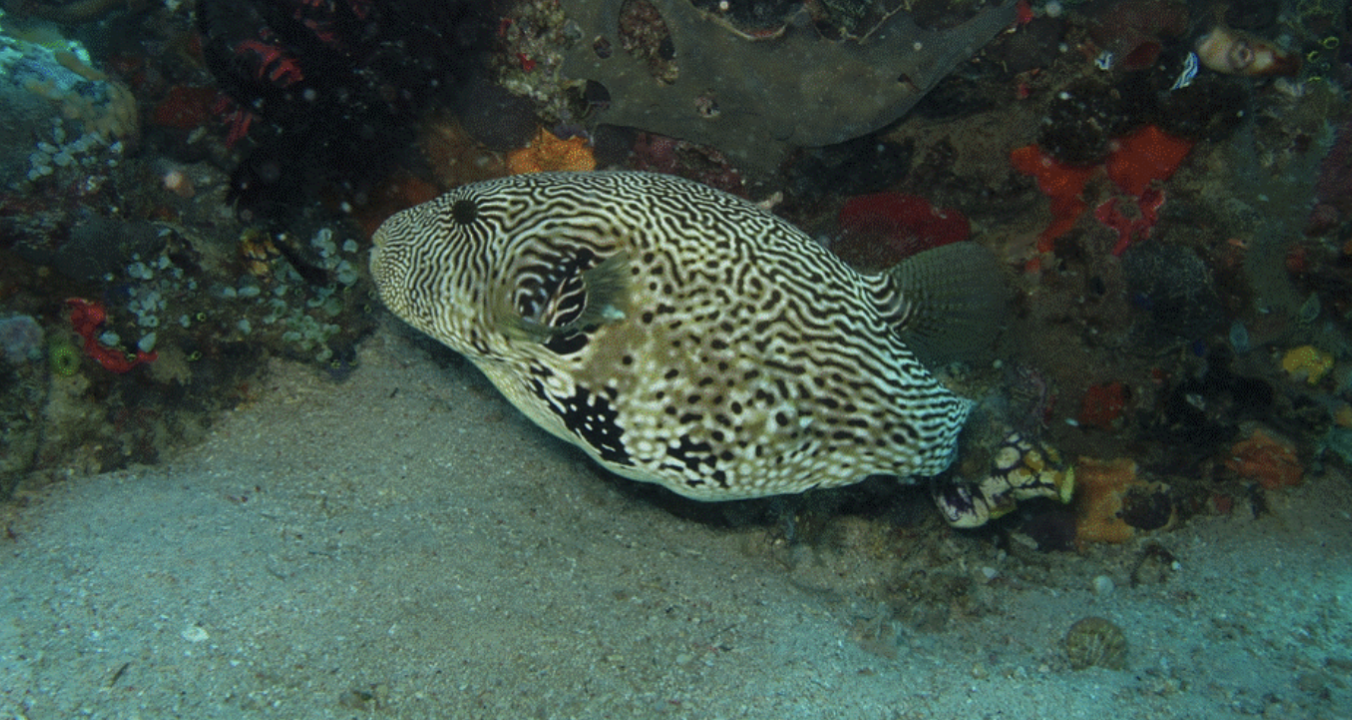
tetraodontidae
toxic internal organs
expandable bodies
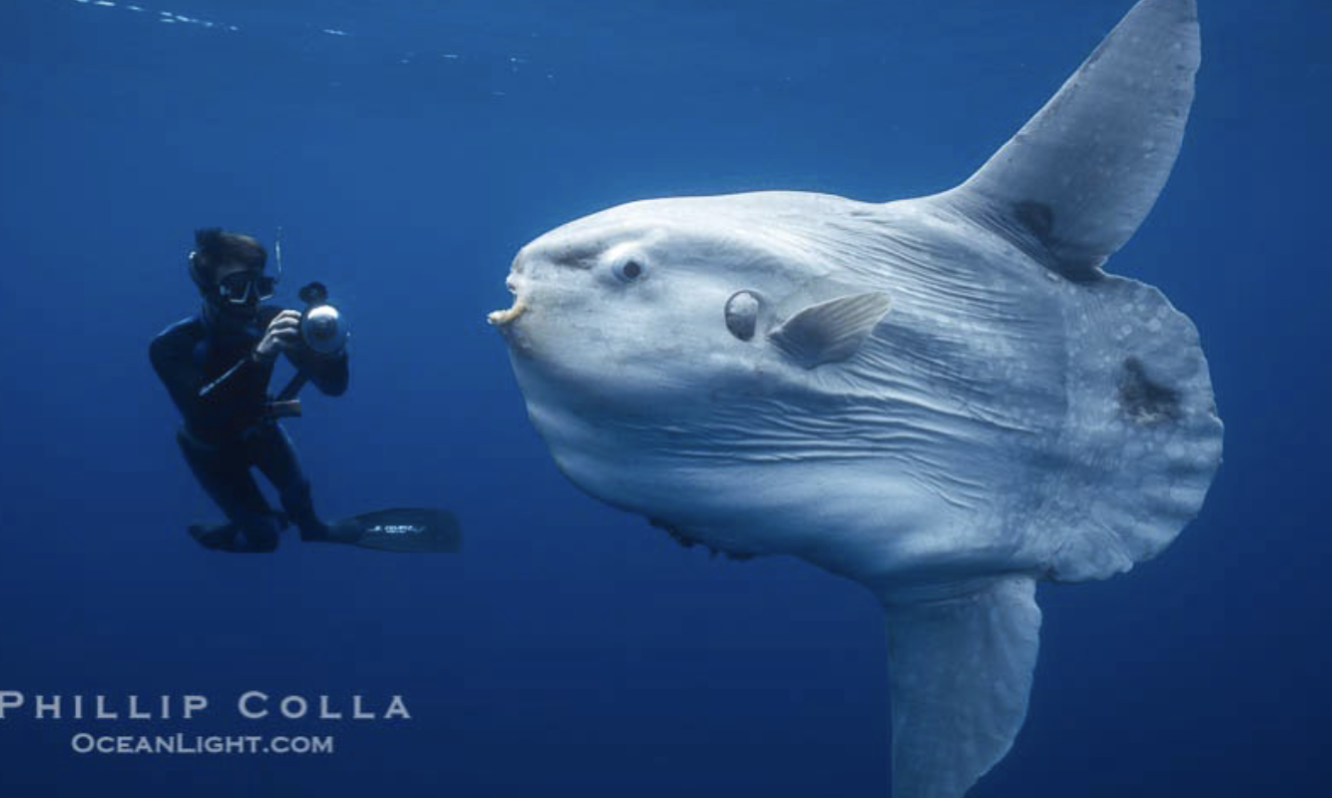
molidae
largest species of boney fish
lack caudal peduncle or caudal fin (clavus instead)
 Note
Note  Flashcards (43)