Unit 1 ap psych quiz 1.3-1.4
 Call Kai
 Learn
Learn Practice Test
 Spaced Repetition
 Match
Match Flashcards
 Knowt Play
1/50

There's no tags or description
Looks like no tags are added yet.
Name | Mastery | Learn | Test | Matching | Spaced | Call with Kai | Chat |
|---|
No analytics yet
Send a link to your students to track their progress
51 Terms
Glial cells
They support neurons by provididng structure, insulation, and waste removal. Without them, messages would not be able to transfer efficiently.
Reflex arc
A simple automatic response to a stimulus.
Sensory neurons
1. They detect the stimulus
Interneurons
2. They process information from the spinal cord
Motor neurons
3. The activate the response
All or nothing principle
Neurons either fire or not at all
Reputake
Reabsorption of neurotransmitters after firing
Refactory period
A brief pause before the neuron can fire again
Neurotransmitters
Chemical messengers that influence mental states and behavior.
Resting potential
The state of readiness of a neuron
Threshold
the level of stimulation required to trigger a neural impulse
Neurotransmitters
Chemical messengers that inlfluence mental states and behaiors
Dopamine
Movement, learning, pleasure (linked to parkinson's and schizophrenia)
Seratonin
Mood and apetite (linked to depression)
nonepinephrine
alertness and arousal
Glutamate
major excitatory neurotransmitter linked to learning
GABA
a major inhibitory neurotransmitter reduces anxiety
Endorphins
Natural pain killers released during exercise
Acetycholine
Muscle movement and memory
melatonin
Regulates sleep-wake cycles.
oxytocin
promotes bonding and trust
Adrenaline
Increases heart rate during stress
Psychoactive drugs
change behavior and mood by altering neurotransmitter activity
Stimulants
Increase neural activity
Depressents
reduce neural activity
Hallucinogens
distort perceptiona and thought
Opioids
relieve pain and create a sense of euphoria
Tolerance
when more of the drug is needed for the same effect
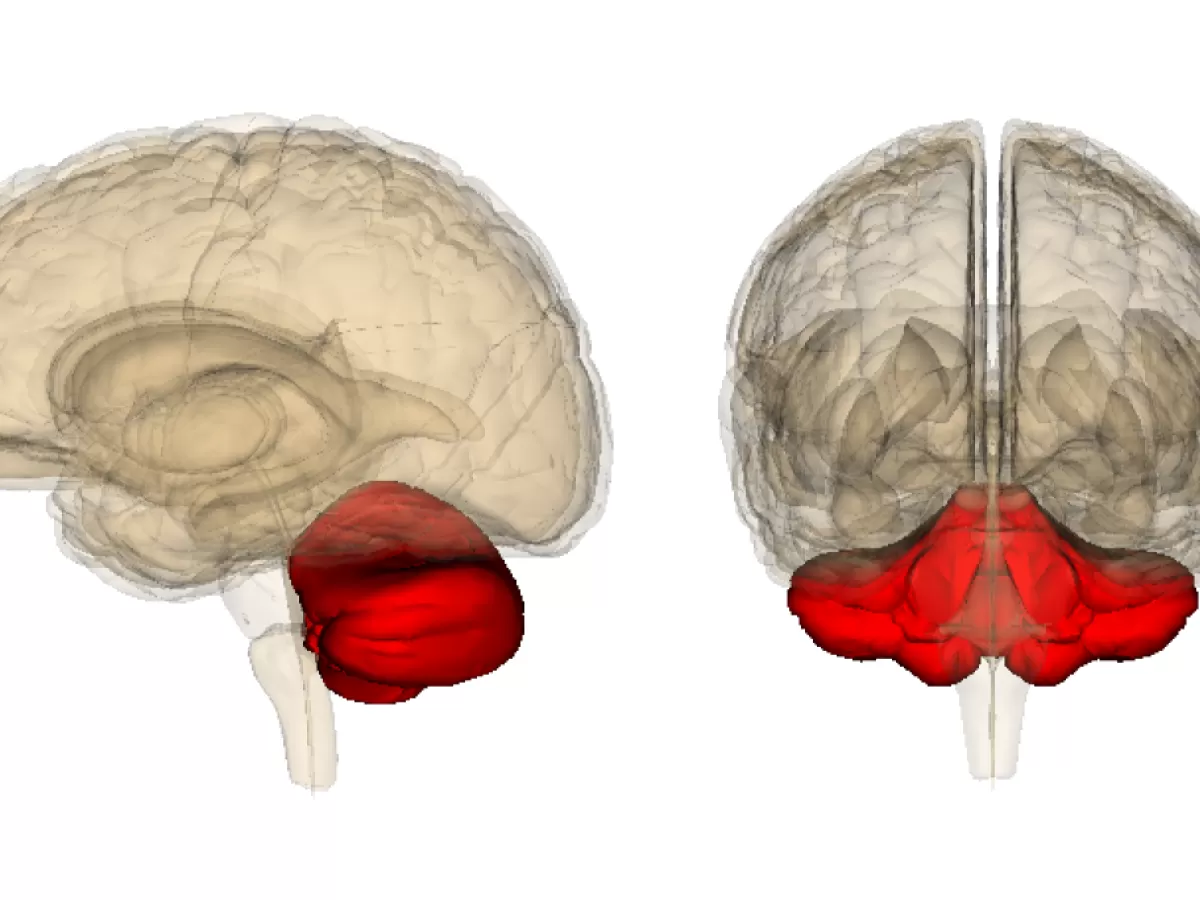
cerebellum
Coordinates voluntary movements, balance, and motor skils and contributes to cognitive functions like attention and language.
Cerebral cortex
Outer layer of the brain responsible for higher functions sucha as perception, thought and language.
Corpus Callosum
A series of neurons that exist between each hemisphere of the brain and allows the two sides to communicate seamlessly
Broca's Area
He discovered the area of the frontal lobe that directs muscle movements involved in speech.
Improving brain plasticity
Repeated genuine mistakes release large amounts of acetylcholine; after about 30 minutes of repeated failurre opens a window for roughly 60 minutes of plasticity.
Plasticity
the brain's ability to change or adapt by developing new or alternative neural pathways from existing neurons.
Axon
carries impulses away from the cell body
Soma
produces energy for the cell (cell body)
Myelin Sheath
covers the axon of some neurons and helps speed neural impulses
Synapse
The junction between axon terminals of one neruron and the dendrites of another neuron
Antagonist
chemical that blocks receptor sites in the brain to reduce neurotransmitter activity
agonist
a chemical substance or drug that binds to a neuron's receptor sites and increases or mimics the effect of a neurotransmitter
myasthenia gravis
a chronic autoimmune disorder that disrupts communication between nerve and muscle cells, leading to severe skeletal muscle weakness
excitatory
a chemical message that increases the likelihood that a receiving (postsynaptic) neuron will fire an action potential.
occipital lobe
Part of the brain that processes visual information and are involved in visual perception
Temporal lobes
involved in processing auditory information language comprehension, memory and emotional response.
Parietal Lobes
process sensory information related to touch, temperature, and pain. They help with spatial orientation and body awarness.
Frontal lobes
involved in decision making, problem solving, planning, voluntary movement, and controlling behavior and emotions.
Frontal Lobe Location

Parietal Lobe Location

occipital lobe location

temporal lobe location

Cerebellum Location