(3) Church History (33-1517): Notable Groups, Organizations, and Movements (inc. Denominations and Orders)
 Call Kai
 Learn
Learn Practice Test
 Spaced Repetition
 Match
Match Flashcards
 Knowt Play
1/30

There's no tags or description
Looks like no tags are added yet.
Name | Mastery | Learn | Test | Matching | Spaced | Call with Kai | Chat |
|---|
No analytics yet
Send a link to your students to track their progress
31 Terms
Roman Catholic Church (All Facts)
Most powerful institution in Europe during the Middle Ages
It was divided into hundreds of small political states
Often, their staff were the only people in a community who knew how to read or write
If a commoner needed something written or read, they asked the namesake official to do it for them
Most manors had a priest on the grounds operating in a church of this creed
Provided people a shared identity even as vernacular languages emerged to replace Latin
Established the first universities in Europe
After all, most of the philosophers, thinkers, and writers of the Middle Ages were also religious leaders
In the feudal system,
it held great power
if a lord displeased the namesake, it could pressure the lord in various ways
For example, a local bishop might cancel religious services for his serfs thus angering the serfs would demand that the lord give in to the bishop
Had an extensive hierarchy of regional leaders
Clergy / Clergymen (All Facts)
Residents of monasteries
Took vows of poverty
Supported charities in their communities
Wielded considerable political influence, with some monasteries becoming quite wealthy
100s - Pauline Christians (All Facts)
Founded by (St.) Paul
Believe that Jesus’s death and resurrection introduced a New Covenant that fulfilled the Old Covenant and superseded Jewish law and custom, thus they did not have to follow Jewish law or custom
Believe that gentiles could also be Christians, not just Jews
Christians who are gentiles and thus believe gentiles can be Christians, not having to follow Jewish law or customs
325 - Nicene Christians / Nicene Christianity (All Facts)
Historical term used to refer to contemporary Christian body including Catholic, Eastern Orthodox, Oriental Orthodox, and Protestant denominations and their churches
Any “Christian” who denied these tenets is not considered, by most Christians, to be Christian
Was absorbed by the Roman Empire
Ethiopian Orthodox Tewahedo Church (All Facts)
Church started by King Ezana of Axum and St. Frumentius, the missionary who baptized him
Coptic Church (All Facts)
Church of Egypt that was Monophysite, the belief that Christ was one nature of both human and divine rather than two natures
When the Arab Muslims of the Rashidun Caliphate came to invade Egypt in the 640s, they saw them as liberators given that the Byzantines persecuted them for being heretical; despite the fact that Muslims were theologically further than their fellow Nicene Byzantine Christians
The Patriarch of Alexandria appoints their bishops
When led by Michael, the Patriarch of Alexandria, they revolted against Marwan II and the Umayyad Caliphate and Michael was imprisoned by Caliph Marwan II as a result but later freed by the armies of Kyriakos of Makuria, the Christian Nubian Kingdom
In 996, they fled from Fatimid Egypt to Ethiopia
Monasticism (All Facts)
The namesake institutions had spread throughout western Europe and took an increasing role in social and intellectual life by 750
Historically, the namesake practice was perhaps most profound and widespread in Ireland
Moreover, rules tended to be more severe and ascetic in Ireland than the common Benedictine’s rule practiced elsewhere
The namesake practice spread mainly because of the spiritual impulse of men to give their lives to God in meditation
Ever since early Christian times, there existed in the Church a tradition of withdrawal from the world in order to worship God more effectively
The namesake practice also
Provided material security from the uncertainties of the time
Was a useful way of securing family land under the guise of “religious” foundations
Most of the namesake institution’s founders made their own rules, and discipline varied in its severity
All of the namesake institutions however
lived as communities, under abbots
dedicated themselves to the service of God and spiritual development of monks
Despite withdrawing from public society to mediate and pray, the namesake institutions remained part of the economies of Western Europe, having the same economic functions of agriculture and protection as other manors
In the namesake institution, women were permitted to become nuns and had exerted notable influence in the namesake institutions
Iconoclasts (All Facts)
Those that believed in or supported Iconoclasm
Iconodules (All Facts)
Those who believed in or supported Iconodulism
Orsini Family (All Facts)
Powerful family that produced 5 popes and 34 cardinals, including Pope Stephen II and Pope / St. Paul
Theophylacti Family (All Facts)
Powerful family that controlled the papacy and oversaw the darkest era of the papacy known as the “Seculum Obscurum”
Tusculum Family (All Facts)
Crusaders (All Facts)
Soldiers, each of whom wore a red cross sewn onto his coat and vowed to go to Jerusalem to retake the Holy Land from the Muslims
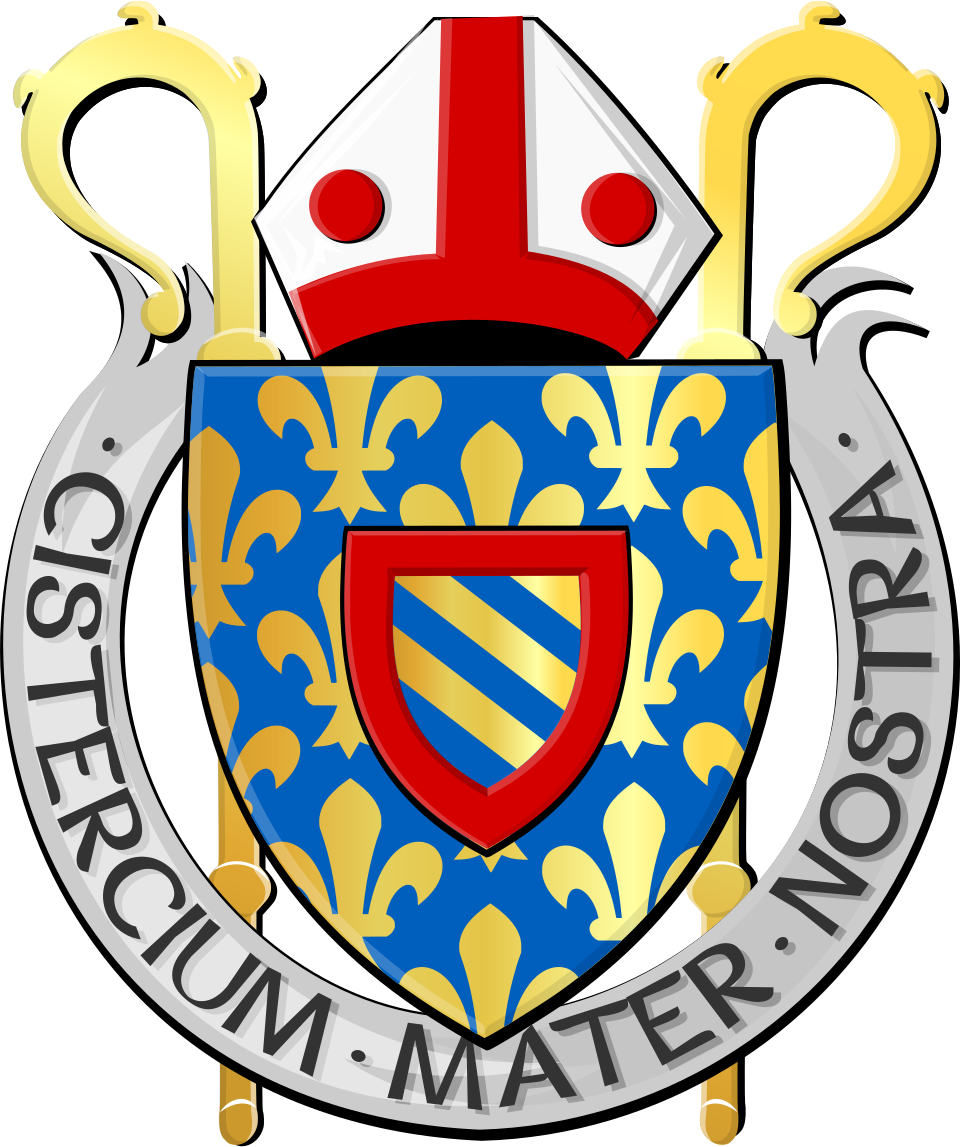
1098 - Cistercians (All Facts)
Catholic religious order of monks and nuns that branched off from the Benedictines to follow the Rule of Saint Benedict, and the Latin Rule of St. Bernard of Clairvaux
Catholic religious order that was founded at Citeaux in France
By 1116, they seemed to be dwindling in numbers, but the inspired teaching of St. Bernard of Clairvaux, along with the organizing talent of Stephen Harding helped transform the order into the fastest-growing of all the monastic orders at the time
Its monasteries included
The Citeaux Abbey
The Clairvaux Abbey
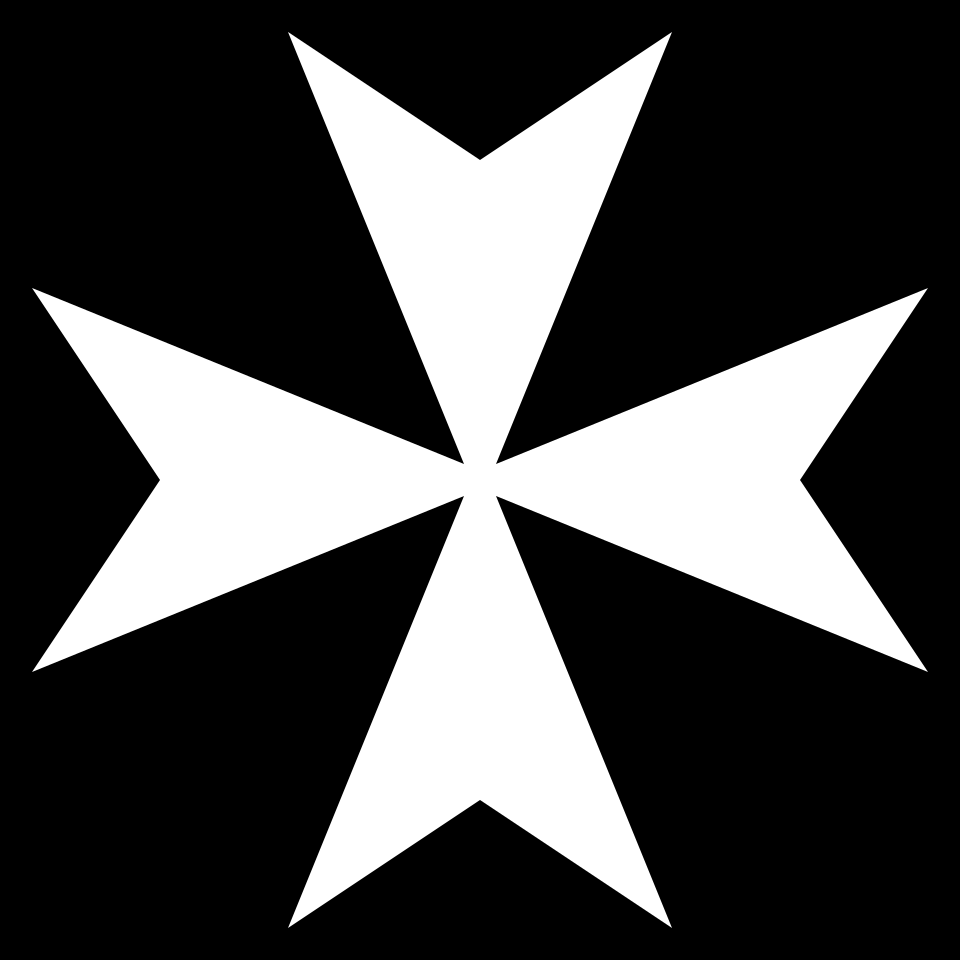
1113 - Knights Hospitaller / Order of the Knights of the Hospital of St. John (All Facts)
Catholic military order founded to take care of pilgrims to the Holy Land
It was founded in the Kingdom of Jerusalem
Catholic military order which resolved to fight for the defense of the Holy Land
In
1309 - they occupied the island of Rhodes
1522 - they were conquered in Rhodes by Suleiman and the Ottoman Turks after a six-month siege, and were forced out
1530 - Holy Roman Emperor Charles V permitted them to settle on the island of and thus they occupied the island of Malta
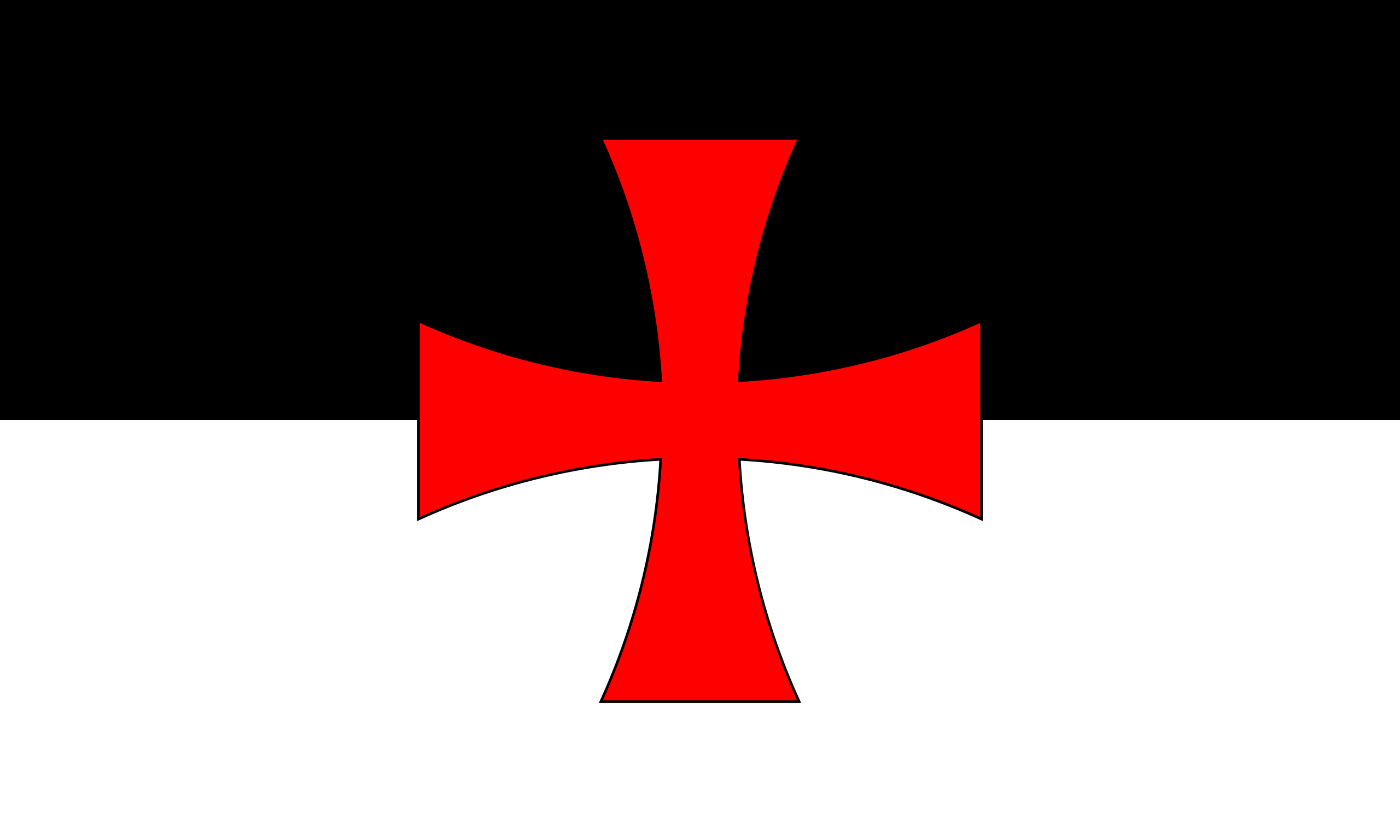
1118 - 1312 - Knights Templar (All Facts)
Also known as the “Poor Fellow-Soldiers of Christ and of the Temple of Solomon”
Catholic military order of chivalry founded to protect the road to Jerusalem
Were guided by the Latin Rule of St. Bernard of Clairvaux
Were founded by Hugues de Payens
To join, one had to have
Renounced all worldly ambition
Lived as a monk, determined to protect and aid Christian pilgrims who travelled to the Holy City
Took his vows of poverty, chastity, and obedience before the Patriarch of Jerusalem, who gave them a residence near the Temple of Solomon, from which their order gets its name
Pledged to fight infidels at all times, even though Christians were not threatened
Initially, they only had two knights, including de Payens, and just nine supporters, but they rapidly grew and gained popularity throughout Christendom after the
In 1307,
its members were arrested throughout France by the officers of French King Philip IV, a carefully coordinated operation which came as a total shock
The day before it happened, their grand master Jacques de Molay was a pallbearer at the funeral of the wife King Philip IV’s brother; and the day it happened he was tortured in prison
This operation was driven by propaganda, with rumors having spread that the Templars were guilty of sodomy and other vile practices; but most people observing it believed it was an excuse for King Philip IV of France to justify crushing the order for financial and political reasons
When de Molay went to meet with Pope Clement V, King Philip IV took action immediately
King Philip IV had done this in order to fill the empty royal coffers at the time
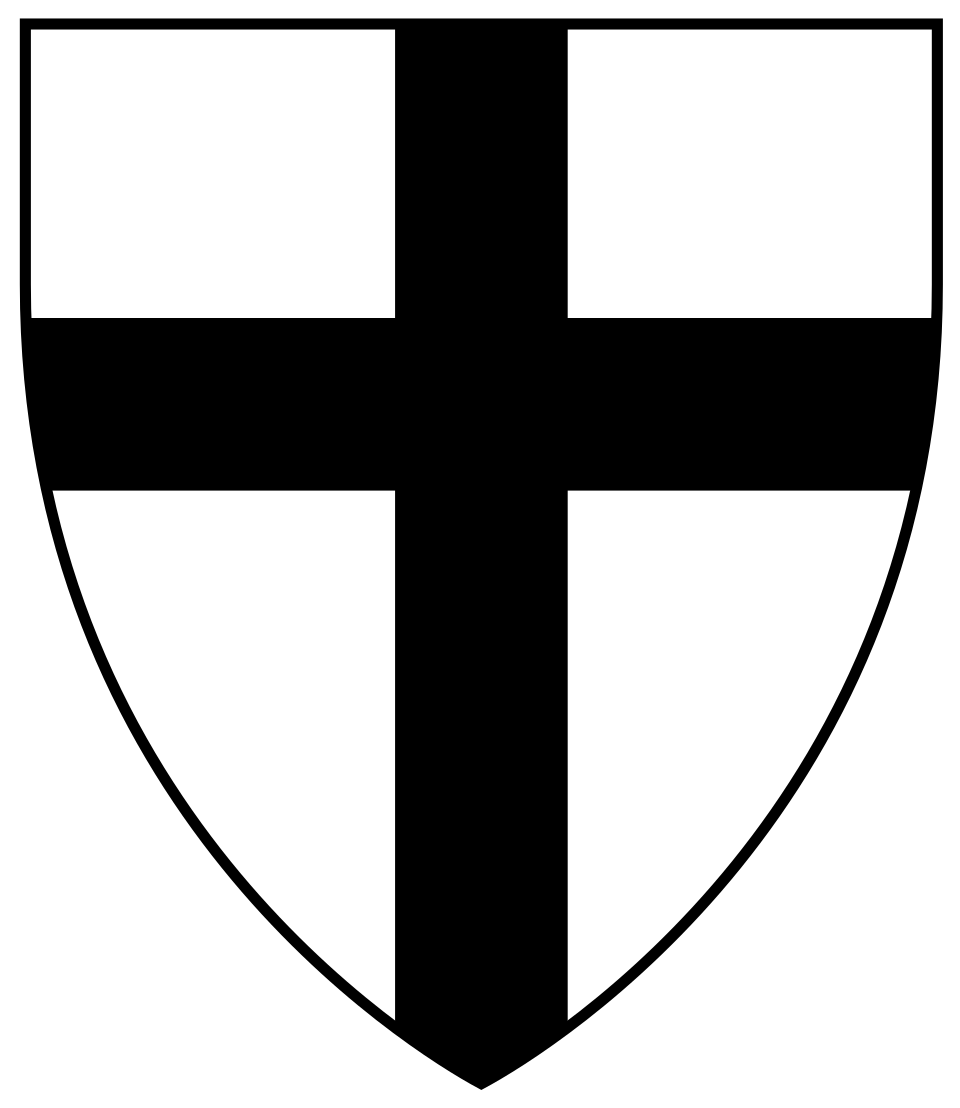
1190 - Teutonic Knights (All Facts)
Established for the defense of the Holy Land
In 1230, they were invited into Prussia in the Holy Roman Empire to help with forcible conversion of the Prussians and Yatvags
In 1241, they were defeated by Batu Khan and the Mongols in the Battle of Legnica during the First Mongol invasion of Poland and general Mongol invasions of Europe
Mongol horsemen from the Tartar region broke their elite force in this battle, contemptuously cutting off an ear from each corpse to be bagged and counted like vermin’s tails, with their having collected nine bags total
In 1242, they were defeated by Alexander Nevsky in the Novgorod Russians in the Battle of Lake Peipus / Battle on the Ice during the Northern Crusades, thus ending the Northern Crusades in Russia
In 1283, they completed their conquest of the lands and people of Prussia
In 1309, their grand master transferred his official residence from Venice to Marienburg (in Prussia)
1200s - 1500s - Beguines (All Facts)
Religious lay order of women best known as “beggars” who served their communities by begging (some worked as textile workers)
Communities of single women over thirty who chose to live together in peace and prayer
They were easily identifiable by the black dresses and white veils that they worse
They were committed to stay in the namesake place for six years after one year of initiation
They were characterized by a theological independence demonstrated by their translations of the Bible and at their strict meetings
This worried the catholic establishment in France, Germany, and Belgium
The Bishop of Mainz in Germany
initiated the second Church crackdown on the activities of the namesake group
accused them of being idle, gossiping vagabonds who refused to obey men under the pretext that God is best served in freedom
excommunicated the namesake beggars
threatened to evict the namesake beggars from their parishes
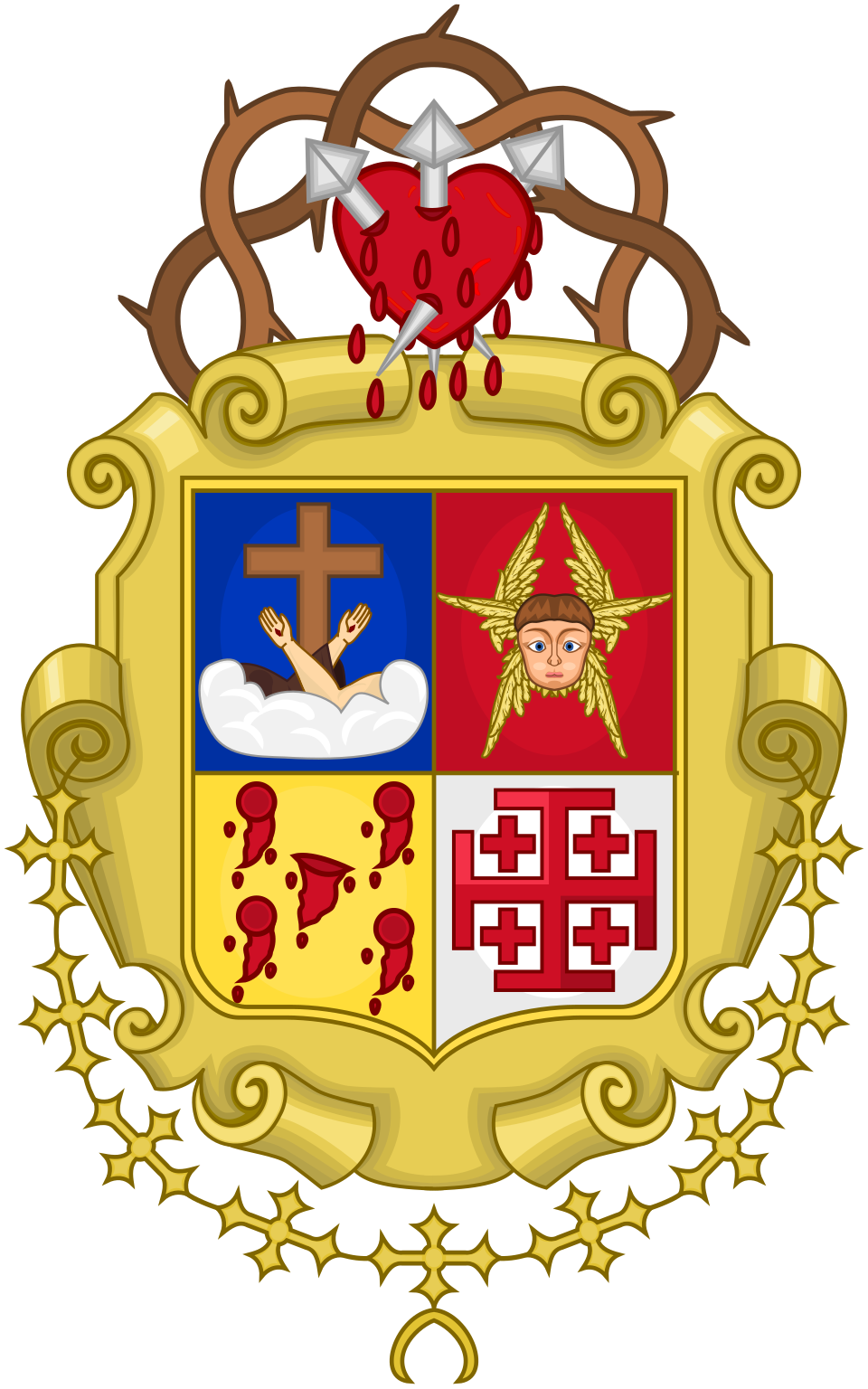
1209 - Franciscans (All Facts)
Founded by St. Francis of Assisi
Approved by Pope Innocent III
It was based on a simple life derived from the Gospel
Its members gave up all their possessions and went around ragged, barefoot, and dirty like vagabond beggars, mixing themselves in with the poor and helping them
They were devoted to the care of the poor and the sick
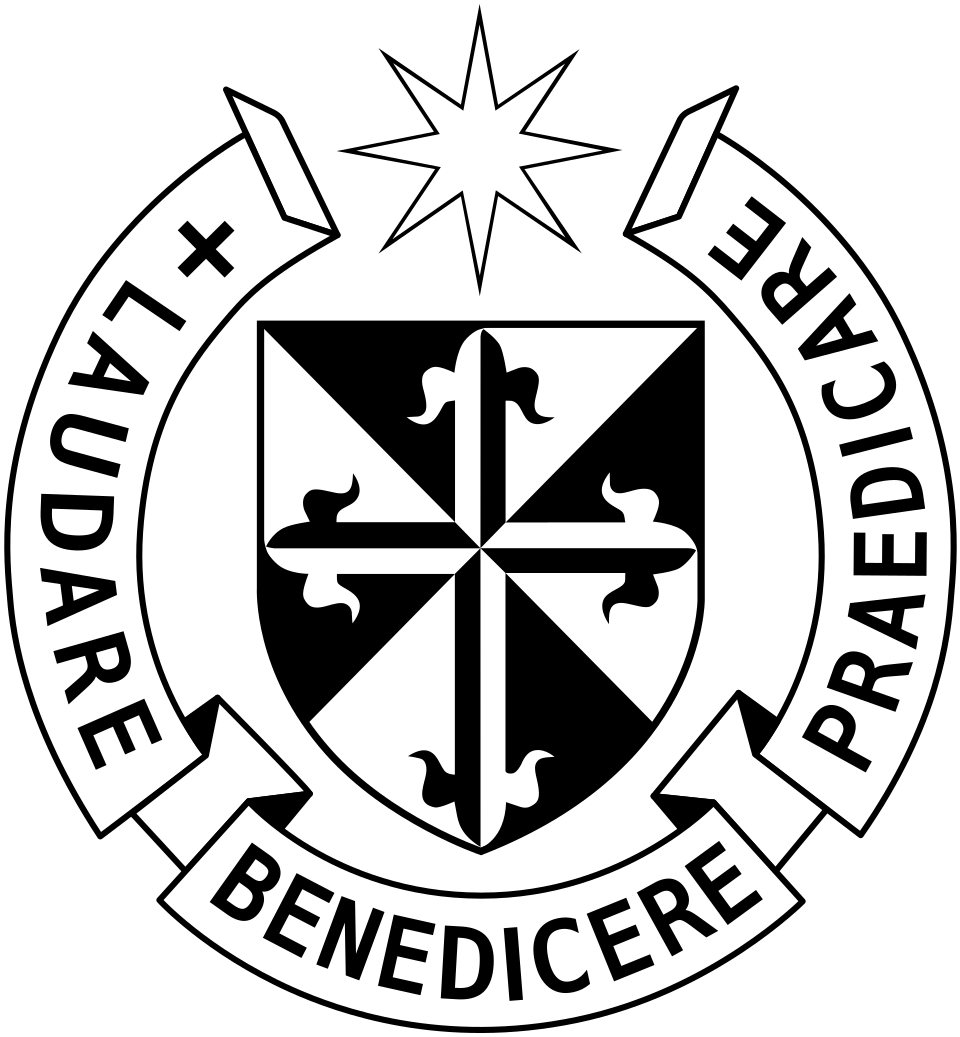
1215 - Dominicans / Dominican Order / Order of Preachers (All Facts)
Catholic Order founded by St. Dominic de Guzman
Their principal mission was / is to convert heretics
They were devoted to the care of the poor and the sick
Mystics / Christian Mysticism (All Facts)
Movement throughout Church History but which gained significant traction in the Late Middle Ages
Movement and set of ideas characterized by the twin experiences of divine ecstasy and revelation
Divine ecstasy involves a temporary loss of a sense of space and time by the namesake when in rapture
Divinely-inspired revelations do not necessarily give prophecies to the future
Its adherents claimed to have visions of contemporary or recent events at a great distance
Its most famous adherents include
St. Catherine of Siena (Italy)
St. Hildegard of Bingen (Germany)
Henry Suso (Germany)
St. Bridget (Sweden)
Julian of Norwich (England)
John Ruusbroec (Netherlands)
1257 - College of Sorbonne (All Facts)
Founded by Robert de Sorbon, it was a college for students of theology within the University of Paris
Its buildings were constructed more extensively and consolidated into the University of Paris by Cardinal Richelieu
1300s - Brethren of Common Life (All Facts)
Founded by Gerard Groote
Group members who were not bound by permanent vows, and lived together under a rule, holding all things in common and earning their own livelihoods
1352 - Order of the Star (All Facts)
Order instituted by King John II of France
Order that was the French equivalent / imitation of the “Order of the Garter” in England
1400s - Conversos (All Facts)
Ex-Jewish Christian converts in Spain
Many were forced to convert on pain of death, and so, were not very strong in their Christian faith
Due to the Spanish Inquisition, thousands of the namesake throughout Spain were
arrested
imprisoned
burnt at the stake
tortured to extract confessions that they were still practicing their old faith of Judaism
encouraged to betray their friends and family
1500s - 1600s - Moriscos (All Facts)
Ex-Muslim Christian converts in Spain
Some genuinely believed in Christianity and may have even tried to give up their Moorish ways
However, the majority of the 300K-strong community by the time of King Philip III essentially remained Muslims
Their language, society, clothes, customs, and even their eating and drinking remained alien to native Spaniards
Few truly abandoned the Quran
In order to remain residents of Spain, they had to convert to Christianity
They were pressured to change their ways for a century, for with a large presence in North Africa, they were seen as a major threat to Spanish national security
They had remained second-class subjects throughout Spain and were exploited, hated, and feared, and plagued by bandits of their own race
Despite all this, they maintained resistance to assimilation
Under the reign of King Philip II, they were persecuted and were forbidden to speak Arabic or wear their traditional dress
Under the reign of King Philip III, they were ordered to be completely expelled from Spain
This was because they refused to fully assimilate in Spanish society
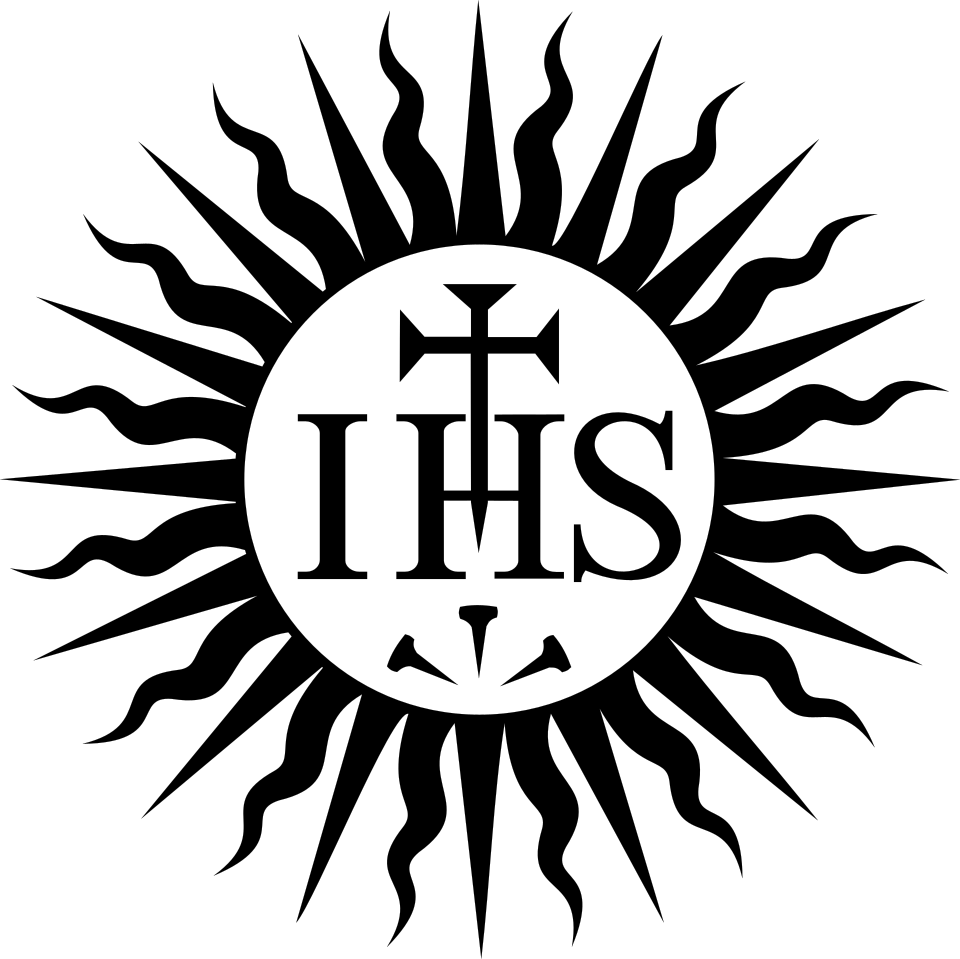
1540 - Jesuit Order / Society of Jesus (All Facts)
Catholic Order established in Paris, France, by St. Ignatius Loyola of Spain and six of his companions
A papal bull of Pope Paul III confirmed its establishment
Order which began when St. Ignatius Loyola and his six companions took a vow to offer themselves to the pope to be sent wherever he wished to convert pagans and infidels, even the Ottoman Turks
Its main object was “the propagation of the faith”
It was they, above all, who had spearheaded the Catholic Counter-Reformation, to regain the religious ground from the Protestant Reformation
Catholic Order which
does not require its members to say the daily office together, like monks, but only to pray silently
requires an essential vow of total obedience to the pope and to the Grand Superior (Loyola was the first Grand Superior)
requires one to prepare by training with, reading, and implementing St. Ignatius Loyola’s “Spiritual Exercises”
believed that subject themselves to this ascetic discipline will teach them to master the will and learn total obedience to their superior and to the church, being prepared to believe that what seems black to them is white if the church declares that it is
became a teaching order both at home and across Europe, establishing schools in the slums of Rome and providing education for the best families at their colleges and universities such as those in Rome and at Padua
was renown for their teaching methods
They worked amongst the native Americans, hoping to establish permanent missions in (Spanish) Florida and what is now modern-day Georgia and South Carolina
In 1571, eight of their members were on a mission in modern-day Virginia but were murdered by natives there who had pretended to be their friends
The native killers were led by Don Luis, a native who had been converted to Christianity, taken a Spanish name, and had even been a guest at the court of King Philip II
In 1608, they founded Paraguay, their own religious utopian colony in South America
1611 - Congregation of the Oratory (All Facts)
One of the first orders of the French Counter-Reformation
1625 - Congregation of the Mission (All Facts)
Founded by St. Vincent de Paul, it was sanctioned by Pope Urban VIII
1633 - Order of the Daughters of Charity (All Facts)
Founded by Vincent de Paul and Louise de Marillac