Chapter 1 Chem Terms
 Call Kai
 Learn
Learn Practice Test
 Spaced Repetition
 Match
Match Flashcards
 Knowt Play
1/24

There's no tags or description
Looks like no tags are added yet.
Name | Mastery | Learn | Test | Matching | Spaced | Call with Kai | Chat |
|---|
No analytics yet
Send a link to your students to track their progress
25 Terms
Chemistry
Measuring and analyzing matter and how it changes. Also interested in the energy associated with these changes
Matter
Has mass and takes up space
Atom
Smallest building block of matter
Molecules
Two or more atoms bonded together
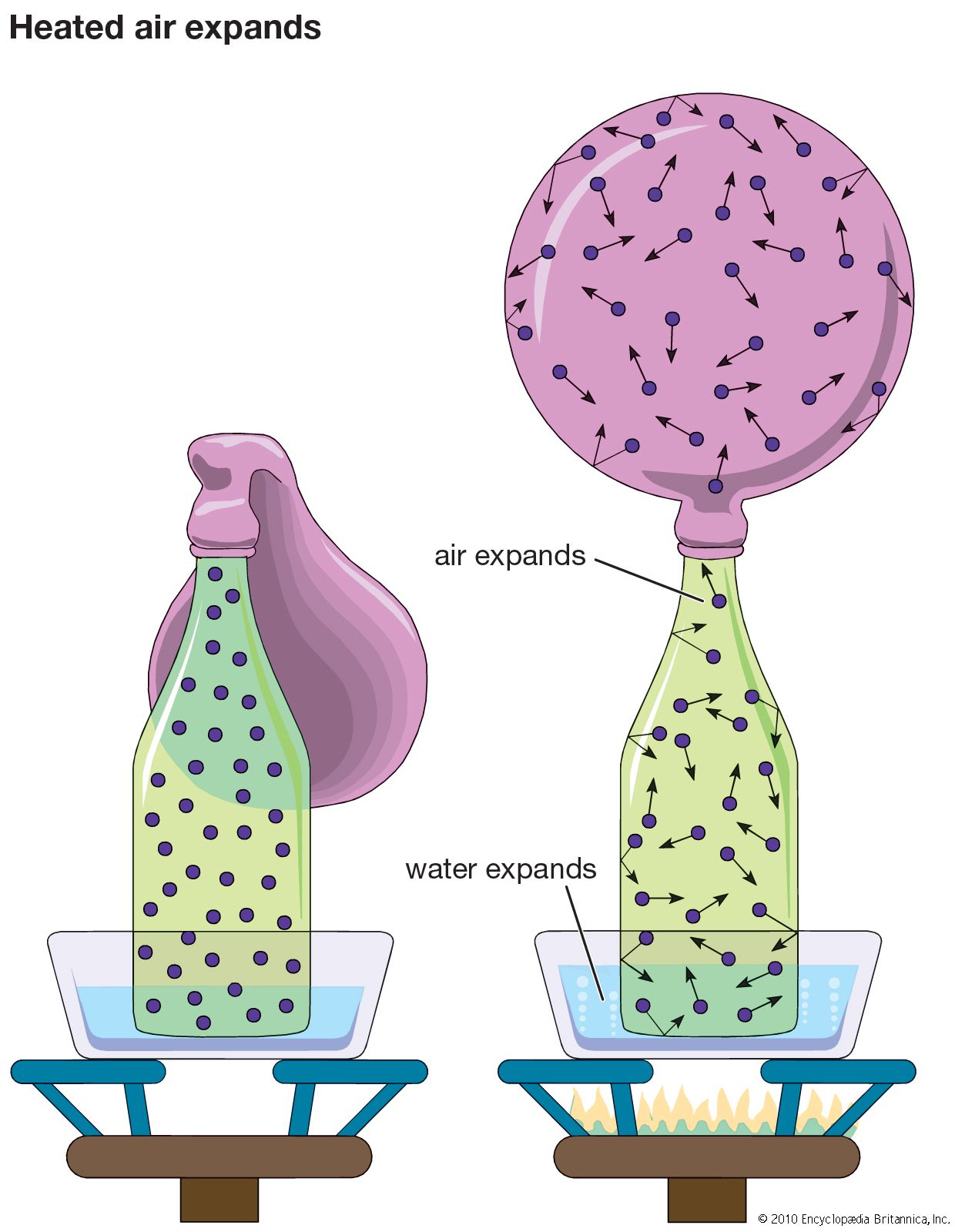
Gas
Has no fixed shape and no fixed volume. Does conform to a container and somewhat fills it. Atoms and molecules are far apart and disorganized
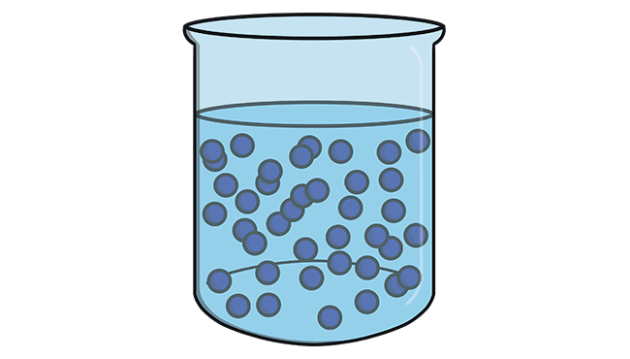
Liquid
No fixed shape but has a fixed volume. Does conform to a container and somewhat fills it. Atoms and molecules are close together and disorganized.
Solid
Have a fixed shape and have fixed volume. Does not conform to container nor fills it. Atoms and molecules are closely packed and rigid/organized.
Pure Substances
Have distinct properties and a fixed composition. Composition does not vary from sample to sample. An element or compound/ a material that only contains one element or compound. Opposite of a mixture basically.
Elements
Cannot decompose into anything smaller. 118 known, 90 natural. Represented by 1 or 2 letters. (Carbon- C, Oxygen- O, Cobalt- Co) CO- cardon monoxide (compound). One type of atom.
Atomic Elements
Elements made up of one individual atom. Each atom is separate from the others.
Molecular Elements
A few elements exist as molecules. Similar atoms bonded together. (More than two but must be the same element)
Diatomic Molecules
Two of the same atoms attached. Only 7 exist and are gases. H2, N2, O2, F2, Cl2, Br2, and I2.
Ozone
O3
Tetraphosohorus
P4
Sulfur
S8
Compounds
Molecules of two or more different elements that are connected. Combined in a fixed ratio (H2O, H2O2) Able to decompose into respective elements. All pure substances. 2 types of atoms
Mixture
Combination of two or more substances. Are not pure but are made up of pure substances. Each substance keeps its original properties, can separate each substance, no fixed composition, varies sample to sample.
Homogeneous Mixture/Solutions
Uniform appearance and composition. (Air, sugar water)
Heterogeneous Mixture
Not Uniform composition and appearance. (Sedimentary rocks, mixing oil and water)
Physical Properties
Describes appearance and can be observed without changing composition
Intensive property
Does not depend on how much of the sample is present. Ex.) color, luster, hardness, melting point, density, conductivity, phase/state.
Extensive property
Does depend on how much of the sample is present. Ex.) mass, volume, length, thickness.
Chemical properties
describes interactions with other substances. How a substance changes/reacts to form a new substance. Ex.) corrosiveness, flammability, reactivity towards acids and bases.
Physical changes
Alters the form of a substance but not the identity. Same substance before and after. Ex.) a change in state and is reversible. H2O (l) → H2O (g)
Chemical changes/reactions
Starting substance converted to new substance(s). A different substance before and after. Usually associated with bubbles, flame, or color change. H2O (l) → 2H (g) + O2 (g)