6.1 - Microbial techniques
 Call Kai
 Learn
Learn Practice Test
 Spaced Repetition
 Match
Match Flashcards
 Knowt Play
1/20

There's no tags or description
Looks like no tags are added yet.
Name | Mastery | Learn | Test | Matching | Spaced | Call with Kai | Chat |
|---|
No analytics yet
Send a link to your students to track their progress
21 Terms
Why are aseptic techniques important when culturing organisms?
To produce uncontaminated culture, so results are reliable & repeatable
What are the basic aseptic techniques?
Wipe surfaces with antibacterial cleaner/disinfectant
Set up Bunsen burner nearby & work underneath → convection currents prevent microbes from entering culture
Flame inoculating loop & neck of bottles before use
Minimise time that vessels containing bacteria are open
Sterilise all equipment (e.g. using an autoclave)
Wear protective clothing
How are microorganisms cultured?
Transfer bacteria to agar plate using sterile inoculating loop or pipette
Tape lid on at 2 ends, then invert the dish & incubate → ensure the dish is not airtight & don’t incubate above 25 °C to avoid the growth of pathogens
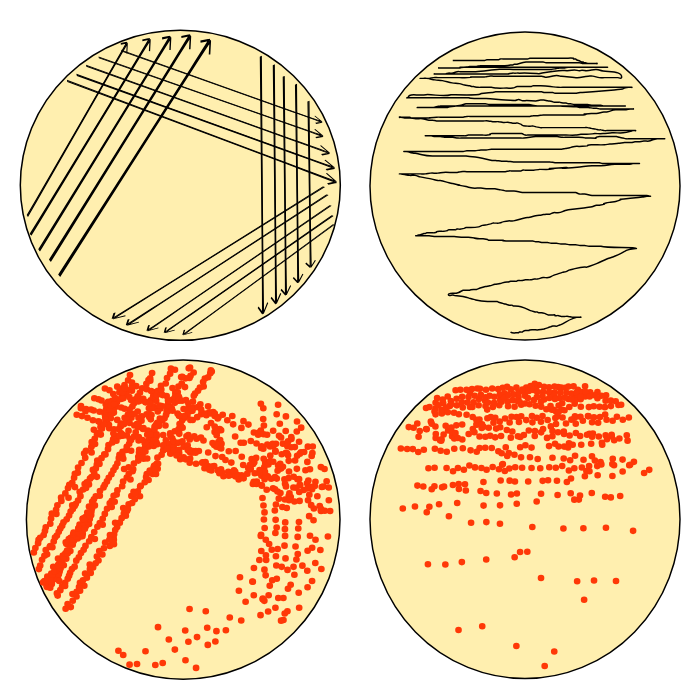
What is the difference between a spread plate & a streak plate?
Spread plate: distributes microorganisms evenly with a sterile spreader
Streak plate: aims to obtain single colonies by rotating the plate to build layers of the culture on at least 3 separate streaks
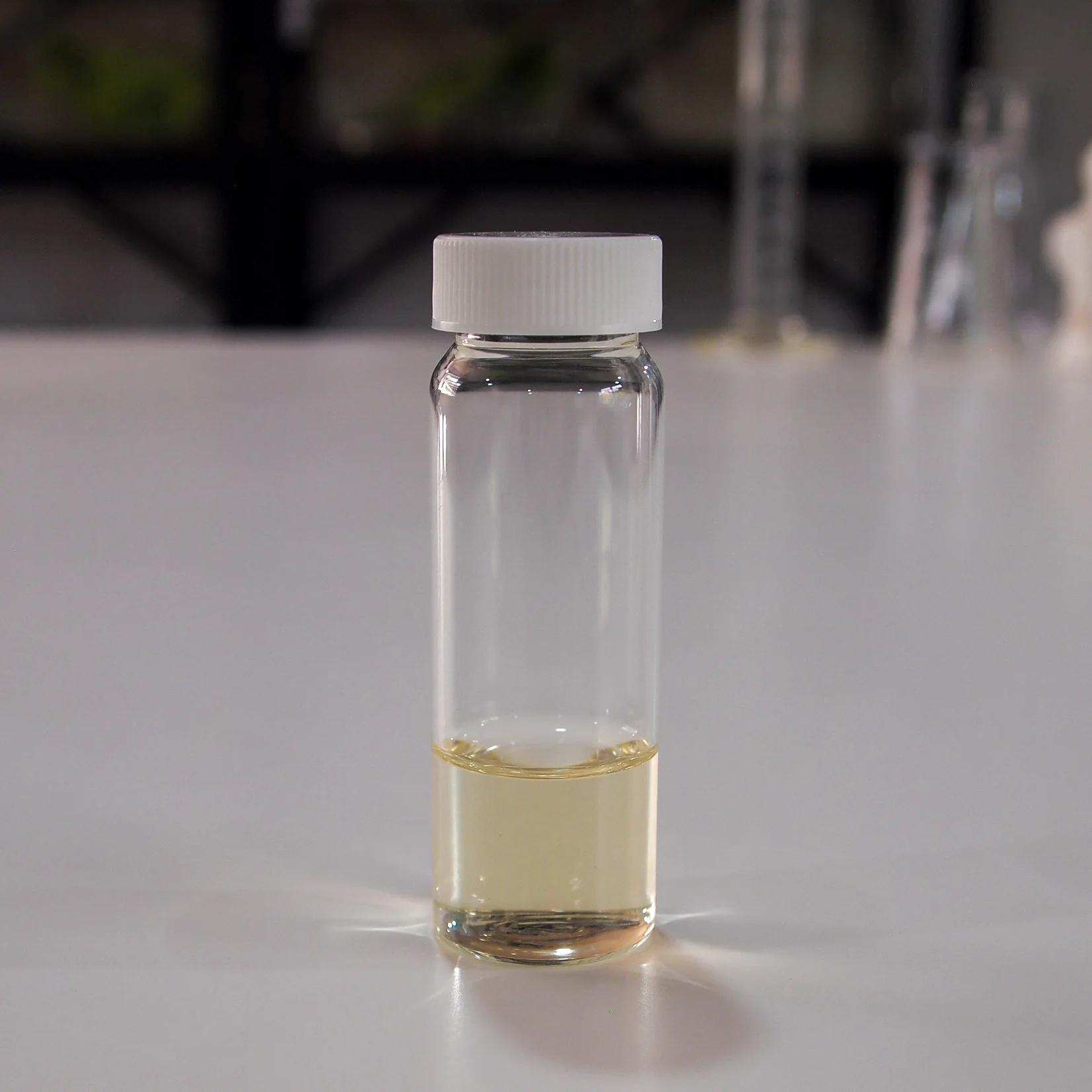
What is a broth culture medium?
Liquid nutrient medium where microorganisms have been introduced & allowed to multiply → results in a cloudy suspension of microbial cells
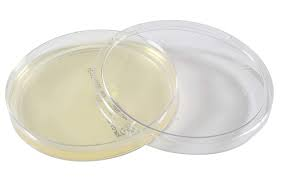
What is an agar medium?
Solid growth medium made from agar (jelly-like substance from algae) that contains nutrients:
used to grow & culture microorganisms (e.g. bacteria) in the laboratory
What is a selective medium?
A kind of media that has a very specific set of nutrients to allow particular pathogens or bacteria to grow
What are the advantages of using broth & agar media?
Broth media:
can provide anoxic & oxic conditions depending on the depth, which helps identify microbes/determine their optimum conditions
can grow a very large volume of bacteria
Agar media:
can obtain a single, discrete pure colony for study
What are the 4 phases of a bacterial growth curve?
Lag phase
Log phase
Stationary phase
Death phase

What happens during the lag phase?
The population size increases slowly as the bacteria are acclimatising to the conditions (e.g. temperature, food & pH)
What happens during the log phase (exponential growth) ?
Growth is very rapid as the conditions are optimum for the bacteria → there are no limiting factors
What happens during the stationary phase?
Number of bacteria remains constant as nutrients begin to run out & toxins start building up
Reproduction rate is equal to the death rate
What happens during the death phase?
Number of bacteria decreases as they die due to the build-up of toxic waste products & lack of nutrients (e.g. build-up of CO2 & low pH)
What are the 3 methods to estimate the growth of a bacterial culture?
Haemocytometry
Turbidometry
Dilution plating
How is haemocytometry conducted?
Dilute the broth sample with an equal volume of trypan blue to stain the dead cells blue
Use a calibrated haemocytometer with volume 0.1mm3 & count the cells in each set of squares & calculate the mean
Number of bacterial cells = number counted x 104 per cm3
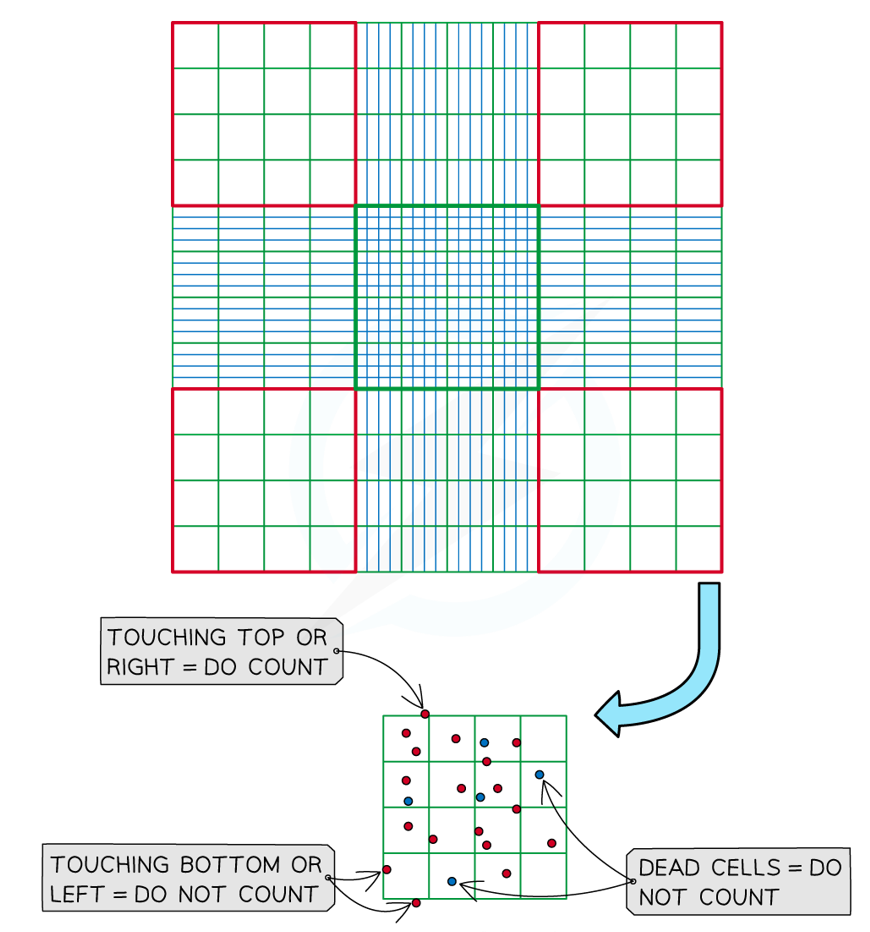
What are the advantages & disadvantages of using haemocytometry?
Advantages:
quick → don't have to wait for microorganisms to grow or incubate
able to use it alongside turbidometry to provide reference values
Disadvantages:
provides total cell count
large margin for human error
difficult to get viable cell count unless a dye is used
cannot look at growth rates easily
requires a very good quality microscope
How is turbidometry conducted?
Use a colorimeter & measure the absorbance or % transmission of samples with a known microorganism count
Plot a calibration curve → absorbance or % transmission (y-axis) against number of microorganisms (x-axis)
Record the absorbance or % transmission of the unknown sample & interpolate the graph
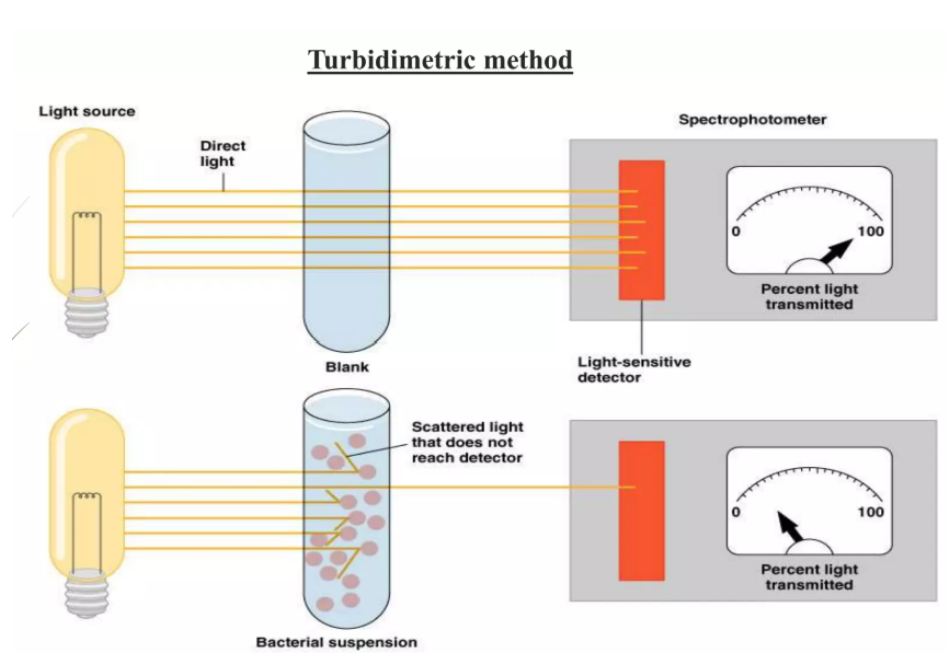
What are the advantages & disadvantages of using turbidometry?
Advantages:
quick → don’t have to wait for microorganisms to grow or incubate
Disadvantages:
requires calibration curve from known samples
provides total cell count
easily contaminated → dipping into the culture frequently
How is dilution plating conducted?
Grow a colony from a single microorganism
Perform a serial dilution with distilled water to see single colonies
Prepare a lawn plate & count the colonies
Number of cells = number of colonies x dilution factor
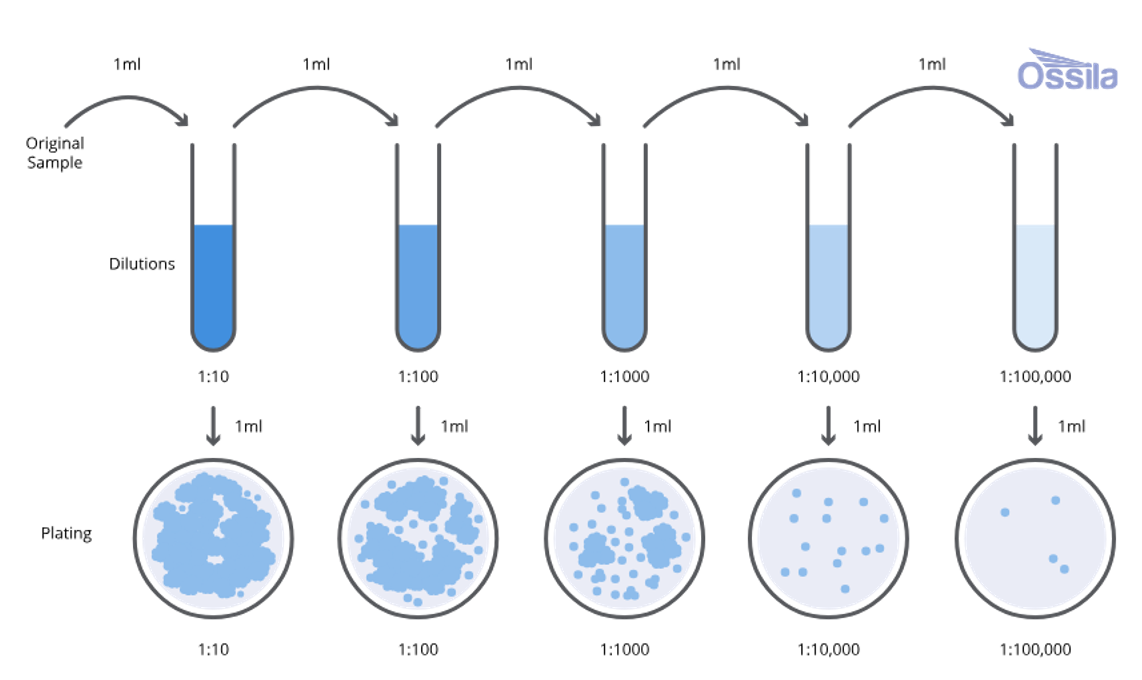
What are the advantages & disadvantages of dilution plating?
Advantages:
doesn't require machinery/automatic devices to do a cell count
provides viable (living) cell count
Disadvantages:
slow → incubation period needed
have to work aseptically, meaning time is required to thoroughly sterilise all of the equipment
requires expensive equipment
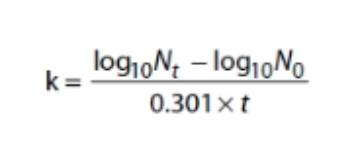
What is the equation to calculate the growth rate constant (k) & what do the terms mean?
Nt = the number of organisms at time t
N0 = the number of organisms at time 0
k = the exponential growth rate constant
t = the time for which the colony has been growing