ANS 395 : Veterinary Physiotherapy Section
 Call Kai
 Learn
Learn Practice Test
 Spaced Repetition
 Match
Match Flashcards
 Knowt Play
1/117

There's no tags or description
Looks like no tags are added yet.
Name | Mastery | Learn | Test | Matching | Spaced | Call with Kai | Chat |
|---|
No analytics yet
Send a link to your students to track their progress
118 Terms
dog cervical formula?
C7 T13 L7 S3 Cy20-23
Horse cervical formula
C7 T18 L6 S5 C15-20
What is physiotherapy?
the therapeutic use of physical agents or means
What is rehabilitation?
The process of helping an individual achieve the highest possible level of function, independence and quality of life following injury or illness.
What are the phases of rehabilitation and what should you be doing in each phase?
1. Immediately Post injury/operatively: reduce pain and swelling, restrict excessive movement
2. Short-term rehabilitation: encourage early weight bearing and correct posture
3. Long-term rehabilitation: full return to function
What are the three principles of physiotherapy?
1. reduce pain
2. positively influence tissue healing
3. restore function
What are the three stages of repair in physiotherapy?
1. acute
2. sub-acute
3. chronic
What are the physiotherapy tools and techniques?
manual therapies, electrotherapies, and remedial exercise
Types of manual therapy
Massage
Passive ROM
Stretching
Manual: massage techniques
Effleurage
Petrissage
Friction (breaks adhesions)
Tapotement
Manual: passive ROM
movement performed without muscle contraction (external force moves the joint)
(Reduces pain, inc blood flow and synovial fluid)
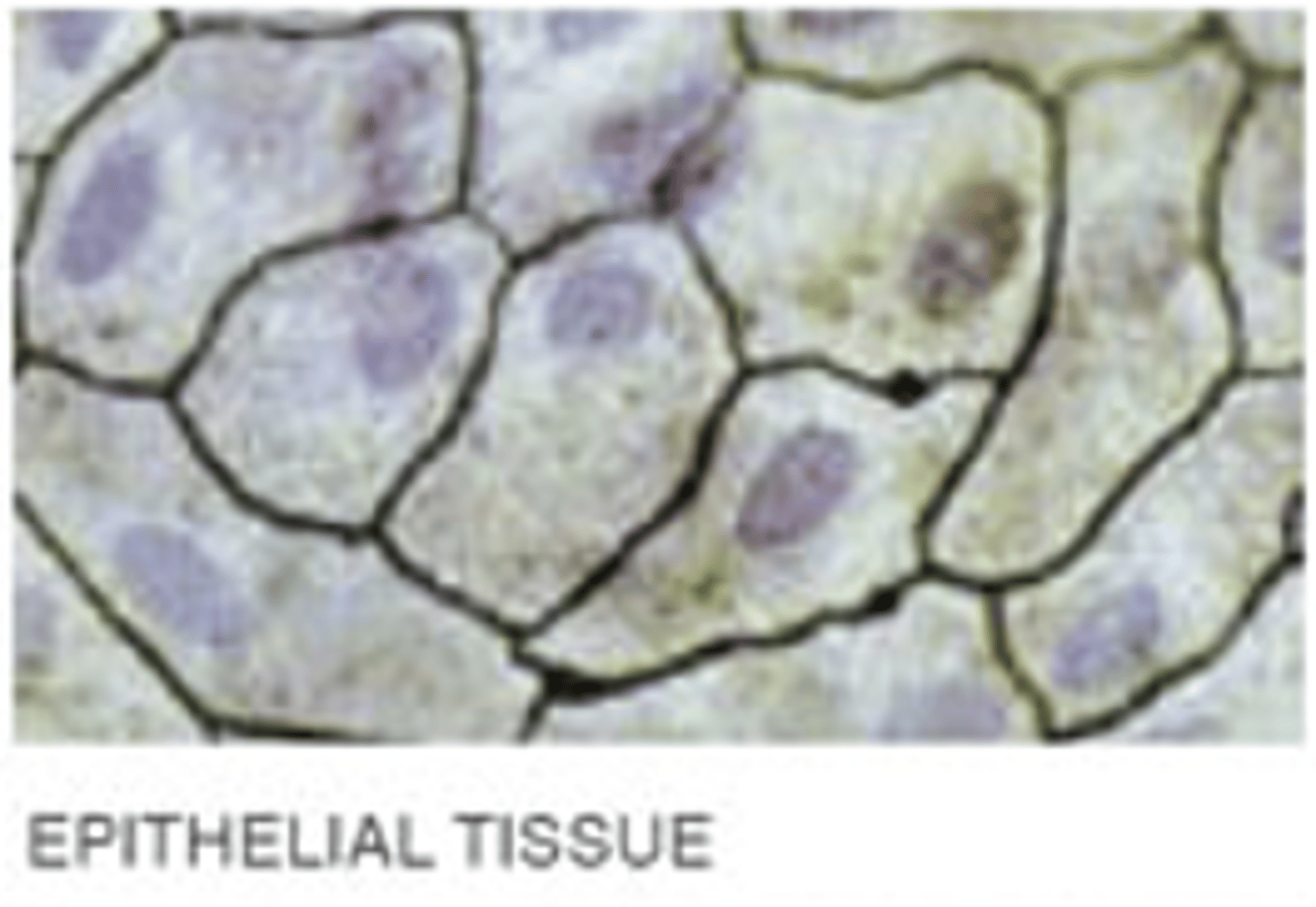
What does epithelium tissue do? What does it look like?
lines and covers surfaces
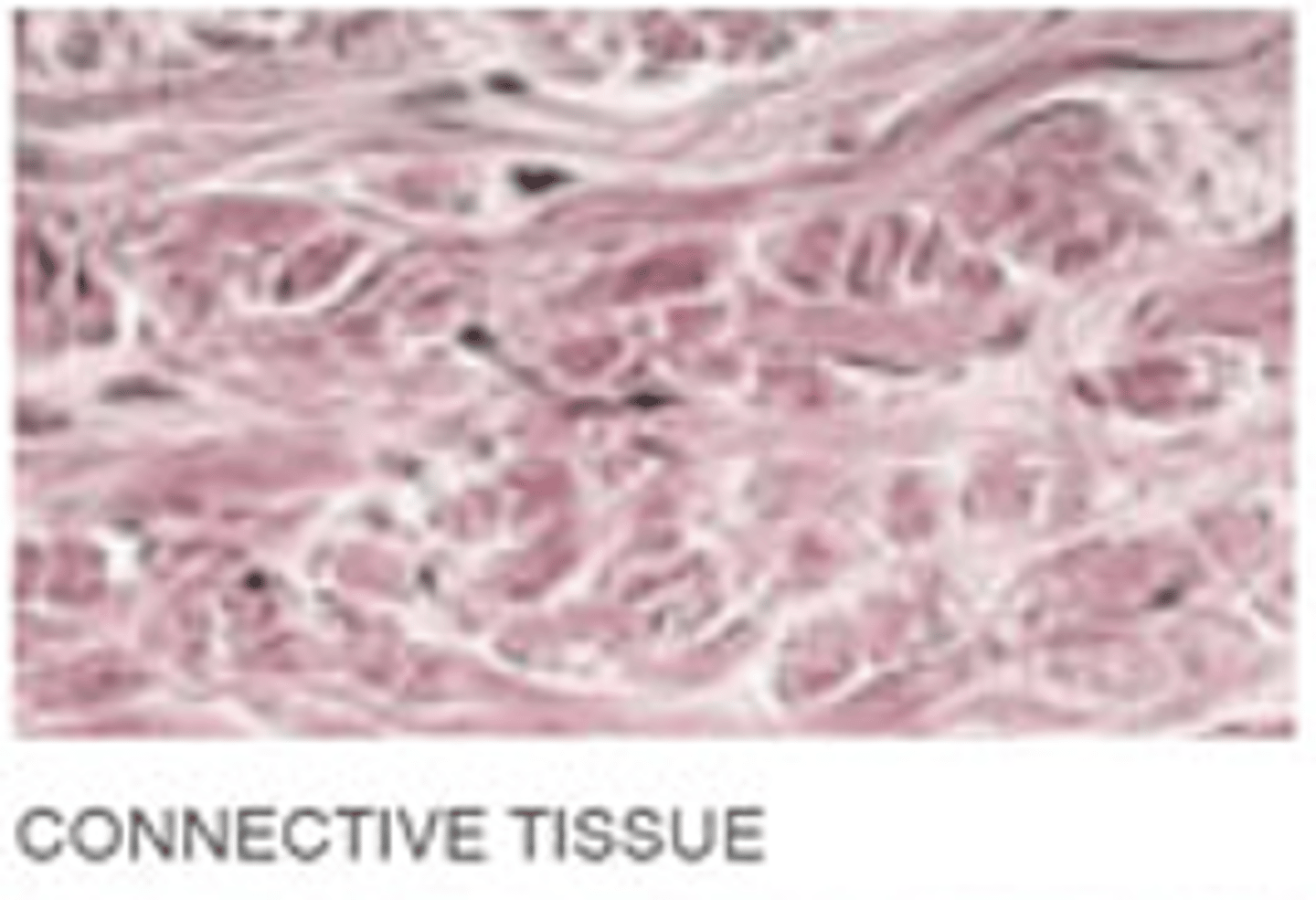
What does connective tissue do? What does it look like?
protects, supports, and binds. examples are things like blood, bone, cartilage, dense and loose connective tissue
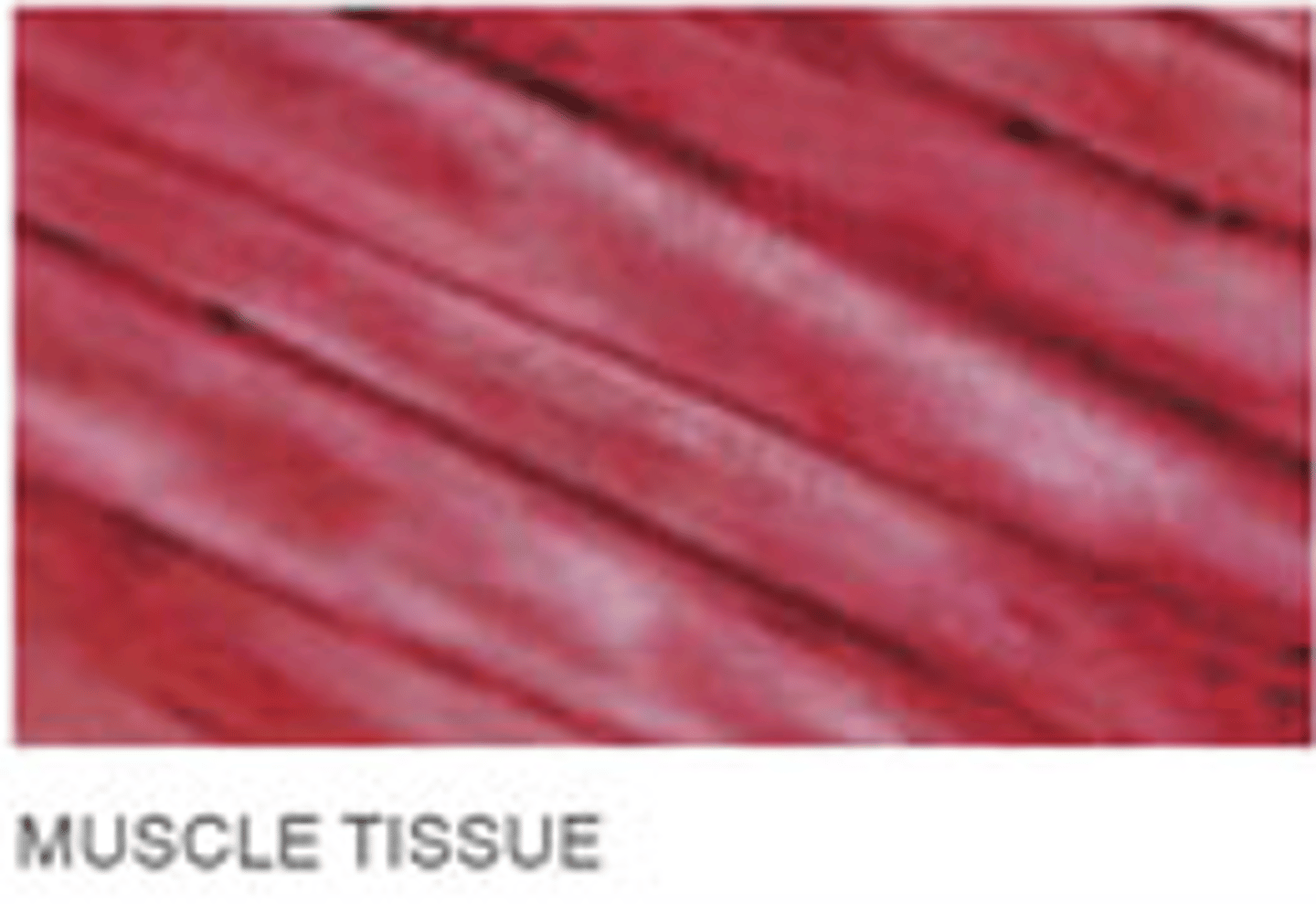
What does muscular tissue do? What does it look like?
produces movement
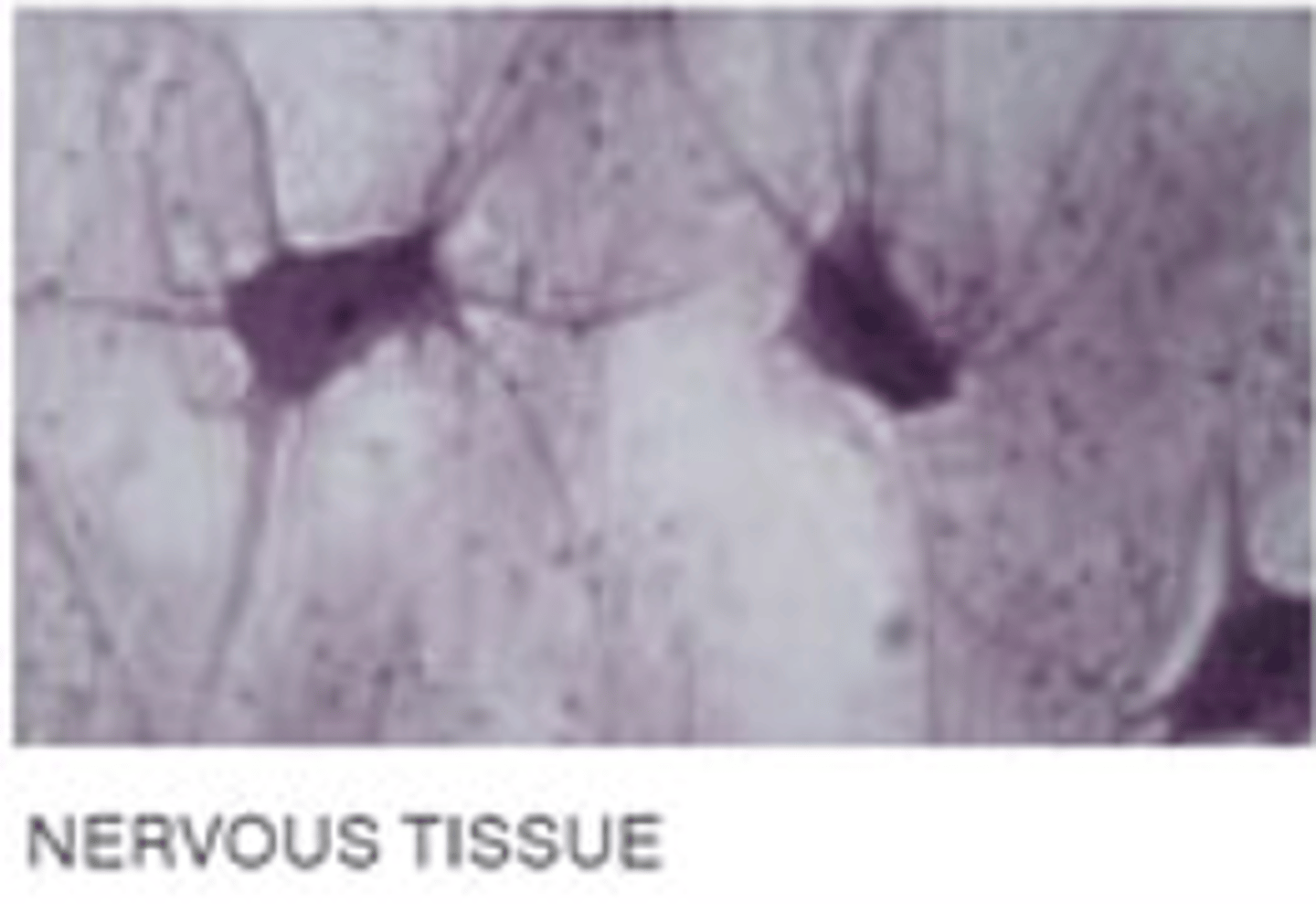
What does nervous tissue do? What does it look like?
receive stimuli and conduct impulses
What is a lever?
A lever is a simple machine made up of:
A rigid bar (bone)
A pivot point (joint or fulcrum)
A force (muscle contraction)
A resistance (body weight, rider, or ground reaction force)
Why are levers important?
Lever mechanics are fundamental to equine locomotion, performance, and injury prevention.
What lever class is best for horses?
Third class bc it maxes speed and limb movement
Muscle groups
Agonist
Antagonist
Synergistic
Stabilizer
Muscle Groups: agonist
Prime mover
Produces the movement
Muscle Groups: antagonist
Opposes and controls the movement
muscle groups: synergist
Assists the prime mover agonist
Muscle groups: stablizer
Holds joints steady during movement
Example of muscle groups: flexion of forelimb
biceps brachial acts as agonist
Triceps brachial is the antagonist
Shoulder stabilizing muscles maintain joint alignment
Balanced muscle function ensures smooth, coordinated movement
What are the things that we palpate in physiotherapy?
bony landmarks, muscle, soft tissue, fascia and skin
What are the parts of remedial exercise?
active, targeted, and tailored
What are the immediate effects of exercise?
muscle contraction, increased blood flow to muscles, rise in muscle temp
What are the long term effects of exercise?
increased bone density, stronger muscle and tendon and ligament tissue, increased joint stability, muscular hypertrophy, higher fatigue threshold. and improvement of proprioception
What is proprioception?
the sense of the relative position of one's own parts of the body and strength of effort being employed in movement
What part of the brain assists in proprioception?
the cerebellum
Involves input from muscle spindles (in skeletal muscle) and Golgi tendon organs (in musculotendinous junction) and the joint capsules.
cerebellum combines this information with input from the vestibular system to create
the overall sense of body position,
movement and acceleration.
What are the steps in order of active rehabilitation?
1. Dynamic assessment
2. choosing exercises that will work
3. deciding on frequency and repetitions
4. rehabilitation timelines
What is bow and string theory?
a theory where contraction of the wall of muscles tenses the bow to create flexion or rounding of the back
What is viscoelasticity?
property of materials that exhibit both viscous and elastic characteristics when undergoing deformation
Via _____, equine tissues highly evolved to store energy, acting as giant elastic bands
viscoelasticity
What is elastic energy (equine)?
the energy that is temporarily stored in elastic tissues, such as tendons and ligaments, when they are stretched during movement.
This stored energy is then released as the tissues recoil, helping to propel the horse forward while reducing the amount of muscular effort required.
(TRUE/FALSE)
Elastic energy allows passive return, no / minimal energy expenditure
TRUE
How are tendons structured?
Collagen, elastin, tenocytes, Extracellular matrix, and Endotenon and epitenon
bundles getting larger and larger
What do tendons connect?
Muscle to bone
What do ligaments connect?
Bone to bone
What is H-wave electrotherapy used for?
analgesic effects, increased blood flow, muscle stimulation, and stimulation to smooth muscle activity in lymphatic vessels
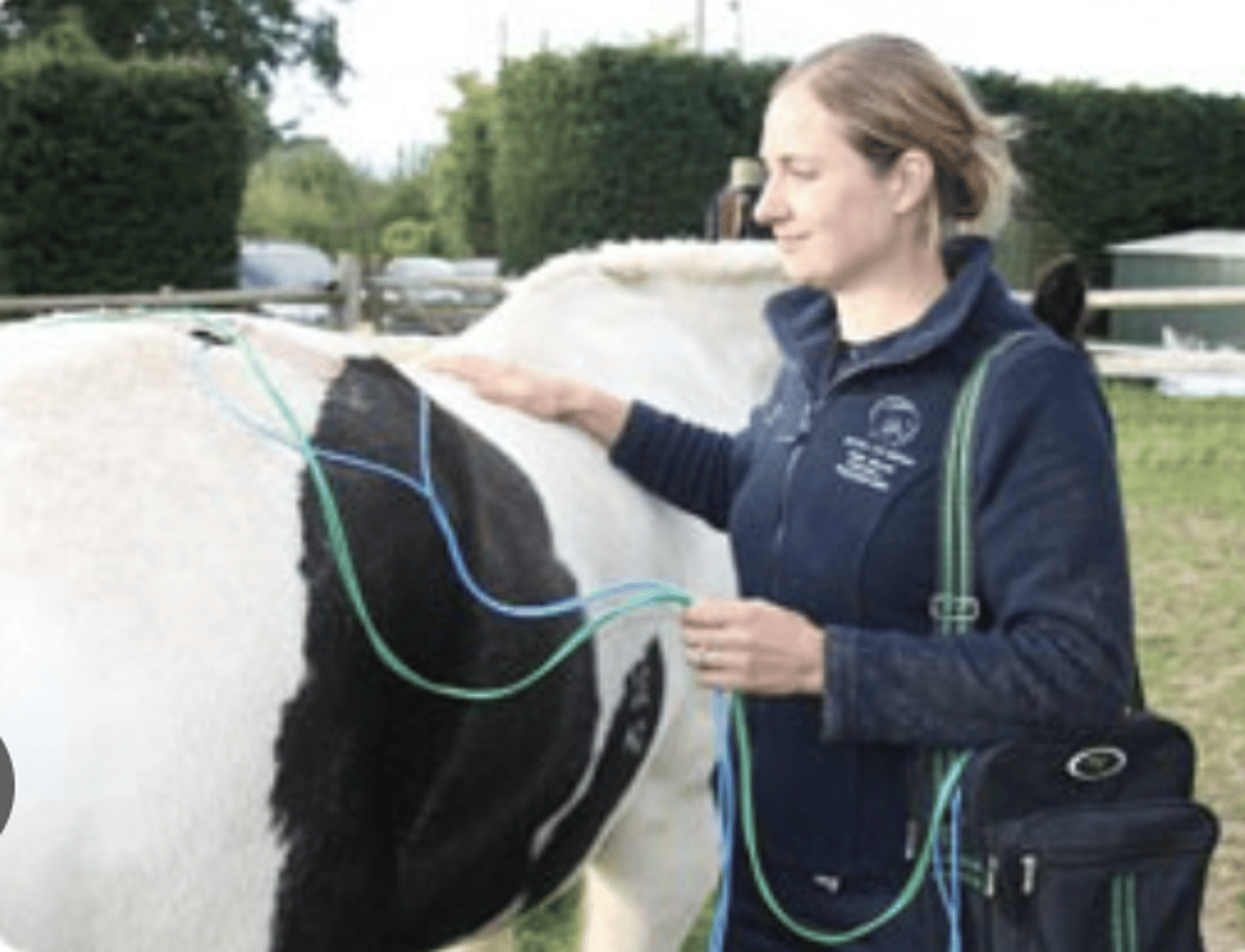
What are the applications for H-wave technology?
helping with sub-acute pain and chronic conditions
In what order down the body do you palpate?
start at the head and work your way down
What are signs of pain on palpation in dogs?
lip licking, squinting, vocalizations, moving away, yawning, holding breath, guarding
What are signs of pain on palpation in horses?
tail swish, ears back, teeth grinding, head tossing, horse grimace scale, change in breathing, rigid stance, muscle tremors, moving away
What tissues palpate the easiest?
skin, muscles, tendons, ligaments, bony landmarks
What does hydrotherapy in general help with?
reduction of load on limbs, strengthening, reduction of atrophy, increase muscle mass, increase cardiovascular fitness, increases ROM, stretches tissues, removes edema, helps circulation, gait help, mental stimulation, pain relief
What are the properties of water in a physiotherapy context?
relative density, buoyancy, hydrostatic pressure, viscosity, surface tension
Relative density
Comparison of the density of an object to the density of an equal volume of water.
Specific gravity (SG) is used to describe the densities of various substances
How does the SG (relative density) in water compare to that of fat and muscle?
Water has a SG of 1, muscle has a SG of 1.1, and fat has a SG of 0.9
What SG sinks? What SG floats?
Object SG >1 will sink
Object SG <1 will float
& multiply by 100 to figure out what % is underwater
What is buoyancy? why is it good?
the upward force on an object when it is immersed in water
Buoyancy makes animals lighter in water, reducing joint loading and enabling therapeutic exercise during rehabilitation.
Centre of gravity and centre of buoyancy relationship
Centre of gravity and centre of buoyancy in same vertical line = equilibrium
Problems arise if the centre of gravity and centre of buoyancy are not on the same vertical line – a turning force will be created.
What is the Archimedes principle?
When a body is completely or partially immersed in a fluid at rest, it experiences an apparent loss of weight equal to the weight of the fluid displaced.
What is hydrostatic pressure? why is it good?
Hydrostatic pressure is the compressive force exerted by water on an immersed body. It increases with depth
can help reduce swelling, improve circulation, and enhance proprioceptive feedback during rehabilitation.
Hydrostatic pressure Effect on animals:
• Aids venous return
• Helps to remove oedema
What is pascal's law?
pressure exerted anywhere in a confined liquid is equal and undiminished in all directions.
Pressure at surface of pool
1 atmosphere and increases by 1 atmosphere for every 10m
What is viscosity? why is it good?
a fluid's resistance to movement due to cohesions and adhesion of the molecules.
, it provides a safe and adjustable form of resistance training, helping to improve strength, control, and function while minimizing stress on joints and injured tissues.
Viscosity _______ as water temperature ________.
Viscosity decreases as water temperature increases
What does turbulence do?
Increase resistance to movement
What is surface Tension & why is it good? contraindications?
Surface tension is the force created by attraction between water molecules at the water's surface.
it increases resistance when limbs enter or leave the water, providing an additional challenge that can be used to enhance strength, limb flexion, and gait training.
More effort is required when swimming with limbs moving out of the water (lower water lvl)
(Weak animals may be able to move limb under the water but cannot lift limb out of the water)
Hydro cardiovascular effects
hydrostatic pressure lead increased venous return and in turn increased cardiac output
heart rate and oxygen uptake is often lower during immersion (at rest and during exercise)
What are reasons to NOT use hydrotherapy?
Open infected wounds, GI upset, temperature, uncontrolled epilepsy, kennel cough and infections, pregnancy, illness
What are some basics for when to use a hydrotherapy pool vs a hydrotherapy treadmill?
Pool: full buoyancy, jets can increase resistance, impact free exercise, cardiovascular fitness
Treadmill: gait re-education, limited buoyancy, higher resistance depending on water level, reduction of impact on joints, less cardiovascular fitness necessary
hydrotherapy summary (relative density, buoyancy, hydrostatic pressure, viscosity, surface tension)
Property | Key Effect | Clinical Use |
Relative Density | Determines whether an animal floats or sinks | Selection of flotation aids |
Buoyancy | Reduces effective body weight | Early post-operative exercise |
Hydrostatic Pressure | Compression effect | Oedema reduction |
Viscosity | Creates resistance to movement | Strengthening |
Surface Tension | Resistance at water surface | Neurological rehabilitation |
swimming vs UWTM comparison chart (compare weight-bearing properties, joint flexion, joint extension, gait patterns, cardiovascular demand, and functional gait training abilities)
Biomechanical Feature | Swimming | Treadmill |
Weight-bearing | Minimal/none | variable |
Joint Flexion | high | Moderate-high |
Joint Extension | reduced | Better maintained |
Gait Pattern | Less controlled | More controlled |
Cardiovascular Demand | high | moderate |
Functional Gait Training | limited | excellent |
what is a open chain exercise?
movement in which the hand or foot is free to move, allowing the limb to move independently through space
(swimming)
biomechanical characteristics of a open chain exercise
Minimal/reduced weight bearing
Reduced joint compression
Greater joint flexion
Increased limb excursion
Greater emphasis on limb propulsion
Lower proprioceptive input from the paw
Less stimulation of normal gait patterns
Clinical Advantages | Clinical Disadvantages |
Useful when weight bearing is painful | It can encourage abnormal movement patterns |
It can be used when joint loading must be minimised | It provides limited gait retraining |
It can be used where early movement is desired | It can result in less functional loading |
It can be used when cardiovascular conditioning is a priority | It can reduce co-contraction around joints |
what is a closed chain exercise?
movements where the distal end of a limb (foot) stays in contact with an immovable surface such as the floor, wall, or a machine
(UWTM)
biomechanical characteristics of a closed chain exercise
Weight bearing
Functional loading
Joint compression
Increased proprioceptive feedback
Functional gait patterning
Greater joint stabilisation
Increased co-contraction of agonist and antagonist muscles around joints
Clinical Advantages (used for…) | Clinical Disadvantages |
Gait retraining | It increases joint loading |
Neurological rehabilitation | It may be less suitable immediately following surgery |
Functional strengthening | It can be more challenging for painful patients |
Dynamic joint stability | |
Improved limb loading symmetry |
Soft tissue mobilization & manipulation therapies include:
massage, myofascial release, trigger point release
Joint mobilisation & manipulation therapies include:
passive range of motion, stretching, and joint mobilization
What is the self-pertaining muscle spasm cycle?
Pain -> muscle spasm -> reduced circulation/toxin accumulation -> oedema -> adhesions -> muscle shortening
When do you use massage therapy and for what?
with sub-acute and chronic tissue repair phases to improve circulation and drainage, desensitize area, release endorphins, etc
Main 3 receptors
Muscle spindles
Golgi tendon organs
Joint receptors

(TRUE/FALSE)
Pressure of massage creates pressure gradients between tissue spaces and vessels
True (flushing effect)
When not to massage?
Dehydration
• Haemorrhage
• Infection
• Persistent unidentified pain • Skin conditions
• Generalised illness
• Aggressive animal (can do it, be cautious)
• Open wounds
• Fever
• Shock
• Inflammation
• Pregnancy (positioning)
What massage technique do you start and end with?
Effleurage
What does effleurage do?
reduces muscle spasms secondary to pain, increases circulatory flow, reduces oedema, calming, warm muscles and removes metabolic waste
What is Petrissage and what does it help with?
“Kneading”
inc lymph flow, reduced muscle tension, mobilization of scar tissue, mobilization of adhesions
What is skin rolling for?
Flash of signals throughout fascia stimulating autonomic cutano- visceral reflexes
(TRUE/FALSE)
By restricting blood flow and then releasing pressure, the circulation increases, and this is thought to help decrease tone when you are doing the compressions technique
TRUE
What is friction used for as a physiotherapy technique?
To create local inflammatory response, break down scar tissue, and break down adhesions
What is tapotement/cupping used for as a physiotherapy technique?
to increase circulation, relieve muscle spasms, remove lung secretions
What is wringing for?
Circulatory and lymph vessel compression
What is compression for?
By restricting blood flow (hold for 15 sec) and then releasing pressure, the circulation increases, and this is thought to help decrease tone
ROM types
Passive ROM
Active ROM
Active assisted ROM
Active resisted ROM
Resisted ROM
What is passive range of motion?
movement induced by someone other than the patient (without muscle contraction) to retain & encourage function of a nerve/muscle that isn't working normally because of injury/disease
When is passive range of motion used as a technique?
conducted within the sub-acute and chronic stages of tissue repair
Essential for the maintenance of synovial joint nourishment
What animals can you not use ROM for? Contraindications?
hypermobility, non-ossified joints like the ones on puppies, total joint replacements, pregnancy, does not prevent atrophy
Contraindications:
If motion further injury / instability
Acute inflammatory conditions or infective arthritis
Severe pain / severe spasm
what is Tightness in muscles?
Mild shortening of a musculo-tendinous unit with no specific pathology
What muscles are susceptible?
Muscles spanning 2 joints = susceptible
What is stretching?
elongation of elastic component of musculo-tendinous unit
When is stretching conducted?
Conducted within the sub-acute and chronic stages of tissue repair
Elastic deformation
tissue returns to normal resting length after stretch completed
Stretching occurs within normal physiological limits of tissue
Plastic deformation
permanent deformation remains after stretch completed = plastic deformation
Stretching tissue beyond limit
Acute effect of stretching
an immediate elongation of the elastic component of the musculotendinous unit
What are the types of stretching?
static stretching, prolonged mechanical passive stretching, ballistic stretching, proprioceptive neuromuscular facilitation
What is static stretching?
stretch that is maintained in a comfortable position for a set amount of time
can be SPECIFIC or GENERAL LIMB stretches
What is prolonged mechanical passive stretching?
stretching via mechanical device