PCB 3703 Lab Exam 2
 Call Kai
 Learn
Learn Practice Test
 Spaced Repetition
 Match
Match Flashcards
 Knowt Play
1/38

There's no tags or description
Looks like no tags are added yet.
Name | Mastery | Learn | Test | Matching | Spaced | Call with Kai | Chat |
|---|
No analytics yet
Send a link to your students to track their progress
39 Terms
distinguishing properties of cardiac muscle tissue
-striated
-branch into quadrangular shapes
-contain single nucleus (sometimes binucleated)
-intercalated discs
location of heart
-between 2nd and 5th intercostal space
-in mediastinum of thoracic cavity between left and right lungs
path of blood flow through the heart
-super vena cava
-inferior vena cava
-coronary sinus
-right atrium
-tricuspid valve
-right ventricle
-pulmonary semilunar valve
-pulmonary trunk
-pulmonary artery
-lungs
-pulmonary capillaries
-pulmonary veins
-heart
-left atrium
-mitral valve
-left ventricle
-aortic semilunar valve
-aorta
-systemic capillaries
-body
semilunar valves
prevent backflow into the ventricles when ventricles relax
atrioventricular valves
prevents back flow into atria when ventricles contract
pulmonary valves
controls blood flow of deoxygenated blood from right side of the heart into pulmonary trunk
tricuspid valve
right side between right atrium and right ventricle
aortic valve
regulates oxygenated blood flow from left side of the heart into aorta
bicuspid valve
left side between left atrium and ventricle
pulmonary circuit
-blood vessels that carry blood to and from the lungs
-receives oxygen poor blood, pumps blood to the lungs to pick up oxygen and dispel CO2
systemic circuit
-blood vessels that transport blood to and from all body tissues
-receives oxygenated blood returning from the lungs, pumps this blood throughout body
coronary circuit
?
similarities between veins and arteries
-tunica adventila: protects blood vessel
-tunica media: helps blood vessels basal dilate and basal constrict
-tunica intima: interior made of endothelial cells
differences between veins and arteries
-tunica media thicker in arteries because of higher BP
-elastic connective tissue in arteries to help with flexibility
-valve in veins to help support low BP and prevent backflow
-bigger lumen in veins
-skeletal muscle pump helps bring blood blowback to heart
S1 "lub"
-first sound
-produced by turbulent blood flow through the AV valves
S2 "dub"
-second sound
-produced by turbulent blood flow through the semilunar valves
Areas of Auscultation
tricuspid, bicuspid (mitral), primary pulmonic, secondary pulmonic, aortic
Bradycardia
<60 bpm
tacchycardia
>100bpm
atrial flutter (A-Flutter)
Consecutive atrial depolarization waves or "flutter" waves
"Saw-tooth" appearance
Different ratios (2:1, 3:1, 4:1) possible
Atrial Fibrillation (A-Fib)
-caused by ectopic atrial foci firing at rapid rates
-no distinguishable p waves bc atria is sending impulses erratically
-irregualar QRS response
-irregular distance
Ventricular tachycardia (V-tach)
-wide QRS complexes
-p wave generally blends within QRS
-widening of QRS
Ventricular fibrillation (V-fib)
-cardiac arrest
-no effective pumping/circulation
-erratic, rapid twisting of the ventricles
-immediate CPR and defibrillation
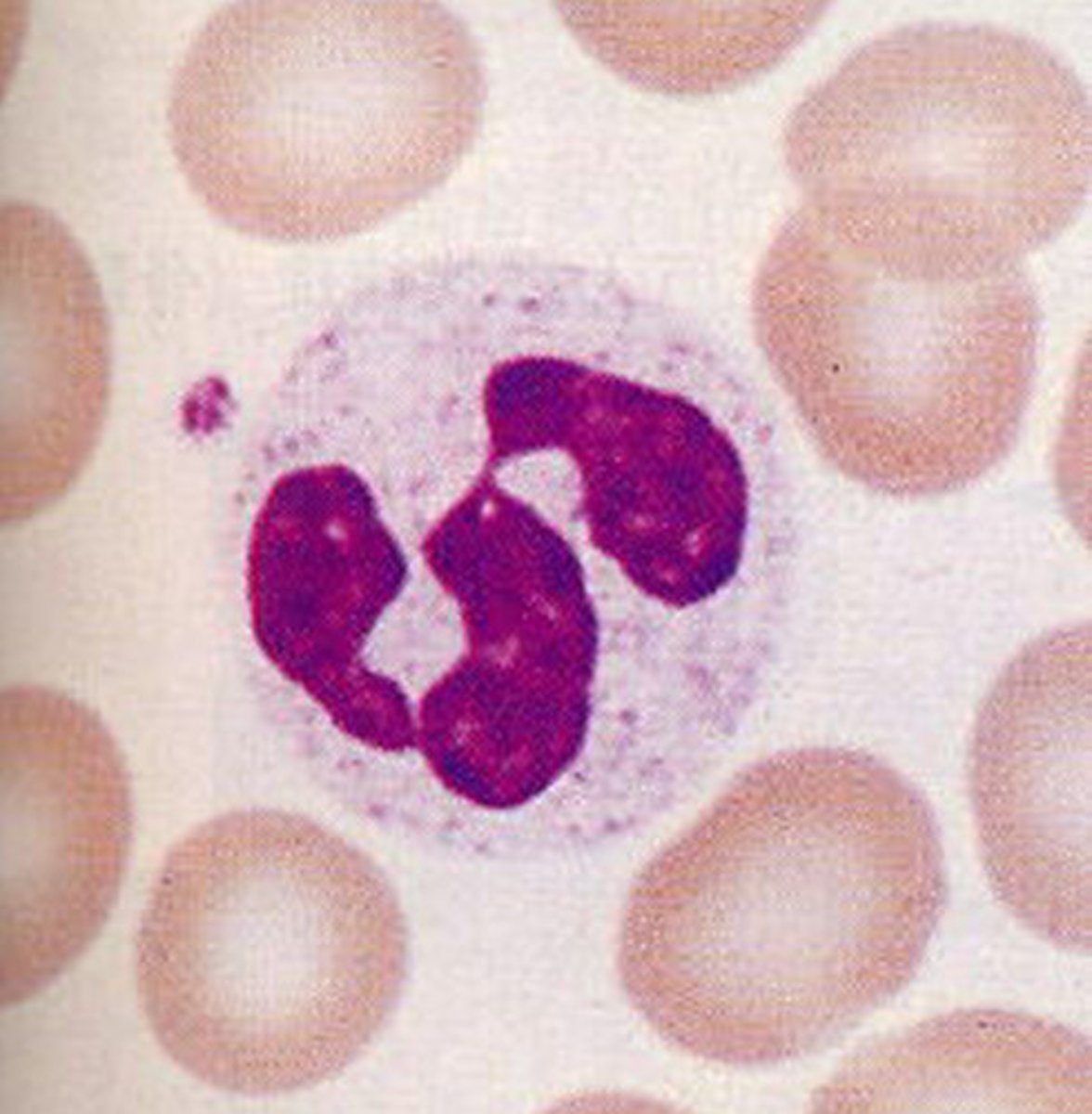
Neutrophils
-granulocytes that stain with a neutral dye and are the most numerous of the leukocytes; especially active against bacteria
-most common
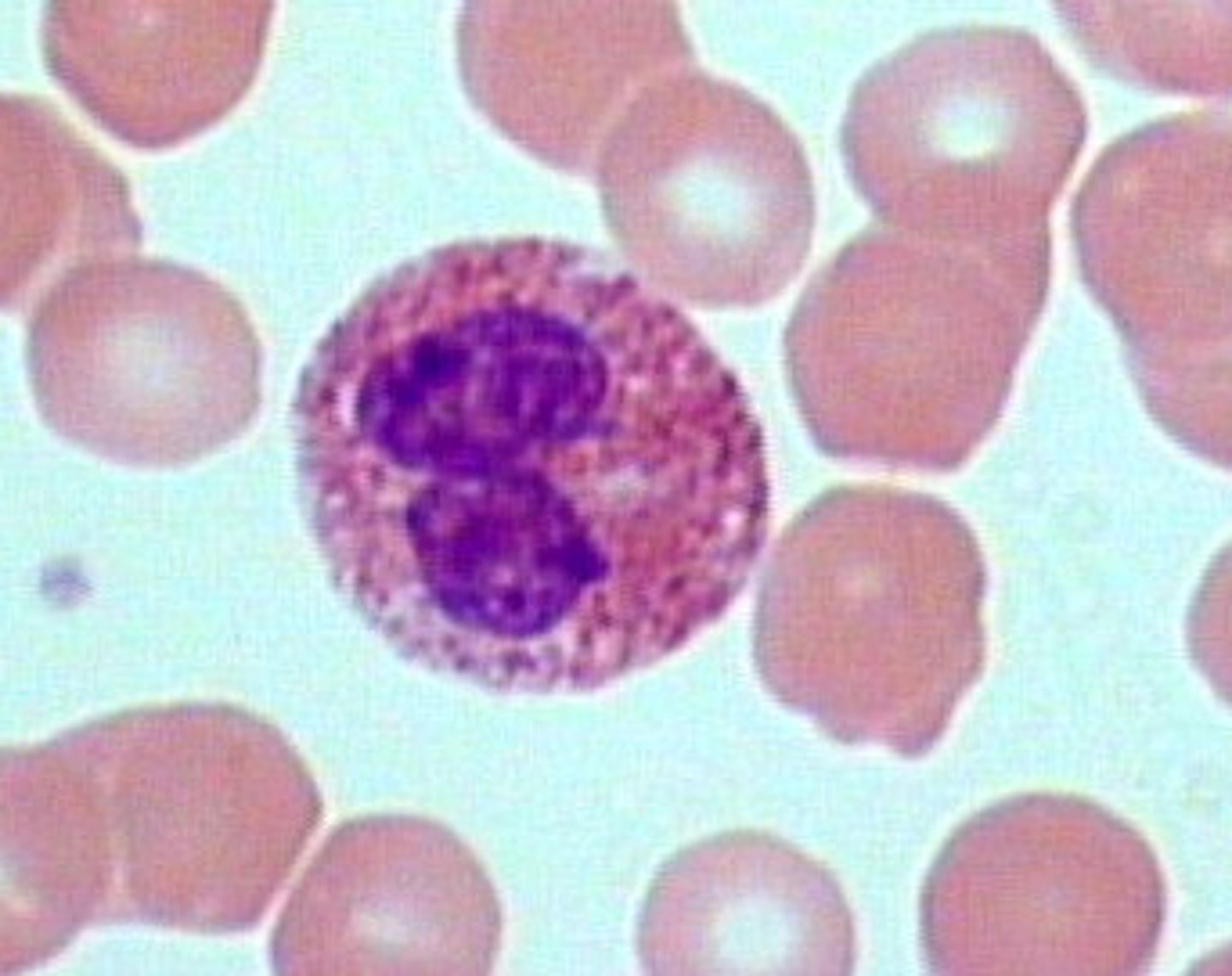
Eosinophils
-a white blood cell containing granules that are readily stained by eosin.
-phagocytic, attack parasites
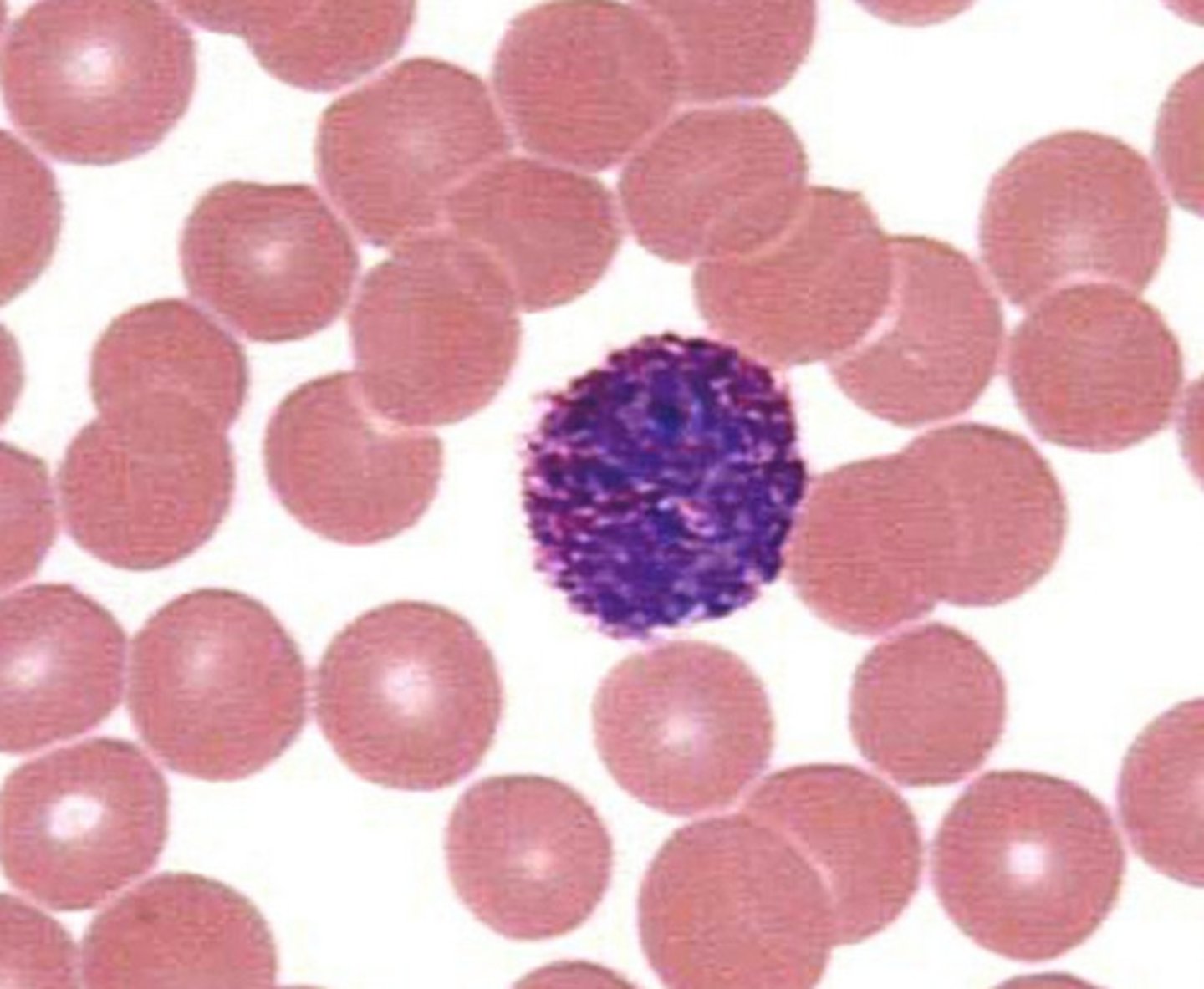
Basophils
-most rare
-very prominent, dark purple blue cytplasmic granule
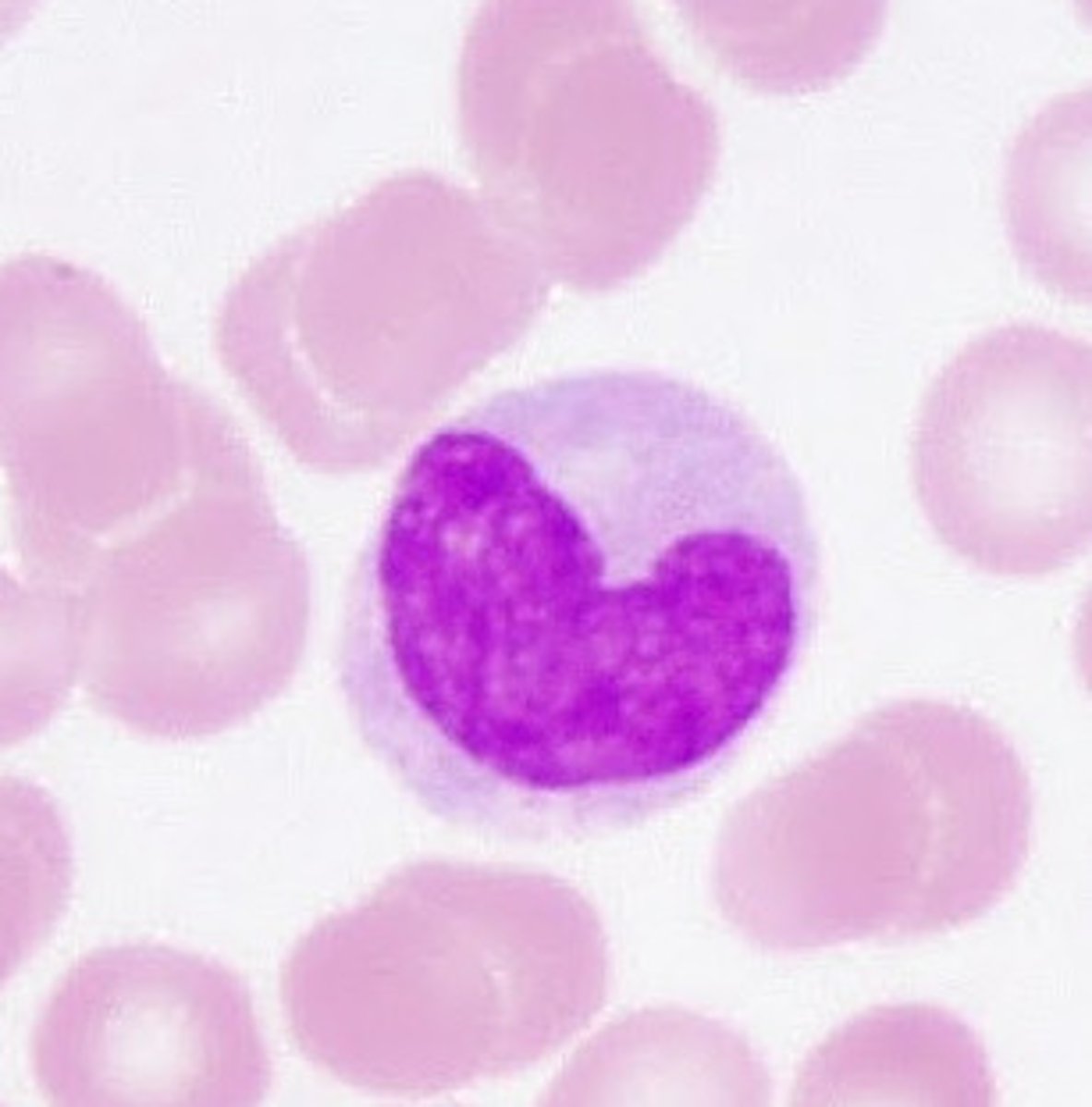
Monocytes
-An agranular leukocyte that is able to migrate into tissues and transform into a macrophage.
-largest leukocyte
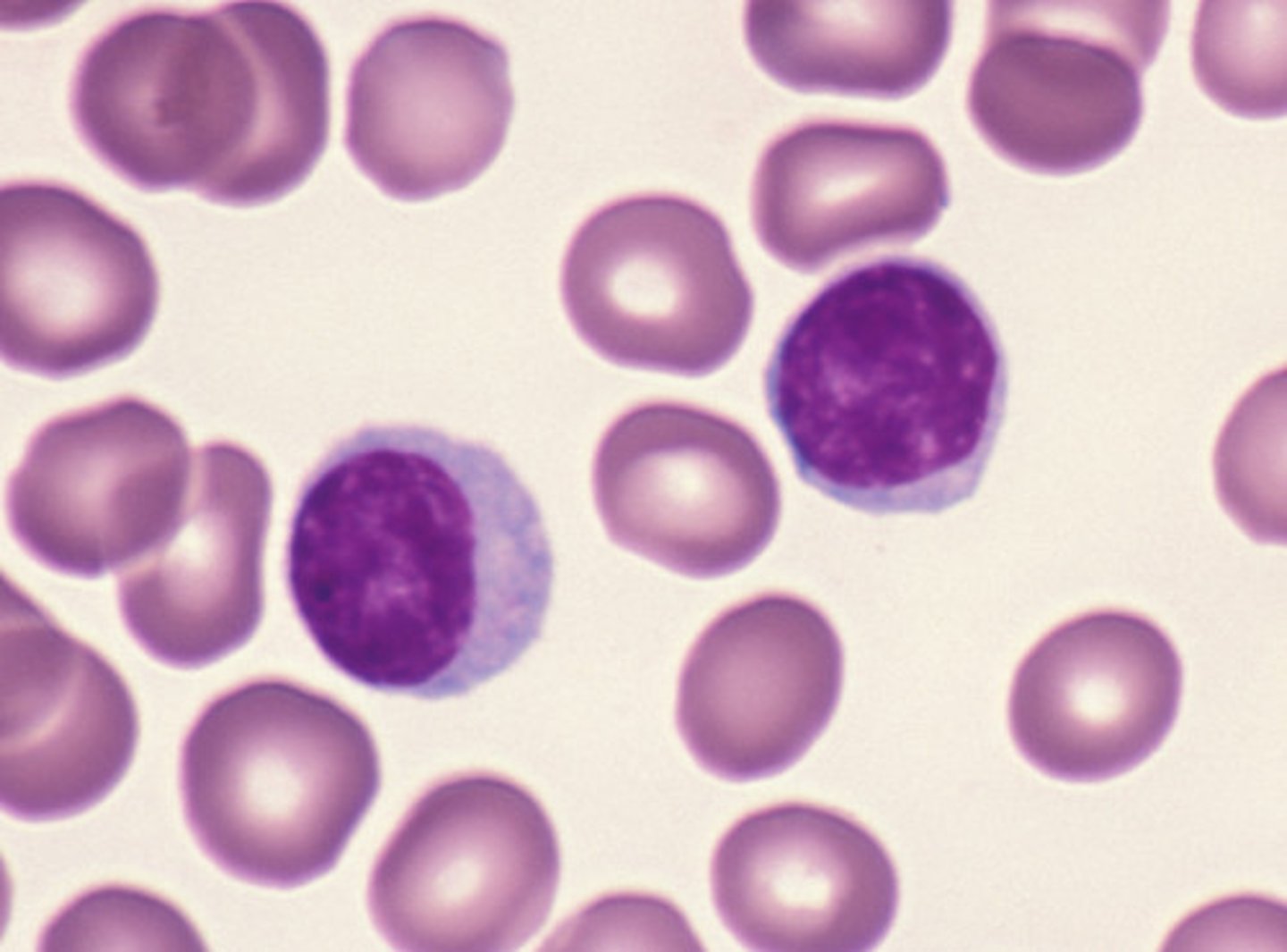
Lymphocytes
The two types of white blood cells that are part of the body's immune system: B lymphocytes form in the bone marrow and release antibodies that fight bacterial infections; T lymphocytes form in the thymus and other lymphatic tissue and attack cancer cells, viruses, and foreign substances.
anemia
-inability of erythrocytes to deliver the needed amount of oxygen to the cells
-insufficient erythrocytes of inability of erythrocytes to bind to oxygen
Polycythemia
excess of red blood cells
hemolytic disease
Rh incompatibility of mother and second child
albumin
-maintains osmotic pressure
-helps water from diffusing out of the bloodstream
globulin
-alpha and beta: transport lipids and fat soluble vitamins
-fibrinogen: blood clotting
Antigen
found in the surface of cells to help the immune system recognize self cells
-help recognize self cells
antibodies
secreted by lymphocytes in response to foreign cells or antigens
-foreign cells
Group A
-A antigens on RBC
-B antibody in plasma
-cant have B or AB blood
-can have A or O
Group B
-B antigen on RBC
-A antibodies in plasma
-cant have A or AB blood
-can have B or O
Group AB
-A and B antigen
-no antibody
-can have any blood
-universal recipient
Group O
-no antigen
-A and B antibody
-Universal donor