Rules of the Road
 Call Kai
 Learn
Learn Practice Test
 Spaced Repetition
 Match
Match Flashcards
 Knowt Play
1/44

There's no tags or description
Looks like no tags are added yet.
Name | Mastery | Learn | Test | Matching | Spaced | Call with Kai | Chat |
|---|
No analytics yet
Send a link to your students to track their progress
45 Terms
School zone speed limit
20 mph (unless otherwise states)
Thickly settled or business district speed limit
30 mph (unless otherwise stated, e.g a 25mph speed limit sign)
Outside a thickly settled or business district speed limit
40 mph
On a highway outside a thickly settled or business district speed limit
50 mph
Flashing red circle (traffic signal)
same as stop sign. come to a complete stop, obey right of way and proceed when safe
flashing yellow circle (traffic signal)
warning sign, proceed with caution
Red traffic sign
stop or prohibition
Green traffic sign
direction, shows where you can go
Yellow traffic sign
general warning
Black/white traffic sign
regulation
Blue traffic sign
motorist service (gas, food, or hotels), evacuation route
Brown traffic sign
recreational, historic, or scenic site
Orange traffic sign
construction or mainetennce warning
Fluorescent (adolescent) yellow-green traffic sign
school zone, biycle, pedestrian, and curve warning
Fluorescent pink traffic sign
incident management signs
Purple traffic sign
electronic toll collection signs
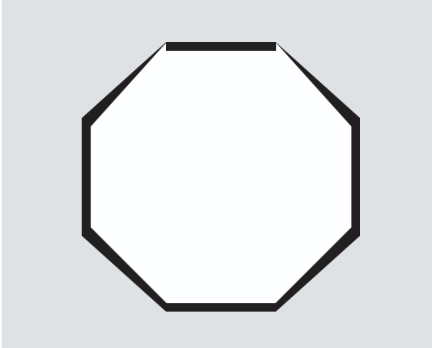
stop
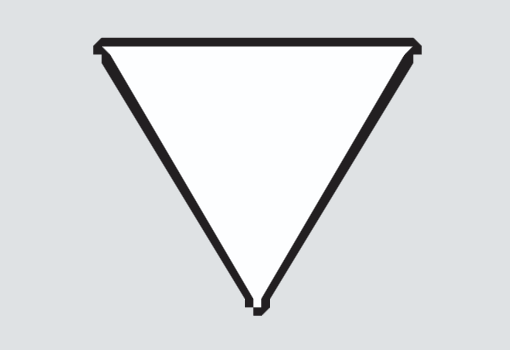
yield
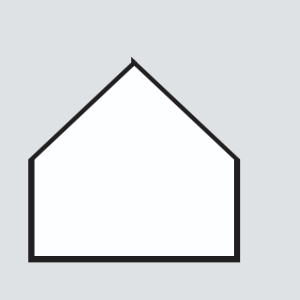
School zone
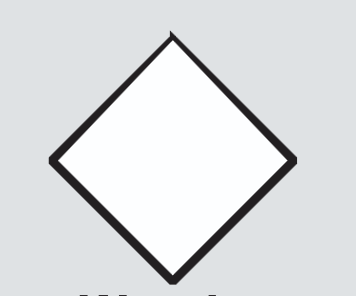
warning

guide/information
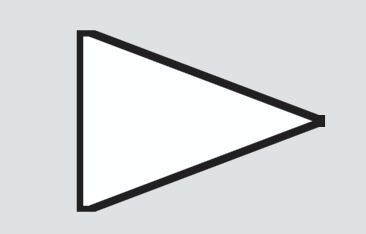
no passing zone
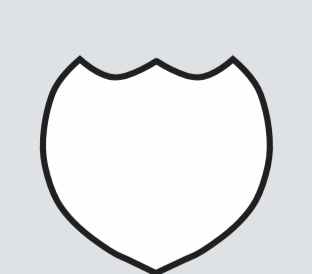
interstate highway

railroad crossing

regulation
White lane lines
Separate lines of traffic moving in the same direction. May also mark the right edge of pavement
Broken white line (lanes)
Separate lanes of traffic going in the same direction. You can cross this line when changing lanes
Solid white line (lanes)
Marks the right edge of the roadway or separates lanes of traffic traveling in the same direction, including bicycle lanes. Do not cross this line unless you need to avoid danger
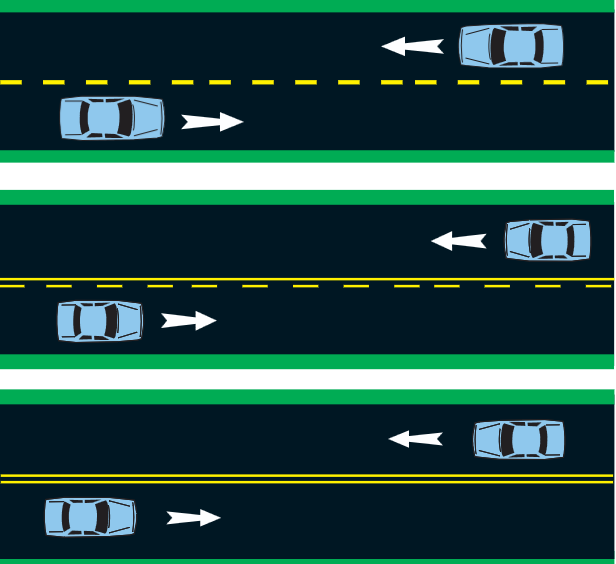
Yellow lane lines
Separate lanes of traffic moving in opposite directions. Single yellow lines
may also mark the left edge of the pavement on divided highways and one-way streets.
Broken yellow line (lanes)
May cross this line temporarily when passing a car in front. Stay to the right of the line, unless you are passing a vehicle in front of you.
Double yellow lines - one solid, one broken (lanes)
If the solid line is closer to you, you cannot cross the lines. If the broken line is closer to you, you can only cross the line to pass another vehicle when it is safe to do so.
Double yellow lines - both solid (lanes)
Prohibit vehicles from crossing them to pass another vehicle. You may not cross these lines, unless turning left when it is safe to do so.
Turning left manual signal
Arm out and extended

Turning right manual signal
arm bent 90 degrees up

Slowing down/stopping manual signal
hand bent down at an angle
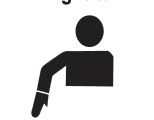
Parking uphill with a curb, wheels should be:
Away from the curb
Parking downhill with a curb, wheels should be:
Towards the curb
Parking downhill without a curb, wheels should be:
Towards the curb
Parking uphill without a curb, wheels should be:
Towards the curb