Non Fermenter part 2
 Call Kai
 Learn
Learn Practice Test
 Spaced Repetition
 Match
Match Flashcards
 Knowt Play
1/71

There's no tags or description
Looks like no tags are added yet.
Name | Mastery | Learn | Test | Matching | Spaced | Call with Kai | Chat |
|---|
No analytics yet
Send a link to your students to track their progress
72 Terms
Burkholderia spp. Gram stain
Gram-negative rods
Oxygen requirement of Burkholderia spp.
Obligate aerobes
Major virulence factor of Burkholderia spp.
Polysaccharide capsule
Burkholderia mallei causes
Equine glanders
Primary host of Burkholderia mallei
Horses and other equids
Other susceptible hosts of Burkholderia mallei
Humans cats and dogs
Main route of transmission of Burkholderia mallei
Ingestion of contaminated food and water
Other routes of Burkholderia mallei transmission
Inhalation and breaks in the skin
Burkholderia mallei primarily causes
Chronic disease
Characteristic lesion of glanders
Caseous abscesses
Hypersensitivity develops to
Burkholderia mallei protein
Importance of glanders
Highly contagious often fatal zoonotic and reportable disease
Glanders is listed by
World Organisation for Animal Health (WOAH)
Why is Burkholderia mallei considered a potential bioterrorism agent?
High virulence and aerosol infectivity
Three clinical forms of glanders
Nasal pulmonary and cutaneous (farcy)
Nasal form of glanders is characterized by
Nodular lesions and ulcers of the nasal septum
Pulmonary form of glanders is characterized by
Pulmonary nodules and abscesses
Cutaneous form of glanders is called
Farcy
Farcy is characterized by
Lymphangitis with discharging abscesses along lymphatic vessels
Diagnostic test for glanders
Mallein test
Mallein test is based on
Delayed hypersensitivity reaction
Mallein test is performed by
Intrapalpebral injection of 0.1 mL Burkholderia mallei glycoprotein
Positive mallein test
Eyelid swelling with purulent ocular discharge
Mallein test is read
More than 24 hours after injection
Burkholderia pseudomallei causes
Melioidosis (Pseudoglanders)
Habitat of Burkholderia pseudomallei
Soil water and vegetation
Other hosts of Burkholderia pseudomallei
Humans and domestic animals
Transmission of Burkholderia pseudomallei
Inhalation ingestion or breaks in the skin
Septicemic melioidosis is characterized by
Abscesses in multiple organs
Chronic melioidosis resembles
Glanders
Why should veterinarians recognize Burkholderia spp.?
Several species are zoonotic and important biological threat agents
Laboratory handling of Burkholderia requires
Enhanced biosafety precautions
Genus Bordetella characteristics
Small Gram-negative rods
Natural habitat of Bordetella spp.
Upper respiratory tract
Bordetella species are primarily
Commensals of the upper respiratory tract
Some Bordetella species act as
Opportunistic respiratory pathogens
Major adhesins of Bordetella bronchiseptica
Pertactin filamentous hemagglutinin and fimbriae
Tracheal cytotoxin causes
Ciliostasis (loss of movement of cilia)
Adenylate cyclase-hemolysin inhibits
Chemotaxis phagocytosis and intracellular killing
Dermonecrotic toxin causes
Vasoconstriction
Osteotoxin destroys
Osteoblasts
Bordetella bronchiseptica causes
Canine infectious tracheobronchitis (Kennel cough)
Other important pathogens in kennel cough
Canine adenovirus-2 and canine parainfluenza virus-2
Kennel cough is
Highly contagious
Recovered dogs shed Bordetella bronchiseptica for
Several months
Characteristic cough of kennel cough
Dry nonproductive paroxysmal cough
Other clinical signs of kennel cough
Rhinitis (inflammation and swelling of the mucous membrane lining the nose) , conjunctivitis and nasal discharge
Vaccination against kennel cough includes
Bordetella bronchiseptica canine adenovirus-2 and canine parainfluenza virus-2
Bordetella avium causes
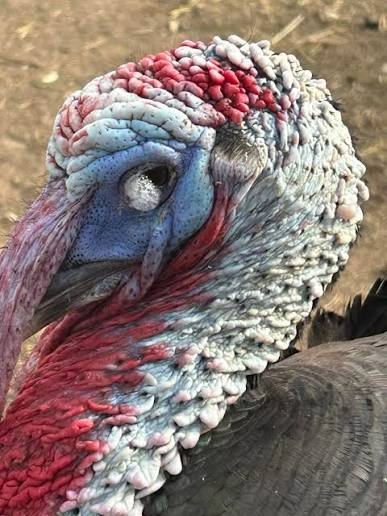
Turkey coryza
Primary host of Bordetella avium
Young turkeys 4-5 weeks of age or younger
Transmission of Bordetella avium
Inhalation and ingestion of contaminated feed or water
Bordetella avium colonizes
Tracheal epithelium
Effect of Bordetella avium toxin
Loss of cilia epithelial destruction tracheal damage and collapse
Common complication of turkey coryza
Secondary bacterial infections
Clinical signs of turkey coryza
Conjunctivitis nasal discharge coughing dyspnea and foamy watery eyes
Mortality of turkey coryza
0% to greater than 40%
Diagnosis of turkey coryza
Microagglutination and ELISA
Vaccination for turkey coryza
Bacterin and temperature-sensitive vaccine
Porcine nonprogressive atrophic rhinitis is caused by
Bordetella bronchiseptica
Porcine nonprogressive atrophic rhinitis occurs in
Pigs younger than 16 weeks
Characteristic lesion of nonprogressive atrophic rhinitis
Mild turbinate atrophy without distortion of the snout
(small, scroll-shaped bones inside the nasal passages are slightly shrunken or thinned)
Pathogenesis of nonprogressive atrophic rhinitis
Attachment to nasal epithelium followed by toxin-mediated osteopathy and hypoplastic rhinitis
Clinical signs of nonprogressive atrophic rhinitis
Sneezing coughing and mild turbinate atrophy followed by regeneration
Complications of nonprogressive atrophic rhinitis
Increased incidence of pneumonia and poor feed conversion efficiency
Progressive atrophic rhinitis requires coinfection with
Toxigenic Pasteurella multocida
Characteristic lesion of progressive atrophic rhinitis
Twisting of the snout
Serologic tests for Bordetella bronchiseptica
ELISA and agglutination
Vaccines for Bordetella bronchiseptica
Bacterin toxoid or toxoid-bacterin
Best clue for Burkholderia mallei
Horse with glanders diagnosed by the mallein test
Best clue for Burkholderia pseudomallei
Melioidosis with multiple organ abscesses
Best clue for Bordetella bronchiseptica
Kennel cough and nonprogressive atrophic rhinitis
Best clue for Bordetella avium
Turkey coryza in young turkeys