Cell biology
 Call Kai
 Learn
Learn Practice Test
 Spaced Repetition
 Match
Match Flashcards
 Knowt Play
1/23

There's no tags or description
Looks like no tags are added yet.
Name | Mastery | Learn | Test | Matching | Spaced | Call with Kai | Chat |
|---|
No analytics yet
Send a link to your students to track their progress
24 Terms
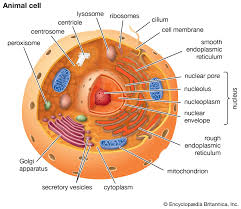
eukaryotic cells characteristics
larger in size, unicellular or multicellular, linear DNA, diploid chromosomes, have membrane enclosed organelles, divide by mitosis and reproduce sexually and asexually
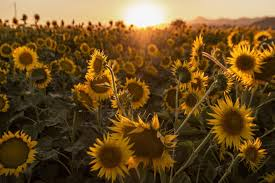
examples of eukaryotes
animal and plant cells
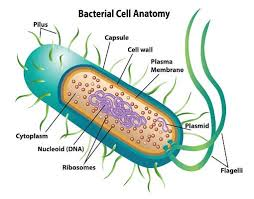
prokaryotic cells characteristics
smaller in size, unicellular, absent nucleus, DNA is circular, haploid chromosomes, no membrane enclosed organelles, divide by binary fission, reproduce sexually and asexually
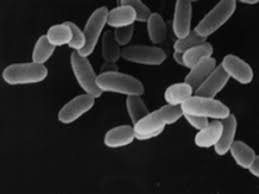
examples of prokaryotes
bacteria and archaea cells
double membrane structures
nucleus, mitochondria, chloroplasts
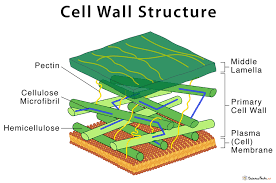
cell wall characteristsics and functions
cellulose and lignin, freely permeable, provides strength, shape and structural support, prevents cell from bursting
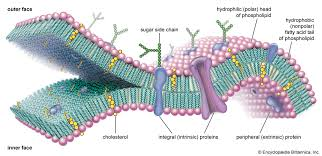
plasma membrane characteristics and functions
lipid bilayer with proteins and sterols, semi permeable, controls transport of materials entering and exiting the cell
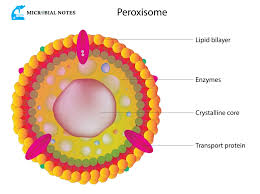
peroxisome characteristics and functions
contains enzymes that convert hydrogen proxide to water, detoxes alcohol and harmful compounds
mitochondria functions
provides energy via cellular respiration
golgi apparatus functions
modifies and packages proteins and lipids, performs exocytosis
exocytosis
when golgi apparatus sends a vesicle bound protein outside the cell
ribosomes functions
translates mRNA into protein
endoplasmic reticulum functions
synthesises lipids and carbs
rough endoplasmic reticulum functions
modifies proteins, sends them to golgi apparatus
chloroplasts functions
site of photosynthesis
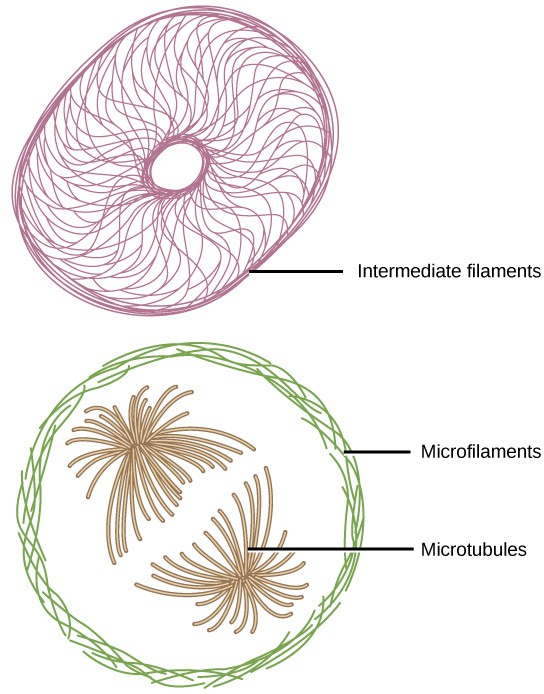
cytoskeleton characteristics and functions
microfilaments, intermediate filaments, microtubules, supports the plasma membrane, holds organelles in place
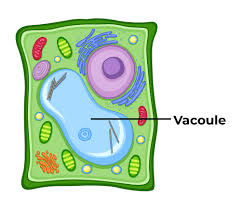
vacuole charcateristics and functions
tonoplast membrane, osmotic regulation, turgor pressure, storage and breakdown of waste products
nucleus characteristics and functions
composed of chromatin, nucleolus, nuclear pores, nuclear envelope, site of DNA and RNA synthesis, processing, transcription
lysosome characteristics and functions
hydrolytic enzymes, self destructs via apoptosis if the cell is damaged beyond repair, digests obsolete components of the cell via phagocytosis
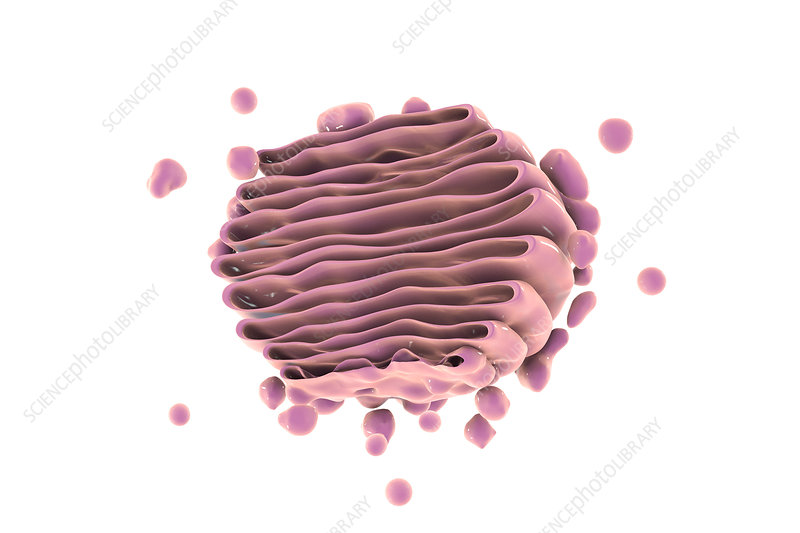
difference between golgi apparatus trans and cis face
materials enter through cis face, materials exit throuhh trans face
sites of transcription in the cell
nucleus, mitochondria, chloroplast
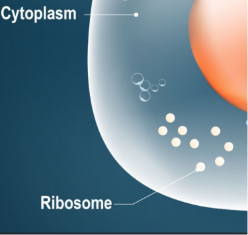
free ribosomes function
synthesise internal proteins
organelles with internal proteins
cytoplasm, nucleus, mitochondria, peroxisome (glycolytic enzyme)
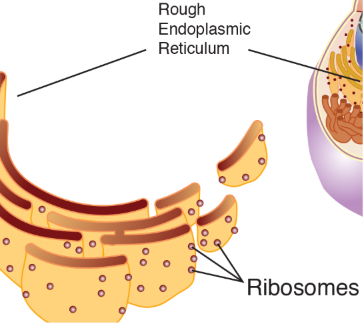
bound ribosomes function
synthesise proteins destined for export out of the cell