BoO Ch. 28 - Protists
 Call Kai
 Learn
Learn Practice Test
 Spaced Repetition
 Match
Match Flashcards
 Knowt Play
1/40

There's no tags or description
Looks like no tags are added yet.
Name | Mastery | Learn | Test | Matching | Spaced | Call with Kai | Chat |
|---|
No analytics yet
Send a link to your students to track their progress
41 Terms
Alga
A general term for any species of photosynthetic protist, including both unicellular and multicellular forms; species are included in three eukaryote supergroups (Excavata, SAR, and Archaeplastida)
Alternation of generations
A life cycle in which there is both a multicellular diploid form, the sporophyte, and a multicellular haploid form, the gametophyte; characteristic of plants and some algae.
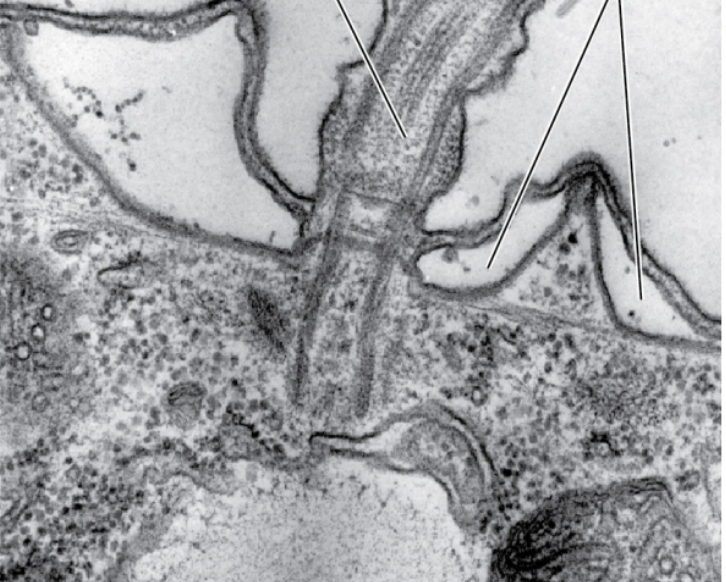
Alveolates
One of the three major subgroups for which the SAR eukaryotic supergroup is named. This clade arose by secondary endosymbiosis, and its members have membrane-enclosed sacs (alveoli) located just under the plasma membrane
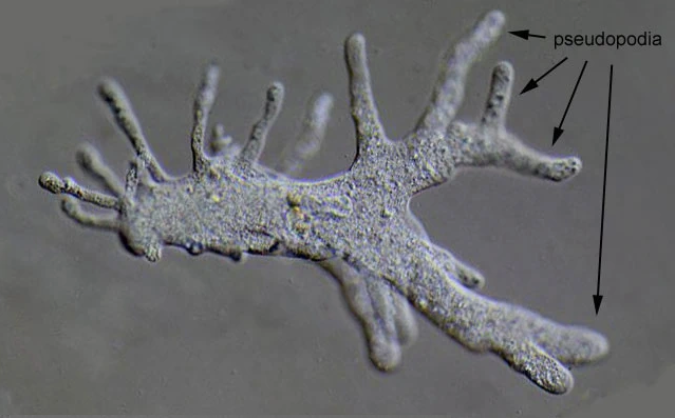
Amoeba
A protist characterized by the presence of pseudopodia

Amoebozoan
A protist in a clade that includes many species with lobe- or tube-shaped pseudopodia
Apicomplexan
A group of alveolate protists, this clade includes many species that parasitize animals. Some apicomplexans cause human disease
Archaeplastida
One of four supergroups of eukaryotes proposed in a current hypothesis of the evolutionary history of eukaryotes. This monophyletic group, which includes red algae, green algae, and plants, descended from an ancient protistan ancestor that engulfed a cyanobacterium
Blade
A leaflike structure of a seaweed that provides most of the surface area for photosynthesis

brown alga
A multicellular, photosynthetic protist with a characteristic brown or olive color that results from carotenoids in its plastids. Most are marine, and some have a plant-like body

Cercozoan
An amoeboid or flagellated protist that feeds with threadlike pseudopodia
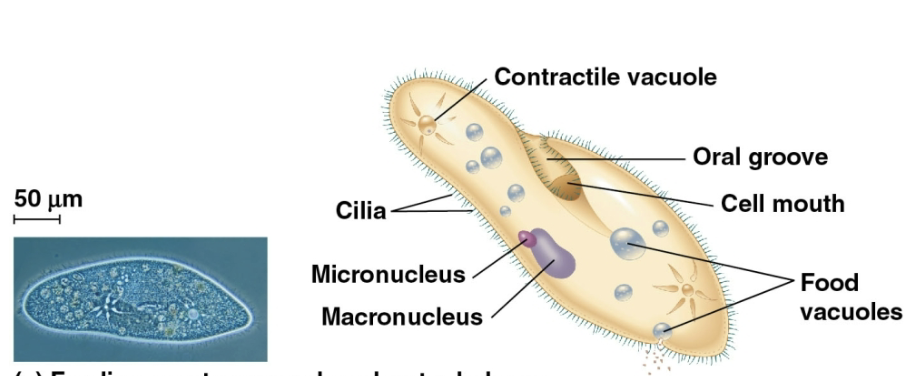
Ciliate
A type of protist that moves by means of cilia
Conjugation
In ciliates, a sexual process in which two cells exchange haploid micronuclei but do not reproduce
Consumer
An organism that feeds on producers, other consumers, or nonliving organic material
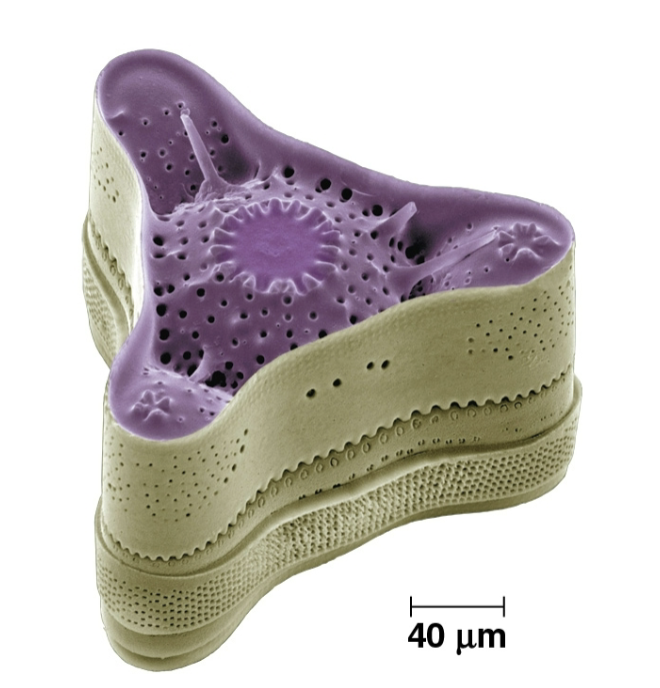
Diatom
hotosynthetic protist in the stramenopile clade; have a unique glass-like wall made of silicon dioxide embedded in an organic matrix

Dinoflagellate
A member of a group of mostly unicellular photosynthetic algae with two flagella situated in perpendicular grooves in cellulose plates covering the cell

Diplomonad
A protist that has modified mitochondria, two equal-sized nuclei, and multiple flagella
Endosymbiosis
A relationship between two species in which one organism lives inside the cell or cells of another organism; The theory that mitochondria and plastids originated as prokaryotic cells engulfed by a host cell. The engulfed cell and its host cell then evolved into a single organism
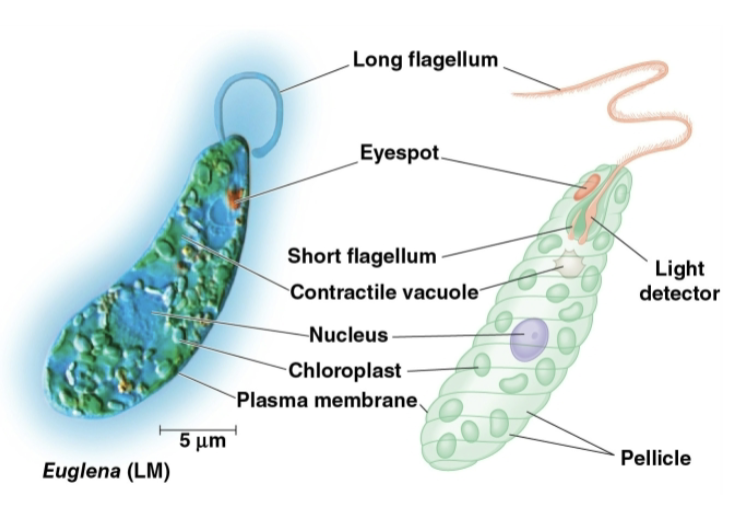
Euglenid
A protist characterized by an anterior pocket from which one or two flagella emerge
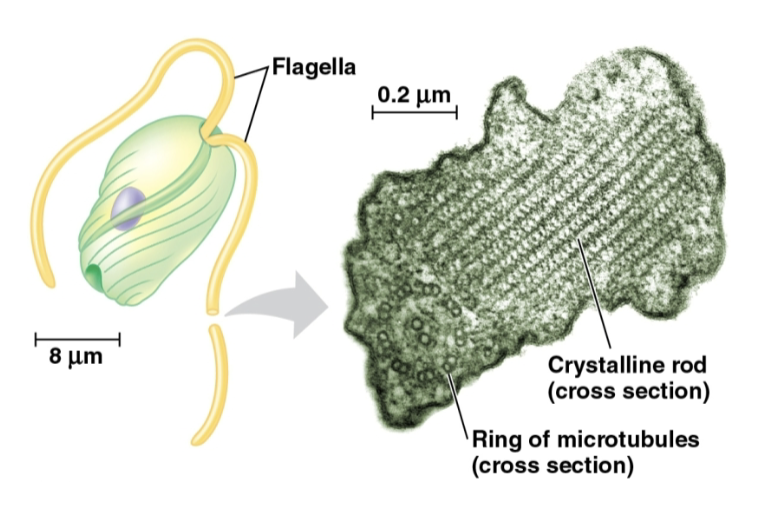
Euglenozoan
A member of a diverse clade of flagellated protists that includes predatory heterotrophs, photosynthetic autotrophs, and pathogenic parasites.
Excavata
One of four super-groups of eukaryotes proposed in a current hypothesis of the evolutionary history of eukaryotes; have unique cytoskeletal features, and some species have an “excavated” feeding groove on one side of the cell body

foram (foraminiferan)
An aquatic protist that secretes a hardened shell containing calcium carbonate and extends pseudopodia through pores in the shell
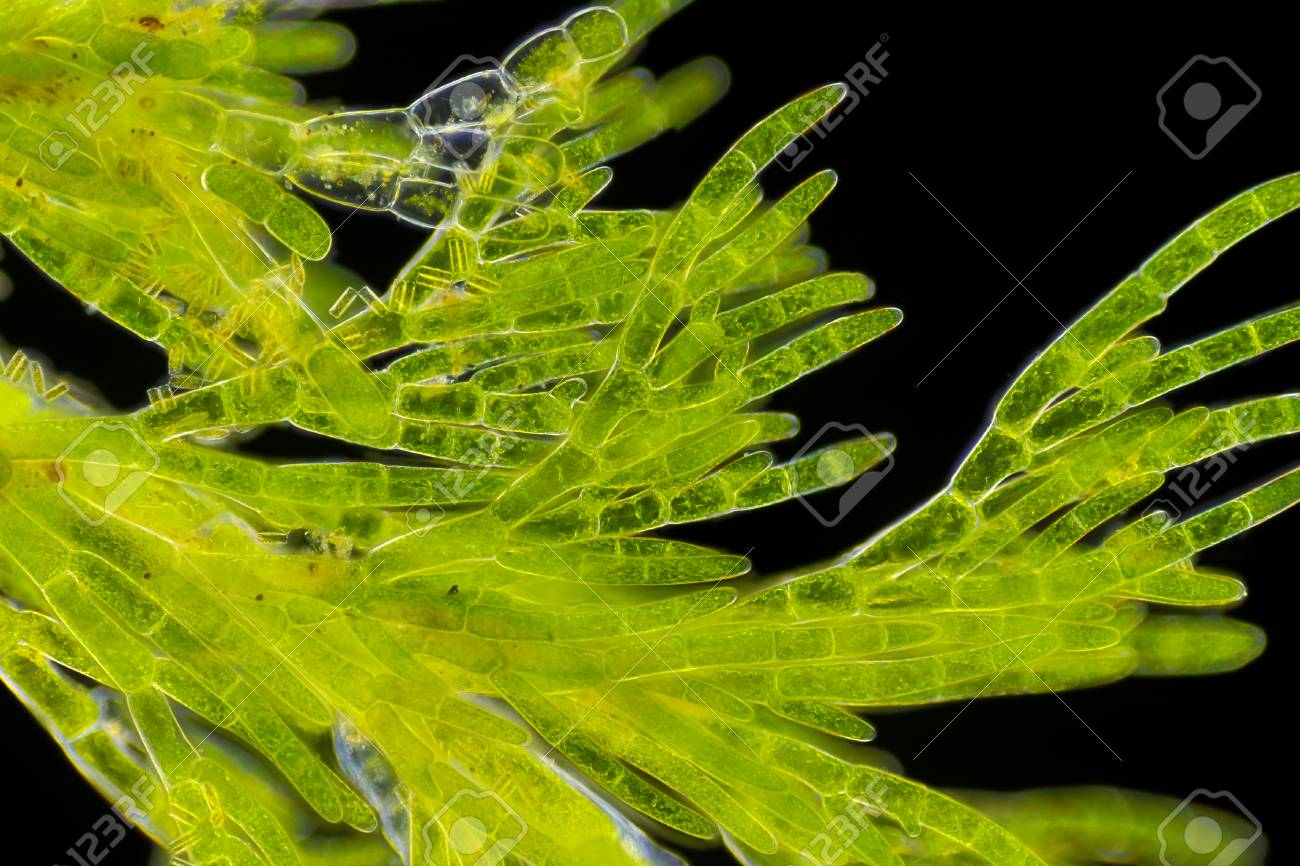
green alga
A photosynthetic protist, named for green chloroplasts that are similar in structure and pigment composition to the chloroplasts of plants; a paraphyletic group; some members are more closely related to plants than they are to other members of the group
Heteromorphic
Referring to a condition in the life cycle of plants and certain algae in which the sporophyte and gametophyte generations differ in morphology
Holdfast
A rootlike structure that anchors a seaweed
Isomorphic
Referring to alternating generations in plants and certain algae in which the sporophytes and gametophytes look alike, although they differ in chromosome number
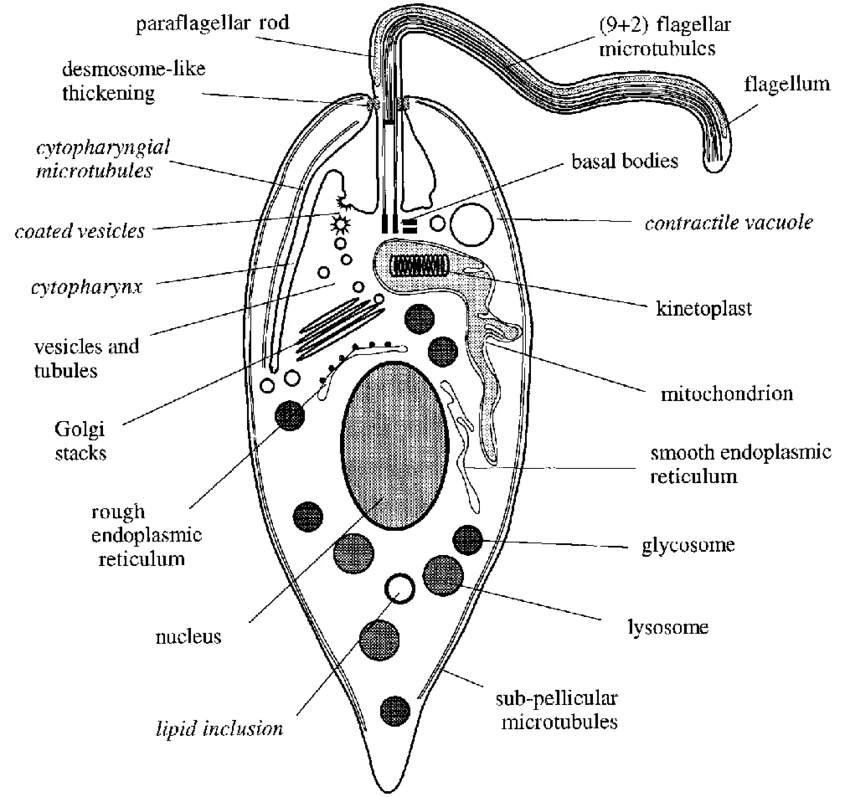
Kinetoplastid
A protist, such as a trypanosome, that has a single large mitochondrion that houses an organized mass of DNA
Mixotroph
An organism that is capable of both photosynthesis and heterotrophy
Opisthokont
A member of an extremely diverse clade of eukaryotes that includes fungi, animals, and several closely related groups of protists
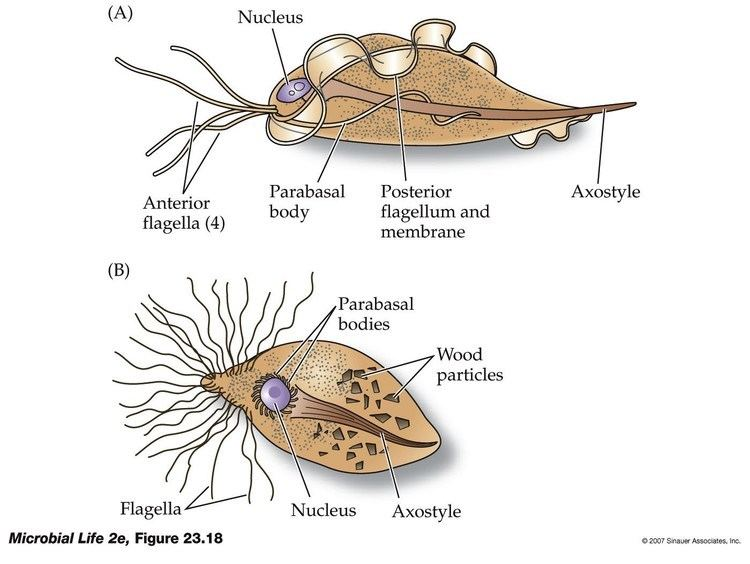
Parabasalid
A protist, such as a trichomonad, with modified mitochondria
Producer
An organism that produces organic compounds from carbon dioxide by harnessing light energy (in photosynthesis) or by oxidizing inorganic chemicals (in chemosynthetic reactions carried out by some prokaryotes)
Protist
An informal term applied to any eukaryote that is not a plant, animal, or fungus; most are unicellular, though some are colonial or multicellular
Pseudopodia
A cellular extension of amoeboid cells used in moving and feeding
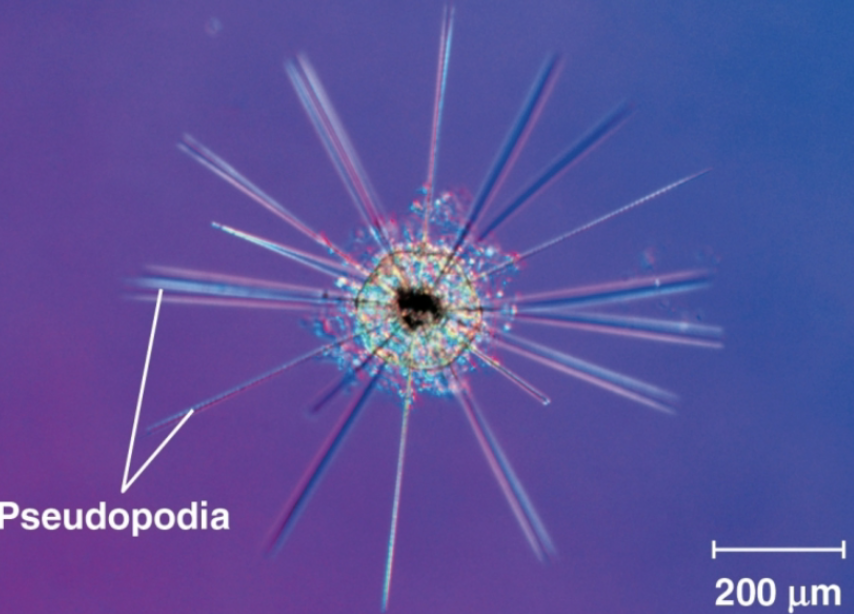
Radiolarian
A protist, usually marine, with a shell generally made of silica and pseudopodia that radiate from the central body

red alga
A photosynthetic protist, named for its color, which results from a red pigment that masks the green of chlorophyll. Most are multicellular and marine.
Rhizarians
One of the three major subgroups for which the SAR eukaryotic supergroup is named. Many species in this clade are amoebas characterized by threadlike pseudopodia
SAR
Includes three large clades: Stramenopila, Alveolata,
and Rhizaria
Secondary Endosymbiosis
A process in eukaryotic evolution in which a heterotrophic eukaryotic cell engulfed a photosynthetic eukaryotic cell, which survived in a symbiotic relationship inside the heterotrophic cell.
Stipe
A stemlike structure of a seaweed.
Stramenopiles
One of the three major subgroups for which the SAR eukaryotic supergroup is named. This clade arose by secondary endosymbiosis and includes diatoms and brown algae
Test
In foram protists, a porous shell that consists of a single piece of organic material hardened with calcium carbonate
Unikonta
One of four supergroups of eukaryotes proposed in a current hypothesis of the evolutionary history of eukaryotes. This clade, which is supported by studies of myosin proteins and DNA, consists of amoebozoans and opisthokonts