UAMS MLT-MLS Comprehensive Exam
 Call Kai
 Learn
Learn Practice Test
 Spaced Repetition
 Match
Match Flashcards
 Knowt Play
1/478

There's no tags or description
Looks like no tags are added yet.
Name | Mastery | Learn | Test | Matching | Spaced | Call with Kai | Chat |
|---|
No analytics yet
Send a link to your students to track their progress
479 Terms
Which antibody is most associated with delayed hemolytic transfusion reactions?
Anti-Jka
What is most associated with Anti-I?
Mycoplasma pneumonia
IgG antibodies cause ______ hemolysis from sequestration by spleen.
Extravascular
T/F: Enzyme panels will react with Duffy Antibodies (Fya or Fyb).
False
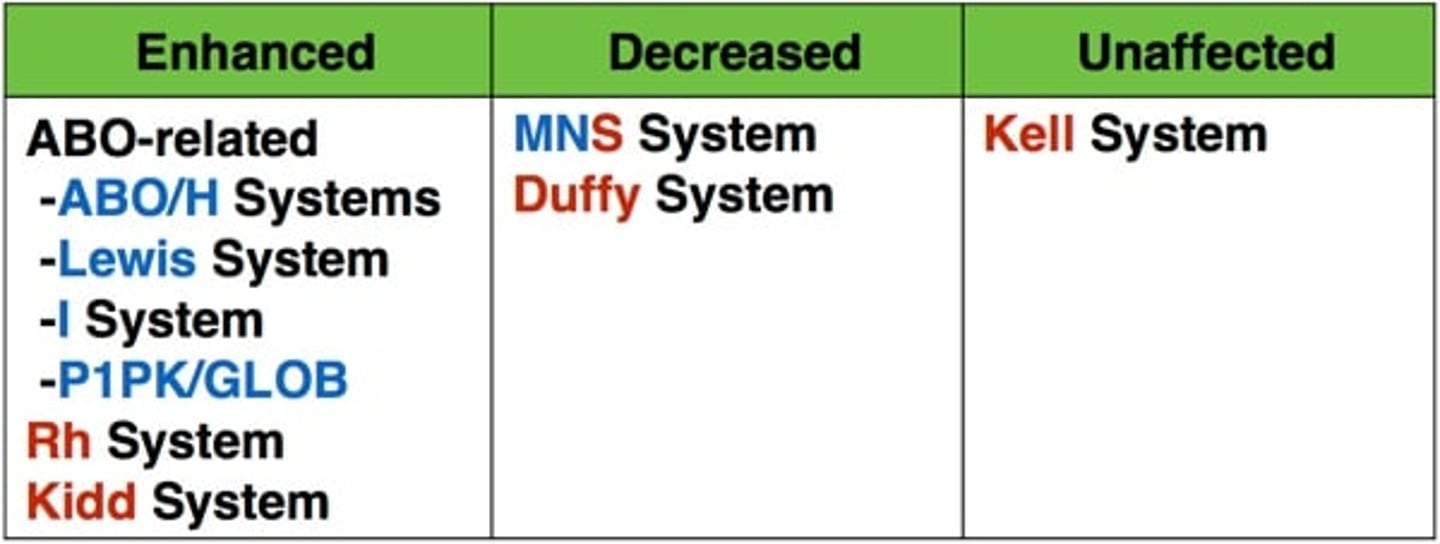
T/F: RhIG at 28 weeks can cause a mom to have a low titer anti-D.
True
What type of blood should be given if from mom to child?
Irradiated
Room temp crossmatch detects _____ errors.
ABO
Why do premature infants typically need transfusions?
Blood loss from lab tests
When phenotyping, use a positive control that is _______ positive.
Heterozygously
Why is cryoprecipitate normally used?
To replace fibrinogen
What can make an auto control positive? (Distinguish by warming, looking under scope or saline replacement)
Rouleaux and Cold auto
Cold auto will react with _____ AHG and ___ Monospecific AHG.
Polyspecific; C3
What kind of plasma can an AB= patient be transfused with?
AB (+ or =)
_____ transfusion must be fresh, CMV =, radiated and collected with CPDA
Intrauterine
How should intrauterine transfusions be handled?
Radiated and collected with CPDA
When is FFP used?
When PT and PTT are prolonged
Fresh frozen plasma (FFP) is used for patients with a coagulopathy who are bleeding or at risk of bleeding, and where a specific therapy or factor concentrate is not appropriate or unavailable.
At what temperature do Lewis antibodies react?
RT and sometimes 37
What type of hemolysis do Lewis antibodies cause?
In Vitro
How long are sexual partners of IV drug users differed from donating?
1 year
+DAT can make the Rh control ___ when doing weak D test
Positive
Storage: Whole Blood
1-6 C; 35 days
Storage: RBCs (Red cells, Packed RBCs, RBCs)
1-6 C (CPDA- 35 days; ADSOL- 42 days)
Storage: Leukocyte- Reduced RBCs
1-6 C (CPDA- 35 days; ADSOL- 42 days)
Storage: Washed Red Cells
1-6 C; 24 hours
Storage: Irradiated Blood to prevent GVHD
1-6 C; 28 days
Storage: Frozen/ Deglycerolized RBCs
-70 C for 10 years; 1-6 C for 24 hours after prepared
Storage: Random Platelets
20-24 C; 5 days with agitation and temp check every 4 hours (4 hours after pooling)
Storage: Platelets, Apheresis (single-donor)
20-24 C with agitation; 5 days
Storage: Granulocytes, Apheresis
20-24 C; 24 hours
Storage: FFP, frozen
-18 C; 1 year
Storage: FFP, thawed
1-6 C; 24 hours
Storage: Frozen Cryoprecipitated AHF
-18 C; 1 year
Storage: Thawed Cryoprecipitated AHF
RT if used for Factor VIII; 1-6 if used for fibrinogen
Storage: Pooled Cryoprecipitated AHF
20-24 C; 4 hours
What are whole blood transfusions used for?
Cells and volume
What are packed RBC transfusions used for?
Anemia
What are Washed RBC transfusions used for?
Allergy to plasma proteins in IgA deficiencies
What are Leuko-depleted RBC transfusions used for?
Febrile from HLA or CMV risk
What are Frozen, deglycerolized RBC transfusions used for?
Rare or autologous
What must be done to issue red cell products?
ABO, Rh and screening compatible
How are PLTs and WBCs stored?
RT (20-25 C)
What are Leuko-reduced PLT or WBC transfusions used for?
Prevent febrile from HLA and prevent CMV
What are granulocyte transfusions used for?
Severe neutropenia
What are FFP transfusions used for?
Coag disorders (type compatible)
What are cryo transfusions used for?
Factor VIII and IX concentrate- Virus inactivated and lyophilized
What does PT monitor?
Coumadin
What will a cold agglutinin not affect on the cell counter?
Hemoglobin
What does Protein C deficiency cause?
Thrombosis (Thrombosis occurs when blood clots block your blood vessels.)
What does Factor XII deficiency cause?
Thrombosis instead of bleeding
How does old blood affect the RBCs and WBCs?
Crenate RBCs and cause vacuoles in WBCs.
What happens when you mix patient plasma (with a high PTT) with normal plasma?
Corrects Factor Deficiency (Not correct lupus anticoagulant)
Sickle cells and spherocytes will ____ a sed rate.
Lower
Patient with polycythemia needs to have anticoagulant adjusted for ___ or ____
PT or PTT
90% of the hemoglobin is Hgb C and the rest A2 and F on electrophoresis.
Hgb C disease
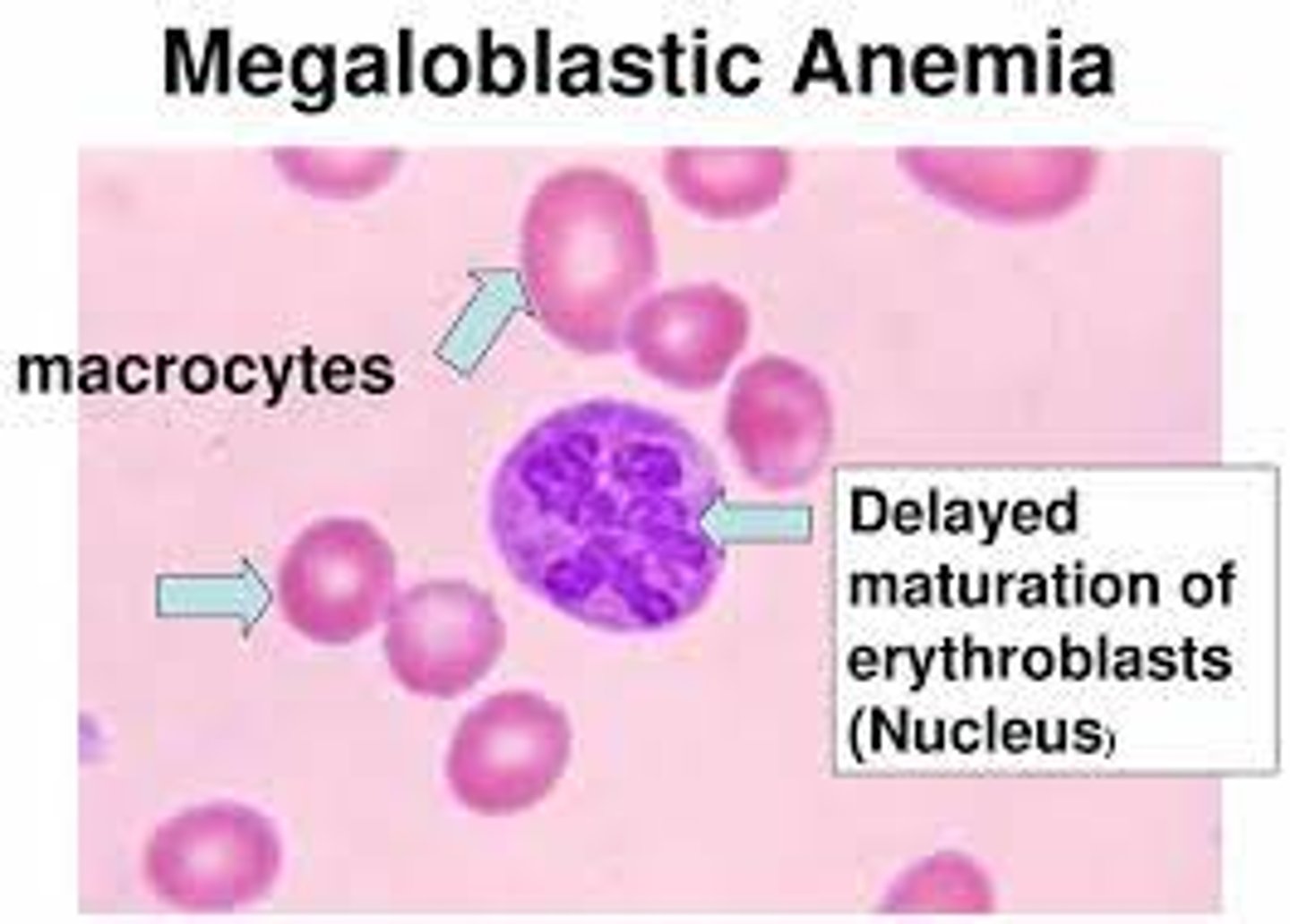
Associated with hyper-segmented neutrophils, pancytopenia and macrocytes.
Megaloblastic anemia
What are Howell-jolly bodies made up of?
DNA fragments
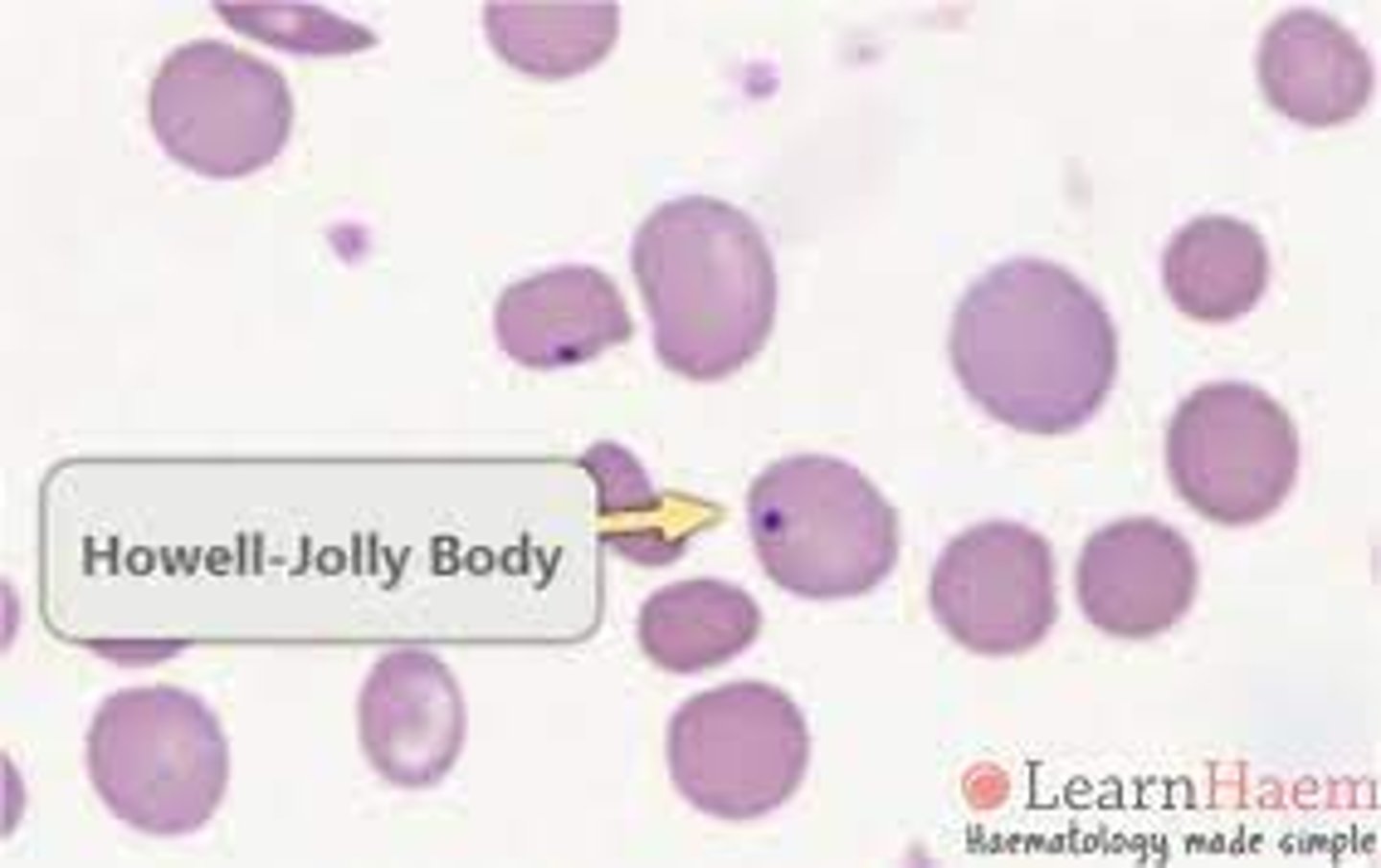
When are Howell-Jolly Bodies seen?
Non-function spleen & accelerated or abnormal erythropoiesis
What is basophilic stippling made up of?
Denatured RNA
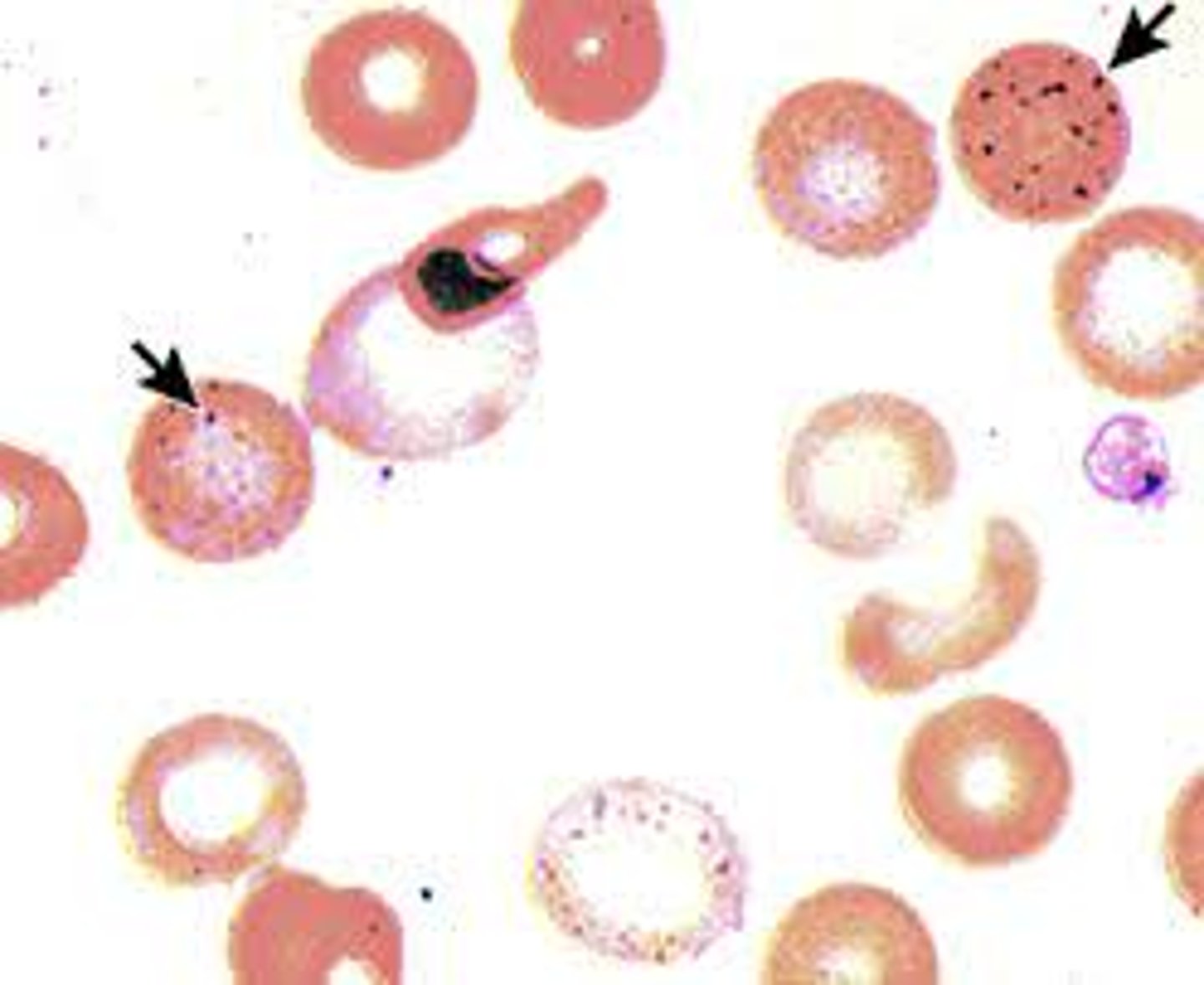
When is basophilic stippling seen?
Lead poisoning & thalassemia
What are pappenheimer bodies (Siderocytes) made up of?
mitochondria and ribosomes that contain iron
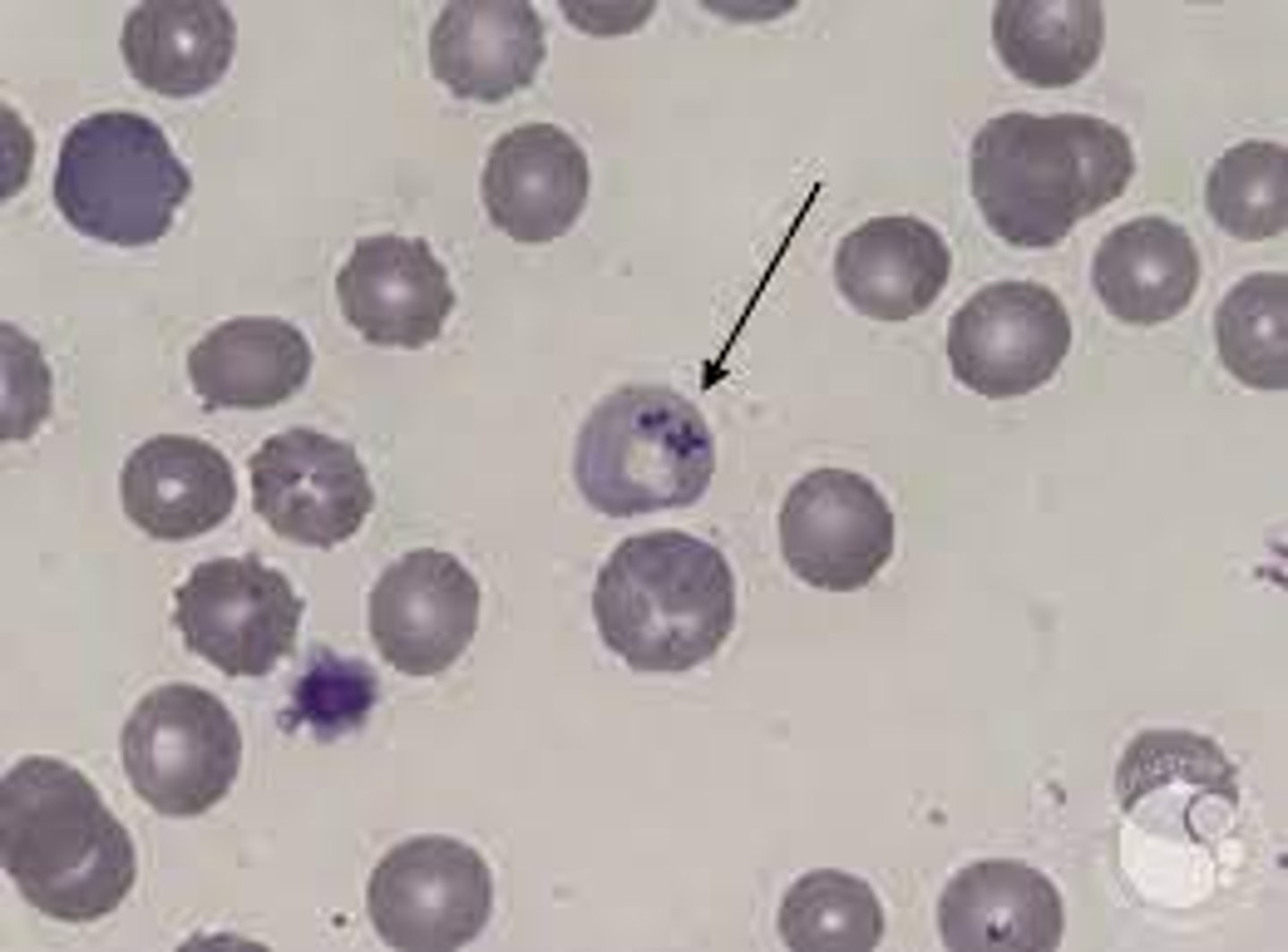
When are pappenheimer bodies (Siderocytes) seen?
Sideroblastic anemia, thalassemia, splenectomy
When are Heinz bodies seen?
G6PD deficiency, unstable hemoglobin causing iron to be unprotected, oxidizing drugs, alpha thalassemia
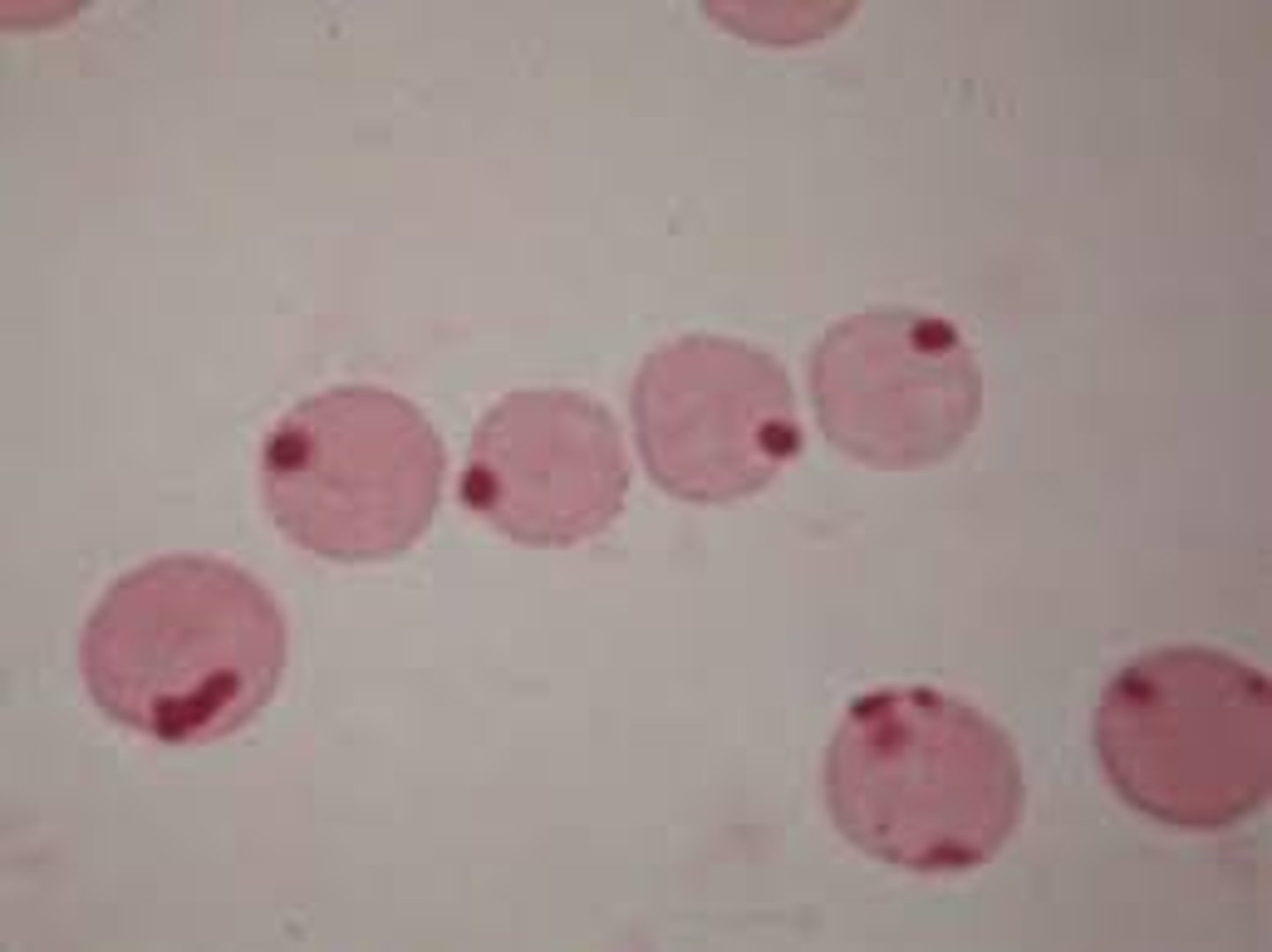
What are Heinz bodies made up of?
Denatured hemoglobin
When are Cabot rings seen?
Severe anemias, pernicious anemia, dyserythropoiesis
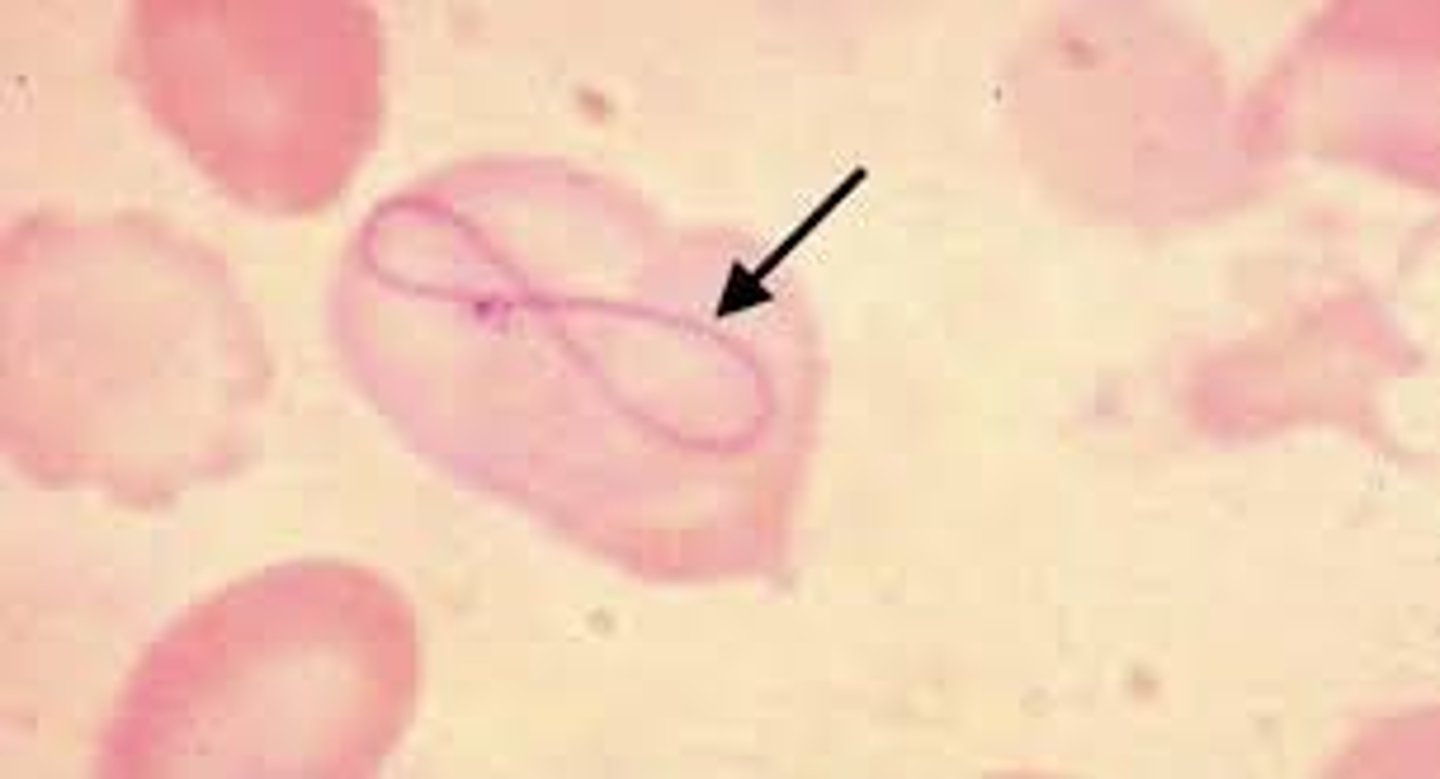
What are Cabot rings made up of?
arginine-rich histone and non-hemoglobin iron (remnants of spindle fibers)
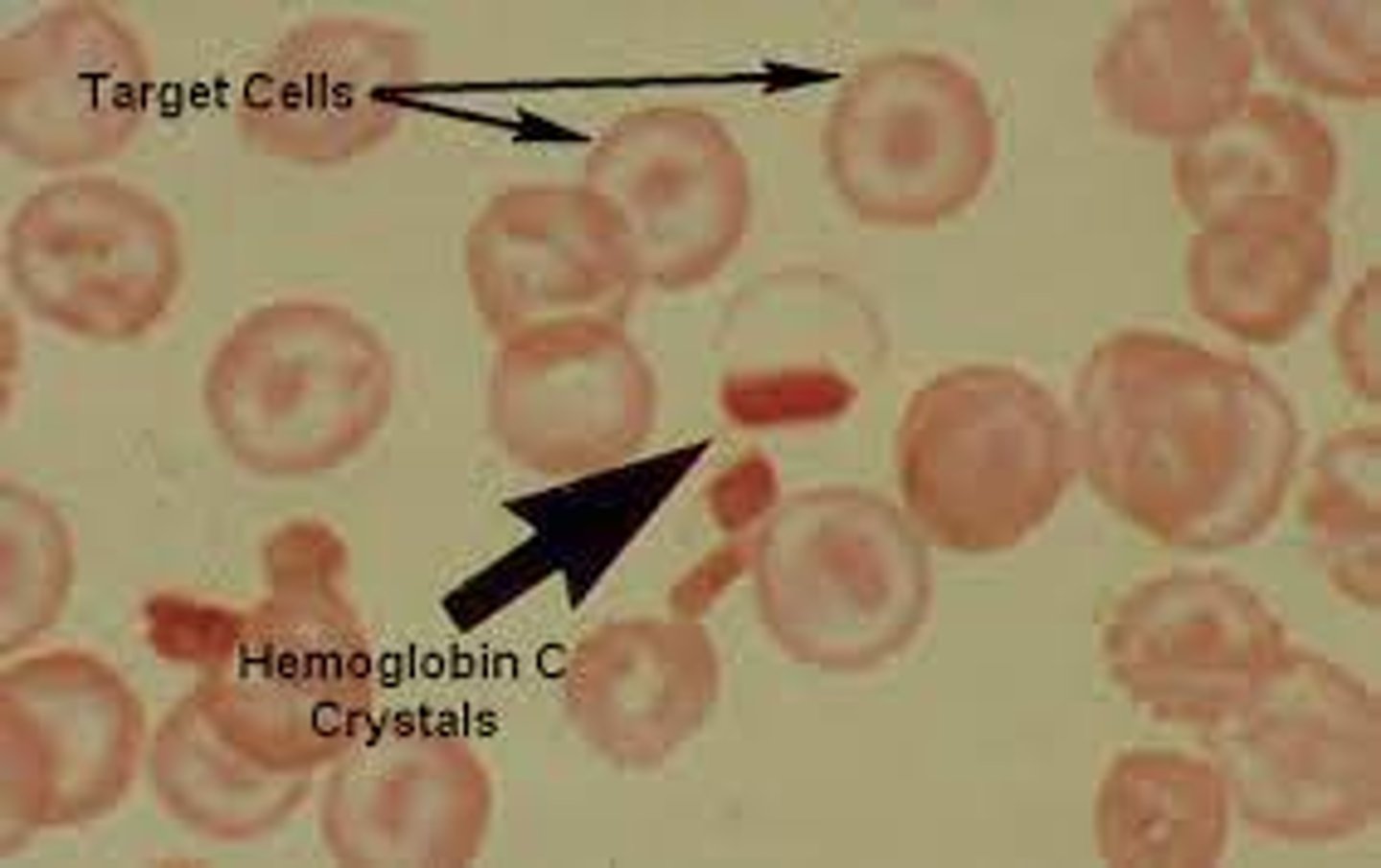
When are hemoglobin c crystals seen?
Hemoglobin C disease
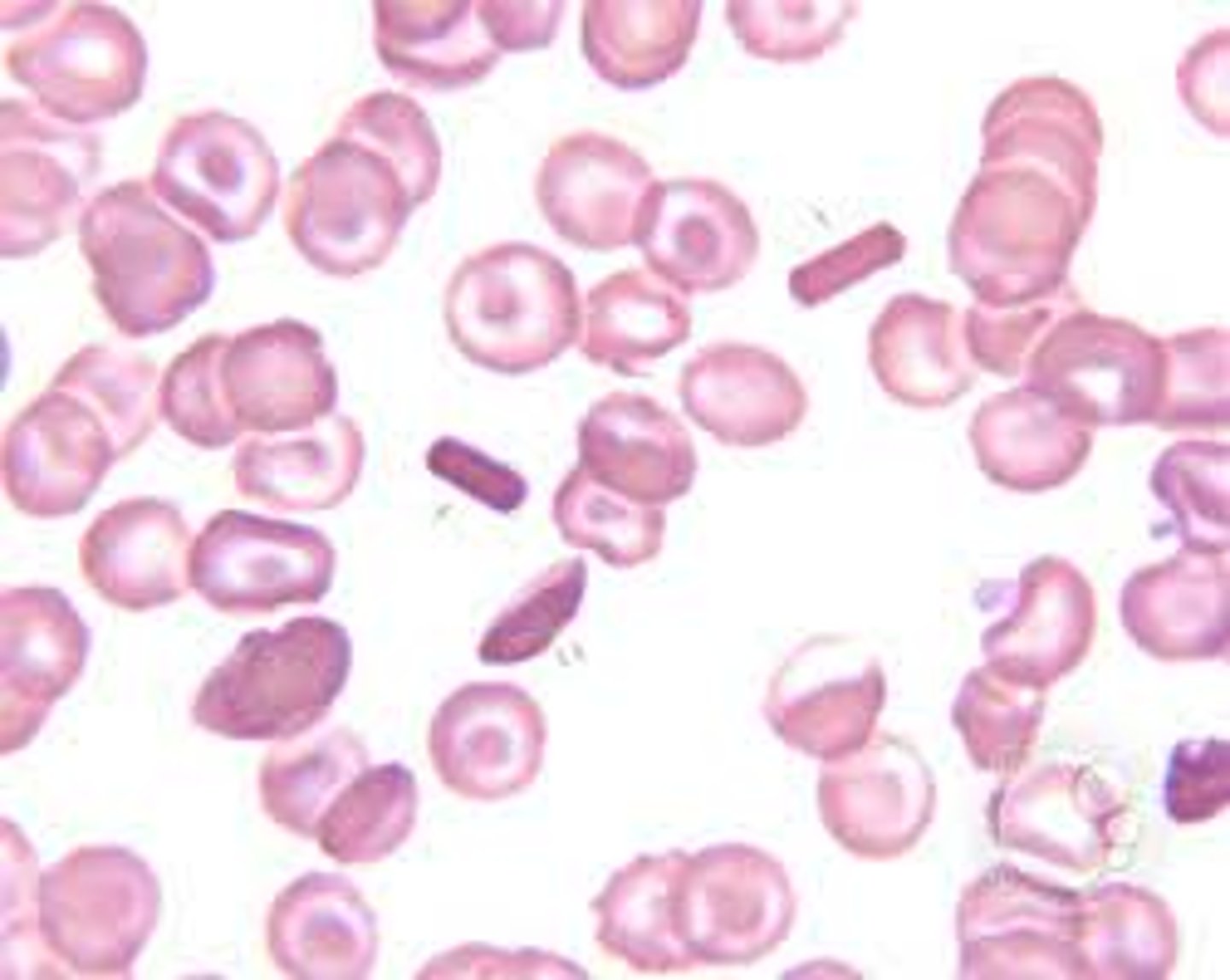
What are hemoglobin C crystals made up of?
Abnormal hemoglobin crystallizes
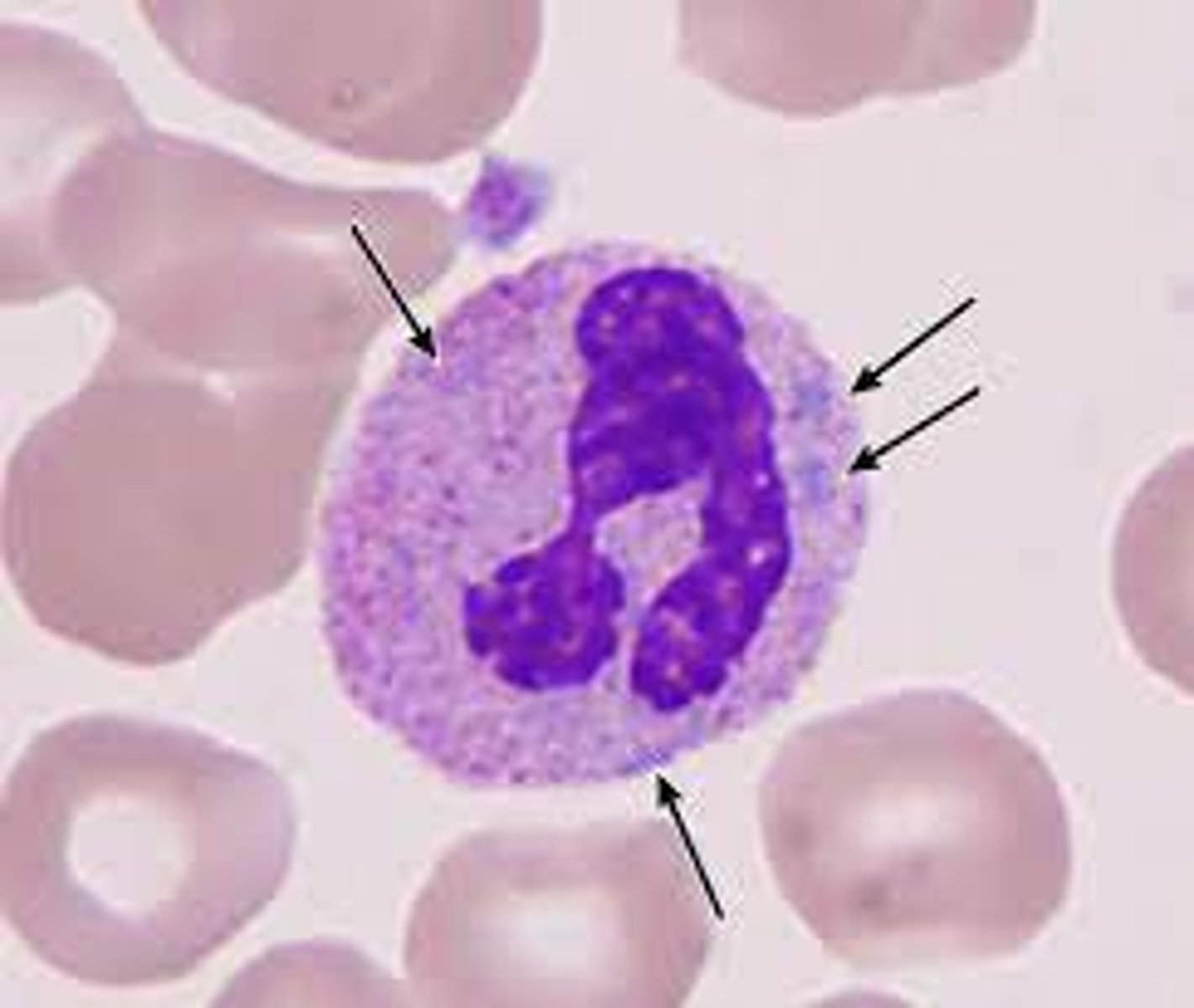
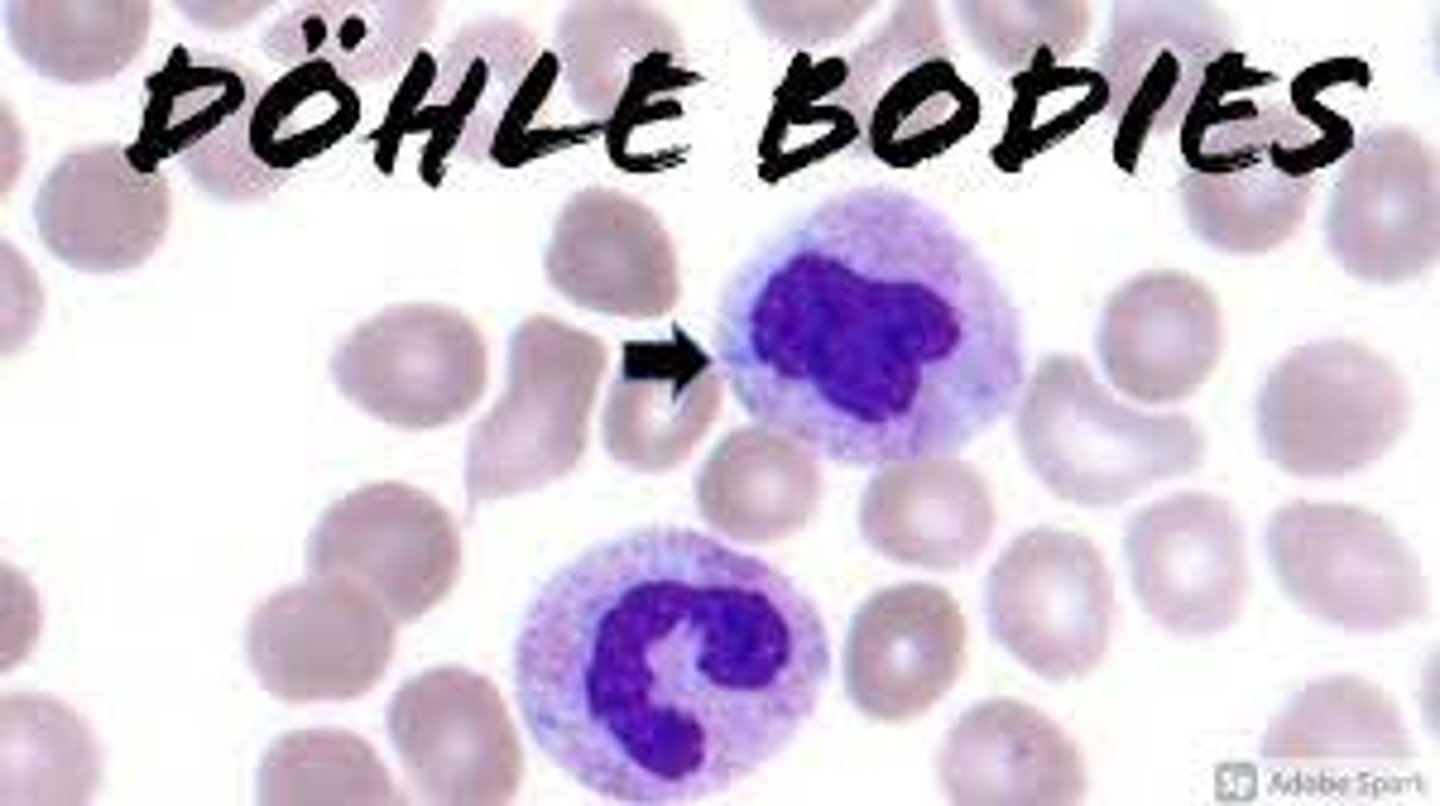
When are Dohle Bodies seen?
May Hegglin Anomaly
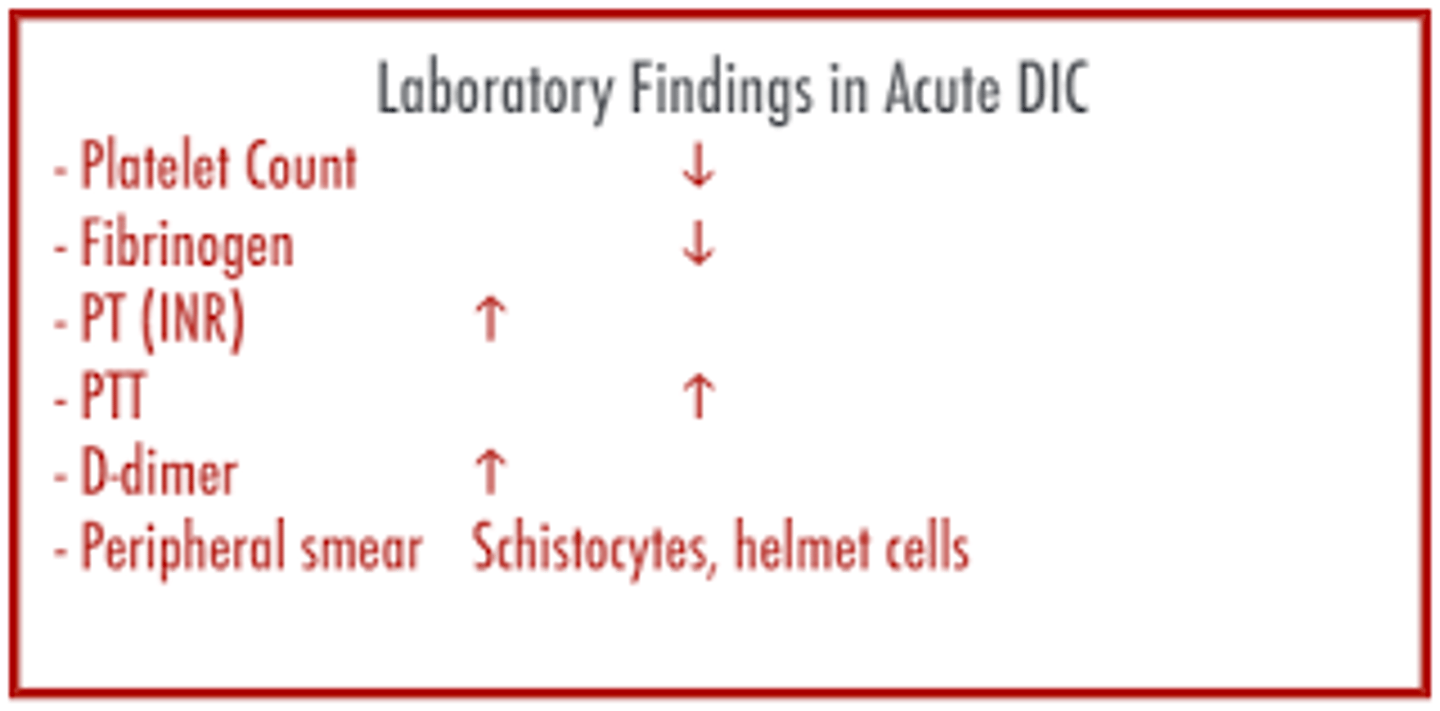
DIC lab tests
^PT, PTT, TT, FSP; low Fibrinogen & PLT count; + D-dimer; schistocytes
What are Dohle Bodies made of?
Strands of endoplasmic reticulum RNA
Lab tests for Multiple Myeloma
Protein electrophoresis (M-spike), N/N anemia, pancytopenia (low PLT, RBC & WBC); rouleaux; BM biopsy >30% plasma cells
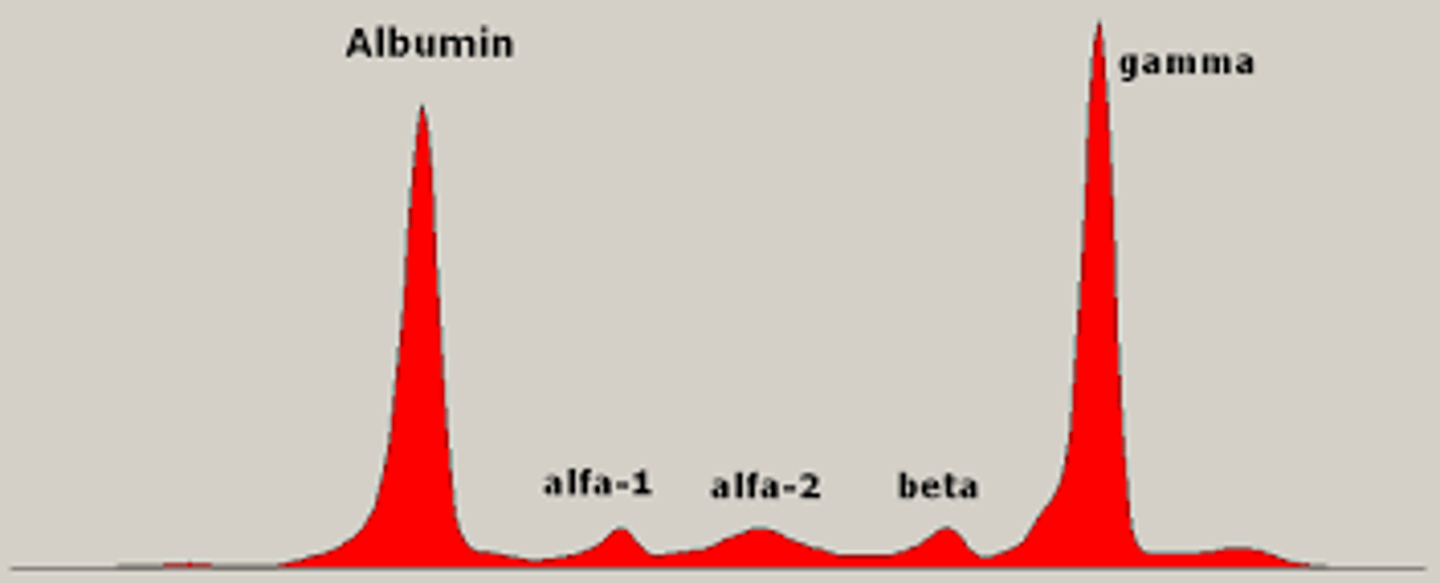
How do you distinguish Hemophilia A from VWD?
Normal BT
How does lipemia affect the results of the automated CBC?
Falsely elevated Hgb. Correct by replacing lipemic plasma with saline.
Osmotic fragility results with hereditary spherocytosis
Increased; cells are Hyperchromic and easily lyse
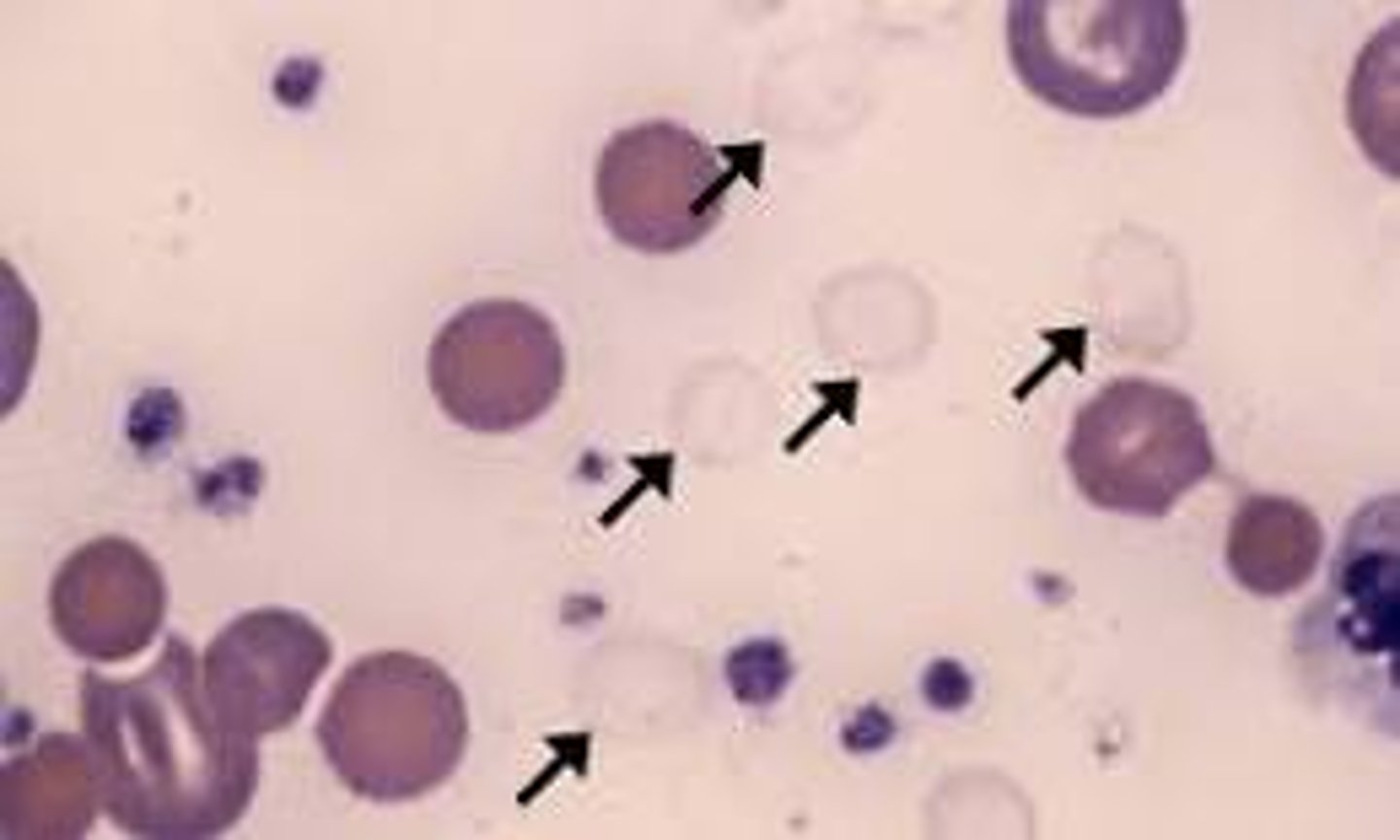
Lysed RBC- hypotonic; diluted; can cause false neg
Ghost cell
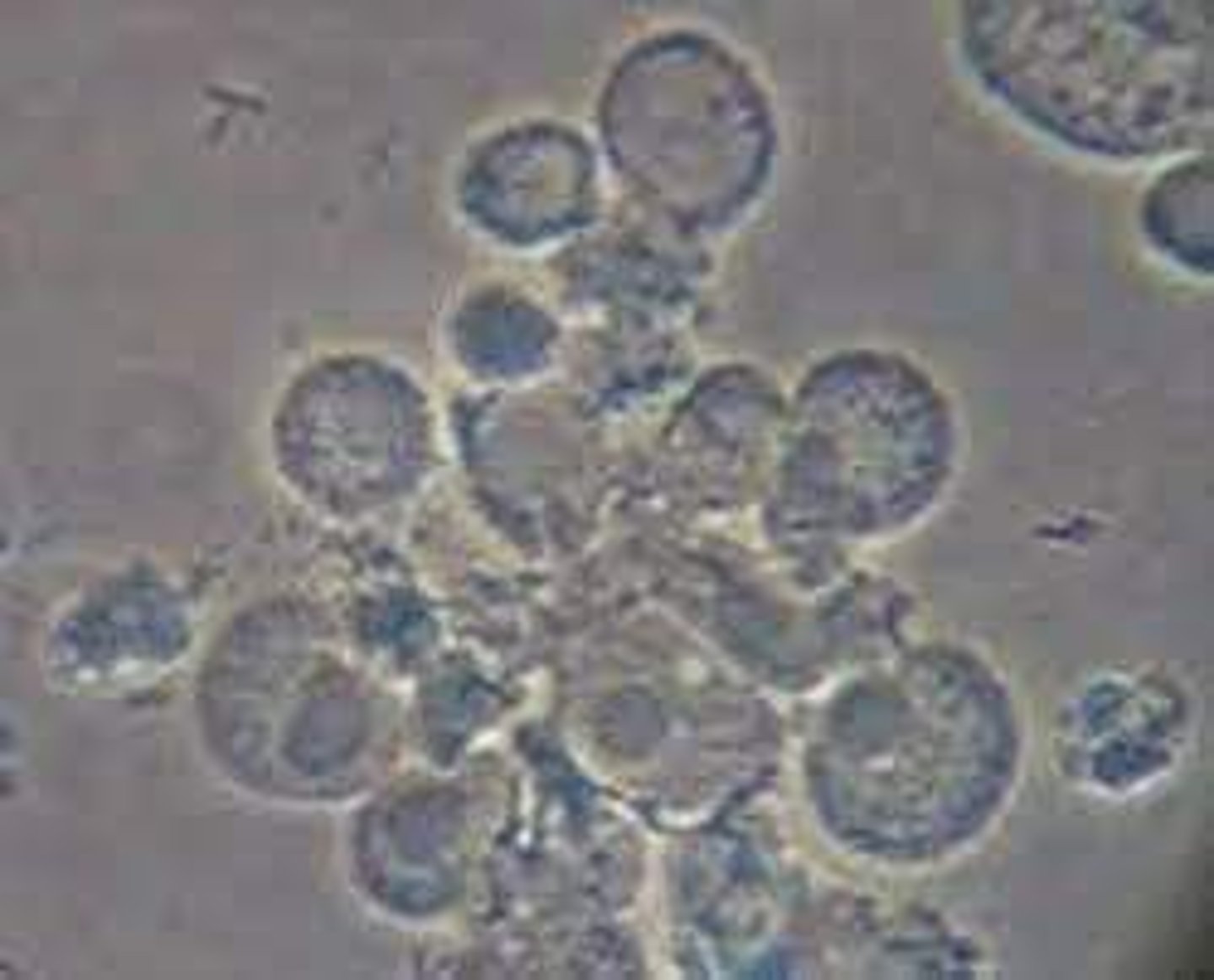
WBC in a hypotonic urine
Glitter cell
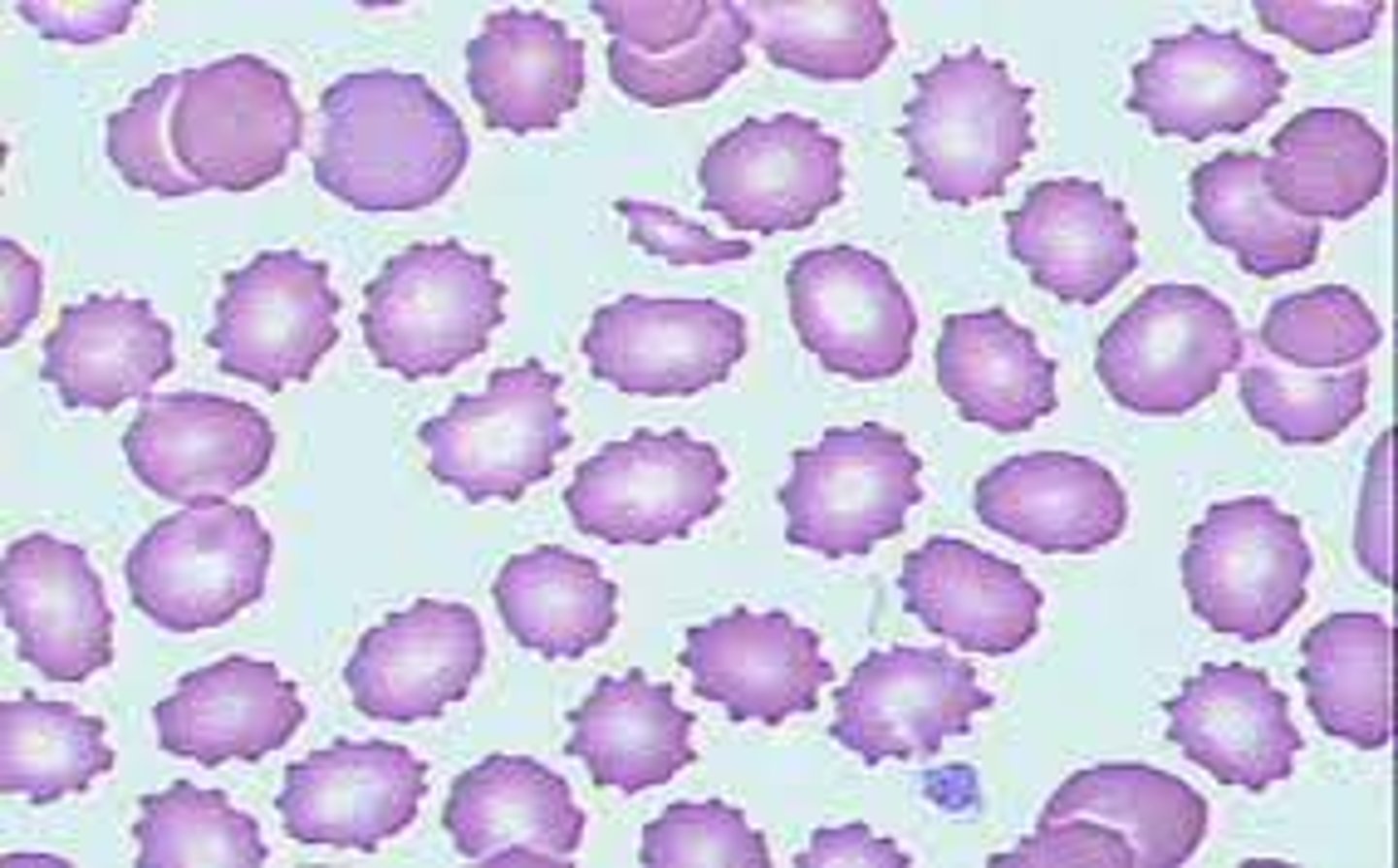
Hypertonic; can cause false negative
Crenated RBC
Composed of Tamm-Horsfall protein; made in the distal convoluted tubules (nephrons)
Casts
Cystine crystals; smell like sulfur
Cystinuria
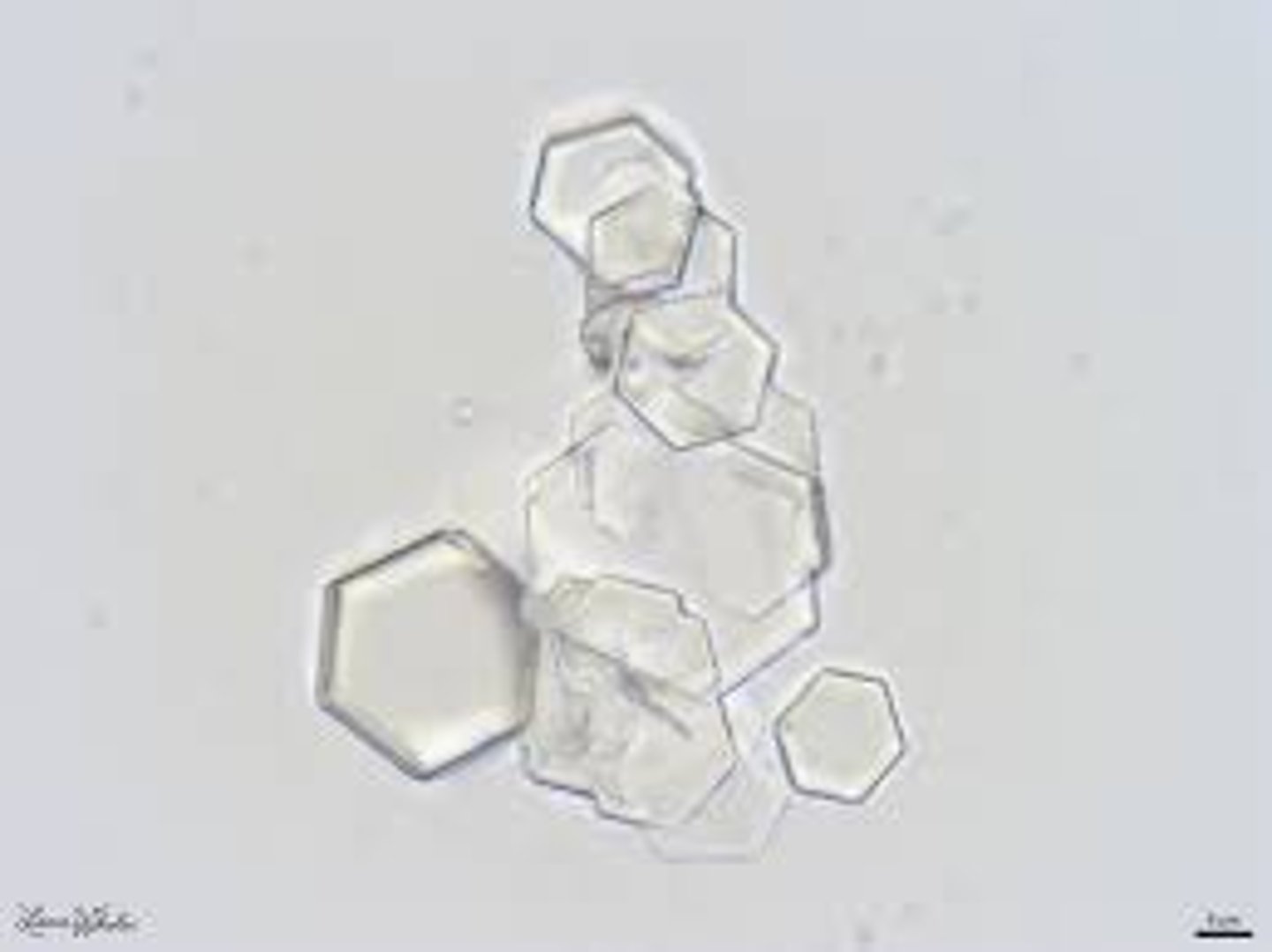
Tyrosin crystals; liver disease
Tyrosyluria
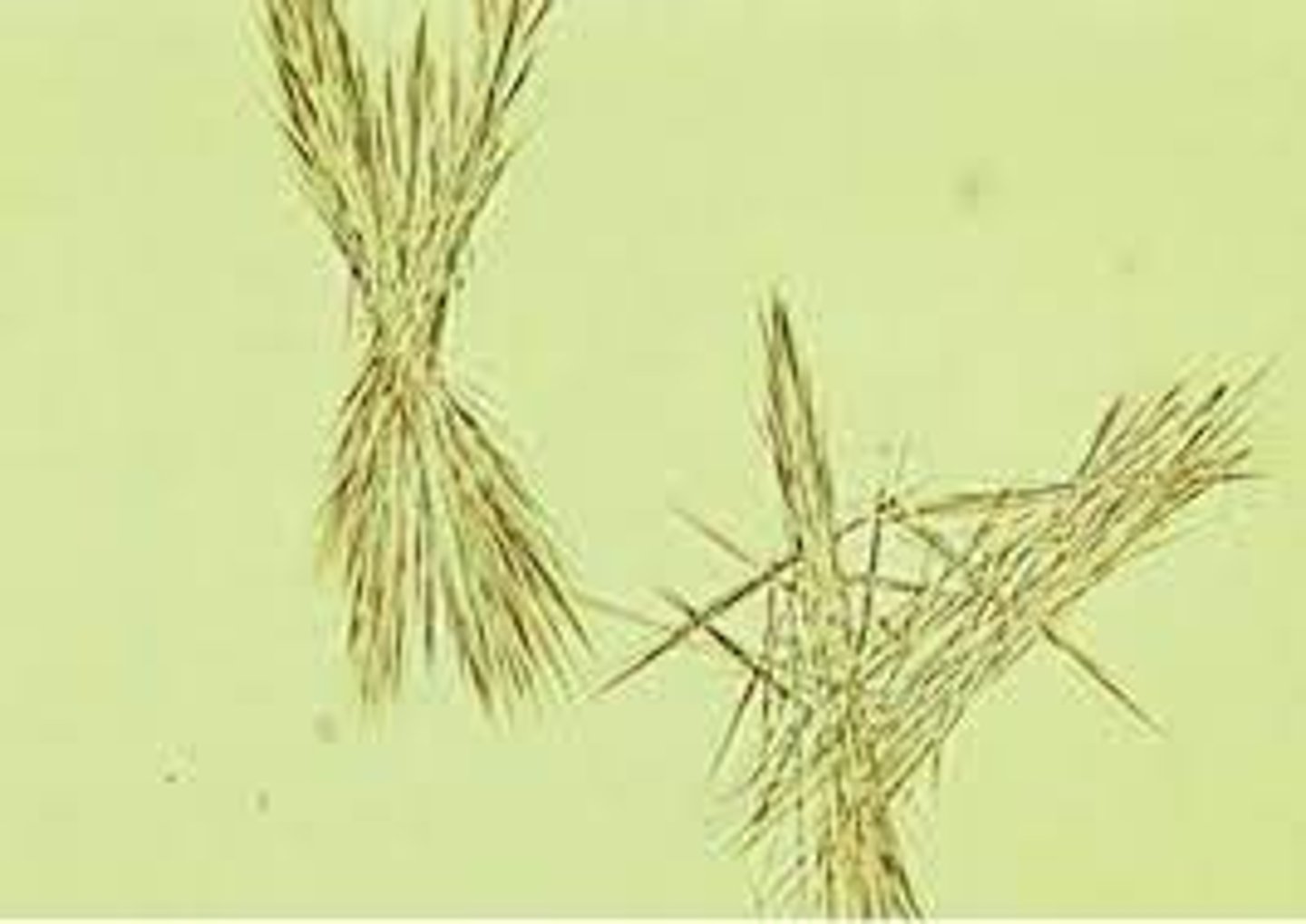
Mouse odor
PKU
Diabetes mellitus
Micro-albumin
Gout; Horizontal = blue
MSU
Gout is a common crystal-induced arthritis, in which monosodium urate (MSU) crystals precipitate within joints and soft tissues and elicit an inflammatory response.
Pseudogout; Horiz = yellow
CPPD
Pseudogout (SOO-doe-gout) is a form of arthritis characterized by sudden, painful swelling in one or more of the joints. Episodes can last for days or weeks.
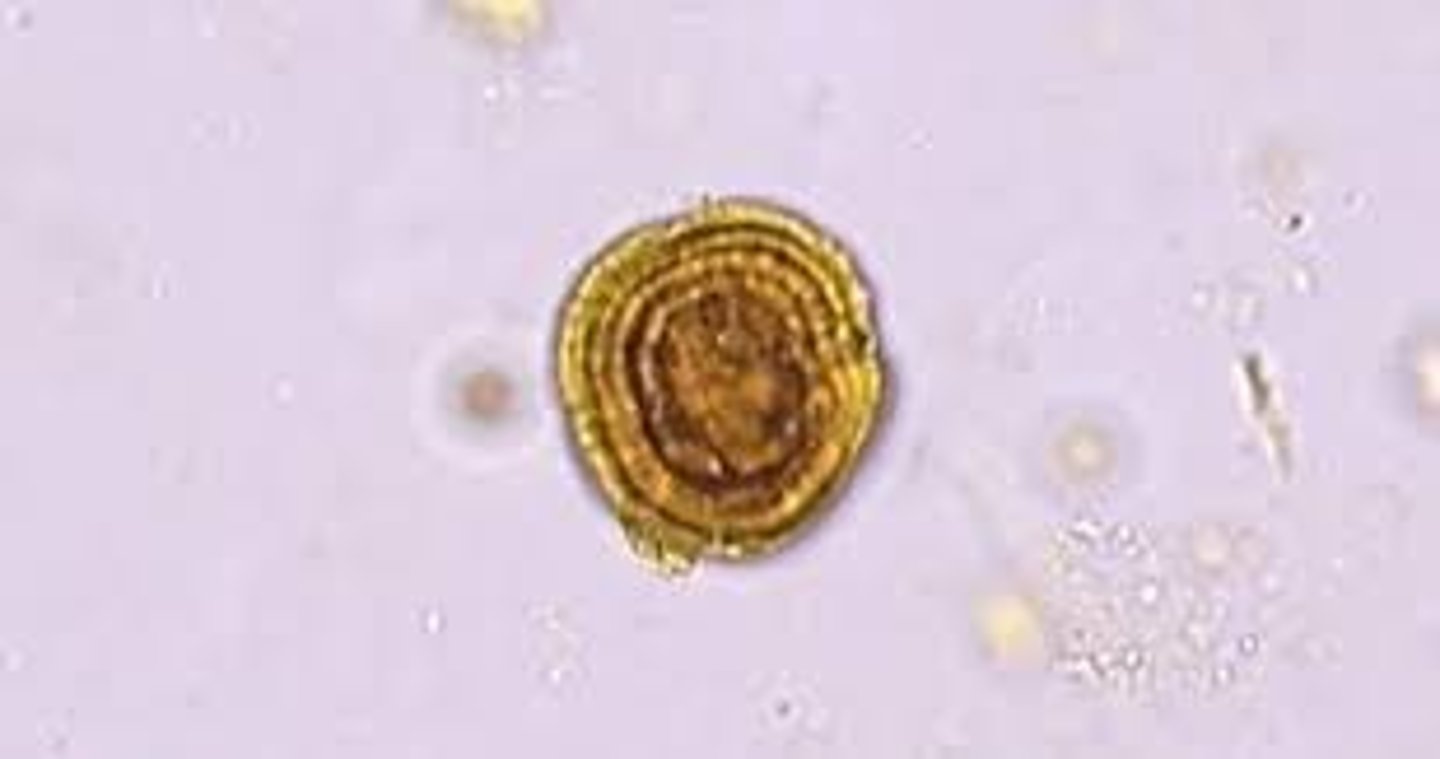
Syrup odor, leucine crystals
MSUD
+ Clinitest
Clinitest (reagent tablet) is a semi-quantitative test used for the determination of total reducing substances in urine, which include glucose, galactose, lactose, and pentose.
Galactosemia
Galactosemia is a rare, hereditary disorder of carbohydrate metabolism that affects the body's ability to convert galactose to glucose.
Effects of prolonged storage of urine
Alkaline
A solution of a soluble base has a pH greater than 7.0.
+ WBC, Bacteria
Cystitis
Cystitis is inflammation of the bladder, usually caused by a bladder infection. It's a common type of urinary tract infection (UTI),
+ WBC, bacteria, WBC cast
Pyelonephritis
A kidney infection is also called pyelonephritis. A kidney infection needs prompt medical treatment.
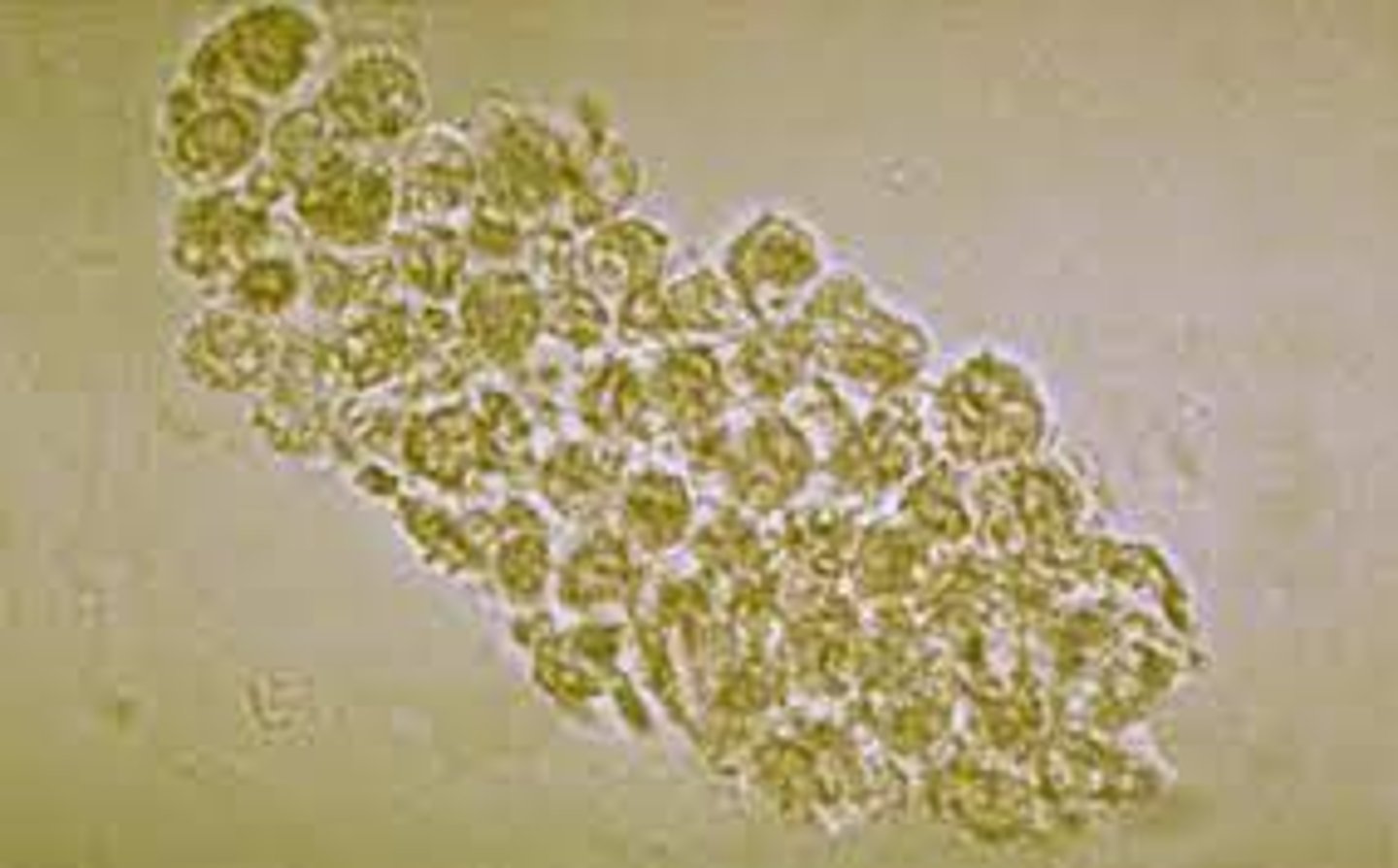
RBC, RBC casts
AGN
Acute glomerulonephritis (AGN) comprises a specific set of kidney diseases in which an immunologic mechanism triggers inflammation and proliferation of glomerular tissue that can result in damage to the basement membrane, mesangium, or capillary endothelium.
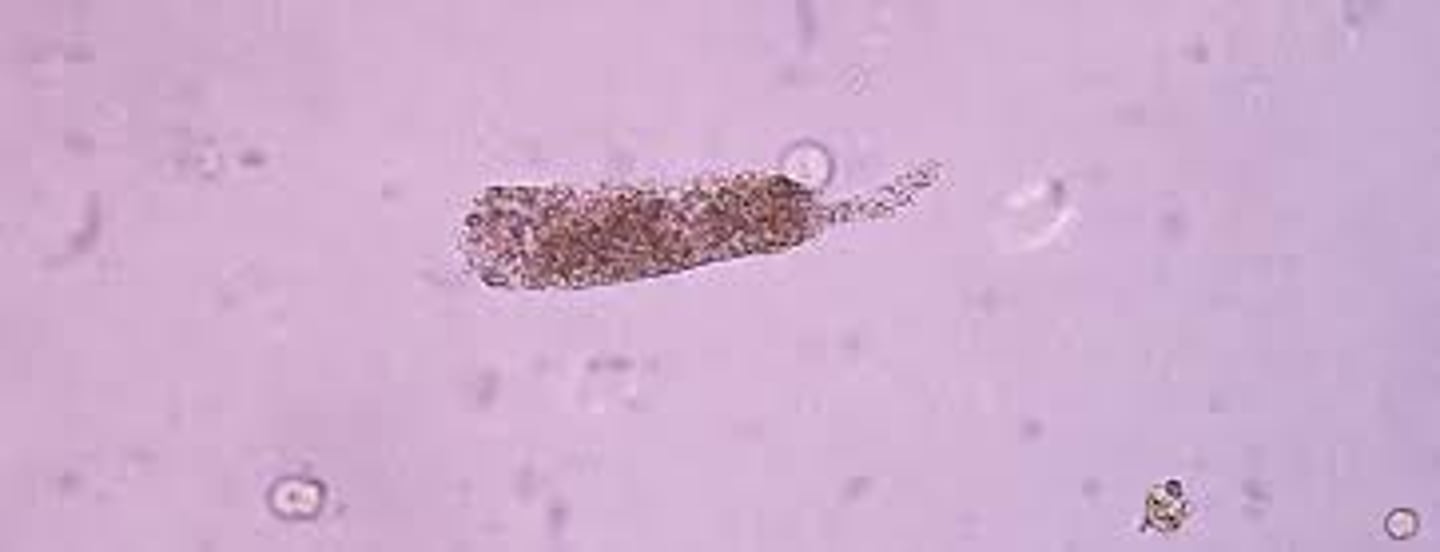
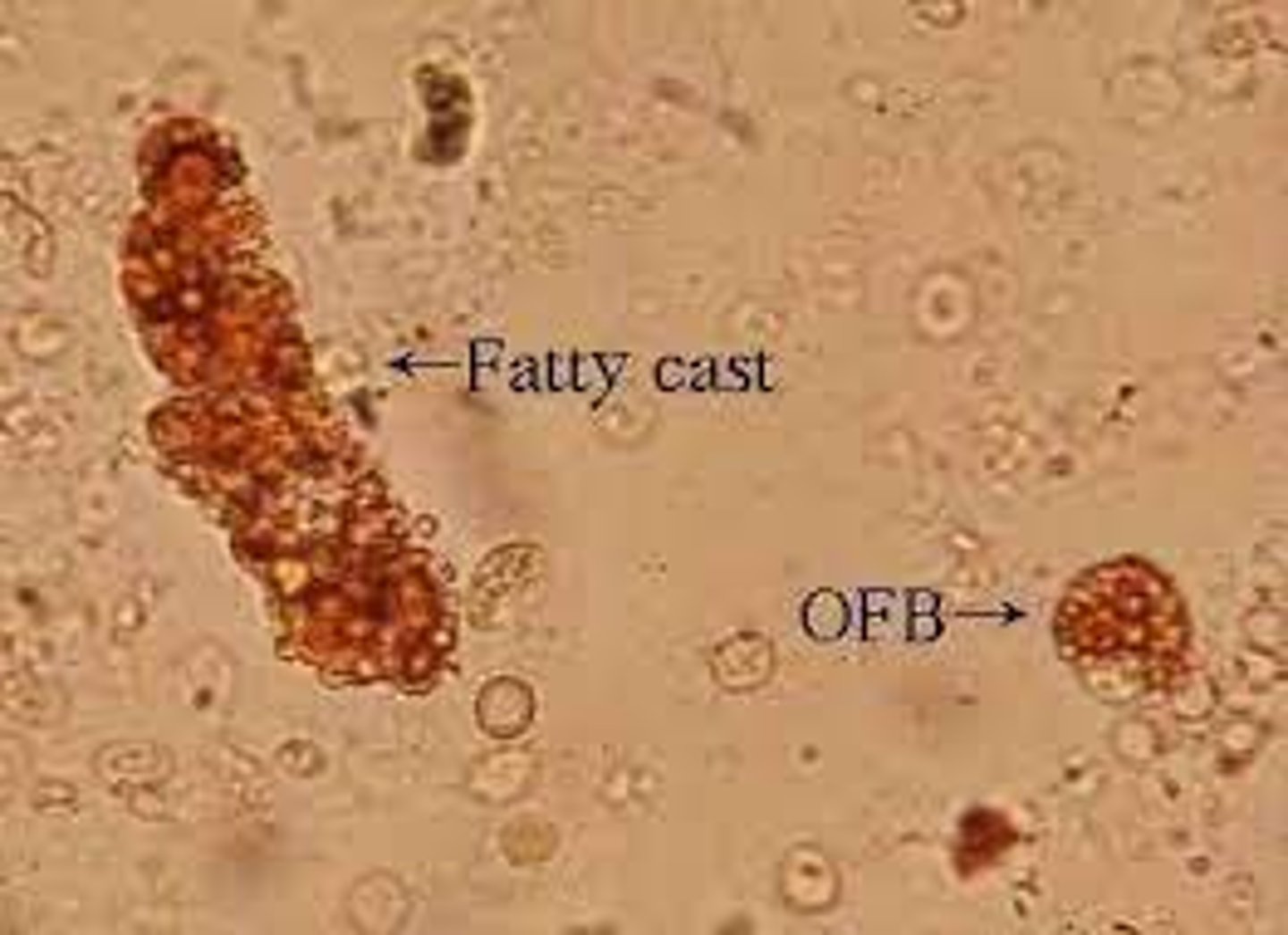
Fatty casts, OFB, cholesterol
Nephrotic syndromeephrotic syndrome
A kidney disorder that causes the body to excrete too much protein in the urine.
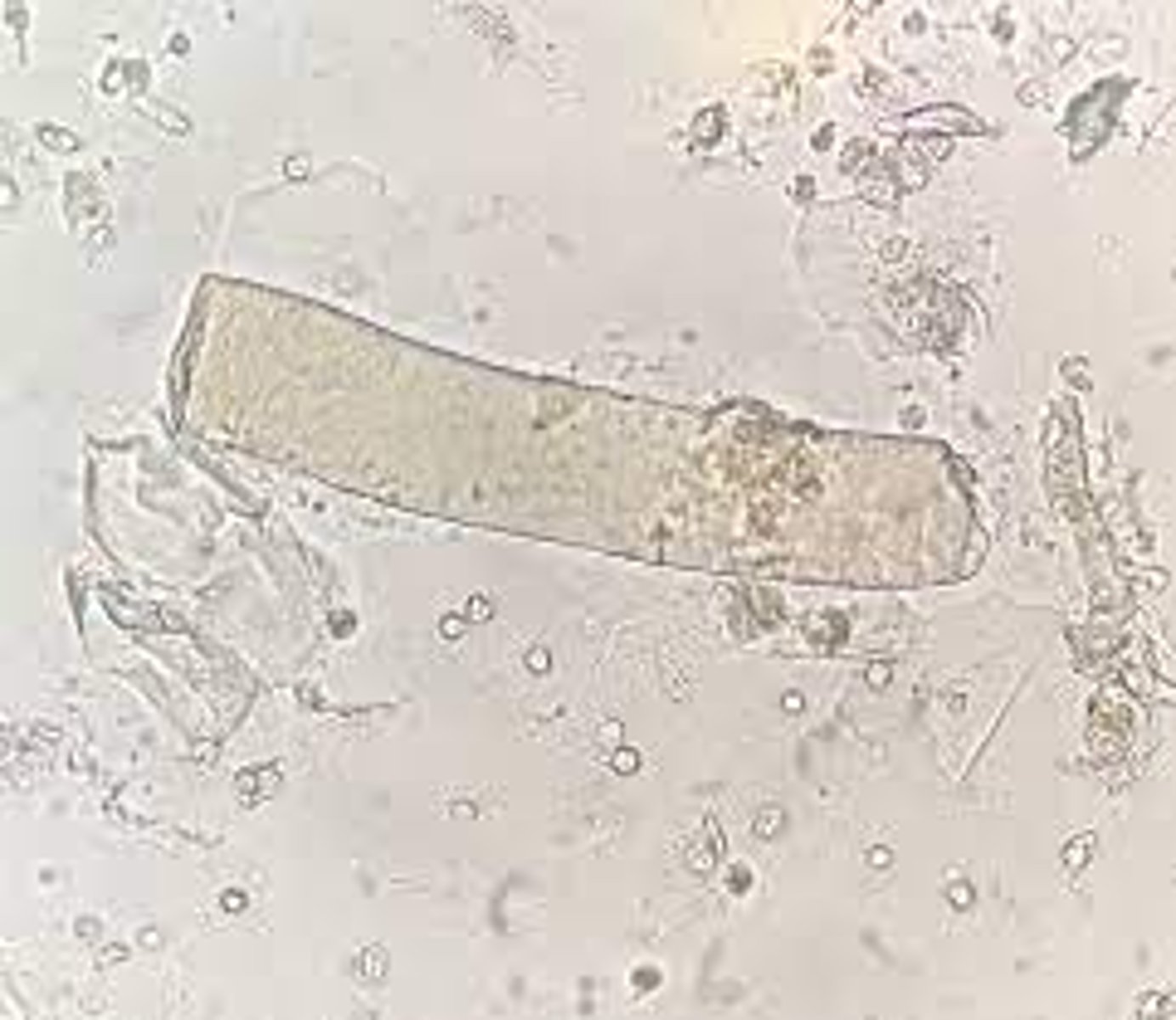
RTE/ RTE casts, Waxy/ broad
Renal failure
Urine color: amber/ brown-orange
Bilirubin; yellow foam
Urine color: orange
Pyridium
Pyridium is a prescription and over the counter medicine used to prevent treat the symptoms of the lower urinary tract. Pyridium
Urine color: red, cloudy
Intact RBCs (hematuria)
Urine color: red, clear
Hemoglobin; myoglobin
Urine color: red-purple/ burgundy
Porphyrins
Urine color: black
Melanin or homogentistic acid
Urine color: cloud
WBCs, crystals
Urine color: milky
Fats, nephrotic Syndrome