Nervous - Exam 1: Feeling the Bad
 Call Kai
 Learn
Learn Practice Test
 Spaced Repetition
 Match
Match Flashcards
 Knowt Play
1/187

There's no tags or description
Looks like no tags are added yet.
Name | Mastery | Learn | Test | Matching | Spaced | Call with Kai | Chat |
|---|
No analytics yet
Send a link to your students to track their progress
188 Terms
What is the role of the dendrites?
Collect electrical signals
What is the role of the cell body?
Integrates incoming signals and generates outgoing signal to axon
What is the role of the axon?
Passes electrical signals to dendrites of another cell or to an effector cell
T/F: Like most cells, substances move through neurons by simple diffusion
False, too long a distance
What are the components that move molecules in neurons and their roles?
Kinesin in anterograde,
Dynein is retrograde
(KIN't wait to get AWAY, but then DYiN' to get BACK)
T/F: CNS and PNS are practically the same
False
What happens with a PNS injury?
Everything distal is broken down and taken up, and a growth cone is formed to regenerate the axon
What happens with a CNS injury?
Everything distal is broken up, and astrocytes release inhibitory growth signals, meaning the axon is not functional
What specific factors inhibit CNS regeneration?
Exposure of axons to myelin-associated inhibitors,
Extracellular matrix produced by astrocytes, and
Glial scarring
T/F: Axon damage always leads to neuronal death
False, can last years
T/F: Neuronal death always leads to axon loss
True
When is the skull a problem?
With expansion! Edema, hemorrhage, inflammation, and neoplastic cells
What happens with brain expansion?
Herniation
What are the three main arteries that supply the brain?
Rostral, middle, and caudal cerebral artery
T/F: Neurons have high energy needs and thus high glucose reserves
False, high needs but low glucose, meaning it is entirely dependent on blood supply
What is the sensitivity of the cells to hypoxia in order?
Neurons > Oligos > Astros > Microglia > Endo
(NOAME)
What neuron populations are most sensitive to hypoxia?
Hippocampus,
Purkinje cells of cerebellum, and
Pyramidal neocortical neurons
What are common causes of global hypoxia?
Anesthesia and severe anemia
What may cause focal hypoxia?
Emboli,
Vascular malformations in circle of Willis,
Atherosclerotic plaques, and
Vasculitis
The central nervous system is particularly vulnerable to what kind of damage?
Secondary damage from metabolic derangements, toxins, and metastatic neoplasia
How does the brain resist extension of infection?
The BBB, and not much else inside the CNS
How do genetic defects produce injury?
Problems in cell metabolism, cell maturation, metabolic waste elimination, and tumors
Cerebellar abiotrophy is an example of a genetic defect affecting what?
Cell metabolism
Lissencephaly is an example of a genetic defect affecting what?
Cell migration/maturation
Lysosomal storage disease is an example of a genetic defect affecting what?
Elimination of byproducts
What type of mutation are most tumors?
Acquired somatic mutations
What are two unique features of tumors in the CNS?
Can cause death even when benign, and
Almost never metastasize outside the CNS
What are the two ways that tumors can cause damage?
Direct compression of nervous tissue, and
Secondary effects such as edema, hemorrhage, and herniation
How do nutrient deficiencies/excesses produce injury?
Create problems in the machinery necessary for:
- Cell metabolism/synthesis of cell constituents
- Competition of over-abundant nutrients
- Osmotic balance
Thiamine deficiency/sulfur excess is a deficiency affecting what?
Cell metabolism
Hypoglycemia is an example of a deficiency affecting what?
Cell metabolism
Selenium excess in pigs is an example of what?
Excess nutrient competing for normal nutrient binding sites
Salt poisoning, either directly (eat salt, ruminants) or indirectly (no water, pigs), is an example of what?
Imbalance affecting osmotic balance
T/F: Hypoxia and ischemia are technically different, but many causes of hypoxia leads to global ischemia
True
What are the mechanisms of hypoxic/ischemic cell dysfunction?
Impaired energy production,
Ion influx/efflux,
Cytoskeletal damage,
Activation of lipid/protein destroying enzymes, and
Free radical formation
What is the susceptibility of cells to hypoxia in order?
Neurons (most),
Oligos,
Astros,
Microglia, and
Endo
(NOAME)
What are the mechanisms of nervous system injury?
Intrinsic flaws (no metabolism),
Nutrient deficiency/excess (competition),
Lack of oxygen (no energy),
Trauma,
Poisons, and
Attacks (pathogen/self)
How does traumatic brain injury (TBI) cause lesions?
Direct mechanical disruption,
Blood vessel damage, and
Secondary swelling
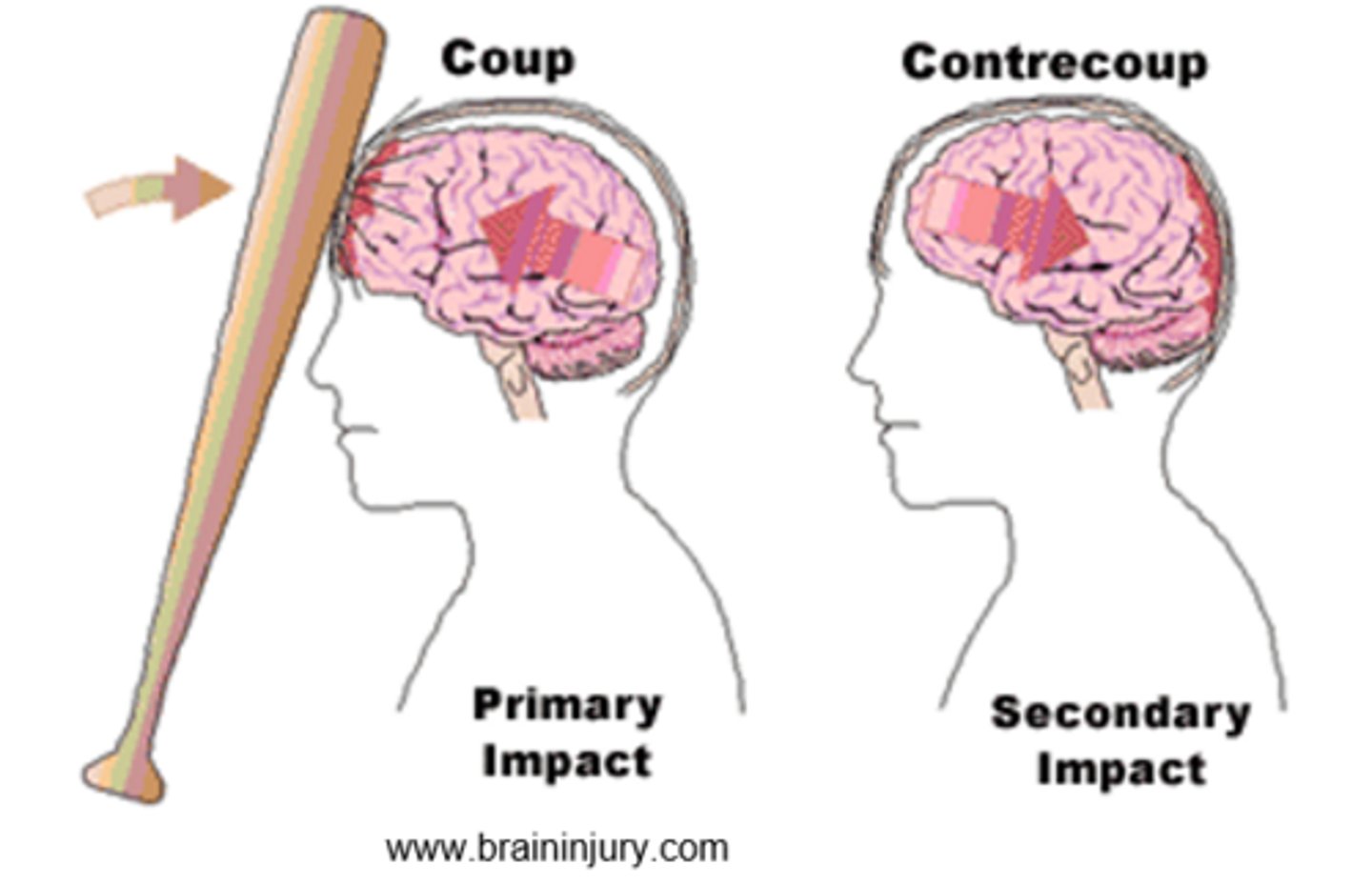
What are the differences between Coup lesions and Contrecoup lesions?
Coup lesions are most severe when a stationary head is hit by a moving object,
Contrecoup lesions are most sever when a moving head bounces against a stationary object
(Start a coup with a baseball bat)
T/F: Damage to axons in the spinal cord always results in degeneration of the "downstream" portion of the axon
True
If you lose an entire thoracic vertebrae, what tracts would be damaged in lumbar vertebrae? Cervical vertebrae?
Lumbar would lose motor tracts, since those would be downstream, while cervical would lose sensory tracts, since those would also be downstream, because they travel in different directions
What are the types of trauma in the PNS?
Crushing (downer cow),
Avulsion (tearing), and
Neoplasia (of nerve or nearby)
What does retrograde injury to DRG depend on?
Proximity of lesion and extent of damage
Any natural or artificial substance that is ingested, inhaled, injected, or absorbed that is capable of injuring or killing an organism is a what?
Poison
How do poisons cause damage?
Interfere with vital cellular functions (duh?)
T/F: Poison lesions are typically bilaterally symmetrical
True
What are the major patterns of poisons?
Malacia (softening),
Selective necrosis, and
Spongiosis (vacuolation)
What is an example of a poison causing laminar cortical necrosis?
Lead poisoning
How does lead poisoning cause necrosis?
Substitutes for calcium ions and disrupts metabolic functions of neural cells, and inhibits hemoglobin leading to hyoxia
What is an example of a poison causing regionalized necrosis in horses?
Nigropallidal encephalomalacia from a toxin called repin in yellow star thistle
What is an example of a poison causing spongiosis?
Hepatic encephalopathy from increased levels of ammonia
A biological agent that causes disease in its host is a what?
Pathogen
How do pathogens hurt the nervous system?
Directly via disruption of tissues,
Via toxins that damage blood vessels, and
Immune reaction causing secondary damage
How do pathogens gain access to the nervous system?
Via bloodstream/circulating infected immune cells,
Via direct inoculation from extraneural sites, and
Via retrograde transport up nerves
What is an example of a pathogen entering via the bloodstream?
Bacterial meningitis of neonates, where infected umbilicus leads to septicemia
Aspergillus encephalitis, fungus with tropism for blood vessels
What is an example of a pathogen entering via direct extension?
Feline CNS cuterebriasis, larval form of rabbit bot fly entering through nasal cavity, causing direct damage
What is an example of a pathogen entering via the nerves?
Rabies, carried in saliva, with replication in muscle before traveling into the nerves
What is granulomatous meningoencephalitis (GME)?
Influx of inflammatory cells around brain vessels, forming perivascular cuffs
What are you looking for when interpreting skull radiography?
Symmetry!
What are the radiographic views of the skull?
Open mouth ventrodorsal,
Open mouth bulla view, and
Rostrocaudal frontal sinus view
What are the standard views of the spine?
Lateral and ventrodorsal
How can you get parallel positioning for a spine?
Support nose, neck, and limbs with cushions
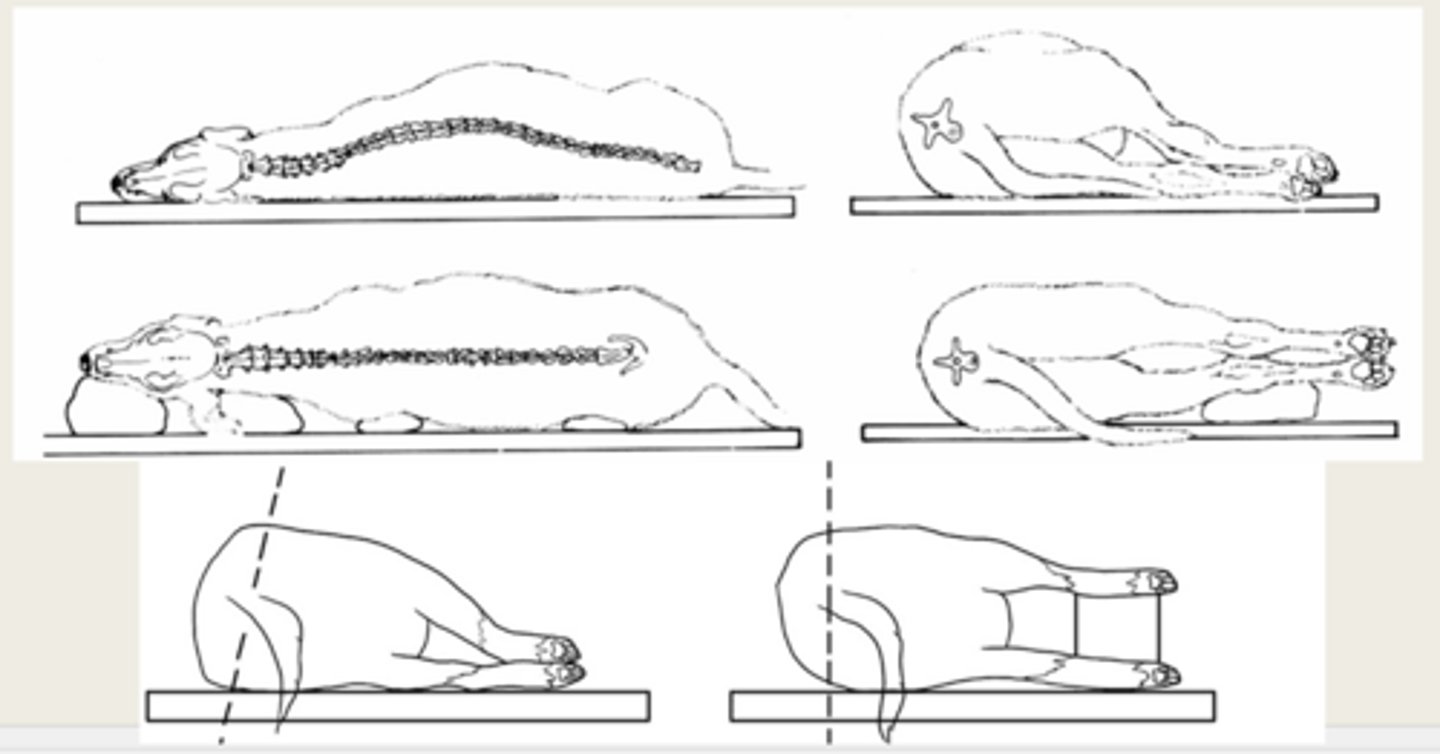
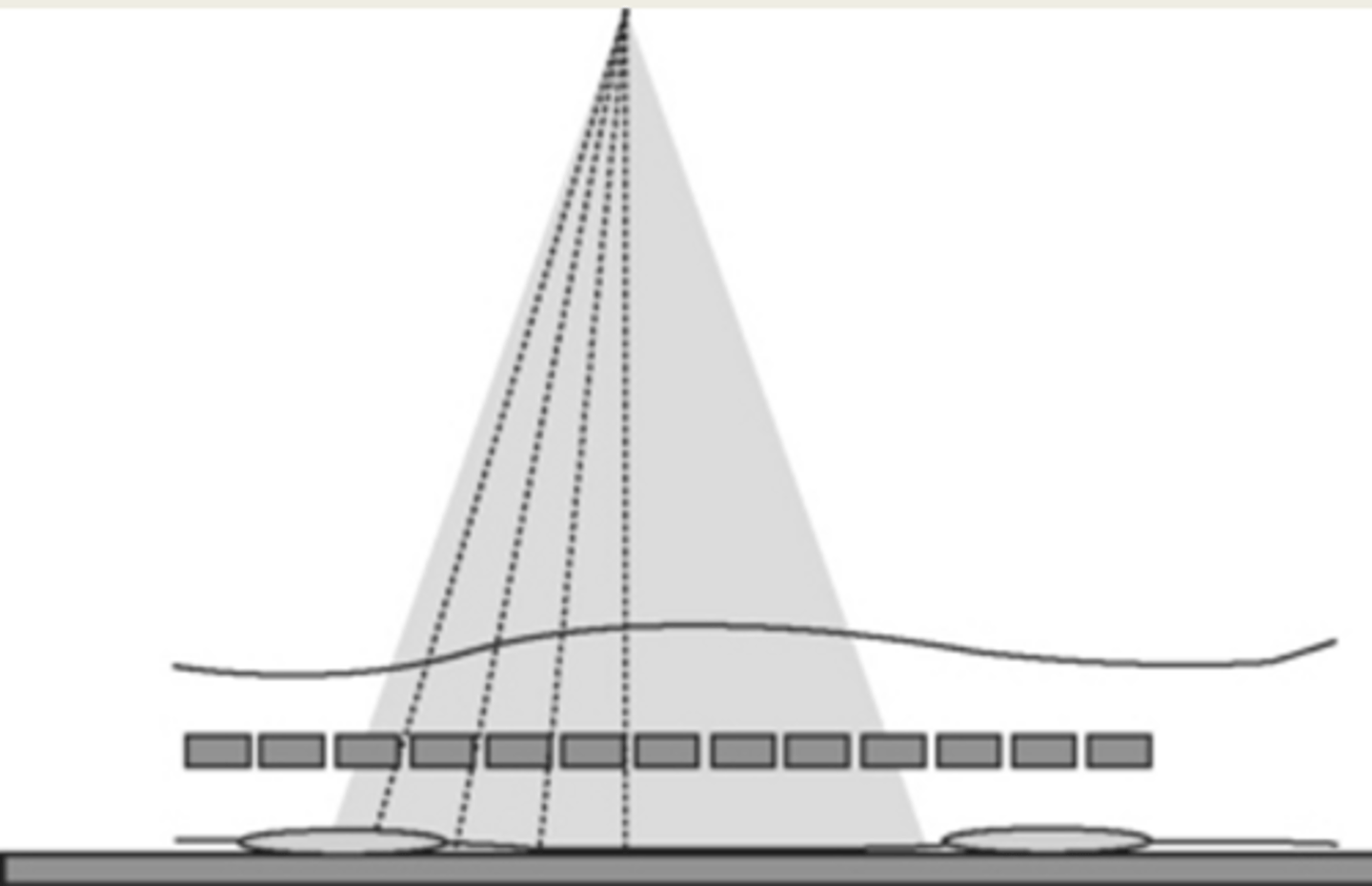
Why don't we take full spine views?
Intervertebral spaces that are further from the center look smaller even though it is artifactual due to the angle of the ray
What is the vertebral formula for the dog?
C7 - T13 - L7 - S3
What are the two key points of the normal anatomy of C1 and C2?
Dorsal arch of C2 should overlap C1, and
Linear alignment of dorsal lamina
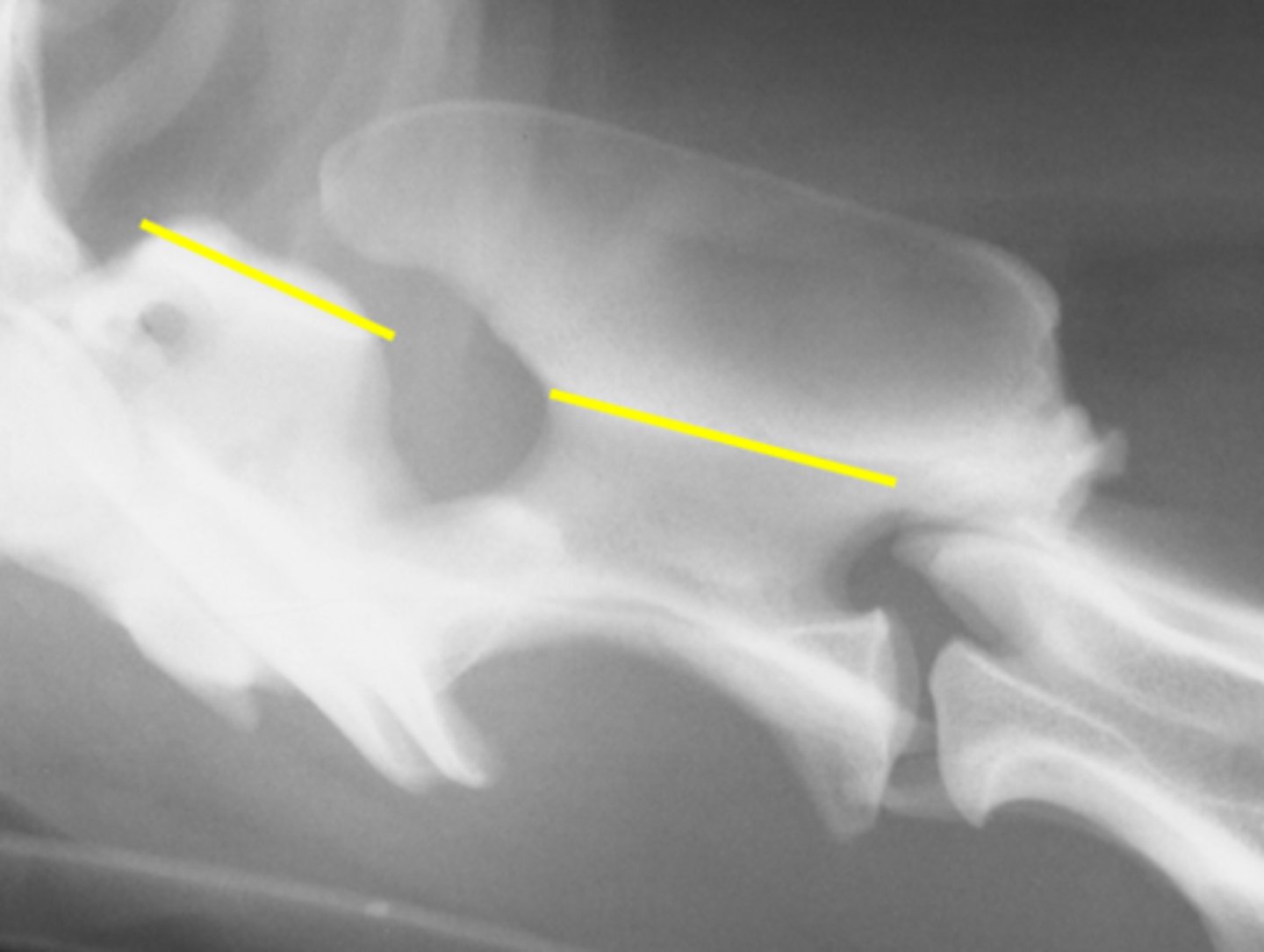
What is the normal anatomy of C6?
Large, ventral transverse process
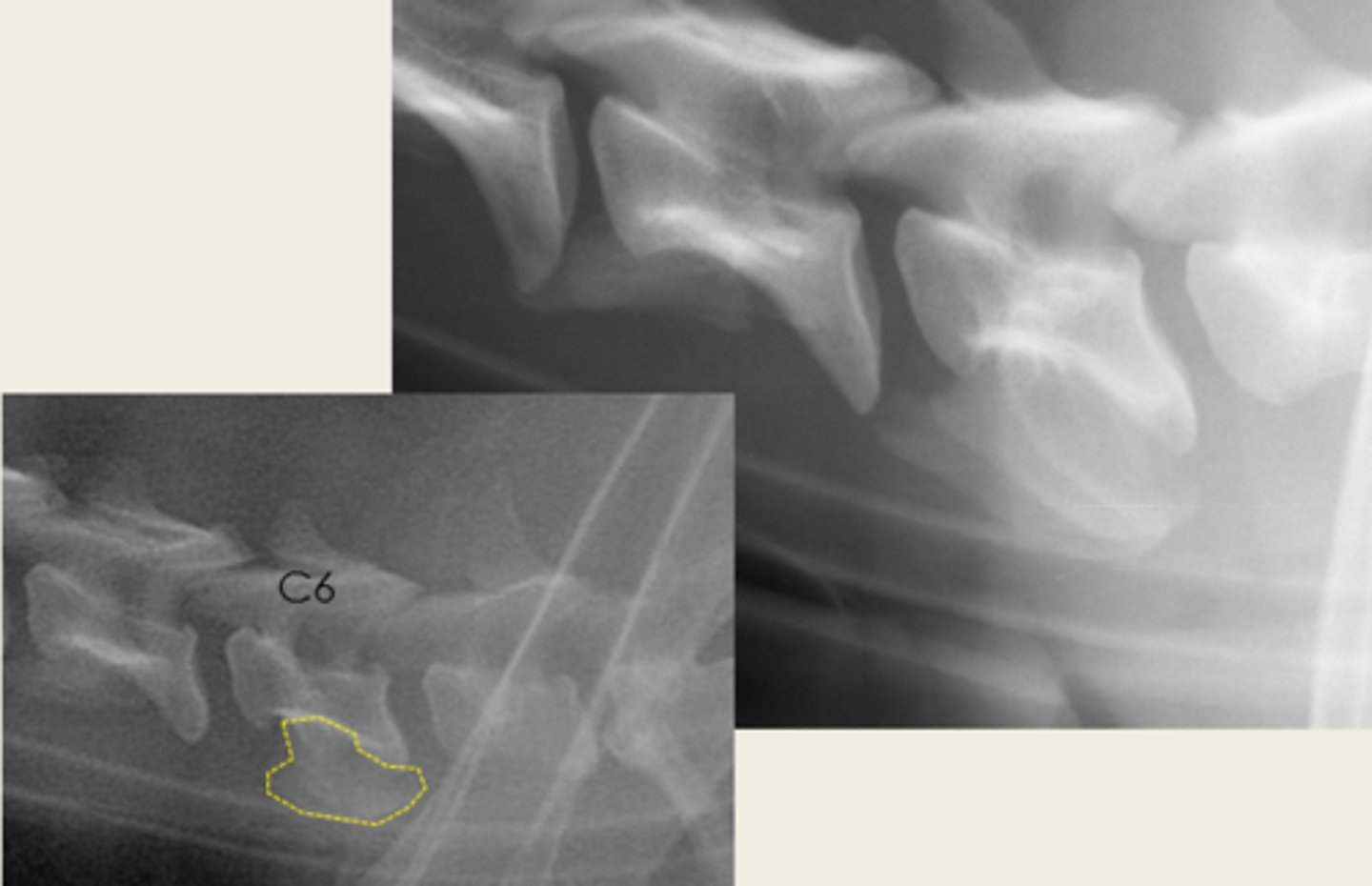
What vertebrae are anticlinal (upright transverse processes)?
T10/T11
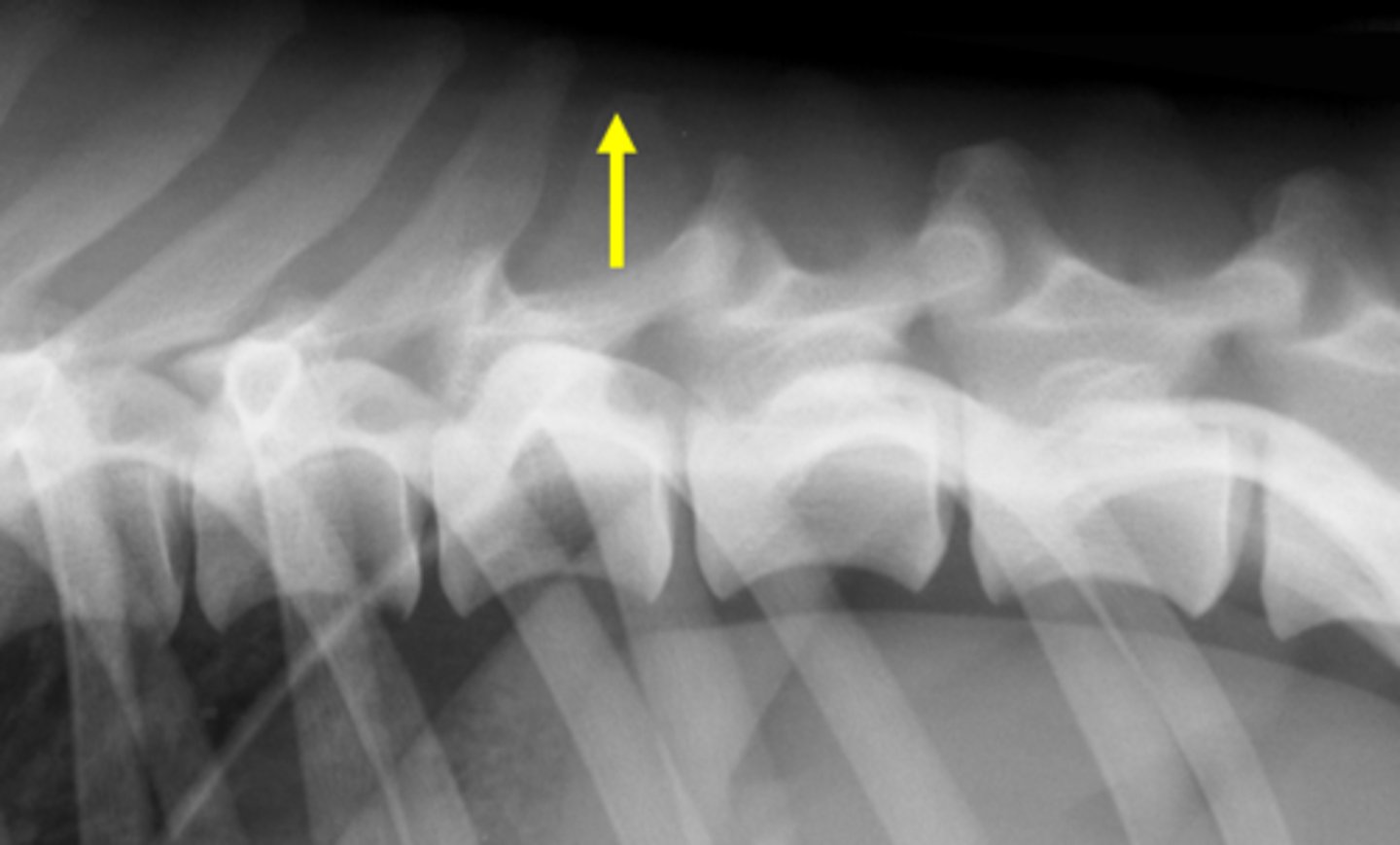
What is unique about the disc space cranial to the disc space? (what the heck was I trying to say? I'll check the ppt later . . .)
The disc space is narrowed
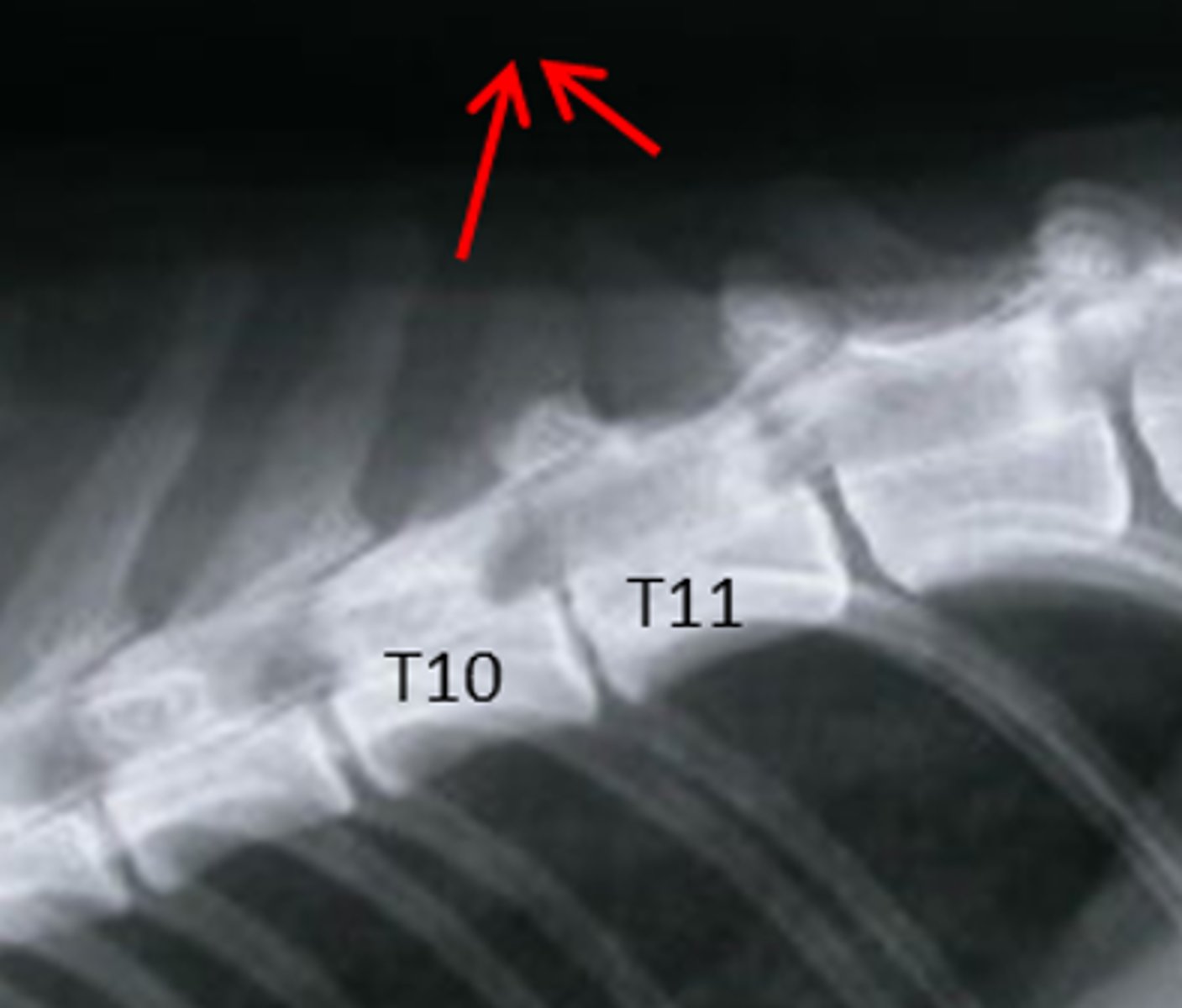
What vertebrae are often shorter than the adjacent vertebrae?
C7 and L7
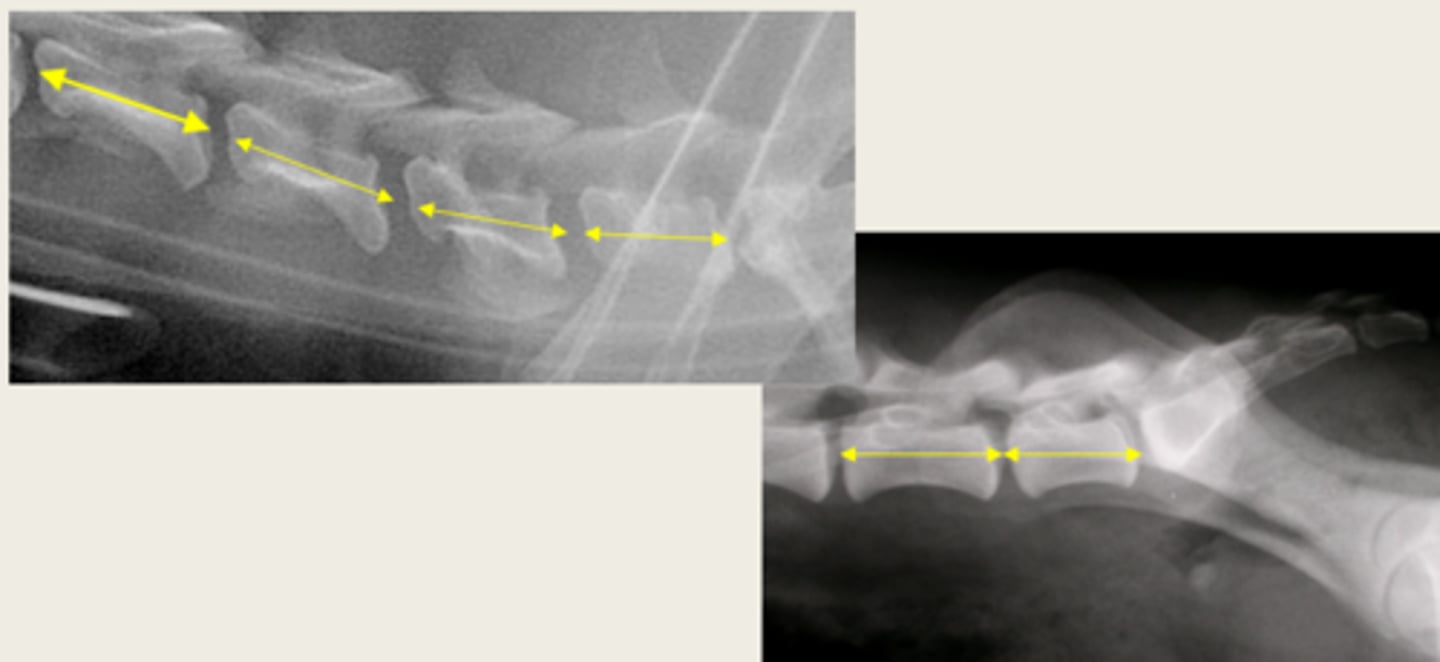
What vertebrae have indistinct ventral borders, and why?
L3 and L4 since this is where the diaphragmatic crura originate
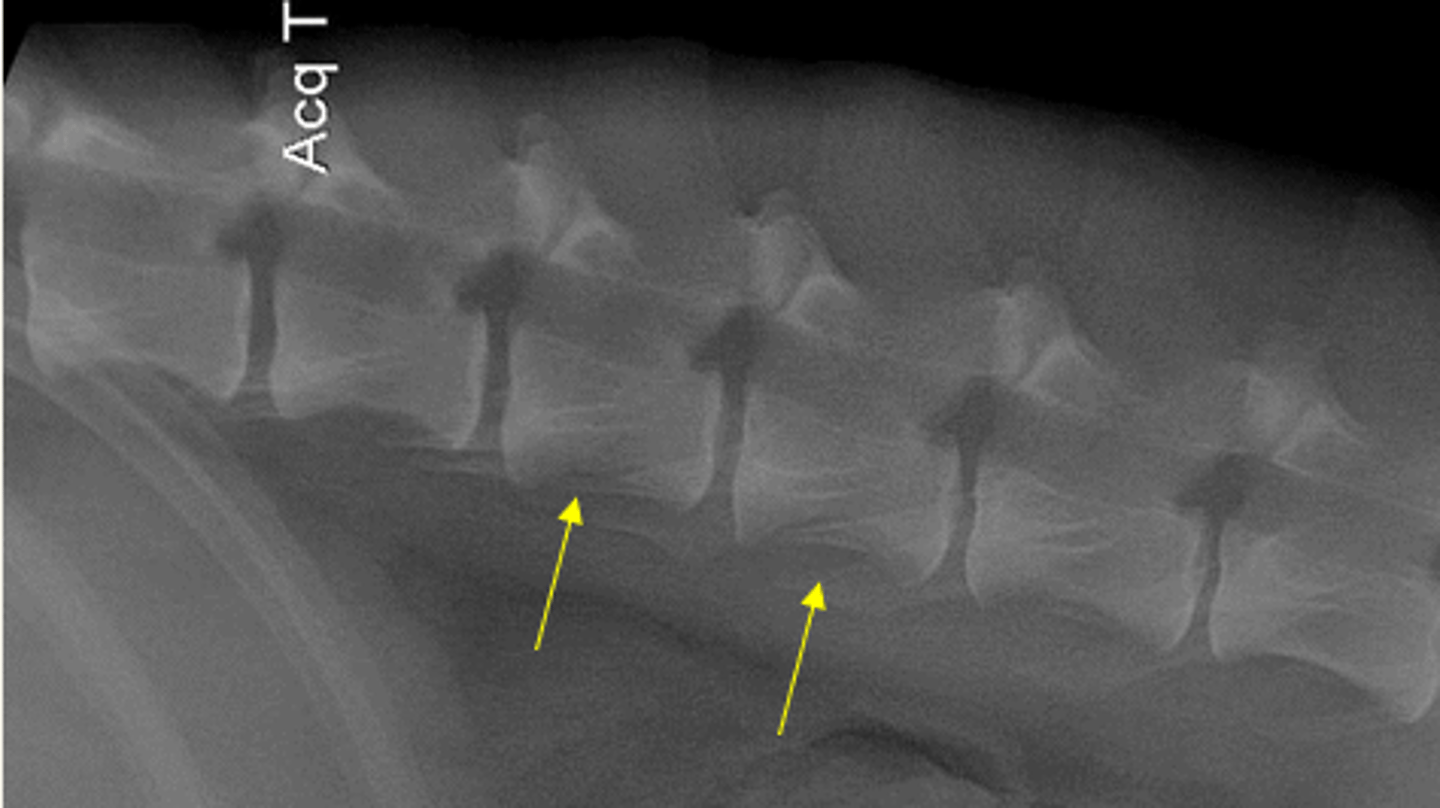
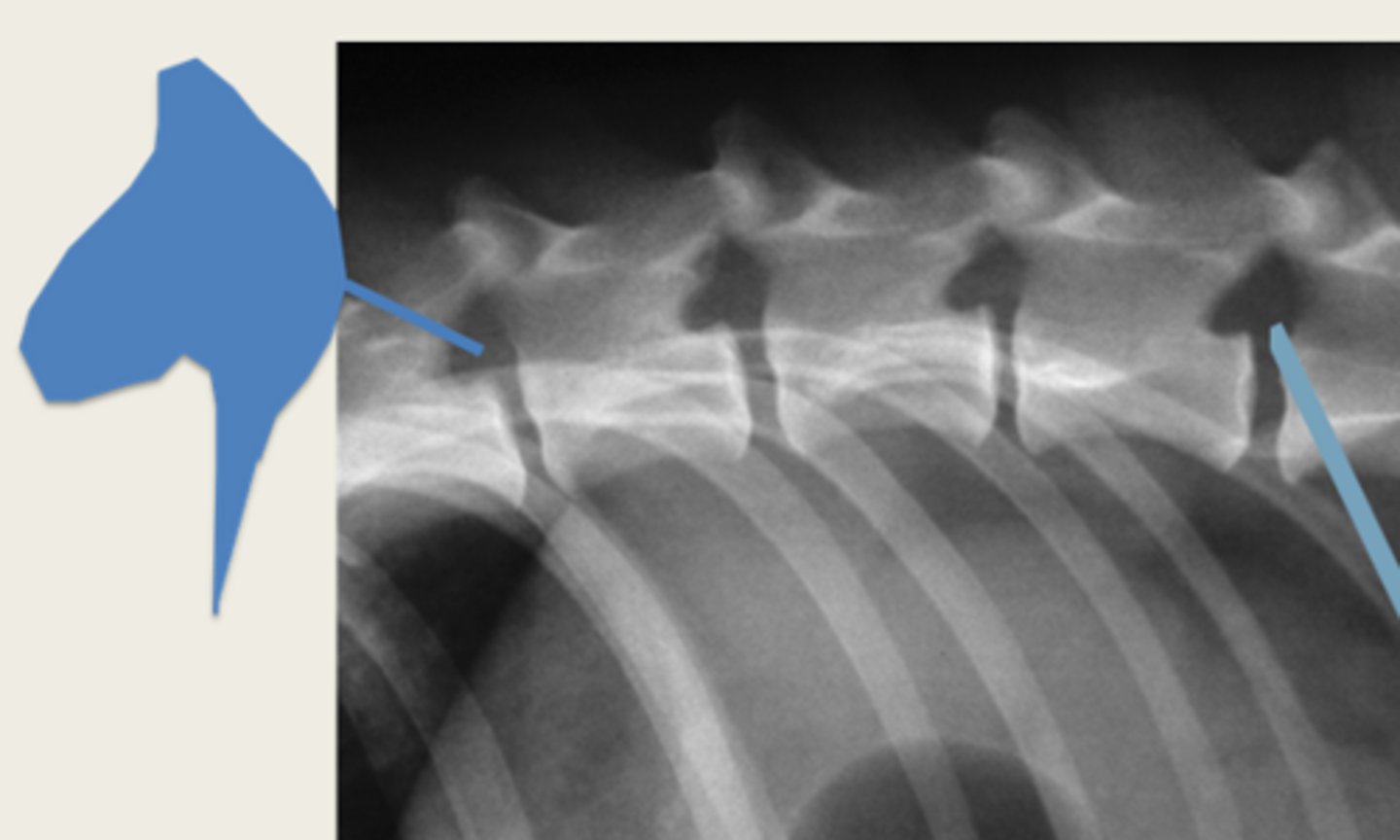
Where are the intervertebral foramina best seen, and what do they look like?
Lumbar region; horse heads
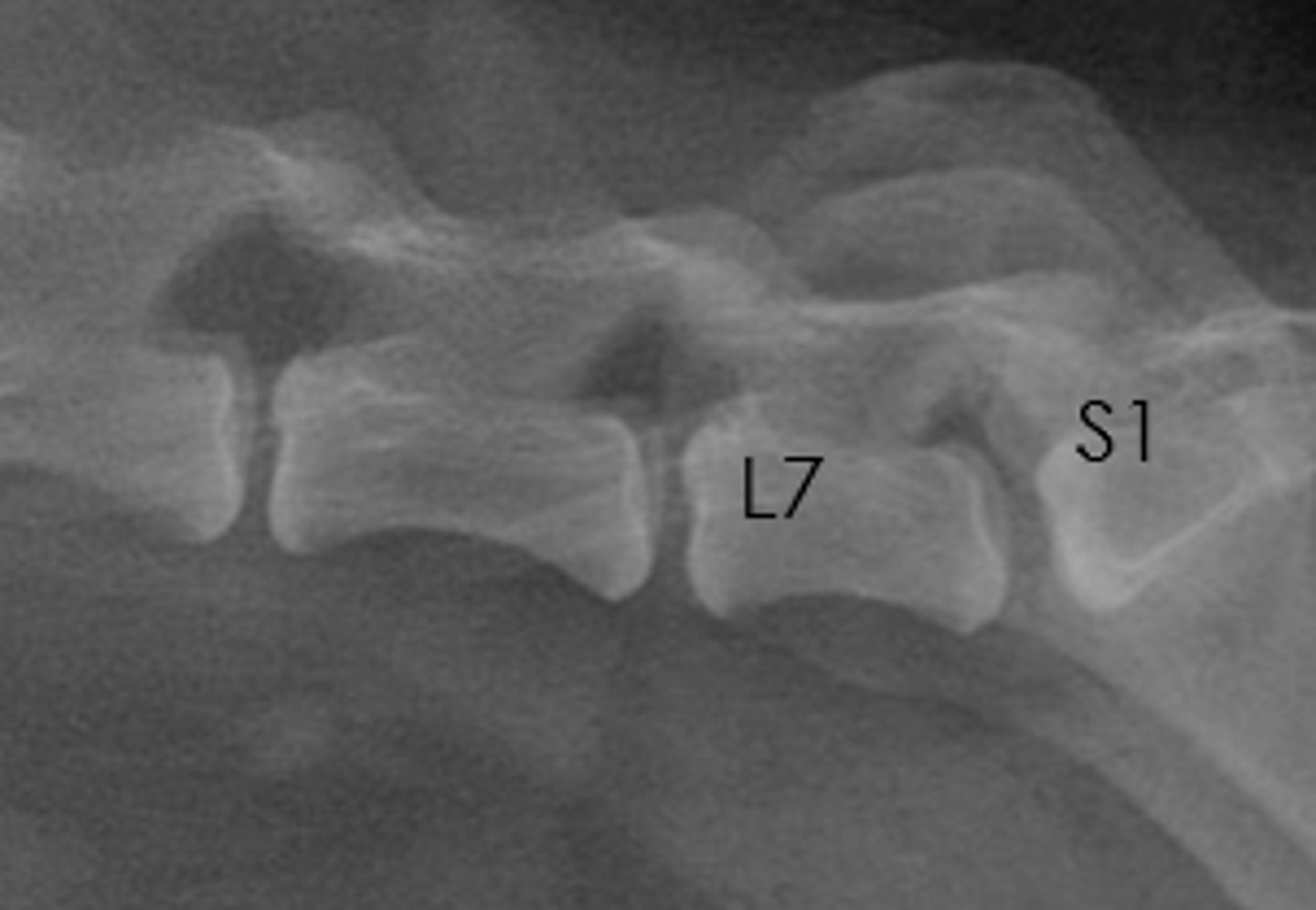
What space is often wider than other disc spaces?
L7 - S1
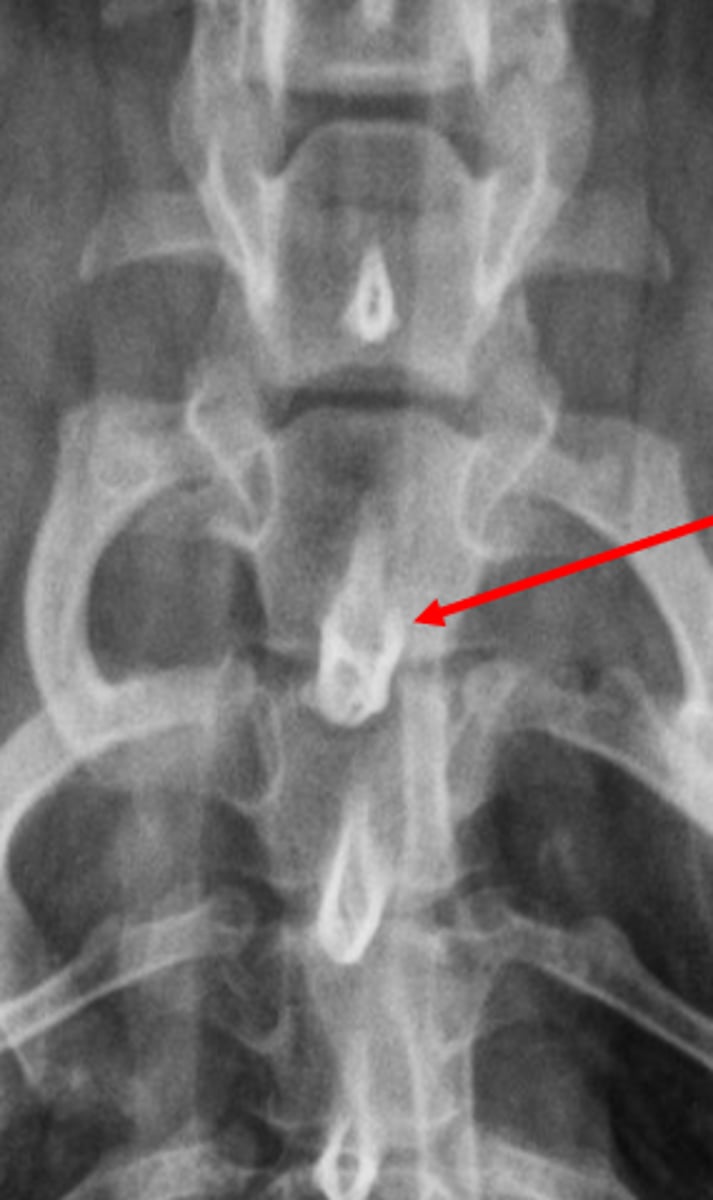
How can you locate the start of the thoracic vertebrae?
The T1 dorsal spinous process will be superimposed with the caudal aspect of T1, while C7 will have a more central dorsal spinous process
Congenital vertebral malformations are more common in what breeds?
Chondrodystrophic dogs and brachycephalic breeds
What are some examples of congenital vertebral malformations?
Hemivertabrae,
Block vertebrae,
Transitional vertebrae, and
Spinal curvature
What are the radiographic findings of hemivertebrae?
Abnormal shape, usually smaller and wedge shaped on lateral, curving the spine
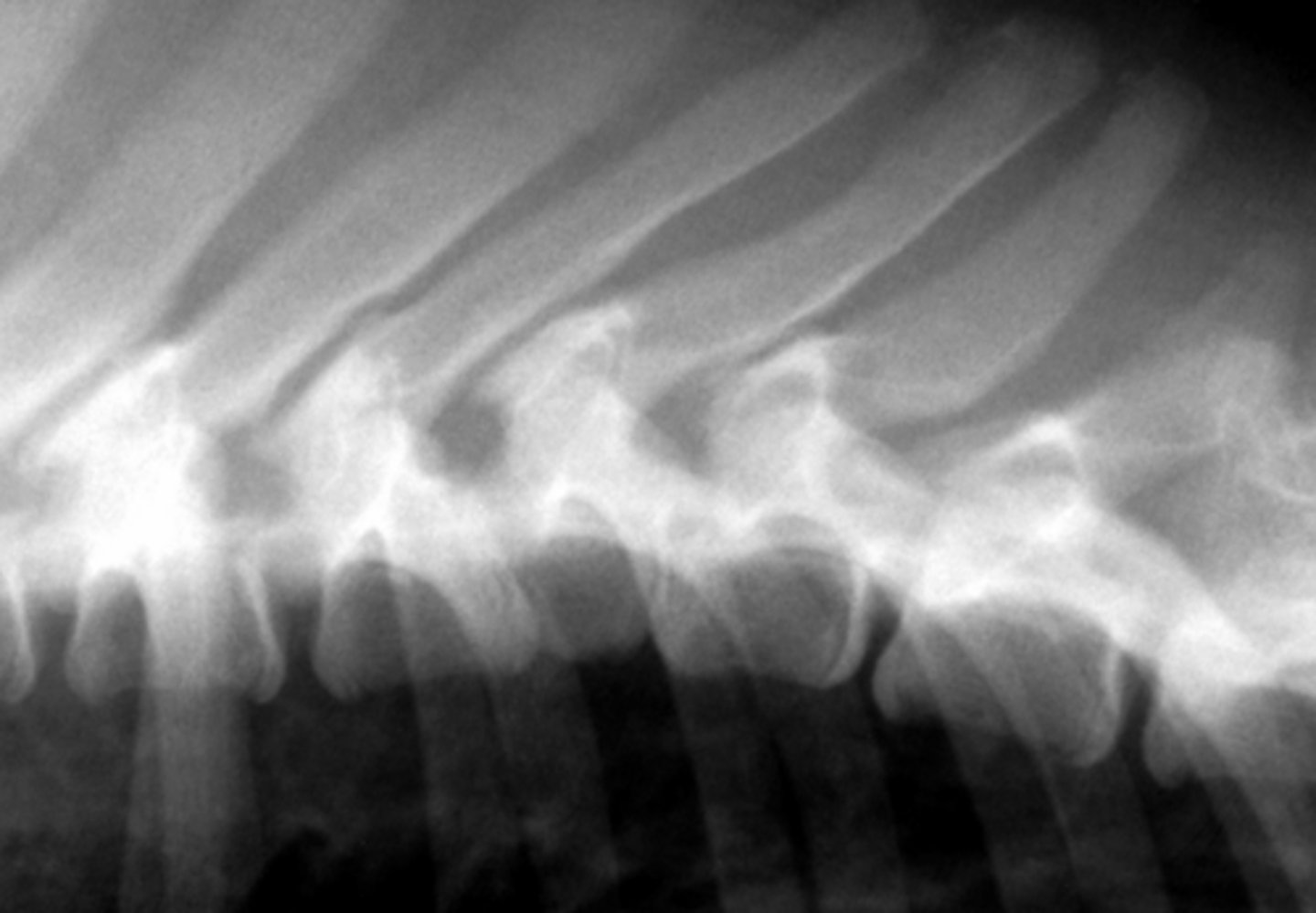
What type of hemivertebrae is a mid-line defect throughout the length of the vertebrae?
Butterfly vertebrae
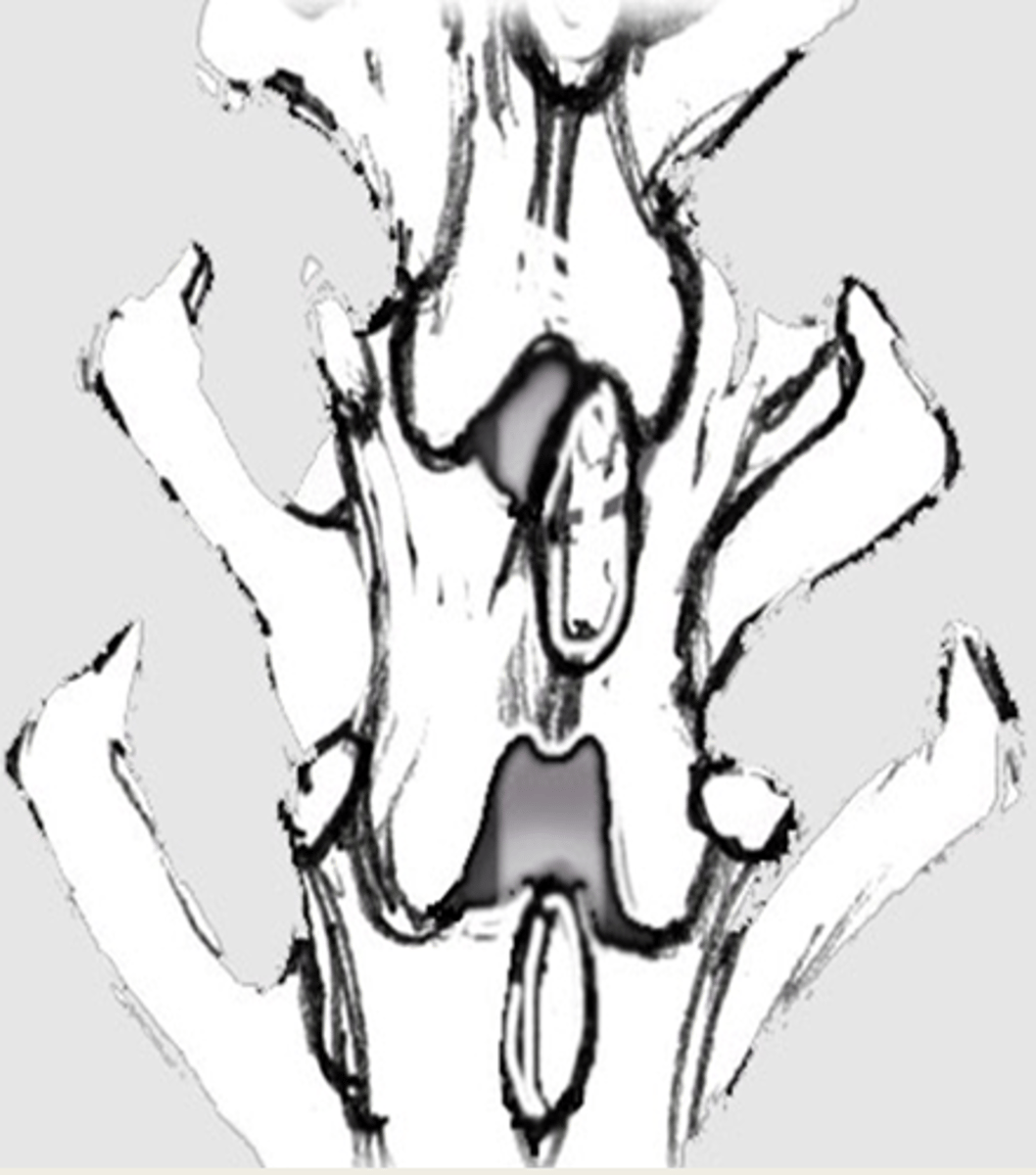
What is a transitional vertebrae?
Anomalous formation occurring at the junction of the spinal segment so that the vertebra assumes characteristics of both segments
What does transitional vertebrae look like at the TL junction?
Lack of ribs at T13,
Ribs at transvers process of L1, and
1 rib + 1 transverse process
What does transitional vertebrae look like at the LS junction?
Fusion of L7 to the sacrum, and
Transverse process and discs between S1 + S2
What is block vertebrae?
Failure of segmentation of somites during embryogenesis
T/F: Block vertebrae is always significant
False, usually insignificant, but can add stress to the adjacent disc space
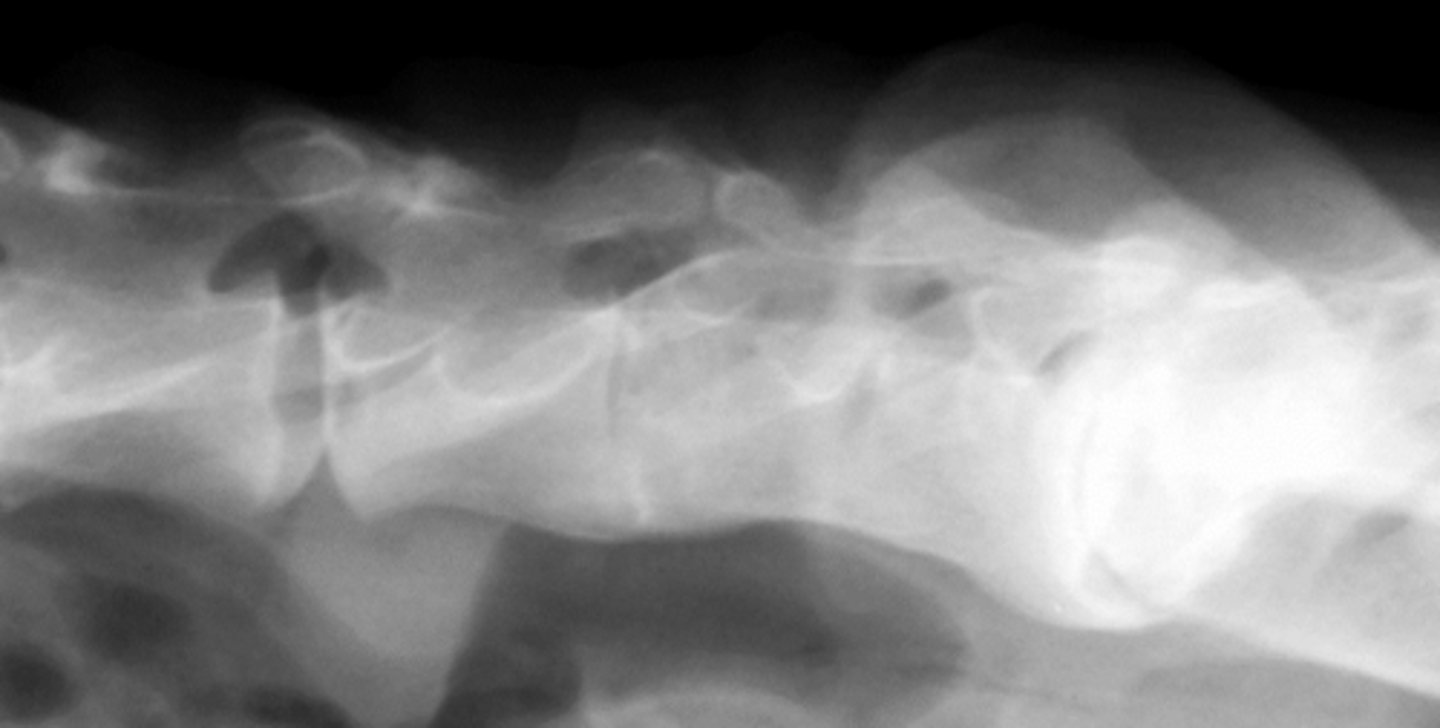
What is the approach to interpretation of spinal radiogrpahy?
Evaluate all parts,
Compare to adjacent vertebrae,
Assess for morphologic changes, and
Assess for bone lesions
How can we assess for morphologic changes (IVDD)?
Evaluate disc spaces/size, foramina, fractures, and aggressive bone lesions
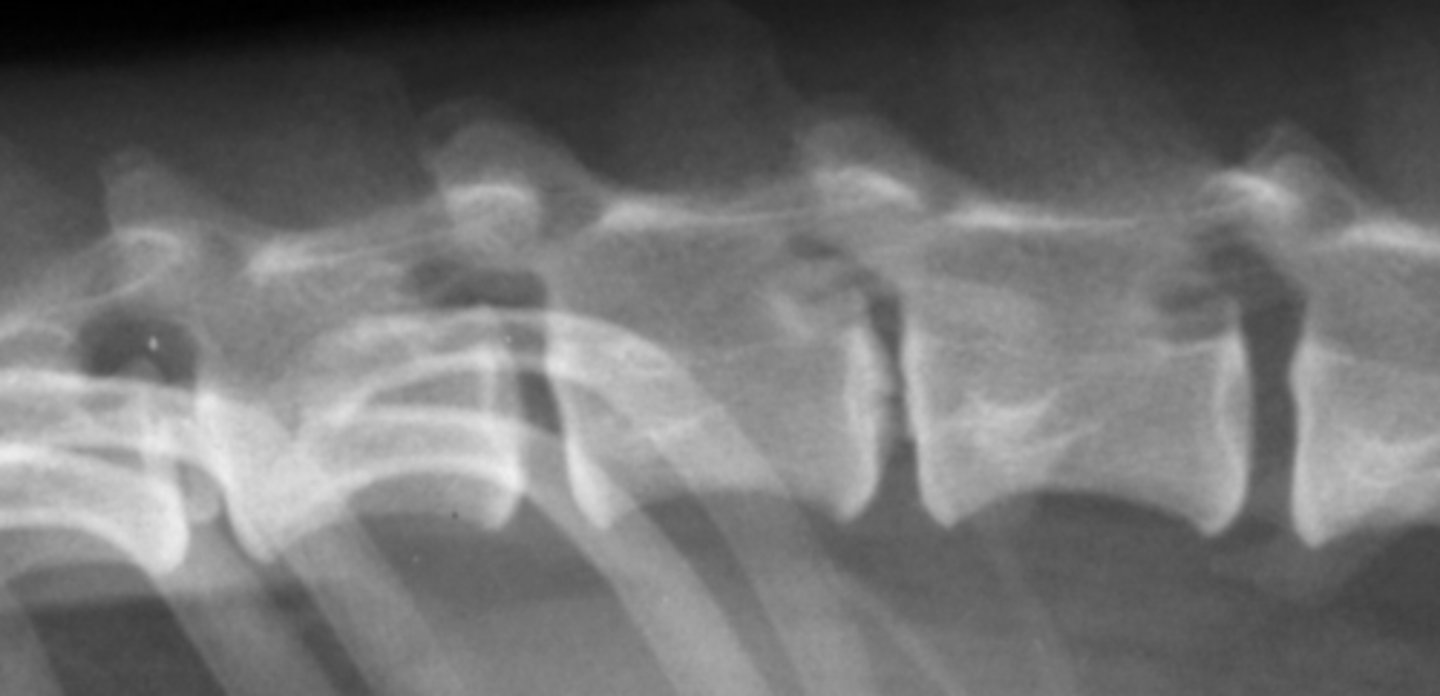
What are the indications for advanced imaging?
No observable lesions,
Site of radiographic change doesn't correlate to neurolocalization,
Surgical planning,
Prognostic purposes, and
Intracranial imaging
What is myelography?
Radiographic contrast study to visualize margins by injecting iodinated contrast in the subarachnoid space
What are the patterns of myelography?
Extradural (lesion outside dura mater),
Intradural-extramedullary (lesion in subarachnoid), and
Intramedullary (lesion in spinal cord)
What are the advantages of CT over radiography?
Cross sectional image,
Greater tissue contrast,
Image manipulation,
Objective density measurements, and
3D reconstruction
What are the skull indications for CT?
Lumps and bumps,
Trauma,
Nasal disease,
Orbital masses,
Ear disease, and
Dental disease
What are the spine indications for CT?
IVDD (dachshunds!),
Trauma,
Aggressive osseous lesions,
Congenital abnormalities,
Developmental abnormalities, and
Degenerative changes (lumbosacral degeneration)
What are the cons of CT?
Ionizing radiation (oof),
Not great contrast of neural tissues,
Susceptible to motion artifact,
Susceptible to metallic artifacts,
Availability, and
Cost
What is the advantage of MRI vs CT?
Non-ionizing (uses protons),
Superior soft tissue contrast,
Determine tissue composition
What is the disadvantage of MRI vs CT?
Much longer scan time,
Requires general anesthesia (both),
More susceptible to motion artifacts
When do you use an MRI?
Gold standard for neuro conditions,
Intracranial neruolocalization, and
Spinal localization (when CT doesn't work)
What are the cons of MRI?
Limited imaging for osseous structures,
Susceptible to metallic artifacts,
Low availability, and
High cost
What are the general characteristics of MRI physics?
Images the hydrogen nucleus, where the main magnetic field lines up the small fields of the spinning proton. Then radiofrequency waves disturb the small fields. As protons return to their origin, they release energy detected by MRI, where differences in the rate at which they return to their origin determines the image
How does magnetic field strength affect images?
Higher strengths give better images
What is the role of MRI sequences?
Different sequences can highlight or suppress different tissue types, determined by the timing of pulses
What are the parameters of MRI sequences, and which one is bad?
Short TE + Short TR,
Short TE + Long TR,
Long TE + Short TR, (bad contrast)
Long TE + Long TR
What determines the signal intensity of MRI?
Depends on amount of protons in a tissue and sequence selection