History of Architecture
 Call Kai
 Learn
Learn Practice Test
 Spaced Repetition
 Match
Match Flashcards
 Knowt Play
1/85

There's no tags or description
Looks like no tags are added yet.
Name | Mastery | Learn | Test | Matching | Spaced | Call with Kai | Chat |
|---|
No analytics yet
Send a link to your students to track their progress
86 Terms
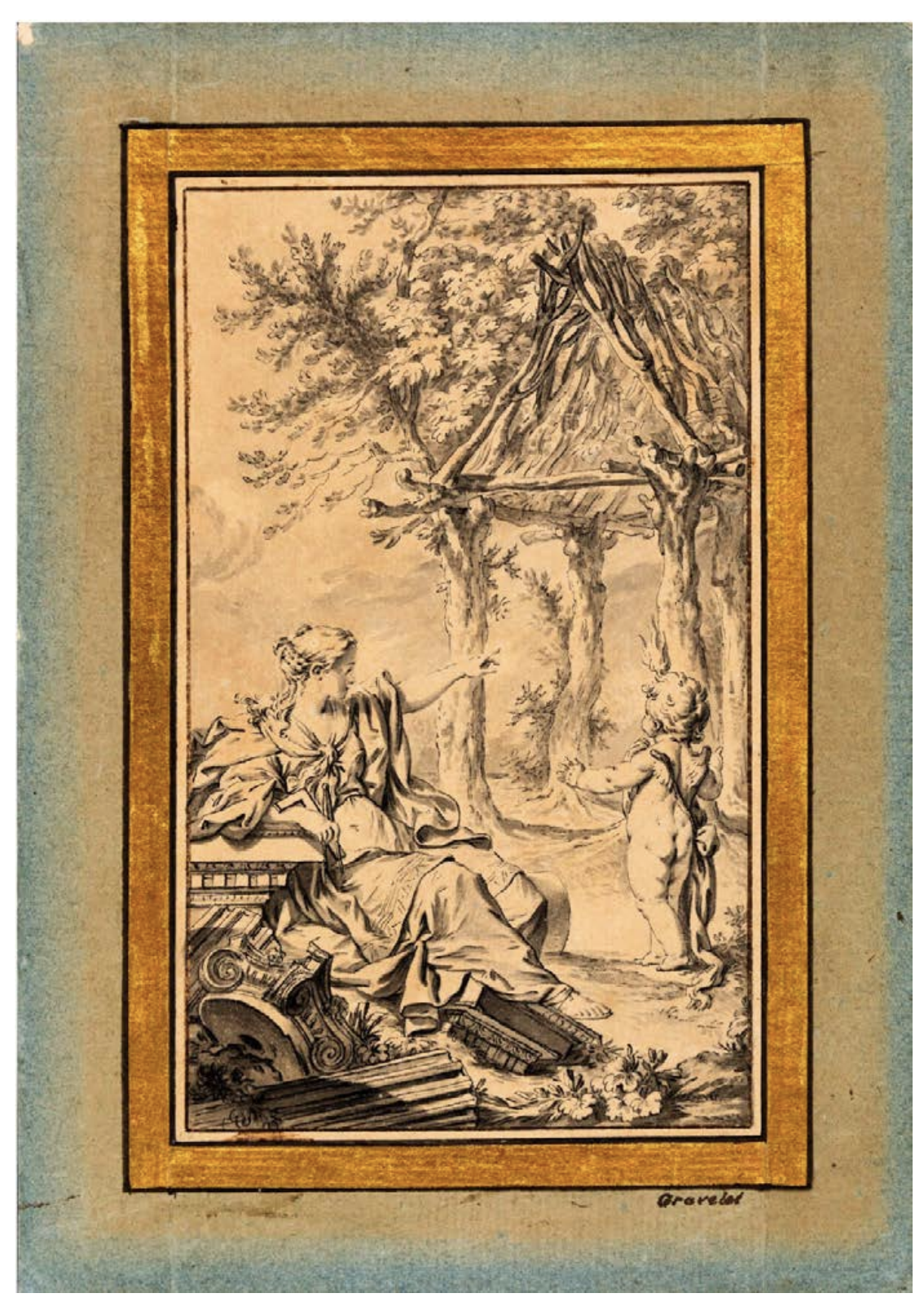
Charles Eisen. Preparatory drawing for the Frontispiece of Marc-Antoine Laugier’s “Essay sur l’architecture second edition” of 1755
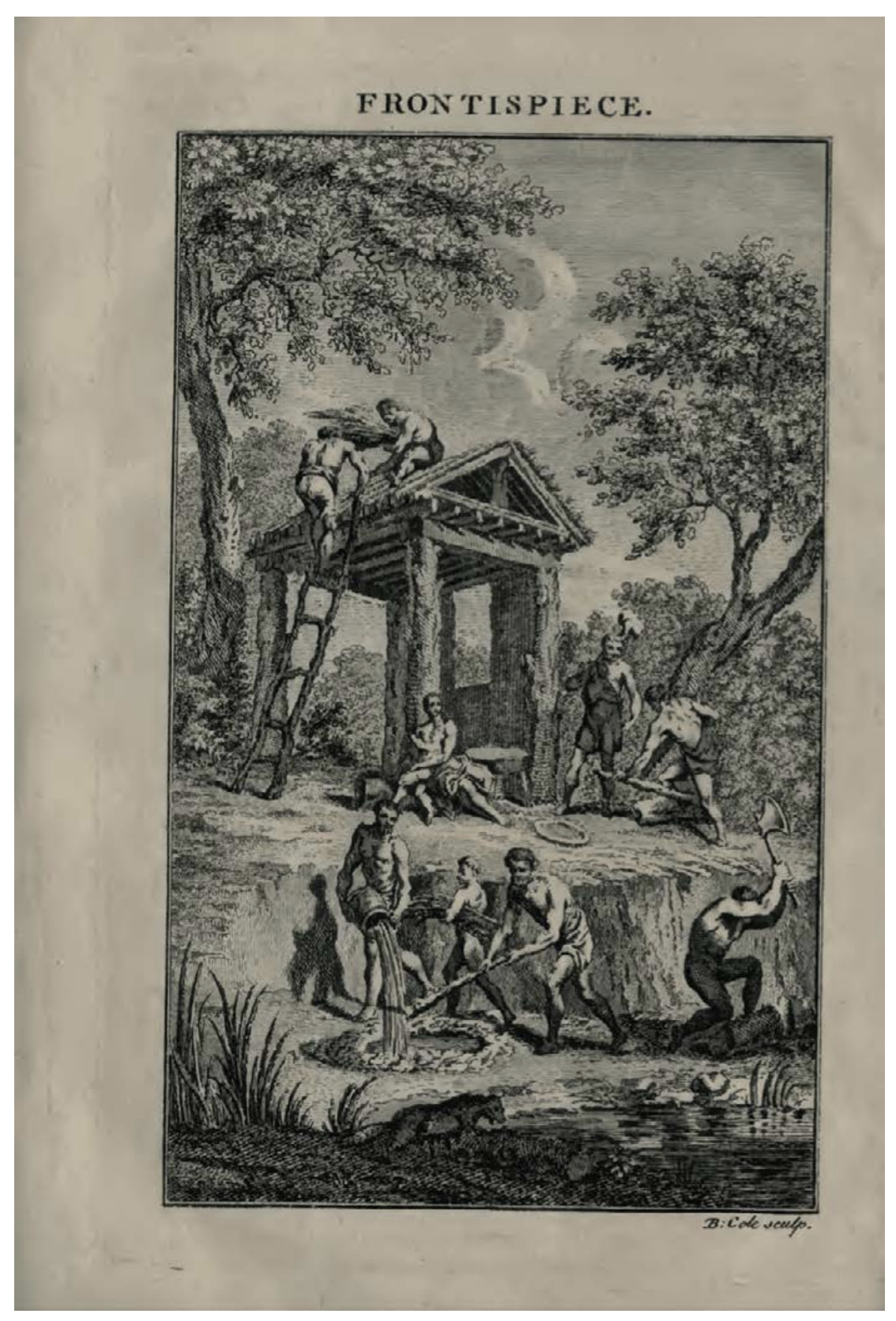
Frontispiece for the English edition of Marc-Antoine Laugier’s “Essai sur l’architecture”, 1755
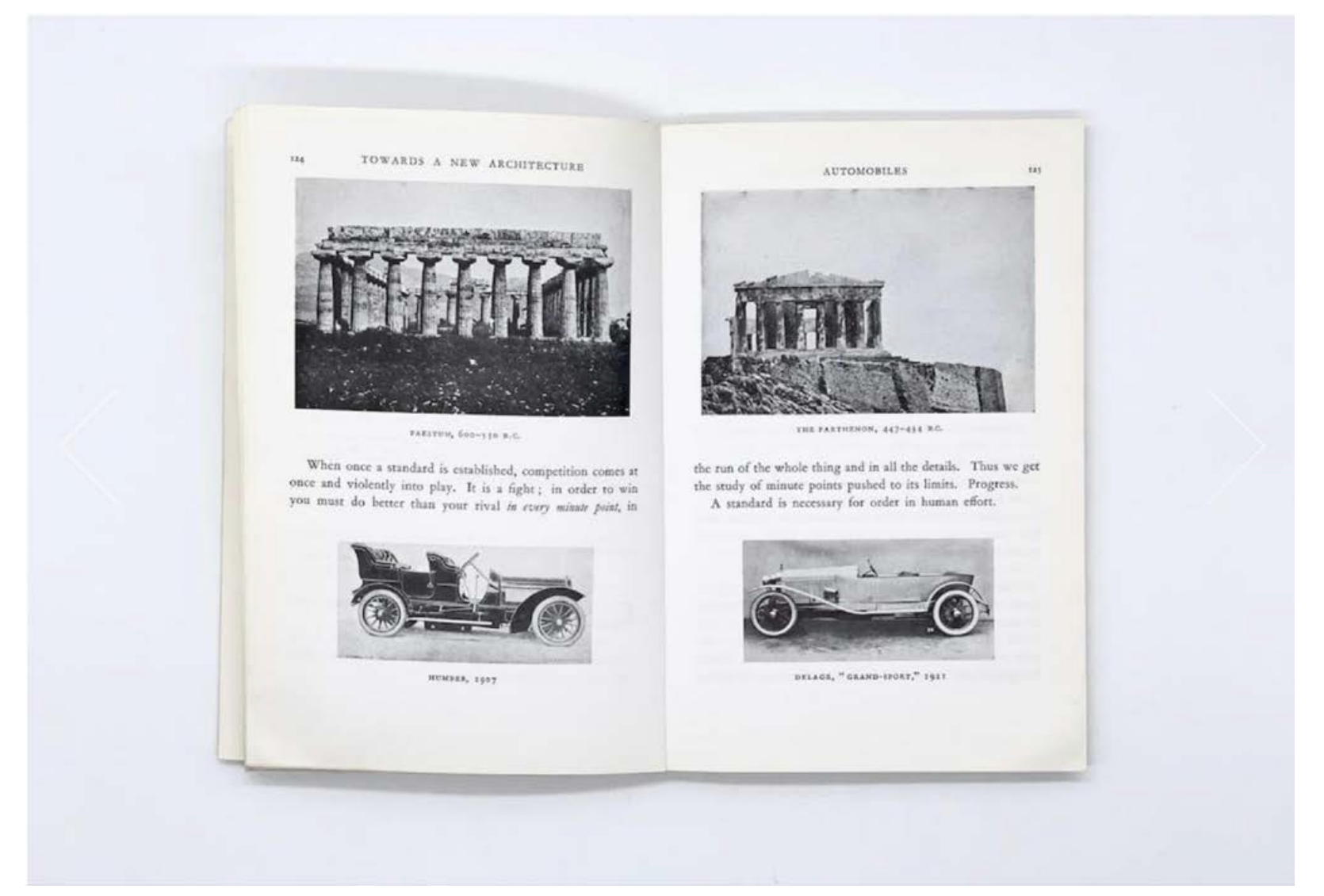
“The Machine Aesthetic” Le Corbusier. “Vers une architecture”, 1923
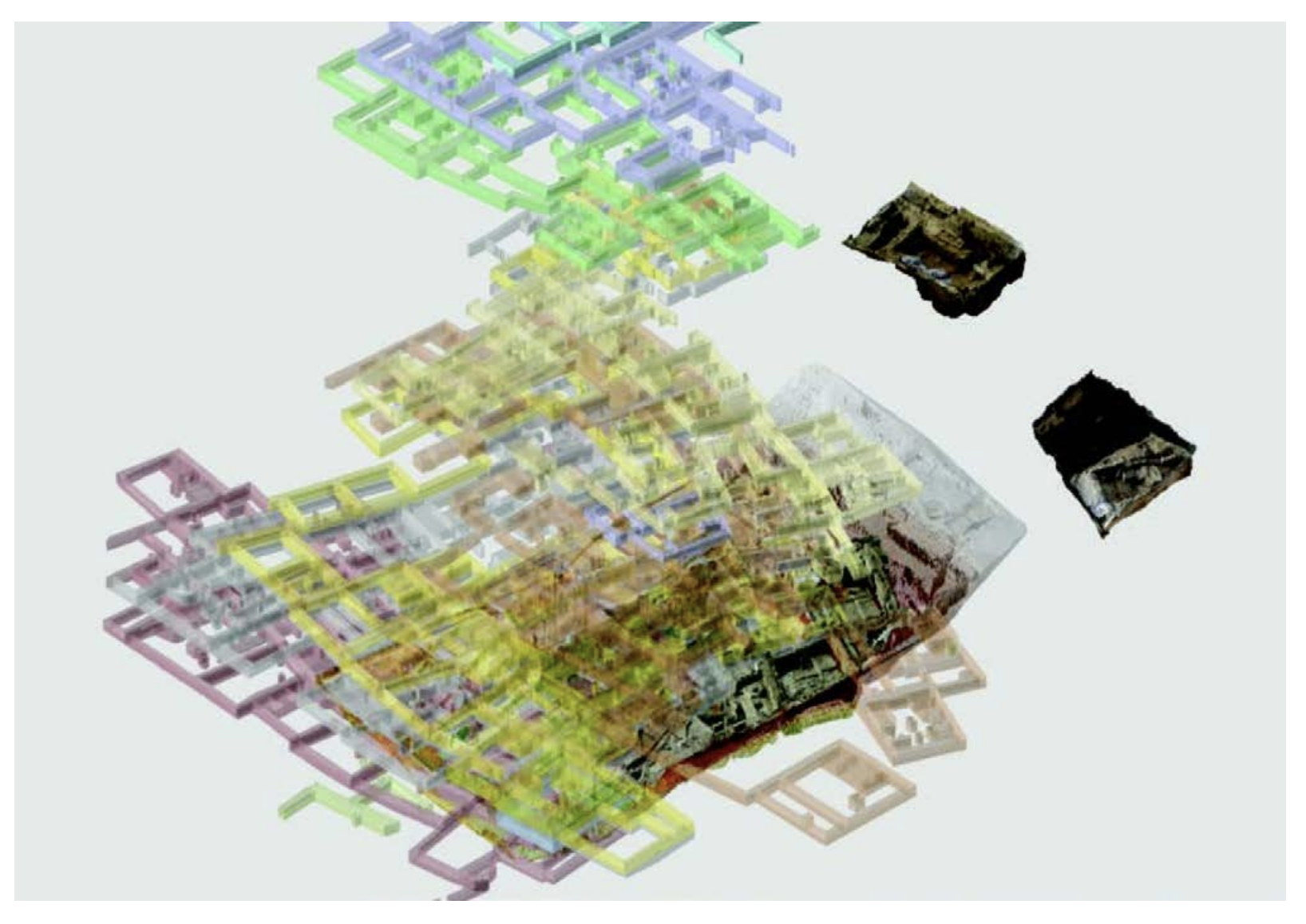
3D GIS visualisation of James Mellaart’s phases superimposed to the models generated by IBM by the 3D-Digging Project. From Maurizio Forte, Nicolò Dell’Unto, Kristina Jonsson and Nicola Lercari, “Assembling Çatalhöyük”, 2015
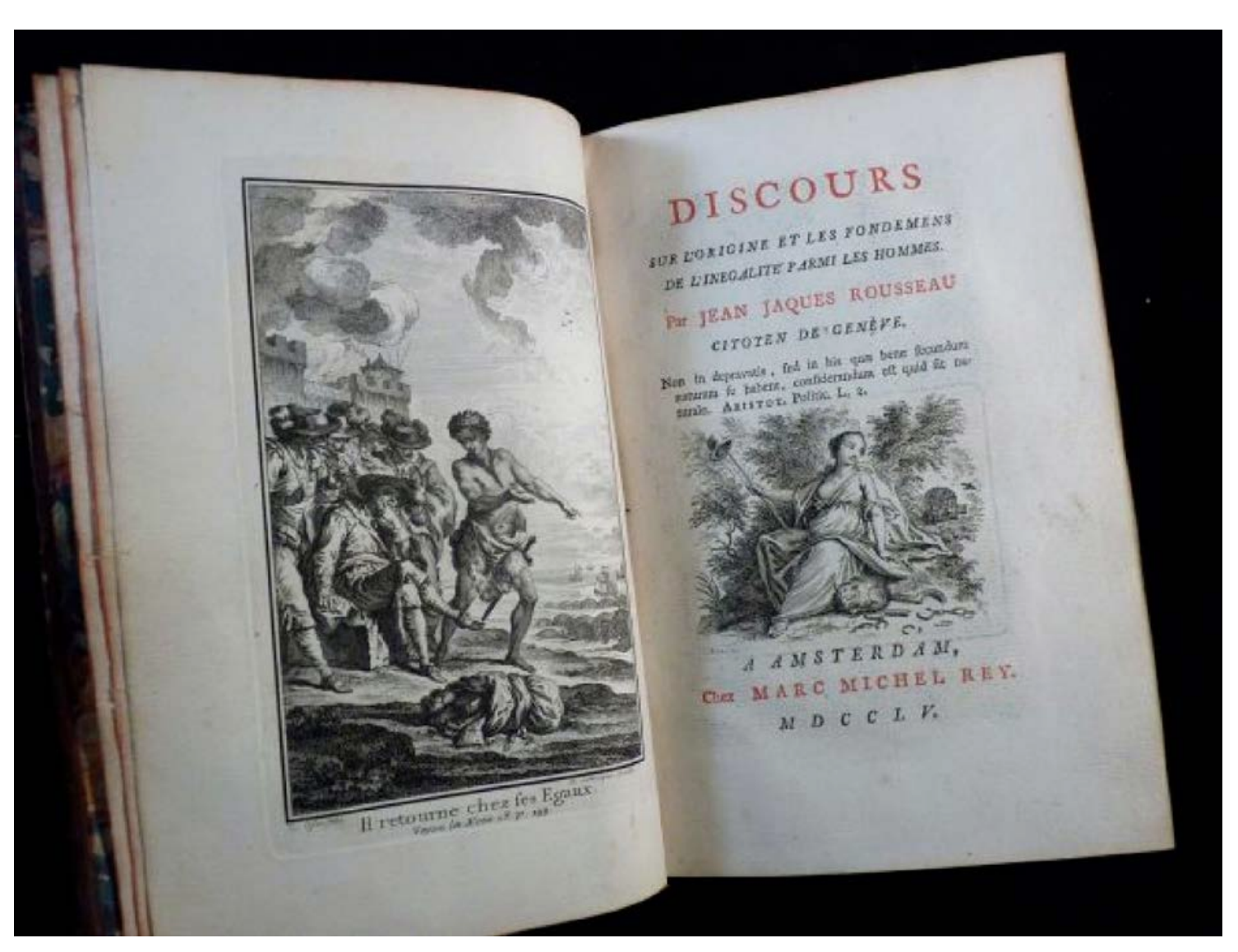
Jean-Jacques Rousseau. “Discours sur l’origine et les fondements de l’inégalité parmi les hommes”, 1755
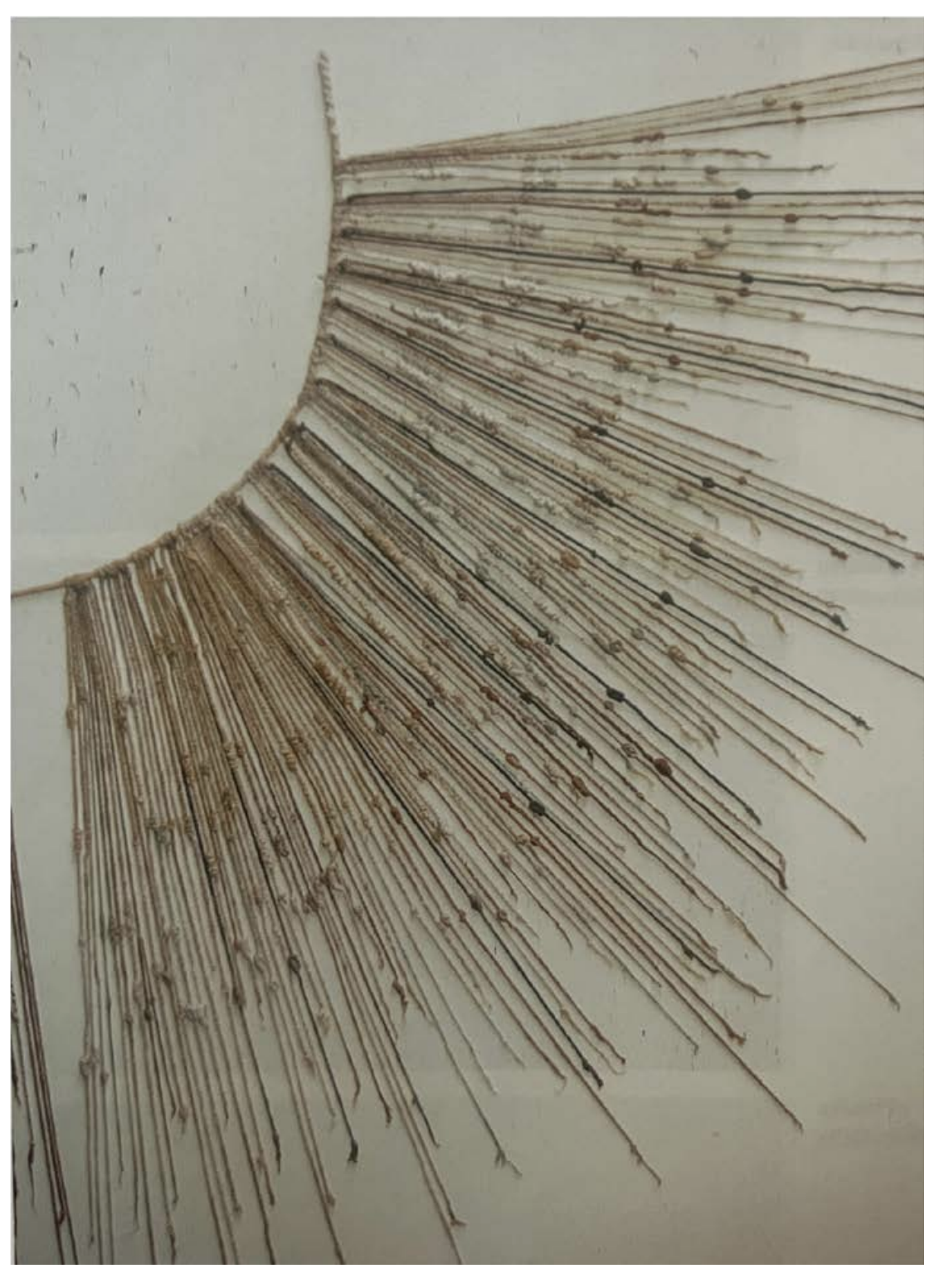
Section of Khipus UR11, Centro Mallaqui Perù
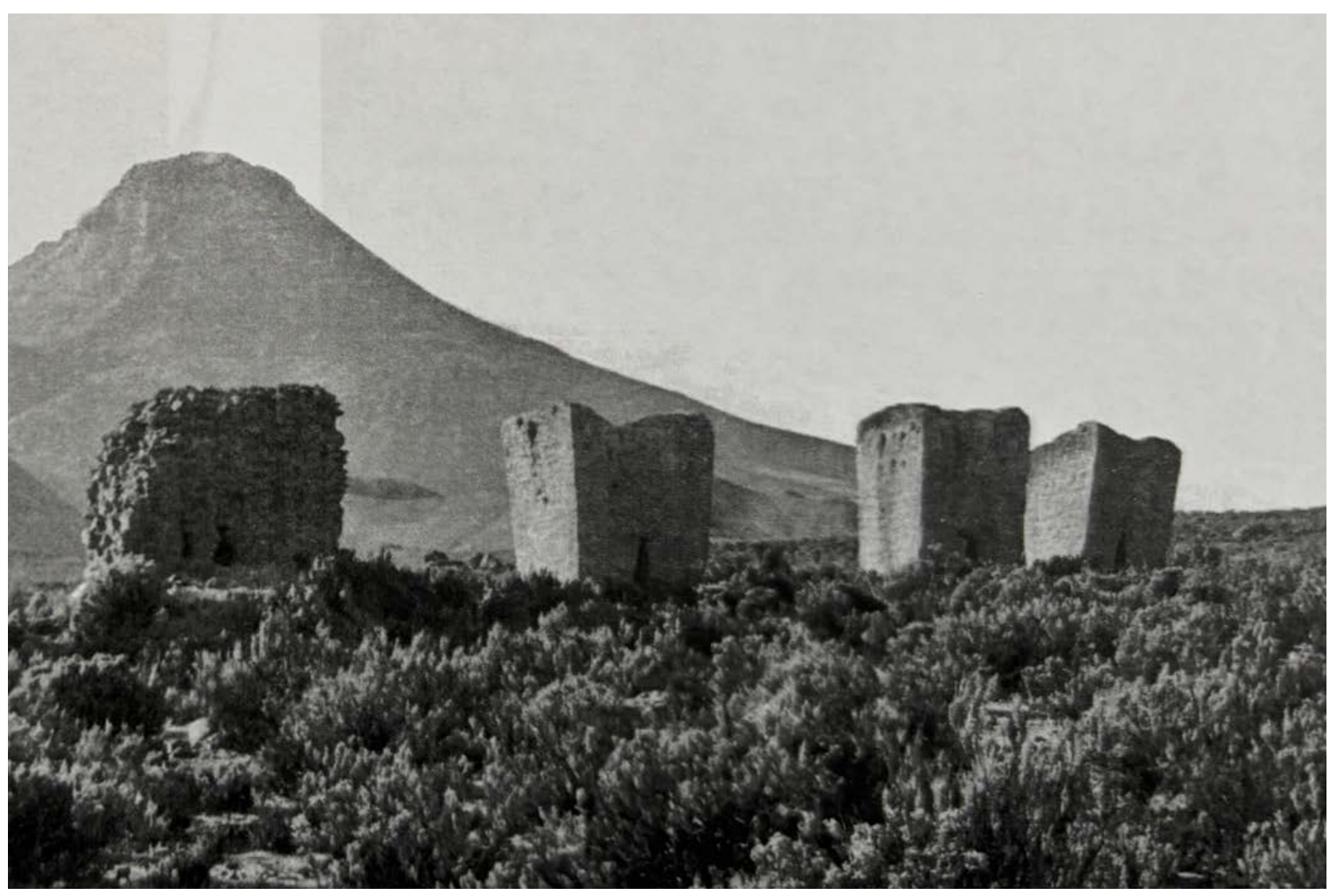
Chullpas at the foot of the Subaya volcano. Source: Teresa Gilbert
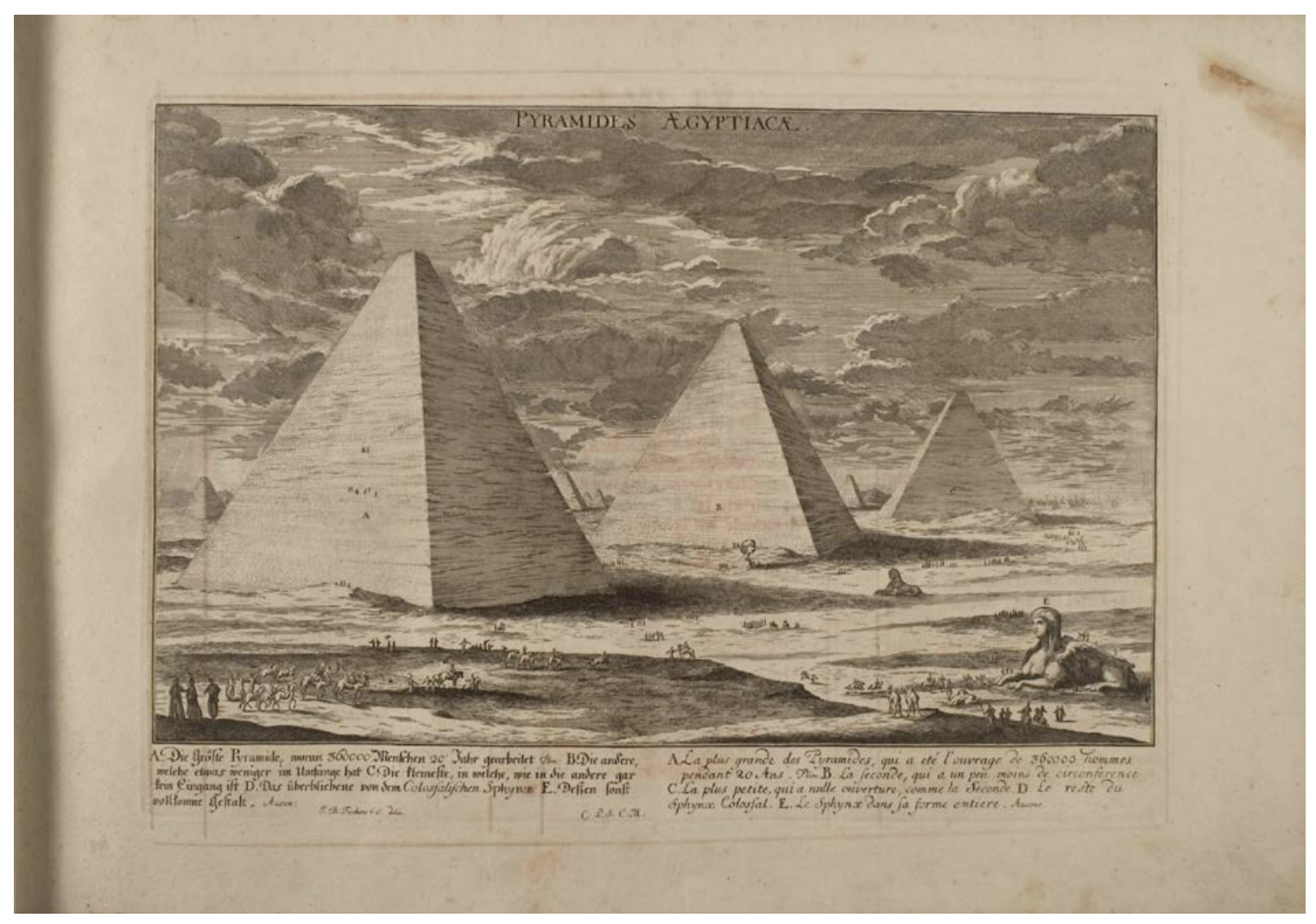
Johann Fischer von Erlach. “Les Pyramides Egyptiennes” In “A Plan of Civil and Historical Architecture. In the Representation of the Most Noted Buildings of Foreign Nations, both Ancient and Modern”, 1737
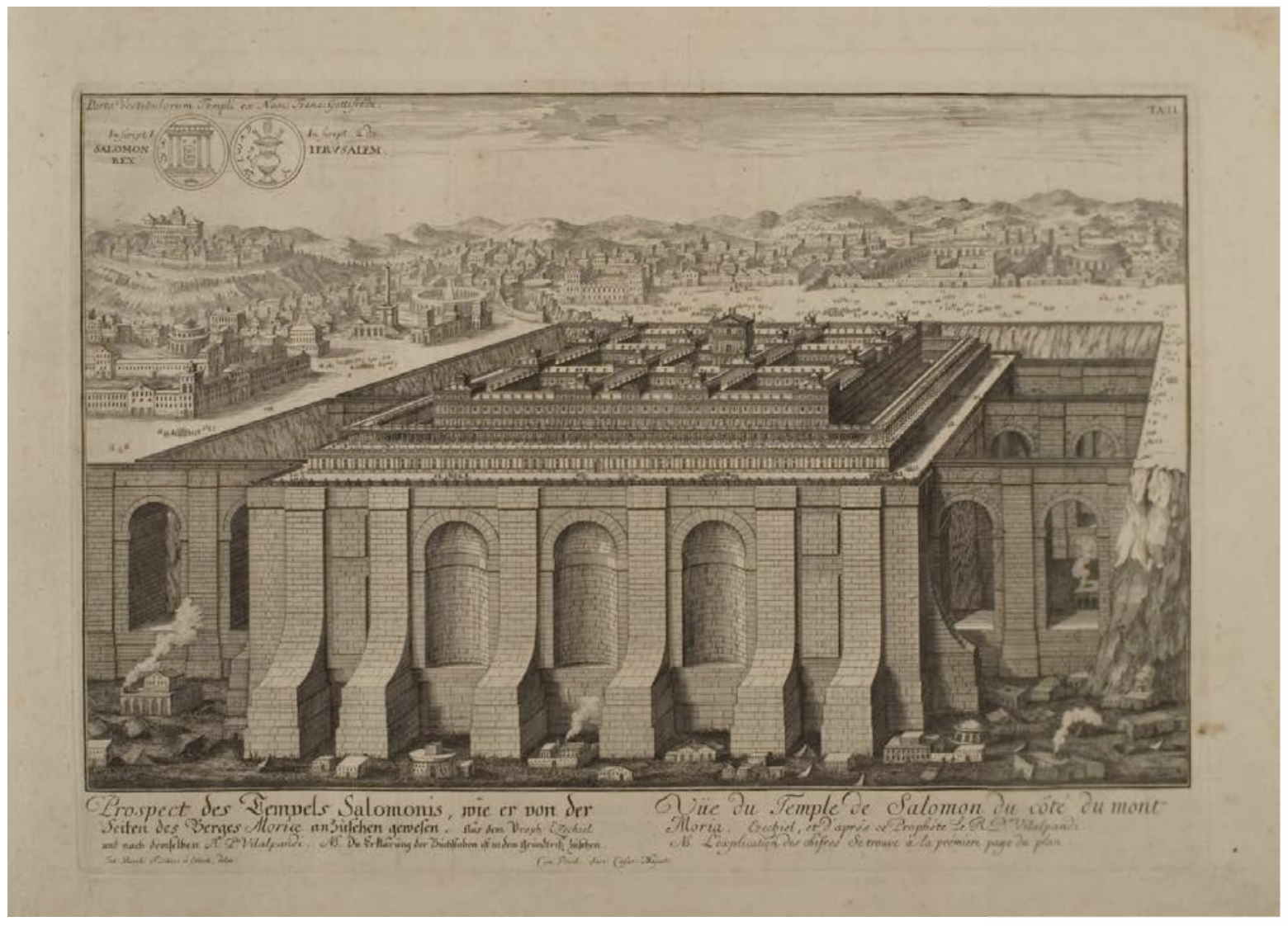
Johann Fischer von Erlach. “View of Salomon’s Temple from Mount Moria”. In “A Plan of Civil and Historical Architecture. In the Representation of the Most Noted Buildings of Foreign Nations, both Ancient and Modern”, 1737
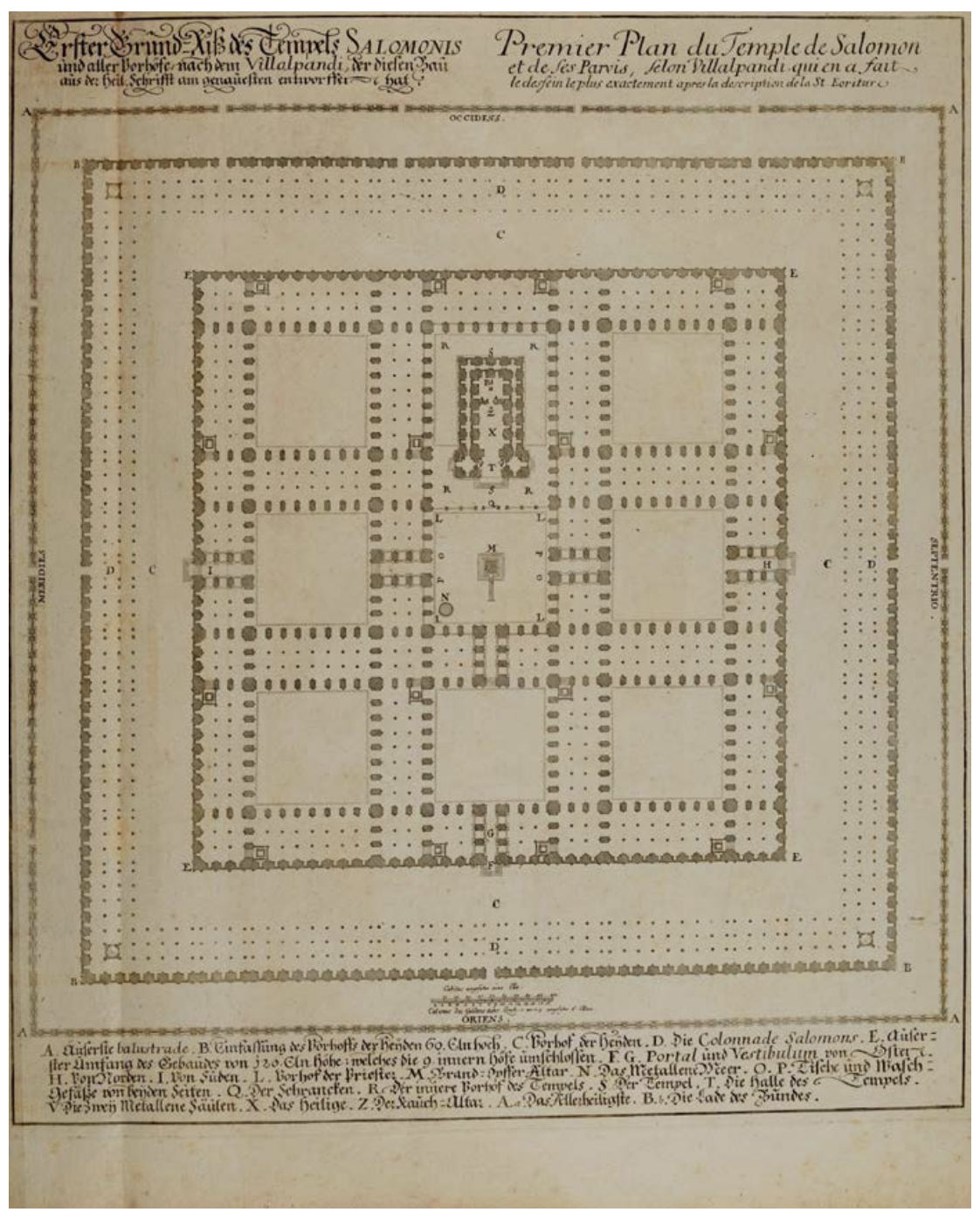
Plan of Salomon’s Temple depicted in Johann Fischer von Erlach. In “A Plan of Civil and Historical Architecture. In the Representation of the Most Noted Buildings of Foreign Nations, both Ancient and Modern”, 1737
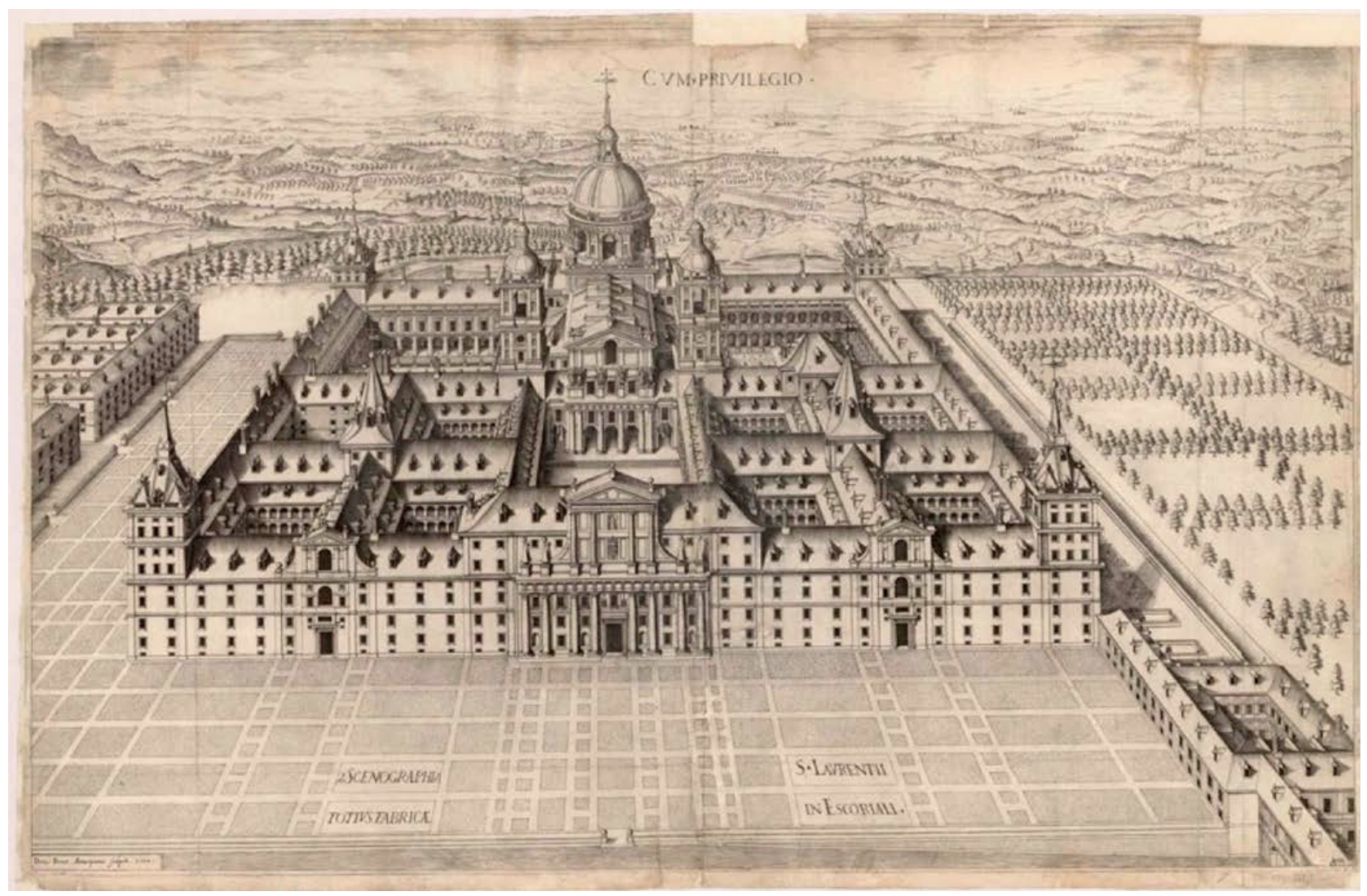
General Perspective of Palacio El Escorial. Completed after design of Juan de Herrera in 1584
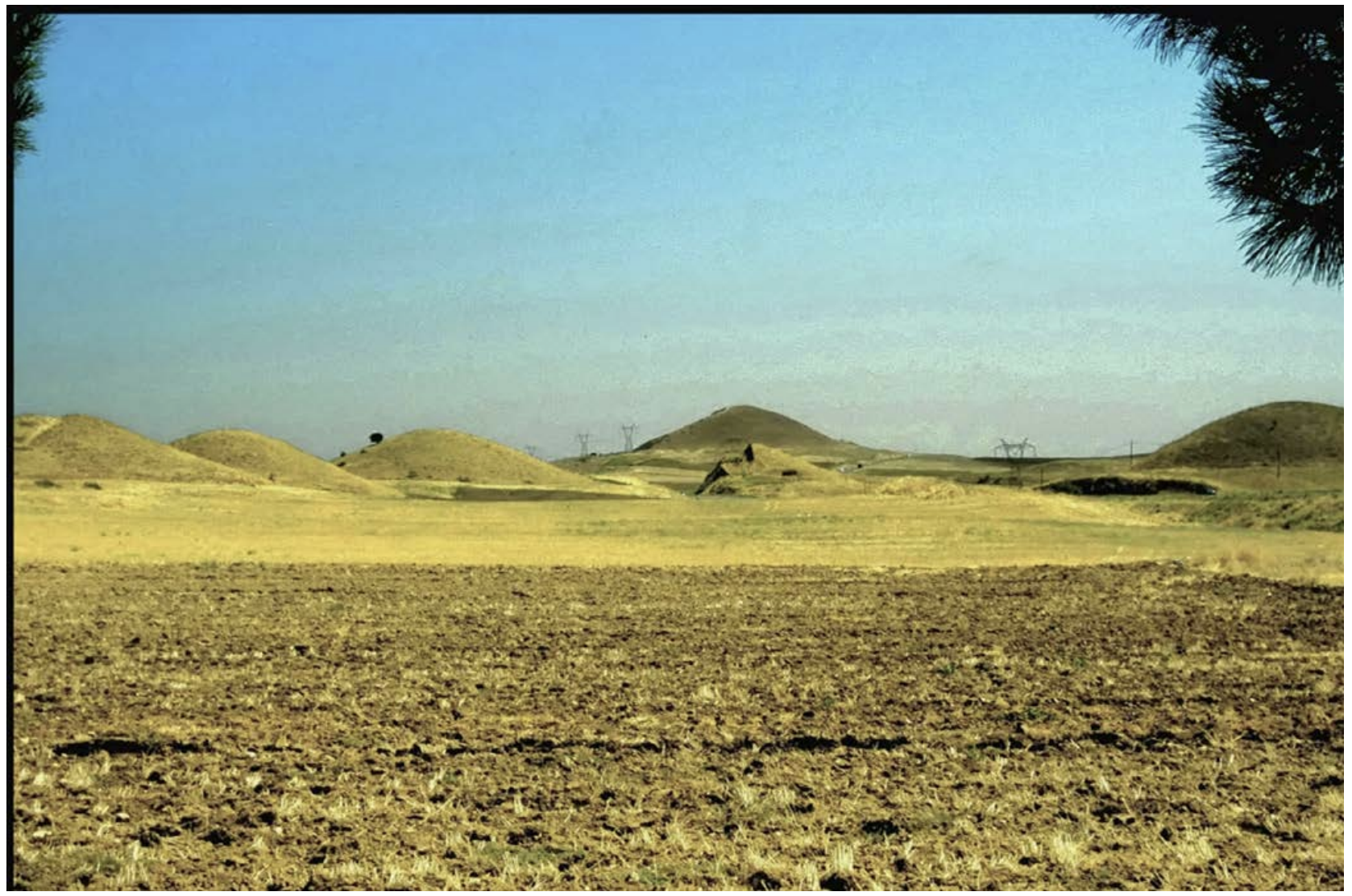
Artificial Landscape of Bin Tepe (thousand hills): Tumuli and Archeological Sites dating between 6 and 7 century A.C.
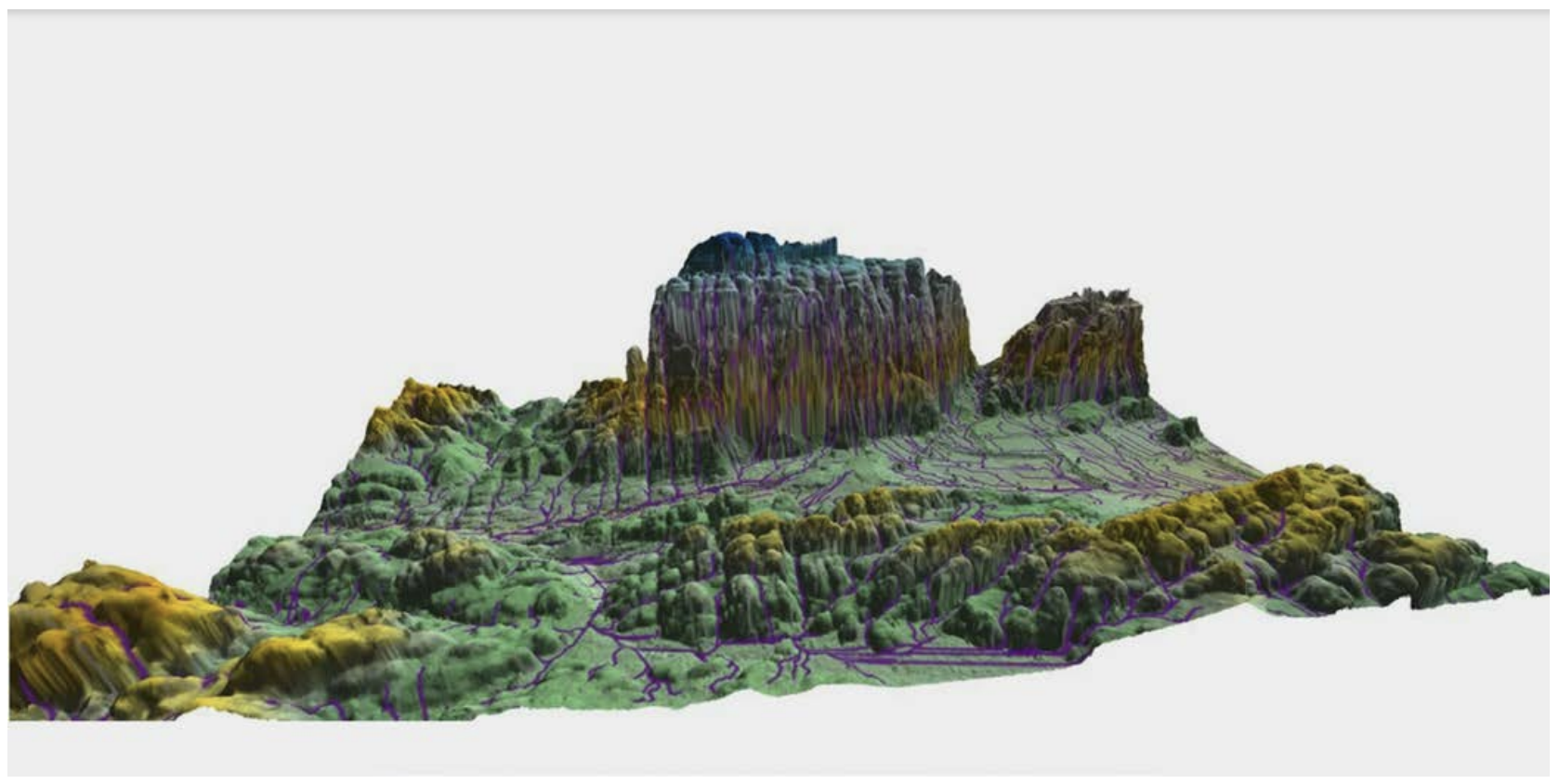
3D Reconstruction using LiDAR data of the Water Management System of Petra. Produced by Felipe Rojas and Sarah Newman’s Invisible Landscape Project
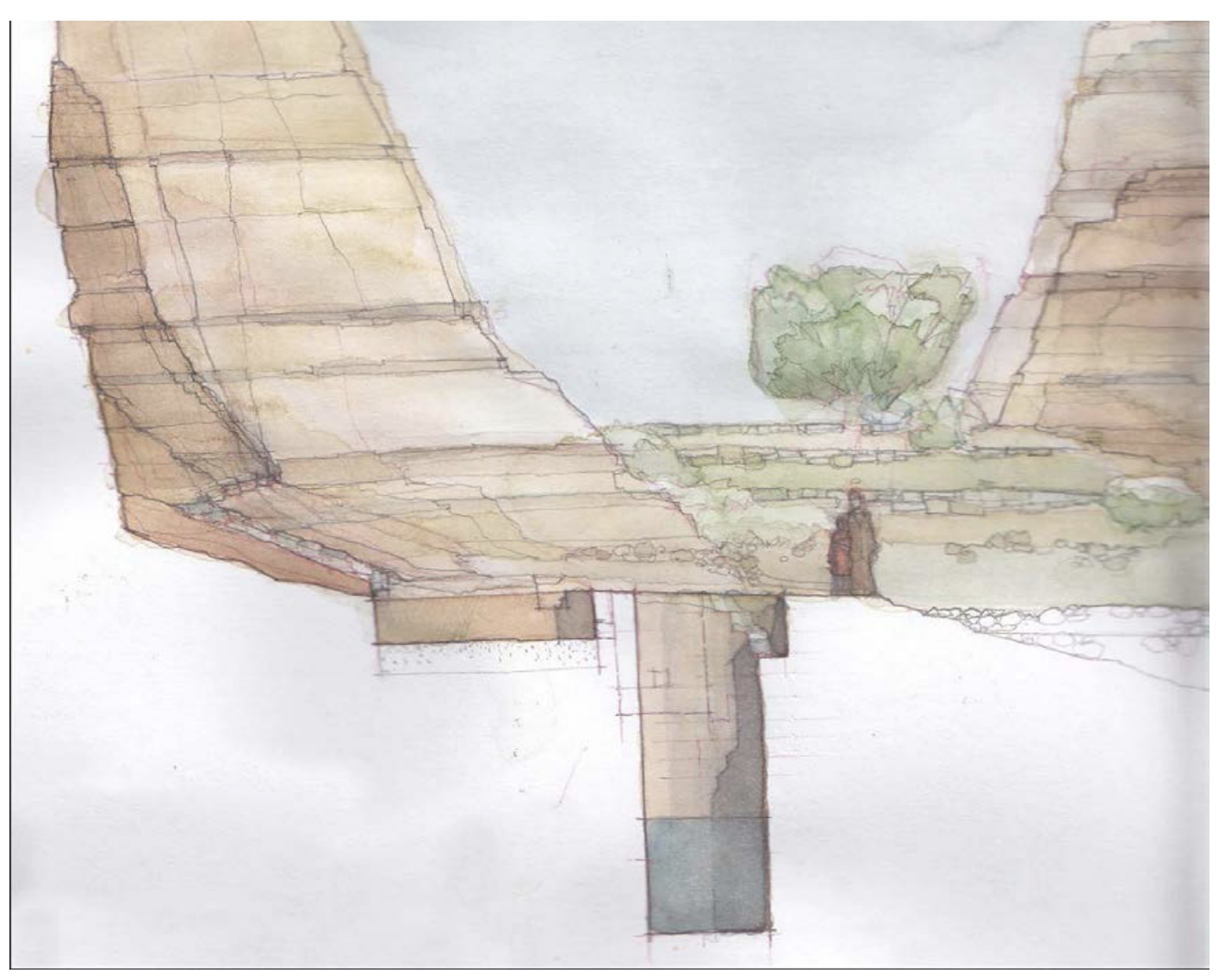
Watercolor section through a rock-cut cistern in Wadi Malaysia East showing the settling basins and spring points for the cistern’s vaulted roof. Watercolor by Nick de Pace
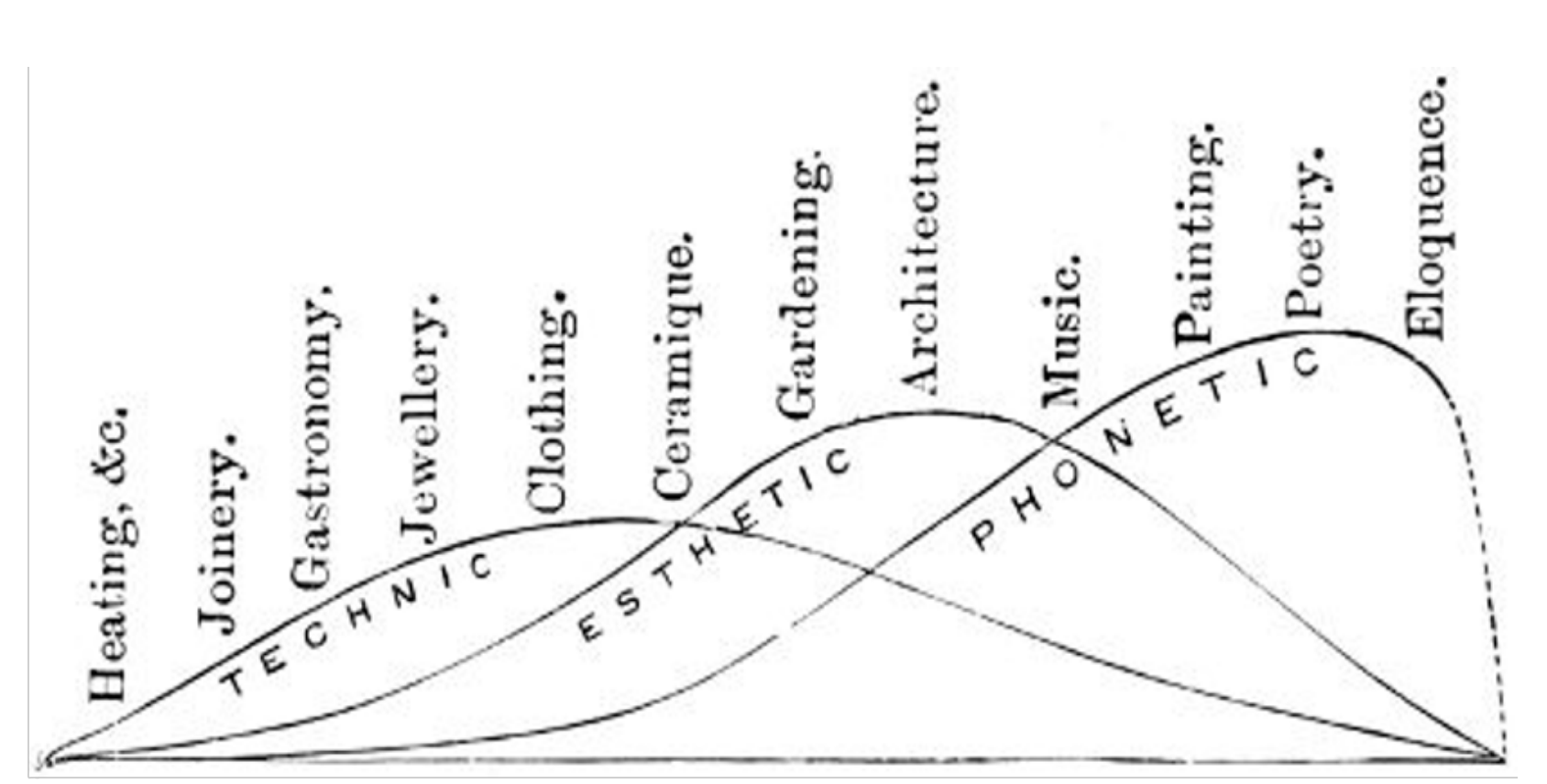
“Diagram of the Arts” In James Fergusson, “A History of Architecture in All Countries, from the Earliest Times to the Present Day”, vol.1 (London: John Murray, 1865)
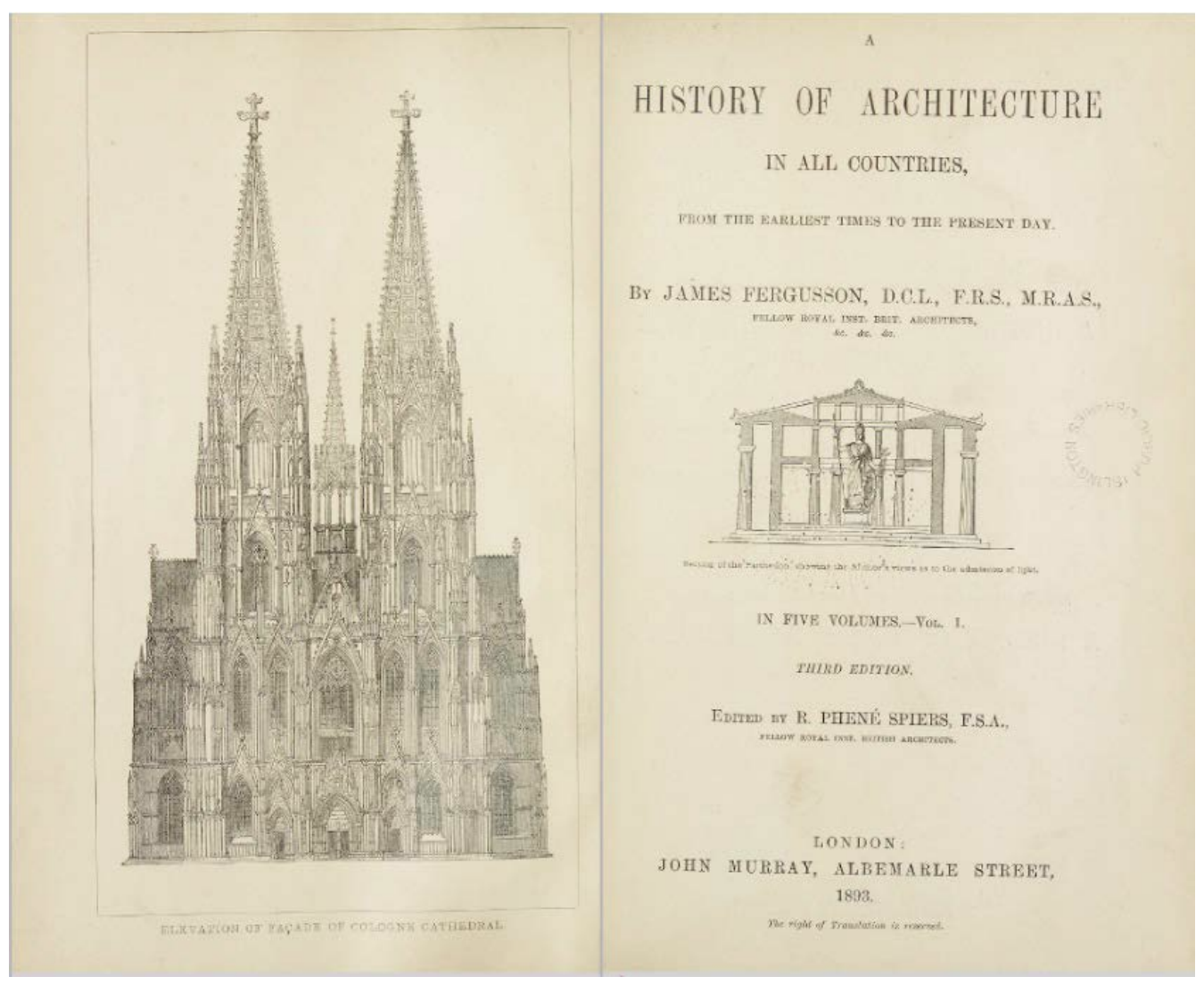
Cover of James Fergusson, “A History of Architecture in All Countries, from the Earliest Times to the Present Day”, vol.1, 1893
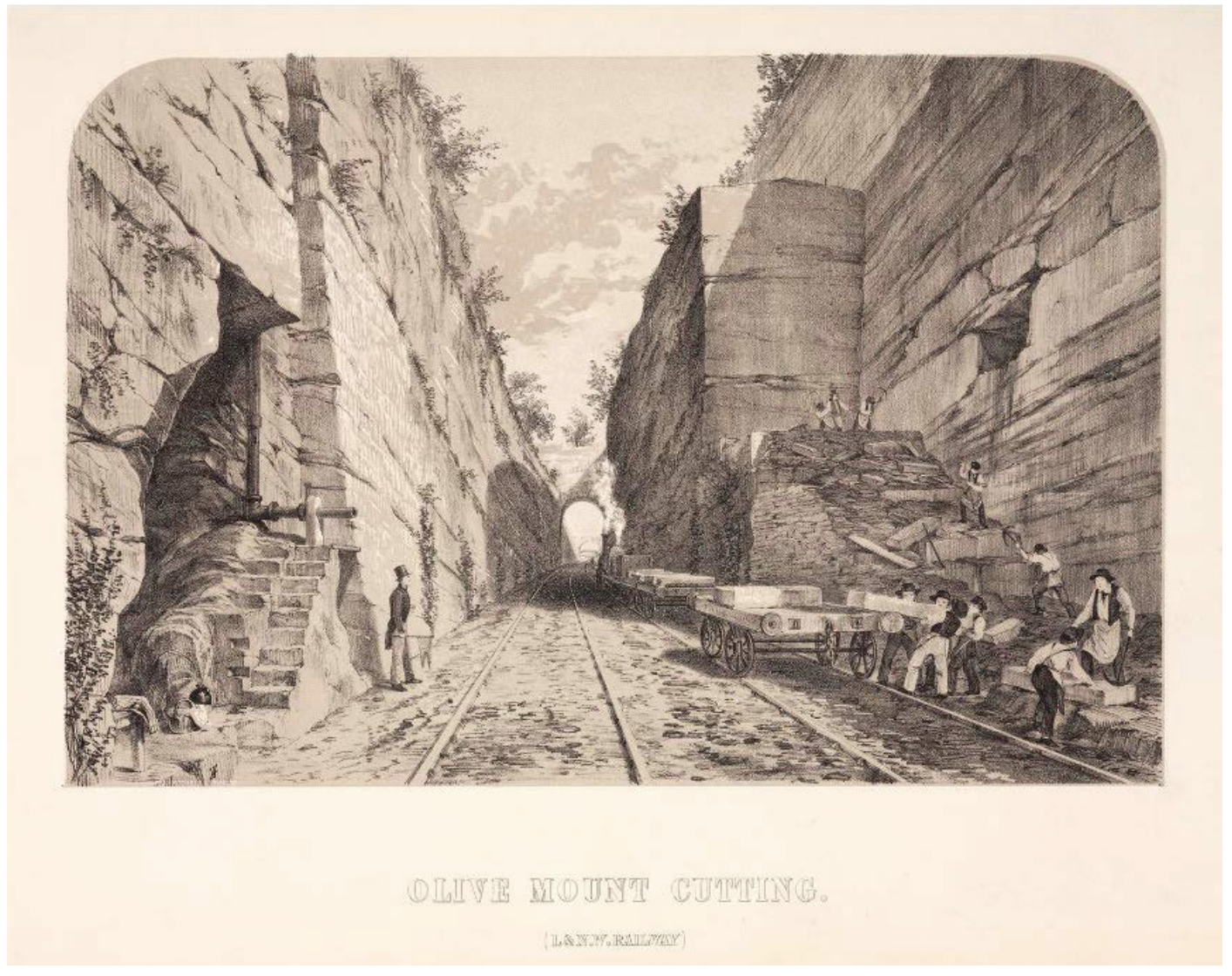
Arthur Fitzwilliam Tait, “Olive Mount Cutting”. From “Views on the London and North Western Railway, Northern Division”, 1848
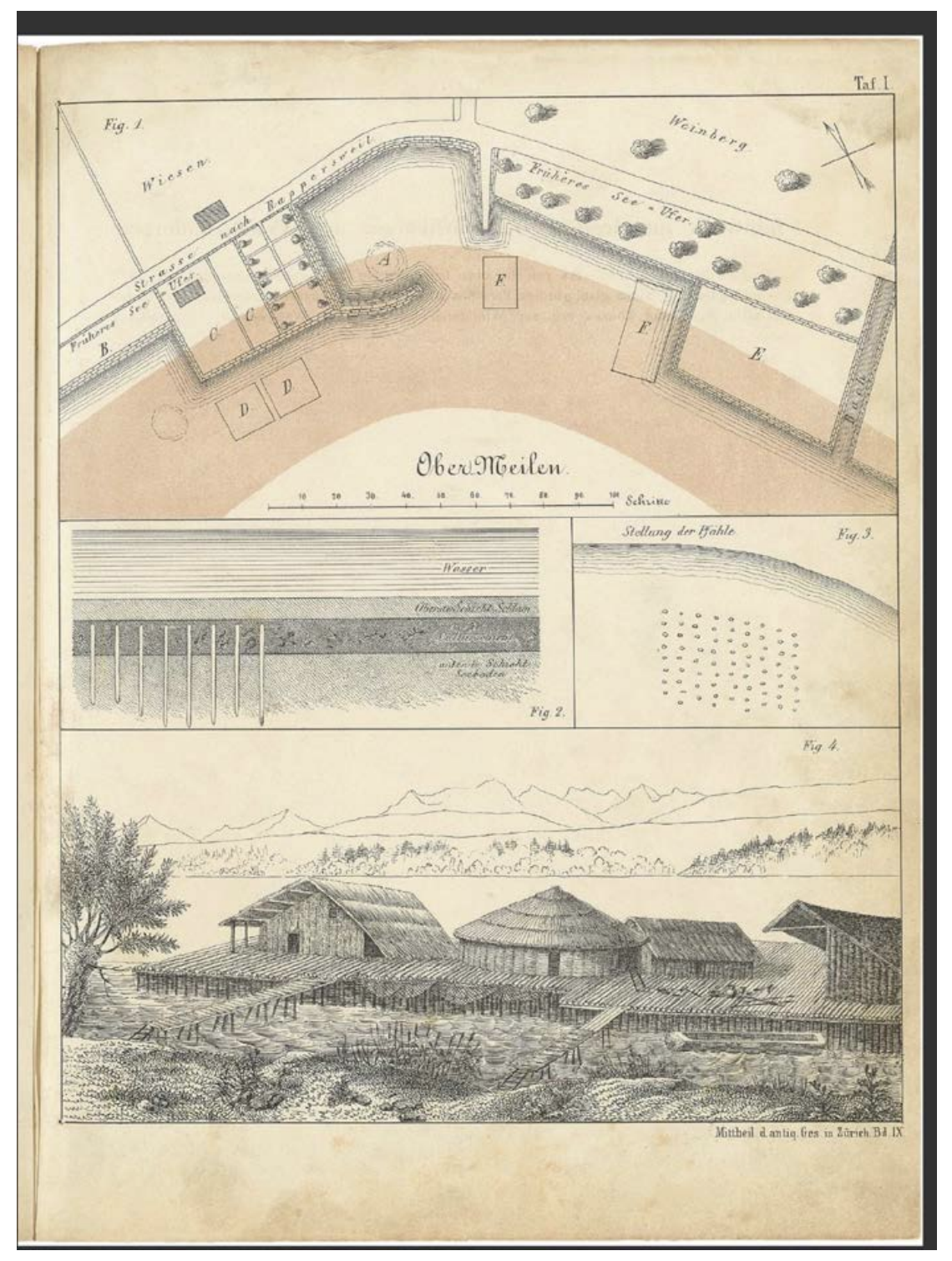
The pile dwelling station in Obermeilen, plan and reconstruction by Ferdinand Keller. Plate in the “Communications of the Antiquarian Society in Zurich”, 1854
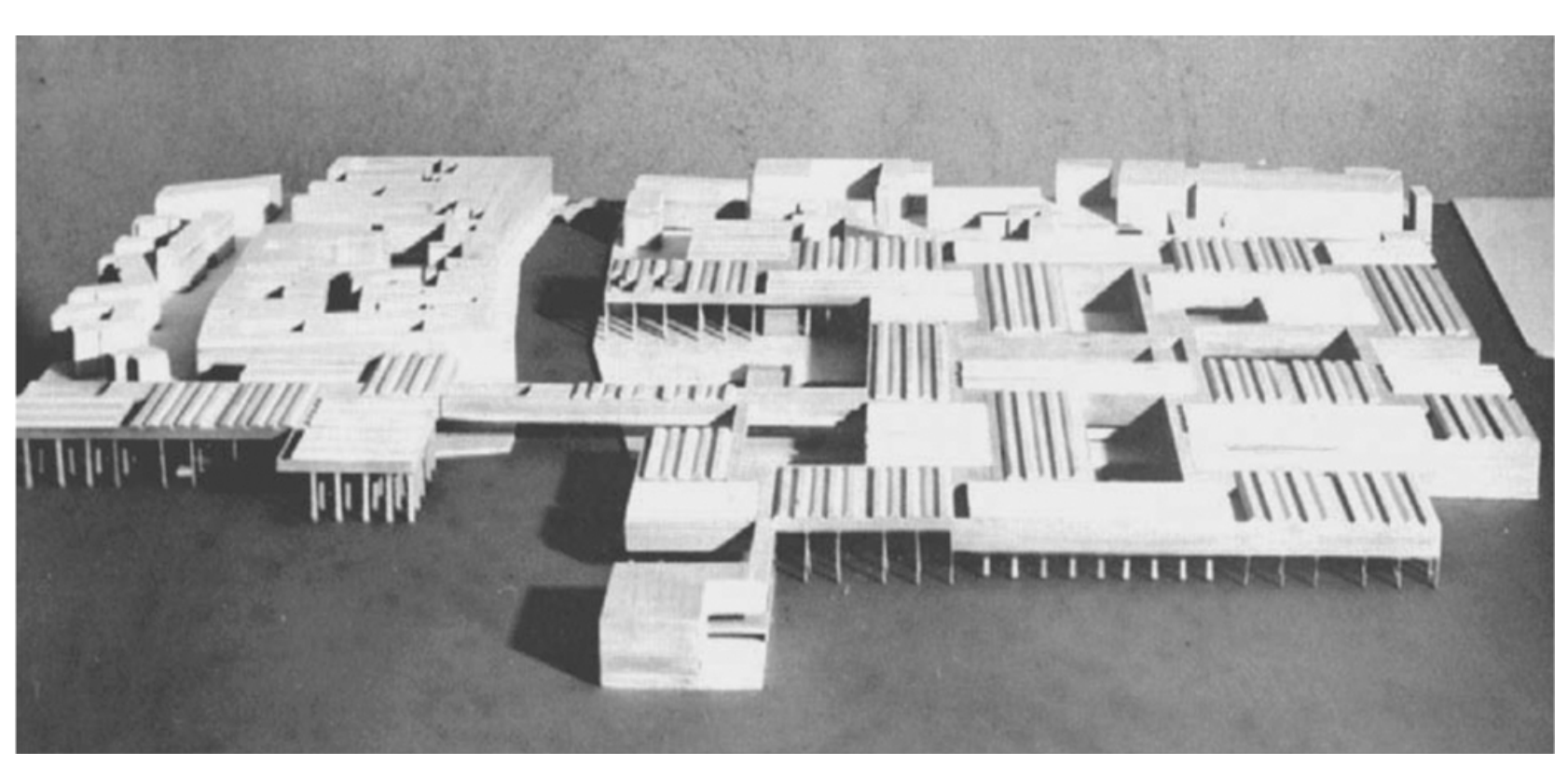
Venice Hospital Project. Le Corbusier, “Oeuvre complète”, volume 7. 1957-1965
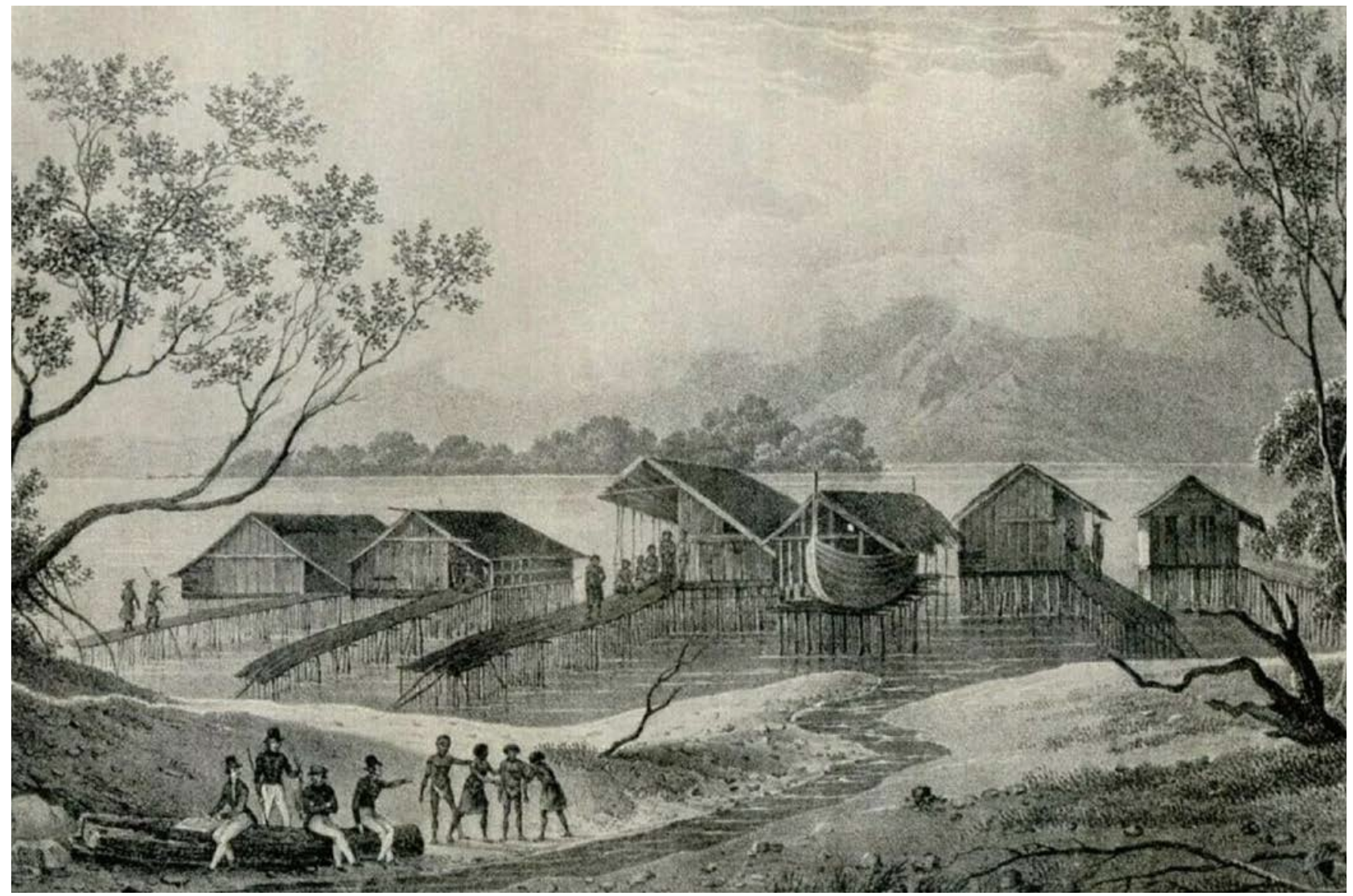
Kouaoui Village, engraving from painting by Louis-Auguste de Sainson (1801-1887), from “Voyage of discovery of Astrolabe, 1826-1829”, by Jules Dumont d’Urville (1790.1842) New Guinea, 19th century
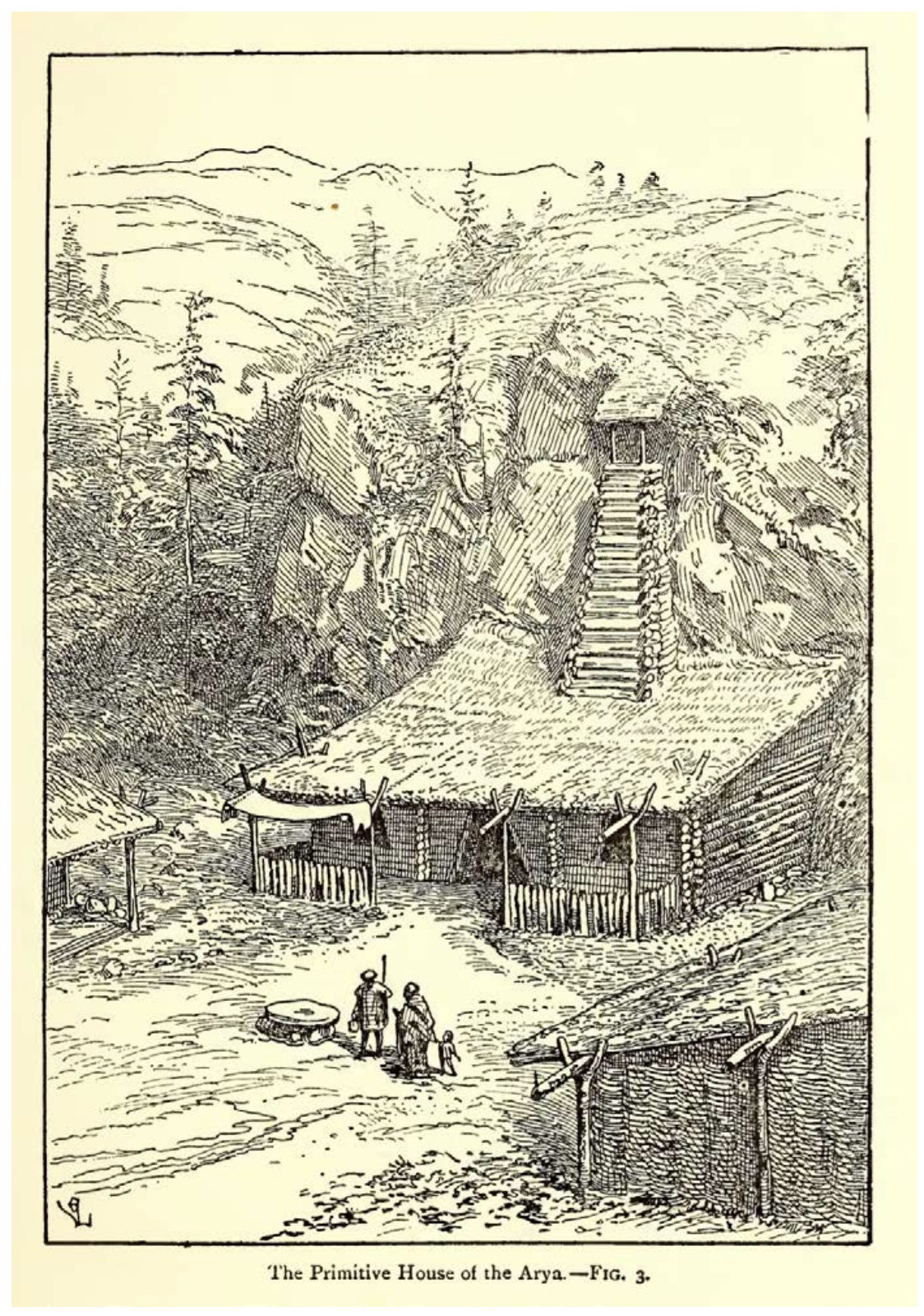
Eugene Viollet-le-Duc, “The Primitive House of the Arya”, in “The Habitations of Man in All Ages”, 1875
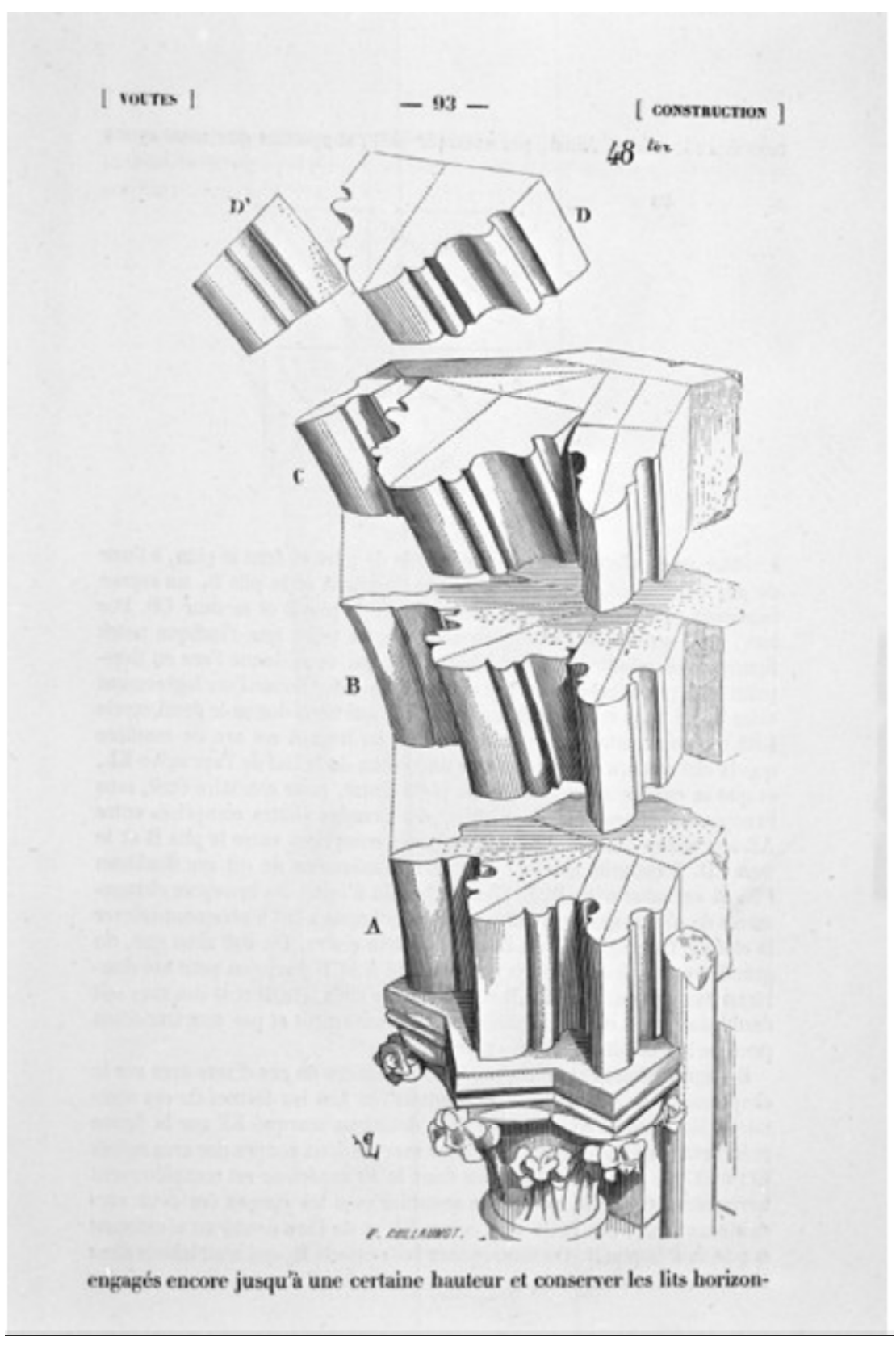
Eugène Viollet-le-Duc, Construction details of vaults in Eugene Emmanuel Viollet-le-Duc. “Dictionnaire raisonne de l’architecture française de XI au XVI siècle” (Paris, 1854-1868)
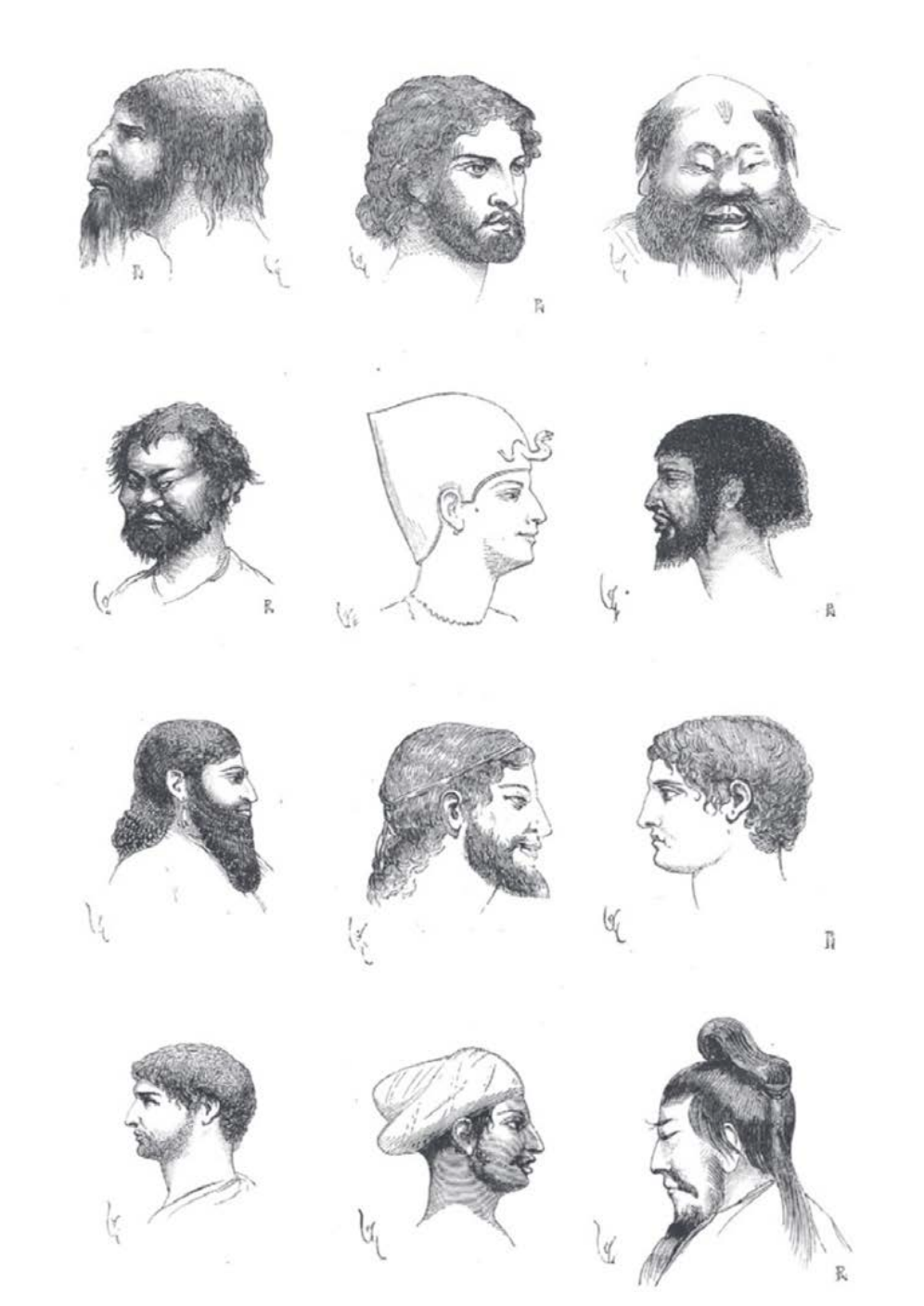
Racial Types as sources of architectural style. Eugène Viollet-le-Duc. “Histoire de l’habitation humaine, depuis les temps préhistoriques jusqu’à nos jours”, 1875
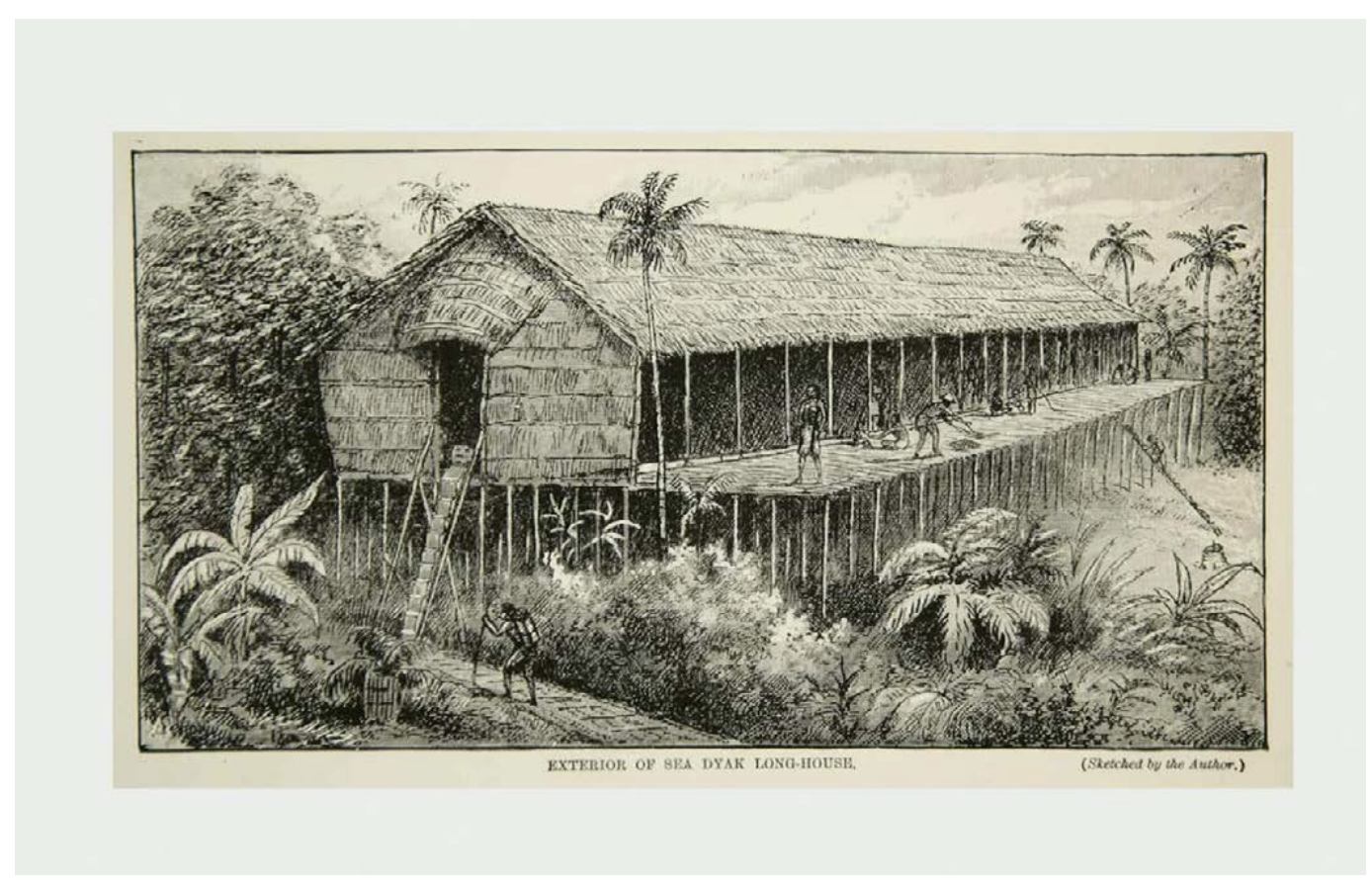
Illustration of Sea Dayak Longhouse as drawn by William Temple Hornaday, 1907
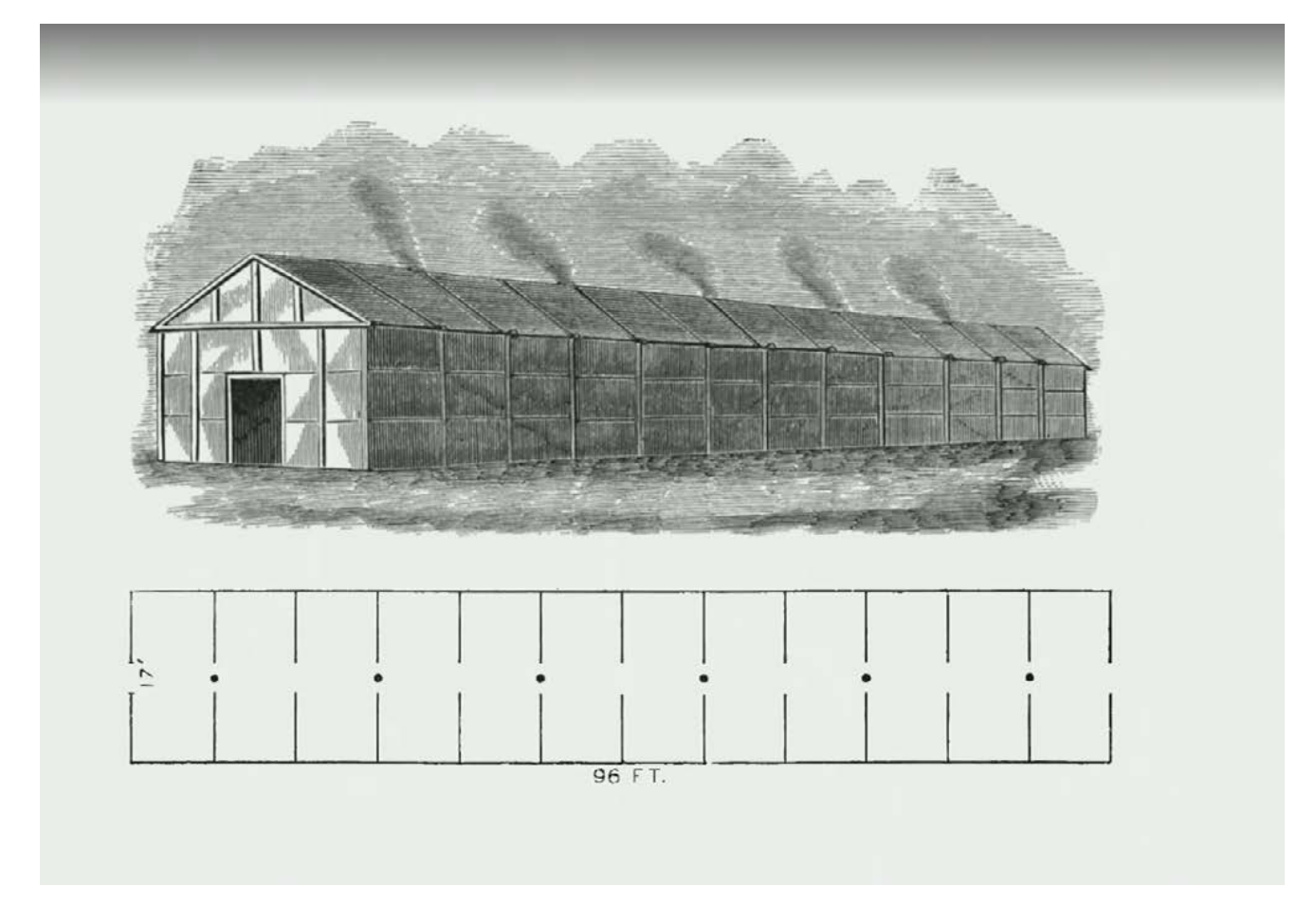
Illustration of the Seneca-Irquois Longhouse (from Lewis Henry Morgan, “Houses and House-life of the American Aborigines”, 1881)
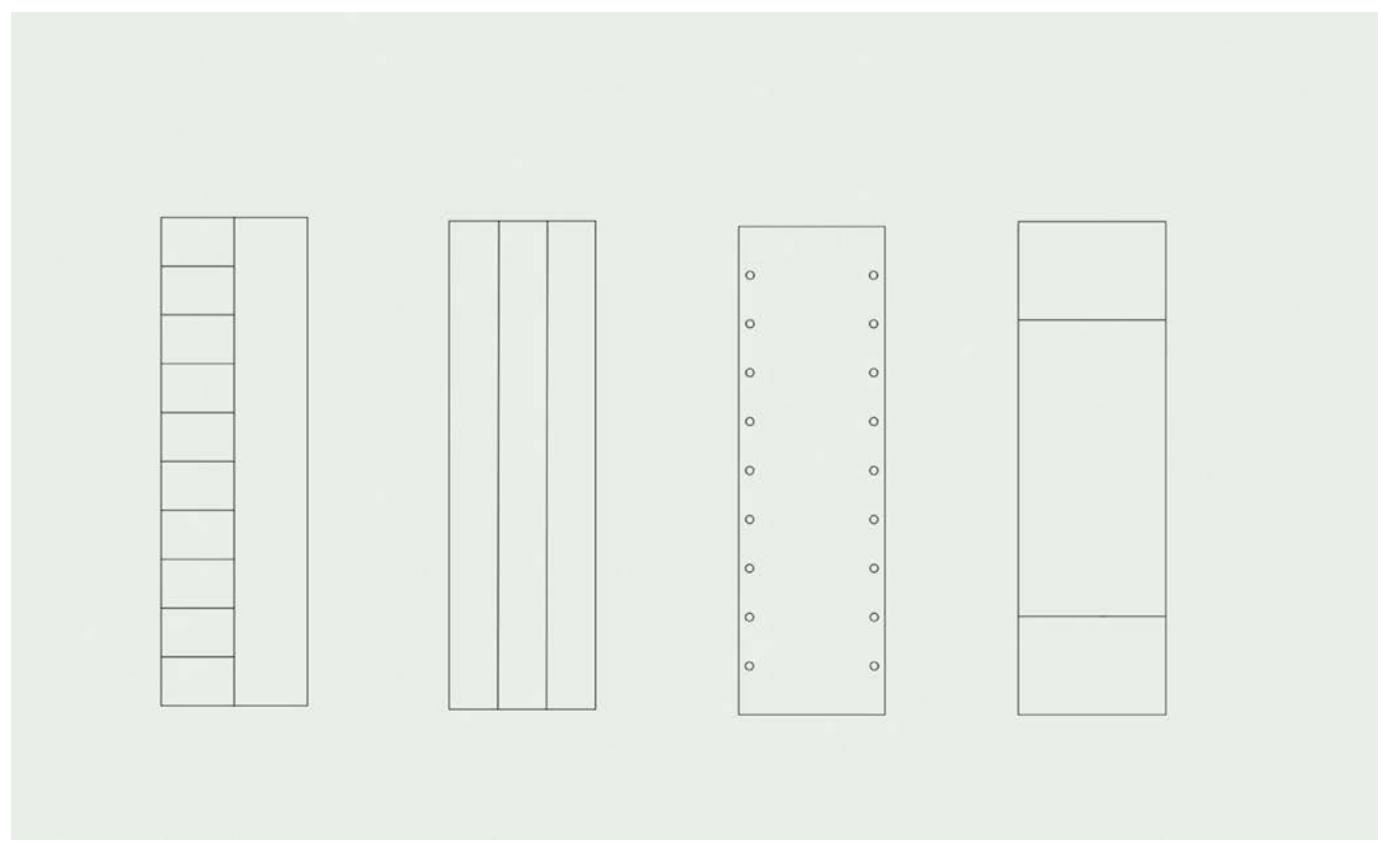
Types of longhouses. Veranda; Tripartite; Open; Hierarchical
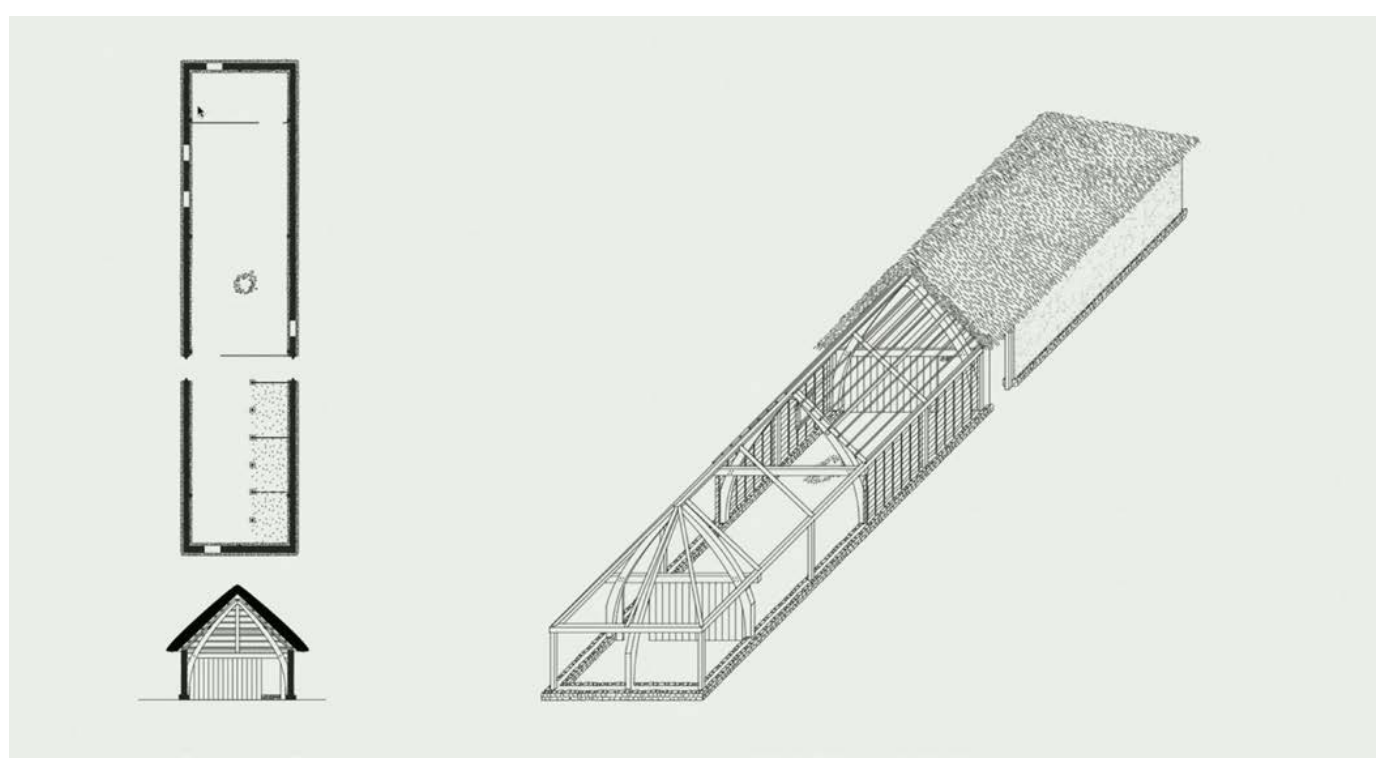
Plan and Axonometric View of an English Longhouse, Warrham Percy, England, 9th century B.C.
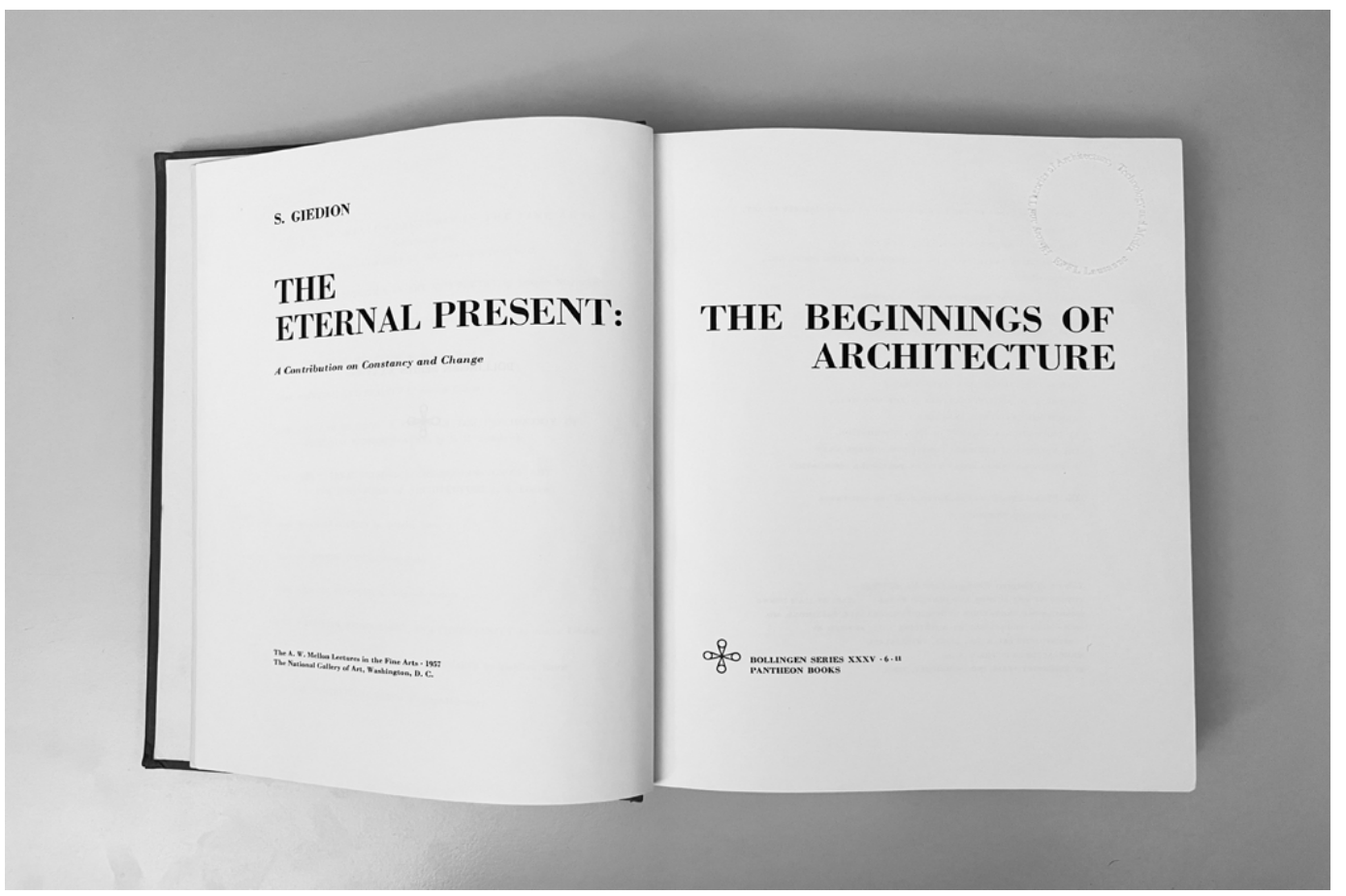
Siegfried Giedion. “The Eternal Present: The Beginnings of Architecture. 1964)
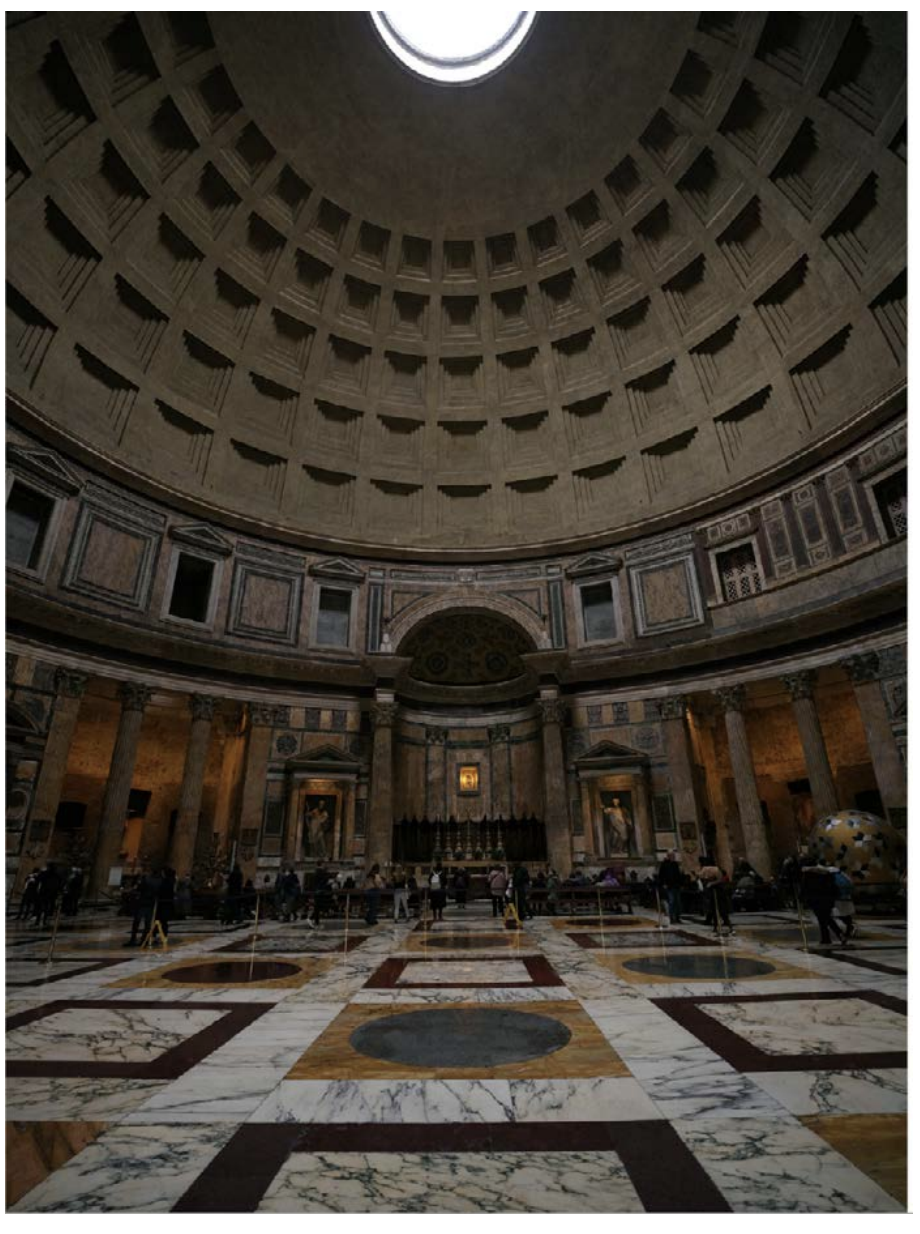
Pantheon in Rome. Cimmision by Marcus Agrippa and built between 26 B.C. and 14 A.C.

Sydney Opera House. Designed by John Utzon, located in Sydney; Australia, 1973
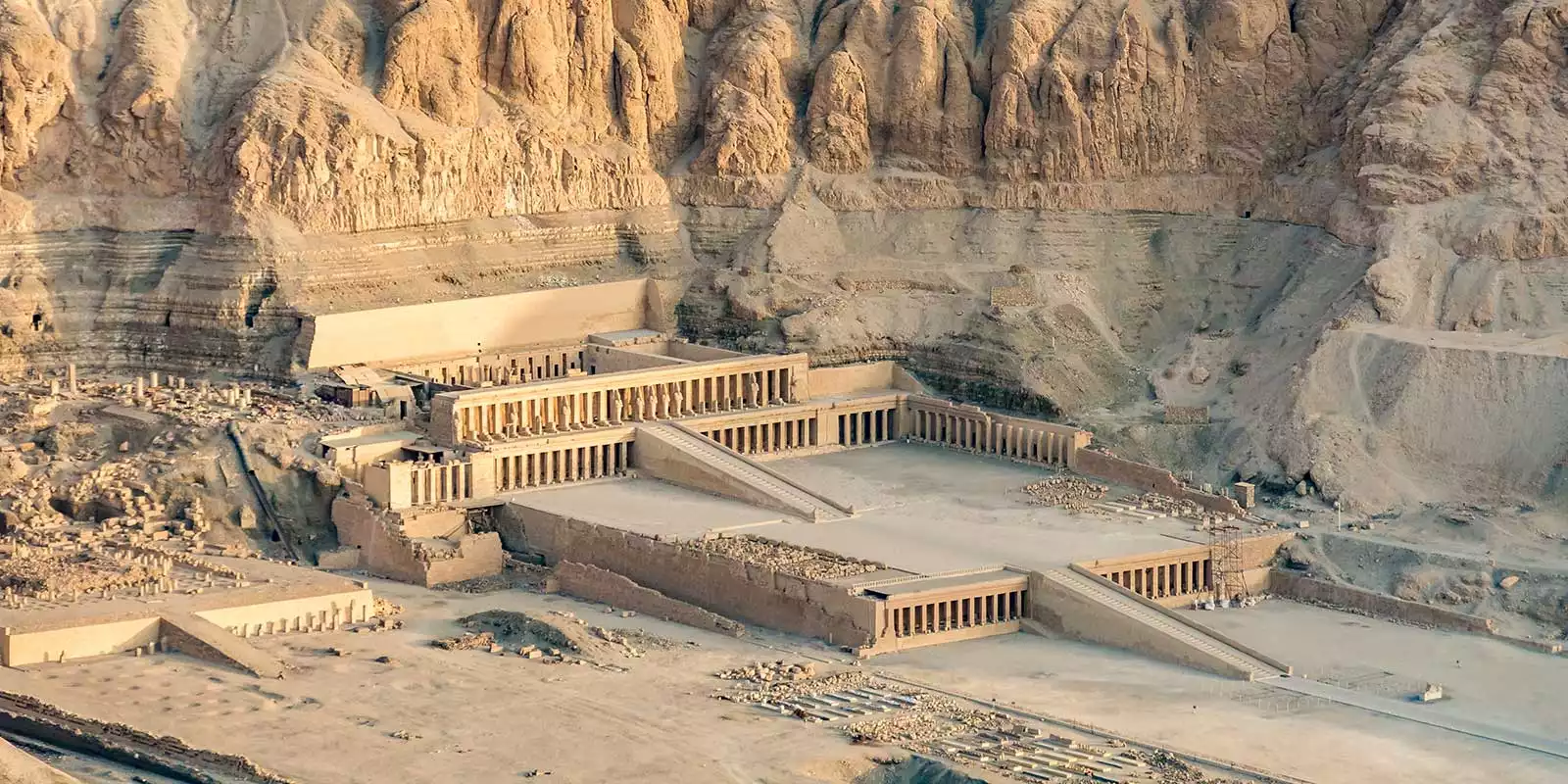
H.E. Winlock. Mortuary “Temples of Hatschepsut and Menuhote-Menthotef’s temple”. In Gideon Siegfried “The Eternal Present, a Contribution on Constancy and Change: Vol.2 the Beginnings of Architecture”, 1964
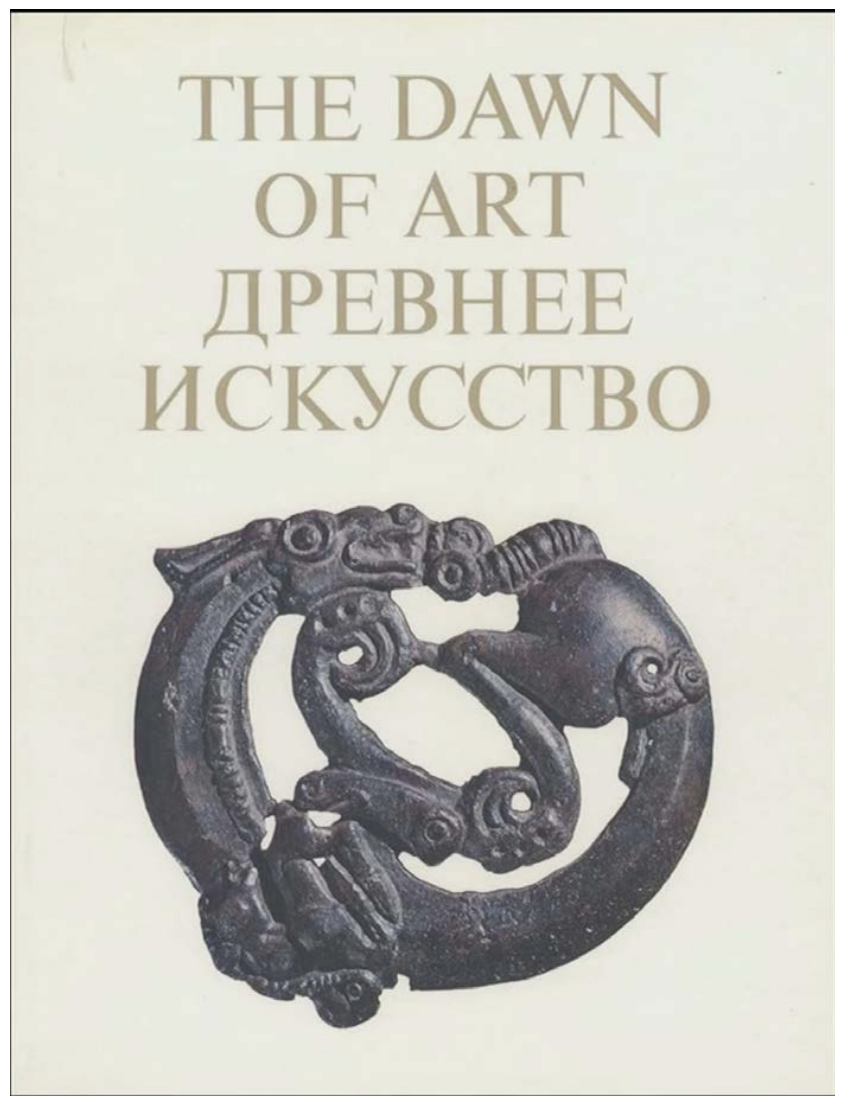
Alexei Okladnikov, “The Dawn of Art” (Leningrad: Iskussvto, 1967)
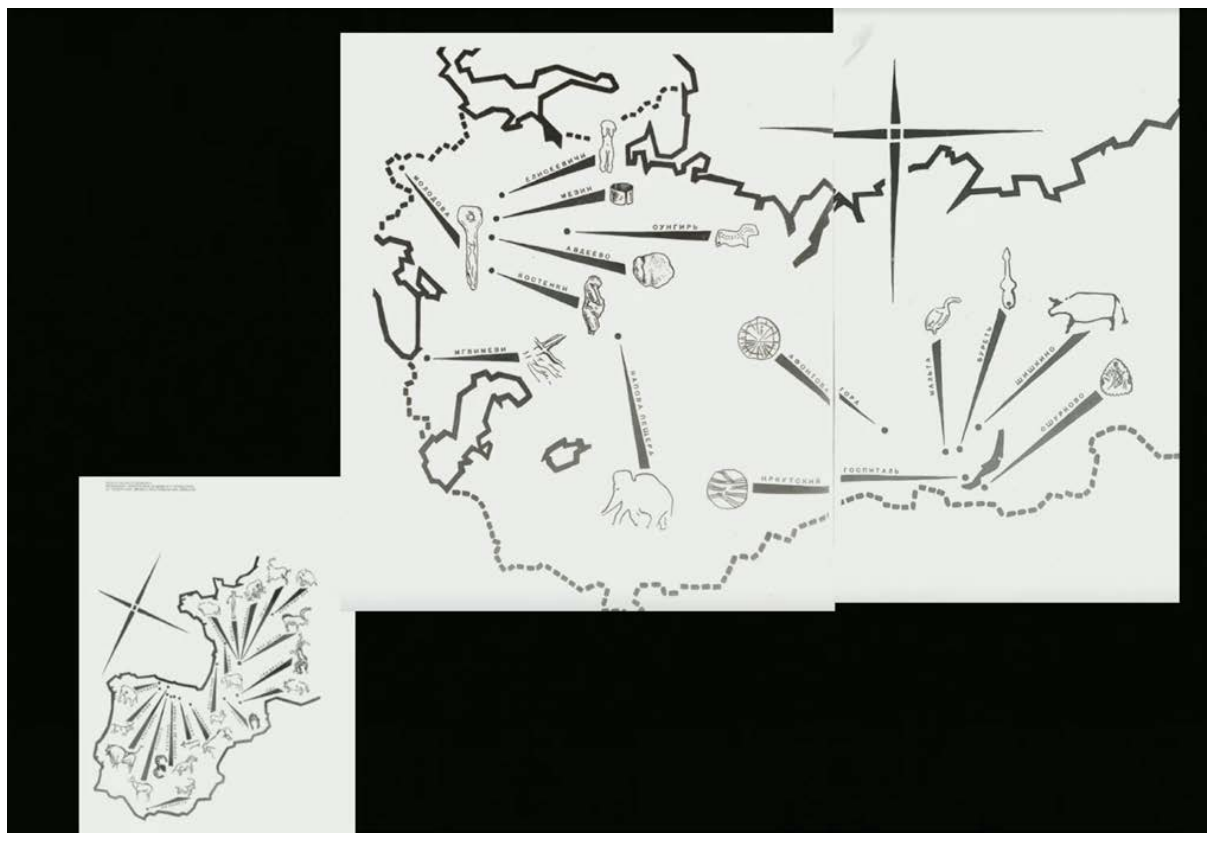
Map of the distribution of major cave-art sites in the Franco-Cantabrian region. From Alexei P. Okladnikov, “The Dawn of Art” (Leningrad: Iskusstvo, 1967)
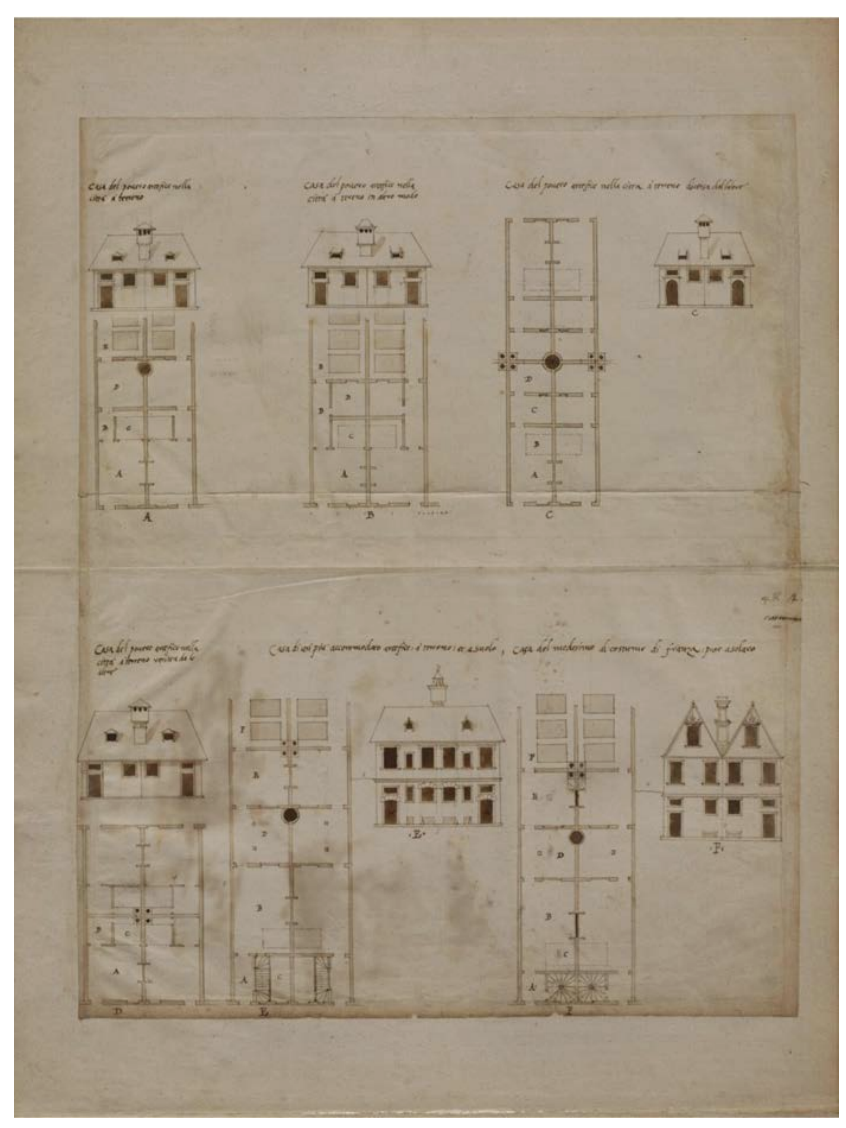
Sebastiano Serlio, “House of the poor artisan in the city”. In “Sesto libro dell’architettura- Delle abitazino fuori e dentro della città”. Lyon, 1547
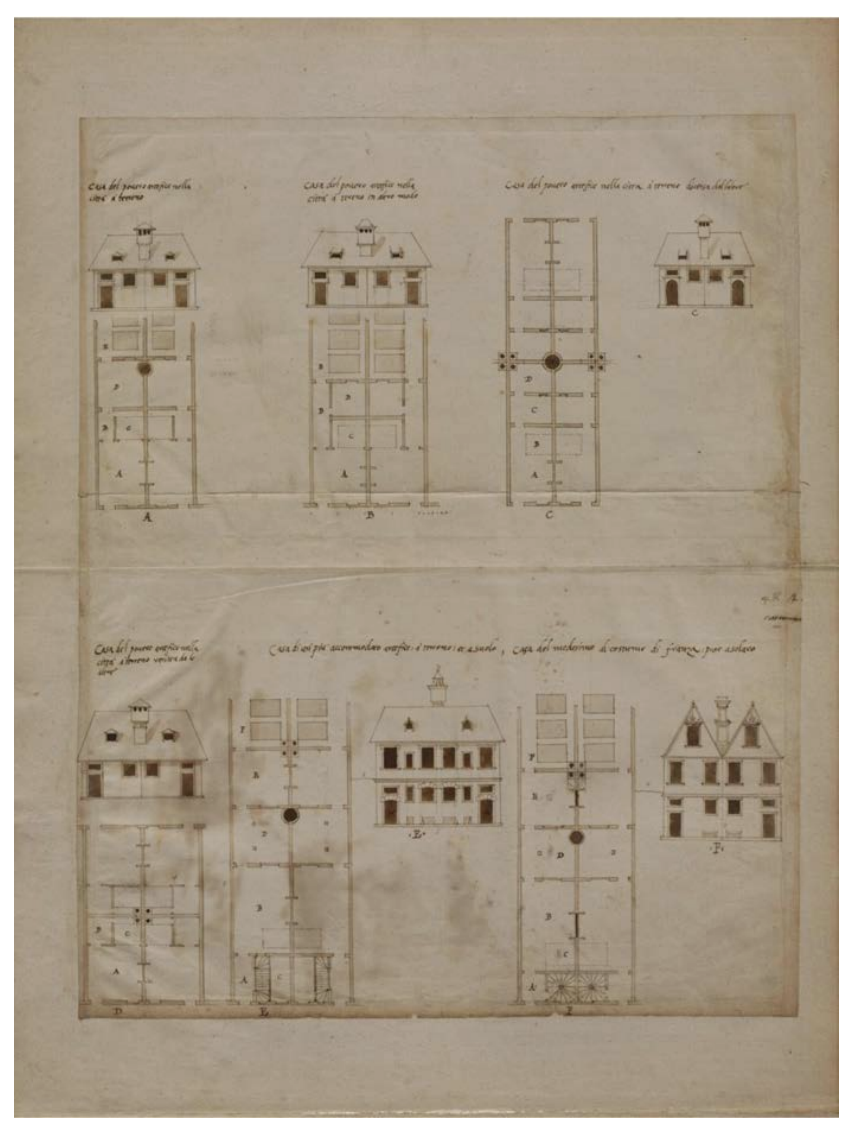
Sebastiano Serlio, “House for a wealthy citizen or Marchant”. In “Sesto libro dell’architettura- Delle abitazino fuori e dentro della città”. Lyon, 1547
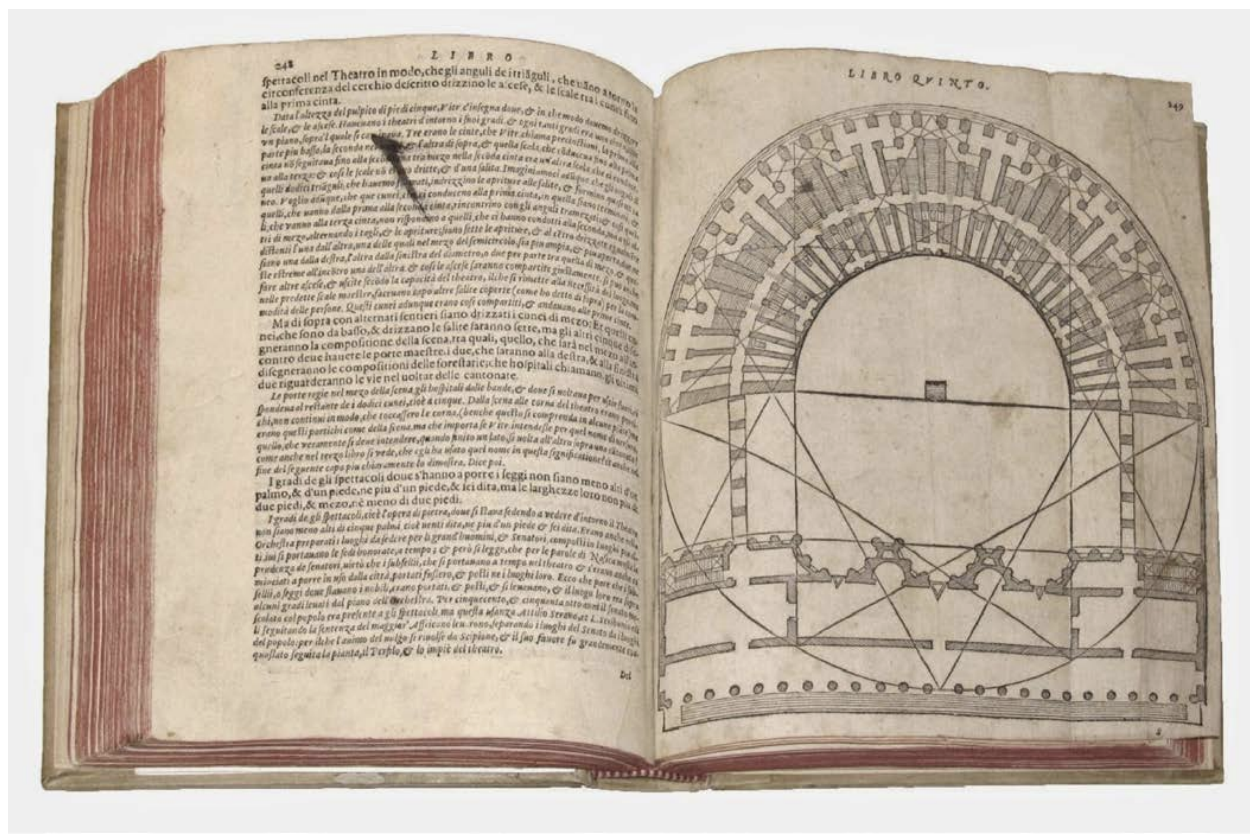
Marcus Vitruvius Pollio. “De Architecture / Ten Books on Architecture”. Circa 30 B.C.
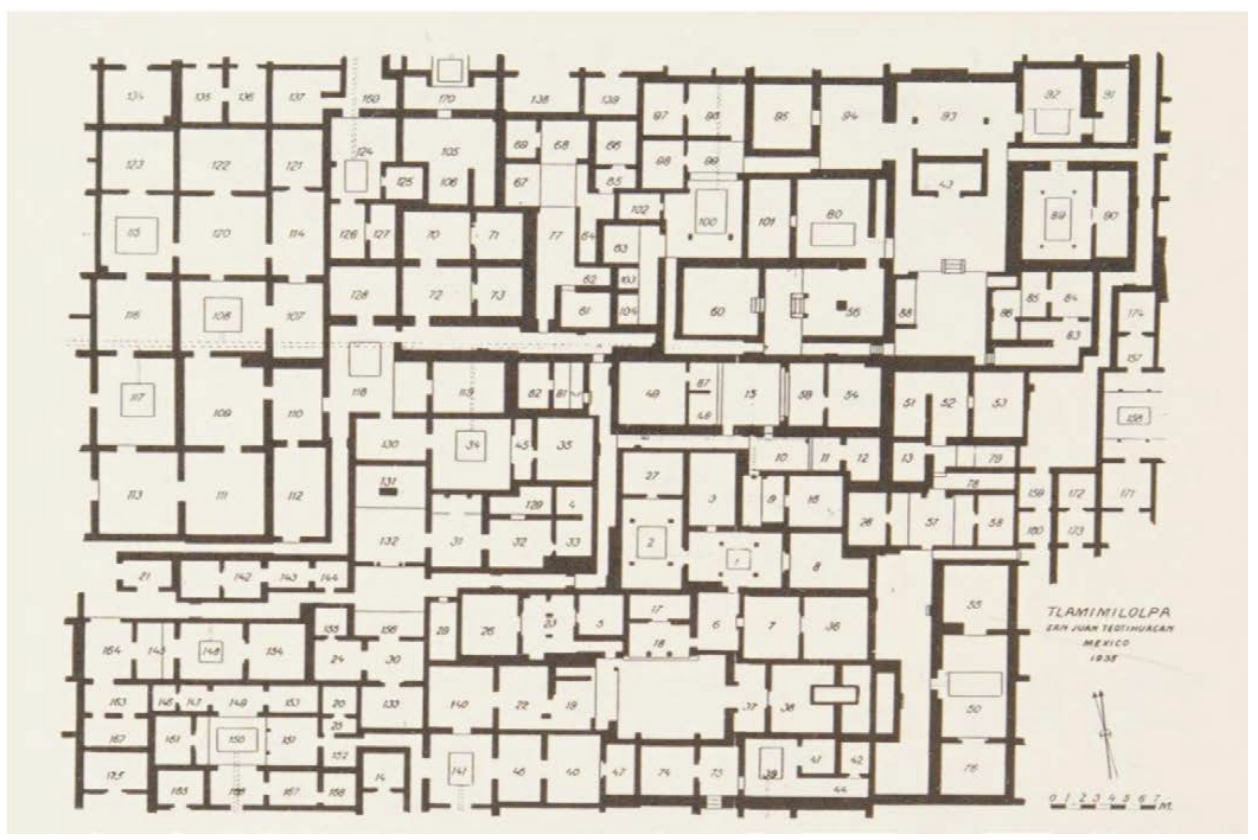
Plan of Residency Compound by Sigvald Linné published in 1942.
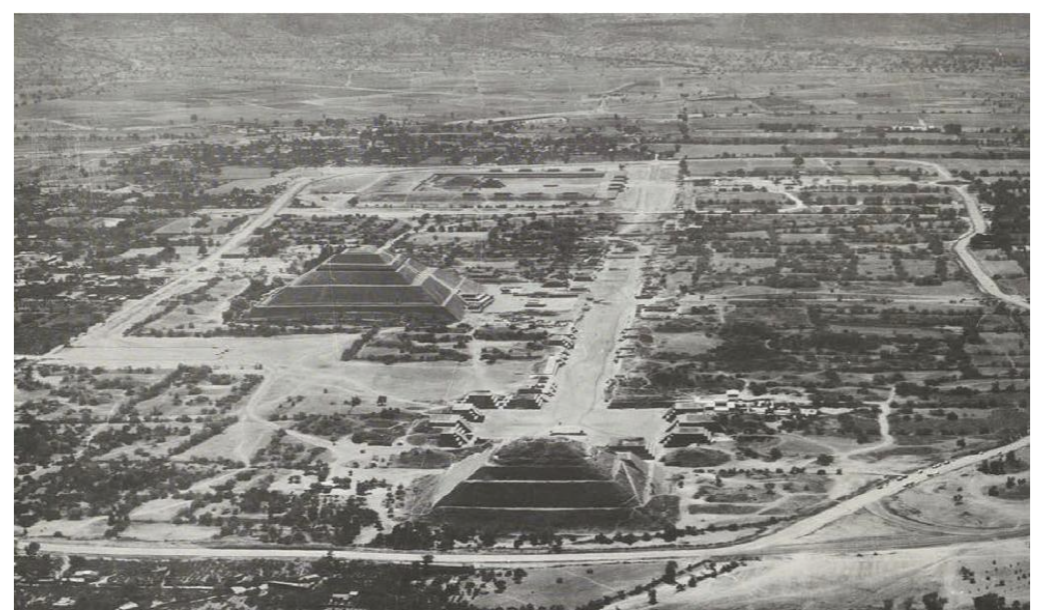
Aeral View of Teotihuacan in René Millon, “The Teotihuacan Map”, 1973
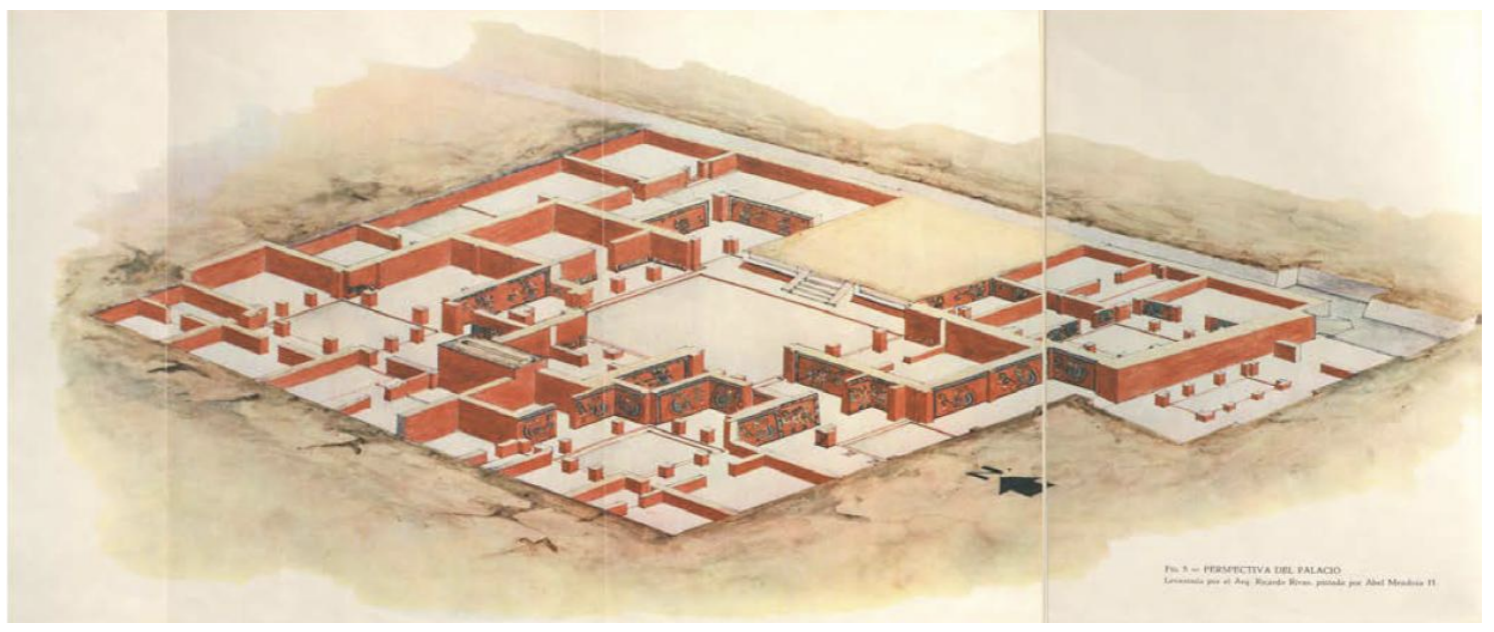
“Perspective of a palace” in Laurette Séjourné, “A Palace in the City of Gods”, 1958
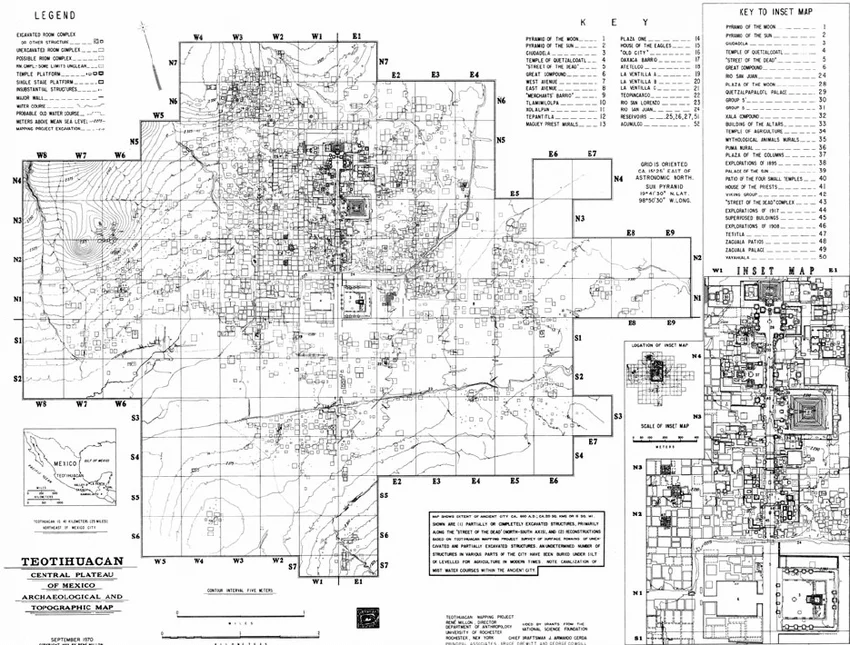
Réné Millon, Teotihuacan Mapping Project (1962-1970), detailed cartographic representation of the ancient city, providing an essential foundation for the study of its urban layout, architecture, and socio-political organisation. 1973
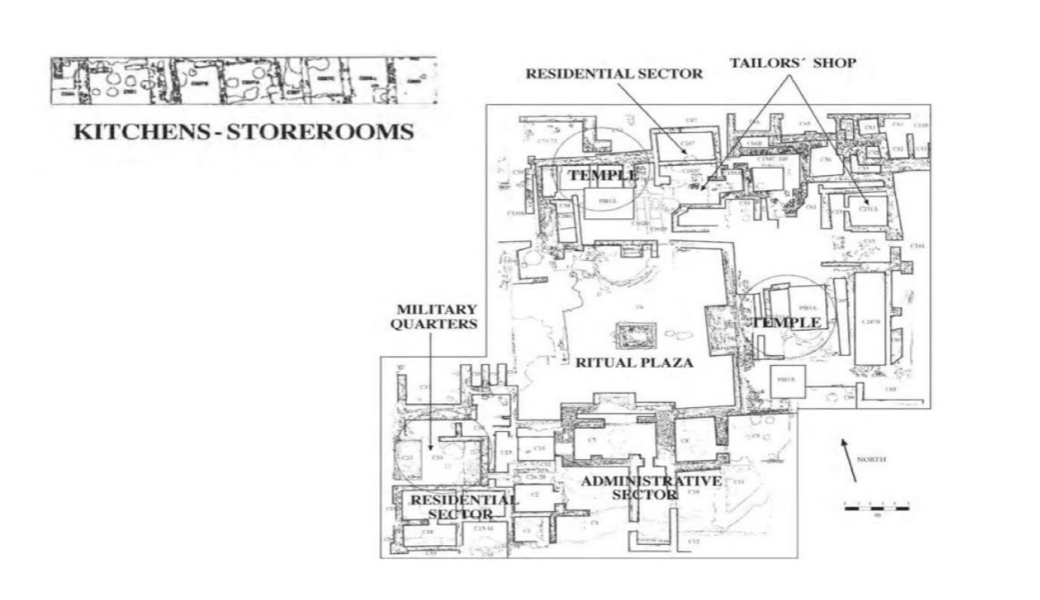
Functional sectors of the barrio centre of Teopancazco in Linda Manzanilla “Domestic Life in Prehistoric Capitals”, 2009
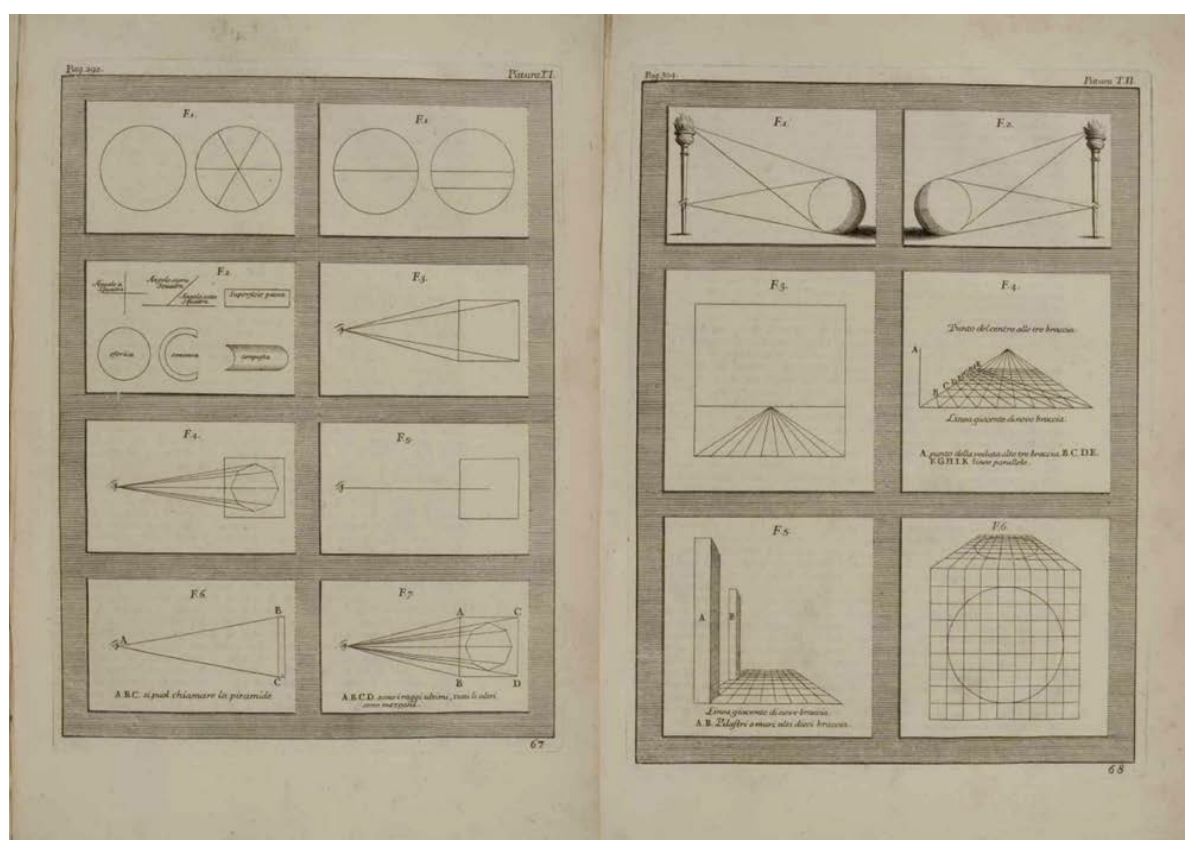
“Illustration of the Foundational Principles of Perspective” Alberti, Leon Battista. “Della architecture della pittura e della statua”, 1450
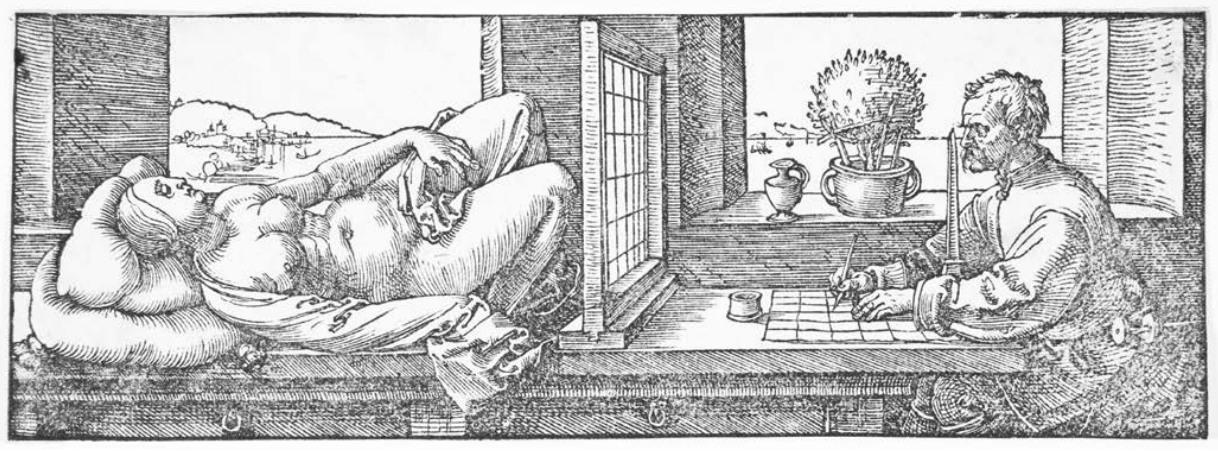
Engraving by Albrecht Dürer, “Draughtsman making a Perspective or Drawing of a Reclining Woman”, 1525
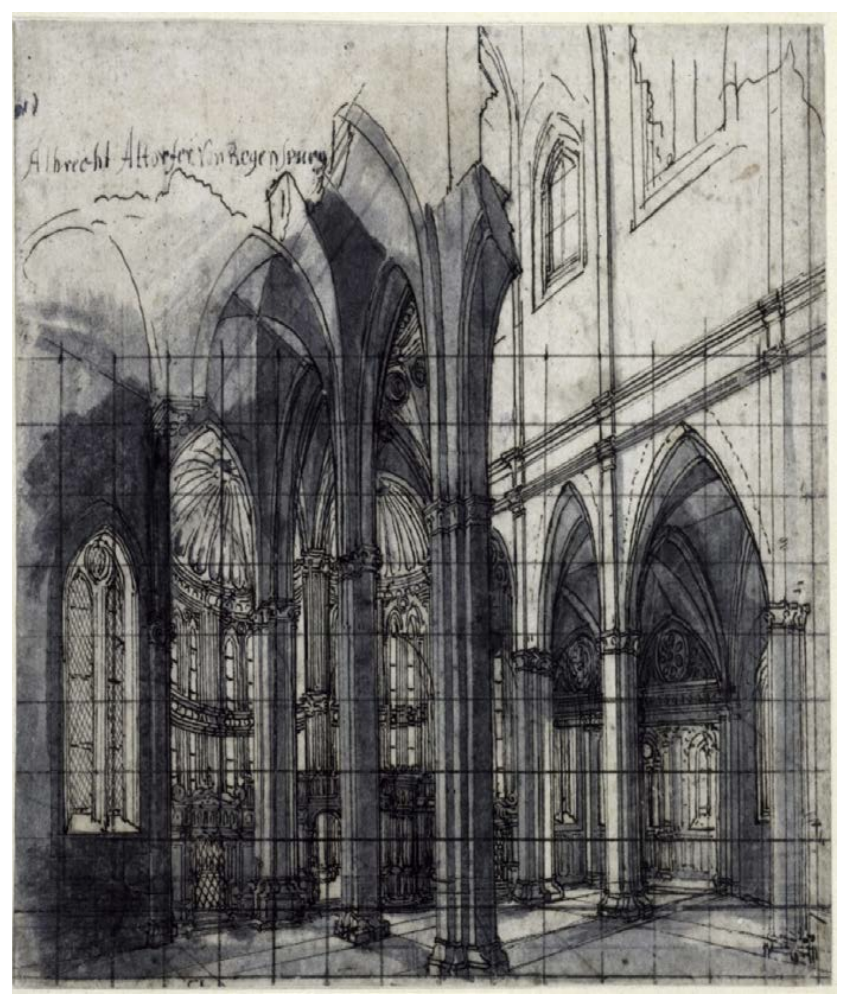
Albrecht Adolfer. Study for the “Birth of the Virgin” in Munich, shortly after 1520. Berlin, Staatliche Museen Preussischer Kulturbesitz
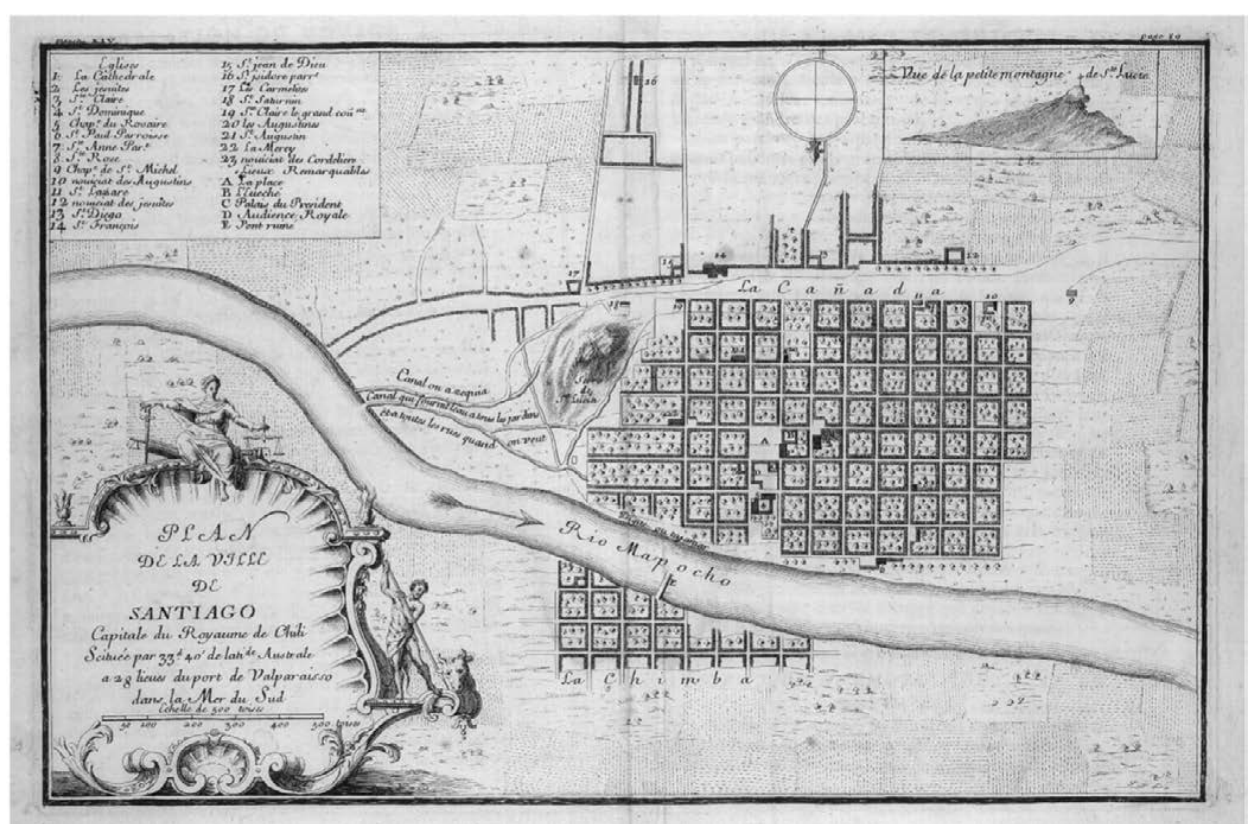
Aémédée François Frézier. Plan de la Ville de Santiago, 1716
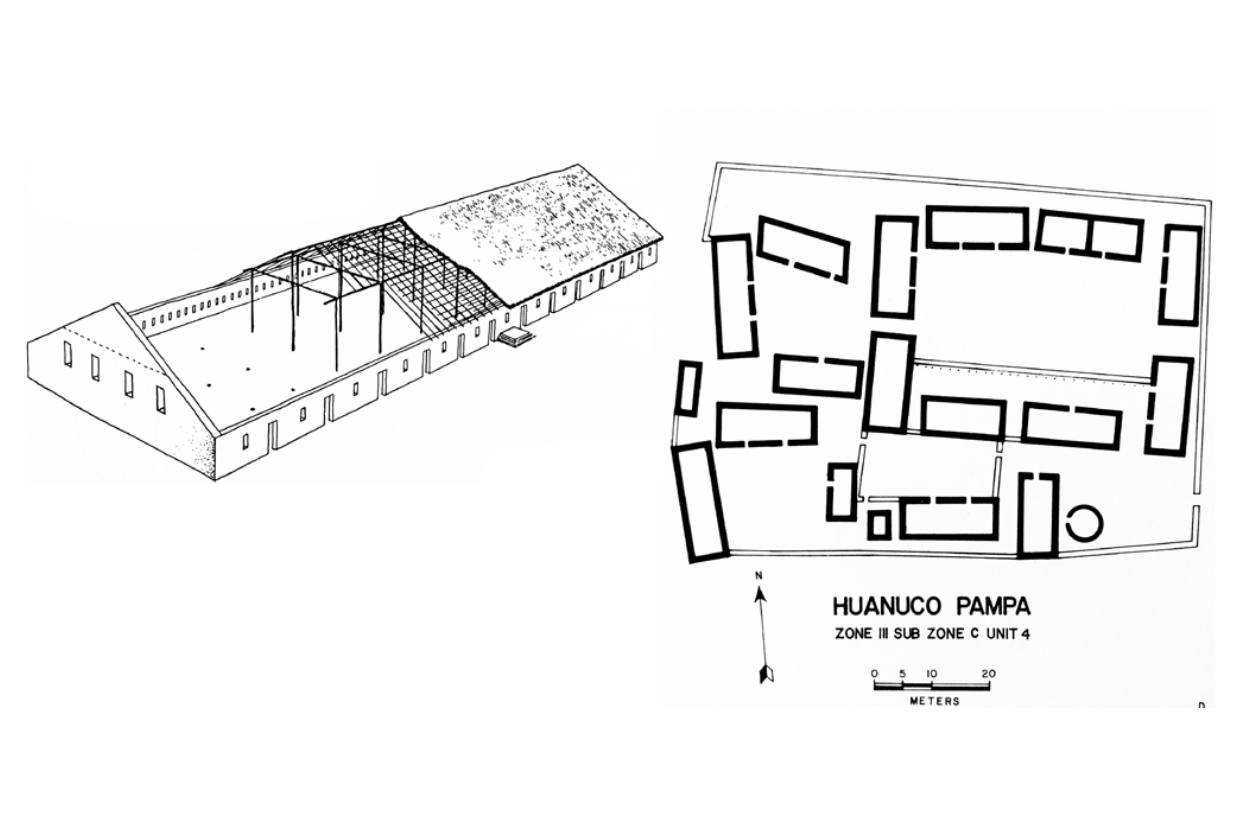
“Kancha and Kallana” in Huánuco Pampa. “Huánuco Pampa: An Inca City and Its Hinterland”. New York: Thames and Hudson, 1985
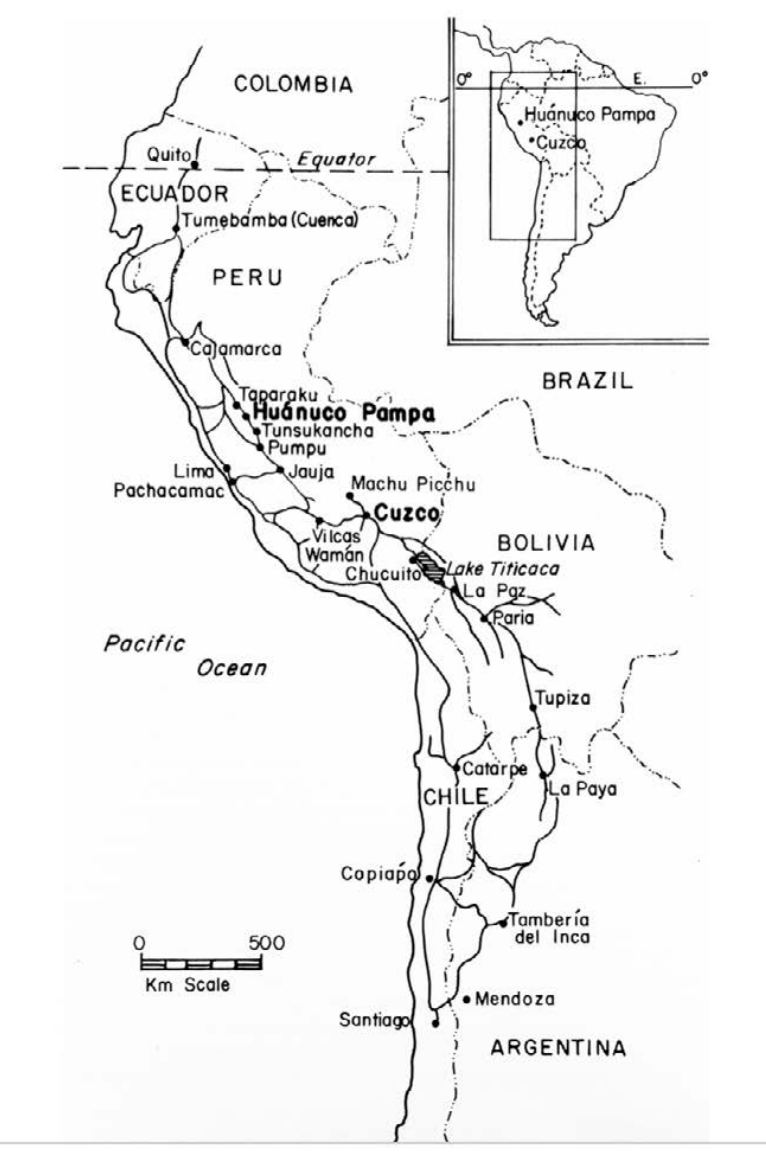
Map depicting the extension of the Inca Empire. In “Inka Storage Systems”. 1992
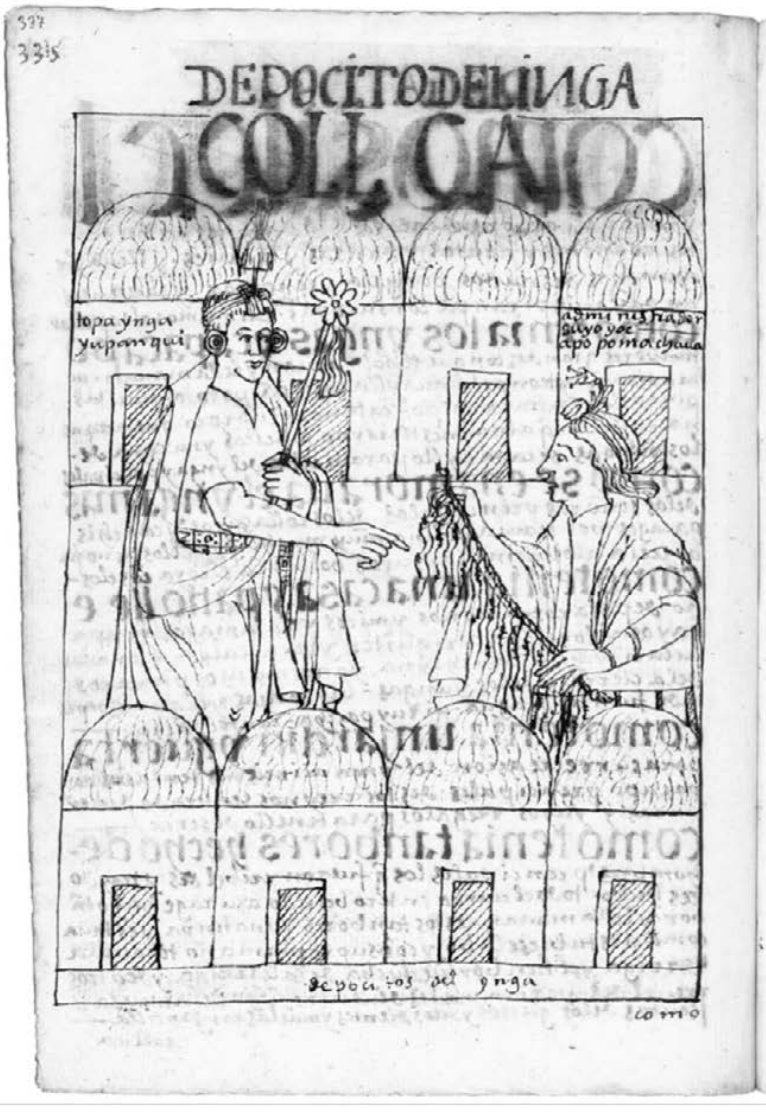
Qollcas or Inca storehouses depicted behind a Khipokamayu, the master of accounting in the Inca Empire. Source: “Guaman Poma de Ayala, Felipe. El primer nueva corónica y buen gobierno”, 1615
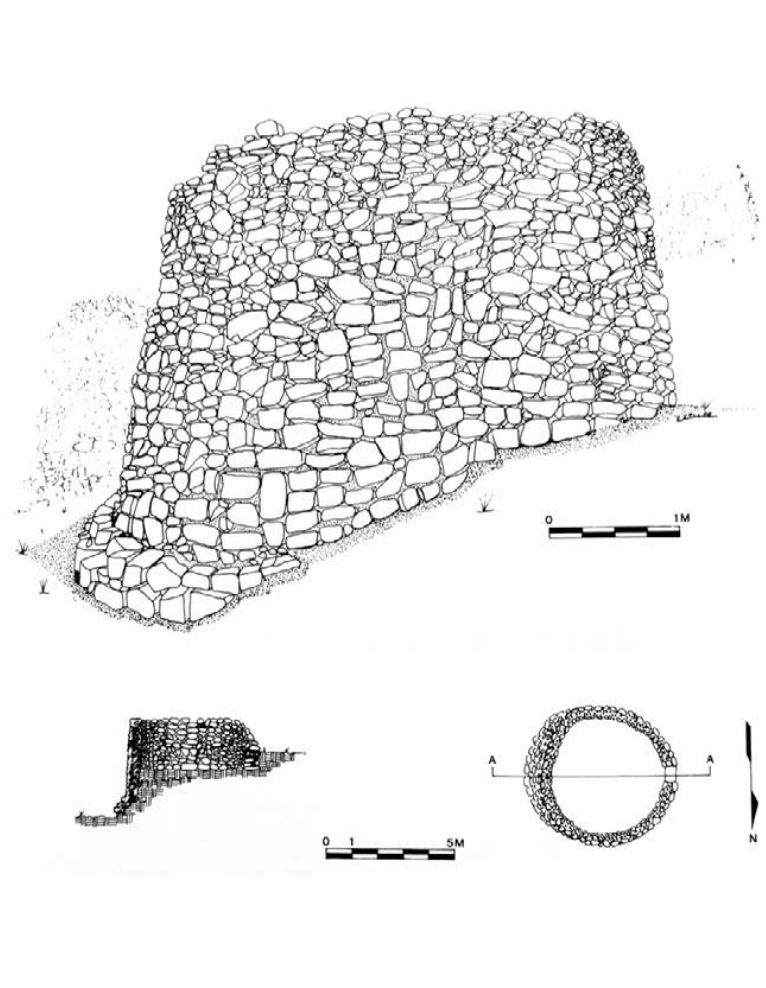
The Qollca, used to store and redistribute food in the Inka Empire. Source: Le Vine, Terry Y., ed. Inka Systems, 1992
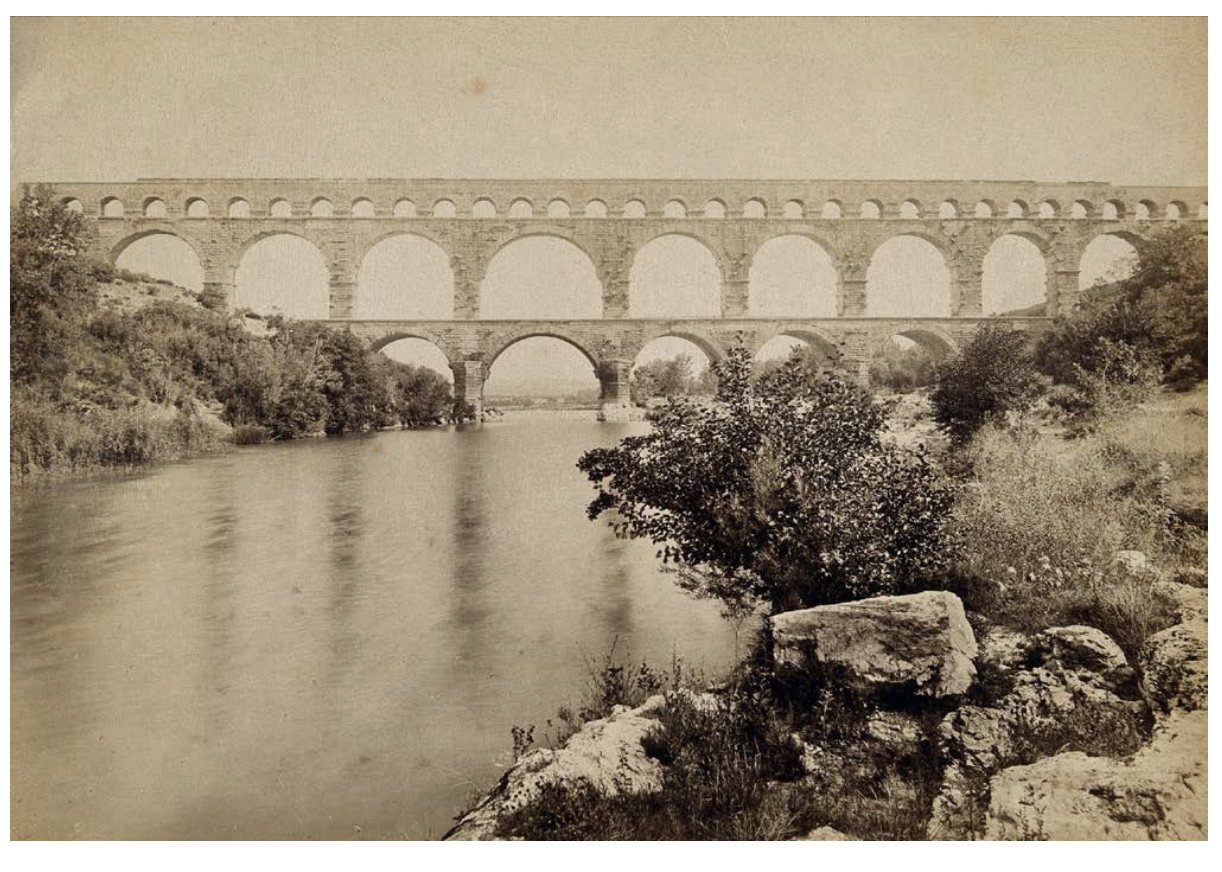
Pont du Gard, Roman aqueduct, Nîmes, France: the River Gard is seen in the foreground. Photograph by Neurdein Frères. 1880
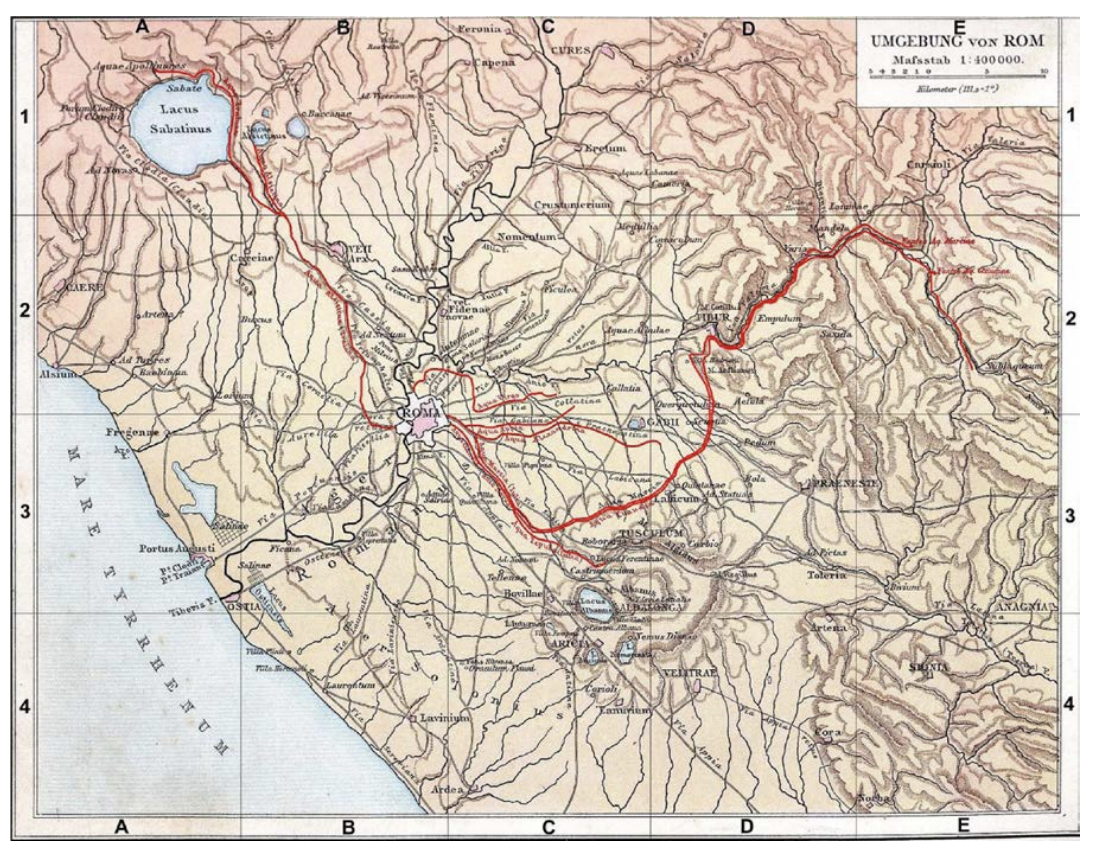
Plan depicting the 9 Roman Aqueducts feeding the city c. 100 A.D.
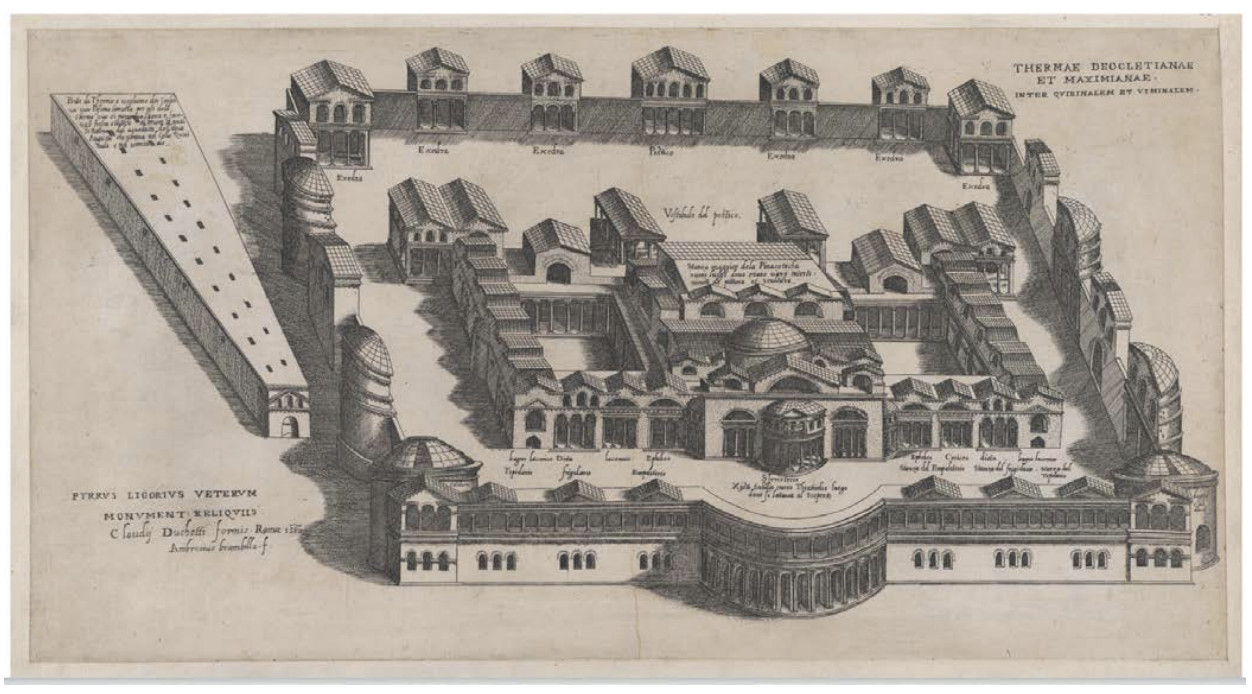
Reconstruction of the Baths of Diocletian, Originally built around 300 A.C.
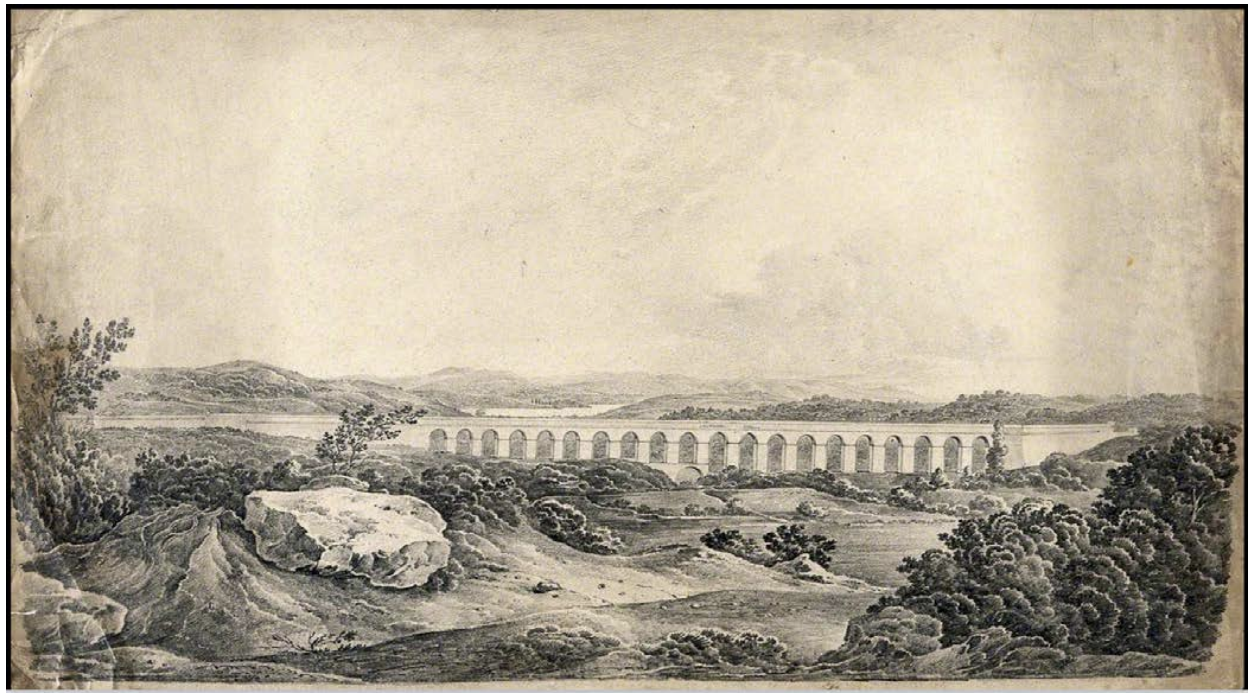
A view of the aqueduct of Valens, near Bujukdereli. Built Circa 350 A.D.
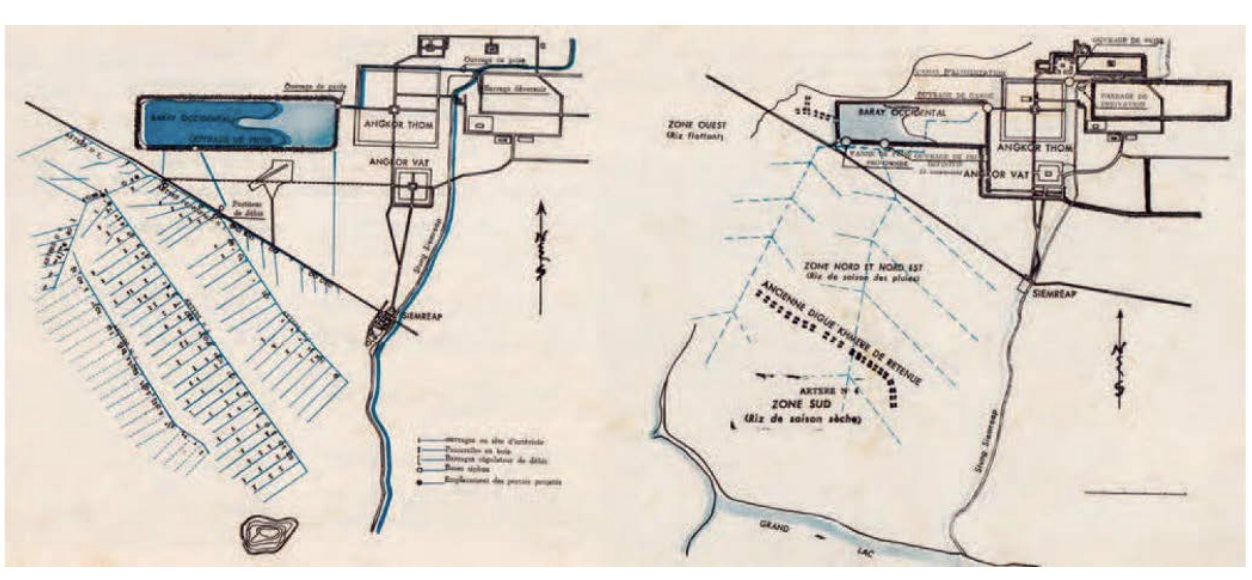
Plans of the supposedly ancient and soon “to-be-updated” irrigation system at and around Angkor, published in “Cambodia d’aujourd’hui” in 1964
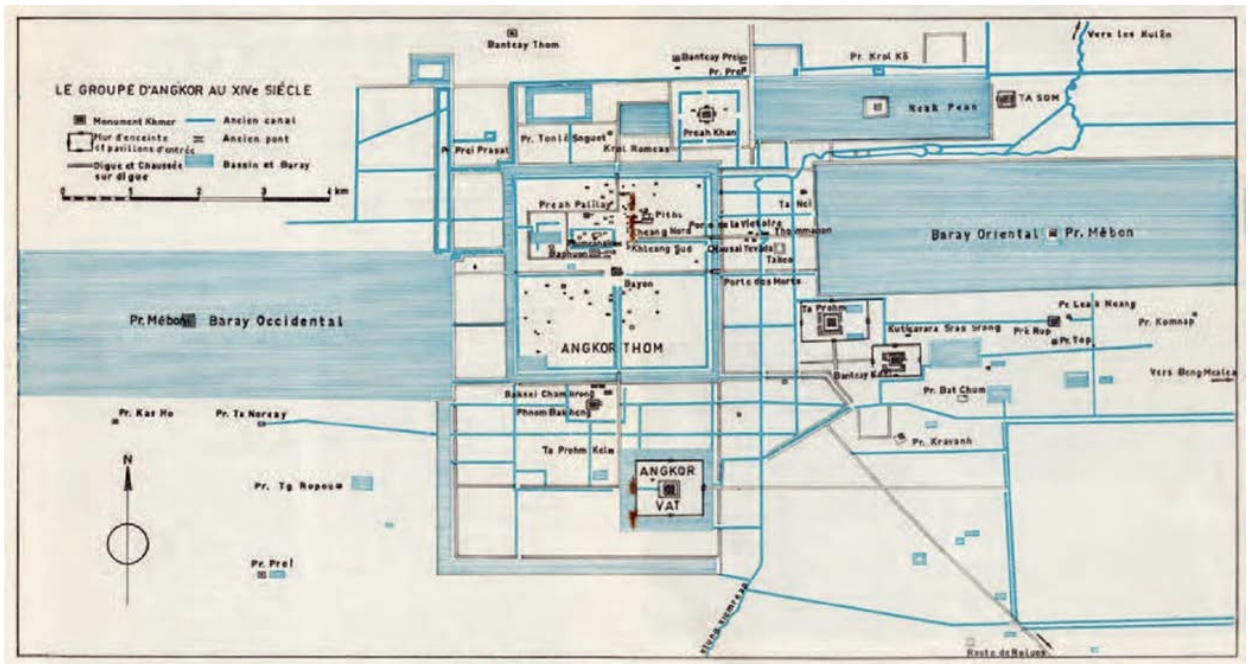
B.P. Groslier’s plan of the hydraulic Angkor, depicting the Barays, waterways and canals. Here published in “Études Combodgiennes” of 1967
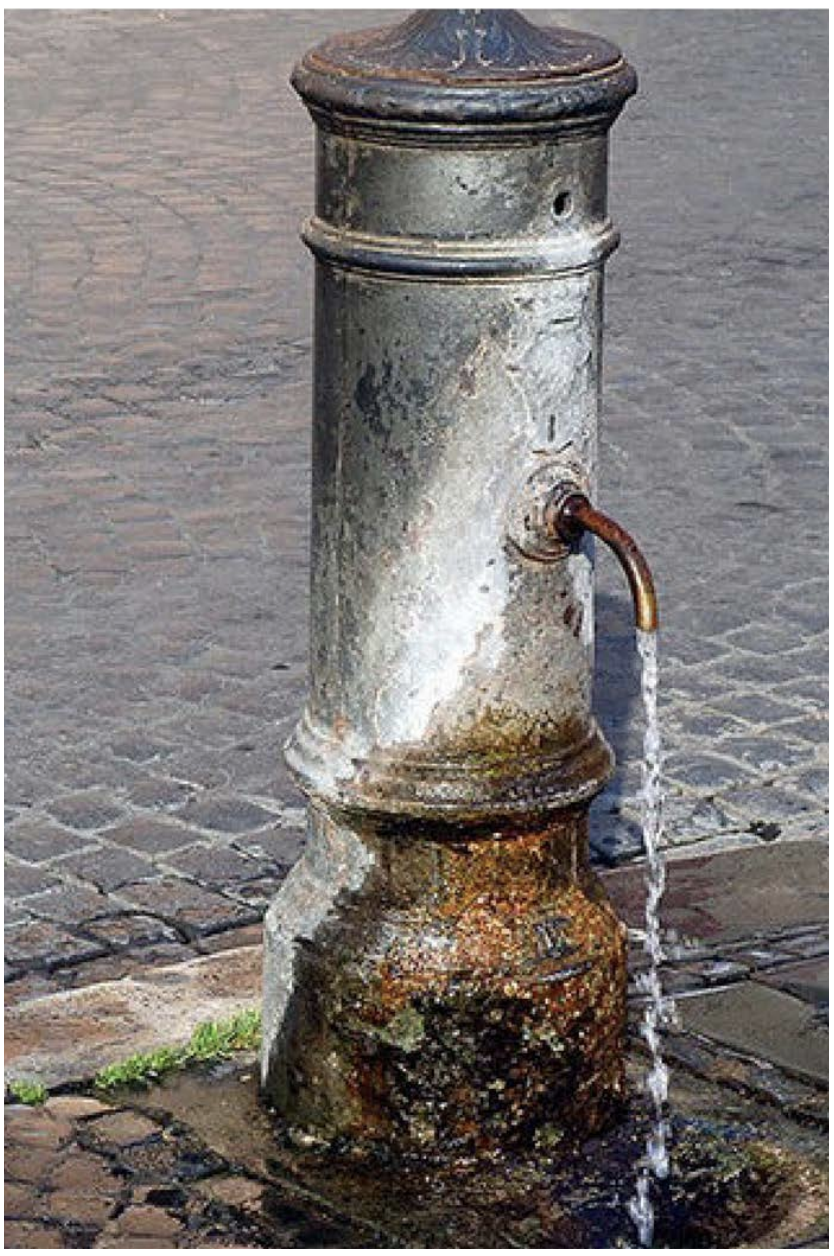
Nasone in contemporary Rome
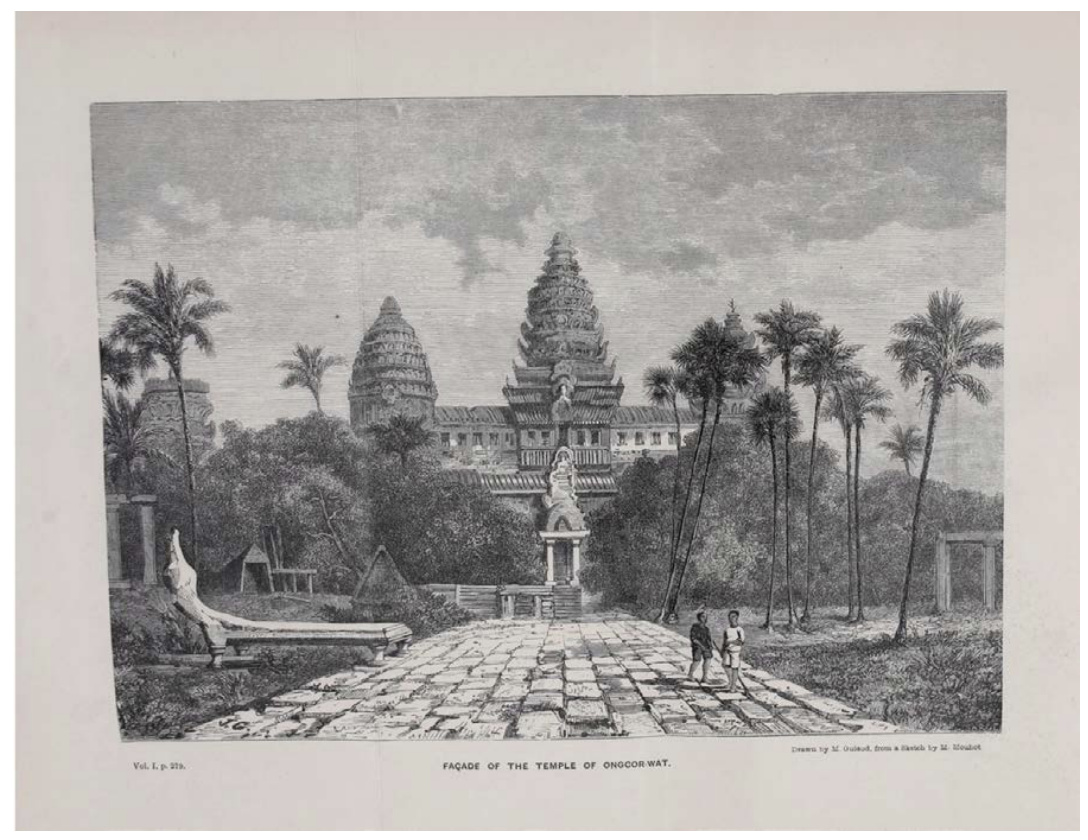
View of the façade of the Temple of Angkor Wat. Henri Mouhot. “Voyages au Pays de Siam, de Cambodge et de Laos et autres parties de l’indo-Chine avec une carte et 28 Gravures”, PARIS Librairie de L., Hachette et Cie, 1868
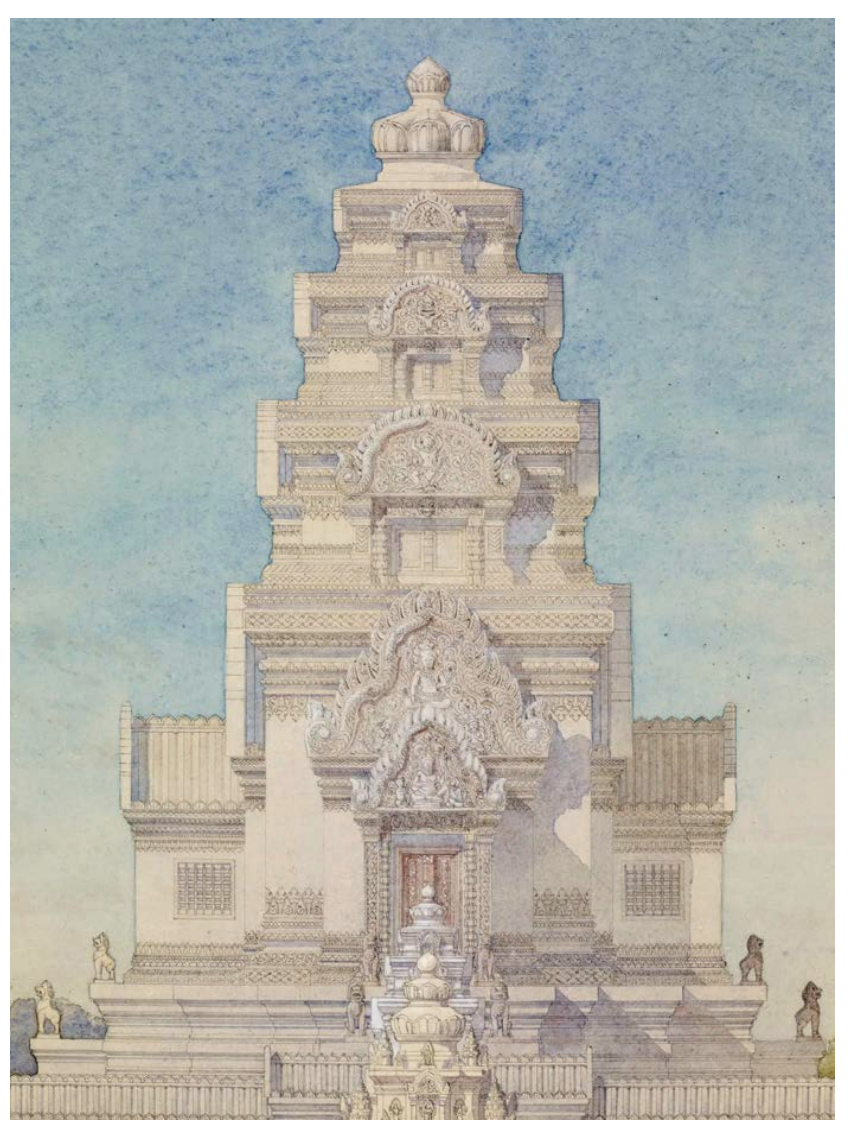
Louis Delaporte. “Palais des rois Khmers au centre d’Angkor Thom”, c.1890
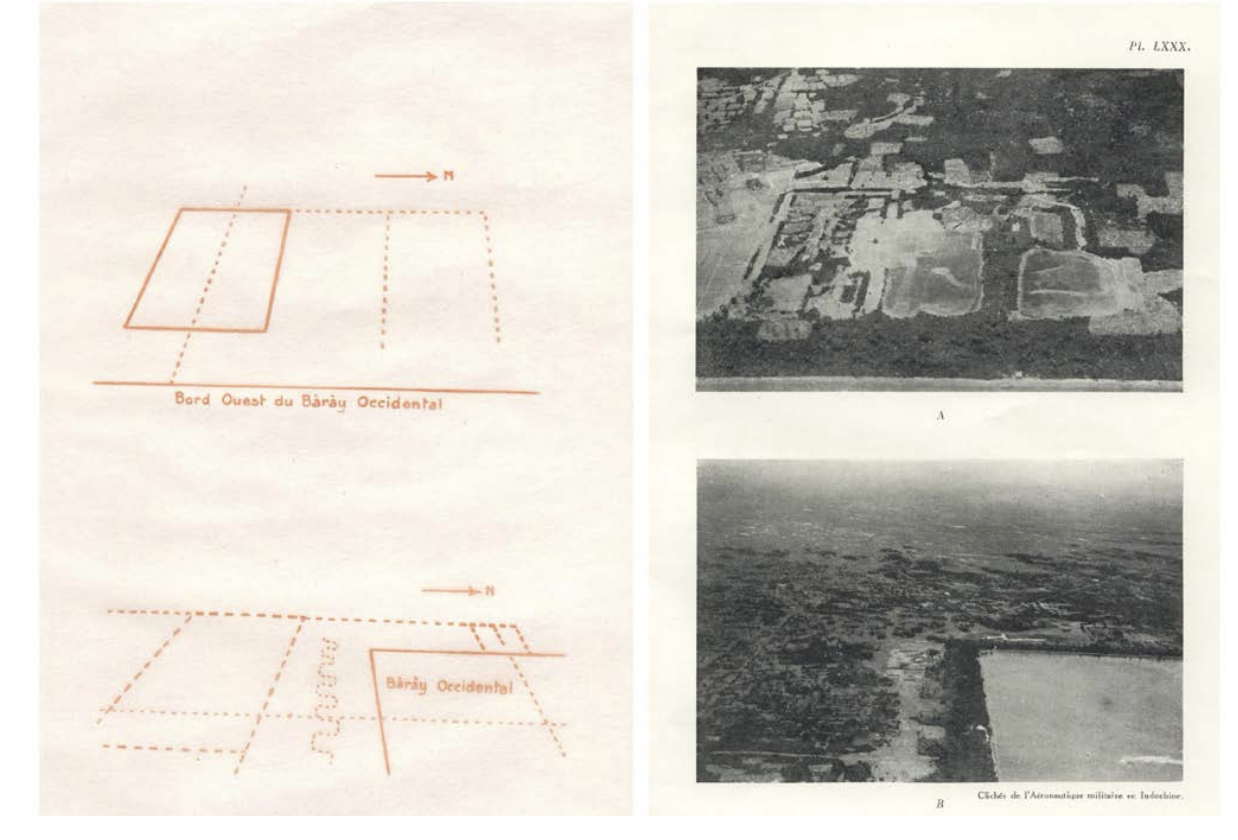
Aerial photograph with overlays of the water systems. Goloubew, V. Reconnaissances aériennes au Cambodge. “Bulletin de l’Ecole Française d’Extrême Orient”, 1936
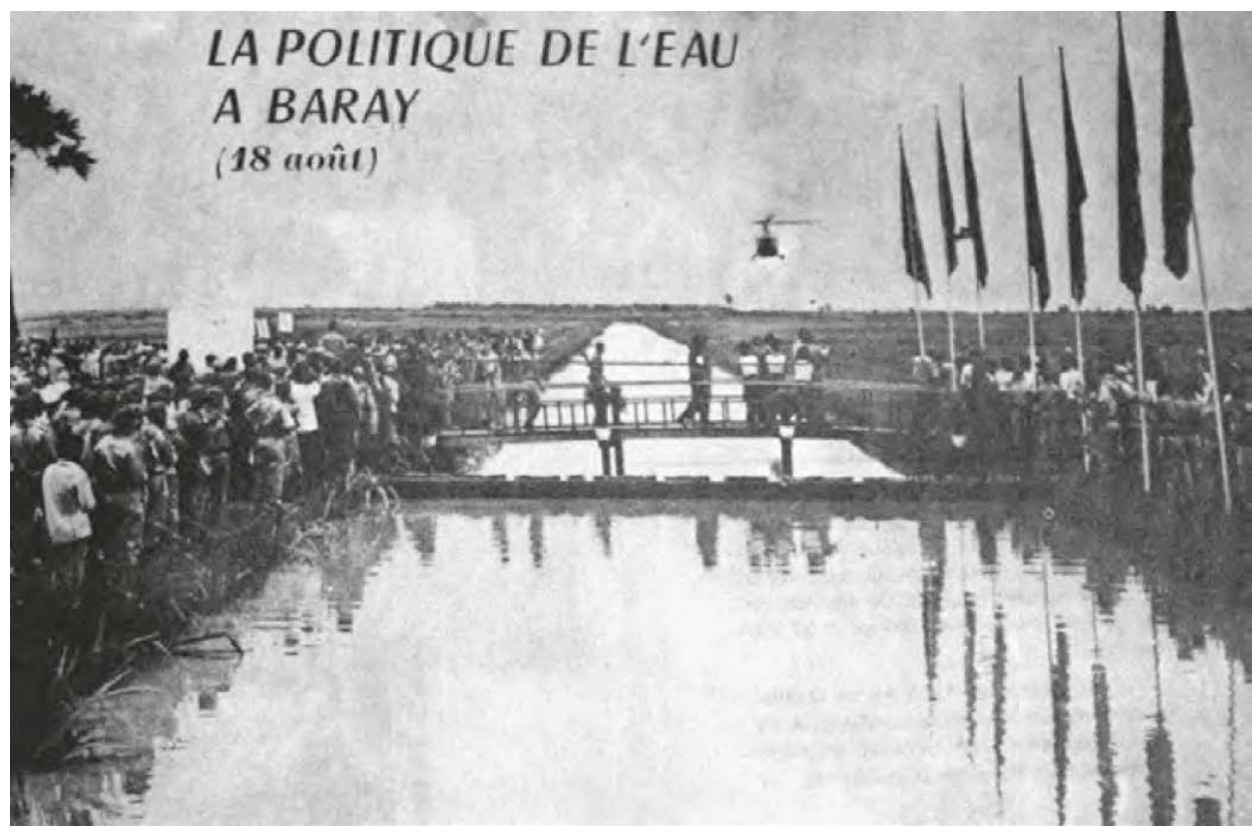
Sihanouk’s mission to convert Cambodia into a hydraulic country, as depicted in a series of photographs during his visit to Kampong Thom’s new canal system, 1968
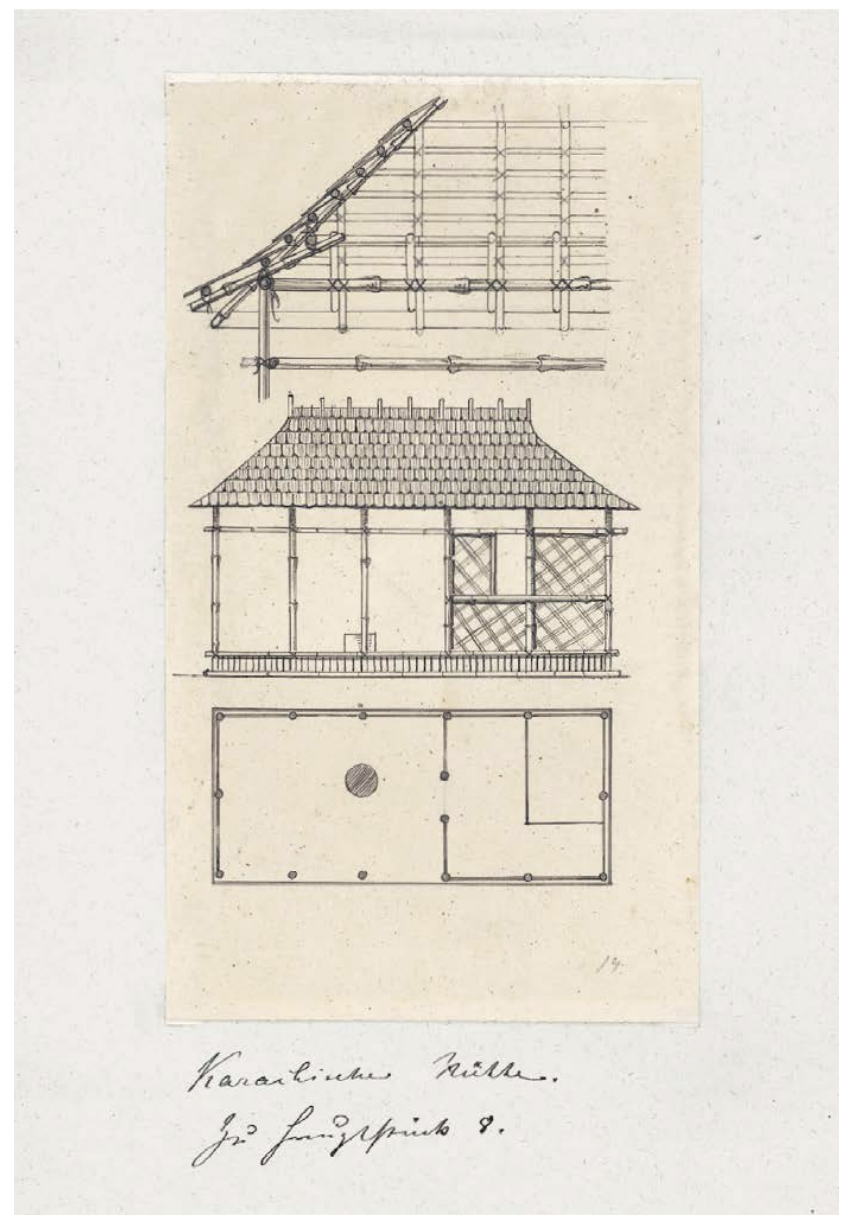
Gottfried Semper. Drawing of the “Caribbean Hut” for the second volume of “Style in the Technical and Tectonic Arts”, 1863
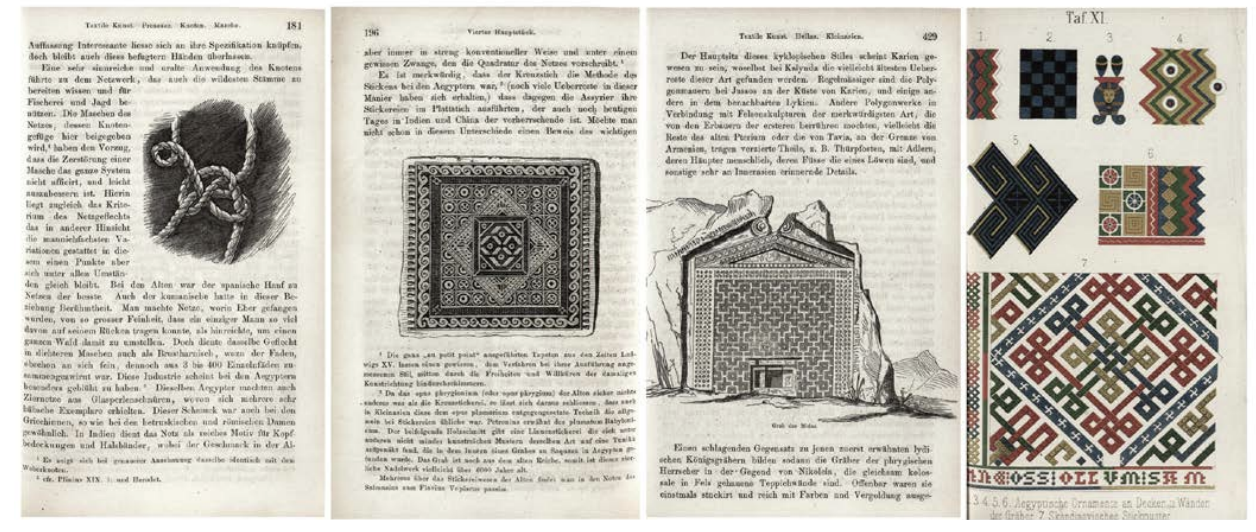
The Four Elements of Architecture Gottfried Semper, “Der Stil in den technischen und tektonischen Künsten oder Praktische Ästhetik”, 1860-1863
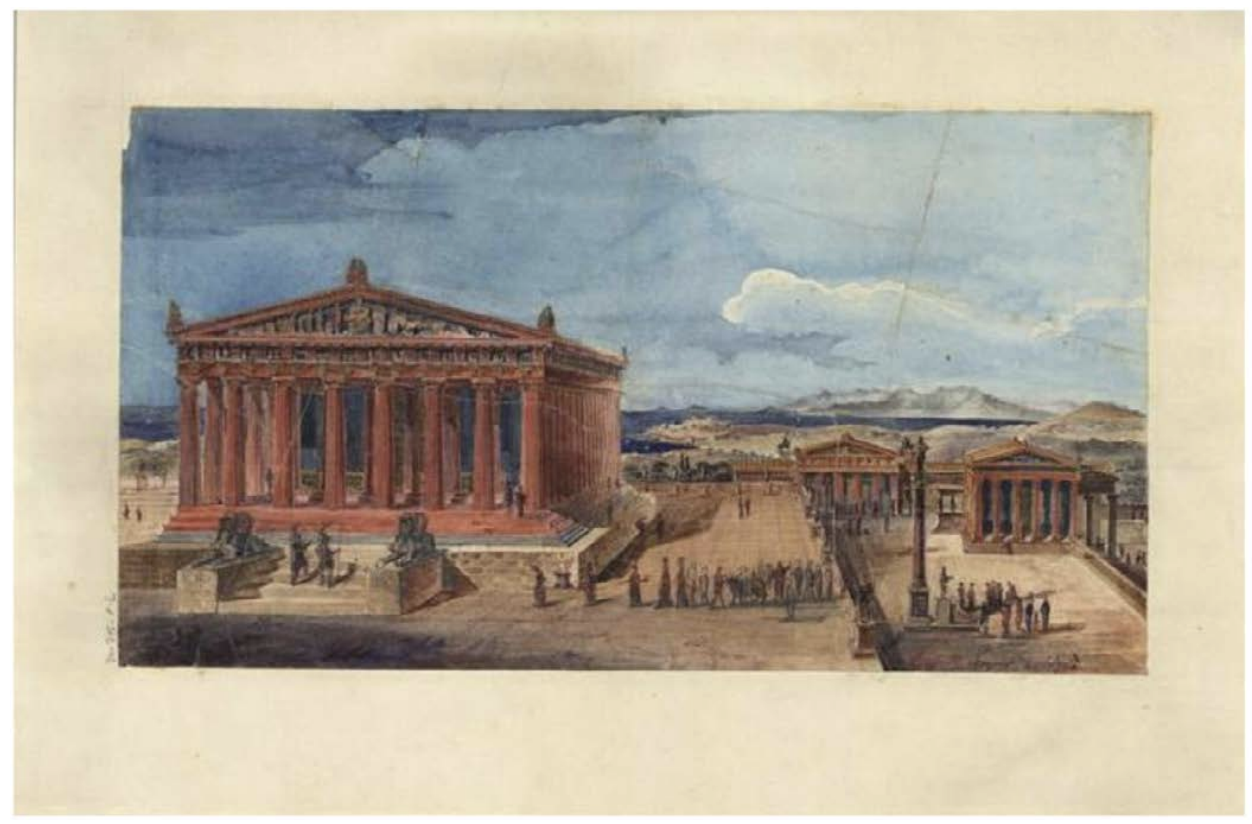
Gottfried Semper. Detail and perspective of the Parthenon. 1834
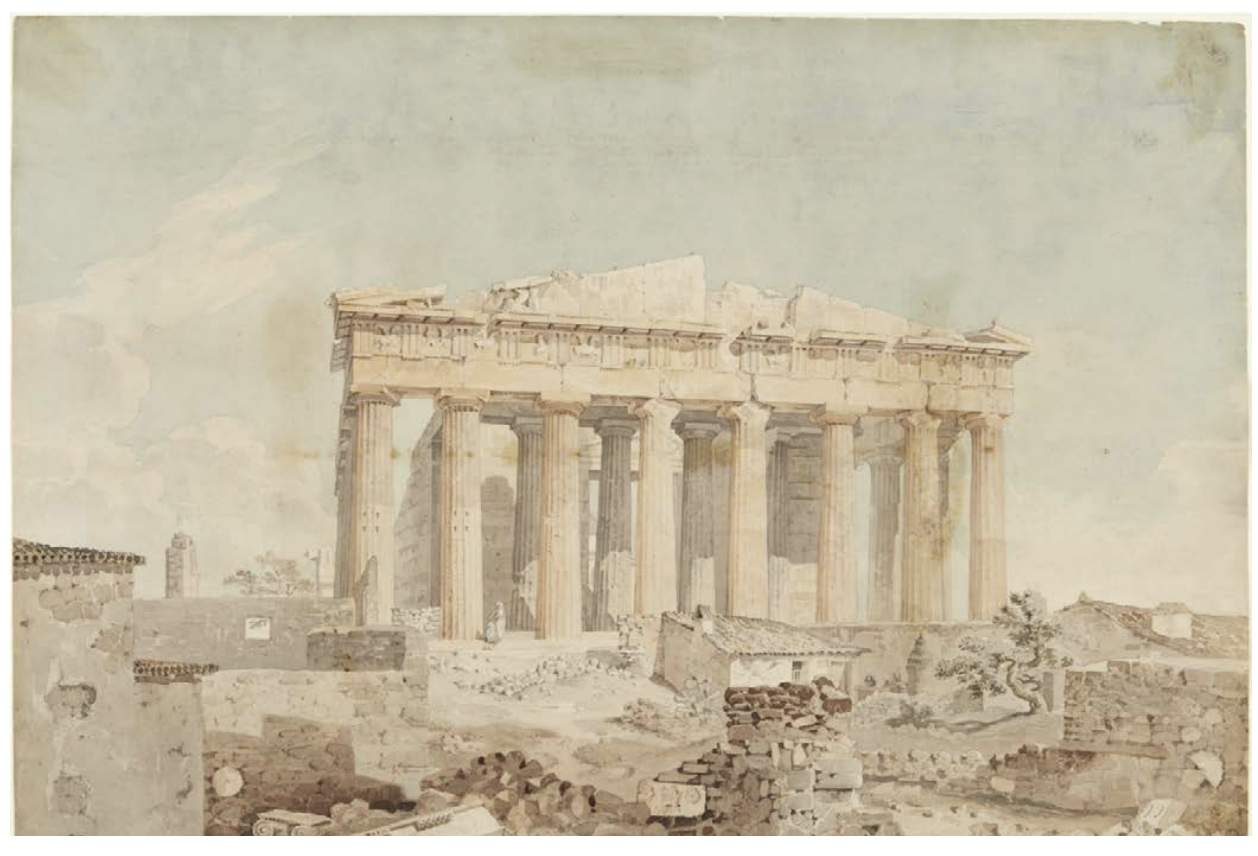
Leo von Klenze. Watercolor of the West end of Parthenon in the Acropolis, 1834
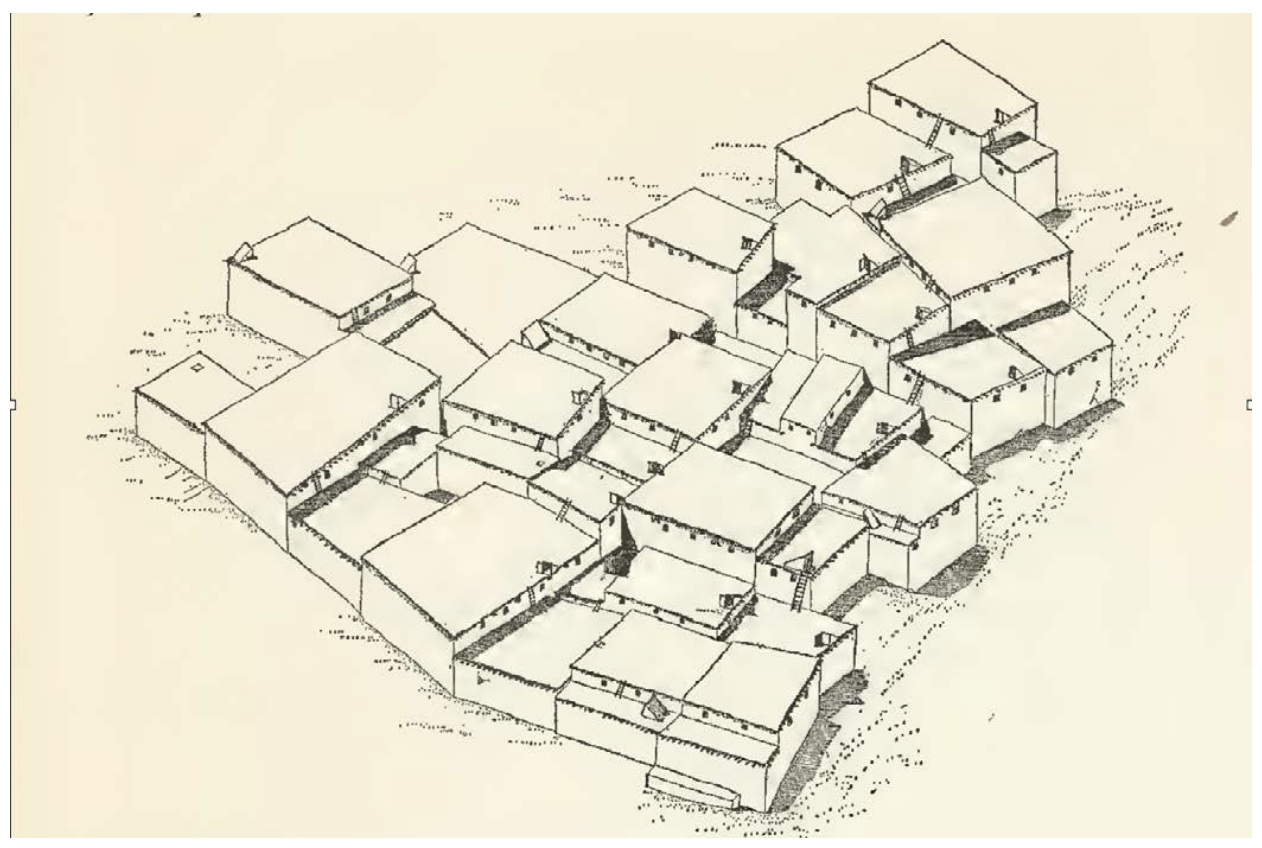
Axonometric drawing of Çatalhöyük settlement illustrating spatial density and building aggregation
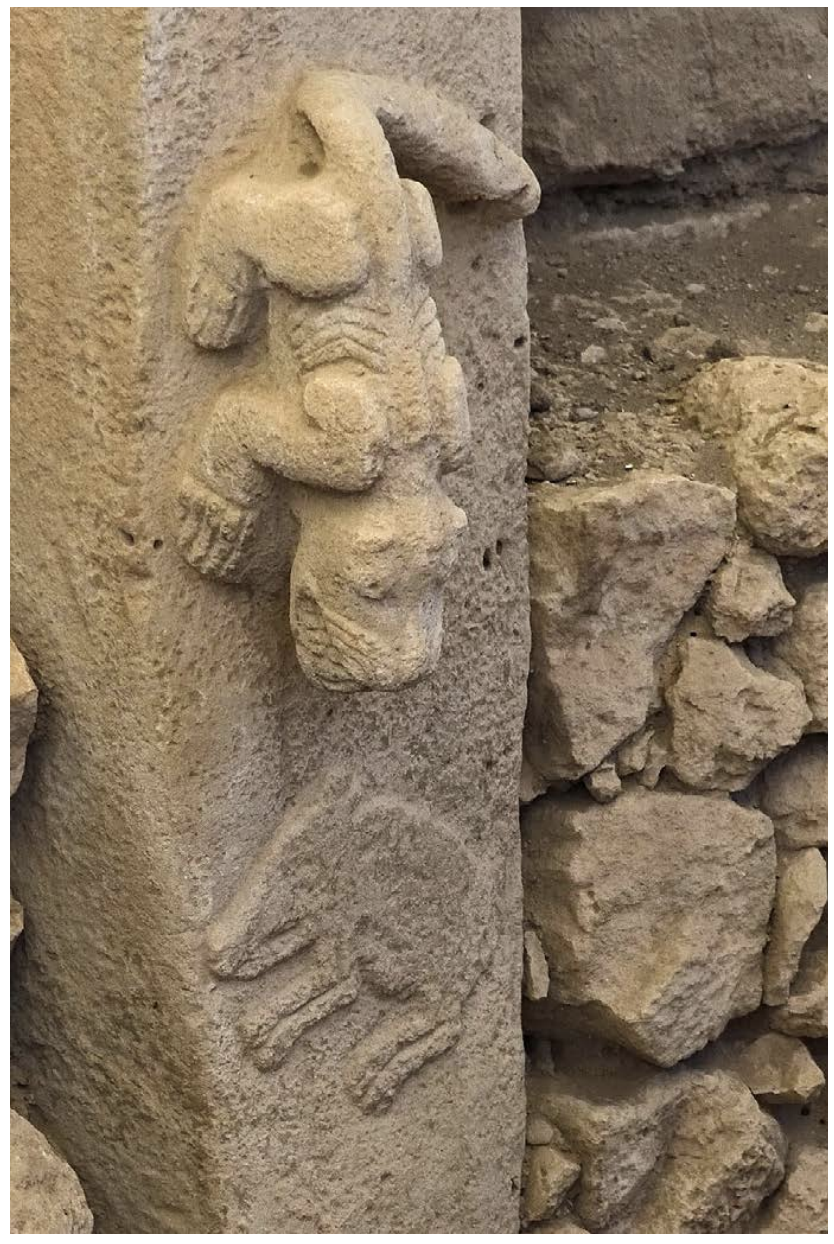
Göbekli Tepe, Pillar 12 in Enclosure C.D. Johannes, copyright DAI
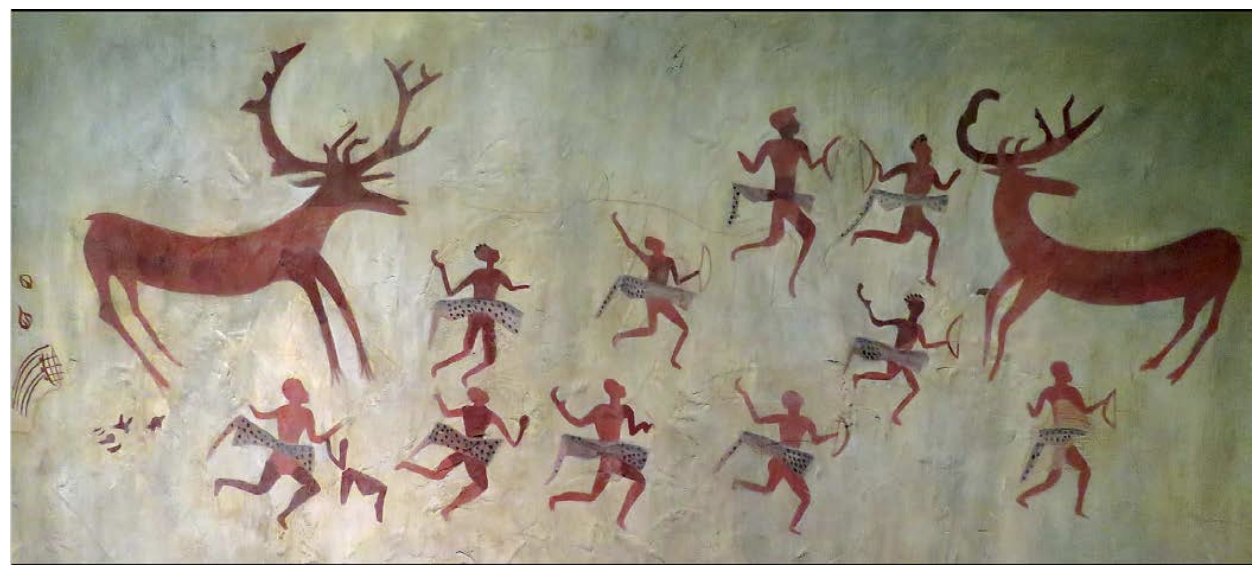
Hunting fresco, Çatalhöyük, copy of Neolithic wall painting in the 7th millennium BCE. In James Mellaart, “Çatal Hüyük: A Neolithic Town in Anatolia”, 1967
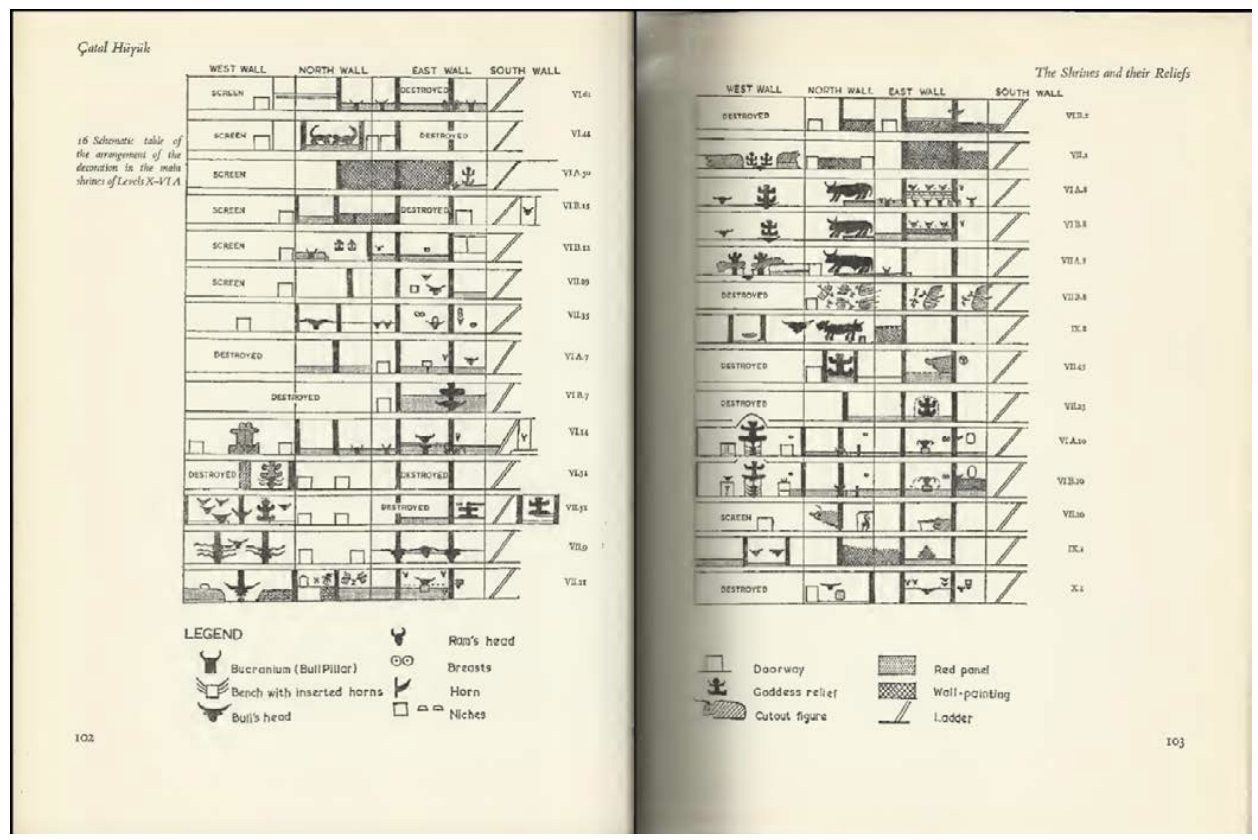
Schematic table of the arrangement of the decoration in different levels of Çatal Hüyük. From James Mellaart, “Çatal Hüyük: A Neolithic Town in Anatolia”, 1967
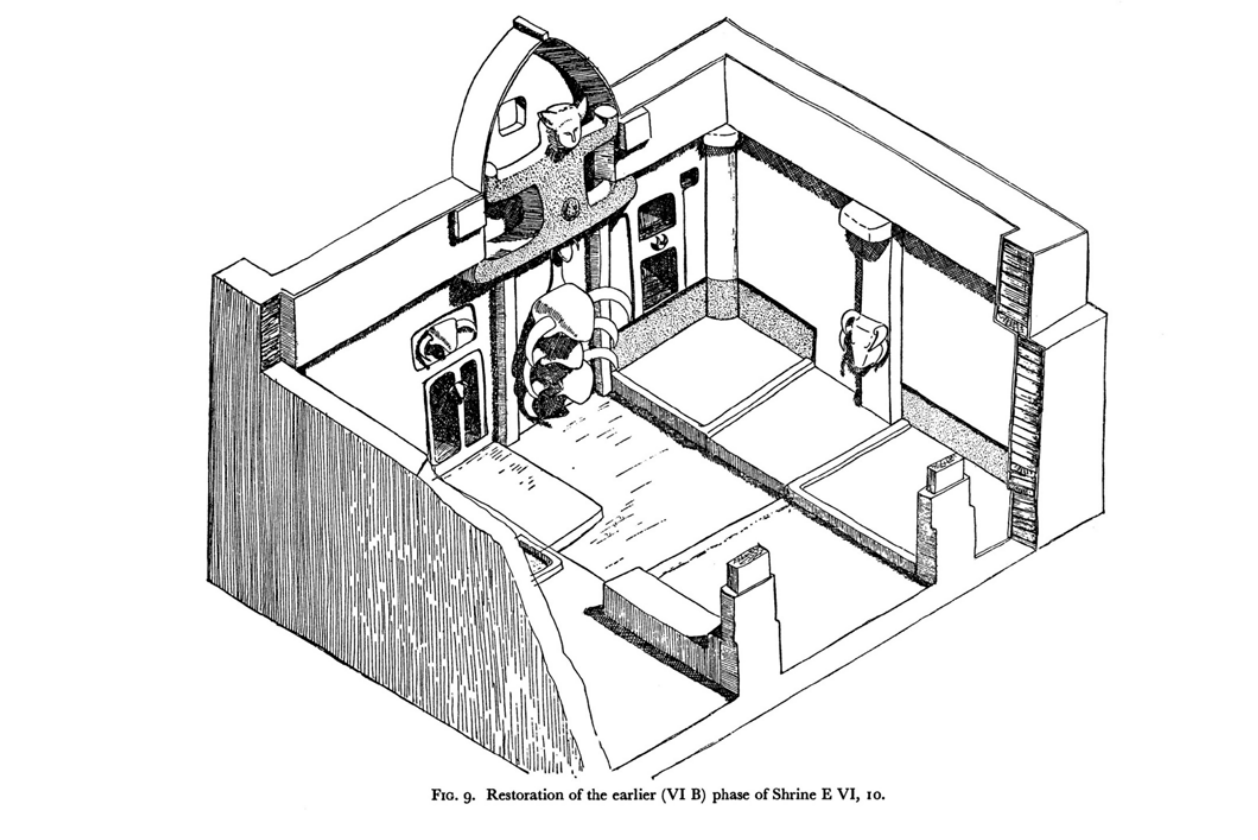
Restoration of the earlier phase of Shrine, 10 at Çatalhöyük
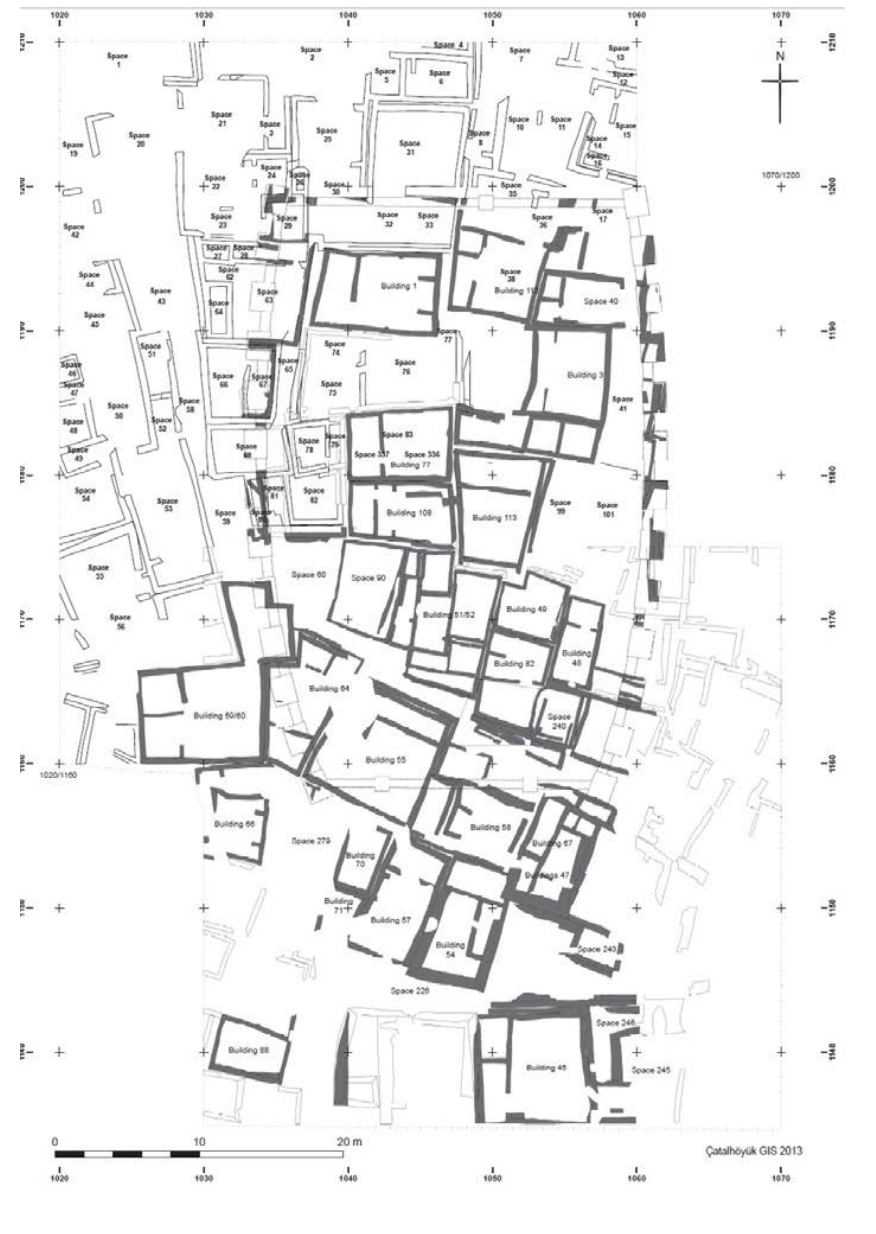
Plan depicting the walling of Çatalhöyük, Ian Hodder, 2013
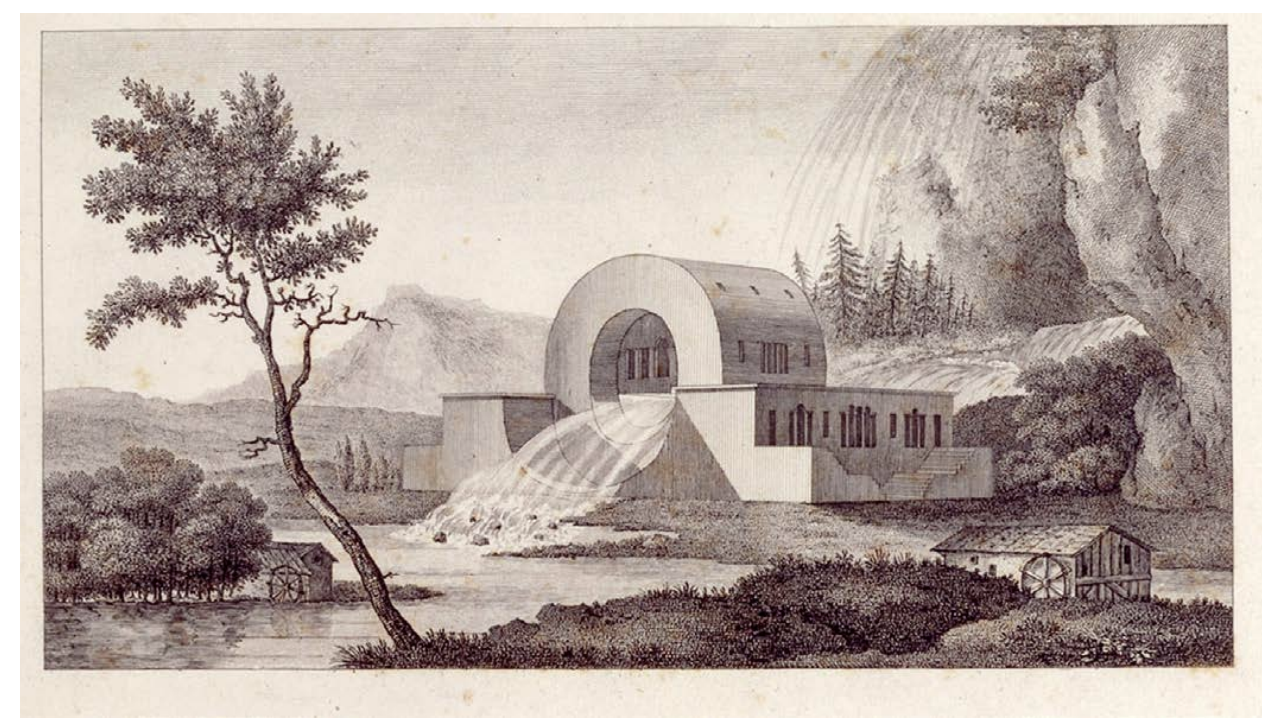
House of the surveyors of the Loue River. Town of Chaux, perspective view. Designed by Claude-Nicolas Ledoux, 1804
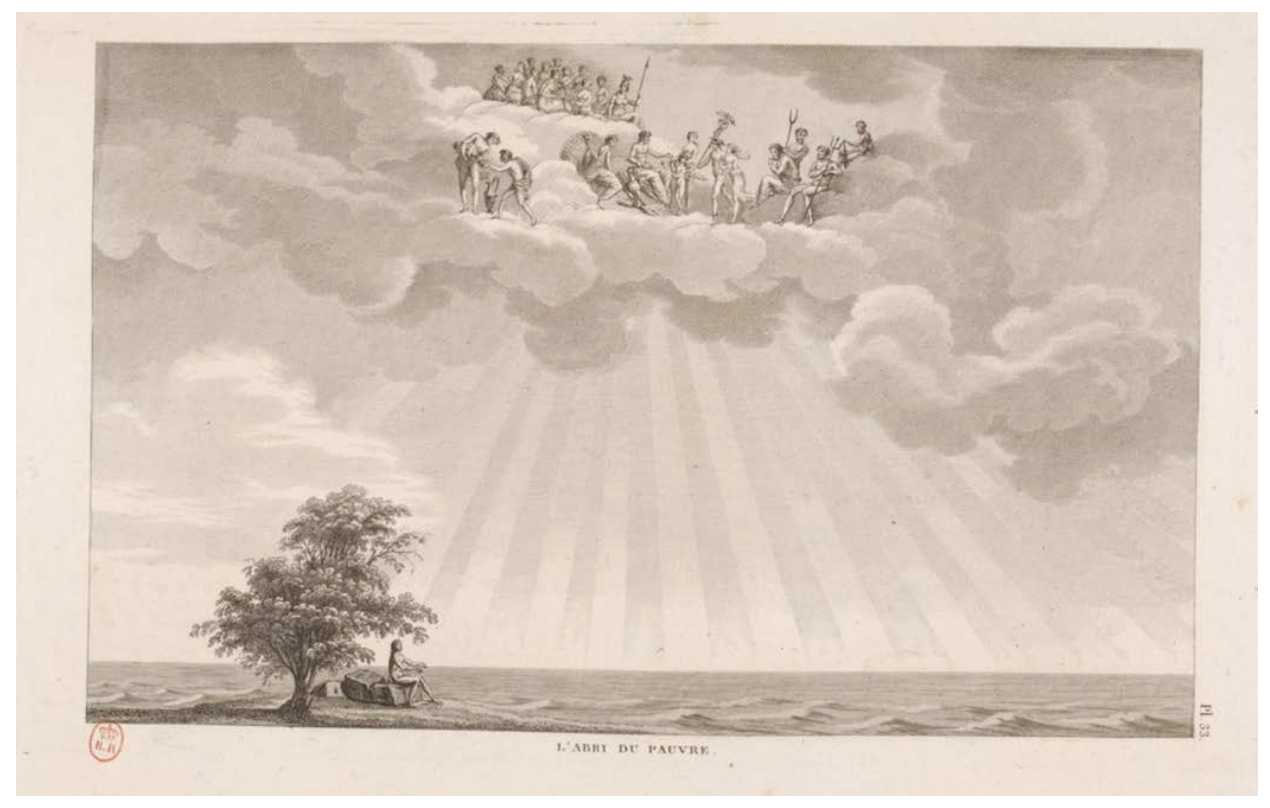
Ledoux’s engraving, “The shelter of the poor”. “L’architecture considérée sous le rapport de l’art, des moeurs et de la législation”, 1804
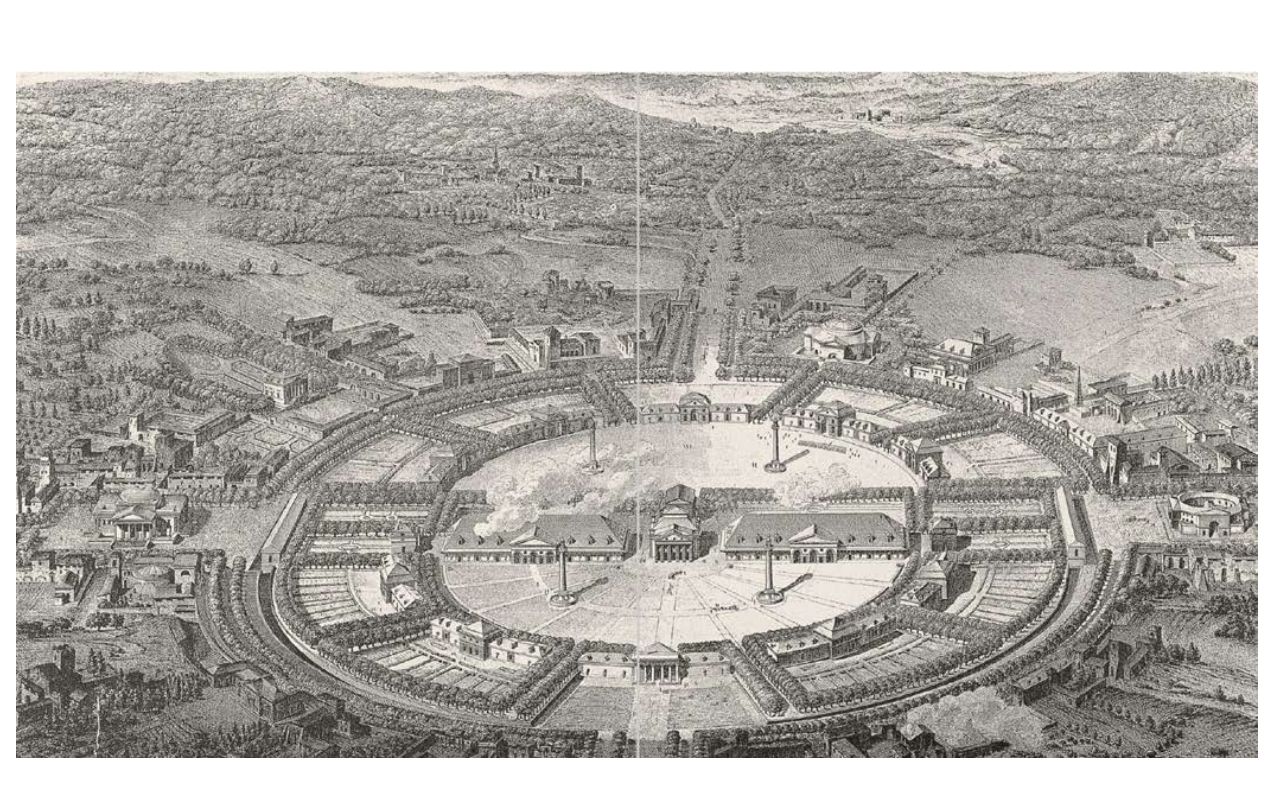
Aerial View of Cité Idéale de Chaux. Engraving from “L’architecture considérée sous le rapport de l’art, des moeurs et de la législation”, Claude-Nicolas Ledoux, 1804
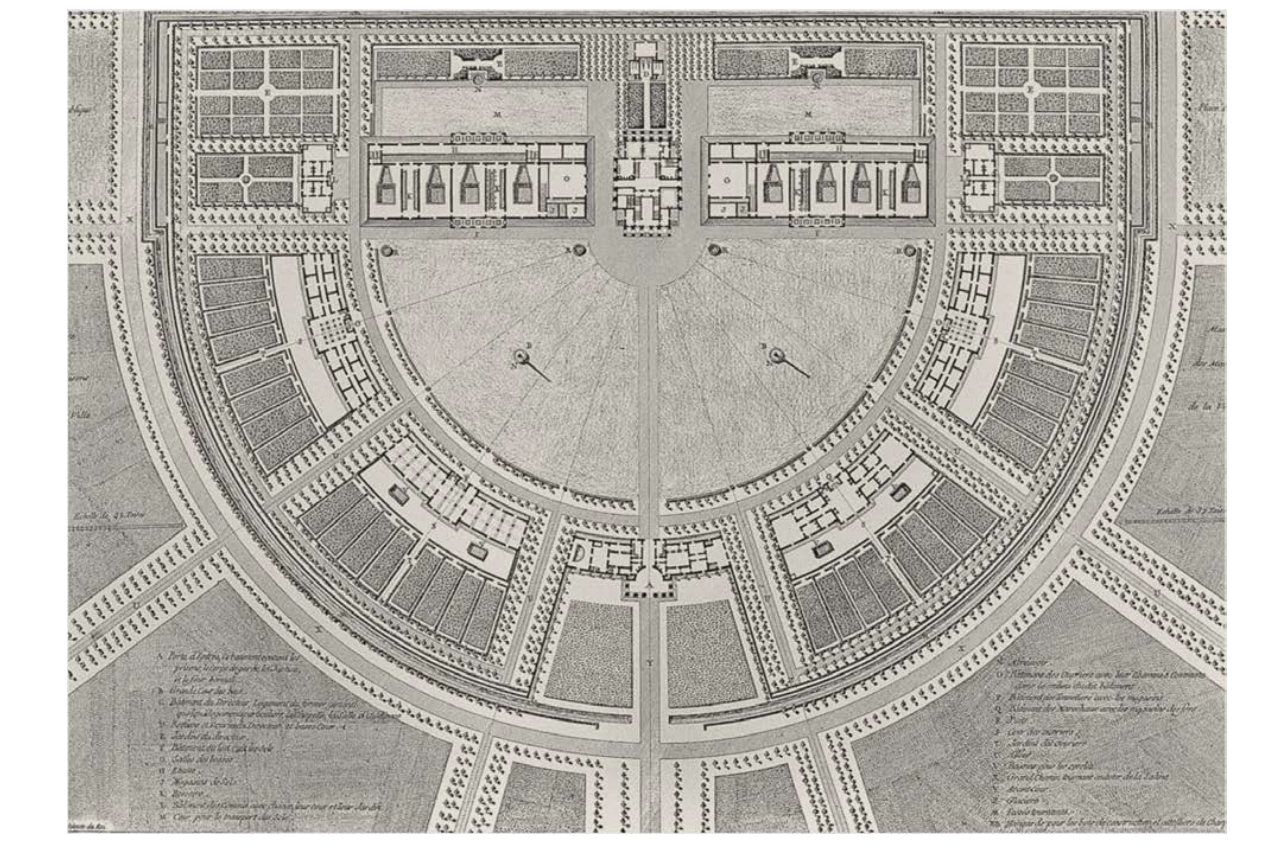
Saline de Chaux, general plan, final state, 1776
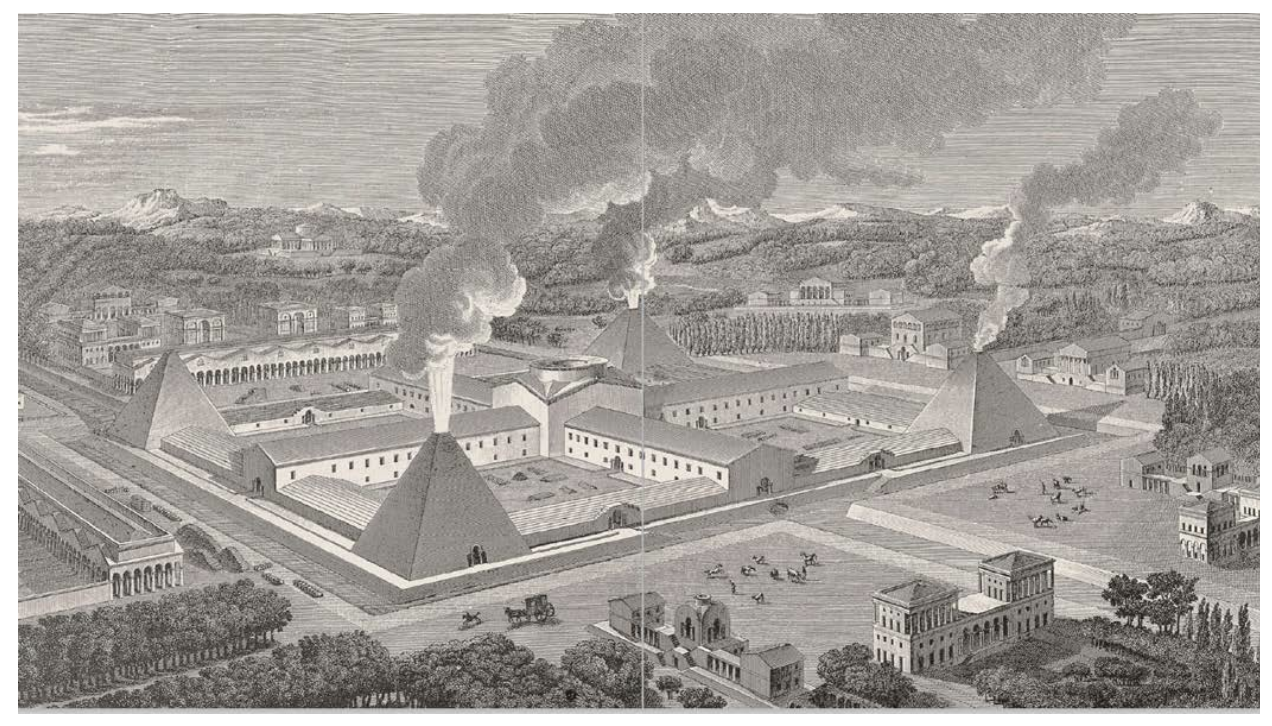
Saline de Chaux, perspective view of the cannon foundry. Designed by Claude-Nicolas Ledoux, 1776
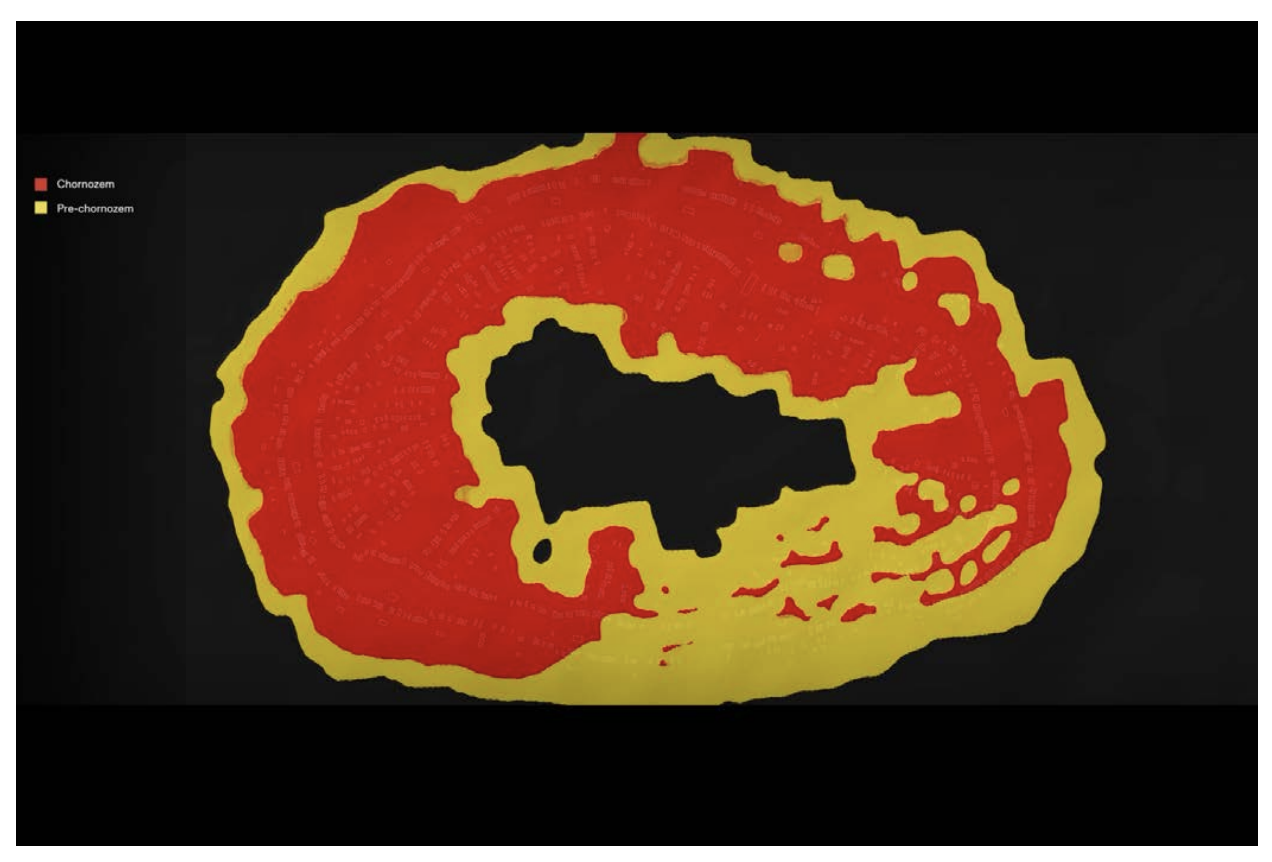
Chernozem soil patches. In David Wengrow and Forensic Architecture. “The Nebelivka Hypothesis”, 2023
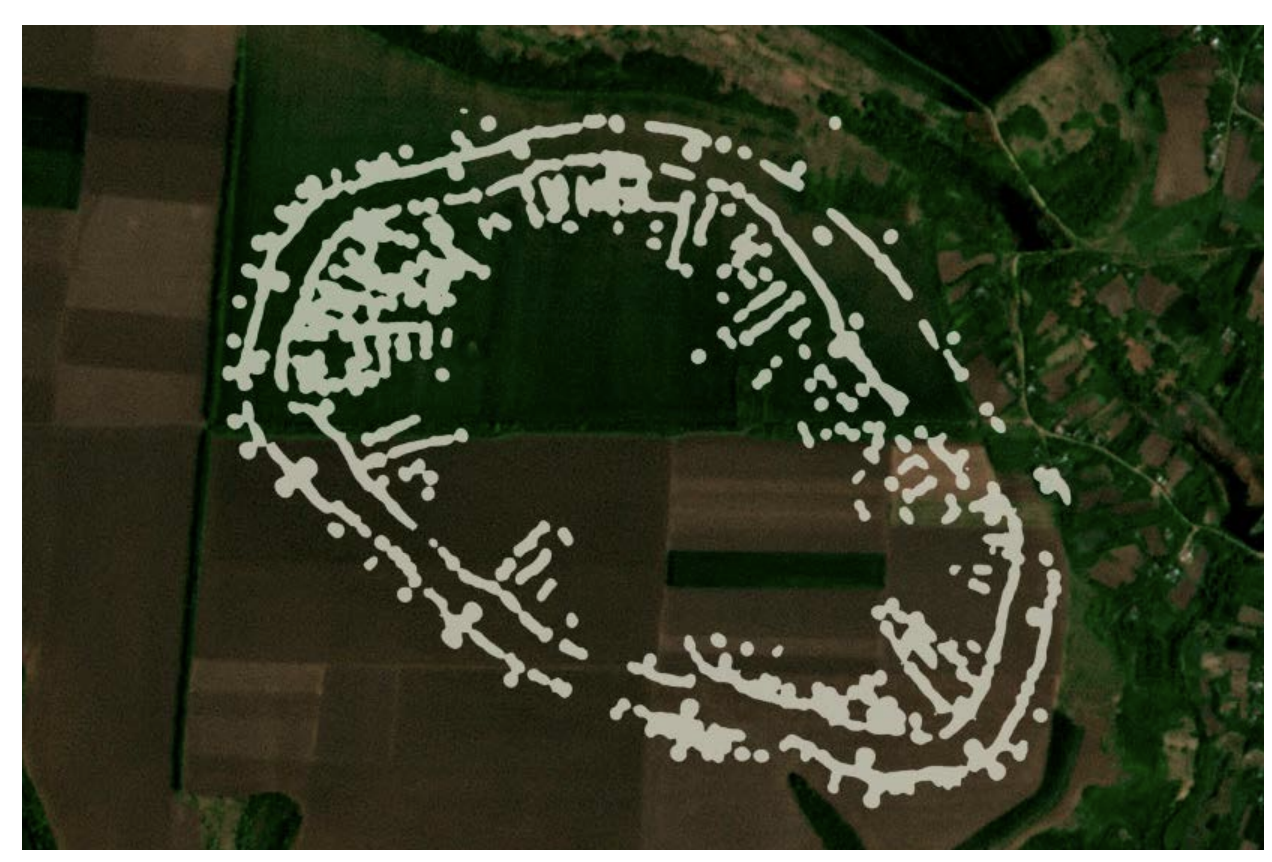
Settlement Simulation. In David Wengrow and Forensic Architecture. “The Nebelivka Hypothesis”, 2023
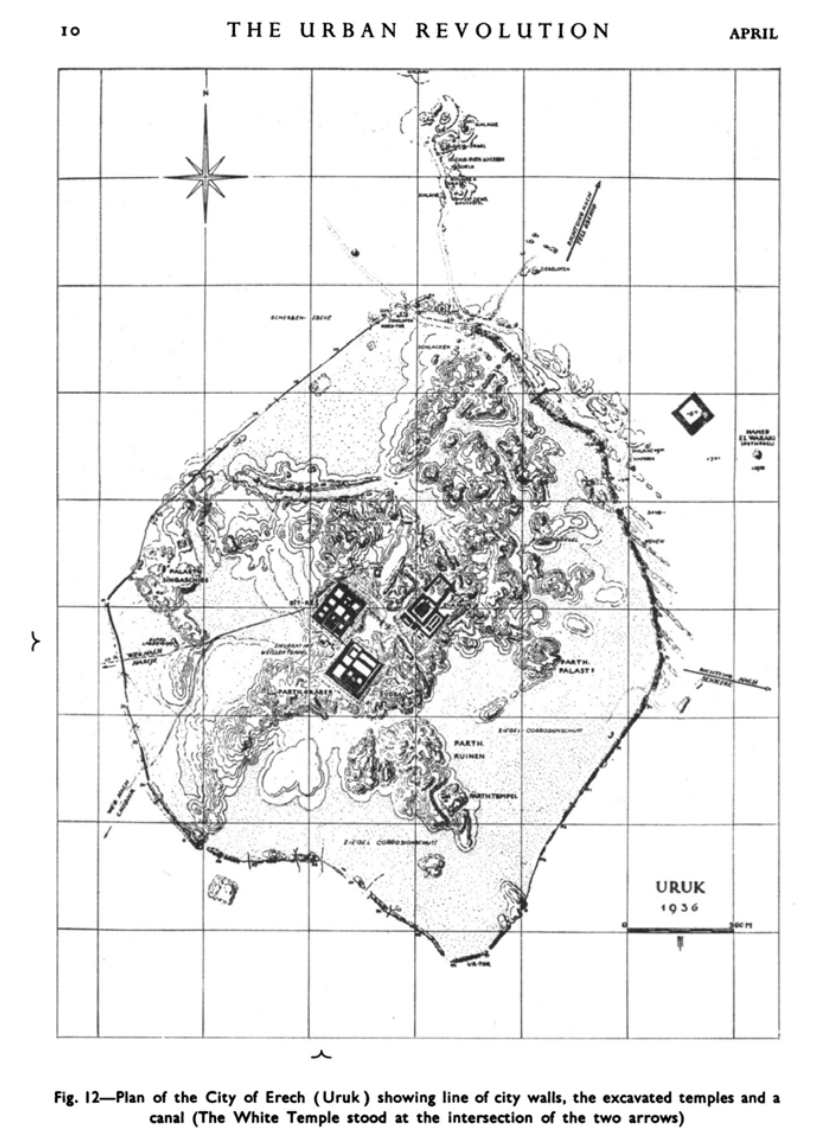
Plan of the City of Uruk showing line of city walls, the excavated temples and a canal. Gordon Childe, “The Urban Revolution”, “The Town Planning Review”, 1950
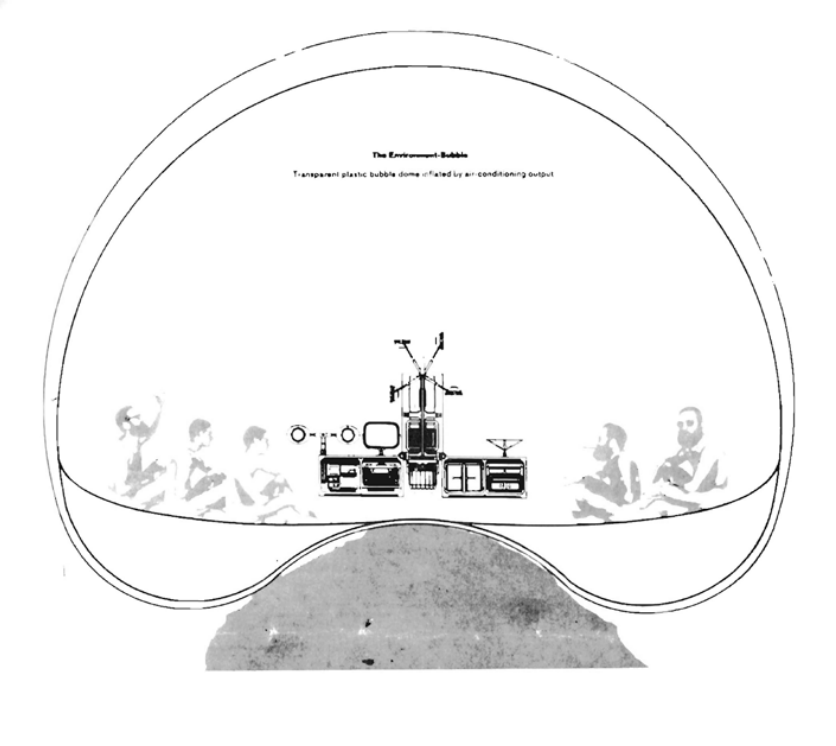
“The Environmental Bubble”, Reyner Banham “A Home is Not a House”, “Art in America”, 1965
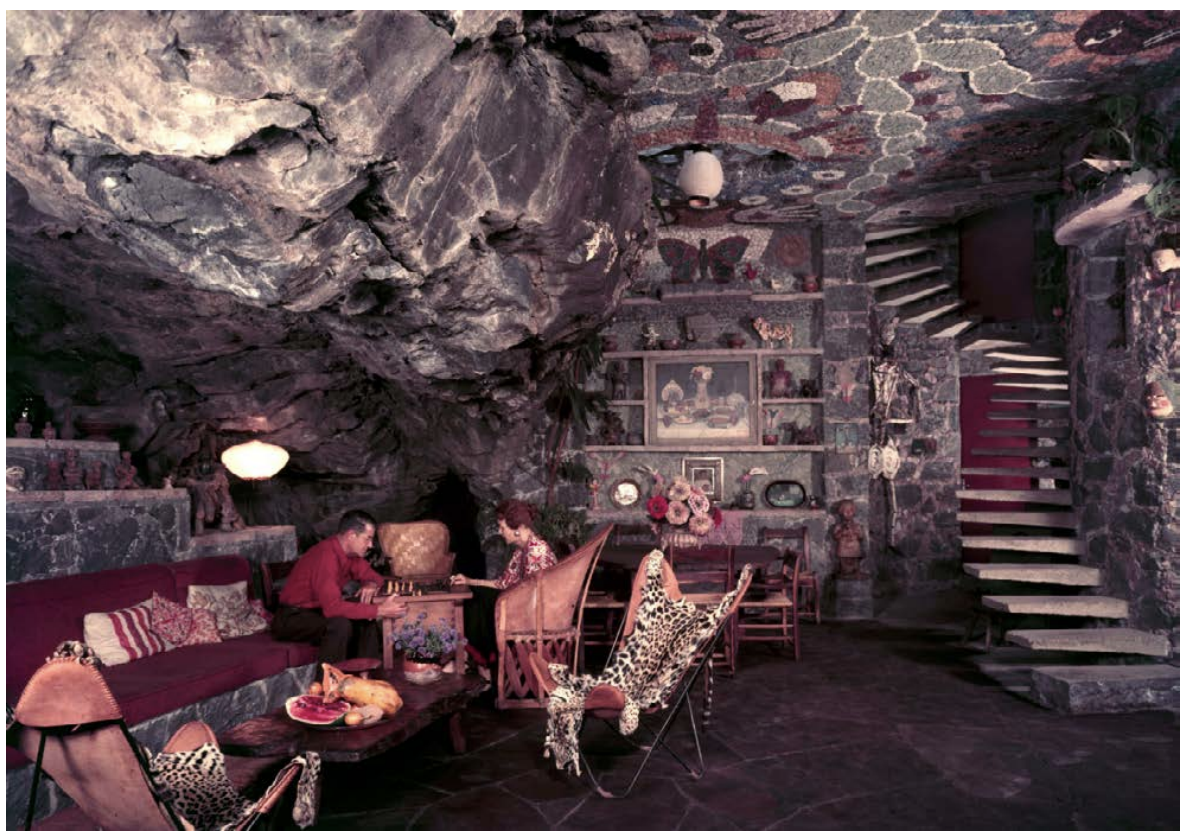
Juan and Helen O’Gorman play chess in Casa Cueva, designed in 1948-54, Mexico City in 1959 (photo taken c.1958-59 by Eliot Elisofon)
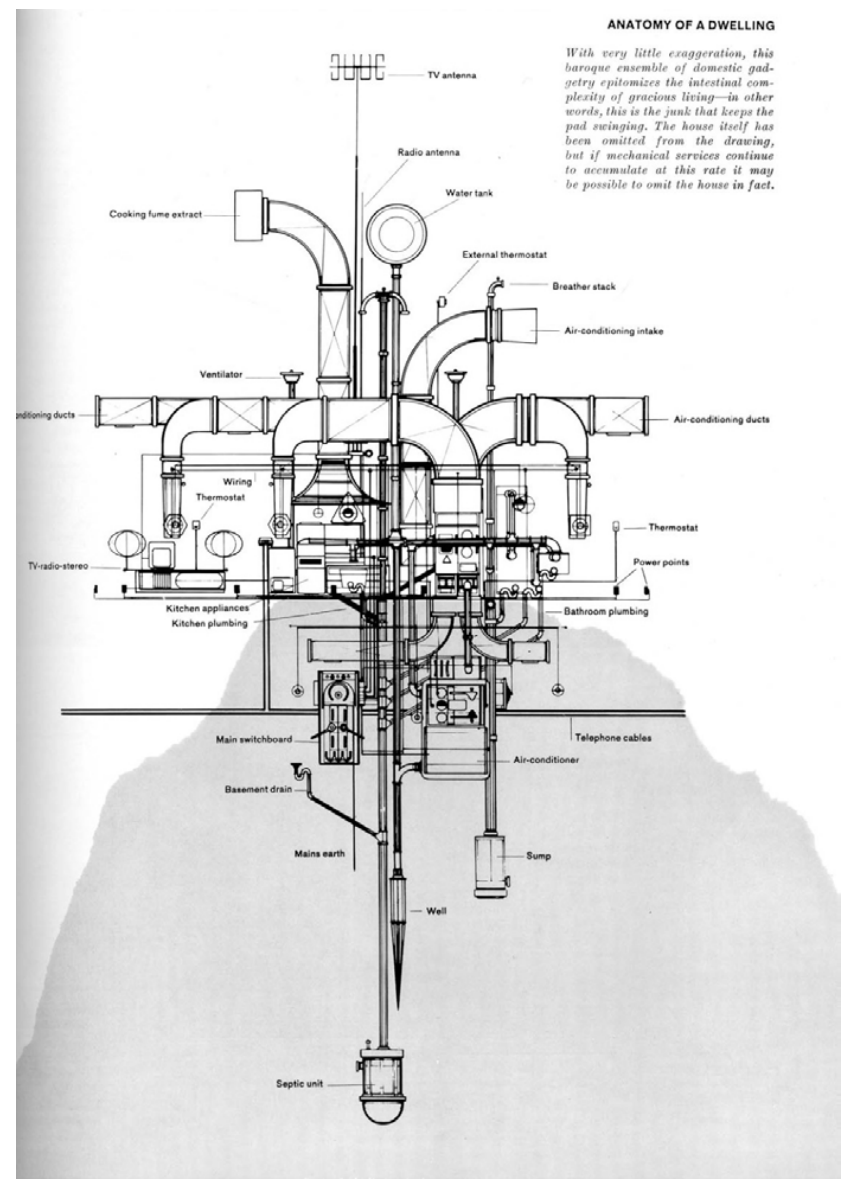
Reyner Banham and Francois Dallegret “A Home is Not a House” published in 1965
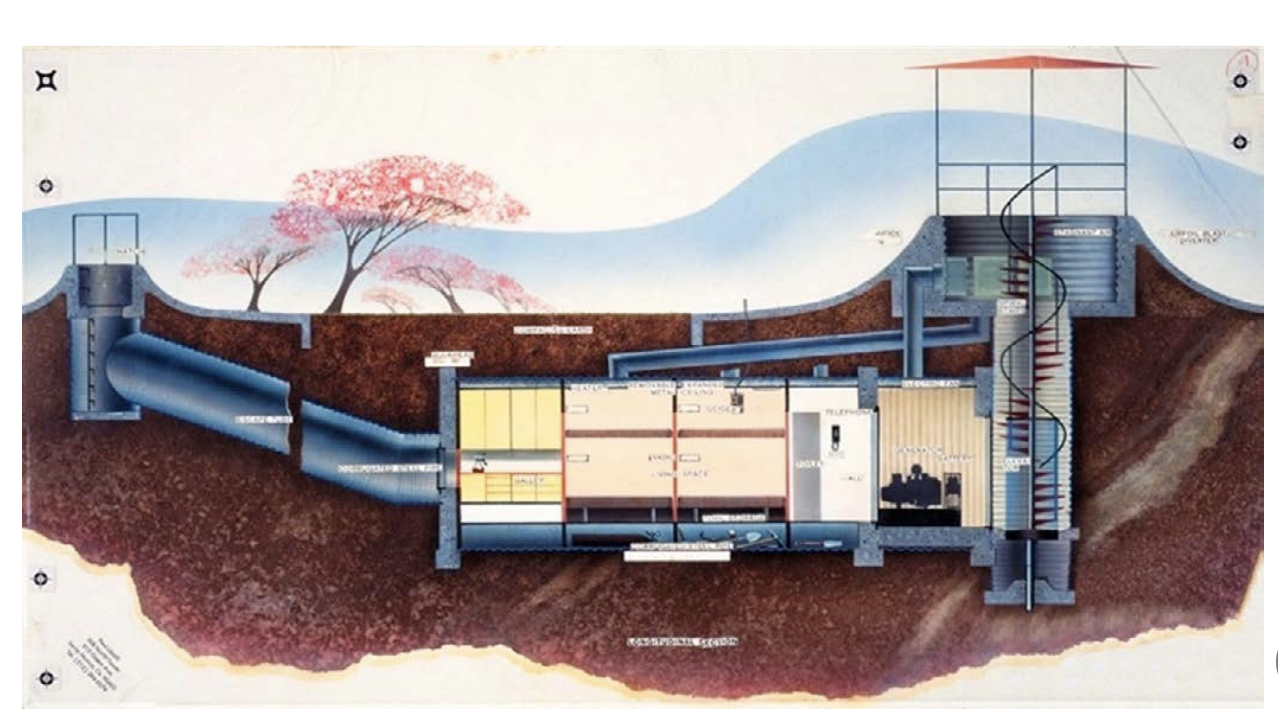
Paul Laszlo, in article “At Home, 2004, A.D.” Popular Mechanics, 1954
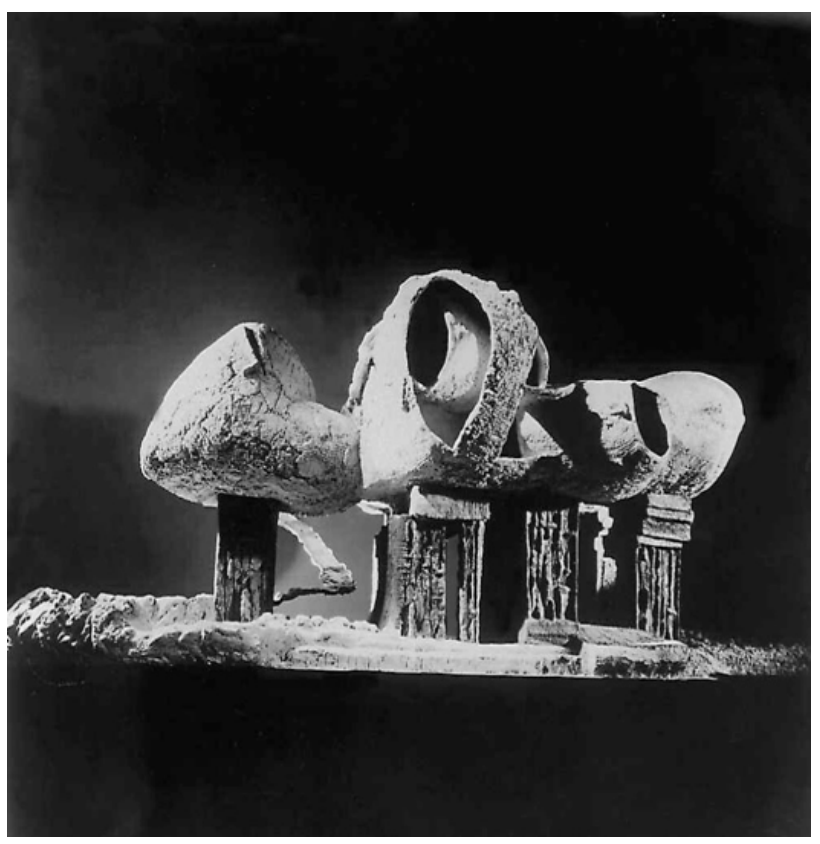
Friedrick Kiesler, “Model for Endless House Project”, 1960
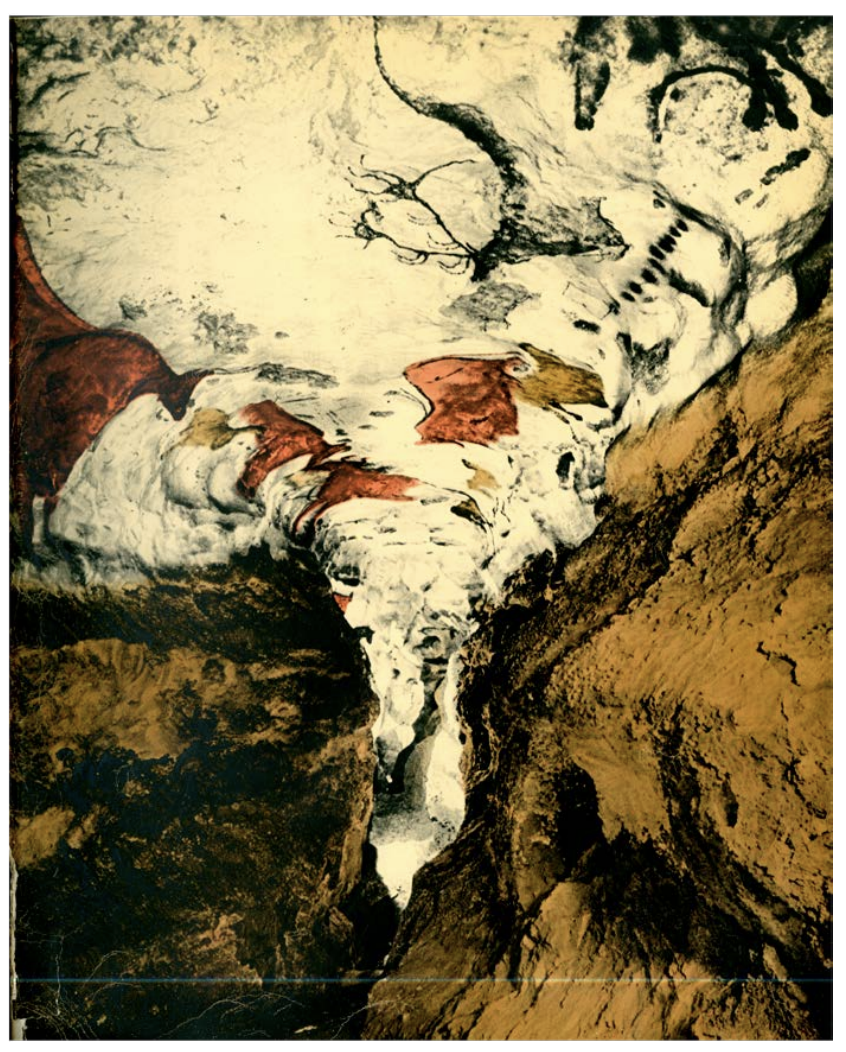
Georges Bataille, “La Peinture préhistorique. Lascaux ou la naissance de l’art”, Genève, Skira, 1955
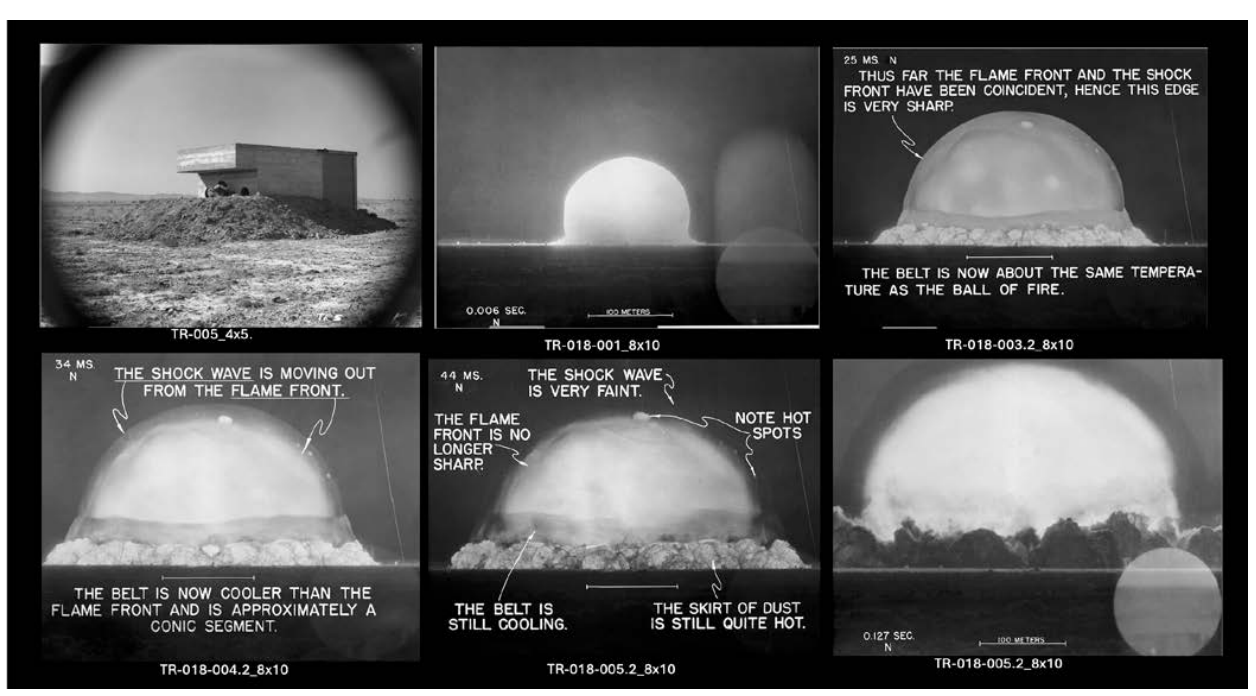
Sequence of the Trinity Test explosion; July 16, 1945, compiled photographs by Berlyn Brixner; “Nuclear Explosion, Trinity Test Site”