Early Philippine Shelters (Architecture in the Philippines)
 Call Kai
 Learn
Learn Practice Test
 Spaced Repetition
 Match
Match Flashcards
 Knowt Play
1/59

Earn XP
Description and Tags
Part I
Name | Mastery | Learn | Test | Matching | Spaced | Call with Kai | Chat |
|---|
No analytics yet
Send a link to your students to track their progress
60 Terms
Tabon Cave Complex, Palawan
Renowned as the “cradle of civilization” within the country.
Tabon Man
Notable found in the Tabon Cave Complex.
Tau’t Batu, Singnapan Basin, Palawan
“People of the rock”
idjang
Stands as both fortress and a settlement built by the early Ivatans.
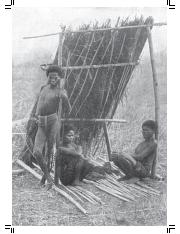
Pinanahang
Lean-to house built by the Aeta tribe.
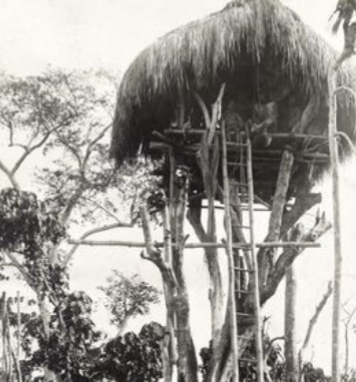
Kalinga Tree House
A single-room house of light materials that are either integrally built on high trees or above a tree stump serving as the house’s main support.
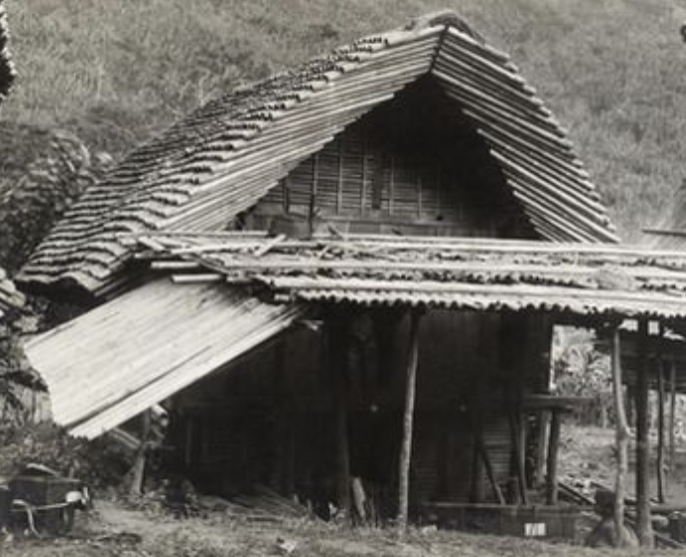
Binuron
Known as Isneg House, built slightly above the ground, is also a one-room dwelling like the fale but has lighter and is bigger.
inverted boat
The Binuron’s bamboo layered, gable roof ensembles an _______________, a design unique to the Isneg who are boatbuilders.
Binuron
Pinanahang
Kalinga Tree House
Binayon
A traditional house in an octagonal layout or plan. It is the dwelling of wealthy families or the aristocratic class.
12
The octagonal house, Binayon is made possible by how many short posts?
Binayon
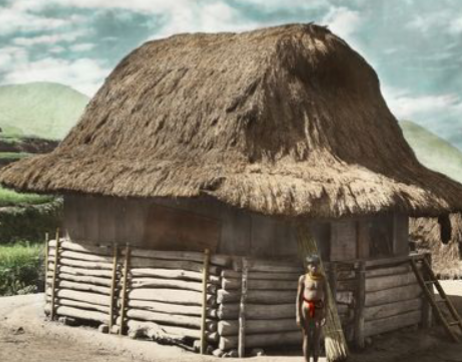
Fay-U
Also known as Bontoc House, a traditional house in Bontoc, Mountain Province comprised of perimeter wooden walls enclosed in an open living space, and central granaries. It is covered by a steep thick roof that is almost covering the perimeter wall.
Fay-U
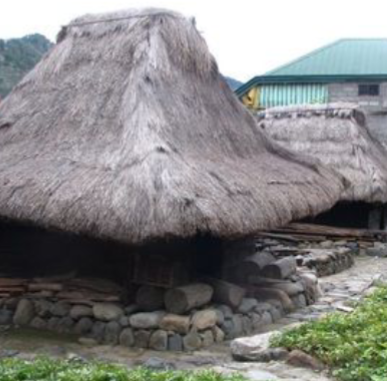
Inagamang
A traditional Bontoc House, a windowless with a thick and steep roof intended to withstand the cold weather conditions.
Granary
What is the elevated central structure of a traditional Bontoc House (Inagamang) primarily used for?
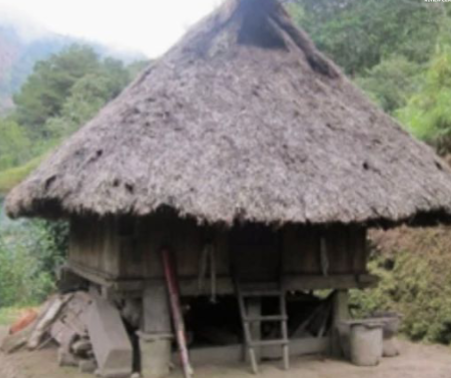
Bale
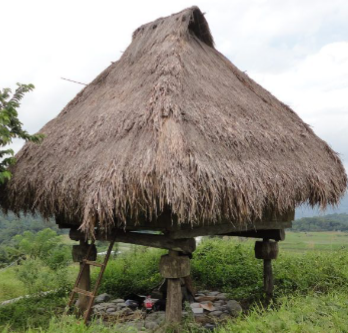
Known as the Fale, a traditional Ifugao house is an elevated, square, windowless, one-room structure dominated by a high, heavy, pyramidal roof. It can be disassembled, moved, and reassembled on a new site within a day.
Bale
Inagamang
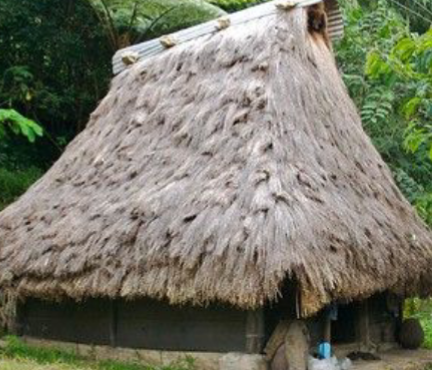
Binangiyan
Known as Kankanay House, an elevated, square, one-room house of the Kankanay and Ibaloi, with four thick posts supporting a timber upper floor and steep hip type roof of cogon grass. The lower end of the roof flared out similar to the roof of the Bontocs and Kalinga houses.
Binangiyan
Rakuh
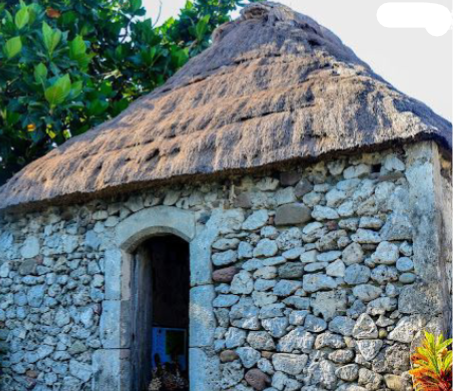
A traditional house by the Ivatan of Batanes. The house typically has two levels which are divided by a floor made of wood joined by wooden dowels. The wall system is composed of wooden girders and joist that sits on a corbel stone which protrudes from the walls. The upper level is the main habitable area. The window and doors are both swing-in panels that are identical in dimensions.
Rakuh
2
How many levels does the traditional Rakuh house typically have?
wood joined by wooden dowels
What material forms the floor separating the two levels of a traditional Rakuh?
corbel stones
What supports the wooden girders and joists in the wall system of the traditional Rakuh?
wooden girders and joist
Which components are described as making up the wall system of the traditional Rakuh?
upper level
Which level is the main habitable area of the traditional Rakuh?
Bahay Kubo
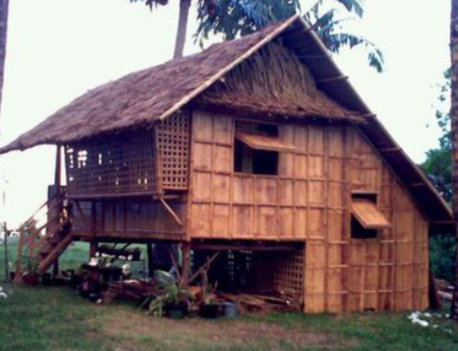
A common type of dwelling in lowland and coastal areas during Pre-Hispanic Philippines. It is a one-room house, raised above the ground to protect the dwellers from the dampness and humidity of the earth.
Bahay Kubo
Living room, kitchen, service area
Primary spaces in a Bahay Kubo.
Dining, silong and balkon, bedrooms
Secondary spaces in a Bahay Kubo.
Banguerahan
An elevated counter made of bamboo strips usually projecting beyond the kitchen wall which is used to store food and kitchen utensils.
Sagang
A waist-level railing, made using bamboo, used as an enclosed and protected porch areas. (Railings)
Hagdan
The main access to the house with the entire framework made from bamboo or combined with wood. (Stairs)
Pasibi
A single slope extension of a gable to hip type roof. (Lean-to Roof)
Balangkas
The skeletal structural element of a roof or wall assembled or fitted together to handle the exterior elements or finishes. (Framework)
Batalan
A small space adjacent to the cooking area with a service door leading outside, it is used for washing hands and feet, bathing kids and washing pots and dishes. (Washing Area)
Bulwagan
The main section of the house used as living, dining, and sleeping areas. (Main House)
Silong
An enclosed / open space under the house where harvests are stored, tools on implement are kept, and livestock are fended. (Underneath the House)
Abuhan
An elevated earthen fireplace with a stone stove for cooking and layers of open shelved for drying firewood and smoking fish. (Cooking Area)
Lepa
Indigenous ships of the Sama-Bajau people in the Philippines and Malaysia. They were traditionally used as houseboats by the seagoing Sama Dilau.
Sama Dilau
Which people traditionally used lepa as houseboats?
Philippines and Malaysia
In which countries are lepa associated with the Sama-Bajau people?
Luma
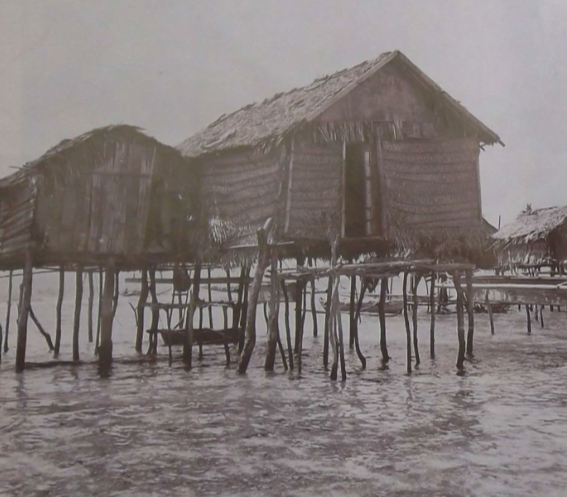
A traditional Badjao landhouse.
Harun
The stairs where women often wash clothes and kitchen utensils in a Luma, a traditional Badjao landhouse.
Luma
Bay Sinug
A traditional house of Tausug, literally translating to “house of the sea.”
Bay Sinug
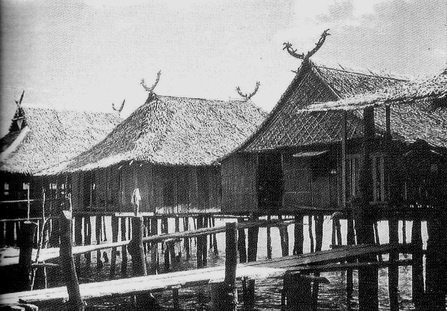
9 posts
The Bay Sinug’s ________ represents the major part of the human body.
Navel
The core of the Bay Sinug lies the ____________ of the house, symbolizing its vital center.
Tadjuk Pasung
The Bay Sinug roof features horn-shaped finials called _____________, an accent losing prominence in favor of the more modern galvanized roofing.
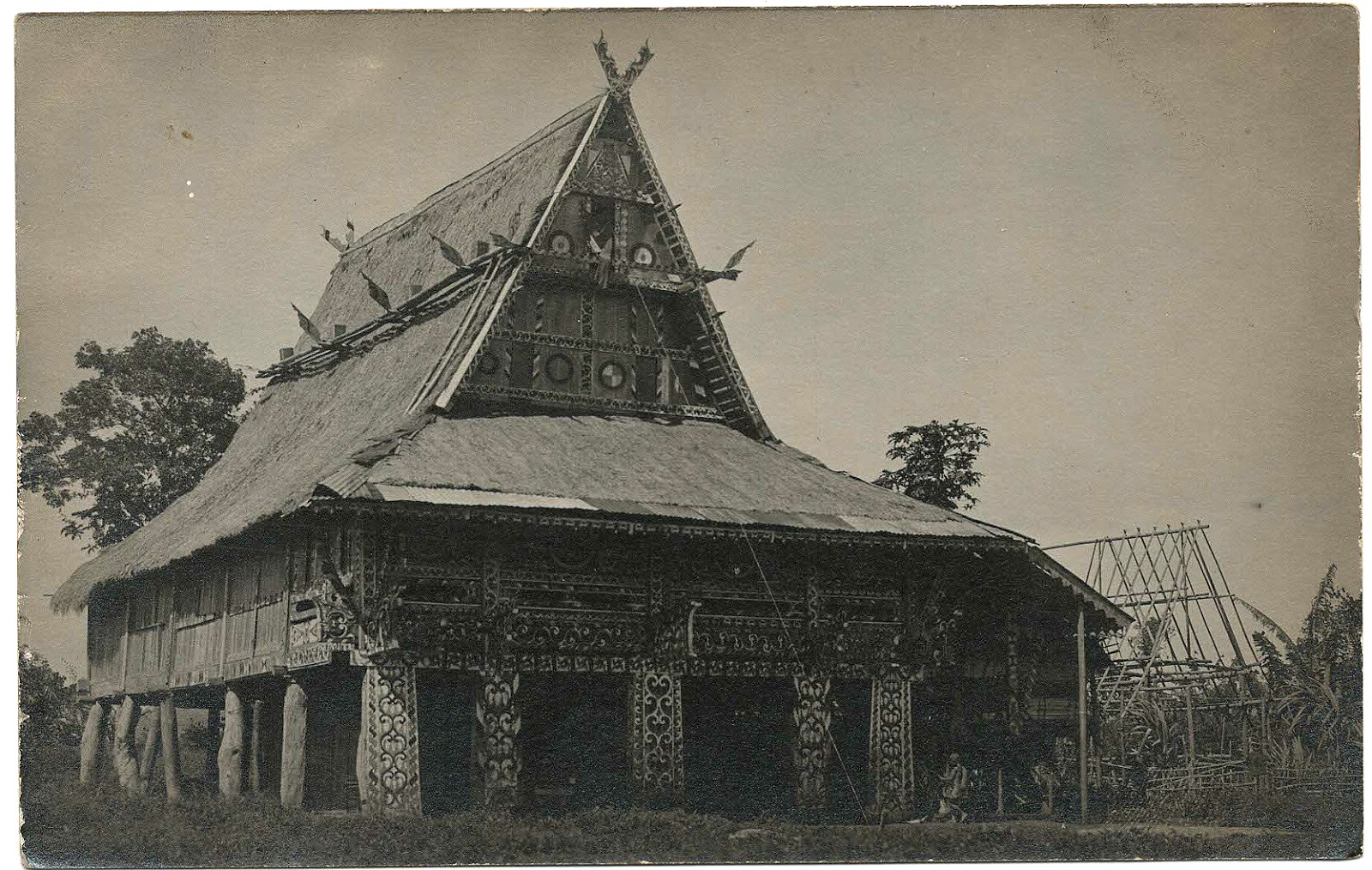
Torogan, Lanao, Mindanao
Meaning “resting place” or “sleeping place” in the Maranao language. It is traditional ancestral house crafted by the Maranao people of specifically for the nobility. Serving as a potent symbol of elevated social standing, the torogan was traditionally inhabited by a sultan or datu within the Marano community.
Maranao
Which people traditionally crafted the Torogan?
Nobility
For whom was the traditional Torogan specifically intended?
Elevated social standing
What did the Torogan traditionally symbolize within the Maranao community?
Sultan or Datu
Who traditionally inhabited a Torogan within the Maranao community?
Torogan