biochem exam 1
 Call Kai
 Learn
Learn Practice Test
 Spaced Repetition
 Match
Match Flashcards
 Knowt Play
1/84

There's no tags or description
Looks like no tags are added yet.
Name | Mastery | Learn | Test | Matching | Spaced | Call with Kai | Chat |
|---|
No analytics yet
Send a link to your students to track their progress
85 Terms
Macromolecules are made of
Smaller molecules
Macromolecules make up
Organelles
Living organisms are made of ______
Macromolecules
Biological information must be _______ from one generation to the next
Transmitted
Most abundant elements found in biological systems
Carbon, nitrogen, oxygen
Why is carbon most abundant in living systems
4 valence electrons (reactive), common, forms covalent bonds, can form complex backbones
Functional group
a small group of atoms that determine the properties of organic compounds
4 types of bio molecules contained in cells
Amino acids, carbohydrates, nucleotides, lipids
Amino acids contain
Alpha carbon, amino group, carboxylic acid group, side chain (R), hydrogen
Number of unique amino acids
20 (dependent on side chain)
Carbohydrates are
Monisaccharides or sugars, major type of biomolecule
Chemical formula of carbohydrates
(CH2O)n
N= # of carbons
Nucleotides contain
Five carbon sugar, nitrogenous base, phosphate group
amine
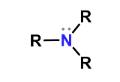
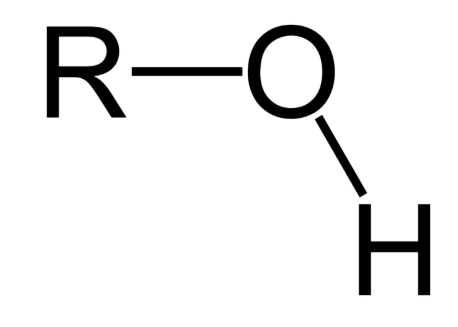
alcohol
-OH
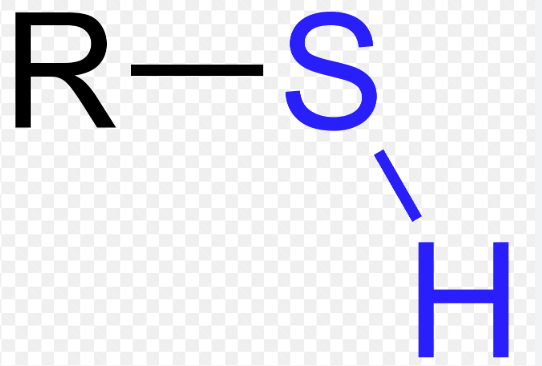
thiol
-SH
ether

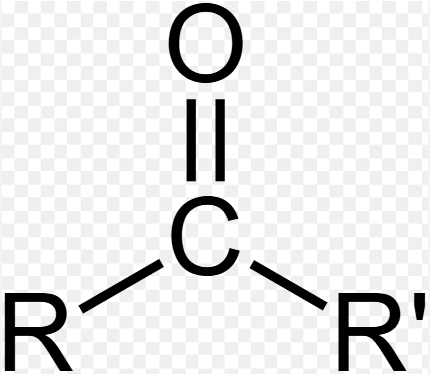
aldehyde
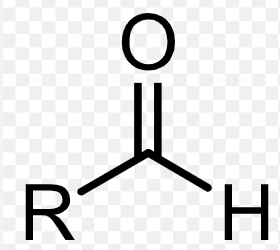
ketone
nucleotide components
pentose sugar, nitrogenous base, one or more phosphates
deoxyribonucleic acid
lack second OH group
pyrimidines (6 membered rings)
cytosine, thymine, uracil
purines (6 membered rings + 5 membered ring)
guanine, adenine
all nitrogenous bases can participate in _____________
acid base reactions
nucleosides
include a pentose sugar and nitrogenous base
adenine

guanine

thymine
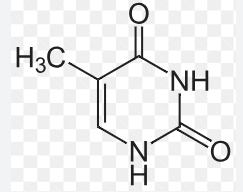
cytosine

uracil

nucleotides are involved in
energy transduction, intracellular signaling, regulation of enzyme activity
how are nucleotides connected
phosphodiester bonds
incorporated nucleotides are known as
residues
phosphates are largely
negative
nucleotides make ____ macromolecules
polar
phosphate forms _____ bond between C3’ and C5’
ester
DNA is _________ as a single strand
unstable
DNA is oriented
antiparallel
complementary base pairs are connected through
hydrogen bonds
chargaffs rule
A+G=C+T
amount of A = amount of T
adds to 100
double stranded DNA twists into right-handed ______ organization
helical
driven by the hydrophobic effect
what makes up the backbone of the exterior helix
phosphate-sugar
diameter of helix
20 A
structural stability of DNA _______ heavily depend on hydrogen bonding between base pairs
does not
structural stability of DNA depends on
stacking interactions between adjacent base pairs
G/C pair is _____ than A/T pair
stronger
what can be used to determine if DNA is G/C or A/T rich
melting temperature (denaturation)
what happens if denatured DNA is cooled too quickly
abnormal base pairing can occur
RNA
single stranded, monomer= nucleotide, pentose sugar=ribose, bases= A,C,G,U
DNA
double stranded, pentose sugar=deoxyribose, bases=A,C,G,T
RNA can form _________ because of flexibility
RNA-DNA hybrid
essential for converting genetic code into proteins
mRNA, tRNA, rRNA
gene
unique sequence of nucleotides that act as the instructions for producing a specific polypeptide or RNA
central dogma of molecular biology
DNA→(transcription)→RNA→(translation)→Protein
the ideal biological solvent
water
water can dissolve…
ionic and polar solvents
non-covalent bonds are
additive
translation is the process of
protein synthesis - converts the language of nucleotides into the language of amino acids
transcribed RNA
mRNA
base triplet
a sequence of 3 nucleotides that correspond to 1 amino acid
codon
a 3-base sequence in mRNA
anticodon
a sequence of 3 nucleotides forming a unit of genetic code in a transfer RNA (tRNA) molecule
mutation
a heritable change in someones DNA sequence, includes insertions, deletions and substitutions
translation
genes → proteins
coding strand
5’→3’ (non-template)
non-coding strand
3’→5’ (template) complementary sequence to RNA
RNA
5’→3’ contains UGCA
RNA transcipt is complementary to the ________ strand
template (noncoding)
eukaryotic gene structures
open reading frame, contains introns and exons
prokaryotic gene structure
contain operon regions
RNA transcripts correspond to
a single functional unit (ex: a single polypeptide)
introns
intervening sequences, removed during processing
exons
expressed sequences, maintained during processing, contain necessary nucleotides
promoter
DNA sequence near beginning of the gene where polymerase binds to initiate transcription
terminator
DNA sequence that marks end of gene
actual faction of protein-coding sequences of DNA is small (1.5%) due to abundance of _____ and ________
introns and non-coding RNAs
chromatin
DNA and protein components of chromosomes
chromatin includes
nucleosomes and linker DNA
protein + DNA
nucleosome
cluster of proteins
histone core
8 histone proteins and linker DNA
euchromatin
less compact (active gene expression)
heterochromatin
more compact (inactive gene expression)