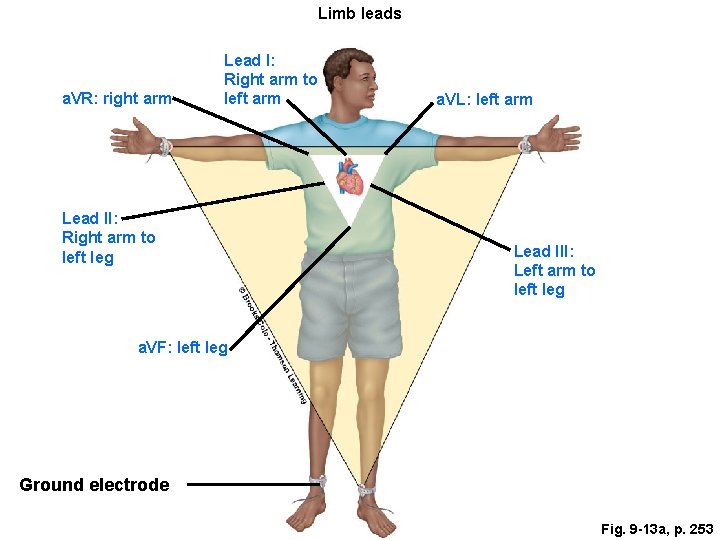
EMT Field Studies
 Call Kai
 Learn
Learn Practice Test
 Spaced Repetition
 Match
Match Flashcards
 Knowt Play
1/26

There's no tags or description
Looks like no tags are added yet.
Name | Mastery | Learn | Test | Matching | Spaced | Call with Kai | Chat |
|---|
No analytics yet
Send a link to your students to track their progress
27 Terms
Partial (Focal) Seizures
Type of seizure that begins in one area of the brain and can affect awareness, behavior, or movement, typically only impacting one side of the body. Most common for people with epilepsy.
Generalized Seizures
Involve both cerebral hemispheres; muscle stiffening, rigidity, rhythmic jerking spasm, immediate loss of consciousness, contractions of muscle groups, loss of muscle tone, confusion, staring off into space
Causes of Seizures
Epilepsy, Acute head injury or stroke, Low O2 levels in brain, Drugs or Alcohol, Derangements in body chemistry, Trauma or injury to brain, Inflammation of the brain usually caused by infection, Fever, Degeneration of the central nervous system, Congenital brain defects, Brain Tumor, Hypoglycemia or Hyperglycemia, Severe burns, Endocrine changes during pregnancy or menstruation
Difference between Epilepsy and a Seizure
Seizures are sudden, uncontrolled electrical disturbances in the brain, which can occur for various reasons.
Epilepsy is a chronic condition characterized by recurrent unprovoked seizures.
Status Epilepticus
A seizure lasting longer than 5 minutes or multiple seizures without regaining consciousness in between.
Gravida
How many times a person has been pregnant.
Para
The number of viable births.
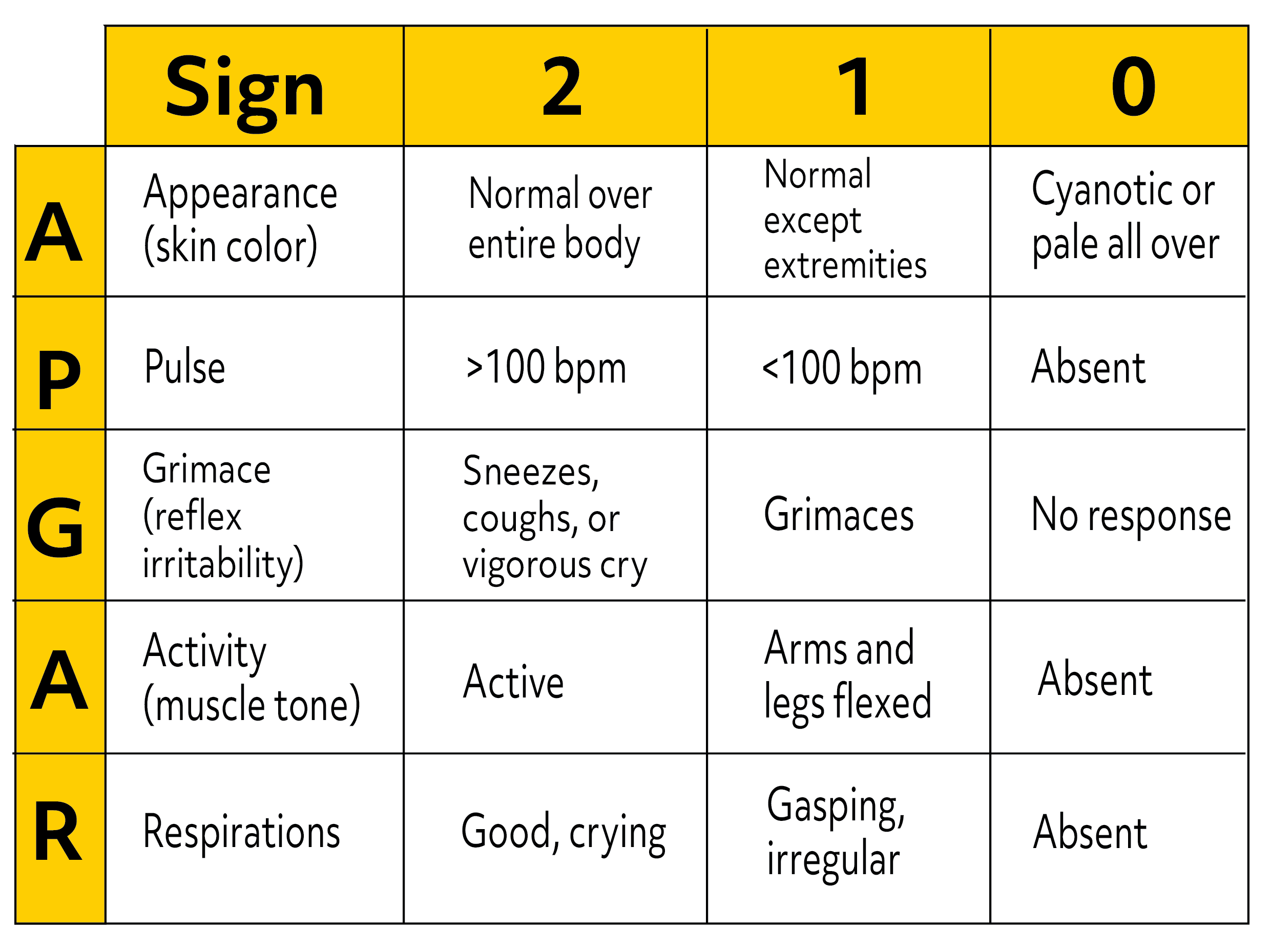
APGAR
Pregnancy Assessment
How is the pregnancy going?
Any Nausea, vomiting, heartburn, constipation?
Have you seen a doctor for this pregnancy?
Any symptoms or concerns associated with this pregnancy?
Are you taking prenatal vitamins?
How many times have you been pregnant and how many times have you given birth? Any miscarriages, stillbirths, or infant deaths?
Ischemic Stroke
Caused by a blockage of an artery that supplies blood to the brain. Often caused by Atherosclerosis or high cholesterol, or when a blood clot travels to the brain
Symptoms: Numbness, one-sided weakness, difficulty with speech, vision, or balance.
Hemorrhagic Stroke
Occurs when a blood vessel in the brain ruptures. Often due to high blood pressure or caused by an aneurysm or arteriovenous malformation.
Symptoms: Sudden severe headaches, seizures, loss of consciousness
Transient Ischemic Attack
“Warning Stroke,” caused by a temporary clot. Clot may dissolve or dislodge and symptoms resolve within 5 minutes
Other Strokes
Cryptogenic Stroke: cause unknown.
Brain Stem Stroke: Clot in brain stem; can affect both sides of the brain and leave person in a “locked in” state, unable speak or move below the neck.
Heat Stroke
Occurs when body overheats above 104°
Symptoms: Altered mental status, confusion, agitation, slurred speech, loss of consciousness, hot/dry skin or diaphoresis, dizziness, fainting, N/V/D, seizures
Cold Stroke
Caused by blood vessel constriction. Blood vessels constrict to preserve heat, which raises blood pressure.
Thicker blood - cold temps cause blood to thicken, increasing risk of clots
Posterior Stroke
Occurs when blood flow to the back part of the brain is disrupted.
Symptoms: Dizziness, Vertigo, Nausea and Vomiting, Visual Disturbances, Headaches.
Common Causes: Arterial Embolism, Atherosclerotic disease, Arterial Dissection
B.E.F.A.S.T.
Balance
Eyes
Facial Droop
Arm Drift
Slurred Speech
Time; LNWT
Alameda County Stroke Hospitals
Alameda Hospital, Summit, Eden, Highland, Kaiser Oakland, Kaiser Fremont, Kaiser San Leandro, Stanford, Washington Hospital,
Ataxia
A rare neurological disease characterized by a lack of muscle control, affecting coordination, balance, and speech.
Symptoms: Eye movement abnormalities, tremors, heart problems, vision changes, trouble eating/swallowing
Causes: Genetic Disorders, Autoimmune conditions, environmental factors, brain/spinal cord tumors, alcoholism, stroke, vitamin deficiencies, infections
DysphaGIA
Difficulty swallowing
DysphaSIA
Difficulty in speaking,understanding language, reading, or writing. Often caused by brain damage or stroke
Troponin
a protein complex found in heart and skeletal muscles that plays a crucial role in muscle contraction. Commonly used as a biomarker to detect heart damage, particularly during heart attacks. When heart muscle cells are injured, it is released into the bloodstream.
Shockable Cardiac Rhythms
Ventricular Fibrillation (VF)
Pulseless Ventricular Tachycardia (pVT)
STEMI Signs and Symptoms
Chest pain/discomfort
Pain/Discomfort in the jaw, neck, or back
Pain/Discomfort in arms or shoulders
Shortness of Breath
Feeling tire, light-headed, or faint
Nausea/Vomiting
Atypical STEMI Signs and Symptoms
Fatigue, shortness of breath, jaw or back pain
Anxiety, Upset stomach, pain in shoulder, back or arm, unusual tiredness or weakness
ECG Placement
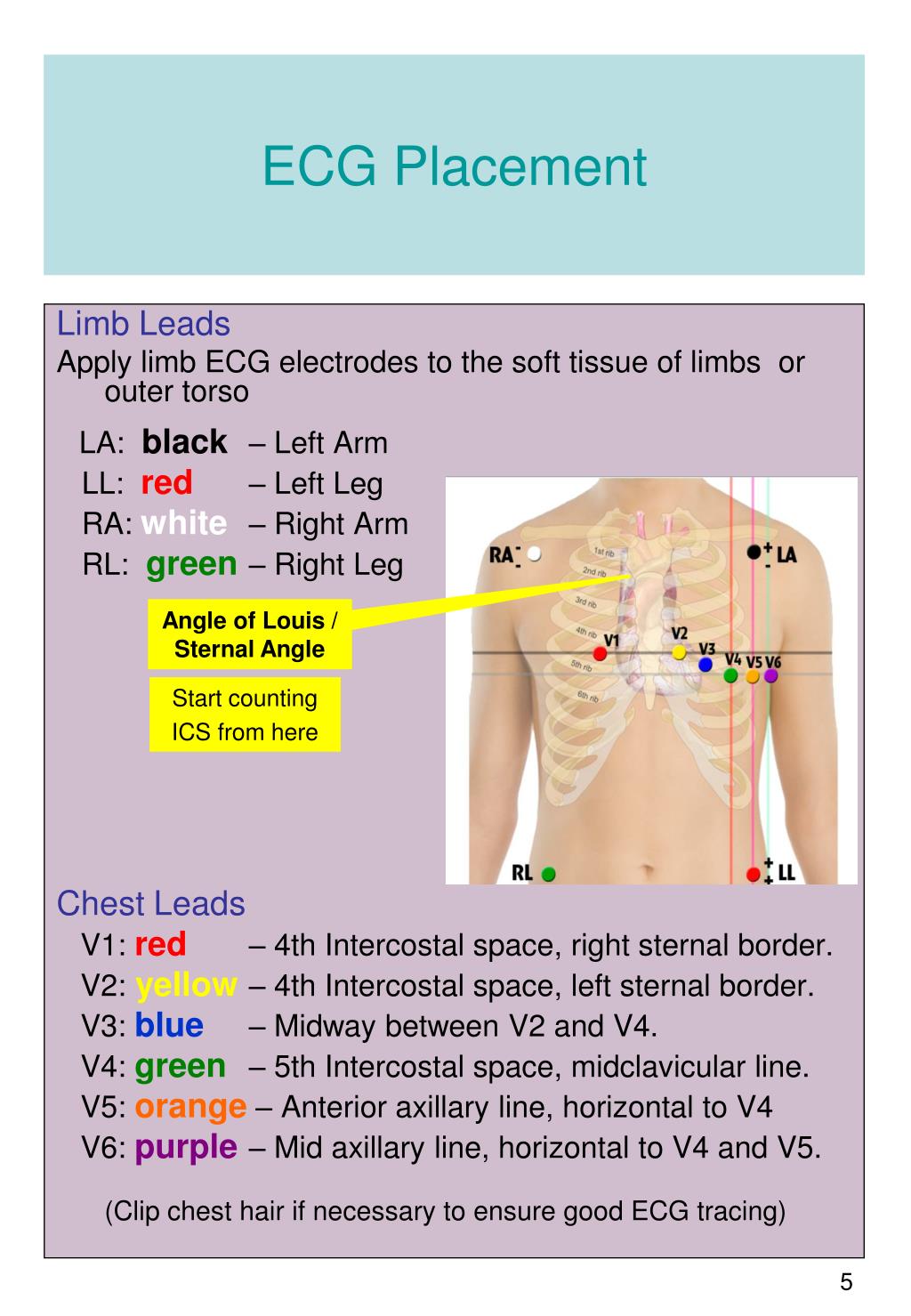
ECG Limb Leads