Envirothon Meeting #2 Homework
 Studied by 0 people
 Call Kai
 Learn
Learn Practice Test
 Spaced Repetition
 Match
Match Flashcards
 Knowt Play
1/15

There's no tags or description
Looks like no tags are added yet.
Name | Mastery | Learn | Test | Matching | Spaced |
|---|
No study sessions yet.
16 Terms
Quercus stellata (Post Oak)
5-7 rounded lobes, cross-shaped appearance, top-heavy and blocky shape
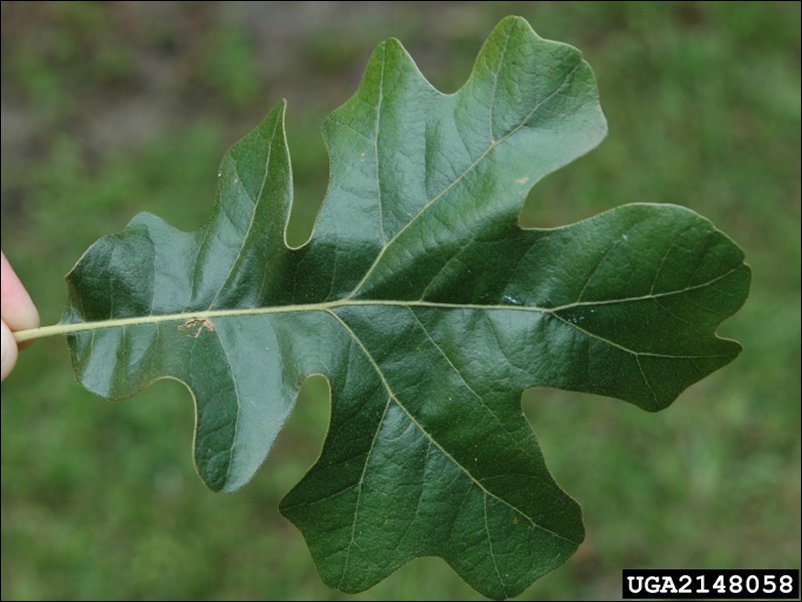
Quercus marilandica (Black Jack Oak)
broad leafs, rounded tip, 3-5 bristle-tipped lobs
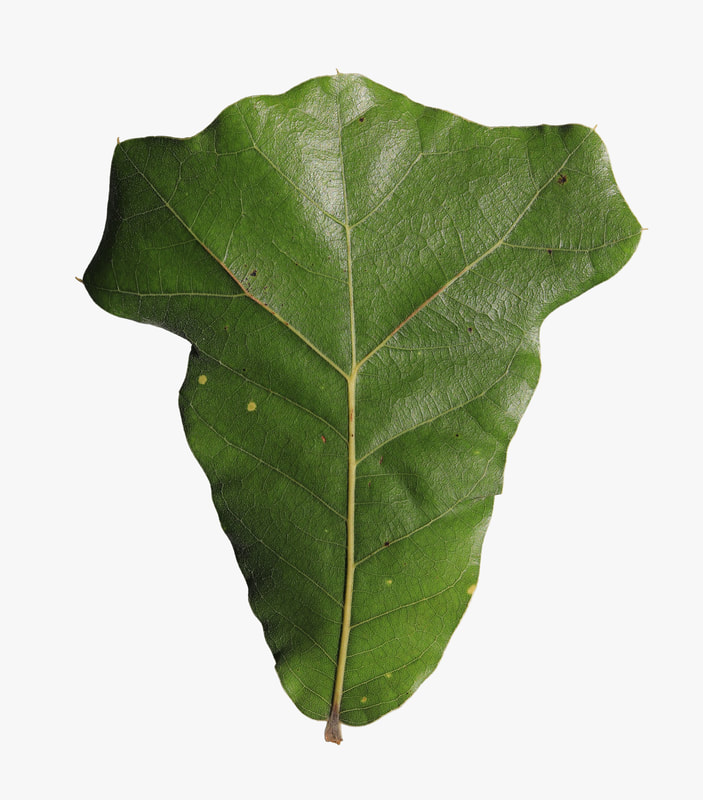
Quercus nigra (Water Oak)
spatula-like shape, wider at the tip, rounded ti
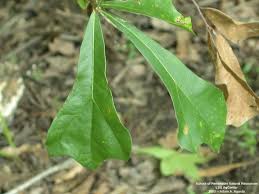
Pinus taeda (Loblolly pine)
usually bundles of three, dark yellowish-green to bluish-green, 6-9 inches long
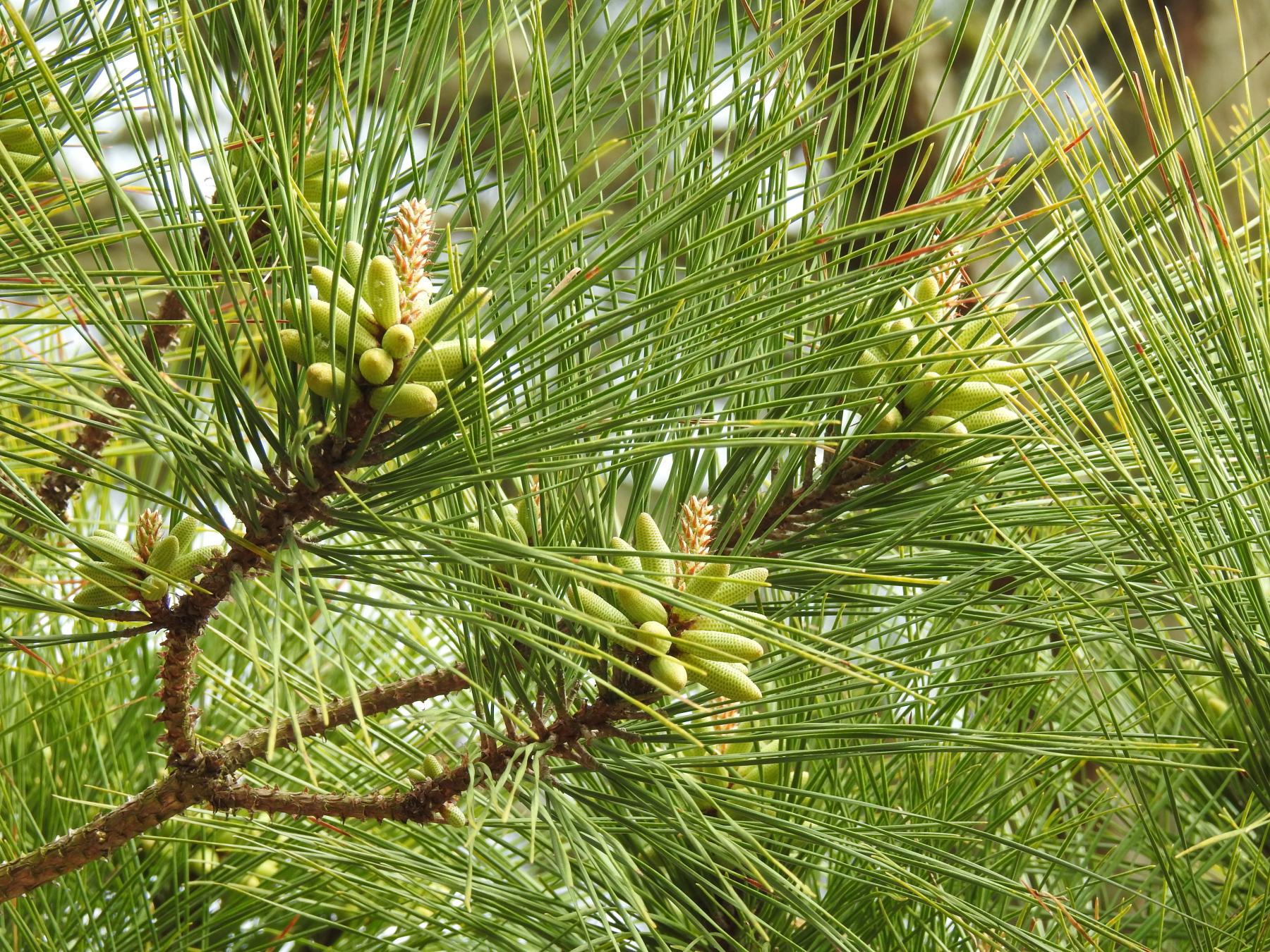
Pinus palustris (Longleaf pine)
bundles of three, dark and glossy green, 8-18 inches long
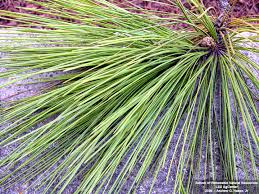
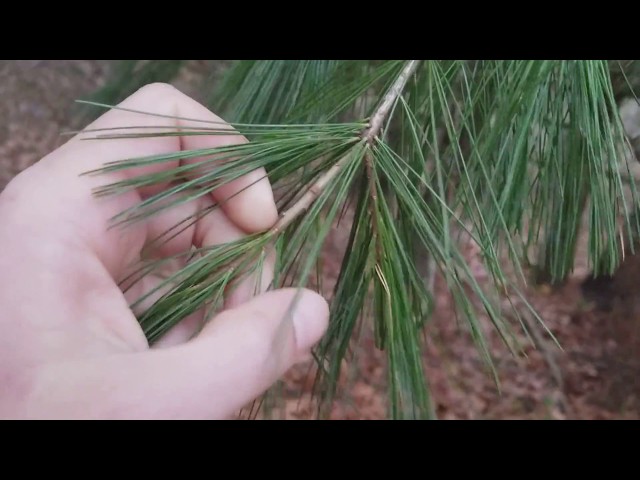
Pinus strobus (White pine)
soft, bluish-green needles grouped in bundles of five
5 soil forming factors
parent material, climate, topography, organisms, and time
epipelagic zone
sunlit zone
mesopelagic zone
dim sunlight, 200-1000 meters deep, diverse life, dark, cold
bathypelagic zone
1,000 to 4,000 meters, complete darkness, freezing temperatures, and extreme pressure, and is inhabited by unique organisms
abyssal zone
4,000 to 6,000 meters, perpetual darkness, near-freezing temperatures
hadal zone
the deepest part of the ocean, found in ocean trenches below 6,000-11,000 meters (36,089 feet), extreme pressure, near-freezing temperatures, and complete darkness, and is inhabited by specialized life forms
littoral zone
sunlit, rooted plants grow, biologically diverse
limnetic zone
phytoplankton, fish, zooplankton, receives sunlight
profundal zone
deep, cold, and dark with low oxygen
benthic zone
sediment and organic matter, home to bacteria, fungi, and scavengers