Art History - Exam 2
 Studied by 0 people
 Call Kai
 Learn
Learn Practice Test
 Spaced Repetition
 Match
Match Flashcards
 Knowt Play
1/90

There's no tags or description
Looks like no tags are added yet.
Name | Mastery | Learn | Test | Matching | Spaced | Call with Kai |
|---|
No analytics yet
Send a link to your students to track their progress
91 Terms
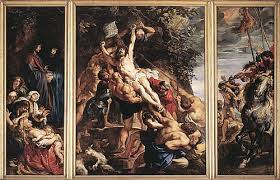
“The Raising of the Cross” by Rubens, Made for the Church of St. Walpurga in Antwerp, Flemish Baroque, oil on panel
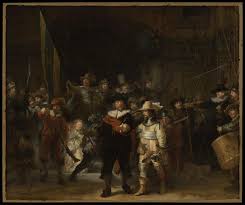
“The Night Watch” by Rembrandt van Rijn, Dutch Baroque, oil on canvas
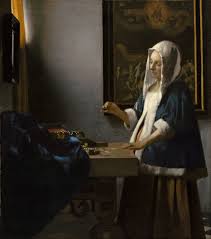
“Woman Holding a Balance” by Vermeer, Dutch Baroque, oil on canvas
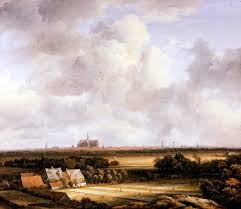
“View of Haarlem from the Dunes at Overveen” by Ruisdael, Dutch Baroque, oil on canvas
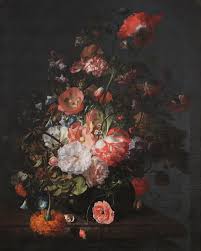
“Flower Still Life” by Ruysch, Dutch Baroque, oil on canvas
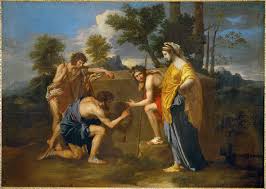
“Et in Arcadia Ego” by Poussin, French Baroque, oil on canvas
Rubenesque
fleshy anatomy, figures have a lot of skin and fat to them
Still life
depiction of inanimate objects, usually everyday items
vanitas
a still life of objects that remind the viewer of their mortality and the idea that we will all die
momento mori
a symbol of “remember you will die”
Group portraiture
a portrait of a large group of people (think the Night Watch by Rembrandt)
Painterly
a way of painting with a very loose brushwork
genre scenes
paintings that depict scenes of everyday life
Camera obscura
projects an image of the outside world onto a dark space so artists can paint it
Calvinism
branch of Protestantism that was heavily popular in the Netherlands
Protestant Reformation
A call to reform the Catholic Church that then turned into the creation of Protestantism and it's churches
Iconoclasm
Pictures of godly figures in churches leads to idol worship, lead to many church interiors in the north being whitewashed
Dutch middle class
Began to boom in the 1600s due to trade, became wealthy and commissioned a lot of art, especially portraits
French Academy of Art
Founded by Louis XIV, focused on renaissance and classical art ideas, loved history paintings, had salons to see who was the best artist, best artist would win the Prix du Rome
Louis XIV (Sun King)
Built Versailles, founded the French Academy, thought he was descended from Apollo and coined the phrase “I am the state.”
Hierarchy of painting
The scale the French Academy of Arts rated paintings with history paintings being the highest, and miniatures being the worst
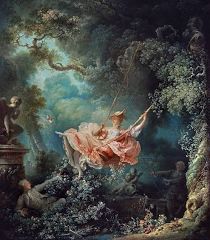
“The Swing” by Fragonard, French Rococo, oil on canvas
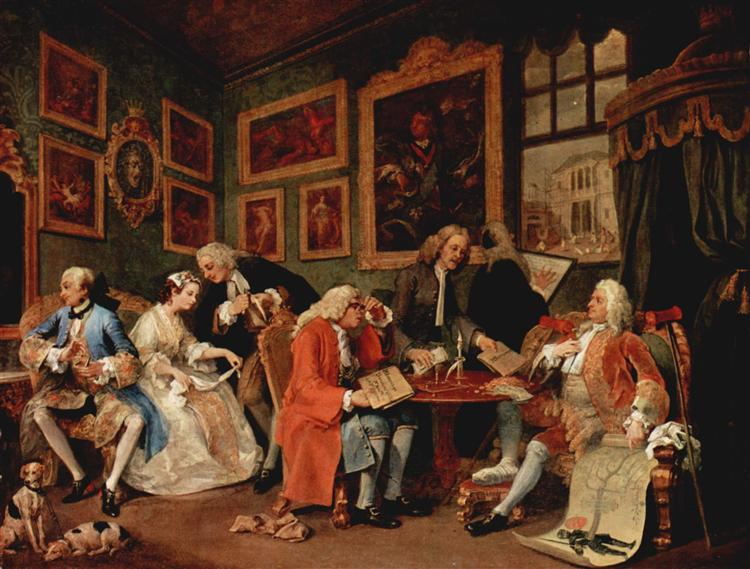
“The Marriage Contract” by Hogarth from Marriage à la Mode, English Rococo, oil on canvas
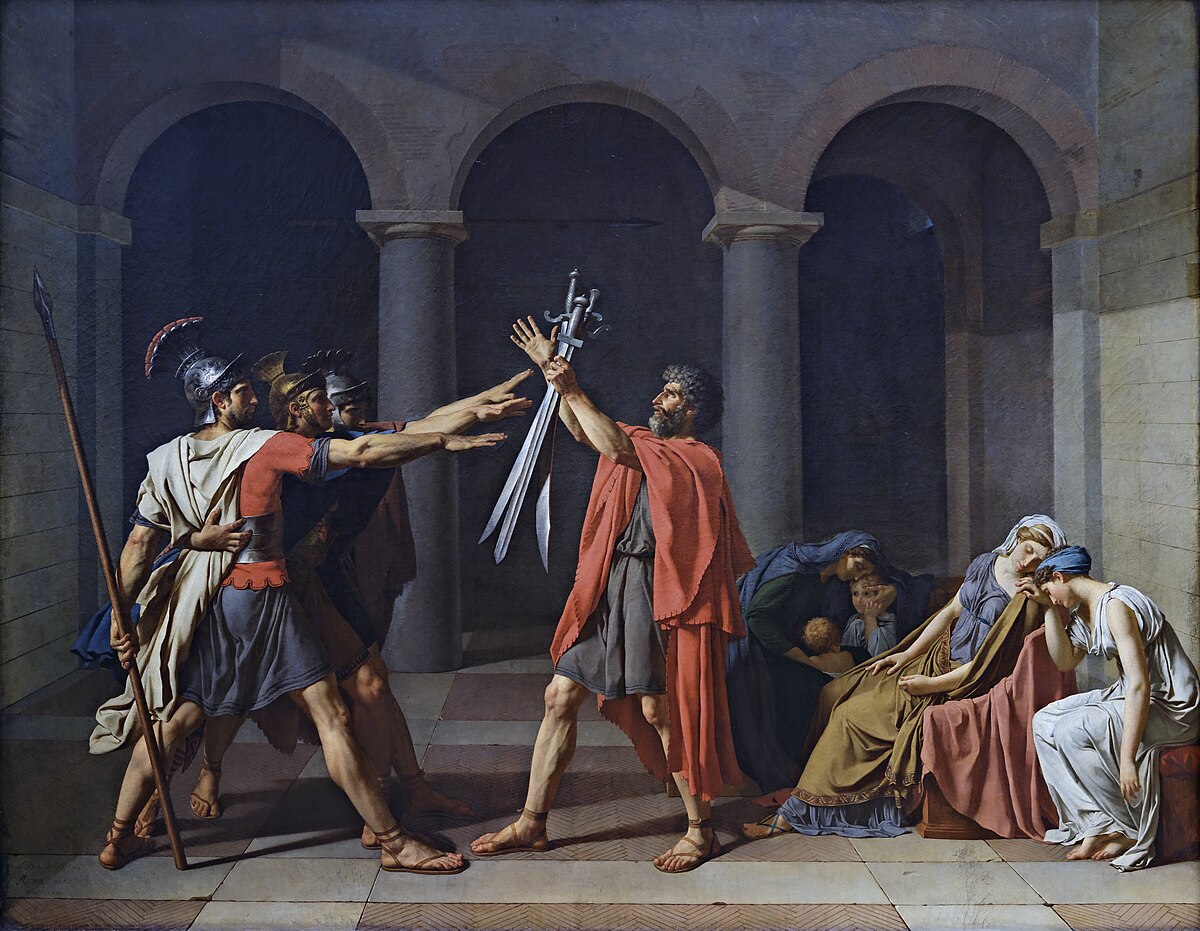
“Oath of the Horatii” by David, French Neoclassicism, oil on canvas
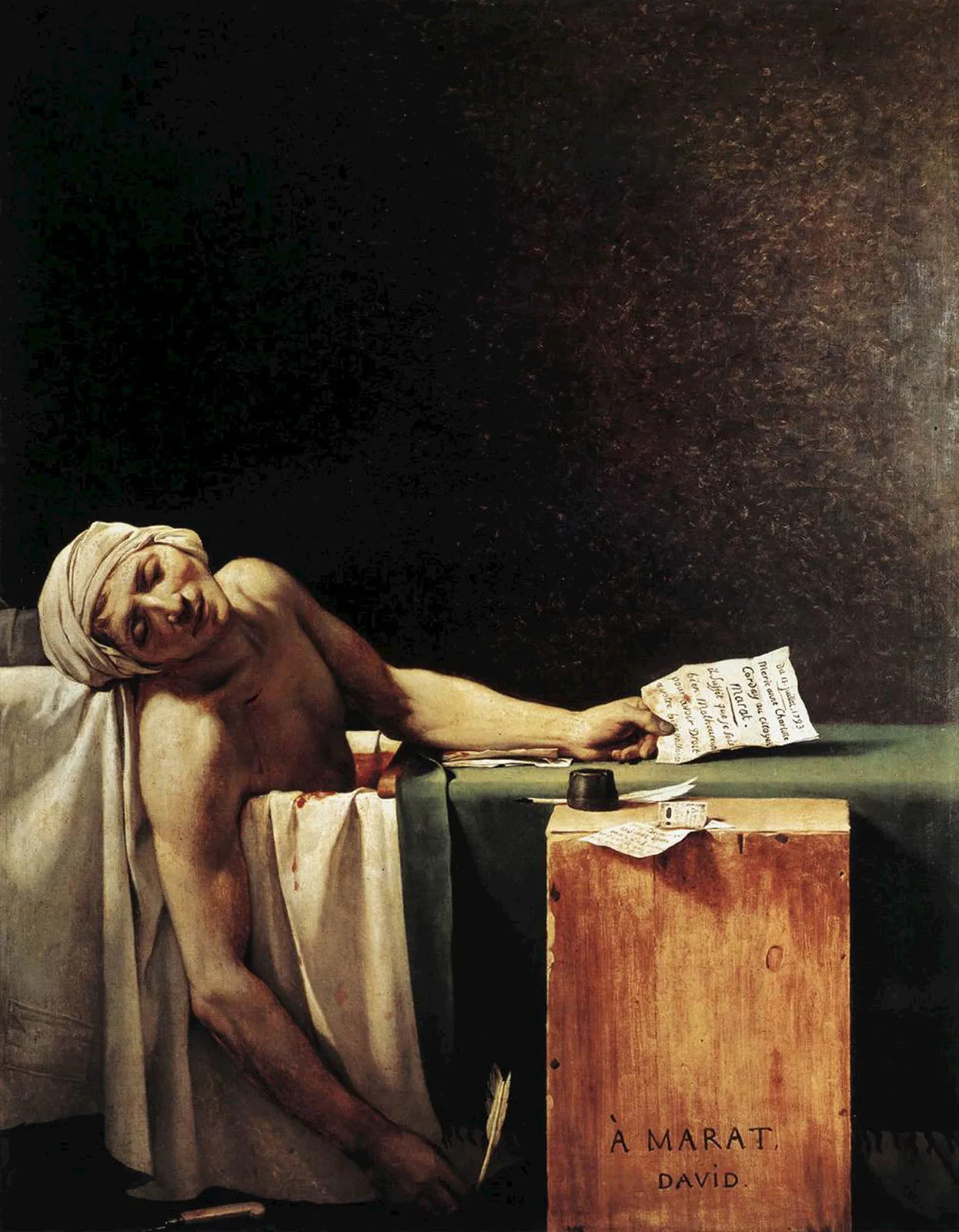
“Death of Marat” by David, French Neoclassicism, oil on canvas
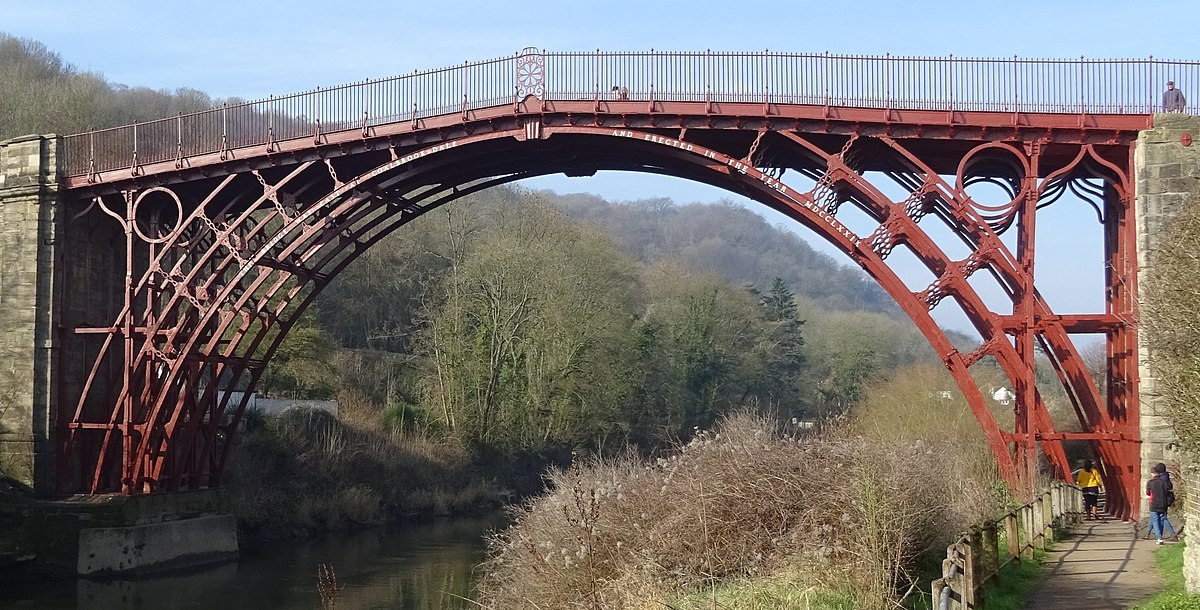
Severn River Bridge by Darby, located in Coal Brookdale in England, English Neoclassicism
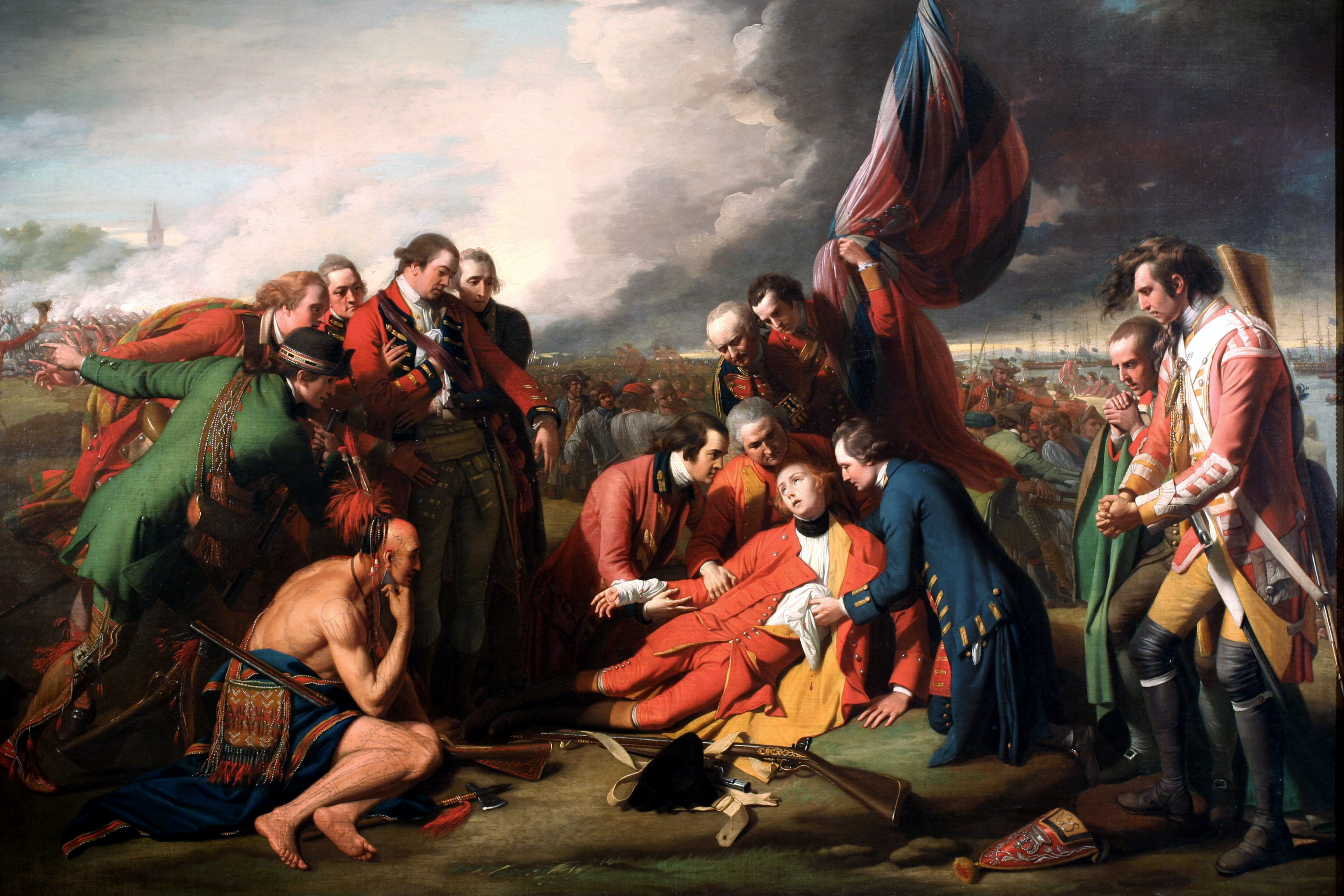
“The Death of General Wolfe” by West, English Neoclassicism, oil on canvas
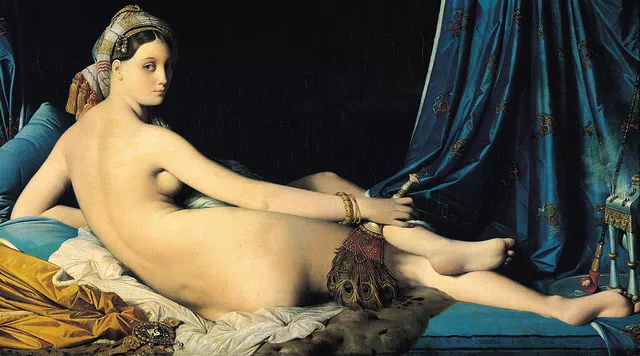
“Grand Odalisque” by Ingres, French Romanticism
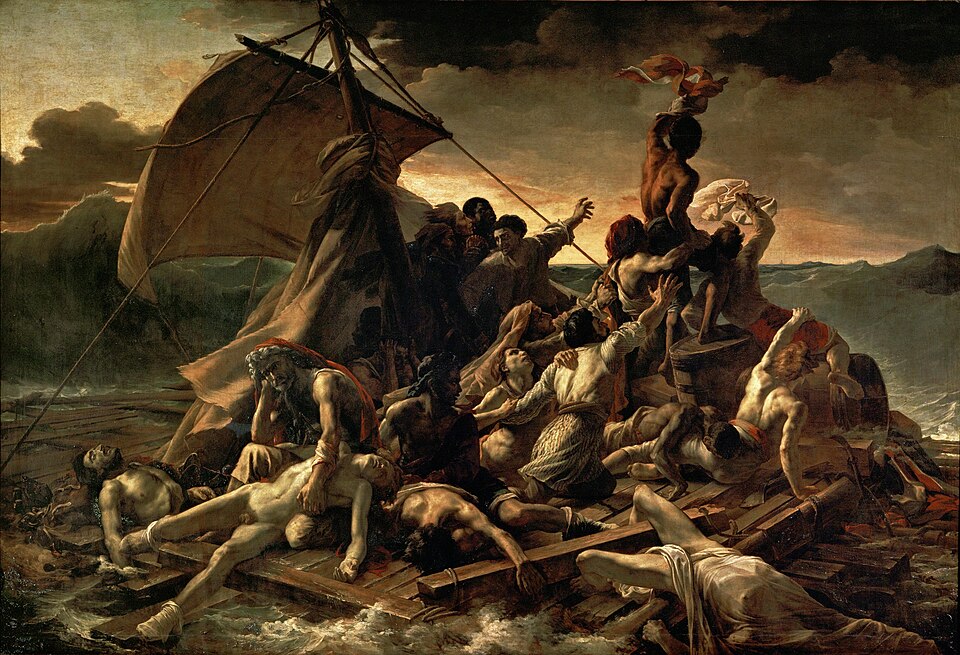
“The Raft of the Medusa” by Géricault, French Romanticism, oil on canvas
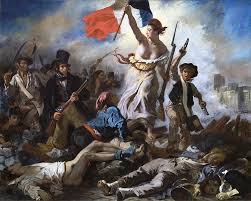
“Liberty Leading the People” by Delacroix, French Romanticism, oil on canvas
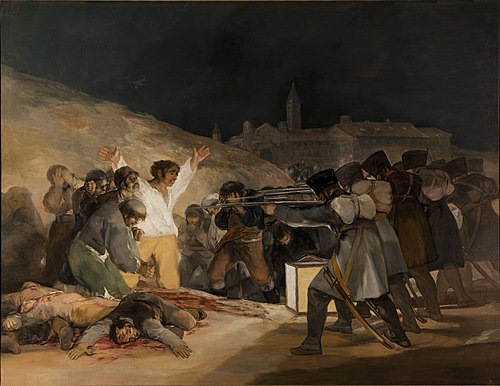
“Third of May” by Goya, Spanish Romanticism, oil on canvas
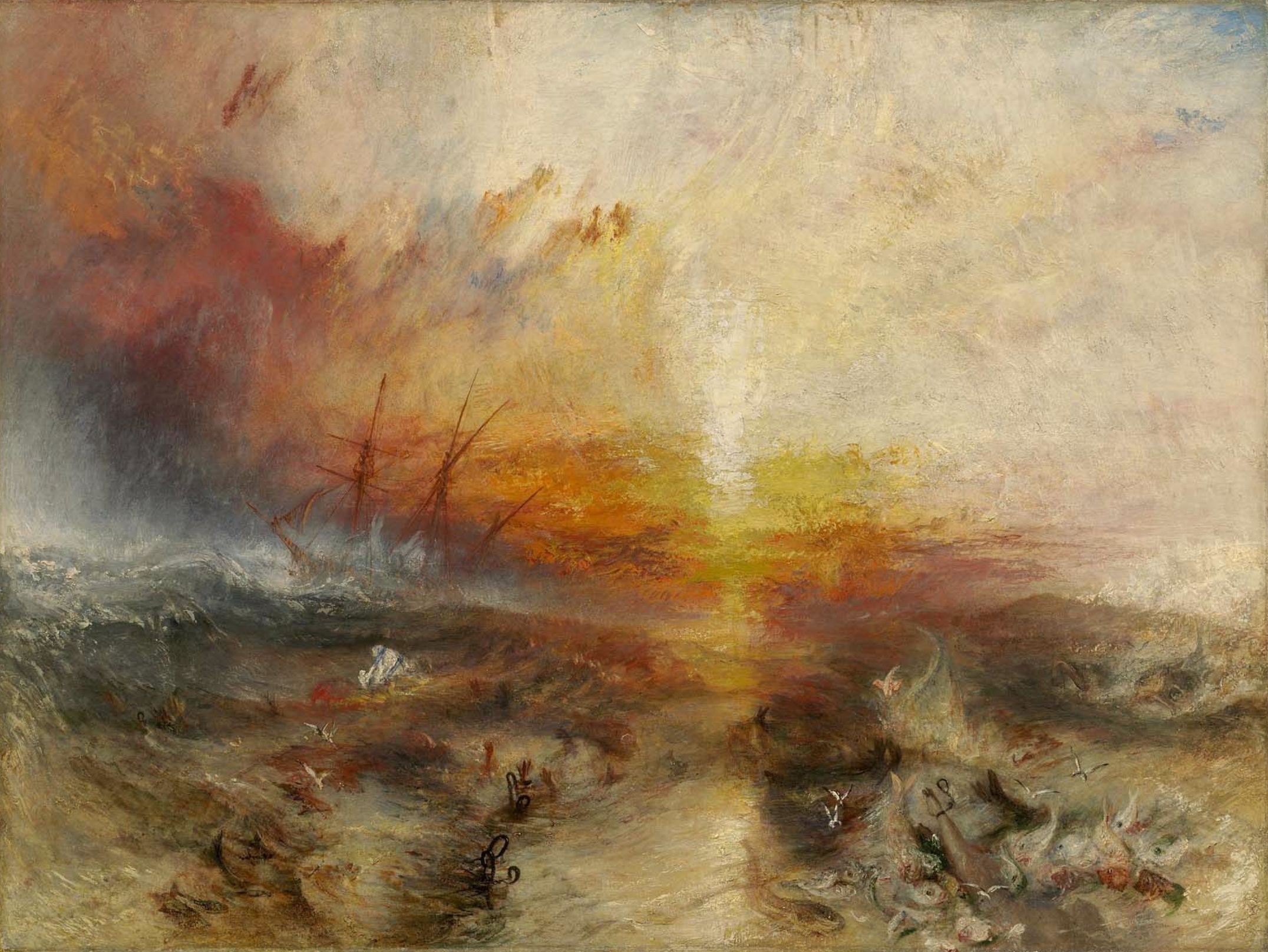
“The Slave Ship” by Turner, English Romanticism
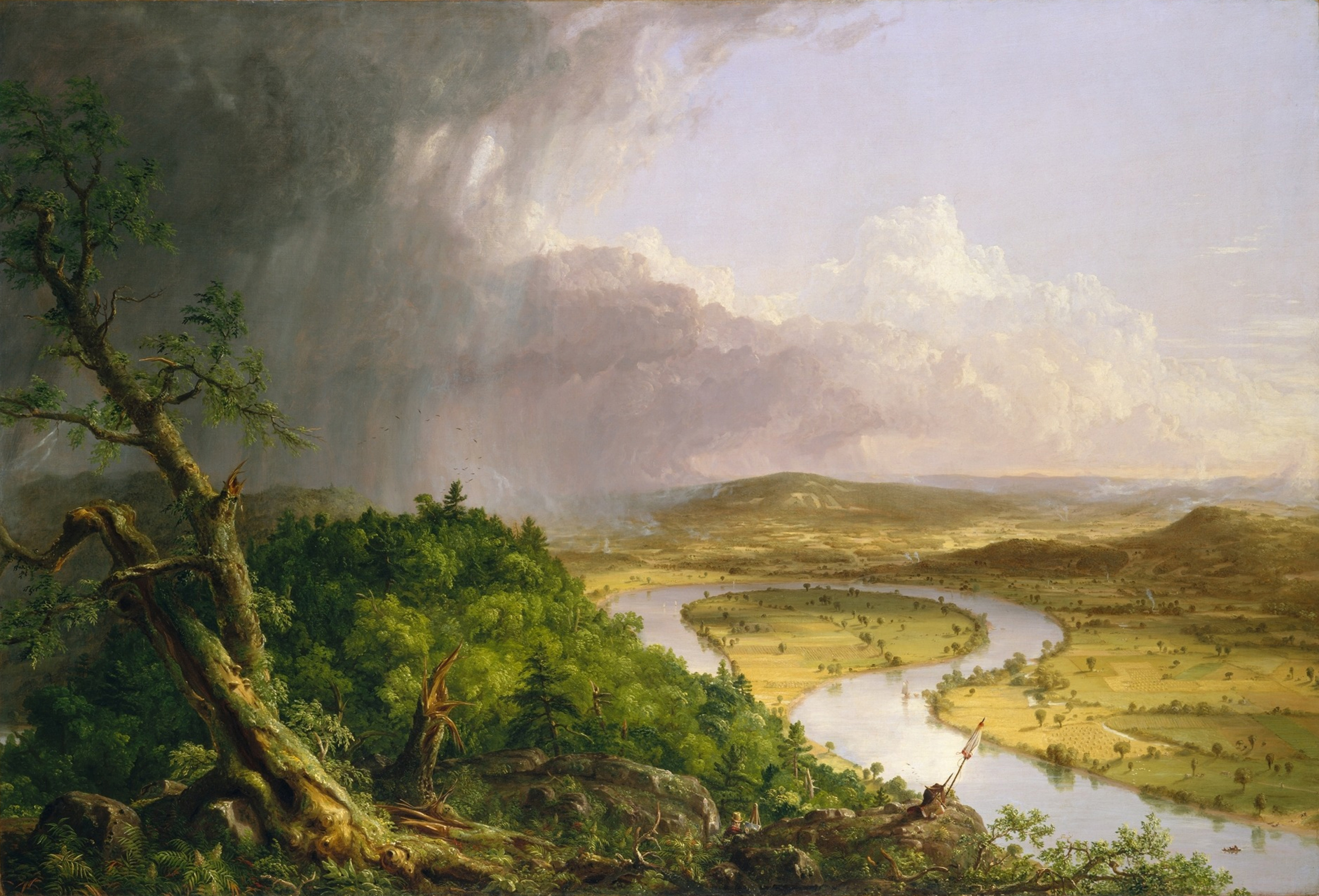
“The Oxbow” by Cole, American Romanticism, oil on canvas
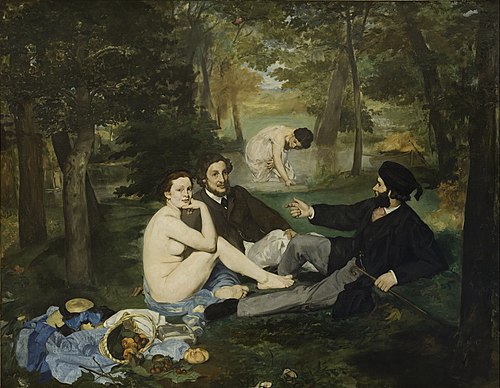
“The Luncheon on the Grass” by Manet, Realism
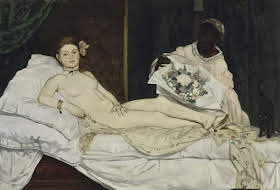
“Olympia” by Manet, Realism
moralizing scene
a scene to help one remember their morals and to show how not live (ex. Marriage á la mode)
Salon
Art exhibition/competition held by the Royal Academy of Art in France
Enlightenment
movement in Europe that emphasized reason, liberty and questioning the authority of the monarchs
The Grand Tour
trip where young men would go to Italy to learn about art and culture
Pompeii and Herculaneum
Cities being excavated at the time, many artifacts influenced art at the time
Storming of the Bastille
The beginning of the French Revolution where peasants stormed the prison of the Bastille
English Royal Academy
Established privately, meant to hold the same purpose as the one in France
Steel Construction
Beginning of the Industrial Revolution, monumental in making new things like the Severn River Bridge
History painting
A painting that shows a scene from “history” (could be historical, biblical, mythological, etc.)
Liberté, Egalité, Fraternité
Three values of the French Revolution
Phrygian cap
Cap that symbolized freedom during the Revolution
Westward Expansion
Expansion of U.S. territorial gains into western North America
Sublime
a sense of awe and wonder, and even terror but finding pleasure in it
The Zong
Ship where over 130 slaves were thrown overboard, left to die
Joseph Bonaparte
King of Spain during Napoleonic rule
Charles IV
King of Spain who made an alliance with Napoleon, which was then broken
Communist Manifesto
Written by Marx and Engels, new way of government where the proletariat hold the power
Avant-garde
“Before the guard” - Artists who branched off to try new techniques and styles that were completely new
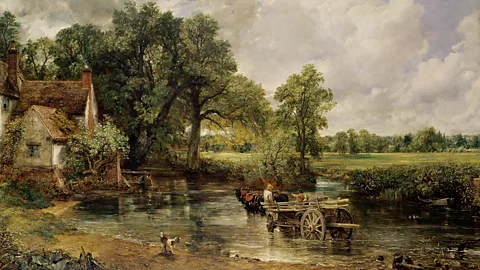
“The Hay Wain” by Constable, English Romanticism, oil on canvas
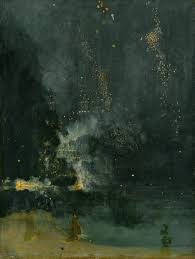
“Nocturne in Black and Gold, The Falling Rocket” by Whistler, Early Impressionism
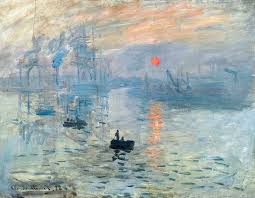
“Impression: Sunrise” by Monet, Impressionism
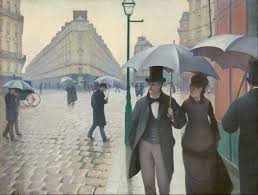
“Paris Street, Rainy Day” by Caillebotte, Impressionism
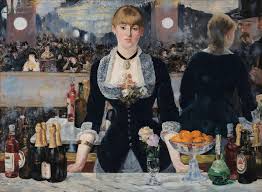
“A Bar at the Folies-Bergère” by Manet, Post Impressonism
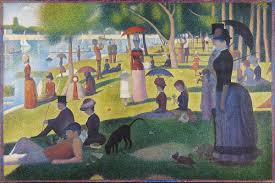
“A Sunday Afternoon on the Island of La Grande Jatte” by Seurat, Post Impressionism
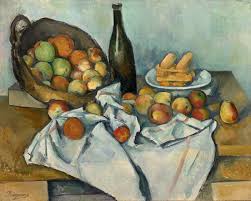
“Still Life with Basket of Apples” by Cézanne, Early French Modernism
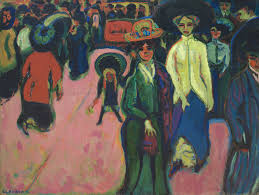
“Street, Dresden” by Kirchner, German Expressionism
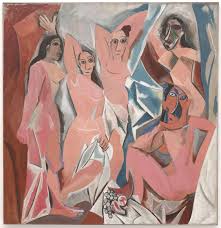
“The Young Ladies of Avignon” by Picasso, Cubism
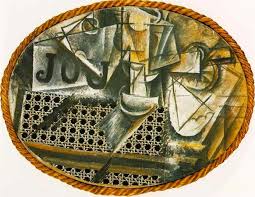
“Still Life with Chair-Caning” by Picasso, Cubism
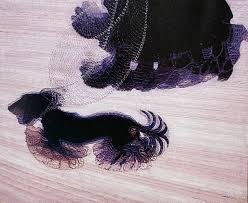
“Dynamism of a Dog on a Leash” by Balla, Futurism
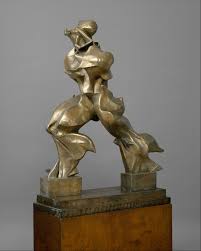
“Unique Forms of Continuity in Space” by Boccioni, Futurism
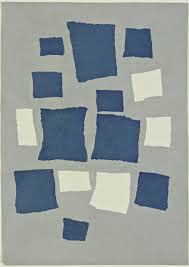
“Collage Arranged According to the Laws of Chance” by Arp, Dada
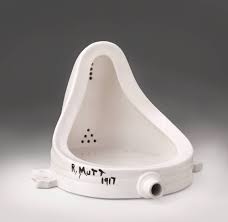
“Fountain” by Duchamp, Dada
Premade tube paint
New invention meaning paint did not need to be prepared by the artist, it could be bought
en plein air
painting outdoors, rather than inside a studio, popular with impressonism
Whistler vs Ruskin
Court case over Nocturne in Black and Gold, said that if the artist says it is art, then it is art
Impasto
Using a lot of paint, makes the painting thick, sculpture-like
Arbitrary color
colors that convert a specific meaning or mood but may not be the actual color of something
Pointillism
Small dots applied to surface to make an image (ex. la Grand Jatte)
Primitivism
a style of art meant to symbolize the physical state of nature
The Bridge
German expressionist group that sought to unite art from past, present and future
The Blue Rider
German expressionist group that was interested in uniting color with abstraction and spontaneity
Analytic cubism
early phase of cubism that uses fragmentation of subjects into multiple viewpoints
Synthetic Cubism
characterized by simpler shapes/colors and collage/pasted materials
futurist manifesto
foundational text of futurism that advocated for speed and technology, but also war
Armory Show NYC
presented avant-garde styles for the first time, shocked many people
Ready-made
made by someone else, but used in art
sound poetry
poetry with no real words but uses sounds instead
Collage
A mix of materials together
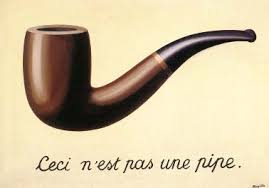
“The Treachery of Images” by Magritte, Surrealism
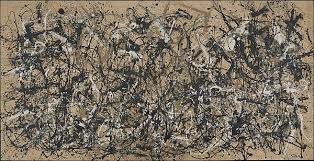
“Autumn Rhythm” by Pollock, Abstract Expressionism
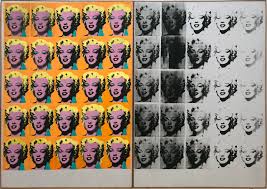
“Marilyn Diptych” by Warhol, Pop Art
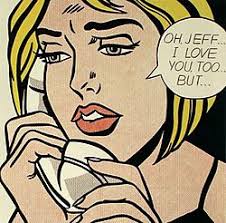
“Oh Jeff….I Love You, Too… But…” by Lichtenstein, Pop Art
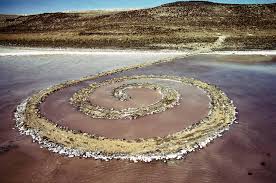
Spiral Jetty by Smithson, Earth Works
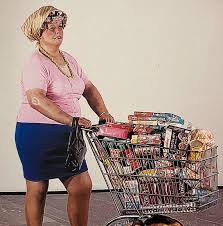
“Supermarket Shopper” by Hanson, Superrealism
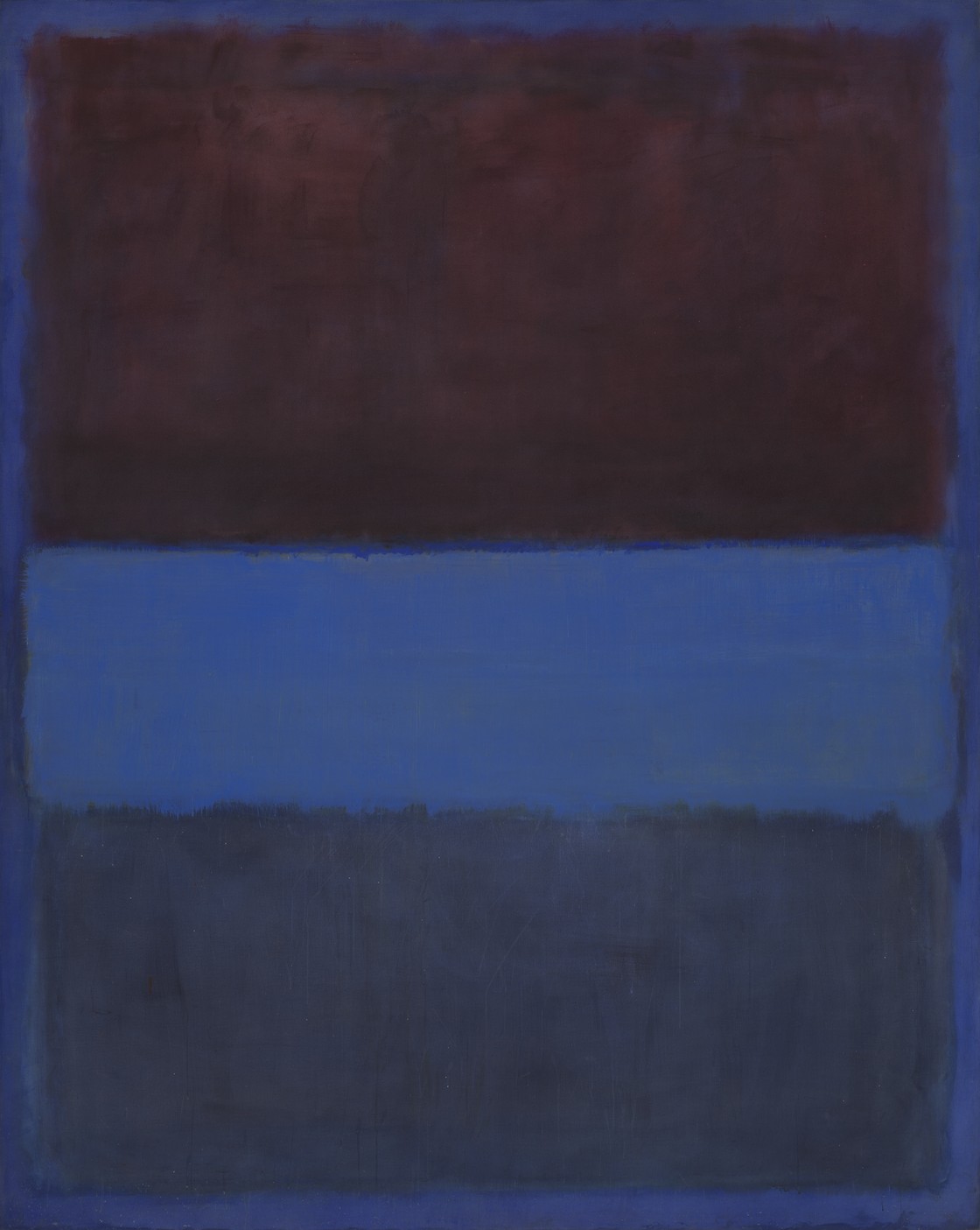
“Brown, Blue, Brown on Blue” by Rothko, Color Field Painting
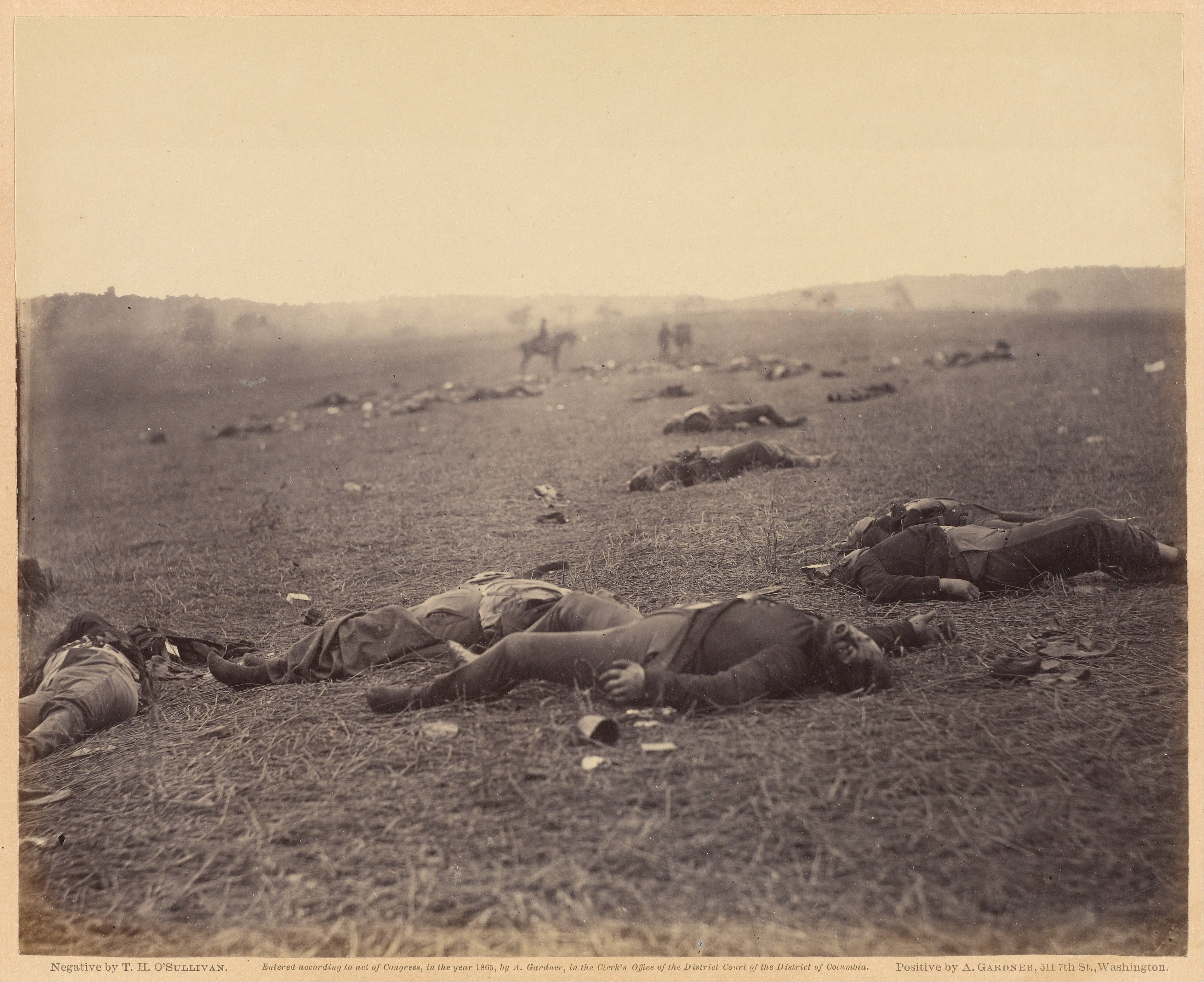
“Harvest of Death” by O’Sullivan, Realism
 Note
Note  Flashcards (57)