ARCH 2311: Exam 3
 Studied by 0 people
 Call Kai
 Learn
Learn Practice Test
 Spaced Repetition
 Match
Match Flashcards
 Knowt Play
1/21

There's no tags or description
Looks like no tags are added yet.
Name | Mastery | Learn | Test | Matching | Spaced |
|---|
No study sessions yet.
22 Terms
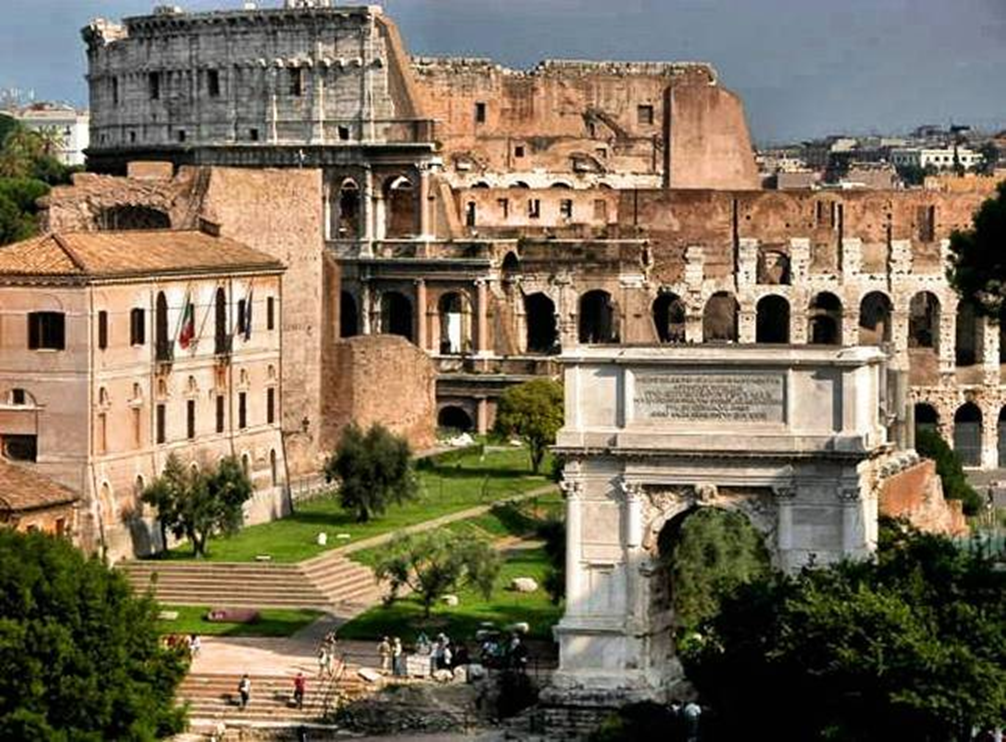
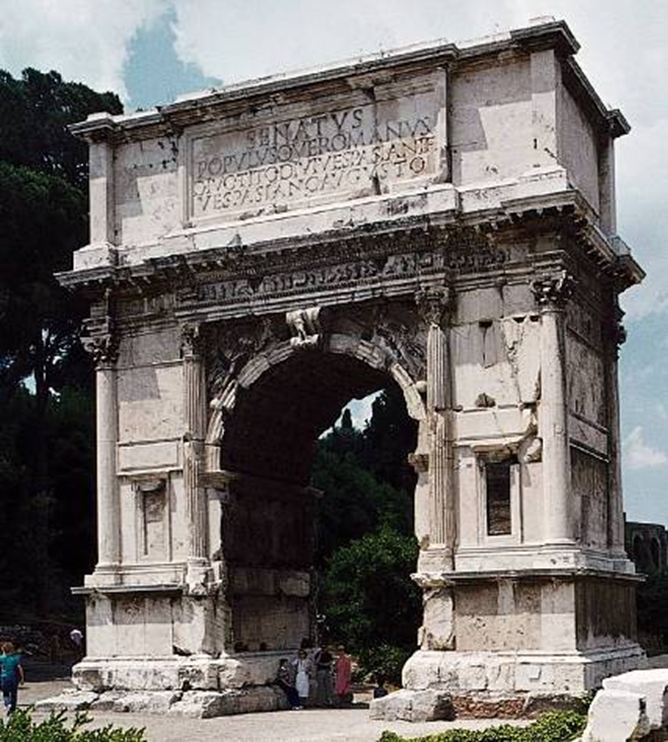
arch of titus: forum romanum, rome (after 81 ad)
imperial rome
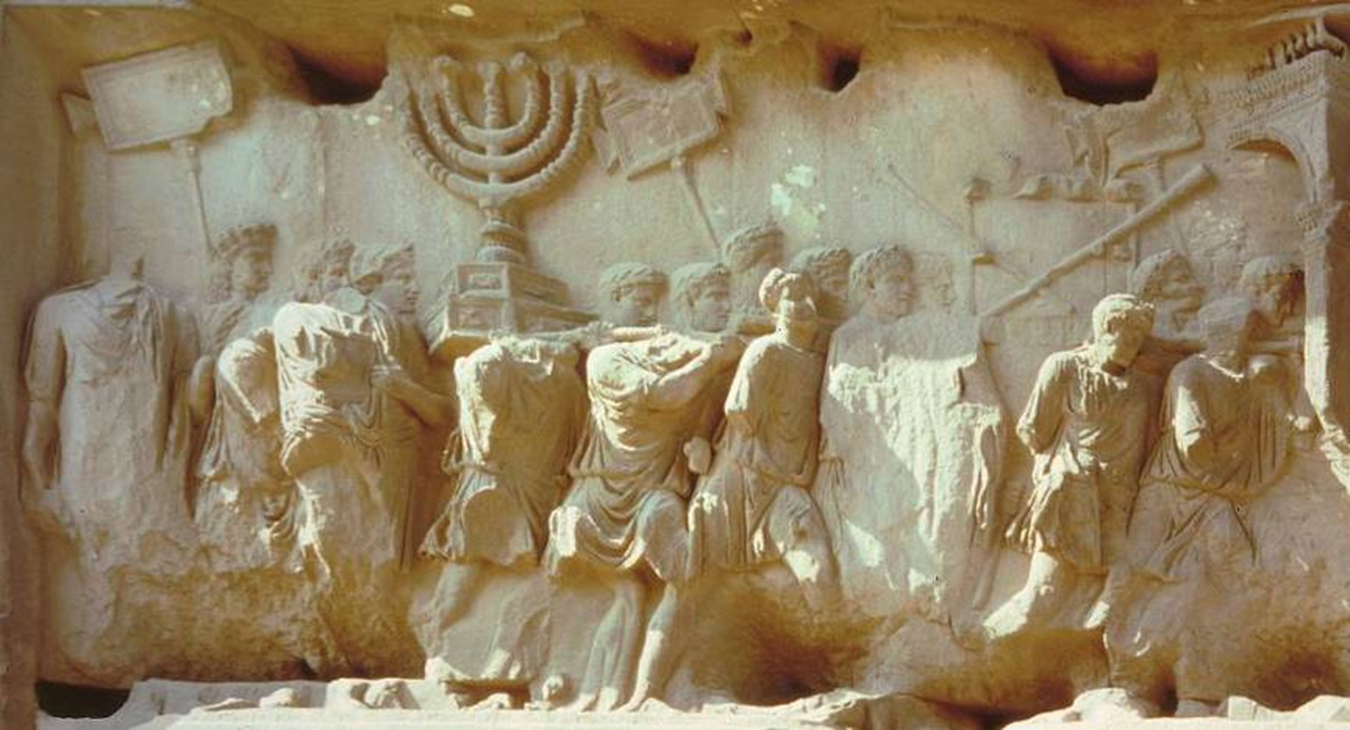
spoils of jerusalem: relief panel (marble)
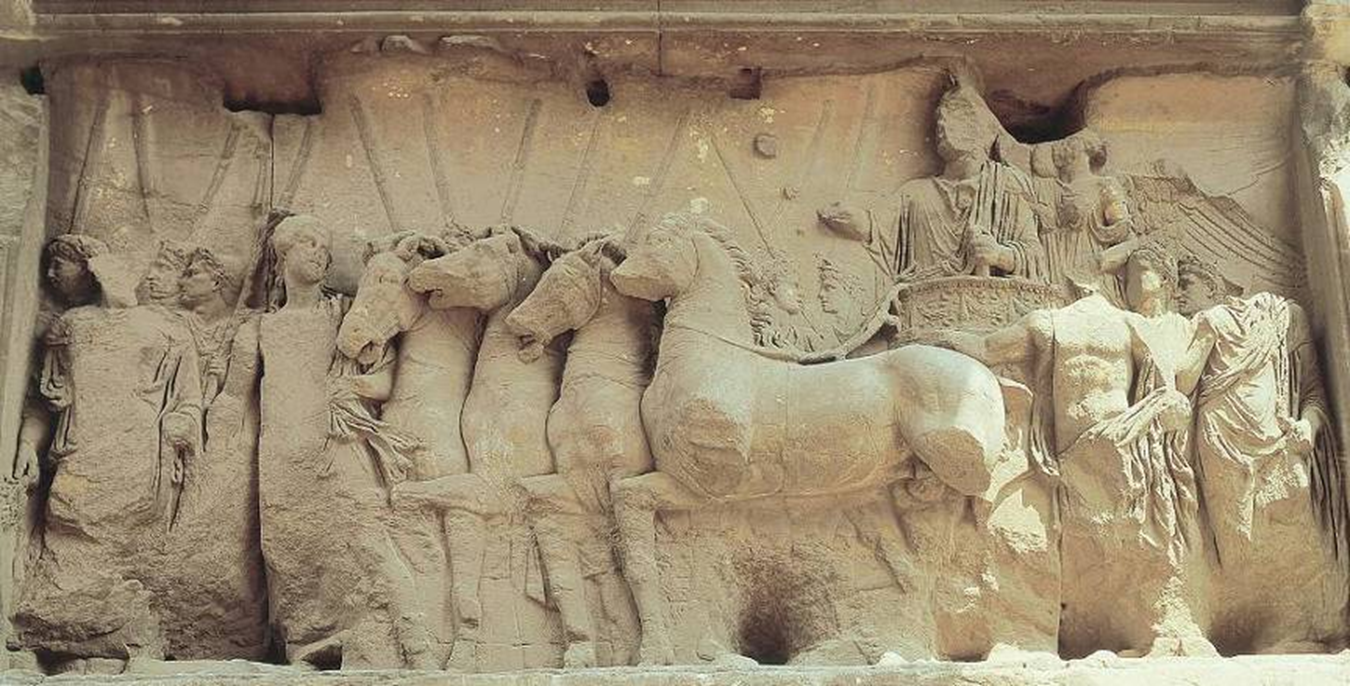
triumph of titus: relief panel (marble)
apollodorus of damascus: trajans forum, rome
imperial rome
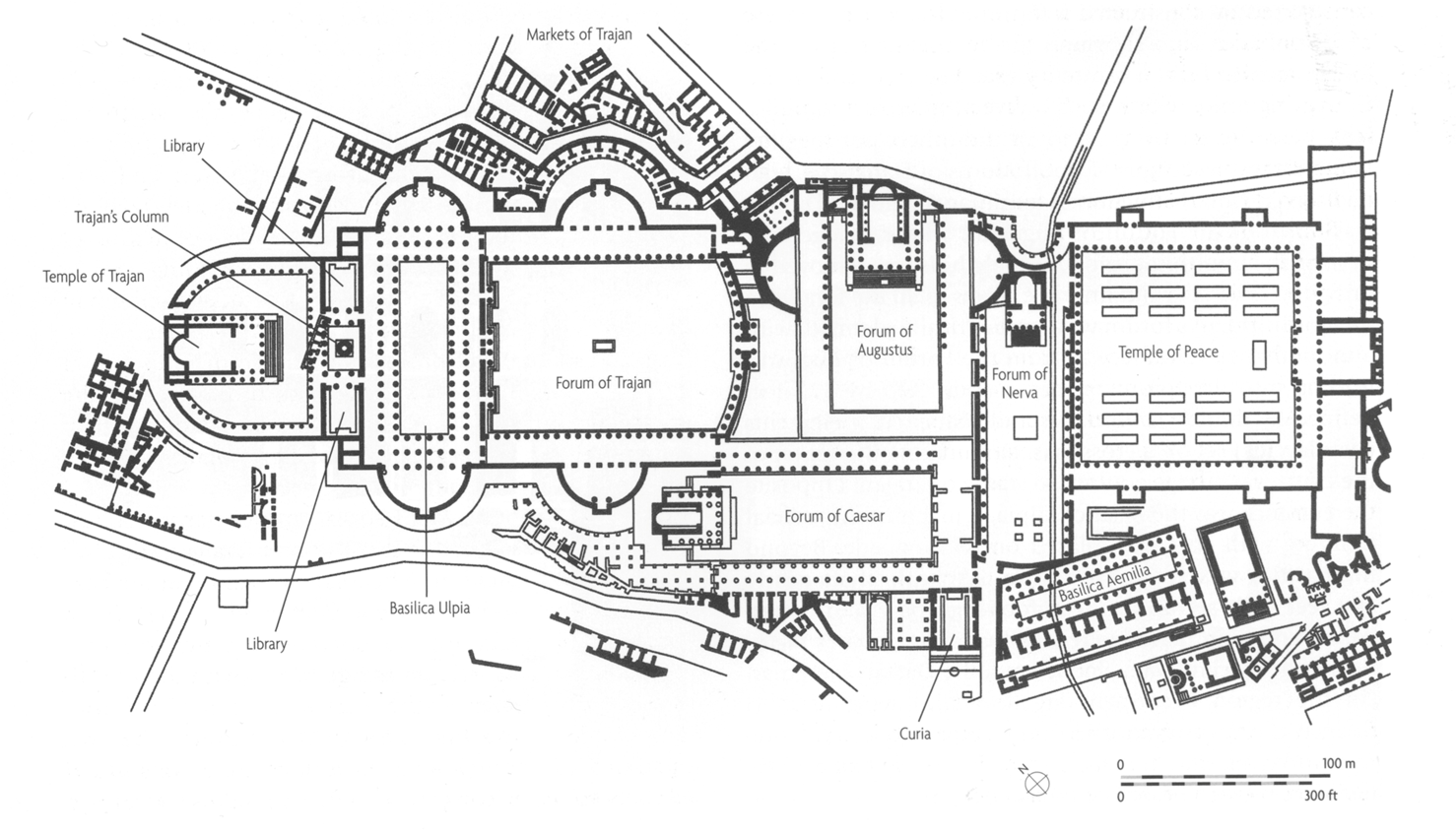
forum of trajan was the largest and the grandest of imperial forums
built using monies from the conquest of dacia
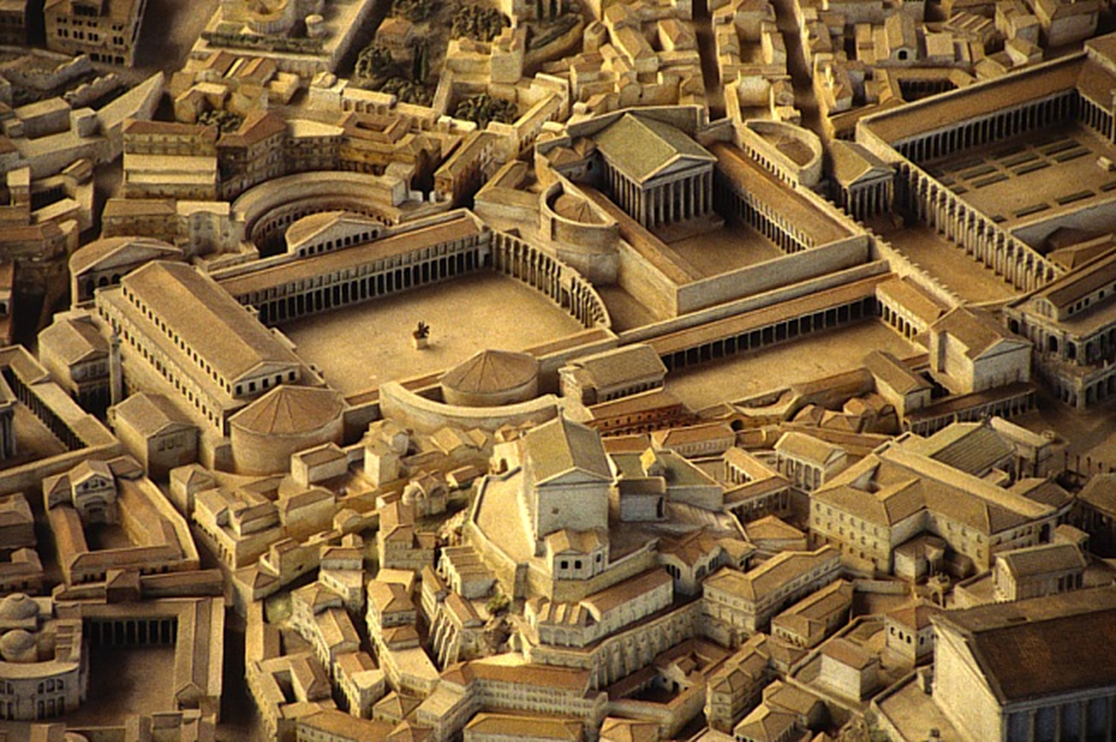
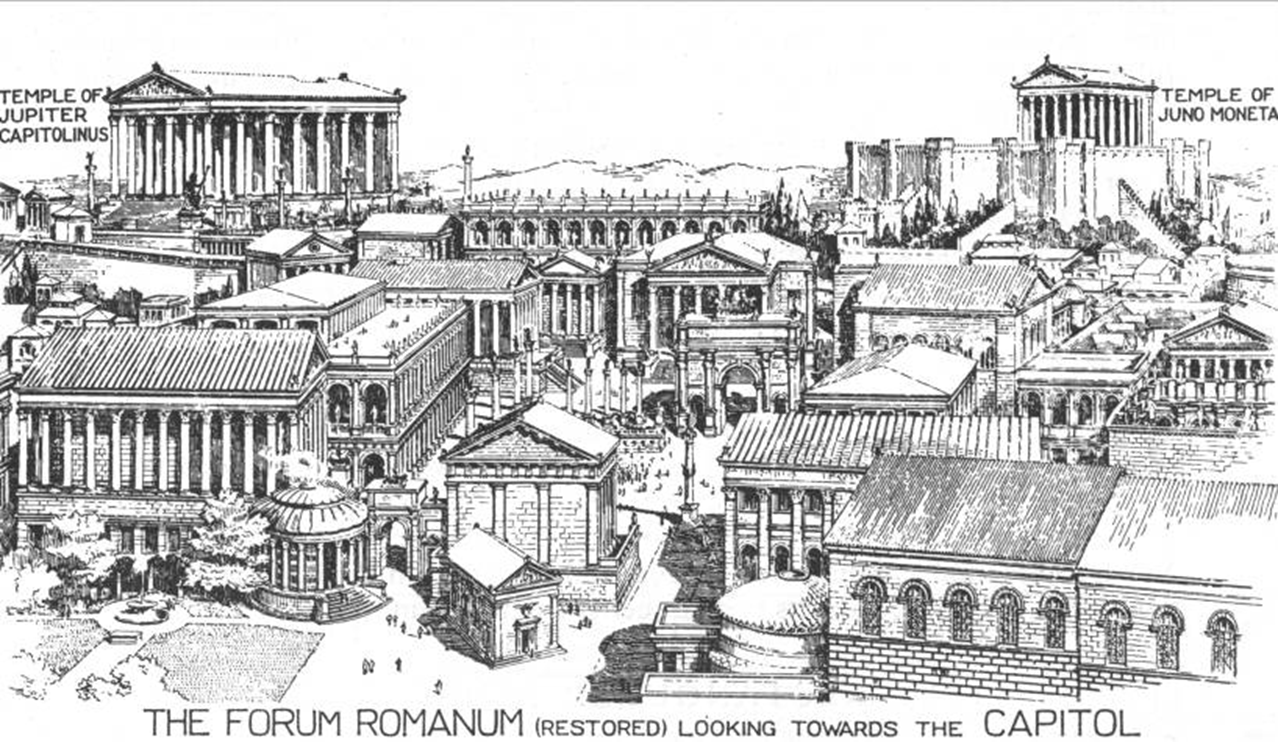
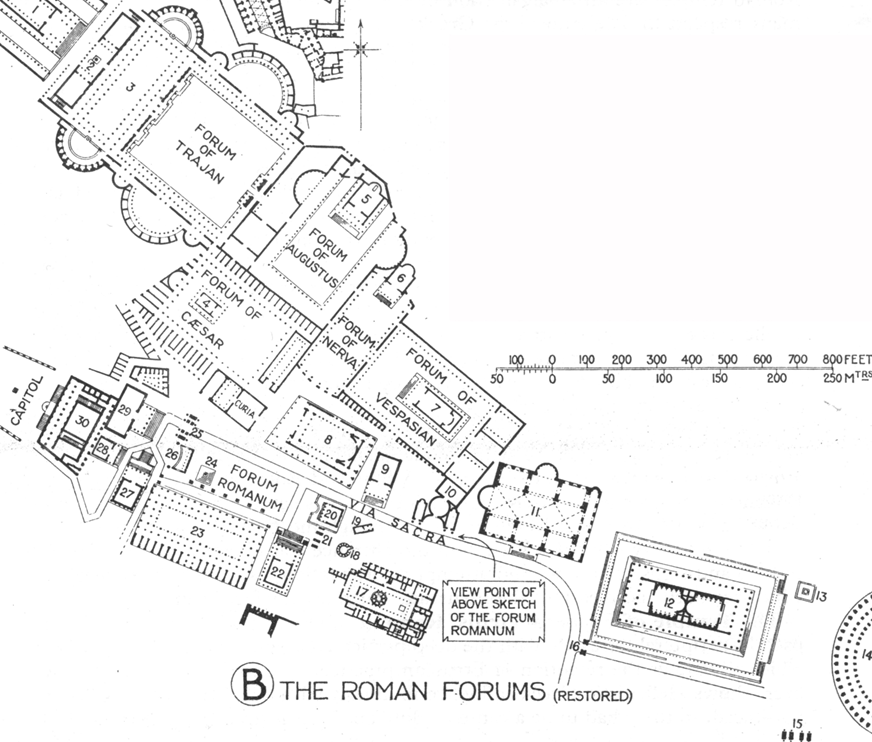
apollodorous of damascus, basilica ulpia (98-117 ad)
things found in basilicas: business dealings, contracts, courts
ulpia: family name
oriented transversely
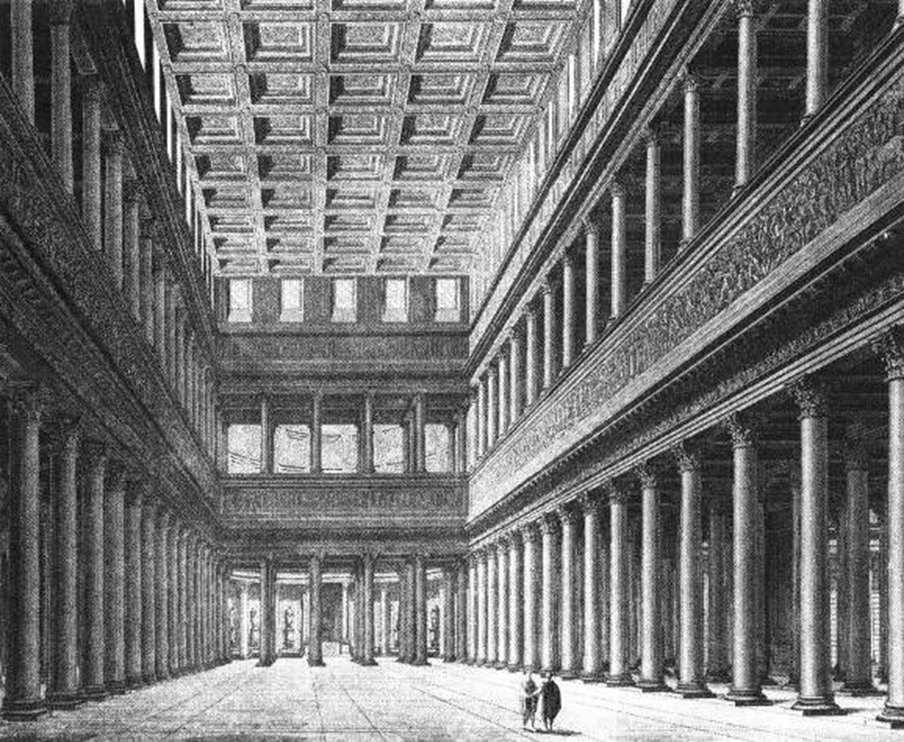
corinthian columns
nave: central space of basilica
screened off with columns
aps: half circle dome shape in back
basilicas have flat wooden roof structure (waffle like)
trajans column (106-113 ad)
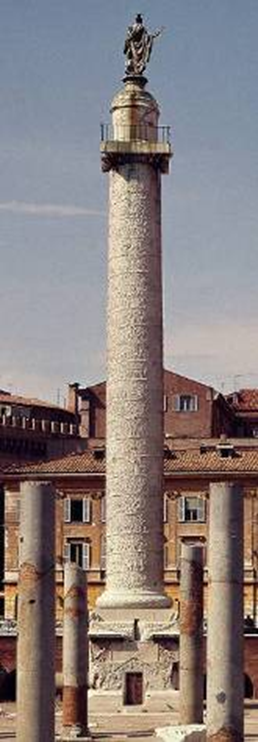
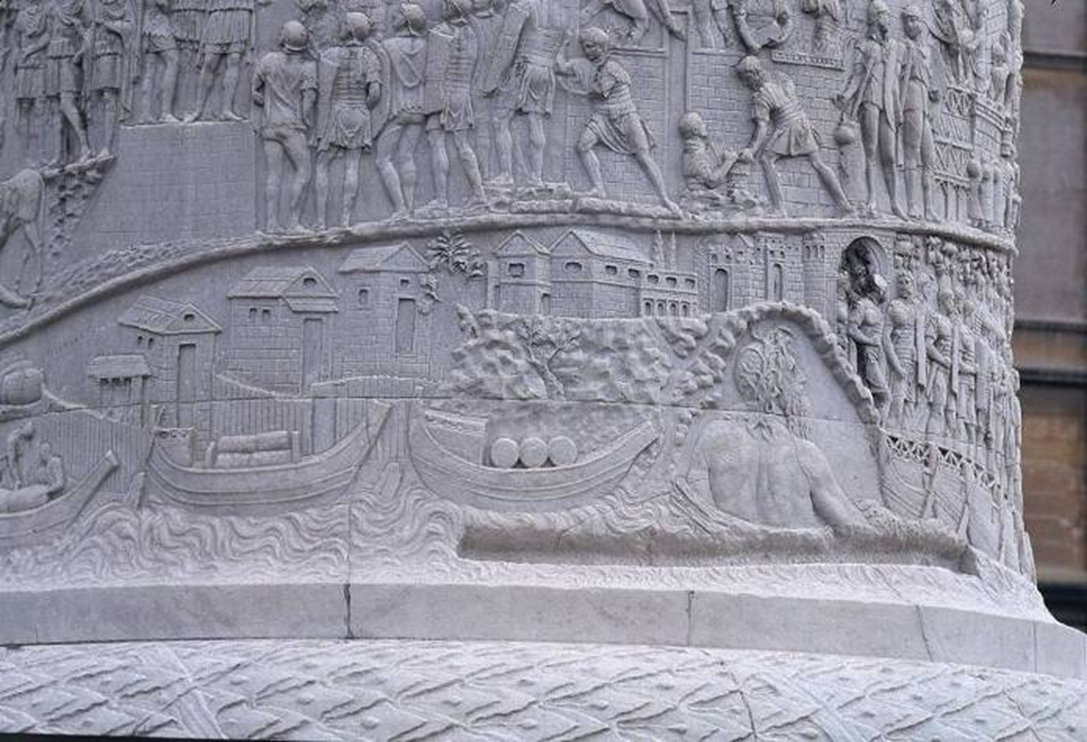
continuous seam around the shaft
625 ft of relief carvings
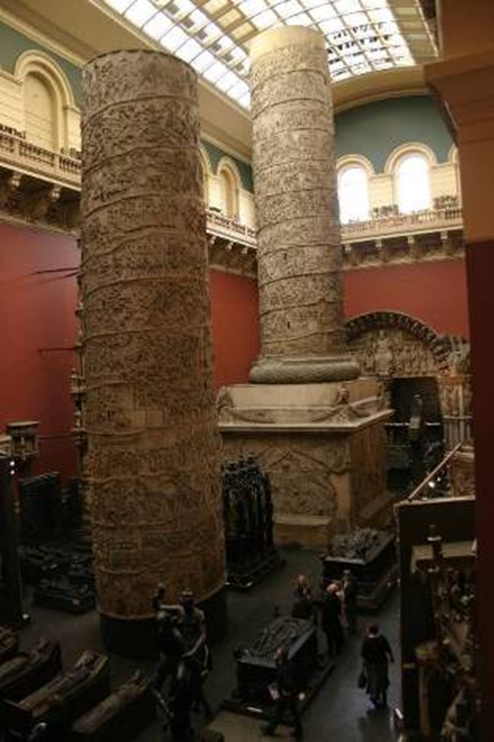
cast copy of trajan’s column in victoria and albert museum (london)
apollodorous of damascus, markets of trajan (100-112 ad)
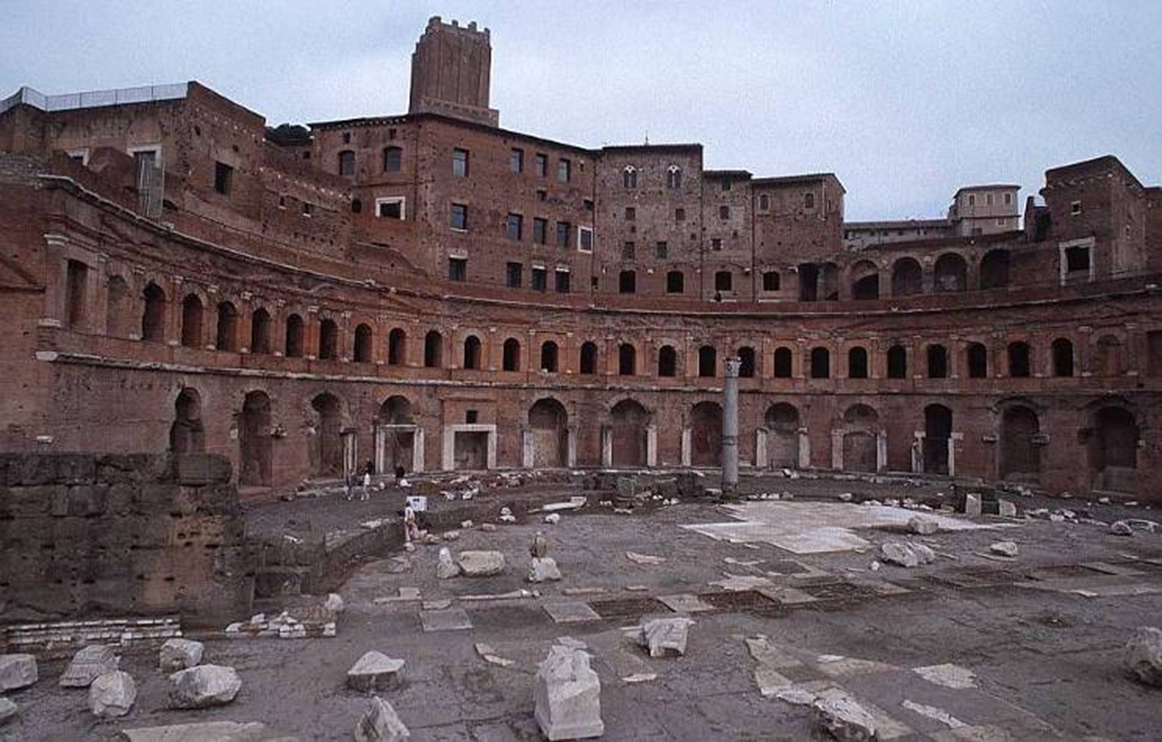
arculation arches
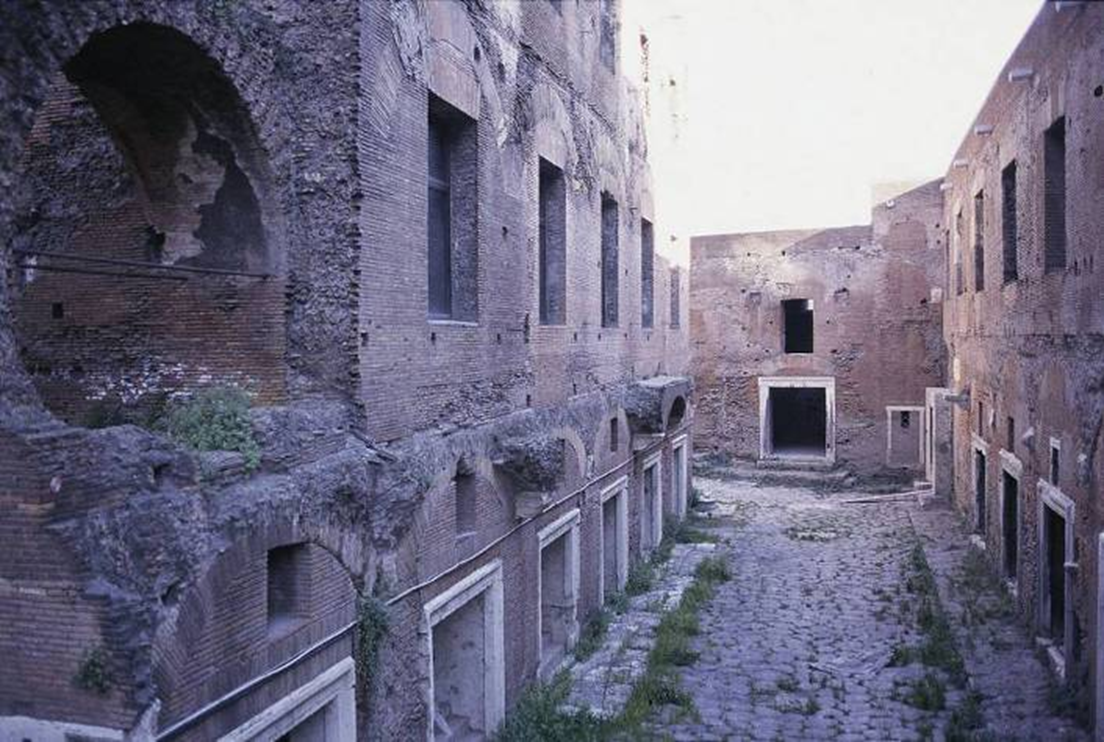
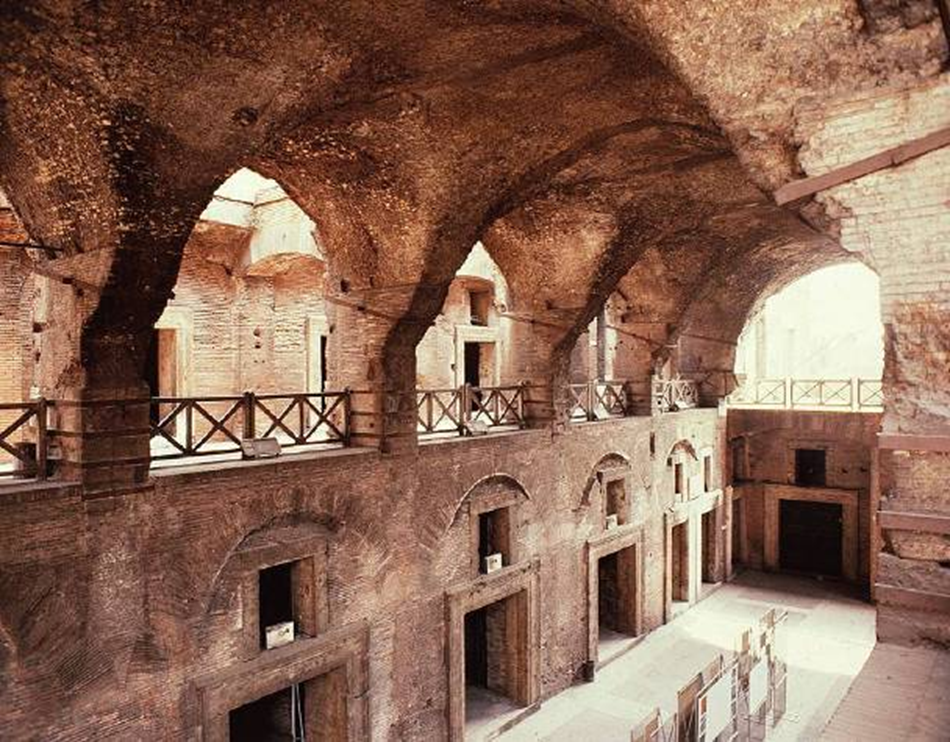
interior of great hall: groin vaults (intersected barrel vaults)
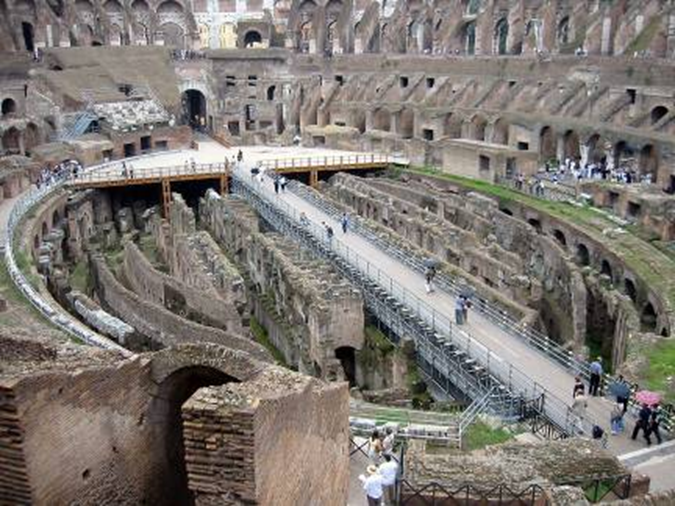
flavian amphitheater (the colosseum): rome (72-80 ad)
imperial rome
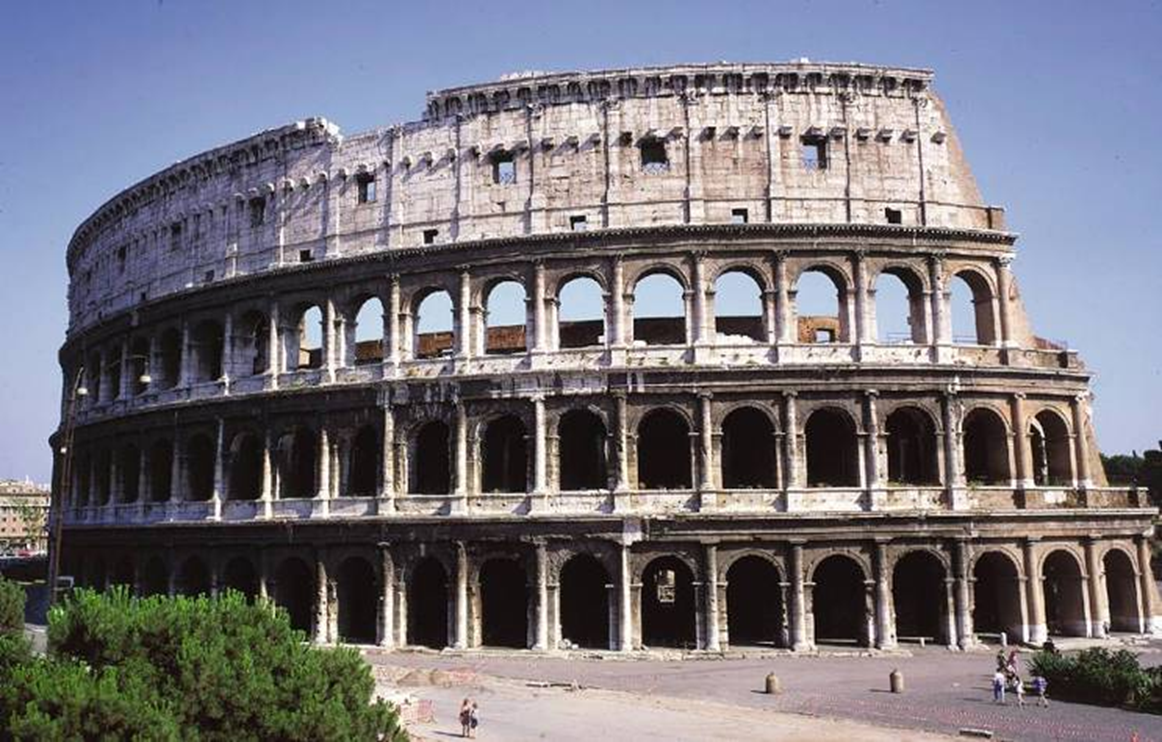
called colosseum because next to a colossal statue (colossal statue of nero)
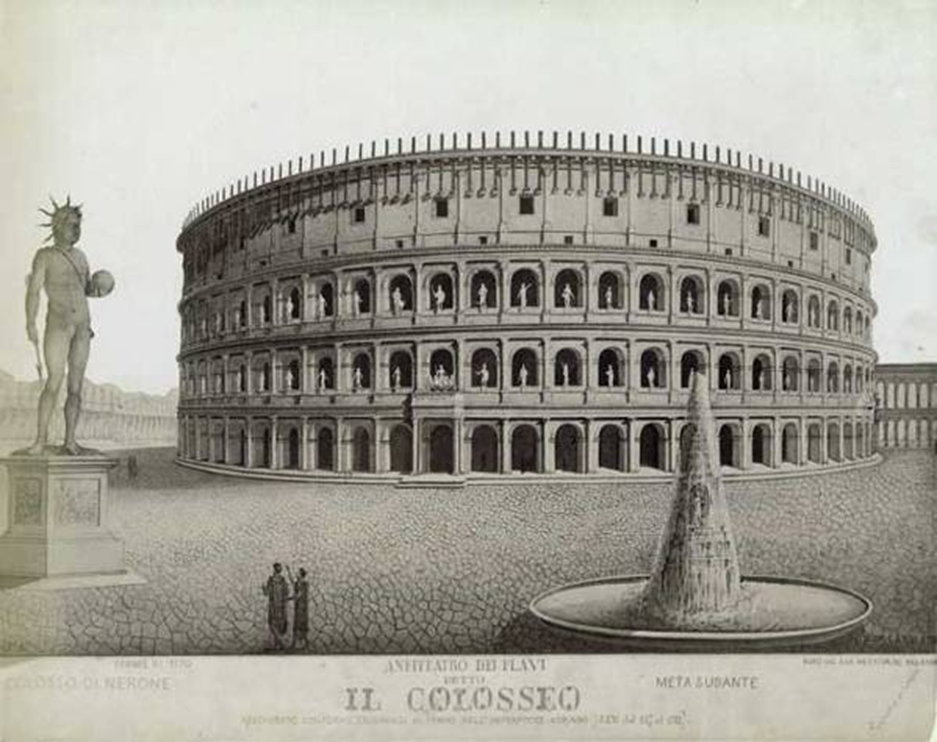
reconstruction showing colossal statue of nero modified as a sun god
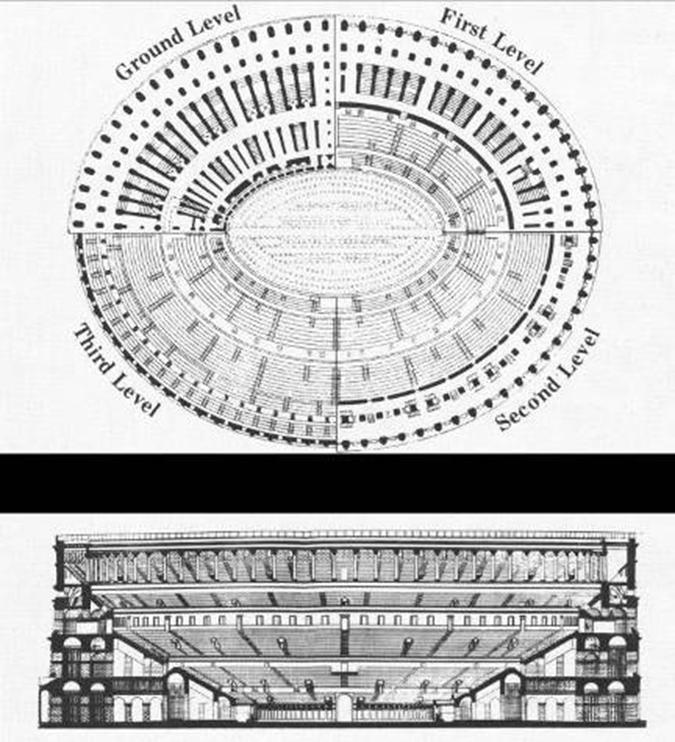
could fit 50,000 people
barrel vaults and radial barrel vaults
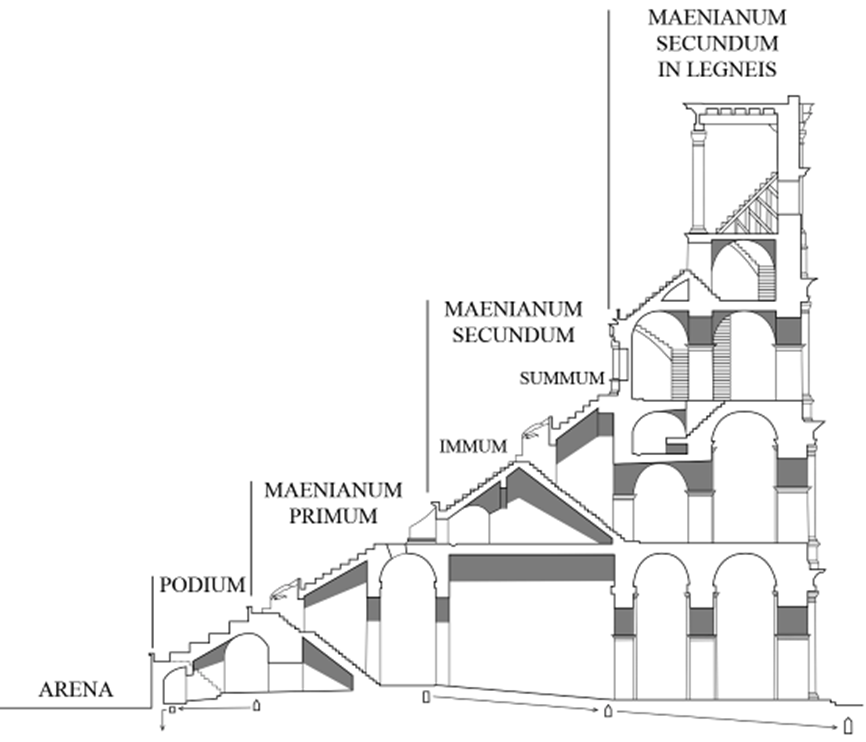
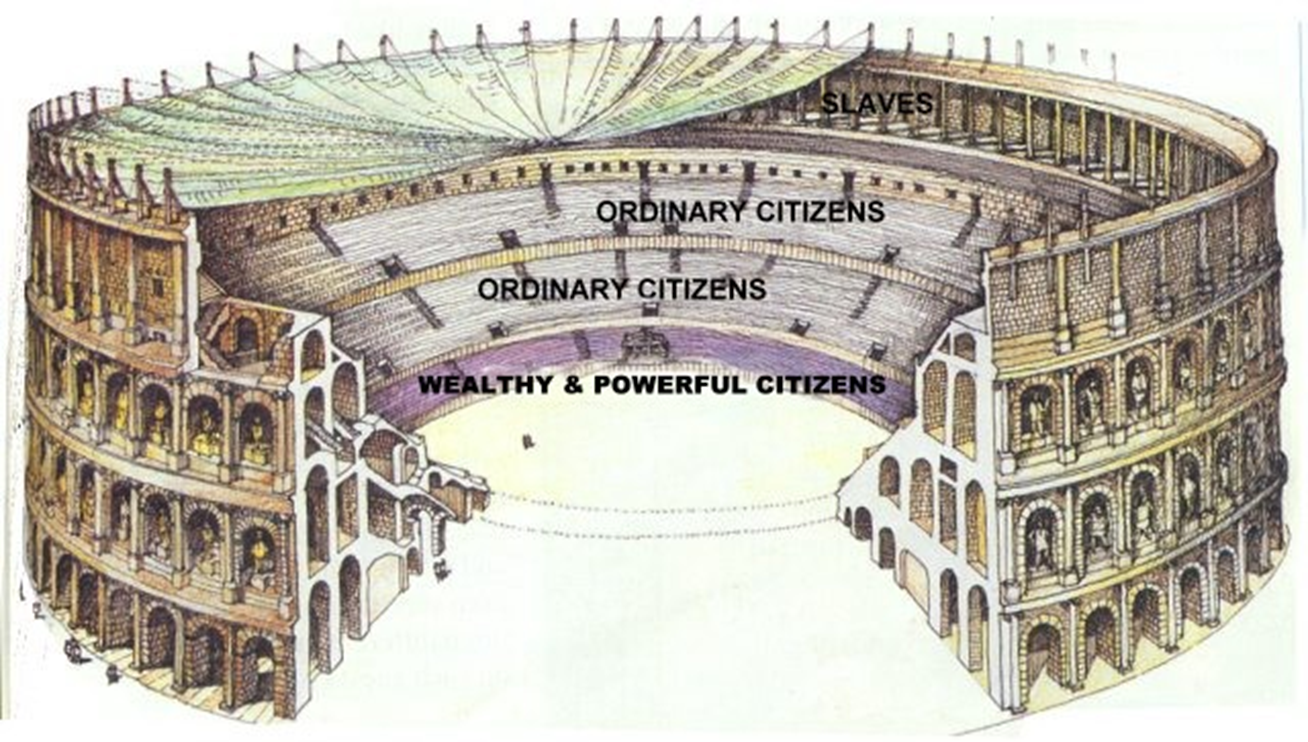
seating sections by class and tarp covering
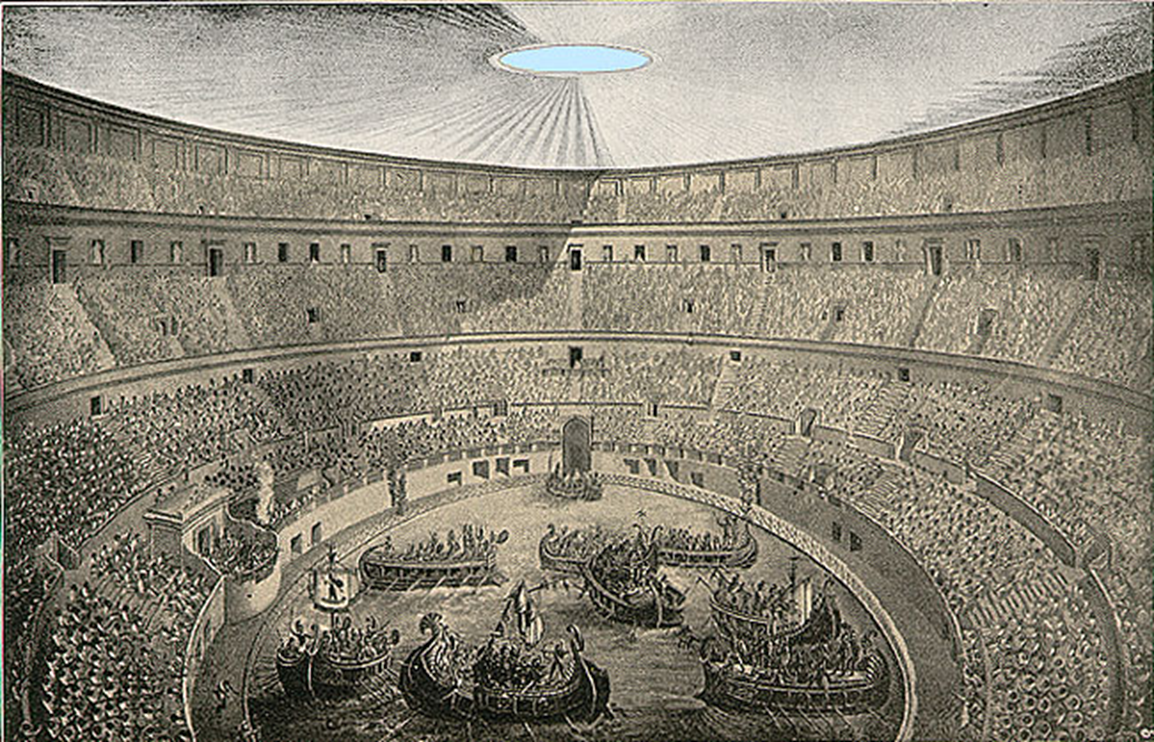
reenactment of roman naval battles
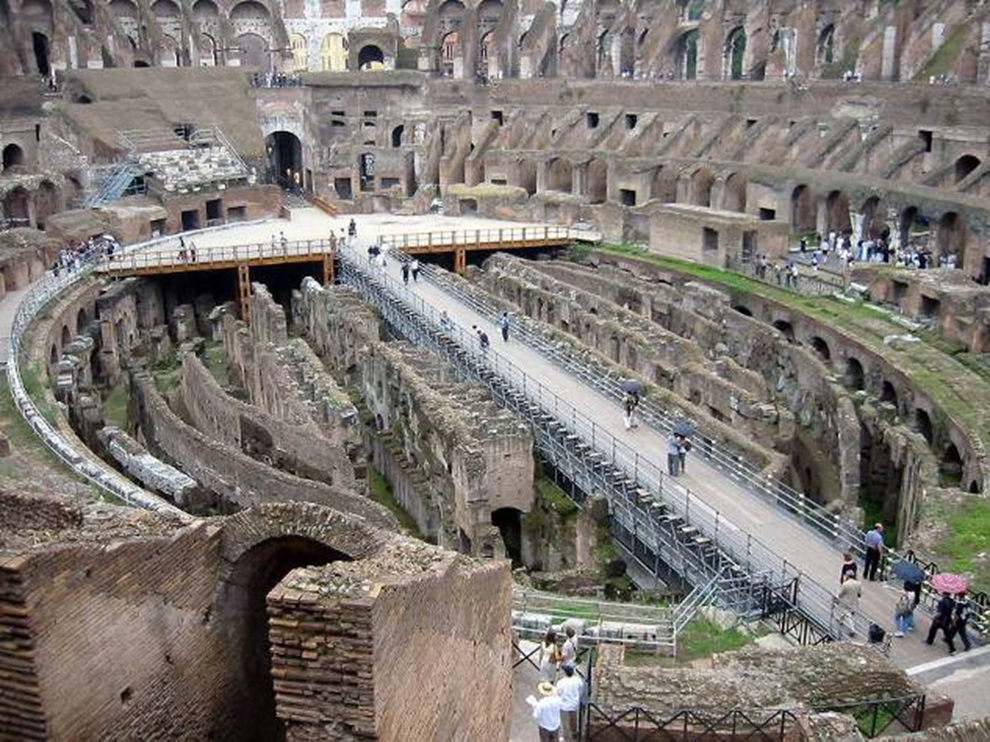
chambers under central floor (hypogeum)
hypogeum (hypo = under)
behind the scenes section (dressing rooms, animal cages, etc)
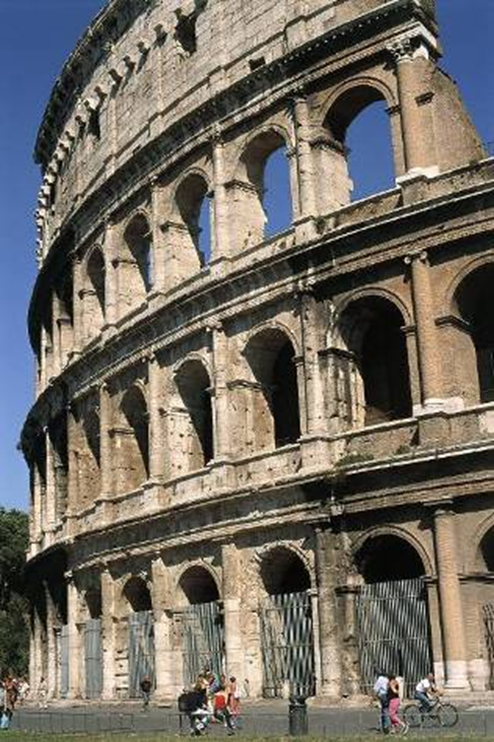
graduated orders: low orders to decorative orders (top to bottom: corinthian, ionic, tuscan)
(the very very top = corinthian pilasters)
pantheon: apollodorous of damascus (architect) rome (118-128 ad)
imperial rome
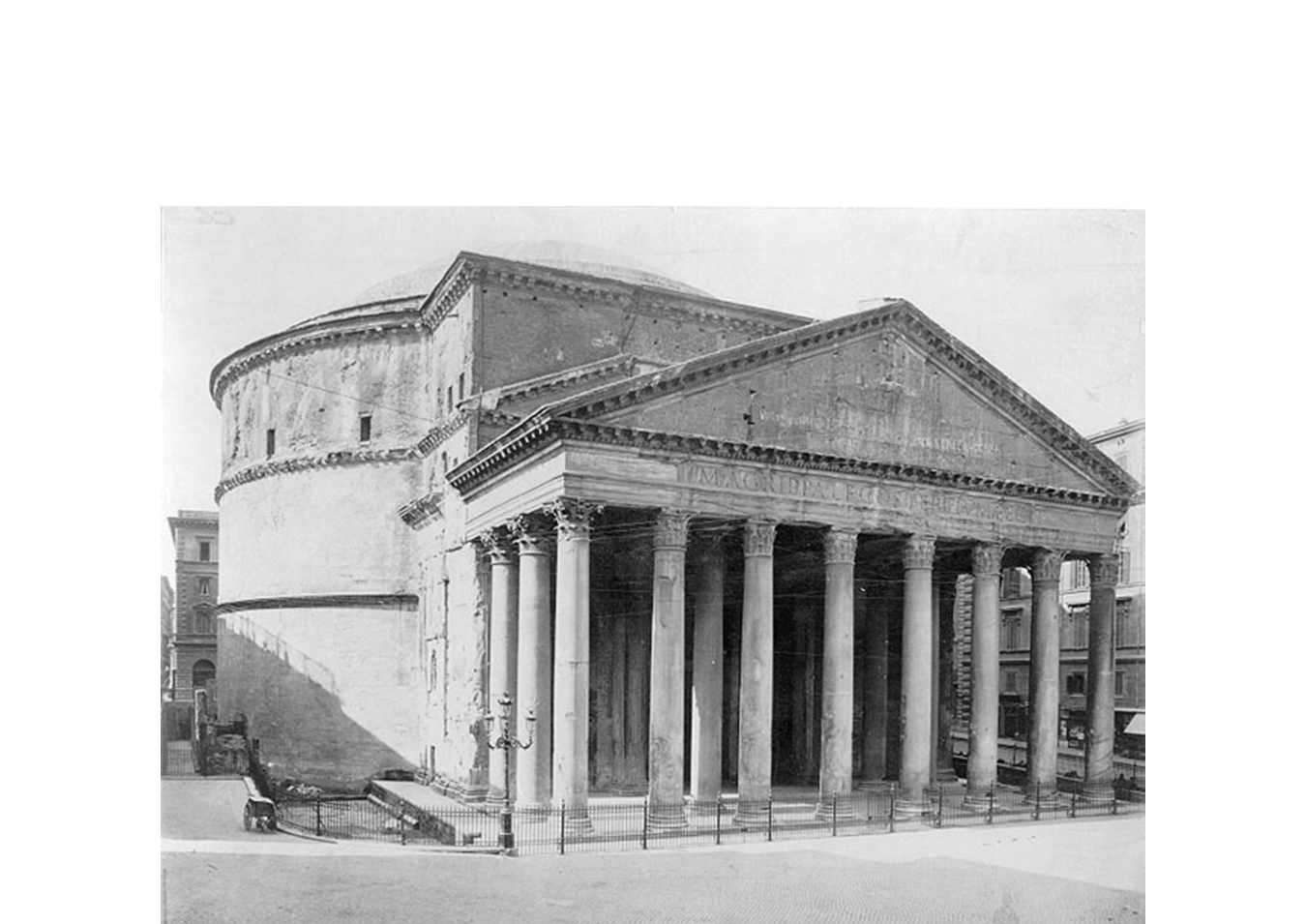
octastyle
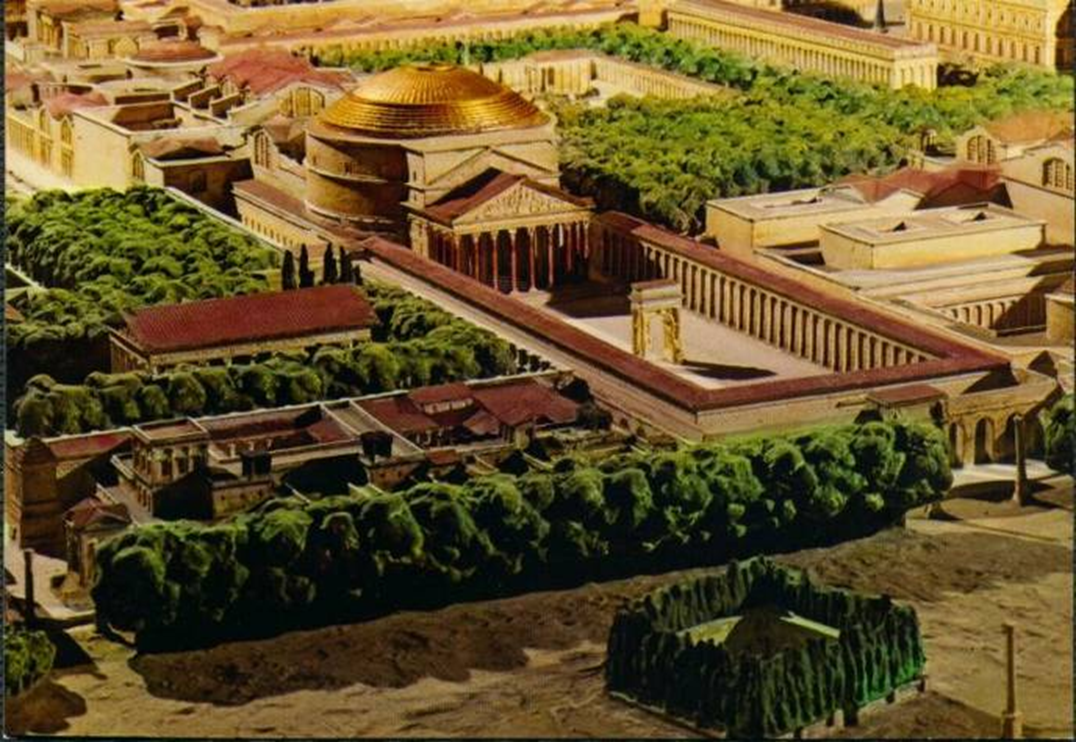
like other roman temples, is placed within temple enclosures
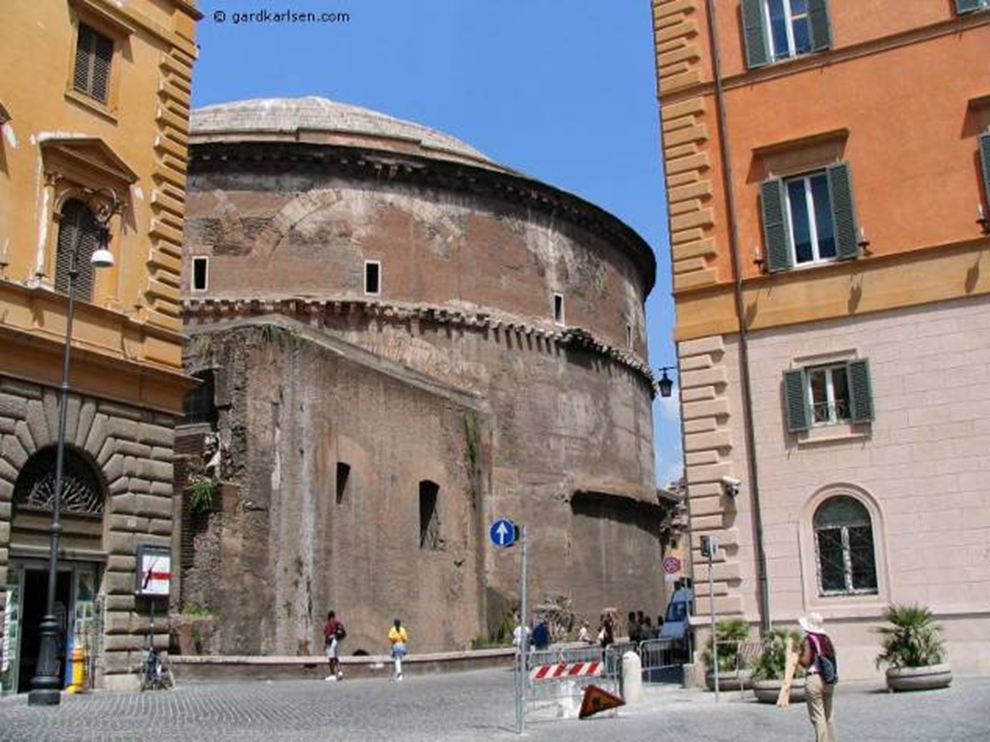
relieving arches in upper wall
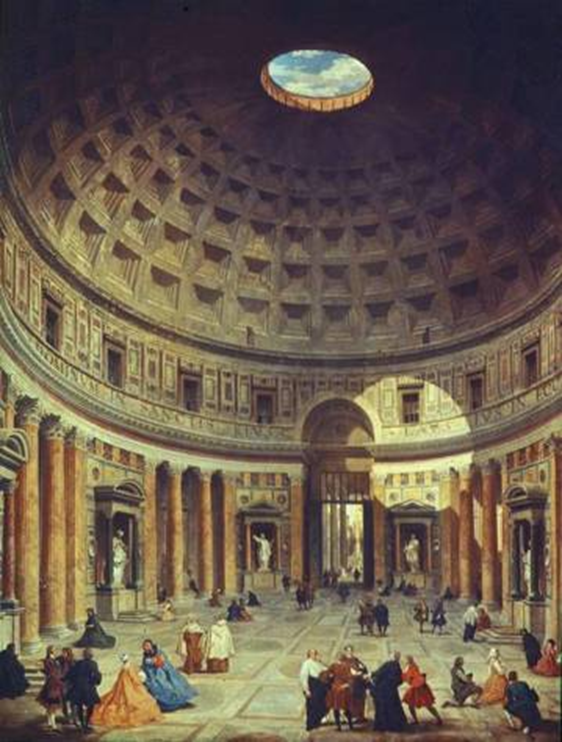
giovanni paolo, oil on canvas
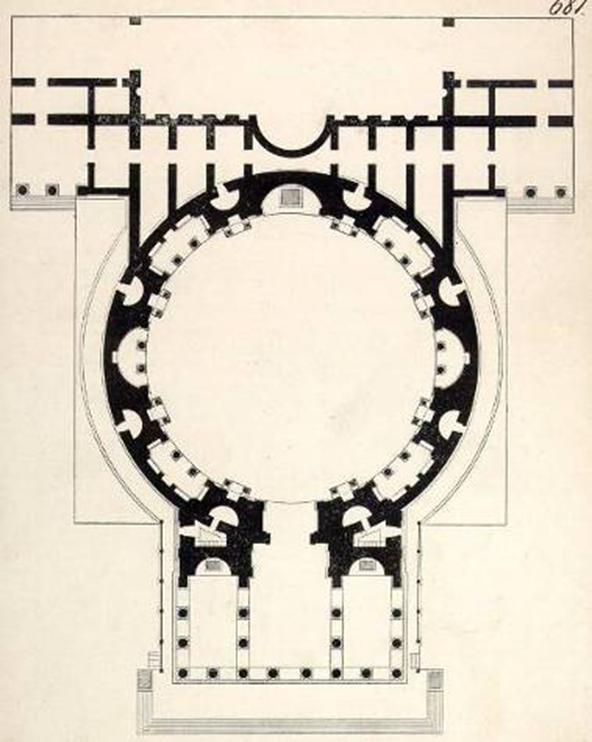
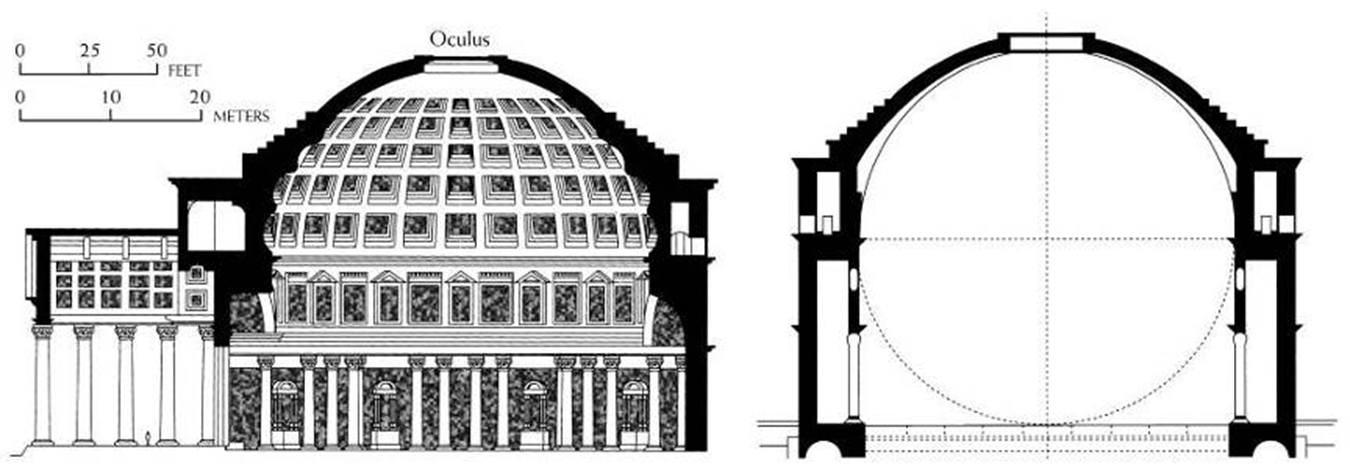
dome span & height = 142 ft
oculus = 28 ft wide
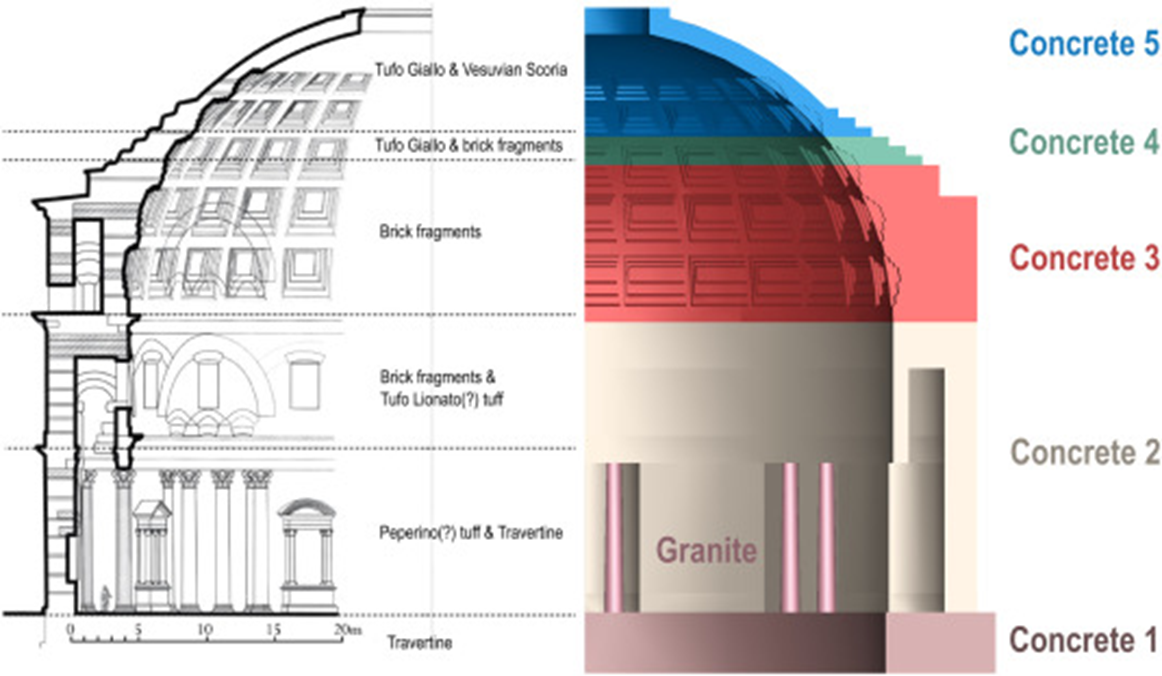
lighter aggregate (stone material?) is used in the concrete as the height increases
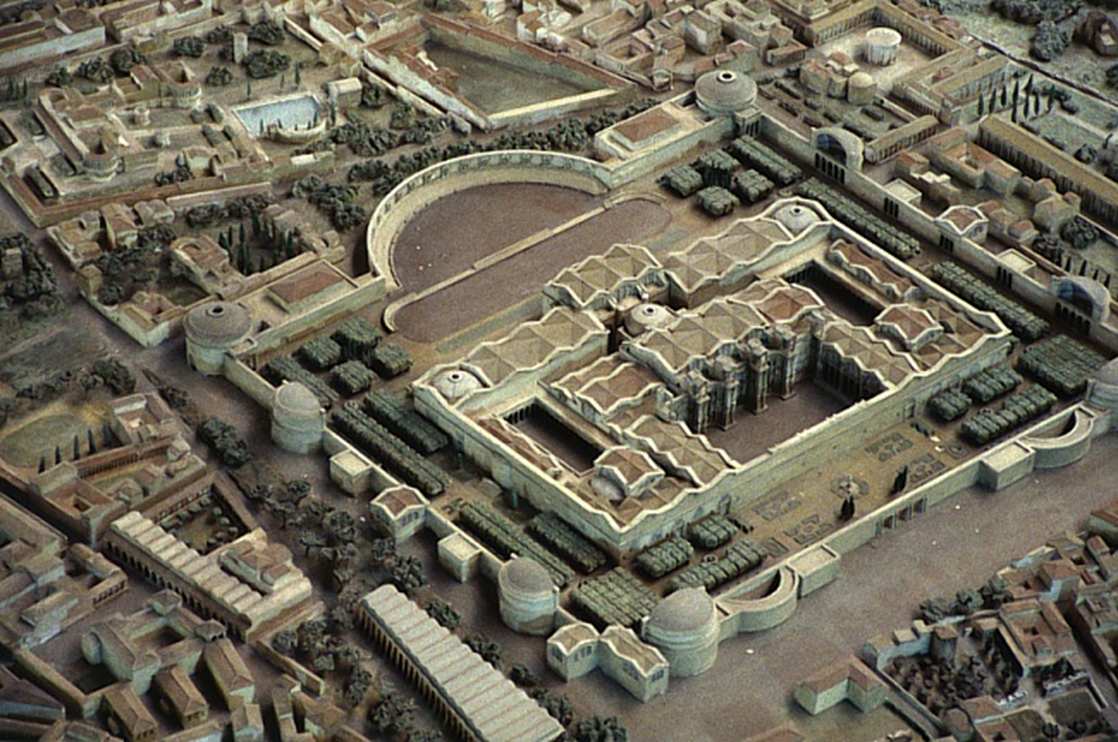
caracalla thermae, rome (211-217 ad)
imperial rome
bath house
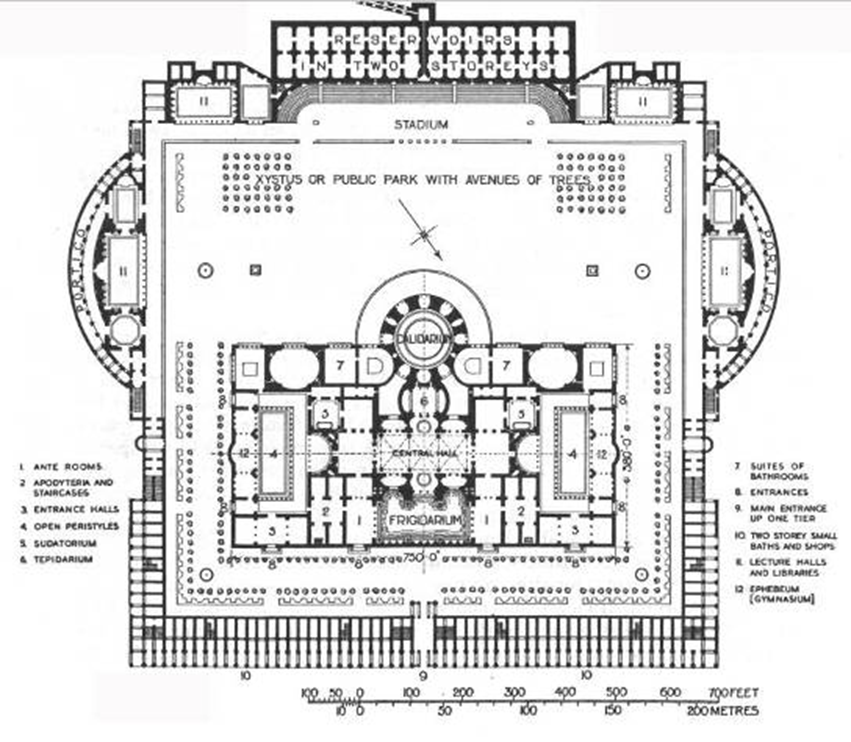
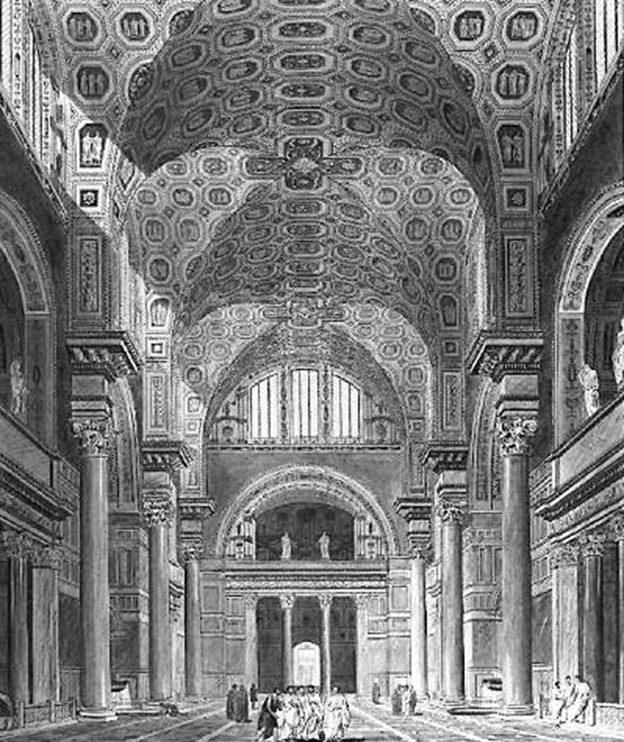
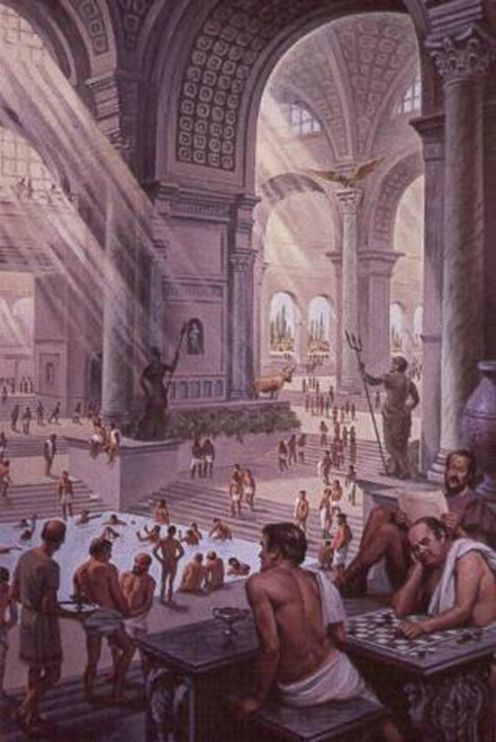
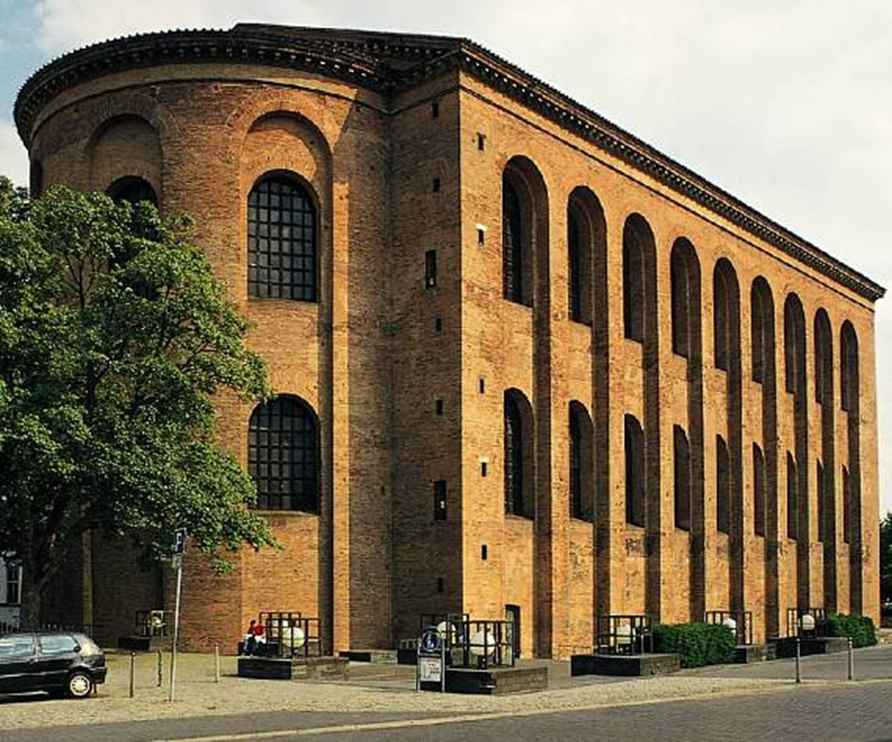
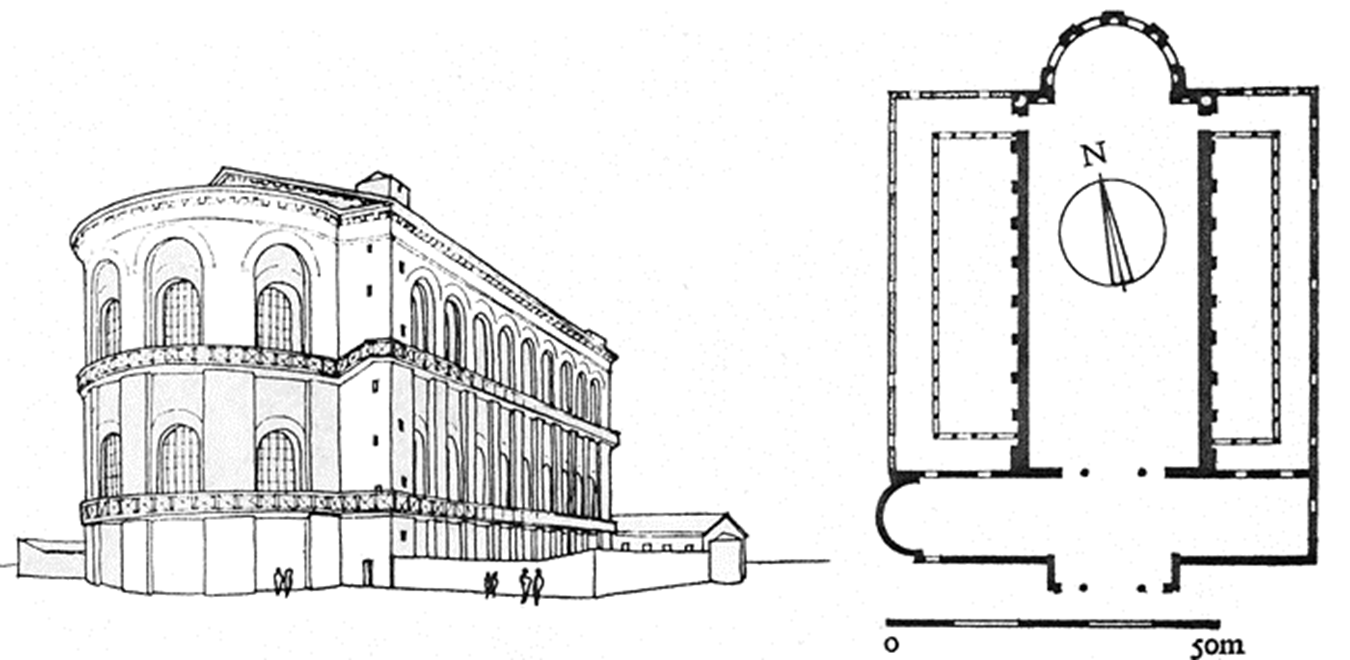
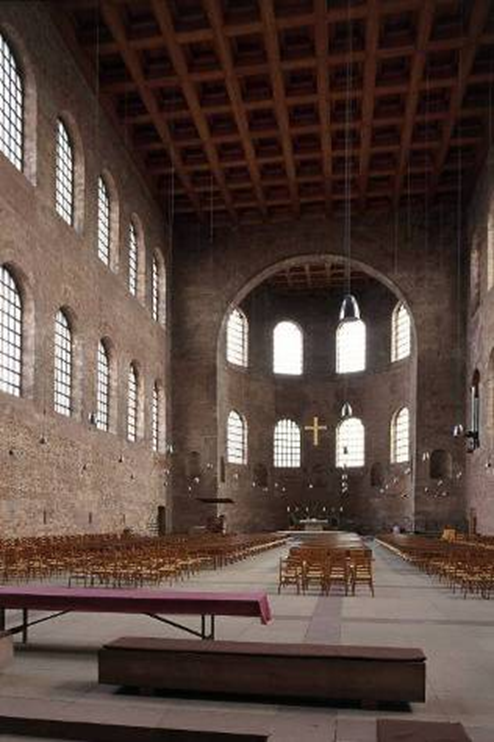
aula palatina, at the palace of constantine, trier, germany (early 14th century)
late antiquity / early christianity
arch of constantine, rome (312-15)
late antiquity / early christianity
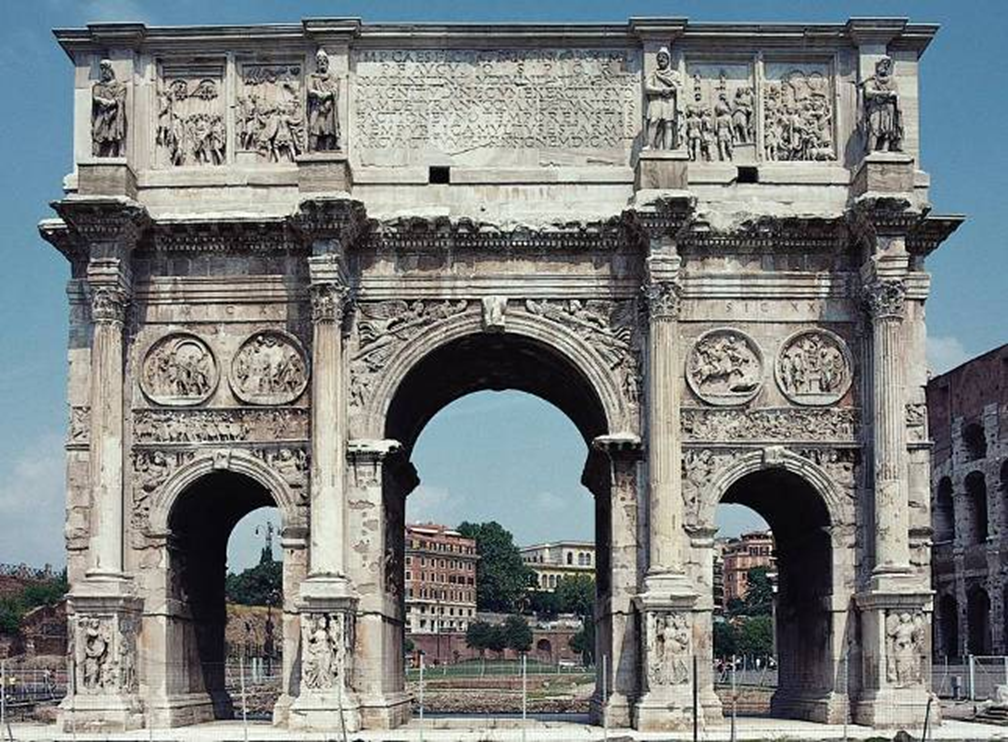
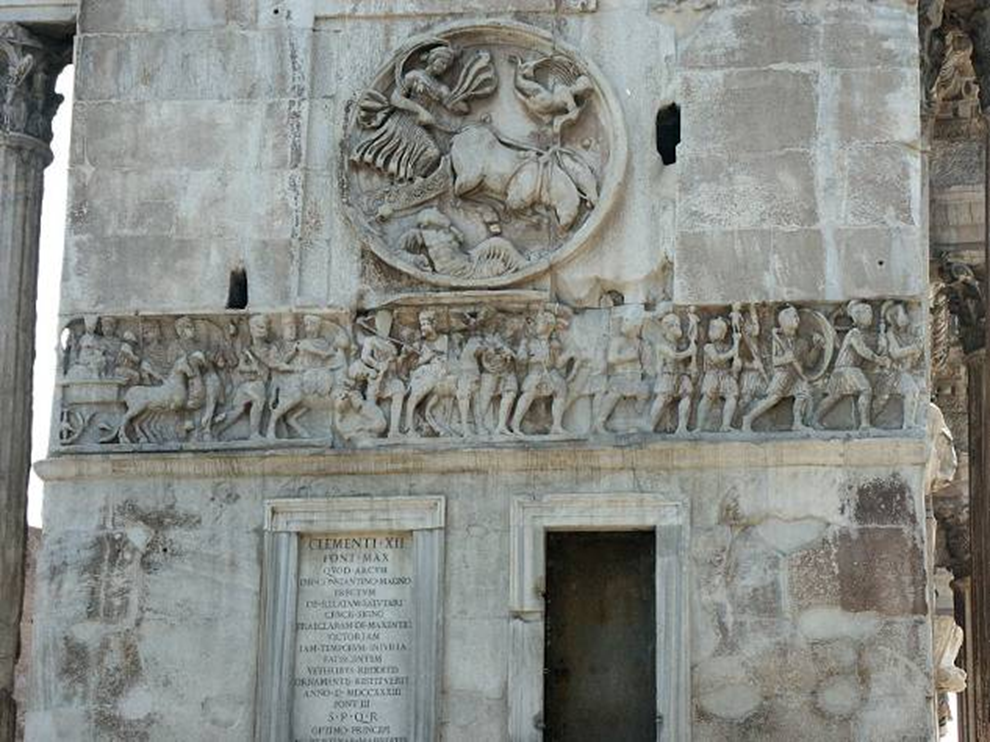
luna, rounded on west end
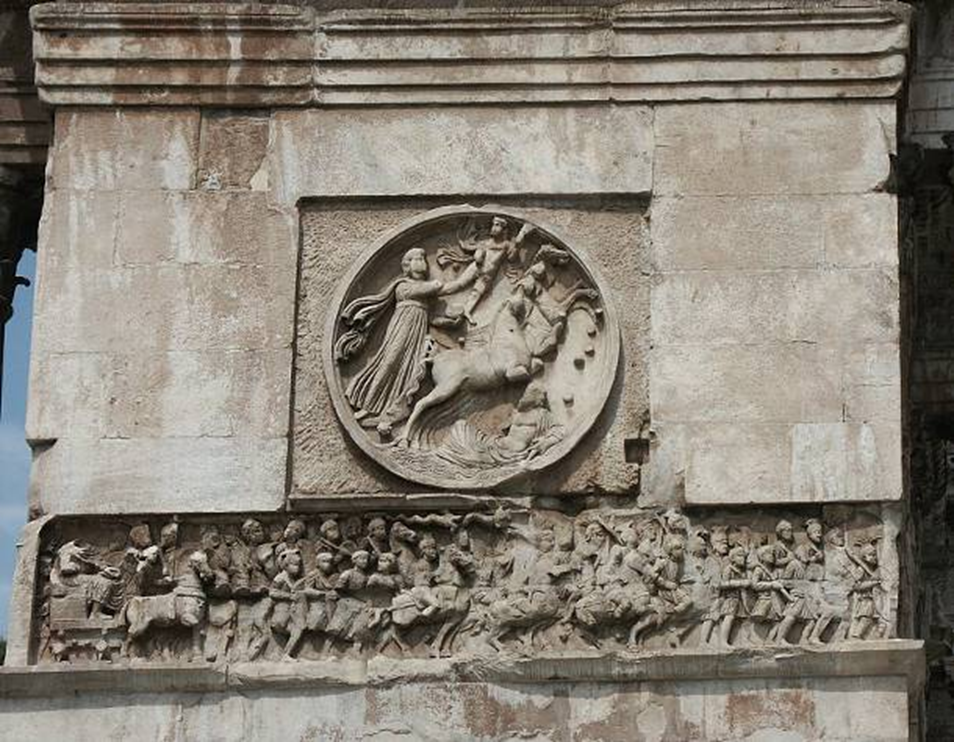
“constantine as sol invictus” rounded on east end
old st. peter’s, vatican hill, rome (bagan 320)
late antiquity / early christianity
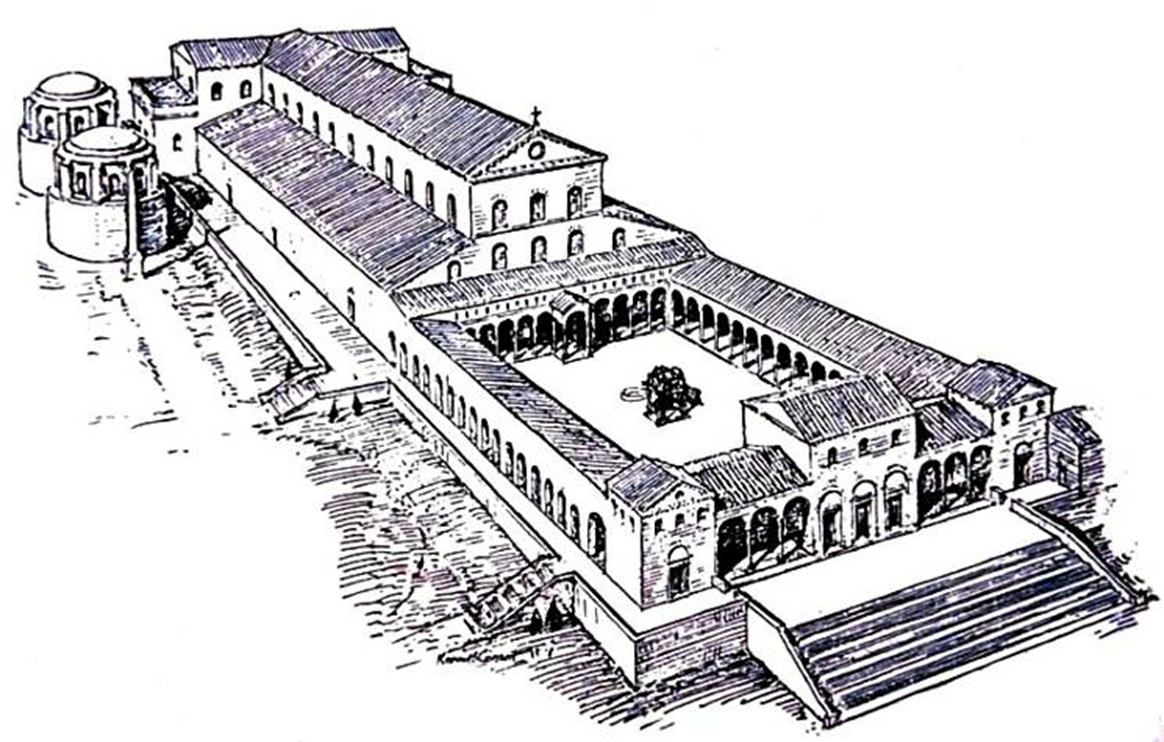
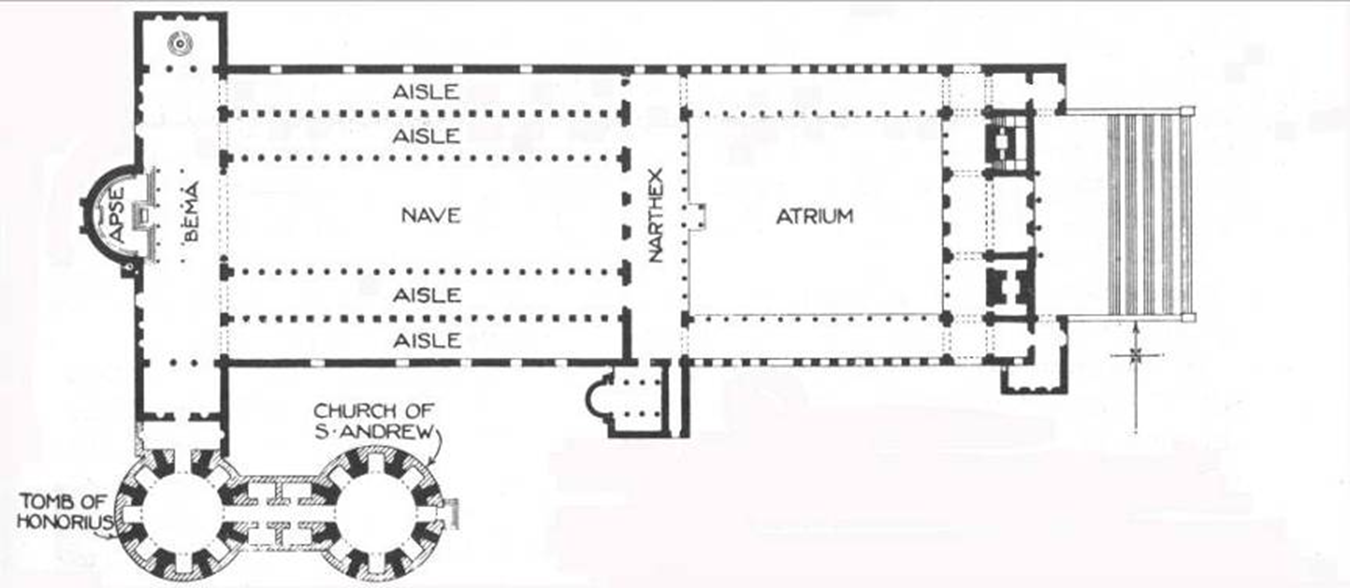
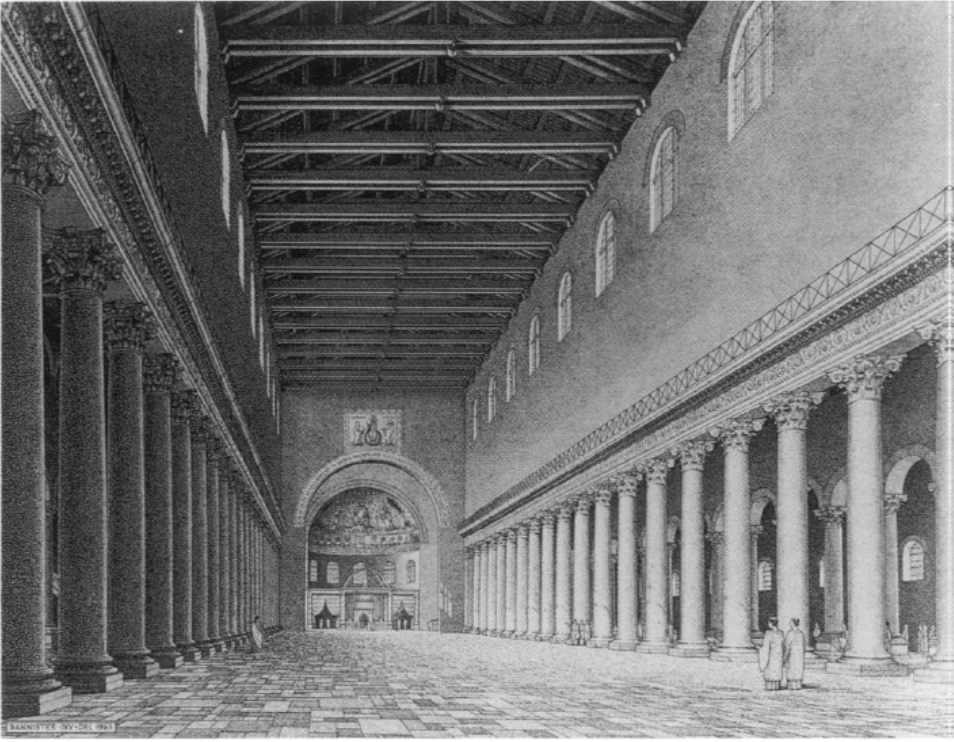
view of nave towards apse
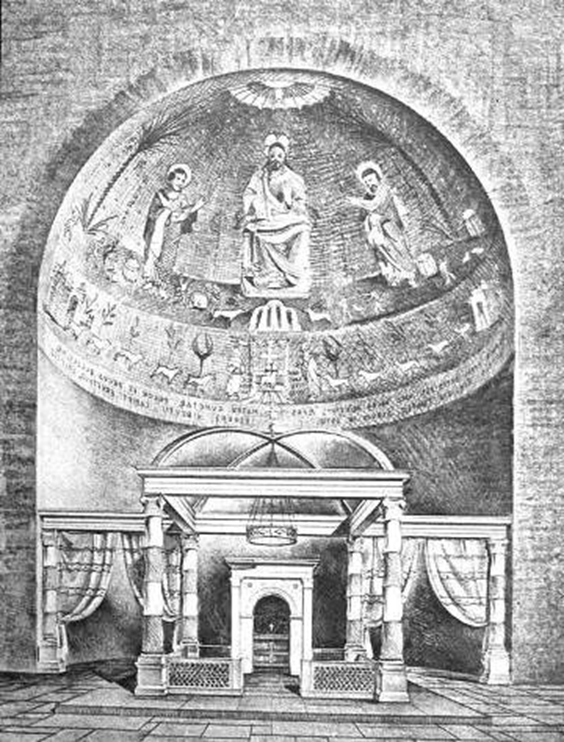
view of apse with baldacchino
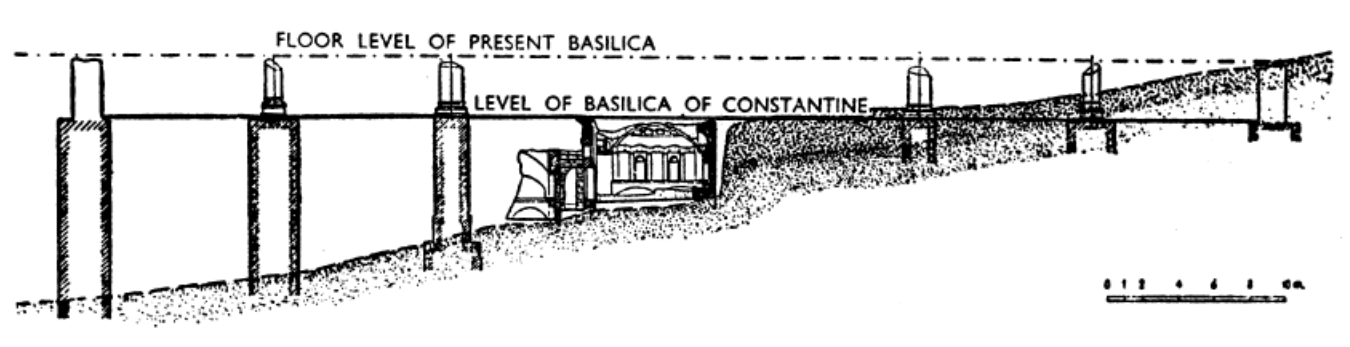
section of vatician hill showing relation of saint peters tomb to the floor level of the old and new saint peters basilica
sta. costanza, rome (337-351)
late antiquity / early christianity
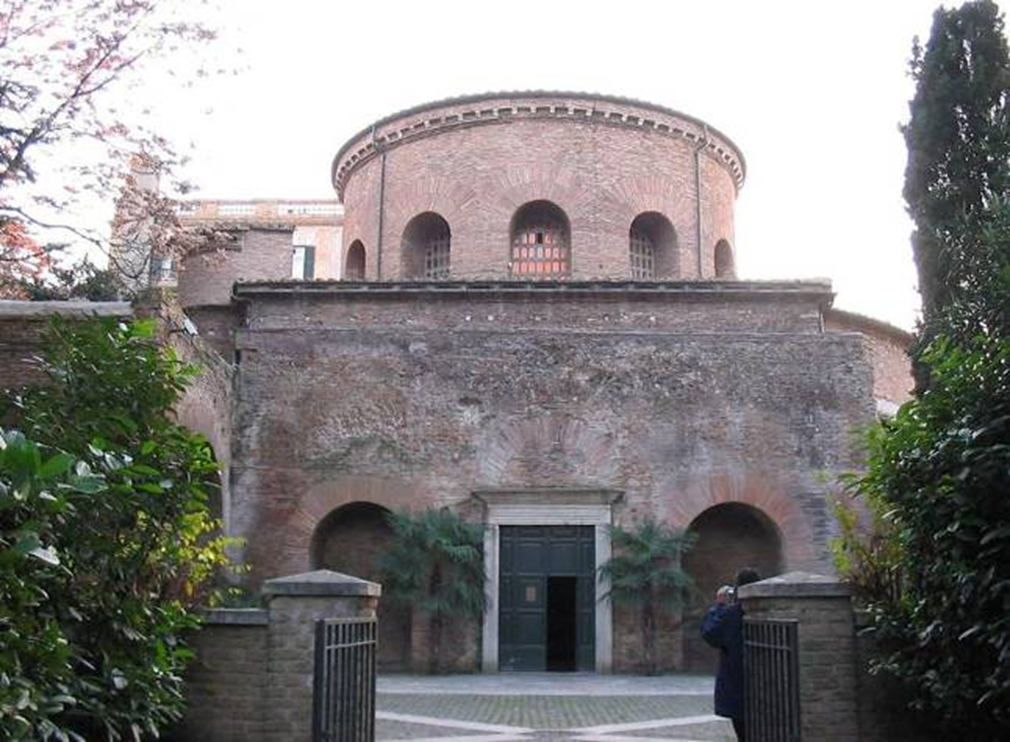
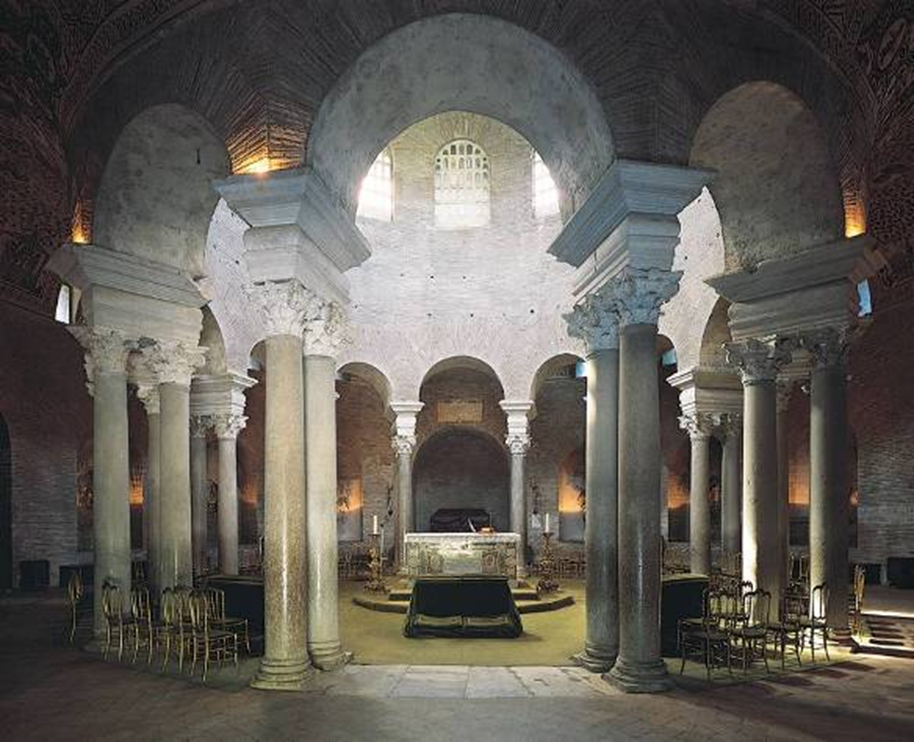
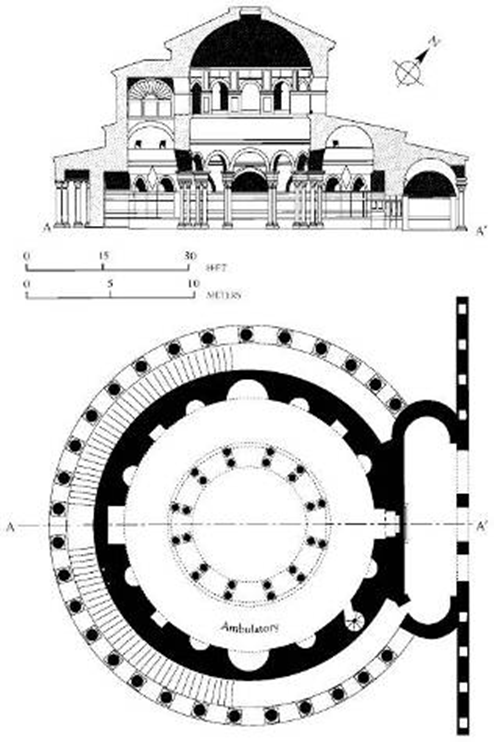
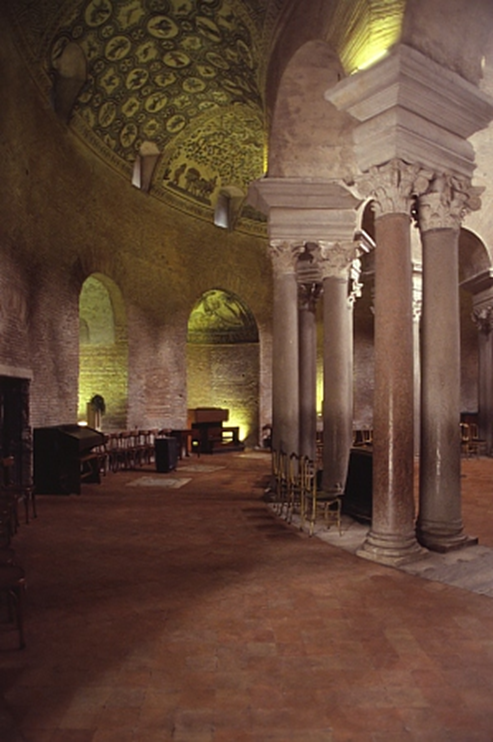
ambulatory (walkway around the apse)
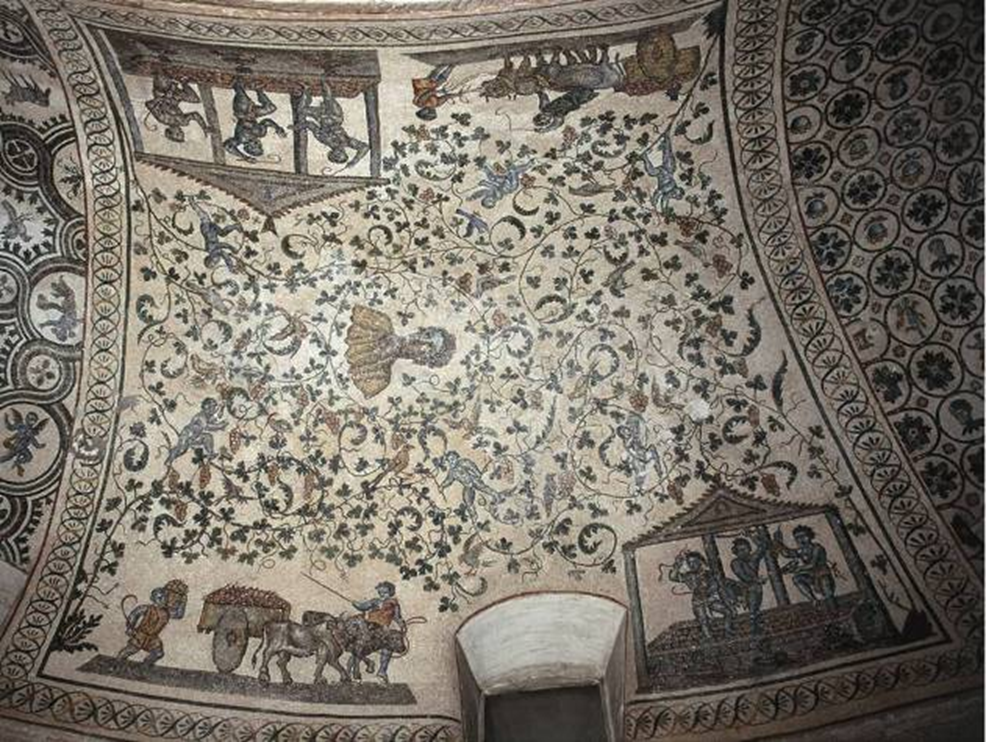
detail of vault mosaic in the ambulatory
baptistery, at san giovanni in laterano, rome (14th century)
late antiquity / early christianity
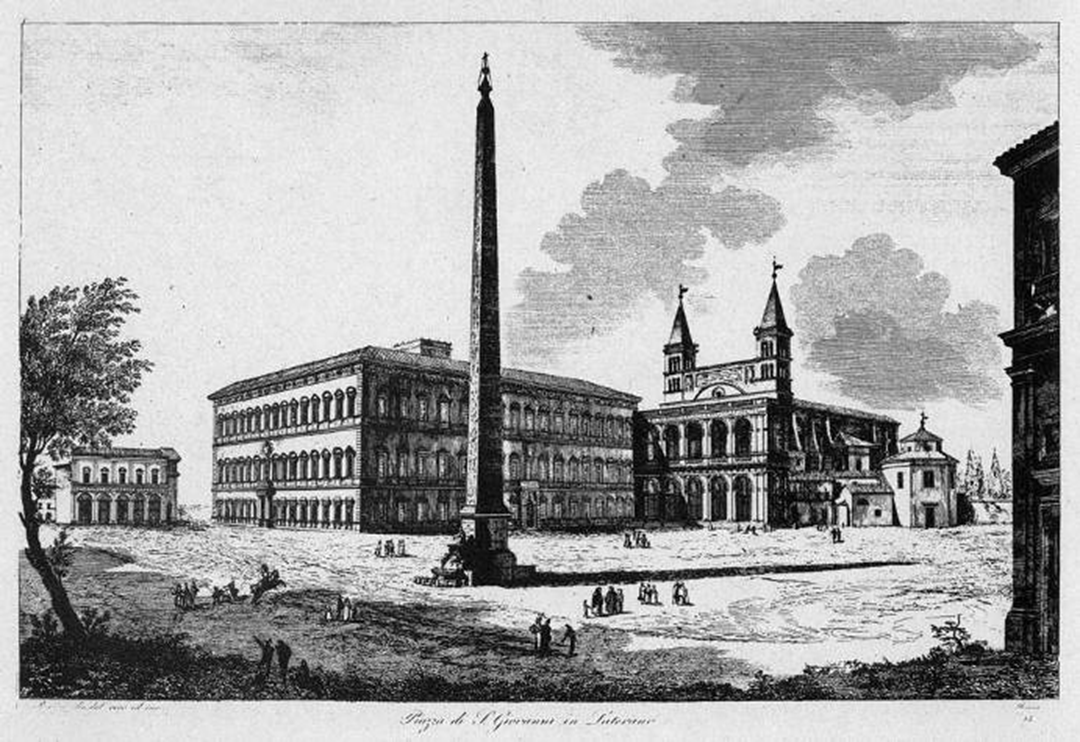
st john lateran is the cathedral of the bishop of rome (pope)
basilica has its own feast day in the roman catholic calendar (november 9)
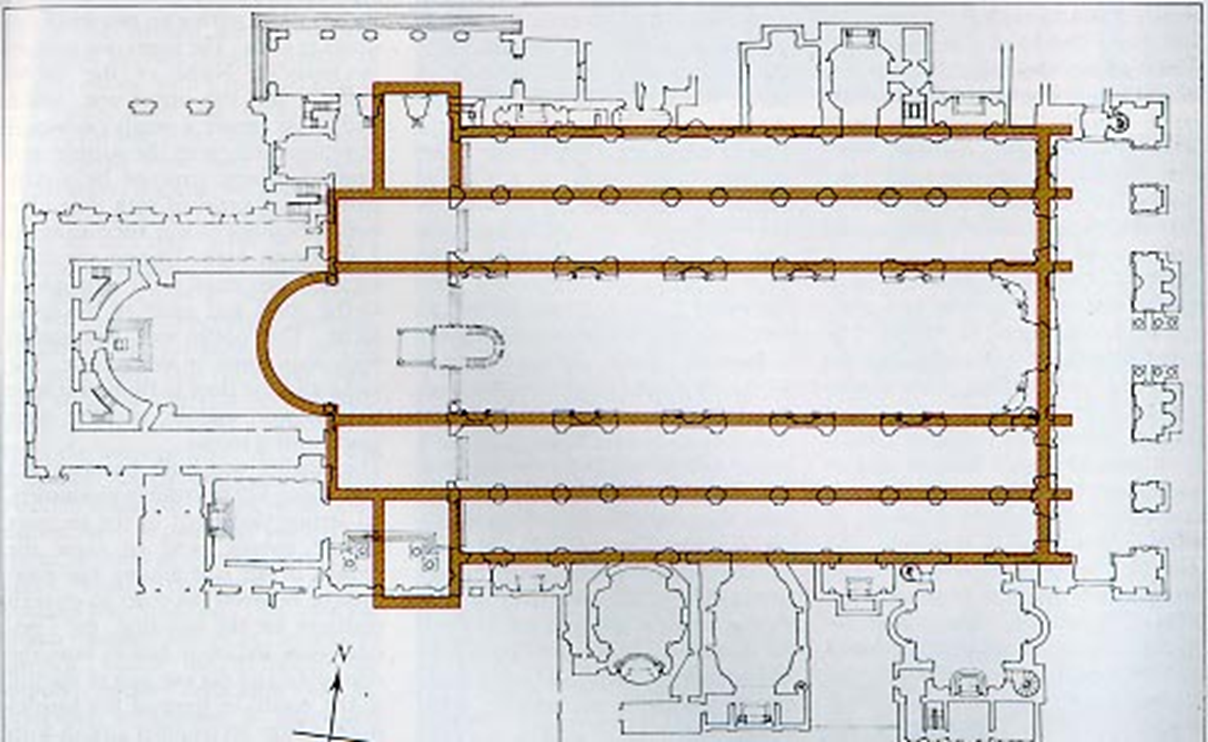
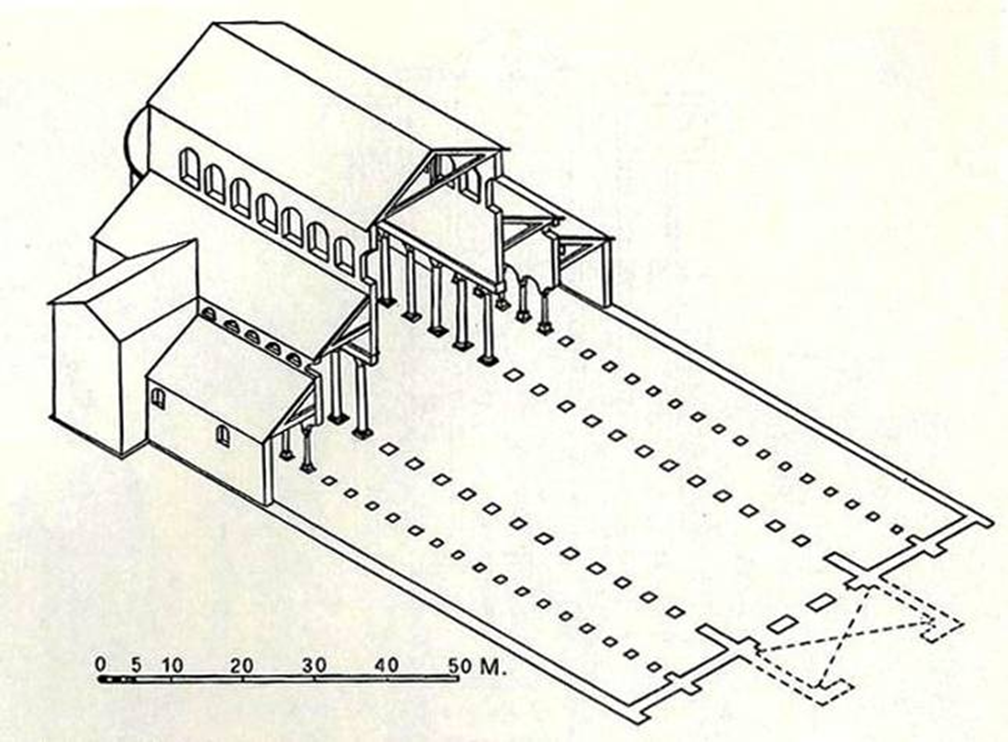
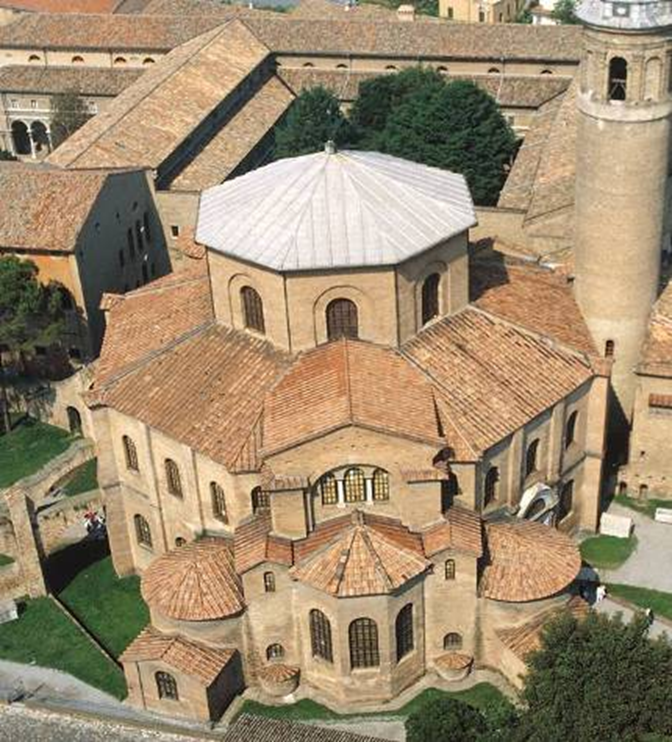
san vitale, ravenna (526 - 547)
byzantium
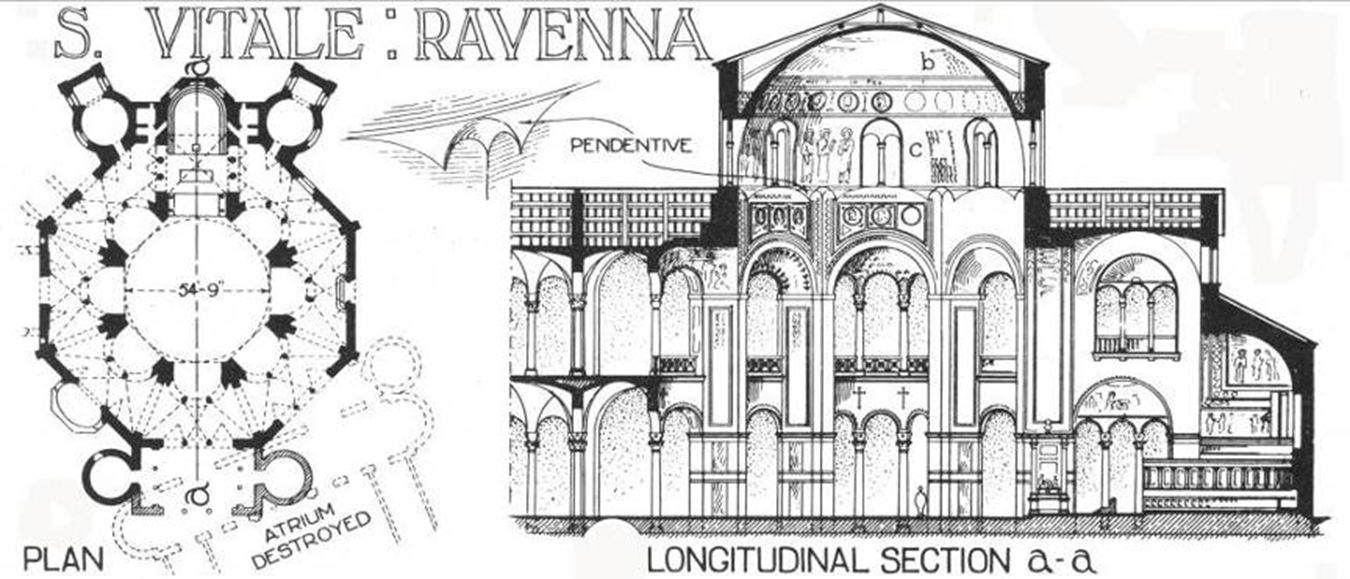
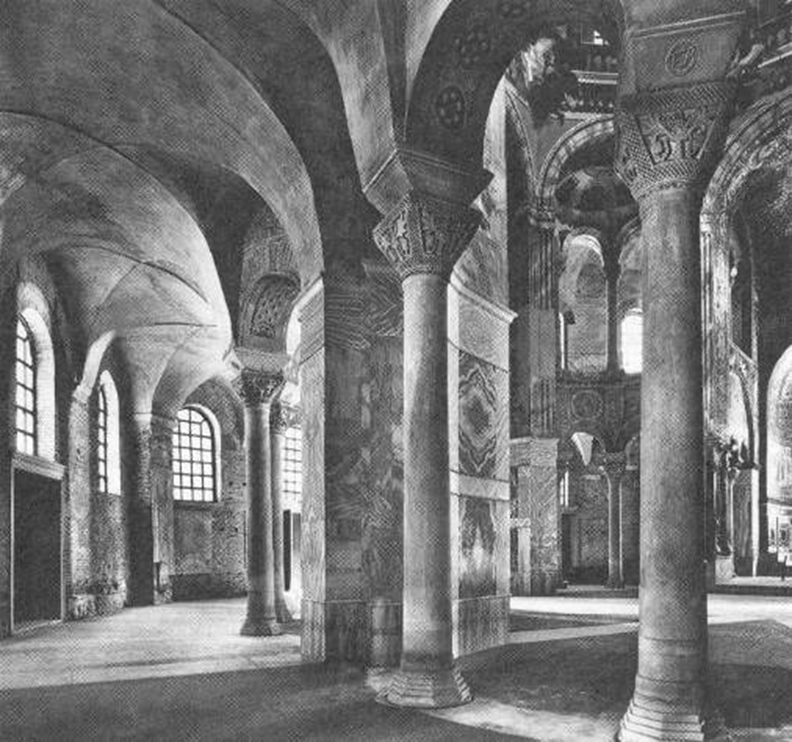
ambulatory
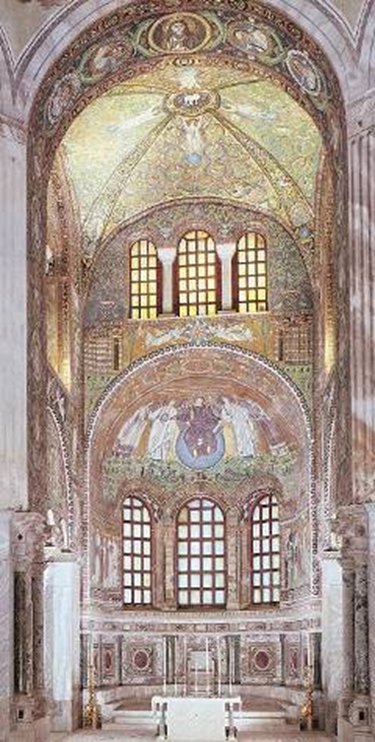
apse mosiacs of christ between two angels
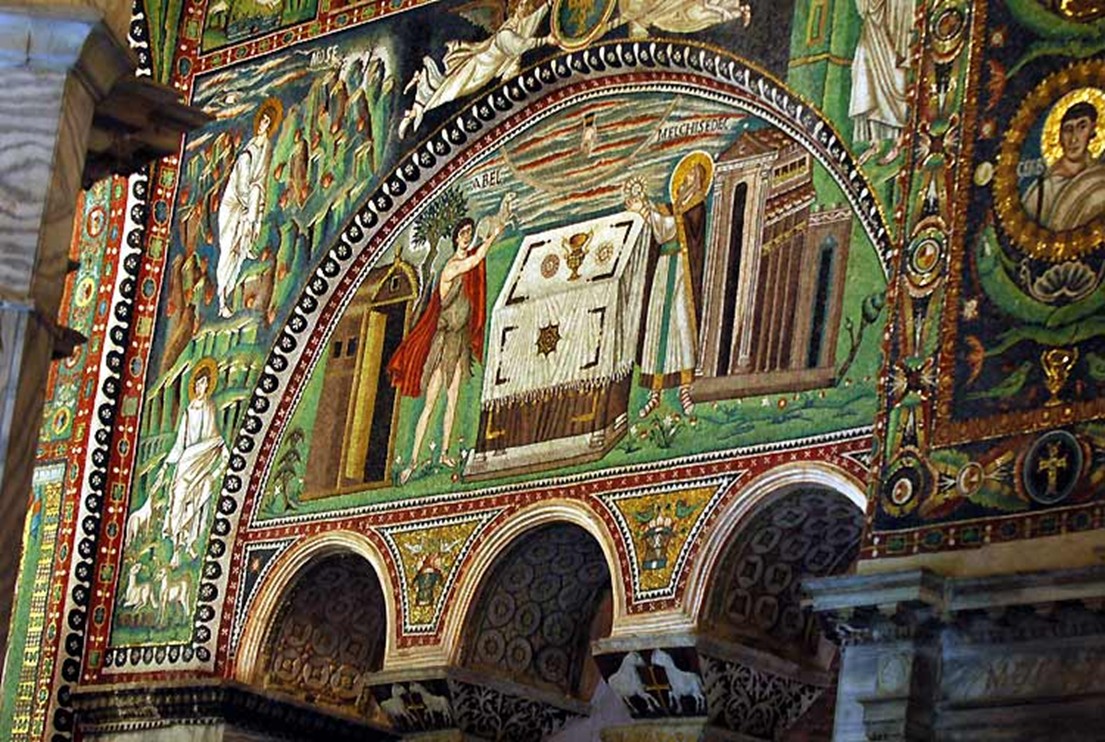
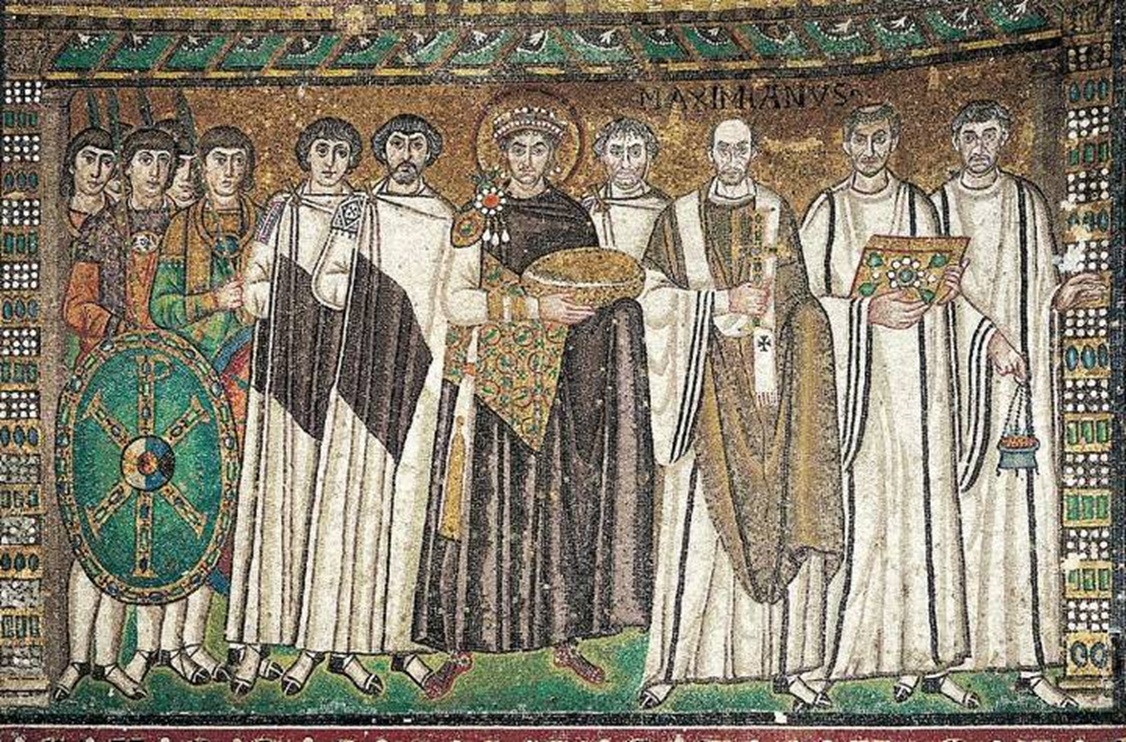
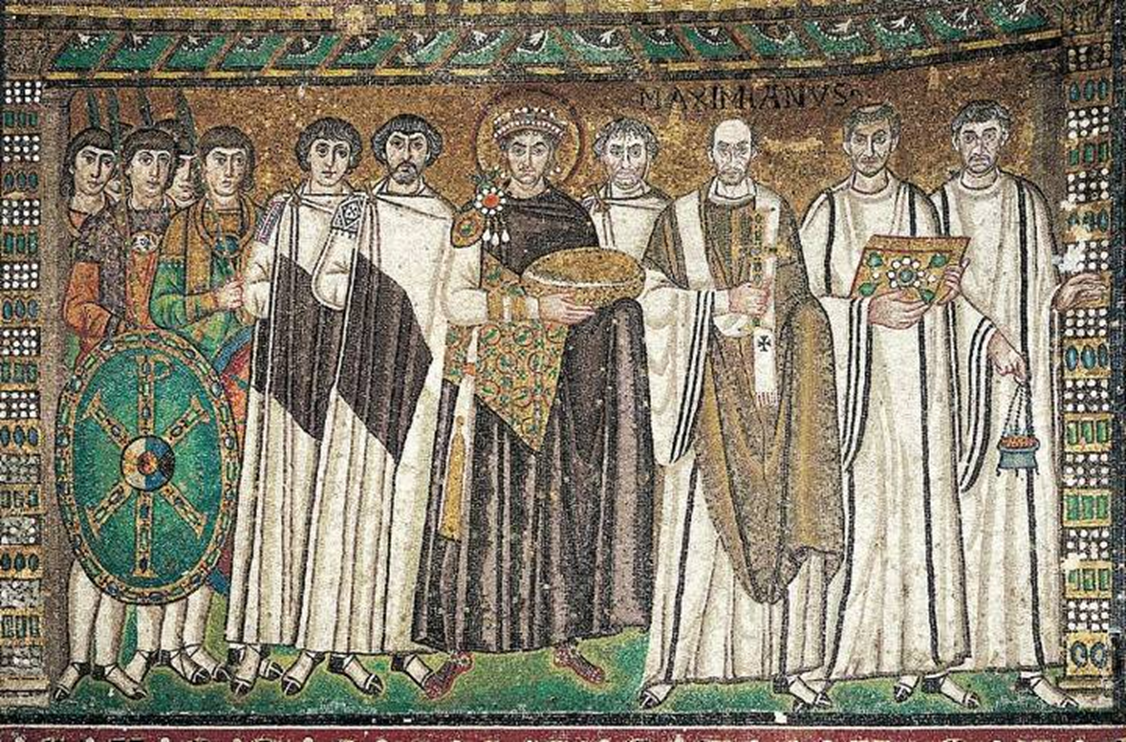
mosaics of justinian, bishop maximianus, and attendants
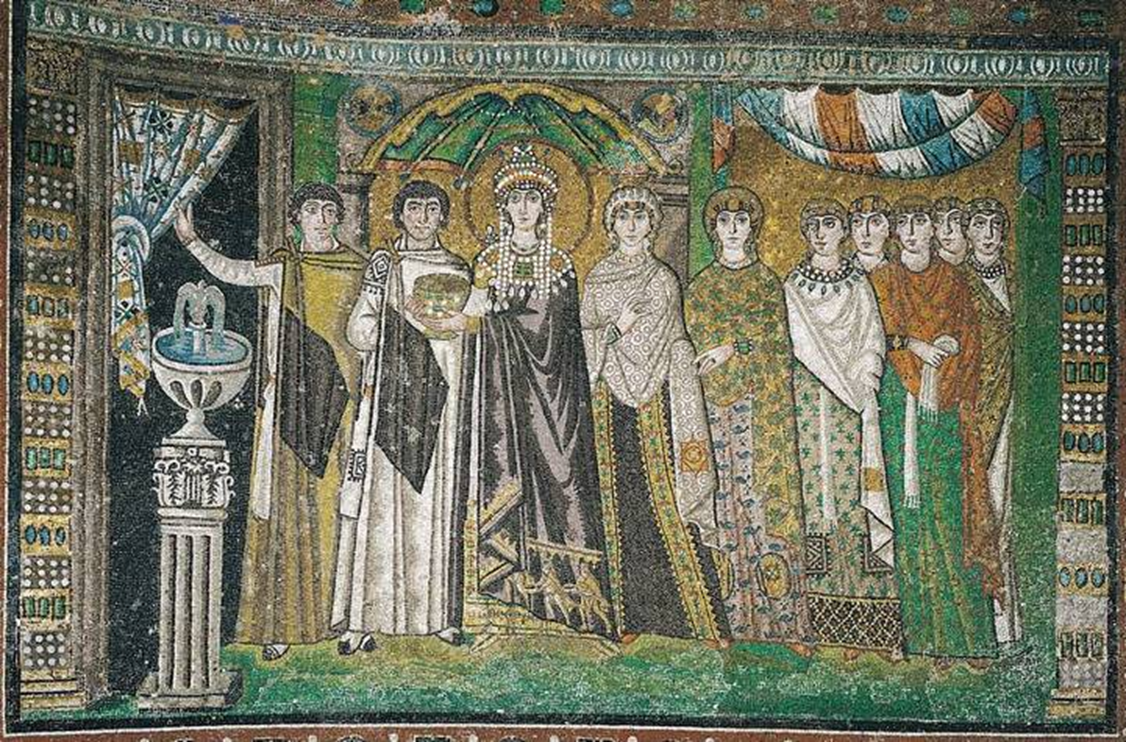
mosiac of theodore and attendants
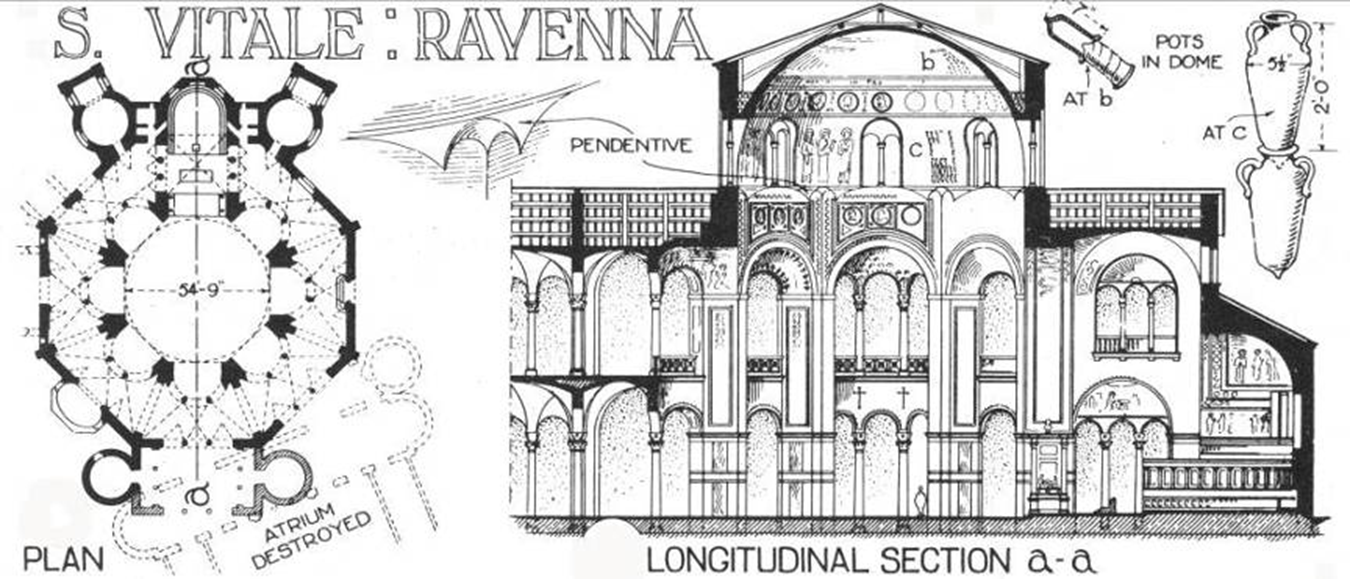
justian’s architects build the dome out of hollow clay pots
justinian and his retinue, mosaic in apse, church of san vitale, ravenna (547)
byzantium
anthemius of tralles and isodorous of miletus, hagia sophia, constantinople (532-537)
byzantium
sutton hoo burial ship and mounds, suffolk, england (early 7th century)
early medieval: carolingian and ottonian
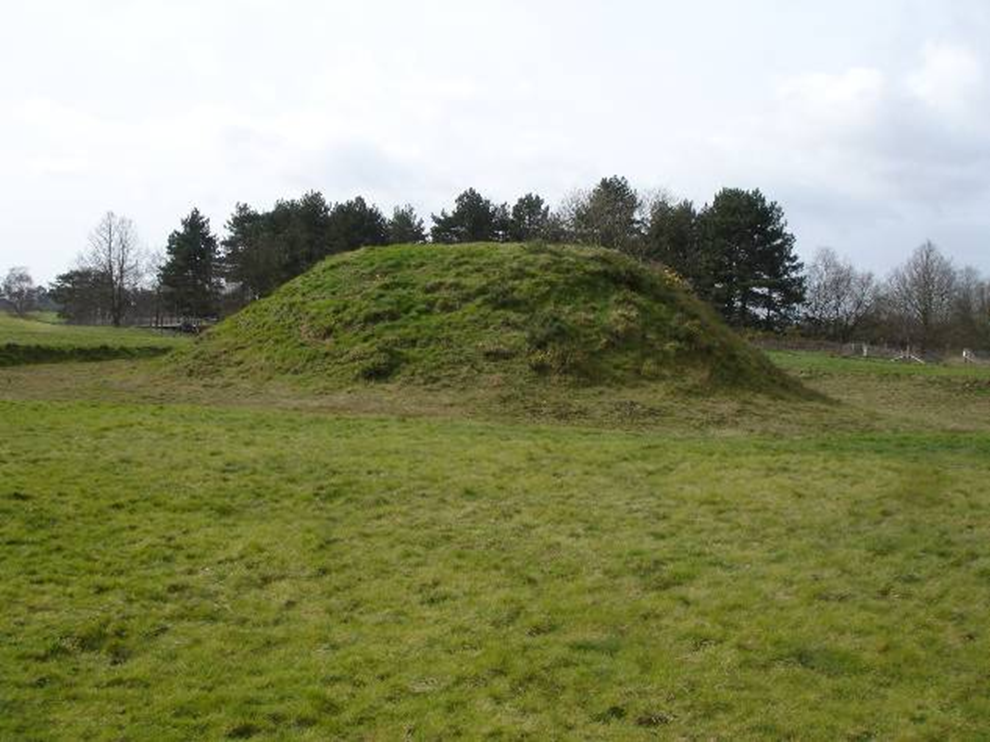
restored mound
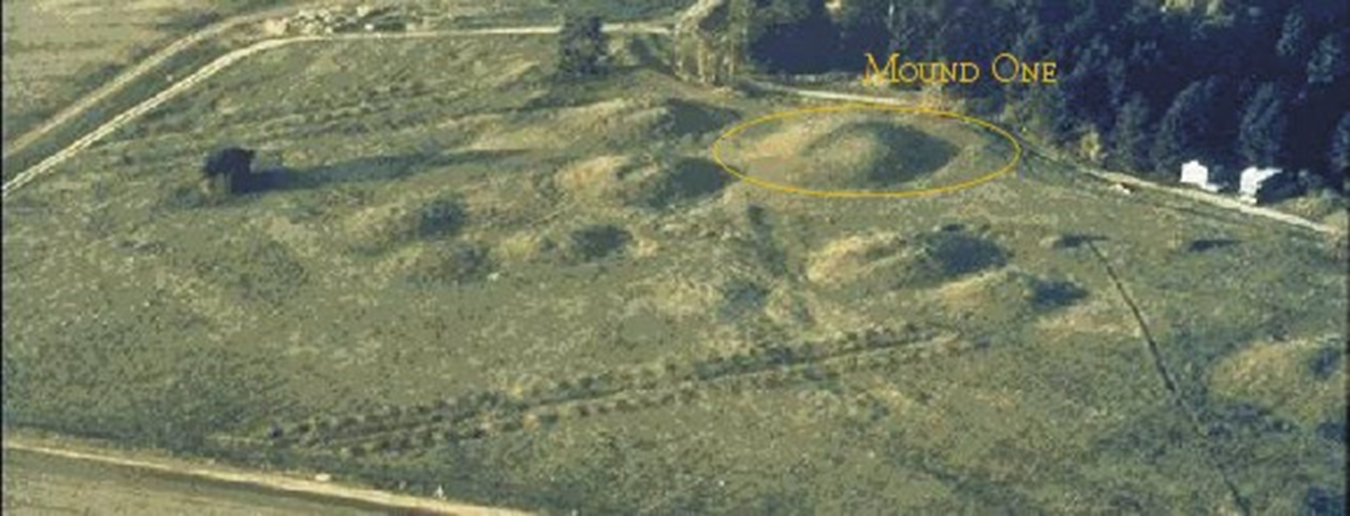
where burial ship was located
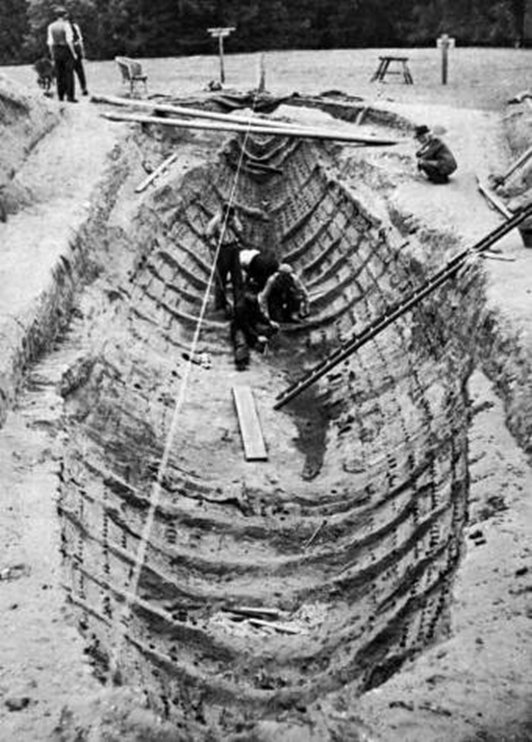
excavation of burial ship
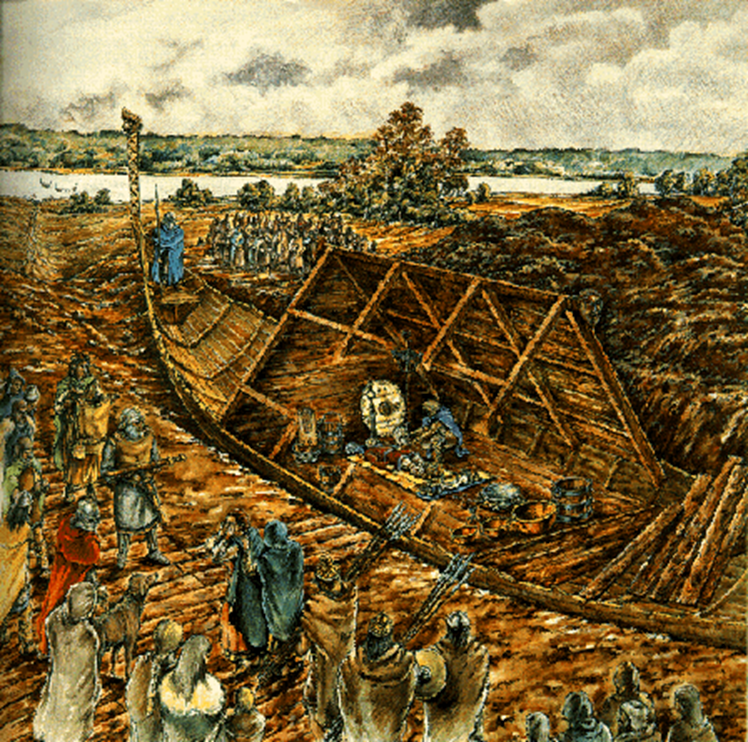
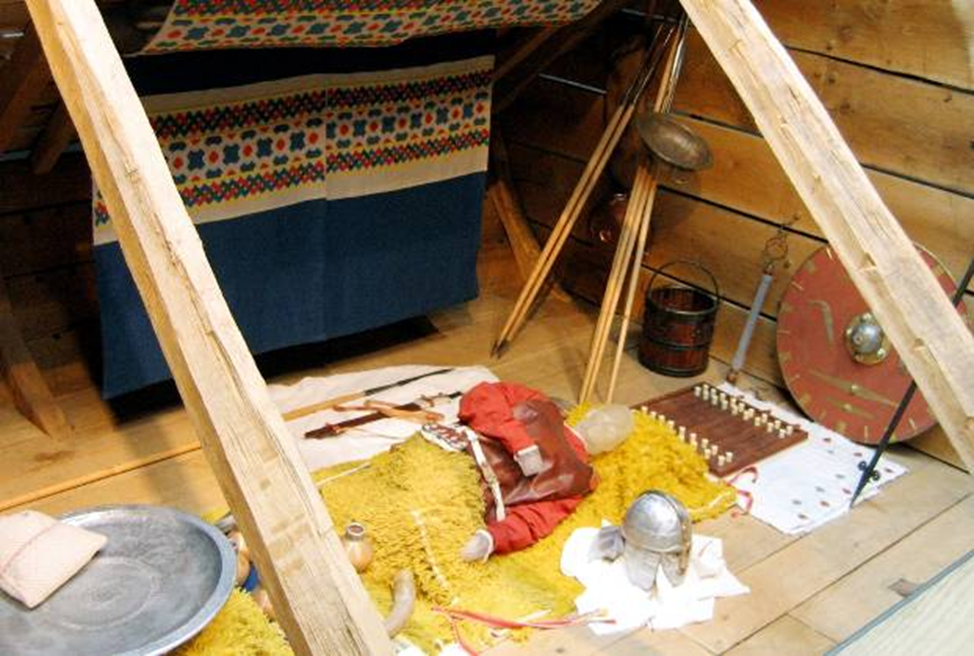
arrangement of objects around body
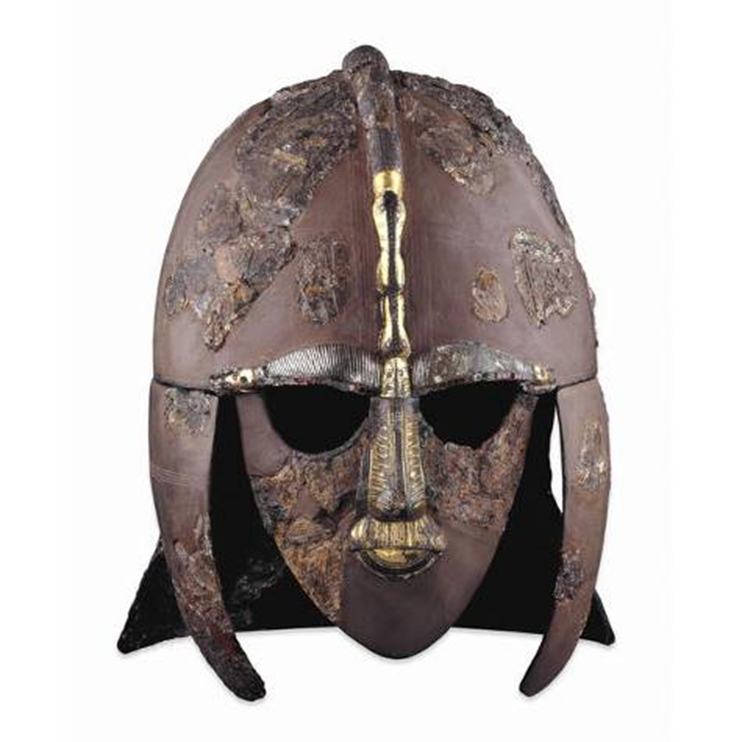
helmet
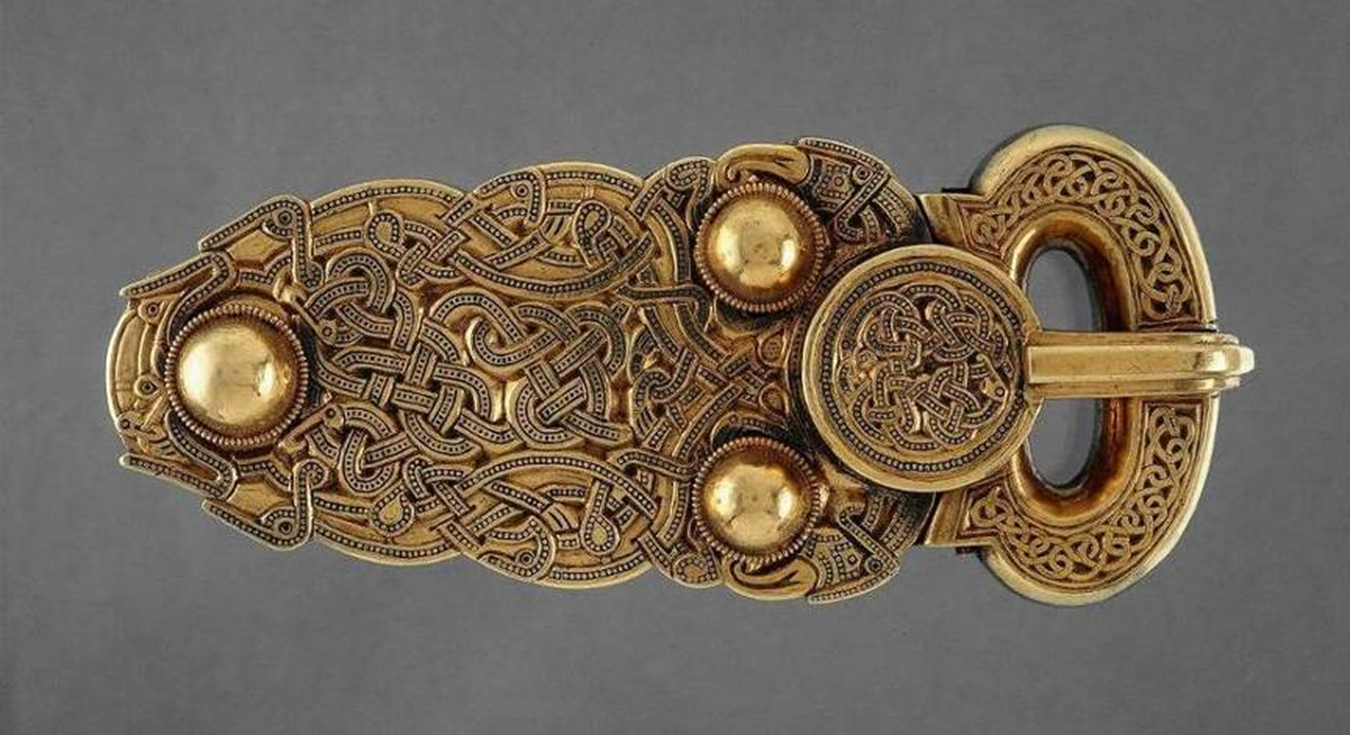
belt buckle
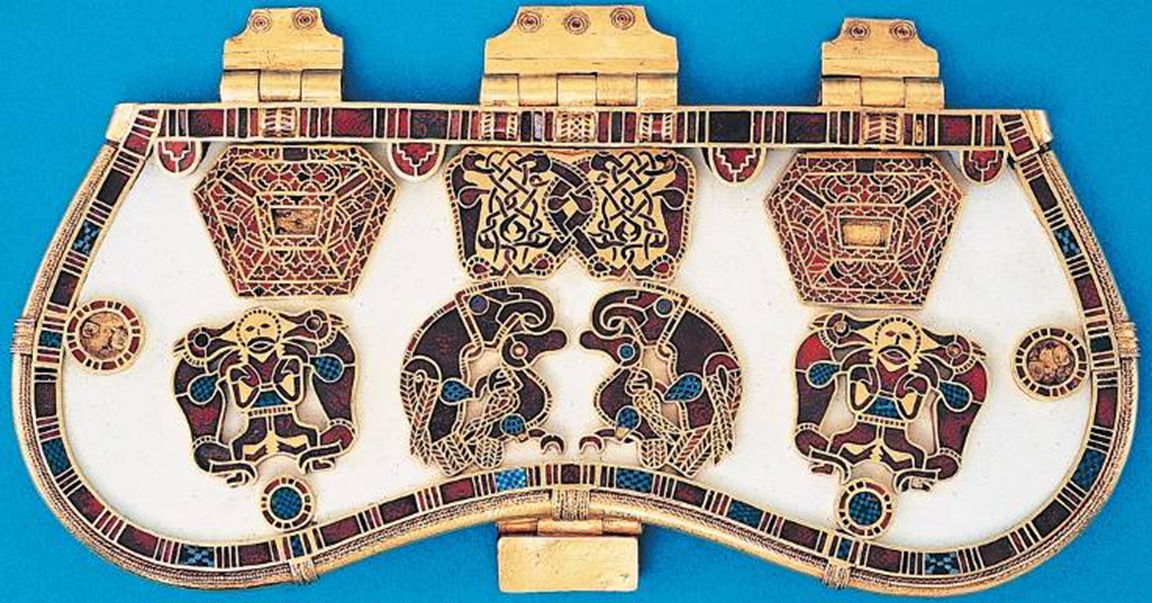
purse cover
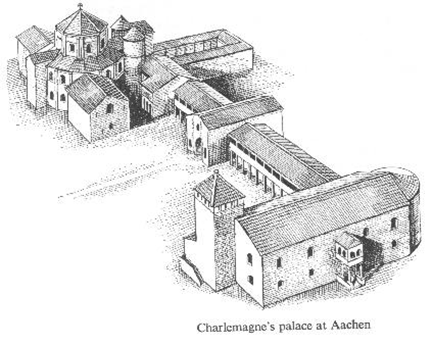
odo of metz (architect), palatine chapel, at palace of charlemagne, aachen (aix la chapelle), germany (792 - 805)
early medieval: carolingian and ottonian
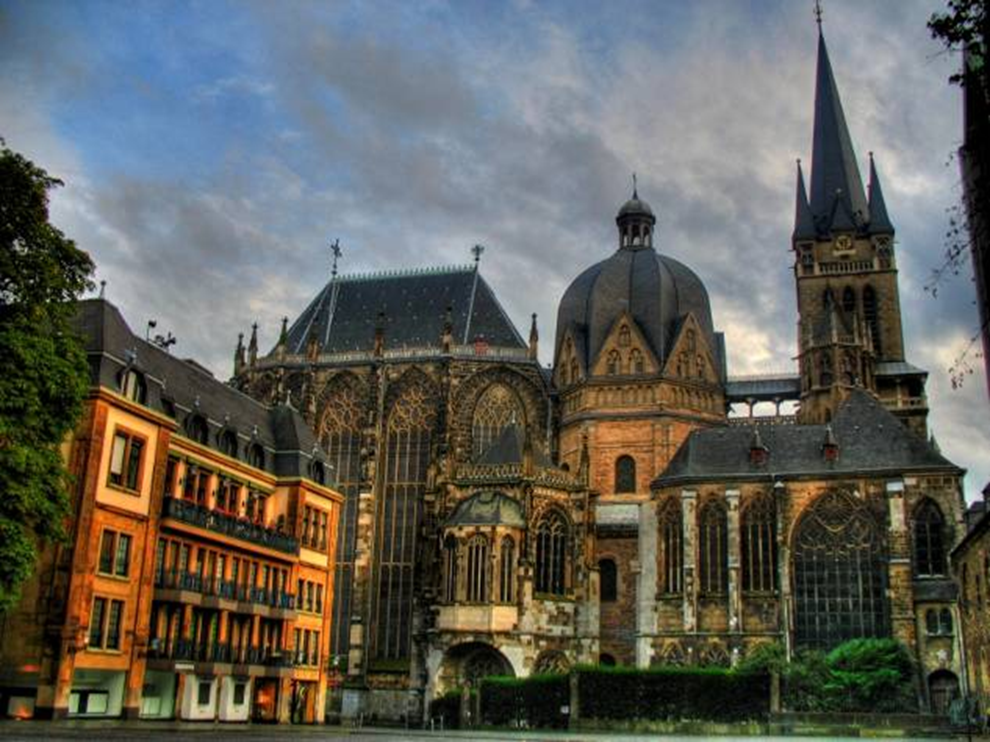
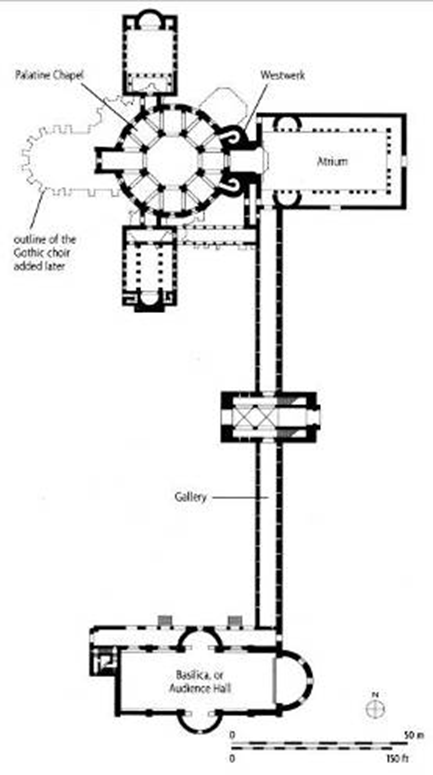
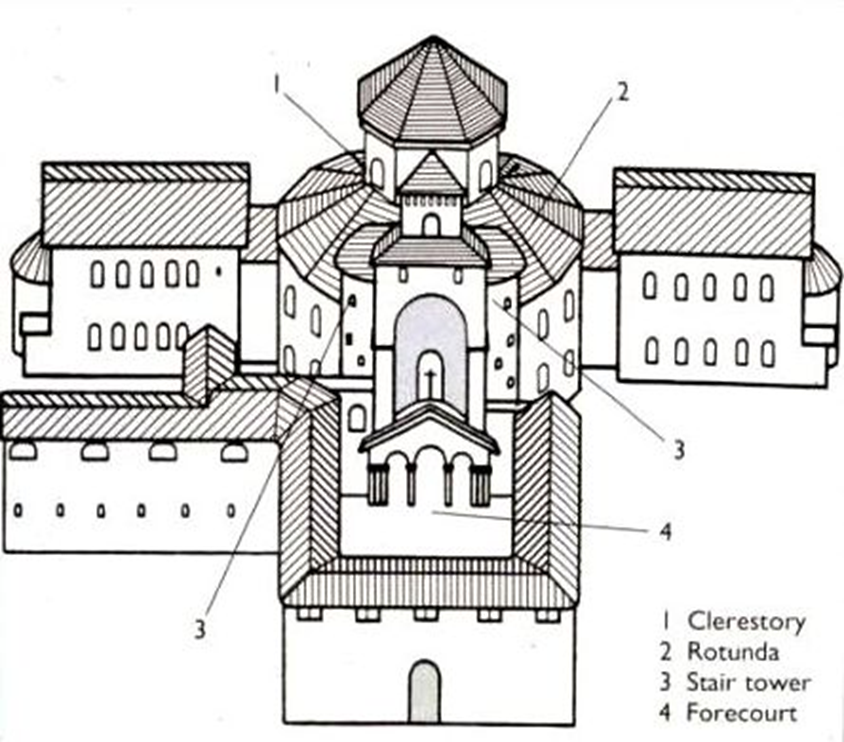
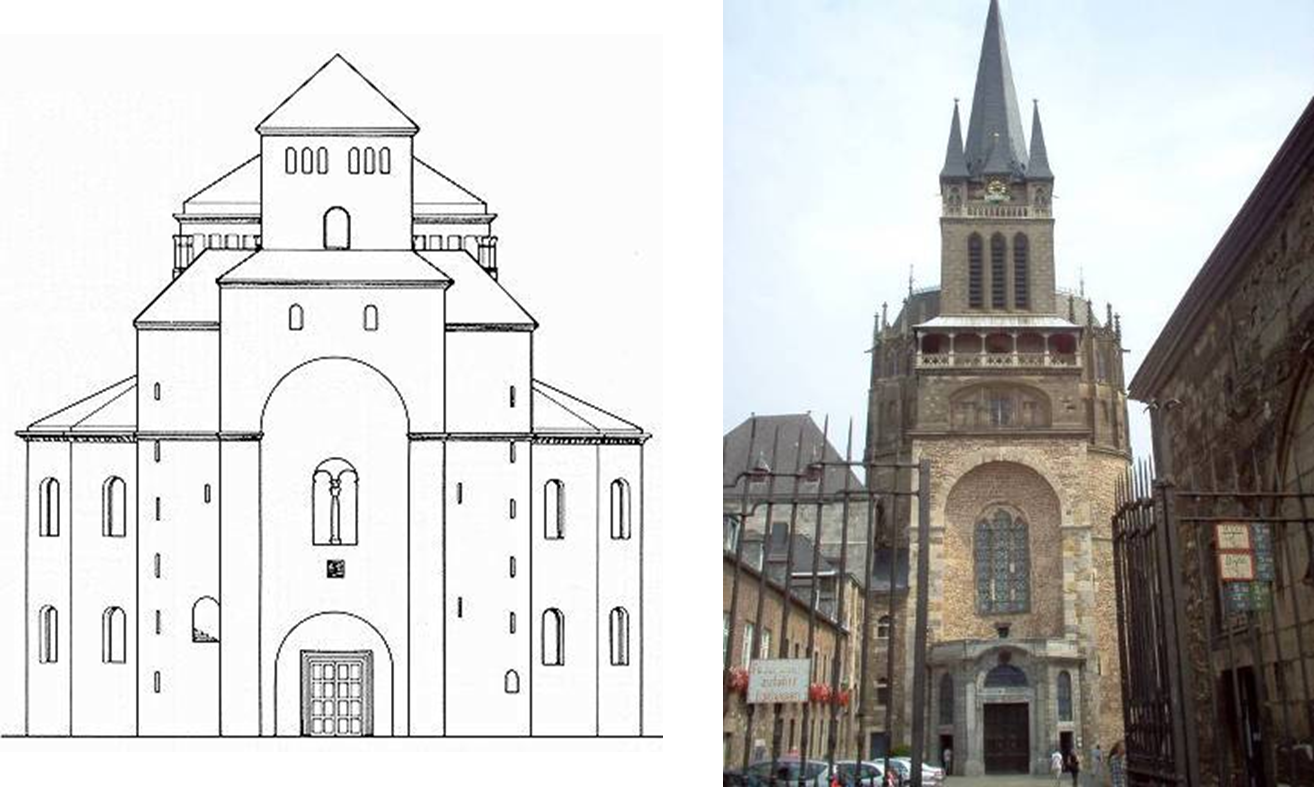
west work: tower-like western-entrance to a church with a chapel over it
charlemagne’s throne located here
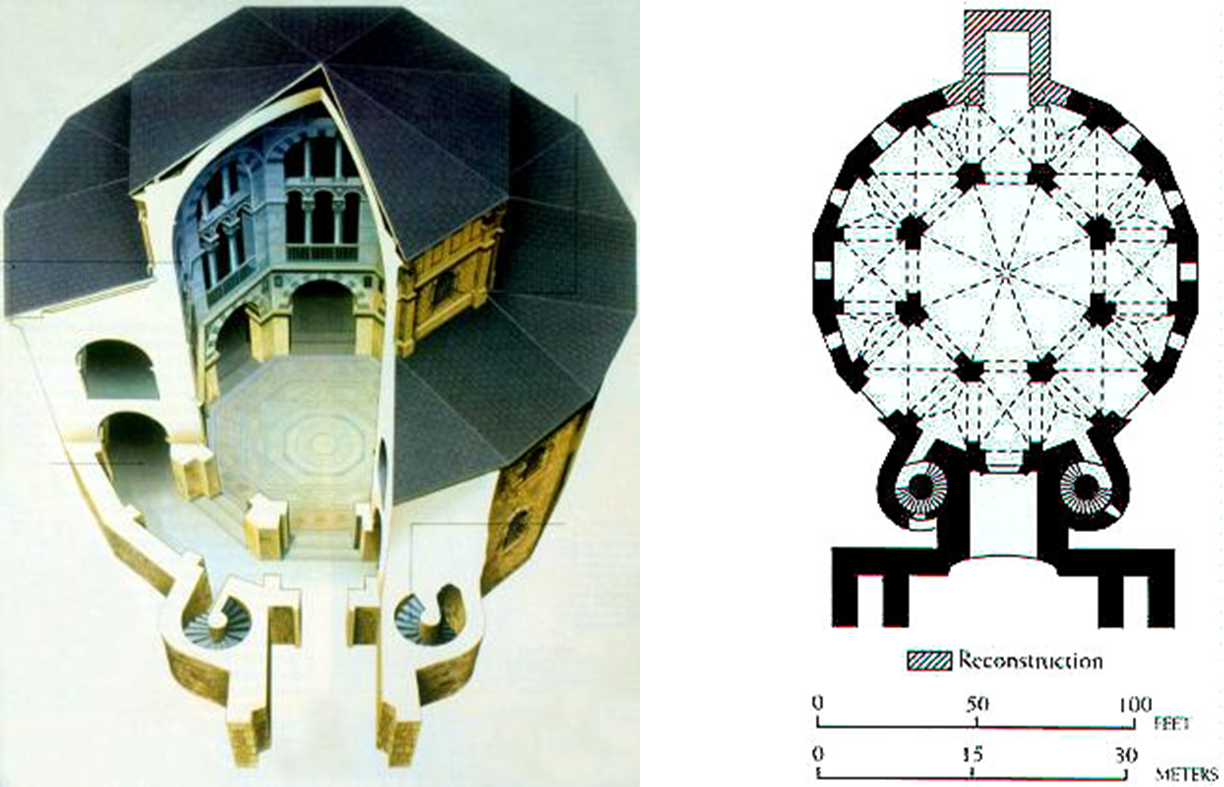
8 sided to 12 sided
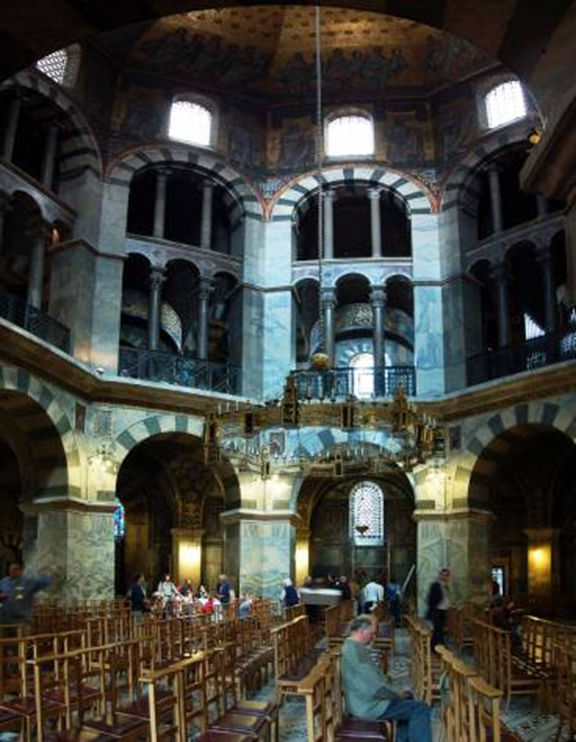
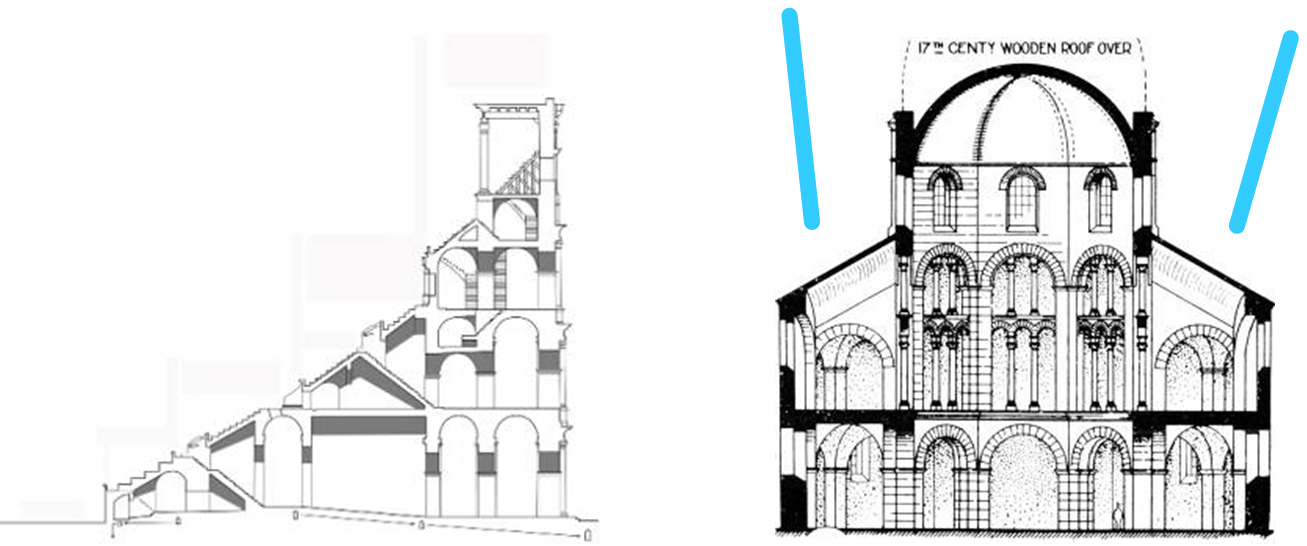
odo of metz utilized the (now visible) predominant structural solution at the colosseum for the chapel the barrel vault
torhalle (gatehouse), monastery at lorsch, germany (767-74)
early medieval: carolingian and ottonian
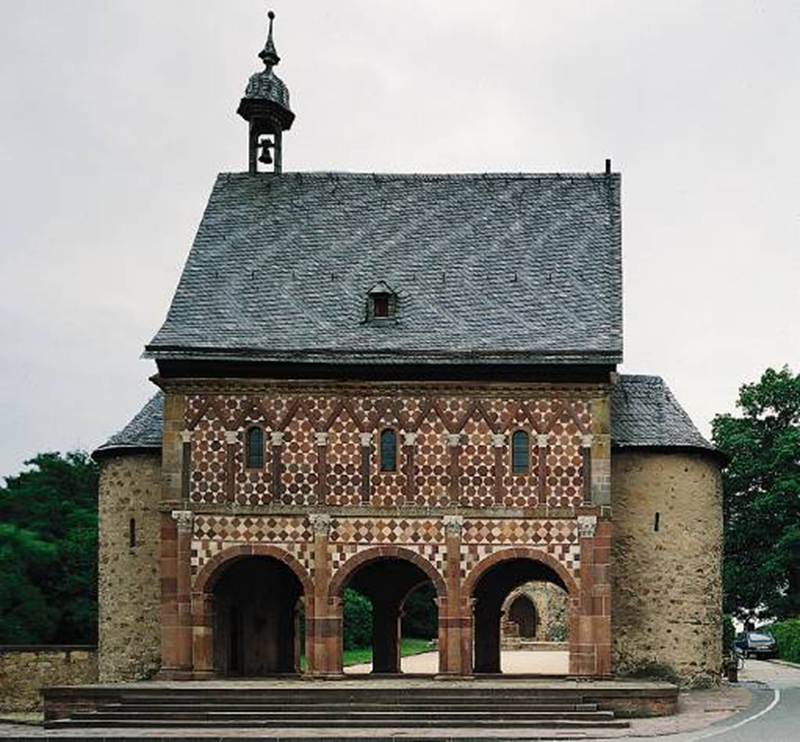
restricted access
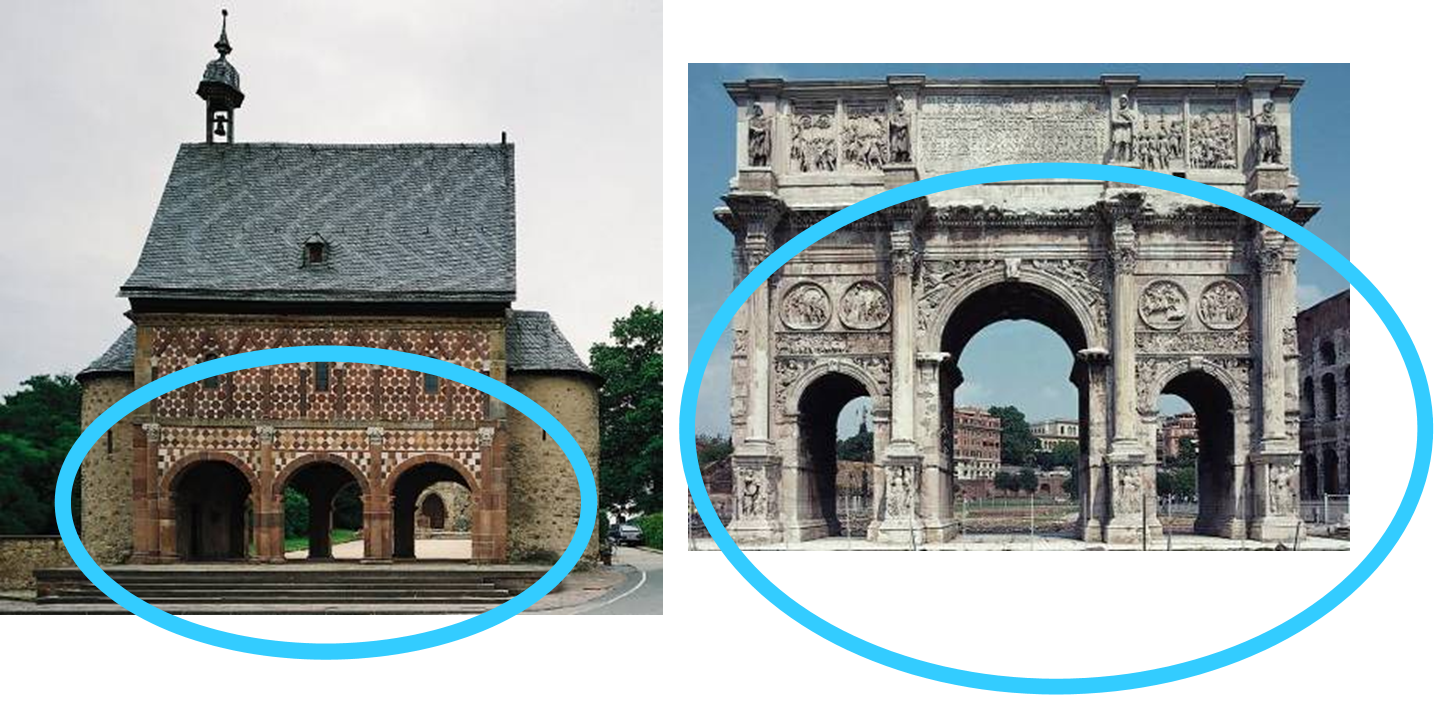
triple arch opening
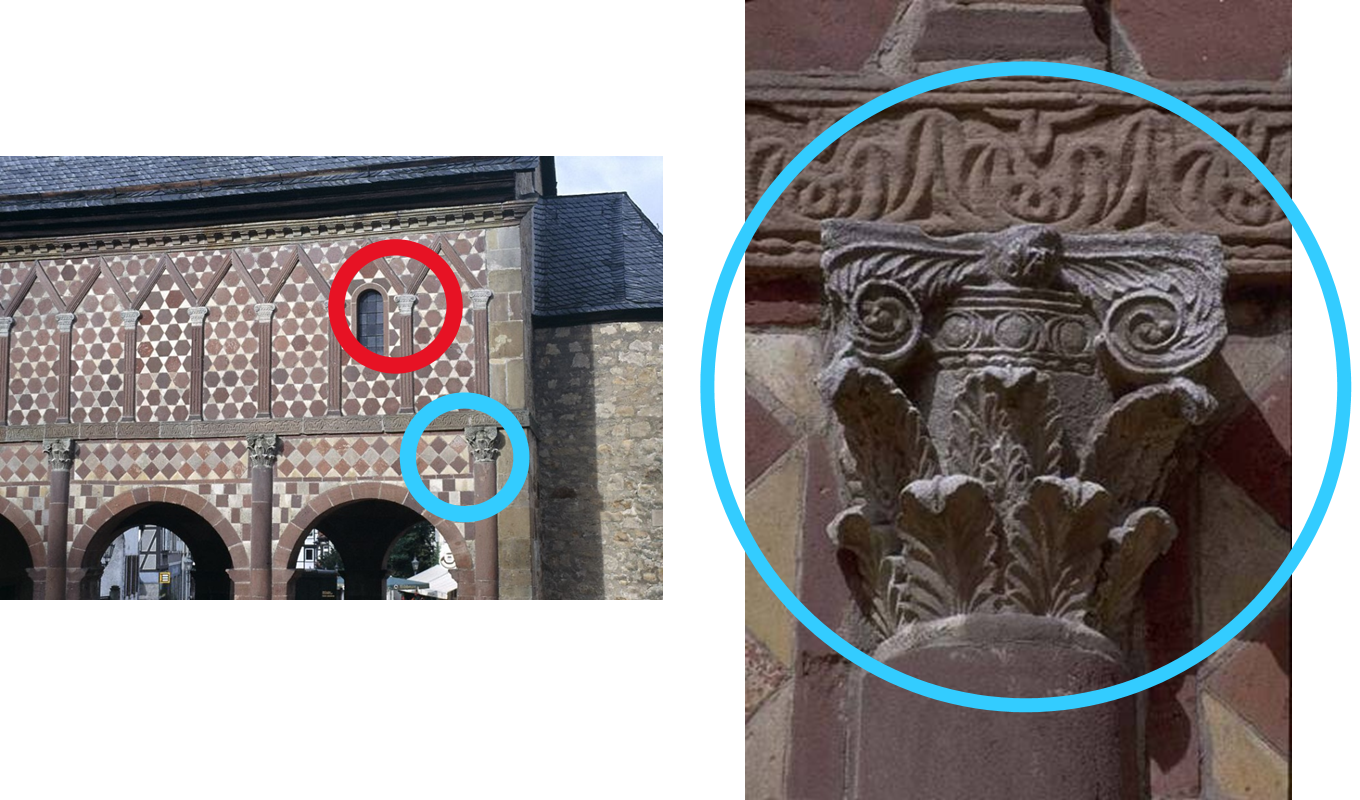
detail of stonework
engaged columns: reference to roman composite capitals
pilasters are in pattern from composite capital on the bottom floor and ionic on the second floor
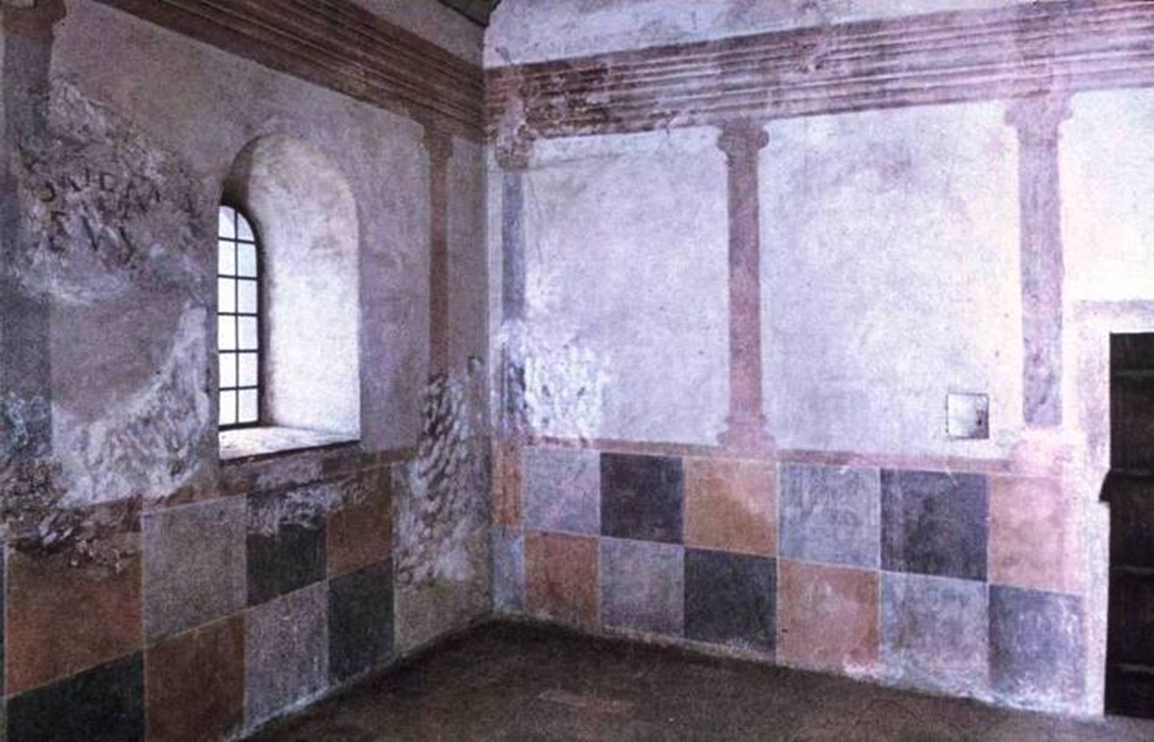
second floor room with roman-like fresco painting (painting on plaster)
ideal plan for a monastery, from st. gall, switzerland (820)
early medieval: carolingian and ottonian
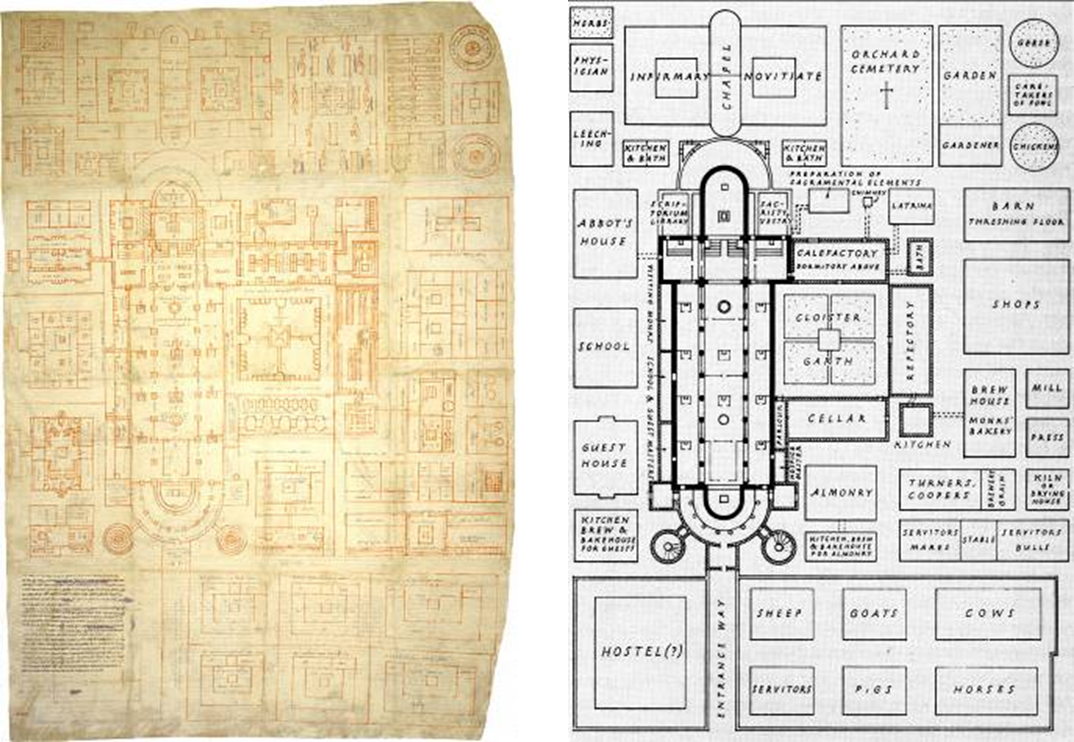
charlemagne reintroduces monumental planning in the west
manuscripts of how to organize and function a monastery
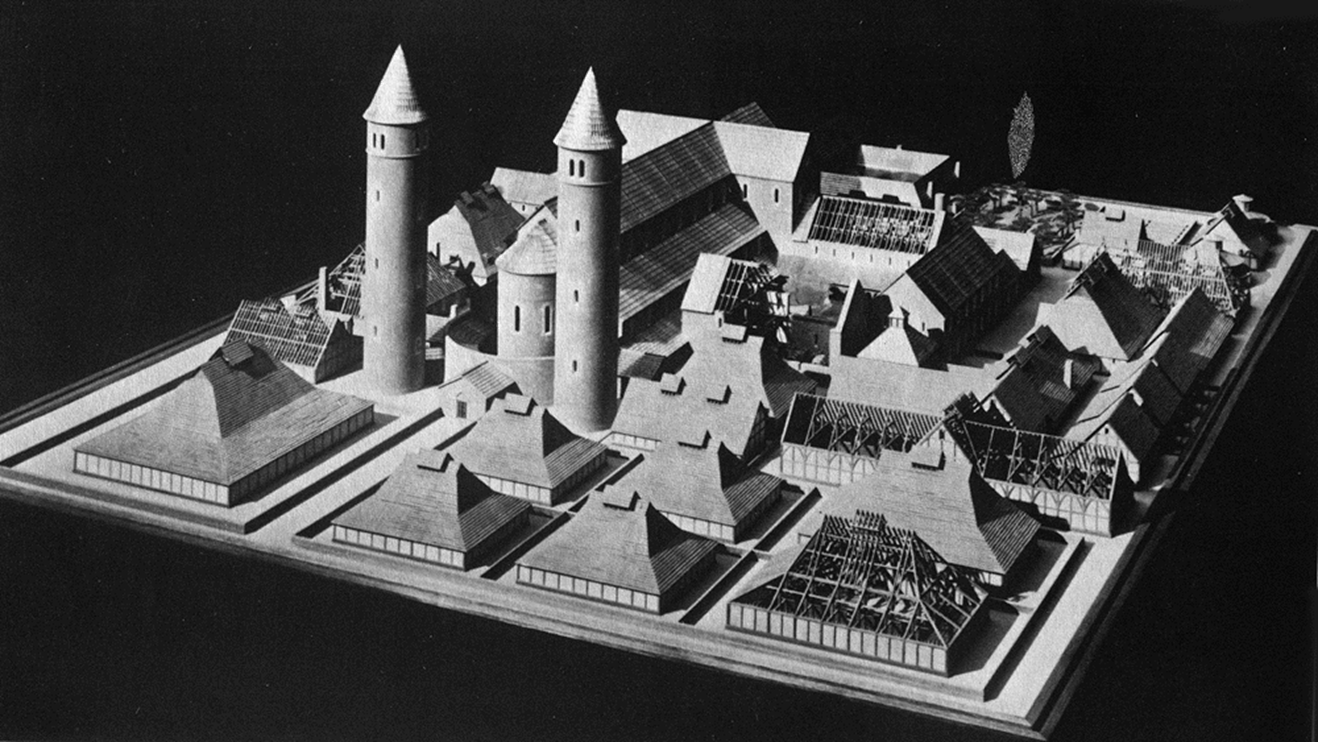
towers at western end of abbey church
brought scholars all over from europe and different religious leaders to work on certain areas of the monasteries
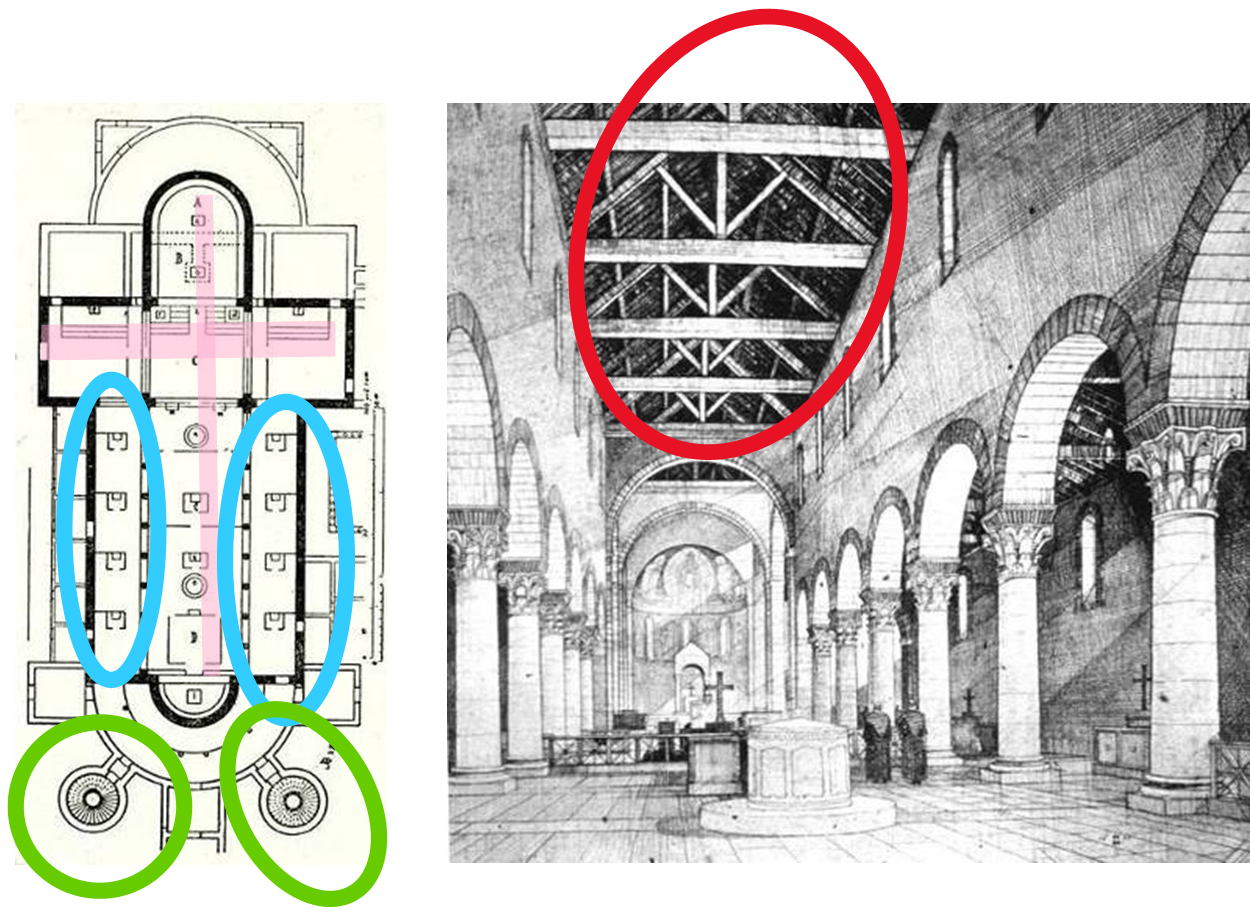
pink: cross-like plan
blue: alters surrounding
red: wooden roof structures
green: towers
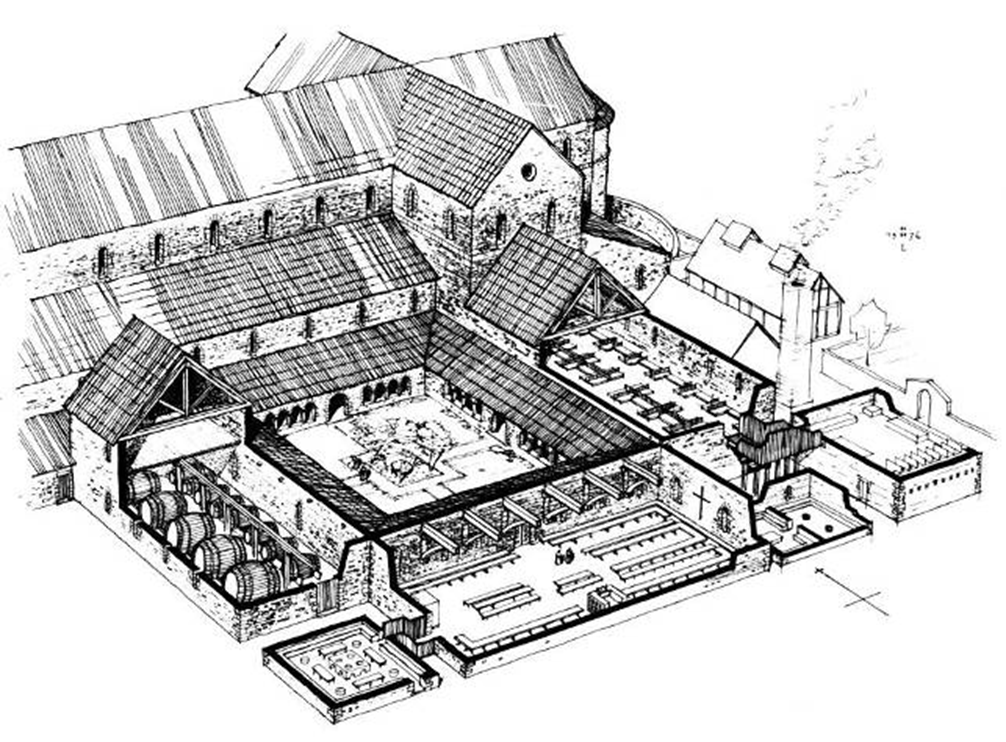
cloister: center of life revolved around the church and the cloister
open garden space like a courtyard because the important buildings that people went to in their daily lives surrounded it
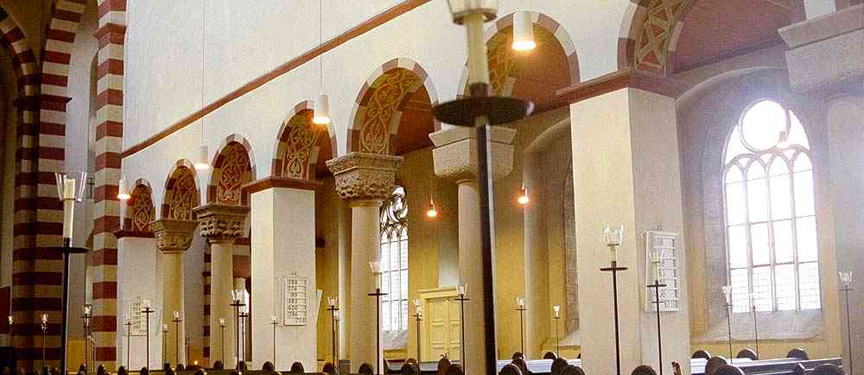
st. michaels church, hildesheim, germany (1001-31)
early medieval: carolingian and ottonian
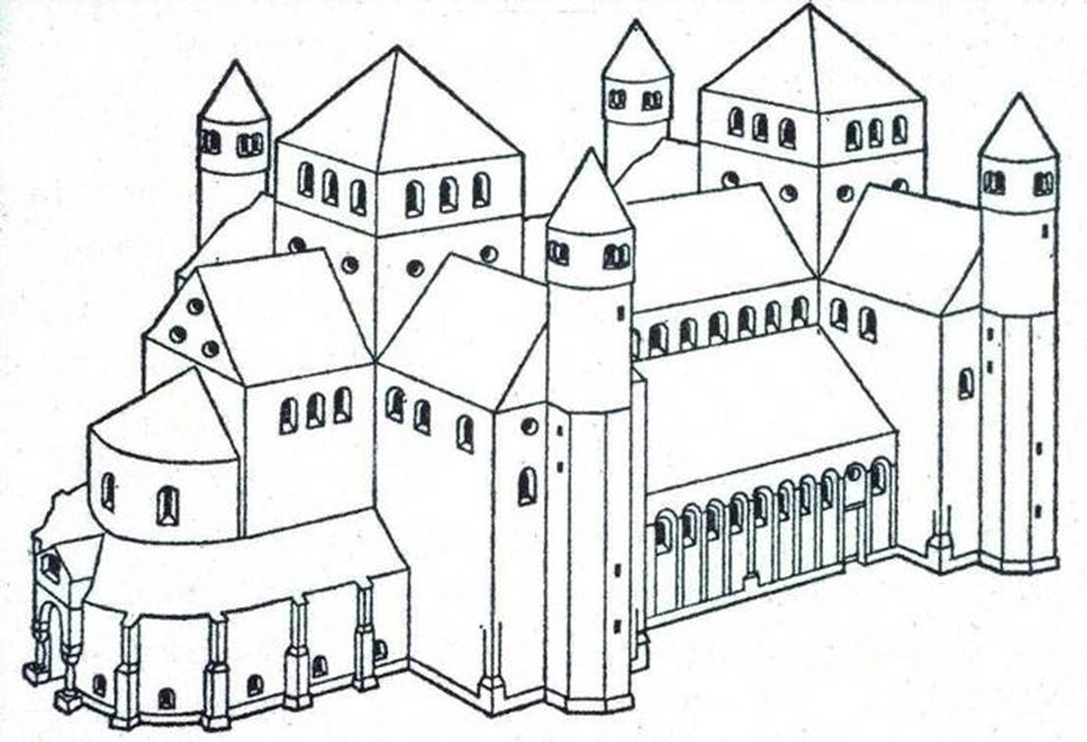
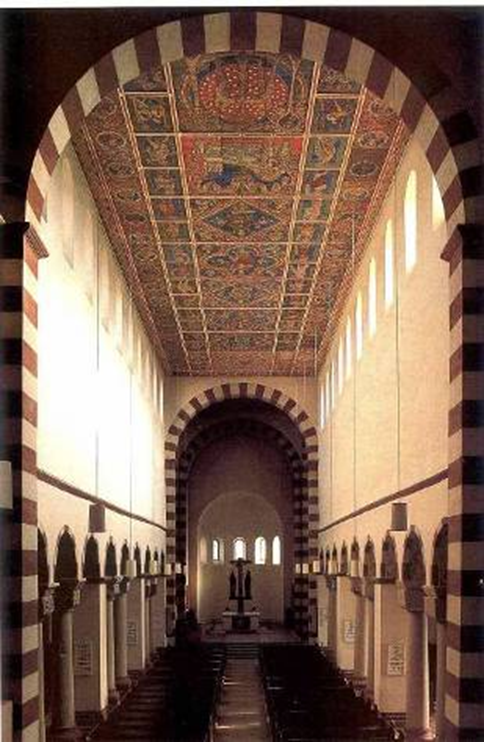
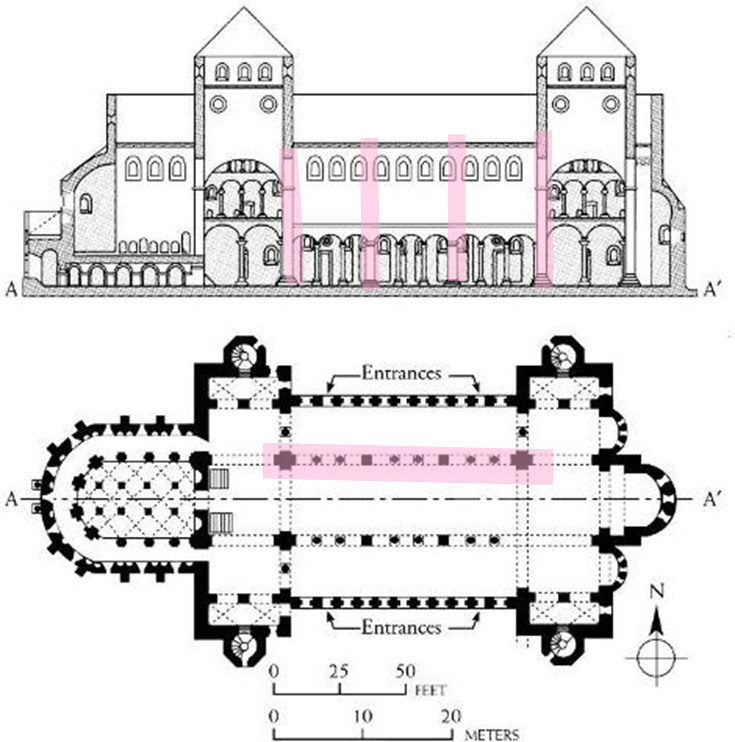
introduction of rhythm in architecture elements
a - b - b - a (rhythm of the nave) pier - column - column - pier
bays: vertical divisions marked by architectural elements
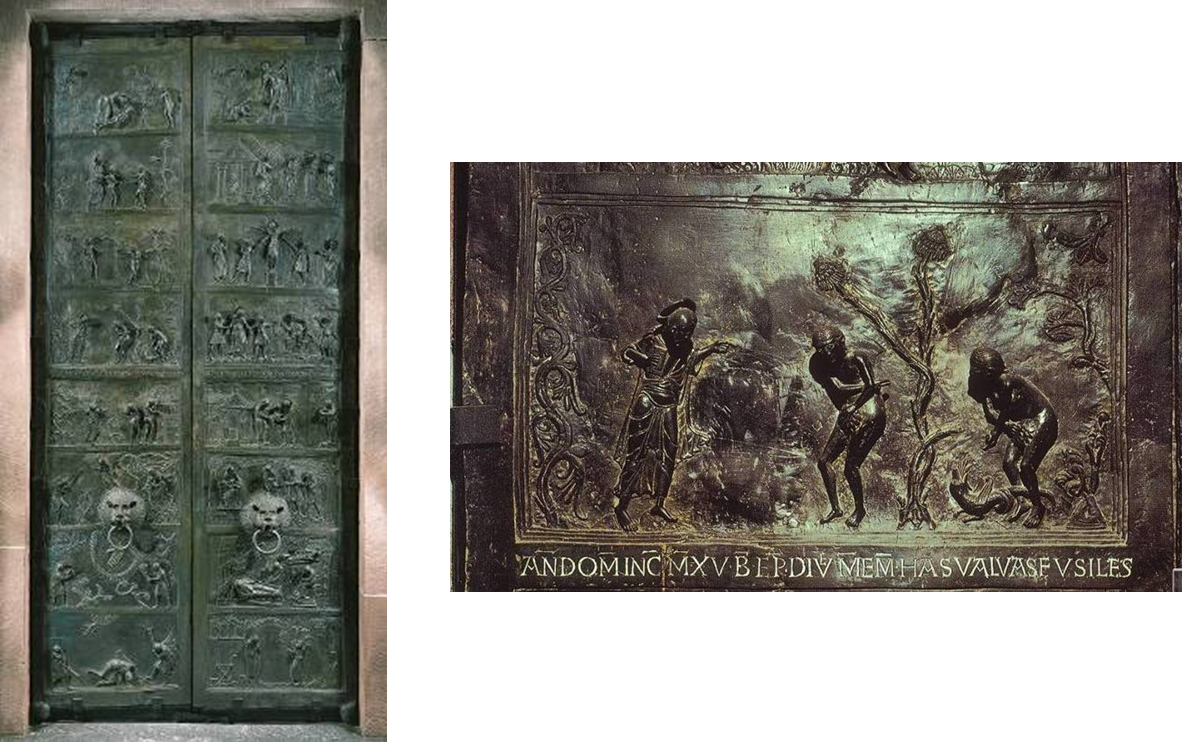
door with relief panels of genesis and the life of christ (bishop bernward)
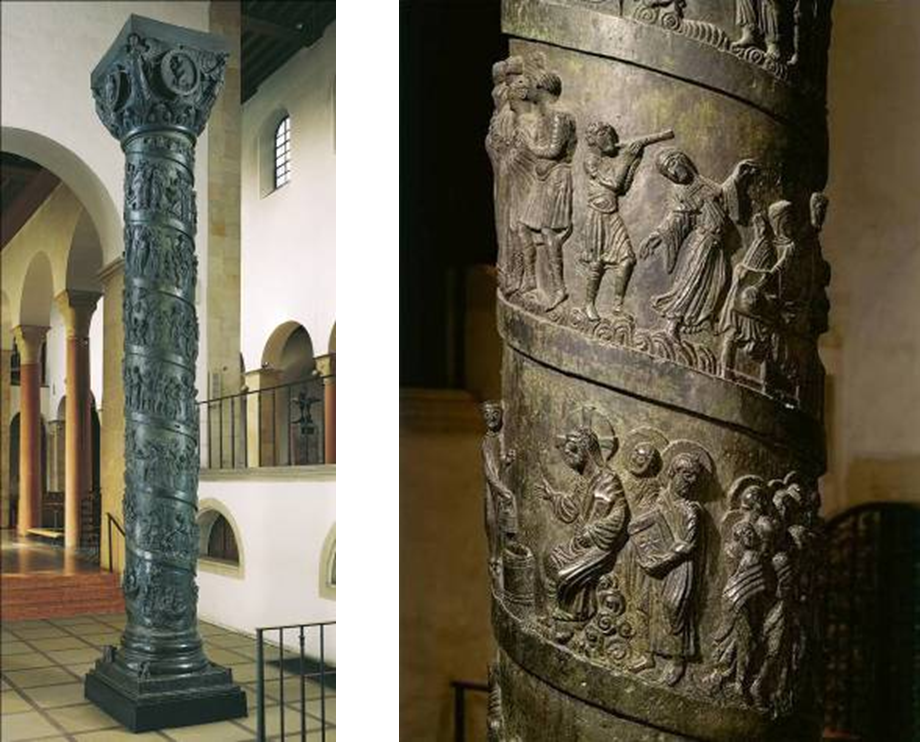
columns too
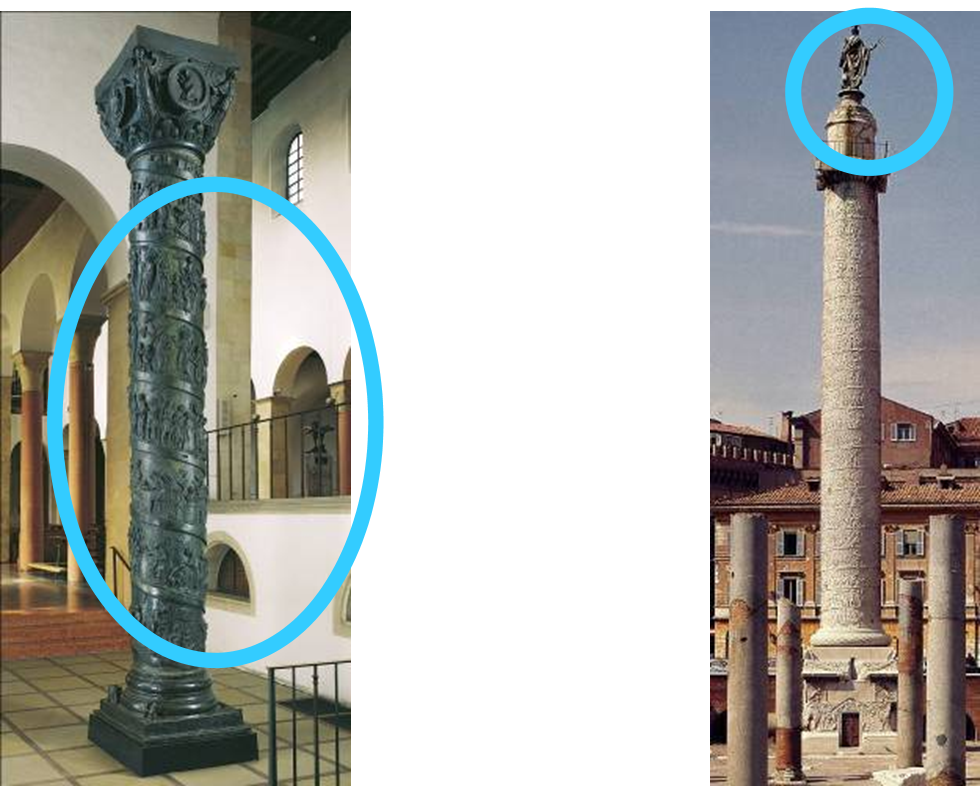
inspiration and correlation
dome of the rock, jerusalem (687-692)
islam
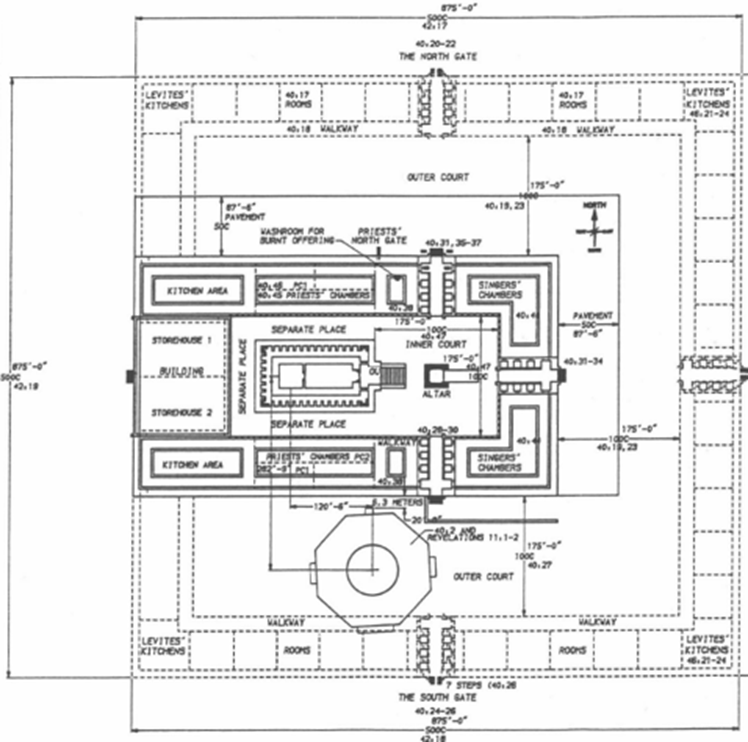
close proximity to the jewish temple of soloman (destroyed by titus in 70 ad)
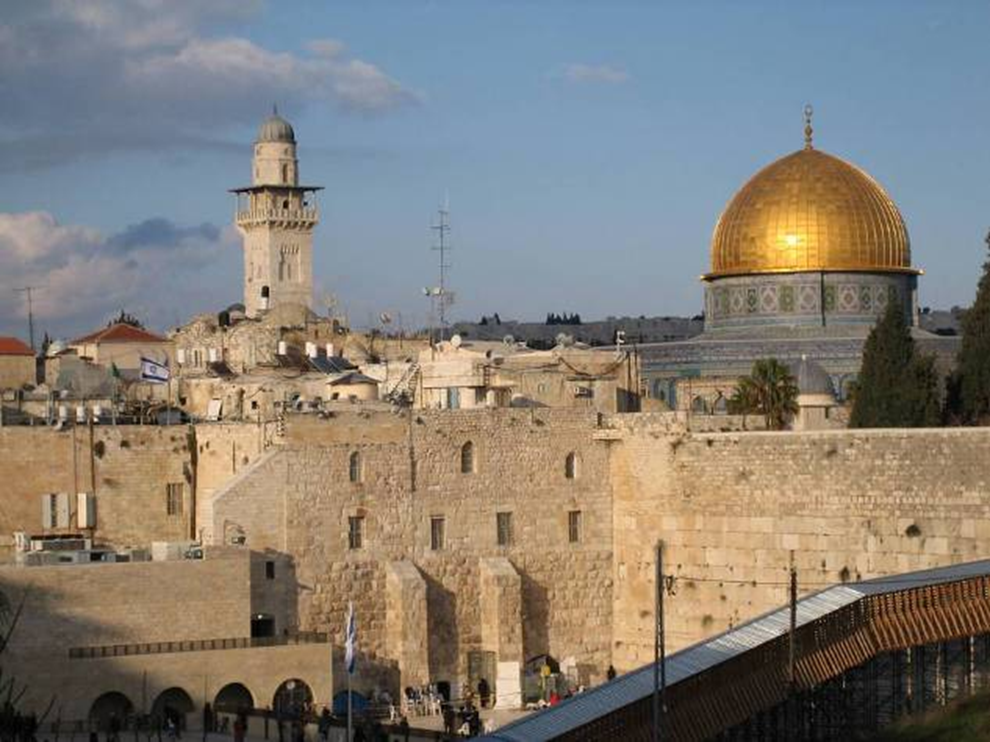
close proximity to the wailing wall (part of temple of soloman)
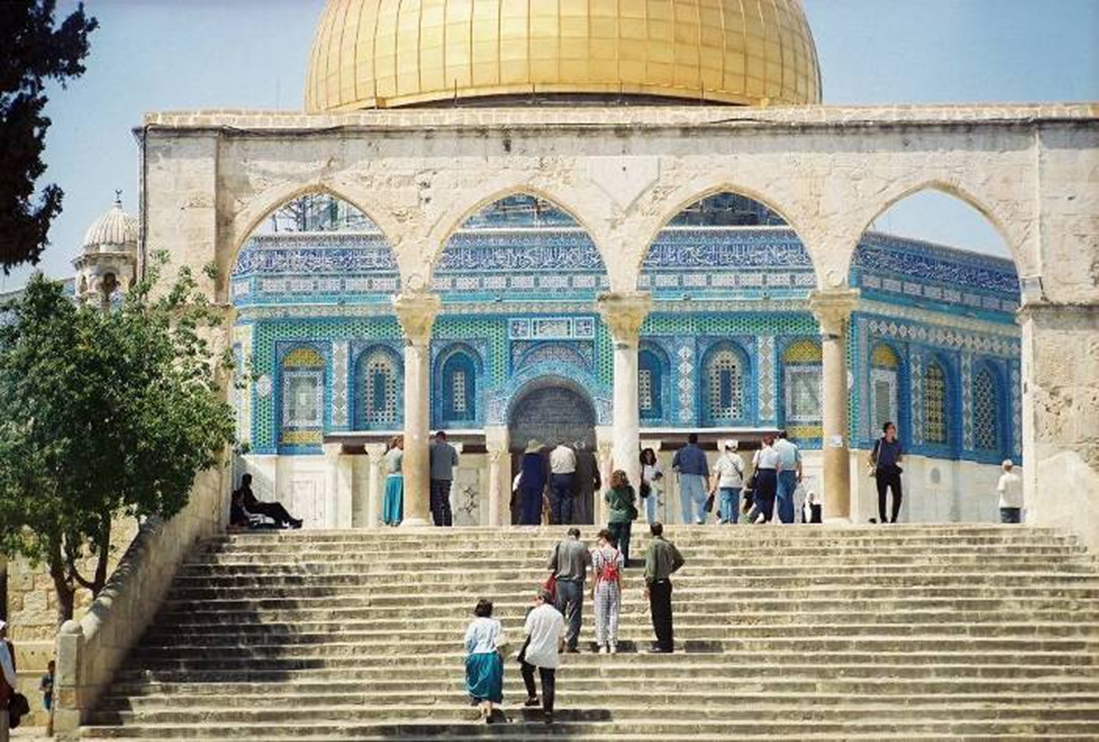
arched screens
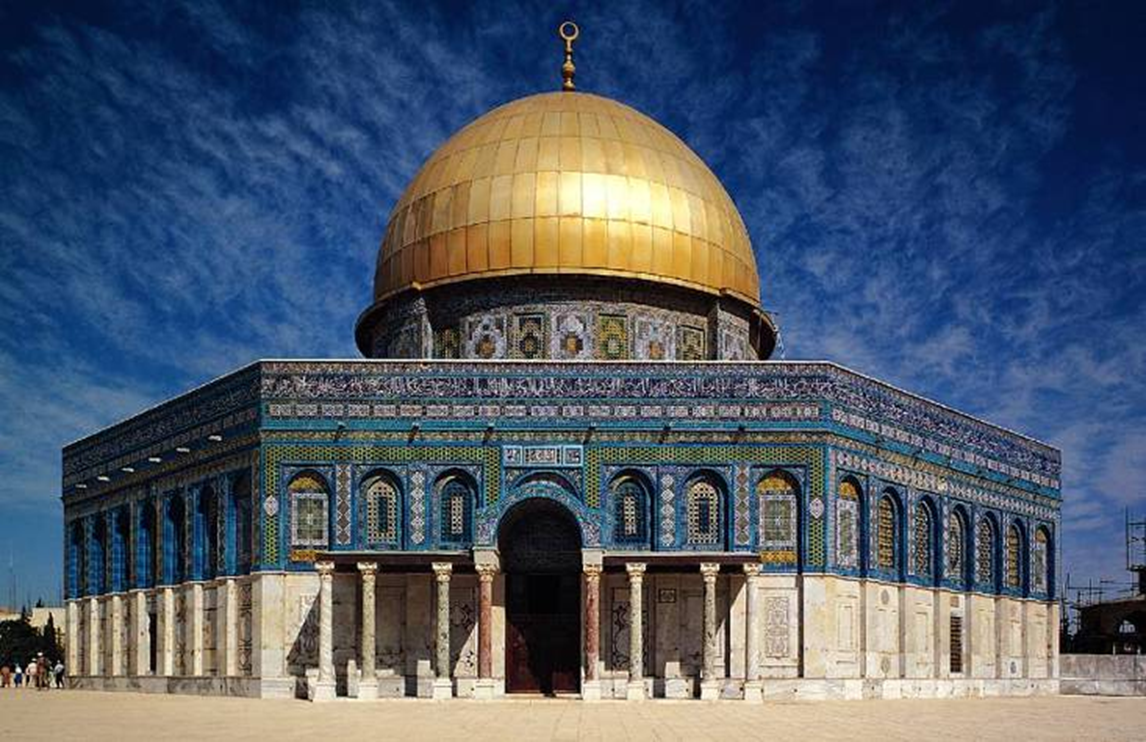
oldest extant islamic structure
shrine not a mosque for mohammad that resurrected
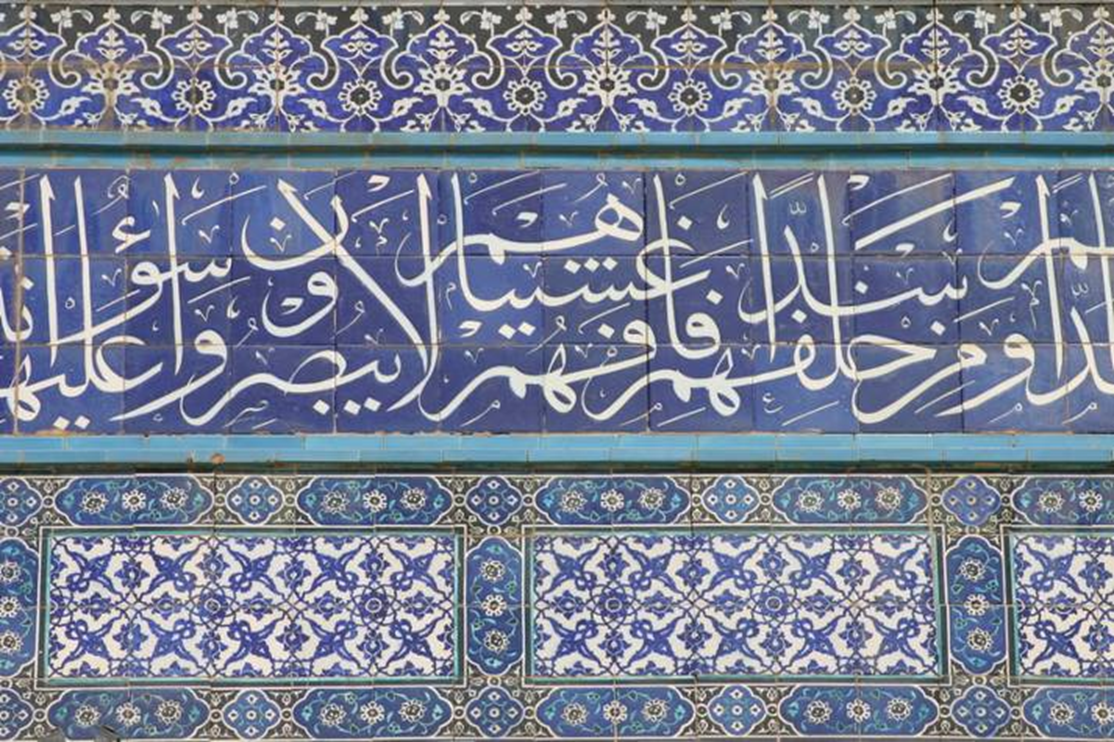
tile work
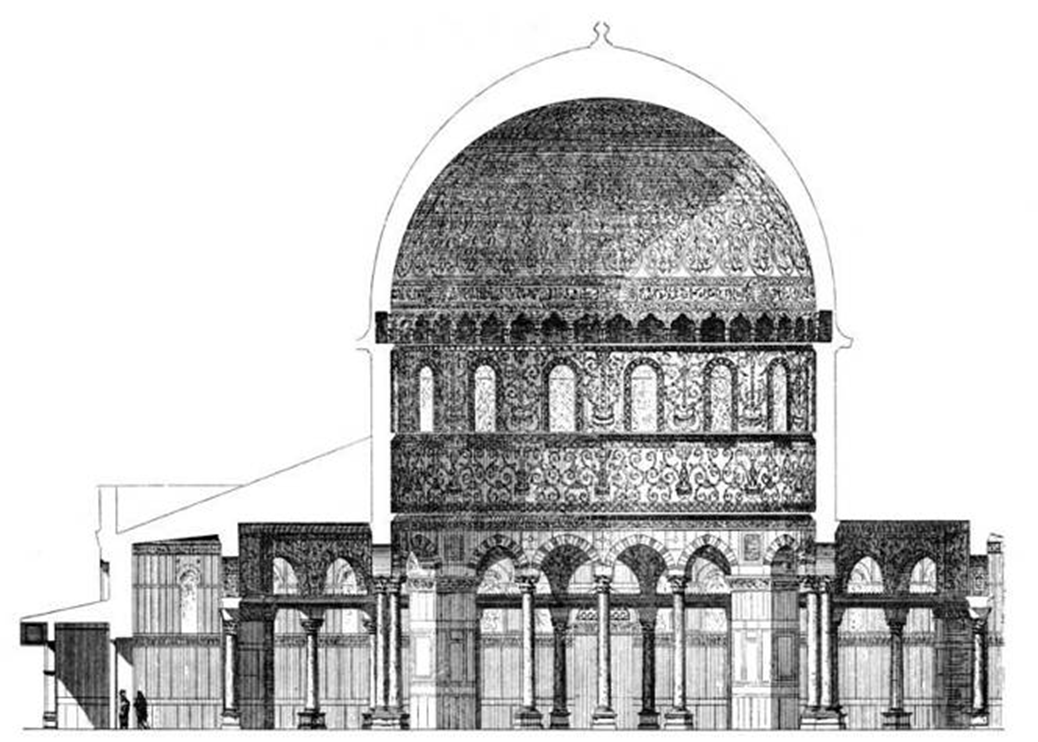
dome is 75 ft high and spans of 67 ft
interior feels like byzantine architecture
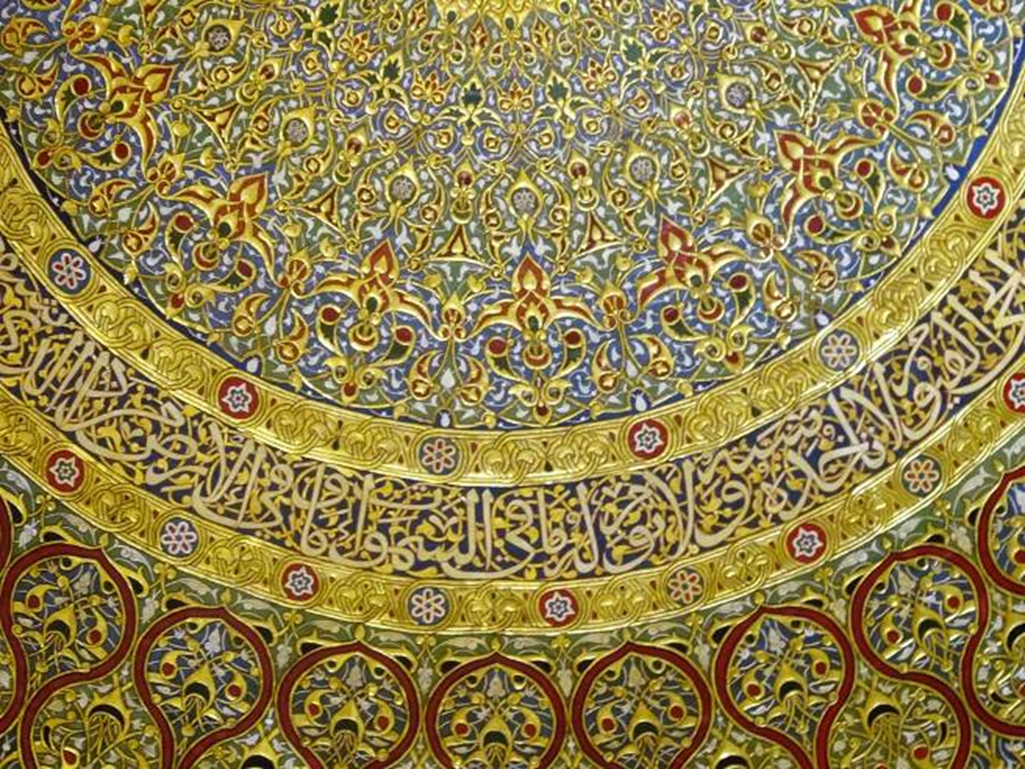
dome decor
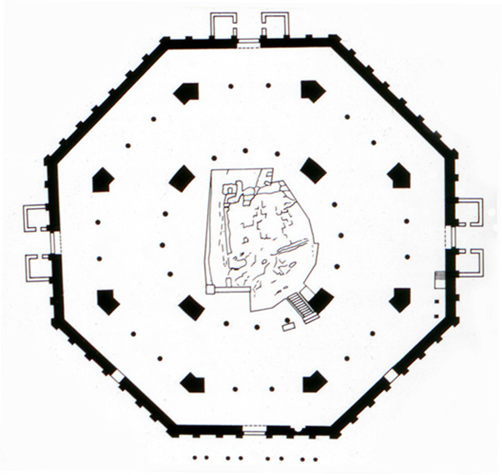
great mosque, damascus, syria (706 - 715)
islam
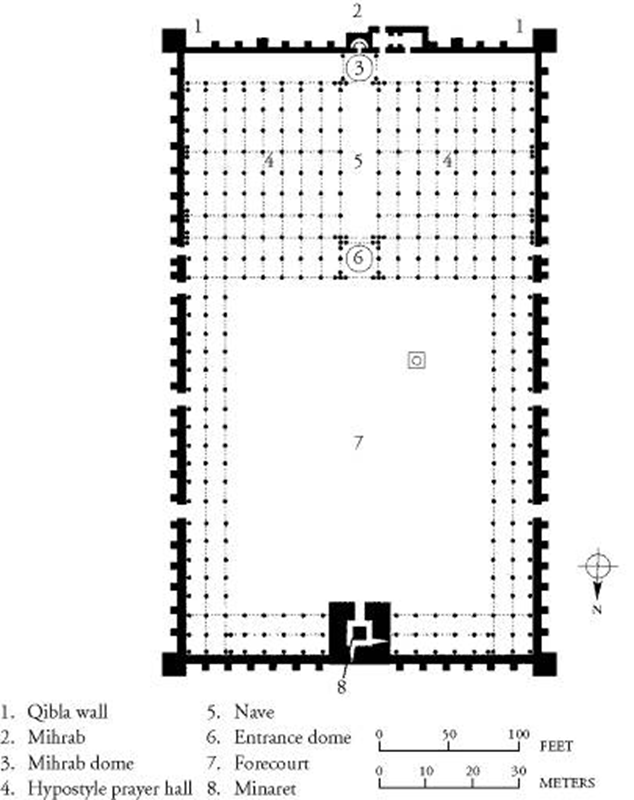
large prayer hall with hypostyle: meant to gather large groups of gatherings for prayer
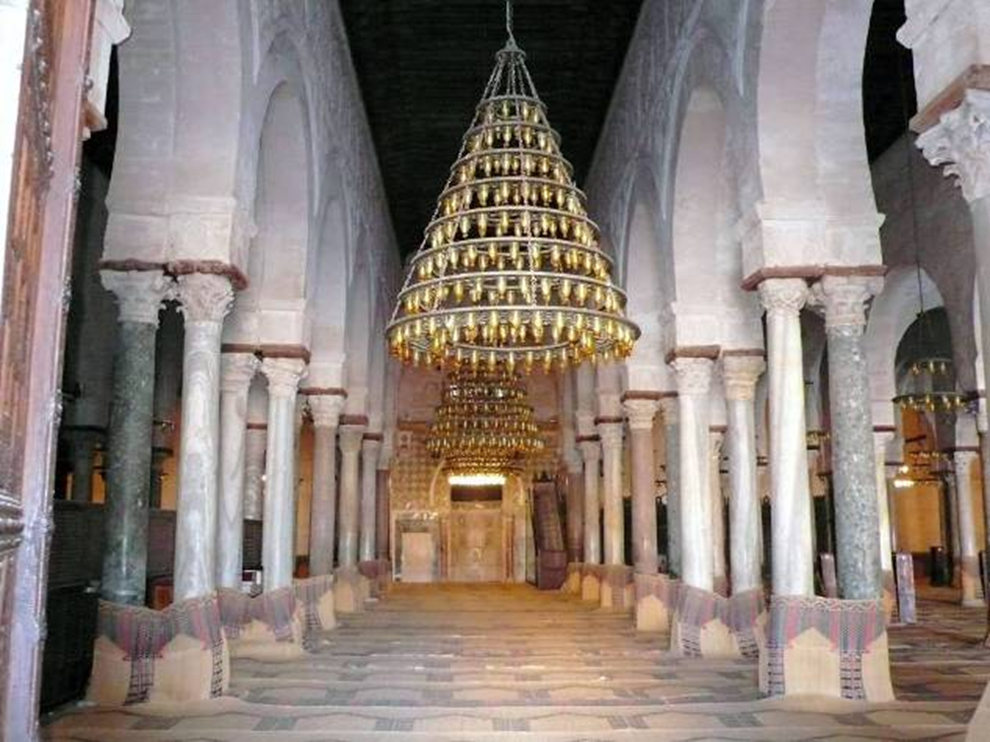
layout is like a basilica church
utilized roman building elements: capital of columns
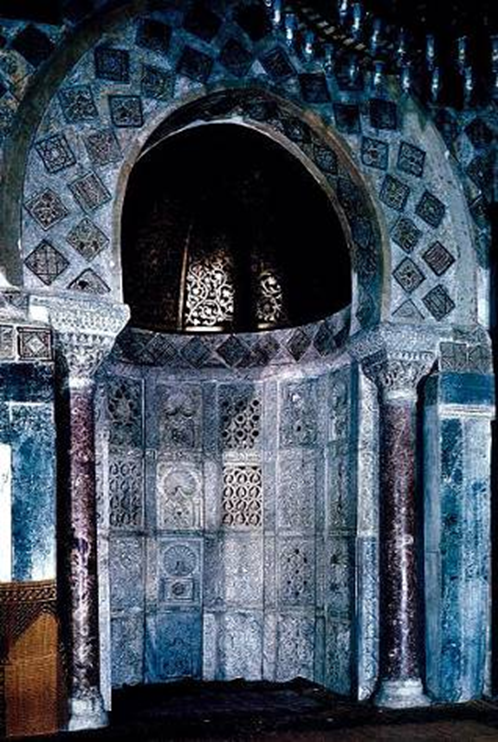
mihrab: a semicircle niche in the wall for people to pray
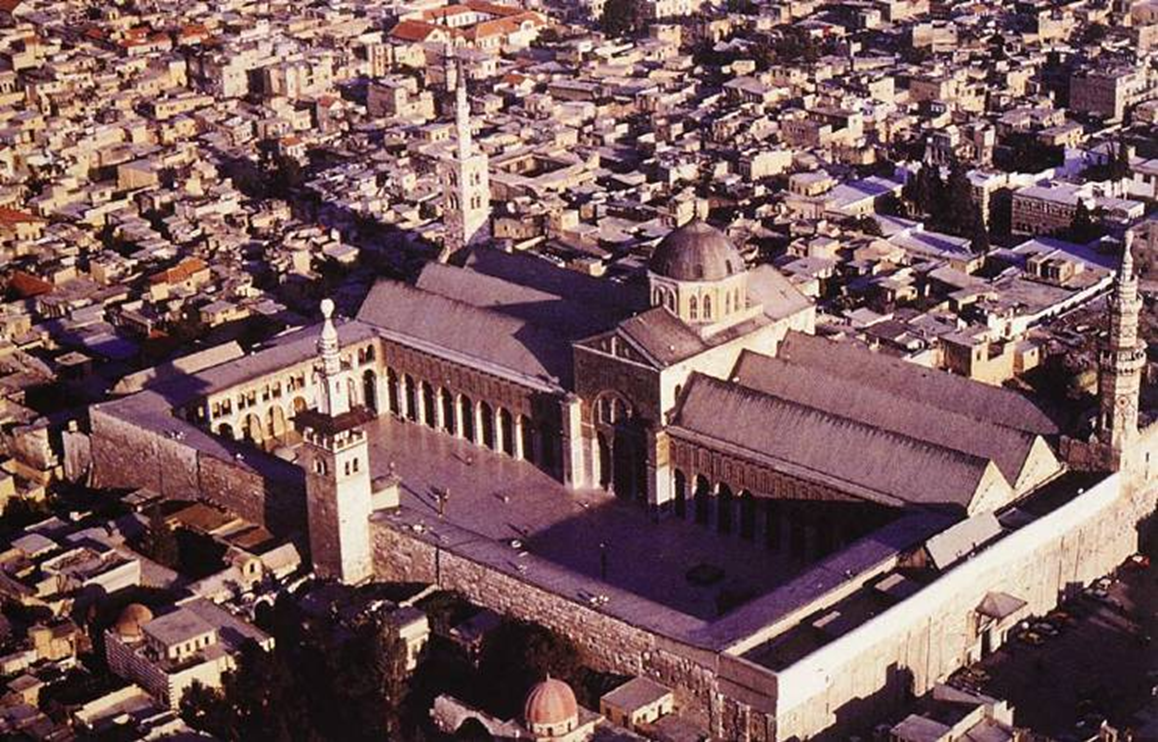
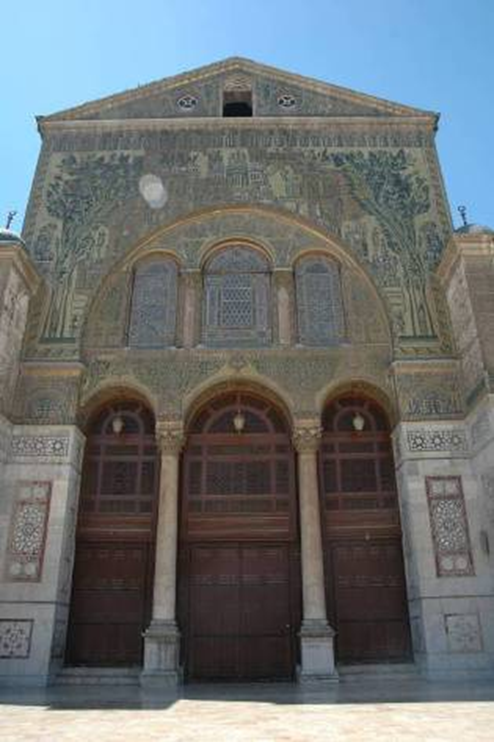
entry to prayer hall with elaborate byzantine mosaics
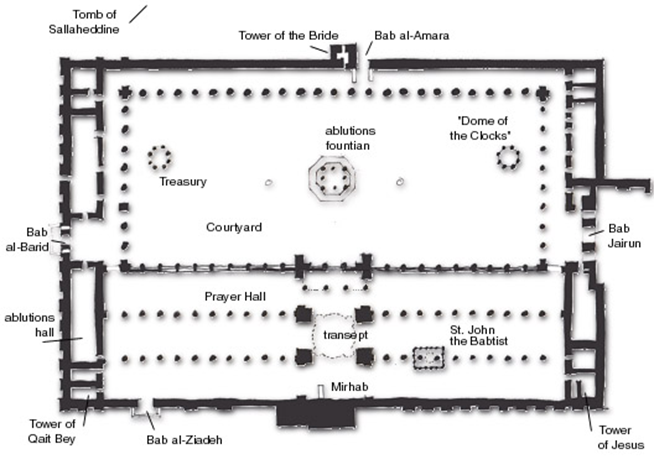
great mosque, cordoba, spain (786, 833 - 988)
islam
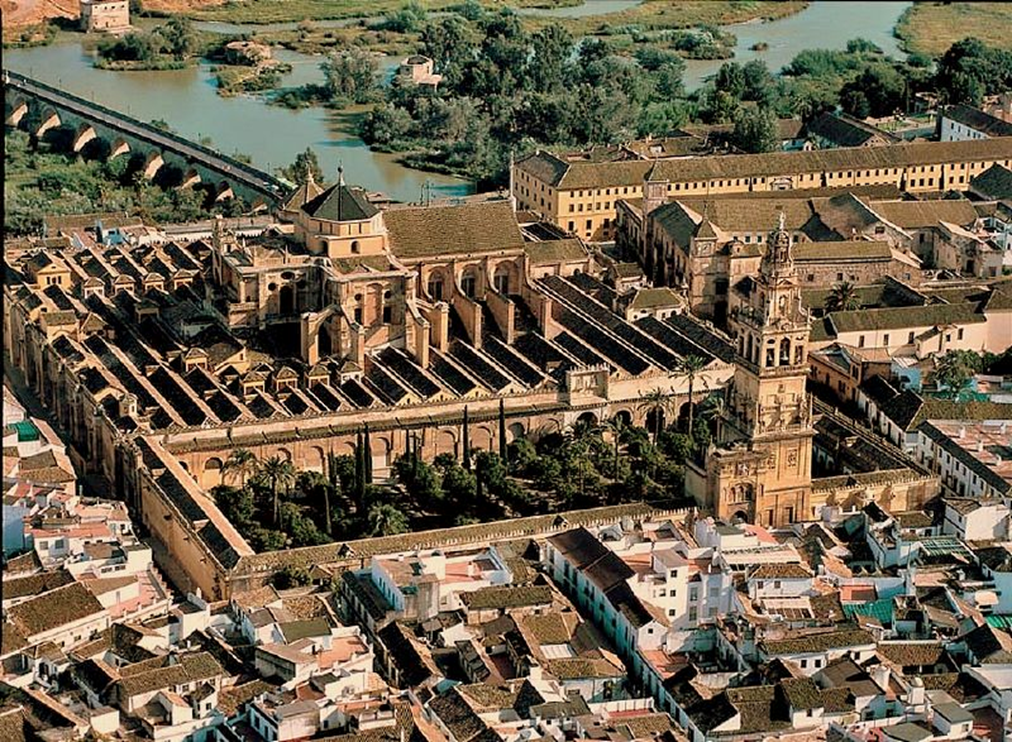
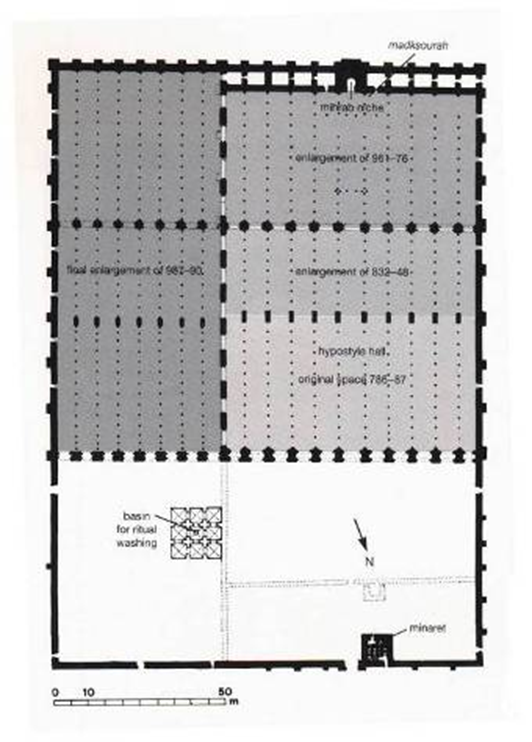
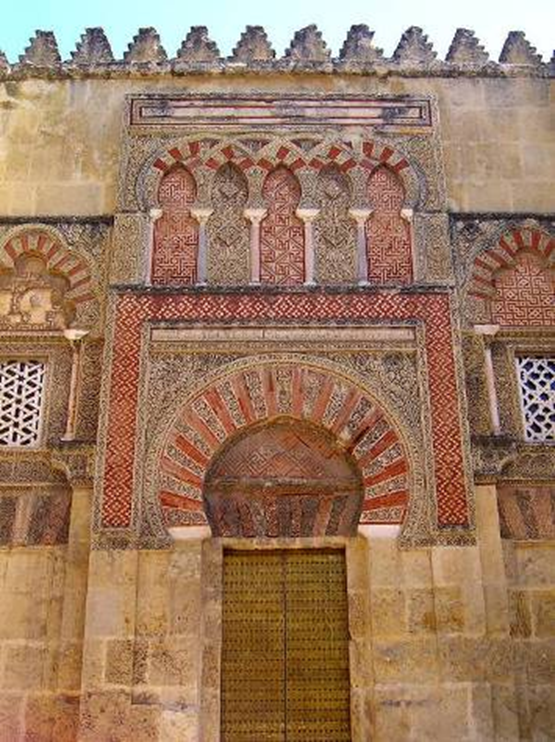
horseshow arch entry
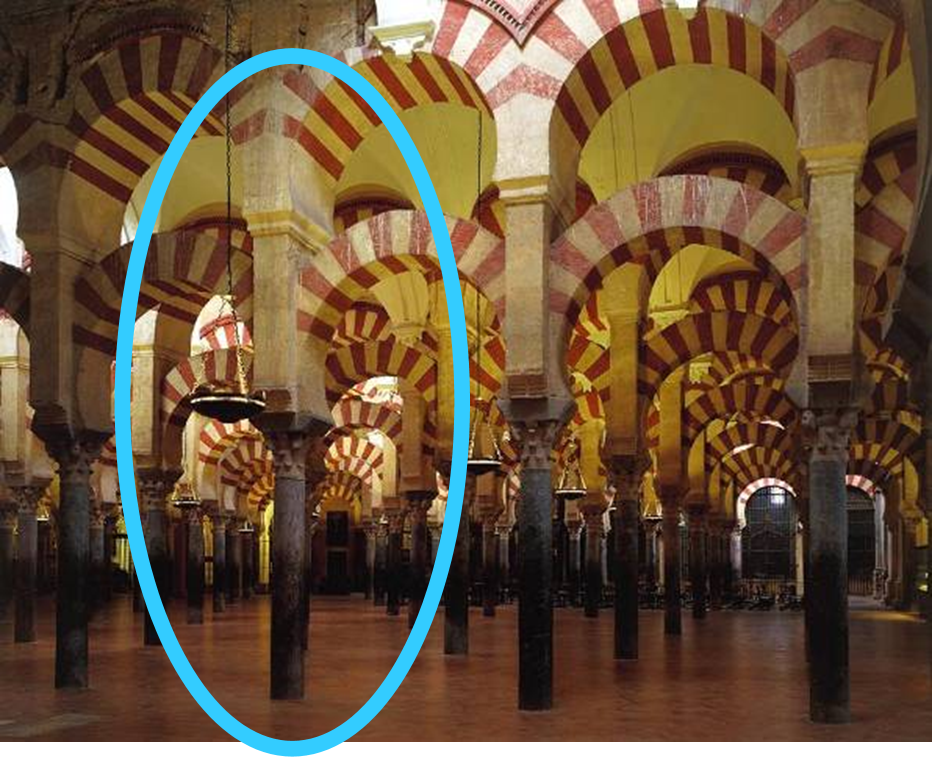
hypostyle prayer hall
double colonnade hypostyle
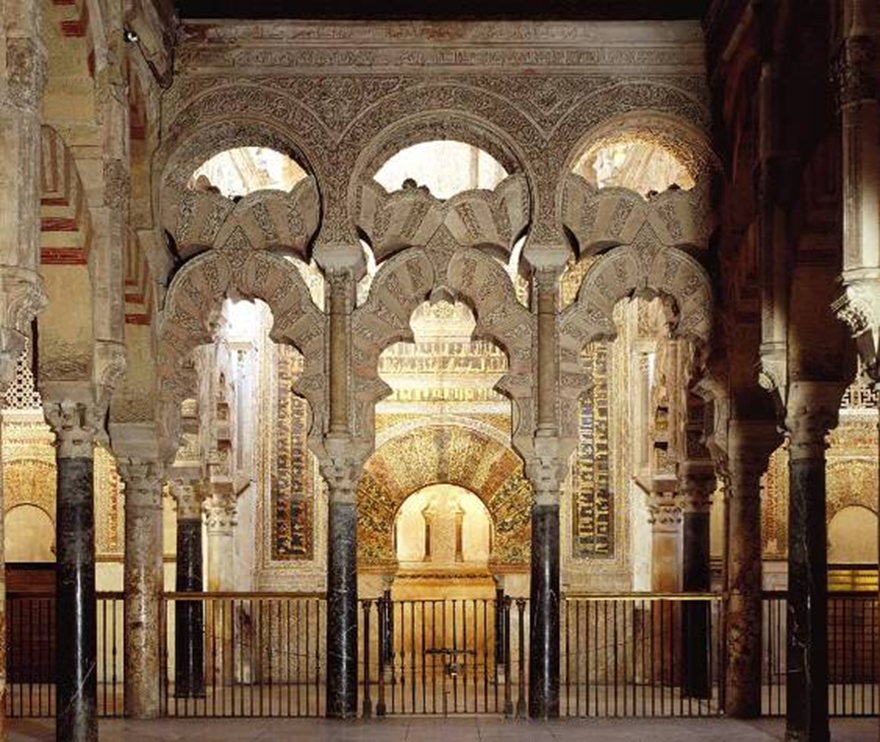
scalloped arches separate the prayer hall and private section for the caliph
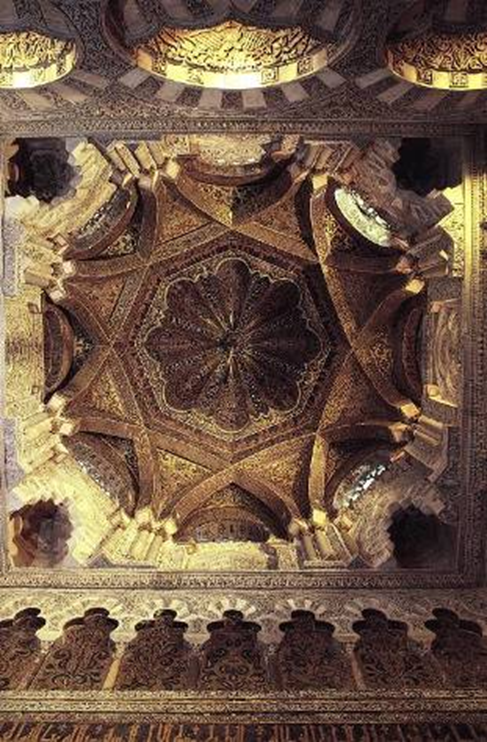
dome
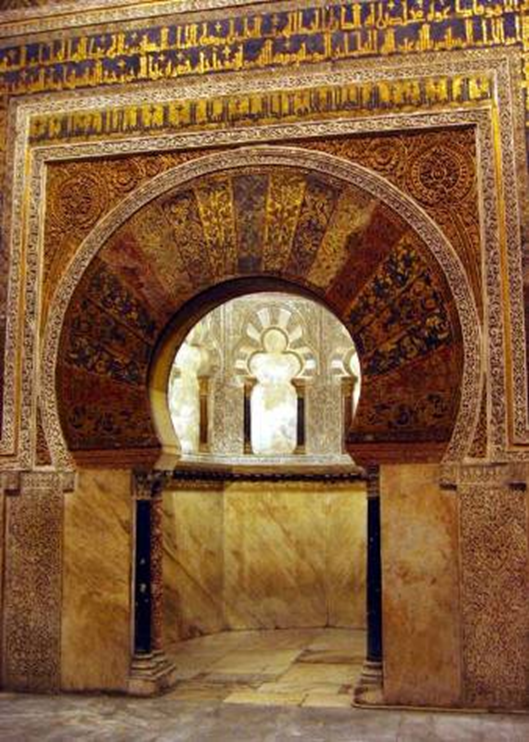
mihrab
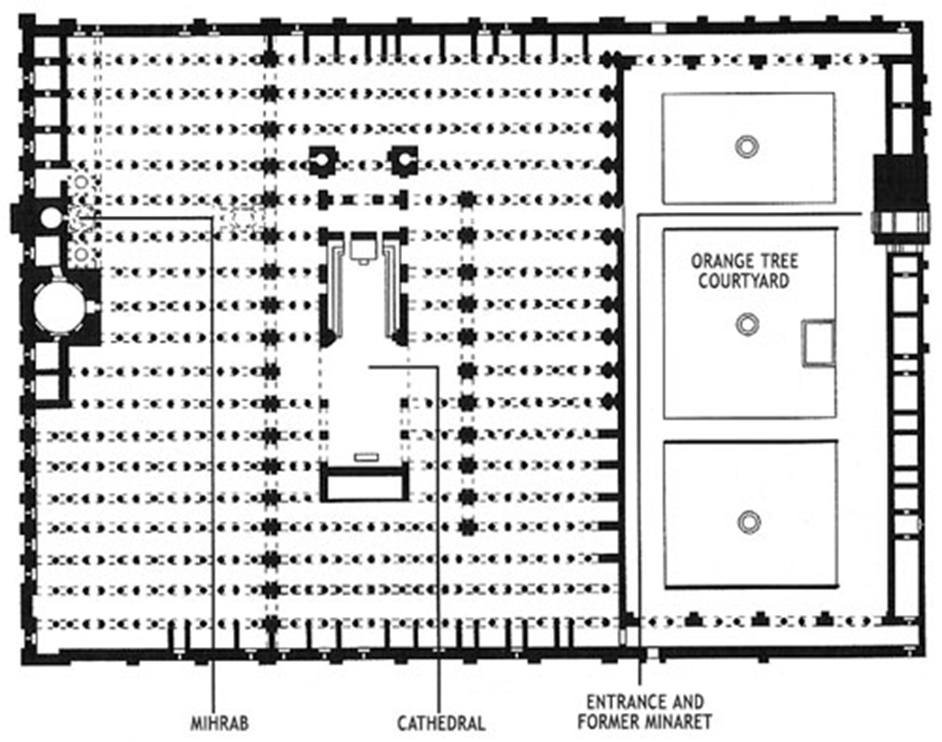
catholic cathedral of cordoba is placed in the middle of the prayer hall
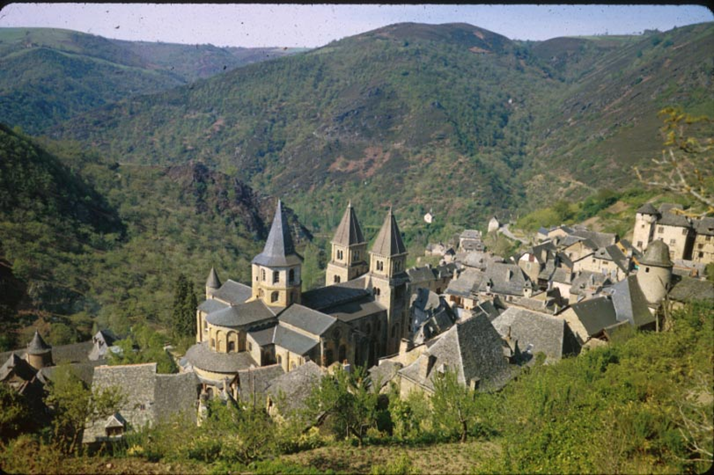
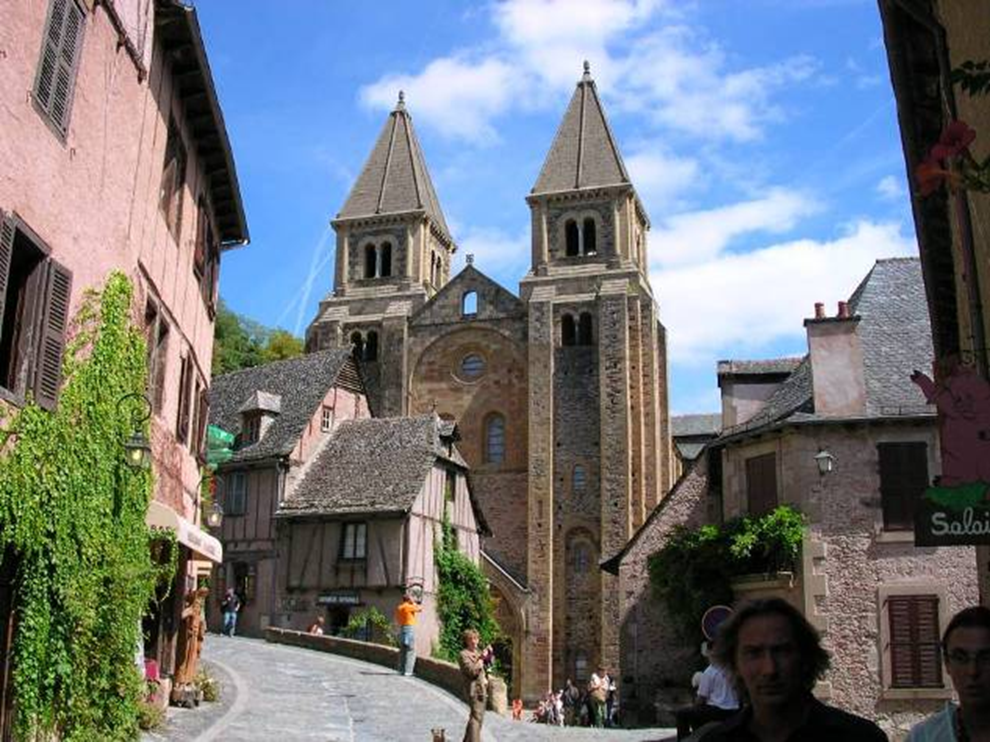
sainte-foy, conques, france (1050 - 1130)
romanesque
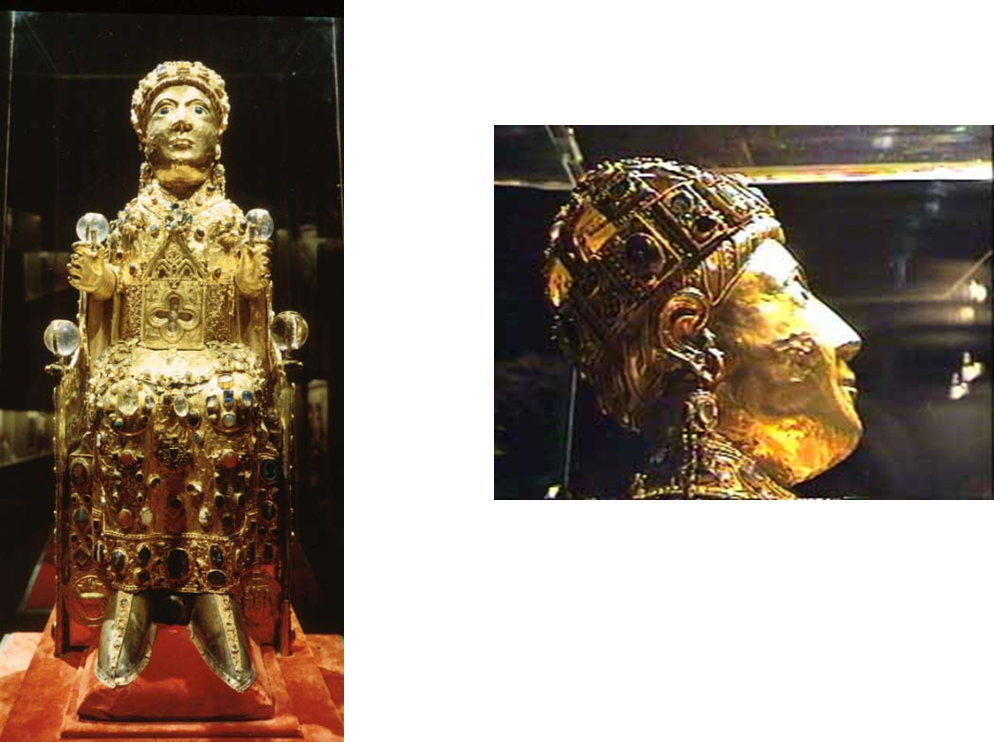
relic statue of ste foye
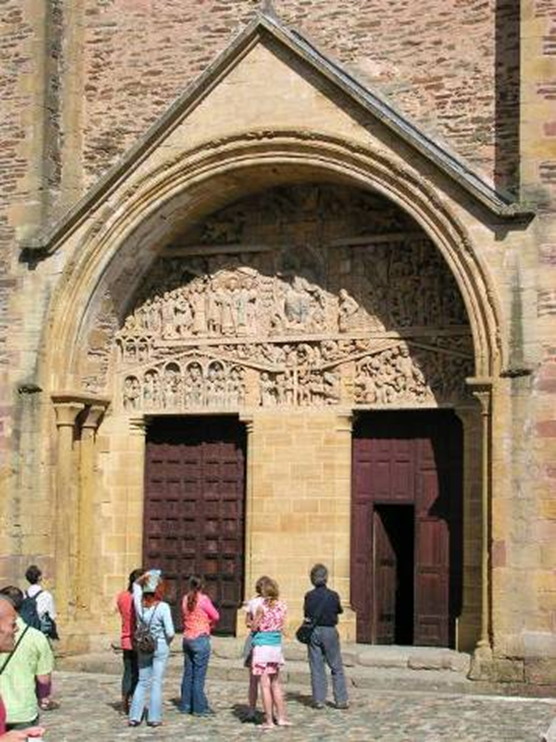
entry portal with tympanum sculpture of the last judgement
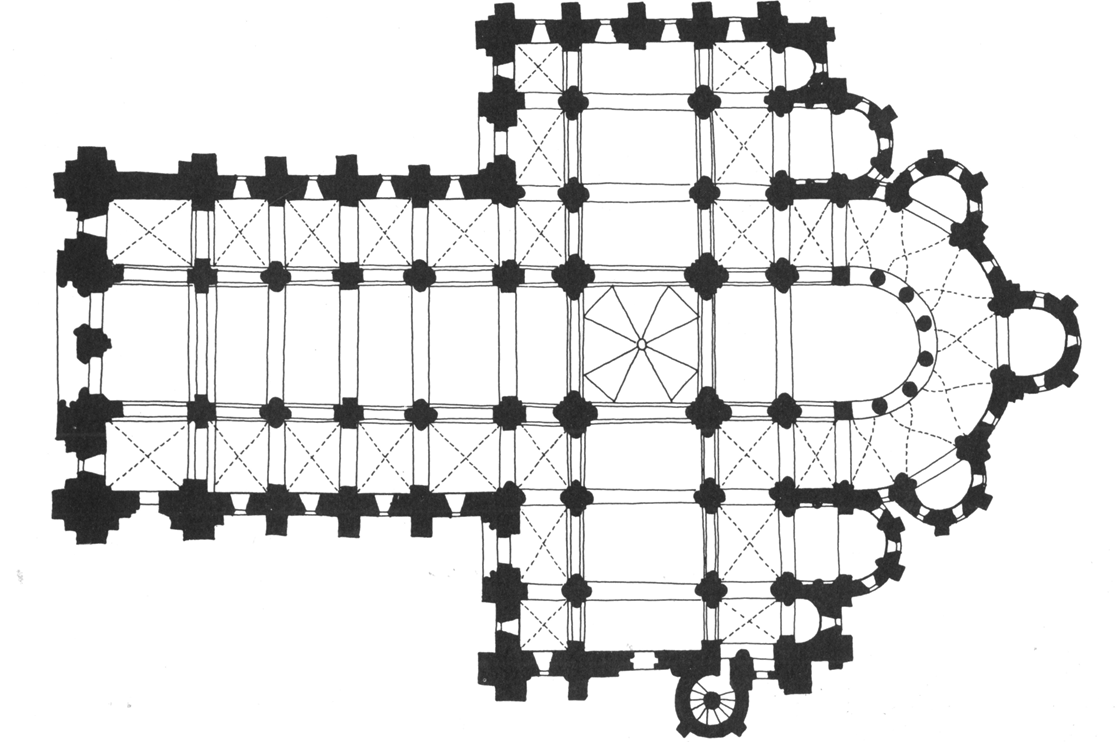
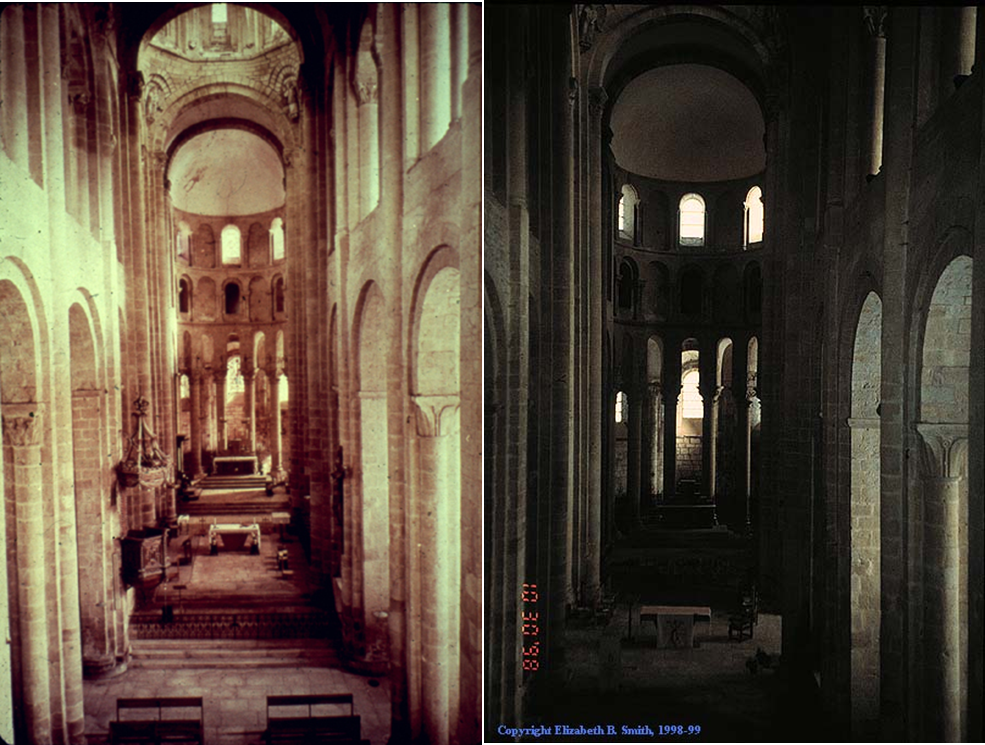
naves were typically dark in romanesque with light only from windows
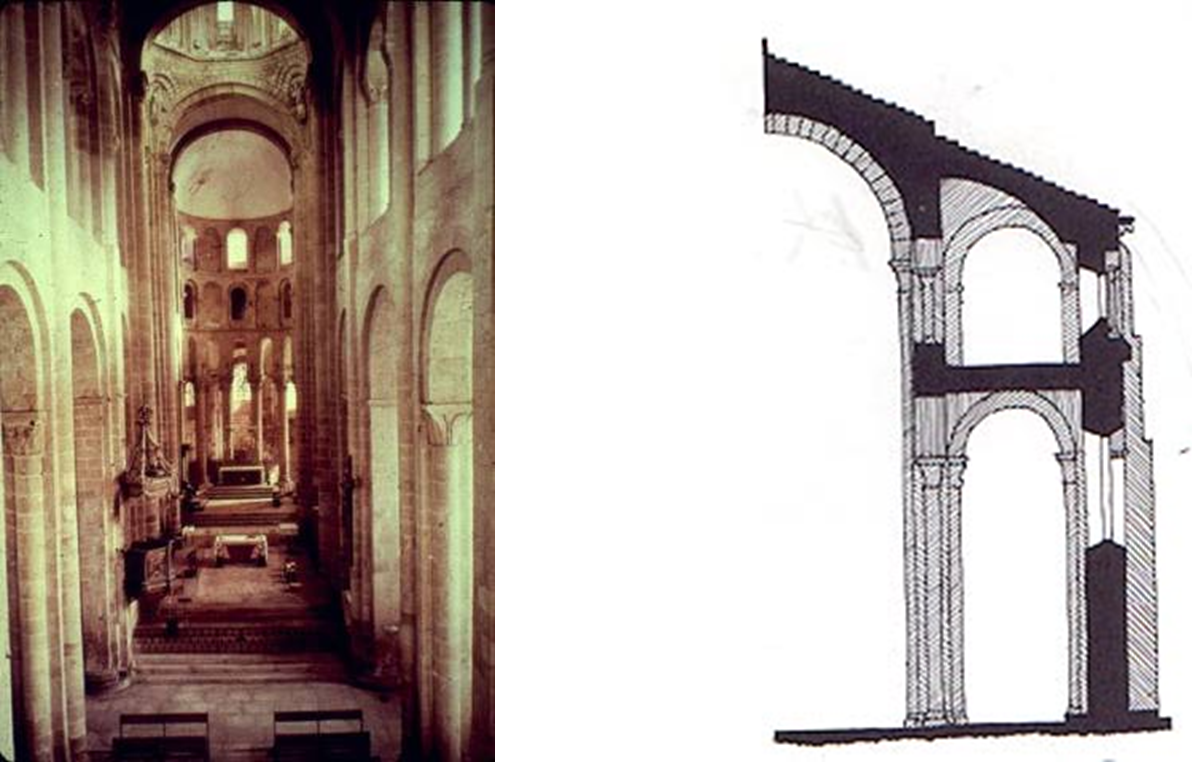
needed butressing for barrel vaults
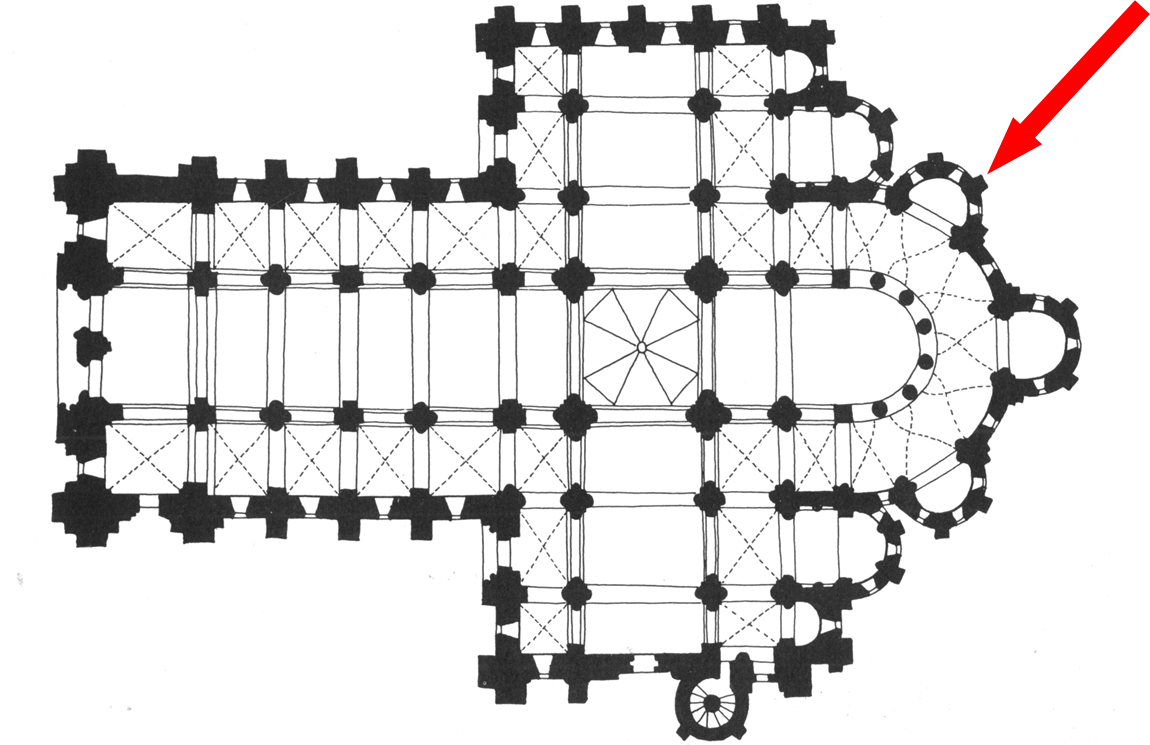
relics were displayed here