US History Unit 1 Vocabulary
 Call Kai
 Learn
Learn Practice Test
 Spaced Repetition
 Match
Match Flashcards
1/36

There's no tags or description
Looks like no tags are added yet.
Name | Mastery | Learn | Test | Matching | Spaced | Call with Kai | Chat |
|---|
No analytics yet
Send a link to your students to track their progress
37 Terms
Revenue (ingresos)
Money collected by a government.

Boycott (boicot)
Refusing to buy something as a form of protest. /
dejar de comprar como protesta.

"No Taxation without Representation!"
Los colonos argumentaban que no debían pagar impuestos aprobados por un Parlamento en el que no tenían representantes elegidos.

Loyalist
A colonist who was loyal to Great Britain.

Patriot (patriota)
A colonist who resisted (resistió) Britain and wanted American independence.

Consent of the Governed (consentimiento de los gobernados)
The idea that government receives (recibe) its authority (autoridad) from the people.

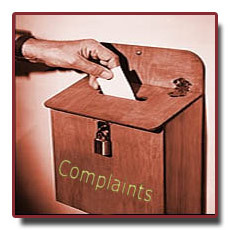
Grievance (queja)
A complaint (queja) about something considered unfair.
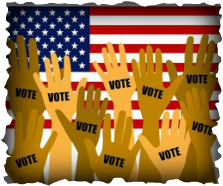
Popular Sovereignty (soberanía popular)
political power belongs to the people.
Articles of Confederation (Artículos de la Confederación)
The first national government of the United States.

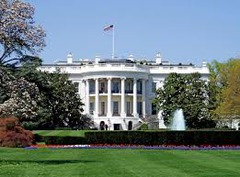
Federal Government (Gobierno federal / nacional)
The national government shared by all the states.
Debt (Deuda)
Money that is owed.

Shay's Rebellion
A 1786-1787 rebellion by farmers in Massachusetts who protested economic conditions and government policies.
Delegate
A person selected to represent others at a meeting or convention.

Constitutional Convention
A meeting in 1787 where representatives planned a new national government.

Separation of Powers
Dividing government authority among different branches.

Bicameral
Having 2 separate legislative chambers.

Checks and Balances
A system allowing each branch of government to limit the powers of the other branches.
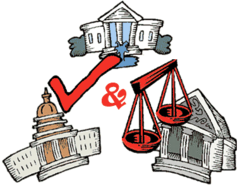
Federalism
governmental power is divided between the national and state governments.

Federalist
A supporter of the Constitution and the stronger national government

Anti-Federalist
A person who opposed the Constitution or feared the stronger national government

tax
Money people are required to pay to a government.

13 Colonies
British colonies that later became the first United States.
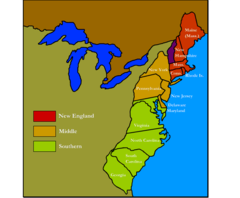
French and Indian War (1754-1763)
Britain and France fought for control of North America.

George Washington
Led Virginia troops in an unsuccessful attack against the French.

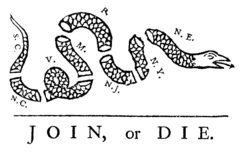
Albany Plan of Union
Benjamin Franklin's early plan for the colonies to work together.
Treaty of Paris
Ended the war; France surrendered Canada and most land east of the Mississippi to Britain.

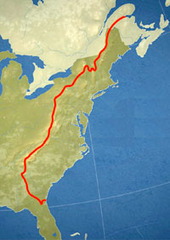
Proclamation of 1763
Britain prohibited settlement (prohibió asentamientos) west of the Appalachian Mountains. Many colonists ignored it.
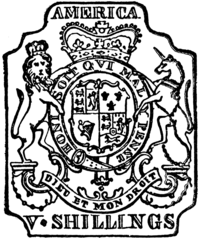
Stamp Act (1765)
Colonists had to pay a tax on a royal stamp (sello) for official documents.
Townshend Acts (1767)
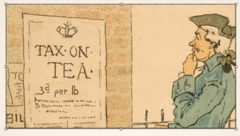
Taxes on imported glass, paint, paper, and tea.
Boston Massacre (1770)
British soldiers fired into a colonial crowd; five colonists died. The event increased anger toward Britain.

Tea Act (1773)
Gave the British East India Company special control (monopolio) over colonial tea sales.

Boston Tea Party (1773)
Colonists dumped (tiraron) British tea into Boston Harbor to protest the Tea Act.

Intolerable Acts (1774)
Laws meant to punish Massachusetts for the Boston Tea Party, including Quartering (alojamiento) of British soldiers.

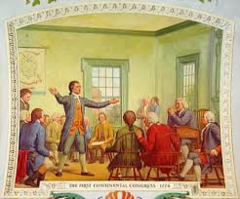
First Continental Congress (1774)
Delegates organized a united colonial response (una respuesta unida contra Gran Bretaña)
Declaration of Independence (1776)
Formally separated the colonies from Britain and argued that people could replace a government that failed to protect their rights.

Lexington and Concord (1775)
The first military fighting between British troops and colonial minutemen.

"Common Sense" (1776)
Thomas Paine's pamphlet (folleto) argued that the colonies should become independent immediately (independencia inmediata)
