Biologically Important Functional Groups
 Call Kai
 Learn
Learn Practice Test
 Spaced Repetition
 Match
Match Flashcards
 Knowt Play
1/10

Earn XP
Description and Tags
Vocabulary flashcards covering the definitions, chemical formulas, locations, and biological properties of major functional groups from the lecture transcript.
Name | Mastery | Learn | Test | Matching | Spaced | Call with Kai | Chat |
|---|
No analytics yet
Send a link to your students to track their progress
11 Terms
Functional Groups
Groups of atoms with special chemical characteristics that are functionally important, exhibiting the same properties in all molecules in which they occur.
Amino Group (–NH2)
A functional group consisting of a nitrogen atom bonded to an R group and 2 hydrogen atoms. Found in amino acids (proteins), it is weakly basic (can accept H+), polar, and forms part of peptide bonds.

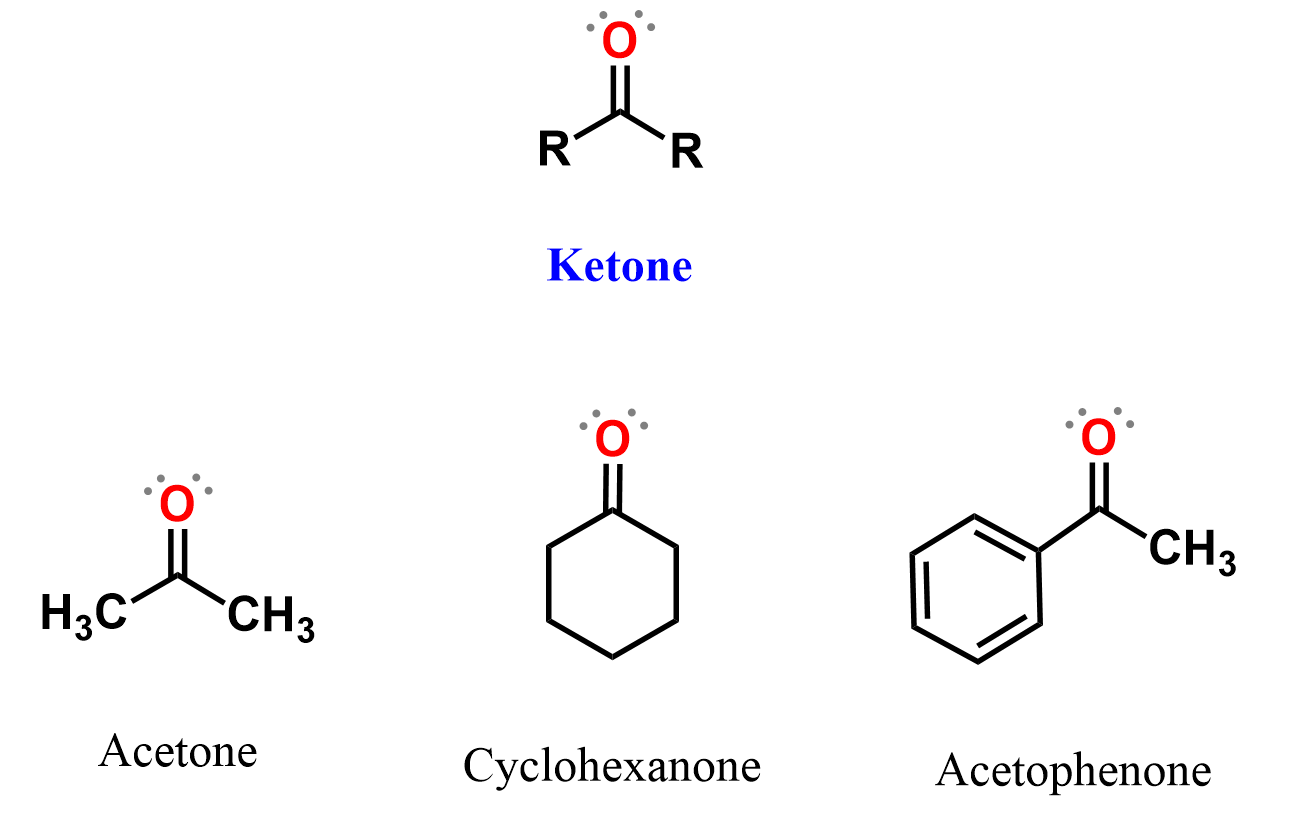
Carbonyl Group (–CO) Ketone
A functional group where a carbon atom is single-bonded to an R, R' (forming covalent bonds with two other carbon atoms) and double-bonded to oxygen. Found in steroids, waxes, and proteins; it is polar, highly chemically reactive, and forms hydrogen bonds.
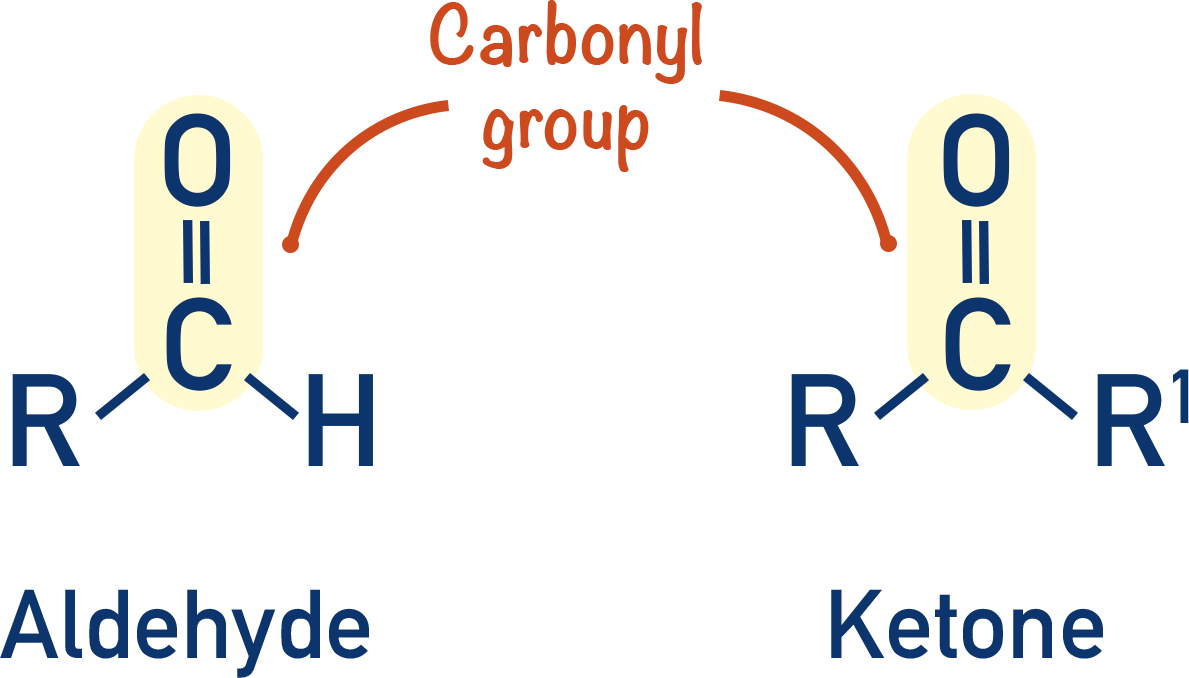
Aldehyde Group (–CHO)
A functional group where a carbon atom is single-bonded to an R group and a hydrogen atom, and double-bonded to an oxygen atom. Found in linear forms of sugars and some odor molecules, it is acidic (gives up H+ in water) and forms part of peptide bonds.

Carboxyl Group (–COOH)
A functional group where a carbon atom is single-bonded to an R group and a hydroxyl group, and double-bonded to an oxygen atom. Found in amino acids and fatty acids, it is polar and forms hydrogen bonds with water.

Hydroxyl Group (–OH)
A functional group where an R group is bonded to a hydroxyl group. Found in steroids, alcohol, carbohydrates, and some amino acids, it is characterized in the lecture notes as nonpolar.

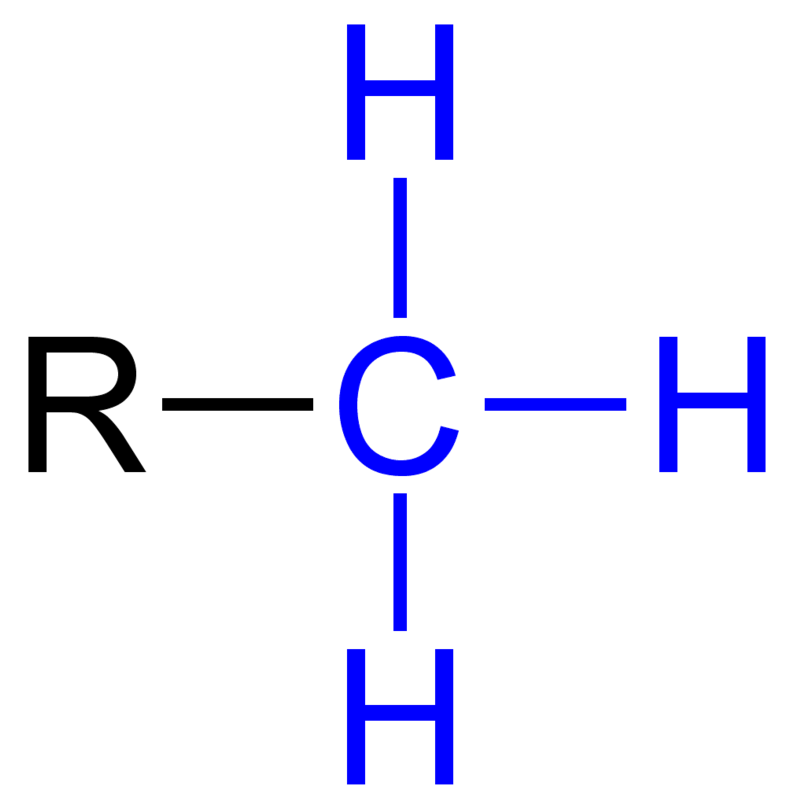
Methyl Group (–CH3)
A functional group where a central carbon atom is bonded to an R group and three hydrogen atoms. May be attached to DNA, proteins, and carbohydrates, and is nonpolar.
Phosphate Group (—PO42−)
A functional group where a central P group is double-bonded to an O atom and single-bonded to two O anions and an O atom bonded to an R group. Found in nucleic acids, ATP, and phospholipids; it is polar, weakly acidic, and negatively charged at typical pH of living organisms.

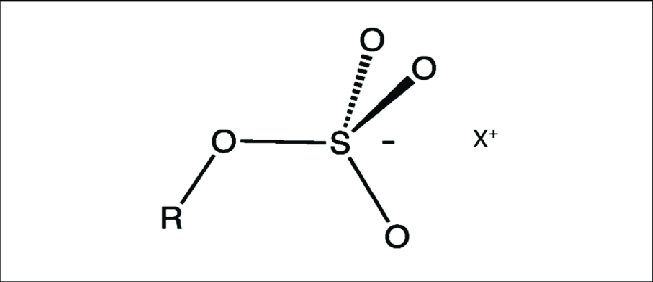
Sulfate Group (—SO4−)
A functional group where a central S group is double-bonded to two O atoms and single-bonded to an O anion and an O atom bonded to an R group. May be attached to carbohydrates, proteins, and lipids; it is polar and negatively charged at typical pH of living organisms.
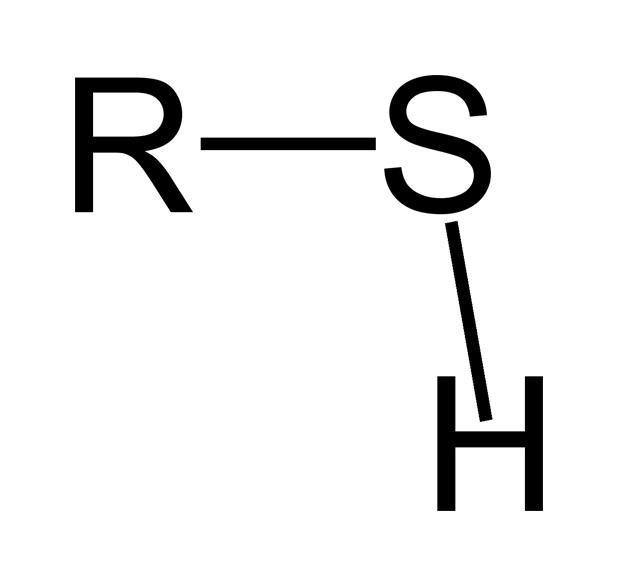
Sulfhydryl Group (–SH)
A functional group where an R group is bonded to an S atom bonded to a hydrogen atom. Found in proteins that contain the amino acid cysteine, it is polar and forms disulfide bridges in many proteins.
Ketone
Found in keto- type sugar