ichthyology lab exam 1
 Call Kai
 Learn
Learn Practice Test
 Spaced Repetition
 Match
Match Flashcards
 Knowt Play
1/58

There's no tags or description
Looks like no tags are added yet.
Name | Mastery | Learn | Test | Matching | Spaced | Call with Kai | Chat |
|---|
No analytics yet
Send a link to your students to track their progress
59 Terms

mouth shape?
subterminal

mouth shape?
terminal

mouth shape?
inferior
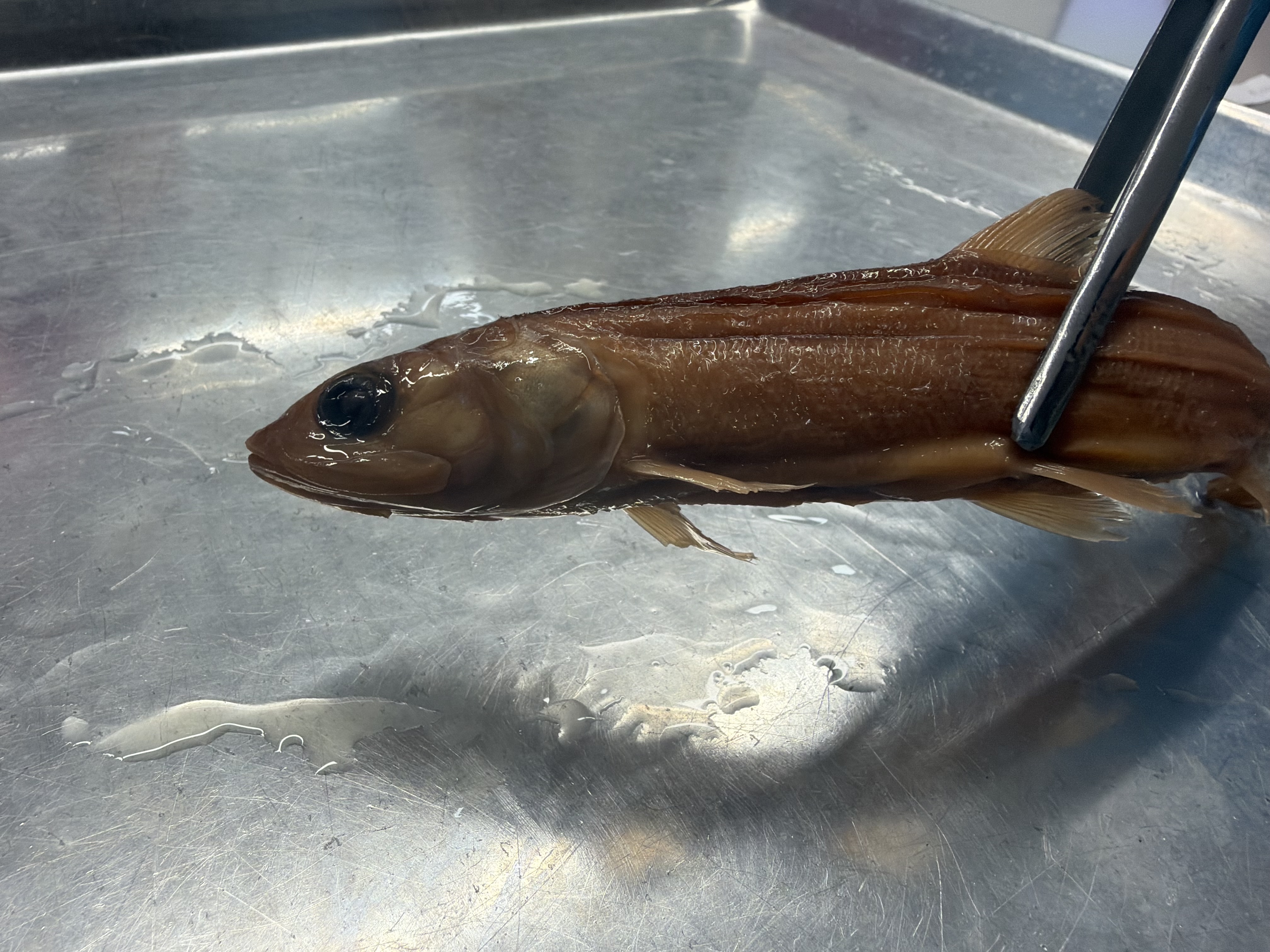
mouth shape?
terminal

mouth shape?
subterminal

mouth shape?
superior

mouth shape?
inferior
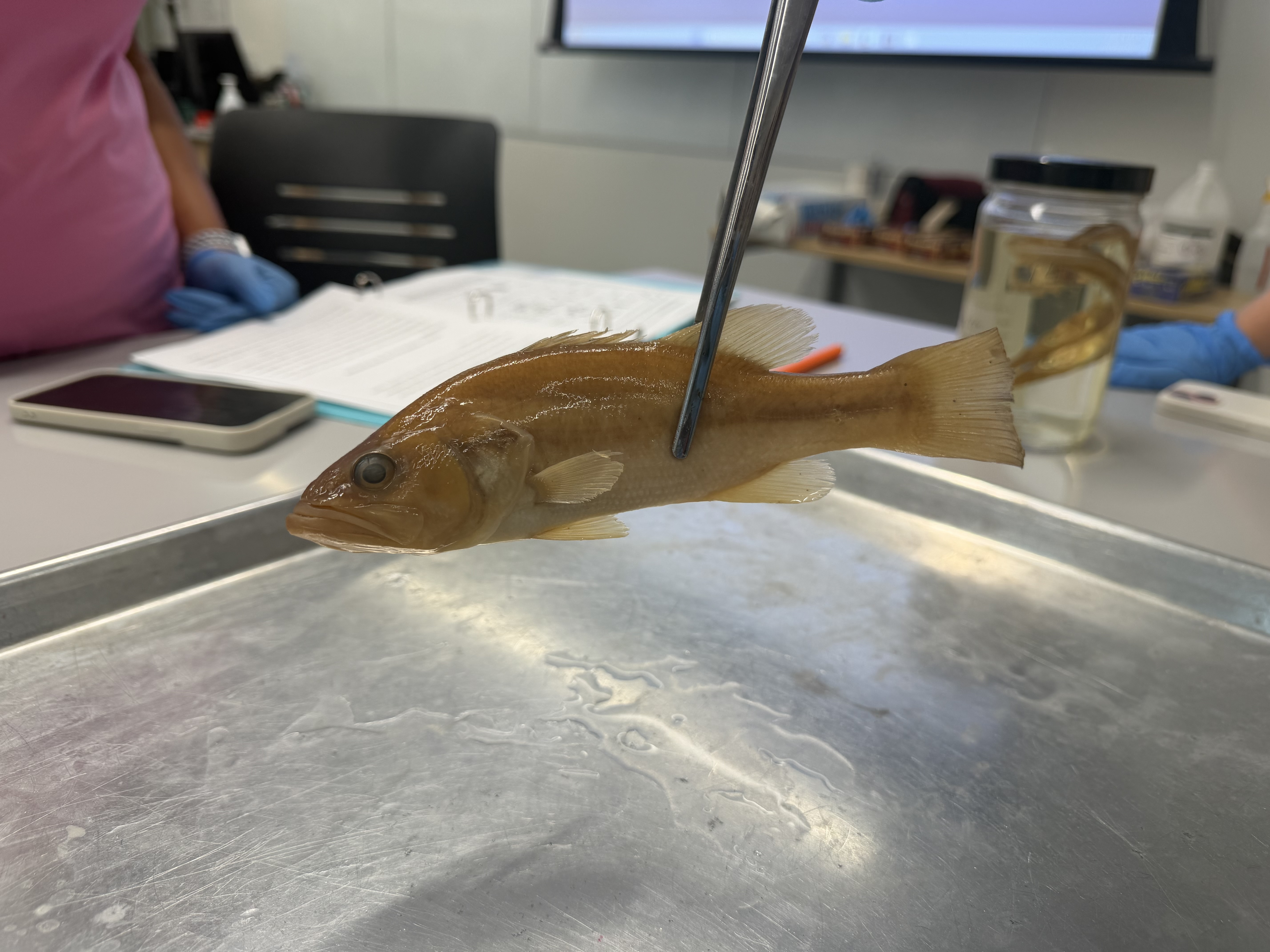
body shape?
Fusiform
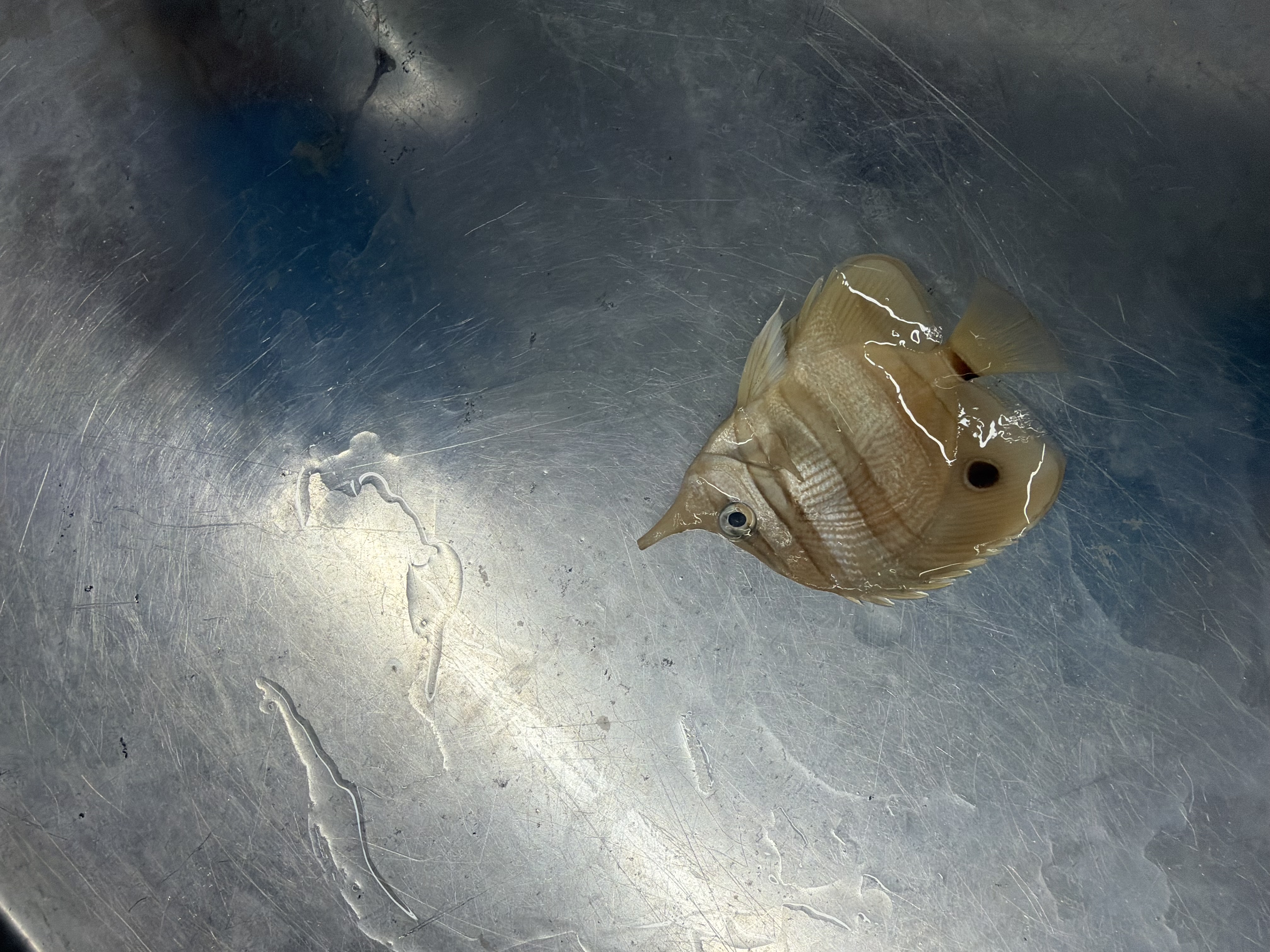
body shape?
compressiform
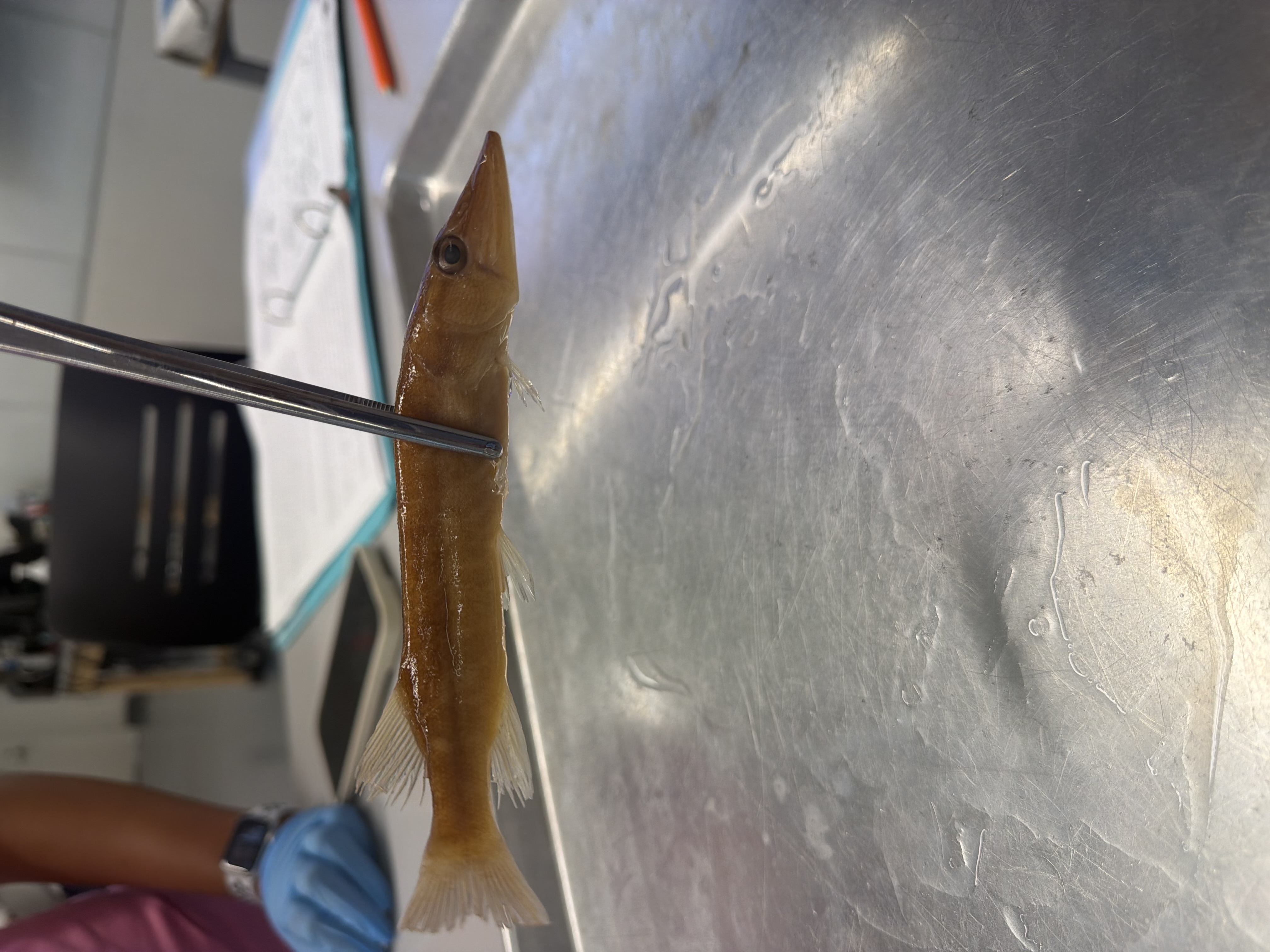
body shape?
sagittiform

body shape?
Anguilliform
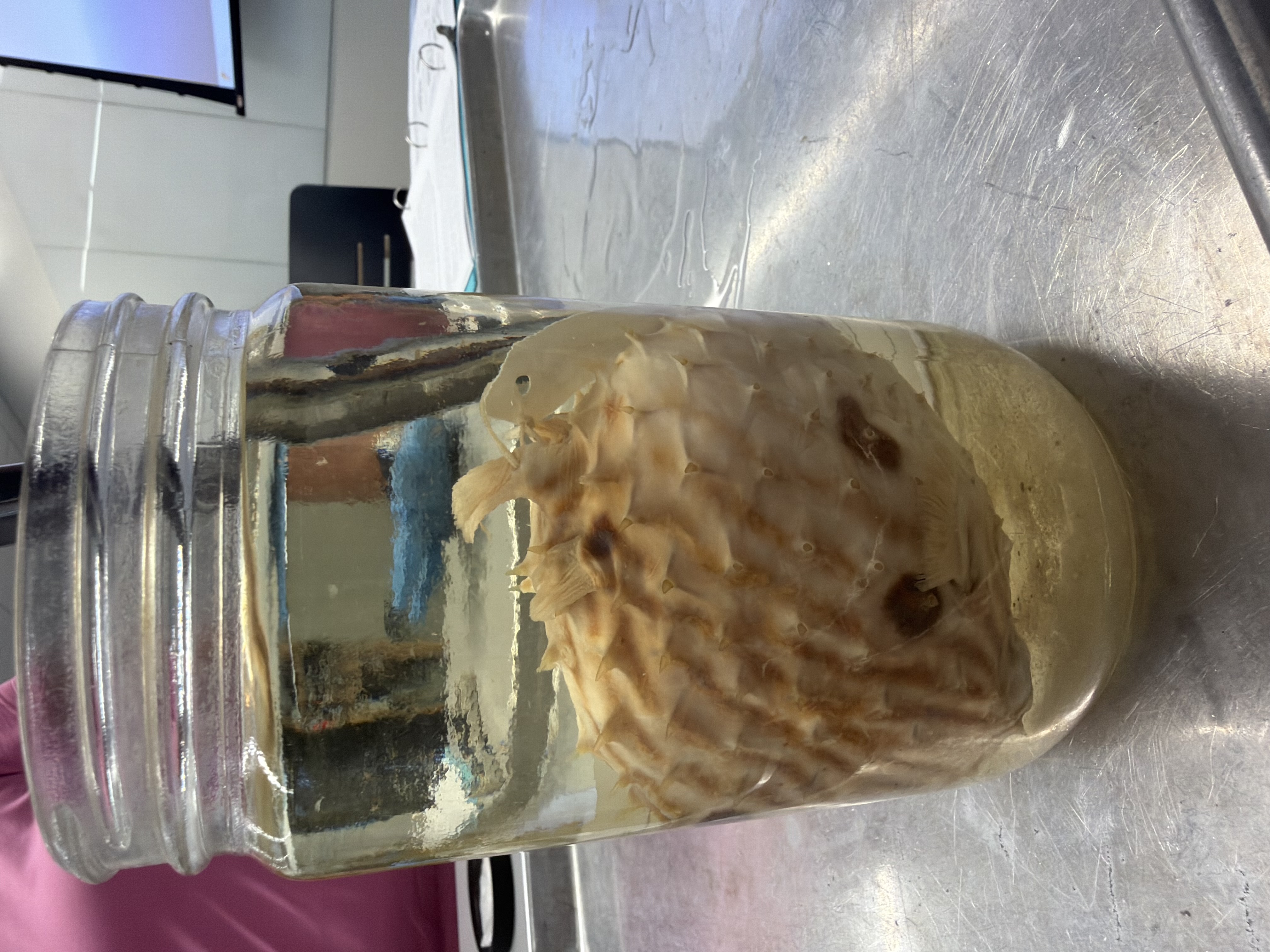
body shape?
Globiform

body shape?
Depressiform

cycloid scales

ctenoid scales

Ganoid Scales

placoid scales

Ganoid Scales

Ctenoid scales

Ctenoid scales

tail shape?
Heterocercal

tail shape?
Abbreviated Heterocercal

tail shape?
Diphycercal

tail shape?
Homocercal Forked

tail shape?
Homocercal Lunate

tail shape?
Homocercal Truncate

tail shape?
Homocercal rounded
physoclistous swim bladder
there is no connection between the esophagus and the swimbladder
Physostomous swim bladder
there is an opening in the dorsal wall of the esophagus that connects
what bones in the pectoral girdle are dermal/ endoskeletal
supracleithrum, cleithrum, posttemporal are dermal bones
scapula, coracoid, mesocoracoid are endoskeletal
characteristics of hagfishes (myxiniformes)
anguilliform body, barbels, 70-200 slime pores,
what bones in the pelvic girdle are dermal/endoskeletal
all bones are endoskeletal there are no dermal bones
characteristics of lampreys (petromyzontiformes)
anguilliform body, mouth sucking disk, 7 pairs of gill openings, well developed eyes
what are some differences of the oral disc in parasitic and non parasitic lampreys
the non parasitic have a hood in place of the oral disc, lack teeth and eyes, the parasitic have well developed eyes, well developed teeth
characteristics of holocephalans
no placoid scales, head clasper, no spiracle
characteristics of elasmobranchs
covered in placoid scales, between 5-7 gill slits, spiracle,
how do you distinguish a galeomorph from a squalomorph
all squalomorph lack an anal fin, galeomorph have anal fins

yellow: stomach
red: gall bladder
blue: pancreas

what region? and name bones?
red: frontal
Green: Basisphenoid
blue: Paraphenoid
orbital region

what region? and name bones?
ethmoid region
green: ethmoid
blue: lateral ethmoid
red: vomer

what region? and name bones?
blue: vomer
red: lateral ethmoid
ethmoid region

what type of girdle?
basipterygium
pelvic girdle

what type of girdle?
blue: posttemporal
red: supracleithrum
green: cliethrum
orange: coracoid
Yellow: pectoral radials
pink: scapula
pectoral girdle

red: parhypural
green: hypurals
orange: epurals
Blue: urostyle

green: dorsal fin Pterygiophores
orange: anal fin pterygiophores
Blue: Caudal centra
Red: Abdominal centra

yellow: upper and lower pharyngeal tooth plate
Blue: gill arches
Red: gill rakers
green: gill filaments
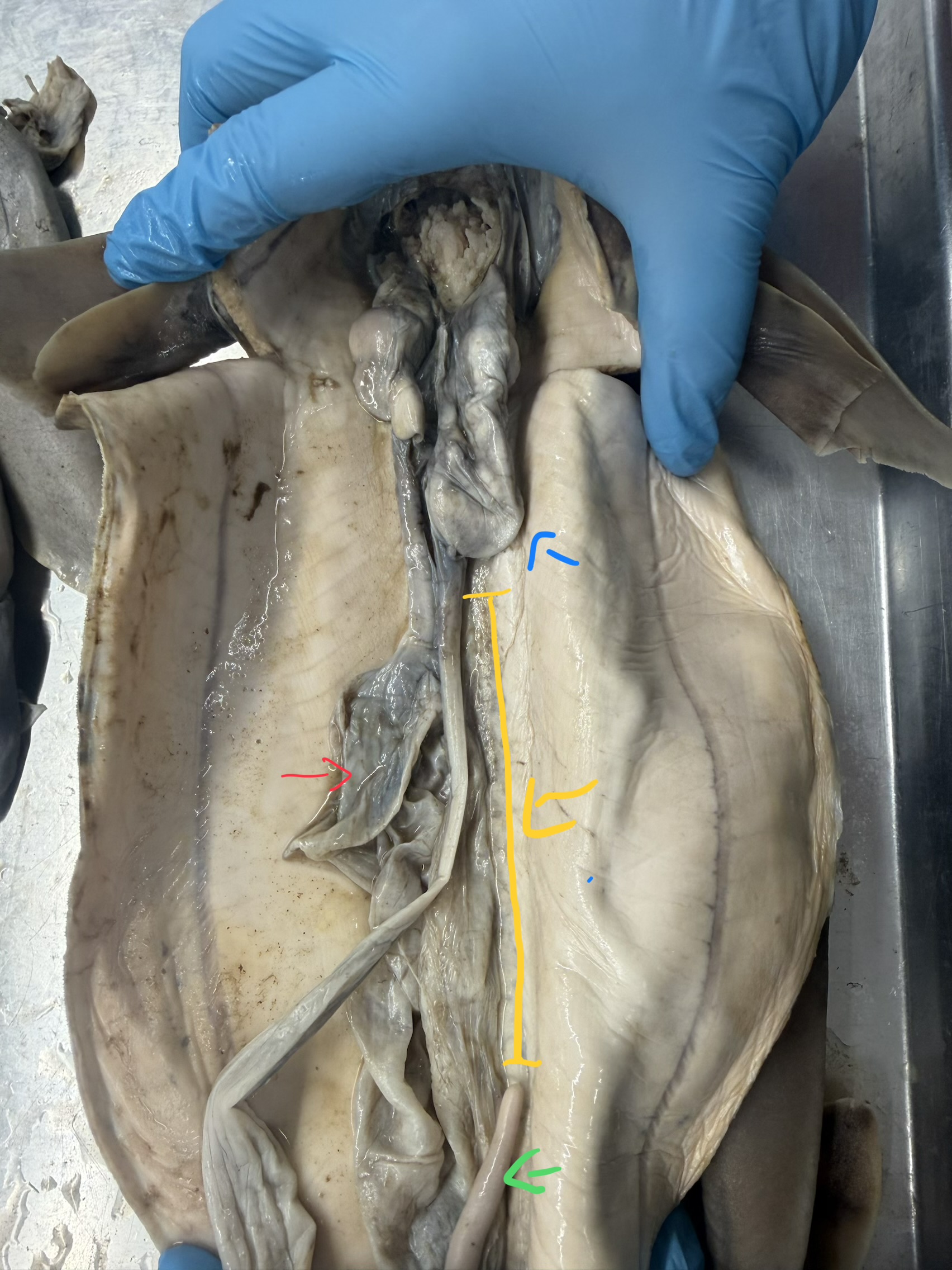
Blue: ovaries
yellow: kidneys
red: uterus
green: rectal gland

yellow: neural spine
Red: neural canal
green: neural arch
Pink: centrum
orange: haemal arch
Purple: haemal spine
Blue: heal canal

Blue: total length
yellow: forked length
red: standard length
green: body depth
purple: head length

procesus ratriformes

green: nasal opening
red: teeth, buccal cavity

blue: buccal opening
red: nasohypophyseal pore

blue: oral opening
yellow: teeth

red: gill pores
yellow: nasohypophyseal pore
blue: well developed eyes

red: barbels
Blue: gill pores

green: cephalic lateral line systems
yellow: head clasper
blue: ampullae of lorenzini
red: operculum

yellow: gallbladder
red: spleen
blue: stomach
green: swim bladder
orange: liver
pink: pyloric caeca
purple: intestines
light blue: hepatopancreas

what region? and bones?
red: supraoccipital
Blue: epioccipital
green: exoccipital
yellow: bassioccipital
occcipital region

what region? and bones?
blue: prootic
red: parietal
yellow: sphenotic
green: pterotic
otic region