CSD 360: Articulators of the Vocal Tract
 Call Kai
 Learn
Learn Practice Test
 Spaced Repetition
 Match
Match Flashcards
 Knowt Play
1/15

There's no tags or description
Looks like no tags are added yet.
Name | Mastery | Learn | Test | Matching | Spaced | Call with Kai | Chat |
|---|
No analytics yet
Send a link to your students to track their progress
16 Terms
articulation
refers to the involvement of a particular anatomical structures to create sounds of speech
mobile articulators
moveable structures that can function as the articulatory valve (ex. lips, tongue, mandible, soft palate)
Immobile articulators
immovable structures at the articulatory valves; typically fixed places of articulation (ex. upper dental arch, alveolar ridge of the upper jaw, hard palate)
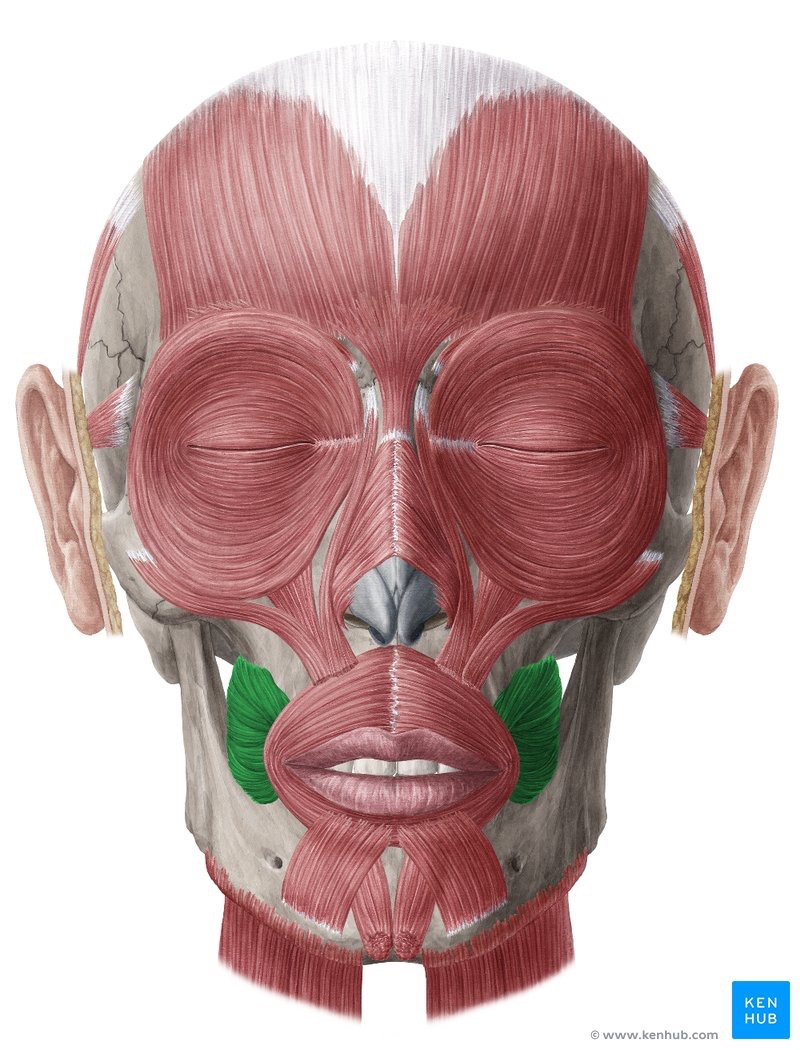
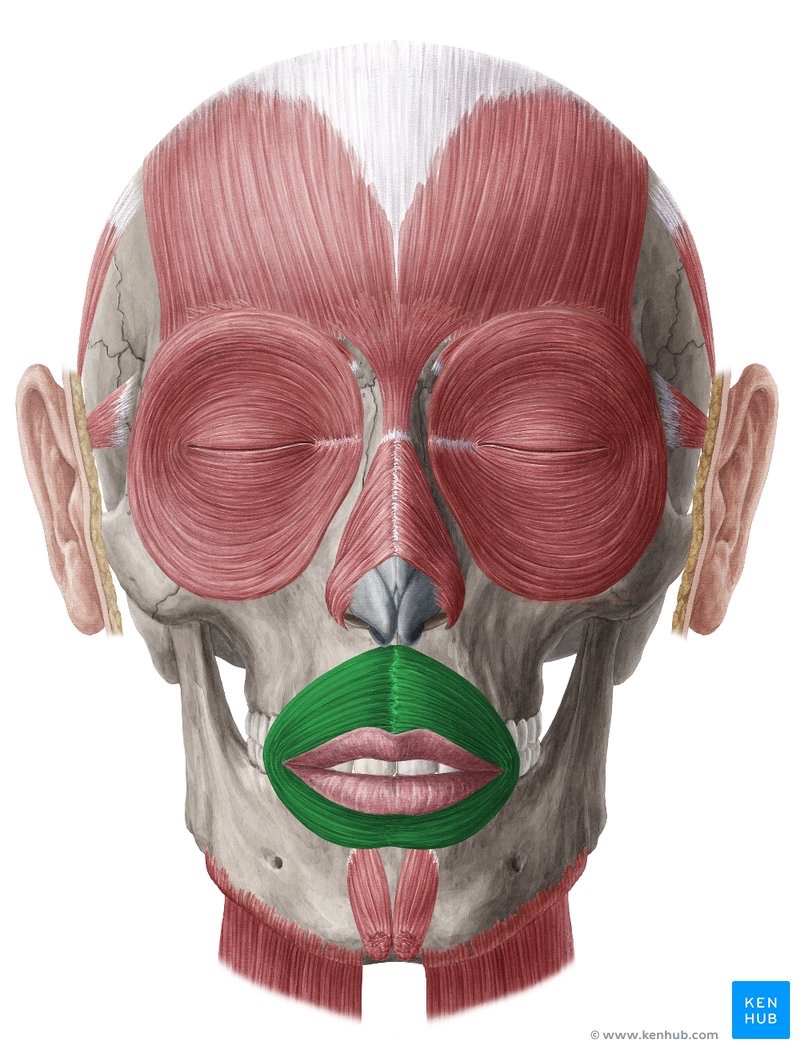
Orbicularis oris, Risorius, and Buccinator
Muscles of the face and mouth
oral, pharyngeal, nasal
Cavities of the face and mouth
pharyngeal cavity
a tube consisting of three sections, the nasopharynx, oropharynx, and laryngopharynx
resonance
refers to the acoustic response of the oral, nasal, and pharyngeal cavity
place, manner, voicing
What do we use to classify speech sounds?
place
refers to location (bilabial, velar)
manner
how the sound is made (stop, fricative)
voicing
whether the vocal folds are vibrating or not (voiced/voiceless)
phonetics
study of speech sounds
International Phonetic Alphabet (IPA)
universal system of symbols used to represent each speech sound
orbicularis oris
rigorous
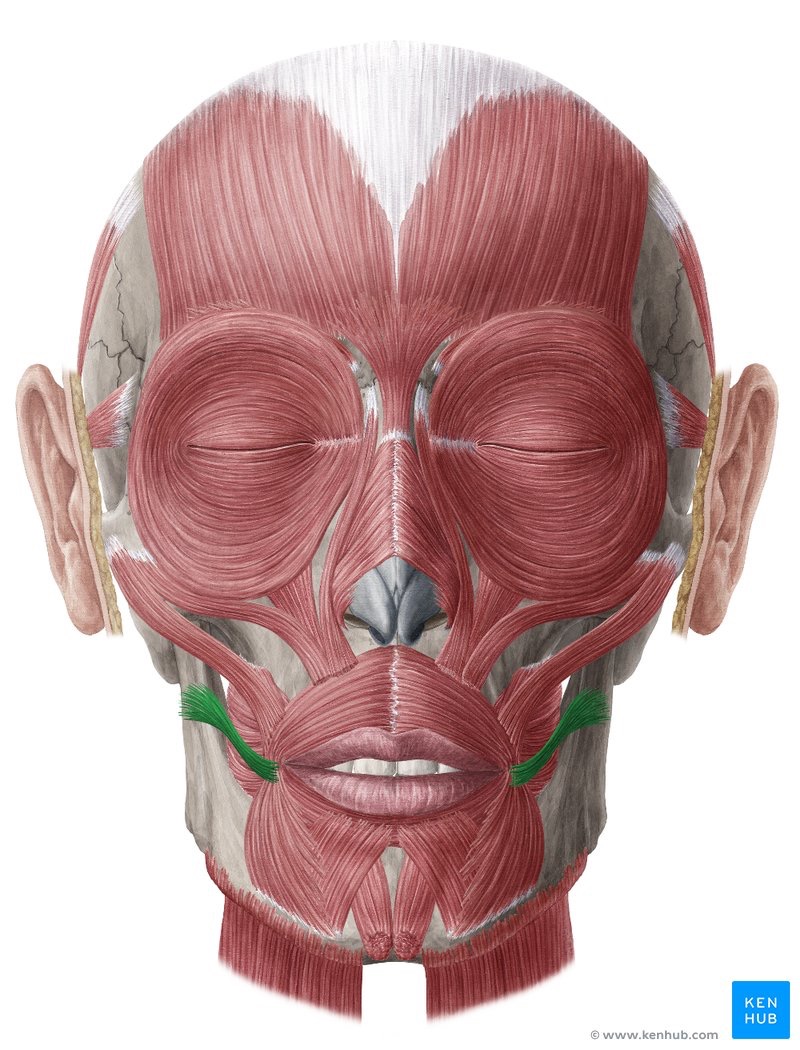
buccinator